
Puntos clave
- Las multas castigan principalmente a las empresas y financian las operaciones del gobierno/regulador, raramente compensando a las víctimas individuales.
- Las órdenes de restitución tienen como objetivo específico devolver los fondos perdidos directamente a individuos identificables que sufrieron daños financieros.
- Los reguladores priorizan la restitución cuando la identificación clara de las víctimas, las pérdidas demostrables y los activos de la empresa lo hacen factible.
- Los esquemas de compensación como el FSCS sirven como último recurso cuando las empresas reguladas se vuelven insolventes, con reglas de elegibilidad específicas.
- La verificación proactiva del estatus regulatorio de una empresa a través de registros oficiales es la defensa más efectiva para el consumidor.
- La recuperación real de fondos a través de la restitución puede ser un proceso largo, a menudo complicado por los límites jurisdiccionales y los desafíos de rastreo de activos.
El Retorno Elusivo: Cuando las Sanciones No Significan Recuperación Personal
Imagine perder una suma significativa, quizás $25,000, a través de un servicio financiero que le engañó o actuó de manera indebida. El instinto natural es buscar justicia, a menudo interpretado como ver a la empresa responsable sancionada y, crucialmente, recuperar su dinero. Sin embargo, el camino desde la acción regulatoria hasta la recuperación financiera personal no siempre es directo, ni está garantizado. Cuando los reguladores anuncian una multa sustancial contra una empresa, el público a menudo asume que estos fondos de alguna manera regresarán a quienes sufrieron pérdidas. Esta suposición, si bien es comprensible, a menudo no se alinea con la realidad de cómo se estructuran y distribuyen las sanciones financieras. La distinción entre una multa regulatoria y una orden de restitución es un punto crítico que muchas personas pasan por alto al presentar una queja.
Por ejemplo, si un regulador como la Financial Conduct Authority (FCA) en el Reino Unido impone una sanción a una empresa, ese dinero típicamente fluye a las arcas públicas o contribuye al presupuesto operativo del regulador. Sirve como disuasión y castigo por mala conducta, con el objetivo de mantener la integridad del mercado. No se destina automáticamente a los individuos que fueron directamente perjudicados por las acciones de la empresa. Esto puede ser una fuente de considerable frustración para aquellos que han perdido sus ahorros, ya que el anuncio público de una gran sanción podría crear falsas esperanzas con respecto a su recuperación personal. Comprender esta diferencia fundamental es el primer paso para establecer expectativas realistas de resarcimiento financiero.
Considere el caso de un cliente minorista que invirtió con una entidad no regulada, creyéndola legítima. Si esa entidad luego enfrenta una acción de cumplimiento, cualquier sanción monetaria impuesta contra ella podría no, por sí misma, resultar en la devolución de los fondos del cliente. El mecanismo para recuperar pérdidas personales requiere una vía legal específica, distinta de las medidas punitivas generales tomadas por los organismos supervisores. Es imperativo que los consumidores comprendan estos mecanismos diferentes si desean buscar efectivamente la recuperación de su capital.
Instrumentos Regulatorios: El Propósito y Destino de las Multas
Una multa regulatoria es una sanción financiera impuesta por una autoridad oficial, como un regulador financiero, a un individuo o entidad por una violación de leyes, normas o reglamentos. Los objetivos principales de tales multas son punitivos y disuasorios. Están diseñadas para castigar la mala conducta, desalentar futuras transgresiones por parte de la parte sancionada y enviar un mensaje claro a otros participantes en el mercado sobre las consecuencias del incumplimiento. A través de acciones de cumplimiento, estas sanciones resaltan el compromiso del regulador con el mantenimiento de la integridad del mercado y la protección de los consumidores.
Cuando se impone una multa, los fondos recaudados se dirigen típicamente al tesoro del gobierno o al presupuesto operativo del organismo regulador que emitió la sanción. Por ejemplo, las multas impuestas por la US Commodity Futures Trading Commission (CFTC) a menudo van al Tesoro de EE. UU., mientras que las de la Australian Securities and Investments Commission (ASIC) suelen fluir a los ingresos consolidados de la Commonwealth. Esto significa que, en la mayoría de los casos, el dinero de una multa no regresa directamente a los individuos que sufrieron pérdidas financieras debido a la mala conducta de la empresa. La multa sirve a un interés público más amplio al financiar actividades regulatorias y reforzar el cumplimiento, en lugar de proporcionar compensación directa a las víctimas.
Un ejemplo podría ser un bróker como XM, regulado por CySEC, siendo multado por controles internos deficientes que llevaron a interrupciones del sistema. Si bien la interrupción podría haber causado pérdidas de trading para algunos clientes, la multa en sí, impuesta por CySEC, probablemente se destinaría a los gastos operativos de CySEC o a los fondos públicos de la República de Chipre. Para que los clientes afectados reciban compensación, generalmente se requeriría un mecanismo separado, como una orden de restitución o una demanda civil. Esta distinción es vital para cualquiera que busque comprender el potencial real de recuperación después de que se haya anunciado una acción de cumplimiento regulatorio.
Instrumentos Regulatorios: Compensación Directa a Través de Órdenes de Restitución
A diferencia de las multas, una orden de restitución es una directriz legal o administrativa que obliga a una parte a restaurar a otra parte algo que ha sido tomado, perdido o dañado. En el contexto de la regulación financiera, la restitución tiene como objetivo específico devolver dinero o propiedades a individuos que han sufrido pérdidas financieras directas como resultado de la conducta ilícita o poco ética de una empresa. El propósito central de la restitución es compensatorio: hacer que la parte perjudicada recupere su estado original, en la medida de lo posible, exigiendo a la parte infractora que entregue las ganancias ilícitas o reembolse los daños cuantificables.
Cuando un regulador emite una orden de restitución, los fondos se designan específicamente para su distribución a víctimas identificables. Este proceso típicamente implica que el regulador identifique a los clientes afectados, calcule sus pérdidas individuales y supervise la distribución de fondos de la empresa en cuestión. Por ejemplo, si un bróker como AvaTrade, regulado por el Banco Central de Irlanda, fuera encontrado culpable de cobrar tarifas excesivas de manera sistemática, una orden de restitución obligaría a la empresa a devolver las tarifas excedentes cobradas directamente a los clientes que las pagaron. Este mecanismo proporciona una vía clara y legalmente obligatoria para que los individuos recuperen su capital perdido.
La efectividad de una orden de restitución depende de varios factores, incluyendo la capacidad de identificar con precisión a las víctimas, cuantificar sus pérdidas y la solvencia financiera de la empresa obligada a pagar. A diferencia de las multas, que pueden imponerse incluso si una empresa tiene activos limitados, las órdenes de restitución requieren que la empresa posea el capital necesario para cumplir con la obligación. Esto convierte a la restitución en un método más directo y a menudo preferido para las víctimas que buscan recuperar sus pérdidas financieras específicas, ya que evita la ruta de financiación pública y se dirige directamente al resarcimiento individual.
Los Caminos Divergentes de las Sanciones y Pagos para Clientes Afectados
La diferencia fundamental entre una multa y una orden de restitución radica en su beneficiario final. Una multa prioriza el bien público al castigar la mala conducta y disuadir futuras violaciones, con la sanción financiera acumulándose en un tesoro gubernamental o un organismo regulador. En contraste, una orden de restitución prioriza el bien privado, con el objetivo de restaurar pérdidas financieras específicas a individuos o grupos nombrados directamente perjudicados por la mala conducta. Desde la perspectiva de un individuo que ha perdido dinero, una orden de restitución es inequívocamente el resultado más efectivo y relevante.
Considere un escenario donde una empresa, quizás FxPro, es encontrada culpable de haber manipulado los precios de trading, causando pérdidas a sus clientes. Si la FCA simplemente impone una multa a FxPro por abuso de mercado, esa multa aborda el incumplimiento de los principios regulatorios y castiga a la empresa, pero no devuelve automáticamente ni un solo céntimo a los clientes que perdieron dinero debido a la manipulación de precios. Los clientes aún necesitarían buscar vías separadas para la recuperación. Sin embargo, si la FCA emite una orden de restitución junto con o en lugar de una multa, obligaría a FxPro a compensar directamente a los clientes por sus pérdidas de trading demostrables.
Esta distinción significa que, si bien ambas acciones significan un hallazgo regulatorio de irregularidad, solo la restitución aborda directamente el daño financiero sufrido por un individuo. Si bien una multa sustancial podría acaparar titulares y señalar una aplicación efectiva de la ley, ofrece poco consuelo a un cliente cuya cuenta de trading sigue en déficit. Por lo tanto, al evaluar los resultados regulatorios, los individuos que buscan recuperación siempre deben buscar una mención explícita de restitución o esquemas de compensación en lugar de centrarse únicamente en la magnitud de las multas impuestas. La capacidad de un regulador para ordenar la restitución refleja un compromiso más fuerte con el resarcimiento directo al consumidor en esa instancia específica.
Si bien una multa sustancial podría acaparar titulares y señalar una aplicación efectiva de la ley, ofrece poco consuelo a un cliente cuya cuenta de trading sigue en déficit.
Owen Blake
Factores que Influyen en las Decisiones de Restitución y Elegibilidad
Los organismos reguladores no emiten órdenes de restitución de forma indiscriminada; varios factores clave influyen en su decisión de buscar esta forma de resarcimiento. El principal de ellos es la capacidad de identificar a individuos específicos que han sufrido pérdidas financieras cuantificables directamente atribuibles a la mala conducta de la empresa. Si las víctimas son numerosas pero imposibles de identificar individualmente, o si sus pérdidas no pueden calcularse con precisión debido a una mala contabilidad o la naturaleza de la mala conducta, la restitución se vuelve significativamente más difícil de implementar.
Otro factor crítico es la salud financiera y la base de activos de la empresa infractora. Una orden de restitución solo tiene sentido si la empresa posee activos suficientes para satisfacer las reclamaciones de compensación. Si una empresa es insolvente o tiene fondos muy limitados, un regulador podría emitir una orden de restitución simbólica, pero la recuperación práctica para las víctimas sería mínima o imposible. Esta es la parte que la mayoría de las guías omiten: una orden de restitución no es una varita mágica; requiere activos tangibles que la respalden. Los reguladores evaluarán el balance de la empresa, sus activos líquidos y cualquier otro recurso que pueda liquidarse para financiar los pagos a las víctimas.
La claridad y la capacidad de prueba de la mala conducta de la empresa juegan un papel sustancial. La restitución es a menudo más fácil de ordenar y ejecutar cuando la mala conducta implica infracciones claras como el trading no autorizado, tarifas excesivas o la tergiversación de características específicas del producto, donde el vínculo causal entre la acción de la empresa y la pérdida del cliente es directo y evidente. Los casos que involucran movimientos complejos del mercado o resultados de inversión especulativa, donde la pérdida individual es más difícil de aislar del riesgo de mercado general, presentan mayores obstáculos para la restitución directa. Los reguladores sopesan estos elementos cuidadosamente para determinar la viabilidad y la equidad de una directriz de restitución.
Estudio de Caso: Cálculo de una Reclamación de Restitución Hipotética
Para ilustrar cómo podría calcularse la restitución, consideremos una situación hipotética que involucra a un bróker regulado, 'TradeFast Financial', supervisado por ASIC. Supongamos que se descubrió que TradeFast Financial aplicó sistemáticamente una comisión no revelada del 0.5% en todas las operaciones ejecutadas para sus clientes minoristas durante un período de dos años, desde el 1 de enero de 2022 hasta el 31 de diciembre de 2023. Esta comisión estaba más allá del cuadro de tarifas publicado, lo que la convertía en un cargo no autorizado.
El regulador, ASIC, tras su investigación, emite una orden de restitución. Para determinar el monto adeudado a cada cliente, ASIC requeriría que TradeFast Financial proporcionara registros detallados de operaciones para todas las cuentas minoristas afectadas durante el período especificado. Para cada cliente, el monto de la restitución se calcularía sumando el valor total de las operaciones ejecutadas y luego aplicando la tasa de comisión no revelada. Por ejemplo, si una cliente, la Sra. Chen, ejecutó operaciones por un total de $1,000,000 durante esos dos años, su restitución sería de $1,000,000 * 0.005 = $5,000.
Este cálculo se aplicaría a cada cliente afectado. Si 5,000 clientes se vieron afectados y el valor total promedio de las operaciones fue de $500,000 por cliente durante el período, el monto total de la restitución podría ser significativo: 5,000 clientes * ($500,000 * 0.005) = 5,000 * $2,500 = $12,500,000. Un cálculo tan detallado, cuenta por cuenta, constituye la base de un pago de restitución, asegurando que cada individuo afectado reciba una suma proporcional a su pérdida específica y demostrable. Este proceso enfatiza la precisión y los datos verificables para garantizar una distribución equitativa entre las víctimas. Esta sección demuestra la aritmética directa involucrada en la compensación a las víctimas.
Cálculo Hipotético de Restitución por Comisión No Revelada
| ID de Cliente | Valor Total de Operaciones (Ene 2022-Dic 2023) | Tasa de Comisión No Revelada | Monto de Restitución Calculado |
|---|---|---|---|
| CL001 | $1,200,000 | 0.5% | $6,000 |
| CL002 | $750,000 | 0.5% | $3,750 |
| CL003 | $2,100,000 | 0.5% | $10,500 |
| CL004 | $480,000 | 0.5% | $2,400 |
| CL005 | $900,000 | 0.5% | $4,500 |
Esquemas de Compensación como Red de Seguridad ante Quiebras de Empresas
Incluso con órdenes de restitución, hay situaciones en las que una empresa puede volverse insolvente, lo que la deja incapaz de cumplir con sus obligaciones. Aquí es donde los esquemas de compensación para inversores proporcionan una red de seguridad crucial. Estos esquemas están diseñados para proteger a los clientes cuando una empresa de servicios financieros regulada quiebra y no puede devolver los activos o el dinero de los clientes. Un ejemplo destacado es el Financial Services Compensation Scheme (FSCS) en el Reino Unido.
El FSCS proporciona compensación a clientes elegibles de empresas de servicios financieros autorizadas que han cesado su actividad. Cubre diversos productos financieros, incluyendo inversiones, depósitos y seguros. Para reclamaciones de inversión, el FSCS puede pagar una compensación de hasta £85,000 por persona, por empresa. Esta cobertura no es ilimitada; tiene un tope en cantidades específicas para garantizar la sostenibilidad del esquema, al tiempo que ofrece una protección sustancial para los inversores minoristas típicos. El FSCS no paga por un rendimiento de inversión deficiente o fluctuaciones del mercado, sino específicamente por pérdidas derivadas de la quiebra o el incumplimiento de una empresa.
Es crucial entender que los esquemas de compensación como el FSCS operan bajo estrictos criterios de elegibilidad. Solo los clientes de empresas autorizadas y reguladas por la autoridad pertinente (por ejemplo, FCA para el FSCS) están cubiertos. Si usted opera con una entidad no regulada, no tendrá acceso a estas protecciones, independientemente de las pérdidas sufridas. Por lo tanto, verificar el estatus regulatorio de una empresa antes de invertir es una defensa principal contra posibles pérdidas que ningún esquema de compensación cubrirá. Este es un mecanismo de último recurso, distinto de la restitución de una empresa solvente y operativa, pero una parte vital de la infraestructura global de protección al inversor.
Verificación de la Legitimidad: Su Primera Línea de Defensa Contra Empresas No Licenciadas
La medida más efectiva que un individuo puede tomar para proteger su capital es verificar la legitimidad y el estatus regulatorio de cualquier empresa de servicios financieros antes de operar. Muchas operaciones ilícitas imitan deliberadamente a empresas legítimas, utilizando nombres, logotipos e incluso números de licencia falsificados. Depender únicamente de la afirmación de una empresa en su sitio web es insuficiente. En cambio, la verificación directa a través de los registros regulatorios oficiales es esencial. Estos registros son bases de datos de acceso público mantenidas por las autoridades financieras nacionales, que listan todas las entidades autorizadas y sus permisos específicos.
Por ejemplo, en el Reino Unido, el Registro de Servicios Financieros de la FCA permite a los usuarios verificar si una empresa o un individuo está autorizado. De manera similar, en Australia, los Registros Profesionales de ASIC proporcionan detalles sobre las entidades licenciadas. Estados Unidos cuenta con la Lista de Registro Deficiente (RED) de la CFTC y el sistema NFA BASIC para verificar a los profesionales de futuros de materias primas. Estas herramientas ofrecen información concreta y verificable. Si una empresa afirma estar regulada por la FCA, su entrada debería aparecer en el registro de la FCA con detalles coincidentes. Cualquier discrepancia, como una dirección diferente, número de registro de la empresa o la ausencia total de su registro, debería ser un motivo de preocupación significativo. Vale la pena verificar dos veces detalles como el nombre de la empresa, el número de registro y las actividades permitidas para asegurar que se alinean perfectamente con la información proporcionada por la empresa.
Este paso simple y proactivo puede prevenir pérdidas financieras significativas. Las empresas no licenciadas operan fuera de los marcos legales, lo que significa que si surgen problemas, los clientes tienen muy pocas vías de recurso, ya que ni las órdenes de restitución ni los esquemas de compensación suelen aplicarse. Tomarse el tiempo para cotejar las afirmaciones de una empresa con los datos regulatorios oficiales es una pequeña inversión de tiempo que ofrece una protección inmensa para su capital. En la práctica, la mesa le pedirá dos veces que verifique su identidad; usted debería ser igualmente diligente al verificar la suya.
Registros Regulatorios Oficiales para la Verificación de Empresas
| País/Región | Regulador | URL del Registro de Verificación |
|---|---|---|
| Reino Unido | Autoridad de Conducta Financiera (FCA) | https://register.fca.org.uk/ |
| Australia | Comisión Australiana de Valores e Inversiones (ASIC) | https://asic.gov.au/online-services/search-asics-registers/ |
| Estados Unidos | Comisión de Negociación de Futuros de Materias Primas (CFTC) | https://www.cftc.gov/check |
| Estados Unidos | Asociación Nacional de Futuros (NFA) | https://www.nfa.futures.org/basicnet/ |
| Chipre | Comisión de Valores y Bolsa de Chipre (CySEC) | https://www.cysec.gov.cy/en-GB/entities/investment-firms/cypriot/ |
La realidad de la recuperación: obstáculos y plazos prolongados
Incluso cuando se emite una orden de restitución, el proceso real de recuperación de fondos puede ser prolongado y complejo. El primer obstáculo suele ser el rastreo de activos, especialmente si la empresa infractora ha intentado ocultar o disipar sus bienes. Esto puede ser particularmente desafiante en casos internacionales donde los fondos pueden haberse movido a través de múltiples jurisdicciones, cada una con diferentes sistemas legales y protocolos de cooperación. Un regulador en un país puede tener jurisdicción sobre una entidad local, pero su alcance podría no extenderse a los activos en poder de una entidad asociada, pero registrada por separado, en otra nación. Esta es una táctica común empleada por operadores menos escrupulosos para frustrar los esfuerzos de recuperación.
El plazo para recibir los fondos puede extenderse significativamente. Las investigaciones que conducen a una orden de restitución pueden tardar meses, a veces años, en concluir. Una vez que la orden está en vigor, la logística de distribuir los fondos a un número potencialmente grande de víctimas, especialmente si están dispersas geográficamente, añade más retrasos. Esto a menudo implica establecer procesos de reclamación, verificar las reclamaciones individuales y gestionar los pagos, todo lo cual requiere esfuerzo administrativo y tiempo. No es raro que las víctimas esperen varios años desde la mala conducta inicial para recibir cualquier compensación, incluso después de un fallo favorable.
Finalmente, la cantidad recuperada podría no siempre equivaler a la pérdida inicial total. Los honorarios legales y administrativos asociados con el proceso de recuperación, o los activos limitados de la empresa, pueden significar que las víctimas reciban solo un retorno parcial de su capital. Si bien cualquier recuperación es ciertamente beneficiosa, los individuos deben gestionar sus expectativas con respecto a la velocidad y la integridad de cualquier restitución. Este plazo extendido y el potencial de recuperación parcial resaltan la importancia de la vigilancia proactiva, ya que prevenir una pérdida es generalmente más sencillo que recuperarla.
Fomentando su vigilancia financiera: medidas proactivas para la protección
Dadas las complejidades y las limitaciones potenciales de los mecanismos de recuperación de fondos, la estrategia más efectiva para cualquier individuo es la vigilancia financiera proactiva. Esto comienza con una diligencia debida rigurosa sobre cualquier proveedor de servicios financieros antes de transferir fondos o comprometerse con una inversión. Utilice siempre los registros de verificación oficiales proporcionados por los reguladores nacionales, como los enumerados por la FCA, ASIC o CFTC, para confirmar la autorización de una empresa y el alcance de sus actividades licenciadas. No confíe en enlaces de correo electrónico o afirmaciones de sitios web directamente de la propia empresa; navegue de forma independiente al sitio oficial del regulador.
Más allá de la verificación inicial, mantenga un escepticismo saludable hacia las ofertas de inversión no solicitadas, especialmente aquellas que prometen rendimientos inusualmente altos con poco o ningún riesgo. Tales ofertas son una táctica común de las operaciones no autorizadas. Mantenga registros detallados de todas las comunicaciones, transacciones y acuerdos con los proveedores de servicios financieros. Si surge una disputa, la documentación detallada fortalece cualquier queja o reclamación que pueda necesitar presentar ante un regulador o un esquema de compensación.
Si sospecha de mala conducta o ha sufrido una pérdida, repórtelo de inmediato a las autoridades pertinentes. En el Reino Unido, Action Fraud actúa como centro nacional de denuncias. En EE. UU., la FTC proporciona un portal de denuncia de fraude, y el Internet Crime Complaint Center (IC3) del FBI recopila información sobre delitos financieros habilitados por ciberseguridad. Si bien estos informes no garantizan la restitución, son cruciales para iniciar investigaciones y posibles acciones de cumplimiento que podrían conducir a órdenes de restitución para los individuos afectados. Su vigilancia y acción rápida contribuyen significativamente a la protección general del consumidor y ayudan a los reguladores a identificar y abordar actividades ilícitas.
La página que verificamos
Esta es la página propia de la autoridad, capturada tal como la encontramos. Ábrala y realice la misma búsqueda usted mismo — nada en este registro reemplaza la fuente.
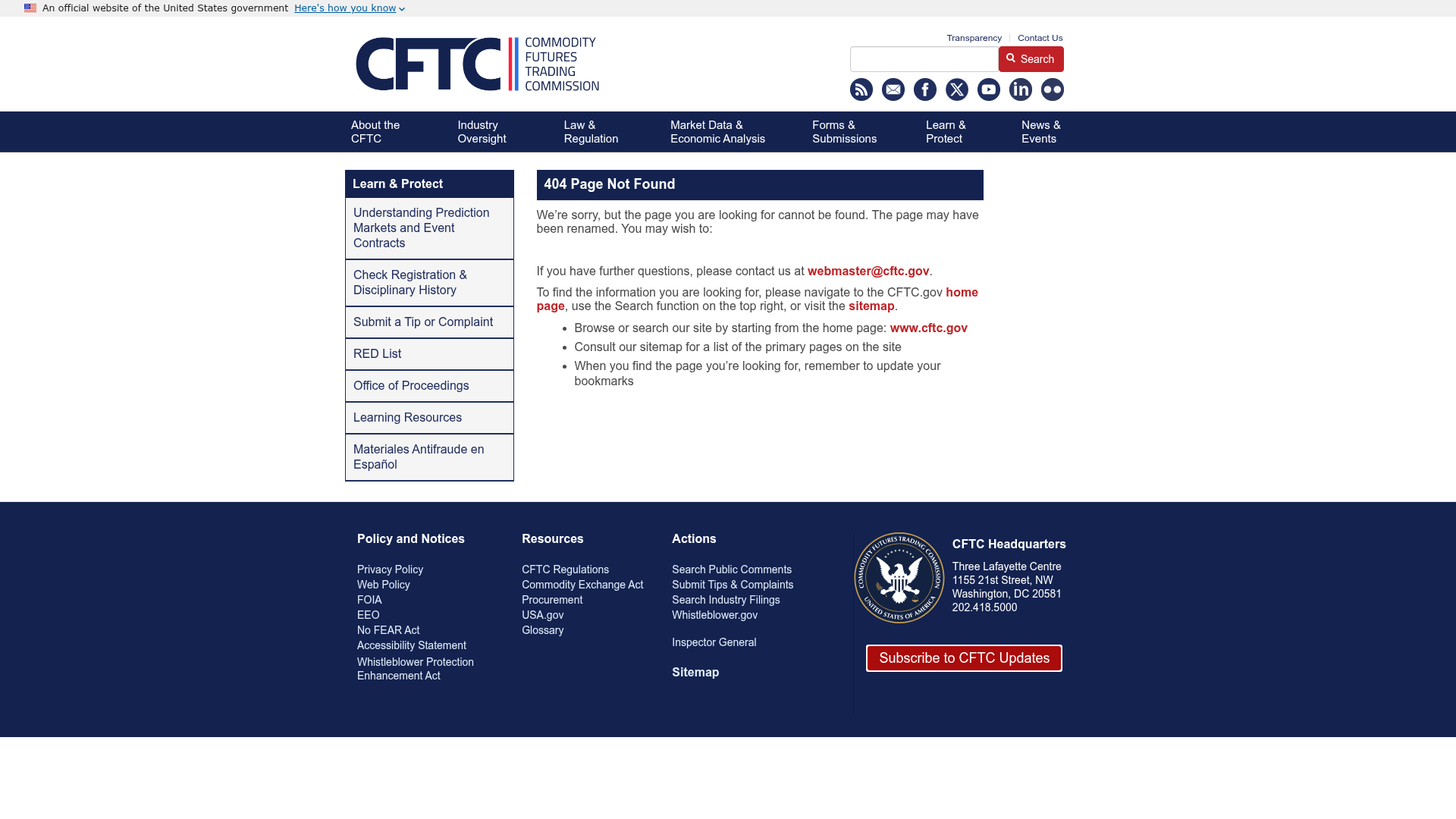
Otros registros utilizados en verificaciones de este tipo. Cada uno abre la página propia de la autoridad.
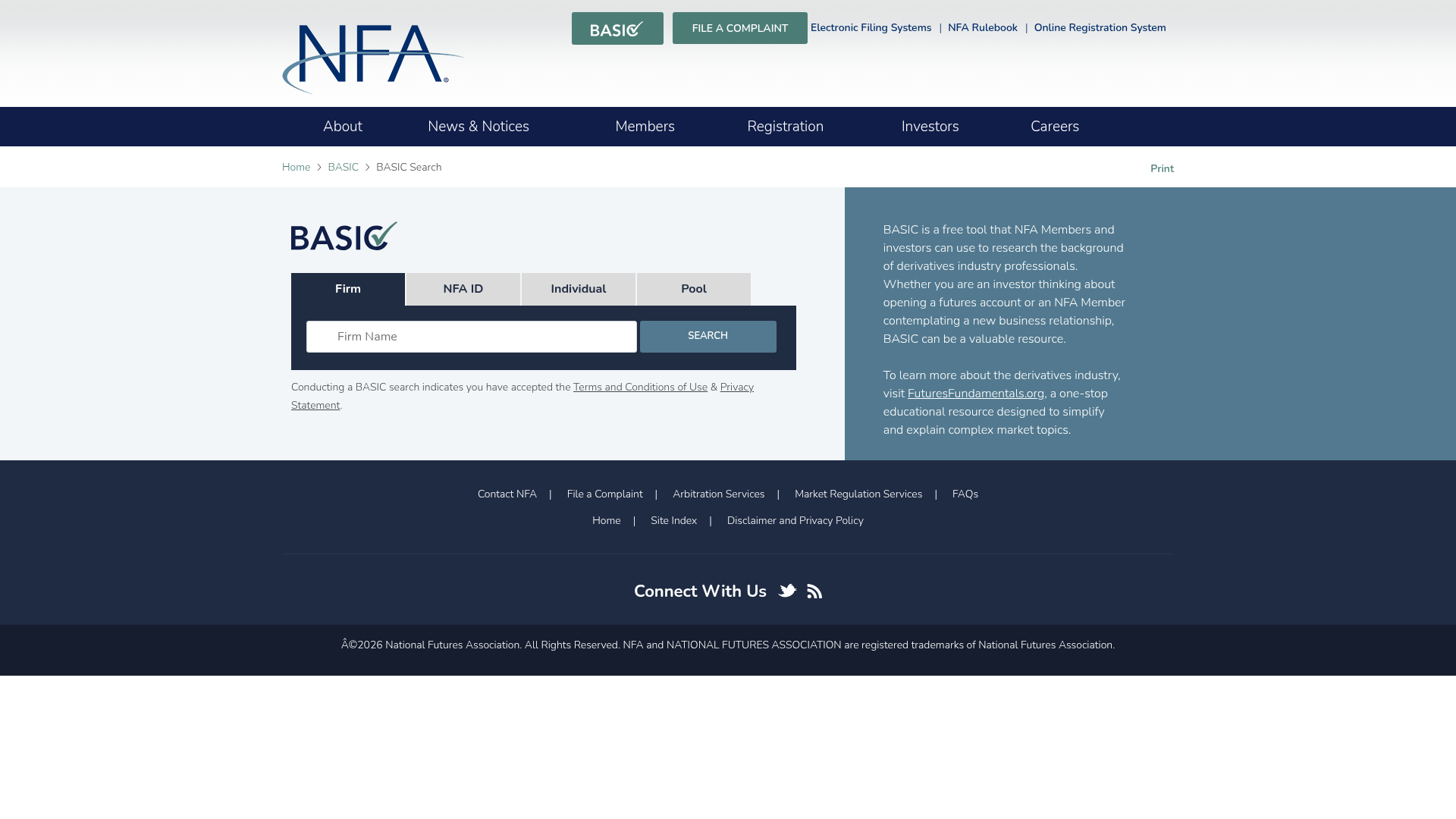
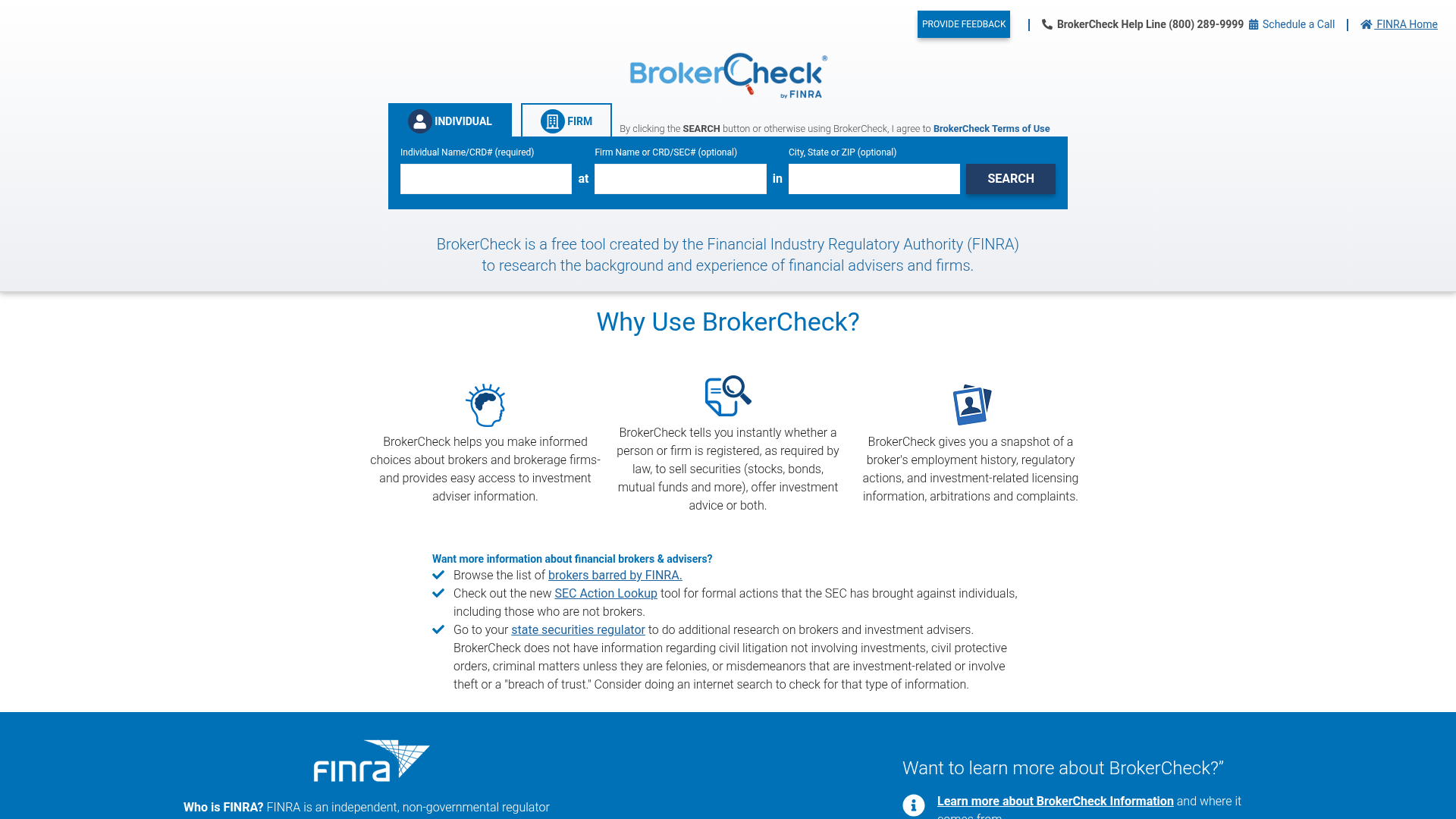
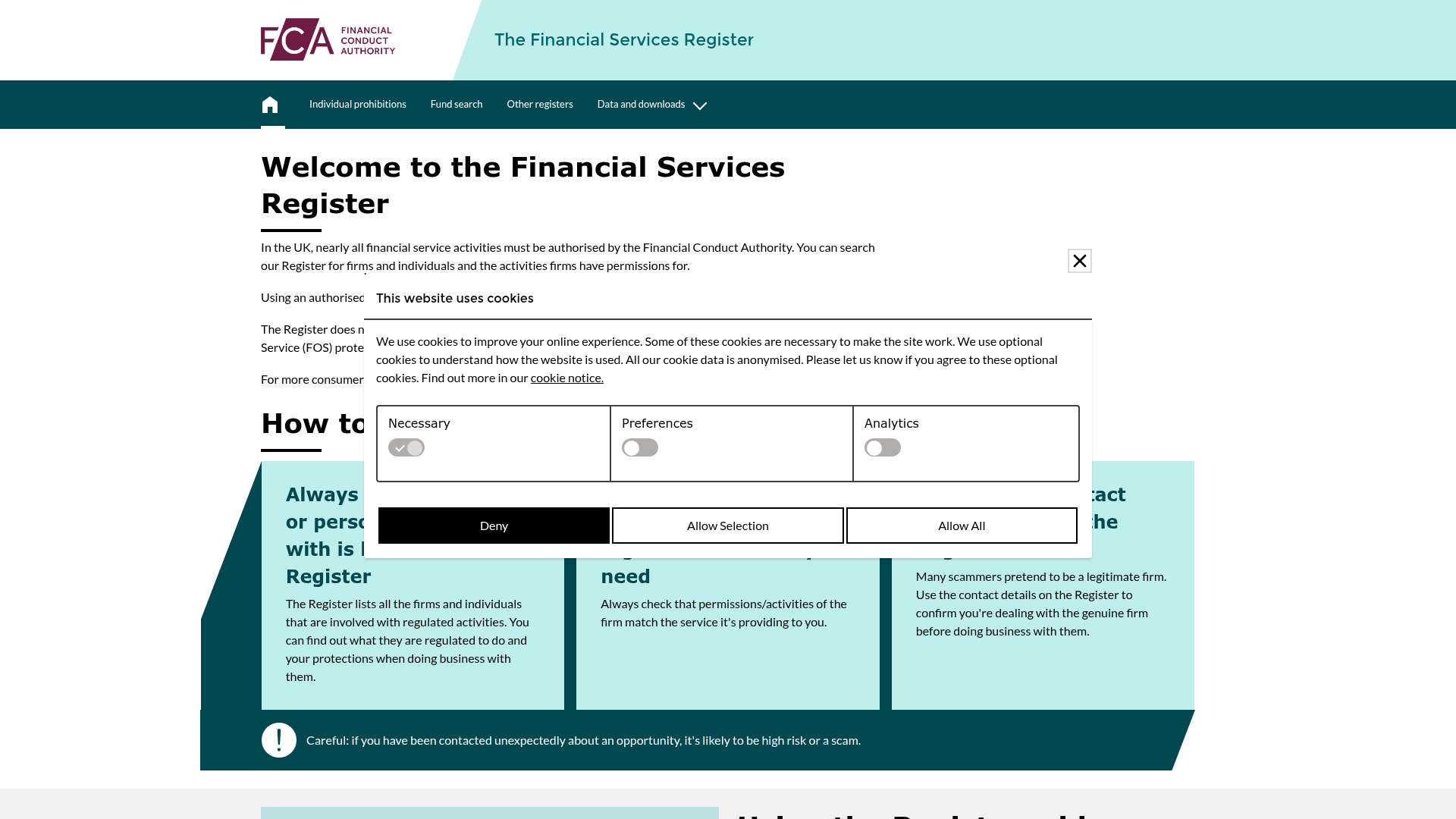
Fuentes primarias
Cada afirmación anterior puede verificarse en la propia página de la autoridad. Se abren en el sitio del regulador, no en el nuestro.
- Financial Conduct Authority — Financial Services Registerregister.fca.org.ukhttps://register.fca.org.uk/
- ASIC — Professional registersasic.gov.auhttps://asic.gov.au/online-services/search-asics-registers/
- CFTC — Customer advisories on fraudcftc.govhttps://www.cftc.gov/LearnAndProtect/AdvisoriesAndArticles/index.htm
- Financial Services Compensation Scheme (FSCS)fscs.org.ukhttps://www.fscs.org.uk/what-we-cover/investments/
- Action Fraud (UK) — reportingactionfraud.police.ukhttps://www.actionfraud.police.uk/
- FTC — Report fraudreportfraud.ftc.govhttps://reportfraud.ftc.gov/
Preguntas frecuentes
¿Cuál es la principal diferencia entre una multa y una orden de restitución?
Una multa es una medida punitiva donde el dinero se destina al gobierno o al regulador, castigando la mala conducta y disuadiendo futuras violaciones. Una orden de restitución es compensatoria, específicamente exigiendo que el dinero sea devuelto directamente a los individuos que sufrieron pérdidas financieras debido a las acciones de la empresa.
Si un bróker es multado, ¿recuperaré mi dinero?
No directamente. Una multa rara vez resulta en una compensación directa a las víctimas individuales. Para que su dinero sea devuelto, normalmente se requeriría una orden de restitución separada o un pago de un esquema de compensación.
¿Cómo puedo verificar si una empresa financiera es legítima y está regulada?
Siempre debe consultar los registros oficiales en línea del regulador financiero pertinente en el país donde la empresa afirma estar regulada. Ejemplos incluyen el Financial Services Register de la FCA (Reino Unido), los Professional Registers de ASIC (Australia), o las bases de datos de la CFTC/NFA (EE. UU.).
¿Qué sucede si una empresa no regulada toma mi dinero?
Si pierde dinero con una empresa no regulada, sus vías de recuperación son extremadamente limitadas. Las órdenes de restitución regulatorias y los esquemas de compensación para inversores generalmente no se aplican a entidades no reguladas, dejando a las víctimas con pocas opciones de reparación.
¿Cuánto tiempo se tarda en recuperar fondos a través de una orden de restitución?
El proceso de recuperación puede ser prolongado, a menudo tomando meses o incluso años. Esto se debe al tiempo requerido para investigaciones, procedimientos legales, rastreo de activos y las tareas administrativas de distribuir fondos a múltiples víctimas.
¿Existen límites en cuanto a la cantidad de dinero que pagará un esquema de compensación?
Sí, los esquemas de compensación para inversores, como el FSCS del Reino Unido, suelen tener límites de compensación por persona, por empresa y para tipos de productos específicos. Por ejemplo, el FSCS cubre reclamaciones de inversión hasta £85,000 por persona elegible.