
Puntos clave
- La revocación significa la eliminación forzosa de una licencia por parte de un organismo regulador debido a infracciones graves, a menudo indicando fallos sistémicos o daño directo al cliente.
- La entrega voluntaria puede surgir de una reestructuración empresarial legítima, pero también puede ser una maniobra estratégica para evitar hallazgos públicos de culpa o sanciones más estrictas.
- Los registros regulatorios oficiales, como los mantenidos por la FCA, ASIC y CySEC, sirven como el registro público definitivo del estado de licencia actual y pasado de una firma.
- La existencia de esquemas de compensación al cliente, como el FSCS del Reino Unido, generalmente depende de que la firma posea una licencia válida en el momento de su incumplimiento, independientemente de cómo se haya retirado finalmente esa licencia.
- Los inversores deben verificar el historial de licencias y el estado operativo actual de una firma directamente con la autoridad reguladora pertinente antes de comprometer capital.
El Acto de Desaparición: Entendiendo los Cambios en el Estado de los Brókeres
Cuando una firma de servicios financieros, particularmente un bróker, cesa sus operaciones reguladas, la forma de su salida tiene un peso significativo para sus clientes pasados y presentes. No se trata simplemente de que una firma deje de operar; la acción administrativa específica tomada por un regulador puede contar una historia de mala conducta grave, realineación estratégica o incluso una medida preventiva para evitar sanciones más severas. Esta distinción, a menudo pasada por alto, impacta directamente en cómo los inversores pueden evaluar el riesgo, buscar reparación o incluso recuperar fondos. Por ejemplo, si un bróker como Pepperstone, regulado por la FCA, ASIC, CySEC y otros, cesara sus operaciones, el camino específico que tome, o se vea obligado a tomar, importa inmensamente. ¿Fue una decisión empresarial planificada o una reacción a una presión regulatoria significativa? La respuesta afecta profundamente la seguridad de los activos de los clientes y el potencial de compensación. La trayectoria de una firma desde la regulación activa hasta el cese típicamente sigue una de dos rutas principales: o una entrega voluntaria de su licencia operativa o una revocación forzada por la autoridad reguladora gobernante. Estos no son términos intercambiables. Uno implica una medida de control por parte de la firma, mientras que el otro representa una intervención decisiva por parte de un organismo de supervisión. Los inversores deben comprender los matices. Una entrega voluntaria podría ser una decisión empresarial estratégica, como una fusión, una adquisición o una salida deliberada de un mercado particular. Una revocación es casi siempre una medida punitiva, impuesta después de un hallazgo de mala conducta grave, fallos sistémicos o una incapacidad constante para cumplir con las obligaciones regulatorias. La diferencia es tan marcada como una jubilación planificada versus ser despedido de un empleo. La consecuencia inmediata para los clientes a menudo gira en torno a la seguridad de sus fondos depositados y su capacidad para continuar operando o retirar capital. En ambos escenarios, se espera que las firmas reguladas se adhieran a procedimientos específicos para la protección de los activos del cliente, típicamente involucrando cuentas de clientes segregadas. Sin embargo, el contexto del cambio de licencia puede influir en la velocidad y transparencia de estos procesos. Una entrega voluntaria, si está bien gestionada, debería permitir un cierre ordenado, dando a los clientes un aviso amplio e instrucciones claras para el cierre de la cuenta y la retirada de fondos. Una revocación, especialmente una urgente, puede llevar a una situación más caótica, con los reguladores potencialmente interviniendo para gestionar los asuntos de la firma y asegurar la protección del cliente, a veces a través de la administración o liquidación.
Revocación: La Sanción Definitiva del Regulador
La revocación de licencia representa la acción disciplinaria más severa que un regulador financiero puede imponer a una entidad regulada. No se lleva a cabo a la ligera. Un regulador como la FCA en el Reino Unido, ASIC en Australia o CySEC en Chipre iniciará procedimientos de revocación solo después de que una firma haya demostrado incumplimientos persistentes o flagrantes de sus obligaciones regulatorias, a menudo involucrando mala conducta financiera, capital inadecuado o fallos sistémicos en la protección de los intereses del cliente. Esta acción envía un mensaje inequívoco al mercado: la firma en cuestión ya no se considera apta o adecuada para llevar a cabo servicios financieros regulados. Por ejemplo, si una firma como XM, regulada por CySEC y ASIC, fuera encontrada manipulando precios de trading o no segregando los fondos de los clientes, la revocación sería un resultado probable después del debido proceso. El proceso que conduce a la revocación típicamente implica una investigación exhaustiva, cargos formales, una oportunidad para que la firma responda y, potencialmente, audiencias. Este procedimiento riguroso asegura que la decisión sea sólida y defendible contra un desafío legal. Los motivos de revocación pueden incluir violaciones repetidas de los protocolos contra el lavado de dinero (AML), deficiencias significativas de capital que hacen que la firma sea inestable, tergiversación deliberada a los clientes o un incumplimiento constante de las normas de protección de activos del cliente. El objetivo del regulador no es solo el castigo, sino proteger al público de daños mayores y mantener la integridad del sistema financiero. Esta es la parte que la mayoría de las guías omiten: la profundidad de la investigación y los procedimientos legales involucrados, que pueden extenderse durante meses o incluso años antes de que se emita una orden de revocación final. Una vez que se revoca una licencia, la firma tiene prohibido legalmente participar en cualquier actividad regulada. Esto significa que ya no puede ofrecer servicios de trading, aceptar nuevos depósitos o facilitar transacciones que caigan dentro del alcance de su licencia anterior. La revocación es un registro público, que marca permanentemente la reputación de la firma y hace que sea prácticamente imposible para sus directivos obtener nuevas licencias en otras jurisdicciones de buena reputación. Para los clientes, este cambio de estado desencadena inmediatamente la necesidad de retirar todos los fondos y cerrar cuentas, ya que el paraguas protector de la regulación ha sido retirado por la fuerza. Los reguladores a menudo emiten avisos públicos que detallan las razones de la revocación, proporcionando transparencia y advirtiendo a otros posibles inversores.
Entrega Voluntaria: Una Salida Calculada
En contraste con la revocación, la entrega voluntaria ocurre cuando una firma regulada informa proactivamente a su organismo de supervisión su intención de renunciar a su licencia operativa. Esta acción puede surgir por diversas razones comerciales legítimas. Una firma podría decidir salir de un mercado específico, consolidar sus operaciones en otra jurisdicción o ser adquirida por otra entidad que ya posea las licencias necesarias. Por ejemplo, si FOREX.com, regulado por la CFTC/NFA, FCA y ASIC, decidiera cesar sus operaciones en una región particular debido a las condiciones del mercado, típicamente entregaría su licencia para esa jurisdicción específica. Este es generalmente un proceso planificado y ordenado, que permite a la firma liquidar sus operaciones de manera responsable y devolver los fondos a los clientes. Sin embargo, el término
Registros Oficiales: Su Herramienta Esencial de Verificación
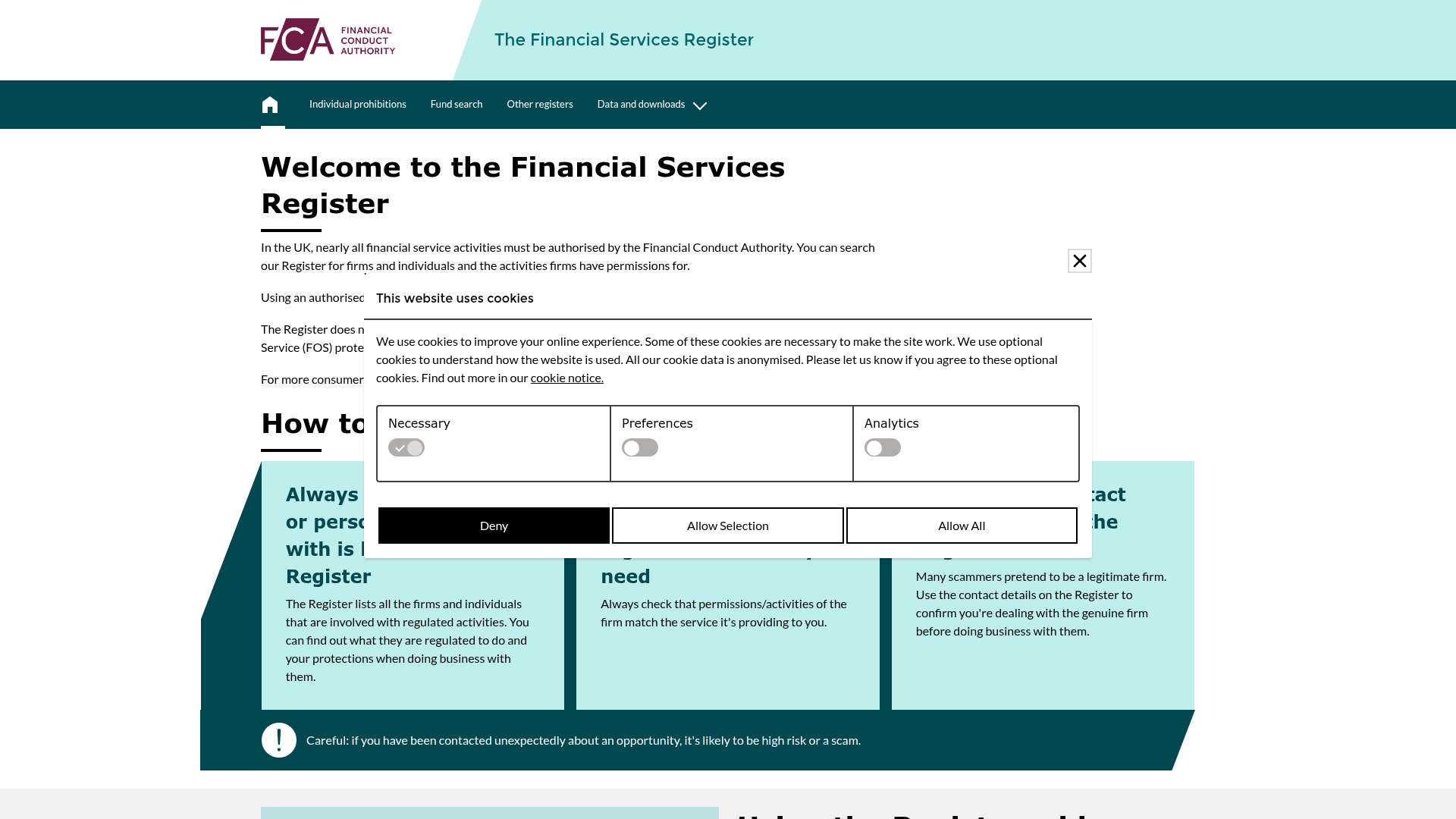
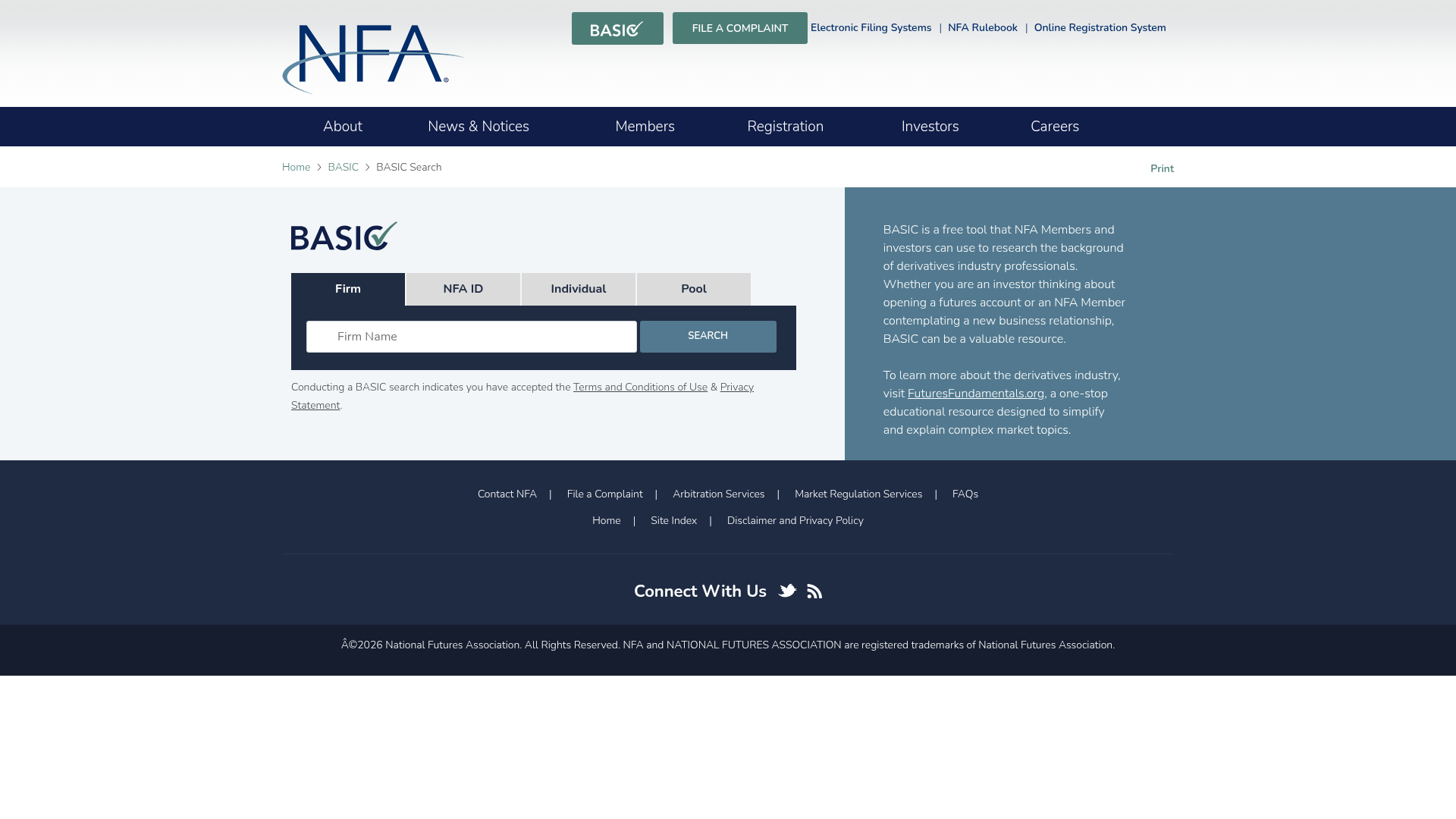
La piedra angular de la protección del inversor reside en la capacidad de verificar de forma independiente el estatus regulatorio de una firma financiera. Esto implica no depender de las garantías directas de la propia firma y, en su lugar, consultar los registros oficiales y de acceso público mantenidos por las autoridades reguladoras nacionales. Estos registros son la fuente definitiva de información sobre la licencia de una firma, su ámbito operativo y cualquier historial disciplinario significativo, incluyendo revocaciones o renuncias de licencias. Confiar en un registro oficial ayuda a los inversores a evitar firmas que simplemente 'afirman' estar reguladas o aquellas que operan con licencias clonadas. Por ejemplo, en el Reino Unido, la Financial Conduct Authority (FCA) mantiene un detallado Financial Services Register. Un inversor puede buscar una firma como FxPro, una entidad regulada por la FCA, por nombre o número de registro para confirmar su estatus actual, actividades aprobadas y cualquier advertencia o acción de cumplimiento registrada. De manera similar, en Australia, los Professional Registers de ASIC permiten verificar firmas como IC Markets o AvaTrade. En Estados Unidos, la CFTC ofrece una herramienta 'Check Your Broker' que enlaza con la base de datos NFA BASIC, la cual detalla los antecedentes y el estatus de afiliación de brókers y firmas. Firmas con sede en Chipre como eToro y Exness figuran en el CySEC Regulated Entities Register. Estas plataformas ofrecen información transparente y actualizada que puede destacar si una licencia ha sido revocada, entregada voluntariamente o está sujeta a alguna restricción. La importancia de este paso no puede subestimarse. Una firma que no se encuentra en un registro oficial, o cuyo estatus figura como 'revocado' o 'entregado' sin una explicación clara y aceptable, representa un riesgo inmediato y sustancial. Incluso si una firma presenta un número de licencia, la verificación cruzada con la base de datos del regulador es esencial, ya que las entidades inescrupulosas a menudo muestran credenciales falsas o caducadas. En la práctica, el equipo de soporte lo pedirá dos veces: una cuando abra su cuenta por primera vez, y otra si alguna vez los contacta por actividad sospechosa, siempre dirigiéndole a verificar a través de canales oficiales. Esta verificación proactiva es la primera y mejor línea de defensa del inversor contra operadores potencialmente no regulados o fraudulentos.
Registros Regulatorios Clave para la Verificación de Licencias
| Jurisdicción | Organismo Regulador | Registro/Herramienta Oficial | Firma de Ejemplo |
|---|---|---|---|
| Reino Unido | Autoridad de Conducta Financiera (FCA) | Registro de Servicios Financieros | FxPro |
| Australia | Comisión Australiana de Valores e Inversiones (ASIC) | Registros profesionales | IC Markets |
| Estados Unidos | Comisión de Negociación de Futuros de Productos Básicos (CFTC)/Asociación Nacional de Futuros (NFA) | NFA BASIC | FOREX.com |
| Chipre | Comisión de Valores y Bolsa de Chipre (CySEC) | Registro de entidades reguladas | XM |
La decisión de un regulador de revocar una licencia es una declaración pública de mala conducta grave, un marcado contraste con el proceso a menudo más silencioso de una firma que elige retirarse.
Alan Reeve
Asegurando su capital: Fondos, compensación y liquidación
Cuando una firma de corretaje enfrenta problemas con su licencia, una preocupación primordial para los clientes es la seguridad de sus fondos depositados. Las firmas reguladas suelen tener la obligación de segregar los fondos de los clientes de su capital operativo, depositándolos en cuentas bancarias separadas. Esta medida está diseñada para proteger el dinero del cliente en caso de insolvencia de la firma, asegurando que estos fondos no sean tratados como activos de la compañía y, por lo tanto, estén protegidos de los acreedores. Esto aplica independientemente de si una licencia es revocada o entregada voluntariamente. Sin embargo, el mecanismo para la recuperación de fondos puede diferir. En una entrega voluntaria, una liquidación ordenada generalmente significa que a los clientes se les proporciona una vía clara para retirar sus fondos directamente de la firma. En caso de revocación, especialmente debido a fraude o mala gestión financiera grave, el proceso podría ser asumido por administradores o liquidadores. Más allá de las cuentas segregadas, muchas jurisdicciones ofrecen esquemas de compensación para inversores. En el Reino Unido, el Esquema de Compensación de Servicios Financieros (FSCS) puede pagar compensaciones a los reclamantes elegibles si una firma financiera autorizada por la FCA quiebra. El FSCS cubre inversiones hasta un límite especificado, actualmente £85,000 por persona elegible por firma. Para que este esquema sea aplicable, la firma debe haber estado autorizada por la FCA en el momento de su incumplimiento. Esto significa que si la licencia de una firma fue revocada o entregada antes de su quiebra financiera, pero estaba autorizada cuando el cliente realizó su depósito o incurrió en una pérdida, el cliente aún podría ser elegible para compensación. El aspecto crucial es el estado de la firma en el momento del evento reclamable, no necesariamente su estado en el momento de la reclamación. Es importante comprender los límites y las condiciones de estos esquemas. No todos los activos o todos los tipos de inversión están cubiertos, y los límites de cobertura varían según la jurisdicción. Por ejemplo, aunque el FSCS cubre inversiones, ciertos tipos de instrumentos especulativos podrían quedar fuera de su alcance dependiendo de la naturaleza precisa de la reclamación. De manera similar, otros reguladores como CySEC tienen su propio Fondo de Compensación para Inversores (ICF), a menudo con límites de compensación más bajos (por ejemplo, €20,000). La disponibilidad y el alcance de dichos esquemas son factores críticos que distinguen a las entidades reguladas de los operadores no regulados, que no ofrecen dicha red de seguridad.
Protección del Inversor en Revocación de Licencia vs. Entrega Voluntaria
| Característica | Revocación de Licencia | Entrega Voluntaria (Ordenada) |
|---|---|---|
| Segregación de Fondos de Clientes | Obligatorio (si estaba previamente regulado) | Obligatorio (si estaba previamente regulado) |
| Elegibilidad para el Esquema de Compensación al Inversor | A menudo elegible si la firma estaba autorizada en el momento del incumplimiento/pérdida | A menudo elegible si la firma estaba autorizada en el momento del incumplimiento/pérdida |
| Proceso de Retiro de Fondos | Potencialmente complejo; a través de administradores/liquidadores | Típicamente ordenado; directamente desde la firma |
| Supervisión Regulatoria Durante la Salida | Intensa intervención regulatoria | El regulador supervisa el proceso de liquidación |
| Divulgación Pública de Razones | Alta (hallazgos regulatorios detallados) | Variable (pueden ser razones comerciales generales) |
Acción Regulatoria: Protegiendo la Integridad del Mercado
Desde la perspectiva de un regulador, tanto la revocación de una licencia como la aceptación de una renuncia voluntaria cumplen objetivos distintos pero interconectados: mantener la integridad del mercado, fomentar la confianza de los inversores y asegurar el cumplimiento de las regulaciones financieras. La revocación es la herramienta definitiva para disciplinar conductas indebidas graves. Envía un mensaje contundente a otros participantes del mercado de que las infracciones severas no serán toleradas, actuando así como un disuasivo significativo. El registro público de una revocación sirve como una advertencia permanente, no solo para los inversores potenciales sino también para otras firmas que podrían considerar incumplir las normas. Establece un precedente para la aplicación de la ley. Los reguladores también pueden aceptar pragmáticamente una renuncia voluntaria. Si una firma realmente tiene la intención de cesar sus operaciones o salir de un mercado de manera ordenada, permitir una renuncia voluntaria puede evitar un proceso de revocación más intensivo en recursos y potencialmente prolongado. Esto es particularmente cierto si el incumplimiento de la firma, aunque presente, no se considera de la máxima gravedad o si la firma coopera plenamente con la liquidación. Esto permite al regulador enfocar sus recursos en casos más urgentes de fraude o riesgo sistémico. Sin embargo, los reguladores son conscientes de que algunas firmas intentan utilizar la renuncia voluntaria como un medio para escapar de las plenas consecuencias de sus acciones. Por lo tanto, los reguladores a menudo realizan una revisión exhaustiva incluso cuando se propone una renuncia voluntaria. Evaluarán el historial de cumplimiento de la firma, las razones de la renuncia y sus planes para la devolución de los activos de los clientes. Si existe alguna sospecha de que la renuncia es un intento de evadir la justicia o que los clientes están en riesgo, el regulador aún puede iniciar o continuar un proceso de revocación. La decisión a menudo se reduce a una evaluación de riesgos: ¿es mejor para la estabilidad del mercado y la protección del inversor permitir una salida ordenada, aunque escrutada, o la conducta de la firma es tan perjudicial que es necesaria una eliminación pública y contundente? El resultado nunca es arbitrario; refleja un juicio considerado por la autoridad reguladora.
Más Allá de la Revocación: El Peligro Absoluto de las Entidades Sin Licencia
Si bien distinguir entre la revocación de una licencia y la renuncia voluntaria es vital para evaluar el riesgo entre las firmas que antes estaban reguladas, es igualmente importante reconocer una amenaza separada y más grave: las firmas que operan sin ninguna licencia legítima desde el principio. No se trata de firmas que han perdido su licencia o la han entregado; son entidades que nunca han tenido una en primer lugar, o que operan bajo falsos pretextos. Involucrarse con tales entidades conlleva un riesgo exponencialmente mayor para los inversores, ya que no existe supervisión regulatoria, no hay segregación obligatoria de activos de clientes ni acceso a esquemas de compensación para inversores. Una firma que se encuentra en la Lista de Advertencias de la FCA o en la Lista de Registro Deficiente (RED) de la CFTC representa una amenaza inmediata y grave para el capital.Estos operadores sin licencia a menudo imitan a firmas legítimas, utilizando marcas similares, diseños de sitios web o incluso afirmando estar regulados por autoridades con las que no tienen ninguna asociación. Podrían declarar falsamente que están regulados por organismos de buena reputación como la FCA, ASIC o CySEC, a veces incluso proporcionando números de licencia falsos que parecen convincentes a primera vista. El peligro es que, sin una licencia formal, no existen requisitos legales de adecuación de capital, controles internos o resolución de disputas de clientes. Si surge un problema –por ejemplo, la imposibilidad de retirar fondos o el cierre repentino de una cuenta– los inversores tienen poco o ningún recurso a través de los canales oficiales. Las fuerzas del orden locales o las agencias internacionales de denuncia de fraude (como el FBI IC3 o Interpol) podrían ser las únicas vías, pero la recuperación rara vez está garantizada.La falta de protección regulatoria significa que cualquier fondo depositado en una firma sin licencia está completamente a merced de los operadores. No existe un organismo independiente que garantice la segregación de los fondos de los clientes, ni existen requisitos de información obligatorios que alertarían sobre actividades sospechosas. Por eso las listas de advertencia oficiales son tan importantes. La Lista de Advertencias de la FCA de firmas no autorizadas nombra explícitamente a las entidades que operan sin la debida autorización o que se sospecha que son 'firmas clonadas' que imitan a las legítimas. De manera similar, la Lista RED de la CFTC identifica a las entidades que deben registrarse ante la CFTC pero no lo han hecho. Estos recursos son indispensables para la protección proactiva del inversor.
El Costo del Incumplimiento: Multas y Restricciones
Los organismos reguladores no solo revocan licencias; también imponen multas sustanciales e implementan intervenciones para penalizar a las firmas que incumplen y proteger a los clientes. Estas sanciones financieras pueden ser severas, reflejando la gravedad de la infracción y con el objetivo de disuadir futuras conductas indebidas. Por ejemplo, la FCA ha impuesto multas que ascienden a decenas de millones de libras contra firmas por problemas que van desde controles deficientes contra el lavado de dinero hasta la venta indebida de productos. Estas multas a menudo se divulgan públicamente, detallando los fallos de la firma y los hallazgos del regulador. Una firma como OANDA, regulada en múltiples jurisdicciones incluyendo la FCA y la CFTC/NFA, opera bajo estricta adherencia a estas reglas para evitar tales sanciones. Más allá de las sanciones monetarias, los reguladores pueden imponer restricciones operativas específicas a las firmas. Un ejemplo notable es la intervención de producto de la Autoridad Europea de Valores y Mercados (ESMA) sobre los Contratos por Diferencia (CFD), que desde 2018 ha limitado el apalancamiento para clientes minoristas a 1:30 para los principales pares de divisas. Esto significa que por cada 1€ que un cliente minorista invierte, puede controlar 30€ de divisa. Esta intervención, aplicada en todo el Espacio Económico Europeo, reduce significativamente el potencial de grandes pérdidas. Aunque no es una revocación de licencia, restringe la capacidad de una firma para ofrecer ciertos productos o servicios, demostrando otra capa de control regulatorio. Las firmas que se descubra que eluden estas reglas podrían enfrentar sanciones adicionales, que podrían escalar a una revisión de licencia. Estas consecuencias financieras resaltan la importancia de que una firma mantenga su buena reputación regulatoria. El balance de una firma puede verse gravemente afectado por multas, costos legales y la carga operativa de las acciones correctivas. Esta tensión financiera puede, a su vez, comprometer su capacidad para mantener capital suficiente o proporcionar servicios, lo que a veces la lleva a considerar la renuncia voluntaria como un medio para evitar un mayor desangre financiero o una salida forzada más perjudicial. Todo el ecosistema de supervisión regulatoria está diseñado para asegurar que las firmas operen de manera ética y prudente, con sanciones estructuradas para reflejar el daño potencial a los inversores y a los mercados financieros en general.
Verificación Diligente: Su Medida de Protección Continua
La distinción entre la revocación de una licencia y la renuncia voluntaria es más que una sutileza legal; es una pieza de información crítica para cualquier inversor que busca operar de forma segura en los mercados financieros. Si bien la revocación señala un fallo grave y a menudo un perjuicio para el cliente, la renuncia voluntaria, incluso cuando es estratégica, sigue indicando que una firma se aleja de la supervisión regulatoria en una jurisdicción determinada. En cualquier caso, la responsabilidad de la verificación continua recae directamente en el inversor. El mercado de servicios financieros es dinámico, con firmas que entran, salen y cambian sus estados regulatorios regularmente. Una verificación única al abrir una cuenta es insuficiente. Los inversores deben comprometerse a revisar periódicamente el estado de la licencia de sus brókers elegidos utilizando los registros oficiales mencionados anteriormente. Este hábito asegura que, si el estado de una firma cambia, o si se emiten nuevas advertencias en su contra, el inversor esté rápidamente al tanto y pueda tomar las medidas adecuadas. Esto podría implicar iniciar retiros, transferir activos a un bróker diferente y completamente regulado, o buscar asesoramiento financiero profesional. Por ejemplo, si usted opera con Plus500, una firma regulada por la FCA, CySEC y ASIC, una verificación en sus respectivos registros confirma su estado. Si alguna de esas licencias cambiara, esa información es de acceso público y merece su atención inmediata. En última instancia, la carga de la protección recae en gran medida en el inversor individual. Los reguladores proporcionan las herramientas y la información; depende del inversor utilizarlas. Comprender las implicaciones de un cambio de licencia, ser capaz de verificar la información de forma independiente y actuar con decisión cuando aparecen señales de alerta no son pasos opcionales, sino requisitos fundamentales para salvaguardar el capital en mercados financieros complejos. No confíe únicamente en los materiales de marketing o la comunicación directa de una firma. Siempre acuda a la fuente –el sitio web oficial del regulador– para confirmar la legitimidad operativa. Esta diligencia es su escudo más fiable.
La página que verificamos
Esta es la página propia de la autoridad, capturada tal como la encontramos. Ábrala y realice la misma búsqueda usted mismo — nada en este registro reemplaza la fuente.
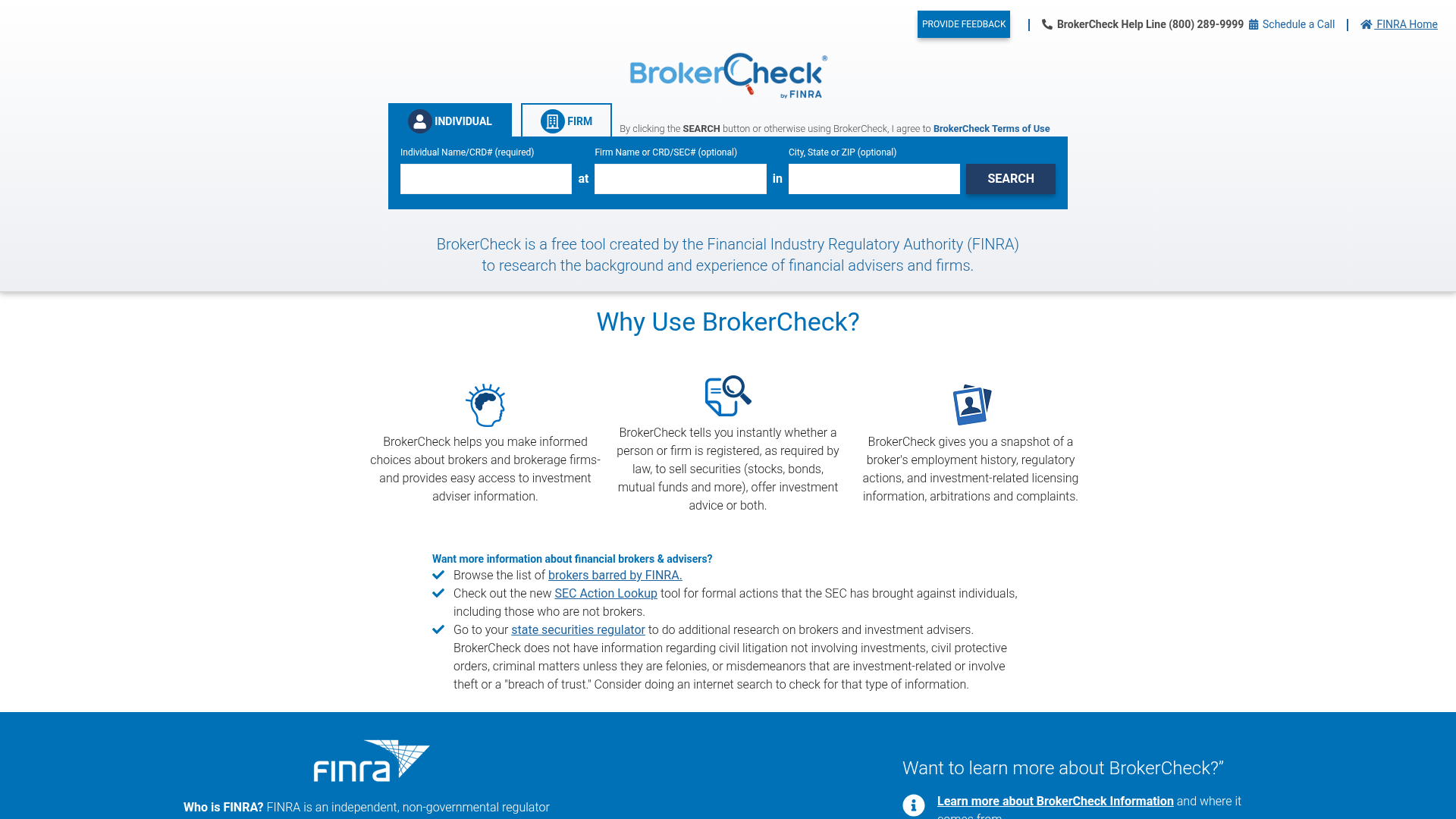
Otros registros utilizados en verificaciones de este tipo. Cada uno abre la página propia de la autoridad.
Fuentes primarias
Cada afirmación anterior puede verificarse en la propia página de la autoridad. Se abren en el sitio del regulador, no en el nuestro.
- Financial Conduct Authority - Financial Services Registerregister.fca.org.ukhttps://register.fca.org.uk/
- ASIC - Professional registersasic.gov.auhttps://asic.gov.au/online-services/search-asics-registers/
- CFTC - Registration Deficient (RED) Listcftc.govhttps://www.cftc.gov/check
- ESMA - Product intervention on CFDsesma.europa.euhttps://www.esma.europa.eu/press-news/esma-news/esma-agrees-prohibit-binary-options-and-restrict-cfds-protect-retail
- Financial Services Compensation Scheme (FSCS)fscs.org.ukhttps://www.fscs.org.uk/what-we-cover/investments/
Preguntas frecuentes
¿Cuál es la principal diferencia entre la revocación de una licencia y la entrega voluntaria?
La revocación de una licencia es una acción contundente y punitiva por parte de un regulador debido a una conducta indebida grave, mientras que la entrega voluntaria es iniciada por la firma, potencialmente por razones comerciales legítimas o para evitar hallazgos regulatorios más severos.
¿Cómo puedo verificar si la licencia de mi bróker ha sido revocada o entregada?
Debe consultar los registros oficiales en línea de la autoridad reguladora pertinente (por ejemplo, FCA Financial Services Register, ASIC Professional Registers, NFA BASIC). No confíe en la información proporcionada directamente por la firma.
¿Están protegidos mis fondos si la licencia de mi bróker es revocada?
Los fondos de los clientes en firmas reguladas suelen estar segregados, lo que significa que están separados del capital operativo de la firma. También podría ser elegible para una compensación de un esquema de protección al inversor (como el FSCS) si la firma estaba regulada en el momento de su depósito o pérdida.
¿Puede una firma entregar voluntariamente su licencia para evitar sanciones?
Sí, las firmas pueden optar por la entrega voluntaria para evitar el estigma público y las sanciones potencialmente más severas asociadas con una revocación forzada, especialmente si anticipan hallazgos regulatorios significativos en su contra.
¿Qué debo hacer si mi bróker anuncia un cambio en el estado de su licencia?
Verifique inmediatamente la información en el registro regulatorio oficial. Si se confirma el cambio, siga las directrices oficiales del regulador o de la firma para retirar fondos y cerrar su cuenta, o busque asesoramiento financiero independiente.
¿Importa si una firma no tiene licencia frente a tener una licencia entregada?
Sí, significativamente. Una firma sin licencia no ofrece protección regulatoria, segregación de fondos de clientes ni acceso a esquemas de compensación desde el principio. Una firma con una licencia entregada estuvo regulada en el pasado, lo que significa que las actividades anteriores y los fondos de los clientes aún podrían estar bajo cierta protección según las circunstancias.