
Puntos clave
- Las órdenes de consentimiento permiten a los reguladores concluir las investigaciones de manera eficiente, pero la cláusula 'ni admite ni niega' significa que las empresas a menudo evitan la admisión directa de culpa.
- Esta redacción específica puede limitar las vías legales posteriores para los litigantes privados, complicando las reclamaciones individuales de indemnización contra la empresa.
- Los consumidores deben verificar de forma independiente el historial disciplinario de una empresa a través de los registros regulatorios oficiales, no solo confiar en las declaraciones emitidas por la empresa.
- Una empresa que aparece en la lista pública de advertencias de un regulador es distinta de una sujeta a una acción de ejecución formal y una posterior orden de consentimiento.
- Incluso sin admitir culpabilidad, las acciones acordadas con frecuencia incluyen sanciones financieras sustanciales y cambios operativos obligatorios diseñados para proteger a los clientes.
- Comprender los matices legales de un acuerdo permite a los inversores tomar decisiones más informadas sobre cómo interactuar con los proveedores de servicios financieros.
El Pacto Regulatorio: Eficiencia Versus Admisión
Cuando un regulador financiero descubre una posible mala conducta, el proceso puede escalar a largas investigaciones y procedimientos judiciales contenciosos. Esto consume considerables recursos públicos y puede retrasar la resolución durante años. Para sortear estas batallas prolongadas, los reguladores a menudo optan por una solución pragmática: la orden de consentimiento, o acción de ejecución acordada. Esto es esencialmente un acuerdo negociado donde la empresa acepta ciertas sanciones y directivas operativas sin necesariamente pasar por un proceso judicial completo para determinar la culpabilidad. El atractivo para los reguladores reside en la eficiencia; les permite imponer sanciones, recaudar multas e implementar medidas correctivas rápidamente, volviendo a centrarse en la integridad del mercado. Para la empresa, ofrece un escape de la incertidumbre y el daño reputacional potencialmente mayor de un juicio público.Sin embargo, esta eficiencia a menudo viene con un compromiso lingüístico particular. Muchas órdenes de consentimiento incluyen una cláusula que establece que la empresa 'ni admite ni niega' los hallazgos. Esta redacción, inicialmente popularizada en las acciones regulatorias de EE. UU., cumple una función legal específica. Permite a la empresa evitar el reconocimiento formal de culpabilidad, lo que podría usarse en su contra en posteriores demandas civiles presentadas por clientes afectados. Al mismo tiempo, permite al regulador anunciar públicamente los hallazgos y las sanciones, afirmando su autoridad y señalando al mercado que la mala conducta ha sido abordada. La fraseología exacta es un delicado equilibrio entre el precedente legal, la percepción pública y las realidades prácticas de la ejecución.Este pacto regulatorio, aunque pragmático, introduce una capa de complejidad para el consumidor que intenta comprender las implicaciones de tal acción. Sin una clara admisión de culpa, puede ser difícil interpretar el verdadero alcance de la culpabilidad de la empresa o el impacto directo en sus propias inversiones. Esta característica específica significa que una acción acordada, si bien significa un incumplimiento de las reglas, no proporciona automáticamente un camino claro para la reparación individual basándose únicamente en los hallazgos del regulador. Es una distinción crítica que a menudo escapa a la comprensión pública general, lo que lleva a posibles malas interpretaciones de la gravedad y la finalidad de dichos acuerdos.
El Origen de la Redacción: 'Ni Admite Ni Niega' Desglosado
La frase 'ni admite ni niega' tiene una larga historia, particularmente dentro del derecho de valores estadounidense, que se remonta a las prácticas de la Securities and Exchange Commission (SEC). Se hizo más prominente a lo largo de las décadas de 1970 y 1980, convirtiéndose en un componente estándar de los decretos de consentimiento. La razón principal era facilitar los acuerdos. Si las empresas se vieran obligadas a admitir irregularidades, serían mucho menos propensas a llegar a un acuerdo, optando en su lugar por litigios costosos para evitar proporcionar munición para demandas privadas. Esta maniobra legal cumple un propósito específico en el sistema adversarial de EE. UU., evitando que los acuerdos se utilicen como prueba definitiva de culpabilidad en procedimientos civiles separados. Esta cláusula no es meramente una formalidad; moldea significativamente el entorno legal después de una acción de ejecución. Por ejemplo, cuando la CFTC o NFA llegan a un acuerdo con una empresa, la estipulación 'ni admite ni niega' asegura que el acuerdo de la empresa a una sanción no pueda interpretarse directamente como una admisión de responsabilidad en una demanda colectiva separada o una reclamación individual. Esto protege a la empresa de una exposición legal y financiera potencialmente mayor. También impone una carga más alta a los demandantes privados, quienes deben probar de forma independiente la mala conducta de la empresa sin el beneficio directo de los hallazgos del regulador como un hecho establecido. Los críticos argumentan que esta práctica socava la confianza pública y la rendición de cuentas corporativa. Sostienen que permite a las empresas evitar una exposición pública completa de su mala conducta, dejando a los consumidores con la sensación de que no se hizo justicia plenamente. Si bien el objetivo final del regulador es proteger el mercado y prevenir futuras violaciones, la ausencia de una admisión explícita puede sentirse como un compromiso en la transparencia. Comprender este contexto histórico y legal es esencial para cualquier consumidor que busque interpretar el registro público del pasado disciplinario de una empresa, especialmente cuando se enfrenta a un anuncio oficial de una acción acordada.
Más Allá del Titular: Lo que Realmente Exige una Orden de Consentimiento
Una orden de consentimiento, incluso con su redacción matizada, está lejos de ser un simple tirón de orejas. Representa un hallazgo formal de incumplimiento regulatorio e impone obligaciones concretas a la empresa. El aspecto más visible es a menudo la sanción financiera: multas, que pueden oscilar entre miles y cientos de millones, y órdenes de decomiso de ganancias ilícitas o restitución a los clientes afectados. Por ejemplo, una empresa que haya fallado en sus controles contra el lavado de dinero podría enfrentar una multa multimillonaria junto con el requisito de revisar todo su departamento de cumplimiento en un plazo ajustado, típicamente de 12 a 18 meses. Estos costos financieros son significativos y afectan directamente la rentabilidad de una empresa.Quizás más impactantes que el golpe financiero inmediato son los cambios operativos obligatorios. Los reguladores con frecuencia exigen a las empresas que implementen nuevos controles internos, realicen auditorías independientes o nombren un monitor de cumplimiento que reporte directamente al organismo regulador. Estas medidas están diseñadas para prevenir la recurrencia de la mala conducta específica y mejorar la gobernanza corporativa general. Una empresa como AvaTrade, regulada por el Banco Central de Irlanda, si estuviera sujeta a una orden de este tipo, podría necesitar rediseñar su proceso de incorporación de clientes o mejorar la transparencia de su ejecución de operaciones. Estas revisiones internas son costosas, requieren muchos recursos y alteran fundamentalmente la forma en que opera un negocio, a menudo bajo una estrecha supervisión regulatoria durante varios años.Fundamentalmente, estas acciones se registran permanentemente en los registros públicos del regulador. Si bien una empresa podría no admitir culpabilidad, el hecho de la acción de ejecución y sus términos están disponibles de forma transparente para que cualquiera los vea. Este registro público tiene un impacto reputacional sustancial, señalando a clientes potenciales y socios comerciales que la empresa no ha cumplido con las expectativas regulatorias. Para un bróker como OANDA, que se enorgullece de una larga historia de regulación, una entrada de este tipo sería un punto de datos material para que cualquier cliente potencial lo considere, independientemente de la cláusula 'ni admite ni niega'. El verdadero significado reside en las acciones correctivas y las sanciones, no solo en la ausencia de una admisión formal.
Los Registros: Advertencias Versus Ejecución Formal
Una fuente común de confusión para las personas que investigan empresas financieras es la distinción entre una 'lista de advertencias' de un regulador y una acción de ejecución formal documentada en un registro público. Estas no son intercambiables; representan niveles fundamentalmente diferentes de preocupación regulatoria y estatus legal. Una lista de advertencias, como la Warning List of Unauthorised Firms de la FCA o la Registration Deficient (RED) List de la CFTC, identifica entidades que parecen operar sin las licencias necesarias o que realizan actividades que los reguladores consideran sospechosas o potencialmente fraudulentas. Estas listas son alertas proactivas para los consumidores sobre entidades que probablemente operan fuera de la supervisión regulatoria y, por lo tanto, no ofrecen protecciones al cliente.En contraste, una acción de ejecución formal, que a menudo culmina en una orden de consentimiento, se refiere a una empresa que está regulada pero que se ha descubierto que ha violado reglas específicas. Esto significa que la empresa ha pasado por un proceso de supervisión, el regulador ha investigado y se han emitido hallazgos con respecto a un incumplimiento de conducta. Dichas acciones se publican típicamente en el registro público principal de un regulador, como el Financial Services Register mantenido por la FCA, NFA BASIC para EE. UU. o los ASIC Professional Registers en Australia. Estas entradas detallan la naturaleza del incumplimiento, las sanciones impuestas y cualquier acción correctiva requerida.Por ejemplo, si una entidad que afirma ser 'IC Markets UK' aparece en la lista de advertencias de la FCA, significa que esta entidad no está autorizada por la FCA, a pesar de usar potencialmente el nombre de una empresa legítima. Esto es distinto del IC Markets real, regulado por ASIC, que está sujeto a una acción de ejecución por, digamos, no informar transacciones sospechosas. El primero está operando ilegalmente; el segundo es una entidad con licencia que enfrenta consecuencias por incumplimiento. Los consumidores deben comprender esta diferencia para evaluar con precisión el riesgo. Verificar el registro correcto para la jurisdicción correcta es la única forma confiable de determinar el verdadero estatus regulatorio y el historial de cumplimiento de una empresa.
Registros Regulatorios Clave para Verificar el Estatus y el Historial de Ejecución de una Empresa
| Regulador | Nombre del Registro | Propósito Principal | Información sobre Acciones de Cumplimiento |
|---|---|---|---|
| FCA (UK) | Registro de Servicios Financieros | Verificar empresas e individuos autorizados | Detalles de acciones de cumplimiento, restricciones y advertencias pasadas y presentes contra entidades autorizadas. |
| FCA (UK) | Lista de Advertencias de Empresas No Autorizadas | Alertar a los consumidores sobre empresas que operan sin autorización | Enumera las empresas sospechosas de dirigirse ilegalmente a consumidores del Reino Unido. |
| CFTC (US) | NFA BASIC | Verificar el estado de miembro de NFA y el historial disciplinario | Acciones disciplinarias detalladas, quejas de clientes y arbitrajes contra empresas miembros. |
| CFTC (US) | Lista de Registro Deficiente (RED) | Identificar empresas que solicitan ilegalmente a clientes estadounidenses | Enumera las empresas no registradas en la CFTC que solicitan/aceptan fondos de residentes de EE. UU. |
| ASIC (Australia) | Registros Profesionales | Buscar profesionales y empresas financieras con licencia | Incluye detalles de compromisos ejecutables, prohibiciones y otros resultados regulatorios. |
| CySEC (Cyprus) | Registro de Entidades Reguladas | Verificar Empresas de Inversión Chipriotas (CIFs) | Enumera sanciones administrativas, suspensiones y otras medidas coercitivas. |
| MAS (Singapur) | Directorio de Instituciones Financieras | Buscar instituciones financieras reguladas | Puede incluir avisos públicos de acciones coercitivas o sanciones. |
No permita que la ausencia de una admisión explícita de culpabilidad en un acuerdo equivalga a una exoneración; vea una orden de consentimiento como una instancia confirmada de incumplimiento regulatorio que requiere intervención.
Alan Reeve
El cálculo de la no admisión: por qué las empresas llegan a acuerdos
Desde la perspectiva de una firma, aceptar una orden de consentimiento, incluso con las sanciones y requisitos operativos asociados, es a menudo una decisión estratégica para minimizar riesgos mayores. La motivación principal es evitar los inmensos costes e incertidumbres de litigios prolongados. Defenderse contra las acusaciones de un regulador en los tribunales puede extenderse durante años, generando millones en honorarios legales, distrayendo a la alta dirección y exponiendo a la firma a sanciones potencialmente más severas si es declarada culpable por un órgano judicial. Un acuerdo ofrece un grado de certeza y control sobre el resultado que un juicio simplemente no puede. Otro factor significativo es el deseo de controlar la narrativa. Aunque una orden de consentimiento es pública, la cláusula de 'ni admitir ni negar' permite a la firma evitar un reconocimiento público explícito de culpa, lo que podría tener consecuencias nefastas para su reputación y las relaciones con sus clientes. Esto es particularmente relevante para brókeres como Pepperstone o XM, cuyo modelo de negocio depende en gran medida de la confianza del cliente y la fiabilidad percibida. Un fallo judicial explícito de conducta indebida podría desencadenar un éxodo masivo de clientes, mientras que una acción acordada, cuidadosamente redactada, puede presentarse como una resolución cooperativa con las autoridades. El acuerdo también evita sentar precedentes legales que podrían ser perjudiciales para la firma o para la industria en general. Un fallo judicial sobre una cuestión regulatoria compleja podría establecer un estándar legal con consecuencias más amplias e imprevistas para las operaciones futuras de la firma o sus pares. Al llegar a un acuerdo, las firmas pueden limitar el impacto de la acción regulatoria a los hallazgos y términos específicos de la orden de consentimiento, evitando una interpretación judicial que podría complicar futuras prácticas comerciales. En la práctica, el departamento de cumplimiento a menudo preguntará dos veces sobre la redacción precisa de cualquier propuesta de acuerdo, revisando meticulosamente cómo podría influir en futuros hallazgos de auditoría o desafíos legales externos. Esta cuidadosa negociación es un componente clave del proceso de la orden de consentimiento.
Incumplimientos Específicos que Conducen a Acciones Coercitivas
Las órdenes de consentimiento se emiten por un amplio espectro de fallos regulatorios, lo que refleja la diversidad de normas que rigen los mercados financieros. Los desencadenantes comunes incluyen deficiencias en los controles contra el blanqueo de capitales (AML), donde las firmas no detectan ni informan transacciones sospechosas. Por ejemplo, un bróker podría ser multado por no verificar adecuadamente las identidades de los clientes o por permitir que los fondos se muevan a través de sus cuentas sin el escrutinio suficiente. Otra área frecuente es la tergiversación o la publicidad engañosa, donde las firmas hacen afirmaciones falsas sobre rendimientos, riesgos o su estatus regulatorio. Imagine una firma como Plus500, con su amplia presencia internacional, enfrentando escrutinio por prácticas publicitarias que se consideran no conformes en una de sus jurisdicciones reguladas, como por CySEC. La manipulación del mercado y el uso de información privilegiada son delitos graves que con frecuencia conducen a acciones coercitivas, aunque estos casos suelen ser más difíciles de resolver sin admisiones explícitas debido a sus implicaciones penales. Menos graves pero aún significativas son las fallas en la protección del cliente, como la gestión inadecuada de quejas, el trading no autorizado por parte de representantes de la firma o los incumplimientos de las reglas de segregación de activos de clientes. La FCA, por ejemplo, es particularmente vigilante en cuanto a que las firmas segreguen correctamente los fondos de los clientes de los fondos operativos para proteger a los inversores en caso de insolvencia de la firma, una regla que, si se incumple, casi con certeza conduciría a una acción coercitiva grave. Las fallas tecnológicas que provocan interrupciones significativas del servicio o filtraciones de datos también pueden resultar en sanciones regulatorias, particularmente si la firma no implementó protocolos de ciberseguridad adecuados. La magnitud de las sanciones a menudo se correlaciona directamente con la gravedad y duración del incumplimiento, el número de clientes afectados y el historial de cumplimiento previo de la firma. Una firma como FOREX.com, que opera bajo la estricta supervisión de la CFTC/NFA en EE. UU., enfrentaría repercusiones inmediatas y sustanciales por cualquier falla sistémica en su plataforma de trading que perjudicara a los clientes, independientemente de si 'admiten o niegan' los detalles de la negligencia.
Verificaciones Transfronterizas: Una Perspectiva Global
El mundo financiero está interconectado, por lo que un bróker podría tener licencias en múltiples jurisdicciones, cada una con su propio organismo regulador y filosofía de aplicación de la ley. Por ejemplo, Exness está regulado por la FCA, CySEC y FSCA, entre otros. Una orden de consentimiento emitida por un regulador no se traduce automáticamente en una acción similar por parte de otro, pero a menudo desencadena un escrutinio. Esto significa que una verificación completa del historial disciplinario de una firma requiere consultar los registros de todos los reguladores relevantes bajo los cuales opera o ha operado. Esta no es una tarea sencilla, ya que cada regulador mantiene su propia base de datos, a menudo con diferentes niveles de detalle y funcionalidad de búsqueda. El proceso requiere diligencia. Primero, identifique las entidades legales específicas del bróker y sus reguladores correspondientes. Una firma podría operar 'Brand X (UK)' bajo una licencia de la FCA y 'Brand X (International)' bajo una licencia offshore menos estricta. Segundo, visite el sitio web oficial de cada regulador relevante y localice su registro público o base de datos de acciones coercitivas. Por ejemplo, para verificar aspectos del cumplimiento de eToro, uno debería consultar el Registro de Servicios Financieros de la FCA, el Registro de Entidades Reguladas de CySEC y los Registros Profesionales de ASIC, buscando cualquier acción o advertencia registrada relacionada con sus entidades licenciadas específicas. El nivel de detalle sobre las acciones coercitivas puede variar significativamente. Algunos registros proporcionan enlaces directos a órdenes de consentimiento completas, detallando las alegaciones, los hallazgos y los términos acordados. Otros podrían solo listar la fecha de la acción y la sanción impuesta, sin una narrativa extensa. Esta es la parte que la mayoría de las guías omiten: comprender qué entidad específica de un bróker global está regulada por qué autoridad, y luego verificar sistemáticamente cada una, puede llevar tiempo pero es absolutamente esencial para obtener una imagen completa. Un único registro limpio en una base de datos no garantiza un historial impecable en todas las jurisdicciones.
Reguladores Principales y Entidades Asociadas para Brókeres Seleccionados
| Nombre del Bróker | Sede Central | Reguladores Clave | Notas sobre la Presencia Multijurisdiccional |
|---|---|---|---|
| Pepperstone | Melbourne, Australia | FCA, ASIC, CySEC | Múltiples entidades, p. ej., Pepperstone Limited (Reino Unido, FCA), Pepperstone Group Limited (Australia, ASIC). |
| IC Markets | Sídney, Australia | ASIC, CySEC y FSA (Seychelles) | Cuenta con una entidad australiana (ASIC) y una entidad chipriota (CySEC) para operaciones en la UE, además de una entidad offshore. |
| XM | Limassol, Chipre | CySEC, ASIC, IFSC, DFSA | Sus operaciones globales suelen estar segmentadas por región, cada una bajo el regulador local pertinente. |
| OANDA | Nueva York, EE. UU. | FCA, CFTC/NFA, ASIC, IIROC, MAS | Opera bajo entidades legales separadas para cada jurisdicción principal, por ejemplo, OANDA Europe Ltd (FCA), OANDA Corporation (CFTC/NFA). |
| FOREX.com | Nueva Jersey, EE. UU. (StoneX) | CFTC/NFA, FCA, ASIC, CIRO, CIMA | Como parte de StoneX Group, cuenta con entidades distintas para EE. UU., Reino Unido, Australia, etc. |
| eToro | Tel Aviv, Israel | FCA, CySEC, ASIC, FinCEN | Conocido por el social trading, su regulación varía según la ubicación del cliente. |
| AvaTrade | Dublín, Irlanda | Banco Central de Irlanda, ASIC, FSCA, FSA (Japón), ADGM | Con un amplio alcance global, exige verificaciones en numerosos organismos reguladores para una supervisión completa. |
Vías de Recurso para el Inversor: Lo que los Acuerdos no Siempre Cubren
Aunque los acuerdos de consentimiento proporcionan una rendición de cuentas pública e imponen sanciones, no siempre ofrecen automáticamente una compensación directa a los inversores individuales. La cláusula de 'ni admitir ni negar', como se ha comentado, puede dificultar que los clientes individuales utilicen las conclusiones del regulador como base para una demanda privada. Si bien algunos acuerdos incluyen disposiciones de restitución o devolución de ganancias ilícitas que benefician directamente a los clientes afectados, este no es un resultado universal. Los inversores que consideren haber sufrido pérdidas financieras debido a la mala conducta de una firma, incluso si esa firma ha llegado a un acuerdo con un regulador, aún pueden necesitar buscar vías de recurso separadas. Esto a menudo implica presentar una reclamación a través de un servicio de mediación o arbitraje independiente, si existe uno disponible en su jurisdicción (por ejemplo, el Financial Ombudsman Service en el Reino Unido para firmas reguladas por la FCA), o iniciar un litigio civil. La carga de la prueba en tales acciones privadas recae típicamente en el inversor, quien debe demostrar la negligencia o la mala praxis de la firma y la pérdida financiera directa incurrida. Este puede ser un proceso costoso y que consume mucho tiempo, especialmente si la firma cuenta con amplios recursos legales. El Financial Services Compensation Scheme (FSCS) en el Reino Unido proporciona una red de seguridad para ciertas inversiones si una firma regulada quiebra, pero esto suele cubrir la insolvencia, no necesariamente las pérdidas debidas a mala conducta cuando la firma sigue siendo solvente. Es fundamental que los inversores comprendan que la acción de un regulador se centra principalmente en la integridad del mercado y la prevención futura, no necesariamente en la compensación individual. Si sospecha fraude o mala conducta, informarlo a las autoridades pertinentes —como Action Fraud en el Reino Unido o reportfraud.ftc.gov de la FTC en EE. UU.— es un primer paso vital, independientemente de cualquier acuerdo regulatorio en curso o pasado. Estos informes contribuyen a la inteligencia general que los reguladores utilizan para identificar problemas sistémicos y construir futuros casos de aplicación de la ley, incluso si no resuelven inmediatamente su pérdida financiera personal. Su diligencia al verificar los registros regulatorios y buscar vías de recurso es una parte clave para proteger sus propios intereses.
El Impacto General: Configurando la Conducta del Mercado
Más allá de las sanciones inmediatas y los cambios operativos, las órdenes de consentimiento y las acciones de ejecución resueltas desempeñan un papel vital en la configuración de la conducta general del mercado. Cada acción pública sirve como una señal clara para otras empresas del sector con respecto a los estándares aceptables y las consecuencias del incumplimiento. Cuando un bróker importante se enfrenta a una multa sustancial por, digamos, ciberseguridad laxa, otras empresas revisan y refuerzan rápidamente sus propias defensas digitales para evitar un escrutinio similar. Este efecto dominó es un mecanismo central de la regulación preventiva. La intervención de producto de ESMA sobre los CFD, que restringió el apalancamiento para clientes minoristas en toda la UE, es un ejemplo de una decisión regulatoria amplia que alteró profundamente la práctica del mercado, influyendo incluso en los reguladores no pertenecientes a la UE para que consideraran medidas similares. Estos acuerdos también contribuyen a un creciente cuerpo de precedentes regulatorios, informando futuras investigaciones y la formulación de políticas. Si bien la cláusula de 'ni admitir ni negar' limita su uso en litigios privados, los hallazgos fácticos detallados en los avisos regulatorios adjuntos a menudo resaltan vulnerabilidades específicas o riesgos emergentes dentro del sistema financiero. Reguladores como la CFTC frecuentemente emiten avisos a los clientes basados en información obtenida de acciones de ejecución, advirtiendo directamente al público sobre estafas prevalentes o prácticas problemáticas, como las detalladas en sus avisos sobre fraude. La publicación continua de estas acciones refuerza el principio de que ninguna entidad regulada, independientemente de su tamaño o influencia en el mercado, está por encima de las reglas. Demuestra la vigilancia continua necesaria para mantener mercados justos y ordenados. Para el consumidor diligente, estos registros públicos no son solo documentos históricos; son indicadores vivos de la lucha continua de la industria financiera con el cumplimiento y la integridad. Revisar regularmente estas fuentes debería ser tan rutinario como revisar los extractos bancarios, ofreciendo una visión inestimable sobre la fiabilidad y la estabilidad operativa de las empresas a las que se confía su capital.
Su Rol Proactivo en la Debida Diligencia
Dada la complejidad de la aplicación de la normativa y la redacción específica que a menudo se emplea en las órdenes de consentimiento, la responsabilidad de una debida diligencia exhaustiva recae en última instancia en el inversor individual. No permita que la ausencia de una admisión explícita de culpabilidad en un acuerdo equivalga a una exoneración. En su lugar, considere una orden de consentimiento como una instancia confirmada de incumplimiento normativo que requirió intervención. Su evaluación crítica de una empresa siempre debe comenzar verificando sus licencias activas a través de los registros regulatorios pertinentes, como el Financial Services Register de la FCA o NFA BASIC. Más allá de confirmar la licencia actual, busque activamente en estos registros cualquier acción disciplinaria pasada, órdenes de consentimiento o advertencias públicas. Preste mucha atención a la naturaleza de las infracciones, las sanciones impuestas y cualquier cambio operativo requerido. Considere si los problemas identificados podrían afectar directamente sus objetivos de inversión específicos o su tolerancia al riesgo. Por ejemplo, una empresa con un historial de mala gestión de registros podría plantear un mayor riesgo para estrategias de trading complejas donde las pistas de auditoría meticulosas son esenciales. Recuerde que la naturaleza global de los servicios financieros significa que las actividades de un bróker pueden abarcar múltiples jurisdicciones, cada una con su propia supervisión regulatoria. Una verificación completa implicará investigar las entidades de la empresa en todos los países relevantes. Este enfoque proactivo e informado —entender no solo que ocurrió una acción, sino qué implicó— es su defensa más sólida contra posibles conductas indebidas y su herramienta más potente para seleccionar un proveedor de servicios financieros fiable. Conviértalo en una rutina verificar, cuestionar y escudriñar, asegurándose de que sus decisiones financieras se basen en hechos verificables, no en una redacción legal ambigua.
La página que verificamos
Esta es la página propia de la autoridad, capturada tal como la encontramos. Ábrala y realice la misma búsqueda usted mismo — nada en este registro reemplaza la fuente.
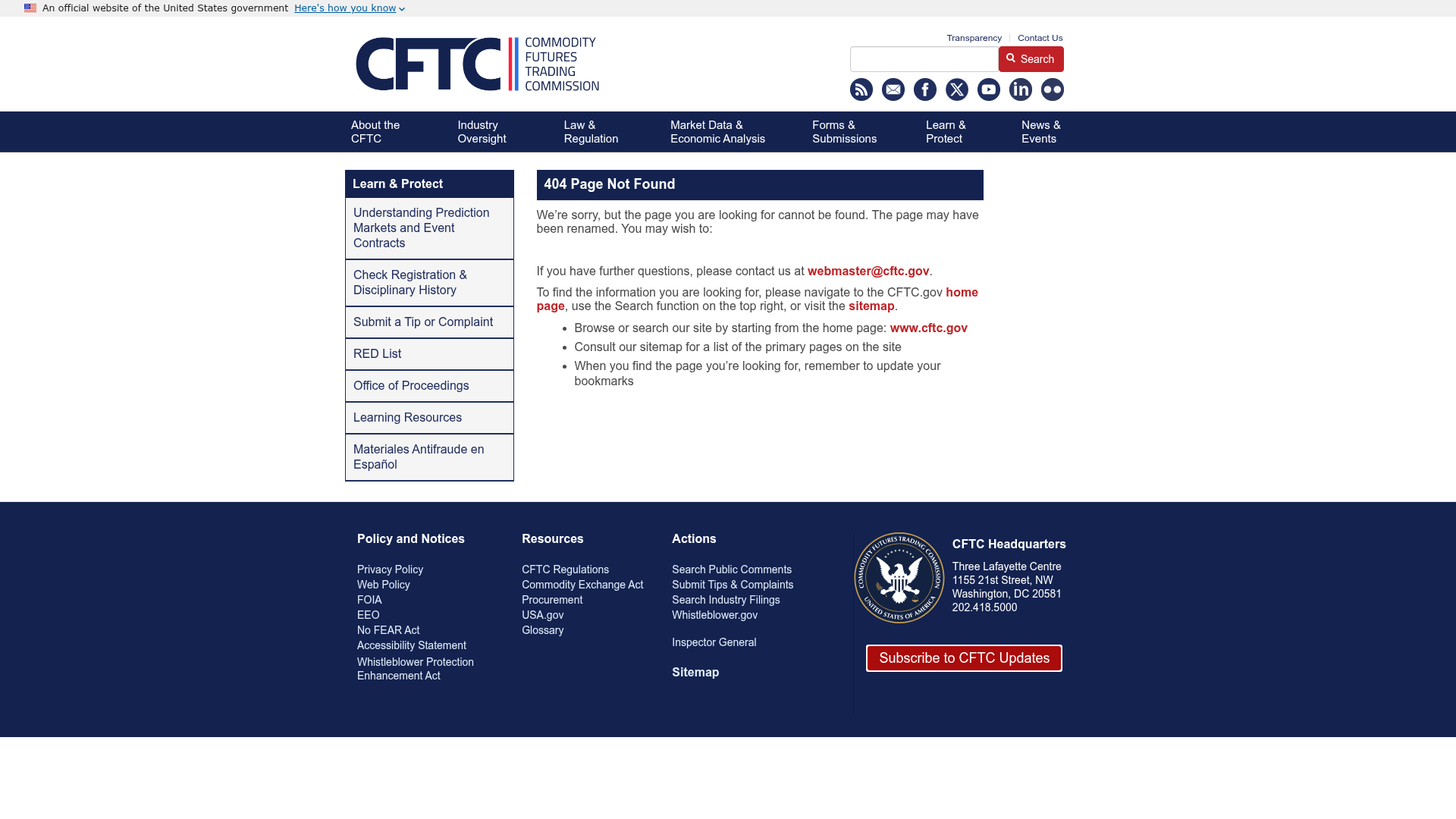
Otros registros utilizados en verificaciones de este tipo. Cada uno abre la página propia de la autoridad.
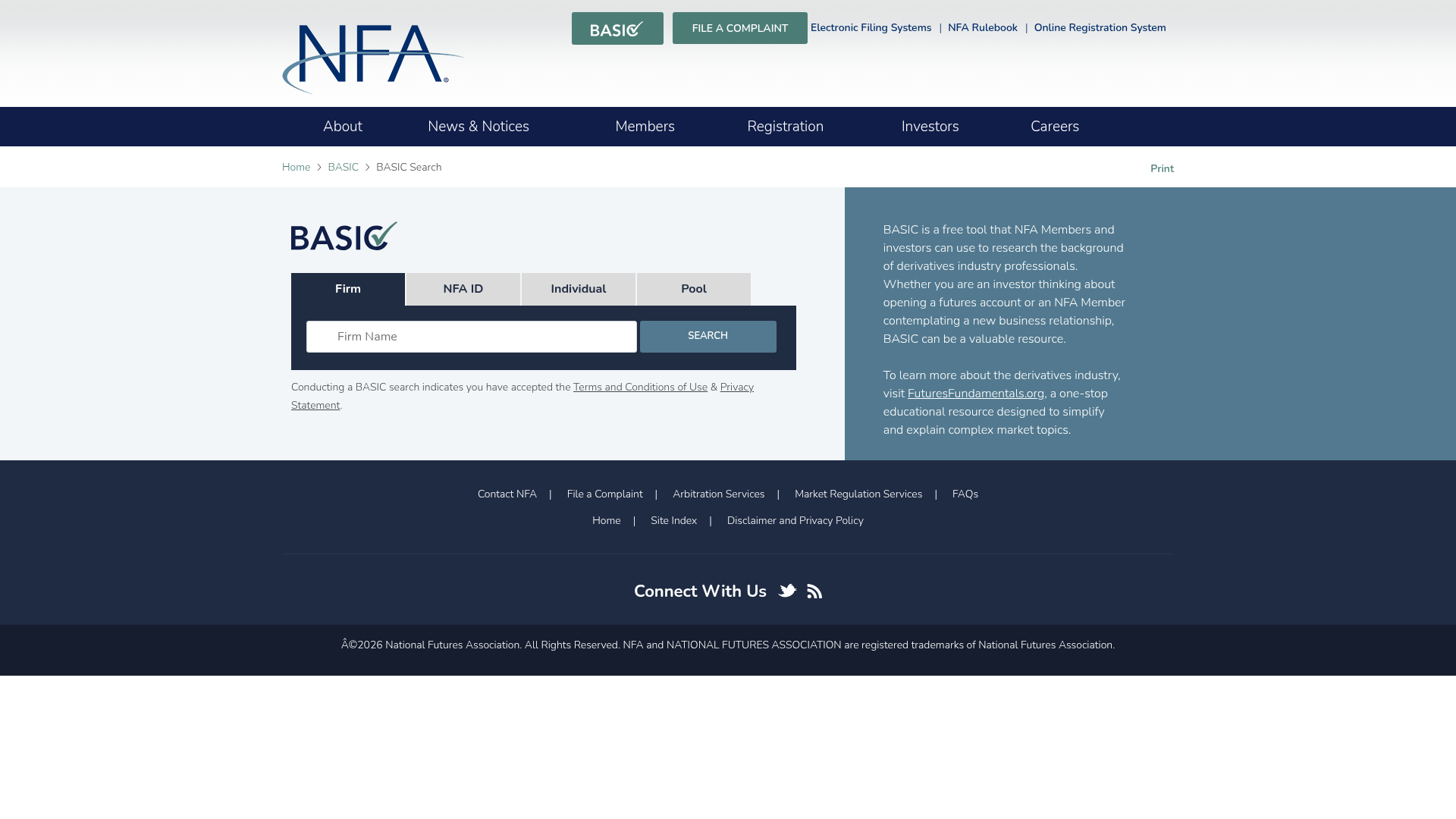
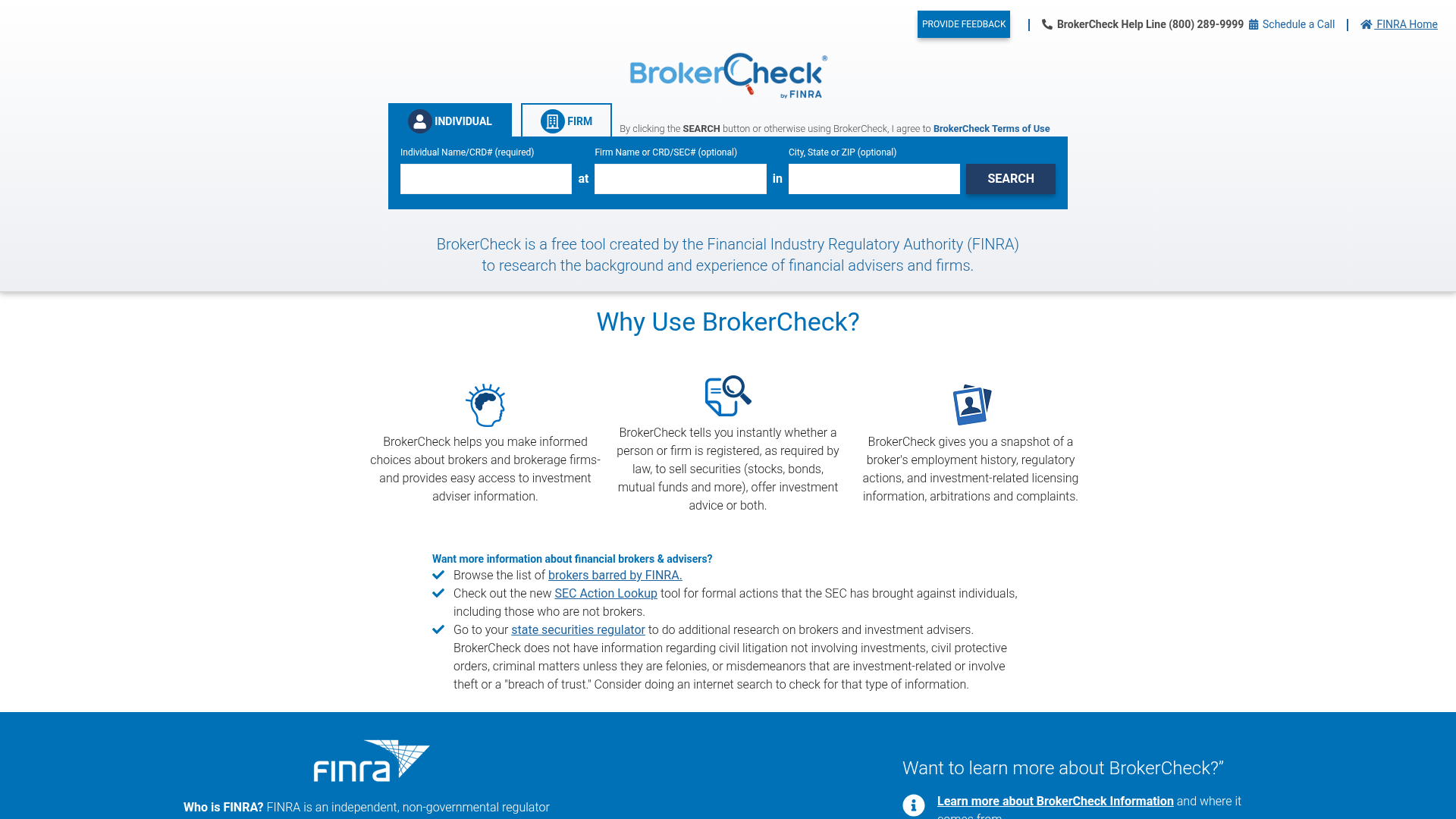
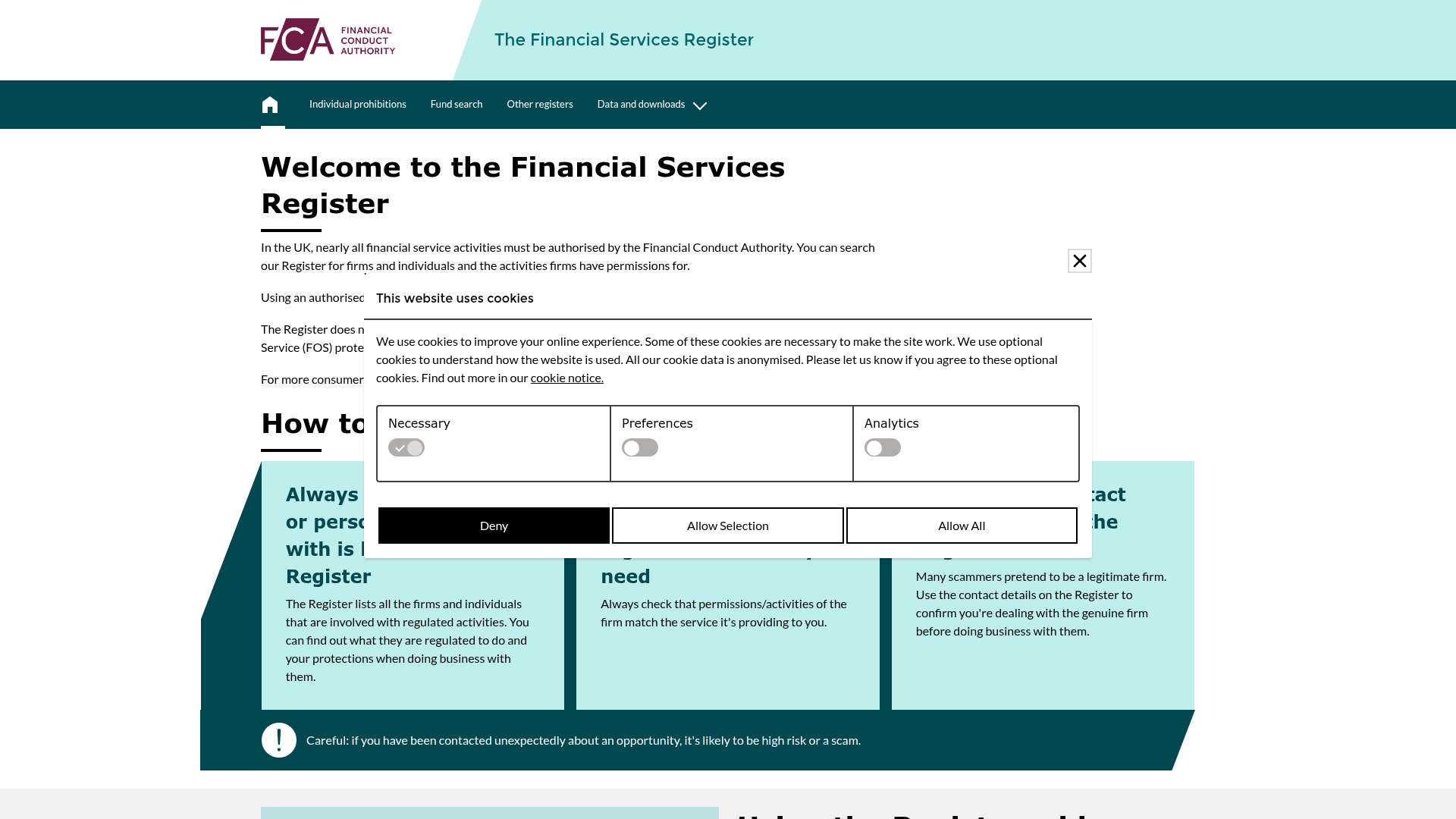
Fuentes primarias
Cada afirmación anterior puede verificarse en la propia página de la autoridad. Se abren en el sitio del regulador, no en el nuestro.
- Financial Conduct Authority — Financial Services Registerregister.fca.org.ukhttps://register.fca.org.uk/
- FCA — Warning list of unauthorised firmsfca.org.ukhttps://www.fca.org.uk/consumers/warning-list-unauthorised-firms
- CFTC — Customer advisories on fraudcftc.govhttps://www.cftc.gov/LearnAndProtect/AdvisoriesAndArticles/index.htm
- NFA BASIC — background affiliation statusnfa.futures.orghttps://www.nfa.futures.org/basicnet/
- ASIC — Professional registersasic.gov.auhttps://asic.gov.au/online-services/search-asics-registers/
- Financial Services Compensation Scheme (FSCS)fscs.org.ukhttps://www.fscs.org.uk/what-we-cover/investments/
Preguntas frecuentes
¿Cuál es la principal diferencia entre una lista de advertencias de un regulador y una orden de consentimiento?
Una lista de advertencias identifica a entidades sospechosas de operar ilegalmente sin autorización, mientras que una orden de consentimiento es un acuerdo formal con una empresa *regulada* que ha violado reglas específicas, lo que resulta en sanciones y cambios operativos requeridos.
¿Significa una cláusula de 'ni admitir ni negar' que la empresa es inocente?
No, significa que la empresa ha llegado a un acuerdo con el regulador sin admitir formalmente la culpabilidad. Esta cláusula es una estrategia legal para evitar prejuzgar futuras demandas privadas, pero el acuerdo aún confirma los hallazgos regulatorios de una infracción e impone consecuencias.
Si una empresa tiene una orden de consentimiento en su contra, ¿aún puedo demandarla por mis pérdidas?
La cláusula de 'ni admitir ni negar' puede dificultarlo, ya que es posible que aún deba probar de forma independiente la mala conducta de la empresa. Sin embargo, podría tener recursos a través de un servicio de defensor del cliente o iniciando un litigio civil separado.
¿Cómo puedo verificar si un bróker que utilizo ha sido objeto de una acción regulatoria?
Debe visitar el sitio web oficial del regulador financiero específico (por ejemplo, FCA, ASIC, CFTC) que licencia la entidad de su bróker y buscar el nombre de la empresa en sus registros públicos o bases de datos disciplinarias.
¿Son siempre públicas las órdenes de consentimiento?
Sí, casi todas las acciones de ejecución formales y las órdenes de consentimiento de los principales reguladores financieros se divulgan públicamente en sus sitios web oficiales o registros consultables para garantizar la transparencia e informar al público.
¿Todos los reguladores utilizan la frase 'ni admitir ni negar' en los acuerdos?
Aunque es común, particularmente en EE. UU., la redacción exacta varía según la jurisdicción y el regulador. Algunos reguladores podrían optar por admisiones más explícitas o una fraseología diferente, aunque el principio de acuerdo negociado sigue siendo similar.