Cómo se asignan los estados
Cada entrada en este registro sigue el mismo procedimiento de seis pasos, y cada paso es uno que puede repetir usted mismo utilizando fuentes públicas gratuitas.
El procedimiento
Locate every licence the firm claims
We take the licence numbers a firm publishes and look for each one on the issuing authority's own register. We never accept a licence claim printed only on the firm's own website.
Match the legal entity to the client agreement
A group can hold a Tier-1 licence and still onboard most clients to an offshore entity. We record which entity holds which licence, because that is what determines your protection.
Search the public warning and alert lists
We search the firm and its known aliases against the warning lists, alert lists and registration-deficient lists of the authorities in our directory.
Require a primary document before flagging
A Danger status requires a published warning notice from a named regulator. A Warning status requires an entry on a public alert or registration list. We retrieve and archive the document URL before the status is assigned.
Write the finding as a fact, not an accusation
The record states that there is a published warning from a named authority, on a given date, with a link. It does not brand the firm fraudulent, because that is a conclusion only a court can reach.
Re-check on a rolling cycle
Open records are re-checked every 90 days, and any record where the regulator has updated its notice is re-dated. A status that has not been re-checked shows its last-checked date on every row.
Los registros que verificamos
Estas son las fuentes primarias detrás del paso uno y el paso tres, obtenidas del sitio propio de cada autoridad. Cada entrada enlaza a la página activa, para que pueda repetir cualquier verificación en este registro usted mismo.
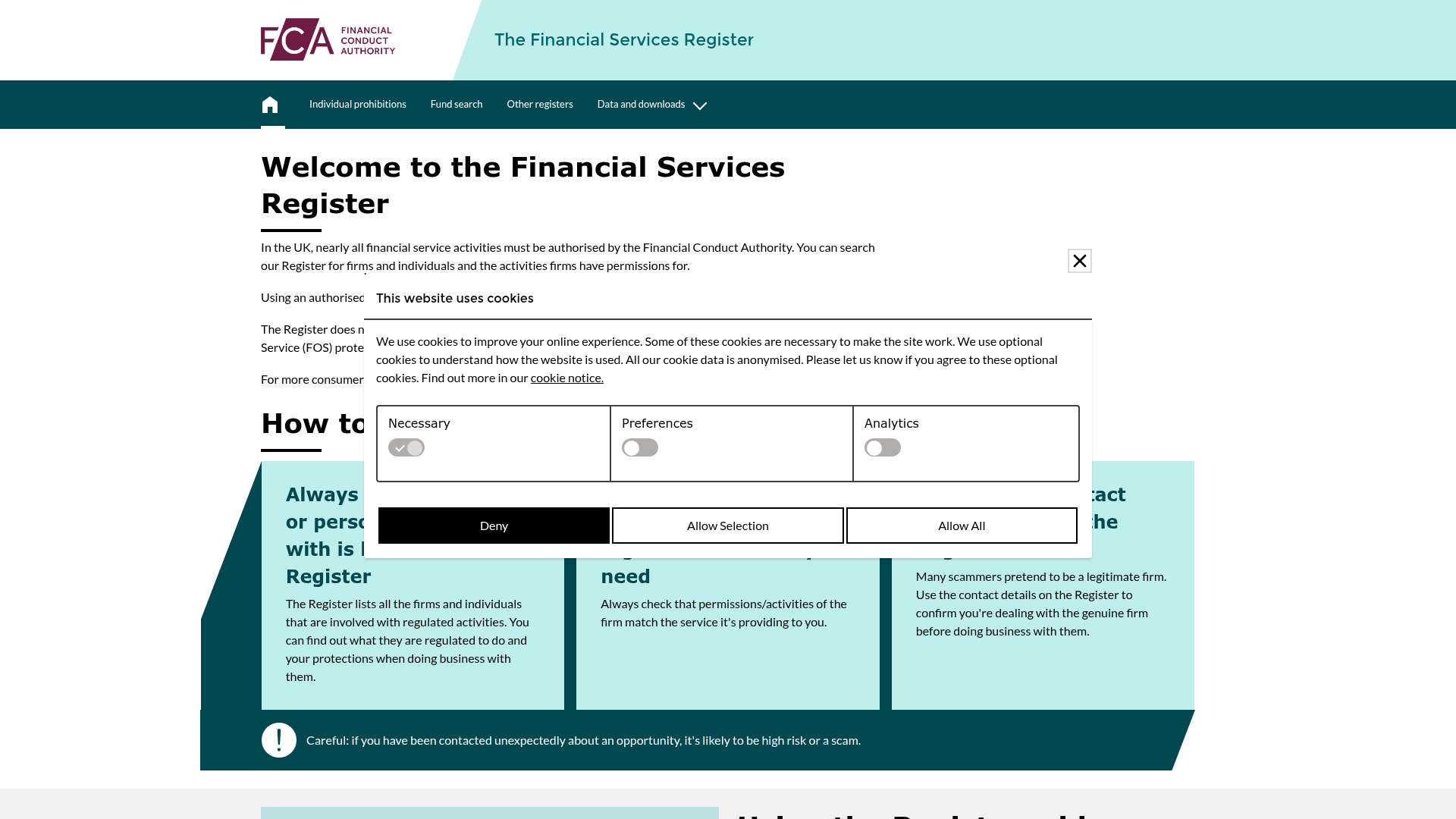
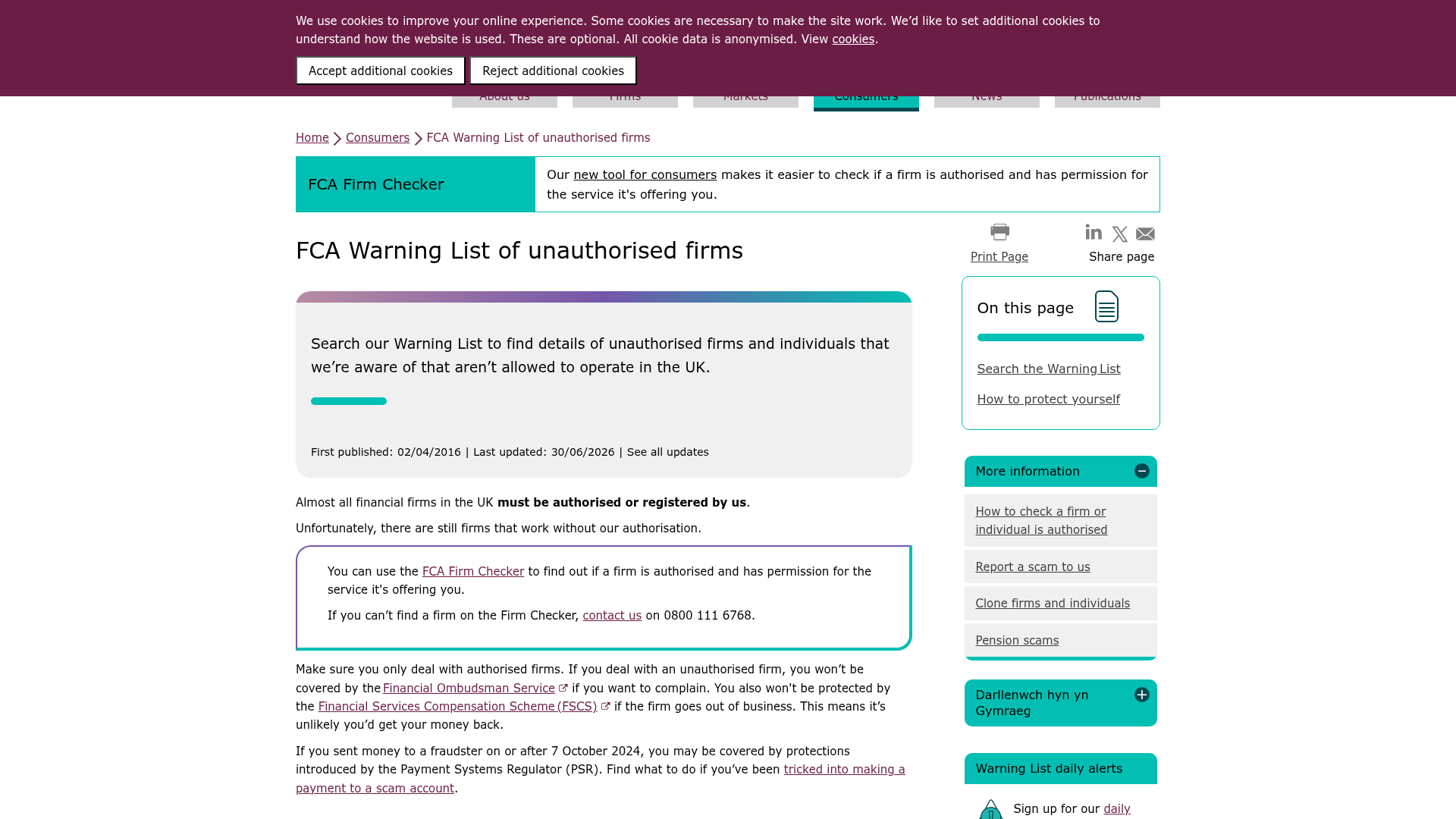
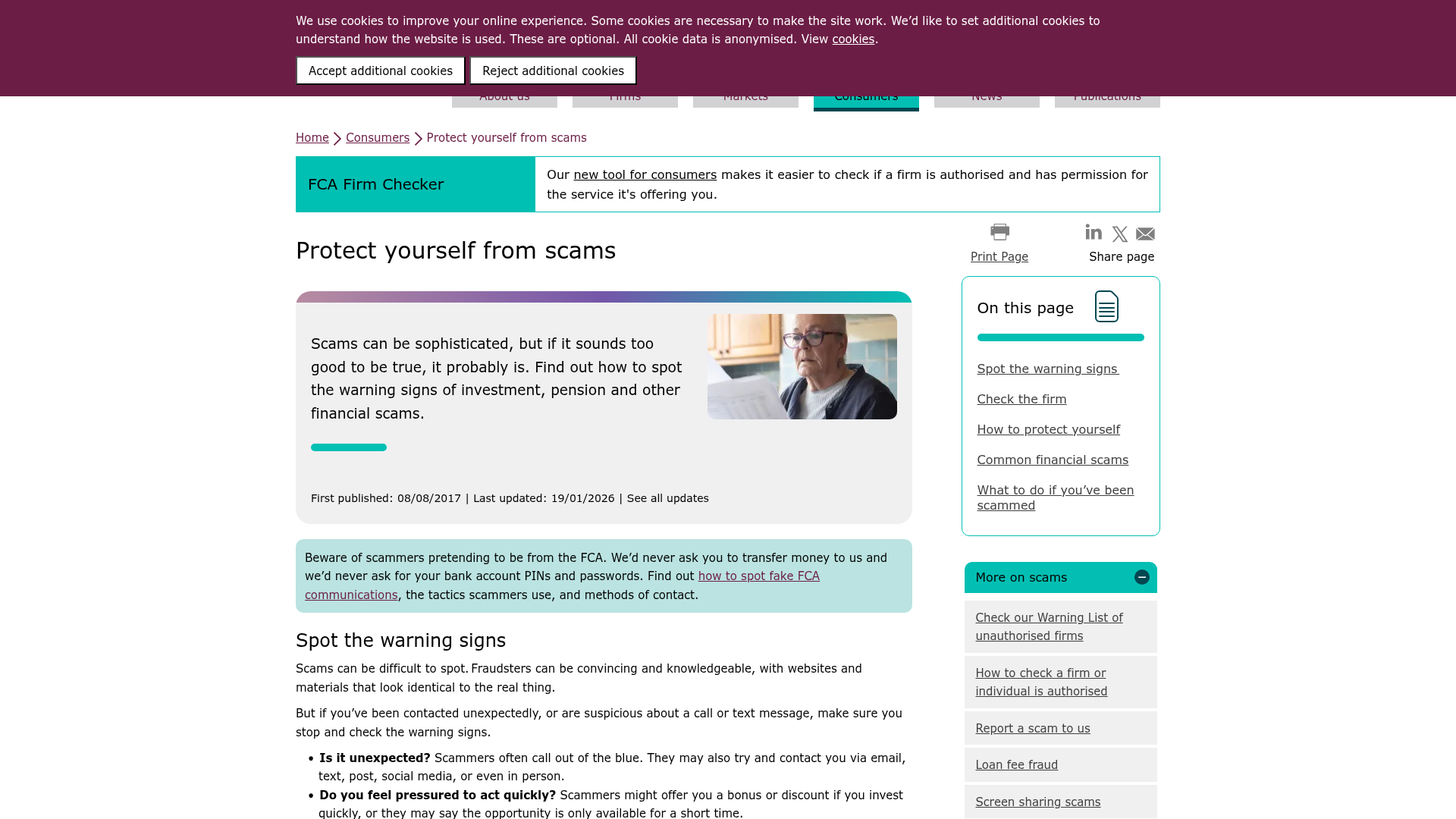
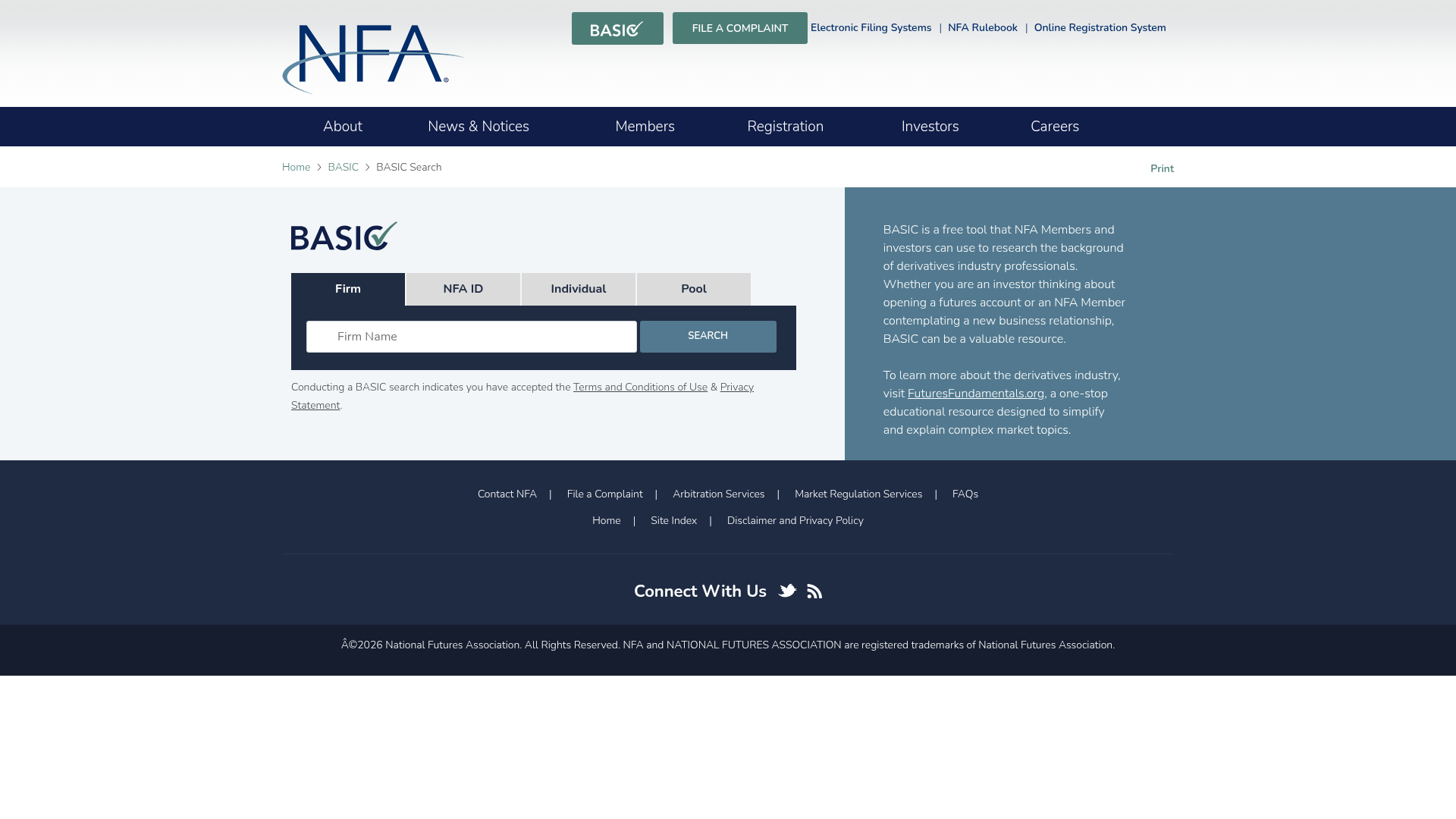
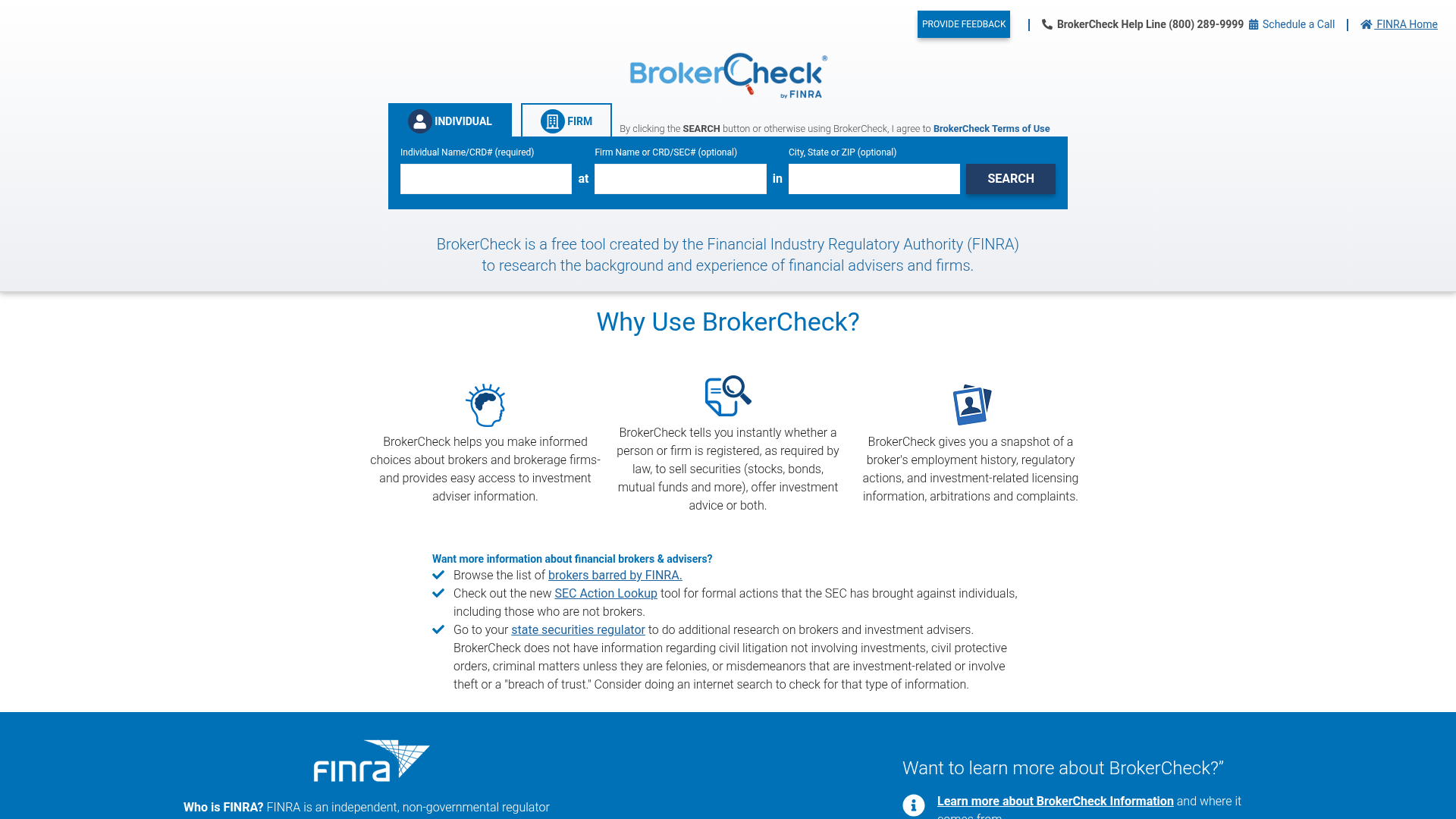
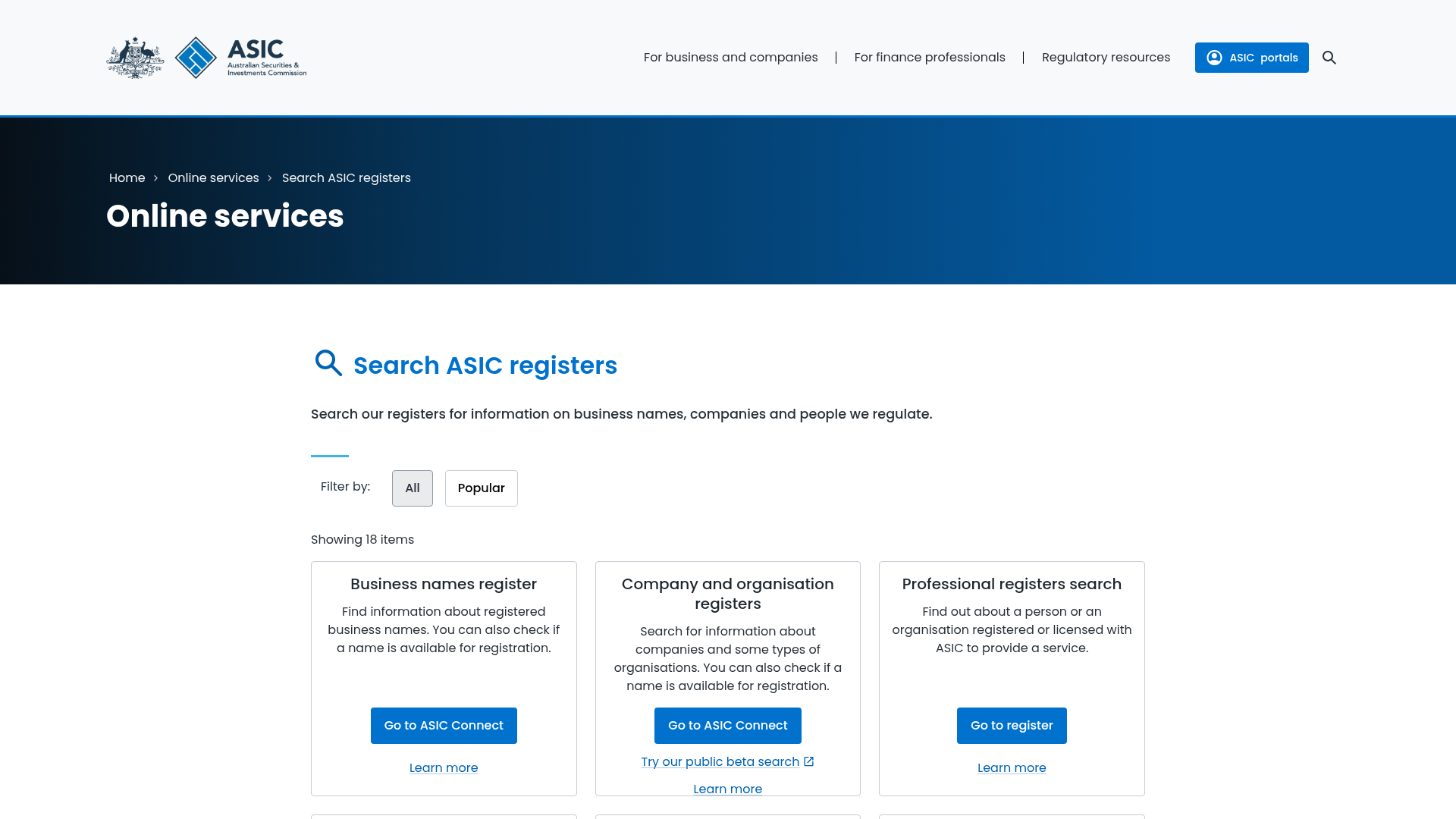
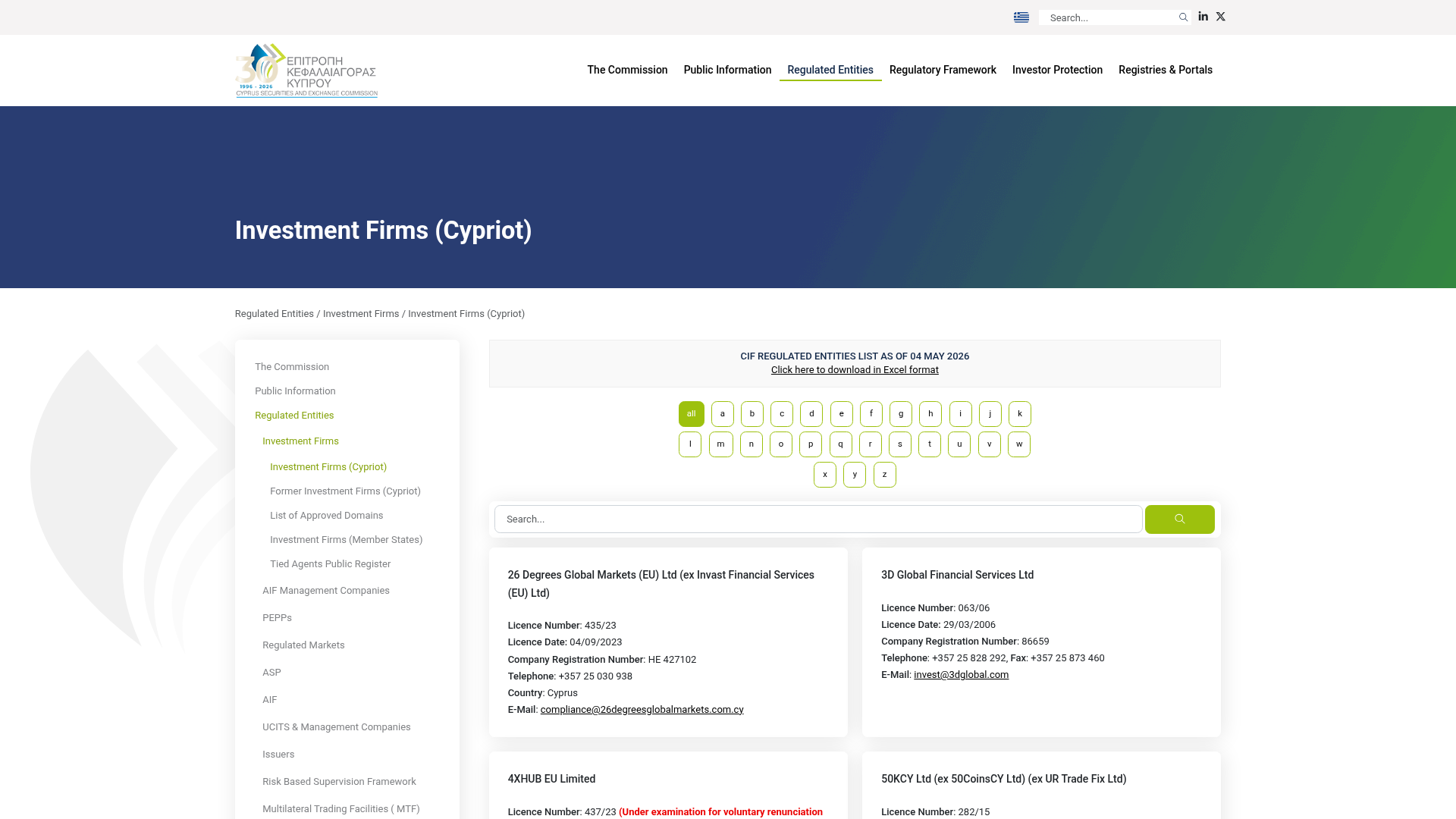
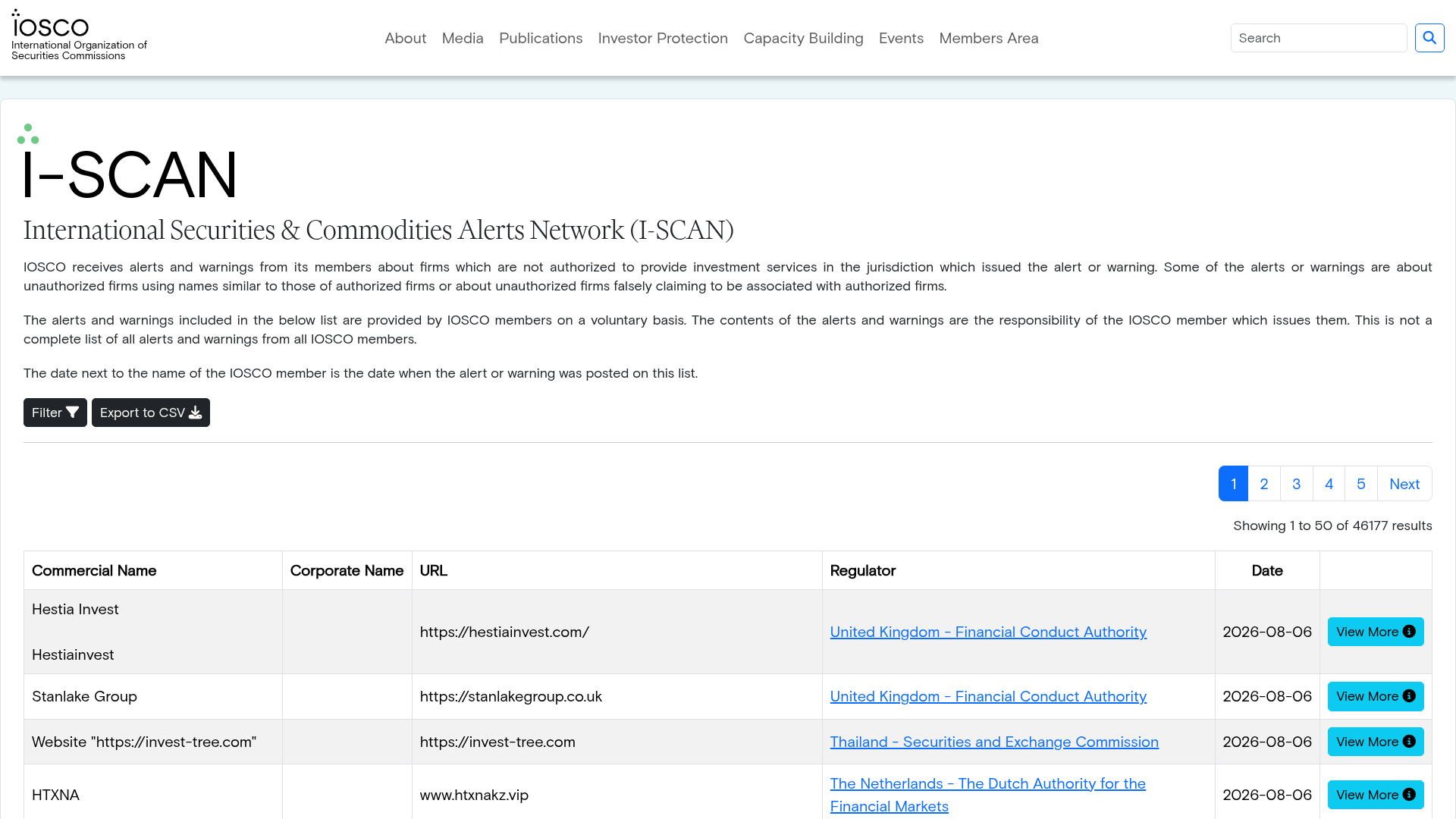
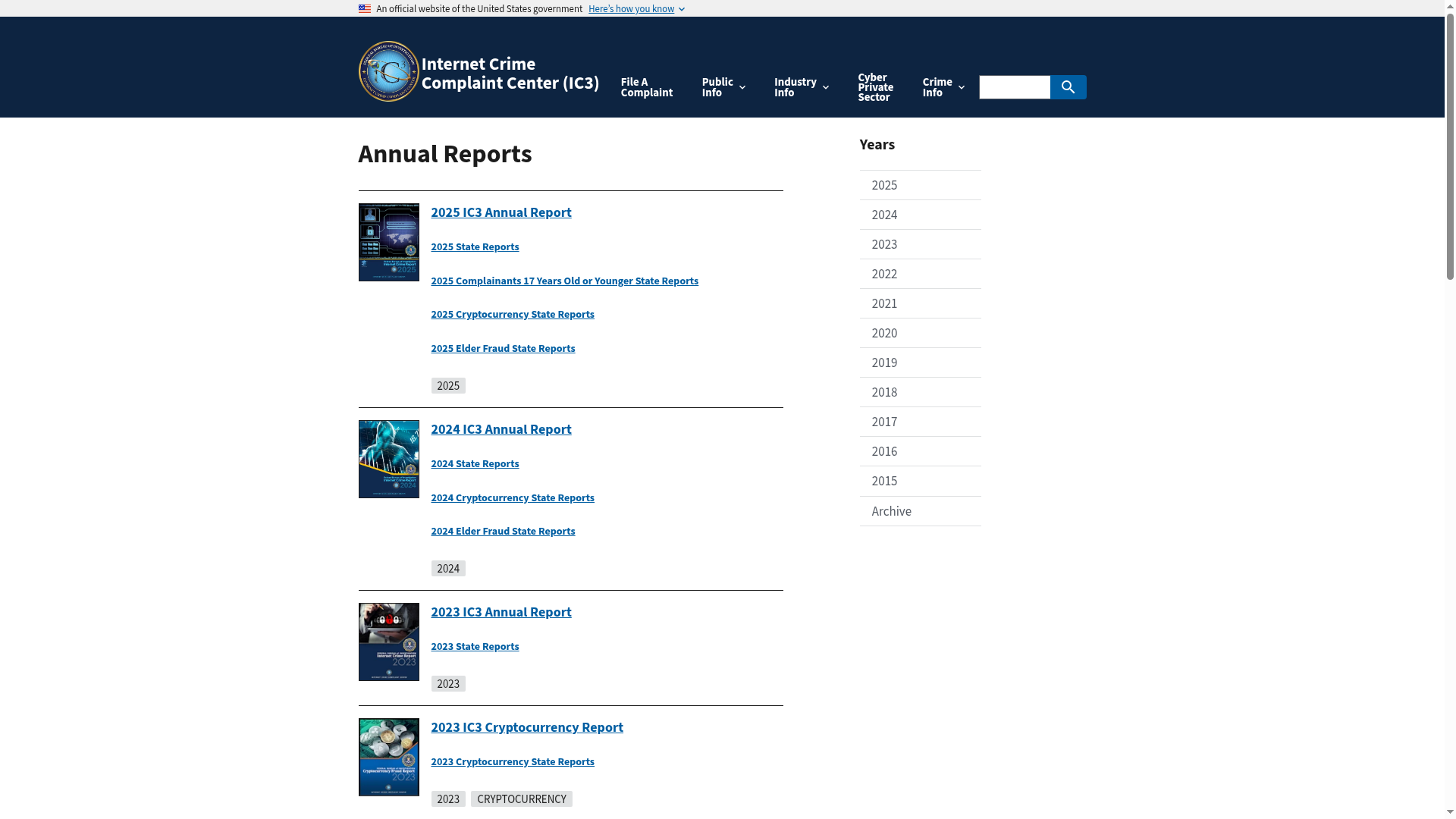
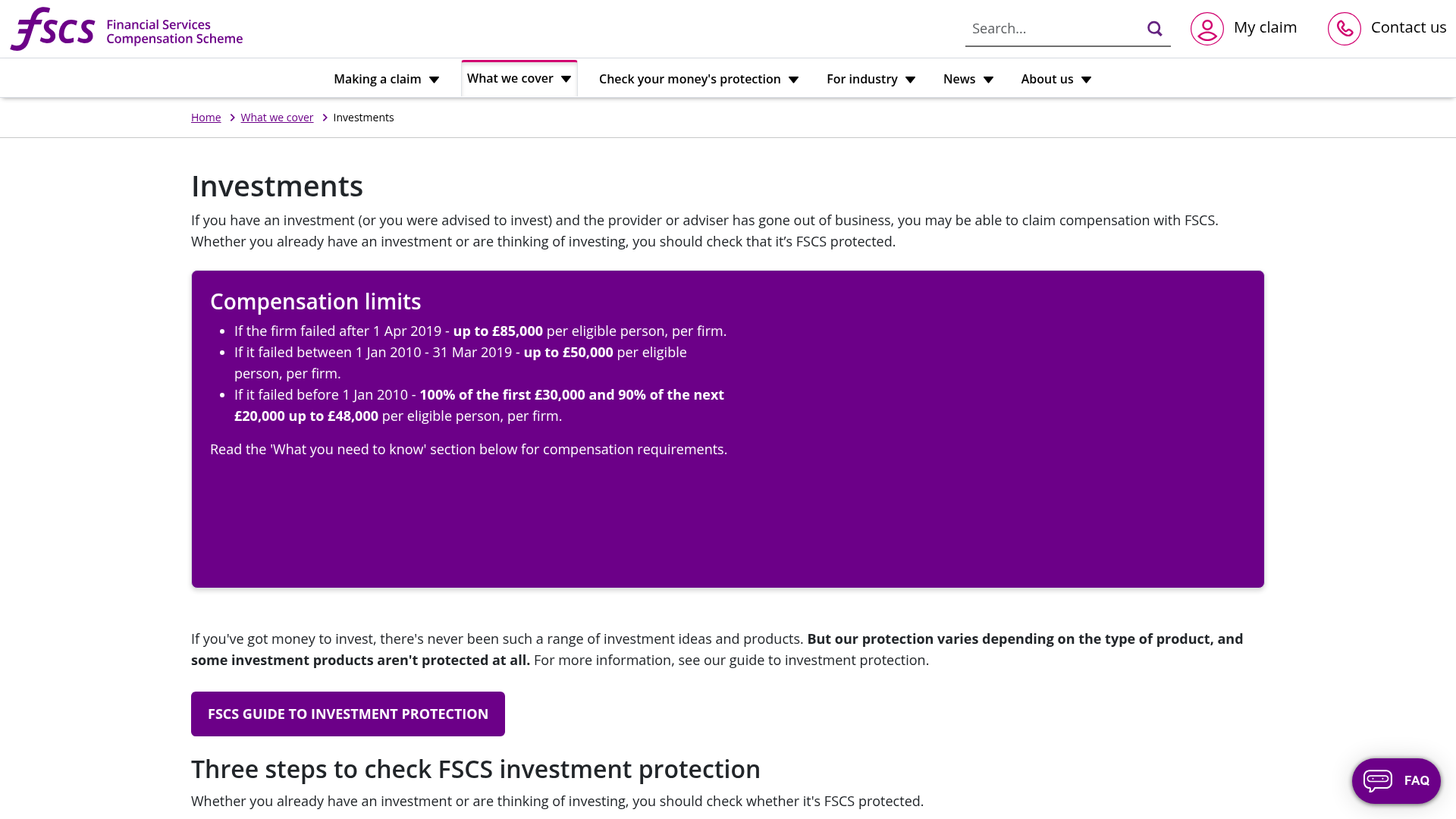
Las capturas de pantalla ilustran la interfaz de búsqueda de cada registro en el momento de la captura. La página en vivo de la autoridad es siempre la versión oficial; el estado de una empresa puede cambiar entre nuestra verificación y la suya.
Pruebas requeridas por estado
Qué debe existir para que se asigne un nivel determinado.
| Estado | Pruebas requeridas | Definición tal como se publicó |
|---|---|---|
| Peligro | A published regulator warning notice naming the firm, retrieved and linked. | A named regulator has published a warning notice about this firm telling consumers it is not authorised and to avoid dealing with it. We link to the regulator's own notice in every case. |
| Advertencia | An entry on a public regulator alert or registration-deficient list, retrieved and linked. | A regulator has published a list naming this entity — typically because it appears to be acting in a capacity that requires registration and is not registered. Being listed is not itself a finding of wrongdoing by a court, but it is a public signal from the regulator. |
| Precaución | A verifiable licence, plus a documented structural caveat (offshore entity, leverage above Tier-1 caps, scope mismatch). | The firm is licensed somewhere we can verify, but part of the business sits under weaker supervision — an offshore entity, leverage far above Tier-1 retail caps, or a register entry that does not cover everything the firm advertises. |
| Verificado | Two or more Tier-1 licences located on the issuing registers, and no published warning found at the check date. | We located the firm on at least two Tier-1 regulators' own public registers and found no published warning against it at the date of our last check. |
Reglas de idioma
- Declaramos que existe una advertencia publicada por una autoridad nombrada. Nunca declaramos nosotros mismos que una empresa sea fraudulenta.
- Cada afirmación señalada incluye la URL de origen, el editor y la fecha de recuperación.
- Los informes de usuarios se etiquetan como verificados o no verificados y nunca cambian un estado por sí solos.
- Cuando un regulador afirma que una inclusión no es un hallazgo de irregularidad, lo repetimos en el registro.
Qué causaría la eliminación de un registro
- El regulador retira o resuelve la notificación que citamos.
- La firma presenta una referencia de licencia que podemos confirmar en el registro emisor y que cubre la actividad en cuestión.
- Hemos detectado que un registro confundía a dos entidades con nombres similares. Esta es la corrección más frecuente que realizamos.