
Poin-poin penting
- Perusahaan klon meniru broker sungguhan yang teregulasi untuk menipu investor.
- Selalu verifikasi detail perusahaan langsung kepada regulator keuangan, bukan melalui perusahaan itu sendiri.
- Waspadai kontak yang tidak diminta, taktik tekanan, dan permintaan pembayaran yang tidak biasa.
- Perbedaan kecil pada alamat situs web, detail kontak, atau materi merek adalah indikator utama klon.
- Broker yang sah memiliki riwayat regulasi yang dapat diverifikasi dan operasional yang transparan.
Sifat Penipuan Perusahaan Klon
Perusahaan klon adalah entitas penipu yang meniru perusahaan jasa keuangan yang sah dan teregulasi, seringkali broker, untuk mengelabui individu agar percaya bahwa mereka berurusan dengan organisasi yang dapat dipercaya dan berwenang. Operasi penipuan ini memanfaatkan reputasi baik dan status regulasi perusahaan yang sudah mapan untuk mencuri uang atau mengumpulkan informasi pribadi. Mereka bukan hanya tidak teregulasi; mereka secara aktif terlibat dalam pencurian identitas jenis korporat, menampilkan diri sebagai sesuatu yang bukan diri mereka.
Bentuk penipuan ini sangat berbahaya karena memanfaatkan kepercayaan investor pada badan regulasi dan merek-merek terkenal. Ketika sebuah perusahaan diregulasi oleh otoritas seperti Financial Conduct Authority (FCA) di Inggris, Australian Securities and Investments Commission (ASIC), atau Cyprus Securities and Exchange Commission (CySEC), hal itu menunjukkan tingkat pengawasan dan perlindungan konsumen. Perusahaan klon sengaja mengambil alih rasa aman yang dirasakan ini, sehingga sulit bagi investor yang tidak curiga untuk membedakan antara entitas asli dan penipu palsu.
Motivasi utama di balik perusahaan klon adalah keuntungan finansial. Dengan meyakinkan individu bahwa mereka berinvestasi dengan broker yang sah, para penipu ini dapat meminta dana, yang kemudian dialihkan ke rekening mereka sendiri. Setelah uang ditransfer, seringkali menjadi tidak dapat dipulihkan, meninggalkan korban dengan kerugian finansial yang signifikan dan pelanggaran kepercayaan. Memahami penipuan mendasar ini adalah langkah pertama menuju perlindungan keuangan Anda.
Bagaimana Perusahaan Klon Melakukan Penipuannya
Perusahaan klon menggunakan berbagai taktik yang dirancang untuk menciptakan tampilan legitimasi yang meyakinkan. Operasi mereka seringkali dimulai dengan menyamar sebagai perusahaan sungguhan dengan menggunakan nama, logo, desain situs web, dan bahkan nomor registrasi perusahaan yang sah. Misalnya, perusahaan klon mungkin mengaku sebagai "Pepperstone" dan menampilkan nomor registrasi FCA yang sebenarnya milik Pepperstone asli, yang didirikan pada tahun 2010 dan berkantor pusat di Melbourne, Australia. Entitas penipu tersebut kemudian akan mencoba berinteraksi dengan calon korban melalui berbagai saluran.
Metode umum termasuk kontak yang tidak diminta melalui panggilan telepon, email, atau media sosial. Komunikasi ini mungkin menawarkan peluang investasi yang sangat menarik atau menjanjikan keuntungan yang tidak realistis, bertujuan untuk memikat individu. Para penipu kemudian akan mengarahkan calon korban ke situs web palsu, yang terlihat hampir identik dengan situs broker asli. Situs ini seringkali menampilkan sedikit variasi pada nama domain – mungkin huruf tambahan, domain tingkat atas yang berbeda (.net alih-alih .com), atau tanda hubung yang seharusnya tidak ada.
Setelah kontak terjalin dan kepercayaan mulai terbangun, perusahaan klon akan menekan individu untuk membuka rekening dan menyetor dana. Mereka mungkin memberikan detail rekening bank yang terlihat sah tetapi sebenarnya milik penampung uang (money mules) atau rekening luar negeri. Seluruh proses ini adalah skema yang diatur dengan cermat untuk menarik uang dengan dalih palsu, sehingga sangat penting bagi konsumen untuk mengetahui cara mengidentifikasi perbedaan-perbedaan kecil namun krusial ini.
Memverifikasi Keaslian Broker: Langkah-Langkah Penting
Pertahanan paling efektif terhadap perusahaan klon adalah verifikasi menyeluruh. Proses ini harus selalu melibatkan konsultasi situs web resmi regulator keuangan secara langsung, daripada mengandalkan informasi yang diberikan oleh perusahaan itu sendiri. Setiap broker yang sah, seperti IC Markets (didirikan 2007) atau XM (didirikan 2009), terdaftar pada badan regulasi tertentu di yurisdiksi tempatnya beroperasi. Misalnya, IC Markets diregulasi oleh ASIC, CySEC, dan FSA (Seychelles), sementara XM memegang lisensi dengan CySEC, ASIC, IFSC, dan DFSA.
Untuk memverifikasi, pertama identifikasi badan regulasi yang diklaim oleh broker yang Anda pertimbangkan. Kemudian, cari secara independen secara online untuk situs web resmi regulator spesifik tersebut (misalnya, cari "situs web resmi FCA UK" atau "daftar resmi ASIC Australia"). Setelah berada di situs regulator, gunakan daftar resmi atau alat pencarian perusahaan mereka. Cari nama broker dan nomor registrasi yang tertera. Misalnya, jika Anda memeriksa perusahaan yang mengaku sebagai OANDA, yang didirikan pada tahun 1996 dan diregulasi oleh FCA, CFTC/NFA, ASIC, IIROC, dan MAS, Anda akan mengunjungi daftar FCA dan mencari nama OANDA serta nomor registrasi FCA spesifiknya. Detail di situs regulator—termasuk informasi kontak, alamat terdaftar, dan domain situs web resmi—harus sangat cocok dengan informasi yang telah diberikan broker kepada Anda.
Setiap ketidaksesuaian, sekecil apa pun, harus dianggap sebagai tanda peringatan yang signifikan. Jika nomor telepon pada daftar regulator berbeda dari yang digunakan untuk menghubungi Anda, atau jika domain situs web berbeda, kemungkinan besar Anda berurusan dengan klon. Jangan gunakan detail kontak apa pun yang diberikan perusahaan kepada Anda untuk memverifikasi legitimasinya; selalu gunakan detail kontak resmi yang dikonfirmasi secara independen yang ditemukan di situs web regulator. Perbandingan langsung ini adalah alat terkuat Anda melawan penyamaran.
Mengenali Tanda Peringatan Lainnya
Selain verifikasi dengan regulator, beberapa indikator lain dapat menunjukkan bahwa Anda berurusan dengan perusahaan klon atau jenis penipuan keuangan lainnya. Salah satu tanda paling umum adalah kontak yang tidak diminta. Broker yang sah dan teregulasi seperti FOREX.com (didirikan 2001) atau FxPro (didirikan 2006) jarang melakukan panggilan telepon atau email secara acak kepada individu yang tidak memiliki hubungan sebelumnya untuk meminta investasi. Jika Anda menerima panggilan atau email tak terduga yang menawarkan peluang investasi, berhati-hatilah secara ekstrem.
Taktik tekanan adalah tanda bahaya lainnya. Penipu seringkali mendesak untuk keputusan segera, menekankan "penawaran terbatas waktu" atau menyarankan bahwa Anda akan kehilangan peluang signifikan jika tidak bertindak cepat. Mereka menghalangi penelitian menyeluruh atau mencari nasihat independen. Demikian pula, janji keuntungan yang tidak realistis tinggi atau dijamin harus memicu kecurigaan segera. Semua investasi yang sah mengandung risiko, dan janji keuntungan besar yang dijamin tanpa risiko adalah ciri khas penipuan.
Perhatikan metode pembayaran yang tidak biasa. Perusahaan klon seringkali meminta pembayaran melalui cryptocurrency, transfer kawat ke rekening bank individu, atau melalui pemroses pembayaran yang tidak jelas. Broker terkemuka, seperti AvaTrade (didirikan 2006) atau Plus500 (didirikan 2008), biasanya menggunakan payment gateway yang mapan dan aman, selalu atas nama perusahaan. Terakhir, cermati komunikasi dan kehadiran online perusahaan. Tata bahasa yang buruk, kesalahan ejaan, branding yang tidak konsisten, atau grafis berkualitas rendah di situs web atau dalam email dapat menandakan kurangnya profesionalisme yang menjadi ciri operasi penipuan. Bahkan perbedaan kecil pada nama domain (misalnya, 'eToro-fx.com' alih-alih 'eToro.com') adalah petunjuk krusial.
Apa yang Harus Dilakukan Jika Anda Mencurigai Perusahaan Klon
Jika Anda mencurigai telah dihubungi oleh atau sedang berurusan dengan perusahaan klon, sangat penting untuk bertindak tegas untuk melindungi diri sendiri dan orang lain. Langkah segera dan paling penting adalah menghentikan semua komunikasi dengan entitas yang mencurigakan tersebut. Jangan menanggapi panggilan, email, atau pesan mereka. Blokir nomor dan alamat email mereka.
Dalam keadaan apa pun Anda tidak boleh mentransfer uang atau membagikan informasi pribadi atau keuangan lebih lanjut, seperti detail bank, nomor kartu kredit, atau salinan dokumen identifikasi. Jika Anda sudah membagikan informasi sensitif, pertimbangkan untuk segera mengubah kata sandi yang relevan.
Tindakan selanjutnya adalah melaporkan insiden tersebut kepada regulator keuangan yang sesuai. Misalnya, jika perusahaan klon menyamar sebagai broker yang diregulasi oleh FCA, Anda akan melaporkannya kepada FCA. Berikan mereka semua detail yang Anda miliki, termasuk nama, informasi kontak, alamat situs web, dan komunikasi apa pun yang Anda terima. Anda juga harus segera menghubungi bank atau penyedia pembayaran Anda untuk memberitahukan potensi penipuan tersebut dan menjajaki kemungkinan pemulihan dana jika Anda sudah melakukan transfer. Mencari nasihat keuangan independen dari profesional yang berkualitas juga dapat sangat berharga dalam memahami pilihan Anda dan mengurangi potensi kerugian.
Melindungi Diri: Sikap Proaktif
Melindungi investasi Anda dari perusahaan klon memerlukan pendekatan yang proaktif dan waspada. Dasar perlindungan ini adalah selalu melakukan uji tuntas menyeluruh sebelum menginvestasikan dana atau membagikan detail pribadi. Jangan biarkan daya tarik keuntungan tinggi atau taktik penjualan agresif melewati penilaian kritis Anda. Ingatlah bahwa broker yang sah, banyak di antaranya telah berdiri lama—seperti OANDA sejak 1996 atau FOREX.com sejak 2001—akan selalu mendorong pertimbangan yang cermat.
Saat meneliti broker, konfirmasikan status regulasinya di beberapa yurisdiksi jika berlaku. Banyak broker terkemuka, seperti Exness, yang diregulasi oleh FCA, CySEC, FSCA, FSA (Seychelles), dan CBCS, atau eToro, yang diregulasi oleh FCA, CySEC, ASIC, dan FinCEN, memiliki lisensi dari beberapa badan. Meskipun satu regulasi bisa cukup, beberapa registrasi seringkali menunjukkan komitmen yang lebih luas terhadap kepatuhan dan pengawasan, yang lebih sulit dipalsukan secara meyakinkan oleh perusahaan klon. Hindari mengklik tautan di email atau pesan yang tidak diminta, dan sebagai gantinya, ketik alamat situs web resmi secara manual ke peramban Anda.
Terakhir, percayai insting Anda. Jika peluang investasi tampak terlalu bagus untuk menjadi kenyataan, jika Anda merasa tertekan, atau jika ada aspek interaksi yang terasa tidak biasa, kemungkinan besar itu adalah tanda potensi penipuan. Luangkan waktu untuk memverifikasi setiap detail, dan jika ragu, pilih untuk tidak berinvestasi. Kehati-hatian Anda adalah aset paling berharga Anda di pasar keuangan.
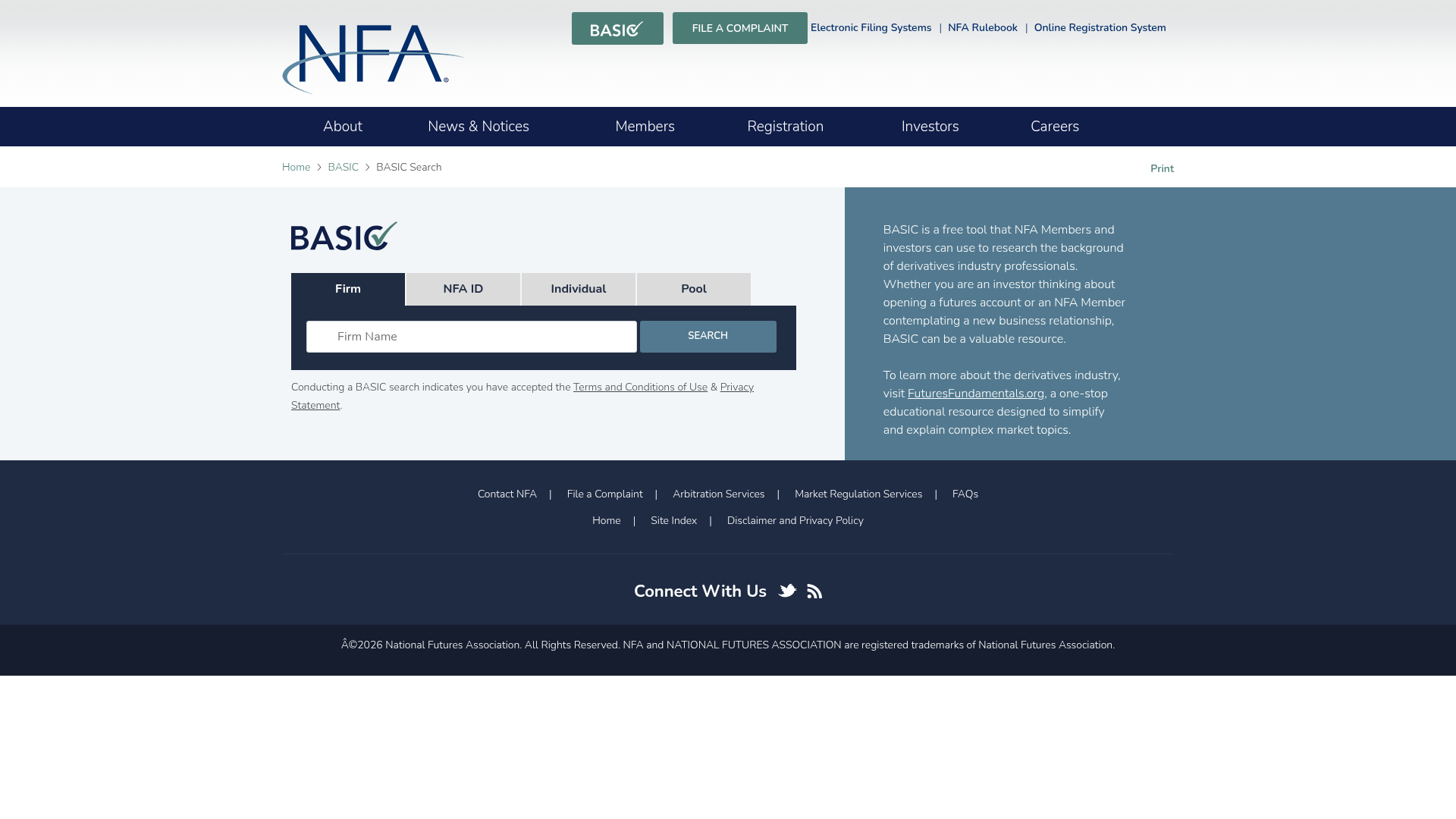
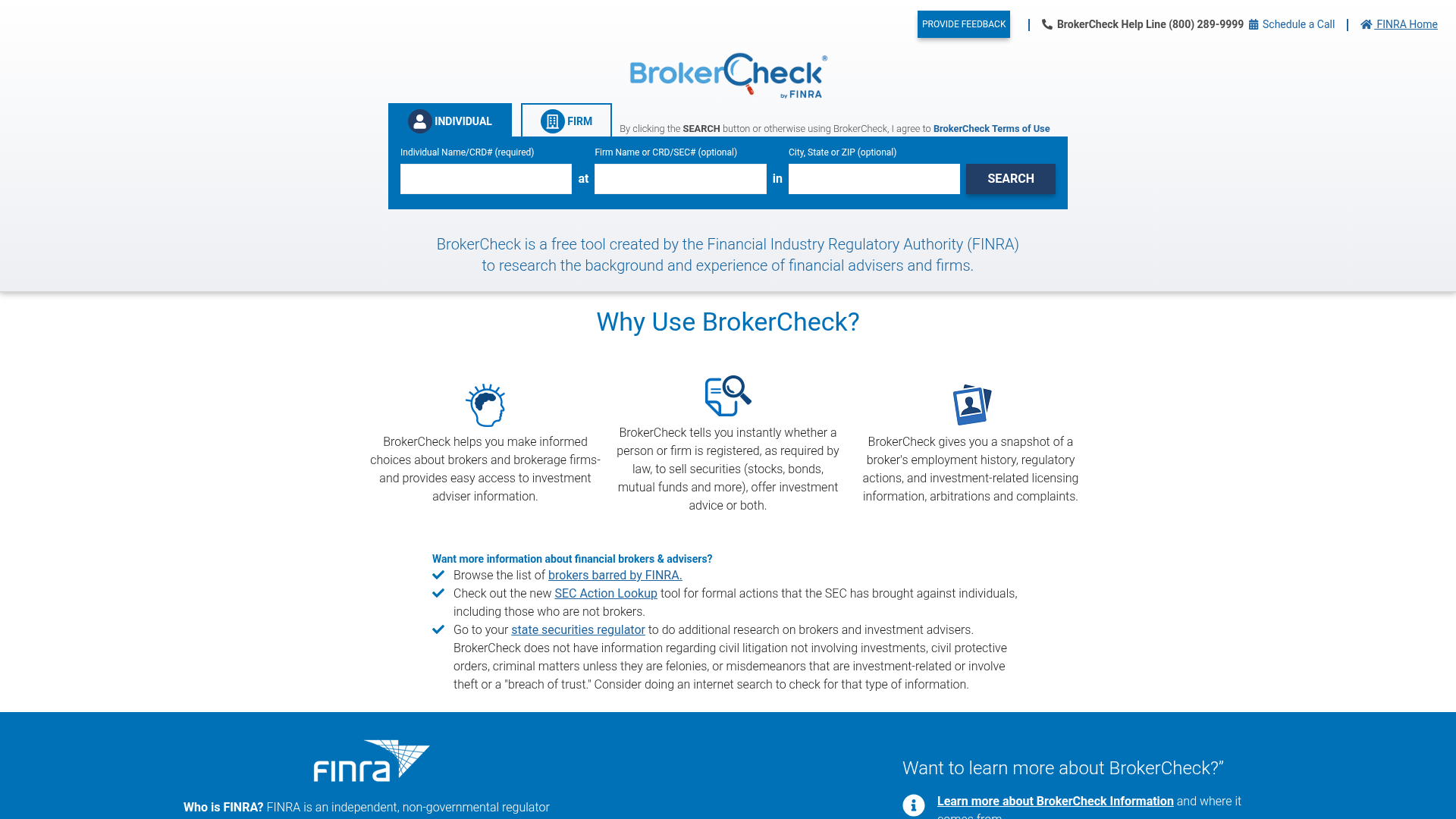
Halaman yang kami periksa
Ini adalah halaman resmi otoritas, diambil seperti yang kami temukan. Buka dan lakukan pencarian yang sama sendiri — tidak ada di daftar ini yang menggantikan sumber aslinya.
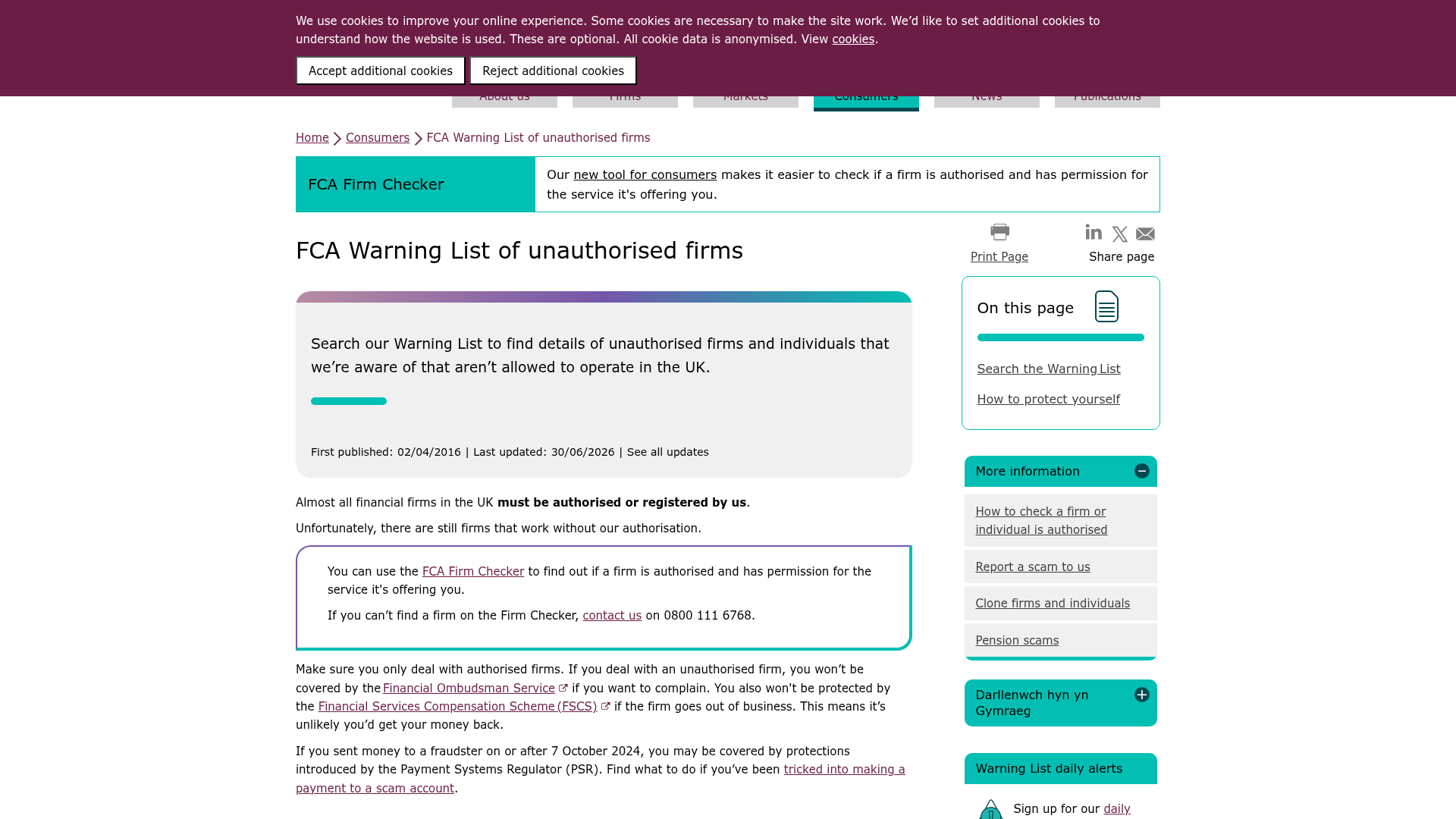
Daftar lain yang digunakan dalam pemeriksaan semacam ini. Setiap tautan membuka halaman otoritas terkait.
Sering ditanyakan
Apa perbedaan utama antara broker yang tidak teregulasi dan perusahaan klon?
Broker yang tidak teregulasi beroperasi tanpa pengawasan resmi, yang membawa risiko signifikan. Namun, perusahaan klon secara aktif menipu investor dengan menyamar sebagai entitas yang sah dan teregulasi, mencuri identitas dan kredensial regulasinya agar terlihat dapat dipercaya.
Bisakah perusahaan klon memiliki situs web yang terlihat profesional?
Ya, banyak perusahaan klon menginvestasikan upaya yang signifikan dalam menciptakan situs web yang canggih dan meyakinkan yang sangat meniru situs broker yang sah. Hal ini membuat verifikasi langsung dengan situs web regulator resmi menjadi lebih penting, karena tampilan visual saja bukanlah indikator keaslian yang dapat diandalkan.
Apa yang harus saya lakukan jika saya sudah mengirim uang ke perusahaan klon yang dicurigai?
Segera hentikan semua kontak dengan perusahaan tersebut. Hubungi bank atau penyedia pembayaran Anda untuk melaporkan transaksi penipuan tersebut dan tanyakan tentang kemungkinan pemulihan dana. Ajukan laporan terperinci kepada regulator keuangan nasional Anda dan pertimbangkan untuk mencari nasihat hukum independen untuk menilai pilihan Anda.
Seberapa cepat perusahaan kloning muncul dan menghilang?
Perusahaan kloning dapat muncul dan menghilang dengan sangat cepat. Mereka sering beroperasi untuk periode yang relatif singkat, mengumpulkan dana dari korban, lalu menutup operasi mereka untuk menghindari deteksi dan penuntutan, sehingga sulit untuk melacak mereka atau memulihkan uang yang hilang.