Poin-poin penting
- Pemberitahuan likuidasi palsu adalah taktik umum oleh platform trading tidak berlisensi untuk memeras deposit tambahan.
- Broker yang sah dan teregulasi menyediakan prosedur margin call yang jelas dan dapat diverifikasi serta tidak pernah menuntut pembayaran segera yang tidak terkait untuk likuidasi atau 'pajak'.
- Verifikasi status regulasi platform dengan badan pemerintah resmi seperti FCA atau ASIC adalah pertahanan pertama terhadap skema semacam itu.
- Dana yang ditransfer di bawah paksaan dari ancaman likuidasi palsu hampir mustahil untuk dipulihkan, menjadikan pencegahan sangat penting.
- Investor harus waspada terhadap komunikasi mendesak dan tidak terduga yang menuntut lebih banyak uang untuk 'menyelamatkan' investasi atau 'melepaskan' keuntungan.
Peringatan Mendadak dan Tujuan Sebenarnya
Peringatan mengerikan itu muncul di layar investor, sebuah deklarasi tak terduga dan mendesak: 'Akun dalam kondisi kritis. Tindakan segera diperlukan untuk mencegah likuidasi.' Bagi banyak individu yang terjun ke trading online, pesan ini memicu gelombang ketakutan instan. Mereka membayangkan modal mereka, yang berpotensi tumbuh menjadi 'keuntungan' besar menurut antarmuka platform trading, kini tergantung pada seutas benang, hanya beberapa saat lagi akan lenyap sepenuhnya. Namun, 'jurang' finansial yang dirasakan ini jarang berasal dari broker yang sah dan teregulasi. Semakin sering, ini adalah taktik psikologis yang direkayasa secara tepat, sebuah bentuk pemaksaan digital.
Entitas trading tidak berlisensi menyebarkan pemberitahuan likuidasi palsu ini bukan sebagai tindakan perlindungan terakhir untuk posisi yang over-leverage, melainkan sebagai mekanisme yang disengaja untuk memeras dana tambahan. Tujuannya sederhana: membuat investor percaya bahwa keuntungan mereka yang besar, meskipun sepenuhnya fiktif, akan lenyap kecuali mereka menyuntikkan lebih banyak modal. Deposit kedua ini mungkin dibingkai sebagai 'pembayaran keamanan,' 'penyelesaian pajak,' atau 'biaya anti pencucian uang.' Jaringan penipuan yang rumit di balik peringatan ini memiliki satu tujuan: untuk memperdalam komitmen finansial korban, menarik mereka lebih jauh ke dalam skema di mana investasi awal mereka sudah hilang, dan setiap transfer berikutnya hanya menambah defisit. Memahami niat predator inti ini adalah langkah pertama dalam mengenali dan menolak jebakan finansial yang rumit tersebut.
Anatomi Pemberitahuan Likuidasi Palsu
Pemberitahuan likuidasi palsu dibuat untuk meniru komunikasi resmi sambil secara halus, atau kadang terang-terangan, menyimpang dari praktik standar industri. Pesan-pesan ini sering tiba melalui saluran yang kurang formal, seperti WhatsApp, Telegram, atau alamat email pribadi, bukan melalui sistem pesan aman dari platform trading. Bahasa yang digunakan biasanya mendesak, menuntut tindakan segera dalam hitungan jam, atau bahkan menit, untuk menghindari kerugian besar. Tekanan waktu buatan ini adalah komponen kunci, dirancang untuk melewati pemikiran rasional dan memicu kepanikan.
Yang krusial, pemberitahuan ini sering menuntut pembayaran dengan alasan yang sama sekali tidak terkait dengan modal trading yang sebenarnya. Anda mungkin diminta membayar 'pajak atas keuntungan,' 'biaya anti pencucian uang,' 'deposit keamanan,' atau 'biaya pemrosesan penarikan.' Tujuan dana ini juga merupakan petunjuk yang jelas: rekening bank pribadi, dompet cryptocurrency, atau prosesor pembayaran yang tidak jelas, tidak pernah rekening klien yang terpisah yang digunakan oleh broker teregulasi. Ada ketiadaan yang jelas dari pengidentifikasi trade spesifik, detail instrumen, atau laporan rekening yang dapat diverifikasi yang akan menyertai margin call yang asli. Pesan tersebut bertujuan untuk menakut-nakuti dan membingungkan, bukan menginformasikan.
Banyak dari pemberitahuan ini meniru broker terkemuka yang dikenal dengan menggunakan logo atau nama yang sedikit diubah. Taktik ini menambah lapisan kredibilitas palsu. Pencarian cepat untuk situs web asli broker yang diduga dan perbandingan langsung metode komunikasi biasanya akan mengungkapkan penipuan tersebut. Tujuan utamanya adalah untuk memastikan investor merasa 'keuntungan' mereka nyata, dan dengan demikian layak dilindungi dengan biaya berapa pun, bahkan jika biaya itu berarti mengirim lebih banyak uang kepada pihak yang tidak dikenal dengan alasan yang tidak sah.
Bagaimana Margin Call Asli Beroperasi: Tinjauan Prosedural
Memahami bagaimana broker yang sah dan teregulasi mengelola posisi klien adalah fundamental untuk mendeteksi penipuan. Ketika posisi terbuka seorang investor bergerak tidak menguntungkan, menyebabkan ekuitas mereka jatuh di bawah ambang batas tertentu—dikenal sebagai tingkat maintenance margin—margin call yang asli akan terpicu. Ini adalah pemberitahuan, biasanya dikirim melalui platform aman broker, email, dan kadang-kadang melalui telepon, yang menyarankan klien untuk menyetor dana tambahan untuk menutupi potensi kerugian atau untuk menutup beberapa posisi.
Proses ini jarang mendadak atau tanpa pilihan. Broker teregulasi menyediakan jangka waktu yang jelas, seringkali 24 hingga 48 jam, bagi klien untuk bertindak. Mereka tidak akan pernah menuntut 'pembayaran pajak' atau 'biaya keamanan' untuk mencegah likuidasi. Dana yang diminta selalu diarahkan ke rekening trading klien yang sudah ada di broker, untuk digunakan sebagai margin. Tujuannya adalah untuk mengembalikan rekening ke tingkat margin yang sehat, bukan untuk menarik pembayaran baru yang tidak terkait. Syarat-syarat margin call transparan dan diuraikan dalam perjanjian klien yang ditandatangani saat pembukaan rekening.
Regulasi juga memainkan peran penting. Misalnya, di bawah intervensi ESMA, leverage untuk klien ritel yang memperdagangkan Kontrak untuk Perbedaan (CFD) dibatasi pada 1:30 untuk pasangan mata uang utama. Ini membatasi potensi kerugian yang cepat dan besar serta menyediakan lapisan perlindungan tambahan terhadap margin call yang tidak terduga. Kejelasan prosedural dan pengawasan regulasi sangat kontras dengan taktik buram dan bertekanan tinggi dari operasi tidak berlisensi. Dalam praktiknya, meja trading yang sah akan menawarkan opsi untuk mengelola risiko, sedangkan entitas tidak berlisensi hanya akan menuntut lebih banyak uang tanpa memberikan kendali nyata.
Perbedaan Utama Antara Karakteristik Margin Call Asli dan Palsu
| Fitur | Broker Sah | Platform Tidak Berlisensi |
|---|---|---|
| Saluran Pemberitahuan | Platform aman, email resmi, telepon | WhatsApp, Telegram, email pribadi |
| Alasan Deposit | Mengembalikan margin untuk menutupi posisi terbuka | Pajak, biaya keamanan, biaya penarikan |
| Tujuan Pembayaran | Rekening trading terpisah klien | Rekening bank pribadi, dompet kripto, pemroses pihak ketiga |
| Jangka Waktu Tindakan | Biasanya 24-48 jam, pilihan yang jelas diberikan | Segera, mendesak, menyebabkan kepanikan |
| Pilihan Penyelesaian | Deposit dana atau menutup posisi | Satu-satunya pilihan adalah untuk deposit dana lebih banyak untuk 'menyelamatkan' aset |
Ilusi Keuntungan: Mengapa Anda Menjadi Target
Efektivitas pemberitahuan likuidasi palsu sepenuhnya bergantung pada keyakinan korban bahwa mereka memiliki keuntungan yang substansial dan dapat diverifikasi di platform. Entitas tidak berlisensi mencapai ini melalui antarmuka trading yang canggih namun direkayasa. Platform-platform ini dirancang dengan cermat untuk meniru lingkungan trading nyata, menampilkan grafik, order book, dan yang terpenting, saldo akun yang terus meningkat. 'Keuntungan' yang ditampilkan sepenuhnya fiktif, tetapi memiliki tujuan psikologis yang kuat: mereka menciptakan investasi emosional.Ketika seorang investor melihat deposit awal mereka tumbuh secara signifikan, terkadang hingga ratusan persen dalam jangka waktu singkat, mereka mengembangkan rasa kepemilikan yang kuat dan keinginan untuk melindungi keuntungan ini. Kesuksesan yang direkayasa ini membuat ancaman likuidasi berikutnya menjadi sangat kuat. Para penipu bermain pada ketakutan kehilangan sesuatu yang terasa nyata dan telah diperoleh, meskipun sebenarnya tidak demikian. Saat penarikan dicoba, 'pemberitahuan likuidasi' atau hambatan berbasis biaya serupa akan muncul.Setiap upaya untuk menarik sebagian kecil sekalipun dari keuntungan yang seharusnya ini biasanya disambut dengan alasan, kesulitan teknis, atau tuntutan baru untuk 'biaya verifikasi' atau 'komisi'. Ini adalah pendahulu dari tuntutan utama untuk deposit 'pencegahan likuidasi'. Ilusi keuntungan adalah jebakan yang dibangun dengan cermat, dirancang untuk memaksimalkan persepsi kepemilikan investor dan dengan demikian meningkatkan kesediaan mereka untuk mentransfer lebih banyak dana di bawah tekanan.
Janji untuk melindungi 'keuntungan' yang besar adalah daya pikat yang kuat, namun menuntut pembayaran tambahan yang tidak terkait untuk mencegah likuidasi selalu menjadi ciri khas penipuan.
Alan Reeve
Memverifikasi Status Regulasi: Pertahanan Utama Anda
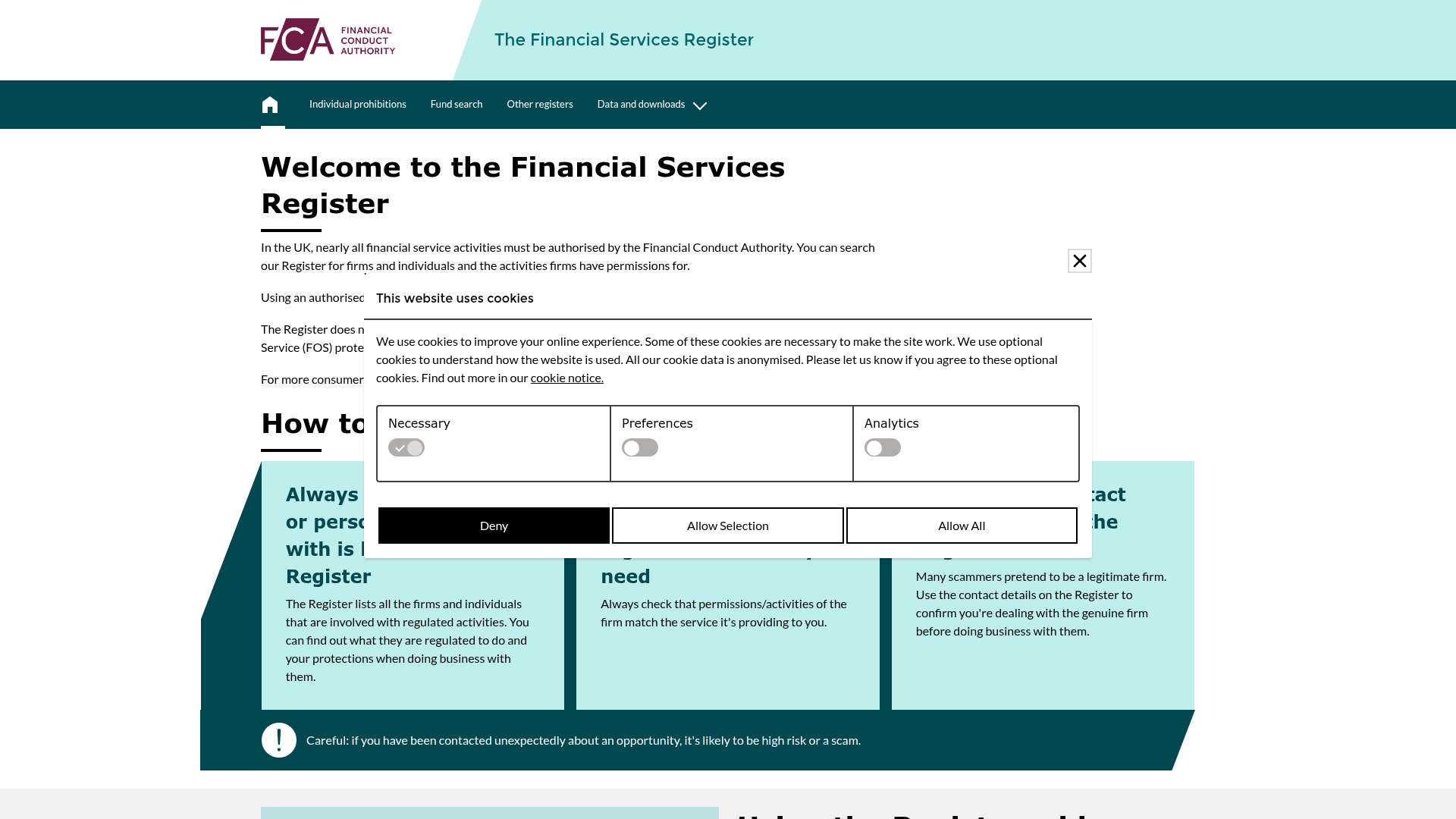
Sebelum melakukan transaksi keuangan apa pun, memverifikasi status regulasi platform trading adalah langkah perlindungan paling krusial yang dapat diambil investor. Ini adalah bagian yang dilewatkan oleh sebagian besar panduan, seringkali hanya menyarankan 'periksa apakah mereka teregulasi' tanpa menjelaskan caranya. Broker yang sah akan dengan bangga menampilkan nomor lisensi dan badan regulasinya di situs web resminya. Tugas Anda adalah memverifikasi informasi ini secara independen.Sebagai contoh, jika sebuah perusahaan mengklaim regulasi oleh Financial Conduct Authority (FCA) di Inggris, kunjungi Financial Services Register FCA di register.fca.org.uk. Masukkan nama atau nomor lisensi perusahaan yang tepat. Detail pada register—termasuk aktivitas yang diizinkan perusahaan dan informasi kontak—harus sama persis dengan yang diberikan oleh broker. Demikian pula, untuk Australia, gunakan ASIC Professional Registers di asic.gov.au/online-services/search-asics-registers/; untuk Siprus, CySEC Regulated Entities Register di cysec.gov.cy/en-GB/entities/investment-firms/cypriot/; dan untuk AS, CFTC Registration Deficient (RED) List serta pencarian NFA BASIC di cftc.gov/check dan nfa.futures.org/basicnet/ secara berurutan.Sangat penting untuk menavigasi langsung ke situs web regulator sendiri, daripada mengklik tautan yang disediakan oleh broker, yang bisa mengarah ke halaman regulasi palsu. Perhatikan baik-baik nama domain spesifik broker dan pastikan itu cocok dengan yang terdaftar di register resmi regulator. Sebuah perusahaan yang teregulasi di satu negara mungkin tidak diizinkan untuk melayani klien di yurisdiksi Anda, yang merupakan perbedaan utama.
Dana yang Tidak Dapat Dipulihkan: Melacak Uang dalam Skema Penipuan
Salah satu aspek yang paling menyedihkan dari menjadi korban skema pemberitahuan likuidasi palsu adalah kesulitan ekstrem, dan seringkali ketidakmungkinan, untuk memulihkan dana yang hilang. Entitas tidak berlisensi beroperasi di luar kerangka keuangan yang sah, sengaja membuatnya sulit bagi pihak berwenang untuk melacak transaksi.Dana yang ditransfer ke operasi ilegal ini biasanya dipindahkan dengan cepat melalui jaringan akun yang kompleks. Dana tersebut dapat disalurkan melalui beberapa transfer bank internasional, diubah menjadi berbagai cryptocurrency, atau dialihkan melalui perusahaan cangkang dan pemroses pembayaran anonim. Pergerakan cepat dan pengaburan ini disengaja, bertujuan untuk memutus rantai bukti dan membuatnya hampir tidak mungkin bagi penegak hukum atau lembaga keuangan untuk mengikuti jejak uang. Kurangnya kedudukan hukum terhadap entitas yang tidak teregulasi semakin memperparah masalah, karena tidak ada badan berlisensi atau skema kompensasi yang dapat diajukan untuk penggantian.Korban seringkali berada dalam posisi yang menyedihkan di mana bank atau penyedia pembayaran tidak dapat membalikkan transaksi setelah dana meninggalkan rekening penerima langsung. Situasi ini menekankan pentingnya pencegahan daripada upaya pemulihan. Setelah uang dikirim, terutama ke dompet cryptocurrency atau layanan transfer internasional untuk entitas yang tidak teregulasi, peluang untuk melihatnya lagi sangat minim.
Profil Broker dan Pengawasan Regulasi: Sekilas
Untuk menggambarkan sifat terstruktur dari operasi broker yang sah, pertimbangkan beberapa perusahaan mapan dan pasar regulasinya. Pepperstone, didirikan pada tahun 2010 dengan kantor pusat di Melbourne, Australia, memegang lisensi dari beberapa badan terkemuka termasuk FCA di Inggris, ASIC di Australia, dan CySEC di Siprus. Regulasi multi-yurisdiksi ini menyediakan kerangka perlindungan klien dan standar operasional.Demikian pula, OANDA, broker yang didirikan pada tahun 1996 dengan kantor pusat di New York, AS, diregulasi oleh FCA, CFTC/NFA, ASIC, IIROC, dan MAS. Luasnya pengawasan semacam itu menandakan komitmen terhadap kepatuhan di berbagai pasar global. FxPro, berbasis di London, Inggris, sejak tahun 2006, diregulasi oleh FCA, CySEC, FSCA, dan SCB. Contoh-contoh ini menunjukkan bahwa broker terkemuka beroperasi di bawah aturan ketat, yang dirancang untuk menjaga dana klien dan memastikan praktik trading yang adil.Regulator-regulator ini memberlakukan persyaratan kecukupan modal, mewajibkan rekening klien terpisah, dan seringkali mengawasi skema kompensasi investor, seperti Financial Services Compensation Scheme (FSCS) di Inggris untuk perusahaan yang diregulasi FCA. Perlindungan semacam itu sama sekali tidak ada saat berurusan dengan entitas tidak berlisensi. Kehadiran regulator-regulator ini bukan hanya sebuah lencana; itu mewakili komitmen terhadap keamanan investor dan sistem penyelesaian yang dapat diverifikasi dalam kasus sengketa atau kegagalan perusahaan. Perlindungan ini sama sekali tidak tersedia pada entitas tidak teregulasi yang menuntut pembayaran 'pencegahan likuidasi'.
Pialang Teregulasi Pilihan dan Regulator Utamanya
| Nama Pialang | Kantor Pusat | Regulator Utama |
|---|---|---|
| Pepperstone | Melbourne, Australia | FCA (Britania Raya), ASIC (Australia), CySEC (Siprus) |
| IC Markets | Sydney, Australia | ASIC (Australia), CySEC (Siprus), FSA (Seychelles) |
| OANDA | New York, USA | FCA (Inggris), CFTC/NFA (AS), ASIC (Australia), MAS (Singapura) |
| FxPro | London, UK | FCA (Inggris), CySEC (Siprus), FSCA (Afrika Selatan) |
| eToro | Tel Aviv, Israel | FCA (Inggris), CySEC (Siprus), ASIC (Australia) |
Tanda Peringatan di Luar Pemberitahuan Itu Sendiri
Pemberitahuan likuidasi palsu seringkali merupakan puncak dari kampanye penipuan yang lebih panjang dan lebih halus. Investor yang cerdas belajar mengenali tanda-tanda peringatan yang lebih awal. Kontak yang tidak diminta, baik melalui panggilan telepon tanpa diminta (cold call), pesan media sosial, atau email mencurigakan, adalah tanda bahaya yang signifikan. Pialang yang sah jarang melakukan kampanye cold-calling agresif untuk meminta dana dari individu yang tidak dikenal. Janji pengembalian yang dijamin dan tidak realistis, seperti 'menggandakan uang Anda dalam seminggu', adalah ciri khas penipuan. Pasar keuangan secara inheren melibatkan risiko, dan tidak ada investasi sah yang dapat menjamin pengembalian tertentu.Taktik tekanan tinggi adalah indikator jelas lainnya. Penipu akan mendesak untuk setoran segera, mengklaim penawaran waktu terbatas atau peluang unik yang akan hilang jika tidak segera dimanfaatkan. Mereka sering meminta akses jarak jauh ke komputer Anda, seolah-olah untuk 'membantu' menyiapkan akun atau melakukan setoran, yang dapat memungkinkan mereka mencuri informasi pribadi atau melakukan transaksi tanpa sepengetahuan penuh Anda. Pada praktiknya, pihak desk akan meminta setoran dua kali, atau bahkan lebih, selalu dengan dalih baru.Kesulitan dengan penarikan kecil, di mana sebuah platform memungkinkan Anda menarik sejumlah kecil pada awalnya tetapi kemudian menciptakan hambatan untuk jumlah yang lebih besar, harus segera menimbulkan kekhawatiran. Taktik ini membangun kepercayaan palsu sebelum penipuan yang lebih besar terungkap. Platform apa pun yang terlihat terlalu bagus untuk menjadi kenyataan, atau terus-menerus menemukan alasan mengapa Anda tidak dapat mengakses dana Anda, kemungkinan sedang bersiap untuk mengeluarkan pemberitahuan likuidasi palsu sebagai langkah paksaan terakhirnya.
Melaporkan Penipuan: Apa yang Harus Dilakukan dan Ke Mana Harus Melapor
Jika Anda menduga telah menjadi korban skema pemberitahuan likuidasi palsu atau penipuan investasi apa pun, bertindak cepat sangat penting, meskipun pemulihan penuh tidak mungkin. Langkah pertama Anda adalah segera menghubungi bank atau penyedia kartu kredit Anda. Laporkan transaksi penipuan tersebut dan tanyakan tentang kemungkinan chargeback atau pembatalan, terutama jika pembayaran terakhir dilakukan dengan kartu atau transfer bank.Selanjutnya, kumpulkan semua bukti: screenshot platform palsu, catatan komunikasi (email, pesan chat), catatan transaksi, dan detail apa pun tentang individu atau entitas yang terlibat. Dengan informasi ini, laporkan insiden tersebut kepada otoritas nasional yang relevan. Di UK, ini adalah Action Fraud (actionfraud.police.uk). Di Amerika Serikat, Anda harus melapor ke Internet Crime Complaint Center (IC3) FBI di ic3.gov dan Federal Trade Commission (FTC) di reportfraud.ftc.gov. Negara lain memiliki lembaga pelaporan kejahatan keuangan serupa.Meskipun pelaporan mungkin tidak menjamin pengembalian uang Anda, ini sangat penting untuk pengumpulan informasi dan membantu lembaga penegak hukum menyelidiki serta berpotensi menutup operasi kriminal ini, melindungi korban di masa depan. Jangan merasa malu; penipuan ini canggih dan menargetkan individu tanpa memandang literasi keuangan mereka.
Melindungi Informasi Anda: Kewaspadaan Jangka Panjang
Ancaman penipuan keuangan melampaui kerugian dana secara langsung. Setelah detail pribadi atau keuangan dikompromikan, ada risiko berkelanjutan pencurian identitas atau penipuan yang ditargetkan lebih lanjut. Oleh karena itu, kewaspadaan jangka panjang sangat penting. Segera ubah semua kata sandi untuk akun keuangan Anda, email, dan layanan online sensitif lainnya, pilihlah kombinasi yang kuat dan unik. Aktifkan otentikasi dua faktor (2FA) sedapat mungkin; ini menambahkan lapisan keamanan yang penting.Berhati-hatilah dalam membagikan dokumen identifikasi atau informasi perbankan secara online. Hanya berikan ini kepada institusi yang terverifikasi secara menyeluruh dan teregulasi. Waspadai kontak yang tidak diminta dari individu yang mengaku berasal dari badan resmi atau bank, terutama jika mereka meminta detail pribadi melalui telepon atau melalui email yang tidak terverifikasi. Pantau secara teratur laporan bank dan laporan kredit Anda untuk aktivitas mencurigakan apa pun. Mempertahankan kebiasaan ini menciptakan pertahanan yang kuat terhadap upaya berkelanjutan untuk mengakses keuangan dan data pribadi Anda.
Halaman yang kami periksa
Ini adalah halaman resmi otoritas, diambil seperti yang kami temukan. Buka dan lakukan pencarian yang sama sendiri — tidak ada di daftar ini yang menggantikan sumber aslinya.
Daftar lain yang digunakan dalam pemeriksaan semacam ini. Setiap tautan membuka halaman otoritas terkait.
Sumber utama
Setiap klaim di atas dapat diperiksa terhadap halaman resmi otoritas. Ini akan terbuka di situs regulator, bukan situs kami.
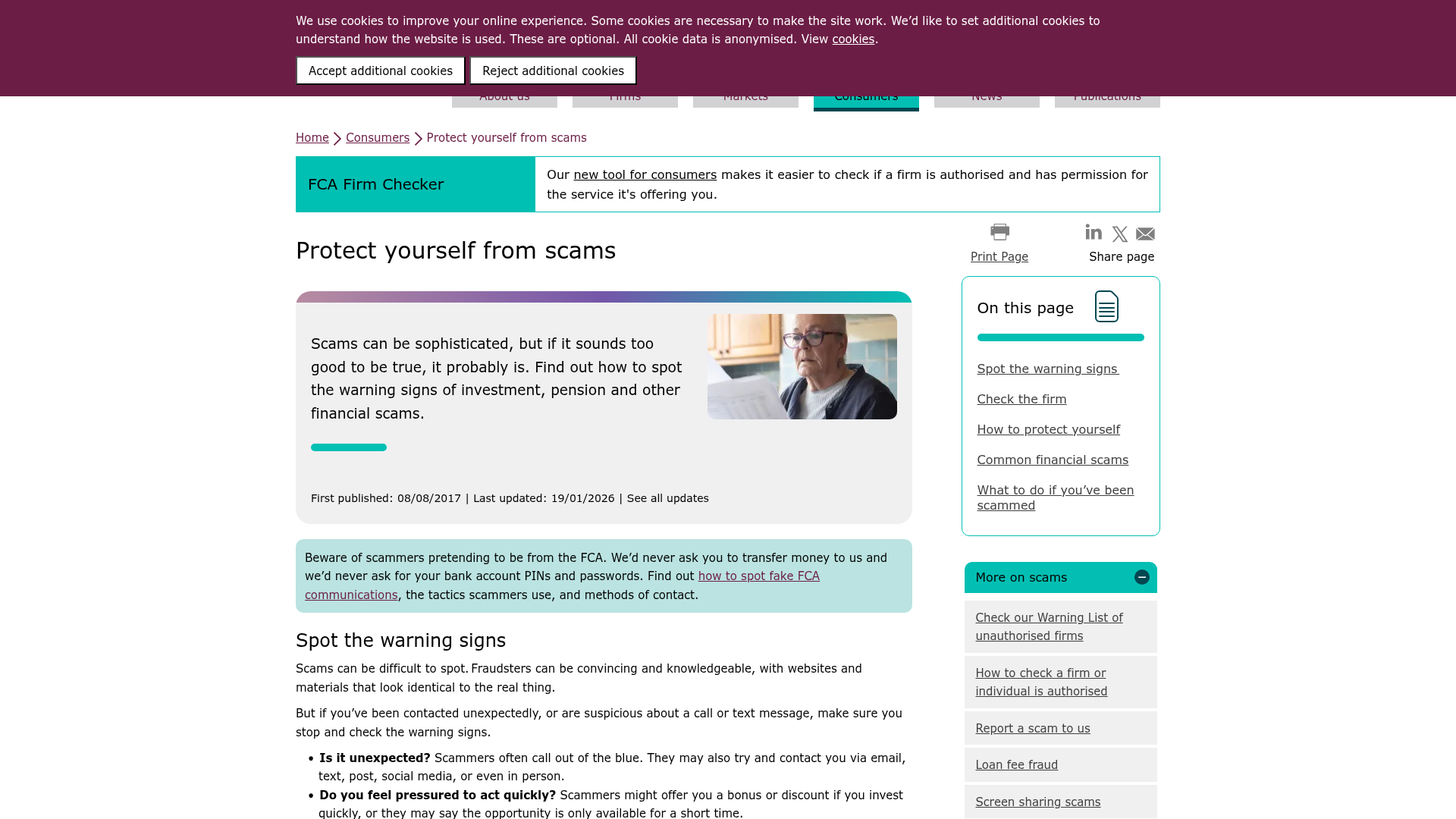
- FCA ScamSmartfca.org.ukhttps://www.fca.org.uk/scamsmart
- Financial Conduct Authority — Financial Services Registerregister.fca.org.ukhttps://register.fca.org.uk/
- ASIC — Professional registersasic.gov.auhttps://asic.gov.au/online-services/search-asics-registers/
- CFTC — Registration Deficient (RED) Listcftc.govhttps://www.cftc.gov/check
- FBI IC3 — Internet Crime Reportic3.govhttps://www.ic3.gov/AnnualReport/Reports
- Action Fraud (UK) — reportingactionfraud.police.ukhttps://www.actionfraud.police.uk/
Sering ditanyakan
Bagaimana cara mengetahui apakah pemberitahuan likuidasi itu asli?
Broker resmi memberi tahu klien melalui saluran platform resmi, email, atau telepon. Mereka tidak akan pernah menuntut pembayaran untuk 'pajak' atau 'keamanan' untuk mencegah likuidasi, juga tidak akan meminta Anda mengirim dana ke rekening pribadi atau dompet *cryptocurrency*. Selalu periksa akun Anda langsung di situs web resmi broker melalui browser yang tepercaya.
Bagaimana jika saya sudah mengirim uang setelah menerima pemberitahuan likuidasi palsu?
Segera hubungi bank atau penyedia kartu Anda untuk melaporkan transaksi penipuan tersebut. Ajukan laporan kepada otoritas kejahatan keuangan nasional Anda, seperti Action Fraud di Inggris atau IC3 FBI di AS. Meskipun pemulihan seringkali sulit, tindakan cepat sangat penting untuk setiap potensi jalan keluar.
Bisakah platform tidak berlisensi benar-benar menunjukkan keuntungan palsu kepada saya?
Ya, platform penipuan yang canggih sering menampilkan angka keuntungan yang meyakinkan tetapi sepenuhnya fiktif untuk menjebak investor. Platform-platform ini dirancang agar terlihat seperti antarmuka trading sungguhan, tetapi hanya menampilkan data yang dimanipulasi untuk menciptakan ilusi keberhasilan dan mendorong lebih banyak deposit.
Apakah aman memberikan dokumen identitas saya kepada broker online?
Broker yang bereputasi dan teregulasi mewajibkan verifikasi identitas (KYC) untuk mematuhi undang-undang anti-pencucian uang. Selalu pastikan broker tersebut benar-benar berlisensi dengan memeriksa daftar regulasi resmi sebelum membagikan dokumen pribadi apa pun. Jangan pernah memberikan dokumen kepada entitas yang tidak terverifikasi atau mencurigakan.
Apa itu *margin call*, dan bagaimana perbedaannya dengan pemberitahuan likuidasi palsu?
Sebuah *margin call* adalah tuntutan sah dari broker Anda untuk menyetorkan dana tambahan guna mengembalikan akun *margin* Anda ke tingkat minimum yang disyaratkan, mencegah penutupan posisi. Sebaliknya, pemberitahuan likuidasi palsu menuntut pembayaran tambahan yang tidak terkait (seperti 'pajak' atau 'biaya') kepada pihak ketiga, bukan ke akun trading Anda, sebagai dalih untuk mencuri lebih banyak uang.
Bagaimana cara memeriksa status regulasi sebuah broker?
Kunjungi situs web resmi regulator keuangan di negara tempat broker tersebut mengklaim teregulasi (misalnya, FCA.org.uk untuk Inggris, ASIC.gov.au untuk Australia). Cari nama perusahaan atau nomor lisensi pada daftar publik mereka. Penting untuk langsung menavigasi ke situs regulator, bukan mengeklik tautan yang disediakan oleh broker.