
Poin-poin penting
- Perusahaan kloning meniru bisnis yang sah dengan mencuri kredensial regulasi mereka, seringkali dengan perbedaan halus dalam branding atau informasi kontak.
- Verifikasi proaktif melalui register regulasi resmi (FCA, ASIC, CySEC, CFTC) adalah pertahanan paling efektif terhadap penipuan perusahaan kloning.
- Waspadai kontak yang tidak diminta, taktik penjualan bertekanan tinggi, dan janji pengembalian yang luar biasa tinggi dan dijamin; ini adalah ciri khas operasi penipuan.
- Situs web perusahaan, detail registrasi domain, alamat fisik, dan nomor kontak harus diverifikasi silang dengan cermat dengan catatan regulator resmi.
- Bahkan setelah 'investasi' awal, perusahaan kloning seringkali melanjutkan penipuan lebih lanjut, seringkali melalui penipuan 'pemulihan' atau tuntutan untuk 'pajak' atau 'biaya' tambahan.
- Melaporkan dugaan perusahaan kloning kepada badan regulasi dan penegak hukum sangat penting untuk perlindungan konsumen dan untuk membantu penyelidikan.
Penipuan Awal: Fasad yang Kredibel
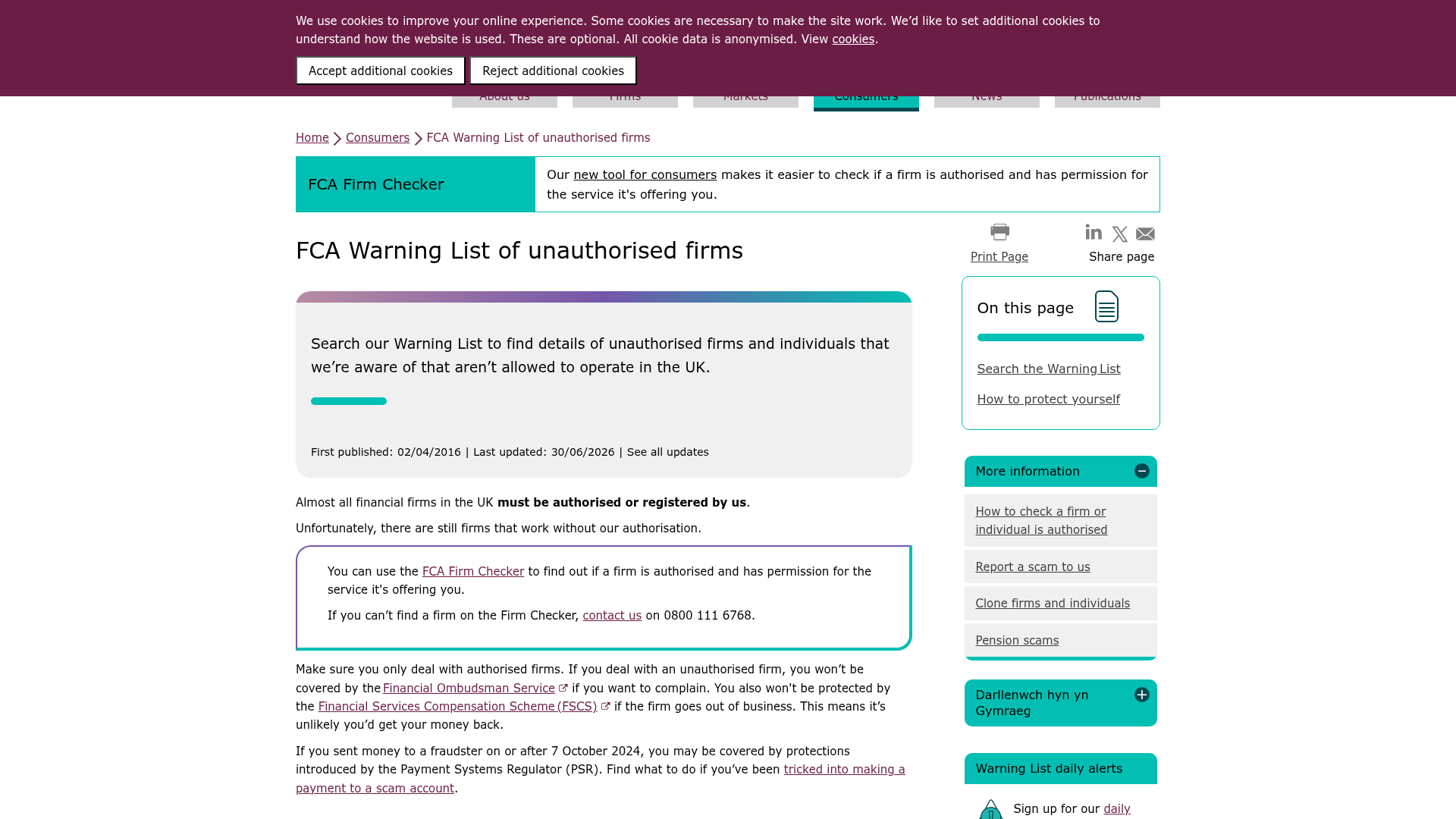
Dalam setahun terakhir, Financial Conduct Authority (FCA) saja telah menambahkan lebih dari 1.700 entitas ke daftar peringatannya, banyak di antaranya diidentifikasi sebagai perusahaan kloning. Angka ini bukan sekadar statistik; ini mewakili ribuan individu yang telah menjadi target atau telah kehilangan sejumlah besar uang kepada penipu keuangan yang canggih. Perusahaan kloning beroperasi dengan meniru secara cermat perusahaan jasa keuangan yang sah dan terotorisasi. Peniruan ini melampaui nama yang terdengar mirip atau logo yang dirancang buruk; ini melibatkan pencurian dan penyalahgunaan kredensial regulasi perusahaan asli secara terang-terangan.
Penipuan dimulai dengan fasad yang kredibel. Perusahaan-perusahaan ini sering menampilkan diri dengan situs web yang rapi, materi pemasaran yang terlihat profesional, dan terkadang bahkan alamat fisik yang tampak sah. Mereka mungkin menggunakan nama yang hampir identik dengan broker terkenal, mungkin dengan sedikit perbedaan ejaan atau penambahan sufiks, berharap pencarian cepat dan sekilas akan meyakinkan calon investor. Misalnya, penipu mungkin menamai dirinya sebagai 'Pepperstone Global' atau 'XM Trades' untuk memanfaatkan reputasi entitas teregulasi yang sebenarnya seperti Pepperstone atau XM. Namun, elemen krusial yang mereka curi adalah lisensi regulasi itu sendiri.
Mereka menyalin nomor lisensi, layanan yang diotorisasi, dan bahkan nama-nama personel kunci dari perusahaan asli, menggunakan detail ini sebagai bukti legitimasi mereka sendiri. Hal ini membuat sulit bagi investor rata-rata untuk membedakan penipuan, terutama jika mereka baru dalam online trading atau di bawah tekanan untuk membuat keputusan cepat. Tujuannya adalah untuk melewati pemeriksaan due diligence awal yang mungkin dilakukan investor yang berhati-hati, seperti mencari nomor lisensi di situs web, dengan menyajikan kredensial yang tampaknya valid tetapi sebenarnya milik entitas yang berbeda dan bereputasi baik.
Menjelajahi Pasar Regulasi untuk Verifikasi
Memahami pasar regulasi sangat penting untuk membedakan antara penyedia jasa keuangan yang sah dan perusahaan kloning. Badan regulasi seperti Financial Conduct Authority (FCA) di Inggris, Australian Securities and Investments Commission (ASIC), Cyprus Securities and Exchange Commission (CySEC), dan Commodity Futures Trading Commission (CFTC) di AS, memelihara register publik semua perusahaan yang terotorisasi. Register ini adalah sumber definitif untuk memverifikasi status regulasi perusahaan dan cakupan izinnya. Perusahaan kloning, menurut definisinya, tidak terdaftar di register ini dengan nama operasionalnya sendiri, melainkan mencoba menggunakan detail entitas asli yang teregulasi.
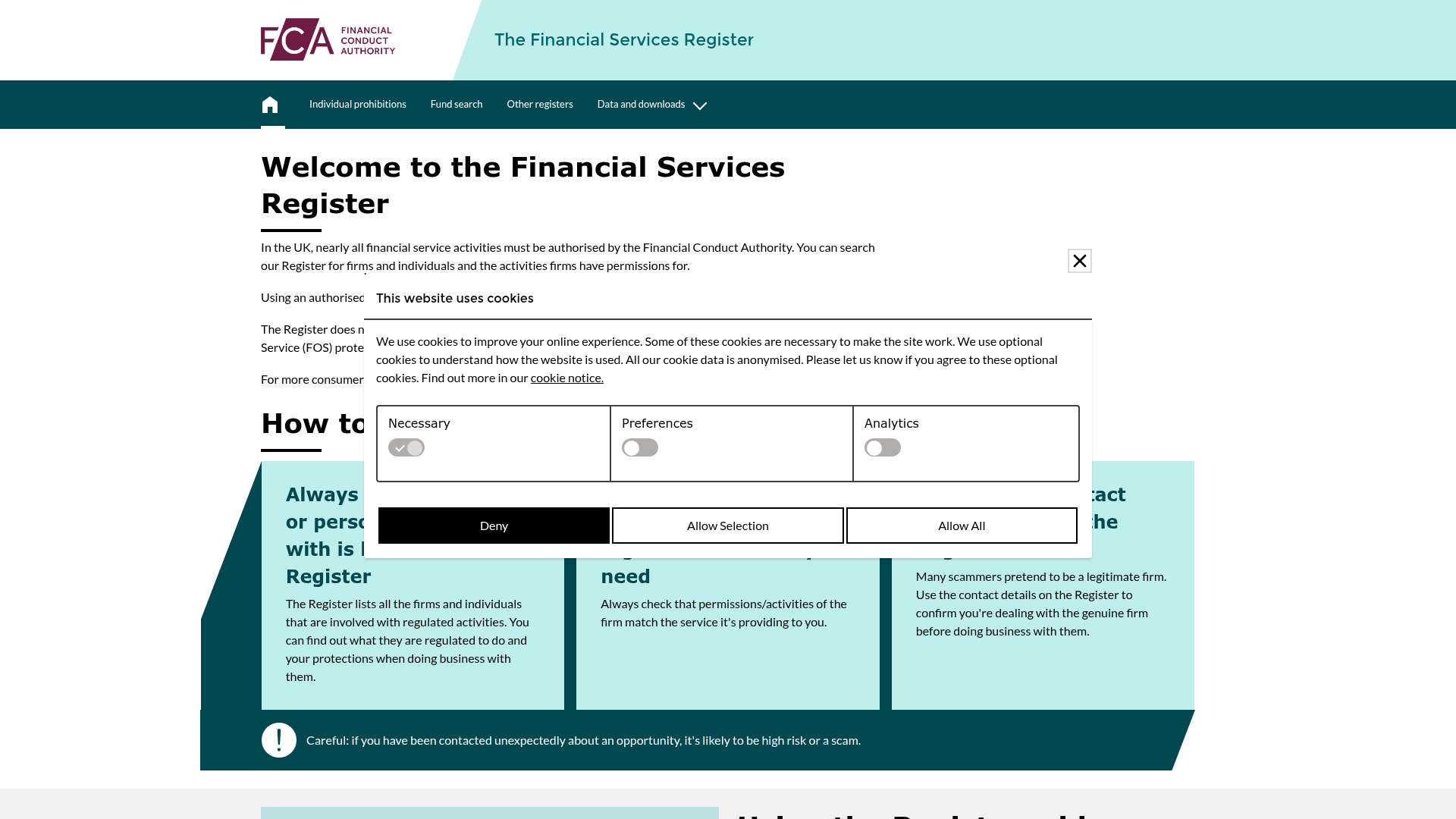
Detail spesifik yang ditemukan di register ini sangat tepat: meliputi nama legal perusahaan, nomor registrasinya, alamat yang diotorisasi, layanan spesifik yang diizinkan untuk ditawarkan, dan seringkali detail manajemen seniornya. Ini adalah bagian yang sering dilewatkan sebagian besar panduan: tidak cukup hanya melihat nomor lisensi. Anda perlu memverifikasi setiap detail yang terkait dengan lisensi tersebut terhadap catatan resmi. Misalnya, jika sebuah perusahaan mengklaim diatur oleh FCA, entri mereka di Financial Services Register FCA harus cocok persis dengan situs web dan materi pemasaran perusahaan, hingga alamat dan nomor telepon kontak. Perbedaan, sekecil apa pun, adalah tanda peringatan yang signifikan. Seringkali variasi kecil dalam domain email atau nomor telepon yang mengungkap penipu.
Ketika sebuah perusahaan seperti Pepperstone, yang berkantor pusat di Melbourne, Australia, menyatakan diatur oleh FCA, ASIC, CySEC, DFSA, BaFin, CMA, dan SCB, setiap klaim ini dapat dan harus diverifikasi silang dengan database publik regulator masing-masing. Hal yang sama berlaku untuk broker mapan lainnya seperti OANDA, yang diatur oleh FCA, CFTC/NFA, ASIC, IIROC, dan MAS, atau Exness, di bawah FCA, CySEC, FSCA, FSA (Seychelles), dan CBCS. Banyaknya registrasi sah untuk perusahaan-perusahaan ini menawarkan target yang luas untuk kloning, membuat verifikasi yang cermat menjadi lebih penting bagi investor.
Badan Regulasi Kunci dan Register Publik Mereka untuk Verifikasi Perusahaan
| Badan Regulasi | Fokus Geografis | URL Register Verifikasi |
|---|---|---|
| Otoritas Perilaku Keuangan (FCA) | Britania Raya | https://register.fca.org.uk/ |
| Komisi Sekuritas dan Investasi Australia (ASIC) | Australia | https://asic.gov.au/online-services/search-asics-registers/ |
| Komisi Sekuritas dan Bursa Siprus (CySEC) | Siprus (UE) | https://www.cysec.gov.cy/en-GB/entities/investment-firms/cypriot/ |
| Komisi Perdagangan Berjangka Komoditi (CFTC) | Amerika Serikat | https://www.cftc.gov/check |
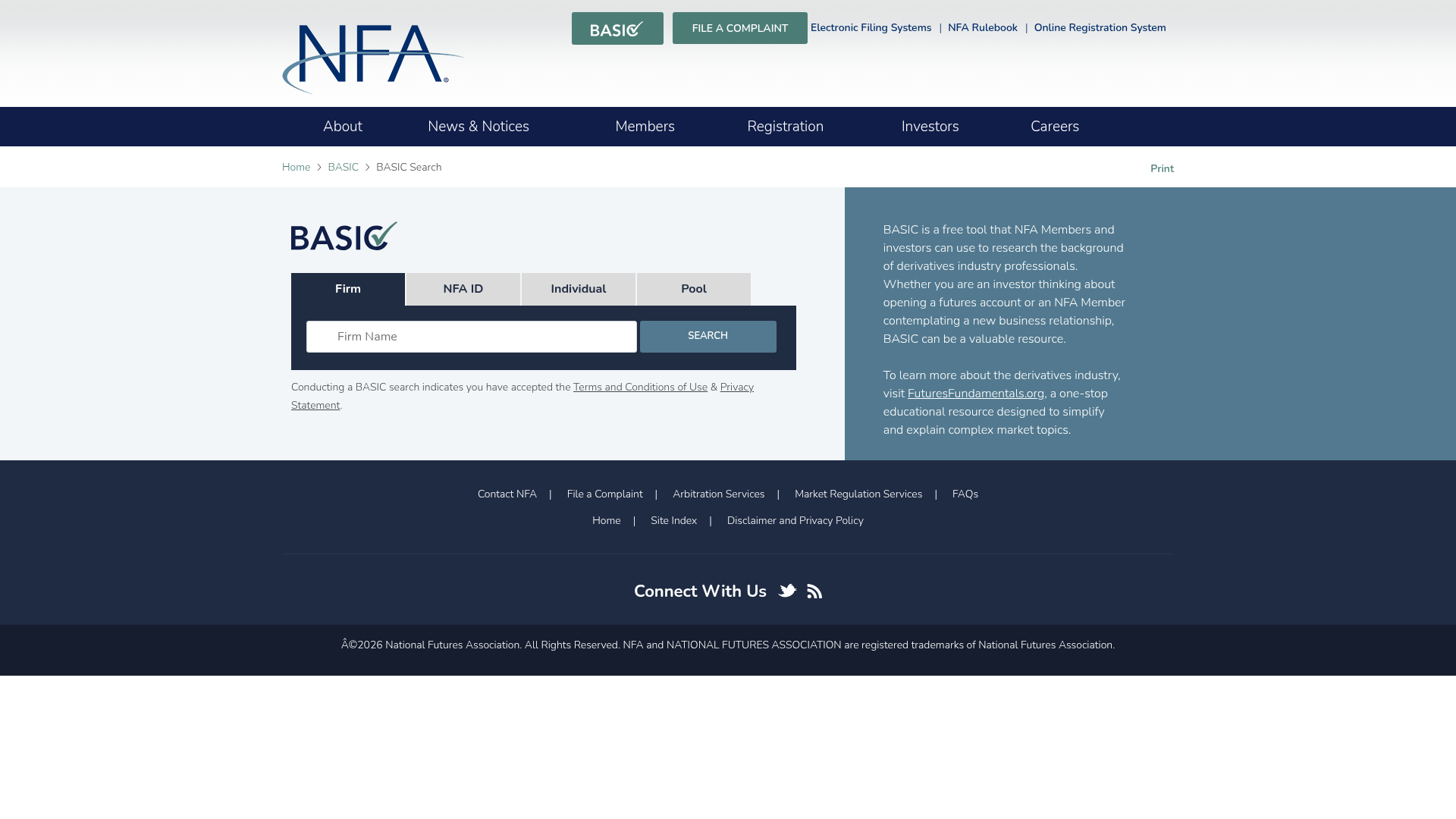
| Asosiasi Berjangka Nasional (NFA) | Amerika Serikat | https://www.nfa.futures.org/basicnet/ |
| Otoritas Moneter Singapura (MAS) | Singapura | https://eservices.mas.gov.sg/fid |
| Otoritas Pelaku Sektor Keuangan (FSCA) | Afrika Selatan | https://www.fsca.co.za/Regulated%20Entities/Pages/default.aspx |
Mekanisme Pencurian Lisensi
Proses 'meminjam' lisensi melibatkan lebih dari sekadar menyalin angka. Perusahaan klon sering memilih broker yang sudah mapan dan teregulasi ganda seperti FOREX.com atau AvaTrade karena pengakuan luas mereka memberikan lapisan keaslian. Mereka kemudian akan membuat materi pemasaran—situs web, brosur, profil media sosial—yang meniru branding, pesan korporat, dan bahkan penawaran produk spesifik dari perusahaan yang sah. Variasi halus adalah kuncinya: sedikit perubahan pada nama domain (misalnya, 'Forex.com-trade.net' alih-alih 'Forex.com'), nomor telepon yang berbeda yang tercantum di halaman 'hubungi kami' mereka, atau alamat email yang tidak cocok dengan domain resmi perusahaan yang sah.
Pertimbangkan skenario di mana seorang investor menerima panggilan atau email yang tidak diminta yang mempromosikan peluang investasi. Penelepon mungkin mengklaim mewakili 'IC Markets Group,' menampilkan nomor lisensi CySEC yang mereka temukan secara daring dari IC Markets yang sebenarnya. Namun, jika investor memeriksa daftar CySEC, mereka akan menemukan entitas resmi IC Markets dengan alamat terdaftar di Sydney, Australia, dan berpotensi nomor telepon kontak yang berbeda dari yang diberikan oleh penelepon. Perusahaan klon akan mengandalkan investor yang hanya memeriksa nomor lisensi dan bukan detail terkait.
Perusahaan-perusahaan ini sering menargetkan individu yang sebelumnya telah menunjukkan minat pada online trading atau cryptocurrency, sering kali memperoleh detail kontak dari basis data yang disusupi atau melalui taktik lead generation yang agresif. Setelah kontak awal terjalin, mereka menggunakan teknik penjualan bertekanan tinggi, menekankan penawaran waktu terbatas atau akses eksklusif ke keuntungan tinggi yang 'dijamin'. Tujuannya adalah untuk mendesak investor agar melakukan deposit sebelum mereka memiliki waktu untuk verifikasi menyeluruh. Dalam praktiknya, desk akan meminta dua kali, kadang tiga kali, untuk deposit tambahan setelah deposit kecil pertama, membuat investor merasa seperti mereka kehilangan keuntungan cepat.
Verifikasi Langkah-demi-Langkah: Perisai Anda Melawan Penipu
Verifikasi yang efektif adalah proses multi-langkah yang melampaui pandangan sekilas pada situs web. Langkah pertama dan paling penting adalah menemukan secara independen daftar resmi badan pengatur yang diklaim. Jangan mengandalkan tautan yang disediakan oleh perusahaan itu sendiri, karena ini dapat dengan mudah mengarahkan ke situs web replika yang menipu dan dirancang untuk mengelabui Anda. Sebagai gantinya, ketik nama regulator langsung ke mesin pencari (misalnya, 'FCA Financial Services Register') atau gunakan URL spesifik yang disediakan dalam panduan ini.
Setelah berada di daftar resmi, cari perusahaan berdasarkan nama hukum persisnya, seperti yang ditampilkan di basis data regulator. Jika perusahaan yang Anda tangani memberikan nama operasional yang berbeda atau nama hukum yang sedikit diubah, perbedaan ini adalah indikator jelas dari potensi klon. Bandingkan nomor registrasi, alamat terdaftar, informasi kontak yang sah, dan aktivitas yang diizinkan yang tercantum di daftar dengan detail yang disajikan oleh perusahaan. Perhatikan baik-baik variasi halus dalam nama perusahaan, alamat email (misalnya, support@broker.com vs. support@broker-group.net), dan nomor telepon.
Misalnya, jika Anda dihubungi oleh perusahaan yang mengaku sebagai Plus500, yang diregulasi oleh FCA, CySEC, ASIC, FMA, dan FSCA, Anda akan mengunjungi daftar FCA (https://register.fca.org.uk/) dan mencari 'Plus500'. Anda kemudian akan membandingkan alamat terdaftar (Haifa, Israel untuk Plus500) dan detail kontak yang tercantum dengan apa yang telah diberikan oleh perusahaan yang menghubungi Anda. Perbedaan apa pun, sekecil apa pun, memerlukan kehati-hatian ekstrem. Perbandingan cermat ini adalah pertahanan terkuat Anda terhadap menjadi korban operasi perusahaan klon.
Proses Verifikasi Lima Langkah Lengkap
| Langkah Verifikasi | Tindakan yang Harus Dilakukan | Hal yang Perlu Diperhatikan |
|---|---|---|
| Identifikasi Regulator | Tanyakan kepada perusahaan mengenai regulator dan nomor izin mereka. | Badan regulasi spesifik (misalnya, FCA, ASIC, CySEC) dan identifikasi nomor izin yang unik. |
| Akses Daftar Resmi | Akses secara mandiri daftar publik resmi regulator (JANGAN gunakan tautan dari perusahaan). | URL situs web resmi otoritas regulasi (misalnya, fca.org.uk, asic.gov.au). |
| Cari Detail Perusahaan | Cari di daftar menggunakan nama resmi perusahaan yang persis dan nomor izin. | Entri yang cocok yang mencakup nama resmi, nomor izin, alamat terdaftar, dan detail kontak. |
| Periksa Silang Semua Informasi | Bandingkan detail dari daftar resmi dengan SEMUA informasi yang diberikan oleh perusahaan (situs web, email, panggilan telepon). | Kecocokan yang persis untuk nama perusahaan, alamat, nomor izin, nomor telepon, dan domain email. Setiap perbedaan adalah peringatan. |
| Periksa Daftar Peringatan | Konsultasikan daftar peringatan regulator untuk perusahaan yang tidak berizin. | Jika perusahaan, atau entitas yang terdengar sangat mirip, terdaftar sebagai klon atau tidak berizin. |
Elemen krusial yang dicuri perusahaan kloning adalah lisensi regulasi itu sendiri, menggunakan detail ini sebagai bukti legitimasi mereka sendiri sementara beroperasi sepenuhnya di luar hukum.
Owen Blake
Di Luar Daftar: Pemeriksaan Investigasi Lebih Mendalam
Meskipun daftar regulasi adalah landasan utama verifikasi, itu bukan satu-satunya alat. Investor yang jeli melakukan pemeriksaan lebih mendalam. Salah satu area krusial adalah situs web perusahaan dan pendaftaran domainnya. Lembaga keuangan yang sah sering kali memiliki domain yang sudah lama berdiri. Alat seperti layanan pencarian WHOIS dapat mengungkapkan tanggal pendaftaran domain dan detail pendaftar. Domain yang baru didaftarkan, atau yang didaftarkan secara anonim, untuk sebuah perusahaan yang mengklaim telah beroperasi selama bertahun-tahun, adalah tanda bahaya yang signifikan. Sebagai contoh, sebuah perusahaan yang mengklaim sebagai 'eToro Partners' yang mendaftarkan domainnya baru enam bulan yang lalu akan segera mencurigakan, mengingat eToro yang asli didirikan pada tahun 2007.
Pemeriksaan penting lainnya melibatkan metode kontak. Perusahaan kloning sering kali menyediakan alamat email umum (misalnya, Gmail, Outlook) atau nomor ponsel non-geografis. Perusahaan yang terotorisasi, terutama yang memiliki jejak global seperti FxPro (didirikan 2006, kantor pusat di London), hampir secara eksklusif akan menggunakan alamat email profesional yang terhubung dengan domain korporat mereka dan nomor telepon rumah khusus yang dapat diverifikasi untuk kantor resmi mereka. Alamat fisik perusahaan, jika disediakan, juga harus diverifikasi silang dengan catatan publik atau layanan pemetaan. Apakah itu gedung kantor yang sah, atau alamat perumahan, atau bahkan lokasi yang tidak ada? Detail-detail ini, jika digabungkan, memberikan gambaran yang lebih lengkap.
Terakhir, waspadai bahasa yang digunakan dalam komunikasi. Meskipun broker yang sah mungkin menyoroti spread yang kompetitif (seperti klaim Pepperstone tentang 'tight spreads') atau fitur platform (MT4, MT5, TradingView), perusahaan kloning sering menekankan janji pengembalian yang dijamin, sangat tinggi dengan sedikit atau tanpa risiko. Klaim semacam itu tidak realistis dan bertentangan dengan prinsip investasi fundamental. Investasi melibatkan risiko, dan perusahaan mana pun yang menjanjikan sebaliknya kemungkinan besar beroperasi secara menipu. Broker asli akan transparan tentang risiko; kloning akan meremehkan atau mengabaikannya sepenuhnya.
Pengalaman Investasi: Ketika Kepercayaan Disalahgunakan
Begitu investor terpikat oleh fasad yang kredibel, modus operandi perusahaan kloning bergeser untuk mengeksploitasi kepercayaan tersebut. Awalnya, mereka mungkin mendorong deposit 'uji coba' kecil, seringkali serendah $250. Ini adalah taktik umum, karena jumlah yang relatif kecil membuat investor merasa kurang terekspos, dan mereka bahkan mungkin melihat 'keuntungan' awal yang direkayasa di portal online. Keberhasilan awal ini direkayasa dengan cermat untuk membangun kepercayaan dan mempersiapkan investor untuk deposit yang lebih besar. Platform perdagangan yang disediakan oleh perusahaan kloning biasanya palsu, menampilkan data yang dimanipulasi, atau merupakan platform white-label yang sah yang digunakan perusahaan kloning untuk meniru aktivitas perdagangan nyata tanpa paparan pasar yang sebenarnya.Seiring investor merasa lebih nyaman, tekanan untuk deposit yang lebih besar meningkat. Broker akan mengklaim bahwa lebih banyak modal diperlukan untuk mengakses fitur 'premium', sinyal 'eksklusif', atau 'leverage' yang lebih tinggi untuk melipatgandakan keuntungan. Mereka mungkin mengarang 'margin call' atau 'kewajiban pajak' yang memerlukan dana tambahan segera untuk mencegah hilangnya semua investasi sebelumnya. Di sinilah manipulasi emosional menjadi intens, karena investor, yang sudah menginvestasikan dana, merasa terpaksa untuk 'melindungi' modal mereka dengan mengirimkan lebih banyak uang. Ini adalah siklus setan yang dirancang untuk menarik modal sebanyak mungkin.Misalnya, jika perusahaan kloning yang meniru XM (didirikan 2009) menawarkan 'bonus' atau 'promosi' yang memerlukan deposit tambahan untuk mengaktifkan, dan menyiratkan pengembalian yang dijamin, ini menyimpang secara signifikan dari praktik entitas yang benar-benar teregulasi. Bonus yang sah biasanya terkait dengan volume perdagangan atau kondisi spesifik, bukan hanya deposit tambahan tanpa aktivitas perdagangan nyata. Tujuannya bukan untuk memfasilitasi perdagangan yang asli, tetapi untuk terus-menerus meminta lebih banyak dana dengan berbagai alasan sampai investor kehabisan uang atau menyadari penipuan tersebut.
Penipuan Sekunder: Penipuan Pemulihan
Kenyataan pahit bagi banyak korban perusahaan kloning adalah bahwa kerugian awal seringkali bukanlah akhir dari penderitaan. Setelah perusahaan kloning berhasil mengambil semua yang bisa diambil, atau investor mulai mencurigai adanya kecurangan, komunikasi bisa terhenti, atau perusahaan tersebut akan menghilang begitu saja. Namun, lapisan penipuan baru seringkali muncul: penipuan 'pemulihan' (recovery). Dalam skenario ini, korban dihubungi oleh individu atau kelompok yang mengaku sebagai 'spesialis pemulihan dana', 'akuntan forensik', atau bahkan 'aparat penegak hukum' yang dapat mengambil kembali dana mereka yang hilang. Entitas-entitas ini seringkali memiliki akses ke daftar korban penipuan sebelumnya, menunjukkan potensi hubungan dengan penipu asli atau pasar sekunder untuk data yang dicuri. Para penipu pemulihan ini akan menuntut biaya di muka untuk layanan mereka, seringkali dengan dalih sebagai biaya administrasi, biaya hukum, atau pajak. Mereka mungkin mengklaim memiliki perangkat lunak canggih atau koneksi berpengaruh yang dapat 'melacak' dan 'memulihkan' aset yang dicuri. Korban, yang putus asa untuk mendapatkan kembali kerugian mereka, mungkin akan jatuh ke dalam lapisan penipuan kedua ini, membayar uang tambahan kepada agen pemulihan yang diduga ini, hanya untuk kehilangan lebih banyak lagi. Ini adalah bentuk penipuan yang sangat kejam, memangsa kerentanan dan harapan mereka yang sudah menderita kesulitan finansial. Sangat penting untuk memahami bahwa layanan pemulihan dana yang sah jarang menuntut pembayaran di muka yang signifikan, terutama sebelum pekerjaan pemulihan dimulai atau hasilnya terlihat jelas. Setiap tawaran yang menjamin pemulihan dengan biaya di muka harus diperlakukan dengan kecurigaan ekstrem. Badan pengatur dan lembaga penegak hukum seperti Action Fraud (UK) atau FBI IC3 (US) menyediakan saluran resmi untuk melaporkan penipuan, tetapi mereka tidak membebankan biaya untuk layanan investigasi mereka, dan juga tidak mendukung perusahaan 'pemulihan' swasta. Jika Anda telah ditipu, langkah pertama Anda adalah melaporkannya kepada pihak berwenang resmi, bukan membayar 'spesialis pemulihan' lainnya.
Upaya Hukum Terbatas dan Mekanisme Pelaporan
Menemukan bahwa Anda telah menjadi korban perusahaan kloning bisa sangat menghancurkan, dan sayangnya, upaya hukum seringkali terbatas. Tidak seperti perusahaan yang sah dan teregulasi, perusahaan kloning beroperasi di luar kerangka hukum, sehingga sangat sulit untuk menempuh jalur hukum atau memulihkan dana melalui saluran tradisional. Badan pengatur seperti FCA, ASIC, atau CySEC dapat mengeluarkan peringatan terhadap perusahaan tidak berizin, seperti yang terlihat pada daftar peringatan masing-masing, tetapi kekuatan mereka untuk memulihkan dana secara langsung dari entitas ilegal ini sangat terbatas. Tindakan utama Anda haruslah melaporkan insiden tersebut kepada regulator keuangan terkait dan lembaga penegak hukum. Di Inggris, ini adalah Financial Conduct Authority (FCA) dan Action Fraud. Di AS, ini akan melibatkan CFTC dan Internet Crime Complaint Center (IC3) FBI. Memberikan laporan rinci, termasuk nama, URL situs web, alamat email, nomor telepon, dan catatan transaksi, sangat penting untuk membantu penyelidikan. Meskipun pemulihan dana segera tidak mungkin terjadi, pelaporan membantu pihak berwenang melacak operasi ini, memperingatkan korban potensial lainnya, dan berpotensi menutup penipu. Disarankan juga untuk segera menghubungi bank atau penyedia pembayaran Anda jika Anda telah mentransfer dana. Tergantung pada metode pembayaran yang digunakan (misalnya, transfer bank, kartu kredit), mungkin ada jendela peluang yang sangat sempit untuk chargeback atau penarikan dana, meskipun tingkat keberhasilan bisa rendah untuk transfer internasional. Financial Services Compensation Scheme (FSCS) di Inggris, misalnya, memberikan perlindungan bagi klien perusahaan keuangan berizin yang gagal, tetapi perlindungan ini tidak berlaku untuk dana yang hilang akibat perusahaan kloning tidak berizin. Perbedaan ini menunjukkan pentingnya verifikasi proaktif: pencegahan jauh lebih baik daripada mencari solusi setelah kejadian.
Perlindungan Proaktif: Membangun Pertahanan Anda
Pertahanan paling efektif terhadap perusahaan kloning adalah kewaspadaan proaktif dan pendekatan metodis terhadap uji tuntas. Jangan pernah menanggapi kontak yang tidak diminta mengenai peluang investasi, baik melalui telepon, email, atau media sosial. Broker teregulasi yang sah seperti OANDA atau FxPro biasanya tidak menghubungi individu secara acak untuk mencari investasi; sebaliknya, klien memulai kontak melalui saluran resmi mereka. Berhati-hatilah terhadap tekanan untuk bertindak cepat atau mentransfer dana segera. Biasakan verifikasi independen untuk setiap perusahaan jasa keuangan yang Anda pertimbangkan untuk berinteraksi. Ini termasuk memeriksa status regulasi mereka terhadap daftar resmi, meneliti detail kontak mereka, dan meneliti kehadiran online mereka secara menyeluruh. Cari ketidakkonsistenan, sekecil apa pun. Jika alamat email perusahaan adalah support@brokergroup.co tetapi domain broker yang sah adalah broker.com, ini adalah upaya sengaja untuk menipu. Jangan pernah biarkan janji keuntungan luar biasa mengaburkan penilaian Anda. Keuntungan realistis biasanya sederhana dan selalu mengandung tingkat risiko tertentu. Setiap tawaran yang tampaknya terlalu bagus untuk menjadi kenyataan, hampir pasti memang begitu. Terakhir, terus-menerus mendidik diri sendiri tentang taktik penipuan umum. Regulator seperti FCA dan CFTC secara teratur menerbitkan nasihat dan peringatan tentang metode baru yang digunakan oleh penipu. Tetap terinformasi tentang ancaman yang berkembang ini dapat membekali Anda untuk mengidentifikasi dan menghindari penipuan. Melindungi modal Anda membutuhkan ketekunan dan dosis skeptisisme yang sehat dalam lingkungan keuangan digital yang semakin kompleks. Selalu ingat bahwa beban pembuktian keabsahan sepenuhnya berada pada perusahaan yang mencari investasi Anda, bukan pada Anda untuk mengungkap penipuan mereka. Jika ada keraguan yang tersisa setelah pemeriksaan Anda, tinggalkan saja.
Halaman yang kami periksa
Ini adalah halaman resmi otoritas, diambil seperti yang kami temukan. Buka dan lakukan pencarian yang sama sendiri — tidak ada di daftar ini yang menggantikan sumber aslinya.
Daftar lain yang digunakan dalam pemeriksaan semacam ini. Setiap tautan membuka halaman otoritas terkait.
Sumber utama
Setiap klaim di atas dapat diperiksa terhadap halaman resmi otoritas. Ini akan terbuka di situs regulator, bukan situs kami.
- Financial Conduct Authority — Financial Services Registerregister.fca.org.ukhttps://register.fca.org.uk/
- FCA — Warning list of unauthorised firmsfca.org.ukhttps://www.fca.org.uk/consumers/warning-list-unauthorised-firms
- Action Fraud (UK) — reportingactionfraud.police.ukhttps://www.actionfraud.police.uk/
- CFTC — Customer advisories on fraudcftc.govhttps://www.cftc.gov/LearnAndProtect/AdvisoriesAndArticles/index.htm
- ASIC — Professional registersasic.gov.auhttps://asic.gov.au/online-services/search-asics-registers/
- Financial Services Compensation Scheme (FSCS)fscs.org.ukhttps://www.fscs.org.uk/what-we-cover/investments/
Sering ditanyakan
Apa perbedaan utama antara broker teregulasi dan perusahaan kloning?
Broker teregulasi adalah broker yang secara resmi berlisensi dan diawasi oleh otoritas keuangan, dengan detailnya tercantum dalam daftar publik. Perusahaan kloning secara ilegal menggunakan detail perusahaan teregulasi tetapi beroperasi tanpa izin, seringkali dengan nama atau informasi kontak yang sedikit diubah.
Bagaimana cara memverifikasi lisensi broker untuk memastikan itu bukan perusahaan kloning?
Selalu kunjungi situs web resmi badan pengatur (misalnya, FCA, ASIC, CySEC) dan cari di daftar publik mereka untuk nama hukum dan nomor lisensi perusahaan yang tepat. Lakukan verifikasi silang secara independen semua detail, termasuk alamat, nomor telepon, dan domain email, dengan apa yang disediakan oleh perusahaan.
Apa saja tanda bahaya umum dari perusahaan kloning atau penipuan investasi?
Tanda bahaya meliputi kontak yang tidak diminta, janji keuntungan tinggi yang dijamin dengan sedikit atau tanpa risiko, tekanan untuk berinvestasi dengan cepat, permintaan biaya atau pajak yang tidak biasa, dan perbedaan antara detail yang disebutkan perusahaan dengan catatan regulasi resmi.
Bisakah saya memercayai tautan ke situs web regulator yang disediakan oleh perusahaan itu sendiri?
Tidak, Anda tidak boleh memercayai tautan yang disediakan oleh perusahaan. Perusahaan kloning dapat membuat situs web regulator palsu. Selalu navigasikan secara independen ke situs web resmi regulator dengan mengetikkan alamatnya langsung ke browser Anda atau menggunakan mesin pencari untuk menemukan situs yang autentik.
Apa yang harus saya lakukan jika saya curiga telah dihubungi oleh perusahaan kloning?
Jangan berinteraksi lebih lanjut dengan mereka. Laporkan perusahaan tersebut kepada regulator keuangan terkait (misalnya, FCA, CFTC) dan lembaga penegak hukum atau pelaporan penipuan setempat Anda (misalnya, Action Fraud, FBI IC3). Berikan semua detail yang telah Anda kumpulkan.
Apakah ada 'layanan pemulihan' yang dapat membantu saya mendapatkan kembali uang saya dari perusahaan kloning?
Sangat berhati-hatilah terhadap 'layanan pemulihan' yang menjanjikan untuk mengambil kembali dana Anda yang hilang dengan biaya di muka. Ini seringkali merupakan penipuan sekunder yang menargetkan korban sebelumnya. Regulator resmi dan penegak hukum tidak membebankan biaya untuk penyelidikan, dan pemulihan yang sah jarang terjadi karena sifat perusahaan kloning yang tidak teregulasi.