Poin-poin penting
- Selalu verifikasi status regulasi broker langsung dengan otoritas resmi, bukan hanya berdasarkan klaim di situs web mereka.
- Sangat curigai platform yang menjanjikan keuntungan tidak realistis atau menggunakan taktik penjualan bertekanan tinggi.
- Teliti situs web platform, informasi kontak, dan usia domain untuk mencari tanda-tanda ketidakprofesionalan atau pembuatan yang baru.
- Platform yang sah memiliki proses deposit dan penarikan yang jelas dan konvensional; waspadai permintaan pembayaran yang tidak biasa atau kesulitan penarikan.
- Dokumentasikan semua interaksi dan laporkan dugaan operasi tidak sah kepada regulator keuangan terkait.
Fondasi Utama: Verifikasi Regulasi
Langkah terpenting dalam menilai platform trading adalah memverifikasi status regulasinya. Penyedia layanan keuangan yang sah diatur oleh badan pemerintah tertentu yang dirancang untuk melindungi konsumen. Badan-badan ini termasuk, misalnya, Financial Conduct Authority (FCA) di Inggris, Australian Securities and Investments Commission (ASIC) di Australia, atau Cyprus Securities and Exchange Commission (CySEC).
Entitas yang beroperasi tanpa otorisasi yang tepat di yurisdiksi tempat mereka menawarkan layanan menimbulkan risiko yang signifikan. Operasi semacam itu tidak tunduk pada aturan dan pengawasan yang melindungi dana Anda, memastikan praktik trading yang adil, atau memberikan jalan keluar jika terjadi perselisihan. Memverifikasi regulasi berarti langsung mengunjungi situs web resmi regulator dan mencari nama broker serta nomor registrasi mereka di daftar publik. Jangan mengandalkan tautan yang disediakan di situs broker itu sendiri, karena ini dapat dengan mudah dipalsukan. Misalnya, broker seperti Pepperstone, yang didirikan pada tahun 2010 dan berkantor pusat di Melbourne, Australia, secara terbuka mencantumkan regulatornya sebagai FCA, ASIC, CySEC, DFSA, BaFin, CMA, dan SCB. Pengguna yang cermat akan mengonfirmasi setiap registrasi ini di portal web regulator masing-masing.
Janji-janji Tidak Realistis dan Promosi Agresif
Tanda peringatan yang menonjol adalah platform apa pun yang menjanjikan keuntungan tinggi yang dijamin, kekayaan instan, atau keuntungan yang tampak terlalu bagus untuk menjadi kenyataan. Pasar keuangan secara inheren melibatkan risiko, dan tidak ada aktivitas trading yang sah dapat menawarkan jaminan semacam itu. Berhati-hatilah terhadap pemasaran yang meremehkan risiko atau menyarankan keuntungan luar biasa yang konsisten tanpa usaha.
Indikator penting lainnya adalah kontak yang tidak diminta. Jika Anda menerima panggilan telepon tak terduga (cold calls), email, atau pesan melalui media sosial dari individu yang mengaku mewakili platform trading, menawarkan kesepakatan eksklusif, atau mendesak Anda untuk segera berinvestasi, lanjutkan dengan sangat hati-hati. Broker yang sah biasanya tidak terlibat dalam jangkauan agresif dan tidak diundang semacam itu. Taktik penjualan bertekanan tinggi, permintaan untuk deposit cepat, atau desakan untuk membagikan detail keuangan pribadi tanpa protokol keamanan yang jelas adalah semua indikasi kuat bahwa platform tersebut mungkin tidak beroperasi secara sah.
Peninjauan Situs Web dan Fungsionalitas Platform
Perhatikan baik-baik situs web platform. Apakah ada kesalahan ejaan atau tata bahasa? Apakah desainnya terlihat profesional dan lengkap, atau tampak dibuat terburu-buru? Institusi keuangan yang sah berinvestasi secara signifikan dalam kehadiran online mereka, memastikan kejelasan, keamanan, dan pengalaman pengguna yang disempurnakan. Periksa informasi kontak yang jelas, termasuk alamat fisik, nomor telepon, dan dukungan email yang responsif. Ketidakadaan hal-hal ini, atau penyediaan hanya formulir kontak umum, harus menimbulkan kekhawatiran.
Selidiki detail pendaftaran domain situs web. Ada alat online untuk memeriksa kapan domain situs web didaftarkan. Banyak platform tidak sah beroperasi pada domain yang baru didaftarkan, terkadang hanya beberapa bulan, berusaha menghindari pengawasan. Broker yang mapan, seperti OANDA, yang didirikan pada tahun 1996, atau FOREX.com, yang didirikan pada tahun 2001, memiliki kehadiran online selama puluhan tahun. Saat memeriksa platform trading itu sendiri, cari tanda-tanda antarmuka yang umum, banyak bug, atau terlalu sederhana yang tidak memiliki fitur standar dan protokol keamanan. Lingkungan trading yang fungsional dan aman adalah ciri khas broker yang asli.
Jalur Dana: Deposit dan Penarikan
Metode yang digunakan platform untuk deposit dan, yang terpenting, untuk penarikan, memberikan wawasan tentang legitimasinya. Sangat waspada jika platform meminta deposit melalui cara yang tidak konvensional, seperti transfer cryptocurrency langsung ke dompet pribadi, transfer kawat ke rekening bank individu daripada rekening perusahaan, atau prosesor pembayaran yang tidak jelas. Broker yang sah memfasilitasi deposit dan penarikan melalui saluran perbankan yang mapan dan diatur, seringkali menawarkan berbagai metode konvensional seperti transfer bank, kartu kredit/debit, dan e-wallet umum, semuanya di bawah langkah-langkah keamanan yang ketat.
Masalah signifikan sering muncul ketika klien mencoba menarik dana. Platform tidak sah seringkali mempersulit penarikan, membebankan biaya sewenang-wenang, menuntut deposit tambahan untuk 'pajak' atau 'komisi' sebelum melepaskan dana, atau hanya menolak untuk memproses permintaan. Selalu pahami kebijakan penarikan dan struktur biaya broker sebelum menyetor uang. Jika platform menunda, mengabaikan, atau secara terang-terangan menolak permintaan penarikan yang valid, itu adalah tanda peringatan yang sangat serius. Broker terkemuka seperti IC Markets, yang didirikan pada tahun 2007, atau XM, yang didirikan pada tahun 2009, memiliki proses penarikan yang jelas, terdokumentasi, dan umumnya efisien.
Kualitas Komunikasi dan Dukungan
Kualitas dan responsivitas dukungan pelanggan dapat menunjukkan keaslian platform. Broker yang sah menyediakan dukungan profesional, mudah diakses, dan berpengetahuan melalui berbagai saluran (telepon, email, live chat) selama jam kerja, atau bahkan 24/5. Kurangnya responsivitas, jawaban yang umum atau tidak membantu, atau personel yang sulit dihubungi semuanya mengkhawatirkan.
Berhati-hatilah secara khusus terhadap tawaran 'manajer akun' pribadi yang menyarankan untuk mengelola akun trading Anda atas nama Anda. Untuk klien ritel, broker berlisensi biasanya tidak menawarkan layanan manajemen akun diskresioner, karena ini seringkali bertentangan dengan persyaratan regulasi yang bertujuan melindungi investor individu. Jika 'manajer akun' mendesak untuk lebih banyak deposit, mendorong strategi trading agresif tanpa pengungkapan risiko yang jelas, atau menjanjikan keuntungan tertentu, ini adalah indikasi kuat dari operasi yang tidak sah.
Reputasi Online dan Peringatan Eksternal
Sebelum menginvestasikan dana, lakukan riset online yang menyeluruh. Cari ulasan independen, pengalaman pengguna, dan peringatan apa pun yang dikeluarkan oleh regulator keuangan mengenai platform tersebut. Meskipun ulasan online dapat dimanipulasi, cari pola keluhan yang konsisten, terutama yang merinci masalah penarikan atau taktik penjualan agresif. Bersikaplah cermat terhadap ulasan yang terlalu positif yang tidak memiliki detail spesifik atau tampak umum. Bandingkan ini dengan broker seperti eToro, yang didirikan pada tahun 2007, atau FxPro, yang didirikan pada tahun 2006, yang memiliki reputasi online yang mapan, dapat diverifikasi, dan riwayat operasional bertahun-tahun.
Banyak regulator keuangan memelihara daftar publik entitas yang telah menerima peringatan atau diketahui beroperasi tanpa lisensi yang tepat. Memeriksa daftar ini dapat memberikan informasi penting. Kurangnya informasi bisa sama mengkhawatirkannya dengan informasi negatif jika entitas tersebut mengaku sebagai pemain besar tetapi tidak memiliki jejak online yang dapat diverifikasi atau peringatan regulasi.
Langkah-langkah yang Harus Diambil Jika Anda Menemukan Platform yang Diduga Tidak Berlisensi
Jika Anda menduga telah menemukan atau terlibat dengan platform trading yang tidak berlisensi atau tidak sah, tindakan segera diperlukan. Pertama, hentikan semua komunikasi dengan entitas tersebut dan jangan menyetor dana lebih lanjut. Kumpulkan dan simpan semua dokumentasi, termasuk email, log chat, catatan transaksi, dan detail individu yang Anda ajak berkomunikasi. Catatan-catatan ini adalah bukti penting.
Selanjutnya, segera hubungi bank atau penyedia pembayaran Anda untuk membahas sengketa transaksi apa pun. Tergantung pada metode pembayaran dan waktu, mungkin saja dapat memulihkan sebagian dana. Terakhir, laporkan entitas tersebut kepada regulator keuangan yang relevan di yurisdiksi Anda, dan jika berbeda, di yurisdiksi tempat platform tersebut mengaku berbasis. Memberikan informasi rinci kepada regulator membantu mereka menyelidiki dan mengeluarkan peringatan publik, berpotensi mencegah orang lain menjadi korban. Meskipun pemulihan dana dari entitas yang tidak berlisensi bisa jadi menantang, pelaporan proaktif berkontribusi pada lingkungan trading yang lebih aman bagi semua orang.
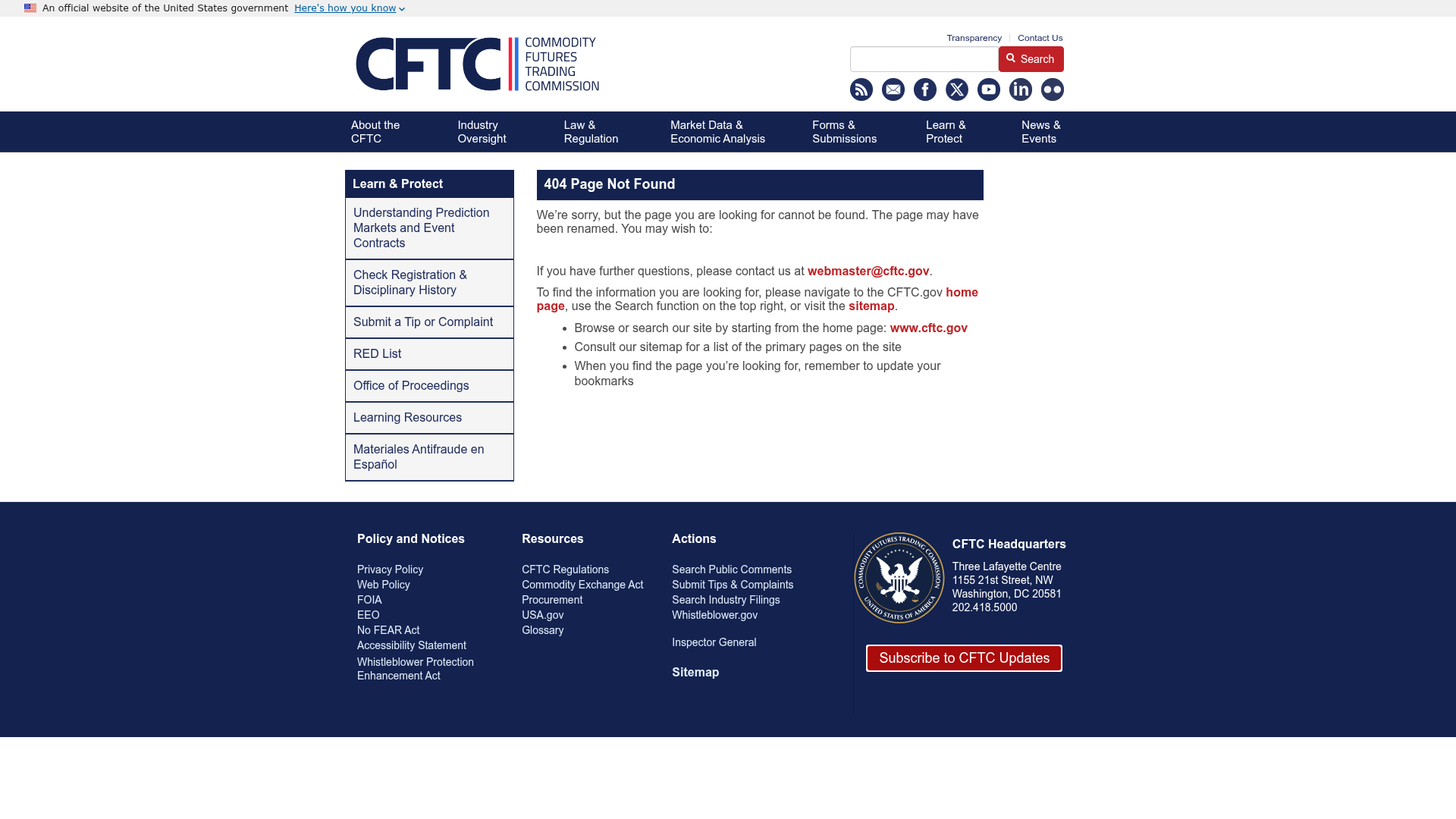
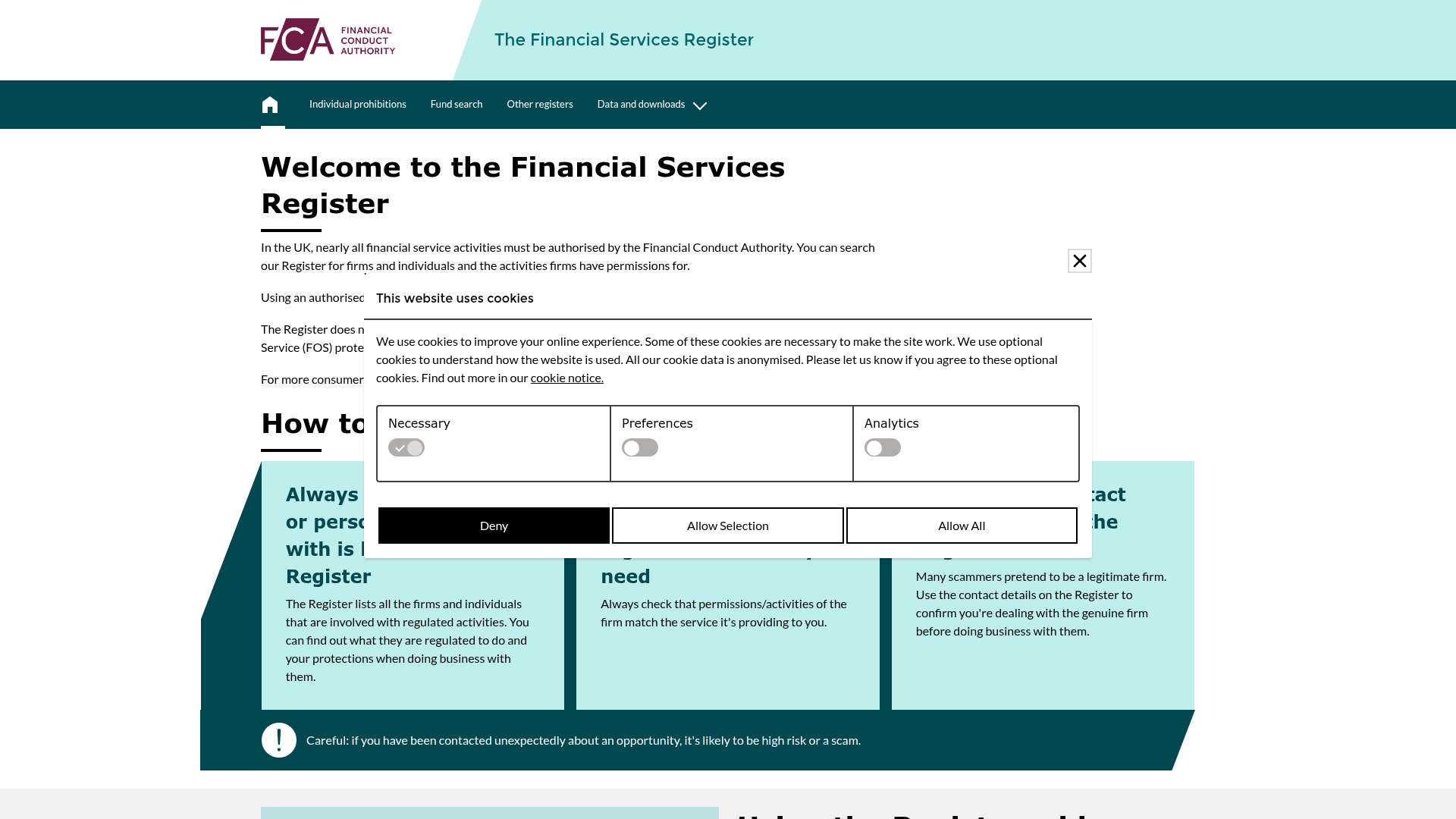
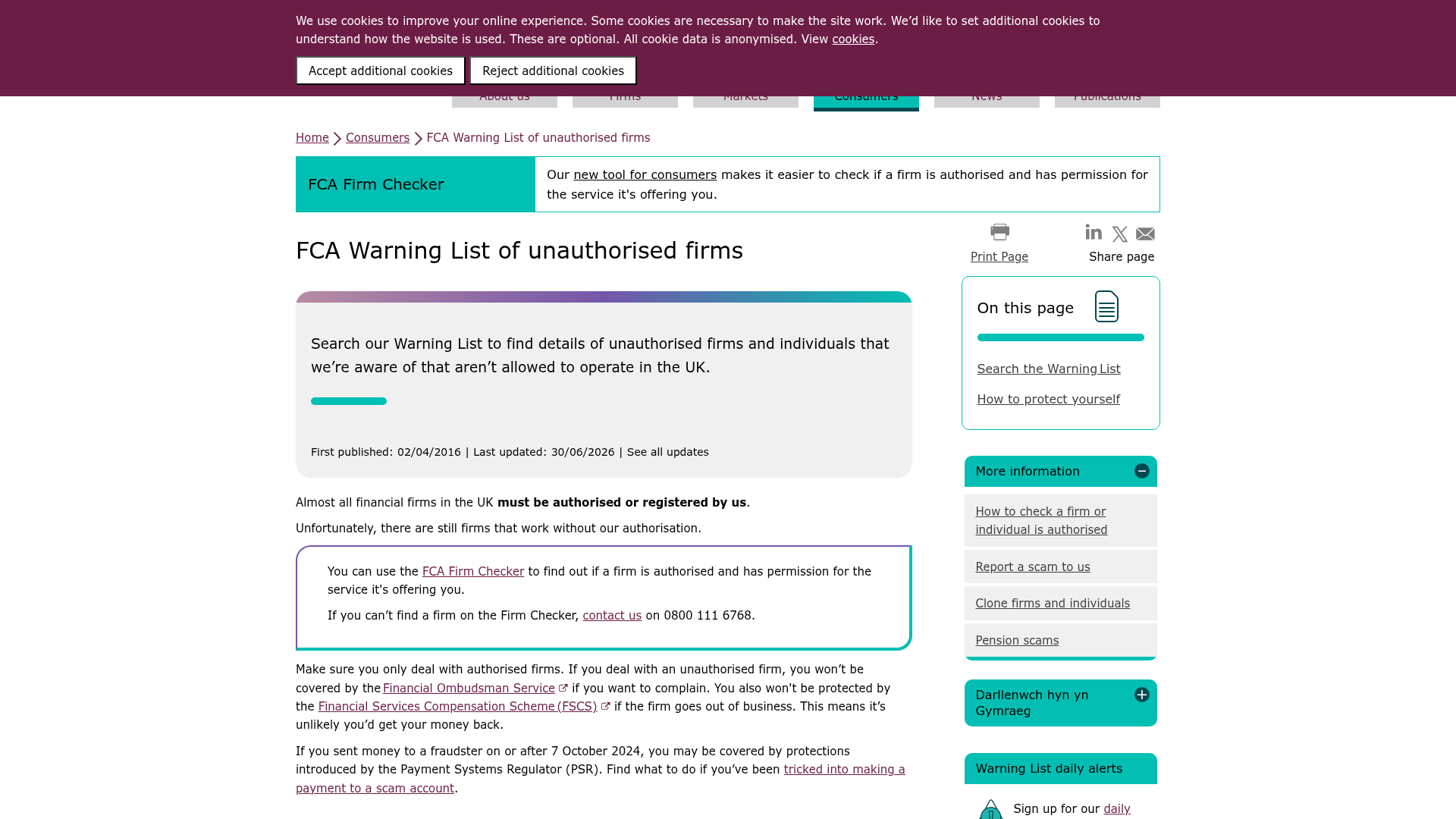
Halaman yang kami periksa
Ini adalah halaman resmi otoritas, diambil seperti yang kami temukan. Buka dan lakukan pencarian yang sama sendiri — tidak ada di daftar ini yang menggantikan sumber aslinya.
Daftar lain yang digunakan dalam pemeriksaan semacam ini. Setiap tautan membuka halaman otoritas terkait.
Sering ditanyakan
Bagaimana saya bisa memverifikasi status regulasi broker secara efektif?
Selalu kunjungi situs web resmi badan regulasi yang disebutkan (misalnya, FCA, ASIC, CySEC) dan cari di daftar publik mereka secara langsung menggunakan nama broker dan nomor registrasi. Jangan mengandalkan tautan yang disediakan oleh broker itu sendiri.
Apa saja metode pembayaran umum yang digunakan oleh platform yang tampak tidak sah?
Mereka sering meminta deposit melalui transfer cryptocurrency ke dompet pribadi, atau transfer bank ke rekening individu, bukan ke rekening bank perusahaan. Mereka juga mungkin menggunakan prosesor pembayaran yang tidak jelas atau kurang dikenal.
Bisakah saya memulihkan dana jika saya telah menyetor uang ke platform yang tidak berlisensi?
Pemulihan dapat menjadi sulit. Langkah pertama terbaik Anda adalah segera menghubungi bank atau penyedia pembayaran Anda untuk mengajukan sengketa transaksi. Selain itu, kumpulkan semua bukti dan laporkan entitas tersebut kepada otoritas keuangan yang relevan.
Haruskah saya mempercayai broker yang menawarkan untuk melakukan trading atas nama saya atau mengelola akun saya?
Broker ritel yang terkemuka umumnya tidak menawarkan untuk mengelola akun klien individu, terutama dengan janji pengembalian yang dijamin. Penawaran semacam itu, terutama jika berasal dari sumber yang tidak diminta, harus disikapi dengan sangat hati-hati.