Poin-poin penting
- Pembekuan aset adalah perintah sementara, bersifat pencegahan, bukan putusan akhir, yang dirancang untuk menjaga dana.
- Kurator yang ditunjuk pengadilan adalah fidusia independen yang bertugas mengelola aset, mengidentifikasi korban, dan mendistribusikan dana yang berhasil dipulihkan.
- Proses pemulihan bagi korban seringkali panjang, kompleks, dan jarang menghasilkan pengembalian investasi penuh.
- Verifikasi proaktif terhadap pendaftaran regulasi suatu perusahaan keuangan dengan badan resmi adalah pertahanan paling efektif terhadap penipuan.
- Penipuan lintas batas secara signifikan mempersulit upaya pelacakan dan pemulihan aset, yang memerlukan kerja sama internasional.
- Biaya administrasi dan hukum yang timbul selama kuratorship mengurangi jumlah total yang tersedia untuk didistribusikan kepada korban.
Penghentian Dana yang Mendadak
Bayangkan Anda terbangun dengan email dari broker Anda, bukan konfirmasi perdagangan, melainkan pemberitahuan resmi: pengadilan telah membekukan asetnya. Akses ke akun investasi Anda segera terhenti. Penghentian aktivitas yang mendadak ini adalah efek langsung dan nyata dari perintah pembekuan aset, sebuah alat hukum yang kuat yang digunakan regulator untuk mencegah penghilangan dana ketika dugaan penipuan investasi muncul. Ini adalah langkah drastis, yang dicadangkan untuk situasi di mana pelanggaran keuangan menimbulkan risiko mendesak terhadap modal investor.
Pembekuan aset adalah perintah pengadilan yang melarang individu atau entitas untuk menjual, mentransfer, atau dengan cara lain melepaskan aset tertentu. Tujuan utamanya adalah untuk menjaga status quo, memastikan bahwa dana atau properti tetap tersedia untuk potensi restitusi kepada korban atau untuk penyitaan oleh pihak berwenang. Yang penting, pembekuan adalah tindakan sementara, bersifat pencegahan, bukan putusan akhir tentang kesalahan atau tanggung jawab. Ini menunjukkan bahwa regulator atau lembaga penegak hukum telah mengajukan bukti yang cukup kepada pengadilan untuk menunjukkan aktivitas ilegal dan kebutuhan mendesak untuk menjaga aset.
Berbagai otoritas dapat memulai perintah ini, termasuk U.S. Securities and Exchange Commission (SEC), Commodity Futures Trading Commission (CFTC), Financial Conduct Authority (FCA) Inggris, atau regulator sekuritas negara bagian. Prosesnya biasanya dimulai dengan penyelidikan, diikuti dengan permohonan ke pengadilan untuk perintah darurat. Kecepatan tindakan ini sangat penting, karena penipu seringkali memindahkan dana dengan cepat untuk menghindari deteksi dan pemulihan. Saat pembekuan diberlakukan, semua transaksi yang terkait dengan aset yang ditunjuk berhenti, menempatkan penghalang pelindung di sekitar apa yang tersisa.
Efek Langsung dari Pembekuan Aset
Ketika perintah pembekuan aset berlaku, dampaknya segera terasa dan meluas. Bagi investor, ini berarti akun mereka di perusahaan yang ditargetkan menjadi tidak dapat diakses. Permintaan penarikan ditolak, perdagangan berhenti, dan setiap transaksi yang tertunda biasanya dibatalkan atau ditangguhkan. Perusahaan itu sendiri dilarang melakukan bisnis yang melibatkan aset yang dibekukan, secara efektif menghentikan operasinya.
Pembekuan meluas melampaui dana klien untuk mencakup akun operasional perusahaan, aset fisik, dan bahkan aset pribadi individu yang terlibat dalam penipuan. Cakupan luas ini memastikan semua keuntungan yang berpotensi diperoleh secara tidak sah, atau aset yang dapat digunakan untuk restitusi, diamankan. Ketentuan khusus pembekuan dirinci dalam perintah pengadilan, menguraikan dengan tepat akun, properti, atau individu mana yang terpengaruh.
Penting untuk membedakan pembekuan aset dari penyitaan aset. Pembekuan mencegah pergerakan tetapi tidak selalu mengalihkan kepemilikan. Penyitaan, sebaliknya, menyiratkan pihak berwenang mengambil kepemilikan fisik atau hukum atas aset. Pembekuan seringkali merupakan pendahulu, menahan aset di tempat sementara penyelidikan berlanjut dan proses hukum menentukan apakah penyitaan atau distribusi yang adil kepada korban sesuai. Bagi investor, efek langsungnya adalah keadaan tidak pasti, di mana modal mereka tidak hilang maupun dapat diakses, menunggu arahan pengadilan lebih lanjut.
Mandat Kurator yang Ditunjuk Pengadilan
Setelah pembekuan aset, pengadilan akan sering menunjuk seorang kurator. Individu ini, seringkali seorang pengacara atau ahli keuangan, bertindak sebagai fidusia independen. Peran kurator adalah mengambil kendali atas aset dan operasi entitas yang dibekukan, menilai sejauh mana penipuan, mengidentifikasi korban, dan mengembangkan rencana untuk pemulihan dan distribusi dana secara teratur. Mereka tidak bertindak untuk perusahaan asli, maupun untuk investor individu mana pun, tetapi untuk seluruh harta benda atas nama semua pihak yang terdampak.
Kekuasaan kurator sangat luas. Mereka dapat menyelidiki catatan keuangan perusahaan, melacak aset yang hilang, melikuidasi properti, dan mengajukan klaim hukum terhadap pihak ketiga yang mungkin telah menerima dana dari skema penipuan. Mandat mereka juga melibatkan penetapan proses klaim di mana korban dapat mengajukan bukti kerugian mereka. Ini melibatkan peninjauan dokumen, laporan bank, dan catatan investasi yang cermat untuk memverifikasi legitimasi dan jumlah setiap klaim. Ini adalah bagian yang paling banyak dilewati oleh panduan: tugas utama kurator adalah kepada harta benda dan para penerima manfaatnya (para korban), bukan kepada klaim spesifik satu korban pun, yang berarti permintaan individu dapat memakan waktu untuk diproses dan tunduk pada rencana pemulihan yang lebih luas.
Kuratorship yang efektif memerlukan keahlian signifikan dalam akuntansi forensik, hukum, dan administrasi bisnis. Kurator harus menavigasi struktur keuangan yang kompleks, seringkali di berbagai yurisdiksi, untuk mengungkap sepenuhnya lingkup penipuan. Upaya mereka sangat penting dalam memaksimalkan kumpulan pemulihan, tetapi prosesnya secara inheren menantang karena upaya sengaja para penipu untuk mengaburkan jejak mereka.
Tindakan Regulasi yang Memicu Intervensi
Regulator keuangan memulai pembekuan aset dan mencari penunjukan kurator ketika dihadapkan dengan bukti jelas pelanggaran serius yang membahayakan dana investor. Pemicu utama adalah operasi perusahaan investasi yang tidak berlisensi. Misalnya, jika suatu entitas mengklaim sebagai broker forex tetapi tidak muncul di Financial Services Register milik FCA, Professional Registers milik ASIC, atau Registration Deficient (RED) List milik CFTC, itu menandakan peringatan penting. Perusahaan semacam itu beroperasi di luar kerangka hukum, tidak menawarkan perlindungan investor dan seringkali terlibat dalam praktik penipuan.
Selain beroperasi tanpa otorisasi, regulator bertindak terhadap skema yang melibatkan penyalahgunaan dana klien, di mana perusahaan menggunakan uang klien untuk tujuan sendiri daripada untuk investasi yang sah. Skema Ponzi, yang dicirikan dengan membayar investor yang sudah ada dengan dana dari investor baru, adalah pemicu umum lainnya. Regulator juga melakukan intervensi ketika perusahaan terlibat dalam penawaran sekuritas yang tidak terdaftar, membuat pernyataan palsu atau menyesatkan, atau terlibat dalam manipulasi pasar.
Urgensi tindakan regulasi seringkali didikte oleh risiko penghilangan aset. Jika ada bukti bahwa dana dipindahkan ke luar negeri, diubah menjadi aset yang tidak dapat dilacak, atau dibelanjakan, regulator akan bergerak cepat untuk mengamankan perintah pembekuan. Tabel di bawah ini mengilustrasikan alasan umum intervensi semacam itu oleh berbagai otoritas.
Alasan umum bagi badan regulasi untuk memulai perintah pembekuan aset terhadap entitas keuangan.
| Alasan Intervensi | Contoh Regulator | Tindakan Segera yang Diambil |
|---|---|---|
| Beroperasi tanpa lisensi yang sesuai | FCA, ASIC, CFTC | Perintah penghentian dan larangan, permohonan pembekuan aset |
| Penyalahgunaan dana klien | SEC, CySEC | Pembekuan aset darurat, potensi penunjukan kurator |
| Menawarkan sekuritas yang tidak terdaftar | SEC, regulator negara bagian | Perintah penahanan sementara, pembekuan aset |
| Operasi skema Ponzi atau piramida | CFTC, FBI | Pembekuan aset, tuntutan pidana, penunjukan kurator |
| Pernyataan investasi palsu atau menyesatkan | FINRA, NFA | Tindakan disipliner, potensi pembekuan jika dana berisiko |
Pertahanan paling efektif tetaplah verifikasi proaktif terhadap entitas keuangan mana pun dan skeptisisme yang sehat terhadap janji investasi yang tidak realistis, jauh lebih dapat diandalkan daripada upaya pemulihan reaktif.
Mei Tanaka
Jalur Pemulihan Investor
Bagi investor, periode setelah pembekuan aset dan penunjukan kurator menandai dimulainya jalur pemulihan yang menantang. Akses terhadap modal investasi mereka tetap terblokir, seringkali selama bertahun-tahun, dan pengembalian dana pada akhirnya jarang sekali lengkap. Para korban secara efektif menjadi kreditor dalam proses hukum yang kompleks, menanti upaya kurator untuk mengumpulkan dan mendistribusikan aset.
Proses pemulihan biasanya beroperasi secara pro-rata. Ini berarti bahwa jika 50% dari total dana yang digelapkan berhasil dipulihkan, setiap korban yang terverifikasi akan menerima 50% dari kerugian yang terbukti mereka alami. Proporsi ini dapat berkurang secara signifikan setelah biaya besar dari kurator—termasuk biaya hukum, layanan akuntansi, dan biaya administrasi—dipotong dari dana yang dipulihkan. Kurator yang umum dapat menghabiskan sebagian besar dari aset yang dipulihkan, terkadang puluhan poin persentase, yang semakin mengurangi jumlah yang tersedia bagi para korban.
Jangka waktu penyelesaian sangat panjang. Kasus-kasus sederhana mungkin melihat beberapa distribusi dalam waktu 1 hingga 2 tahun, tetapi penipuan internasional yang kompleks yang melibatkan berbagai yurisdiksi dan kelas aset dapat memakan waktu 5 tahun atau lebih. Selama waktu ini, investor menerima pembaruan berkala dari kurator, tetapi intervensi langsung atau klaim yang dipercepat umumnya tidak mungkin dilakukan. Proses ini membutuhkan kesabaran dan pemahaman pragmatis bahwa pemulihan penuh adalah hasil yang jarang terjadi.
Daftar daring penting untuk memverifikasi status regulasi perusahaan investasi dan trading.
| Otoritas Regulasi | Nama Daftar | Tujuan |
|---|---|---|
| FCA (UK) | Financial Services Register | Periksa apakah perusahaan/individu berwenang untuk menawarkan layanan keuangan di Inggris. |
| ASIC (Australia) | Daftar Profesional | Periksa pemegang izin Australian Financial Services (AFS). |
| CFTC (AS) | Daftar RED (Registration Deficient) | Mengidentifikasi entitas yang beroperasi tanpa registrasi CFTC yang diwajibkan untuk perdagangan derivatif. |
| NFA (AS) | NFA BASIC | Telusuri latar belakang dan status registrasi perusahaan serta individu futures dan forex. |
| CySEC (Siprus) | Daftar entitas yang diatur | Periksa perusahaan investasi Siprus (CIF) yang berlisensi dan ruang lingkup otorisasi mereka. |
| FINRA (AS) | BrokerCheck | Telusuri latar belakang dan pengalaman broker keuangan, perusahaan pialang, dan penasihat. |
Melacak Aset Tersembunyi Lintas Batas
Salah satu hambatan paling signifikan yang dihadapi penerima adalah melacak dan mengamankan aset yang sengaja disembunyikan atau dipindahkan oleh penipu. Penipuan keuangan modern jarang terbatas pada satu rekening bank atau satu negara. Dana seringkali disalurkan melalui berbagai yurisdiksi, dikonversi menjadi berbagai kelas aset—termasuk properti riil, barang mewah, atau cryptocurrency—dan disembunyikan dalam struktur perusahaan yang kompleks atau perusahaan cangkang. Penyembunyian yang disengaja ini memerlukan keterampilan dan sumber daya khusus.
Akuntan forensik dan tim hukum internasional bekerja bersama penerima untuk melacak jejak uang. Ini melibatkan analisis transaksi keuangan yang rumit, permintaan catatan dari berbagai bank dan lembaga keuangan, serta kolaborasi dengan lembaga penegak hukum di berbagai negara. Prosesnya bisa sangat melelahkan dan lambat, dengan setiap penemuan baru mengarah pada lapisan kompleksitas lebih lanjut. Misalnya, dana yang ditransfer ke rekening luar negeri di yurisdiksi dengan undang-undang kerahasiaan bank yang ketat menimbulkan tantangan besar, memerlukan manuver hukum yang ekstensif untuk mendapatkan akses.
Penilaian dan likuidasi aset non-tunai, seperti properti riil atau kepentingan bisnis, menimbulkan kompleksitas dan biaya tambahan. Bahkan jika aset ditemukan, mengubahnya menjadi uang tunai yang dapat didistribusikan dapat memakan waktu dan mungkin tidak menghasilkan nilai pasar penuhnya. Dalam praktiknya, pihak terkait akan meminta catatan transaksi terperinci dan bukti asal dana dari korban dua kali sebelum mengkonfirmasi klaim, bahkan jika pembekuan awal telah diberlakukan. Ini membantu mereka memverifikasi klaim yang sah terhadap klaim palsu, tetapi ini menambah lapisan pengawasan dan penundaan lain pada proses tersebut.
Uji Tuntas Penting: Memverifikasi Perusahaan Keuangan
Pertahanan paling efektif terhadap penipuan investasi yang dapat menyebabkan pembekuan aset adalah uji tuntas proaktif sebelum modal apa pun diinvestasikan. Investor harus secara independen memverifikasi status regulasi setiap perusahaan atau individu yang menawarkan layanan keuangan. Sebuah perusahaan mungkin mengklaim 'diatur' atau 'berlisensi,' tetapi klaim ini memerlukan konfirmasi independen pada daftar regulasi resmi.
Misalnya, jika sebuah perusahaan mengklaim diatur oleh FCA, seorang investor harus mengunjungi Financial Services Register milik FCA dan mencari nama persis serta nomor registrasi perusahaan tersebut. Demikian pula, untuk perusahaan yang beroperasi di Australia, ASIC Professional Registers menyediakan detail tentang pemegang izin Australian Financial Services (AFS). Di Amerika Serikat, Daftar RED (Registration Deficient) CFTC mengidentifikasi entitas yang beroperasi tanpa registrasi yang diwajibkan, sementara NFA BASIC memungkinkan pemeriksaan latar belakang dan status perusahaan serta individu futures dan forex. FINRA BrokerCheck sangat penting untuk meneliti broker-dealer dan penasihat investasi.
Daftar-daftar ini menyediakan informasi kunci: aktivitas resmi perusahaan, alamat terdaftarnya, dan riwayat disipliner apa pun. Jika sebuah perusahaan tidak terdaftar, atau jika detailnya tidak cocok secara persis, itu adalah peringatan penting. Jangan pernah hanya mengandalkan informasi yang diberikan oleh perusahaan itu sendiri; selalu lakukan pemeriksaan silang dengan sumber resmi dan independen. Upaya yang diperlukan untuk verifikasi ini minimal dibandingkan dengan potensi biaya finansial dan emosional menjadi korban operasi yang tidak berizin.
Jangkauan Global dan Kompleksitas Penipuan
Penipuan investasi seringkali melampaui batas negara, membuat tugas pelacakan dan pemulihan aset menjadi sangat kompleks. Sebuah perusahaan mungkin didirikan di satu negara, mengoperasikan server di negara lain, dan menargetkan investor di negara ketiga. Misalnya, sebuah entitas mungkin mengklaim terkait dengan broker teregulasi seperti Pepperstone, yang memegang lisensi dari FCA, ASIC, CySEC, DFSA, BaFin, CMA, dan SCB, tetapi beroperasi sebagai entitas terpisah yang tidak berizin dan memangsa investor. Jenis salah representasi ini mengeksploitasi kepercayaan yang terkait dengan perusahaan sah yang memiliki yurisdiksi ganda.
Dimensi global ini menimbulkan tantangan hukum dan logistik yang signifikan. Perintah pengadilan untuk pembekuan aset di satu negara mungkin tidak secara otomatis dapat ditegakkan di negara lain. Penerima seringkali perlu mencari tindakan hukum paralel atau mengandalkan perjanjian bantuan hukum timbal balik antar negara, yang bisa lambat dan membutuhkan banyak sumber daya. Yurisdiksi yang berbeda memiliki undang-undang yang bervariasi mengenai pemulihan aset, privasi, dan transparansi perusahaan, menciptakan lingkungan hukum yang terfragmentasi untuk upaya pemulihan.
Kompleksitas semakin meningkat ketika dana dipindahkan melalui cryptocurrency exchange, yang dapat menawarkan tingkat anonimitas dan kecepatan transaksi yang tidak dimiliki sistem keuangan tradisional. Kerja sama internasional antara badan regulasi dan lembaga penegak hukum—seperti yang tercantum di IOSCO Investor Alerts Portal—sangat penting, tetapi hambatan birokrasi dan perbedaan dalam sistem hukum berarti bahwa setiap langkah pelacakan dan pemulihan dapat berlarut-larut dan mahal.
Melaporkan Dugaan Penipuan Keuangan
Jika Anda menduga adanya penipuan investasi, terlepas dari apakah pembekuan aset telah diumumkan atau belum, pelaporan segera kepada otoritas yang berwenang sangatlah penting. Tindakan cepat terkadang dapat mengarah pada intervensi yang lebih cepat sebelum aset sepenuhnya hilang, meningkatkan prospek pemulihan bagi semua pihak yang terkena dampak.
Mulailah dengan menghubungi regulator keuangan nasional Anda. Di Inggris, ini adalah FCA; di AS, CFTC atau SEC; dan di Australia, ASIC. Badan-badan ini memiliki saluran khusus untuk menerima pengaduan dan informasi intelijen mengenai perusahaan tidak berizin atau skema investasi yang mencurigakan. Banyak yang mempertahankan daftar peringatan perusahaan tidak berizin, seperti Warning List of Unauthorised Firms milik FCA, yang juga dapat menjadi sumber daya berharga bagi investor lain.
Selain regulator keuangan, laporkan penipuan tersebut kepada lembaga penegak hukum yang relevan. Di AS, Internet Crime Complaint Center (IC3) FBI mengumpulkan informasi tentang kejahatan terkait internet, termasuk penipuan investasi, sebagaimana dirinci dalam laporan tahunan mereka. Di Inggris, Action Fraud memiliki tujuan serupa. Memberikan informasi terperinci, termasuk semua komunikasi, catatan transaksi, dan tangkapan layar, dapat sangat membantu penyelidik. Bahkan jika hasil langsungnya bukan pengembalian dana secara langsung, laporan Anda berkontribusi pada pengumpulan intelijen yang dapat mengarah pada tindakan regulasi yang lebih luas dan pembekuan aset terhadap para pelaku.
Biaya dan Durasi Proses Pemulihan
Proses pemulihan, bahkan dengan pembekuan aset dan penunjukan penerima, memerlukan biaya substansial dan jangka waktu yang panjang. Biaya hukum untuk penerima, staf mereka, akuntan forensik, dan ahli lainnya dengan cepat bertambah, seringkali menghabiskan sebagian besar aset yang dipulihkan. Biaya-biaya ini diprioritaskan sebelum distribusi apa pun kepada korban, yang berarti jumlah bruto yang dipulihkan selalu lebih tinggi daripada jumlah bersih yang tersedia untuk penggugat. Realitas ini menunjukkan kebenaran pahit bahwa intervensi yang berhasil sekalipun tidak menjamin ganti rugi penuh.Dampak emosional pada korban selama periode ketidakpastian yang berkepanjangan ini tidak boleh diremehkan. Menunggu bertahun-tahun untuk pengembalian sebagian, sambil menghadapi kerugian finansial awal dan tuntutan administratif dari proses klaim, bisa sangat melelahkan. Inilah sebabnya mengapa penekanan pada pencegahan melalui verifikasi yang cermat tetap menjadi perlindungan terkuat bagi investor. Mengandalkan langkah-langkah reaktif seperti pembekuan aset dan penunjukan penerima berarti menerima jalur yang panjang, mahal, dan tidak pasti.Meskipun pembekuan aset dan penunjukan penerima menawarkan mekanisme untuk melindungi korban dan memulihkan dana yang hilang, keduanya merupakan langkah reaktif. Pertahanan yang paling efektif tetaplah verifikasi proaktif terhadap entitas keuangan mana pun dan skeptisisme yang sehat terhadap janji investasi yang tidak realistis.
Halaman yang kami periksa
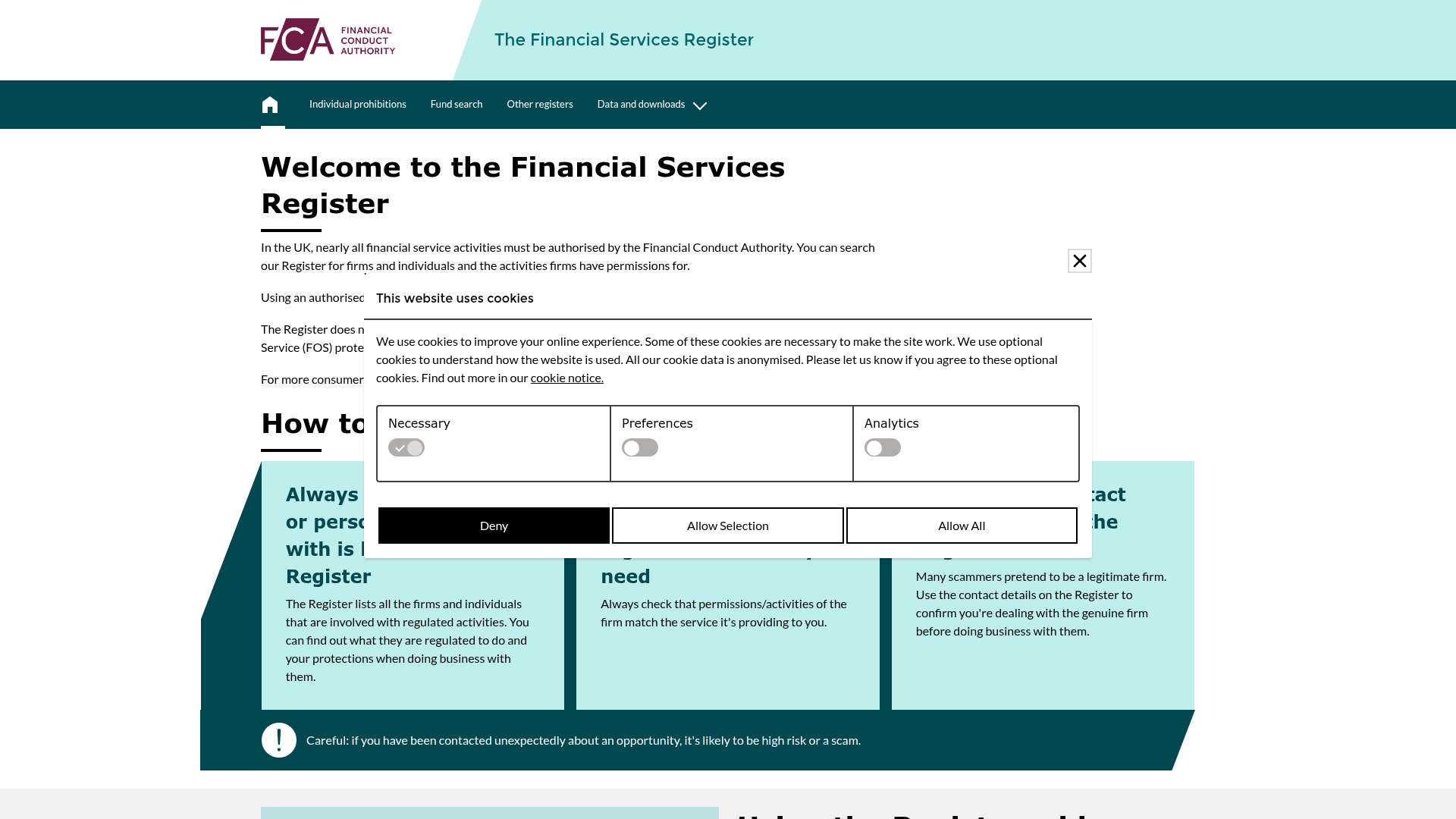
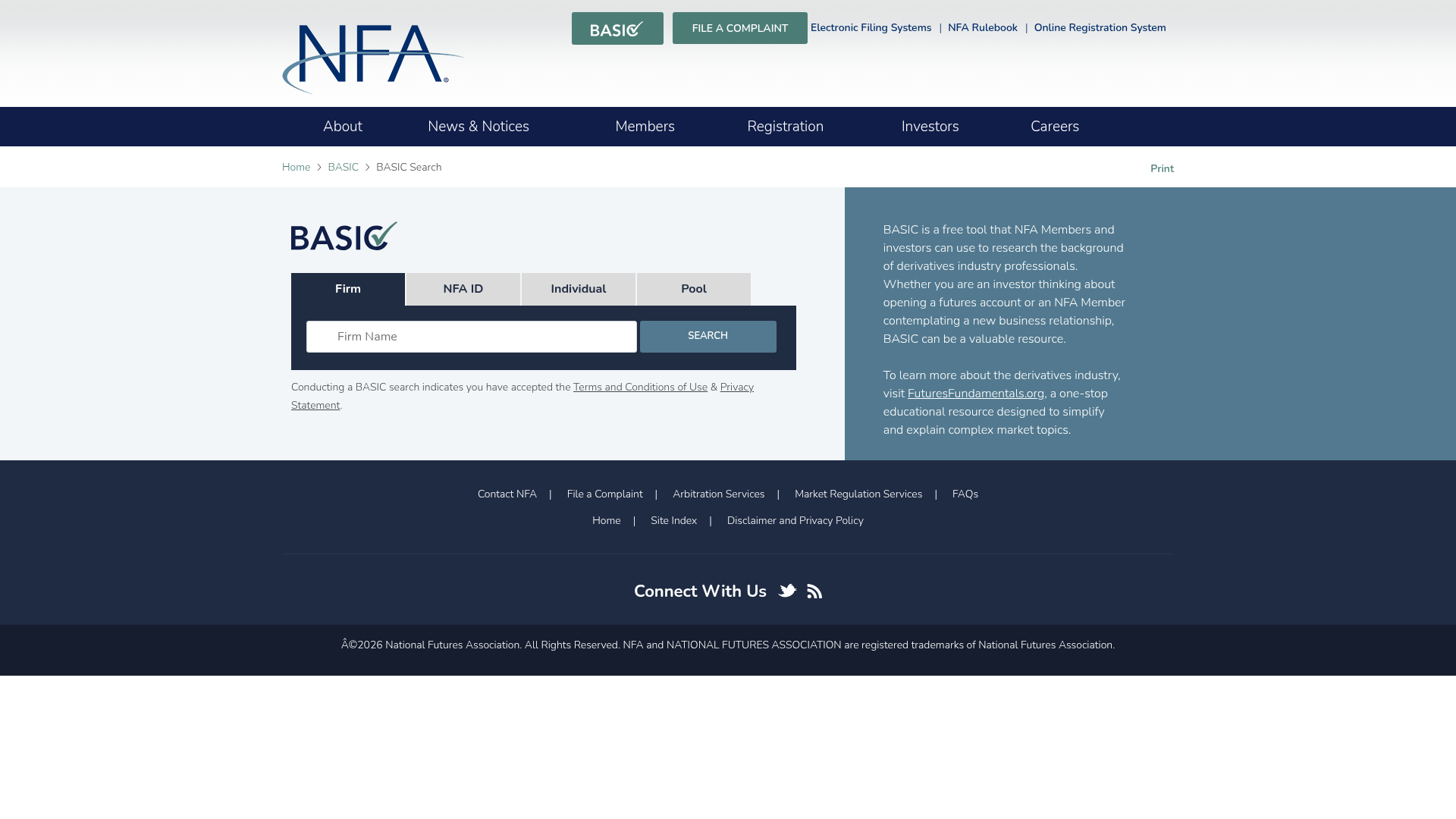
Ini adalah halaman resmi otoritas, diambil seperti yang kami temukan. Buka dan lakukan pencarian yang sama sendiri — tidak ada di daftar ini yang menggantikan sumber aslinya.
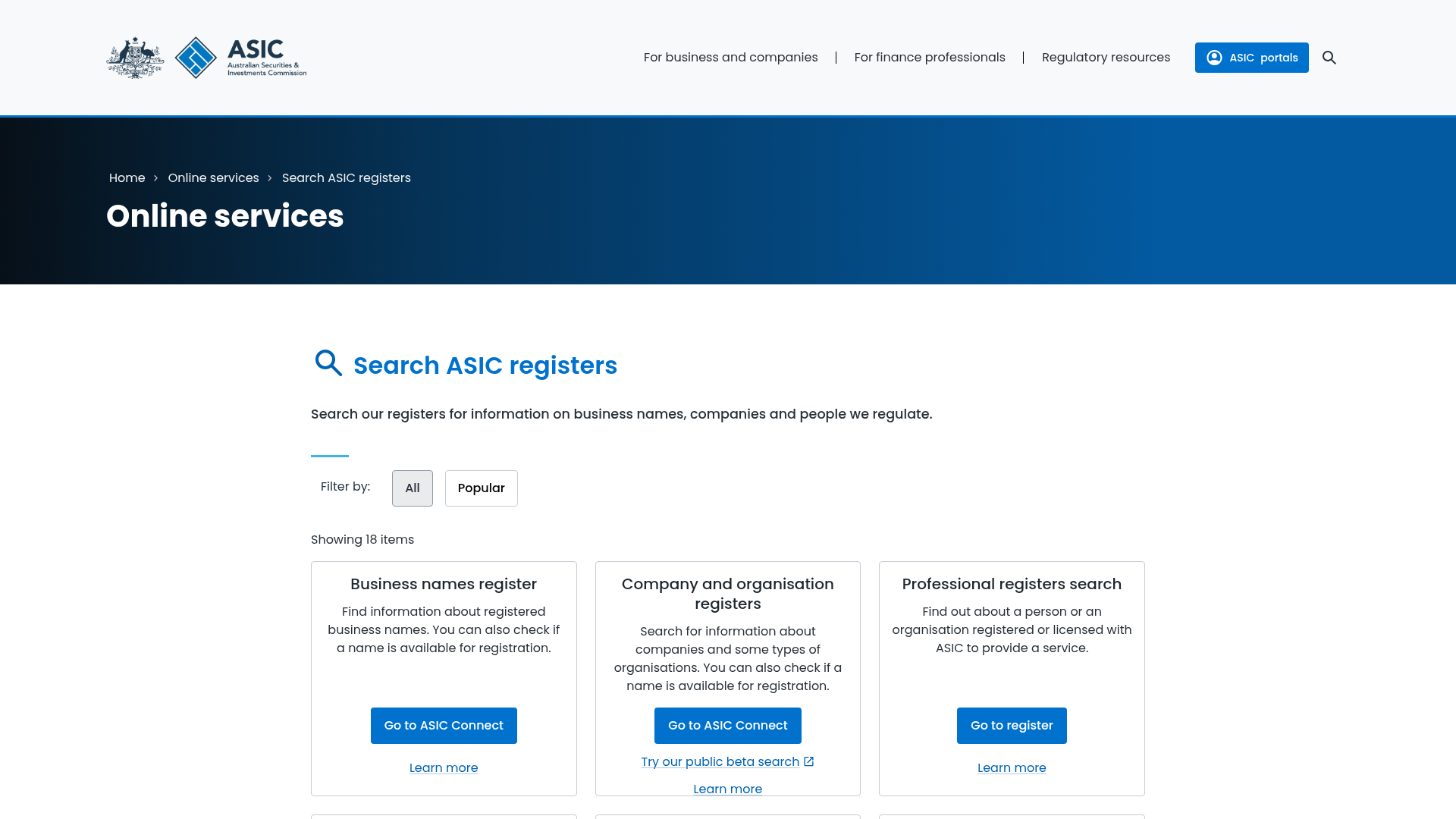
Daftar lain yang digunakan dalam pemeriksaan semacam ini. Setiap tautan membuka halaman otoritas terkait.
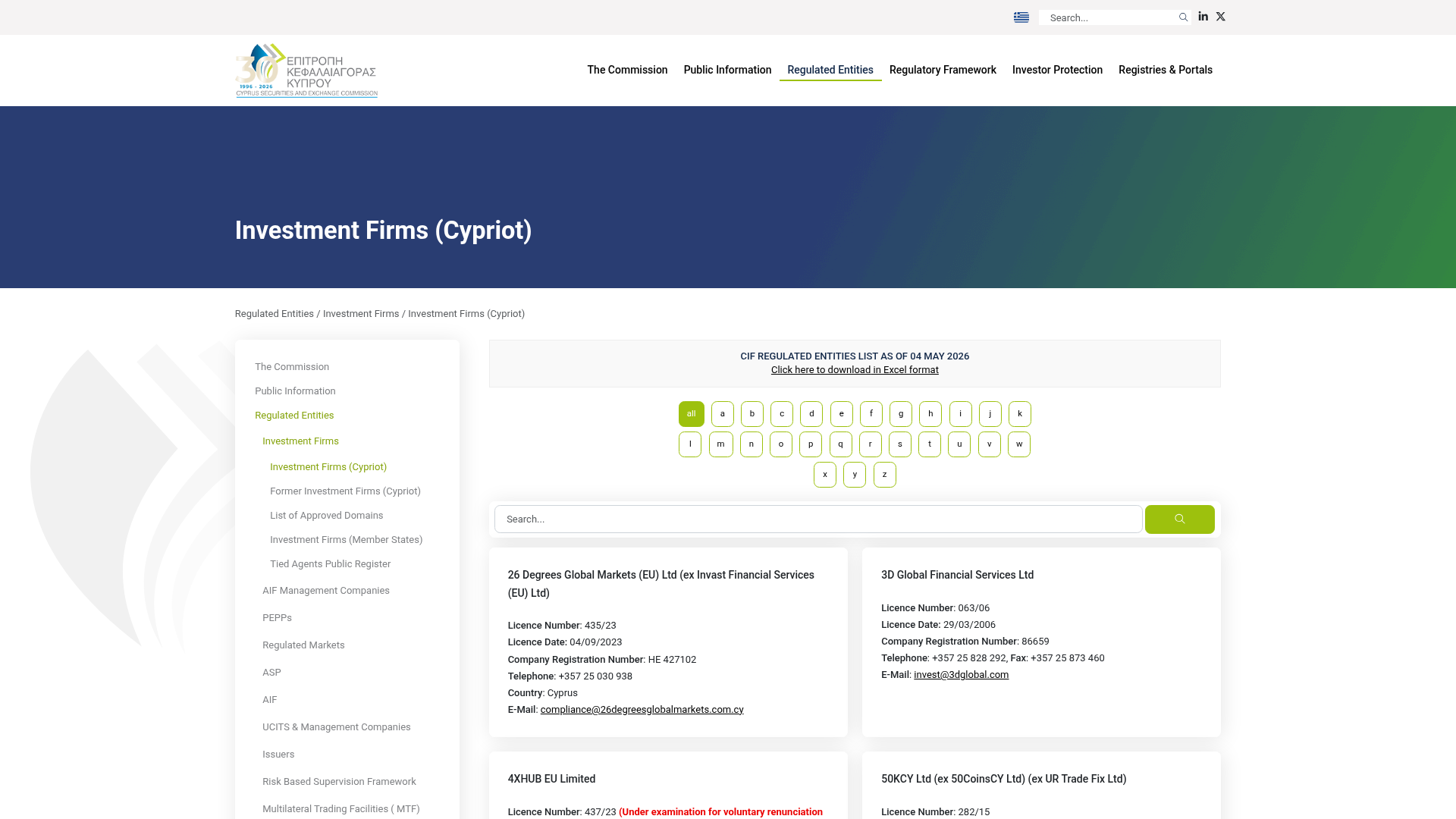
Sumber utama
Setiap klaim di atas dapat diperiksa terhadap halaman resmi otoritas. Ini akan terbuka di situs regulator, bukan situs kami.
- FCA — Financial Services Registerregister.fca.org.ukhttps://register.fca.org.uk/
- CFTC — Registration Deficient (RED) Listcftc.govhttps://www.cftc.gov/check
- FBI IC3 — Internet Crime Reportic3.govhttps://www.ic3.gov/AnnualReport/Reports
- NFA BASIC — background affiliation statusnfa.futures.orghttps://www.nfa.futures.org/basicnet/
- IOSCO — Investor alerts portaliosco.orghttps://www.iosco.org/investor_protection/?subsection=investor_alerts_portal
Sering ditanyakan
Apa perbedaan antara pembekuan aset dan penyitaan aset?
Pembekuan aset adalah perintah pengadilan yang mencegah pergerakan atau pelepasan aset, menahannya di tempat. Penyitaan aset berarti pihak berwenang mengambil alih kepemilikan aset secara hukum atau fisik. Pembekuan seringkali merupakan langkah awal yang mendahului potensi penyitaan atau upaya pemulihan.
Berapa lama waktu yang dibutuhkan proses penunjukan penerima untuk menyelesaikan dan mendistribusikan dana?
Durasi bervariasi secara signifikan berdasarkan kompleksitas kasus, jumlah aset, dan jumlah korban. Kasus sederhana mungkin terselesaikan dalam 1-2 tahun, tetapi penipuan internasional yang kompleks dapat memakan waktu 5 tahun atau lebih untuk mencapai distribusi akhir.
Apakah saya akan mendapatkan semua uang saya kembali jika seorang penerima ditunjuk atas perusahaan penipuan?
Jarang bagi korban untuk memulihkan 100% dari investasi mereka. Dana yang dipulihkan pertama-tama digunakan untuk menutupi biaya administrasi dan hukum yang signifikan yang dikeluarkan oleh proses penunjukan penerima, dan jumlah yang tersisa didistribusikan secara proporsional di antara korban yang terverifikasi.
Bisakah saya menarik uang saya dari perusahaan yang dibekukan jika saya mencoba menariknya dengan cepat?
Mencoba menarik dana dari rekening atau entitas yang dibekukan setelah perintah pengadilan berlaku dapat merupakan pelanggaran terhadap perintah tersebut. Sangat penting untuk mengikuti instruksi penerima dan menunggu komunikasi resmi mengenai proses klaim.
Bagaimana saya bisa memverifikasi apakah sebuah broker sah sebelum menginvestasikan modal?
Selalu periksa detail pendaftaran dan lisensi perusahaan langsung di situs web resmi regulator keuangan di yurisdiksi tempat perusahaan tersebut mengklaim beroperasi. Contohnya termasuk Financial Services Register milik FCA, FINRA BrokerCheck, atau Professional Registers milik ASIC.
Apa yang harus saya lakukan jika sebuah perusahaan mengklaim diatur tetapi saya tidak dapat menemukannya di daftar resmi?
Jika sebuah perusahaan mengklaim regulasi tetapi tidak muncul di daftar resmi, atau jika detail yang diberikan tidak cocok, anggap ini sebagai peringatan penting. Ini sangat menunjukkan bahwa perusahaan tersebut beroperasi tanpa otorisasi, dan Anda tidak boleh terlibat dengannya atau menginvestasikan uang apa pun.