
Puntos clave
- Las cuentas gestionadas de forex que prometen rendimientos inusualmente altos y consistentes a menudo ocultan una estructura Ponzi, pagando a los inversores iniciales con fondos de los posteriores.
- El trading de forex legítimo implica un riesgo significativo y rendimientos variables; las ganancias garantizadas son un fuerte indicador de fraude.
- Verifique las licencias regulatorias del gestor y el estado de registro de la empresa directamente con autoridades como la FCA o ASIC, no solo a través de los documentos proporcionados.
- Los fondos segregados de clientes y las auditorías independientes de terceros son salvaguardias críticas ausentes en las ofertas fraudulentas de cuentas gestionadas.
- Tenga cuidado con la información opaca, la presión para reclutar nuevos inversores y las afirmaciones de algoritmos de trading exclusivos e irreplicables.
- Nunca transfiera fondos directamente a un individuo o entidad no registrada; siempre financie cuentas con un bróker regulado a su propio nombre.
El Atractivo de los Rendimientos Consistentes: Un Engaño Común
Imagine una inversión que ofrece consistentemente entre un 5% y un 10% de ganancias cada mes, independientemente de las condiciones del mercado. Esta es la promesa que con frecuencia hacen los promotores de cuentas gestionadas de forex que luego resultan ser fraudulentas. Estas ofertas a menudo se dirigen a individuos con un conocimiento limitado de los mercados de divisas, aprovechándose del deseo de ingresos pasivos sin las complejidades del trading directo. La narrativa suele implicar a un 'trader maestro' o un 'algoritmo propietario' que puede desafiar la volatilidad del mercado, generando ganancias constantes donde los traders profesionales a menudo luchan por la consistencia. Estas cuentas a menudo afirman ser gestionadas por individuos o pequeñas firmas no registradas, operando fuera de los marcos regulatorios financieros establecidos que protegen a los inversores. Los depósitos iniciales rara vez se utilizan para el trading real. En cambio, se convierten en la fuente principal de 'rendimientos' pagados a inversores anteriores, creando la ilusión de rentabilidad. Este ciclo continúa hasta que el dinero nuevo se agota, momento en el cual la estructura colapsa, dejando a los inversores posteriores con pérdidas sustanciales y sin recurso. Los perpetradores a menudo desaparecen, haciendo que la recuperación de fondos sea extremadamente difícil.
Cómo Opera un Esquema Ponzi en el Contexto de Cuentas Gestionadas de Forex
Un esquema Ponzi funciona pagando a los inversores existentes con fondos recaudados de nuevos inversores, en lugar de con ganancias reales. En la variante de cuenta gestionada de forex, este engaño se envuelve en la mística del trading complejo. El operador del esquema recolecta fondos, a menudo a través de transferencias bancarias directas o criptomonedas, eludiendo el escrutinio de las cuentas de bróker reguladas. Podrían mostrar a los inversores un 'dashboard' o un 'estado de cuenta' que exhibe ganancias impresionantes y fabricadas, reforzando la creencia en la habilidad del gestor. Esta es la parte que la mayoría de las guías omiten: estos 'dashboards' son a menudo páginas web simples, fácilmente manipulables, que muestran historiales de trading y saldos ficticios.
Cuando un inversor solicita un retiro, el operador utiliza una porción del dinero de los nuevos inversores para satisfacer la solicitud. Este retiro exitoso genera aún más confianza y anima al inversor a dejar más fondos en la cuenta o, lo que es crucial, a referir nuevos participantes. El esquema depende en gran medida de este reclutamiento, ya que una afluencia constante de capital fresco es necesaria para mantener la ilusión de rentabilidad y satisfacer las demandas de retiro. El aspecto de 'cuenta gestionada' proporciona una explicación plausible, aunque falsa, para las 'ganancias' consistentes, lo que dificulta que los inversores detecten el fraude subyacente.
Diferencias Clave: Cuentas Gestionadas Legítimas vs. Impostores Ponzi
| Característica | Cuenta Gestionada de Forex Legítima | Cuenta 'Gestionada' con Estructura Ponzi |
|---|---|---|
| Fuente de Rendimientos | Ganancias reales del trading, variables y dependientes del riesgo | Depósitos de nuevos inversores, sin trading real |
| Supervisión Regulatoria | El gestor y el bróker poseen licencias completas (ej., FCA, CySEC) | Individuos/firmas sin licencia, supervisión mínima o nula |
| Transparencia | Acceso directo a extractos de operaciones del bróker regulado, auditorías independientes | Informes opacos, paneles de control propietarios, sin verificación de terceros |
| Custodia de Fondos | Fondos mantenidos en cuentas segregadas con un bróker regulado a nombre del inversor | Fondos transferidos directamente a la cuenta personal o de la empresa del gestor |
| Expectativas de Retorno | Realistas, dependientes del mercado, incluyen la posibilidad de pérdidas | Rendimientos irrealmente altos, consistentes, a menudo garantizados |
| Incentivos de Reclutamiento | Ninguno o programas de afiliados estándar con divulgaciones claras | Fuerte énfasis en reclutar nuevos inversores para bonificaciones/mayores 'rendimientos' |
La Ilusión de Sofisticación: Plataformas y Métricas Falsas
Para aumentar la credibilidad, los operadores de estos esquemas frecuentemente emplean sitios web y 'plataformas de trading' de apariencia sofisticada que simplemente presentan datos fabricados. Estas plataformas pueden imitar la interfaz de terminales de trading legítimas como MetaTrader 4 o 5, pero están completamente desconectadas de la ejecución real del mercado. Muestran operaciones ficticias abriéndose y cerrándose, con cifras de ganancias y pérdidas actualizándose en tiempo real, todo diseñado para convencer al inversor de que su dinero está siendo operado activamente y generando rendimientos.
Cuando se les pregunta sobre la estrategia de trading, los operadores a menudo citan algoritmos complejos, 'inteligencia artificial' o 'conexiones interbancarias' que son imposibles de verificar para un inversor promedio. Podrían afirmar que explotan oportunidades de micro-arbitraje o que tienen acceso a fuentes de datos de mercado exclusivas. Estos son a menudo términos vagos y de sonido técnico, elegidos precisamente porque son difíciles de cuestionar sin un conocimiento profundo de la industria. La clave aquí es la falta de confirmación verificable y por parte de terceros de la actividad de trading. Una cuenta gestionada genuina a través de un bróker regulado permitiría al inversor ver sus fondos en una cuenta segregada en el bróker y acceder a extractos de operaciones en tiempo real o a una contraseña de inversor de solo lectura para su cuenta MT4/MT5, lo que permite la observación sin capacidad de operar.
Puntos Ciegos Regulatorios y Señales de Alerta Operativas
Las cuentas de forex gestionadas con estructura Ponzi a menudo prosperan en las lagunas regulatorias. Mientras que muchos países tienen regulaciones estrictas para las firmas de inversión y los brókers, los individuos o entidades no registradas que operan a través de las fronteras pueden ser difíciles de supervisar. Típicamente evitan jurisdicciones donde requerirían licencias específicas, optando en su lugar por ubicaciones con supervisión laxa o donde pueden operar sin ser detectados. Esta evasión de la regulación no es accidental; es fundamental para su operación, ya que el cumplimiento expondría su naturaleza fraudulenta.
Las señales de alerta operativas incluyen tácticas de venta de alta presión, demandas de secreto y el desaliento de los retiros. Si un gestor de cuenta insiste en que no discuta su 'inversión' con otros, esto indica un intento de aislarle del escrutinio externo. Los retrasos o excusas al procesar las solicitudes de retiro son otro indicador común. Inicialmente, los retiros pequeños pueden procesarse sin problemas para generar confianza, pero las solicitudes más grandes o un aumento repentino en las demandas de retiro a menudo conducen al colapso del esquema. El operador podría alegar 'problemas técnicos', 'volatilidad del mercado' o 'auditorías de cuenta' para ganar tiempo, dándoles oportunidad de encontrar nuevos fondos o desaparecer.
El crecimiento financiero genuino conlleva exposición al mercado y riesgo; cualquier oferta que garantice rendimientos altos y consistentes en forex es casi con certeza un esquema.
Mei Tanaka
El Multiplicador de Reclutamiento: Añadiendo una Capa Piramidal
Muchos esquemas Ponzi de forex gestionados integran elementos de un esquema piramidal, donde los inversores son incentivados a reclutar nuevos participantes. Esto alivia la presión sobre el operador para encontrar nuevo dinero de forma independiente, aprovechando la base de inversores existente. A los reclutadores a menudo se les promete un porcentaje de los depósitos realizados por aquellos que traen, o una bonificación sobre sus 'ganancias de trading'. Esta estructura es particularmente peligrosa porque transforma a las víctimas en perpetradores involuntarios, ya que animan a amigos y familiares a unirse, extendiendo el alcance del esquema y contribuyendo a la eventual devastación financiera.
Estas bonificaciones por referencia pueden ser un gran atractivo, especialmente para aquellos que han visto 'ganancias' iniciales del esquema. La promesa de obtener ingresos pasivos no solo del 'trading' sino también de construir un 'equipo' puede ser muy convincente. Sin embargo, como cualquier esquema piramidal, es matemáticamente insostenible. Solo aquellos en la cima, o aquellos que entran y salen muy temprano, se benefician, e incluso entonces, sus ganancias provienen directamente del gasto de otros que lo perderán todo. El enfoque se desplaza del rendimiento de la inversión al reclutamiento continuo, una señal clara de que la 'inversión' subyacente no está generando retornos suficientes.
Incentivos Hipotéticos por Captación en un Esquema Ponzi/Piramidal
| Nivel de Captación | Depósito Requerido del Nuevo Inversor | Comisión del Captador (Hipotética) |
|---|---|---|
| Nivel 1 (Directo) | 10,000 USD | 1.000 USD (10%) |
| Nivel 2 (Indirecto) | 10,000 USD | 200 USD (2% del N2, pagado al captador del N1) |
| Nivel 3 (Sub-indirecto) | 10,000 USD | 50 USD (0.5% del N3, pagado al captador del N1) |
| Depósito Inicial Mínimo | 500 USD | N/A |
| Pago Mensual de 'Ganancias' | Varía (ej., 5-10% del saldo) | N/A |
Comprendiendo la Gestión Legítima de Cuentas Forex
Las cuentas de Forex gestionadas legítimamente, a menudo denominadas cuentas MAM (Multi-Account Manager) o PAMM (Percent Allocation Management Module), operan dentro de un marco estrictamente regulado. El inversor abre una cuenta directamente con un bróker de Forex regulado como XM o FxPro, la financia a su propio nombre y luego otorga a un gestor de fondos con licencia una autoridad limitada para operar en su nombre. Los fondos permanecen en la cuenta segregada del inversor en el bróker, lo que proporciona una capa de seguridad. El gestor de fondos no tiene acceso directo para retirar los fondos del cliente, solo para operarlos. Los rendimientos de las cuentas gestionadas legítimas son variables y reflejan el rendimiento real del mercado. No hay garantías de beneficios mensuales constantes. Los gestores obtienen comisiones basadas en el rendimiento (un porcentaje de las ganancias) y/o tarifas de gestión (un porcentaje de los activos bajo gestión). Toda la actividad de trading es auditable a través de los extractos del bróker. El gestor debe poseer las licencias regulatorias adecuadas para la gestión de fondos en las jurisdicciones donde opera. Por ejemplo, un gestor que opere en el Reino Unido necesitaría autorización de la Financial Conduct Authority (FCA). Esta estructura está diseñada para proteger al inversor asegurando la transparencia, la segregación de fondos y la supervisión regulatoria.
La Lista de Verificación de la Debida Diligencia: Protegiendo su Capital
Antes de comprometer cualquier capital en una cuenta de Forex gestionada, un riguroso proceso de debida diligencia es esencial. Primero, verifique el estado regulatorio tanto del bróker como del gestor de fondos. Para un bróker, busque en bases de datos regulatorias como el Financial Services Register de la FCA, los Professional Registers de ASIC, o la Registration Deficient (RED) List de la CFTC y NFA BASIC para entidades reguladas en EE. UU. Confirme el número de licencia y los servicios que la empresa está autorizada a proporcionar. Por ejemplo, OANDA está regulada por la FCA, CFTC/NFA, ASIC, IIROC y MAS. Segundo, examine los rendimientos ofrecidos. Cualquier promesa de rendimientos mensuales garantizados, altos y consistentes (ej., por encima del 3-5% mensual en todas las condiciones de mercado) debería levantar una señal de alarma de inmediato. El trading de Forex es inherentemente arriesgado, e incluso los traders profesionales experimentan drawdowns y períodos de pérdidas. Tercero, comprenda la estructura de comisiones. Los gestores legítimos son transparentes sobre sus comisiones, que suelen incluir una tarifa de gestión y una comisión por rendimiento. Tenga cuidado con los cargos ocultos o los modelos de pago opacos. Cuarto, asegúrese de que los fondos se mantengan en una cuenta de cliente segregada con un bróker regulado, accesible solo por usted para retiros. Quinto, exija acceso a informes de auditoría independientes del rendimiento del trading, no solo a capturas de pantalla o paneles de control propietarios. Finalmente, investigue a las personas detrás de la cuenta gestionada. Busque sus antecedentes profesionales, cualquier historial disciplinario y verifique sus afirmaciones de forma independiente.
Informes de Rendimiento Falsificados: Descifrando Rendimientos Fabricados
Una de las ilusiones más convincentes que crean los perpetradores de esquemas fraudulentos de forex gestionado es el informe de rendimiento aparentemente impecable. Estos documentos, a menudo presentados como extractos mensuales o trimestrales, muestran rendimientos altos y consistentes que desafían la volatilidad normal del mercado. La intención es infundir confianza y perpetuar la creencia de que el "trader" posee una estrategia infalible. Sin embargo, estos informes son frecuentemente fabricados, diseñados para imitar extractos legítimos mientras ocultan discrepancias críticas. Un extracto de trading de forex genuino, típicamente emitido por un bróker regulado, proporciona detalles granulares que permiten una verificación independiente. Listará claramente el nombre del bróker, las licencias regulatorias (por ejemplo, una cuenta gestionada a través de Pepperstone mostraría su regulación ASIC o FCA), y a menudo números de cuenta específicos. Crucialmente, cada operación ejecutada tendrá un número de ticket único, tiempos de ejecución precisos al segundo, y precios bid y ask específicos que corresponden a datos de mercado reales en ese momento. Las cuentas legítimas, incluso las gestionadas por profesionales cualificados, también exhibirán períodos de drawdown, reflejando los riesgos inherentes y las fluctuaciones del mercado forex. Una curva de capital que solo se mueve hacia arriba, o que muestra ganancias notablemente suaves y consistentes sin caídas significativas, indica fuertemente manipulación. Los informes fabricados a menudo carecen de esta profundidad verificable. La identificación del bróker puede ser genérica o referirse a una entidad sin presencia regulatoria localizable. Los números de ticket de operación podrían estar ausentes, repetidos o seguir un patrón no secuencial que los hace imposibles de cotejar. Los tiempos de ejecución podrían estar redondeados a la hora o minuto más cercano, ocultando el momento real de las operaciones. Los precios bid y ask reportados podrían parecer demasiado perfectos, capturando consistentemente extremos del mercado que son poco realistas en condiciones de trading en vivo. Un identificador clave de fraude potencial es la ausencia de cualquier auditoría verificable de terceros o de enlaces a plataformas de seguimiento de rendimiento establecidas como Myfxbook o FXBlue con una contraseña de inversor activa. Mientras que las capturas de pantalla pueden ser editadas, un enlace verificado y en vivo ofrece transparencia. Si un supuesto gestor no puede proporcionar esto, o solo ofrece PDFs e imágenes, el escepticismo está justificado. Por ejemplo, una cuenta PAMM legítima a través de un bróker como IC Markets o OANDA típicamente proporcionaría dichos enlaces verificables para monitorear el rendimiento en tiempo real. También vale la pena señalar los detalles sutiles. Los extractos legítimos suelen mostrar tarifas de transacción, swaps y cargos por comisión, que son parte integral del trading real. Los informes fraudulentos a menudo omiten estos o los simplifican a un grado poco realista, presentando una cifra de beneficio neto que parece demasiado limpia. Los inversores deberían solicitar los datos brutos de las operaciones directamente al supuesto bróker si es posible, en lugar de depender únicamente de los documentos proporcionados por el gestor de la cuenta. Si la cuenta gestionada supuestamente se mantiene con un bróker ampliamente reconocido como FOREX.com o XM, una consulta directa a ese bróker sobre la existencia de la cuenta y el rendimiento reportado es un paso crítico. Aquí hay una comparación de indicadores típicos:
Comparación de Indicadores de Extractos de Trading Forex Legítimos vs. Potencialmente Fraudulentos
| Indicador | Registro Legítimo Típico | Indicador de Fraude Potencial |
|---|---|---|
| Identificación del Bróker | Nombre registrado, organismo regulador, número de licencia (por ejemplo, FCA, ASIC) | Nombre genérico, sin detalles regulatorios, entidad no localizable |
| Números de Ticket de Operación | Identificadores únicos y secuenciales para cada transacción | Repetitivos, no secuenciales, o ausentes para muchas operaciones |
| Tiempos de Ejecución Exactos | Marca de tiempo precisa (hora, minuto, segundo) | Tiempos redondeados (por ejemplo, 10:00:00, 11:00:00), o solo día/mes |
| Precios Bid/Ask | Corresponde con datos de mercado reales para el momento | Precios que parecen demasiado perfectos, siempre en el pico/valle de un movimiento |
| Reporte de Drawdown | Muestra períodos de pérdida, fluctuaciones de la cuenta, riesgo realista | Curva de capital anormalmente suave, drawdown mínimo o no reportado |
| Auditoría de Terceros | Enlace a Myfxbook/FXBlue verificado con contraseña de inversor | Capturas de pantalla, informes PDF no verificados o ningún enlace externo proporcionado |
Vías de Recurso para Inversores Afectados: Caminos para la Denuncia y Recuperación
Para las personas que descubren haber sido víctimas de un esquema fraudulento de forex gestionado, la reacción inicial puede ser una mezcla de conmoción y desesperación. Aunque el camino hacia la recuperación suele ser desafiante y no está garantizado, una acción inmediata y decisiva a veces puede conducir a resultados positivos o, al menos, prevenir mayores pérdidas. El primer paso implica recopilar meticulosamente todas las pruebas disponibles. Esto incluye capturas de pantalla de comunicaciones, materiales publicitarios, confirmaciones de transferencias bancarias, IDs de transacciones de criptomonedas, capturas de pantalla de plataformas de trading falsas y cualquier "estado de cuenta" o documento proporcionado por los perpetradores. Cada pieza de información, por insignificante que parezca, puede contribuir a construir un caso. El siguiente paso crucial es denunciar el presunto fraude a las autoridades competentes. Esto suele implicar a varios organismos, dependiendo de los detalles del supuesto esquema. Si la entidad afirmaba estar regulada por un organismo específico, como la Financial Conduct Authority (FCA) en el Reino Unido, la Australian Securities and Investments Commission (ASIC) o la Cyprus Securities and Exchange Commission (CySEC), se debe presentar una queja formal directamente ante ese regulador. Incluso si la empresa no está directamente supervisada por ellos, estos reguladores a menudo mantienen listas públicas de advertencia y pueden ayudar a coordinar con las fuerzas del orden. Para esquemas dirigidos a ciudadanos estadounidenses, es esencial informar a la Commodity Futures Trading Commission (CFTC) y a la National Futures Association (NFA). Estas organizaciones tienen canales dedicados para las quejas de inversores relacionadas con el fraude en forex y materias primas. Simultáneamente, las víctimas deben contactar a su banco o compañía de tarjeta de crédito para preguntar sobre la posibilidad de iniciar una retrocesión de cargo (chargeback). Esta opción es más viable si los fondos se transfirieron mediante tarjeta de crédito o ciertos métodos bancarios, y generalmente dentro de un plazo limitado, a menudo de 120 a 180 días desde la fecha de la transacción. Para transferencias bancarias, particularmente las internacionales, una retrocesión de cargo (chargeback) no suele ser posible, pero el banco puede ayudar a rastrear los fondos si se actúa rápidamente. Si se utilizaron criptomonedas, la recuperación de fondos se vuelve significativamente más compleja debido a la naturaleza descentralizada y a menudo anónima de dichas transacciones, aunque firmas especializadas en análisis forense de blockchain a veces ofrecen servicios. Más allá de los reguladores financieros, las víctimas también deben presentar una denuncia ante la división de delitos financieros de su agencia nacional de aplicación de la ley. En Estados Unidos, esto sería el Federal Bureau of Investigation (FBI) Internet Crime Complaint Center (IC3). Otras naciones tienen organismos similares, como Action Fraud en el Reino Unido. Las fuerzas del orden pueden investigar actividades criminales, lo que se extiende más allá de las infracciones regulatorias. Es importante moderar las expectativas con respecto a la recuperación; muchos perpetradores operan a través de fronteras, lo que dificulta la incautación y repatriación de activos. Sin embargo, la denuncia ayuda a las autoridades a construir casos contra estas redes, protegiendo potencialmente a futuras víctimas. Aunque el litigio civil a través de un abogado privado sigue siendo una opción, generalmente es un proceso costoso y largo, a menudo solo se persigue cuando se pueden establecer las identidades y los activos de los perpetradores. El enfoque principal debe ser en las quejas oficiales y en aprovechar rápidamente cualquier mecanismo de protección al consumidor disponible.
Denuncia de Sospechas de Engaño Financiero
Si se encuentra con una cuenta de forex gestionada que exhibe las características de un esquema Ponzi, o si sospecha de cualquier forma de engaño financiero, es importante denunciarlo a las autoridades pertinentes. En Estados Unidos, puede presentar una queja ante la FTC en reportfraud.ftc.gov y la CFTC, que también mantiene una sección de asesoramiento al cliente sobre fraude. Los residentes del Reino Unido pueden denunciar a Action Fraud y consultar la iniciativa ScamSmart de la FCA. Los consumidores australianos deben contactar a ASIC. Estas agencias pueden investigar las reclamaciones y, si es apropiado, tomar medidas coercitivas contra entidades no registradas o fraudulentas. Proporcionar información detallada, incluyendo nombres, métodos de contacto, URLs de sitios web y cualquier registro de transacción, puede ayudar a los investigadores. Incluso si ya ha perdido dinero, denunciar el incidente es crucial. Ayuda a las autoridades a identificar patrones, emitir advertencias a otras posibles víctimas y, potencialmente, recuperar activos. Si bien la recuperación no está garantizada, la denuncia oportuna aumenta las posibilidades. Cuanta más información se proporcione, más sólido será el caso. No se desanime por sentir vergüenza o pensar que su pérdida es demasiado pequeña; cada pieza de información contribuye a un esfuerzo más amplio para proteger al público del fraude financiero.
La página que verificamos
Esta es la página propia de la autoridad, capturada tal como la encontramos. Ábrala y realice la misma búsqueda usted mismo — nada en este registro reemplaza la fuente.
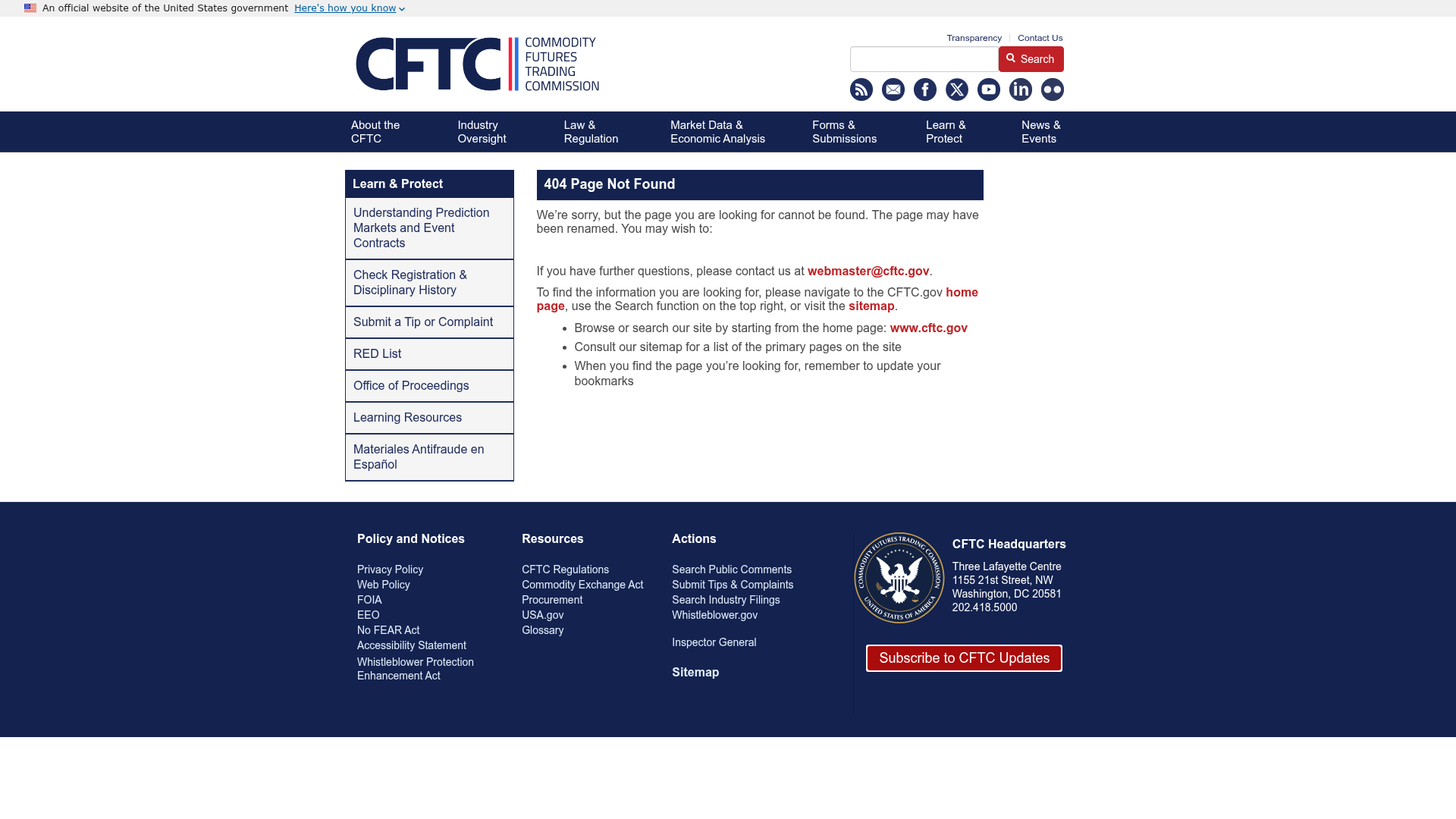
Otros registros utilizados en verificaciones de este tipo. Cada uno abre la página propia de la autoridad.
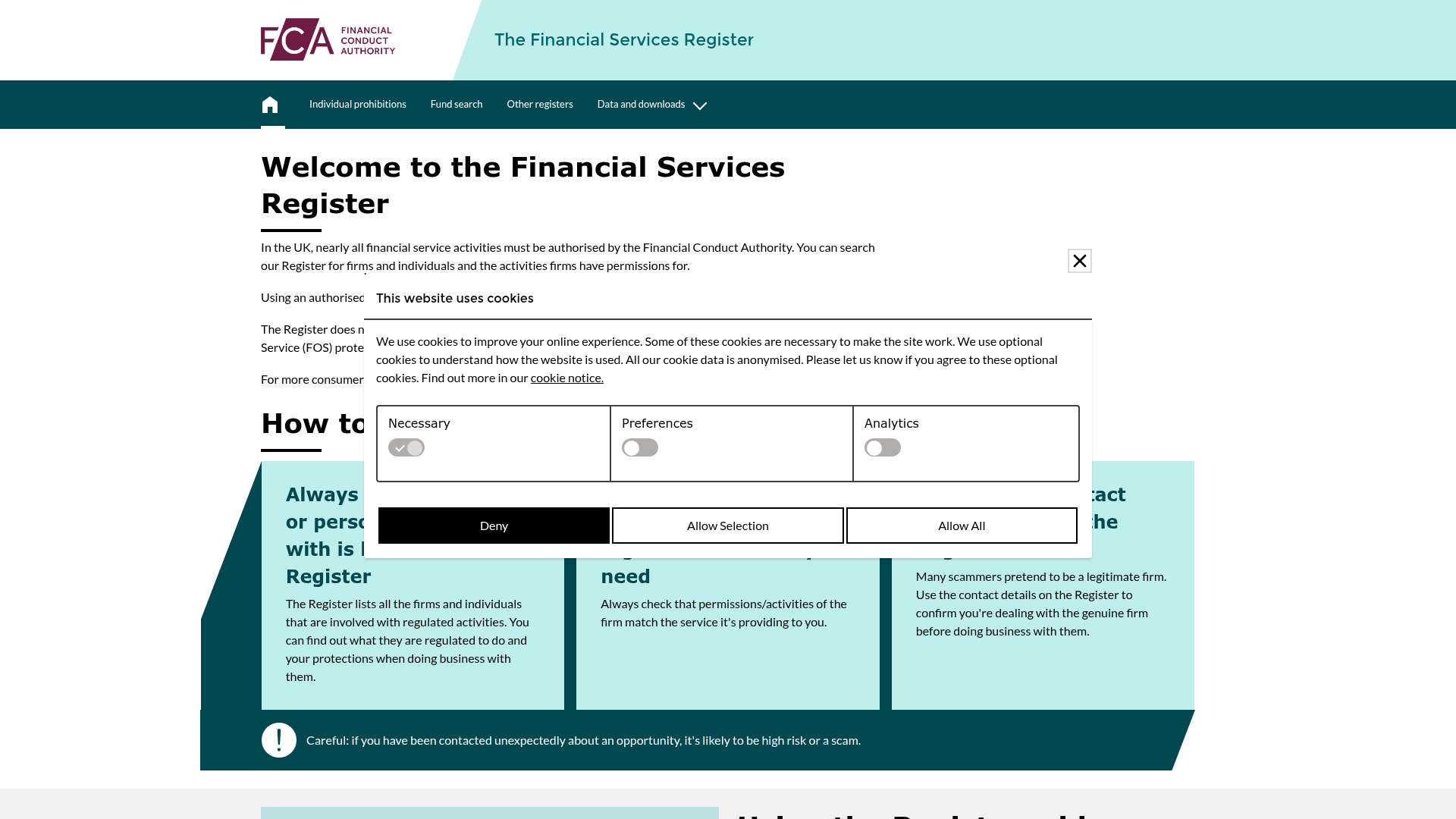
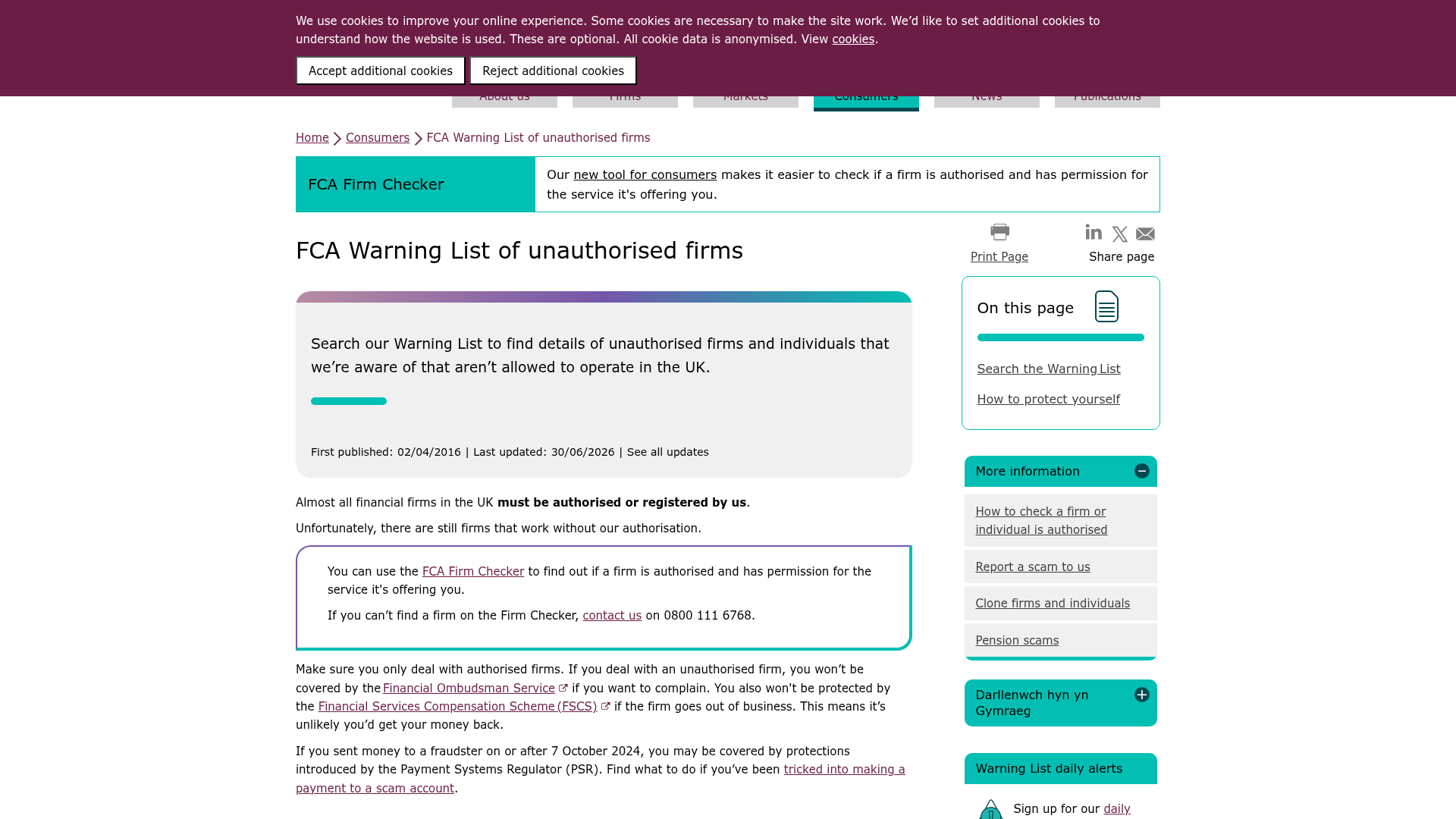
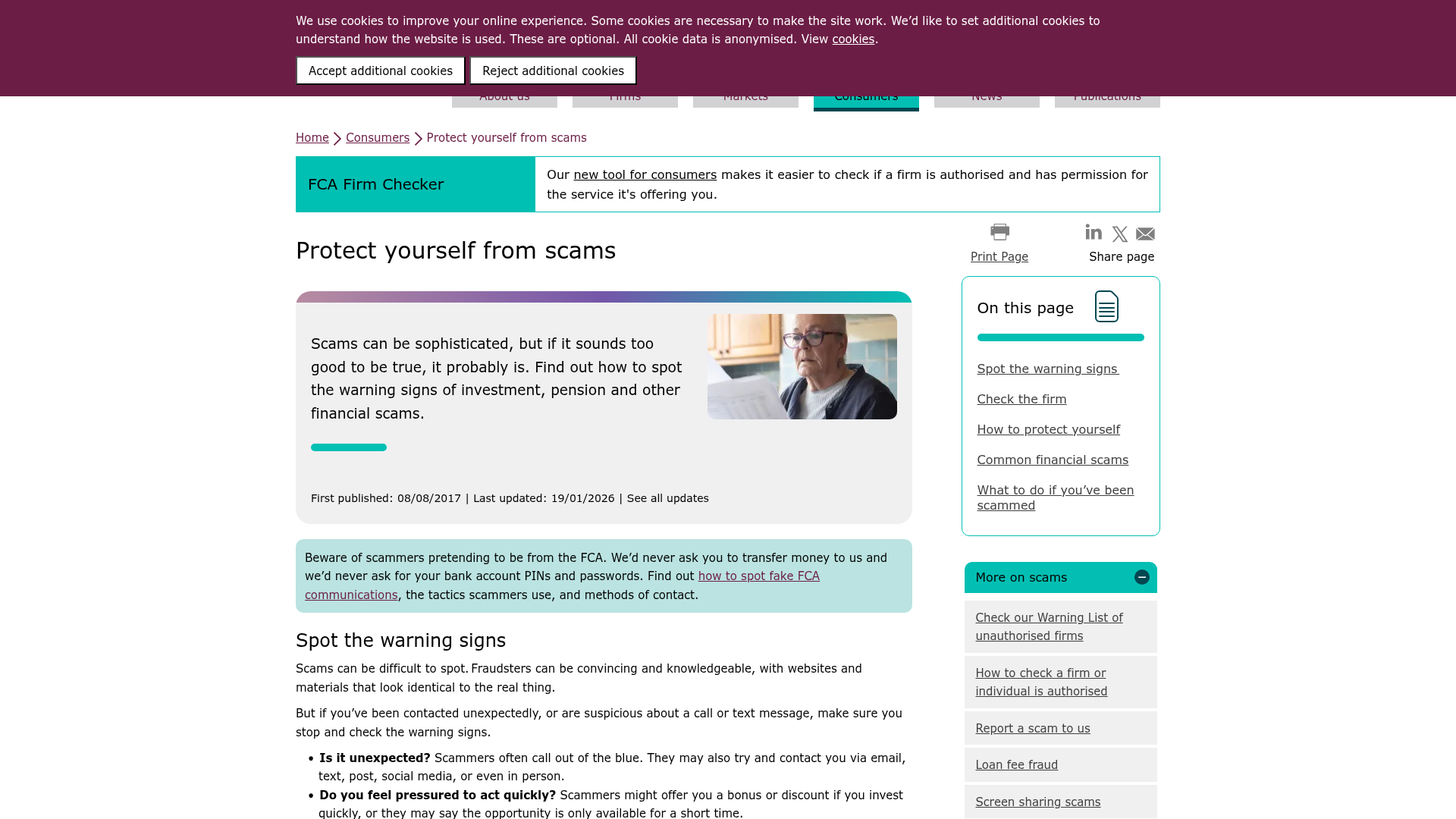
Fuentes primarias
Cada afirmación anterior puede verificarse en la propia página de la autoridad. Se abren en el sitio del regulador, no en el nuestro.
- FCA ScamSmartfca.org.ukhttps://www.fca.org.uk/scamsmart
- CFTC — Customer advisories on fraudcftc.govhttps://www.cftc.gov/LearnAndProtect/AdvisoriesAndArticles/index.htm
- ASIC — Professional registersasic.gov.auhttps://asic.gov.au/online-services/search-asics-registers/
- NFA BASIC — background affiliation statusnfa.futures.orghttps://www.nfa.futures.org/basicnet/
Preguntas frecuentes
¿Cuál es la principal señal de alerta para una cuenta de forex gestionada con estructura Ponzi?
La principal señal de alerta es la promesa de rendimientos inusualmente altos y consistentes con poco o ningún riesgo, independientemente de las condiciones del mercado. El trading de forex legítimo implica un riesgo significativo y resultados variables.
¿Cómo puedo verificar si un bróker de forex es legítimo?
Puede verificar la legitimidad de un bróker consultando su número de licencia en los registros oficiales en línea de los reguladores financieros de su jurisdicción declarada, como el Financial Services Register de la FCA, los Professional Registers de ASIC, o la RED List de la CFTC y NFA BASIC para firmas estadounidenses.
¿Debo enviar dinero directamente a un individuo que afirma ser un 'master trader'?
No, nunca transfiera fondos directamente a un individuo o a una entidad no registrada. Sus fondos de inversión siempre deben depositarse directamente en una cuenta segregada abierta a su nombre con un bróker de forex totalmente regulado.
¿Qué es una cuenta de cliente segregada y por qué es importante?
Una cuenta de cliente segregada mantiene sus fondos separados del capital operativo del bróker, protegiendo su dinero en caso de que el bróker enfrente dificultades financieras. Asegura que sus fondos se utilicen únicamente para sus actividades de trading y retiros, no para las operaciones propias del bróker.
¿Qué pasa si un gestor de cuenta me muestra un panel de control de trading con ganancias consistentes?
Tenga cuidado con los paneles de control propietarios, ya que pueden ser fácilmente manipulados. Siempre solicite acceso a estados de cuenta de trading en tiempo real o una contraseña de inversor de solo lectura para una cuenta real con un bróker externo regulado para verificar de forma independiente la actividad de trading.
¿Son las bonificaciones por referidos para cuentas gestionadas una señal de advertencia?
Sí, un fuerte énfasis en la captación de nuevos inversores y la oferta de bonificaciones por referidos es un claro indicador de un esquema Ponzi o piramidal, donde se necesita dinero nuevo para pagar a los participantes existentes.