
Puntos clave
- Las ofertas de inversión no solicitadas, especialmente a través de llamadas en frío o redes sociales, son un indicador principal de posible actividad no autorizada.
- Los 'boiler rooms' construyen narrativas elaboradas de altos rendimientos garantizados y oportunidades exclusivas, a menudo impulsando productos financieros complejos como los CFD o criptomonedas.
- Las firmas legítimas están reguladas y son rastreables; verifique cualquier entidad a través de registros oficiales como el FCA Financial Services Register o NFA BASIC antes de cualquier compromiso.
- Las plataformas de trading falsas a menudo imitan a las reales, pero carecen de características cruciales y transparencia, mostrando ganancias fabricadas para fomentar depósitos adicionales.
- Las solicitudes de retiro de esquemas no autorizados son rutinariamente respondidas con demandas de tarifas adicionales, impuestos o 'margin calls' como un intento final de extraer capital.
- Reportar rápidamente operaciones no autorizadas sospechosas a autoridades relevantes como el FBI IC3 o Action Fraud es crucial, aunque las perspectivas de recuperación pueden ser limitadas.
El Primer Contacto: El Abordaje No Solicitado
El timbre suena, pero no es un vecino. En cambio, una voz al teléfono comienza, presentándose inmediatamente con un sentido de urgencia sobre una oportunidad de inversión. Esto a menudo marca el acercamiento inicial de lo que comúnmente se conoce como una operación de 'boiler room'. Estas entidades se especializan en tácticas de venta de alta presión para convencer a individuos de invertir en productos financieros inexistentes o de alto riesgo e inadecuados, a menudo sin la autorización regulatoria necesaria. El contacto puede llegar a través de una llamada telefónica inesperada, un mensaje directo en redes sociales, o incluso un correo electrónico que parece provenir de una fuente creíble, aunque una inspección más cercana a menudo revela inconsistencias en los detalles del remitente.
Los operadores elaboran meticulosamente sus declaraciones de apertura para evitar el escepticismo inmediato. Pueden afirmar haber obtenido los datos de un individuo de una 'base de datos de confianza' o sugerir un conocido mutuo, estableciendo una falsa sensación de confianza. El objetivo es enganchar al posible inversor en los primeros minutos, a menudo prometiendo rendimientos excepcionales o acceso exclusivo a una oportunidad por tiempo limitado. Estas conversaciones iniciales rara vez tratan sobre un análisis financiero profundo; se centran en establecer una conexión y despertar la curiosidad, sentando las bases para presentaciones posteriores más intensivas. Los consumidores deben tratar cualquier contacto no solicitado sobre oportunidades de inversión con extrema precaución, ya que las firmas legítimas y reguladas generalmente no operan de esta manera.
Considere las implicaciones inmediatas de una llamada no solicitada: una firma de inversión genuina y regulada generalmente no realizará llamadas en frío a individuos para impulsar productos especulativos. Su acercamiento sigue protocolos establecidos de marketing y adquisición de clientes, que típicamente implican el consentimiento opt-in o relaciones preexistentes. La ausencia de tal protocolo, combinada con una narrativa de ventas de alta presión, sirve como una señal de advertencia inicial significativa. Esta es la parte que la mayoría de las guías omiten: el porqué del primer contacto. No es aleatorio; es un intento calculado de interrumpir los procesos normales de toma de decisiones.
Construyendo la Narrativa: Promesas y Proyecciones
Una vez establecido el contacto inicial, el 'boiler room' avanza en la construcción de una narrativa convincente, aunque fabricada, en torno a su 'inversión'. Esto a menudo implica presentar un producto financiero complejo, como los Contratos por Diferencia (CFD), divisas (forex) o criptomonedas, como un vehículo simple y de alto rendimiento. Los operadores utilizan terminología especializada para crear una impresión de sofisticación y experiencia, a menudo discutiendo tendencias del mercado, análisis técnico o 'información privilegiada' que suena plausible para un inversor inexperto. Pueden hacer referencia a eventos globales específicos o pronósticos económicos para dar credibilidad a sus proyecciones, todo mientras mantienen un tema consistente de ganancias excepcionales, casi garantizadas.
La oportunidad de inversión se presenta con frecuencia como una oportunidad para 'subirse a la próxima gran ola' o asegurar la independencia financiera rápidamente. Pueden presentar folletos brillantes o sitios web de aspecto profesional que imitan a los de instituciones financieras legítimas, completos con testimonios fabricados y gráficos de rendimiento impresionantes, pero completamente ficticios. Estos materiales están diseñados para abrumar al posible inversor con información que parece creíble, distrayéndolo de la falta fundamental de supervisión regulatoria o exposición genuina al mercado. El enfoque siempre está en el potencial de ganancias masivas, con poca o ninguna mención de los riesgos inherentes involucrados, lo cual contrasta fuertemente con las divulgaciones requeridas por brókeres autorizados como Pepperstone o IC Markets, que operan bajo estrictas directrices regulatorias de organismos como ASIC o la FCA.
Los operadores a menudo adaptan su discurso a la situación financiera y las aspiraciones percibidas del individuo, obtenidas de conversaciones iniciales. Si un posible inversor expresa un deseo de seguridad para la jubilación, la 'inversión' se presentará como una oportunidad de crecimiento segura y a largo plazo. Si el objetivo es la acumulación rápida de riqueza, la narrativa se desplaza hacia el trading de alta frecuencia u oportunidades exclusivas previas a la salida a bolsa (pre-IPO). Esta adaptabilidad hace que la narrativa sea particularmente insidiosa, ya que aborda directamente las esperanzas financieras del individuo mientras oculta la realidad de un esquema no autorizado.
Vehículos de Inversión Comunes Promovidos por Esquemas No Autorizados y Sus Contrapartes Legítimas
| Tipo de Inversión Promovida | Narrativa Común | Ejemplos de Brókeres Regulados que Ofrecen |
|---|---|---|
| Forex/CFD | Trading con apalancamiento para ganancias rápidas de la volatilidad del mercado. | OANDA, FOREX.com, XM, FxPro |
| Criptomonedas | Acceso anticipado a la 'próxima gran moneda' o a bots de trading automatizado. | eToro (regulado en múltiples jurisdicciones para servicios de criptoactivos) |
| Materias Primas | Cobertura contra la inflación, altos rendimientos por escasez específica del mercado. | AvaTrade, Plus500 |
| Acciones | OPV exclusivas o empresas de pequeña capitalización 'infravaloradas'. | Generalmente a través de corredores de bolsa con licencia, no mediante llamadas no solicitadas |
Palancas Psicológicas: Creando Urgencia y Confianza
Un componente clave de cualquier guion de boiler room es la aplicación sistemática de tácticas psicológicas diseñadas para eludir la toma de decisiones racional. Los operadores están capacitados para crear una sensación de urgencia, a menudo afirmando que la 'oportunidad' es limitada en el tiempo o que quedan un número reducido de 'plazas'. Esta presión tiene como objetivo forzar una acción inmediata, impidiendo que el potencial inversor realice una investigación independiente o busque asesoramiento de profesionales financieros de confianza. El miedo a perderse algo (FOMO) es un potente motivador, hábilmente explotado por estas operaciones.
Otra táctica implica construir una falsa confianza. Esto puede manifestarse como 'prueba social', donde los operadores afirman que muchos otros inversores exitosos ya han comprometido grandes sumas, o 'autoridad', donde se posicionan como expertos con información privilegiada del mercado. También pueden emplear el 'fraude de afinidad', donde se dirigen a grupos demográficos específicos, a veces incluso utilizando a personas de ese mismo grupo para establecer el contacto inicial, creando un vínculo de confianza más fuerte basado en antecedentes o intereses compartidos. Los guiones incluyen respuestas para objeciones comunes, convirtiéndolas en razones adicionales para invertir.
Los operadores son persistentes. Realizan un seguimiento implacable, a menudo variando su enfoque con cada llamada para erosionar la resistencia. Pueden ofrecer una 'pequeña' inversión inicial para generar confianza, seguida de llamadas de un 'analista sénior' o 'gestor de cartera' que refuerza la propuesta anterior con proyecciones más detalladas, pero igualmente falsas. Este enfoque por capas está diseñado para desgastar gradualmente el escepticismo, presentando un frente unido de confianza y experiencia, todo ello con el objetivo de asegurar un compromiso financiero.
La Plataforma Ficticia: Donde las Operaciones No Son Operaciones
Después de una inversión inicial, los clientes suelen ser dirigidos a una plataforma en línea de aspecto sofisticado o a una aplicación móvil. Esta plataforma, sin embargo, rara vez está conectada a mercados financieros reales. En su lugar, es una interfaz personalizada diseñada para simular la actividad de trading y mostrar ganancias fabricadas. El diseño visual a menudo imita de cerca el de las plataformas de trading legítimas ofrecidas por brókeres regulados, presentando flujos de datos de mercado en tiempo real (que son de acceso público) y gráficos interactivos. Sin embargo, las operaciones ejecutadas en estas plataformas no interactúan con proveedores de liquidez o bolsas reales. Cada 'operación' es una entrada interna en una base de datos controlada por el boiler room.
La función principal de esta plataforma ficticia es proporcionar una 'prueba' visual del éxito de la inversión. Los clientes observarán cómo el saldo de su cuenta crece, a veces drásticamente, reflejando los altos rendimientos prometidos. Este éxito fabricado refuerza la narrativa de los asesores 'expertos' y la 'oportunidad exclusiva', haciendo que los clientes sean más receptivos a las solicitudes de capital adicional. La plataforma podría incluso ofrecer un modo demo, permitiendo a los potenciales inversores 'practicar' y ver 'lo fácil que es ganar dinero' antes de comprometer fondos reales.
Distinguir una plataforma falsa de una legítima requiere un escrutinio cuidadoso. Las plataformas legítimas de brókeres como XM o Exness proporcionan historiales de transacciones detallados, acceso directo a datos de mercado de múltiples proveedores e información regulatoria clara. Las plataformas falsas, aunque visualmente atractivas, a menudo carecen de herramientas detalladas de análisis de mercado, estructuras de tarifas transparentes o licencias regulatorias verificables mostradas de forma destacada. Los intentos de conectar estas plataformas a proveedores de datos de mercado independientes fracasarán, ya que sus 'operaciones' mostradas existen únicamente dentro del sistema del boiler room.
La ilusión de una operación rentable es una narrativa cuidadosamente construida, donde cada 'ganancia' en pantalla es meramente una herramienta psicológica para extraer más capital.
Owen Blake
Inversiones Iniciales: La Etapa de 'Prueba de Concepto'
La estrategia del boiler room a menudo comienza solicitando una inversión inicial relativamente pequeña. Esta cantidad de 'entrada', quizás unos pocos cientos o mil dólares, tiene varios propósitos. En primer lugar, reduce la barrera de entrada, facilitando que un potencial inversor supere su escepticismo inicial y comprometa fondos. En segundo lugar, permite a los operadores probar la capacidad de respuesta y la capacidad financiera del cliente. Un cliente que realiza un pequeño depósito rápidamente y sin demasiadas preguntas es identificado como un candidato principal para solicitudes posteriores y mayores.
Una vez transferidos los fondos iniciales, la cuenta de trading falsa del cliente típicamente mostrará ganancias rápidas e impresionantes. Estos 'rendimientos fantasma' son una parte crucial del guion. Crean una poderosa ilusión de éxito, validando las promesas del operador y construyendo la confianza del cliente en el esquema. Incluso se podría animar al cliente a 'retirar' una pequeña porción de estas ganancias fabricadas. Este 'retiro' parcial suele ser una cantidad nominal, pagada con la inversión inicial o con fondos de otras víctimas, y actúa como un poderoso refuerzo psicológico, convenciendo al cliente de que el sistema es legítimo y su dinero es accesible.
Esta etapa de 'prueba de concepto' se gestiona meticulosamente para fomentar una sensación de confianza y entusiasmo. Los operadores mantienen un contacto frecuente, felicitando al cliente por su 'éxito' e insinuando oportunidades aún mayores en el futuro. El objetivo es hacer que el cliente se sienta inteligente y afortunado, preparando el escenario para la siguiente fase de la operación: el impulso para inyecciones de capital significativamente mayores. La 'ganancia' inicial es meramente una herramienta psicológica para preparar al cliente para pérdidas mucho mayores.
Solicitudes Típicas de Inversión por Fases en Esquemas No Autorizados
| Etapa | Acción del Boiler Room | Percepción del Cliente |
|---|---|---|
| Depósito Inicial | Solicitar una pequeña cantidad (€250-€1000) para medir la conformidad. | Bajo riesgo, tanteando el terreno. |
| Rendimientos Ficticios | Mostrar ganancias rápidas y significativas en una plataforma falsa. | Confirmación de una buena decisión, confianza en el asesor. |
| Pequeño Retiro | Permitir un retiro menor (ej., €50-€100) del depósito inicial. | El dinero es real y accesible, el esquema es legítimo. |
| Preparación para la Venta Adicional | Felicitar, insinuar oportunidades más grandes y exclusivas. | Sensación de éxito, listo para el siguiente paso. |
Escalada: La Presión por Más Capital
Una vez establecida la confianza a través de beneficios fabricados y quizás un pequeño retiro nominal, el chiringuito financiero cambia su enfoque para extraer sumas sustancialmente mayores. Esta fase de escalada es donde el verdadero daño financiero suele comenzar. Los operadores, a menudo presentándose como 'gestores de cartera sénior' o 'jefes de trading', contactarán al cliente con nuevas oportunidades, altamente urgentes y supuestamente más lucrativas. Estas podrían presentarse como una oportunidad para 'redoblar la apuesta' en éxitos anteriores o para obtener acceso a un nivel de inversión 'premium'.
Los pretextos comunes para solicitar fondos adicionales incluyen urgentes 'llamadas de margen' sobre las posiciones 'rentables' del cliente, demandas de 'pagos de impuestos' sobre sus supuestas ganancias, o tarifas para 'acceder' a mayores rendimientos. El lenguaje se vuelve más autoritario e insistente. Podrían amenazar con que la falta de depósito de más fondos resultará en la pérdida de todas las 'ganancias' acumuladas y la inversión inicial. Esta táctica basada en el miedo es altamente efectiva, ya que los clientes, habiendo visto crecer su saldo (aunque falsamente), están desesperados por no perder sus ganancias percibidas. En la práctica, la mesa de operaciones pedirá dos, a veces tres veces, enmarcando cada solicitud como una necesidad absoluta para el crecimiento continuo o la protección de los activos existentes.
Este ciclo puede repetirse varias veces, con cada nuevo depósito llevando a ganancias aún más impresionantes, pero aún ficticias, en la plataforma, consolidando aún más la creencia del cliente en el esquema. Las cantidades solicitadas crecen progresivamente, pudiendo abarcar ahorros de toda la vida, fondos de pensiones o incluso dinero prestado. La manipulación emocional durante esta fase es intensa, ya que los operadores aíslan a los clientes de consejos externos y crean una fuerte dependencia psicológica del 'asesor' que parece guiarlos hacia una riqueza sin precedentes. Explotan los sesgos cognitivos, dificultando que las víctimas se desvinculen o cuestionen las demandas crecientes.
La Ilusión del Retiro: Cuando los Fondos No Pueden Recuperarse
El punto de inflexión inevitable en una operación de chiringuito financiero es cuando el cliente intenta retirar sus 'ganancias' o incluso su capital inicial. En este momento, la elaborada fachada comienza a resquebrajarse. En lugar de recibir sus fondos, los clientes se encuentran con una serie de pretextos y tácticas dilatorias diseñadas para evitar cualquier pago y, crucialmente, para extraer aún más dinero. Estos pretextos pueden incluir demandas de 'comisiones por retiro', 'cargos por cumplimiento normativo', 'tasas de verificación de lucha contra el blanqueo de capitales (AML)' o 'impuestos por transferencias internacionales', ninguno de los cuales son requisitos legítimos para retirar fondos de un bróker debidamente regulado.
Los operadores pueden alegar que la cuenta del cliente ha sido marcada por actividad sospechosa y requiere un 'depósito de seguridad' adicional para ser desbloqueada. También podrían insistir en un umbral mínimo de retiro que es significativamente más alto que el saldo de la cuenta del cliente, forzándolos a depositar más fondos para alcanzarlo. El lenguaje utilizado se vuelve cada vez más evasivo y agresivo cuando los clientes insisten en su dinero. Los correos electrónicos pueden quedar sin respuesta, las llamadas telefónicas sin devolver, o el 'asesor' podría de repente no estar disponible, alegando estar de vacaciones o haber dejado la empresa.
Finalmente, cuando el cliente se queda sin fondos para depositar o se da cuenta de la verdadera naturaleza de la operación, el chiringuito financiero los abandonará. Toda comunicación cesa, la plataforma de trading se vuelve inaccesible y los números de contacto se desconectan. El cliente se queda solo con pérdidas. Este punto subraya la diferencia fundamental entre estas operaciones y entidades reguladas como AvaTrade o FxPro, donde los procesos de retiro están claramente definidos, son transparentes y no implican comisiones inesperadas ni barreras arbitrarias una vez completada la verificación de identidad. Cualquier bróker legítimo tendrá términos claros para el retiro establecidos desde el principio, y no introducirá nuevas comisiones cuando un cliente intente retirar dinero.
Verificación de Legitimidad: Controles Esenciales para los Consumidores
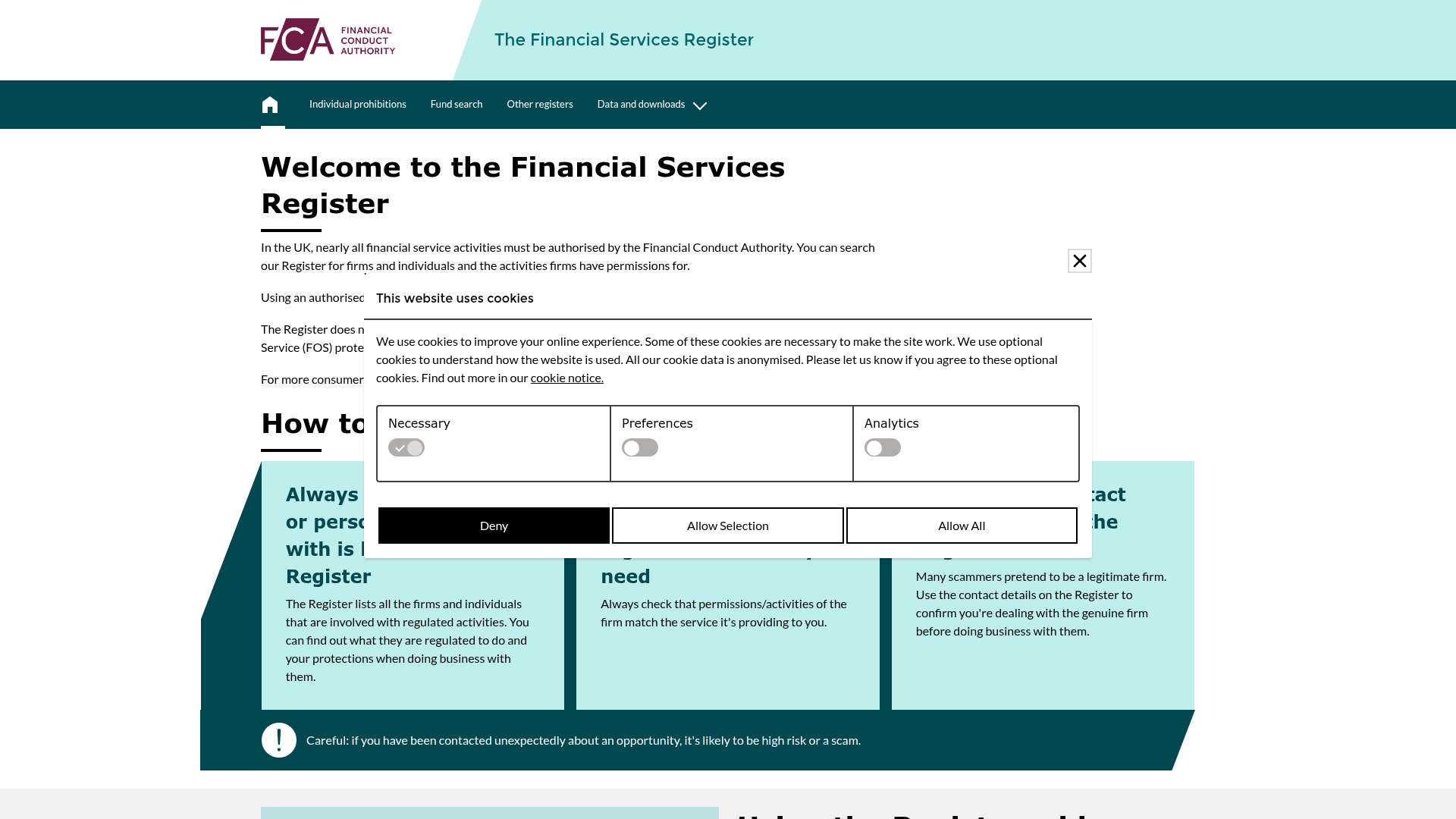
Proteger las finanzas personales de operaciones no autorizadas comienza con una verificación diligente. Antes de comprometer cualquier fondo, los individuos deben confirmar que la firma con la que están tratando está autorizada por el regulador financiero pertinente en su jurisdicción. Este es un paso no negociable. Por ejemplo, si una firma afirma operar en el Reino Unido, debe figurar en el Financial Services Register de la FCA. De manera similar, las firmas que operan en Australia deberían aparecer en los Professional Registers de ASIC, y aquellas en EE. UU. que operan con futuros o forex deben estar registradas en la CFTC y la NFA (verificar NFA BASIC).
El proceso de verificación es sencillo: visite el sitio web oficial del regulador financiero nacional pertinente. No confíe en los enlaces proporcionados por la propia firma, ya que estos pueden ser fabricados. Busque en el registro del regulador utilizando el nombre legal completo de la firma y su número de registro, si se proporciona. Compare los detalles del registro —como la dirección de la firma, la información de contacto y las actividades permitidas— con la información que la firma le ha proporcionado. Las discrepancias son una importante señal de alerta. Si la firma no figura en la lista, o si los detalles no coinciden, parece estar operando sin la autorización adecuada.
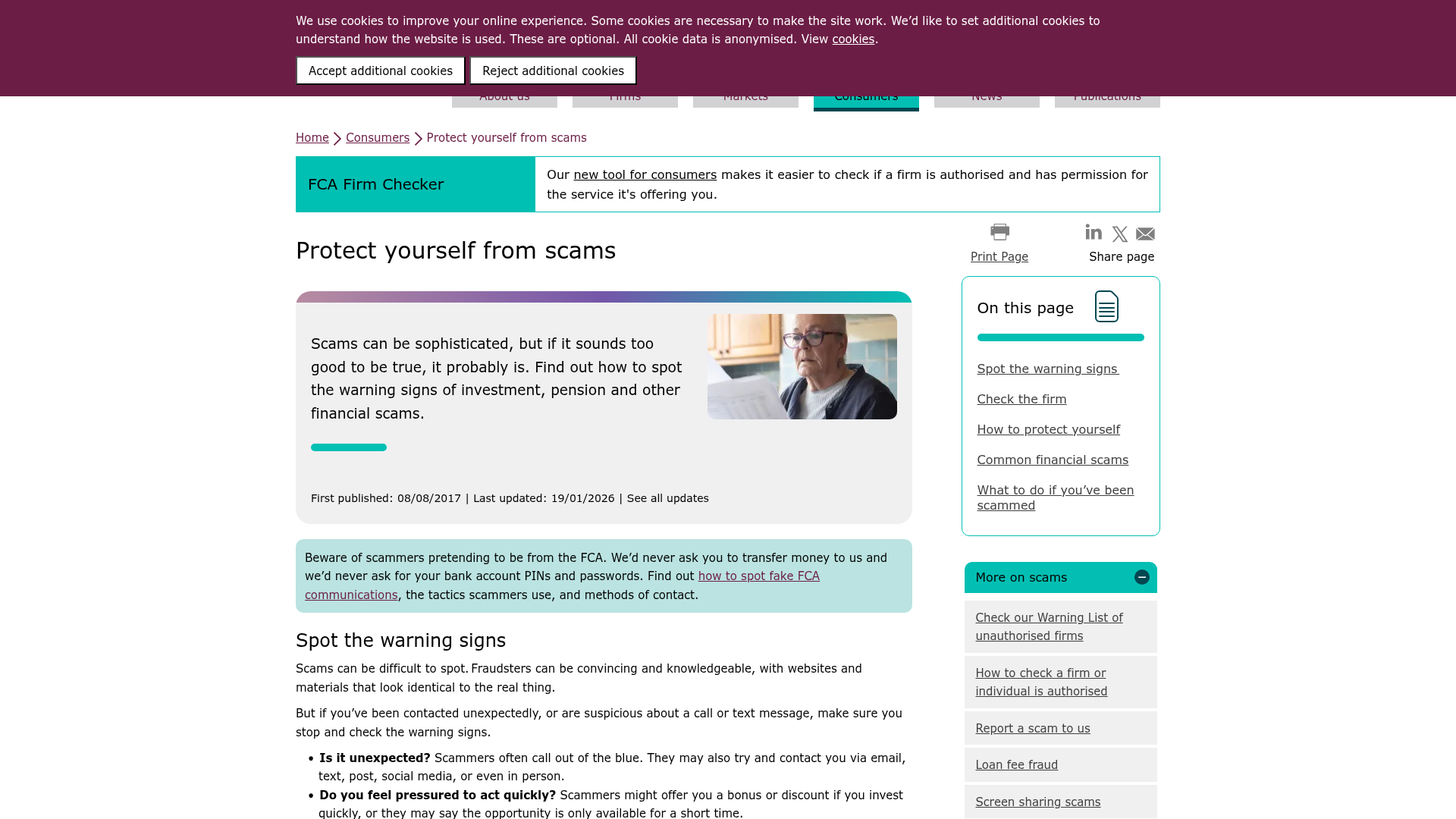
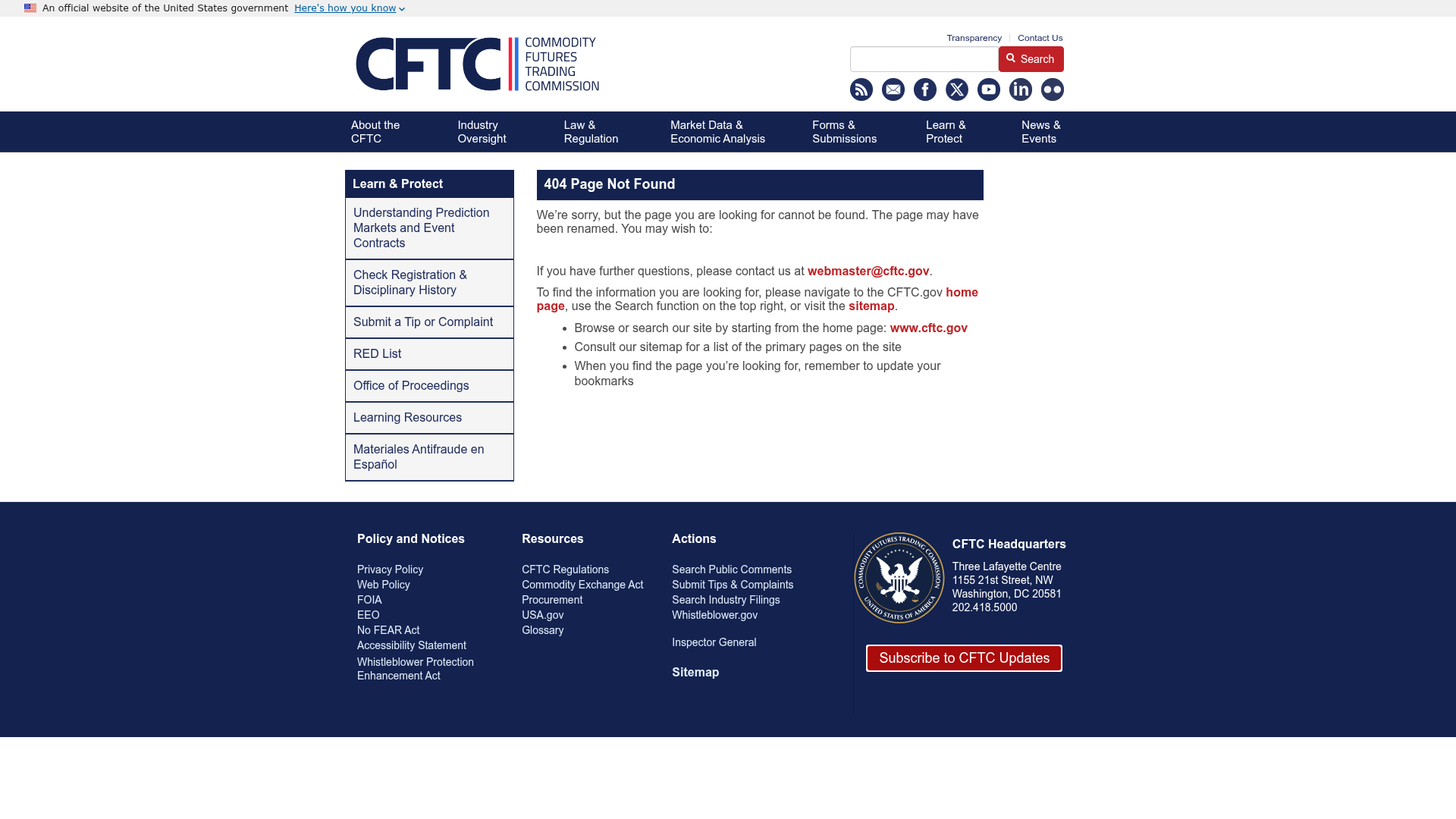
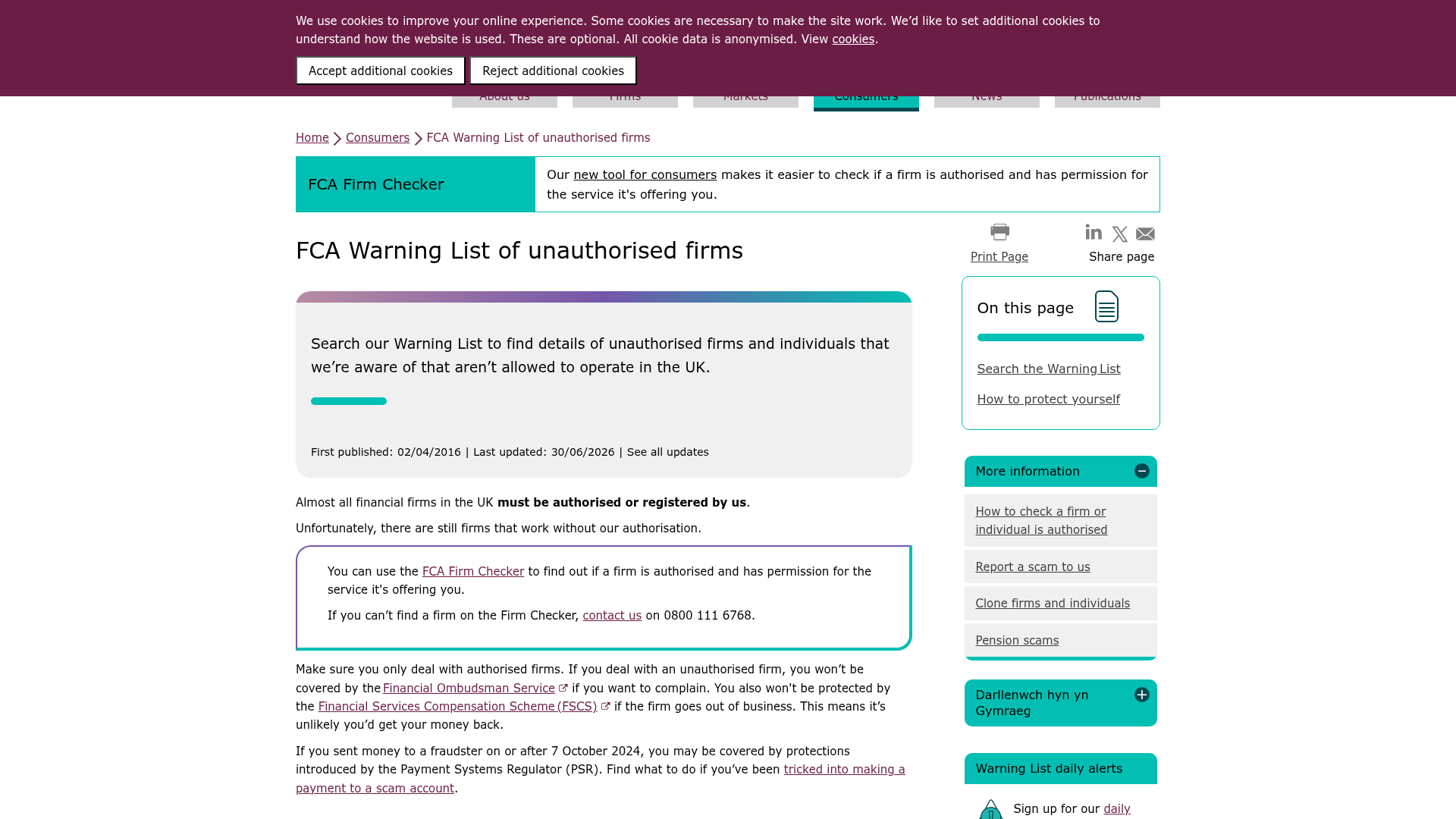
Consulte las listas de advertencia del regulador. La FCA, por ejemplo, mantiene una 'Warning list of unauthorised firms', que nombra explícitamente a las entidades que se sabe que operan sin permiso o que se hacen pasar por negocios legítimos. La CFTC publica una 'Registration Deficient (RED) List'. La verificación de estas listas puede revelar rápidamente si una oferta aparentemente atractiva es, de hecho, una entidad no autorizada conocida. Estos pasos, aunque básicos, son la defensa más efectiva contra ser víctima de una operación de chiringuito financiero; ninguna cantidad de 'due diligence' ofrecida por el interlocutor puede sustituir la verificación regulatoria independiente.
Denuncia y Recuperación: Qué Hacer Cuando Está Involucrado
Si un individuo sospecha que ha sido objetivo o ha invertido en una operación no autorizada, la acción inmediata es crucial, aunque la recuperación de fondos puede ser un desafío. El primer paso es cesar toda comunicación con los perpetradores y bloquear sus datos de contacto. No transfiera más dinero, independientemente de las amenazas o promesas realizadas. El siguiente paso crítico es recopilar todas las pruebas disponibles: correos electrónicos, registros de chat, extractos bancarios que muestren transferencias, capturas de pantalla del sitio web y cualquier nombre o número de teléfono utilizado por los operadores. Esta documentación será vital para denunciar el incidente a las autoridades pertinentes.
Las víctimas deben denunciar el incidente a su regulador financiero nacional y a las agencias de aplicación de la ley. En los Estados Unidos, las denuncias pueden presentarse ante el Internet Crime Complaint Center (IC3) del FBI o el portal Report Fraud de la FTC. En el Reino Unido, Action Fraud es el centro nacional de denuncia de fraudes y ciberdelitos. Estas agencias recopilan información que puede conducir a investigaciones y potencialmente evitar que otros sean víctimas. Si bien la recuperación directa de fondos a través de estos canales no está garantizada, la denuncia temprana aumenta las posibilidades de rastrear fondos o a los responsables.
Contacte a su banco o compañía de tarjeta de crédito inmediatamente para denunciar cualquier transacción no autorizada. Podrían ayudar a rastrear los fondos, especialmente si las transferencias fueron recientes. Sea realista sobre las perspectivas de recuperación; los fondos transferidos a cuentas internacionales, particularmente aquellas en jurisdicciones no reguladas, a menudo son muy difíciles de recuperar. El enfoque cambia de la recuperación a la prevención y a contribuir a los esfuerzos de las fuerzas del orden. La mejor defensa sigue siendo la prevención, investigando a fondo cualquier oportunidad de inversión antes de que se intercambie dinero.
La página que verificamos
Esta es la página propia de la autoridad, capturada tal como la encontramos. Ábrala y realice la misma búsqueda usted mismo — nada en este registro reemplaza la fuente.
Otros registros utilizados en verificaciones de este tipo. Cada uno abre la página propia de la autoridad.
Fuentes primarias
Cada afirmación anterior puede verificarse en la propia página de la autoridad. Se abren en el sitio del regulador, no en el nuestro.
- FBI IC3 — Internet Crime Reportic3.govhttps://www.ic3.gov/AnnualReport/Reports
- FCA — Financial Services Registerregister.fca.org.ukhttps://register.fca.org.uk/
- FCA — Warning list of unauthorised firmsfca.org.ukhttps://www.fca.org.uk/consumers/warning-list-unauthorised-firms
- CFTC — Registration Deficient (RED) Listcftc.govhttps://www.cftc.gov/check
- NFA BASIC — background affiliation statusnfa.futures.orghttps://www.nfa.futures.org/basicnet/
Preguntas frecuentes
¿Cómo puedo saber si una oferta de inversión proviene de una *boiler room*?
Las operaciones de *boiler room* suelen iniciar el contacto a través de llamadas no solicitadas, correos electrónicos o redes sociales. Prometen rendimientos anormalmente altos con poco o ningún riesgo, presionan para que tome decisiones rápidas y a menudo impulsan productos financieros complejos sin una explicación o divulgación adecuadas. Las firmas legítimas siguen estrictas directrices regulatorias para la captación de clientes y la divulgación de información.
¿Qué productos financieros se asocian comúnmente con los esquemas de *boiler room*?
Aunque pueden promover cualquier cosa, los productos comunes incluyen Contratos por Diferencia (CFDs), el trading de divisas (forex) y criptomonedas especulativas. Estos productos suelen ser de alto apalancamiento y complejos, lo que facilita la fabricación de resultados y la ocultación de la falta de exposición real al mercado.
Si veo ganancias en una plataforma de trading online, ¿significa eso que mi inversión es real?
No necesariamente. Muchas operaciones de *boiler room* utilizan plataformas de trading sofisticadas, pero completamente falsas, que muestran ganancias fabricadas. Estas plataformas no están conectadas a mercados reales. Verifique siempre el estado regulatorio de la firma de forma independiente antes de confiar en cualquier rendimiento mostrado.
¿Qué debo hacer si una firma exige más dinero por 'impuestos' o 'comisiones de retiro'?
Esta es una señal definitiva de una operación no autorizada. Las firmas legítimas y reguladas no exigen pagos por adelantado para retiros o impuestos sobre sus ganancias; los impuestos se gestionan según sus leyes fiscales locales, y las comisiones de retiro (si las hay) suelen ser transparentemente divulgadas y deducidas del monto a retirar. Cese toda comunicación y denuncie el incidente inmediatamente.
¿Puedo recuperar el dinero perdido en una operación de *boiler room*?
La recuperación de fondos puede ser muy desafiante, especialmente si el dinero ha sido transferido a cuentas internacionales o a través de métodos de pago no tradicionales. Sin embargo, denunciar el incidente rápidamente a los reguladores financieros y a las fuerzas del orden (como el FBI IC3 o Action Fraud) es crucial, ya que puede ayudar en las investigaciones y potencialmente evitar que otros sean víctimas.
¿Cómo puedo verificar si un bróker es legítimo y está regulado?
Debe verificar de forma independiente la autorización del bróker con el regulador financiero pertinente en su jurisdicción. Por ejemplo, consulte el FCA Financial Services Register (Reino Unido), ASIC Professional Registers (Australia), CFTC Registration Deficient (RED) List y NFA BASIC (EE. UU.), o CySEC Regulated Entities Register (Chipre). No utilice enlaces proporcionados por el bróker; navegue directamente al sitio web oficial del regulador.