ประเด็นสำคัญ
- ทะเบียนการอนุญาตของ FINMA เป็นแหล่งข้อมูลที่น่าเชื่อถือเพียงแห่งเดียวสำหรับการตรวจสอบสถาบันการเงินที่ได้รับใบอนุญาตในสวิตเซอร์แลนด์
- โบรกเกอร์ฟอเร็กซ์และ สัญญาซื้อขายส่วนต่าง ออนไลน์จำนวนมากไม่ได้ถูก FINMA ออกใบอนุญาตโดยตรงสำหรับการดำเนินงานซื้อขายหลักของพวกเขา แม้ว่าพวกเขาจะอ้างว่ามีความเกี่ยวข้องกับสวิตเซอร์แลนด์ก็ตาม
- การจดทะเบียนธุรกิจทั่วไปในสวิตเซอร์แลนด์แตกต่างจากใบอนุญาตตลาดการเงินที่ออกโดย FINMA
- การซื้อขายกับหน่วยงานที่ไม่ได้รับการอนุญาตอย่างชัดเจนจาก FINMA สำหรับบริการของตนมีความเสี่ยงอย่างมาก รวมถึงการขาดการคุ้มครองนักลงทุน
- ผู้บริโภคควรตรวจสอบการอ้างสิทธิ์ของบริษัทกับฐานข้อมูลกำกับดูแลอย่างเป็นทางการในเขตอำนาจศาลที่เกี่ยวข้องทั้งหมด
- การอ้างอิงที่ทำให้เข้าใจผิดเกี่ยวกับสวิตเซอร์แลนด์เป็นกลยุทธ์เฉพาะที่บางบริษัทใช้เพื่อสร้างความน่าเชื่อถือที่ผิดพลาด
ภาพลวงตาของป้อมปราการทางการเงินของสวิตเซอร์แลนด์
แพลตฟอร์มการซื้อขายบางแห่งโฆษณาว่า 'ความปลอดภัยที่ได้รับการสนับสนุนจากสวิตเซอร์แลนด์สำหรับการลงทุนของคุณ' หรือแสดงที่อยู่ในซูริกอย่างเด่นชัด การอ้างสิทธิ์ดังกล่าวเป็นการใช้ประโยชน์จากความเชื่อที่แพร่หลายเกี่ยวกับความมั่นคงทางการเงินและการกำกับดูแลที่เข้มงวดของสวิตเซอร์แลนด์ อย่างไรก็ตาม การตลาดเช่นนี้มักสร้างความเข้าใจผิดที่สำคัญ: การมีอยู่จริงหรือการจดทะเบียนธุรกิจทั่วไปในสวิตเซอร์แลนด์ไม่ได้หมายความโดยอัตโนมัติว่ากิจกรรมทางการเงินของหน่วยงานนั้นได้รับใบอนุญาตหรือกำกับดูแลโดย Swiss Financial Market Supervisory Authority (FINMA) บริษัทหลายแห่งอาจดำเนินงานในรูปแบบนิติบุคคลในสวิตเซอร์แลนด์เพื่อวัตถุประสงค์ด้านการบริหาร ซึ่งแยกต่างหากจากสถานะการกำกับดูแลของการดำเนินงานซื้อขายหรือบริการทางการเงินที่เสนอให้กับลูกค้าโดยสิ้นเชิง
ความคลาดเคลื่อนนี้อาจทำให้ผู้บริโภครู้สึกถึงการป้องกันที่ผิดพลาด เสน่ห์ของ 'การเชื่อมโยงกับสวิตเซอร์แลนด์' นั้นแข็งแกร่ง ซึ่งบ่งบอกถึงระดับความปลอดภัยและการปฏิบัติตามกฎระเบียบที่ เมื่อตรวจสอบอย่างใกล้ชิดแล้ว อาจไม่ใช้กับผลิตภัณฑ์หรือบริการทางการเงินที่เสนอ จึงเป็นสิ่งสำคัญสำหรับบุคคลที่จะต้องเข้าใจขอบเขตอำนาจที่ชัดเจนของ FINMA และที่สำคัญคือการแยกแยะระหว่างการจดทะเบียนธุรกิจทั่วไปและการอนุญาตตลาดการเงินที่เฉพาะเจาะจง
การป้องกันที่แท้จริงสำหรับลูกค้าไม่ได้อยู่ที่ที่อยู่ทางไปรษณีย์ของบริษัท แต่อยู่ที่ใบอนุญาตโดยตรงที่ตรวจสอบได้จากหน่วยงานกำกับดูแลทางการเงินที่มีชื่อเสียงสำหรับบริการที่บริษัทนั้นให้ สำหรับสวิตเซอร์แลนด์ หน่วยงานกำกับดูแลนั้นคือ FINMA หากไม่มีการตรวจสอบที่เหมาะสม 'ข้อได้เปรียบของสวิส' ที่รับรู้อาจกลายเป็นภาระความรับผิดที่สำคัญได้อย่างรวดเร็ว ทำให้นักลงทุนต้องเผชิญกับตลาดที่ไม่มีการควบคุมและกลไกการคุ้มครองผู้บริโภคที่ไม่เพียงพอ
ขอบเขตอำนาจของ FINMA: การกำกับดูแลตลาดการเงินสวิสอย่างอิสระ
FINMA ทำหน้าที่เป็นหน่วยงานกำกับดูแลตลาดการเงินอิสระของสวิตเซอร์แลนด์ ภารกิจหลักคือการปกป้องเจ้าหนี้ นักลงทุน และผู้ถือกรมธรรม์ และเพื่อให้มั่นใจว่าตลาดการเงินของสวิตเซอร์แลนด์ทำงานได้อย่างเหมาะสม ซึ่งรวมถึงการออกใบอนุญาต การกำกับดูแลการปฏิบัติตามกฎหมายการเงิน และการบังคับใช้กฎระเบียบเมื่อจำเป็น ขอบเขตของ FINMA นั้นกว้างขวาง ครอบคลุมภาคส่วนต่างๆ เช่น การธนาคาร การประกันภัย ตลาดหลักทรัพย์ และกองทุนรวม
อย่างไรก็ตาม ขอบเขตอำนาจของ FINMA นั้นเฉพาะเจาะจงกับกรอบกฎหมายของสวิตเซอร์แลนด์ FINMA ออกใบอนุญาตและกำกับดูแลสถาบันการเงินโดยอิงจากกิจกรรมที่ดำเนินการภายในหรือจากสวิตเซอร์แลนด์ ตัวอย่างเช่น ธนาคารที่ดำเนินงานในสวิตเซอร์แลนด์จะต้องมีใบอนุญาตธนาคารจาก FINMA ในทำนองเดียวกัน บริษัทหลักทรัพย์ที่ดำเนินกิจกรรมนายหน้าซื้อขายหลักทรัพย์หรือการซื้อขายจากสวิตเซอร์แลนด์จำเป็นต้องมีใบอนุญาตบริษัทหลักทรัพย์จาก FINMA ใบอนุญาตเหล่านี้มาพร้อมกับข้อกำหนดด้านเงินทุนที่เข้มงวด มาตรฐานการกำกับดูแล และภาระผูกพันในการรายงานอย่างต่อเนื่อง ซึ่งออกแบบมาเพื่อรักษาความสมบูรณ์ของตลาดและปกป้องลูกค้า
สิ่งสำคัญคือต้องตระหนักว่าไม่ใช่ทุกธุรกิจที่มีเอกลักษณ์องค์กรของสวิสหรือที่อยู่ไปรษณีย์ของสวิสจะอยู่ภายใต้การกำกับดูแลตลาดการเงินโดยตรงของ FINMA การจดทะเบียนบริษัททั่วไปดำเนินการโดยสำนักทะเบียนการค้าของรัฐ ไม่ใช่ FINMA การมีอยู่ของบริษัทในทะเบียนการค้าเพียงแค่บ่งบอกถึงการมีอยู่ตามกฎหมายในฐานะนิติบุคคลทางธุรกิจ ไม่ใช่การอนุญาตให้ดำเนินกิจกรรมทางการเงินที่มีการควบคุมในสวิตเซอร์แลนด์ นี่คือความแตกต่างที่สำคัญที่มักถูกทำให้คลุมเครือโดยหน่วยงานที่ไม่ซื่อสัตย์ซึ่งทำการตลาดให้กับลูกค้าระหว่างประเทศ
ขั้นตอนปฏิบัติในการตรวจสอบการอนุญาตจาก FINMA
การตรวจสอบการอนุญาตจาก FINMA ของบริษัทเป็นกระบวนการที่ไม่ซับซ้อน แต่ต้องใช้แหล่งข้อมูลทางการที่ถูกต้อง การพึ่งพาการอ้างสิทธิ์ที่บริษัททำโดยตรง หรือข้อมูลที่พบในเว็บไซต์ของบุคคลที่สามนั้นไม่เพียงพอ แหล่งข้อมูลที่เชื่อถือได้เพียงแห่งเดียวสำหรับสถาบันที่ FINMA กำกับดูแลคือทะเบียน 'Supervised Institutions' อย่างเป็นทางการของ FINMA บนเว็บไซต์ของพวกเขา
ในการดำเนินการตรวจสอบ ขั้นแรกให้เข้าถึงเว็บไซต์ของ FINMA โดยตรง มองหาส่วนที่ระบุไว้อย่างชัดเจนว่า 'Supervised Institutions', 'Authorisation' หรือ 'Registers' เมื่ออยู่ในหน้าทะเบียน คุณจะพบฟังก์ชันการค้นหาที่ช่วยให้คุณสามารถป้อนชื่อบริษัทที่คุณกำลังตรวจสอบได้ โปรดระบุชื่อบริษัทให้แม่นยำ เนื่องจากแม้แต่การเปลี่ยนแปลงเล็กน้อยก็อาจทำให้ไม่พบผลลัพธ์
ผลการค้นหา หากมี จะระบุว่าหน่วยงานนั้นถือใบอนุญาตจาก FINMA หรือไม่ ที่สำคัญ รายการจะระบุ ประเภท ของใบอนุญาตที่ถือครอง (เช่น ธนาคาร บริษัทหลักทรัพย์ บริษัทจัดการกองทุน) และวันที่ได้รับอนุญาต สิ่งนี้ช่วยให้คุณยืนยันได้ไม่เพียงแค่ว่าบริษัทได้รับใบอนุญาตหรือไม่ แต่ยังรวมถึงกิจกรรมเฉพาะใดบ้าง หากบริษัทอ้างว่าเสนอการซื้อขายฟอเร็กซ์ที่มีการควบคุมจากสวิตเซอร์แลนด์ แต่ปรากฏเพียงในฐานะนิติบุคคลทางธุรกิจทั่วไปหรือไม่ปรากฏเลยในทะเบียนของ FINMA การอ้างสิทธิ์เกี่ยวกับการอนุญาตจาก FINMA สำหรับบริการซื้อขายนั้นไม่มีหลักฐานยืนยัน
ประเภทใบอนุญาตของ FINMA และกิจกรรมที่ได้รับการควบคุมที่เกี่ยวข้องในสวิตเซอร์แลนด์
| ประเภทใบอนุญาตของ FINMA | กิจกรรมหลักที่ได้รับการควบคุม | จุดเน้นการคุ้มครองลูกค้า | ตัวอย่างภาระผูกพันที่สำคัญ |
|---|---|---|---|
| ใบอนุญาตธนาคาร | การรับฝากเงิน การให้กู้ยืม การซื้อขายหลักทรัพย์ การบริหารจัดการสินทรัพย์ | เจ้าหนี้ ผู้ฝากเงิน นักลงทุน | ข้อกำหนดด้านเงินกองทุน (เช่น Basel III) |
| ใบอนุญาตบริษัทหลักทรัพย์ | การเป็นนายหน้าซื้อขายหลักทรัพย์ การค้าหลักทรัพย์ การจัดจำหน่ายหลักทรัพย์ การเป็นผู้ดูแลสภาพคล่อง | นักลงทุน ความสมบูรณ์ของตลาด | กฎเกณฑ์เกี่ยวกับการดำเนินการคำสั่งซื้อขายที่ดีที่สุด การจัดการความขัดแย้งทางผลประโยชน์ |
| ใบอนุญาตบริษัทจัดการกองทุน | การบริหารจัดการกองทุนรวม | ผู้ลงทุนในกองทุนรวม | การแยกทรัพย์สิน การบริหารความเสี่ยงสำหรับกองทุน |
| กองทุนรวม | การดำเนินงานกองทุนรวม (เช่น หน่วยลงทุน) | ผู้ลงทุนในกองทุนเฉพาะ | เอกสารกองทุนที่โปร่งใส การกำกับดูแลที่เป็นอิสระ |
| ใบอนุญาตบริษัทประกันภัย | การเสนอผลิตภัณฑ์ประกันชีวิต ประกันวินาศภัย หรือประกันภัยต่อ | ผู้ถือกรมธรรม์ | ข้อกำหนดด้านความมั่นคงทางการเงิน มาตรฐานการจัดการข้อเรียกร้องค่าสินไหมทดแทน |
| ใบอนุญาต Fintech | บริการทางการเงินนวัตกรรมใหม่ เช่น การประมวลผลการชำระเงิน บริการบล็อกเชน | ผู้ใช้บริการ Fintech เฉพาะกลุ่ม | การแยกทรัพย์สินลูกค้า การควบคุมการป้องกันการฟอกเงิน |
ประเภทการกำกับดูแลของ FINMA ที่แตกต่างกันและขอบเขตการดำเนินงาน
FINMA จัดประเภทและกำกับดูแลสถาบันการเงินตามอาณัติทางกฎหมายที่กำหนดไว้อย่างชัดเจน ตัวอย่างเช่น ธนาคารที่ถือใบอนุญาตธนาคารเต็มรูปแบบจาก FINMA จะอยู่ภายใต้การกำกับดูแลอย่างครอบคลุมในทุกกิจกรรมทางการเงิน ตั้งแต่การรับฝากเงินไปจนถึงวาณิชธนกิจ การกำกับดูแลที่ครอบคลุมทุกกิจกรรมนี้เป็นหนึ่งในเหตุผลที่ธนาคารสวิสได้รับความเชื่อถือในระดับโลก ในทำนองเดียวกัน บริษัทหลักทรัพย์ที่ได้รับใบอนุญาตจาก FINMA จะได้รับอนุญาตและกำกับดูแลอย่างชัดเจนสำหรับการซื้อขายหลักทรัพย์ การเป็นนายหน้าซื้อขายหลักทรัพย์ หรือการดำเนินธุรกิจในตลาดการเงิน
ใบอนุญาตเหล่านี้ไม่ใช่ใบอนุญาตทั่วไป ตัวอย่างเช่น 'ใบอนุญาต Fintech' จาก FINMA อนุญาตให้ดำเนินการบริการทางการเงินที่เป็นนวัตกรรมเฉพาะ ซึ่งมักจะเกี่ยวข้องกับโซลูชันการชำระเงินที่ขับเคลื่อนด้วยเทคโนโลยี หรือเทคโนโลยีบัญชีแยกประเภทแบบกระจาย (DLT) อย่างไรก็ตาม ใบอนุญาตนี้ไม่ครอบคลุมการซื้อขายฟอเร็กซ์สำหรับลูกค้ารายย่อย หรือการเป็นนายหน้าซื้อขาย CFD โดยอัตโนมัติ เว้นแต่กิจกรรมเหล่านั้นจะอยู่ภายใต้ขอบเขตของการอนุญาต Fintech นั้นๆ ซึ่งหาได้ยากสำหรับผลิตภัณฑ์ดังกล่าว ขอบเขตของใบอนุญาตแต่ละประเภทถูกกำหนดไว้อย่างแคบเพื่อให้แน่ใจว่าการกำกับดูแลเป็นไปอย่างตรงจุดและมีประสิทธิภาพ
ซึ่งหมายความว่าบริษัทหนึ่งอาจจดทะเบียนในสวิตเซอร์แลนด์อย่างถูกต้องตามกฎหมายเพื่อวัตถุประสงค์ทางธุรกิจทั่วไป เช่น เป็นบริษัทโฮลดิ้ง หรือผู้ให้บริการ โดยไม่มีใบอนุญาตตลาดการเงินใดๆ จาก FINMA นิติบุคคลดังกล่าว แม้จะเป็นนิติบุคคลสัญชาติสวิส แต่ก็ไม่ได้รับอนุญาตจาก FINMA ให้เสนอบริการทางการเงิน เช่น การให้คำแนะนำการลงทุน การจัดการสินทรัพย์ หรือการดำเนินการซื้อขายแก่สาธารณะ การกล่าวอ้างว่า 'จดทะเบียนในสวิตเซอร์แลนด์' หรือ 'มีสำนักงานใหญ่ในสวิตเซอร์แลนด์' โดยไม่มีการอนุญาตตลาดการเงินจาก FINMA สำหรับ บริการที่นำเสนอ โดยเฉพาะ ถือเป็นการชี้นำที่ทำให้เข้าใจผิดอย่างร้ายแรง
การมีอยู่จริงหรือการจดทะเบียนธุรกิจทั่วไปในสวิตเซอร์แลนด์ไม่ได้หมายความโดยอัตโนมัติว่ากิจกรรมทางการเงินของหน่วยงานนั้นได้รับใบอนุญาตหรือกำกับดูแลโดย FINMA
Alan Reeve
เขตอำนาจที่ไม่มีการกำกับดูแล: สิ่งที่ FINMA ไม่ได้ออกใบอนุญาตโดยตรง
ความเข้าใจผิดที่พบบ่อยประการหนึ่งเกี่ยวข้องกับแพลตฟอร์มการซื้อขายออนไลน์สำหรับลูกค้ารายย่อย โดยเฉพาะอย่างยิ่งแพลตฟอร์มที่นำเสนอสัญญาซื้อขายส่วนต่าง (CFD) ฟอเร็กซ์ และไบนารี่ออปชั่น โดยทั่วไป FINMA จะไม่ออกใบอนุญาตหรือกำกับดูแลโบรกเกอร์ประเภทนี้โดยตรงในฐานะผู้เข้าร่วมตลาดการเงินหลัก เว้นแต่ พวกเขาจะได้รับใบอนุญาตเป็นธนาคารหรือบริษัทหลักทรัพย์อยู่แล้ว และนำเสนอผลิตภัณฑ์เหล่านี้เป็นส่วนหนึ่งของใบอนุญาตที่กว้างขึ้นนั้น โบรกเกอร์ CFD และฟอเร็กซ์ออนไลน์ระหว่างประเทศส่วนใหญ่ดำเนินการภายใต้ใบอนุญาตจากเขตอำนาจอื่น
ตัวอย่างเช่น โบรกเกอร์อาจได้รับใบอนุญาตจาก Cyprus Securities and Exchange Commission (CySEC), Australian Securities and Investments Commission (ASIC) หรือ Financial Conduct Authority (FCA) ในสหราชอาณาจักร หน่วยงานเหล่านี้เป็นหน่วยงานกำกับดูแลที่ถูกต้องตามกฎหมายและเป็นที่ยอมรับในภูมิภาคของตน และลูกค้าที่อยู่ภายใต้การดูแลของพวกเขาจะได้รับประโยชน์จากการคุ้มครองเฉพาะในเขตอำนาจเหล่านั้น อย่างไรก็ตาม หากโบรกเกอร์ดังกล่าวยังคงมีสถานะบริษัทเพียงในนาม หรือมีสำนักงานบริหารในสวิตเซอร์แลนด์ นั่นไม่ได้หมายความว่าการดำเนินงานการซื้อขายสำหรับลูกค้ารายย่อยของพวกเขาจะอยู่ภายใต้การกำกับดูแลโดยตรงของ FINMA
FINMA มุ่งเน้นไปที่เสถียรภาพของระบบการเงินสวิสและการคุ้มครองลูกค้าของนิติบุคคลที่ FINMA กำกับดูแลภายในสวิตเซอร์แลนด์เท่านั้น ไม่ได้ขยายขอบเขตไปกำกับดูแลผลิตภัณฑ์หรือบริการทางการเงินทุกประเภทที่นำเสนอทั่วโลกโดยนิติบุคคลที่อาจมีความเชื่อมโยงทางธุรกิจ 'สวิส' ที่ไม่สำคัญ ซึ่งหมายความว่าหากโบรกเกอร์ฟอเร็กซ์สำหรับลูกค้ารายย่อยไม่ได้ระบุไว้อย่างชัดเจนในทะเบียนของ FINMA สำหรับกิจกรรมการซื้อขายเฉพาะของตน ผู้บริโภคไม่ควรสันนิษฐานว่าจะมีการคุ้มครองหรือการกำกับดูแลในระดับ FINMA ไม่ว่าจะมีการทำการตลาดที่บ่งบอกถึงความเชื่อมโยงกับสวิตเซอร์แลนด์ก็ตาม
หลุมพรางของการอ้างอิง 'สวิส' ที่ทำให้เข้าใจผิด
การใช้การอ้างอิง 'สวิส' โดยไม่มีการอนุญาตตลาดการเงินจาก FINMA ที่แท้จริง เป็นกลยุทธ์ทางการตลาดที่หลอกลวงซึ่งออกแบบมาเพื่ออาศัยชื่อเสียงของสวิตเซอร์แลนด์ นิติบุคคลที่ใช้วิธีการนี้มักจะใช้หลายวิธี: พวกเขาอาจจดทะเบียนบริษัทเชลล์ในสวิตเซอร์แลนด์ ใช้ที่อยู่สวิสเพื่อการติดต่อสื่อสารเท่านั้น หรืออ้างถึงผู้ประมวลผลการชำระเงินในสวิตเซอร์แลนด์เป็นหลักฐานของ 'ความเชื่อมโยงกับสวิส' แม้ว่าผู้ประมวลผลการชำระเงินเองอาจอยู่ภายใต้การกำกับดูแลของ FINMA แต่การกำกับดูแลนี้ไม่ได้ขยายไปถึงบริษัทซื้อขายที่ไม่มีการกำกับดูแลซึ่งใช้บริการของตน
อันตรายที่แท้จริงต่อผู้บริโภคอยู่ที่ความรู้สึกปลอดภัยที่ผิดพลาดที่กลยุทธ์เหล่านี้สร้างขึ้น เมื่อบริษัทบอกใบ้ถึงการกำกับดูแลของสวิสโดยที่ไม่มีอยู่จริง ลูกค้าอาจเชื่อผิดๆ ว่าพวกเขาได้รับการคุ้มครองโดยกรอบการกำกับดูแลที่แข็งแกร่งของสวิตเซอร์แลนด์ ซึ่งอาจนำไปสู่การละเลยการตรวจสอบสถานะที่สำคัญ (due diligence) เช่น การตรวจสอบสถานะการกำกับดูแลที่แท้จริงของบริษัทในเขตอำนาจที่การดำเนินงานหลักของบริษัทได้รับใบอนุญาต หากมี
การปฏิบัตินี้อาจจะร้ายกาจกว่าการดำเนินงานโดยไม่มีใบอนุญาตที่ระบุไว้ บริษัทที่ไม่มีใบอนุญาตโดยสิ้นเชิง แม้จะอันตราย แต่อย่างน้อยก็แสดงตนโดยไม่มีเปลือกนอกของความชอบธรรมด้านกฎระเบียบ บริษัทที่ใช้การอ้างอิง 'สวิส' ที่ทำให้เข้าใจผิดจะสร้างภาพลวงตาของความปลอดภัยอย่างแข็งขัน ซึ่งสามารถป้องกันไม่ให้นักลงทุนใช้ความระมัดระวังอย่างเหมาะสม นิติบุคคลเหล่านี้มักจะขาดการเข้าถึงโครงการชดเชยนักลงทุน บริการระงับข้อพิพาทอิสระ หรือข้อกำหนดการดำเนินงานที่เข้มงวดที่บริษัทที่ได้รับใบอนุญาตเต็มรูปแบบในเขตอำนาจหลักต้องปฏิบัติตาม ซึ่งหมายความว่าหากเกิดปัญหาขึ้น ลูกค้าอาจพบว่าตนเองไม่มีช่องทางในการแก้ไขปัญหาที่ทำได้จริง
สถานะการกำกับดูแลของโบรกเกอร์รายย่อยระหว่างประเทศบางราย (ไม่ได้ได้รับใบอนุญาตจาก FINMA โดยตรงสำหรับการซื้อขายสำหรับลูกค้ารายย่อย)
| ชื่อโบรกเกอร์ | ที่ตั้งสำนักงานใหญ่หลัก | หน่วยงานกำกับดูแลหลัก (สำหรับการดำเนินงานกับลูกค้ารายย่อย) | ได้รับใบอนุญาตจาก FINMA สำหรับการซื้อขายสำหรับลูกค้ารายย่อยหรือไม่? | สถานะโครงการชดเชยนักลงทุน (ตัวอย่าง) |
|---|---|---|---|---|
| Pepperstone | เมลเบิร์น, ออสเตรเลีย | FCA (สหราชอาณาจักร), ASIC (ออสเตรเลีย), CySEC (ไซปรัส), DFSA (สหรัฐอาหรับเอมิเรตส์), BaFin (เยอรมนี), CMA (เคนยา), SCB (บาฮามาส) | ไม่ใช่ | แตกต่างกันไปตามนิติบุคคลที่ได้รับใบอนุญาต (เช่น FSCS ในสหราชอาณาจักร) |
| IC Markets | ซิดนีย์ ประเทศออสเตรเลีย | ASIC (AU), CySEC (CY), FSA (SC) | ไม่ใช่ | แตกต่างกันไปตามนิติบุคคลที่ได้รับใบอนุญาต |
| XM | ลิมาซอล, ไซปรัส | CySEC (CY), ASIC (AU), IFSC (BZ), DFSA (UAE) | ไม่มี | แตกต่างกันไปตามหน่วยงานที่ได้รับอนุญาต (เช่น ICF ใน CY) |
| OANDA | นิวยอร์ก, สหรัฐอเมริกา | FCA (สหราชอาณาจักร), CFTC/NFA (สหรัฐอเมริกา), ASIC (ออสเตรเลีย), IIROC (แคนาดา), MAS (สิงคโปร์) | ไม่มี | แตกต่างกันไปตามหน่วยงานที่ได้รับอนุญาต |
| FOREX.com | นิวเจอร์ซีย์, สหรัฐอเมริกา (StoneX) | CFTC/NFA (สหรัฐอเมริกา), FCA (สหราชอาณาจักร), ASIC (ออสเตรเลีย), CIRO (แคนาดา), CIMA (หมู่เกาะเคย์แมน) | ไม่มี | แตกต่างกันไปตามหน่วยงานที่ได้รับอนุญาต |
| FxPro | ลอนดอน, สหราชอาณาจักร | FCA (สหราชอาณาจักร), CySEC (ไซปรัส), FSCA (แอฟริกาใต้), SCB (บาฮามาส) | ไม่มี | แตกต่างกันไปตามหน่วยงานที่ได้รับอนุญาต |
| eToro | เทลอาวีฟ, อิสราเอล | FCA (สหราชอาณาจักร), CySEC (ไซปรัส), ASIC (ออสเตรเลีย), FinCEN (สหรัฐอเมริกา) | ไม่มี | แตกต่างกันไปตามหน่วยงานที่ได้รับอนุญาต |
| Exness | ลิมาซอล, ไซปรัส | FCA (สหราชอาณาจักร), CySEC (ไซปรัส), FSCA (แอฟริกาใต้), FSA (เซเชลส์), CBCS (คูราเซาและซินต์มาร์เทิน) | ไม่มี | แตกต่างกันไปตามหน่วยงานที่ได้รับอนุญาต |
| AvaTrade | ดับลิน, ไอร์แลนด์ | ธนาคารกลางไอร์แลนด์ (IE), ASIC (AU), FSCA (ZA), FSA (JP), ADGM (UAE) | ไม่มี | แตกต่างกันไปตามหน่วยงานที่ได้รับอนุญาต |
| Plus500 | ไฮฟา, อิสราเอล | FCA (UK), CySEC (CY), ASIC (AU), FMA (NZ), FSCA (ZA) | ไม่มี | แตกต่างกันไปตามหน่วยงานที่ได้รับอนุญาต |
กิจกรรมนายหน้าและเขตอำนาจศาลระหว่างประเทศ: มุมมองที่กว้างขึ้น
การทำความเข้าใจกฎระเบียบเฉพาะเป็นสิ่งสำคัญอย่างยิ่งสำหรับผู้บริโภคที่ทำการซื้อขายออนไลน์ในผลิตภัณฑ์อย่าง CFD และ forex โบรกเกอร์ระหว่างประเทศจำนวนมากเลือกที่จะขอใบอนุญาตในเขตอำนาจศาลเช่น ไซปรัส (CySEC), ออสเตรเลีย (ASIC) หรือ สหราชอาณาจักร (FCA) เพื่อดำเนินธุรกิจสำหรับลูกค้ารายย่อย หน่วยงานกำกับดูแลเหล่านี้ได้วางกรอบการทำงานที่อนุญาตให้เสนอผลิตภัณฑ์ที่มี leverage ให้แก่ฐานลูกค้าทั่วโลก ซึ่งมักจะมาพร้อมกับกฎการคุ้มครองนักลงทุนที่เฉพาะเจาะจง
ยกตัวอย่างเช่น ในสหภาพยุโรป European Securities and Markets Authority (ESMA) ได้นำมาตรการแทรกแซงผลิตภัณฑ์สำหรับ CFD มาใช้ ซึ่งจำกัด leverage ไว้ที่ 1:30 สำหรับลูกค้ารายย่อย การเปลี่ยนแปลงครั้งสำคัญนี้หมายความว่าโบรกเกอร์ที่ได้รับใบอนุญาตจากหน่วยงานกำกับดูแลของสหภาพยุโรป เช่น CySEC ต้องปรับเปลี่ยนข้อเสนอของตน ทำให้โบรกเกอร์ระหว่างประเทศบางรายต้องจัดตั้งนิติบุคคลแยกต่างหากที่ได้รับใบอนุญาตในเขตอำนาจศาลนอกชายฝั่ง (เช่น เซเชลส์, บาฮามาส) เพื่อเสนอ leverage ที่สูงขึ้นให้กับลูกค้าที่ไม่ได้อยู่ในสหภาพยุโรป การซ้อนทับของโครงสร้างการกำกับดูแลนี้เน้นย้ำถึงความซับซ้อน
เมื่อประเมินโบรกเกอร์ การรู้เพียงว่า 'ได้รับการกำกับดูแล' นั้นไม่เพียงพอ คุณต้องระบุหน่วยงานกำกับดูแลที่เฉพาะเจาะจง ตรวจสอบใบอนุญาตบนทะเบียนอย่างเป็นทางการของหน่วยงานนั้น และทำความเข้าใจขอบเขตการคุ้มครองที่หน่วยงานกำกับดูแลนั้นมอบให้ ตัวอย่างเช่น บริษัทที่ได้รับใบอนุญาตจาก CySEC ดำเนินการภายใต้กฎหมายไซปรัสและกฎของ CySEC รวมถึงการเข้าร่วมใน Investor Compensation Fund ของตน การคุ้มครองเหล่านี้แตกต่างจากการคุ้มครองที่ FINMA เสนอให้แก่ลูกค้าของนิติบุคคลที่ได้รับใบอนุญาตจากสวิตเซอร์แลนด์ ในทางปฏิบัติ นักลงทุนที่รอบคอบจะตรวจสอบข้อมูลอ้างอิงกับฐานข้อมูลสาธารณะของหน่วยงานกำกับดูแลแต่ละแห่งที่ระบุไว้
การรายงานข้อกังวลและการปกป้องผลประโยชน์ของคุณ
หากคุณพบบริษัทที่อ้างว่าได้รับอนุญาตจาก FINMA สำหรับบริการที่ไม่ได้ระบุไว้ในทะเบียนอย่างเป็นทางการของ FINMA หรือหากบริษัทดูเหมือนจะหลอกลวงลูกค้าด้วยการอ้างอิง 'สวิส' ที่ไม่เป็นความจริง การรายงานเรื่องนี้เป็นสิ่งสำคัญอย่างยิ่ง FINMA มีช่องทางสำหรับการรายงานกิจกรรมที่น่าสงสัยหรือหน่วยงานที่ไม่ได้รับอนุญาตที่ดำเนินงานภายใต้เขตอำนาจศาลของตน ซึ่งรวมถึงแบบฟอร์มติดต่อเฉพาะหรือแผนกสำหรับการสอบถามเกี่ยวกับการกำกับดูแลตลาดและบริษัทที่อาจไม่ได้รับอนุญาต รวบรวมหลักฐานที่มีอยู่ทั้งหมด เช่น ภาพหน้าจอเว็บไซต์, สื่อส่งเสริมการขาย, การติดต่อสื่อสาร, และบันทึกการทำธุรกรรม ก่อนที่จะทำการรายงาน
นอกเหนือจาก FINMA หากหน่วยงานนั้นอ้างว่าได้รับการกำกับดูแลในเขตอำนาจศาลอื่น (เช่น FCA, ASIC, CySEC) คุณควรรายงานข้อกังวลของคุณไปยังหน่วยงานที่เกี่ยวข้องเหล่านั้นด้วย หากการกระทำของบริษัทละเมิดกฎของพวกเขา เพื่อให้เกิดการรับรู้ในวงกว้างขึ้น องค์กรระหว่างประเทศเช่น International Organization of Securities Commissions (IOSCO) มี Investor Alerts Portal ซึ่งรวบรวมคำเตือนจากหน่วยงานกำกับดูแลระดับประเทศต่างๆ เกี่ยวกับบริษัทที่อาจฉ้อโกงหรือไม่ได้รับอนุญาต นี่คือส่วนที่คู่มือส่วนใหญ่มักจะข้ามไป: ขั้นตอนเชิงรุกที่จำเป็นในการดำเนินการร้องเรียน และประเภทของหลักฐานที่มีประโยชน์จริง
โปรดจำไว้ว่า เป้าหมายไม่ใช่เพียงแค่การแสวงหาการเยียวยาส่วนบุคคล แต่ยังรวมถึงการมีส่วนร่วมในความสมบูรณ์ของตลาด โดยการแจ้งเตือนหน่วยงานที่เกี่ยวข้องถึงแนวปฏิบัติที่อาจเป็นอันตราย ความระมัดระวังของคุณช่วยปกป้องผู้บริโภครายอื่นจากความเสี่ยงที่คล้ายคลึงกัน ควรบันทึกทุกการติดต่อสื่อสารและทุกธุรกรรมเสมอ เนื่องจากบันทึกที่มีรายละเอียดจะช่วยเสริมความแข็งแกร่งให้กับการรายงานหรือข้อร้องเรียนใดๆ ได้อย่างมาก
แนวทางเชิงรุกสู่ความมั่นคงทางการเงิน
การรักษาผลประโยชน์ทางการเงินของคุณในโลกที่ซับซ้อนของการซื้อขายออนไลน์ ต้องอาศัยแนวทางเชิงรุกและมีวิจารณญาณ เสน่ห์ของผลตอบแทนสูง ควบคู่ไปกับการตลาดที่ซับซ้อนที่สื่อถึงการกำกับดูแลที่เข้มงวด อาจเป็นสิ่งที่น่าดึงดูดใจ อย่างไรก็ตาม การตรวจสอบวิเคราะห์สถานะด้วยตนเองยังคงเป็นเกราะป้องกันที่แข็งแกร่งที่สุดของคุณต่อการประพฤติมิชอบในตลาดการเงินและการดำเนินงานที่ไม่ได้รับอนุญาต อย่าสันนิษฐานว่าบริษัทได้รับการกำกับดูแลเพียงเพราะอ้างว่าได้รับการกำกับดูแล หรือเพราะมีที่อยู่สำนักงานในศูนย์กลางทางการเงินที่มีชื่อเสียง
ควรตรวจสอบใบอนุญาตของบริษัทเสมอโดยตรงกับหน่วยงานกำกับดูแลทางการเงินระดับประเทศที่เกี่ยวข้องสำหรับบริการเฉพาะที่บริษัทนำเสนอ สำหรับสวิตเซอร์แลนด์ ซึ่งหมายถึงการตรวจสอบทะเบียน 'Supervised Institutions' อย่างเป็นทางการของ FINMA หากบริการเกี่ยวข้องกับ forex หรือ CFD สำหรับลูกค้ารายย่อย และบริษัทอ้างถึงหน่วยงานกำกับดูแลอื่น เช่น CySEC หรือ ASIC ทะเบียนของหน่วยงานเหล่านั้นก็จะต้องถูกตรวจสอบด้วยเช่นกัน พึงระวังกลยุทธ์การขายที่กดดันสูง, คำสัญญาเรื่องผลกำไรที่รับประกัน, หรือบริษัทใดๆ ที่ขัดขวางไม่ให้คุณตรวจสอบข้อมูลรับรองของพวกเขา พฤติกรรมดังกล่าว มักบ่งชี้ถึงปัญหาพื้นฐาน
ความมั่นคงทางการเงินที่แท้จริงมาจากการทำความเข้าใจว่าใครเป็นผู้กำกับดูแลโบรกเกอร์ของคุณ, การคุ้มครองใดบ้างที่หน่วยงานกำกับดูแลนั้นมอบให้, และคุณมีช่องทางการเยียวยาอย่างไรหากเกิดปัญหาขึ้น ควรทำให้เป็นนิสัยในการตรวจสอบข้อมูลอ้างอิงทั้งหมด, ตรวจสอบเอกสารทั้งหมดอย่างละเอียด, และอย่าเพิ่งลงทุนเงินจนกว่าคุณจะมั่นใจอย่างยิ่งในสถานะที่ถูกต้องตามกฎหมายและได้รับอนุญาตของหน่วยงานนั้นสำหรับบริการที่นำเสนอ ความระมัดระวังของคุณปกป้องเงินทุนของคุณและมีส่วนช่วยสร้างสภาพแวดล้อมทางการเงินที่ปลอดภัยยิ่งขึ้นสำหรับทุกคน
หน้าที่เราตรวจสอบ
นี่คือหน้าเว็บของหน่วยงานกำกับดูแลเอง ซึ่งเราได้บันทึกไว้ตามที่พบ เปิดหน้าเว็บและทำการค้นหาเดียวกันด้วยตนเอง ไม่มีสิ่งใดในทะเบียนนี้มาแทนที่แหล่งข้อมูลต้นฉบับได้
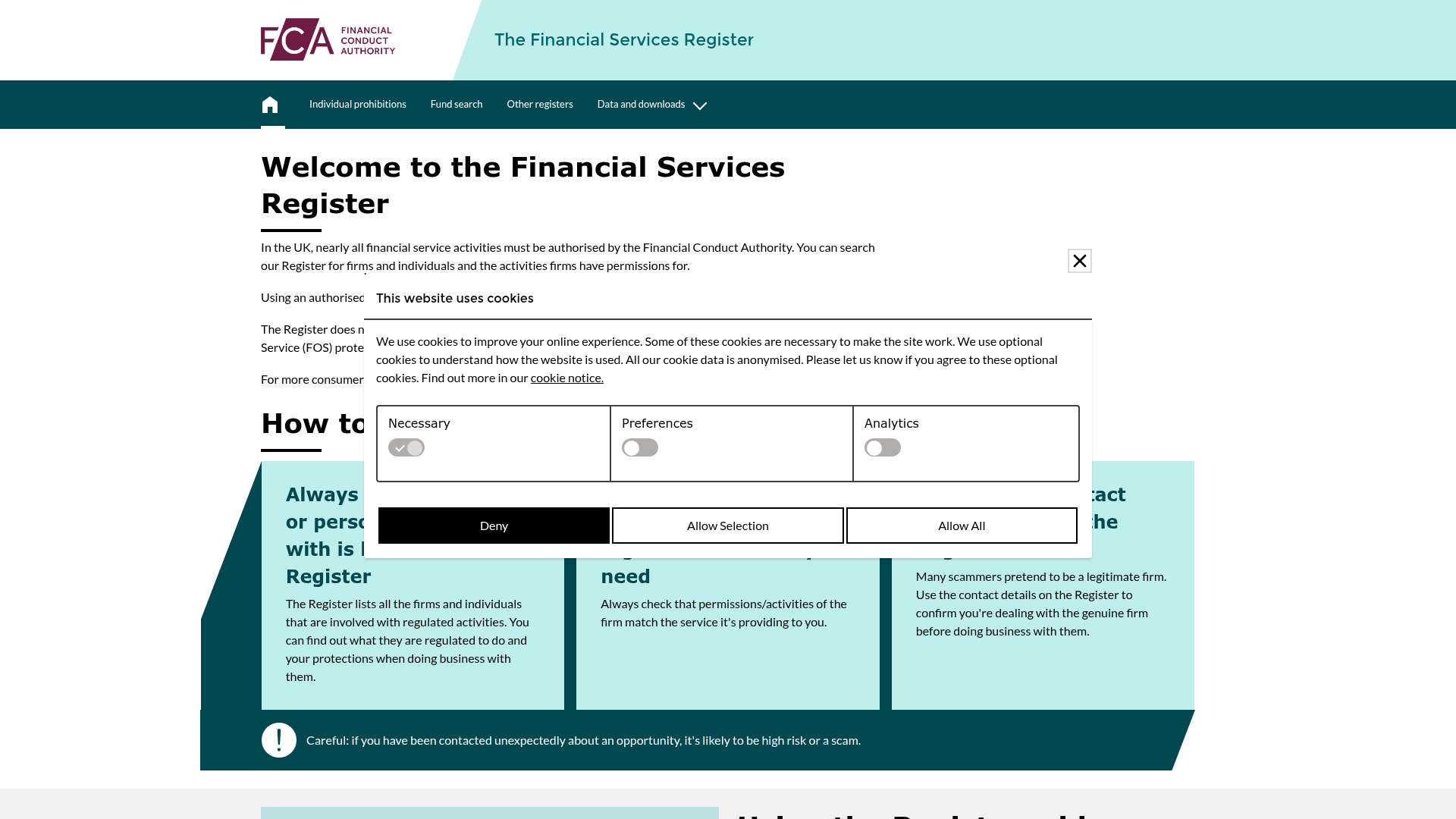
ทะเบียนอื่น ๆ ที่ใช้ในการตรวจสอบประเภทนี้ แต่ละรายการจะเปิดหน้าของหน่วยงานกำกับดูแลนั้น ๆ
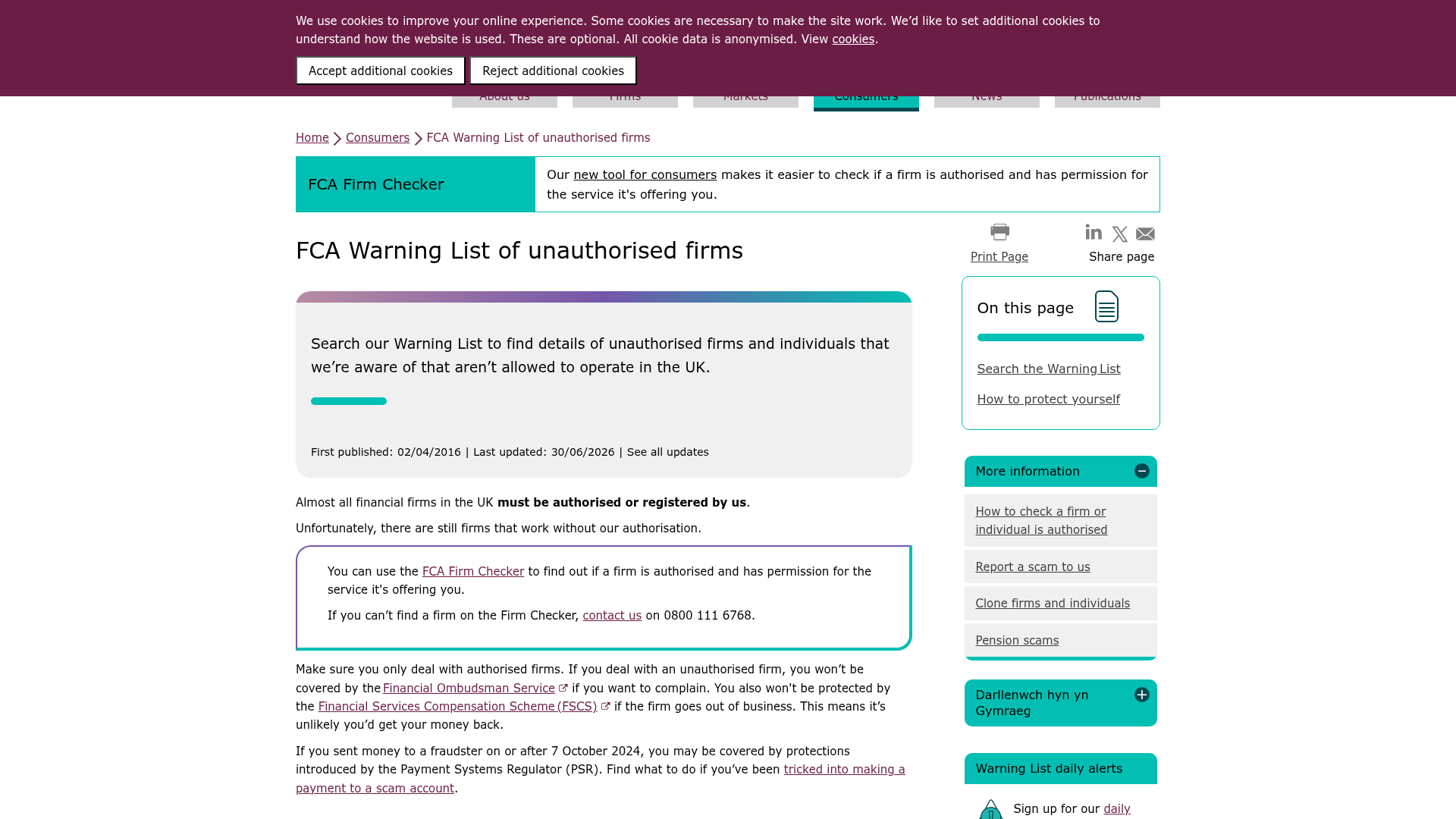
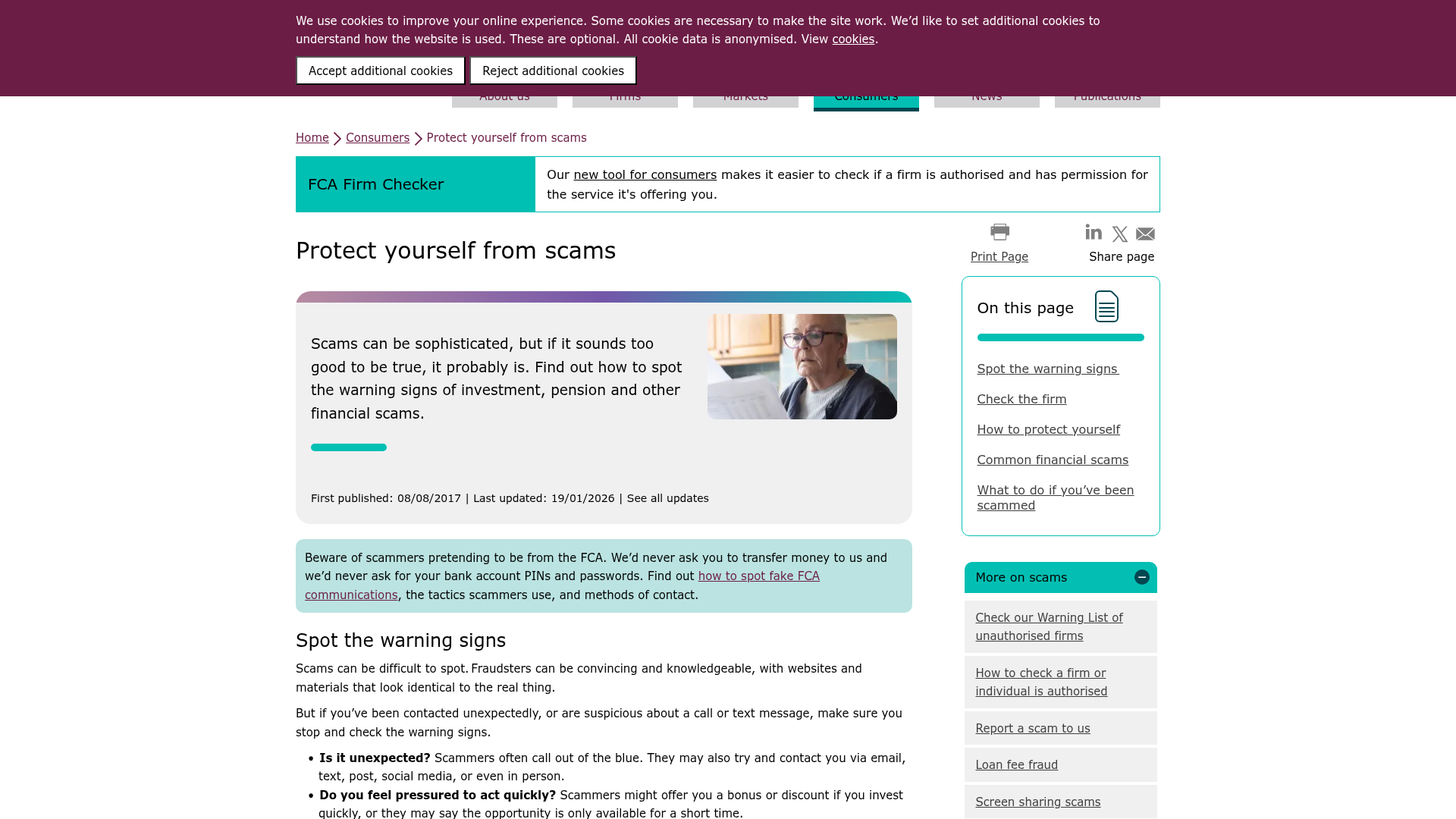
แหล่งข้อมูลหลัก
ทุกข้อกล่าวอ้างข้างต้นสามารถตรวจสอบได้จากหน้าเว็บของหน่วยงานกำกับดูแลโดยตรง ลิงก์เหล่านี้จะนำท่านไปยังเว็บไซต์ของหน่วยงานกำกับดูแล ไม่ใช่เว็บไซต์ของเรา
- IOSCO — Investor alerts portaliosco.orghttps://www.iosco.org/investor_protection/?subsection=investor_alerts_portal
- FCA ScamSmartfca.org.ukhttps://www.fca.org.uk/scamsmart
- FCA — Warning list of unauthorised firmsfca.org.ukhttps://www.fca.org.uk/consumers/warning-list-unauthorised-firms
- CySEC — Regulated entities registercysec.gov.cyhttps://www.cysec.gov.cy/en-GB/entities/investment-firms/cypriot/
- ASIC — Professional registersasic.gov.auhttps://asic.gov.au/online-services/search-asics-registers/
คำถามที่พบบ่อย
FINMA กำกับดูแลบริษัททั้งหมดที่ดำเนินงานจากสวิตเซอร์แลนด์หรือไม่?
ไม่ FINMA กำกับดูแลเฉพาะสถาบันการเงินที่ต้องมีใบอนุญาตเฉพาะเพื่อดำเนินงานในสวิตเซอร์แลนด์ เช่น ธนาคาร, บริษัทประกันภัย, และบริษัทหลักทรัพย์ ธุรกิจทั่วไปที่จดทะเบียนในสวิตเซอร์แลนด์ไม่ได้อยู่ภายใต้การกำกับดูแลของ FINMA สำหรับกิจกรรมทางการเงินของตน เว้นแต่จะถือใบอนุญาตตลาดการเงิน
ฉันจะตรวจสอบได้อย่างไรว่าโบรกเกอร์ฟอเร็กซ์หรือ CFD ได้รับใบอนุญาตจาก FINMA หรือไม่?
คุณต้องตรวจสอบทะเบียน "Supervised Institutions" อย่างเป็นทางการของ FINMA บนเว็บไซต์ของ FINMA ค้นหาชื่อโบรกเกอร์ที่ถูกต้องแม่นยำ หากไม่พบชื่อโบรกเกอร์ในทะเบียนพร้อมใบอนุญาตตลาดการเงินเฉพาะสำหรับการดำเนินกิจกรรมการซื้อขาย แสดงว่าโบรกเกอร์นั้นไม่ได้รับอนุญาตโดยตรงจาก FINMA สำหรับบริการเหล่านั้น
ฉันจะเผชิญกับความเสี่ยงอะไรบ้างหากซื้อขายกับบริษัทที่อ้างว่ามีความเชื่อมโยงกับสวิตเซอร์แลนด์ ('Swiss connection') แต่ไม่ได้รับใบอนุญาตจาก FINMA?
คุณจะเผชิญกับความเสี่ยงที่สำคัญ ซึ่งรวมถึงการขาดการคุ้มครองนักลงทุน การไม่สามารถเข้าถึงโครงการชดเชยนักลงทุน และอาจไม่มีช่องทางในการเรียกร้องผ่านกลไกการระงับข้อพิพาทอย่างเป็นทางการ การดำเนินงานของบริษัทอาจไม่ได้รับการกำกับดูแลโดยสิ้นเชิง ทำให้คุณเสี่ยงต่อการถูกหลอกลวงหรือการประพฤติมิชอบ
หากโบรกเกอร์ได้รับใบอนุญาตจากหน่วยงานกำกับดูแลอื่น เช่น CySEC หรือ ASIC ฉันยังคงต้องกังวลเกี่ยวกับ "Swiss connection" หรือไม่?
หากโบรกเกอร์ได้รับใบอนุญาตอย่างถูกต้องจากหน่วยงานกำกับดูแลที่มีชื่อเสียง เช่น CySEC หรือ ASIC การคุ้มครองของคุณจะอยู่ภายใต้การกำกับดูแลของหน่วยงานและเขตอำนาจศาลนั้นๆ "Swiss connection" จะไม่เกี่ยวข้องกับการกำกับดูแลบัญชีซื้อขายของคุณ ให้เน้นการตรวจสอบใบอนุญาตในเขตอำนาจศาลที่ *ระบุ* ไว้
ฉันควรทำอย่างไรหากสงสัยว่าบริษัทกำลังแอบอ้างการอนุญาตจาก FINMA โดยไม่เป็นความจริง?
คุณควรรายงานบริษัทดังกล่าวโดยตรงไปยัง FINMA ผ่านเว็บไซต์อย่างเป็นทางการของ FINMA พร้อมหลักฐานทั้งหมดที่มี คุณควรหยุดการติดต่อกับบริษัทและพิจารณารายงานไปยังหน่วยงานกำกับดูแลอื่นๆ ที่บริษัทอาจแอบอ้างความเกี่ยวข้อง หรือหน่วยงานคุ้มครองผู้บริโภค
FINMA ให้ใบอนุญาตแก่ผู้ประมวลผลการชำระเงินหรือศูนย์ซื้อขายคริปโตเคอร์เรนซีหรือไม่?
FINMA ให้ใบอนุญาตแก่ผู้ให้บริการทางการเงินนวัตกรรมบางประเภทภายใต้ "Fintech license" ของ FINMA ซึ่งอาจรวมถึงผู้ประมวลผลการชำระเงินบางรายและธุรกิจที่เกี่ยวข้องกับคริปโตเคอร์เรนซีบางประเภท อย่างไรก็ตาม นี่แตกต่างจากการให้ใบอนุญาตแก่โบรกเกอร์ฟอเร็กซ์หรือ CFD แบบดั้งเดิม แต่ละนิติบุคคลจะต้องได้รับการตรวจสอบบนทะเบียนของ FINMA สำหรับกิจกรรมที่ได้รับใบอนุญาตเฉพาะของตน