
ประเด็นสำคัญ
- ทะเบียนทางการของหน่วยงานกำกับดูแลเป็นแหล่งข้อมูลที่เชื่อถือได้ที่สุดสำหรับที่อยู่ตามกฎหมายและที่อยู่ในการดำเนินงานของนิติบุคคลที่ได้รับใบอนุญาต
- ความคลาดเคลื่อนที่สำคัญระหว่างที่อยู่แจ้งไว้ของโบรกเกอร์ บันทึกของหน่วยงานกำกับดูแล และข้อมูลแผนที่ สมควรได้รับการตรวจสอบทันที
- ที่อยู่สำนักงานเสมือนหรือสำนักงานร่วมที่ปรากฏในทะเบียนสาธารณะ ไม่ได้หมายความโดยนัยเสมอไปว่ามีการดำเนินงานทางกายภาพหรือมีการคุ้มครองลูกค้าในท้องถิ่น
- การตรวจสอบตำแหน่งทางภูมิศาสตร์โดยใช้บริการแผนที่ ให้บริบทภาพที่สำคัญ เผยให้เห็นอาคารที่พักอาศัยหรือสถานที่ที่ไม่เกี่ยวข้อง ณ ที่อยู่ดังกล่าว
- หน่วยงานกำกับดูแลที่กำกับดูแลโบรกเกอร์ มีความเชื่อมโยงโดยตรงกับสำนักงานใหญ่ที่ดำเนินงานจริง และสถานที่ที่ได้รับใบอนุญาตให้ให้บริการลูกค้า
- ที่อยู่ที่ยังไม่ได้รับการยืนยันหรือน่าสงสัย อาจเป็นสัญญาณบ่งชี้เบื้องต้นของการดำเนินงานที่ไม่มีใบอนุญาตหรือการดำเนินงานซื้อขายที่มีความเสี่ยงสูง
ที่อยู่แจ้งไว้ของโบรกเกอร์: จุดเริ่มต้นของคุณสำหรับการตรวจสอบ
เมื่อบุคคลพิจารณาจะใช้บริการกับโบรกเกอร์ ขั้นตอนพื้นฐานคือการตรวจสอบที่อยู่ในการดำเนินงานที่บริษัทแจ้งไว้ ข้อมูลนี้มักจะแสดงอยู่ในหลายส่วนบนเว็บไซต์ของโบรกเกอร์: บ่อยครั้งที่อยู่ในส่วน 'ติดต่อเรา' หน้า 'เกี่ยวกับเรา' ส่วนท้ายของเว็บไซต์ หรือฝังอยู่ในเอกสารทางกฎหมาย เช่น ข้อกำหนดและเงื่อนไข หรือข้อตกลงลูกค้า ตัวอย่างเช่น Pepperstone โบรกเกอร์ที่ก่อตั้งในปี 2010 ระบุอย่างชัดเจนว่าสำนักงานใหญ่ตั้งอยู่ในเมลเบิร์น ออสเตรเลีย ในขณะที่ XM ซึ่งก่อตั้งในปี 2009 ระบุว่าลิมาซอล ไซปรัส เป็นที่ตั้งสำนักงานใหญ่ การกล่าวอ้างโดยตรงเหล่านี้เป็นจุดอ้างอิงเบื้องต้น แต่เป็นเพียงชั้นแรกของการตรวจสอบเท่านั้น
เป็นเรื่องปกติที่โบรกเกอร์ขนาดใหญ่และมีชื่อเสียงจะรักษาสำนักงานหลายแห่งในเขตอำนาจศาลที่แตกต่างกัน เพื่อให้บริการลูกค้ากลุ่มต่างๆ ภายใต้กรอบการกำกับดูแลที่แตกต่างกัน ตัวอย่างเช่น OANDA ซึ่งก่อตั้งในปี 1996 ระบุว่าสำนักงานใหญ่ตั้งอยู่ในนิวยอร์ก สหรัฐอเมริกา แต่ก็ได้รับใบอนุญาตจาก FCA ในสหราชอาณาจักร และ ASIC ในออสเตรเลีย ซึ่งแสดงให้เห็นถึงขอบเขตการดำเนินงานที่กว้างขึ้น ความท้าทายสำหรับผู้ที่อาจเป็นลูกค้าคือการแยกแยะว่าที่อยู่ใดในจำนวนนี้ (ถ้ามี) เป็นฐานทางกฎหมายและการดำเนินงานหลักของโบรกเกอร์ และที่สำคัญกว่านั้นคือที่อยู่ใดที่เกี่ยวข้องกับหน่วยงานกำกับดูแลเฉพาะที่จะกำกับดูแลบัญชีของพวกเขา โบรกเกอร์อาจแสดงที่อยู่ที่มีชื่อเสียงในศูนย์กลางทางการเงินที่ได้รับการกำกับดูแลอย่างดีอย่างโดดเด่น แต่กลับนำลูกค้าไปยังนิติบุคคลที่ได้รับใบอนุญาตในเขตอำนาจศาลที่แตกต่างกันโดยสิ้นเชิงและมีการกำกับดูแลที่เข้มงวดน้อยกว่า
ที่อยู่ที่แจ้งไว้บนเว็บไซต์ไม่ควรถูกเชื่อถือโดยไม่มีการตรวจสอบเพิ่มเติม นี่คือส่วนที่คู่มือส่วนใหญ่มักจะข้ามไป โดยมักจะสันนิษฐานว่าที่อยู่ที่ให้มานั้นเป็นที่อยู่จริงที่จดทะเบียนตามกฎหมายโดยอัตโนมัติ ในความเป็นจริง บริษัทสามารถนำเสนอที่อยู่ใดก็ได้ที่เลือกบนเว็บไซต์ที่เปิดเผยต่อสาธารณะ ขั้นตอนสำคัญคือการตรวจสอบข้อมูลนี้กับแหล่งข้อมูลทางการที่เป็นอิสระ เพื่อยืนยันความถูกต้องและผลกระทบต่อการกำกับดูแล แนวทางที่เป็นระบบนี้เป็นรากฐานสำคัญของการตรวจสอบสถานะ (due diligence) สำหรับเทรดเดอร์หรือนักลงทุนที่จริงจังทุกคน
การตรวจสอบทะเบียน: บันทึกทางการที่เชื่อถือได้ที่สุด
วิธีที่น่าเชื่อถือที่สุดในการตรวจสอบที่อยู่ตามกฎหมายและที่อยู่ในการดำเนินงานที่แท้จริงของโบรกเกอร์ คือการตรวจสอบทะเบียนทางการที่ดูแลโดยหน่วยงานกำกับดูแลทางการเงิน ทะเบียนเหล่านี้จะระบุรายชื่อนิติบุคคลที่ได้รับใบอนุญาตให้ดำเนินธุรกิจบริการทางการเงินภายในเขตอำนาจศาลของตน และรวมถึงที่อยู่ที่จดทะเบียนซึ่งหน่วยงานกำกับดูแลมีอยู่ในบันทึก ที่อยู่นี้มีผลผูกพันทางกฎหมาย และเป็นที่อยู่เดียวกับที่หน่วยงานกำกับดูแลใช้สำหรับการติดต่อราชการและการกำกับดูแล
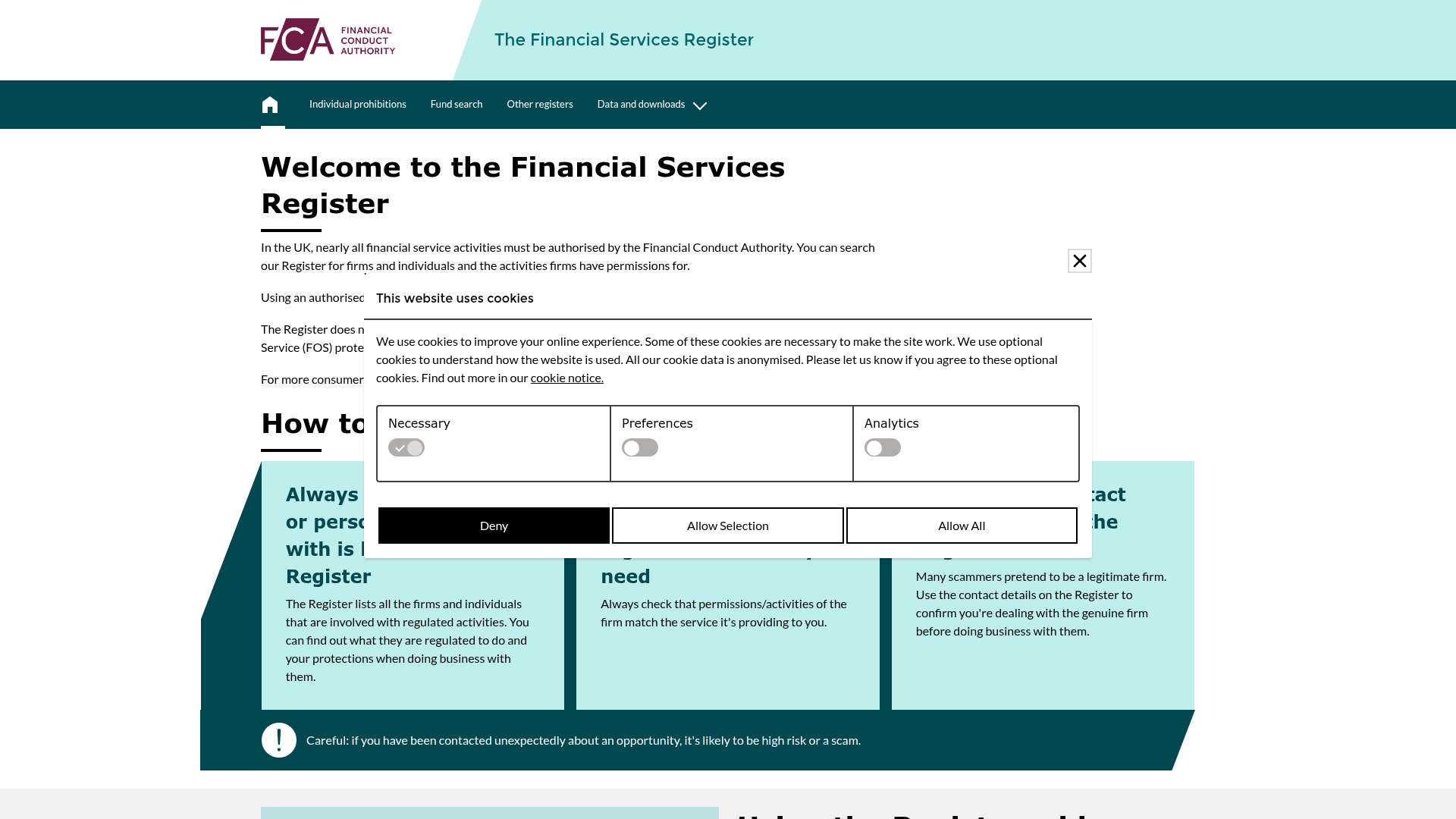
ตัวอย่างเช่น หากโบรกเกอร์อ้างว่ามีที่อยู่ในลอนดอน สหราชอาณาจักร ลูกค้าควรตรวจสอบ Financial Services Register ของ Financial Conduct Authority (FCA) ในทำนองเดียวกัน สำหรับที่อยู่ในออสเตรเลีย ASIC Professional Registers จะให้การยืนยันที่จำเป็น ที่อยู่ในไซปรัสสามารถตรวจสอบได้ผ่าน CySEC Regulated Entities Register สำหรับโบรกเกอร์ที่ดำเนินงานในสหรัฐอเมริกา ระบบ NFA BASIC มีสถานะความเกี่ยวข้องโดยละเอียด ซึ่งรวมถึงที่อยู่ที่จดทะเบียน กระบวนการนี้โดยทั่วไปเกี่ยวข้องกับการค้นหาชื่อบริษัทหรือหมายเลขใบอนุญาตบนเว็บไซต์ทางการของหน่วยงานกำกับดูแล ซึ่งจะแสดงรายละเอียดที่จดทะเบียน รวมถึงที่อยู่ตามกฎหมาย
สิ่งสำคัญคือต้องเข้าใจว่าที่อยู่บนทะเบียนของหน่วยงานกำกับดูแลยืนยันการจดทะเบียน ตามกฎหมาย ของนิติบุคคล ณ สถานที่นั้น ซึ่งไม่ได้หมายความว่าจะรับประกันว่ามีสำนักงานขนาดใหญ่หรือมีการปรากฏตัวต่อสาธารณะเสมอไป โดยเฉพาะอย่างยิ่งสำหรับการดำเนินงานขนาดเล็กหรือที่ดำเนินการออนไลน์เท่านั้น อย่างไรก็ตาม นี่คือสถานที่ที่ได้รับการยอมรับอย่างเป็นทางการสำหรับวัตถุประสงค์ด้านการกำกับดูแล ซึ่งหมายความว่าข้อพิพาทของลูกค้าหรือการดำเนินการบังคับใช้กฎหมายใดๆ โดยทั่วไปจะถูกส่งไปยังที่อยู่ที่จดทะเบียนนี้
ตัวอย่างทะเบียนทางการของหน่วยงานกำกับดูแลและข้อมูลที่อยู่
| หน่วยงานกำกับดูแล | ลิงก์ทะเบียน | ข้อมูลที่มีให้ | เขตอำนาจศาลหลักที่ครอบคลุม |
|---|---|---|---|
| หน่วยงานกำกับดูแลทางการเงิน (FCA) | https://register.fca.org.uk/ | ชื่อบริษัท, หมายเลขอ้างอิง, ที่อยู่ที่จดทะเบียน, กิจกรรมที่อยู่ภายใต้การกำกับดูแล, สถานะ | สหราชอาณาจักร |
| สำนักงานคณะกรรมการกำกับหลักทรัพย์และการลงทุนของออสเตรเลีย (ASIC) | https://asic.gov.au/online-services/search-asics-registers/ | รายละเอียดบริษัท, เลขที่ ABN/ACN, สำนักงานจดทะเบียน, ผู้ดำรงตำแหน่ง, สถานะใบอนุญาต | ออสเตรเลีย |
| คณะกรรมการกำกับหลักทรัพย์และตลาดหลักทรัพย์ไซปรัส (CySEC) | https://www.cysec.gov.cy/en-GB/entities/investment-firms/cypriot/ | ชื่อบริษัทลงทุน, เลขที่ใบอนุญาต, ที่อยู่จดทะเบียน, บริการที่ได้รับอนุญาต | ไซปรัส |
| สมาคมฟิวเจอร์สแห่งชาติ (NFA) | https://www.nfa.futures.org/basicnet/ | ชื่อบริษัท, NFA ID, สถานะปัจจุบัน, ที่อยู่, ผู้บริหาร, ประวัติการลงโทษทางวินัย | สหรัฐอเมริกา (ฟิวเจอร์ส/ฟอเร็กซ์) |
| ธนาคารกลางสิงคโปร์ (MAS) | https://eservices.mas.gov.sg/fid | ชื่อสถาบันการเงิน, ประเภทใบอนุญาต, ที่อยู่ธุรกิจ, สถานะ | สิงคโปร์ |
| หน่วยงานกำกับดูแลพฤติกรรมในภาคการเงิน (FSCA) | https://www.fsca.co.za/Regulated%20Entities/Pages/default.aspx | ชื่อสถาบันการเงิน, เลขที่ FSP, ที่อยู่จริง, ประเภทใบอนุญาต | แอฟริกาใต้ |
ความคลาดเคลื่อนของที่อยู่: ถอดรหัสความหมายของข้อมูลที่ไม่ตรงกัน
วัตถุประสงค์หลักของการตรวจสอบที่อยู่ข้ามแหล่งข้อมูลคือการระบุความคลาดเคลื่อนใดๆ ระหว่างข้อมูลที่โบรกเกอร์นำเสนอในเว็บไซต์ของตนกับข้อมูลที่บันทึกไว้ในทะเบียนของหน่วยงานกำกับดูแลอย่างเป็นทางการ ความไม่ตรงกันเหล่านี้อาจมีตั้งแต่ความแตกต่างเล็กน้อยในรูปแบบการเขียนไปจนถึงความแตกต่างทางภูมิศาสตร์ที่สำคัญ ซึ่งแต่ละกรณีมีนัยยะที่แตกต่างกันต่อความปลอดภัยของลูกค้า ความคลาดเคลื่อนเล็กน้อยอาจเกี่ยวข้องกับการเปลี่ยนแปลงเล็กน้อยในการย่อชื่อถนนหรือรูปแบบรหัสไปรษณีย์ แม้ว่าจะต้องมีการจดบันทึกไว้ แต่ก็ไม่น่ากังวลนักหากเลขที่บ้าน ชื่อถนน และเมืองหลักตรงกัน ความคลาดเคลื่อนที่สำคัญกว่าจะเกิดขึ้นหากเลขที่บ้านหรือชื่อถนนแตกต่างกัน แม้ว่าจะอยู่ในเมืองเดียวกันก็ตาม กรณีนี้สมควรได้รับการตรวจสอบอย่างใกล้ชิด เนื่องจากอาจบ่งชี้ถึงข้อมูลที่ล้าสมัยหรือความพยายามโดยเจตนาที่จะปกปิดนิติบุคคลที่แท้จริง ความคลาดเคลื่อนที่น่ากังวลที่สุดเกิดขึ้นเมื่อเว็บไซต์ของโบรกเกอร์ระบุที่อยู่ในเมืองหรือประเทศที่แตกต่างกันโดยสิ้นเชิงจากที่พบในทะเบียนของหน่วยงานกำกับดูแลอย่างเป็นทางการ หรือหากเว็บไซต์ระบุที่อยู่ที่ไม่สามารถหาใบอนุญาตกำกับดูแลที่เกี่ยวข้องได้ ตัวอย่างเช่น หากเว็บไซต์ของโบรกเกอร์แสดงที่อยู่ในลอนดอน สหราชอาณาจักร อย่างชัดเจน แต่ทะเบียนของ FCA ไม่แสดงนิติบุคคลที่ได้รับอนุญาต ณ ที่อยู่นั้น และกลับพบว่าใบอนุญาตเดียวที่มีอยู่เป็นของนิติบุคคลที่จดทะเบียนในเขตอำนาจศาลนอกชายฝั่ง กรณีนี้บ่งชี้ถึงความไม่สอดคล้องกันอย่างร้ายแรง สถานการณ์เช่นนี้หมายความว่าลูกค้ามีแนวโน้มที่จะติดต่อกับนิติบุคคลนอกชายฝั่ง ซึ่งอาจให้การคุ้มครองที่น้อยลง แม้ว่าจะมีการโฆษณาที่อยู่ในสหราชอาณาจักรก็ตาม
การวิเคราะห์ตำแหน่งทางภูมิศาสตร์: เหนือกว่าที่อยู่ที่ระบุ
หลังจากอ้างอิงที่อยู่ที่เป็นลายลักษณ์อักษรแล้ว ขั้นตอนการตรวจสอบถัดไปคือการใช้บริการแผนที่สาธารณะ เช่น Google Maps เพื่อวิเคราะห์ตำแหน่งทางภูมิศาสตร์ ซึ่งช่วยให้สามารถตรวจสอบที่อยู่ตามที่ระบุและที่จดทะเบียนได้ด้วยสายตา และให้บริบทที่สำคัญที่ข้อความเพียงอย่างเดียวไม่สามารถให้ได้ วัตถุประสงค์คือเพื่อตรวจสอบลักษณะของสถานที่ตั้งทางกายภาพ: เป็นอาคารสำนักงานเชิงพาณิชย์หรือไม่? บ้านพักอาศัย? ตู้ไปรษณีย์? หรือเป็นธุรกิจที่ไม่เกี่ยวข้องกันเลย?
ลองพิจารณาที่อยู่ที่โบรกเกอร์ระบุไว้: 123 Main Street, City. การค้นหาด้วยบริการแผนที่อาจเผยให้เห็นอาคารสำนักงานขนาดใหญ่ที่ทันสมัย ซึ่งเป็นสถานที่ที่เหมาะสมสำหรับบริษัทการเงิน อย่างไรก็ตาม หากการค้นหาเผยให้เห็นอาคารพักอาศัยที่ทรุดโทรม ที่ดินเปล่า หรือร้านค้าปลีกที่ไม่มีความเกี่ยวข้องกับบริการทางการเงินอย่างชัดเจน สิ่งนี้ควรทำให้เกิดความกังวลในทันที โบรกเกอร์บางราย โดยเฉพาะอย่างยิ่งผู้ที่ดำเนินงานโดยไม่มีใบอนุญาตที่เหมาะสม อาจใช้ที่อยู่ที่เป็นเพียงบริการตู้ไปรษณีย์ สำนักงานเสมือน (virtual offices) หรือแม้แต่ที่อยู่บ้านพักอาศัยแบบสุ่ม สิ่งเหล่านี้ไม่บ่งชี้ถึงการดำเนินงานทางการเงินที่ถูกต้องตามกฎหมายและมีสถานที่ตั้งจริง การตรวจสอบด้วยสายตานี้ใช้เวลาเพียงไม่กี่นาที แต่สามารถให้ข้อมูลเชิงลึกที่มีประโยชน์อย่างมาก
ฟังก์ชัน Street View ที่มีอยู่ในบริการแผนที่หลายแห่งช่วยให้สามารถ 'เดินสำรวจ' สถานที่แบบเสมือนจริงได้ สิ่งนี้สามารถยืนยันได้ว่าอาคารดูเหมือนเป็นพื้นที่สำนักงานจริงหรือไม่ มีป้ายบริษัทให้เห็นหรือไม่ หรือพื้นที่นั้นสอดคล้องกับกิจการเชิงพาณิชย์หรือไม่ หากโบรกเกอร์อ้างว่าเป็นผู้เล่นระดับโลกที่สำคัญจากที่อยู่ที่ดูเหมือนเป็นบ้านพักขนาดเล็กในเขตชานเมือง สิ่งนี้ถือเป็นความคลาดเคลื่อนอย่างมากที่ต้องมีการตรวจสอบเพิ่มเติม และน่าจะบ่งชี้ถึงสถานการณ์ที่มีความเสี่ยงสูง รายละเอียดประเภทนี้ ซึ่งมักถูกละเลยในการตรวจสอบมาตรฐาน ให้หลักฐานที่จับต้องได้เกี่ยวกับขนาดและความชอบธรรมที่ชัดเจนของบริษัท
โบรกเกอร์อาจแสดงที่อยู่ที่มีชื่อเสียงในศูนย์กลางทางการเงินที่ได้รับการกำกับดูแลอย่างดีอย่างโดดเด่น แต่กลับนำลูกค้าไปยังนิติบุคคลที่ได้รับใบอนุญาตในเขตอำนาจศาลที่แตกต่างกันโดยสิ้นเชิงและมีการกำกับดูแลที่เข้มงวดน้อยกว่า
Mei Tanaka
พื้นที่เสมือนและพื้นที่ร่วม: การแยกแยะการมีอยู่จริง
ธุรกิจที่ถูกต้องตามกฎหมายหลายแห่ง โดยเฉพาะอย่างยิ่งผู้ที่ดำเนินงานออนไลน์เป็นหลัก ใช้บริการสำนักงานเสมือน (virtual office) หรือพื้นที่ทำงานร่วม (co-working spaces) บริการเหล่านี้ให้ที่อยู่สำหรับส่งจดหมาย การรับโทรศัพท์ และบางครั้งก็มีสิ่งอำนวยความสะดวกสำหรับการประชุม โดยไม่จำเป็นต้องมีสำนักงานจริงโดยเฉพาะ ตัวอย่างเช่น โบรกเกอร์อาจจดทะเบียนที่อยู่กับ FCA ซึ่งเป็นสำนักงานแบบมีบริการ (serviced office) ใน Canary Wharf, London นี่เป็นแนวปฏิบัติที่พบได้บ่อยและถูกต้องตามกฎหมายสำหรับนิติบุคคลที่อยู่ภายใต้การกำกับดูแล โดยเฉพาะอย่างยิ่งผู้ที่มีรูปแบบการดำเนินงานที่คล่องตัว ความท้าทายเกิดขึ้นเมื่อต้องแยกแยะว่าการจัดเตรียมนี้มีขึ้นเพื่อความสะดวก หรือเพื่อปกปิดการไม่มีการดำเนินงานจริงในเขตอำนาจศาลกำกับดูแลที่สำคัญ
ความแตกต่างที่สำคัญอยู่ที่ว่าพื้นที่เสมือนหรือพื้นที่ร่วมนั้นมีความหมายอย่างไรในแง่ของการกำกับดูแล หากนิติบุคคลที่ให้ที่อยู่สำนักงานเสมือนเป็นนิติบุคคล เดียวกัน กับที่ได้รับใบอนุญาตจากหน่วยงานกำกับดูแลท้องถิ่น ที่อยู่นั้นก็ถือว่าถูกต้องตามกฎหมายสำหรับวัตถุประสงค์อย่างเป็นทางการ อย่างไรก็ตาม หากโบรกเกอร์โฆษณาที่อยู่สำนักงานเสมือนที่มีชื่อเสียงในประเทศอย่างสหราชอาณาจักร แต่เงินทุนของลูกค้าจริงถูกเก็บและบริหารจัดการโดยนิติบุคคลที่แยกต่างหากและไม่ได้รับใบอนุญาตซึ่งจดทะเบียนในต่างประเทศ (offshore) แสดงว่าสำนักงานเสมือนนั้นถูกใช้เพื่อสร้างความประทับใจที่ผิดพลาดเกี่ยวกับการคุ้มครองจากหน่วยงานกำกับดูแลในท้องถิ่น ลูกค้าต้องตรวจสอบว่า นิติบุคคลเฉพาะ ที่พวกเขากำลังทำสัญญานั้นเป็นนิติบุคคลที่จดทะเบียนอยู่ที่อยู่เสมือนและได้รับการกำกับดูแลโดยหน่วยงานที่เกี่ยวข้อง
ตัวอย่างเช่น AvaTrade ซึ่งก่อตั้งขึ้นในปี 2006 ได้รับการกำกับดูแลโดย Central Bank of Ireland, ASIC และหน่วยงานอื่น ๆ หากลูกค้าได้รับการให้บริการโดย AvaTrade EU ภายใต้ใบอนุญาตของ Central Bank of Ireland ที่อยู่จดทะเบียนในดับลินจะเป็นจุดตรวจสอบที่เกี่ยวข้อง หากที่อยู่เป็นของสำนักงานแบบมีบริการ ก็ยังคงใช้ได้หากสอดคล้องกับการจดทะเบียนกับหน่วยงานกำกับดูแล ความกังวลเกิดขึ้นเมื่อที่อยู่ที่โฆษณาไม่ตรงกับนิติบุคคลที่ได้รับใบอนุญาต ใดๆ ที่เกี่ยวข้องกับโบรกเกอร์ หรือตรงกับนิติบุคคลที่ไม่ได้รับใบอนุญาตให้ให้บริการลูกค้าในภูมิภาคของตน
อำนาจศาล: เหตุใดที่ตั้งจึงกำหนดการกำกับดูแล
ที่ตั้งทางกายภาพของสำนักงานใหญ่ของโบรกเกอร์ไม่ใช่เพียงแค่รายละเอียดทางการบริหาร แต่เป็นตัวกำหนดว่าหน่วยงานกำกับดูแลใดมีอำนาจหลักในการกำกับดูแลการดำเนินงาน และที่สำคัญคือการคุ้มครองผู้บริโภคใดที่ใช้กับลูกค้าของตน การอ้างของโบรกเกอร์ที่ว่า 'ได้รับการกำกับดูแลทั่วโลก' มักจะต้องได้รับการวิเคราะห์อย่างรอบคอบ โบรกเกอร์อาจถือใบอนุญาตในหลายเขตอำนาจศาล เช่น IC Markets ซึ่งได้รับการกำกับดูแลโดย ASIC ในออสเตรเลีย, CySEC ในไซปรัส และ FSA ในเซเชลส์ ใบอนุญาตแต่ละใบมักจะกำกับดูแลนิติบุคคลเฉพาะที่เกี่ยวข้องกับโบรกเกอร์ และให้บริการลูกค้าจากภูมิภาคที่เฉพาะเจาะจง ลูกค้าต้องระบุว่าพวกเขากำลังซื้อขายกับนิติบุคคลใดในจำนวนนี้ เนื่องจากสิ่งนี้จะเป็นตัวกำหนดการเยียวยาทางกฎหมายของพวกเขา
ตัวอย่างเช่น หากลูกค้าที่อยู่ในสหภาพยุโรปเปิดบัญชีกับโบรกเกอร์ที่มีเว็บไซต์แสดงที่อยู่ในลอนดอน แต่บัญชีของพวกเขาถูกเปิดจริงกับนิติบุคคลที่ได้รับใบอนุญาตจาก Securities Commission of the Bahamas (SCB) เงินทุนและกิจกรรมการซื้อขายของลูกค้าจะอยู่ภายใต้กรอบการกำกับดูแลของ SCB ไม่ใช่ FCA ของสหราชอาณาจักร การคุ้มครอง, โครงการชดเชย (เช่น Financial Services Compensation Scheme ในสหราชอาณาจักร), และข้อจำกัดด้านเลเวอเรจ (เช่นที่จำกัดไว้ที่ 1:30 สำหรับลูกค้ารายย่อยภายใต้การแทรกแซงของ ESMA สำหรับบริษัทที่ได้รับการกำกับดูแลในสหภาพยุโรป) จะเป็นไปตามเขตอำนาจศาลของ SCB ซึ่งโดยทั่วไปแล้วจะเข้มงวดน้อยกว่าของ FCA หรือ CySEC
ดังนั้น สำนักงานใหญ่ที่ระบุไว้จึงทำหน้าที่เป็นป้ายบอกทางไปยังเขตอำนาจศาลหลักของการกำกับดูแลสำหรับการดำเนินงาน หลัก ความคลาดเคลื่อนในจุดนี้บ่งชี้ว่าโบรกเกอร์อาจพยายามดึงดูดลูกค้าจากภูมิภาคที่มีการกำกับดูแลที่ดี ในขณะที่ดำเนินการผ่านนิติบุคคลที่มีการกำกับดูแลน้อยกว่า การปฏิบัตินี้อาจทำให้ลูกค้าเสียสิทธิ์ในการได้รับการคุ้มครองผู้บริโภคที่แข็งแกร่ง ซึ่งพวกเขาอาจสันนิษฐานโดยนัยว่ามีอยู่จริงตามสถานที่ที่โฆษณา
รูปแบบที่น่ากังวล: ลักษณะที่อยู่ของการดำเนินงานที่ไม่ได้รับใบอนุญาต
ลักษณะที่อยู่บางประการควรกระตุ้นให้ลูกค้าตรวจสอบอย่างละเอียดทันที สิ่งเหล่านี้มักเกี่ยวข้องกับการดำเนินงานที่ขาดใบอนุญาตที่เหมาะสมหรือการปฏิบัติตามกฎระเบียบ รูปแบบหนึ่งที่พบบ่อยคือการใช้ที่อยู่บ้านพักอาศัยทั่วไป โดยเฉพาะในพื้นที่ที่ไม่เป็นที่รู้จักสำหรับสถาบันการเงิน หากโบรกเกอร์โฆษณาว่ามีการดำเนินงานทั่วโลกอย่างมีนัยสำคัญ แต่สำนักงานใหญ่ที่จดทะเบียนเป็นบ้านธรรมดาในชานเมืองที่เงียบสงบ สิ่งนี้แสดงถึงความไม่สอดคล้องกันอย่างชัดเจน
อีกรูปแบบหนึ่งคือการใช้ที่อยู่ที่ธุรกิจจำนวนมากที่ไม่เกี่ยวข้องกันใช้ร่วมกัน ซึ่งมักอยู่ในเขตอำนาจศาลที่ขึ้นชื่อว่ามีข้อกำหนดการจดทะเบียนบริษัทที่เข้มงวดน้อยกว่า แม้ว่าบริษัทที่ถูกต้องตามกฎหมายจะใช้สำนักงานร่วมกัน แต่การมีนิติบุคคลที่ไม่เกี่ยวข้องกันจำนวนมากและมักจะน่าสงสัยอยู่ในที่อยู่เดียวกันอาจเป็นสัญญาณเตือน สถานที่เหล่านี้บางครั้งอาจเกี่ยวข้องกับการดำเนินงานแบบ 'boiler room' ที่อาศัยการไม่เปิดเผยตัวตน
การใช้หมายเลขตู้ไปรษณีย์ (P.O. box) แทนที่อยู่ถนนจริง เป็นจุดติดต่อ เดียว สำหรับสำนักงานใหญ่เป็นปัญหา แม้ว่าตู้ไปรษณีย์จะใช้สำหรับส่งจดหมายได้ แต่นิติบุคคลทางการเงินที่อยู่ภายใต้การกำกับดูแลโดยทั่วไปคาดว่าจะต้องมีที่อยู่ทางกายภาพที่ตรวจสอบได้สำหรับสำนักงานจดทะเบียน การไม่มีที่อยู่ถนนที่ชัดเจนในทะเบียนทางการสำหรับนิติบุคคลที่อ้างว่าเป็นสำนักงานใหญ่เป็นข้อกังวลที่สำคัญ รูปแบบเหล่านี้ เมื่อระบุได้จากการตรวจสอบอย่างละเอียด บ่งชี้อย่างชัดเจนว่าบริษัทอาจไม่ได้ดำเนินงานด้วยความโปร่งใสและความรับผิดชอบที่จำเป็นสำหรับบริการทางการเงิน
ลักษณะที่อยู่ทั่วไปที่ควรได้รับการตรวจสอบอย่างเข้มงวดเป็นพิเศษ
| ลักษณะที่อยู่ | นัยยะที่อาจเกิดขึ้น | การดำเนินการตรวจสอบ |
|---|---|---|
| บ้านพักอาศัย (จากการตรวจสอบแผนที่) | โบรกเกอร์ไม่มีสถานะเชิงพาณิชย์ อาจเป็นการดำเนินงานของบุคคลโดยไม่มีโครงสร้างองค์กรที่เหมาะสม | ตรวจสอบกับหน่วยงานกำกับดูแลว่าบริษัทการเงินที่ถูกต้องตามกฎหมายสามารถดำเนินงานจากที่อยู่ดังกล่าวได้หรือไม่ |
| ตู้ไปรษณีย์เป็นที่อยู่จดทะเบียนเพียงอย่างเดียว | ไม่มีการดำเนินงานทางกายภาพที่ตรวจสอบได้ ทำให้การติดต่อหรือการตรวจสอบอย่างเป็นทางการเป็นเรื่องยาก | ค้นหาที่อยู่ 'สำนักงานจดทะเบียน' ทางกายภาพที่บังคับในทะเบียนทางการ |
| สำนักงานเสมือนในเขตอำนาจศาลที่เป็นแหล่งหลบภาษี | อาจถูกใช้เพื่อปกปิดสถานที่ดำเนินงานจริง หรือหลีกเลี่ยงการกำกับดูแลที่เข้มงวดกว่า | ยืนยันว่านิติบุคคลเฉพาะที่ที่อยู่นั้นได้รับใบอนุญาตและครอบคลุมภูมิภาคของคุณ มองหาการมีอยู่ทางกายภาพในท้องถิ่น |
| ที่อยู่ที่ธุรกิจจำนวนมากที่ไม่เกี่ยวข้องกันใช้ร่วมกัน | อาจบ่งชี้ถึงบริการ 'การจดทะเบียนจำนวนมาก' ซึ่งอาจถูกใช้โดยนิติบุคคลที่ต้องการปกปิดตัวตน | ตรวจสอบการจดทะเบียนบริษัทหลายแห่งที่ที่อยู่เดียวกัน โดยเฉพาะอย่างยิ่งหากไม่มีบริบทของนิคมธุรกิจที่ชัดเจน |
| ที่อยู่ในประเทศที่ไม่เป็นที่รู้จักด้านการกำกับดูแลทางการเงิน | บ่งชี้ถึงการเลือกใช้การกำกับดูแลที่ไม่เข้มงวดโดยเจตนา ซึ่งอาจให้การคุ้มครองลูกค้าน้อยลง | ตรวจสอบใบอนุญาตในท้องถิ่นและชื่อเสียงของหน่วยงานกำกับดูแลทางการเงินในประเทศนั้น |
บทบาทสำคัญของการมีสำนักงานในท้องถิ่นเพื่อการคุ้มครองลูกค้า
การมีอยู่จริงและภายใต้การกำกับดูแลของโบรกเกอร์ในเขตอำนาจศาลเฉพาะมีบทบาทสำคัญในการคุ้มครองลูกค้า โดยเฉพาะอย่างยิ่งเกี่ยวกับโครงการชดเชยความเสียหาย เขตอำนาจศาลที่มีการกำกับดูแลอย่างเข้มงวดหลายแห่ง เช่น สหราชอาณาจักรหรือไซปรัส มีกองทุนคุ้มครองนักลงทุน ตัวอย่างเช่น Financial Services Compensation Scheme (FSCS) ในสหราชอาณาจักรให้ความคุ้มครองสูงสุดถึง £85,000 ต่อบุคคลที่มีสิทธิ์ต่อบริษัท หากบริษัทที่ได้รับการกำกับดูแลล้มเหลว ส่วน Investor Compensation Fund ในไซปรัสให้ความคุ้มครองสูงสุดถึง €20,000 สำหรับบริการที่ครอบคลุม
อย่างไรก็ตาม โครงการเหล่านี้เชื่อมโยงอย่างเคร่งครัดกับ นิติบุคคลเฉพาะ ที่ได้รับใบอนุญาตและอยู่ภายใต้การกำกับดูแลในเขตอำนาจศาลนั้น ตัวอย่างเช่น หากลูกค้าซื้อขายกับนิติบุคคลของโบรกเกอร์ที่จดทะเบียนและได้รับใบอนุญาตในเซเชลส์ ลูกค้าจะไม่มีสิทธิ์ได้รับการคุ้มครองจาก FSCS ของสหราชอาณาจักร แม้ว่าโบรกเกอร์จะโฆษณาที่อยู่ในลอนดอนอย่างเด่นชัดสำหรับการดำเนินงานทั่วไปของตน นี่คือข้อแตกต่างที่สำคัญ: แบรนด์อาจเป็นระดับโลก แต่การคุ้มครองตามกฎระเบียบจะขึ้นอยู่กับนิติบุคคลเฉพาะที่ลูกค้าเปิดบัญชีด้วย ไม่เพียงพอที่โบรกเกอร์จะเพียงแค่ มี ใบอนุญาตที่ใดที่หนึ่ง ใบอนุญาตนั้นต้องครอบคลุมนิติบุคคลเฉพาะและบริการที่มอบให้กับลูกค้า
ดังนั้น การทำความเข้าใจที่อยู่สำนักงานใหญ่ที่ได้รับการตรวจสอบแล้วและหน่วยงานกำกับดูแลที่เกี่ยวข้องจึงแปรผันโดยตรงกับการคุ้มครองทางการเงินที่ลูกค้าจะได้รับ การดำเนินงานที่ขาดการมีอยู่จริงที่สามารถตรวจสอบได้ในเขตอำนาจศาลที่มีการกำกับดูแล หรือที่อยู่จดทะเบียนที่ชี้ไปยังนิติบุคคลที่อยู่นอกเหนือการกำกับดูแลที่เข้มงวด ย่อมมีความเสี่ยงสูงโดยเนื้อแท้ ลูกค้าควรให้ความสำคัญกับโบรกเกอร์ที่มีสำนักงานใหญ่ หรืออย่างน้อยก็นิติบุคคลเฉพาะที่ให้บริการพวกเขา ซึ่งสามารถตรวจสอบได้และได้รับใบอนุญาตในเขตอำนาจศาลที่เสนอการชดเชยนักลงทุนที่มีประสิทธิภาพ
แนวทางที่เป็นระบบในการตรวจสอบที่อยู่
ในการตรวจสอบสำนักงานใหญ่ที่โบรกเกอร์ระบุไว้อย่างมีประสิทธิภาพ จำเป็นต้องมีกระบวนการที่เป็นระบบและมีหลายขั้นตอน นี่ไม่ใช่การตรวจสอบอย่างรวดเร็ว แต่เป็นการตรวจสอบอย่างละเอียดถี่ถ้วนที่สามารถปกป้องการลงทุนของคุณได้ เริ่มต้นด้วยการจดบันทึกที่อยู่ทุกแห่งที่ระบุไว้บนเว็บไซต์ของโบรกเกอร์ รวมถึงที่อยู่ในส่วนท้ายของเว็บไซต์ (footer), หน้า 'ติดต่อเรา' และเอกสารทางกฎหมาย รวบรวมหมายเลขใบอนุญาตกำกับดูแลที่เกี่ยวข้องทั้งหมดและชื่อของนิติบุคคลเฉพาะที่กล่าวถึง รายละเอียดเหล่านี้เป็นรากฐานสำหรับการสอบถามอย่างเป็นทางการของคุณ
ถัดไป ให้เยี่ยมชมเว็บไซต์ของหน่วยงานกำกับดูแลทางการเงินที่เกี่ยวข้องสำหรับแต่ละเขตอำนาจศาลที่โบรกเกอร์อ้างถึง ตัวอย่างเช่น สำหรับโบรกเกอร์อย่าง FOREX.com ซึ่งระบุสำนักงานใหญ่ในนิวเจอร์ซีย์ สหรัฐอเมริกา และอยู่ภายใต้การกำกับดูแลของ CFTC/NFA คุณจะต้องเข้าถึงระบบ NFA BASIC ป้อนชื่อบริษัทหรือ NFA ID เพื่อเรียกดูรายละเอียดการจดทะเบียนอย่างเป็นทางการ รวมถึงที่อยู่จดทะเบียนที่แน่นอน เปรียบเทียบที่อยู่จดทะเบียนนี้โดยตรงกับที่อยู่ที่ระบุบนเว็บไซต์ของโบรกเกอร์ ความไม่ตรงกันใดๆ ในที่นี้สมควรได้รับการพิจารณาทันที ทำซ้ำขั้นตอนนี้สำหรับหน่วยงานกำกับดูแลที่อ้างถึงทั้งหมดและนิติบุคคลที่เกี่ยวข้อง
สุดท้าย ใช้บริการแผนที่สาธารณะเพื่อตรวจสอบด้วยสายตา ทั้งที่อยู่ที่ระบุบนเว็บไซต์และที่อยู่จดทะเบียนกับหน่วยงานกำกับดูแล มองหาความไม่สอดคล้องกัน: เช่น อาคารสำนักงานเชิงพาณิชย์สำหรับบริษัทการเงินเทียบกับบ้านพักอาศัย ให้ความสนใจกับพื้นที่โดยรอบและป้ายที่มองเห็นได้ หากหลังจากขั้นตอนเหล่านี้แล้วยังคงมีความคลาดเคลื่อน หรือหากที่อยู่ดูน่าสงสัย (เช่น ตู้ ป.ณ. เป็นที่อยู่ปฏิบัติการหลัก) นี่เป็นสัญญาณที่ชัดเจนให้ดำเนินการด้วยความระมัดระวังอย่างยิ่ง ความปลอดภัยทางการเงินของคุณมักขึ้นอยู่กับรายละเอียดในระดับที่ละเอียดนี้
การรายงานความคลาดเคลื่อนและการปกป้องเงินทุนของคุณ
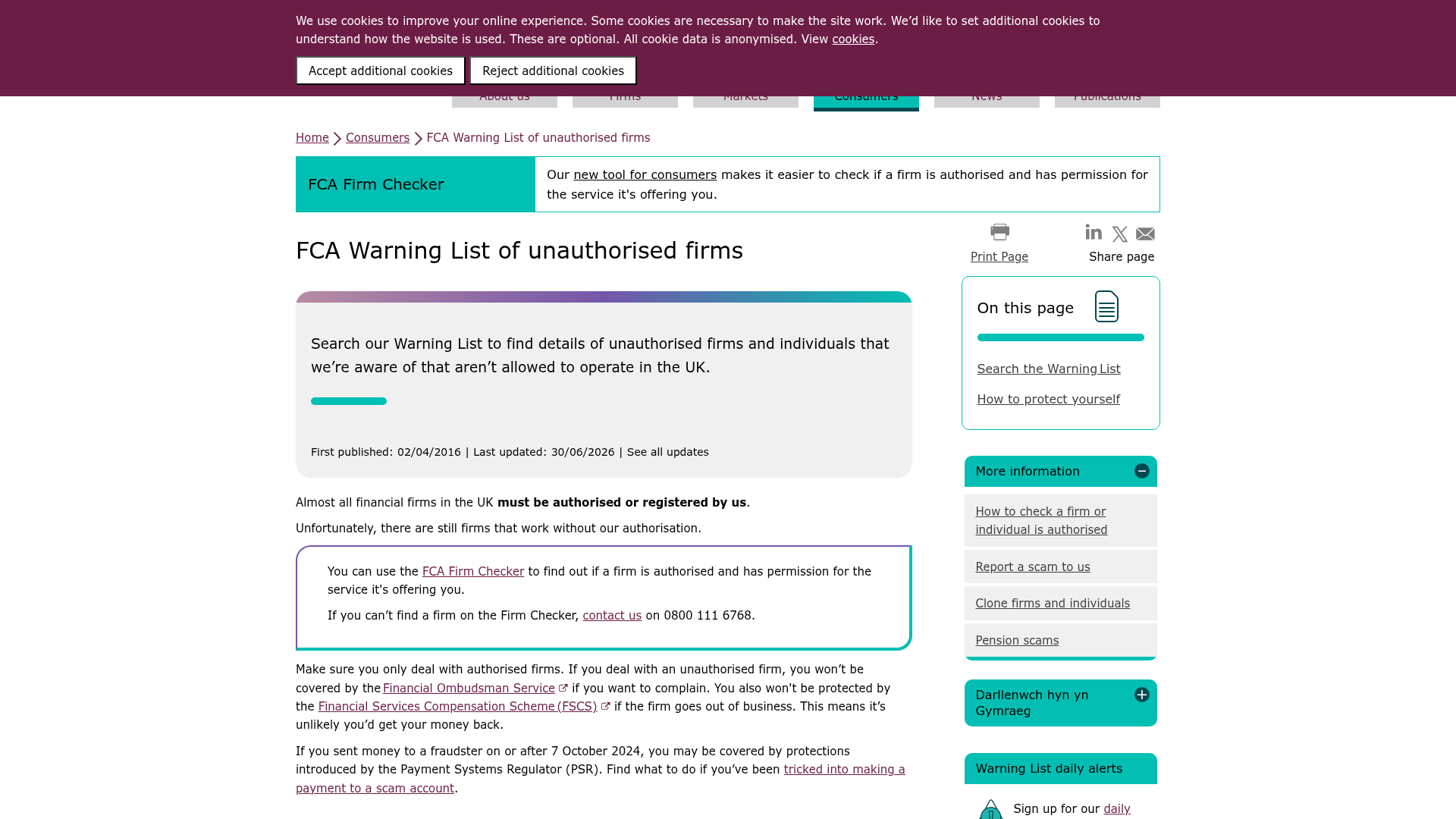
หากกระบวนการตรวจสอบของคุณเผยให้เห็นความคลาดเคลื่อนที่สำคัญในที่อยู่ที่โบรกเกอร์ระบุและที่อยู่จดทะเบียน หรือหากการวิเคราะห์ตำแหน่งทางภูมิศาสตร์บ่งชี้ถึงสถานที่จริงที่น่าสงสัย สิ่งสำคัญคือต้องทำความเข้าใจช่องทางในการรายงานและปกป้องผลประโยชน์ของคุณ ขั้นตอนแรกคือการติดต่อหน่วยงานกำกับดูแลทางการเงินที่เกี่ยวข้องโดยตรง หากโบรกเกอร์อ้างว่ามีใบอนุญาต FCA แต่ที่อยู่จดทะเบียนในทะเบียนของ FCA ไม่มีอยู่หรือแตกต่างจากที่โฆษณา ข้อมูลนี้ควรถูกรายงานไปยังพอร์ทัลรายการเตือนบริษัทที่ไม่ได้รับอนุญาตของ FCA หน่วยงานกำกับดูแลอื่นๆ เช่น ASIC, CySEC หรือ CFTC (ผ่าน RED List) มีช่องทางสำหรับการรายงานการดำเนินการที่ต้องสงสัยว่าไม่ได้รับใบอนุญาตหรือกิจกรรมฉ้อโกง
เมื่อรายงาน ให้จัดเตรียมหลักฐานที่เป็นเอกสารทั้งหมด: ภาพหน้าจอเว็บไซต์ของโบรกเกอร์ ความคลาดเคลื่อนที่พบในทะเบียนอย่างเป็นทางการ และสิ่งที่พบผิดปกติจากบริการแผนที่ ระบุรายละเอียดของปัญหาให้ชัดเจน หน่วยงานกำกับดูแลเหล่านี้มักอาศัยรายงานจากสาธารณะเพื่อระบุและตรวจสอบนิติบุคคลที่อาจมีปัญหา การดำเนินการอย่างรวดเร็วเมื่อพบความคลาดเคลื่อนดังกล่าวเป็นมาตรการป้องกันไม่เพียงแต่สำหรับเงินทุนของคุณเอง แต่ยังอาจรวมถึงลูกค้าในอนาคตรายอื่นๆ ด้วย
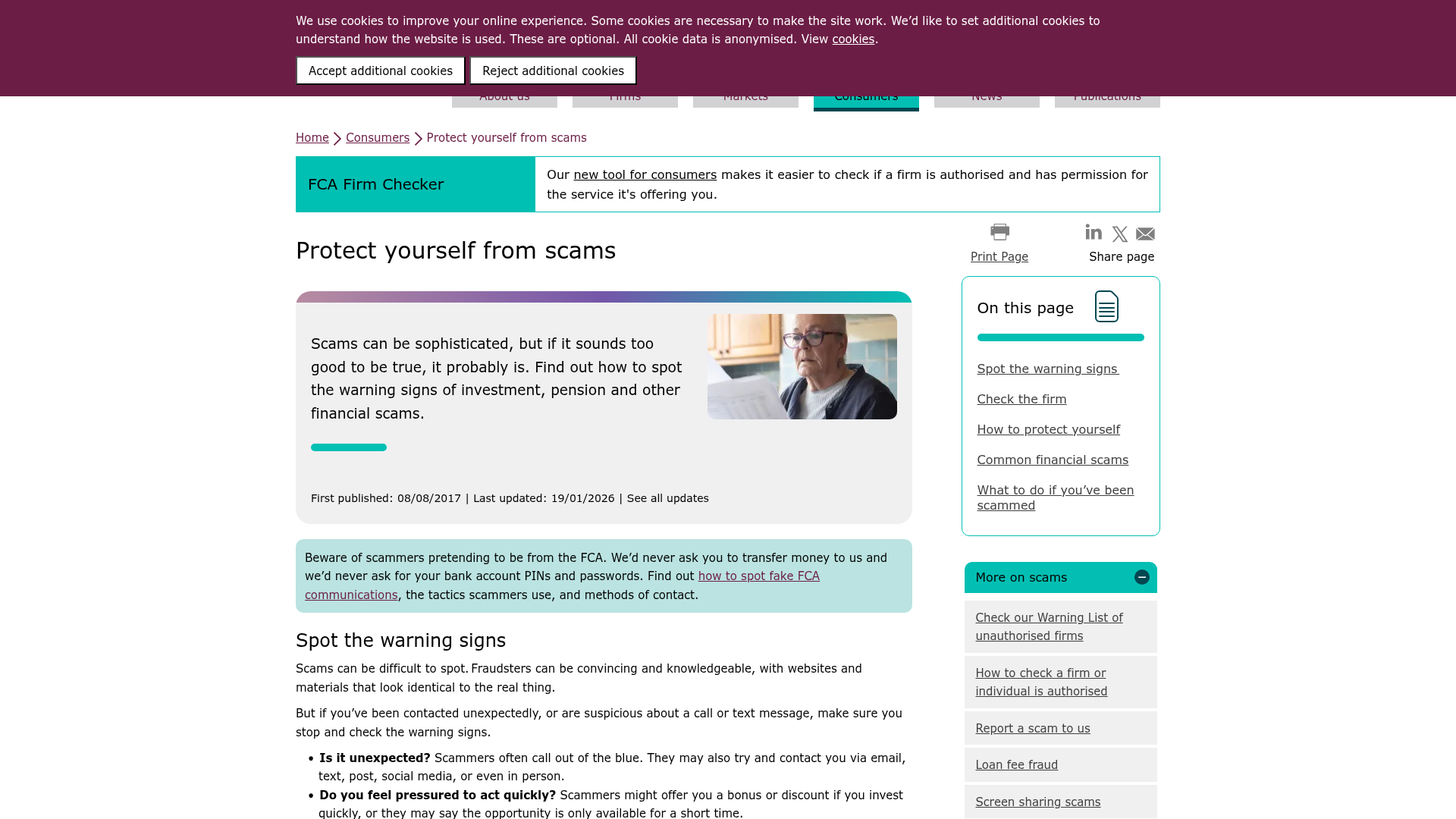
นอกเหนือจากการรายงานโดยตรงต่อหน่วยงานกำกับดูแลแล้ว หากคุณได้มีส่วนร่วมกับโบรกเกอร์ที่แสดงสัญญาณเตือนเหล่านี้และสงสัยว่ามีการประพฤติมิชอบทางการเงิน ให้พิจารณารายงานเหตุการณ์ดังกล่าวต่อหน่วยงานคุ้มครองผู้บริโภค ในสหราชอาณาจักร Action Fraud ทำหน้าที่เป็นศูนย์รายงานระดับชาติสำหรับการฉ้อโกงและอาชญากรรมทางไซเบอร์ ในสหรัฐอเมริกา FTC (Federal Trade Commission) มีแพลตฟอร์มสำหรับการรายงานการฉ้อโกง ส่วน Internet Crime Complaint Center (IC3) ของ FBI รับรายงานอาชญากรรมที่เกี่ยวข้องกับอินเทอร์เน็ต ขั้นตอนเหล่านี้มีความสำคัญในการสร้างสภาพแวดล้อมการซื้อขายที่ปลอดภัยยิ่งขึ้น และพยายามกู้คืนเงินทุนที่สูญเสียไป แม้ว่าการกู้คืนจะไม่ได้รับการรับประกันเมื่อเงินทุนถูกโอนไปยังนิติบุคคลที่ไม่ได้รับการกำกับดูแล
หน้าที่เราตรวจสอบ
นี่คือหน้าเว็บของหน่วยงานกำกับดูแลเอง ซึ่งเราได้บันทึกไว้ตามที่พบ เปิดหน้าเว็บและทำการค้นหาเดียวกันด้วยตนเอง ไม่มีสิ่งใดในทะเบียนนี้มาแทนที่แหล่งข้อมูลต้นฉบับได้
ทะเบียนอื่น ๆ ที่ใช้ในการตรวจสอบประเภทนี้ แต่ละรายการจะเปิดหน้าของหน่วยงานกำกับดูแลนั้น ๆ
แหล่งข้อมูลหลัก
ทุกข้อกล่าวอ้างข้างต้นสามารถตรวจสอบได้จากหน้าเว็บของหน่วยงานกำกับดูแลโดยตรง ลิงก์เหล่านี้จะนำท่านไปยังเว็บไซต์ของหน่วยงานกำกับดูแล ไม่ใช่เว็บไซต์ของเรา
- Financial Conduct Authority — Financial Services Registerregister.fca.org.ukhttps://register.fca.org.uk/
- ASIC — Professional registersasic.gov.auhttps://asic.gov.au/online-services/search-asics-registers/
- NFA BASIC — background affiliation statusnfa.futures.orghttps://www.nfa.futures.org/basicnet/
- CySEC — Regulated entities registercysec.gov.cyhttps://www.cysec.gov.cy/en-GB/entities/investment-firms/cypriot/
- Financial Services Compensation Scheme (FSCS)fscs.org.ukhttps://www.fscs.org.uk/what-we-cover/investments/
- Action Fraud (UK) — reportingactionfraud.police.ukhttps://www.actionfraud.police.uk/
คำถามที่พบบ่อย
เหตุใดการตรวจสอบที่อยู่สำนักงานใหญ่ของโบรกเกอร์จึงมีความสำคัญอย่างยิ่ง
การตรวจสอบที่อยู่สำนักงานใหญ่มีความสำคัญอย่างยิ่ง เนื่องจากจะเผยให้เห็นนิติบุคคลเฉพาะที่คุณกำลังติดต่อด้วย และด้วยเหตุนี้ หน่วยงานกำกับดูแลทางการเงินใดมีอำนาจกำกับดูแล ซึ่งส่งผลกระทบโดยตรงต่อการคุ้มครองผู้บริโภคที่คุณจะได้รับ รวมถึงโครงการชดเชยนักลงทุนและการปฏิบัติตามมาตรฐานการกำกับดูแล
ฉันควรทำอย่างไรหากที่อยู่บนเว็บไซต์ของโบรกเกอร์ไม่ตรงกับทะเบียนของหน่วยงานกำกับดูแล
ความไม่ตรงกันเป็นสัญญาณเตือนที่สำคัญ คุณควรใช้ความระมัดระวังอย่างยิ่งทันที รายงานความคลาดเคลื่อนไปยังหน่วยงานกำกับดูแลทางการเงินที่เกี่ยวข้อง และพิจารณาหลีกเลี่ยงการมีส่วนร่วมกับโบรกเกอร์จนกว่าความไม่สอดคล้องกันจะได้รับการแก้ไขอย่างชัดเจนและยืนยันโดยแหล่งข้อมูลที่เป็นทางการ
ที่อยู่สำนักงานเสมือนจริงสามารถเป็นที่อยู่ถูกต้องตามกฎหมายสำหรับโบรกเกอร์ที่ได้รับการกำกับดูแลได้หรือไม่
ใช่ ที่อยู่สำนักงานเสมือนจริงสามารถเป็นที่อยู่ถูกต้องตามกฎหมายสำหรับโบรกเกอร์ที่ได้รับการกำกับดูแลได้ โดยมีเงื่อนไขว่านิติบุคคลเฉพาะที่คุณทำการซื้อขายด้วยได้รับใบอนุญาตจากหน่วยงานกำกับดูแลและจดทะเบียนอย่างเป็นทางการที่ที่อยู่นั้น ข้อกังวลเกิดขึ้นหากที่อยู่เสมือนจริงถูกใช้เพื่อสร้างความเข้าใจผิดเกี่ยวกับการมีอยู่ภายใต้การกำกับดูแลในท้องถิ่นสำหรับนิติบุคคลที่ได้รับใบอนุญาตในที่อื่น
ที่ตั้งทางกายภาพของโบรกเกอร์ส่งผลต่อการชดเชยนักลงทุนอย่างไร
โครงการชดเชยนักลงทุน (เช่น FSCS ในสหราชอาณาจักร, ICF ในไซปรัส) เป็นโครงการเฉพาะเขตอำนาจศาล สิทธิ์ในการได้รับการชดเชยของคุณเชื่อมโยงกับนิติบุคคลเฉพาะของโบรกเกอร์ที่ได้รับการกำกับดูแลในเขตอำนาจศาลนั้น หากบัญชีของคุณอยู่กับนิติบุคคลนอกชายฝั่ง โดยทั่วไปคุณจะไม่ได้รับการคุ้มครองจากโครงการชดเชยในประเทศที่มีการกำกับดูแลอย่างเข้มงวด
ฉันสามารถใช้เครื่องมือใดในการวิเคราะห์ตำแหน่งทางภูมิศาสตร์ของที่อยู่ได้บ้าง
บริการแผนที่สาธารณะ เช่น Google Maps, Apple Maps หรือ OpenStreetMap เป็นเครื่องมือที่มีประสิทธิภาพ ใช้ฟังก์ชันดาวเทียมและ Street View เพื่อตรวจสอบที่อยู่ด้วยสายตา ยืนยันประเภทอาคาร และประเมินว่าดูสอดคล้องกับการดำเนินงานทางการเงินที่ถูกต้องตามกฎหมายหรือไม่
หากโบรกเกอร์มีใบอนุญาตหลายฉบับ ฉันควรตรวจสอบที่อยู่ใด
คุณควรตรวจสอบที่อยู่จดทะเบียนของ *นิติบุคคลเฉพาะ* ของโบรกเกอร์ที่คุณเปิดบัญชีด้วย ข้อตกลงลูกค้าหรือเอกสารการเปิดบัญชีของคุณมักจะระบุนิติบุคคลนี้ ตรวจสอบที่อยู่ของนิติบุคคลนั้นกับทะเบียนของหน่วยงานกำกับดูแลที่เกี่ยวข้อง