
ประเด็นสำคัญ
- เซนต์วินเซนต์และเกรนาดีนส์ (SVG) จดทะเบียนบริษัทธุรกิจระหว่างประเทศ (IBCs) แต่ไม่ได้ออกใบอนุญาตหรือกำกับดูแลกิจกรรมการซื้อขายฟอเร็กซ์
- โบรกเกอร์ที่จดทะเบียนใน SVG ไม่ได้รับการกำกับดูแลสำหรับฟอเร็กซ์ และขาดการคุ้มครองลูกค้าที่จำเป็น เช่น บัญชีแยกประเภทลูกค้า หรือโครงการชดเชยนักลงทุน
- เทรดเดอร์รายย่อยที่ใช้บริการโบรกเกอร์ฟอเร็กซ์ที่จดทะเบียนใน SVG มักจะมีการเยียวยาเพียงเล็กน้อยในกรณีพิพาท เนื่องจากไม่มีหน่วยงานกำกับดูแลทางการเงิน
- ตรวจสอบใบอนุญาตฟอเร็กซ์ที่ถูกต้องตามกฎหมายของโบรกเกอร์กับหน่วยงานที่ได้รับการยอมรับ เช่น FCA, ASIC, หรือ CySEC ไม่ใช่แค่การจดทะเบียนบริษัทของพวกเขา
- การเสนอ leverage ที่สูงและโบนัสที่น่าดึงดูดใจจากหน่วยงานที่จดทะเบียนใน SVG มักบ่งชี้ถึงการขาดการกำกับดูแลและความเสี่ยงที่เพิ่มขึ้น
ภาพลวงตาของการจดทะเบียนนอกอาณาเขต
บุคคลจำนวนมากที่ต้องการซื้อขายเงินตราต่างประเทศมักพบโบรกเกอร์ที่โฆษณาการจดทะเบียนในเซนต์วินเซนต์และเกรนาดีนส์ (SVG) สถานการณ์ทั่วไปคือเว็บไซต์แสดงหมายเลขจดทะเบียนบริษัทและที่อยู่ในคิงส์ทาวน์, SVG พร้อมกับอ้างว่าเป็นโบรกเกอร์ 'ระดับโลก' หรือ 'ระหว่างประเทศ' ลูกค้าอาจเข้าใจผิดได้ง่ายว่าการนำเสนอเช่นนี้เป็นการรับรองการกำกับดูแล คล้ายกับใบอนุญาตจาก Financial Conduct Authority (FCA) ในสหราชอาณาจักร หรือ Australian Securities and Investments Commission (ASIC) อย่างไรก็ตาม การจดทะเบียนใน SVG สำหรับโบรกเกอร์ฟอเร็กซ์นั้นแตกต่างอย่างมากจากกรอบการกำกับดูแลที่เป็นที่ยอมรับเหล่านี้ ความแตกต่างพื้นฐานอยู่ที่ลักษณะของการจดทะเบียน: ใน SVG เป็นเรื่องเกี่ยวกับการจัดตั้งบริษัท ไม่ใช่การกำกับดูแลบริการทางการเงิน
สำนักงานบริการทางการเงิน (FSA) ของเซนต์วินเซนต์และเกรนาดีนส์มุ่งเน้นหลักไปที่การจดทะเบียนบริษัทธุรกิจระหว่างประเทศ (IBCs) ซึ่งเป็นหน่วยงานที่จัดตั้งขึ้นเพื่อดำเนินธุรกิจนอก SVG FSA กำกับดูแลการจดทะเบียนและการปฏิบัติตามกฎหมายบริษัทของ IBCs เหล่านี้ แต่ขอบเขตอำนาจของ FSA ไม่ครอบคลุมถึงการออกใบอนุญาตหรือกำกับดูแลหน่วยงานที่นำเสนอผลิตภัณฑ์ทางการเงิน เช่น ฟอเร็กซ์, สัญญาซื้อขายส่วนต่าง (CFD) หรือไบนารีออปชัน ความแตกต่างที่สำคัญนี้มักถูกมองข้ามโดยลูกค้าที่คาดหวัง ซึ่งอาจสันนิษฐานว่าบริษัทที่จดทะเบียนหมายถึงผู้ให้บริการทางการเงินที่ได้รับการกำกับดูแล หากไม่มีการกำกับดูแลเฉพาะสำหรับกิจกรรมการซื้อขายทางการเงิน การคุ้มครองที่ลูกค้ามักได้รับจากหน่วยงานกำกับดูแลทางการเงินก็จะไม่มีอยู่จริง
สิ่งที่สำนักงานบริการทางการเงินของ SVG ทำ — และไม่ทำ
สำนักงานบริการทางการเงิน (FSA) ของเซนต์วินเซนต์และเกรนาดีนส์ดำเนินการภายใต้พระราชบัญญัติสำนักงานบริการทางการเงิน พ.ศ. 2554 (2011) ความรับผิดชอบของ FSA รวมถึงการจดทะเบียนและกำกับดูแลบริษัทธุรกิจระหว่างประเทศ, บริษัทจำกัด, กองทุนรวม และสถาบันการเงินที่ไม่ใช่ธนาคารบางประเภท สำหรับบริษัทธุรกิจระหว่างประเทศ (IBC) กระบวนการจดทะเบียนใน SVG ค่อนข้างตรงไปตรงมา โดยปกติจะเกี่ยวข้องกับการปรึกษาทนายความและการยื่นเอกสารต่อสำนักทะเบียนพาณิชย์ กระบวนการนี้ยืนยันการมีอยู่ตามกฎหมายของหน่วยงานและการปฏิบัติตามกฎหมายบริษัทของ SVG ซึ่งเป็นขั้นตอนมาตรฐานสำหรับธุรกิจทั่วโลก
อย่างไรก็ตาม สิ่งที่ FSA ไม่ได้ ทำอย่างชัดเจน คือการออกใบอนุญาตหรือกำกับดูแลหน่วยงานที่เกี่ยวข้องกับการซื้อขายฟอเร็กซ์, การเสนอ CFD หรือผลิตภัณฑ์ทางการเงินที่เก็งกำไรที่คล้ายกัน จุดยืนอย่างเป็นทางการของพวกเขา ตามที่ระบุไว้ในเว็บไซต์และประกาศสาธารณะ ชัดเจนว่า: 'FSA ไม่ออกใบอนุญาตใดๆ สำหรับการซื้อขายฟอเร็กซ์หรือนายหน้าซื้อขายหลักทรัพย์ และไม่ควบคุม ตรวจสอบ กำกับดูแล หรือออกใบอนุญาตบริษัทธุรกิจระหว่างประเทศ (IBCs) ที่เกี่ยวข้องกับการซื้อขายฟอเร็กซ์' คำแถลงนี้ไม่เหลือช่องว่างสำหรับความคลุมเครือ โบรกเกอร์ใดๆ ที่อ้างว่าได้รับการ 'กำกับดูแล' โดย SVG FSA สำหรับกิจกรรมฟอเร็กซ์กำลังบิดเบือนสถานะของตน นี่คือส่วนที่คู่มือส่วนใหญ่ข้ามไป โดยสับสนระหว่างการจดทะเบียนบริษัทกับการกำกับดูแลทางการเงิน บทบาทของ FSA เป็นการบริหารและองค์กร ไม่ใช่การกำกับดูแลด้านการเงินสำหรับตลาดการเงิน
ความหมายของการดำเนินงานฟอเร็กซ์ที่ 'ไม่ได้รับการกำกับดูแล'
เมื่อโบรกเกอร์ฟอเร็กซ์ดำเนินการภายใต้การจดทะเบียน SVG IBC เพียงอย่างเดียว ก็เท่ากับว่าดำเนินการในฐานะหน่วยงานที่ไม่ได้รับการกำกับดูแลในบริบทของการนำเสนอบริการซื้อขายทางการเงิน การไม่มีการกำกับดูแลนี้มีนัยสำคัญอย่างยิ่งต่อการคุ้มครองลูกค้า โบรกเกอร์ที่ได้รับการกำกับดูแลอย่างเต็มรูปแบบ เช่น โบรกเกอร์ที่ได้รับใบอนุญาตจาก FCA ของสหราชอาณาจักร, ASIC ของออสเตรเลีย หรือ CySEC ของไซปรัส จะต้องปฏิบัติตามกฎระเบียบที่เข้มงวดซึ่งออกแบบมาเพื่อปกป้องเงินทุนของลูกค้าและรับประกันแนวทางการซื้อขายที่เป็นธรรม กฎเหล่านี้โดยทั่วไปกำหนดให้มีบัญชีแยกประเภทลูกค้า ซึ่งหมายถึงเงินของลูกค้าจะถูกเก็บแยกต่างหากจากเงินทุนในการดำเนินงานของโบรกเกอร์ เพื่อป้องกันการนำไปใช้สำหรับค่าใช้จ่ายของบริษัทหรือการชำระหนี้ พวกเขายังมักกำหนดให้เข้าร่วมโครงการชดเชยนักลงทุน ซึ่งเป็นตาข่ายนิรภัยสำหรับลูกค้าในกรณีที่โบรกเกอร์ล้มละลาย
หากไม่มีใบอนุญาตบริการทางการเงิน โบรกเกอร์ที่จดทะเบียนใน SVG จะไม่อยู่ภายใต้การคุ้มครองที่สำคัญเหล่านี้ ไม่มีข้อกำหนดบังคับสำหรับความเพียงพอของเงินทุน, การบริหารความเสี่ยง หรือกลไกการแก้ไขข้อพิพาทภายในที่กำกับดูแลโดยหน่วยงานกำกับดูแลทางการเงิน ลูกค้าฝากเงินเข้าสู่หน่วยงานที่แม้จะจดทะเบียนเป็นบริษัทตามกฎหมาย แต่ก็ไม่มีหน่วยงานกำกับดูแลที่ตรวจสอบการดำเนินงานฟอเร็กซ์ของตน สถานการณ์นี้อาจเป็นปัญหาอย่างยิ่งในระหว่างข้อพิพาท หรือหากโบรกเกอร์ประสบปัญหาทางการเงิน ทำให้ลูกค้ามีช่องทางจำกัดในการเยียวยาหรือกู้คืนเงินทุน ในทางปฏิบัติ หากเกิดข้อพิพาท ฝ่ายบริการมักจะอ้างอิงลูกค้าไปยังข้อกำหนดภายในของตน ซึ่งอาจเอื้อประโยชน์ต่อโบรกเกอร์อย่างมาก
การคุ้มครองนักลงทุน: การเปรียบเทียบ
เพื่อแสดงให้เห็นถึงความแตกต่างที่ชัดเจน ให้พิจารณาระดับการคุ้มครองนักลงทุนที่เสนอโดยโบรกเกอร์ในเขตอำนาจศาลที่มีการกำกับดูแลบริการทางการเงินโดยเฉพาะ เทียบกับโบรกเกอร์ที่จดทะเบียนเป็น IBCs ใน SVG เพียงอย่างเดียว หน่วยงานที่ได้รับการกำกับดูแลมีหน้าที่ต้องรักษามาตรฐานบางประการที่ปกป้องลูกค้าของตน ตัวอย่างเช่น การแทรกแซงของ European Securities and Markets Authority (ESMA) ซึ่ง CySEC และ FCA นำมาใช้กับลูกค้ารายย่อย ได้จำกัด leverage ไว้ที่ 1:30 สำหรับคู่สกุลเงินหลัก และแนะนำ negative balance protection มาตรการดังกล่าวไม่มีอยู่จริงสำหรับหน่วยงานที่จดทะเบียนใน SVG ที่ไม่มีใบอนุญาตทางการเงินที่ถูกต้องตามกฎหมายรองรับ
บริการผู้ตรวจการทางการเงินและโครงการชดเชยนักลงทุนเป็นคุณสมบัติสำคัญของสภาพแวดล้อมการกำกับดูแลที่มีประสิทธิภาพ ตัวอย่างเช่น ลูกค้าของบริษัทที่ได้รับการกำกับดูแลโดย FCA อาจได้รับการคุ้มครองโดย Financial Services Compensation Scheme (FSCS) สูงสุดถึง 85,000 ปอนด์ ในกรณีที่บริษัทล้มเหลว ในทำนองเดียวกัน โบรกเกอร์ที่ได้รับการกำกับดูแลโดย CySEC อยู่ภายใต้ Investor Compensation Fund (ICF) ซึ่งให้ความคุ้มครองสูงสุดถึง 20,000 ยูโร ไม่มีโครงการดังกล่าวสำหรับลูกค้าของโบรกเกอร์ที่จดทะเบียนเป็น SVG IBC เพียงอย่างเดียว
การเปรียบเทียบการคุ้มครองนักลงทุนสำหรับโบรกเกอร์ที่ได้รับการกำกับดูแลเทียบกับโบรกเกอร์ที่ไม่ได้รับการกำกับดูแล
| คุณสมบัติการกำกับดูแล | โบรกเกอร์ที่ได้รับการกำกับดูแลโดย FCA/ASIC/CySEC | โบรกเกอร์ที่จดทะเบียน SVG IBC (ไม่มีใบอนุญาตเพิ่มเติม) |
|---|---|---|
| การแยกเงินทุนของลูกค้า | บังคับ, ตรวจสอบแล้ว, บัญชีธนาคารแยกต่างหาก | ไม่บังคับ, เงินทุนมักจะถูกรวมกัน |
| ข้อจำกัดของ Leverage | มีการจำกัดสำหรับลูกค้ารายย่อย (เช่น 1:30 ใน EU/UK) | มักจะสูงมาก (เช่น 1:500 หรือมากกว่า) |
| การป้องกันยอดคงเหลือติดลบ | บังคับสำหรับลูกค้ารายย่อย (EU/UK) | ไม่บังคับ, ลูกค้าอาจเป็นหนี้มากกว่าเงินที่ฝากไว้ |
| โครงการชดเชยนักลงทุน | มีให้บริการ (เช่น FSCS, ICF) | ไม่มี |
| การระงับข้อพิพาท | บริการผู้ตรวจการแผ่นดินอิสระ | กระบวนการภายในของบริษัทเท่านั้น |
| การตรวจสอบบัญชีเป็นประจำ | บังคับโดยผู้ตรวจสอบภายนอก, มีการกำกับดูแลโดยหน่วยงานกำกับดูแล | เพียงการตรวจสอบบัญชีของบริษัทเท่านั้น, ไม่มีการกำกับดูแลบริการทางการเงิน |
โบรกเกอร์ที่จดทะเบียนในเซนต์วินเซนต์และเกรนาดีนส์ไม่ได้รับการกำกับดูแลสำหรับฟอเร็กซ์ และขาดการคุ้มครองลูกค้าที่จำเป็น ทำให้เทรดเดอร์ต้องเผชิญกับความเสี่ยงที่สำคัญและบ่อยครั้งที่ไม่สามารถกู้คืนได้
Owen Blake
การตรวจสอบ: เหนือกว่าแค่เลขทะเบียนบริษัท
เมื่อประเมินโบรกเกอร์ forex ที่เป็นไปได้ การเห็นเพียงแค่เลขทะเบียน SVG ไม่ควรถือเป็นการตรวจสอบสถานะที่เพียงพอ การตรวจสอบสถานะการกำกับดูแลของโบรกเกอร์จำเป็นต้องตรวจสอบทะเบียนทางการเงินอย่างเป็นทางการของเขตอำนาจศาลที่เป็นที่ยอมรับ ตัวอย่างเช่น หากโบรกเกอร์อ้างว่าได้รับการกำกับดูแลโดย FCA ของสหราชอาณาจักร จะต้องตรวจสอบทะเบียนบริการทางการเงินของ FCA ในทำนองเดียวกัน สำหรับการกำกับดูแลของออสเตรเลีย ควรตรวจสอบทะเบียนมืออาชีพของ ASIC และสำหรับการกำกับดูแลของไซปรัส ควรตรวจสอบทะเบียนหน่วยงานที่ได้รับการกำกับดูแลของ CySEC ฐานข้อมูลเหล่านี้ช่วยให้ผู้บริโภคสามารถยืนยันได้ว่านิติบุคคลเฉพาะเจาะจงนั้นถือใบอนุญาตบริการทางการเงินที่ถูกต้องสำหรับกิจกรรมที่นำเสนอหรือไม่ Pepperstone ซึ่งได้รับการกำกับดูแลโดย FCA, ASIC และ CySEC รวมถึงหน่วยงานอื่น ๆ การลงทะเบียนต่าง ๆ ของโบรกเกอร์นี้สามารถตรวจสอบได้อย่างอิสระบนเว็บไซต์ของหน่วยงานกำกับดูแลแต่ละแห่ง OANDA ยังถือใบอนุญาตกับ FCA, CFTC/NFA, ASIC, IIROC และ MAS การมีใบอนุญาตที่ตรวจสอบได้หลายฉบับจากหน่วยงานที่มีชื่อเสียงบ่งชี้ถึงความมุ่งมั่นในการปฏิบัติตามกฎระเบียบและการคุ้มครองลูกค้า โบรกเกอร์ที่เน้นการลงทะเบียน SVG เป็นหลัก โดยไม่มีใบอนุญาตที่ตรวจสอบได้จากหน่วยงานกำกับดูแลทางการเงินที่เป็นที่ยอมรับสำหรับการดำเนินงาน forex ของตน ชี้ให้เห็นถึงช่องว่างด้านกฎระเบียบที่สำคัญ
เสน่ห์และความเสี่ยงของการดำเนินงานที่ไม่ได้รับการกำกับดูแล
โบรกเกอร์ที่เลือกดำเนินงานภายใต้การจดทะเบียน SVG IBC มักทำเช่นนั้นเพราะช่วยให้พวกเขาสามารถหลีกเลี่ยงข้อกำหนดด้านเงินทุนที่เข้มงวด ข้อจำกัดในการดำเนินงาน และข้อบังคับการคุ้มครองลูกค้าที่กำหนดโดยหน่วยงานกำกับดูแลทางการเงินระดับสูง ความยืดหยุ่นนี้ช่วยให้พวกเขาสามารถเสนอ leverage ที่สูงเป็นพิเศษ โบนัสที่น่าดึงดูดใจ หรือเงื่อนไขการซื้อขายที่อาจถูกห้ามในตลาดที่มีการกำกับดูแล แม้ว่า leverage ที่สูงอาจดูน่าดึงดูดใจเนื่องจากมีศักยภาพในการขยายผลตอบแทน แต่ก็เพิ่มความเสียหายที่อาจเกิดขึ้นได้เช่นกัน ซึ่งมักจะเกินกว่าเงินฝากเริ่มต้นของลูกค้า โดยเฉพาะอย่างยิ่งหากไม่มีการป้องกันยอดคงเหลือติดลบ ความเสี่ยงไม่ได้จำกัดอยู่แค่เงื่อนไขการซื้อขายเท่านั้น หากไม่มีการกำกับดูแลด้านกฎระเบียบ มีความเป็นไปได้สูงที่จะเกิดความขัดแย้งทางผลประโยชน์ การปฏิบัติทางการค้าที่ไม่เป็นธรรม หรือแม้แต่แผนการฉ้อโกงโดยสิ้นเชิง ลูกค้าอาจประสบปัญหา เช่น ความล่าช้าในการถอนเงินที่ไม่สามารถอธิบายได้ การกำหนดราคาที่บิดเบือน หรือแพลตฟอร์มการซื้อขายที่ไม่สามารถเข้าถึงได้ การขาดหน่วยงานภายนอกที่จะอุทธรณ์ทำให้การแก้ไขปัญหาดังกล่าวเป็นเรื่องยากอย่างเหลือเชื่อ หากไม่ใช่เป็นไปไม่ได้ ศูนย์ร้องเรียนอาชญากรรมทางอินเทอร์เน็ตของ FBI (IC3) และพอร์ทัลรายงานการฉ้อโกงของ FTC ได้รับเรื่องร้องเรียนที่เกี่ยวข้องกับการหลอกลวงการลงทุนเป็นประจำ ซึ่งหลายกรณีเกี่ยวข้องกับนิติบุคคลที่ดำเนินงานจากเขตอำนาจศาลที่มีการกำกับดูแลน้อยกว่า ซึ่งแสดงให้เห็นถึงผลกระทบที่เกิดขึ้นจริงจากการจัดตั้งดังกล่าว
การเปรียบเทียบสถานะการกำกับดูแลและข้อเสนอของโบรกเกอร์
การเลือกสถานที่ที่โบรกเกอร์อยู่ภายใต้การกำกับดูแลส่งผลกระทบโดยตรงต่อกรอบการดำเนินงานและมาตรการคุ้มครองที่โบรกเกอร์มีให้แก่ลูกค้า บริษัทอย่าง FOREX.com ซึ่งอยู่ภายใต้การกำกับดูแลของ CFTC/NFA ในสหรัฐอเมริกา ดำเนินงานภายใต้กฎระเบียบที่เข้มงวดที่สุดในโลก โดยมักจะมีเลเวอเรจที่ต่ำกว่าและการควบคุมที่เข้มงวดกว่า ในทางตรงกันข้าม นิติบุคคลที่จดทะเบียนใน SVG สามารถดำเนินงานได้อย่างอิสระอย่างมาก ซึ่งหมายถึงภาระผูกพันต่อลูกค้าน้อยลง อิสระนี้มักปรากฏในกลยุทธ์ทางการตลาด เช่น เลเวอเรจ 'ไม่จำกัด' หรือโบนัสเงินฝากจำนวนมาก ซึ่งโดยทั่วไปแล้วจะถูกจำกัดหรือห้ามในตลาดที่มีการกำกับดูแล เนื่องจากมีความเสี่ยงโดยธรรมชาติสำหรับนักลงทุนรายย่อยในการประเมินโบรกเกอร์ สิ่งสำคัญคือต้องมองข้ามเว็บไซต์ที่ดูหรูหรา และพิจารณากรอบการกำกับดูแลหลัก โบรกเกอร์อย่าง AvaTrade ซึ่งอยู่ภายใต้การกำกับดูแลของ Central Bank of Ireland, ASIC, FSCA และ ADGM มีตาข่ายความปลอดภัยที่ครอบคลุมหลายเขตอำนาจศาล ซึ่งบ่งชี้ถึงการปฏิบัติตามมาตรฐานที่หลากหลาย นิติบุคคลที่จดทะเบียนใน SVG ซึ่งขาดการกำกับดูแลดังกล่าว จะผลักภาระทั้งหมดในการประเมินความเสี่ยงและการระงับข้อพิพาทให้ตกอยู่กับลูกค้าแต่ละรายโดยตรง สิ่งนี้ทำให้ลูกค้าอยู่ในสถานะการเจรจาที่อ่อนแอลงมากหากเกิดปัญหาขึ้น เนื่องจากไม่มีหน่วยงานอิสระใดที่จะไกล่เกลี่ยหรือบังคับใช้แนวปฏิบัติที่เป็นธรรมได้
ผลกระทบของสถานะการกำกับดูแลต่อข้อเสนอของโบรกเกอร์และการคุ้มครองลูกค้า
| ตัวอย่างโบรกเกอร์ (การกำกับดูแลหลัก) | คุณสมบัติการกำกับดูแลที่สำคัญ | การคุ้มครองนักลงทุน | ประโยชน์ที่ลูกค้าอาจได้รับ |
|---|---|---|---|
| Pepperstone ได้รับการกำกับดูแลโดย FCA, ASIC, CySEC | ข้อกำหนดเงินทุนที่เข้มงวด, การตรวจสอบบัญชีเป็นประจำ, การแยกเงินทุนของลูกค้า | โครงการชดเชยนักลงทุน, การคุ้มครองยอดคงเหลือติดลบ, การระงับข้อพิพาทภายนอก | ความน่าเชื่อถือสูง, การดำเนินงานที่โปร่งใส, เลเวอเรจมาตรฐาน |
| OANDA (ภายใต้การกำกับดูแลของ CFTC/NFA, FCA, ASIC) | การรายงานทางการเงินที่แข็งแกร่ง, การคุ้มครองสินทรัพย์ลูกค้าที่เข้มแข็ง, กฎระเบียบการดำเนินงานในตลาดที่เข้มงวด | การชดเชยนักลงทุน (ในกรณีที่เกี่ยวข้อง), การปฏิบัติตามกฎระเบียบภายในและภายนอกที่แข็งแกร่ง | ความน่าเชื่อถือสูงมาก, ชื่อเสียงที่เป็นที่ยอมรับ, การปฏิบัติตามกฎระเบียบอย่างเคร่งครัด |
| XM (CySEC, ASIC, IFSC, DFSA) | การเปิดเผยความเสี่ยงภาคบังคับ, การปฏิบัติตามกฎระเบียบภายใน, การกำกับดูแลโดยหลายหน่วยงาน | กองทุนชดเชยนักลงทุน, การคุ้มครองยอดคงเหลือติดลบ (สำหรับลูกค้ารายย่อย) | สเปรดที่แข่งขันได้, ผลิตภัณฑ์ที่หลากหลายขึ้น, การสนับสนุนหลายภาษา |
| SVG IBC (ไม่มีใบอนุญาตเฉพาะสำหรับการซื้อขายฟอเร็กซ์) | เพียงแค่จดทะเบียนบริษัท, ไม่มีการกำกับดูแลบริการทางการเงิน | ไม่มีการคุ้มครองเฉพาะสำหรับการซื้อขายทางการเงิน, ไม่มีโครงการชดเชย, การระงับข้อพิพาทภายในเท่านั้น | เลเวอเรจที่อาจสูงมาก, โบนัสจำนวนมาก (มักมีเงื่อนไขที่จำกัด) |
ช่องทางการเรียกร้องสำหรับลูกค้าของนิติบุคคลที่ไม่ได้รับการกำกับดูแล
โบรกเกอร์ฟอเร็กซ์ที่จดทะเบียนใน SVG ขาดการกำกับดูแลที่เข้มแข็ง หมายความว่าลูกค้ามีช่องทางการเรียกร้องที่จำกัดมากหากประสบปัญหา แตกต่างจากเขตอำนาจศาลที่มีการกำกับดูแลที่ลูกค้าสามารถยื่นเรื่องร้องเรียนไปยังผู้ตรวจการทางการเงินอิสระหรือหน่วยงานกำกับดูแลได้ ลูกค้าของ SVG IBC โดยทั่วไปจะต้องเจรจากับโบรกเกอร์โดยตรง หากการเจรจาภายในล้มเหลว ทางเลือกเดียวที่เหลืออยู่มักจะเป็นการฟ้องร้องคดีระหว่างประเทศที่มีค่าใช้จ่ายสูงและใช้เวลานาน ซึ่งเป็นอุปสรรคสำคัญสำหรับนักลงทุนรายย่อยส่วนใหญ่ กรอบกฎหมายของ SVG เอง แม้จะถูกต้องตามกฎหมายสำหรับการจดทะเบียนบริษัท แต่ก็ไม่ได้จัดตั้งศาลหรือคณะตุลาการทางการเงินเฉพาะทางเพื่อแก้ไขข้อพิพาทเกี่ยวกับการซื้อขายฟอเร็กซ์หน่วยงานคุ้มครองผู้บริโภค เช่น คำแนะนำลูกค้าเกี่ยวกับการฉ้อโกงของ CFTC และรายชื่อบริษัทที่ไม่ได้รับอนุญาตของ FCA แนะนำอย่างสม่ำเสมอให้หลีกเลี่ยงการติดต่อกับนิติบุคคลที่ไม่ได้รับการกำกับดูแล คำเตือนเหล่านี้ไม่ใช่เรื่องสมมติ แต่เกิดจากรายงานนับไม่ถ้วนของลูกค้าที่สูญเสียเงินทุนโดยมีความหวังน้อยมากหรือไม่มีเลยที่จะได้เงินคืน การไม่มีกลไกการร้องเรียนอย่างเป็นทางการจากหน่วยงานกำกับดูแลทำให้ลูกค้าเปราะบาง เปลี่ยนสิ่งที่ควรจะเป็นธุรกรรมทางการค้าให้กลายเป็นการพนันที่มีความเสี่ยงสูงที่กฎถูกกำหนดโดยฝ่ายเดียว
ทำความเข้าใจกรอบการทำงานของ IBC และการนำไปใช้ในทางที่ผิด
กรอบกฎหมายที่เป็นรากฐานของการดำเนินงานฟอเร็กซ์ที่จดทะเบียนใน SVG หลายแห่งคือ พระราชบัญญัติบริษัทธุรกิจระหว่างประเทศ (IBC) ปี 2007 กฎหมายฉบับนี้อนุญาตให้มีการจัดตั้งบริษัทที่ออกแบบมาเพื่อกิจกรรมทางธุรกิจระหว่างประเทศเป็นหลัก ซึ่งมักจะเกี่ยวข้องกับการค้าทั่วไป การถือครองสินทรัพย์ หรือการให้คำปรึกษาระหว่างประเทศ กระบวนการจดทะเบียน IBC ในเซนต์วินเซนต์และเกรนาดีนส์นั้นง่ายเป็นพิเศษ โดยทั่วไปจะเกี่ยวข้องกับการยื่นเอกสารบริษัทพื้นฐานกับ SVG Financial Services Authority (FSA) การชำระค่าธรรมเนียมการจดทะเบียนที่อาจต่ำเพียงไม่กี่ร้อยดอลลาร์สหรัฐต่อปี และการแต่งตั้งตัวแทนจดทะเบียน มีข้อกำหนดการเปิดเผยข้อมูลน้อยมากเกี่ยวกับการเป็นเจ้าของผลประโยชน์ที่แท้จริงหรือแผนการดำเนินงานนอกเหนือจากขอบเขตทั่วไปของ "ธุรกิจระหว่างประเทศ" ความง่ายในการจัดตั้งนี้ดึงดูดใจสำหรับวัตถุประสงค์ที่ถูกต้องตามกฎหมาย แต่ไม่ได้หมายถึงใบอนุญาตสำหรับบริการทางการเงินที่ได้รับการกำกับดูแล
ใบรับรอง IBC ที่ออกให้เมื่อจดทะเบียนสำเร็จ ยืนยันการมีอยู่ตามกฎหมายของบริษัทและการปฏิบัติตามพระราชบัญญัติ IBC ที่สำคัญคือ ไม่ได้ให้อำนาจในการดำเนินบริการทางการเงินใดๆ เช่น การเป็นนายหน้าฟอเร็กซ์ การซื้อขายหลักทรัพย์ หรือการบริหารการลงทุนแก่สาธารณะ SVG FSA ระบุไว้อย่างชัดเจนว่าไม่ได้กำกับดูแลกิจกรรมฟอเร็กซ์ที่ดำเนินการโดย IBCs และไม่ได้ออกใบอนุญาตสำหรับกิจกรรมเหล่านั้น ดังนั้น โบรกเกอร์ที่ดำเนินการภายใต้การจดทะเบียน SVG IBC เพียงอย่างเดียวจึงไม่ได้รับการกำกับดูแลสำหรับการดำเนินงานบริการทางการเงินของตน ความแตกต่างนี้เป็นสิ่งสำคัญสำหรับผู้บริโภค เนื่องจากสภาพแวดล้อมการกำกับดูแลสำหรับ IBC นั้นแตกต่างอย่างมากจากบริษัทบริการทางการเงินที่ได้รับใบอนุญาตอย่างถูกต้อง
ลองพิจารณาความแตกต่างอย่างสิ้นเชิงในข้อกำหนด IBC ทั่วไปอาจจัดตั้งขึ้นด้วยทุนจดทะเบียนเพียง $1 ซึ่งมักจะยังไม่ได้ชำระเต็มจำนวนด้วยซ้ำ ไม่มีข้อกำหนดบังคับสำหรับการแยกเงินทุนลูกค้า การตรวจสอบบัญชีลูกค้าโดยอิสระ หรือการเข้าร่วมโครงการคุ้มครองเงินลงทุนของนักลงทุน สถานการณ์นี้แตกต่างอย่างมากจากเขตอำนาจศาลที่บริการทางการเงินอยู่ภายใต้การกำกับดูแลที่เข้มงวด ตัวอย่างเช่น โบรกเกอร์ที่ได้รับใบอนุญาตจาก Financial Conduct Authority (FCA) ของสหราชอาณาจักร ต้องแสดงให้เห็นถึงความเพียงพอของเงินทุนที่สำคัญ โดยทั่วไปอยู่ระหว่าง £125,000 ถึง £730,000 ขึ้นอยู่กับขอบเขตของกิจกรรม และมีข้อผูกพันที่จะต้องแยกเงินทุนของลูกค้าทั้งหมดในบัญชีธนาคารแยกต่างหาก นอกจากนี้ ลูกค้าของพวกเขายังได้รับการคุ้มครองโดย Financial Services Compensation Scheme (FSCS) สูงสุด £85,000 ต่อบุคคลที่มีสิทธิ์ต่อบริษัท ในกรณีที่โบรกเกอร์ล้มละลาย
ตารางด้านล่างแสดงให้เห็นถึงความแตกต่างพื้นฐานบางประการระหว่างเพียงแค่จดทะเบียนเป็น SVG IBC และการถือใบอนุญาตบริการทางการเงินเต็มรูปแบบในสภาพแวดล้อมการกำกับดูแลที่เป็นที่ยอมรับ การเปรียบเทียบนี้ไม่ได้ครอบคลุมทั้งหมด แต่เน้นย้ำถึงกลไกการป้องกันที่ขาดหายไปเมื่อต้องติดต่อกับ SVG IBC ที่อ้างว่าให้บริการทางการเงินที่ได้รับการกำกับดูแล ความแตกต่างในความคาดหวังด้านกฎระเบียบและข้อกำหนดในทางปฏิบัตินี้เองที่ทำให้ลูกค้าของโบรกเกอร์ฟอเร็กซ์ที่จดทะเบียน SVG IBC เผชิญกับความเสี่ยงอย่างมาก หากไม่มีใบอนุญาตเฉพาะสำหรับบริการทางการเงิน โบรกเกอร์เหล่านี้จะไม่ถูกยึดถือตามมาตรฐานเดียวกันในด้านความซื่อสัตย์ ความโปร่งใส หรือการคุ้มครองลูกค้า ที่นักเทรดคาดหวังจากหน่วยงานที่ได้รับการกำกับดูแลอย่างแท้จริง
ข้อกำหนดการกำกับดูแลเปรียบเทียบ: SVG IBC เทียบกับใบอนุญาตบริการทางการเงินระดับ Tier-1
| คุณสมบัติ | การจดทะเบียน SVG IBC | ใบอนุญาตโบรกเกอร์ FCA ของสหราชอาณาจักร (ตัวอย่าง) | ใบอนุญาตโบรกเกอร์ ASIC ของออสเตรเลีย (ตัวอย่าง) |
|---|---|---|---|
| หลักกฎหมายพื้นฐาน | พระราชบัญญัติบริษัทธุรกิจระหว่างประเทศ ปี 2007 | พระราชบัญญัติบริการทางการเงินและตลาด (FSMA) ปี 2000 | พระราชบัญญัติบริษัท ปี 2001 |
| หน่วยงานกำกับดูแล | SVG Financial Services Authority (ในฐานะนายทะเบียนบริษัท) | หน่วยงานกำกับดูแลสถาบันการเงิน (FCA) | คณะกรรมการหลักทรัพย์และการลงทุนของออสเตรเลีย (ASIC) |
| ขอบเขตการกำกับดูแล | การจดทะเบียนบริษัท; ไม่ใช่ การออกใบอนุญาตบริการทางการเงิน | การออกใบอนุญาตและกำกับดูแลบริการทางการเงินเต็มรูปแบบ | การออกใบอนุญาตและกำกับดูแลบริการทางการเงินเต็มรูปแบบ |
| ข้อกำหนดเงินทุนขั้นต่ำ | เล็กน้อย (เช่น ทุนจดทะเบียน $1) ไม่มีเงินทุนเฉพาะสำหรับบริการทางการเงิน | £125,000 ถึง £730,000 (ขึ้นอยู่กับบริการ) | AUD 50,000 ถึง AUD 1,000,000+ (ขึ้นอยู่กับบริการ) |
| การแยกเงินทุนลูกค้า | ไม่ได้บังคับใช้ตามกฎหมาย | บังคับ โดยต้องแยกไว้ในบัญชีทรัสต์ | บังคับ โดยต้องแยกไว้ในบัญชีทรัสต์ |
| โครงการชดเชยนักลงทุน | ไม่มี | โครงการชดเชยบริการทางการเงิน (FSCS) สูงสุด 85,000 ปอนด์ | ไม่มีโครงการของรัฐโดยตรง โบรกเกอร์บางรายเสนอประกันส่วนตัว |
| การทดสอบความเหมาะสมและคุณสมบัติของกรรมการ | จำกัด โดยทั่วไปเป็นการตรวจสอบสถานะเบื้องต้นสำหรับ AML/CFT | เข้มงวด มีการประเมินความสามารถ ศักยภาพ และพฤติกรรมอย่างต่อเนื่อง | เข้มงวด มีการประเมินความสามารถ ศักยภาพ และพฤติกรรมอย่างต่อเนื่อง |
| การตรวจสอบบัญชีลูกค้าโดยผู้ตรวจสอบภายนอก | ไม่ได้บังคับใช้ตามกฎหมาย | บังคับ โดยมีการตรวจสอบอิสระประจำปี | บังคับ โดยมีการตรวจสอบอิสระประจำปี |
ความเป็นจริงในการดำเนินงานและการลดลงของการคุ้มครองลูกค้า
เมื่อเลือกโบรกเกอร์ฟอเร็กซ์ เทรดเดอร์มักพิจารณาปัจจัยต่างๆ เช่น แพลตฟอร์มการซื้อขาย, ความสามารถในการแข่งขันของ spread และสินทรัพย์ที่มีให้เลือก อย่างไรก็ตาม สถานะการกำกับดูแลมีผลกระทบอย่างมากต่อสภาพแวดล้อมการดำเนินงาน และที่สำคัญคือการคุ้มครองเงินทุนของลูกค้า สำหรับโบรกเกอร์ที่ดำเนินงานภายใต้การจดทะเบียน SVG IBC เพียงอย่างเดียว การไม่มีการกำกับดูแลบริการทางการเงินโดยเฉพาะ ทำให้เกิดความเสี่ยงที่จับต้องได้สำหรับเงินฝากของลูกค้าทุกราย
หนึ่งในการคุ้มครองขั้นพื้นฐานที่สุดในการซื้อขายฟอเร็กซ์ที่อยู่ภายใต้การกำกับดูแลคือการแยกเงินทุนของลูกค้า การปฏิบัตินี้ช่วยให้มั่นใจว่าเงินทุนในการดำเนินงานของโบรกเกอร์ถูกแยกออกจากเงินฝากของลูกค้าอย่างสิ้นเชิง ในเขตอำนาจศาล เช่น สหราชอาณาจักร ออสเตรเลีย หรือไซปรัส หน่วยงานกำกับดูแลกำหนดให้โบรกเกอร์ที่ได้รับใบอนุญาตต้องเก็บเงินของลูกค้าไว้ในบัญชีทรัสต์ที่แยกต่างหาก ซึ่งมักจะเป็นธนาคารชั้นนำ ซึ่งหมายความว่าหากบริษัทโบรกเกอร์ประสบปัญหาการล้มละลายหรือการล้มละลาย เงินทุนของลูกค้าจะได้รับการคุ้มครองจากเจ้าหนี้ของบริษัท สำหรับ SVG IBC การแยกเงินทุนนี้ไม่ใช่ข้อกำหนดทางกฎหมาย โบรกเกอร์อาจเลือกที่จะแยกเงินทุนตามนโยบายภายใน แต่ไม่มีหน่วยงานกำกับดูแลที่จะบังคับใช้ หรือการตรวจสอบอิสระเพื่อยืนยัน ในกรณีที่โบรกเกอร์ประสบปัญหาทางการเงินล้มเหลว เงินทุนของลูกค้าสามารถปะปนกับสินทรัพย์ของบริษัทได้อย่างง่ายดาย ทำให้การกู้คืนเป็นไปได้ยากมาก
การคุ้มครองที่สำคัญอีกประการหนึ่งที่ลูกค้าของ SVG IBCs ไม่ได้รับคือการเข้าถึงโครงการชดเชยนักลงทุน เขตอำนาจศาลทางการเงินที่มีชื่อเสียงได้จัดตั้งกองทุนเหล่านี้ขึ้นเพื่อคุ้มครองสินทรัพย์ของลูกค้าจนถึงขีดจำกัดที่กำหนด หากบริษัททางการเงินที่อยู่ภายใต้การกำกับดูแลล้มเหลว ตัวอย่างเช่น ในสหภาพยุโรป กองทุนชดเชยนักลงทุน (ICF) ให้ความคุ้มครอง โดยทั่วไปสูงสุด 20,000 ยูโร สำหรับผู้เรียกร้องที่มีสิทธิ์ของโบรกเกอร์ที่ล้มละลาย SIPC (Securities Investor Protection Corporation) ของสหรัฐอเมริกาคุ้มครองหลักทรัพย์และเงินสดสูงสุด 500,000 ดอลลาร์ โครงการเหล่านี้ทำหน้าที่เป็นตาข่ายนิรภัยที่สำคัญ ช่วยลดผลกระทบที่รุนแรงจากการล้มเหลวของโบรกเกอร์ต่อเทรดเดอร์แต่ละราย SVG ไม่มีโครงการชดเชยที่ได้รับการสนับสนุนจากรัฐบาลสำหรับ IBCs ที่ให้บริการทางการเงินดังกล่าว ดังนั้น หากโบรกเกอร์ที่จดทะเบียนใน SVG หยุดดำเนินการหรือฉ้อโกงลูกค้า จะไม่มีกลไกอัตโนมัติสำหรับลูกค้าในการเรียกคืนเงินทุนที่สูญหาย ทำให้พวกเขาต้องเผชิญกับความเสี่ยงอย่างเต็มที่
การระงับข้อพิพาทก็กลายเป็นเรื่องที่ท้าทายมากขึ้นอย่างเห็นได้ชัด โบรกเกอร์ที่อยู่ภายใต้การกำกับดูแลมักถูกกำหนดให้เป็นสมาชิกของบริการผู้ตรวจการอิสระ หรือมีขั้นตอนการร้องเรียนภายในที่อยู่ภายใต้การกำกับดูแลของหน่วยงานกำกับดูแล หากลูกค้ามีข้อพิพาทเกี่ยวกับการดำเนินการซื้อขาย ยอดคงเหลือในบัญชี หรือคำขอถอนเงิน พวกเขาสามารถส่งเรื่องไปยังบุคคลที่สามที่เป็นกลางได้ สำหรับ SVG IBC ไม่มีช่องทางแก้ไขภายนอกที่เป็นทางการดังกล่าว ช่องทางเดียวสำหรับลูกค้าที่ได้รับความเสียหายอาจเป็นการดำเนินคดีแพ่งในศาลของเซนต์วินเซนต์และเกรนาดีนส์ ซึ่งเป็นกระบวนการที่มีค่าใช้จ่ายสูง ใช้เวลานาน และซับซ้อนสำหรับลูกค้าต่างชาติ โดยเฉพาะอย่างยิ่งสำหรับจำนวนเงินเรียกร้องที่น้อยกว่า การขาดกลไกการระงับข้อพิพาทที่เข้าถึงได้และบังคับใช้ได้ ทำให้การคุ้มครองผู้บริโภคและความรับผิดชอบจากการดำเนินงานของโบรกเกอร์ลดลงอย่างมาก
การปกป้องเงินทุนของคุณ: แนวทางเชิงรุก
ด้วยความเสี่ยงที่สำคัญที่เกี่ยวข้องกับโบรกเกอร์ฟอเร็กซ์ที่จดทะเบียนใน SVG แต่ไม่ได้รับการกำกับดูแล การใช้แนวทางเชิงรุกในการปกป้องเงินทุนของคุณจึงเป็นสิ่งสำคัญ ขั้นตอนแรกคือการตรวจสอบใบอนุญาตของโบรกเกอร์อย่างละเอียดกับหน่วยงานทางการเงินระดับชาติที่เกี่ยวข้อง หากโบรกเกอร์อ้างว่าอยู่ภายใต้การกำกับดูแลของหน่วยงานใด ให้ใช้เครื่องมือค้นหาอย่างเป็นทางการที่หน่วยงานเหล่านั้นจัดหาให้ เช่น FINRA BrokerCheck สำหรับหน่วยงานในสหรัฐอเมริกา, MAS Financial Institutions Directory สำหรับสิงคโปร์ หรือ FSCA Regulated Entities Search สำหรับแอฟริกาใต้
นอกเหนือจากการตรวจสอบใบอนุญาตแล้ว ให้สังเกตวิธีการที่โบรกเกอร์ทำการตลาด กลยุทธ์การขายที่ก้าวร้าวเกินไป การรับประกันผลตอบแทน หรือการเรียกร้องเงินฝากเริ่มต้นจำนวนมากอย่างต่อเนื่อง ควรสร้างความกังวลในทันที โบรกเกอร์ที่ถูกกฎหมายและอยู่ภายใต้การกำกับดูแลจะเน้นความโปร่งใส คำเตือนความเสี่ยง และการปฏิบัติตามข้อกำหนดที่ตรวจสอบได้ ความคลาดเคลื่อนใดๆ ระหว่างการกล่าวอ้างทางการตลาดของโบรกเกอร์กับสถานะการกำกับดูแลที่ตรวจสอบได้ โดยเฉพาะอย่างยิ่งเกี่ยวกับการจดทะเบียนใน SVG ควรเป็นสัญญาณที่ชัดเจนให้ใช้ความระมัดระวังอย่างยิ่ง เงินทุนของคุณเป็นความรับผิดชอบของคุณ ตรวจสอบให้แน่ใจว่าได้มอบหมายให้แก่หน่วยงานที่สามารถรับผิดชอบต่อหน่วยงานกำกับดูแลทางการเงินที่ได้รับการยอมรับ
หน้าที่เราตรวจสอบ
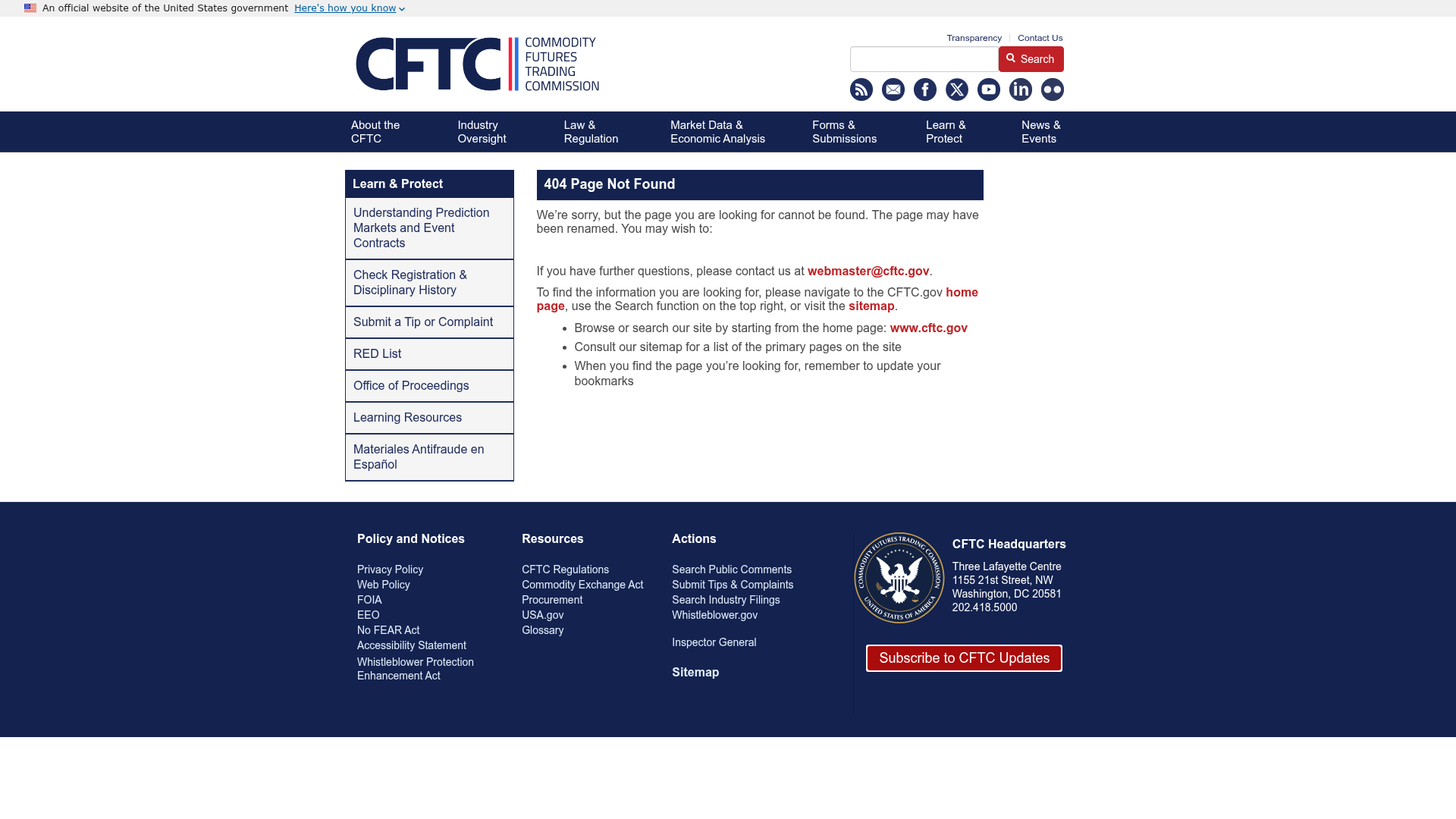
นี่คือหน้าเว็บของหน่วยงานกำกับดูแลเอง ซึ่งเราได้บันทึกไว้ตามที่พบ เปิดหน้าเว็บและทำการค้นหาเดียวกันด้วยตนเอง ไม่มีสิ่งใดในทะเบียนนี้มาแทนที่แหล่งข้อมูลต้นฉบับได้
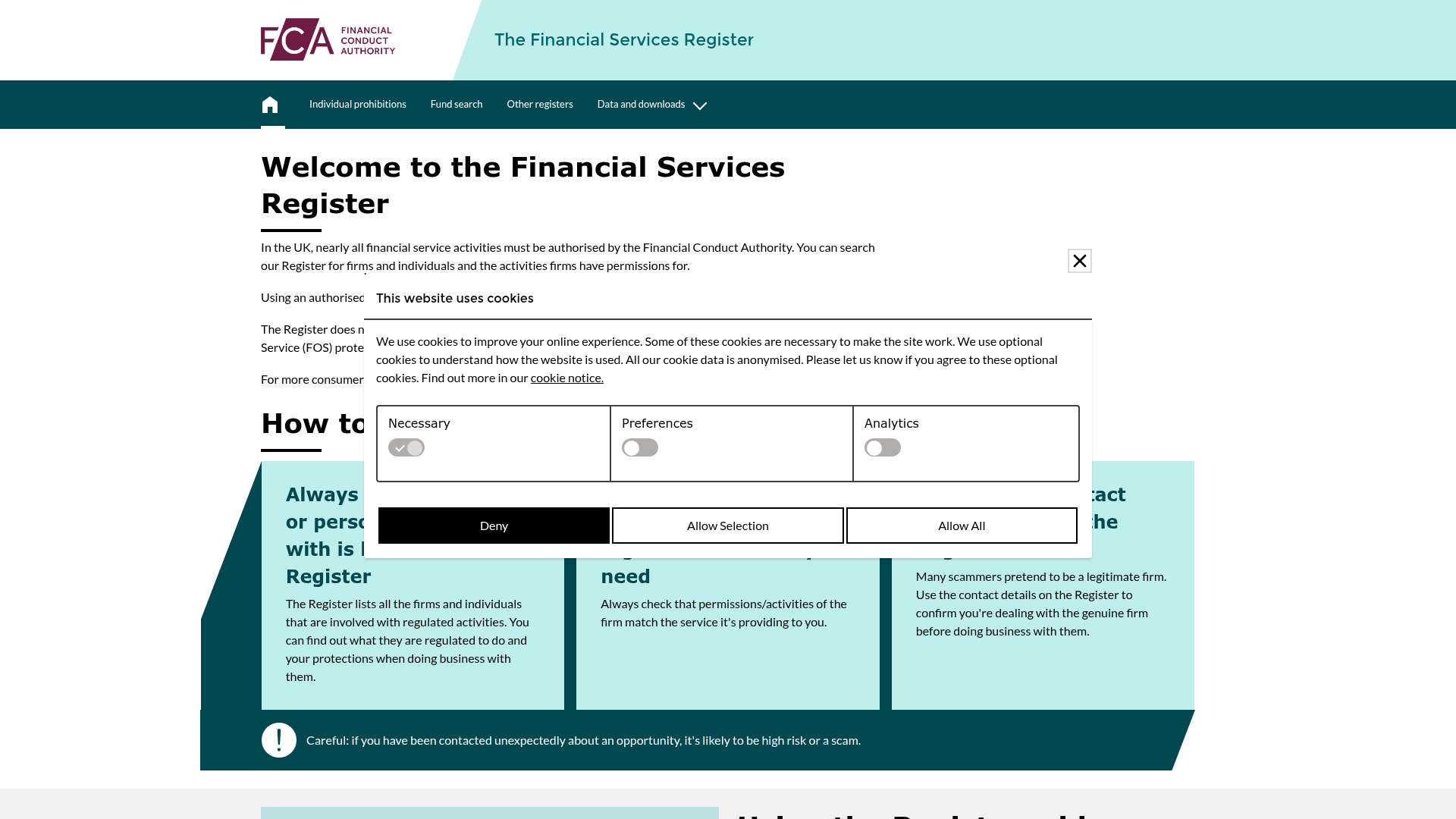
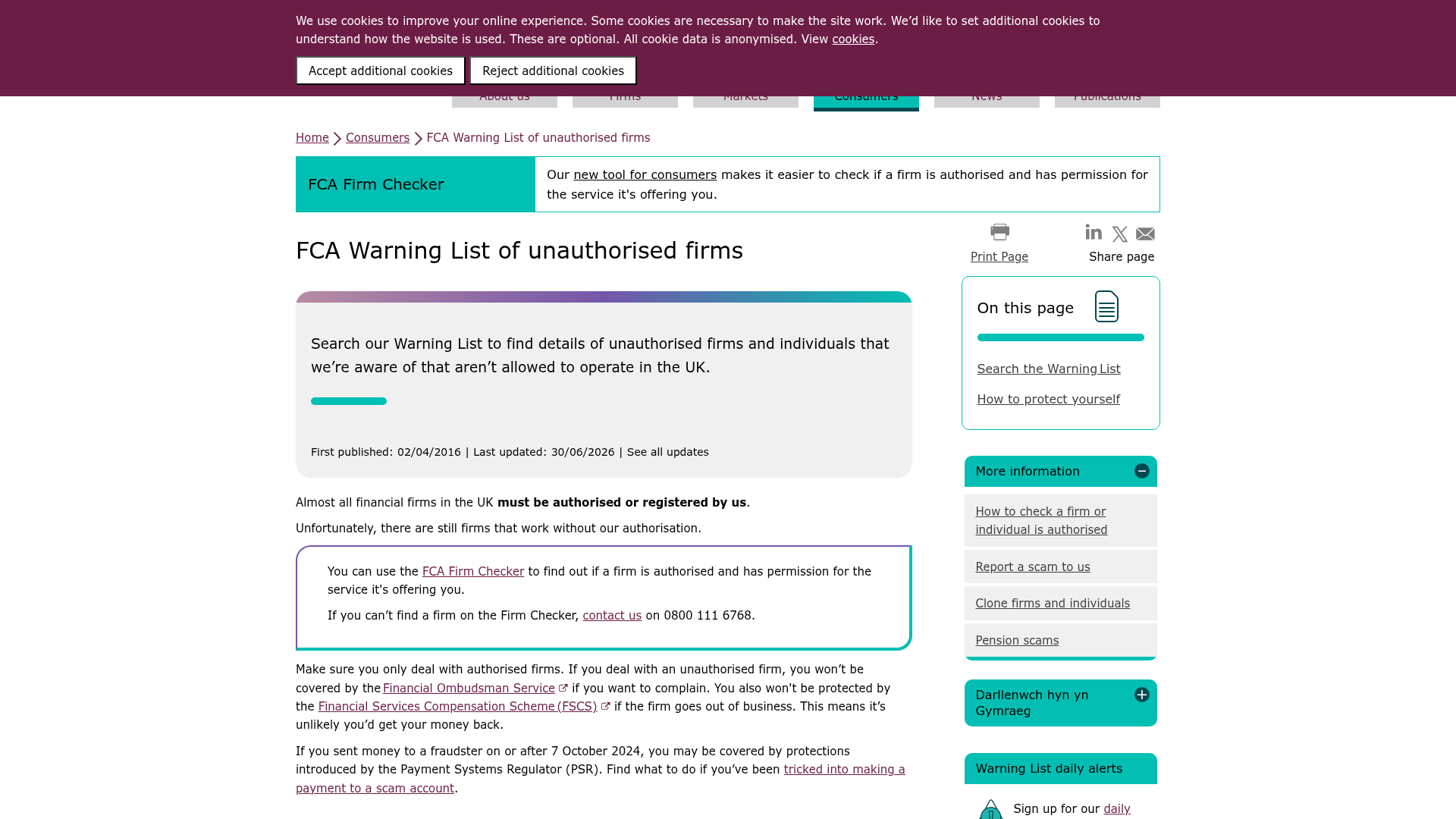
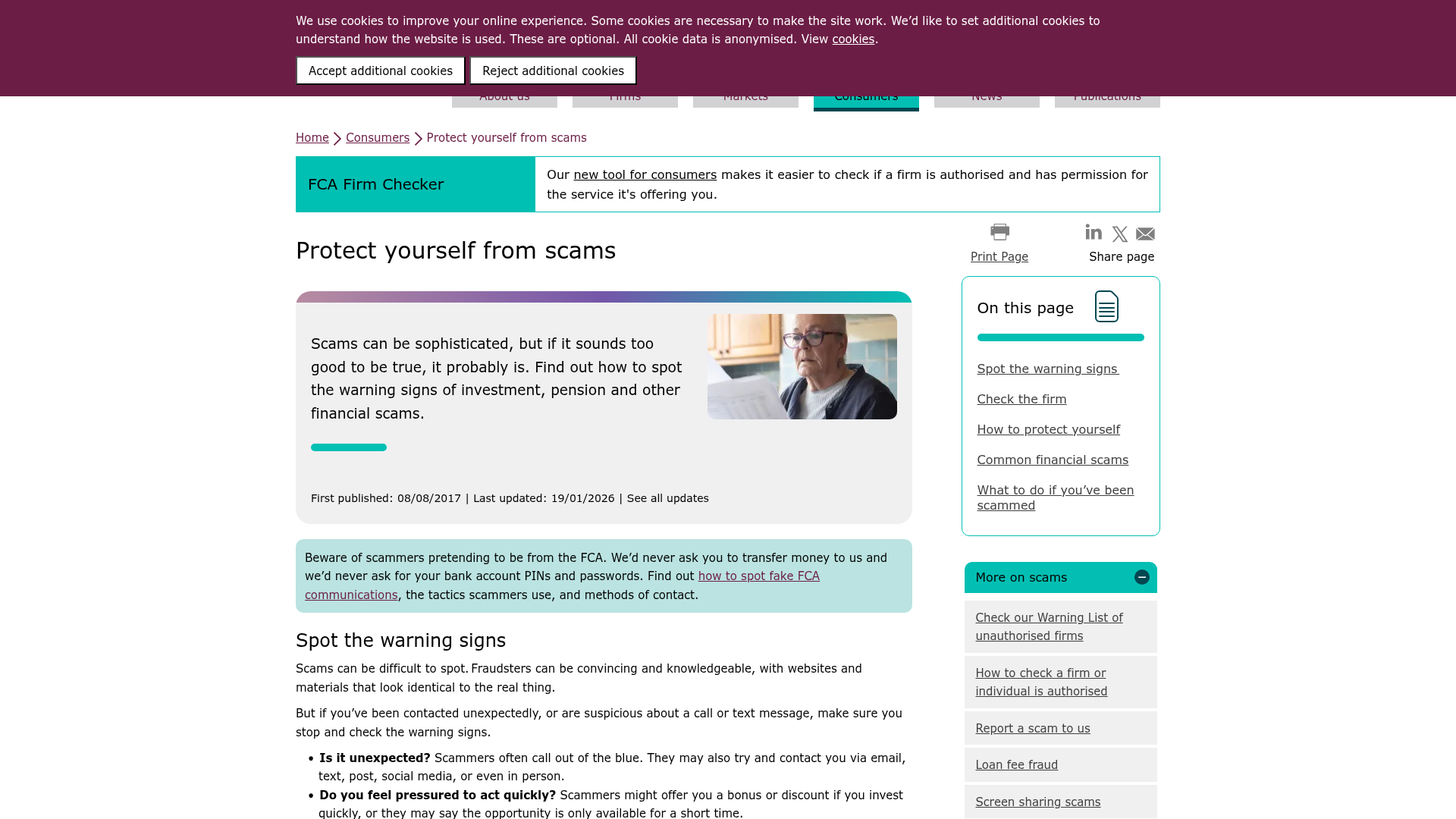
ทะเบียนอื่น ๆ ที่ใช้ในการตรวจสอบประเภทนี้ แต่ละรายการจะเปิดหน้าของหน่วยงานกำกับดูแลนั้น ๆ
แหล่งข้อมูลหลัก
ทุกข้อกล่าวอ้างข้างต้นสามารถตรวจสอบได้จากหน้าเว็บของหน่วยงานกำกับดูแลโดยตรง ลิงก์เหล่านี้จะนำท่านไปยังเว็บไซต์ของหน่วยงานกำกับดูแล ไม่ใช่เว็บไซต์ของเรา
- Financial Conduct Authority — Financial Services Registerregister.fca.org.ukhttps://register.fca.org.uk/
- ASIC — Professional registersasic.gov.auhttps://asic.gov.au/online-services/search-asics-registers/
- CySEC — Regulated entities registercysec.gov.cyhttps://www.cysec.gov.cy/en-GB/entities/investment-firms/cypriot/
- CFTC — Customer advisories on fraudcftc.govhttps://www.cftc.gov/LearnAndProtect/AdvisoriesAndArticles/index.htm
- Financial Services Compensation Scheme (FSCS)fscs.org.ukhttps://www.fscs.org.uk/what-we-cover/investments/
คำถามที่พบบ่อย
เซนต์วินเซนต์และเกรนาดีนส์กำกับดูแลโบรกเกอร์ฟอเร็กซ์หรือไม่?
ไม่ หน่วยงานบริการทางการเงิน (FSA) ของเซนต์วินเซนต์และเกรนาดีนส์ระบุไว้อย่างชัดเจนว่าไม่ได้ออกใบอนุญาตสำหรับการซื้อขายฟอเร็กซ์ หรือกำกับดูแล IBCs ที่ดำเนินกิจกรรมฟอเร็กซ์ บทบาทของ FSA คือการจดทะเบียนบริษัท ไม่ใช่การกำกับดูแลทางการเงิน
การที่โบรกเกอร์ฟอเร็กซ์ 'จดทะเบียน' ใน SVG หมายความว่าอย่างไร?
หมายความว่าโบรกเกอร์ได้จดทะเบียนจัดตั้งเป็นบริษัทอย่างถูกกฎหมายใน SVG ซึ่งโดยทั่วไปคือบริษัทธุรกิจระหว่างประเทศ (IBC) การจดทะเบียนนี้ยืนยันการมีอยู่ตามกฎหมายของบริษัท แต่ไม่ได้ให้ใบอนุญาตบริการทางการเงิน หรือการกำกับดูแลสำหรับกิจกรรมการซื้อขายฟอเร็กซ์ของบริษัทแต่อย่างใด
เงินทุนของลูกค้าปลอดภัยหรือไม่กับโบรกเกอร์ฟอเร็กซ์ที่จดทะเบียนใน SVG?
โดยทั่วไปแล้ว เงินทุนของลูกค้าที่อยู่กับโบรกเกอร์ที่จดทะเบียนใน SVG จะไม่ปลอดภัยเท่ากับโบรกเกอร์ที่ได้รับการกำกับดูแล เนื่องจากไม่มีข้อกำหนดบังคับสำหรับการแยกบัญชีลูกค้า (segregated accounts), การป้องกันยอดคงเหลือติดลบ (negative balance protection) หรือโครงการชดเชยนักลงทุน (investor compensation schemes) ซึ่งเพิ่มความเสี่ยงในการสูญเสียเงินทุนในกรณีที่โบรกเกอร์ล้มละลายหรือมีการประพฤติมิชอบ
ฉันจะตรวจสอบได้อย่างไรว่าโบรกเกอร์ได้รับการกำกับดูแลอย่างถูกต้องตามกฎหมาย?
คุณต้องตรวจสอบทะเบียนอย่างเป็นทางการของหน่วยงานกำกับดูแลทางการเงินที่โบรกเกอร์อ้างว่าได้รับการกำกับดูแล ตัวอย่างเช่น ใช้ Financial Services Register ของ FCA, Professional Registers ของ ASIC หรือ Regulated Entities Register ของ CySEC เพื่อยืนยันรายละเอียดใบอนุญาตของพวกเขา
ฉันมีทางเลือกอะไรบ้างหากเกิดข้อพิพาทกับโบรกเกอร์ที่จดทะเบียนใน SVG?
ทางเลือกในการแก้ไขข้อพิพาทนั้นมีจำกัดอย่างมาก โดยปกติแล้ว คุณจะมีเพียงทางเลือกในการเจรจาโดยตรงกับโบรกเกอร์เท่านั้น หากไม่มีหน่วยงานกำกับดูแลทางการเงินหรือผู้ตรวจการอิสระ การยื่นเรื่องร้องเรียนหรือการกู้คืนเงินทุนผ่านช่องทางที่เป็นทางการเป็นเรื่องที่ท้าทายอย่างยิ่งและมักมีค่าใช้จ่ายสูง
มีโบรกเกอร์ฟอเร็กซ์ที่น่าเชื่อถือรายใดบ้างที่มีการจดทะเบียนใน SVG?
โบรกเกอร์ที่ได้รับการกำกับดูแลในระดับโลกบางรายอาจมีสำนักงานบริหารหรือจดทะเบียนบริษัทลูกใน SVG ด้วยเหตุผลด้านการดำเนินงานบางประการ อย่างไรก็ตาม บริการฟอเร็กซ์หลักที่ให้บริการแก่ลูกค้าควรอยู่ภายใต้ใบอนุญาตที่ตรวจสอบได้จากหน่วยงานกำกับดูแลทางการเงินที่มีชื่อเสียง เช่น FCA หรือ ASIC ไม่ใช่เพียงแค่การจดทะเบียนใน SVG เท่านั้น