ประเด็นสำคัญ
- ฐานข้อมูลบริษัทของ BaFin เป็นแหล่งข้อมูลหลักที่น่าเชื่อถือที่สุดสำหรับการตรวจสอบความถูกต้องตามกฎหมายของบริษัทการเงินในเยอรมนี
- ตรวจสอบให้แน่ใจเสมอว่าหมายเลขทะเบียน BaFin ของบริษัทและขอบเขตการอนุญาตที่แน่นอนนั้นถูกต้อง เนื่องจากใบอนุญาตบางประเภทอาจไม่ครอบคลุมกิจกรรมทั้งหมด
- ระวัง 'บริษัทโคลน' ที่อ้างสิทธิ์การอนุญาตจาก BaFin โดยไม่เป็นความจริง; ตรวจสอบชื่อ ที่อยู่ และรายละเอียดการจดทะเบียนอย่างละเอียด
- บริษัทที่ได้รับการกำกับดูแลจากหน่วยงานอื่นใน EU/EEA อาจดำเนินงานในเยอรมนีผ่านสิทธิ์ 'passporting' แต่การได้รับอนุญาตโดยตรงจาก BaFin ยังคงเป็นสิ่งสำคัญสำหรับนิติบุคคลที่มีภูมิลำเนาในเยอรมนี
- การที่บริษัทไม่อยู่ในฐานข้อมูลของ BaFin หรือปรากฏอยู่ในรายชื่อเตือนภัย ควรนำไปสู่การยุติความสัมพันธ์และการรายงานทันที
- การตรวจสอบวิเคราะห์สถานะอย่างละเอียดครอบคลุมมากกว่าหน่วยงานกำกับดูแลเพียงแห่งเดียว; ตรวจสอบทะเบียนหลายแห่งสำหรับบริษัทระหว่างประเทศ และพิจารณาความโปร่งใสในการดำเนินงานโดยรวม
การสร้างความเชื่อมั่นในตลาดการเงินเยอรมนี
ในแต่ละวัน นักลงทุนในเยอรมนีต้องเผชิญกับการตัดสินใจที่สำคัญ: จะตรวจสอบความถูกต้องตามกฎหมายของบริษัทการเงินที่อ้างว่าดำเนินงานภายใต้เขตอำนาจของตนได้อย่างไร ขั้นตอนเบื้องต้นนี้ มักถูกมองข้ามไปในการเร่งรีบเพื่อคว้าโอกาสในตลาด แต่เป็นรากฐานสำคัญของความมั่นคงทางการเงิน ด่านแรกของการป้องกัน และมักจะเป็นด่านที่ชัดเจนที่สุด คือหน่วยงานกำกับดูแลทางการเงินแห่งสหพันธรัฐ หรือที่รู้จักกันในชื่อ BaFin
ต่างจากบริษัทที่ดำเนินงานภายใต้การกำกับดูแลของหน่วยงานกำกับดูแลระดับชาติอื่นๆ บริษัทลงทุนที่ทำการตลาดกับผู้อยู่อาศัยในเยอรมนีและดำเนินงานจากเยอรมนีจะต้องได้รับการอนุญาตเฉพาะจาก BaFin การอนุญาตนี้ไม่ใช่เพียงแค่พิธีการ แต่เป็นการแสดงถึงการปฏิบัติตามกฎระเบียบการดำเนินงานทางการเงินที่เข้มงวด ข้อกำหนดด้านเงินทุน และมาตรการคุ้มครองผู้บริโภคที่ออกแบบมาเพื่อปกป้องผลประโยชน์ของนักลงทุน ตัวอย่างเช่น บริษัทอย่าง Pepperstone ได้รับการอนุญาตจาก BaFin ควบคู่ไปกับใบอนุญาตจาก FCA, ASIC, CySEC, DFSA, CMA และ SCB ซึ่งแสดงให้เห็นถึงความมุ่งมั่นในการปฏิบัติตามกฎระเบียบในหลายเขตอำนาจศาล
หากปราศจากการตรวจสอบที่จำเป็นนี้ นักลงทุนจะดำเนินงานภายใต้ความเสี่ยงที่สำคัญ โดยอาศัยเพียงคำประกาศความถูกต้องตามกฎหมายของบริษัทเอง การพึ่งพานี้อาจทำให้นักลงทุนต้องเผชิญกับนิติบุคคลที่ไม่ได้รับอนุญาต ซึ่งอาจไม่ปฏิบัติตามโครงการคุ้มครองนักลงทุนหรือการเยียวยาทางกฎหมายใดๆ ศักยภาพในการสูญเสียทางการเงินในสถานการณ์ดังกล่าวมีมาก ทำให้การสอบถามฐานข้อมูลโดยตรงเป็นขั้นตอนที่ขาดไม่ได้สำหรับนักลงทุนที่รอบคอบ
ภารกิจของ BaFin: การคุ้มครองผู้บริโภคในเยอรมนี
บทบาทของ BaFin ขยายไปไกลกว่าแค่การออกใบอนุญาต โดยทำหน้าที่เป็นผู้กำกับดูแลแบบบูรณาการสำหรับบริการทางการเงินทั้งหมดในเยอรมนี ครอบคลุมธนาคาร ผู้ให้บริการทางการเงิน บริษัทประกันภัย และบริษัทลงทุน ภารกิจของ BaFin คือการสร้างความมั่นใจในเสถียรภาพและความสมบูรณ์ของระบบการเงินเยอรมนี พร้อมทั้งปกป้องผู้บริโภคด้วย บทบาทคู่ขนานนี้หมายความว่าบริษัทที่ได้รับอนุญาตจาก BaFin จะอยู่ภายใต้การกำกับดูแลอย่างต่อเนื่อง รวมถึงการตรวจสอบ การรายงาน และการปฏิบัติตามมาตรฐานกฎระเบียบที่เปลี่ยนแปลงไป
สำหรับนักลงทุนรายย่อย สิ่งนี้หมายถึงการคุ้มครองที่เฉพาะเจาะจง BaFin กำกับดูแลการปฏิบัติตามกฎที่ควบคุมวิธีการที่บริษัททำการตลาดผลิตภัณฑ์ การจัดการเงินทุนของลูกค้า และการจัดการข้อร้องเรียน ตัวอย่างเช่น มาตรการแทรกแซงผลิตภัณฑ์ของ European Securities and Markets Authority (ESMA) ซึ่ง BaFin นำมาใช้ ได้กำหนดเพดาน Leverage ไว้ที่ 1:30 สำหรับลูกค้ารายย่อยที่เทรด Contracts for Difference (CFDs) ซึ่งเป็นมาตรการที่ออกแบบมาเพื่อลดความเสี่ยงที่มากเกินไป บริษัทที่ขาดการอนุญาตจาก BaFin จะไม่ถูกบังคับให้ปฏิบัติตามมาตรการป้องกันขั้นพื้นฐานเหล่านี้
การทำความเข้าใจภารกิจของ BaFin จะช่วยให้เห็นชัดเจนว่าทำไมการอนุญาตของ BaFin จึงเป็นเกณฑ์มาตรฐานที่สำคัญ ไม่ใช่แค่เรื่องว่าบริษัทมีอยู่จริงหรือไม่ แต่เป็นเรื่องว่าบริษัทดำเนินงานภายใต้กรอบที่ออกแบบมาเพื่อลดความเสี่ยงเชิงระบบและปกป้องนักลงทุนแต่ละรายจากการปฏิบัติที่เป็นอันตราย บริษัทใดๆ ที่ดำเนินงานโดยปราศจากการกำกับดูแลนี้ไม่สามารถให้การรับรองด้านความปลอดภัยและการปฏิบัติตามกฎระเบียบแบบเดียวกันได้ ซึ่งถือเป็นอันตรายโดยตรงต่อเงินทุนของนักลงทุน
การเข้าถึงฐานข้อมูลบริษัทของ BaFin
การค้นหาฐานข้อมูลบริษัทที่ถูกต้องบนเว็บไซต์ของ BaFin เป็นขั้นตอนแรกที่สำคัญในการตรวจสอบ แม้ว่าเว็บไซต์ BaFin จะเปิดให้สาธารณะเข้าถึงได้ แต่การระบุพอร์ทัลการค้นหาที่แม่นยำบางครั้งอาจต้องใช้ความระมัดระวังในการนำทาง โดยทั่วไป ผู้ใช้จะใช้เครื่องมือค้นหาที่น่าเชื่อถือเพื่อค้นหา "BaFin company database" หรือ "BaFin Unternehmensdatenbank" เพื่อเข้าถึงส่วนที่เกี่ยวข้องโดยตรง ที่อยู่เว็บไซต์ทางการของ BaFin โดยทั่วไปคือ bafin.de แม้ว่าโดเมนย่อยบางแห่งอาจเป็นที่ตั้งของฐานข้อมูลก็ตาม
เมื่อเข้าสู่พอร์ทัลฐานข้อมูล ผู้ใช้มักจะเห็นตัวเลือกการค้นหาต่างๆ สิ่งสำคัญคือต้องหลีกเลี่ยงผู้รวบรวมข้อมูลจากบุคคลที่สามหรือเว็บไซต์ที่ไม่เป็นทางการซึ่งอาจนำเสนอข้อมูลที่ล้าสมัยหรือไม่ถูกต้อง ควรค้นหาลิงก์โดยตรงภายในโดเมนของ BaFin เสมอ อินเทอร์เฟซได้รับการออกแบบมาสำหรับการใช้งานสาธารณะ แม้ว่าจะนำเสนอทั้งภาษาเยอรมันและภาษาอังกฤษ ทำให้สามารถเข้าถึงผู้ชมต่างชาติได้กว้างขึ้น นี่คือจุดที่มักถูกมองข้ามโดยผู้สังเกตการณ์ทั่วไป: ความสามารถในการสลับระหว่างภาษาเยอรมันและภาษาอังกฤษบนพอร์ทัลของหน่วยงานกำกับดูแลสามารถช่วยให้เกิดความชัดเจนได้อย่างมาก โดยเฉพาะอย่างยิ่งเมื่อชื่อทางกฎหมายของบริษัทหรือรายละเอียดการอนุญาตเฉพาะถูกนำเสนอในภาษาท้องถิ่น
ก่อนเริ่มการค้นหา ขอแนะนำให้รวบรวมรายละเอียดเกี่ยวกับบริษัทที่กำลังตรวจสอบให้มากที่สุดเท่าที่จะทำได้: ชื่อทางกฎหมายเต็ม รูปแบบชื่อที่ใช้ในการซื้อขาย ที่อยู่จดทะเบียน และหากเป็นไปได้ หมายเลขทะเบียนหากมีการให้ไว้ รายละเอียดเหล่านี้จะช่วยเพิ่มความแม่นยำในการค้นหาและลดโอกาสที่จะได้ผลลัพธ์ที่คลุมเครือหรือไม่ถูกต้อง ฐานข้อมูลของ BaFin มีโครงสร้างที่ช่วยให้สามารถค้นหาข้อมูลได้อย่างละเอียด โดยมีช่องค้นหาที่แตกต่างกันสำหรับข้อมูลแต่ละจุด
การดำเนินการค้นหาบริษัทลงทุนอย่างแม่นยำ
เมื่ออยู่ในหน้าค้นหาฐานข้อมูลของ BaFin การป้อนข้อมูลที่ถูกต้องเป็นสิ่งสำคัญ การพิมพ์ชื่อทางกฎหมายเต็มของบริษัทลงในช่องที่กำหนดเป็นวิธีที่ตรงไปตรงมาที่สุด สามารถใช้ชื่อบางส่วนได้ แต่สิ่งนี้อาจให้รายการผลลัพธ์ที่กว้างขึ้นและแม่นยำน้อยลง ซึ่งต้องมีการกรองเพิ่มเติม ตัวอย่างเช่น การค้นหา "Pepperstone GmbH" จะมีประสิทธิภาพมากกว่าการค้นหาเพียง "Pepperstone" แม้ว่าชื่อหลังจะเป็นชื่อที่ใช้ในการซื้อขายทั่วไปก็ตาม ผู้ที่ถือใบอนุญาตคือหน่วยงานทางกฎหมายเสมอ
บริษัทการเงินหลายแห่งยังดำเนินงานภายใต้หมายเลขประจำตัว BaFin ที่เฉพาะเจาะจง หากบริษัทให้หมายเลขดังกล่าว การป้อนโดยตรงมักจะให้ผลลัพธ์ที่ตรงกันอย่างแม่นยำ ซึ่งเป็นวิธีที่น่าเชื่อถือที่สุด หมายเลขนี้ทำหน้าที่เป็นตัวระบุที่ไม่ซ้ำกัน คล้ายกับรหัสประจำตัวผู้เสียภาษี ทำให้มีประสิทธิภาพสูงสำหรับการตรวจสอบ ให้ความสนใจอย่างใกล้ชิดกับความอ่อนไหวต่อตัวพิมพ์ใหญ่-เล็กหรืออักขระพิเศษ เนื่องจากสิ่งเหล่านี้อาจส่งผลต่อผลการค้นหา ฐานข้อมูลอนุญาตให้กรองตามประเภทของสถาบัน (เช่น สถาบันสินเชื่อ สถาบันบริการทางการเงิน บริษัทประกันภัย) ซึ่งสามารถจำกัดผลลัพธ์ให้แคบลงได้หากชื่อทางกฎหมายที่แน่นอนของบริษัทไม่ชัดเจน
อินเทอร์เฟซการค้นหาได้รับการออกแบบให้ใช้งานง่ายพอสมควร แต่ข้อผิดพลาดทั่วไปคือการใช้ข้อมูลที่ไม่ถูกต้องหรือไม่สมบูรณ์ หากการค้นหาครั้งแรกไม่พบผลลัพธ์ ให้พิจารณาชื่อบริษัทในรูปแบบต่างๆ หรือลองค้นหาด้วยที่อยู่จดทะเบียนหากมี บางครั้ง บริษัทอาจได้รับอนุญาตภายใต้ชื่อบริษัทแม่แทนที่จะเป็นชื่อแบรนด์ที่ใช้ในการซื้อขายโดยเฉพาะ ตารางด้านล่างแสดงช่องค้นหาทั่วไปและการใช้งานที่ตั้งใจไว้เพื่อเป็นแนวทางในการสอบถามที่มีประสิทธิภาพมากขึ้น
การตีความผลการค้นหาและสถานะบริษัทของ BaFin
หลังจากดำเนินการค้นหา การตีความผลลัพธ์เป็นสิ่งสำคัญ ผลลัพธ์ที่เป็นบวกที่ชัดเจนจะแสดงชื่อทางกฎหมายเต็มของบริษัท ที่อยู่จดทะเบียน ประเภทของการอนุญาตที่ได้รับ (เช่น 'Financial Services Institution') และวันที่ออกใบอนุญาต นอกจากนี้ยังควรอธิบายรายละเอียดบริการทางการเงินเฉพาะที่บริษัทได้รับอนุญาตให้เสนอ เช่น คำแนะนำการลงทุน การจัดการพอร์ตโฟลิโอ หรือบริการโบรกเกอร์สำหรับ CFDs การมีข้อมูลรายละเอียดดังกล่าวเป็นการยืนยันสถานะที่ถูกต้องตามกฎหมายของบริษัทกับ BaFin
หากบริษัทอ้างว่าดำเนินงานในเยอรมนี แต่ไม่อยู่ในฐานข้อมูลของ BaFin นี่เป็นคำเตือนที่สำคัญ บ่งชี้ว่าบริษัทขาดใบอนุญาตที่จำเป็น หรือกำลังดำเนินงานโดยไม่ได้รับอนุญาตอย่างเป็นทางการ ซึ่งอาจทำให้นักลงทุนต้องเผชิญกับความเสี่ยงอย่างมาก สิ่งสำคัญคือต้องจำไว้ว่าสถานะการกำกับดูแลที่บริษัทประกาศเองควรได้รับการตรวจสอบกับบันทึกอย่างเป็นทางการของ BaFin เสมอ บริษัทที่ไม่ได้รับอนุญาตมักใช้กลยุทธ์หลอกลวง รวมถึงการสร้างเว็บไซต์ที่น่าเชื่อถือแต่เป็นของปลอม หรือการให้หมายเลขทะเบียนปลอม
กลยุทธ์ที่ร้ายกาจอย่างหนึ่งคือ 'บริษัทโคลน' หน่วยงานเหล่านี้คัดลอกชื่อ ที่อยู่ และแม้แต่หมายเลขทะเบียนของบริษัทที่ได้รับอนุญาตอย่างถูกต้องตามกฎหมาย แต่ดำเนินงานผ่านรายละเอียดการติดต่อของตนเองที่แตกต่างกัน ตัวอย่างเช่น นักลงทุนอาจเชื่อว่าพวกเขากำลังติดต่อกับหน่วยงานที่ได้รับอนุญาตจาก BaFin เช่น Pepperstone แต่ในความเป็นจริงกำลังติดต่อกับบริษัทโคลนที่เพียงแค่นำข้อมูลรับรองที่ได้รับการยืนยันของ Pepperstone มาใช้ ตรวจสอบข้อมูลติดต่อที่บริษัทให้มากับรายละเอียดที่ระบุไว้ในฐานข้อมูลอย่างเป็นทางการของ BaFin เสมอ หากหมายเลขโทรศัพท์ ที่อยู่อีเมล หรือที่อยู่จริงแตกต่างกัน มีความเป็นไปได้สูงที่คุณกำลังติดต่อกับบริษัทโคลนที่พยายามใช้ชื่อเสียงของนิติบุคคลที่ถูกต้องตามกฎหมาย ความคลาดเคลื่อนนี้เป็นตัวบ่งชี้ที่สำคัญของการฉ้อโกงที่อาจเกิดขึ้น
กระบวนการที่เป็นระบบในการสอบถามฐานข้อมูลของ BaFin การทำความเข้าใจความแตกต่างของการอนุญาต และการขยายการตรวจสอบนั้นไปยังหน่วยงานกำกับดูแลที่เกี่ยวข้องอื่นๆ ถือเป็นเส้นทางที่น่าเชื่อถือที่สุดในการปกป้องผลประโยชน์ทางการเงินของคุณ
Owen Blake
การทำความเข้าใจขอบเขตการกำกับดูแล: นอกเหนือจากการอนุญาตขั้นพื้นฐาน
การได้รับการอนุญาตจาก BaFin ถือเป็นอุปสรรคสำคัญสำหรับบริษัททางการเงินใดๆ แต่ขอบเขตของการอนุญาตนั้นก็มีความสำคัญไม่แพ้กัน ใบอนุญาตจาก BaFin ไม่ได้ให้สิทธิ์เท่ากันทั้งหมด และบริษัทอาจได้รับอนุญาตสำหรับกิจกรรมบางประเภท แต่ขาดการอนุญาตสำหรับบริการอื่นที่เสนอ ตัวอย่างเช่น บริษัทอาจได้รับอนุญาตให้ให้คำแนะนำการลงทุน แต่ไม่ได้รับอนุญาตสำหรับการซื้อขายเพื่อบัญชีตนเอง หรือสำหรับการดำเนินงานในฐานะสถาบันการชำระเงิน แต่ไม่ใช่บริษัทหลักทรัพย์ที่ได้รับอนุญาตเต็มรูปแบบซึ่งให้บริการซื้อขาย สัญญาซื้อขายส่วนต่าง (CFD) ความแตกต่างนี้ไม่ใช่เรื่องเล็กน้อย การเข้าร่วมบริการที่บริษัทไม่ได้รับอนุญาตอย่างชัดเจนจาก BaFin จะทำให้นักลงทุนอยู่นอกเหนือการคุ้มครองของการกำกับดูแลเฉพาะนั้น
เมื่อตรวจสอบข้อมูลของบริษัทในฐานข้อมูลของ BaFin ให้พิจารณาส่วน 'Erlaubnis' (การอนุญาต) หรือ 'Tätigkeiten' (กิจกรรม) อย่างใกล้ชิด ส่วนนี้ของบันทึกจะระบุบริการทางการเงินที่บริษัทได้รับอนุญาตให้ดำเนินการภายใต้ใบอนุญาตอย่างแม่นยำ ตัวอย่างเช่น บริษัทอาจถือใบอนุญาตสำหรับ 'Finanzportfolioverwaltung' (การบริหารจัดการพอร์ตการลงทุน) แต่ไม่ใช่ 'Eigenhandel' (การซื้อขายเพื่อบัญชีตนเอง) หากบริษัทอ้างว่าให้บริการที่ไม่ปรากฏในใบอนุญาตจาก BaFin อย่างชัดเจน ถือเป็นสาเหตุที่น่ากังวลอย่างยิ่งและควรมีการตรวจสอบเพิ่มเติมหรือหลีกเลี่ยง
การตีความผิดหรือเพิกเฉยต่อขอบเขตการอนุญาตที่เฉพาะเจาะจง อาจทำให้นักลงทุนเข้าใจผิดว่าตนได้รับการคุ้มครอง ทั้งที่จริงแล้วกิจกรรมที่พวกเขากำลังทำอยู่นั้นอยู่นอกเหนือการอนุมัติที่ระบุโดยหน่วยงานกำกับดูแล ความละเอียดอ่อนในการอนุญาตจากหน่วยงานกำกับดูแลนี้มีขึ้นเพื่อให้แน่ใจว่าบริษัทดำเนินงานอย่างเคร่งครัดภายใต้ความสามารถของตน และภายใต้กฎเฉพาะที่ใช้กับกิจกรรมเหล่านั้น ตารางด้านล่างนี้แสดงประเภทของบริการทางการเงินต่างๆ และการอนุญาตที่จำเป็น ซึ่งแสดงให้เห็นถึงความเฉพาะเจาะจงของกรอบการออกใบอนุญาตของ BaFin
การดำเนินงานข้ามพรมแดนและสิทธิ์ในการ Passporting
กรอบการกำกับดูแลของสหภาพยุโรปอนุญาตให้บริษัททางการเงินที่ได้รับอนุญาตในประเทศสมาชิกหนึ่ง สามารถให้บริการทั่วทั้งเขตเศรษฐกิจยุโรป (EEA) โดยไม่ต้องขอใบอนุญาตเต็มรูปแบบแยกต่างหากในแต่ละประเทศ แนวคิดนี้เป็นที่รู้จักกันในชื่อ 'passporting' ตัวอย่างเช่น บริษัทที่ได้รับการกำกับดูแลโดย CySEC ในไซปรัส อาจแจ้ง CySEC ถึงความตั้งใจที่จะดำเนินงานในเยอรมนี และ CySEC ก็จะแจ้ง BaFin กระบวนการนี้ทำให้บริษัทสามารถให้บริการแก่ผู้อยู่อาศัยในเยอรมนีได้
อย่างไรก็ตาม เป็นความเข้าใจผิดทั่วไปที่ว่าบริษัทดังกล่าวจะ 'อยู่ภายใต้การกำกับดูแลของ BaFin' ในความหมายเดียวกับบริษัทที่มีถิ่นที่ตั้งในเยอรมนีซึ่งได้รับอนุญาตโดยตรงจาก BaFin แม้ว่า BaFin จะได้รับการแจ้งเตือนและติดตามกิจกรรมของบริษัทภายในเยอรมนี แต่หน่วยงานกำกับดูแล 'หลัก' ยังคงเป็น CySEC ซึ่งหมายความว่าในขณะที่กฎการคุ้มครองผู้บริโภคบางประการ (เช่น ข้อจำกัด leverage ของ ESMA) ใช้บังคับทั่วทั้งสหภาพยุโรป ขั้นตอนการร้องเรียนในท้องถิ่นเฉพาะ หรือแผนการชดเชย อาจต้องอ้างอิงเขตอำนาจศาลของประเทศต้นทาง ความแตกต่างนี้อาจทำให้เรื่องยุ่งยากสำหรับนักลงทุนที่ต้องการการเยียวยา
ในทางปฏิบัติ การตรวจสอบสถานะการกำกับดูแลระหว่างประเทศของบริษัทอาจรู้สึกเหมือนกำลังต่อจิ๊กซอว์ที่ซับซ้อน ไม่มีฐานข้อมูลของหน่วยงานกำกับดูแลใดที่ให้ภาพรวมทั่วโลกที่สมบูรณ์ และนี่คือจุดที่นักลงทุนรายย่อยจำนวนมากพบช่องว่างที่ไม่คาดคิดในการตรวจสอบสถานะของตน แม้ว่า BaFin จะระบุรายชื่อบริษัทที่ได้ passporting เข้ามาในเยอรมนี แต่การทำความเข้าใจบทบาทของหน่วยงานกำกับดูแล 'หลัก' เป็นสิ่งสำคัญ ตัวอย่างเช่น นักลงทุนที่ต้องการตรวจสอบบริษัทไซปรัสที่ดำเนินงานในเยอรมนี ควรตรวจสอบทั้งรายการแจ้งเตือนของ BaFin และทะเบียนหน่วยงานที่ได้รับการกำกับดูแลของ CySEC เพื่อยืนยันการอนุญาตหลัก Financial Conduct Authority (FCA) ในสหราชอาณาจักรมีทะเบียนที่คล้ายกันสำหรับบริษัทที่ passporting เข้ามาในเขตอำนาจของตน ซึ่งเน้นย้ำถึงความเชื่อมโยงของการกำกับดูแลทางการเงินของสหภาพยุโรปก่อน Brexit
การตอบสนองต่อหน่วยงานที่ไม่ได้รับการยืนยันหรือน่าสงสัย
หากการค้นหาของคุณในฐานข้อมูลของ BaFin ไม่พบผลลัพธ์สำหรับบริษัทที่อ้างว่าดำเนินงานในเยอรมนี หรือหากบริษัทปรากฏอยู่ในรายชื่อเตือนภัยของ BaFin จำเป็นต้องดำเนินการทันทีเพื่อปกป้องเงินทุนของคุณ การตอบสนองที่รอบคอบที่สุดคือการยุติการสื่อสารและธุรกรรมทั้งหมดกับบริษัท การติดต่อหรือโอนเงินต่อไปหลังจากพบข้อมูลดังกล่าว ถือเป็นความเสี่ยงในระดับที่ยอมรับไม่ได้
BaFin มีรายชื่อเตือนภัยโดยเฉพาะสำหรับบริษัทและเว็บไซต์ที่ไม่ได้รับอนุญาต รายชื่อนี้ทำหน้าที่เป็นระบบแจ้งเตือนสาธารณะสำหรับผู้บริโภค โดยระบุหน่วยงานที่ดำเนินงานโดยไม่ได้รับอนุญาตที่จำเป็น หรือถูกสงสัยว่ามีกิจกรรมฉ้อโกง การตรวจสอบรายชื่อนี้เป็นขั้นตอนบังคับสำหรับนักลงทุนทุกคนหลังจากการค้นหาฐานข้อมูลเบื้องต้น หากบริษัทปรากฏอยู่ในรายชื่อเตือนภัยนี้ ไม่ใช่เพียงแค่คำแนะนำให้ระมัดระวัง แต่เป็นคำสั่งให้ยุติการติดต่อโดยสิ้นเชิง
หากคุณได้รับการติดต่อหรือได้มีส่วนร่วมกับบริษัทที่ไม่ได้รับอนุญาต สิ่งสำคัญคือต้องรายงานหน่วยงานนั้นต่อ BaFin หน่วยงานกำกับดูแลอาศัยความระมัดระวังของสาธารณะในการระบุและดำเนินการกับปฏิบัติการที่ผิดกฎหมาย แม้ว่า BaFin จะไม่สามารถกู้คืนเงินที่สูญเสียไปสำหรับนักลงทุนแต่ละรายได้ แต่รายงานของคุณมีส่วนช่วยในความพยายามที่กว้างขึ้นในการปกป้องผู้อื่น กลไกการรายงานที่คล้ายกันมีอยู่ในหน่วยงานคุ้มครองผู้บริโภคอื่นๆ เช่น Action Fraud ในสหราชอาณาจักร หรือ FTC ในสหรัฐอเมริกา สำหรับบริษัทที่ดำเนินงานข้ามเขตอำนาจศาล การให้ข้อมูลโดยละเอียด รวมถึงชื่อบริษัท วิธีการติดต่อ และธุรกรรมใดๆ จะช่วยให้หน่วยงานเหล่านี้ในการสอบสวนและออกคำเตือน
การดำเนินการและสถานะสำหรับบริษัทที่ขาดการอนุญาตจาก BaFin ที่ชัดเจน
| ข้อบ่งชี้สถานะของบริษัท | ผลการตรวจสอบฐานข้อมูล BaFin | การดำเนินการที่แนะนำสำหรับนักลงทุน | ความเสี่ยงที่อาจเกิดขึ้นกับเงินทุนของนักลงทุน |
|---|---|---|---|
| ไม่พบข้อมูลในฐานข้อมูลสาธารณะของ BaFin | ไม่มีการอนุญาต | ติดต่อ BaFin โดยตรงเพื่อขอคำชี้แจง | บริษัทอาจดำเนินงานโดยไม่ได้รับอนุญาตตามที่กำหนดในเยอรมนี |
| บริษัทอ้างว่าได้รับการอนุญาตจาก BaFin แต่รายละเอียดแตกต่างกัน | ความคลาดเคลื่อนในข้อมูลการอนุญาต | ตรวจสอบหมายเลขทะเบียนเฉพาะกับ BaFin | บริษัทอาจบิดเบือนสถานะการกำกับดูแลของตน |
| บริษัทอยู่ในส่วนเตือนภัยนักลงทุนของ BaFin | คำเตือนสาธารณะจาก BaFin | หลีกเลี่ยงการมีส่วนร่วมกับบริษัท | ความเสี่ยงสูงที่จะเกิดการสูญเสียทางการเงินและการไม่ปฏิบัติตามกฎระเบียบ |
| บริษัทดำเนินงานภายใต้ใบอนุญาตต่างประเทศโดยไม่มีการ passporting ของสหภาพยุโรป | ดำเนินการนอกขอบเขตที่ได้รับอนุญาต | ยืนยันการจดทะเบียนกับ BaFin สำหรับบริการในเยอรมนี | บริษัทไม่มีสถานะทางกฎหมายในการให้บริการในเยอรมนี |
| บริษัทร้องขอเงินทุนผ่านช่องทางการชำระเงินที่ผิดปกติ | การดำเนินงานทางการเงินที่ผิดปกติ | ยุติการทำธุรกรรมทั้งหมดและรายงานต่อ BaFin | เพิ่มความเสี่ยงของการฉ้อโกงและความยากลำบากในการกู้คืนเงินทุน |
การตรวจสอบวิเคราะห์สถานะเพิ่มเติม: แนวทางหลากหลายเขตอำนาจศาล
การพึ่งพาฐานข้อมูลของหน่วยงานกำกับดูแลเพียงแห่งเดียว แม้กระทั่งของ BaFin ก็ไม่เพียงพอสำหรับบริษัทที่มีการดำเนินงานระหว่างประเทศหรืออ้างว่ามีใบอนุญาตหลายฉบับ การคุ้มครองนักลงทุนอย่างแท้จริงต้องใช้แนวทางหลากหลายเขตอำนาจศาลในการตรวจสอบวิเคราะห์สถานะ ตัวอย่างเช่น หากบริษัทอย่าง IC Markets อ้างว่าได้รับการกำกับดูแลโดย ASIC ในออสเตรเลียและ CySEC ในไซปรัส นักลงทุนควรตรวจสอบสถานะของบริษัททั้งใน ASIC Professional Registers และ CySEC Regulated Entities Register เพื่อให้แน่ใจว่าข้อมูลการกำกับดูแลที่บริษัทระบุไว้ตรงกับบันทึกอย่างเป็นทางการ
บริษัทที่มีชื่อเสียงหลายแห่งดำเนินงานภายใต้ใบอนุญาตหลายฉบับเพื่อให้บริการลูกค้าในภูมิภาคต่างๆ ตัวอย่างเช่น OANDA ได้รับการกำกับดูแลโดย FCA, CFTC/NFA, ASIC, IIROC และ MAS นักลงทุนที่ต้องการตรวจสอบคุณสมบัติของ OANDA ควรปรึกษาทะเบียนของหน่วยงานเหล่านี้แต่ละแห่ง กระบวนการตรวจสอบแบบหลายชั้นนี้ช่วยยืนยันความถูกต้องของการกล่าวอ้างและเปิดเผยความไม่สอดคล้องกันที่อาจบ่งชี้ถึงการดำเนินงานที่ไม่ได้รับอนุญาตในบางภูมิภาค การที่บริษัทไม่มีชื่อในทะเบียนที่อ้างถึงแห่งหนึ่ง แม้จะมีชื่อในอีกแห่งหนึ่ง ควรนำไปสู่การสอบสวนเพิ่มเติม
แนวทางนี้ช่วยป้องกันบริษัทที่อาจถือใบอนุญาตที่ถูกต้องในเขตอำนาจศาลหนึ่ง แต่ดำเนินงานโดยไม่ได้รับอนุญาตอย่างเหมาะสมในอีกเขตอำนาจศาลหนึ่ง หรือบริษัทที่เคยถูกเพิกถอนใบอนุญาตในบางแห่ง IOSCO Investor Alerts Portal เป็นแหล่งข้อมูลรวมที่เป็นประโยชน์ ซึ่งรวบรวมคำเตือนจากหน่วยงานกำกับดูแลทั่วโลก ซึ่งสามารถใช้เป็นการตรวจสอบเบื้องต้นได้ ความพยายามในการตรวจสอบทะเบียนหลายแห่งโดยตรงจะช่วยลดความเสี่ยงในการเผชิญกับหน่วยงานที่ไม่ได้รับการกำกับดูแลหรือได้รับการกำกับดูแลไม่เพียงพอ ซึ่งเป็นรากฐานที่แข็งแกร่งยิ่งขึ้นสำหรับการตัดสินใจลงทุน
การตรวจสอบการอนุญาตบริการและผลิตภัณฑ์ที่เสนออย่างเฉพาะเจาะจง
เมื่อนักลงทุนตรวจสอบสถานะของบริษัทกับ BaFin การยืนยันเพียงว่าบริษัทมีใบอนุญาตประกอบกิจการทั่วไปนั้นไม่เพียงพอ กฎระเบียบทางการเงินของเยอรมนีมีความละเอียดอ่อนมาก โดยแยกแยะบริการทางการเงินประเภทต่างๆ ที่ต้องได้รับการอนุญาตที่แตกต่างกัน บริษัทอาจได้รับอนุญาตให้เป็นนายหน้าลงทุน แต่ไม่ได้รับอนุญาตให้จัดการพอร์ตการลงทุนทางการเงินแบบใช้ดุลยพินิจ หรืออาจได้รับอนุญาตให้ให้คำแนะนำการลงทุนเท่านั้นโดยไม่จัดการสินทรัพย์ของลูกค้า ความแม่นยำในการออกใบอนุญาตนี้เป็นแง่มุมพื้นฐานของการคุ้มครองผู้บริโภค เพื่อให้แน่ใจว่าบริษัทดำเนินงานอย่างเคร่งครัดภายในขีดความสามารถที่ได้รับอนุมัติ ในการตรวจสอบขอบเขตที่เฉพาะเจาะจงของการอนุญาตของ BaFin ของบริษัท นักลงทุนจะต้องตรวจสอบรายการรายละเอียดที่พบในฐานข้อมูลบริษัทของ BaFin หลังจากค้นหาการจดทะเบียนหลักของบริษัทแล้ว ฐานข้อมูลมักจะแสดงรายการการอนุญาตเฉพาะที่มอบให้กับนิติบุคคลนั้นๆ ซึ่งอาจรวมถึงการอนุญาตสำหรับบริการต่างๆ เช่น "การเป็นนายหน้าลงทุน" (Anlagevermittlung), "การเป็นนายหน้าสัญญา" (Abschlussvermittlung), "การจัดการพอร์ตการลงทุนทางการเงิน" (Finanzportfolioverwaltung), "การให้คำแนะนำการลงทุน" (Anlageberatung) หรือ "การซื้อขายเพื่อบัญชีบริษัท" (Eigenhandel) การอนุญาตแต่ละรายการเหล่านี้มีภาระผูกพันทางกฎหมายและข้อจำกัดที่แตกต่างกันเกี่ยวกับประเภทของกิจกรรมที่บริษัทสามารถดำเนินการในนามของลูกค้าหรือเพื่อตนเองได้ การที่ไม่มีการอนุญาตเฉพาะสำหรับบริการที่บริษัทโฆษณาอย่างเปิดเผยควรกระตุ้นให้เกิดคำถามทันที ตัวอย่างเช่น หากบริษัทส่งเสริมตนเองว่าให้บริการ "พอร์ตการลงทุนที่ปรับแต่ง" แต่รายการใน BaFin ระบุเพียง "การเป็นนายหน้าลงทุน" แสดงว่าบริษัทอาจกำลังก้าวข้ามขอบเขตการกำกับดูแลของตน การเป็นนายหน้าลงทุนโดยทั่วไปเกี่ยวข้องกับการส่งคำสั่งซื้อขายของลูกค้าไปยังสถาบันอื่น ในขณะที่การจัดการพอร์ตการลงทุนทางการเงินเกี่ยวข้องกับการตัดสินใจลงทุนในนามของลูกค้า กิจกรรมเหล่านี้มีความแตกต่างกันโดยพื้นฐานและมีระดับความรับผิดชอบและการกำกับดูแลที่แตกต่างกัน การอนุญาตของ BaFin มักจะระบุประเภทของตราสารทางการเงินที่บริษัทได้รับอนุญาตให้ซื้อขายได้ บริษัทบางแห่งอาจได้รับอนุญาตให้ซื้อขายหลักทรัพย์ดั้งเดิม เช่น หุ้นและพันธบัตร ในขณะที่บางแห่งอาจมีสิทธิ์เฉพาะสำหรับตราสารอนุพันธ์ที่ซับซ้อน เช่น สัญญาซื้อขายส่วนต่าง (CFDs), options หรือ futures ตัวอย่างเช่น นักลงทุนที่ต้องการซื้อขาย สัญญาซื้อขายส่วนต่าง (CFDs) จะต้องยืนยันว่าบริษัทที่อาจเป็นไปได้นั้นถือการอนุญาตที่จำเป็นสำหรับการซื้อขายตราสารดังกล่าวอย่างชัดเจน รายละเอียดนี้มักจะพบควบคู่ไปกับการอนุญาตบริการหรือภายในเอกสารเปิดเผยข้อมูลการกำกับดูแลของบริษัท การทำความเข้าใจการอนุญาตเฉพาะเหล่านี้มีความสำคัญอย่างยิ่งในการตรวจสอบให้แน่ใจว่าบริการที่คุณตั้งใจจะใช้นั้นได้รับการคุ้มครองทางกฎหมาย บริษัทที่ดำเนินงานนอกขอบเขตที่ได้รับอนุญาตมีความเสี่ยงอย่างมาก เนื่องจากกิจกรรมของบริษัทอาจไม่อยู่ภายใต้การคุ้มครองหรือกลไกการกำกับดูแลเดียวกันกับบริการที่ได้รับใบอนุญาตอย่างเหมาะสม ตัวอย่างเช่น หากบริษัทให้คำแนะนำการลงทุนโดยไม่ได้รับการอนุญาตเฉพาะจาก BaFin สำหรับบริการนั้น คำแนะนำใดๆ ที่ให้นั้นอาจไม่อยู่ภายใต้ข้อกำหนดด้านความเหมาะสมหรือมาตรฐานความรับผิดเดียวกัน เรามาพิจารณาหมวดหมู่การอนุญาตทั่วไปที่อาจปรากฏในทะเบียนของ BaFin
การอนุญาตทั่วไปของ BaFin สำหรับบริษัทลงทุน
| หมวดหมู่การอนุญาตของ BaFin | คำอธิบายกิจกรรมทั่วไป | ความเกี่ยวข้องกับการคุ้มครองผู้บริโภค |
|---|---|---|
| Anlagevermittlung (การเป็นนายหน้าลงทุน) | การส่งคำสั่งซื้อขายเกี่ยวกับตราสารทางการเงิน | รับประกันว่าบริษัททำหน้าที่เป็นตัวกลาง; ไม่จัดการสินทรัพย์ของลูกค้า |
| Abschlussvermittlung (การเป็นนายหน้าสัญญา) | การจัดเตรียมหรือสรุปธุรกรรมสำหรับตราสารทางการเงิน | คล้ายกับการเป็นนายหน้าลงทุน โดยเน้นที่การสรุปสัญญา |
| Finanzportfolioverwaltung (การจัดการพอร์ตการลงทุนทางการเงิน) | การจัดการพอร์ตการลงทุนส่วนบุคคลของตราสารทางการเงินโดยใช้ดุลยพินิจ | ต้องใช้เงินทุนที่สูงขึ้น, การบริหารความเสี่ยงที่รัดกุม และหน้าที่ความรับผิดชอบในฐานะผู้ดูแลผลประโยชน์ |
| Anlageberatung (การให้คำแนะนำการลงทุน) | การให้คำแนะนำส่วนบุคคลเกี่ยวกับตราสารทางการเงิน | คำแนะนำต้องเหมาะสมกับโปรไฟล์ของลูกค้า โดยปกติจะไม่มีการเก็บรักษาทรัพย์สิน |
| Eigenhandel (การซื้อขายเพื่อบัญชีของบริษัทเอง) | การซื้อขายตราสารทางการเงินเพื่อบัญชีของบริษัทเอง | แสดงว่าบริษัทมีการซื้อขายในตลาดอย่างกระตือรือร้น; มีโอกาสเกิดความขัดแย้งทางผลประโยชน์ |
การระบุตัวตนของนิติบุคคลผู้ดำเนินงานที่แท้จริงที่อยู่เบื้องหลังแบรนด์
ในตลาดการเงินยุคโลกาภิวัตน์ บริษัทโบรกเกอร์และแพลตฟอร์มการลงทุนจำนวนมากดำเนินงานภายใต้ชื่อแบรนด์ที่อาจไม่ตรงกับนิติบุคคลที่ได้รับการกำกับดูแลในเขตอำนาจศาลใดโดยตรง โครงสร้างที่ซับซ้อนนี้เป็นเรื่องปกติสำหรับบริษัทระหว่างประเทศที่จัดตั้งบริษัทย่อยหลายแห่งเพื่อให้บริการลูกค้าในภูมิภาคต่างๆ โดยแต่ละแห่งต้องปฏิบัติตามข้อกำหนดด้านกฎระเบียบของท้องถิ่น นักลงทุนอาจพบแบรนด์ที่มีชื่อเสียงที่โฆษณาในเยอรมนี แต่หน่วยงานทางกฎหมายที่ให้บริการพวกเขาจริงอาจจดทะเบียนในไซปรัส ออสเตรเลีย หรือแม้แต่ในเยอรมนีในฐานะบริษัทย่อยที่แยกต่างหาก สิ่งสำคัญสำหรับนักลงทุนคือการระบุนิติบุคคลที่เฉพาะเจาะจงที่พวกเขากำลังทำสัญญาด้วย เนื่องจากนิติบุคคลนี้เป็นผู้รับผิดชอบในการปฏิบัติตามกฎระเบียบและท้ายที่สุดก็ถือใบอนุญาต BaFin หากดำเนินงานในเยอรมนี บริษัทมักใช้ชื่อทางการตลาดที่แตกต่างจากชื่อบริษัทอย่างเป็นทางการ ตัวอย่างเช่น บริษัทอาจทำการตลาดตัวเองในชื่อ "GlobalInvestFX" แต่หน่วยงานทางกฎหมายที่ดำเนินงานในเยอรมนีอาจเป็น "GlobalInvestFX GmbH" หรืออาจเป็นชื่อบริษัทที่แตกต่างกันโดยสิ้นเชิง เช่น "EuroMarkets Solutions AG" ซึ่งทำหน้าที่เป็นบริษัทย่อยในท้องถิ่นของกลุ่ม "GlobalInvestFX" ที่กว้างขึ้น ในการดำเนินการนี้ นักลงทุนควรตรวจสอบเว็บไซต์อย่างเป็นทางการของบริษัทอย่างละเอียด โดยเฉพาะอย่างยิ่งมองหาส่วนต่างๆ เช่น "Legal Information," "Terms and Conditions," "About Us" หรือข้อจำกัดความรับผิดชอบด้านกฎระระเบียบ หน้าเหล่านี้ถูกกำหนดโดยกฎหมายให้เปิดเผยชื่อเต็มของนิติบุคคลผู้ดำเนินงาน ที่อยู่จดทะเบียน และมักจะเป็นหมายเลขทะเบียนกำกับดูแล ชื่อทางกฎหมายที่เปิดเผยนี้เป็นตัวระบุที่แม่นยำที่ใช้เมื่อทำการค้นหาในฐานข้อมูลบริษัทของ BaFin หากแบรนด์ใดมุ่งเป้าไปที่ลูกค้าชาวเยอรมันเป็นหลัก แต่เปิดเผยนิติบุคคลที่ได้รับการกำกับดูแลโดย Cyprus Securities and Exchange Commission (CySEC) เพียงอย่างเดียว และไม่มีใบอนุญาต BaFin หรือสิทธิ์ในการทำ passporting การกำกับดูแลโดย BaFin โดยตรงจะไม่สามารถใช้ได้ ลองพิจารณาสถานการณ์สมมติกับโบรกเกอร์ที่มีชื่อเสียงอย่าง Pepperstone แม้ว่า Pepperstone จะเป็นแบรนด์ระดับโลก แต่นักลงทุนในเยอรมนีต้องตรวจสอบให้แน่ใจว่าพวกเขากำลังติดต่อกับ "Pepperstone GmbH" หรือนิติบุคคล Pepperstone อื่นๆ ตามข้อมูลที่เปิดเผยต่อสาธารณะ Pepperstone ดำเนินงานภายใต้ใบอนุญาต BaFin อย่างไรก็ตาม หากโบรกเกอร์รายอื่น เช่น "TradeEasy" โปรโมตตัวเองในเยอรมนี แต่ข้อมูลทางกฎหมายบนเว็บไซต์เปิดเผยว่านิติบุคคลที่ทำสัญญาคือ "TradeEasy Global Ltd." ซึ่งกำกับดูแลโดย Financial Services Authority of Seychelles การค้นหา "TradeEasy" ใน BaFin ก็อาจไม่พบผลลัพธ์ที่เกี่ยวข้อง นักลงทุนจะต้องยืนยันว่า "TradeEasy Global Ltd." มีสิทธิ์ในการทำ passporting ที่ถูกต้อง หรือใบอนุญาตสาขาในเยอรมนีแยกต่างหาก ซึ่งเป็นการจัดเตรียมที่หาได้ยากและซับซ้อนกว่าสำหรับบริษัทที่ตั้งอยู่นอก EU/EEA ความแตกต่างนี้ไม่ใช่แค่เรื่องการบริหารจัดการเท่านั้น แต่ยังส่งผลกระทบโดยตรงต่อระดับการคุ้มครองนักลงทุนที่มีอยู่ เงินทุนที่ถืออยู่กับนิติบุคคลที่กำกับดูแลโดย BaFin จะได้รับประโยชน์จากโครงการชดเชยนักลงทุนของเยอรมนีโดยเฉพาะ เช่น Compensatory Fund of Securities Trading Companies (EdW) ภายในขีดจำกัดที่กำหนด เงินทุนที่ถืออยู่กับนิติบุคคลที่กำกับดูแลในเขตอำนาจนอก EU อาจอยู่ภายใต้โครงการคุ้มครองที่แตกต่างกัน ซึ่งอาจให้ความคุ้มครองน้อยกว่า หรือไม่มีโครงการเลย ดังนั้น การยืนยันนิติบุคคลที่แม่นยำและใบอนุญาต BaFin ที่เฉพาะเจาะจงจึงเป็นขั้นตอนพื้นฐานในการปกป้องการลงทุนของตนเอง
การเฝ้าระวังอย่างต่อเนื่องของนักลงทุนที่รอบรู้
กฎระเบียบทางการเงินและการอนุญาตให้บริษัทดำเนินงานไม่ใช่สิ่งที่หยุดนิ่ง แต่มีการเปลี่ยนแปลงอย่างต่อเนื่อง หน่วยงานกำกับดูแลจะอัปเดตรายการของตน บริษัทต่างๆ ได้รับใบอนุญาตใหม่ เพิกถอนใบอนุญาตเก่า หรือเผชิญกับการดำเนินการบังคับใช้กฎหมาย ดังนั้น การตรวจสอบวิเคราะห์สถานะของนักลงทุนจึงไม่ควรเป็นเหตุการณ์ที่เกิดขึ้นเพียงครั้งเดียว ณ จุดที่เปิดบัญชี แต่ต้องอาศัยการเฝ้าระวังอย่างต่อเนื่อง โดยเฉพาะอย่างยิ่งหากบริษัทเปลี่ยนชื่อ รายละเอียดการติดต่อ หรืออ้างว่าขยายการนำเสนอบริการ
การกลับไปตรวจสอบฐานข้อมูล BaFin และทะเบียนกำกับดูแลที่เกี่ยวข้องอื่นๆ สำหรับบริษัทที่คุณติดต่อด้วยเป็นประจำ เป็นแนวทางปฏิบัติที่ช่วยรักษาความปลอดภัยทางการเงินของคุณ การเปลี่ยนแปลงสถานะการกำกับดูแลของบริษัท เช่น การถูกจัดให้อยู่ในรายชื่อเตือนภัย หรือการถูกเพิกถอนใบอนุญาต อาจมีผลกระทบทันทีและรุนแรงต่อการลงทุนของคุณ การรับทราบข้อมูลเกี่ยวกับการพัฒนาเหล่านี้ช่วยให้สามารถดำเนินการได้ทันท่วงที เช่น การถอนเงิน หรือการมองหาผู้ให้บริการทางเลือกที่ได้รับการอนุญาตอย่างชัดเจน
ท้ายที่สุดแล้ว ความรับผิดชอบในการตรวจสอบความถูกต้องตามกฎหมายของบริษัทการเงินตกเป็นของนักลงทุนแต่ละราย ในขณะที่หน่วยงานกำกับดูแลอย่าง BaFin ทำงานอย่างไม่รู้จักเหน็ดเหนื่อยเพื่อกำกับดูแลตลาดและปกป้องผู้บริโภค ความพยายามของพวกเขามีประสิทธิภาพสูงสุดเมื่อได้รับการเสริมด้วยสาธารณชนที่รอบรู้และระมัดระวัง กระบวนการที่เป็นระบบของการสอบถามฐานข้อมูลของ BaFin การทำความเข้าใจความแตกต่างของการอนุญาต และการขยายการตรวจสอบนั้นไปยังหน่วยงานกำกับดูแลที่เกี่ยวข้องอื่นๆ ถือเป็นเส้นทางที่น่าเชื่อถือที่สุดในการปกป้องผลประโยชน์ทางการเงินของคุณในโลกการลงทุนที่ซับซ้อน
หน้าที่เราตรวจสอบ
นี่คือหน้าเว็บของหน่วยงานกำกับดูแลเอง ซึ่งเราได้บันทึกไว้ตามที่พบ เปิดหน้าเว็บและทำการค้นหาเดียวกันด้วยตนเอง ไม่มีสิ่งใดในทะเบียนนี้มาแทนที่แหล่งข้อมูลต้นฉบับได้
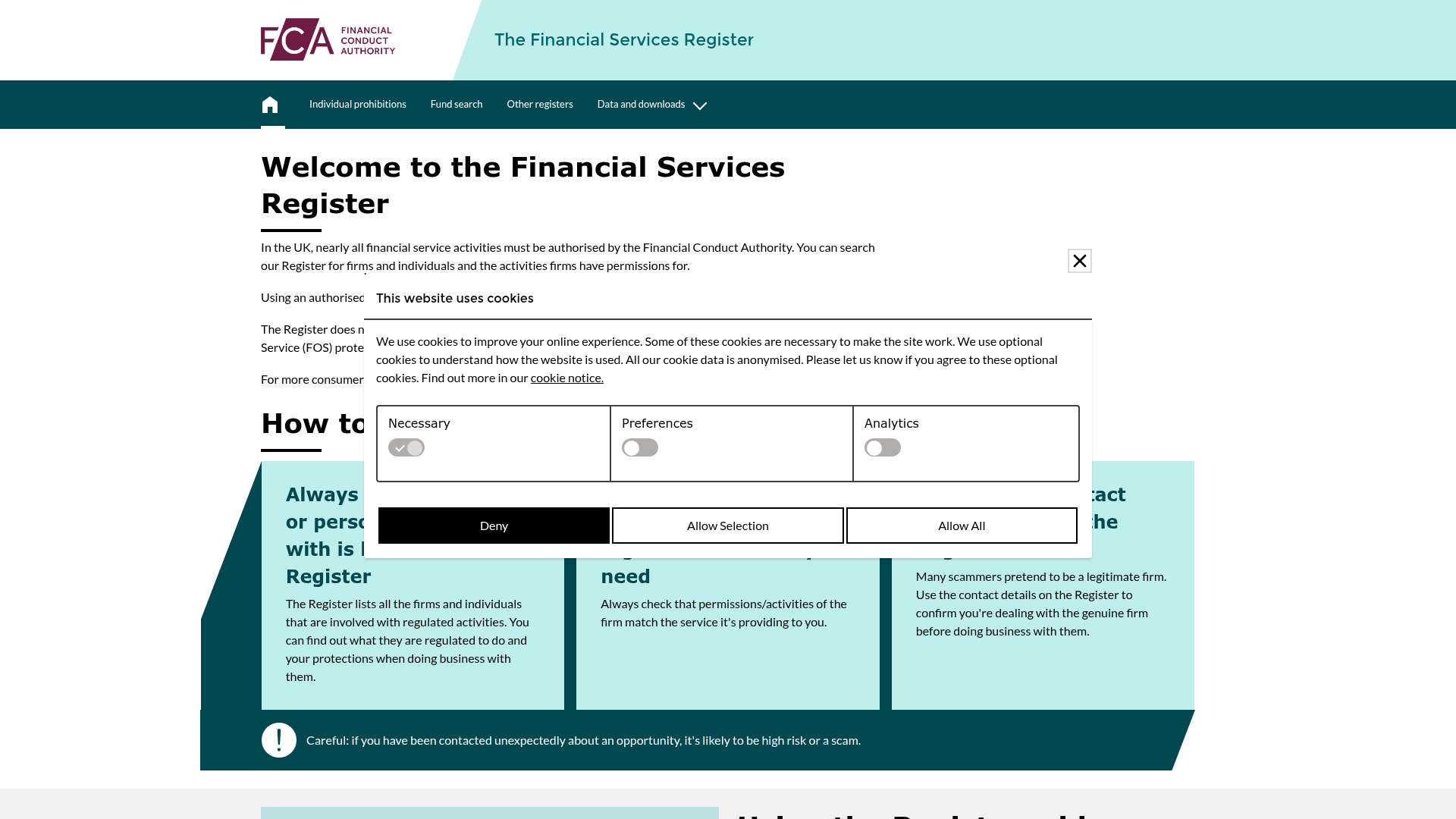
ทะเบียนอื่น ๆ ที่ใช้ในการตรวจสอบประเภทนี้ แต่ละรายการจะเปิดหน้าของหน่วยงานกำกับดูแลนั้น ๆ
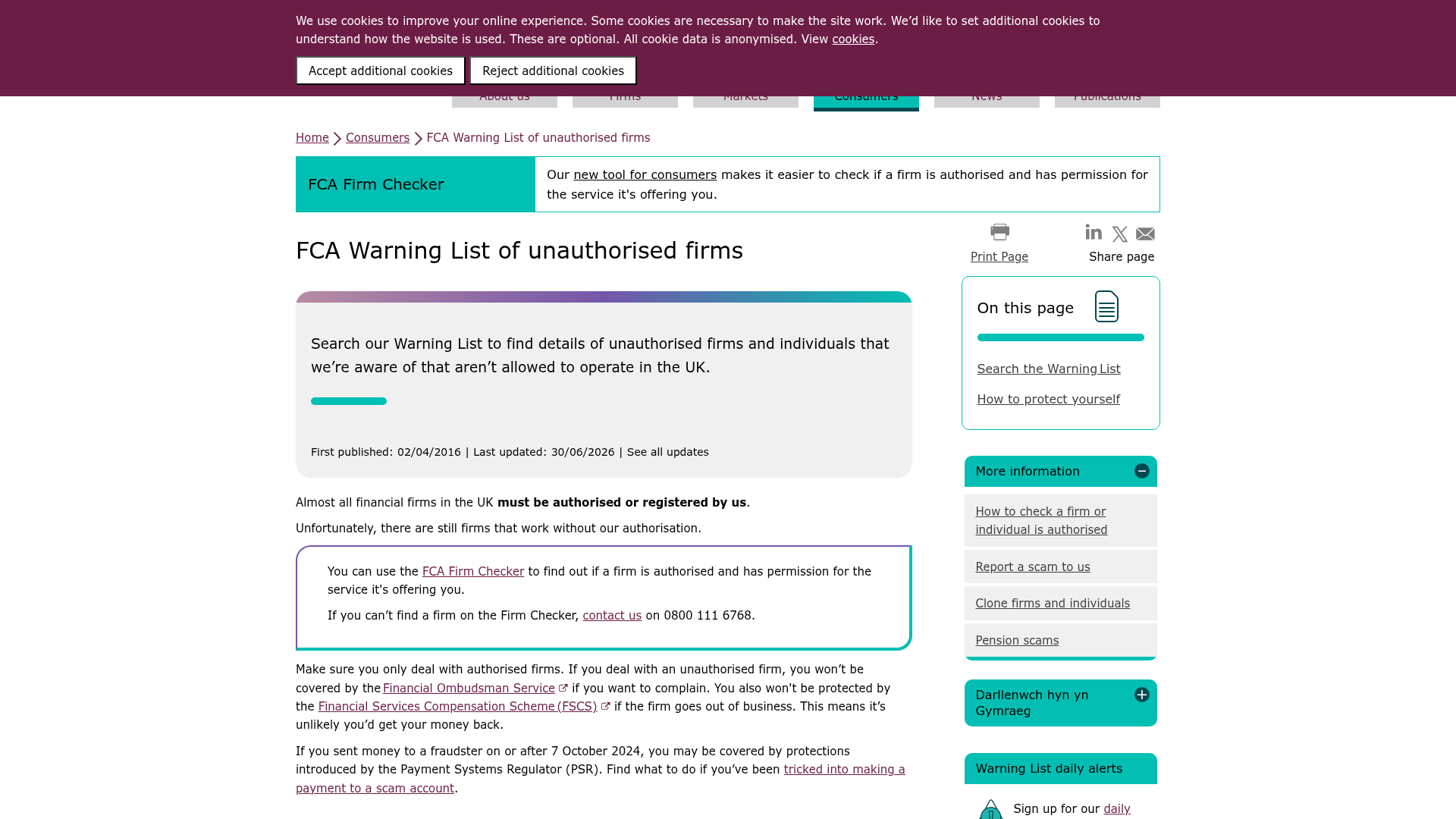
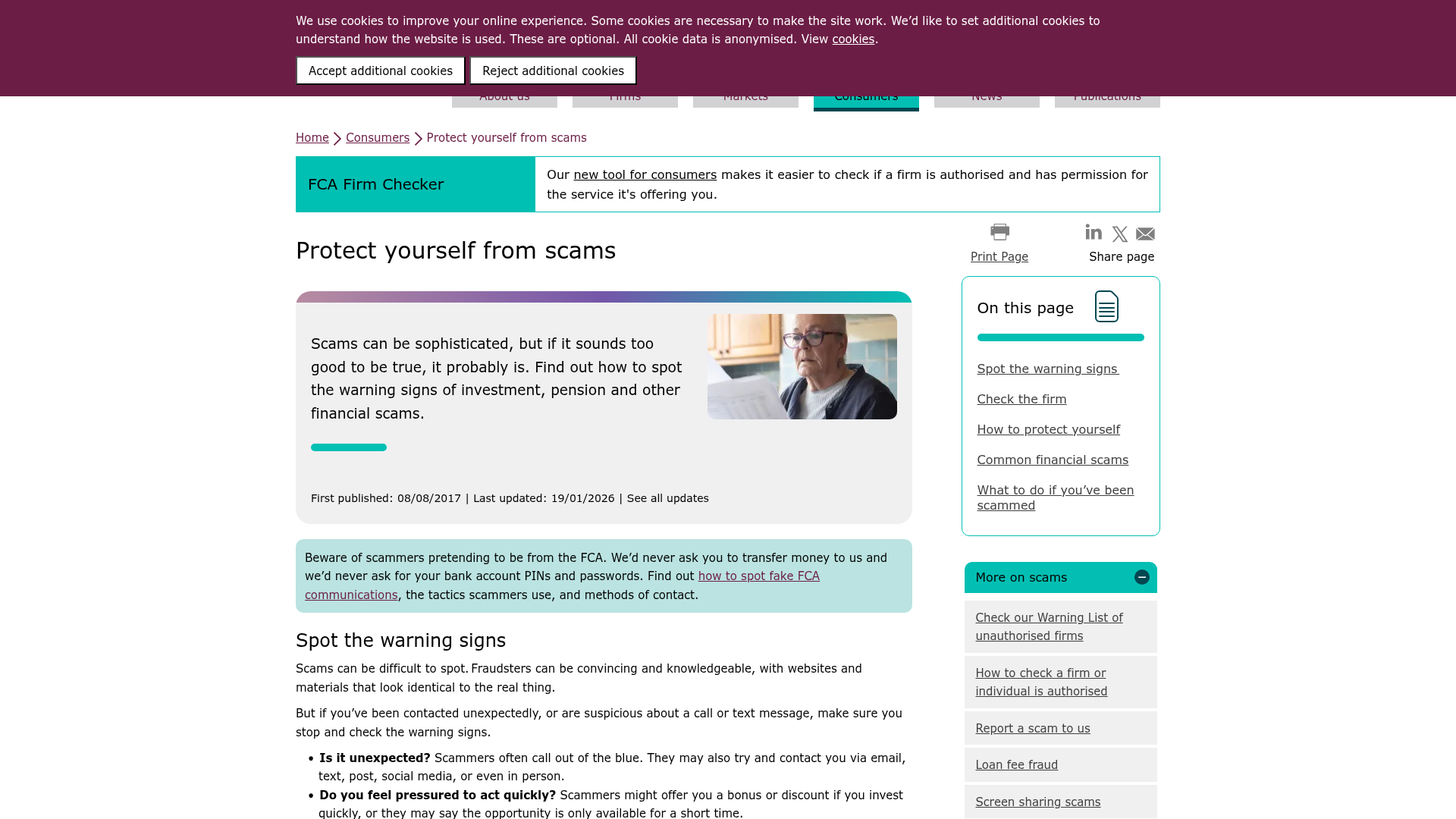
แหล่งข้อมูลหลัก
ทุกข้อกล่าวอ้างข้างต้นสามารถตรวจสอบได้จากหน้าเว็บของหน่วยงานกำกับดูแลโดยตรง ลิงก์เหล่านี้จะนำท่านไปยังเว็บไซต์ของหน่วยงานกำกับดูแล ไม่ใช่เว็บไซต์ของเรา
- FCA — Warning list of unauthorised firmsfca.org.ukhttps://www.fca.org.uk/consumers/warning-list-unauthorised-firms
- ASIC — Professional registersasic.gov.auhttps://asic.gov.au/online-services/search-asics-registers/
- CySEC — Regulated entities registercysec.gov.cyhttps://www.cysec.gov.cy/en-GB/entities/investment-firms/cypriot/
- ESMA — Product intervention on CFDsesma.europa.euhttps://www.esma.europa.eu/press-news/esma-news/esma-agrees-prohibit-binary-options-and-restrict-cfds-protect-retail
- IOSCO — Investor alerts portaliosco.orghttps://www.iosco.org/investor_protection/?subsection=investor_alerts_portal
- Action Fraud (UK) — reportingactionfraud.police.ukhttps://www.actionfraud.police.uk/
คำถามที่พบบ่อย
BaFin คืออะไร และเหตุใดฐานข้อมูลของ BaFin จึงมีความสำคัญสำหรับนักลงทุนชาวเยอรมัน
BaFin คือหน่วยงานกำกับดูแลทางการเงินของรัฐบาลกลางเยอรมนี ซึ่งกำกับดูแลบริการทางการเงินทั้งหมดในประเทศ ฐานข้อมูลของ BaFin มีความสำคัญเนื่องจากเป็นหลักฐานที่ชัดเจนว่าบริษัทได้รับอนุญาตให้ดำเนินงานในเยอรมนีอย่างถูกกฎหมายหรือไม่ ซึ่งเป็นสิ่งสำคัญสำหรับการคุ้มครองนักลงทุน
ฉันจะค้นหาฐานข้อมูลบริษัทอย่างเป็นทางการของ BaFin ได้อย่างไร
คุณสามารถค้นหาฐานข้อมูลอย่างเป็นทางการได้โดยการค้นหา 'BaFin company database' หรือ 'BaFin Unternehmensdatenbank' บนเครื่องมือค้นหาที่น่าเชื่อถือ ตรวจสอบให้แน่ใจเสมอว่าคุณอยู่ในโดเมน bafin.de อย่างเป็นทางการ เพื่อหลีกเลี่ยงแหล่งข้อมูลที่ไม่เป็นทางการ
ฉันควรทำอย่างไรหากบริษัทที่ฉันกำลังค้นคว้าไม่ได้อยู่ในฐานข้อมูลของ BaFin
หากบริษัทที่อ้างว่าดำเนินงานในเยอรมนีไม่ปรากฏในรายการ ถือเป็นสัญญาณเตือนที่สำคัญ คุณควรยุติการติดต่อทั้งหมดกับบริษัทและพิจารณารายงานไปยัง BaFin โดยเฉพาะอย่างยิ่งหากบริษัทดังกล่าวพยายามชักชวนธุรกิจของคุณในเยอรมนีอย่างแข็งขันโดยไม่ได้รับอนุญาต
'บริษัทปลอม' คืออะไร และฉันจะระบุตัวตนได้อย่างไรผ่าน BaFin
บริษัทปลอมจะแอบอ้างเป็นบริษัทที่ถูกต้องตามกฎหมายและได้รับอนุญาตโดยการคัดลอกชื่อ ที่อยู่ และหมายเลขทะเบียน คุณสามารถระบุตัวตนได้โดยการตรวจสอบรายละเอียดการติดต่อ (โทรศัพท์ อีเมล เว็บไซต์) ที่บริษัทให้มา เทียบกับข้อมูลที่ระบุในฐานข้อมูลอย่างเป็นทางการของ BaFin ความไม่ตรงกันบ่งชี้ว่าเป็นบริษัทปลอม
บริษัทที่ได้รับการกำกับดูแลโดยหน่วยงาน EU อื่นๆ หมายความว่าได้รับการกำกับดูแลโดย 'BaFin' โดยอัตโนมัติหรือไม่
ไม่ใช่ บริษัทที่ได้รับการกำกับดูแลโดยหน่วยงาน EU/EEA อื่นๆ สามารถดำเนินงานในเยอรมนีได้ผ่าน 'passporting' ซึ่งหมายความว่าได้แจ้ง BaFin แล้ว อย่างไรก็ตาม หน่วยงานกำกับดูแล 'หลัก' ของบริษัทยังคงเป็นหน่วยงานที่ให้ใบอนุญาตเริ่มต้น ไม่ใช่ BaFin โดยตรง คุณควรตรวจสอบทั้งสองหน่วยงานกำกับดูแล
ฉันควรดูข้อมูลใดในรายการของ BaFin เพื่อยืนยันการอนุญาตที่ถูกต้องตามกฎหมาย
มองหาชื่อทางกฎหมายเต็มรูปแบบของบริษัท ที่อยู่จดทะเบียน ประเภทของการอนุญาตที่ได้รับ (เช่น 'สถาบันบริการทางการเงิน') วันที่ได้รับอนุญาต และรายการบริการทางการเงินโดยละเอียดที่ได้รับอนุญาตให้เสนอ ตรวจสอบให้แน่ใจว่าข้อมูลเหล่านี้ตรงกับบริการที่คุณสนใจ
นอกเหนือจาก BaFin แล้ว ควรตรวจสอบอะไรเพิ่มเติมบ้างสำหรับบริษัทลงทุนระหว่างประเทศ?
สำหรับบริษัทระหว่างประเทศ ให้ตรวจสอบทะเบียนของหน่วยงานกำกับดูแลทั้งหมดที่บริษัทอ้างถึง (เช่น FCA, ASIC, CySEC, CFTC/NFA) ปรึกษา IOSCO Investor Alerts Portal เพื่อดูคำเตือนทั่วโลก และประเมินความโปร่งใสโดยรวมและประวัติการดำเนินงานของบริษัท