
Poin-poin penting
- Ketepatan waktu sangat penting untuk semua pengaduan; penundaan dapat secara signifikan melemahkan kasus Anda.
- Detail transaksi spesifik, termasuk tanggal, jumlah, dan nomor rekening, sangat diperlukan untuk mendukung klaim.
- Bukti komunikasi—email, log obrolan, rekaman panggilan—membentuk tulang punggung setiap laporan yang kredibel.
- Narasi yang jelas dan kronologis yang menjelaskan urutan peristiwa dan kerugian yang dapat diukur memandu penyelidikan.
- Verifikasi status regulasi suatu perusahaan melalui register resmi harus selalu mendahului setiap keterlibatan.
- Regulator yang berbeda menangani jenis pengaduan yang berbeda; mengidentifikasi otoritas yang benar adalah langkah pertama menuju penyelesaian.
Dinding Senyap: Mengapa Banyak Pengaduan Gagal Mendapatkan Perhatian
Banyak individu yang merasa dirugikan oleh penyedia layanan keuangan percaya bahwa hanya dengan menguraikan keluhan mereka sudah cukup untuk memicu penyelidikan. Namun, kenyataannya seringkali lebih kompleks. Badan regulasi menerima volume pengaduan yang sangat besar setiap hari, dan kapasitas mereka untuk bertindak secara langsung terkait dengan kualitas dan spesifisitas informasi yang diberikan. Tuduhan yang tidak jelas, tidak peduli seberapa emosional, biasanya tidak dapat ditindaklanjuti, menyebabkan frustrasi dan rasa ketidakadilan bagi pengadu. Ini bukan karena ketidakpedulian, melainkan standar pembuktian ketat yang diperlukan untuk setiap penyelidikan resmi atau tindakan penegakan hukum. Tanpa detail yang konkret dan dapat diverifikasi, regulator tidak memiliki dasar untuk menyelidiki, apalagi menuntut, dugaan pelanggaran.
Pertimbangkan volume yang sangat besar: Internet Crime Complaint Center (IC3) FBI menerima ratusan ribu pengaduan setiap tahun, menyoroti skala potensi pelanggaran keuangan. Setiap laporan harus berdiri sendiri berdasarkan meritnya, menyediakan data spesifik yang cukup untuk memungkinkan penyelidik merekonstruksi peristiwa, mengidentifikasi pihak yang bertanggung jawab, dan menilai potensi pelanggaran regulasi. Ketika elemen-elemen dasar ini hilang, pengaduan tetap tidak aktif, diarsipkan tanpa tindakan lebih lanjut. Artikel ini menguraikan delapan detail penting yang mengubah keluhan umum menjadi laporan yang dapat ditindaklanjuti, secara signifikan meningkatkan peluangnya untuk ditanggapi dengan serius oleh otoritas yang sesuai.
Laju Waktu yang Tak Kenal Ampun: Mengapa Pelaporan Segera Sangat Penting
Berjalannya waktu jarang menjadi sekutu dalam sengketa keuangan. Menunda pengaduan dapat sangat membahayakan efektivitasnya karena beberapa alasan. Ingatan memudar, baik milik Anda maupun saksi potensial. Bukti digital krusial, seperti konten situs web, postingan media sosial, atau log obrolan, dapat dihapus atau diubah. Lembaga keuangan dan pialang seringkali memiliki kebijakan penyimpanan dokumen yang, meskipun sesuai, berarti catatan lama menjadi lebih sulit diambil atau akhirnya dihancurkan. Banyak undang-undang perlindungan konsumen dan skema regulasi memberlakukan batas waktu yang ketat, yang dikenal sebagai undang-undang pembatasan, di mana pengaduan harus diajukan. Melewatkan tenggat waktu ini, bahkan dalam waktu singkat, dapat secara hukum melarang regulator untuk mengambil tindakan atas nama Anda.
Misalnya, beberapa yurisdiksi mungkin mensyaratkan pengaduan diajukan dalam periode tertentu setelah dugaan pelanggaran terjadi atau setelah pengadu pertama kali mengetahuinya. Meskipun tidak ada undang-undang pembatasan eksplisit yang berlaku, proses investigasi itu sendiri sangat diuntungkan dari bukti baru. Kemampuan untuk melacak dana, mewawancarai individu, dan memeriksa sistem jauh lebih besar segera setelah insiden. Regulator yang menerima pengaduan tentang peristiwa dari dua tahun sebelumnya akan menghadapi rintangan yang jauh lebih besar daripada yang berkaitan dengan peristiwa dari dua minggu yang lalu. Oleh karena itu, segera setelah Anda mengidentifikasi masalah potensial, mengumpulkan informasi dan memulai proses pelaporan harus menjadi prioritas tinggi.
Mengidentifikasi Pelaku: Identifikasi Akurat Perusahaan dan Individu
Salah satu detail paling mendasar namun sering terabaikan adalah identifikasi yang tepat dari perusahaan dan individu yang terlibat. Tidak cukup hanya menyatakan 'pialang saya' atau 'perusahaan trading itu'. Regulator membutuhkan nama hukum lengkap entitas, nama alias operasional apa pun, alamat terdaftar, dan, jika memungkinkan, nomor registrasi dengan badan resmi. Untuk individu, nama lengkap, jabatan, dan pengenal unik apa pun (seperti ID karyawan atau nomor lisensi) sangat penting. Entitas yang tidak berlisensi sering menggunakan nama generik, sering mengubah branding mereka, atau beroperasi melalui beberapa perusahaan cangkang, membuat identifikasi menjadi sulit. Taktik umum adalah menggunakan nama yang secara menipu mirip dengan perusahaan yang sah dan teregulasi, praktik yang dikenal sebagai 'kloning'.
Untuk mengatasi hal ini, konsumen harus selalu memverifikasi detail pialang yang disebutkan dengan register regulasi resmi sebelum terlibat. Misalnya, Financial Conduct Authority (FCA) di Inggris Raya memelihara Financial Services Register, sementara Australian Securities and Investments Commission (ASIC) menyediakan Professional registers. Jika suatu perusahaan mengklaim diatur oleh, misalnya, Cyprus Securities and Exchange Commission (CySEC), nama mereka harus muncul di CySEC Regulated entities register. Tidak adanya perusahaan atau individu dari register yang relevan, atau adanya detail perusahaan dalam daftar peringatan regulator, adalah indikasi kuat adanya masalah potensial. Mengidentifikasi secara akurat entitas yang tepat yang berinteraksi dengan Anda adalah langkah pertama untuk memastikan pengaduan Anda mencapai badan regulasi yang benar dan dapat ditindaklanjuti.
Contoh Identifikasi Pialang yang Tidak Memadai vs. Dapat Ditindaklanjuti
| Jenis Detail | Informasi Tidak Memadai | Informasi yang Dapat Ditindaklanjuti |
|---|---|---|
| Nama Perusahaan | Global Trading Inc. | Global Trading Capital Ltd., terdaftar di Saint Vincent and the Grenadines, nomor perusahaan 12345 |
| Nama Broker | John dari dukungan pelanggan | John Smith (atau 'JS'), ID karyawan #7890, berbicara dengan saya pada [Tanggal] mengenai [Masalah] |
| URL Situs Web | Situs trading mereka | https://globaltradinginc.co (diakses [Tanggal]) |
| Metode Kontak | +1234567890 (akun WhatsApp Business) |
Bukti Tak Terbantahkan: Kekuatan Data Transaksi yang Tepat
Keluhan keuangan selalu berpusat pada uang, sehingga catatan transaksi yang terperinci menjadi sangat diperlukan. Regulator perlu melacak aliran dana untuk memahami secara persis berapa banyak yang disetorkan, ke mana uang itu pergi, dan apakah dikembalikan atau hilang. Ini berarti Anda harus menyediakan salinan setiap laporan bank yang relevan, laporan kartu kredit, konfirmasi transfer kawat, dan hash transaksi cryptocurrency. Setiap catatan harus dengan jelas menunjukkan tanggal, waktu, jumlah, pengirim, penerima, dan nomor referensi transaksi unik apa pun. Klaim yang tidak jelas seperti 'Saya menyetor $10.000' tidak cukup tanpa catatan bank yang sesuai yang menunjukkan transfer tersebut.
Bukti ini menguatkan kerugian finansial. Misalnya, jika Anda menuduh adanya trade yang tidak sah, penyediaan konfirmasi trade bersama dengan laporan akun Anda yang menunjukkan debit atau kredit tak terduga dapat menggambarkan polanya. Jika Anda mengklaim penarikan tidak pernah diproses, permintaan penarikan Anda (dengan timestamp) yang digabungkan dengan laporan bank yang tidak menunjukkan dana masuk yang sesuai, sangatlah penting. Tangkapan layar saldo akun trading Anda, meskipun berguna, seringkali tidak cukup; regulator lebih memilih catatan independen dari bank atau pemroses pembayaran. Semakin tepat dan lengkap dokumentasi keuangan Anda, semakin jelas gambaran bagi penyelidik, menyisakan sedikit ruang bagi broker untuk membantah fakta keterlibatan moneter Anda. Ini adalah bagian yang sering dilewatkan oleh sebagian besar panduan: seringkali, pengadu percaya bahwa perkataan mereka sudah cukup, tetapi bukti keuangan yang kuat tidak dapat ditawar untuk tindakan formal.
Pengaduan yang diuraikan dengan tanggal spesifik, pengenal transaksi, dan status regulasi yang terverifikasi memiliki peluang yang jauh lebih tinggi untuk ditindaklanjuti oleh pihak berwenang daripada yang didasarkan pada keluhan umum.
Alan Reeve
Jejak Dokumen Berbicara: Melestarikan Setiap Potongan Dialog
Komunikasi antara Anda dan broker, atau perwakilan mereka, membentuk tulang punggung narasi keluhan Anda. Setiap interaksi, baik melalui email, pesan instan, panggilan telepon, atau bahkan media sosial, dapat berisi bukti penting. Email harus disimpan dalam format aslinya, termasuk header, yang berisi metadata yang berguna untuk verifikasi. Untuk aplikasi chat seperti WhatsApp atau Telegram, tangkapan layar seluruh percakapan, yang menunjukkan tanggal, waktu, dan semua peserta, sangat penting. Jika panggilan telepon direkam, rekaman ini sangat berharga, asalkan hukum setempat mengizinkan perekaman semacam itu (selalu periksa peraturan yurisdiksi Anda mengenai persetujuan satu pihak atau dua pihak untuk merekam percakapan).
Bukti ini membantu menetapkan pernyataan yang dibuat oleh broker, instruksi yang Anda berikan, dan janji atau jaminan apa pun. Ini dapat mengungkapkan taktik tekanan, pernyataan menyesatkan, atau tindakan tidak sah. Misalnya, jika broker menjanjikan keuntungan tertentu, email yang menyatakan janji ini secara langsung bertentangan dengan klaim selanjutnya tentang risiko pasar yang melekat. Jika Anda menginstruksikan trade tertentu yang tidak dieksekusi, instruksi tertulis Anda berfungsi sebagai bukti. Tanpa dokumentasi ini, seringkali menjadi skenario 'dia bilang, dia bilang', yang sulit diselesaikan oleh regulator. Dokumentasi proaktif dari semua komunikasi, sejak kontak pertama, dapat membuat perbedaan signifikan dalam kekuatan keluhan Anda.
Izin Beroperasi: Memverifikasi Status Regulasi Perusahaan
Memahami dan memverifikasi status regulasi suatu perusahaan mungkin merupakan langkah proaktif terpenting yang dapat diambil konsumen. Sebelum berinteraksi dengan broker mana pun, sangat penting untuk memeriksa apakah mereka memiliki izin dan wewenang untuk beroperasi di yurisdiksi Anda, dan apakah layanan yang mereka tawarkan termasuk dalam cakupan izin tersebut. Banyak entitas tidak sah atau yang diregulasi dengan buruk beroperasi dari yurisdiksi offshore dengan pengawasan yang longgar, atau mereka secara salah mengklaim afiliasi dengan regulator terkemuka. Hal ini dapat menyebabkan masalah signifikan, karena upaya hukum terhadap entitas yang tidak berizin atau tidak teregulasi jauh lebih menantang.
Daftar resmi adalah alat yang dapat diakses publik yang dirancang untuk tujuan ini. Misalnya, di Inggris, Financial Conduct Authority (FCA) memelihara Financial Services Register tempat Anda dapat mencari perusahaan dan individu yang berwenang. Di Australia, ASIC Professional registers memiliki tujuan serupa. Untuk trading derivatif berbasis AS, sistem NFA BASIC menyediakan status afiliasi latar belakang untuk perusahaan dan individu. Jika broker mengklaim diatur oleh, misalnya, CySEC di Siprus, Anda harus memverifikasi nomor registrasi mereka di CySEC Regulated entities register. Jika suatu perusahaan tidak terdaftar, atau jika aktivitas yang terdaftar tidak sesuai dengan apa yang ditawarkan kepada Anda, lanjutkan dengan kehati-hatian ekstrem. Memeriksa daftar peringatan regulator (seperti FCA's Warning list of unauthorised firms atau CFTC's Registration Deficient (RED) List) dapat mengungkapkan apakah suatu perusahaan telah diidentifikasi bermasalah.
Badan Regulasi Utama dan Daftar Publik Mereka untuk Verifikasi
| Badan Regulasi | Yurisdiksi | Tautan Daftar Publik | Tujuan |
|---|---|---|---|
| Otoritas Perilaku Keuangan (FCA) | Britania Raya | https://register.fca.org.uk/ | Memverifikasi perusahaan dan individu yang berwenang |
| Komisi Sekuritas dan Investasi Australia (ASIC) | Australia | https://asic.gov.au/online-services/search-asics-registers/ | Mencari perusahaan dan profesional berlisensi |
| Asosiasi Futures Nasional (NFA) | Amerika Serikat (derivatif) | https://www.nfa.futures.org/basicnet/ | Memeriksa status afiliasi latar belakang untuk anggota NFA |
| Komisi Sekuritas dan Bursa Siprus (CySEC) | Siprus | https://www.cysec.gov.cy/en-GB/entities/investment-firms/cypriot/ | Daftar perusahaan investasi yang diatur |
| Otoritas Moneter Singapura (MAS) | Singapura | https://eservices.mas.gov.sg/fid | Direktori lembaga keuangan |
Menyusun Kisah Anda: Laporan Kerugian yang Kronologis dan Konkret
Di luar bukti-bukti individual, regulator membutuhkan narasi yang koheren yang mengikat semuanya. Pengaduan Anda harus menyajikan laporan peristiwa yang jelas dan kronologis, merinci siapa melakukan apa, kapan, di mana, dan bagaimana hal itu mengakibatkan kerugian finansial bagi Anda. Hindari bahasa yang sarat emosi; sebaliknya, fokuslah pada tindakan spesifik, tanggal, dan konsekuensi langsungnya. Mulailah dari awal interaksi Anda dengan broker dan lanjutkan langkah demi langkah melalui peristiwa-peristiwa penting yang menyebabkan pengaduan Anda.
Setiap dugaan tindakan pelanggaran harus dinyatakan secara eksplisit dan dihubungkan dengan bukti yang sesuai. Misalnya, 'Pada [Tanggal], saya menerima panggilan tak terduga dari [Nama Broker/Individu] di mana mereka menjanjikan [imbal hasil spesifik], sebagaimana dibuktikan oleh [rekaman panggilan/email]. Hal ini membuat saya menyetor [Jumlah] pada [Tanggal], sebagaimana ditunjukkan dalam [rekening koran].' Kuantifikasi kerugian Anda secara tepat, bedakan antara modal awal, dugaan keuntungan, dan kerugian aktual. Narasi juga harus mengartikulasikan pelanggaran regulasi spesifik yang Anda yakini terjadi, jika Anda mengetahuinya (misalnya, perdagangan tidak sah, iklan menyesatkan, kegagalan untuk melaksanakan instruksi). Narasi yang terstruktur dengan baik berfungsi sebagai peta jalan bagi penyelidik, membimbing mereka melalui fakta-fakta dan menunjukkan kausalitas dari dugaan kerugian.
Menemukan Pintu yang Tepat: Mengarahkan Pengaduan Anda kepada Otoritas yang Benar
Salah satu alasan paling umum mengapa pengaduan gagal diproses adalah karena pengaduan tersebut dikirim ke otoritas yang salah. Layanan keuangan diatur di berbagai tingkatan dan yurisdiksi, dan regulator yang tepat bergantung pada beberapa faktor: di mana perusahaan terdaftar dan berlisensi secara hukum, di mana dugaan pelanggaran terjadi, dan di mana Anda, sebagai konsumen, tinggal. Misalnya, broker yang beroperasi di bawah lisensi ASIC biasanya akan berada di bawah yurisdiksi ASIC untuk pengaduan, meskipun Anda berada di negara lain. Namun, jika broker tersebut juga dilisensikan oleh, katakanlah, FCA dan pelanggaran terjadi sehubungan dengan layanan berbasis di Inggris, maka FCA mungkin merupakan badan yang tepat.
Sangat penting untuk memahami bahwa regulator yang berbeda memiliki mandat yang berbeda. Beberapa fokus pada integritas pasar dan perizinan, yang lain pada perlindungan konsumen dan ganti rugi. Misalnya, di Inggris, Action Fraud menangani laporan awal penipuan, yang kemudian dapat diteruskan ke polisi atau lembaga lain, sementara FCA mengatur perilaku perusahaan keuangan. AS memiliki banyak lembaga seperti CFTC untuk komoditas dan berjangka, dan FINRA untuk broker sekuritas. Ini adalah bagian yang dilewati oleh sebagian besar panduan: banyak individu secara keliru melaporkan ke agen perlindungan konsumen umum padahal regulator keuangan spesifik sektor memiliki kekuatan aktual untuk menyelidiki entitas berlisensi. Selalu identifikasi regulator spesifik yang memiliki pengawasan atas lisensi perusahaan yang relevan dengan pengaduan Anda. Jika tidak yakin, banyak regulator menawarkan panduan atau mengarahkan Anda ke badan yang benar.
Menentukan Tujuan Anda: Kejelasan Mengenai Resolusi yang Diinginkan
Meskipun tujuan utama melaporkan pelanggaran seringkali adalah untuk memulihkan dana yang hilang, menyatakan dengan jelas hasil yang Anda inginkan adalah komponen penting dari pengaduan yang dapat ditindaklanjuti. Regulator perlu memahami apa yang Anda cari, karena ini akan memandu tindakan potensial mereka. Apakah Anda meminta pengembalian dana deposit awal Anda, kompensasi atas keuntungan yang hilang, pembatalan transaksi yang tidak sah, atau tindakan disipliner terhadap individu atau perusahaan tertentu? Meskipun regulator tidak dapat menjamin hasil tertentu, mengartikulasikan tujuan Anda memberikan kejelasan dan fokus pada investigasi mereka.
Penting untuk bersikap realistis. Regulator utamanya menegakkan kepatuhan terhadap peraturan, dan meskipun mereka dapat memfasilitasi mediasi atau memerintahkan restitusi, wewenang mereka mungkin terbatas oleh sifat pelanggaran dan aset perusahaan. Misalnya, jika sebuah broker tidak berlisensi dan telah melarikan diri dengan dana, kemampuan regulator untuk memulihkan uang Anda secara langsung sangat minim, meskipun mereka mungkin masih mengeluarkan peringatan atau melakukan tindakan penegakan hukum untuk melindungi konsumen di masa mendatang. Dalam praktiknya, petugas akan bertanya dua kali: 'apa sebenarnya yang Anda ingin terjadi di sini?' Memiliki jawaban yang jelas, ringkas, dan didukung oleh bukti Anda, memungkinkan regulator untuk menilai apakah hasil yang Anda inginkan selaras dengan kemampuan dan mandat mereka. Ini tidak berarti membuat tuntutan, melainkan mengajukan permintaan penyelesaian yang masuk akal dan didukung bukti.
Di Luar Pengaduan: Langkah Proaktif untuk Keterlibatan Pasar
Mengajukan pengaduan yang terperinci dan dapat ditindaklanjuti adalah langkah krusial ketika Anda merasa dirugikan, namun langkah-langkah proaktif dapat secara signifikan mengurangi kemungkinan Anda perlu mengajukan pengaduan sejak awal. Pasar keuangan, meskipun menawarkan peluang, juga menyimpan risiko dan pelaku jahat. Kewaspadaan berkelanjutan, uji tuntas yang menyeluruh, dan pemahaman yang jelas tentang peraturan keuangan adalah pertahanan terbaik Anda. Selalu verifikasi lisensi dan status regulasi broker menggunakan daftar publik resmi sebelum menyetor dana atau terlibat dalam perdagangan. Waspadai penawaran investasi yang tidak diminta, taktik penjualan bertekanan tinggi, atau janji pengembalian yang dijamin, yang seringkali merupakan ciri khas skema ilegal.
Tinjau syarat dan ketentuan layanan keuangan apa pun dengan cermat, perhatikan baik-baik struktur biaya, kebijakan penarikan, dan pengungkapan risiko. Pahami batas leverage yang diberlakukan oleh regulator, seperti intervensi ESMA yang membatasi leverage pada 1:30 untuk klien retail di UE, untuk menghindari risiko berlebihan. Pertahankan catatan yang cermat dari semua komunikasi dan transaksi sejak awal. Dengan mengadopsi kebiasaan ini, Anda tidak hanya melindungi kepentingan Anda sendiri tetapi juga berkontribusi pada ekosistem keuangan yang lebih aman dengan mempersulit entitas yang tidak bermoral untuk beroperasi. Pengaduan Anda yang terdokumentasi dengan baik tidak hanya dapat berfungsi untuk pemulihan pribadi Anda tetapi juga sebagai peringatan, berpotensi mencegah orang lain menjadi korban skema serupa.
Halaman yang kami periksa
Ini adalah halaman resmi otoritas, diambil seperti yang kami temukan. Buka dan lakukan pencarian yang sama sendiri — tidak ada di daftar ini yang menggantikan sumber aslinya.
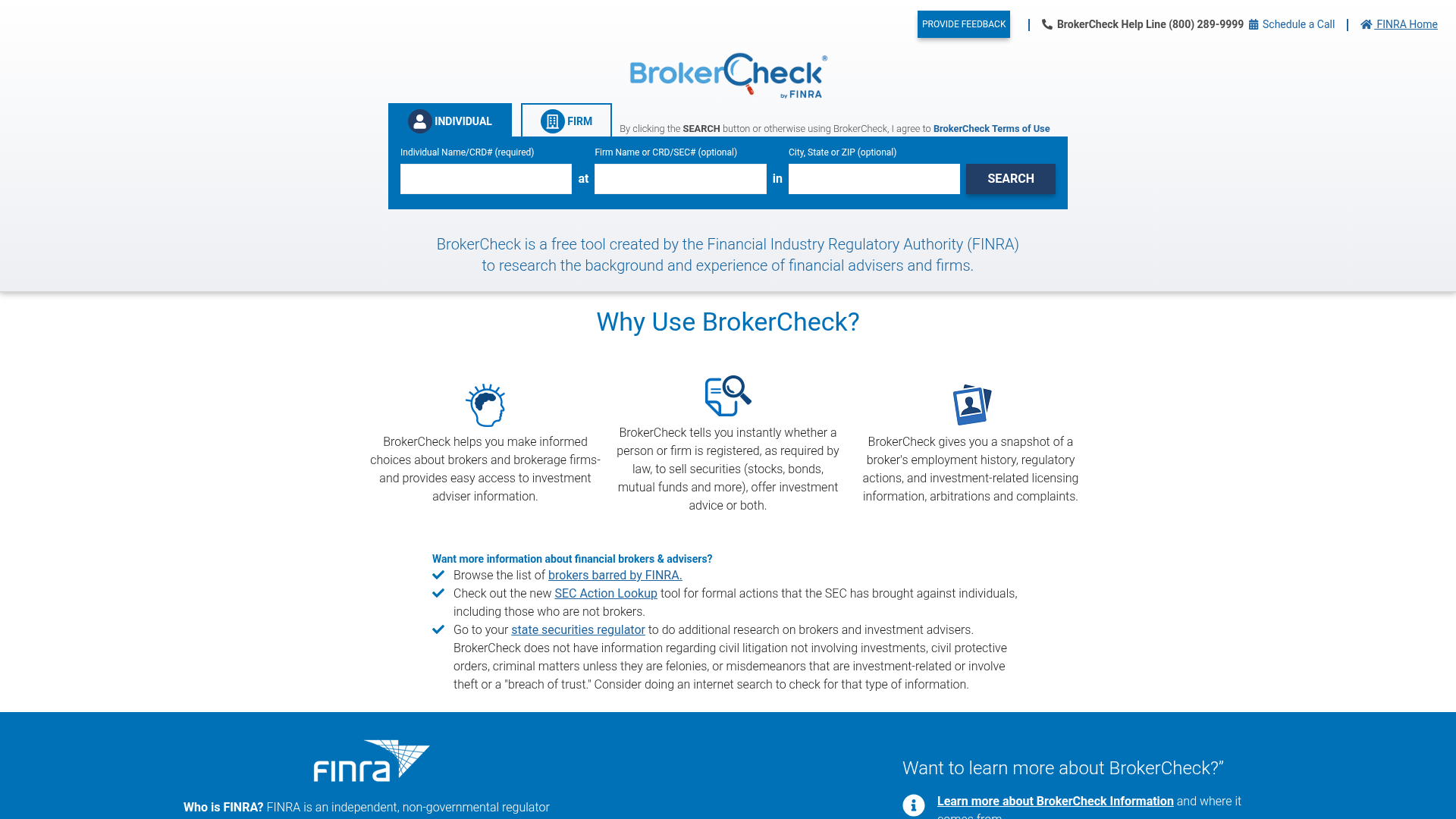
Daftar lain yang digunakan dalam pemeriksaan semacam ini. Setiap tautan membuka halaman otoritas terkait.
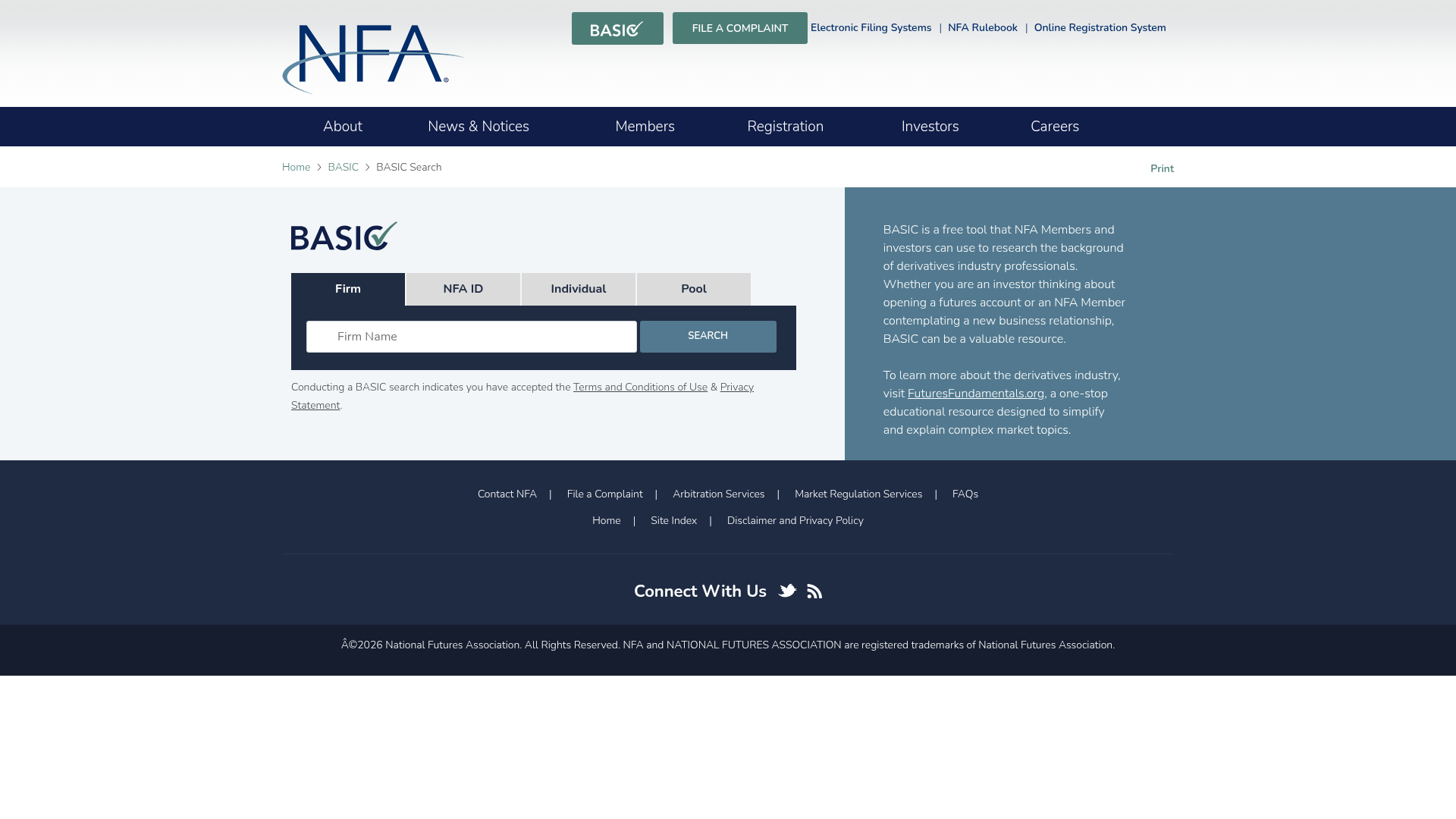
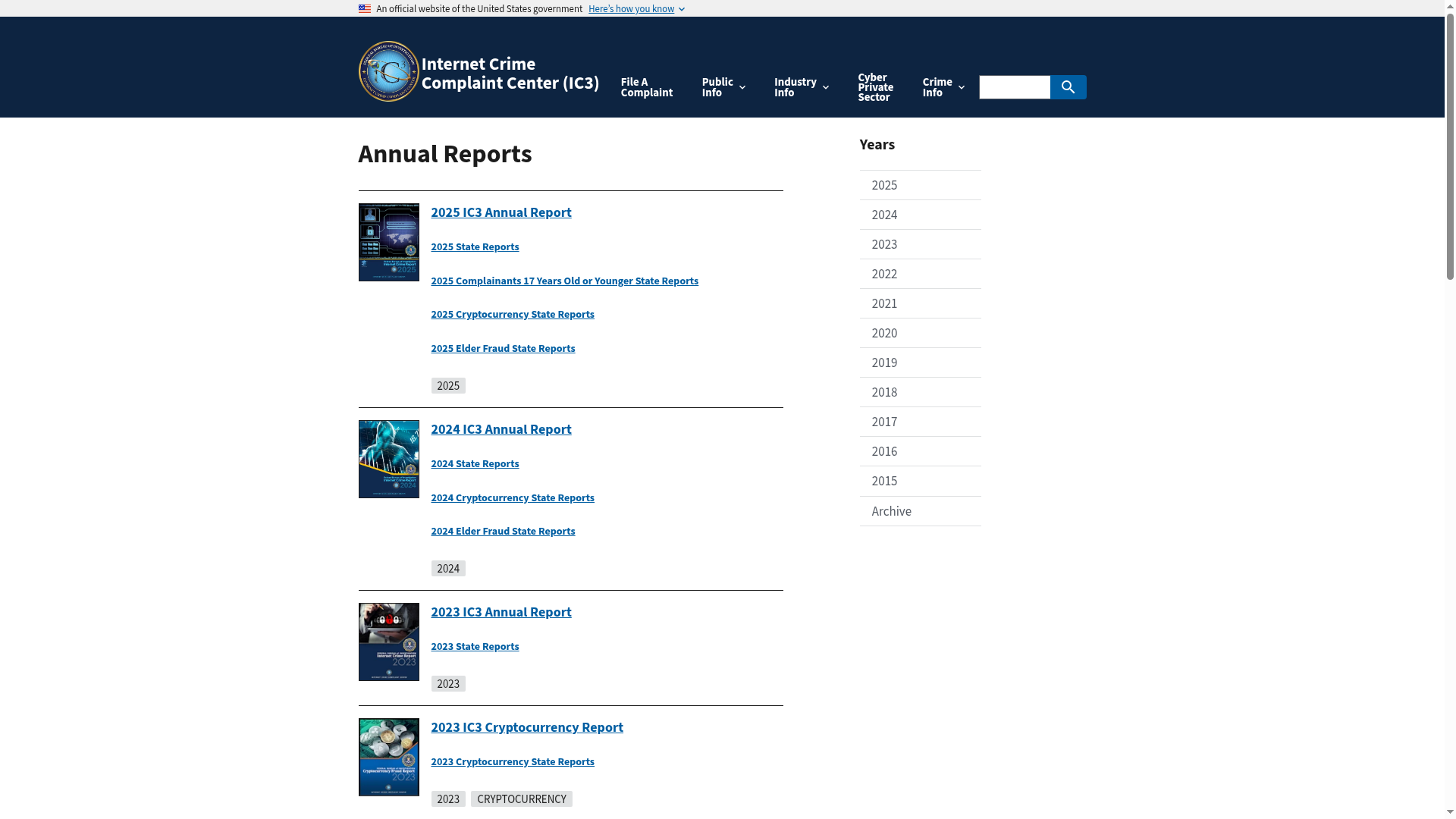
Sumber utama
Setiap klaim di atas dapat diperiksa terhadap halaman resmi otoritas. Ini akan terbuka di situs regulator, bukan situs kami.
- FBI IC3 — Internet Crime Reportic3.govhttps://www.ic3.gov/AnnualReport/Reports
- Action Fraud (UK) — reportingactionfraud.police.ukhttps://www.actionfraud.police.uk/
- FCA — Financial Services Registerregister.fca.org.ukhttps://register.fca.org.uk/
- ASIC — Professional registersasic.gov.auhttps://asic.gov.au/online-services/search-asics-registers/
- NFA BASIC — background affiliation statusnfa.futures.orghttps://www.nfa.futures.org/basicnet/
- CFTC — Customer advisories on fraudcftc.govhttps://www.cftc.gov/LearnAndProtect/AdvisoriesAndArticles/index.htm
Sering ditanyakan
Bagaimana jika saya tidak memiliki kedelapan detail untuk pengaduan saya?
Meskipun memiliki semua detail memperkuat kasus Anda, Anda tetap harus melaporkan apa yang Anda miliki. Berikan informasi sepesifik sebanyak mungkin, jelaskan setiap celah. Informasi parsial lebih baik daripada tidak ada laporan sama sekali, karena mungkin dapat terhubung dengan pengaduan lain.
Bisakah saya melaporkan broker yang tidak berlisensi?
Ya, Anda mutlak harus melaporkan broker yang tidak berlisensi. Meskipun badan regulasi mungkin memiliki wewenang terbatas untuk pemulihan finansial langsung dari entitas semacam itu, mereka dapat mengeluarkan peringatan publik (seperti daftar peringatan FCA atau daftar RED CFTC) dan berkolaborasi dengan penegak hukum untuk mencegah kerugian lebih lanjut. Gunakan sumber daya seperti Action Fraud (UK) atau FBI IC3 (US).
Berapa lama waktu yang dibutuhkan untuk menyelesaikan pengaduan broker?
Jangka waktu penyelesaian sangat bervariasi, dari beberapa minggu hingga beberapa bulan atau bahkan tahun, tergantung pada kompleksitas kasus, regulator spesifik, dan responsivitas broker. Pengaduan lintas batas seringkali memakan waktu lebih lama karena kompleksitas yurisdiksi.
Apakah saya akan mendapatkan uang saya kembali jika saya melaporkan broker?
Melaporkan broker meningkatkan *peluang* untuk memulihkan dana, tetapi itu tidak pernah menjadi jaminan. Regulator dapat memerintahkan restitusi atau memfasilitasi mediasi, terutama dengan perusahaan berlisensi. Namun, jika dana telah dipindahkan di luar jangkauan atau perusahaan sudah tidak beroperasi, pemulihan bisa sangat sulit.
Apa perbedaan antara melaporkan ke regulator dan mengambil tindakan hukum?
Melapor kepada regulator berfokus pada investigasi pelanggaran regulasi dan melindungi masyarakat luas, berpotensi mengarah pada tindakan disipliner terhadap suatu perusahaan. Tindakan hukum, biasanya melalui pengadilan sipil, adalah upaya pribadi untuk ganti rugi finansial personal. Kedua pendekatan ini terkadang dapat ditempuh secara bersamaan tetapi memiliki tujuan dan proses yang berbeda.
Apa yang harus saya lakukan jika broker mengancam saya setelah saya melaporkannya?
Jika Anda mengalami ancaman atau pelecehan setelah mengajukan pengaduan, dokumentasikan semua insiden (tangkapan layar, log panggilan) dan segera laporkan kepada regulator yang menangani pengaduan Anda dan, jika ancaman tersebut melibatkan bahaya fisik atau intimidasi berat, kepada pihak berwenang penegak hukum setempat Anda.