
Puntos clave
- Las firmas sin licencia a menudo crean organismos reguladores falsos o clonan sitios web gubernamentales legítimos para parecer creíbles.
- Siempre verifique la licencia de una firma directamente en el registro oficial del regulador declarado, no en el propio sitio web de la firma.
- Verifique los detalles específicos de la licencia, incluyendo el nombre de la entidad, las actividades autorizadas, la dirección registrada y el dominio asociado, contra los registros del regulador.
- Sospeche de ofertas no solicitadas, altos rendimientos garantizados y condiciones de trading que superen las permitidas por autoridades financieras reputadas.
- Comprenda que los fondos perdidos ante una entidad sin licencia rara vez son recuperables debido a la ausencia de esquemas de compensación para inversores.
- Consulte las listas de advertencia oficiales publicadas por reguladores como la FCA o la CFTC, que identifican a las firmas que operan sin la debida autorización.
La Credencial Fabricada: Un Engaño Común
Imagine recibir un correo electrónico promocionando oportunidades de inversión con promesas de rendimientos improbables, avaladas por lo que parece ser un organismo gubernamental de supervisión financiera. Tras una inspección más detallada, la 'autoridad' citada, quizás la 'Global Financial Stability Commission' o la 'International Securities Oversight Board', simplemente no existe. Esta táctica es un método principal empleado por firmas de inversión sin licencia: la invención de entidades reguladoras con nombres de apariencia oficial para crear una ilusión de seguridad y cumplimiento. A estos organismos ficticios a menudo se les asignan acrónimos y logotipos diseñados para evocar organizaciones establecidas y respetadas, junto con sitios web de aspecto profesional que imitan las convenciones de diseño de las agencias gubernamentales reales. El objetivo es eludir el escrutinio crítico que los inversores aplicarían típicamente a las operaciones no reguladas, presentando una fachada de supervisión legítima.
Estos reguladores fabricados sirven como pilar fundamental del engaño. Proporcionan un marco 'legal' para la oferta, completo con 'números de licencia' y 'documentos de registro' que son enteramente ficticios. Los inversores, poco familiarizados con los nombres y mandatos precisos de los organismos de vigilancia financiera globales, pueden confundir fácilmente estas elaboradas fabricaciones con instituciones genuinas. Las entidades detrás de estos esquemas operan con frecuencia desde jurisdicciones opacas, lo que hace que cualquier desafío legal sea excepcionalmente difícil. La ausencia de un regulador real y responsable significa que no hay autoridad a la que se puedan dirigir las quejas, ni un marco para la protección o compensación del inversor, dejando a las víctimas con poco recurso.
Este método se aprovecha de la confianza. La complejidad percibida de la regulación financiera internacional puede dificultar, incluso para individuos diligentes, la distinción entre autoridades genuinas e inventadas. Una firma podría afirmar estar 'totalmente regulada' por una entidad que suena creíble pero que es una pura invención, o podría citar un regulador real y menor que no tiene jurisdicción sobre las actividades reales de la firma o su base de clientes. El paso crítico es nunca aceptar una afirmación de regulación al pie de la letra, sino verificarla contra registros oficiales e independientes. Esta verificación inicial puede prevenir un daño financiero significativo.
Sitios Web Clonados: Replicando Reguladores Oficiales
Más allá de inventar reguladores, una técnica más insidiosa implica replicar los sitios web de autoridades financieras legítimas. Esto no se trata simplemente de usar logotipos similares; se trata de crear réplicas casi perfectas de sitios web oficiales de gobiernos u organismos reguladores. Estos sitios clonados a menudo presentan diseños idénticos, nombres de dominio de apariencia oficial (quizás con un error tipográfico sutil o un dominio de nivel superior diferente), e incluso bases de datos de entidades reguladas de aspecto preciso, a menudo con los detalles de la firma fraudulenta insertados artificialmente. Un inversor, al intentar verificar las credenciales de un bróker, podría aterrizar inadvertidamente en un sitio clonado a través de un motor de búsqueda o un enlace malicioso proporcionado por la propia firma.
Una vez en un sitio replicado, el inversor busca al bróker y encuentra sus detalles, confirmando aparentemente su legitimidad. Esto proporciona una poderosa, pero falsa, sensación de seguridad. Los impostores dedican un esfuerzo considerable a estos clones, entendiendo que una verificación directa contra un registro oficial es una medida de protección común. Aprovechan esta conciencia manipulando el propio proceso de verificación. La sofisticación de estos sitios espejo varía; algunos son rudimentarios, mientras que otros están muy pulidos y son difíciles de distinguir del artículo genuino sin un escrutinio cuidadoso de la URL y otros pequeños detalles.
El peligro aquí es profundo. No solo engaña a los individuos para que crean que una entidad fraudulenta está regulada, sino que también socava la confianza en los procesos regulatorios genuinos. Las diferencias sutiles en una URL, como un guion donde no debería haberlo, o un 'org' en lugar de un 'gov.uk', suelen ser los únicos indicadores inmediatos. Esta es la parte que la mayoría de las guías omiten: a menudo, la función de búsqueda del sitio falso solo arrojará resultados que incluyan la entidad del estafador, o redirigirá a un resultado de búsqueda legítimo para una firma completamente no relacionada. Es necesaria una navegación proactiva e independiente al sitio del regulador oficial, en lugar de depender de enlaces proporcionados por el bróker o encontrados a través de una búsqueda general que podría estar comprometida.
Identificando Discrepancias en la Documentación Regulatoria
Las entidades reguladoras genuinas emiten números de licencia específicos y a menudo proporcionan registros públicos que detallan el alcance exacto de la autorización de una firma. Las firmas sin licencia que intentan parecer legítimas a menudo presentarán documentos que, tras una inspección más cercana, revelarán inconsistencias. Estos pueden incluir números de licencia que no se ajustan al formato estándar del regulador, o certificados que carecen de características identificativas específicas como marcas de agua o sellos oficiales. Una firma podría afirmar estar regulada por la Financial Conduct Authority (FCA) del Reino Unido, por ejemplo, pero presentar un documento con un número de referencia irreconocible, o uno que, al ser verificado contra el Financial Services Register de la FCA, pertenezca a una entidad completamente diferente.
Otra discrepancia común reside en los detalles de la autorización. Un bróker legítimo tendrá permisos claros para los tipos de productos financieros que puede ofrecer y los segmentos de clientes a los que puede servir. Por ejemplo, un bróker como Pepperstone, regulado por la FCA, está autorizado a ofrecer Contratos por Diferencia (CFDs) pero debe adherirse a reglas estrictas, incluyendo límites de apalancamiento topados en 1:30 para clientes minoristas bajo la intervención de ESMA. Una entidad sin licencia podría prometer un apalancamiento de 1:500 o superior a clientes minoristas en una jurisdicción regulada por la FCA, un claro indicador de incumplimiento. De manera similar, podrían afirmar estar autorizados para gestionar fondos de clientes u ofrecer asesoramiento de inversión específico cuando su supuesta licencia, incluso si es real, solo permite actividades básicas de corretaje.
Las discrepancias también pueden aparecer en la información de contacto o la dirección registrada. Una firma que afirma tener su sede en Londres y estar regulada por la FCA, pero cuya dirección registrada en el registro oficial es un apartado de correos o una oficina virtual sin una presencia física correspondiente, genera sospecha inmediata. Los reguladores legítimos exigen a las firmas que mantengan direcciones operativas verificables. Una revisión cuidadosa de estos detalles contra los registros públicos del regulador es esencial para descubrir tales fabricaciones. Cualquier desviación, por pequeña que sea, debería impulsar una investigación exhaustiva antes de comprometer cualquier fondo.
Verificación de Licencias: El Único Camino Fiable
La defensa más efectiva contra reguladores falsos y sitios web clonados es verificar la licencia de una firma directamente en el sitio web oficial del regulador con el que afirma estar registrada. Este proceso implica una navegación independiente al registro del regulador, evitando cualquier enlace proporcionado por la firma en cuestión. Cada regulador financiero importante mantiene una base de datos de firmas autorizadas de acceso público. Por ejemplo, en el Reino Unido, el Financial Services Register de la FCA enumera todas las firmas e individuos autorizados para realizar actividades de servicios financieros. De manera similar, ASIC en Australia, CySEC en Chipre, y la CFTC/NFA en EE. UU. mantienen cada uno sus propios registros de búsqueda.
Para realizar una verificación adecuada, navegue al sitio web oficial del regulador (p. ej., fca.org.uk, asic.gov.au, cysec.gov.cy). Localice su sección de 'Registros' o 'Buscar una firma autorizada'. Introduzca el nombre legal completo de la firma y su número de licencia declarado. Los detalles devueltos deben coincidir precisamente con lo que la firma ha afirmado. Preste mucha atención al nombre de la entidad, el número de referencia de la firma (FRN), las actividades autorizadas y, fundamentalmente, los nombres de dominio listados como pertenecientes a la entidad regulada. Si el sitio web de trading de la firma no está explícitamente listado en el registro oficial del regulador, es una señal de advertencia significativa.
Esta verificación debe ir más allá de simplemente encontrar el nombre de la firma. Significa confirmar la entidad legal exacta, los servicios que está autorizada a proporcionar y los sitios web específicos que tiene permitido operar. Una firma podría poseer una licencia legítima pero operar otras plataformas de trading no autorizadas bajo una marca o dominio diferente. Tales prácticas son comunes en el espacio no regulado. La tabla a continuación proporciona un punto de partida para localizar los registros reguladores clave de los principales organismos de supervisión del mercado financiero.
Registros Reguladores Globales Clave para la Verificación de Firmas Financieras
| Regulador | País/Región | URL del Registro Oficial |
|---|---|---|
| Autoridad de Conducta Financiera (FCA) | Reino Unido | https://register.fca.org.uk/ |
| Comisión Australiana de Valores e Inversiones (ASIC) | Australia | https://asic.gov.au/online-services/search-asics-registers/ |
| Comisión de Valores y Bolsa de Chipre (CySEC) | Chipre | https://www.cysec.gov.cy/en-GB/entities/investment-firms/cypriot/ |
| Comisión de Negociación de Futuros de Productos Básicos (CFTC) | Estados Unidos | https://www.cftc.gov/check |
| Asociación Nacional de Futuros (NFA) | Estados Unidos | https://www.nfa.futures.org/basicnet/ |
| Autoridad Monetaria de Singapur (MAS) | Singapur | https://eservices.mas.gov.sg/fid |
Las entidades no autorizadas con frecuencia inventan organismos reguladores o clonan sitios web oficiales del gobierno para defraudar a los inversores, creando una peligrosa ilusión de legitimidad.
Alan Reeve
El Uso Estratégico de las Listas de Advertencia
Los reguladores financieros de todo el mundo mantienen listas públicas de advertencia, a menudo denominadas 'listas de empresas no autorizadas' o 'listas rojas'. Estas listas sirven como un recurso indispensable para los consumidores, detallando las entidades que operan sin la autorización necesaria o que están suplantando deliberadamente a empresas legítimas. La Lista de Advertencia de Empresas No Autorizadas de la FCA, por ejemplo, nombra explícitamente a las empresas que han llamado su atención por incumplir potencialmente los requisitos regulatorios. De manera similar, la Lista de Registro Deficiente (RED) de la CFTC destaca a las entidades extranjeras que solicitan o aceptan fondos de residentes de EE. UU. sin el registro adecuado.
Consultar estas listas de advertencia debería ser un paso estándar en cualquier proceso de debida diligencia. Si una empresa aparece en dicha lista, significa una fuerte preocupación regulatoria sobre sus actividades. Estas entradas a menudo incluyen detalles como el sitio web de la empresa, información de contacto y advertencias específicas sobre su naturaleza no autorizada. Un punto importante a entender aquí es que la presencia de una empresa en una lista de advertencia es una señal directa del propio regulador de que no se debe confiar en la entidad para inversiones. Estas listas se actualizan continuamente a medida que surge nueva información, lo que las convierte en una herramienta dinámica para la protección del consumidor.
Incluso si una empresa no aparece en una lista de advertencia, esta ausencia no debe tomarse como un respaldo. Simplemente significa que el regulador aún no puede estar al tanto de sus actividades o no ha tenido motivos suficientes para emitir una advertencia pública. La verificación principal en el registro oficial sigue siendo la defensa más sólida. Sin embargo, las listas de advertencia proporcionan una capa adicional de protección, a menudo capturando empresas que participan activamente en prácticas engañosas y que ya han llamado la atención regulatoria. Es una verificación proactiva que puede identificar rápidamente entidades problemáticas conocidas.
Salto de Jurisdicción y Brechas Regulatorias
Algunas entidades explotan las variaciones en la rigurosidad regulatoria obteniendo una licencia en una jurisdicción con una supervisión menos estricta, para luego comercializar sus servicios a clientes en países con marcos regulatorios sólidos donde no están autorizadas. Esta práctica, a menudo denominada 'salto de jurisdicción' u 'operación offshore', busca evitar las medidas de protección y los esquemas de compensación para inversores disponibles en mercados más estrictamente regulados. Por ejemplo, un bróker podría estar regulado por la FSA (Seychelles) o la SCB (Bahamas), que a menudo tienen requisitos de capital más bajos y reglas menos prescriptivas con respecto a la protección del cliente, y luego dirigirse agresivamente a clientes en el Reino Unido o la UE sin poseer una licencia de la FCA o CySEC.
La distinción crítica para los inversores es la jurisdicción bajo la cual son incorporados. Si un cliente residente en el Reino Unido está tratando con una entidad bróker regulada únicamente por una autoridad offshore, es poco probable que se beneficie de las protecciones ofrecidas por la FCA, como el Financial Services Compensation Scheme (FSCS), que cubre hasta £85,000 en pérdidas de inversión si una empresa autorizada quiebra. Esta es una táctica común para ofrecer un mayor apalancamiento o esquemas de bonificación que están prohibidos en mercados regulados, atrayendo así a clientes que podrían no ser conscientes de la compensación en protección.
Aunque algunos brókers globales de renombre, como XM o Exness, pueden tener múltiples licencias en varias jurisdicciones (por ejemplo, CySEC, ASIC, FCA, IFSC, DFSA, FSCA), suelen segregar a los clientes según su residencia para asegurar que sean atendidos por la entidad regulada apropiada. Una empresa sin licencia oscurecerá deliberadamente qué entidad atiende a qué cliente, o simplemente operará completamente fuera de los límites regulatorios locales para los clientes a los que se dirige. Esto crea una brecha regulatoria significativa para el inversor, dejándolo expuesto a un riesgo considerable con pocos recursos legales en caso de disputas o pérdidas. En la práctica, la mesa de operaciones preguntará dos veces dónde reside para ubicarlo bajo la entidad que les proporcione la mayor ventaja comercial, lo que puede no ser la que ofrezca la mayor protección al cliente.
Comparación de los límites de apalancamiento de CFD minoristas en diferentes jurisdicciones regulatorias
| Regulador | Ejemplo de bróker licenciado | Jurisdicción principal | Límite de apalancamiento de CFD minoristas (típico) |
|---|---|---|---|
| Autoridad de Conducta Financiera (FCA) | Pepperstone Ltd (Reino Unido) | Reino Unido | 1:30 |
| Comisión Australiana de Valores e Inversiones (ASIC) | IC Markets AU Pty Ltd | Australia | 1:30 |
| Comisión de Valores y Bolsa de Chipre (CySEC) | XM Global Ltd (CY) | Unión Europea | 1:30 |
| Autoridad de Conducta del Sector Financiero (FSCA) | FxPro Financial Services Ltd (ZA) | Sudáfrica | 1:500 |
| Autoridad de Servicios Financieros (FSA) | Exness (SC) Ltd | Seychelles | Ilimitado |
| Comisión de Valores de las Bahamas (SCB) | Pepperstone Markets Ltd | Bahamas | 1:500 |
La ilusión de las estafas de apoyo y recuperación
Después de que se hayan perdido fondos a causa de una entidad no autorizada, las víctimas a menudo se enfrentan a otra capa de engaño: las estafas de recuperación. Estos esquemas involucran a individuos o grupos que contactan a las víctimas, afirmando ser 'especialistas en recuperación de fondos', 'investigadores privados' o 'agentes gubernamentales' que pueden recuperar el dinero perdido. A menudo exigen una tarifa inicial, citando 'costos legales', 'cargos administrativos' o 'pagos de impuestos' necesarios para iniciar el proceso de recuperación. Sin embargo, una vez que se paga la tarifa, los 'especialistas' desaparecen, dejando a la víctima con una pérdida financiera adicional.
La desafortunada verdad es que recuperar fondos de entidades fraudulentas y no autorizadas es extremadamente difícil. Estas operaciones a menudo están estructuradas para mover dinero rápidamente a través de fronteras internacionales, utilizando redes financieras complejas que hacen que el rastreo y la congelación de activos sean casi imposibles. Sin supervisión regulatoria, no existen esquemas de compensación al inversor establecidos que se apliquen. El Financial Services Compensation Scheme (FSCS) en el Reino Unido, por ejemplo, solo cubre inversiones con empresas autorizadas. Por lo tanto, cualquier oferta de recuperación garantizada, especialmente a cambio de una tarifa inicial, debe tratarse con extremo escepticismo. Es una estafa secundaria diseñada para explotar a individuos que ya se encuentran en una posición vulnerable.
En lugar de involucrarse con estafadores de recuperación, las víctimas deben denunciar el incidente a las autoridades legítimas, como las fuerzas del orden locales, las agencias nacionales de denuncia de fraude (como Action Fraud en el Reino Unido o la FTC en EE. UU.) y el regulador financiero de su jurisdicción. Si bien estos organismos pueden no ser capaces de recuperar fondos, la denuncia les ayuda a rastrear actividades fraudulentas, emitir advertencias y, potencialmente, evitar que otros se conviertan en víctimas. Proporcionar información detallada, incluidos registros de transacciones, registros de comunicaciones y direcciones de sitios web, ayuda a estas agencias en sus esfuerzos para combatir el delito financiero.
Protección de datos personales frente a entidades no autorizadas
La amenaza que representan los reguladores falsos y las empresas no autorizadas se extiende más allá de la pérdida financiera; también abarca riesgos significativos para la identidad personal y la seguridad de los datos. Para abrir una cuenta, incluso con una entidad fraudulenta, a menudo se pide a los individuos que proporcionen información personal sensible, incluyendo identificación emitida por el gobierno, prueba de domicilio, datos bancarios y, a veces, incluso números de identificación fiscal. Estos datos, una vez compartidos con una entidad no autorizada, pueden utilizarse para el robo de identidad, la apertura de cuentas a nombre de la víctima o la venta de la información en mercados ilícitos de la dark web.
Los brókeres legítimos y regulados cumplen estrictas leyes de protección de datos, como el GDPR en Europa o regulaciones de privacidad similares en otros lugares, y emplean sólidas medidas de ciberseguridad para salvaguardar la información del cliente. Las empresas no autorizadas operan fuera de estos marcos legales y no tienen ningún incentivo para proteger los datos. Su objetivo principal suele ser extraer tanta información y dinero como sea posible antes de desaparecer. La consecuencia no es solo la pérdida de capital de inversión, sino también el potencial de compromiso de identidad a largo plazo, lo que puede llevar a un mayor fraude financiero o a daños en las calificaciones crediticias.
Antes de proporcionar cualquier documento personal o detalle financiero, incluso para el registro inicial, es imperativo haber verificado exhaustivamente el estado regulatorio de la empresa. Si existe alguna duda sobre la legitimidad de una empresa, absténgase de compartir ninguna información personal. Esta postura proactiva es una línea de defensa vital contra la pérdida financiera inmediata y las complicaciones duraderas del robo de identidad. Salvaguardar sus datos personales es tan importante como proteger su capital en el volátil mundo de la inversión en línea.
Un llamado a la vigilancia en las transacciones financieras
El trading y la inversión financiera en línea es un entorno complejo, lamentablemente poblado por entidades que emplean métodos sofisticados para engañar. La creación de reguladores falsos y la clonación de sitios web gubernamentales oficiales representan formas de fraude particularmente insidiosas porque socavan directamente los mismos mecanismos diseñados para proteger a los inversores. Estos esquemas aprovechan la credibilidad percibida de la autoridad para adormecer a los individuos en una falsa sensación de seguridad, lo que a menudo conduce a pérdidas financieras sustanciales y angustia emocional.
La protección efectiva contra estos engaños requiere un compromiso continuo con la verificación independiente y un escepticismo saludable hacia las ofertas no solicitadas. No confíe en ninguna afirmación de regulación sin verificar personalmente los registros oficiales del organismo regulador declarado. Comprenda que los organismos de supervisión legítimos como la FCA, ASIC y CFTC existen precisamente para garantizar la equidad, la transparencia y la protección al inversor. Sus sitios web oficiales son la fuente definitiva de verdad con respecto a la autorización y el alcance operativo de una empresa.
En última instancia, la responsabilidad de salvaguardar las inversiones recae en gran medida en el inversor individual. Si bien los reguladores trabajan para identificar y advertir contra las empresas no autorizadas, el gran volumen de actividad fraudulenta significa que no todas las estafas pueden identificarse y listarse de inmediato. Un enfoque proactivo, caracterizado por una debida diligencia exhaustiva, la adhesión a protocolos de verificación establecidos y la voluntad de alejarse de cualquier cosa que parezca demasiado buena para ser verdad, sigue siendo la defensa más fuerte contra las autoridades falsificadas y el daño financiero que infligen. Edúquese, verifique cada afirmación y opere solo con proveedores de servicios financieros demostrablemente legítimos y plenamente autorizados.
La página que verificamos
Esta es la página propia de la autoridad, capturada tal como la encontramos. Ábrala y realice la misma búsqueda usted mismo — nada en este registro reemplaza la fuente.
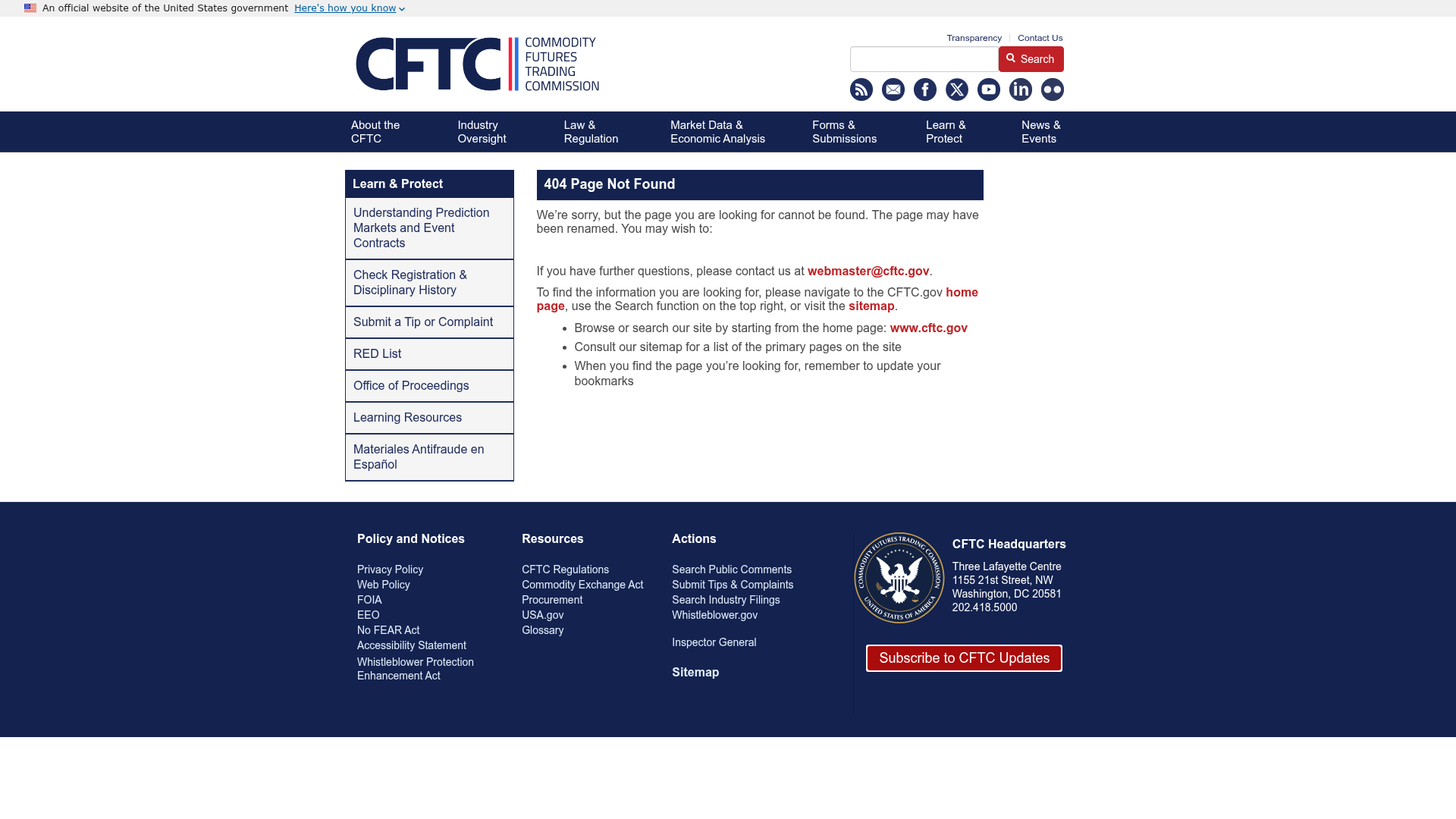
Otros registros utilizados en verificaciones de este tipo. Cada uno abre la página propia de la autoridad.
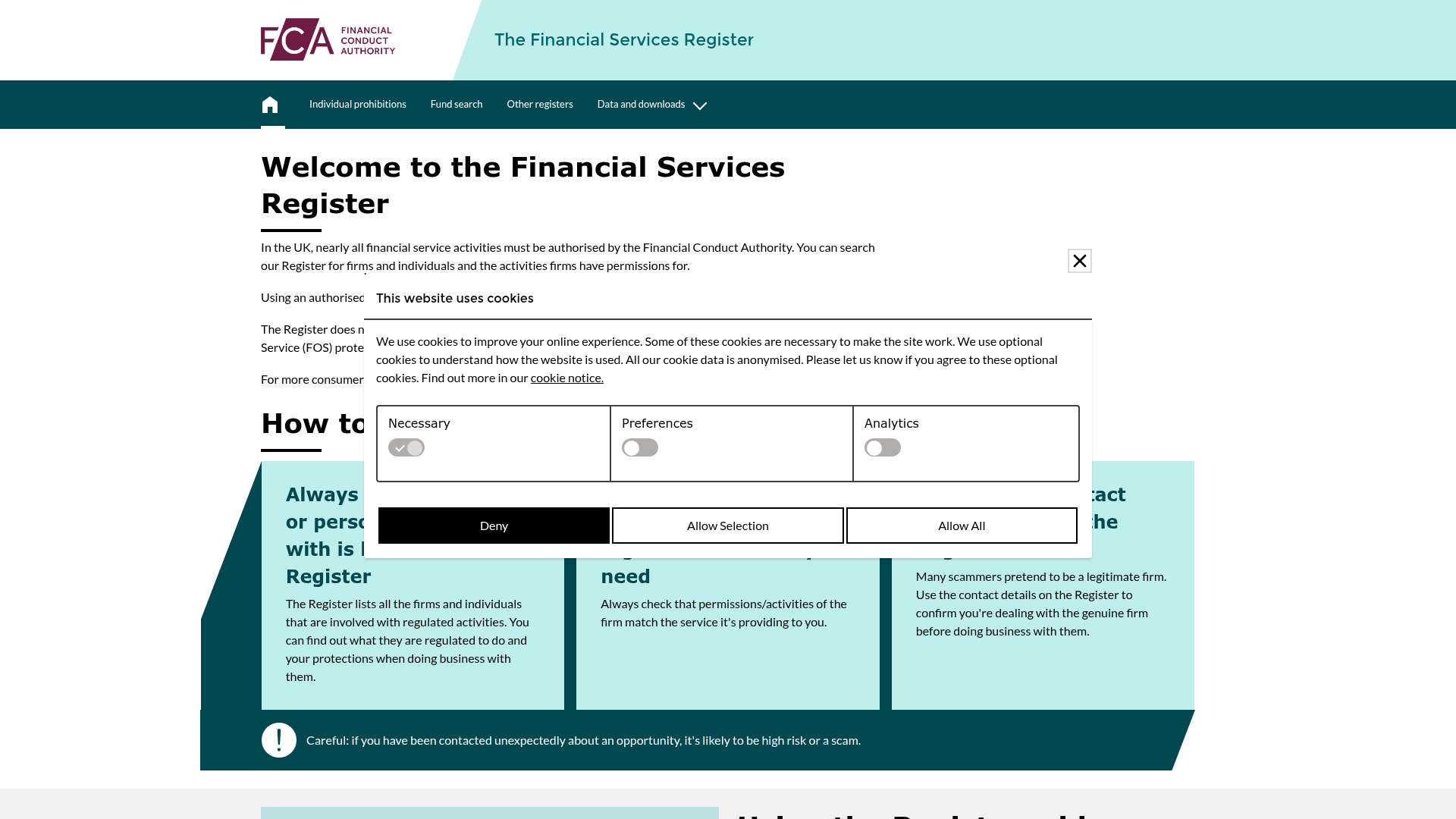
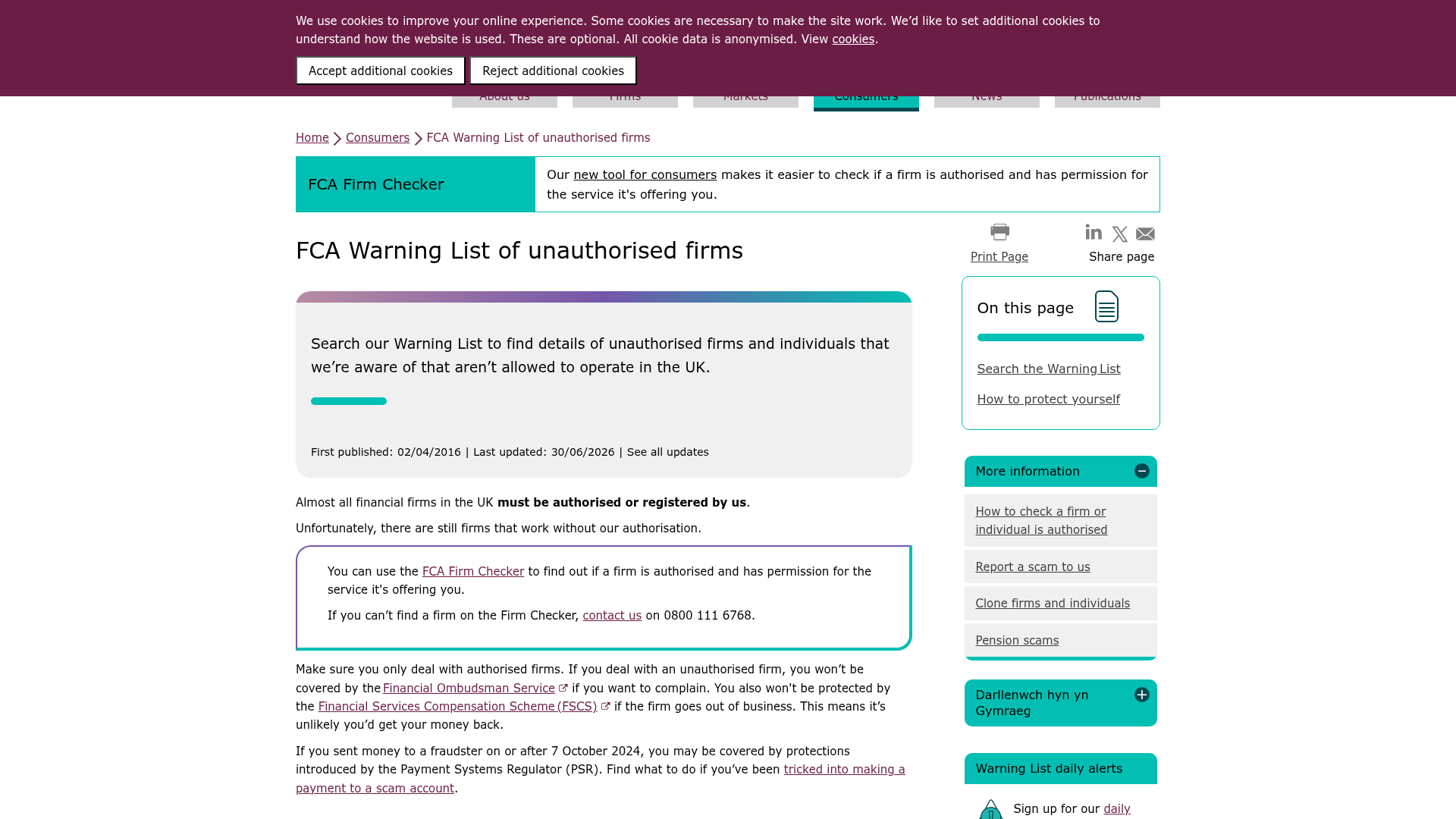
Fuentes primarias
Cada afirmación anterior puede verificarse en la propia página de la autoridad. Se abren en el sitio del regulador, no en el nuestro.
- Financial Conduct Authority — Financial Services Registerregister.fca.org.ukhttps://register.fca.org.uk/
- FCA — Warning list of unauthorised firmsfca.org.ukhttps://www.fca.org.uk/consumers/warning-list-unauthorised-firms
- Australian Securities and Investments Commission — Professional registersasic.gov.auhttps://asic.gov.au/online-services/search-asics-registers/
- CFTC — Registration Deficient (RED) Listcftc.govhttps://www.cftc.gov/check
- ESMA — Product intervention on CFDsesma.europa.euhttps://www.esma.europa.eu/press-news/esma-news/esma-agrees-prohibit-binary-options-and-restrict-cfds-protect-retail
Preguntas frecuentes
¿Cómo puedo saber si un regulador financiero es real o falso?
Verifique la existencia del regulador y su sitio web oficial mediante búsquedas independientes, no a través de enlaces proporcionados por un bróker. Los reguladores genuinos suelen tener 'gov' u 'org' en su dominio y están listados por organismos internacionales como la IOSCO. Consulte directamente su registro para verificar la licencia de la empresa.
¿Qué debo hacer si el sitio web de un bróker afirma estar regulado, pero no puedo encontrarlo en el registro oficial?
Si un bróker afirma estar regulado pero no aparece en el registro oficial tras una búsqueda independiente, considérelo no autorizado. No deposite fondos. Denuncie a la empresa a su regulador financiero local y a las agencias de protección al consumidor, proporcionando todos los detalles de la solicitud.
¿Puedo recuperar fondos perdidos con un bróker regulado por una autoridad falsa?
Recuperar fondos de entidades que operan bajo organismos reguladores falsos o inexistentes es extremadamente difícil, ya que no existen marcos legales o de compensación al inversor. Desconfíe mucho de cualquiera que ofrezca una recuperación garantizada de fondos a cambio de una tarifa inicial, ya que esto suele ser una estafa secundaria.
¿Qué detalles específicos debo verificar en el sitio web de un regulador para comprobar una empresa?
Verifique el nombre legal completo de la empresa, su número de licencia o de referencia de la empresa (FRN), las actividades financieras específicas para las que está autorizada, su dirección registrada y, lo que es crucial, el/los dominio(s) exacto(s) del sitio web listado(s) por el regulador. Todos los detalles deben coincidir con precisión.
¿Por qué una empresa clonaría el sitio web de un regulador en lugar de simplemente afirmar una regulación falsa?
Clonar el sitio web de un regulador es una táctica más sofisticada diseñada para eludir el paso protector común de verificar los registros oficiales. Crea una ilusión muy convincente de legitimidad, engañando a los inversores que intentan realizar la debida diligencia para que crean que la empresa fraudulenta está genuinamente regulada.
¿Existen esquemas de protección al inversor si opero con un bróker no autorizado?
No. Los esquemas de protección al inversor, como el FSCS en el Reino Unido o programas similares en otras jurisdicciones reguladas, solo se aplican a clientes de empresas *autorizadas y reguladas*. Operar con un bróker sin licencia significa que usted pierde estas protecciones vitales, dejando su inversión completamente desprotegida.
¿Qué es el 'salto de jurisdicción' y cómo se relaciona con la regulación fraudulenta?
El salto de jurisdicción implica que una empresa obtiene una licencia en una jurisdicción con regulaciones más laxas y luego se dirige a clientes en países altamente regulados sin autorización local. Aunque la licencia inicial podría ser real, la empresa opera de facto sin licencia en el mercado objetivo, eludiendo las protecciones al inversor y las normativas locales.