نقاط رئيسية
- صنّف مشكلات السحب إلى تأخير أو نزاع أو رفض لتحديد المسار الصحيح للحل.
- تحقق من الوضع التنظيمي للوسيط مباشرةً على سجلات الهيئات التنظيمية الرسمية قبل إيداع الأموال.
- افهم شروط وأحكام المكافآت بدقة؛ فهي سبب شائع لنزاعات السحب المشروعة.
- احتفظ بسجلات دقيقة لجميع المعاملات والمراسلات مع وسيطك.
- استخدم استرداد المبالغ المدفوعة (chargebacks) لمدفوعات البطاقات وخطط التعويض للشركات الخاضعة للتنظيم في حالات الرفض الصريح.
- يشير الرفض الصريح غالبًا إلى مشكلات خطيرة مثل عدم وجود تنظيم أو الإفلاس، مما يتطلب إجراءً خارجيًا فوريًا.
العقبة الأولية: عندما لا تتحرك الأموال
يسجل المتداول دخوله، ويُباشر سحب أرباحه، ثم يواجه 'تأخيرًا غير متوقع في المعالجة' يمتد لأسابيع. يمثل هذا السيناريو الشائع بداية تجربة قد تكون مرهقة، وغالبًا ما تؤدي إلى الارتباك بشأن نوايا الوسيط. قد يكون الدافع الفوري هو افتراض الأسوأ، ولكن من المهم أولاً فهم الفئة المحددة للصعوبة: تأخير بسيط، نزاع رسمي، أو رفض صريح.
تتطلب كل فئة نهجًا مميزًا وتحمل تداعيات مختلفة لاستعادة الأموال. توفر هذه المقالة إطارًا لتشخيص هذه المشكلات، مما يسمح للمتداولين بالاستجابة بفعالية وحماية رؤوس أموالهم. إن فهم الطبيعة الدقيقة للمشكلة ليس مجرد تمرين أكاديمي؛ بل يحدد المسارات الممكنة للحل، من قنوات خدمة العملاء الداخلية إلى التدخلات التنظيمية الخارجية.
فك شفرة التأخيرات: عقبات تشغيلية شائعة
(KYC) غير المكتملة أو القديمة. يخضع وسطاء مثل Pepperstone وIC Markets وOANDA لمتطلبات تنظيمية صارمة من سلطات مثل FCA وASIC وCFTC/NFA، والتي تفرض التحقق الشامل من الهوية. إذا كانت وثائق هوية العميل (إثبات الهوية، إثبات العنوان) منتهية الصلاحية، أو غير واضحة، أو لم تُقدّم بالكامل أثناء فتح الحساب، فسيتوقف سحب الأموال حتى يتم تحديثها والتحقق منها. هذا يمكن أن يضيف عدة أيام عمل إلى العملية.
سبب شائع آخر للتأخير هو طريقة الدفع المستخدمة. غالبًا ما تتطلب الأطر التنظيمية، وخاصة تلك التي تحكم وسطاء مثل XM وPlus500، معالجة عمليات السحب إلى المصدر الأصلي للإيداع. هذا إجراء لمنع غسل الأموال. إذا أودع متداول أموالًا عبر تحويل بنكي ولكنه حاول السحب إلى حساب بنكي مختلف، أو إذا لم تعد طريقة الدفع الأصلية (مثل بطاقة خصم معينة) نشطة، فسيطلب قسم الامتثال لدى الوسيط توضيحًا وربما تحققًا بديلًا. يمكن أن تستغرق التحويلات البنكية الدولية نفسها من 3 إلى 5 أيام عمل لتتم تسويتها، بغض النظر عن وقت معالجة الوسيط. غالبًا ما يطلب 'المكتب توضيحًا مرتين' بشأن هذه النقاط، مما يؤخر العملية إذا كانت الردود الأولية غير كافية أو الوثائق غير متوفرة بسهولة.
نزاعات السحب: عندما تتصادم الشروط والأحكام
ينشأ نزاع السحب عندما يوافق الوسيط على طلب السحب ولكنه يذكر سببًا محددًا لحجب الأموال، مستشهدًا بانتهاك شروطه وأحكامه، والذي غالبًا ما يكون مرتبطًا ببرامج المكافآت أو النشاط التجاري. يقدم العديد من الوسطاء، بما في ذلك XM و Exness، مكافآت إيداع أو عروضًا ترويجية للتداول. غالبًا ما تأتي هذه العروض بشروط صارمة، مثل شرط تداول حجم معين قبل أن يتم سحب أموال المكافأة، أو حتى الأرباح المستمدة منها. على سبيل المثال، قد تنص المكافأة على أنه يجب على المتداول تنفيذ صفقات يبلغ مجموعها 100 ضعف مبلغ المكافأة قبل أن تصبح أي أرباح مرتبطة بها مؤهلة للسحب. سيؤدي عدم الوفاء بهذه الشروط إلى نزاع يزعم فيه الوسيط أن الأموال غير قابلة للسحب بعد.
مجال آخر مثير للجدل هو إساءة الاستخدام المشتبه بها لشروط التداول، مثل تقنيات المراجحة أو السكالبينج التي قد تنتهك قواعد التداول المحددة للوسيط، خاصة لأنواع معينة من الحسابات أو العروض الترويجية. بينما يُسمح عادة بالتداول عالي التردد المشروع، قد يصنف بعض الوسطاء الأنشطة التي تُعتبر "مسيئة" إذا كانت تستغل فترات التأخير في النظام أو فروق الأسعار بطرق لا تتوافق مع شروطهم العامة. غالبًا ما تتطلب هذه المزاعم من المتداول تقديم سجلات تداول مفصلة ومبررات. في هذه الحالات، لا تُفقد الأموال ببساطة، بل يتم التشكيك في أهليتها للسحب بناءً على الاتفاقيات التعاقدية، مما يجعل الحل يعتمد على تفسير والتحقق من الامتثال للشروط الموقعة.
الرفض الصريح: الحافة المقلقة للطيف
يمثل الرفض الصريح للسحب الفئة الأكثر خطورة، حيث يرفض الوسيط معالجة السحب دون سبب تشغيلي أو تعاقدي واضح وقابل للتحقق، أو الأسوأ من ذلك، يتوقف عن التواصل. غالبًا ما تشير هذه الحالة إلى مشكلات أساسية أكثر خطورة تتعلق بشرعية الوسيط أو استقراره المالي. يتضمن سيناريو شائع للرفض الوسطاء الذين يظهرون غير مرخصين أو يعملون خارج الأطر التنظيمية المعمول بها. على سبيل المثال، بينما تخضع الكيانات الشرعية مثل OANDA وFOREX.com للتنظيم بشفافية من قبل هيئات متعددة مثل CFTC/NFA وFCA، قد تدعي بعض الكيانات زورًا الوضع التنظيمي أو تعمل من ولايات قضائية ذات رقابة متساهلة، مما يجعل مساءلتها صعبة. تحدد قائمة CFTC للكيانات التي تعاني من نقص التسجيل (RED List) على وجه التحديد الكيانات المطلوبة للتسجيل ولكنها لم تفعل ذلك.
شكل آخر من أشكال الرفض يحدث عندما يواجه الوسيط الإفلاس أو يتوقف ببساطة عن العمليات. في مثل هذه الحالات، قد تكون الأموال غير قابلة للاسترداد عبر القنوات القياسية. هذا هو الجزء الذي تتجاهله معظم الأدلة: غالبًا ما يقوم الوسطاء الذين يواجهون ضائقة مالية أولاً بتطبيق تأخيرات طويلة، ثم ينتقلون إلى الاعتراض على طلبات سحب محددة بأسباب غامضة بشكل متزايد، قبل أن يتوقفوا أخيرًا عن الاستجابة تمامًا. يجب على المتداولين أن يكونوا حذرين بشكل خاص إذا فقدوا فجأة الوصول إلى حساب التداول الخاص بهم أو إذا أصبح موقع الوسيط غير متاح دون إشعار مسبق. هذه مؤشرات قوية على ضائقة مالية محتملة أو سوء سلوك صريح، مما يشير إلى أن الأموال قد تكون في خطر كبير. هذا النوع من الرفض أسوأ من النزاع، لأنه يشير إلى انهيار أساسي في الثقة وغالبًا ما يكون طريقًا إلى عدم استرداد أي شيء دون تدخل خارجي.
يُعد التشخيص الدقيق لمشكلة السحب كتأخير أو نزاع أو رفض صريح هو الخطوة الأساسية في السعي لإيجاد حل.
Owen Blake
التحقق من شرعية الوسيط: استراتيجية استباقية
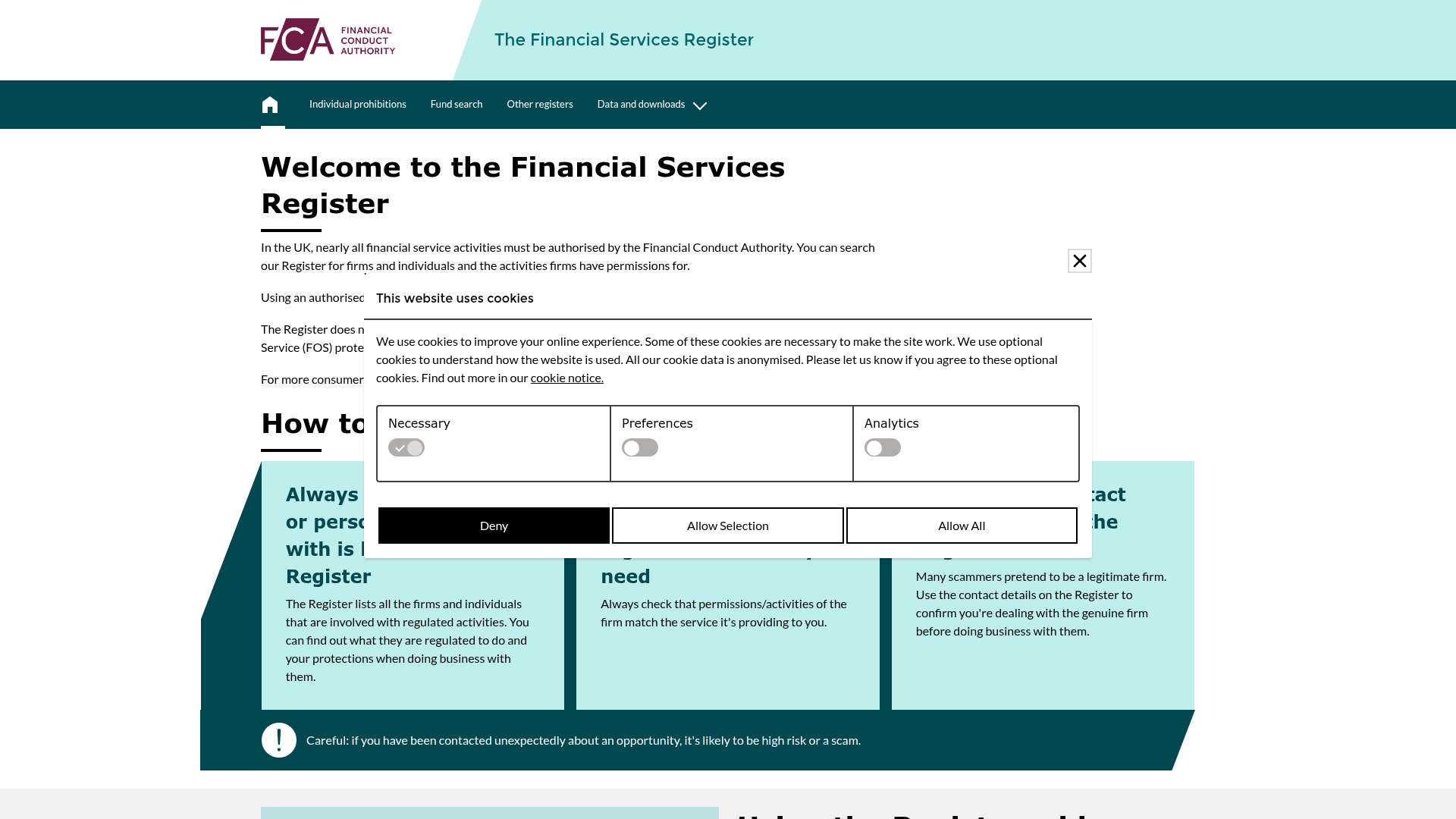
إن الدفاع الأكثر فعالية ضد رفض السحب هو التداول فقط مع الوسطاء المرخصين والخاضعين للتنظيم السليم. قبل إيداع أي أموال، يجب على المتداول دائمًا التحقق من الوضع التنظيمي للوسيط مباشرة مع الهيئات التنظيمية المعلنة. على سبيل المثال، يجب أن تكون الشركة التي تدعي تنظيم FCA، مثل FxPro أو eToro، قابلة للبحث في سجل الخدمات المالية التابع لهيئة السلوك المالي (Financial Conduct Authority). وبالمثل، يمكن تأكيد الكيانات الخاضعة لتنظيم ASIC مثل AvaTrade أو Plus500 عبر سجلات ASIC المهنية. هذه ليست خطوة تافهة؛ فالعديد من الكيانات المخادعة ستعرض أرقام تراخيص مزيفة أو تدعي الارتباط بمنظمين شرعيين دون أن تكون مسجلة بالفعل.
إن مقارنة رقم ترخيص الوسيط المعلن واسمه التجاري مع قاعدة بيانات الهيئة التنظيمية الرسمية أمر بالغ الأهمية. فمجرد رؤية شعار هيئة تنظيمية على موقع الوسيط الإلكتروني غير كافٍ. بالنسبة للوسطاء العاملين في الولايات المتحدة، تحتفظ CFTC و NFA بقواعد بيانات مثل نظام NFA BASIC. ويسرد سجل الكيانات الخاضعة لتنظيم CySEC الشركات المرخص لها في قبرص. إذا لم تتطابق تفاصيل الوسيط تمامًا مع المعلومات الموجودة في السجل الرسمي، أو إذا لم يكن مدرجًا على الإطلاق، فهذه علامة تحذير مهمة. إن اختيار وسيط بناءً على شروط تداول جذابة فقط دون تحقق تنظيمي دقيق ينطوي على مخاطر كبيرة.
الهيئات التنظيمية الرئيسية وسجلات التحقق العامة الخاصة بها
| الهيئة التنظيمية | المنطقة | الدور الرئيسي | رابط السجل العام |
|---|---|---|---|
| هيئة السلوك المالي (FCA) | المملكة المتحدة | تنظم شركات الخدمات المالية والأسواق. | https://register.fca.org.uk/ |
| هيئة الأوراق المالية والاستثمارات الأسترالية (ASIC) | أستراليا | تفرض قوانين الخدمات المالية وتحمي المستهلكين. | https://asic.gov.au/online-services/search-asics-registers/ |
| هيئة الأوراق المالية والبورصات القبرصية (CySEC) | قبرص (الاتحاد الأوروبي) | تشرف على شركات الخدمات المالية في قبرص. | https://www.cysec.gov.cy/en-GB/entities/investment-firms/cypriot/ |
| لجنة تداول السلع الآجلة (CFTC) / الرابطة الوطنية للعقود الآجلة (NFA) | الولايات المتحدة الأمريكية | تنظم أسواق العقود الآجلة والخيارات، وتحمي مستخدمي السوق. | https://www.cftc.gov/check / https://www.nfa.futures.org/basicnet/ |
| سلطة النقد بسنغافورة (MAS) | سنغافورة | البنك المركزي والسلطة التنظيمية المالية. | https://eservices.mas.gov.sg/fid |
تصعيد مشكلة السحب: عملية الشكاوى
عند مواجهة تأخيرات مستمرة أو نزاع، فإن الخطوة الرسمية الأولى هي تقديم شكوى مكتوبة مباشرة إلى الوسيط. هذا يضفي طابعًا رسميًا على المشكلة وينشئ سجلًا. لدى معظم الوسطاء المرخصين، بما في ذلك اللاعبين الرئيسيين مثل Pepperstone و IC Markets، إجراء داخلي واضح للشكاوى موضح على مواقعهم الإلكترونية. تتضمن هذه العملية عادةً تقديم تفاصيل المشكلة، ورقم الحساب، وتفاصيل طلب السحب، وأي أدلة داعمة. يكون الوسيط ملزمًا عادةً بالإقرار بالشكوى في غضون بضعة أيام عمل وتقديم رد نهائي خلال إطار زمني محدد، غالبًا 15-30 يومًا، حسب الولاية القضائية. وثّق كل مراسلة، بما في ذلك التواريخ والأوقات وأسماء الممثلين.
إذا فشلت عملية الحل الداخلية للوسيط، أو إذا كان ردهم النهائي غير مرضٍ، فإن المرحلة التالية تتضمن التصعيد إلى هيئة خارجية لتسوية النزاعات أو الهيئة التنظيمية المالية المعنية. على سبيل المثال، يمكن للعملاء المقيمين في المملكة المتحدة والذين يتعاملون مع وسيط خاضع لتنظيم FCA التصعيد إلى خدمة أمين المظالم المالية (FOS) إذا لم يتم استلام الرد النهائي للوسيط في غضون ثمانية أسابيع أو اعتبر غير كافٍ. وبالمثل، يمكن للعملاء الأستراليين للشركات الخاضعة لتنظيم ASIC اللجوء إلى هيئة الشكاوى المالية الأسترالية (AFCA). توفر هذه الهيئات الخارجية مراجعة محايدة ويمكنها غالبًا التوسط أو اتخاذ قرارات ملزمة. يعتمد اختيار الهيئة الخارجية بالكامل على الترخيص التنظيمي المحدد الذي يحمله كيان الوسيط الذي تتعامل معه، وليس فقط على مكان تسويق علامة الوسيط التجارية.
مراحل تصعيد شكوى السحب
| المرحلة | الإجراء المطلوب من المتداول | الإطار الزمني المعتاد | النتيجة المحتملة |
|---|---|---|---|
| الاتصال الأولي بالوسيط | وثّق جميع المراسلات، وقدم تفاصيل واضحة عن مشكلة السحب. | فورًا عند اكتشاف المشكلة. | توضيح، حل التأخيرات الطفيفة. |
| شكوى داخلية رسمية | قدم شكوى مكتوبة عبر القناة الرسمية للوسيط، مع تضمين جميع الأدلة. | في غضون أيام من عدم حل المشكلة. يجب على الوسيط الإقرار بالشكوى في غضون 2-3 أيام، والرد في غضون 15-30 يومًا. | يقدم الوسيط حلاً، أو يرفض المطالبة مع تقديم مبررات، أو يقدم |
| تسوية النزاعات الخارجية | التصعيد إلى أمين المظالم أو الهيئة التنظيمية المعنية (على سبيل المثال، FOS، AFCA، CySEC). | بعد فشل العملية الداخلية أو انتهاء الإطار الزمني المحدد (على سبيل المثال، 8 أسابيع في المملكة المتحدة). يختلف حسب الهيئة، وقد يستغرق شهورًا. | مراجعة محايدة، تسوية بوساطة، قرار ملزم لاسترداد الأموال أو التعويض. |
| الإجراء القانوني (الملاذ الأخير) | استشر مستشارًا قانونيًا لتقييم جدوى الإجراءات القضائية. | فقط بعد استنفاد جميع السبل الأخرى. | مكلف ويستغرق وقتًا طويلاً، ولكنه يمكن أن يفرض الأحكام. |
آليات استرداد الأموال: استرداد المبالغ المدفوعة وخطط التعويض
في حالات الرفض التام، خاصة مع الاشتباه في الاحتيال أو التعامل مع كيان غير منظم، يصبح استكشاف آليات استرداد الأموال أمرًا بالغ الأهمية. غالبًا ما يكون استرداد المبلغ (chargeback) الذي يتم بدؤه عبر البنك أو مزود البطاقة هو خط الدفاع الأول والأسرع. يتوفر هذا الخيار عادة للمدفوعات التي تتم عبر بطاقات الخصم أو الائتمان، ويسمح لحامل البطاقة بإلغاء معاملة إذا لم يتم تقديم الخدمات أو إذا كان هناك نشاط غير مصرح به. تكون الفترة المتاحة لبدء استرداد المبلغ عادة محدودة، غالبًا ما تتراوح بين 120 إلى 540 يومًا من تاريخ المعاملة، اعتمادًا على قواعد شبكة البطاقات (مثل Visa، MasterCard). تعمل المستندات، بما في ذلك جميع المراسلات مع الوسيط، وكشوفات التداول، وإثبات محاولات السحب، على تعزيز مطالبة استرداد المبلغ بشكل كبير.
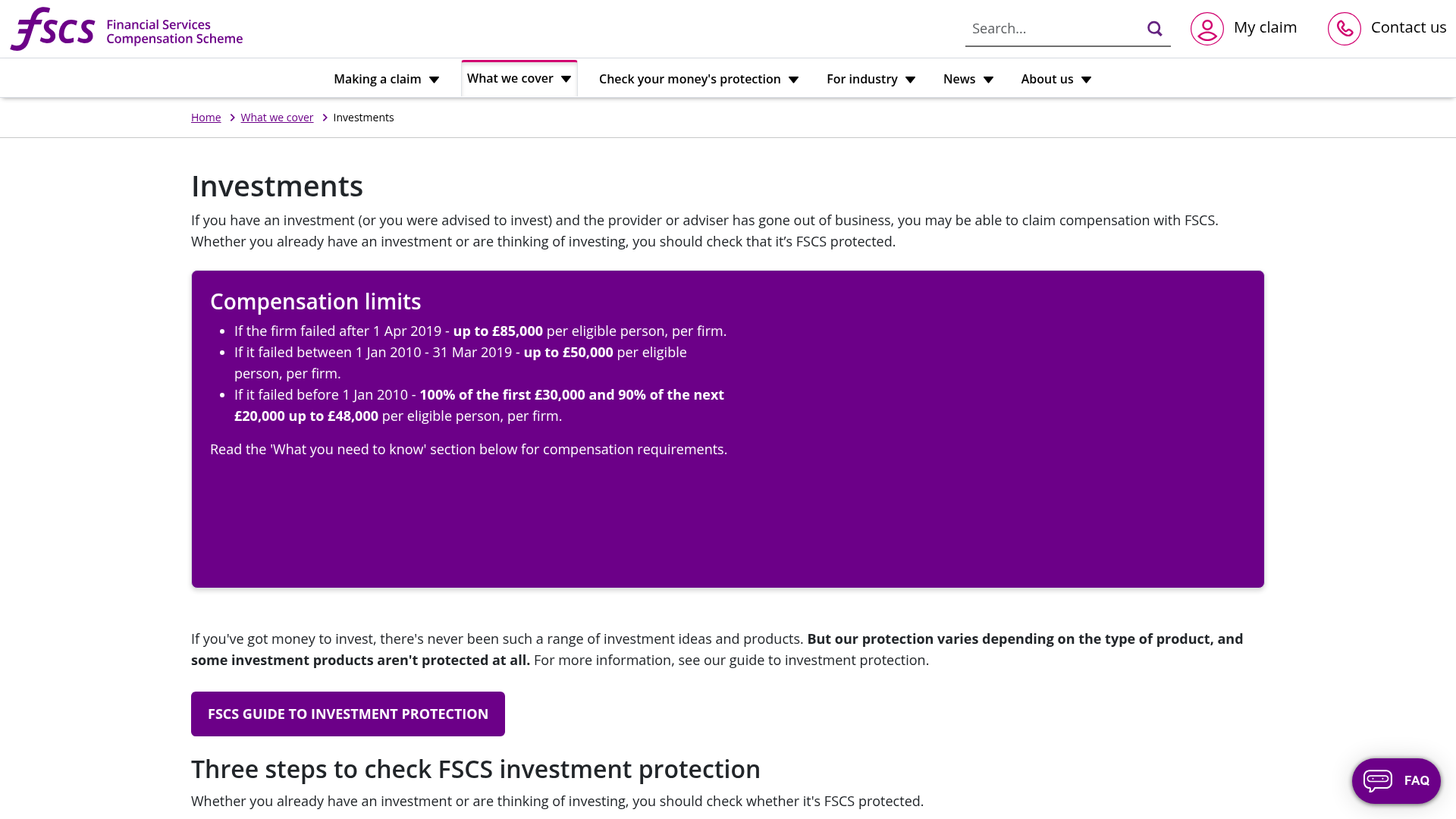
بالنسبة لعملاء الوسطاء المرخصين، وخاصة في المملكة المتحدة أو أوروبا، قد توفر خطط التعويض المالي شبكة أمان. على سبيل المثال، يحمي Financial Services Compensation Scheme (FSCS) في المملكة المتحدة العملاء المؤهلين للشركات المرخصة من FCA بحد أقصى 85,000 جنيه إسترليني في حالة إفلاس الشركة. وبالمثل، يغطي Investor Compensation Fund (ICF) في قبرص عملاء الشركات الخاضعة لتنظيم CySEC بحد أقصى 20,000 يورو. لا تغطي هذه الخطط خسائر التداول، ولكنها توفر حماية لأموال العملاء التي يحتفظ بها الوسيط إذا انهارت الشركة. من الضروري التأكد من أن الكيان الوسيط المحدد الذي أودعت لديه أموالك مشمول بمثل هذه الخطة، حيث يعمل العديد من الوسطاء الدوليين عبر كيانات متعددة، قد لا يوفر بعضها نفس مستوى الحماية.
تكلفة العمليات غير المنظمة: حقيقة صارخة
ينطوي اختيار التداول مع وسيط غير منظم أو سيء التنظيم على مخاطر كبيرة، غالبًا ما تكون غير مرئية. بينما قد تعلن هذه الكيانات عن رافعة مالية عالية بشكل استثنائي أو عروض بونص جذابة تتجاوز القيود المفروضة من قبل منظمين مثل ESMA (الذي يحدد الرافعة المالية بـ 1:30 للعملاء الأفراد)، فإن غياب الرقابة يجعل المتداولين عرضة للخطر. في حال حدوث مشكلة في السحب، سواء كانت تأخيرًا أو نزاعًا أو رفضًا، لا يوجد هيئة خارجية موثوقة يمكن اللجوء إليها. يُترك المتداولون تحت التصرف المطلق للوسيط، مع سبل انتصاف قانونية محدودة وغالبًا بدون خطة تعويض يمكن الاعتماد عليها. هذا الضعف الهيكلي هو السبب في أن هؤلاء الوسطاء يمكنهم الانتقال بسهولة أكبر من "التأخير" إلى "الرفض" دون خوف من الانتقام.
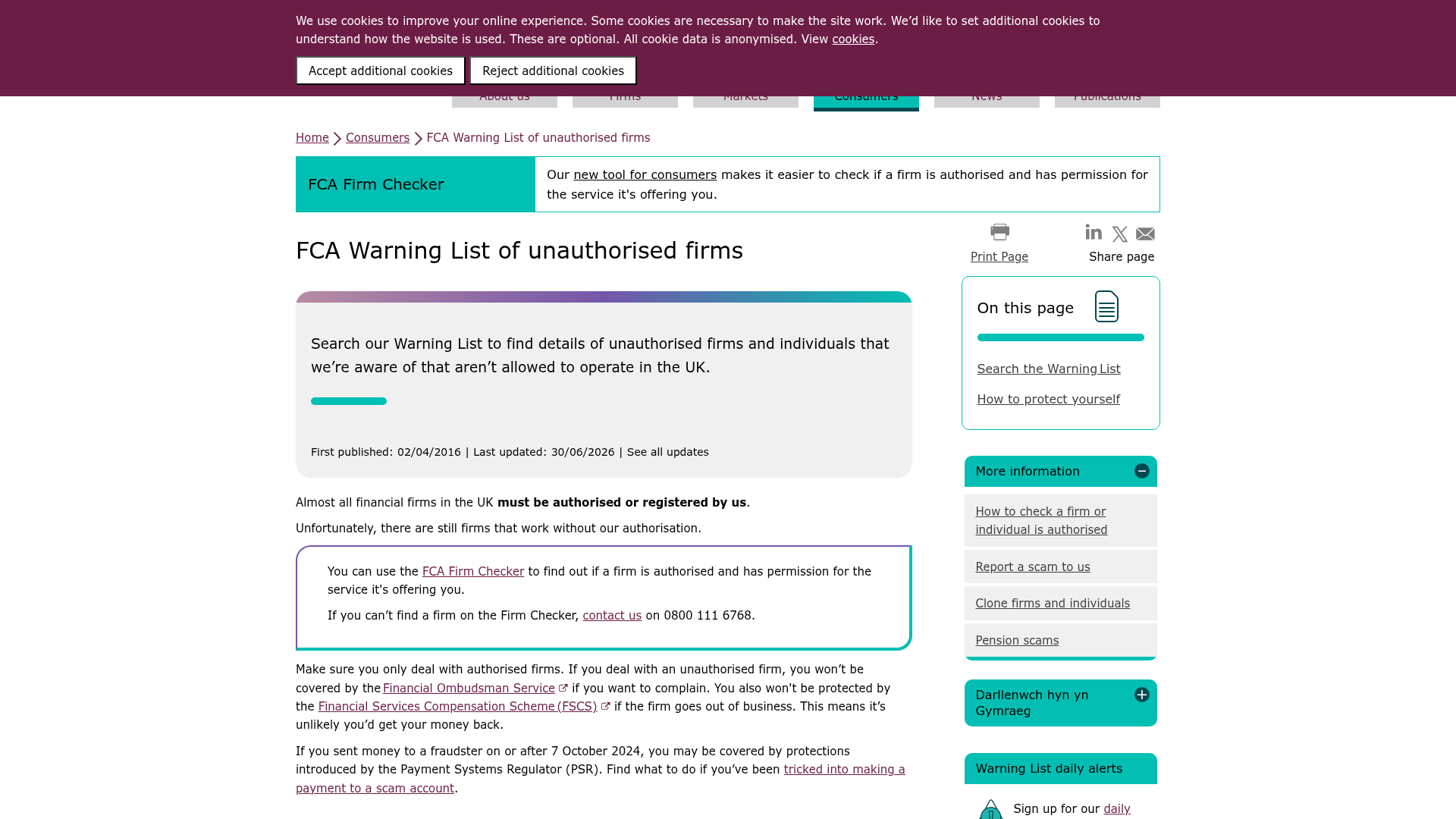
تعد المقرات التشغيلية والهيئات التنظيمية المدرجة على موقع الوسيط مؤشرات حاسمة. على سبيل المثال، يجب أن يثير الوسيط الذي يدعي أنه "عالمي" ولكنه يدرج فقط تنظيمًا من ولاية قضائية خارجية ذات رقابة محدودة، مثل Seychelles FSA، دون أن يحمل أيضًا تراخيص من منظمين من الفئة الأولى مثل FCA أو ASIC لكيانات تشغيلية محددة، حذرًا شديدًا. بينما يحمل وسطاء مثل IC Markets ترخيص FSA (سيشل)، فإنهم يعملون أيضًا تحت إشراف ASIC لمناطق أخرى، مما يوفر نطاقًا من التغطية التنظيمية. تعد قوائم التحذير التي تنشرها الجهات التنظيمية، مثل قائمة التحذير من الشركات غير المرخصة التابعة لـ FCA، موارد لا تقدر بثمن لتحديد الكيانات التي يبدو أنها تقدم خدمات مالية دون ترخيص مناسب. تعمل هذه القوائم بمثابة تنبيه واضح بأن التعامل مع مثل هذه الكيانات يأتي بمخاطر كبيرة وغير مخففة.
إجراءات استباقية لحماية رأس مالك
تبدأ الوقاية من مشاكل السحب قبل وقت طويل من تنفيذ الصفقة. البحث الدقيق في خلفية الوسيط ووضعه التنظيمي أمر غير قابل للتفاوض. تحقق دائمًا من أي ترخيص مزعوم مباشرة على موقع الهيئة التنظيمية. إذا أعلن وسيط عن ترخيص FCA، على سبيل المثال، فتأكد من تطابق اسم الكيان ورقم التسجيل بدقة في السجل المالي للخدمات. انتبه إلى الكيان المحدد الذي تفتح حسابًا معه؛ فبعض الوسطاء يعملون عبر كيانات قانونية متعددة تحت لوائح مختلفة لمناطق جغرافية متنوعة. فهم الكيان الذي تتعاقد معه أمر حيوي لمعرفة الحمايات التي تنطبق.
اقرأ وافهم شروط وأحكام الوسيط، خاصة تلك المتعلقة بالسحب والمكافآت ورسوم عدم النشاط، قبل إيداع الأموال. يعد توثيق كل معاملة واتصال ونشاط تداول إجراءً حكيمًا أيضًا. احتفظ بسجلات للإيداعات والسحوبات وكشوفات التداول وجميع المراسلات مع دعم العملاء. تعمل هذه المستندات كدليل حاسم إذا نشأ نزاع. أخيرًا، تجنب الانجراف وراء وعود العوائد العالية بشكل غير عادي أو تكتيكات المبيعات ذات الضغط العالي. يركز الوسطاء الشرعيون على شروط تداول شفافة وبيئات منظمة، وليس على ضمانات أرباح غير واقعية.
تمييز المشكلة: الطريق إلى الأمام
يعد التشخيص الدقيق لمشكلة السحب كتأخير أو نزاع أو رفض تام هو الخطوة الأساسية في السعي لإيجاد حل. غالبًا ما يشير التأخير إلى عقبات إدارية أو متعلقة بالامتثال يمكن حلها عادة من خلال التواصل الواضح وتحديث المستندات. النزاع، على الرغم من أنه أكثر خطورة، عادة ما يكون متجذرًا في الشروط التعاقدية، مثل شروط المكافآت أو انتهاكات قواعد التداول المزعومة، مما يتطلب مراجعة تفصيلية للاتفاقية وربما استئنافًا لقسم الامتثال الداخلي. أسوأ سيناريو، وهو الرفض التام، غالبًا ما يشير إلى وسيط يعمل خارج الأطر الشرعية أو يواجه الإفلاس، مما يستلزم اتخاذ إجراء فوري من خلال المنظمين الخارجيين أو خدمات استرداد الأموال.
الهدف الفوري لأي متداول يواجه صعوبات في السحب هو تصنيف المشكلة بشكل صحيح. هل لا يزال الوسيط يتواصل ويطلب المزيد من المستندات، أم أنه يستشهد بشروط وأحكام محددة؟ أم أنهم توقفوا عن الرد تمامًا، أو أصبحوا غير متاحين؟ كل إجابة تحدد الخطوة التالية. لا تخلط بين فحص الامتثال المشروع ومحاولة الاحتيال. وبالمثل، لا ترفض الإجابات المراوغة باعتبارها مجرد عدم كفاءة. تسمح الدقة في التشخيص باستجابة مستهدفة، مما يحافظ على رأس مالك وراحة بالك.
ضرورة العناية الواجبة
تقدم الأسواق المالية فرصًا كبيرة، ولكنها تحمل أيضًا مخاطر، يمكن التخفيف من العديد منها من خلال الاختيار الدقيق لشركاء التداول. تقع مسؤولية العناية الواجبة بشكل راسخ على عاتق المتداول الفردي. قبل إيداع رأس المال لدى أي شركة وساطة، يعد التحقق الشامل من وضعها التنظيمي، والفهم الواضح لشروط خدمتها، والالتزام بالاحتفاظ بسجلات دقيقة أمرًا لا غنى عنه. إن الوقت المستثمر في البحث عن تراخيص الوسيط، والتحقق من السجلات العامة، وقراءة المراجعات هو ثمن زهيد مقارنة بالخسارة المحتملة للأموال المودعة. من خلال تبني نهج استباقي ومستنير، يمكن للمتداولين تقليل تعرضهم بشكل كبير لصعوبات السحب وحماية مصالحهم المالية ضد الكيانات التي يبدو أنها تعمل بنوايا مشبوهة. هذه اليقظة ليست مجرد توصية؛ إنها مطلب أساسي للمشاركة الآمنة في الأسواق العالمية.
الصفحة التي نتحقق منها
هذه هي صفحة الهيئة نفسها، تم التقاطها كما وجدناها. افتحها وقم بإجراء البحث نفسه بنفسك — لا شيء في هذا السجل يحل محل المصدر.
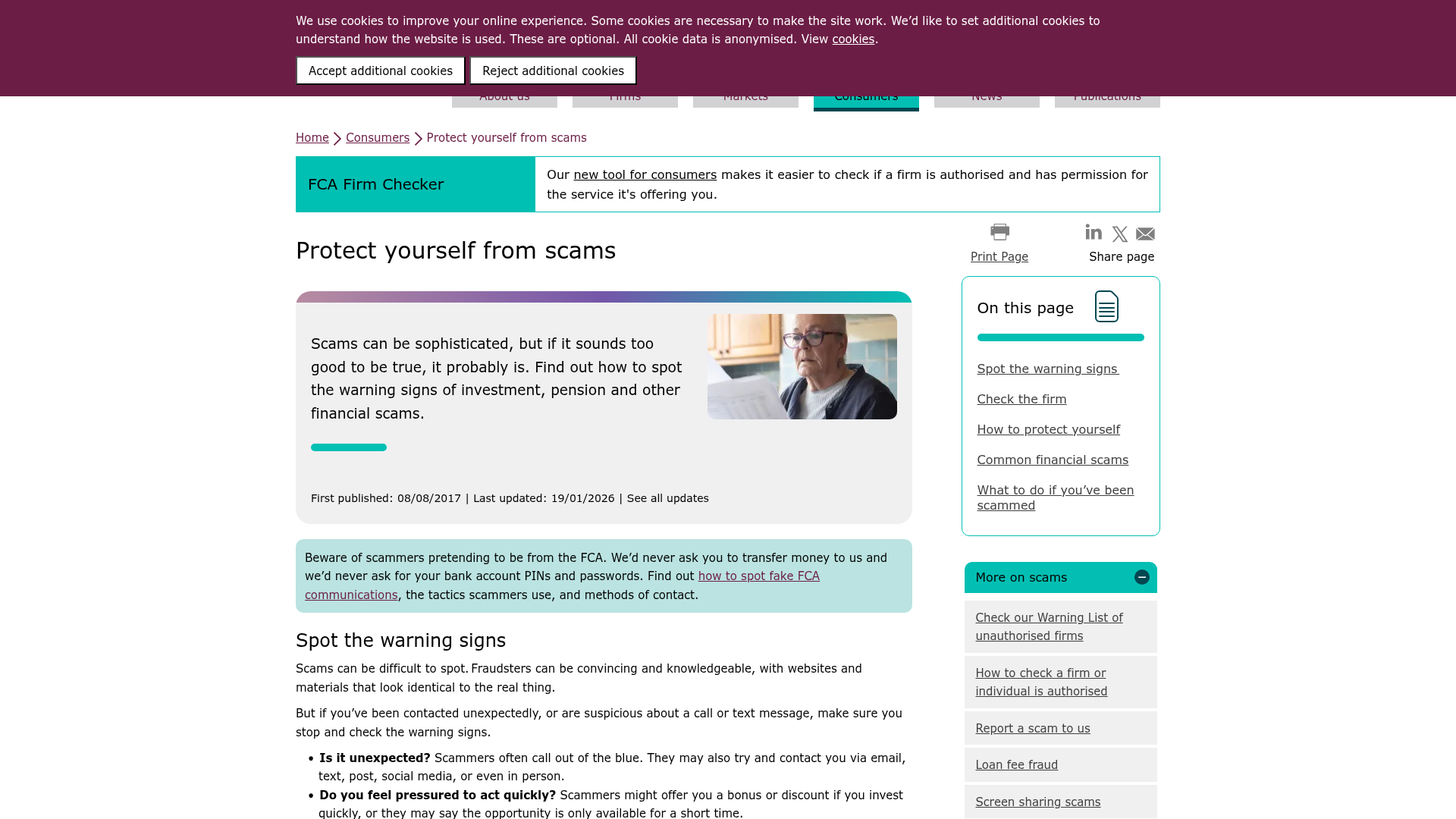
سجلات أخرى مستخدمة في هذا النوع من الفحوصات. كل منها يفتح صفحة الجهة التنظيمية الخاصة بها.
مصادر أساسية
يمكن التحقق من كل ادعاء أعلاه بالرجوع إلى صفحة الهيئة نفسها. تفتح هذه الروابط على موقع الجهة التنظيمية، وليس موقعنا.
- Financial Conduct Authority — Financial Services Registerregister.fca.org.ukhttps://register.fca.org.uk/
- ASIC — Professional registersasic.gov.auhttps://asic.gov.au/online-services/search-asics-registers/
- CySEC — Regulated entities registercysec.gov.cyhttps://www.cysec.gov.cy/en-GB/entities/investment-firms/cypriot/
- CFTC — Registration Deficient (RED) Listcftc.govhttps://www.cftc.gov/check
- Financial Services Compensation Scheme (FSCS)fscs.org.ukhttps://www.fscs.org.uk/what-we-cover/investments/
- ESMA — Product intervention on CFDsesma.europa.euhttps://www.esma.europa.eu/press-news/esma-news/esma-agrees-prohibit-binary-options-and-restrict-cfds-protect-retail
الأسئلة المتكررة
ماذا أفعل إذا تأخر سحبي؟
أولاً، تحقق من حسابك بحثًا عن طلبات التحقق المعلقة أو المستندات منتهية الصلاحية. اتصل بدعم العملاء لتوضيح السبب وتأكيد الإطار الزمني المتوقع. وثّق جميع المراسلات.
هل يمكن للوسيط أن يرفض سحبي قانونيًا إذا قبلت مكافأة (بونص)؟
نعم، إذا كانت شروط وأحكام المكافأة (البونص) تنص بوضوح على متطلبات حجم تداول محددة أو بنود أخرى لم تستوفها. راجع دائمًا هذه الشروط قبل قبول أي مكافأة.
كيف أتحقق مما إذا كان وسيطي منظمًا حقًا؟
اذهب مباشرة إلى الموقع الرسمي للهيئة التنظيمية التي يدعون الانتماء إليها (مثل FCA، ASIC، CySEC) وابحث عن الاسم القانوني الدقيق للوسيط ورقم الترخيص. لا تعتمد فقط على الشعارات الموجودة على موقع الوسيط.
ما الفرق بين 'التأخير' و'الرفض'؟
التأخير غالبًا ما يكون تعليقًا إداريًا مع توضيح السبب، بينما الرفض هو رفض تام للمعالجة، غالبًا بدون مبرر واضح، أو توقف عن التواصل، مما يشير إلى مشكلة أكثر خطورة.
ما هي خياراتي إذا رفض الوسيط سحبي تمامًا وتوقف عن الرد؟
إذا دفعت بالبطاقة، ففكر في بدء استرداد المبلغ (chargeback) مع البنك الذي تتعامل معه على الفور. إذا كان الوسيط منظمًا، فقم بتصعيد شكواك إلى هيئة حل النزاعات الخارجية ذات الصلة أو خطة التعويض.
هل يحمي FSCS من خسائر التداول؟
لا، صندوق تعويض الخدمات المالية (FSCS) يحمي فقط أموال العملاء المؤهلة في حال إفلاس شركة مرخصة من قبل FCA، وليس ضد الخسائر المتكبدة من أنشطة التداول.
ما هي المدة المتاحة لي لتقديم طلب استرداد المبالغ المدفوعة؟
يختلف الإطار الزمني لاسترداد المبالغ المدفوعة حسب شبكة البطاقة، ويتراوح عادةً من 120 إلى 540 يومًا من تاريخ المعاملة. من الضروري التصرف بأسرع ما يمكن بمجرد الاشتباه بوجود مشكلة.