
نقاط رئيسية
- يوفر IAPD التابع لـ SEC نظرة عامة سريعة على حالة تسجيل المستشار، والأحداث التأديبية، وتاريخ التوظيف.
- تكشف ملفات Form ADV ضمن IAPD عن تفاصيل حاسمة حول ممارسات المستشار التجارية، والرسوم، وتضارب المصالح.
- يتيح EDGAR الوصول المباشر إلى الإيداعات الرسمية للشركات، ويكشف عن الصحة المالية، وهياكل الملكية، والدعاوى القضائية لشركات الاستثمار المتداولة علنًا.
- تستدعي التناقضات بين ادعاءات المستشار وسجلاته في IAPD أو EDGAR تحقيقًا فوريًا.
- بينما IAPD مخصص للأفراد وشركات الاستشارات الاستثمارية، يركز EDGAR على الشركات العامة، ويقدم رؤى مختلفة ولكنها متكاملة.
- لا يضمن السجل النظيف في قواعد البيانات هذه الأداء المستقبلي ولكنه يقلل بشكل كبير من مخاطر التعامل مع كيان غير مسجل أو إشكالي.
الخطوة الأولية: لماذا التحقق مهم
إن إسناد مستقبلك المالي إلى مستشار يبدأ بخطوة بسيطة وغالبًا ما يتم إغفالها: التحقق المستقل. لنأخذ سيناريو السيدة إيفلين ريد، التي نُصحت باستثمار جزء كبير من مدخراتها التقاعدية في منتج غامض ومرتفع الرسوم من قبل شخص قدم نفسه كمدير ثروات متمرس. كان فحصها الوحيد هو توصية مهذبة من صديق. اكتشفت لاحقًا أن المستشار لديه تاريخ من العقوبات التنظيمية غير المعلنة وكان يعمل بدون تسجيل مناسب. هذه النتيجة، للأسف، ليست فريدة من نوعها. يكتظ قطاع الخدمات المالية بالأفراد والكيانات التي تقدم المشورة والمنتجات والإدارة. وبينما يعمل العديد منهم بنزاهة، قد لا يمتلك آخرون التراخيص اللازمة، أو يلتزمون بالمعايير الأخلاقية، أو حتى يكونون موجودين كشركات شرعية. يقع عبء العناية الواجبة بالكامل على عاتق المستثمر. ويمكن أن تتراوح عواقب الفشل في التحقق من توصيات استثمارية غير مناسبة إلى خسارة مالية صريحة من خلال الاحتيال. لا يقتصر هذا الفحص الوقائي على تحديد عمليات الاحتيال الصريحة فحسب، بل يمتد ليشمل فهم نموذج عمل المستشار، وهيكل الرسوم، وأي تضارب محتمل في المصالح قد يؤثر بشكل خفي على توصياته. إن معرفة مكان وكيفية الوصول إلى المعلومات التنظيمية المتاحة للجمهور يوفر دفاعًا قويًا ضد الممارسات الغامضة والتحريف، مما يحمي رأس المال الشخصي من المخاطر التي يمكن تجنبها.
تقديم نظام الإفصاح العام عن المستشارين الاستثماريين (IAPD) التابع لـ SEC
توفر هيئة الأوراق المالية والبورصات الأمريكية (SEC) موردًا إلكترونيًا مجانيًا وحيويًا يُعرف بقاعدة بيانات الإفصاح العام عن المستشارين الاستثماريين (IAPD). تعمل هذه المنصة على مركزة المعلومات حول المستشارين الاستثماريين المسجلين لدى SEC، والمستشارين المسجلين على مستوى الولايات، والممثلين المسجلين لوسطاء الأوراق المالية (broker-dealers). وظيفتها الأساسية هي توفير الشفافية، مما يسمح للعملاء المحتملين والحاليين بالبحث في خلفية المتخصصين والشركات المالية وتاريخهم التأديبي. عند البحث في IAPD، يمكنك الوصول إلى Form ADV الخاص بالمستشار، وهو وثيقة حاسمة تحدد ممارساتهم التجارية، والخدمات المقدمة، والرسوم، وأي أحداث تأديبية. يعتبر هذا النموذج ركيزة تنظيمية، وهو إلزامي لجميع المستشارين الاستثماريين المسجلين لدى SEC، وبصيغة معدلة قليلاً، للمستشارين المسجلين على مستوى الولايات أيضًا. يغطي الجزء 1 من Form ADV المعلومات الأساسية مثل الموقع، والملكية، وأنواع العملاء، بينما يعمل الجزء 2 ككتيب، يفصل الخدمات، والرسوم، وتضارب المصالح المحتمل. يوفر IAPD أيضًا روابط إلى FINRA BrokerCheck للأفراد المسجلين كممثلين لوسطاء الأوراق المالية. يعتبر هذا الوصول المزدوج حيويًا لأن بعض المتخصصين الماليين يحملون تراخيص كمستشارين استثماريين ووسطاء أوراق مالية، مما يعني أنهم يقعون تحت النطاق التنظيمي لكل من SEC و FINRA. يجب أن يشمل البحث الدقيق كلا المجالين لتقييم الوضع المهني للفرد بشكل كامل.
خطوات عملية للبحث في قاعدة بيانات IAPD
الوصول إلى قاعدة بيانات IAPD أمر سهل. ابدأ بزيارة الموقع الرسمي. يمكنك البحث باسم فرد، أو باسم شركة استشارية، أو برقم الإيداع المركزي للتسجيل (CRD) الفريد، إذا كان لديك. رقم CRD هو معرف عالمي للمتخصصين والشركات المسجلين في الأوراق المالية، ويشبه رقم التعريف. عادةً ما يكون إدخال الاسم الكامل للمستشار هو نقطة البداية الأكثر شيوعًا. بمجرد بدء البحث، سيعرض النظام قائمة بالأفراد أو الشركات المطابقة. اختر الإدخال الصحيح لعرض ملفهم المهني المفصل. سيذكر هذا الملف بوضوح ما إذا كانوا ممثل مستشار استثماري، أو ممثل وسيط أوراق مالية (Broker-Dealer Representative)، أو كليهما. وسيشير أيضًا إلى حالة تسجيلهم الحالية، مثل "Registered"، أو "Approved"، أو "Terminated". انتبه جيدًا لأي حالة بخلاف "Registered" أو "Approved" لأن هذا قد يشير إلى وجود مشكلات. صفحة الملف الشخصي هي المكان الذي ستجد فيه روابط إلى Form ADV الخاص بالمستشار. انقر على "View latest Form ADV" لفتح أحدث ملف. تصفح الجزء 1 للحصول على التفاصيل الأساسية، ولكن خصص اهتمامًا كبيرًا للجزء 2A (كتيب الشركة) والجزء 2B (ملحق الكتيب للأفراد). تحتوي هذه الأقسام على معلومات نوعية حول الخدمات والرسوم وتضارب المصالح وأي تاريخ تأديبي. هذا هو الجزء الذي تتجاهله معظم الأدلة، ولكنه غالبًا ما يحمل التفاصيل الأكثر إفصاحًا.
تفكيك Form ADV: إفصاحات رئيسية للمستثمرين
إن Form ADV ليس مجرد عقبة بيروقراطية؛ بل هو إعلان عن مبادئ تشغيل الشركة الاستشارية ونقاط ضعفها المحتملة. يتطلب الجزء 1، وهو التطبيق الموحد لتسجيل المستشار الاستثماري، معلومات مفصلة بما في ذلك عنوان عمل المستشار، وحالات التسجيل، وأنواع العملاء الذين يتم خدمتهم (مثل الأفراد، الشركات، خطط التقاعد)، والأصول تحت الإدارة (AUM)، وهيكل الرسوم. وسيكشف أيضًا عما إذا كانت الشركة أو موظفوها قد تورطوا في إجراءات قانونية أو تأديبية. الجزء 2A، كتيب الشركة، مكتوب بلغة واضحة ومصمم للمستثمرين. يشرح خدمات الشركة، ورسومها، وتاريخها التأديبي، وتضارب المصالح، والخلفية التعليمية والخبرة العملية لموظفيها الرئيسيين. على سبيل المثال، سيفصل ما إذا كانت الشركة تفرض نسبة مئوية من الأصول تحت الإدارة (AUM)، أو سعرًا بالساعة، أو رسومًا ثابتة. كما يفصل عدد مرات استلام العملاء لكشوف الحساب وتقارير الأداء. ابحث عن لغة محددة تتعلق بكيفية إدارة تضارب المصالح، مثل المنتجات الخاصة أو الخدمات القائمة على العمولات. يركز الجزء 2B، ملحق الكتيب، على المستشار الفردي المحدد الذي تبحث عنه. يوفر خلفيتهم التعليمية، ومؤهلاتهم المهنية، وتاريخهم التأديبي، وأي أنشطة تجارية أخرى قد يشاركون فيها. أي تباين هنا، حيث يدعي المستشار خبرة واسعة ولكن Form ADV الخاص به يظهر فترة عمل قصيرة أو فجوات، يستدعي مزيدًا من التحقيق. تاريخ آخر تحديث لـ Form ADV مرئي أيضًا، مما يشير إلى مدى حداثة المعلومات المفصح عنها.
الأقسام الشائعة للمراجعة في Form ADV الجزء 2A
| القسم | المعلومات المقدمة | تركيز المستثمر |
|---|---|---|
| البند 4 | الأعمال الاستشارية | أنواع الخدمات المقدمة، العملاء المستهدفون، الأصول المدارة. |
| البند 5 | الرسوم والتعويضات | كيفية حساب الرسوم (AUM، بالساعة، ثابتة)، ممارسات الفوترة، التكاليف الأخرى. |
| البند 7 | أنواع العملاء | الحد الأدنى لأحجام الحسابات، شرائح العملاء (التجزئة، المؤسسات، إلخ). |
| البند 8 | طرق التحليل، استراتيجيات الاستثمار ومخاطر الخسارة | فلسفة الاستثمار، الاستراتيجيات الشائعة، المخاطر المرتبطة. |
| البند 9 | المعلومات التأديبية | أي إجراءات قانونية أو تنظيمية ضد الشركة أو الشركات التابعة لها. |
| البند 11 | مدونة الأخلاقيات، المشاركة في معاملات العملاء والتداول الشخصي | السياسات المتعلقة بمعاملات الأوراق المالية الشخصية، تضارب المصالح. |
المعلومات الحاسمة حول السجل التأديبي للمستشار أو وضعه المالي لا يتم تقديمها دائمًا طواعية؛ بل تتطلب غالبًا بحثًا مباشرًا ومستنيرًا في السجلات العامة.
Owen Blake
ما وراء المستشارين: قاعدة بيانات EDGAR التابعة لهيئة الأوراق المالية والبورصات (SEC)
بينما تُعد IAPD محورية في فحص المستشارين الأفراد والشركات الاستشارية، تقدم قاعدة بيانات EDGAR (الجمع الإلكتروني للبيانات والتحليل والاسترجاع) التابعة لهيئة الأوراق المالية والبورصات (SEC) طبقة مختلفة ولكنها حيوية بنفس القدر من الشفافية للمستثمرين. تُعد EDGAR المستودع الرسمي لجميع الإيداعات الإلزامية من قبل الشركات العامة والكيانات الأخرى لدى هيئة الأوراق المالية والبورصات (SEC). إذا أوصى مستشار الاستثمار الخاص بك بأوراق مالية لشركات متداولة علنًا، أو إذا كانت الشركة الاستشارية نفسها متداولة علنًا، تصبح EDGAR أداة لا غنى عنها. تتراوح إيداعات EDGAR من بيانات التسجيل لعروض الأوراق المالية الجديدة إلى التقارير الدورية (مثل التقارير السنوية 10-K والتقارير ربع السنوية 10-Q) التي توفر نظرة مفصلة ومدققة على الصحة المالية للشركة وعملياتها ومخاطرها. كما تستضيف تقارير الأحداث الجارية (8-K) للأحداث الهامة، وبيانات الوكالة (DEF 14A) لاجتماعات المساهمين، وتقارير التداول من الداخل (النماذج 3 و 4 و 5). يتجنب هذا الوصول المباشر إلى البيانات المؤسسية الخام مرشحات وتفسيرات المنشورات الخارجية. يسمح لك فهم كيفية الوصول إلى هذه المستندات وتفسيرها بإجراء تحليلك الأساسي الخاص للشركات التي قد يقترحها المستشار. يشكل هذا تدقيقًا قويًا ضد تضارب المصالح المحتمل، حيث قد يوصي المستشار بشركة دون فهم كامل لوضعها المالي أو حيث قد تكون لديه علاقات غير معلنة. على سبيل المثال، قد يكون المستشار مستثمرًا شخصيًا بشكل كبير في شركة يوصي بها، ويمكن أن توفر إيداعات EDGAR أدلة حول هذه الممتلكات من خلال تقارير معاملات المطلعين.
الكشف عن حقائق الشركات في إيداعات EDGAR
للاستفادة بفعالية من EDGAR، ابدأ من صفحة البحث الخاصة بـ EDGAR على موقع SEC الإلكتروني. يمكنك البحث باستخدام اسم الشركة، أو رمز التداول (ticker symbol)، أو رقم CIK (Central Index Key)، أو حتى حسب نوع الإيداع. على سبيل المثال، إذا أوصى مستشارك بالاستثمار في "Acme Corp"، فستقوم بكتابة "Acme Corp" في شريط البحث. سيعرض النظام بعد ذلك قائمة بالإيداعات المرتبطة بهذا الكيان. ركز جهودك الأولية على النموذج 10-K، وهو التقرير السنوي. تحتوي هذه الوثيقة، التي عادة ما تمتد لمئات الصفحات، على بيانات مالية مدققة (الميزانية العمومية، بيان الدخل، بيان التدفقات النقدية)، ومناقشات حول أعمال الشركة، والإجراءات القانونية، وعوامل المخاطرة، وتحليل الإدارة للوضع المالي. انتبه بشكل خاص إلى "البند 1A. عوامل المخاطرة" و "البند 3. الإجراءات القانونية" لتحديد أي نقاط ضعف كبيرة للشركة أو نزاعات قضائية جارية قد تؤثر على استثمارك. إيداع آخر بالغ الأهمية هو النموذج 13F. هذا تقرير ربع سنوي يقدمه مديرو الاستثمار المؤسسيون الذين يديرون أصولاً تتجاوز 100 مليون دولار، ويكشفون فيه عن حيازاتهم من الأسهم. على الرغم من أنه لا يتعلق بمستشارك بشكل مباشر، إلا أنه إذا كان مستشارك يعمل لدى شركة مؤسسية كبيرة، فإن إيداعات شركته من النموذج 13F يمكن أن تقدم رؤى حول استراتيجيتها الاستثمارية الشاملة ومراكزها الرئيسية. هذه إفصاحات عامة وليست بيانات عملاء سرية، ويمكن أن تكشف عن الاتجاهات أو التركيزات.
إيداعات EDGAR الرئيسية والغرض منها للمستثمرين
| Filing Type | التكرار | الأهمية للمستثمر |
|---|---|---|
| 10-K | سنوي | تقرير سنوي شامل، بيانات مالية مدققة، نظرة عامة على الأعمال، عوامل المخاطرة. |
| 10-Q | ربع سنوي | نتائج مالية ربع سنوية غير مدققة، تحديثات حول الأعمال والمخاطر. |
| 8-K | حسب الحاجة (خلال 4 أيام عمل) | يُبلغ عن الأحداث الهامة للشركات مثل عمليات الاندماج، الإفلاس، وتغييرات الإدارة. |
| DEF 14A (بيان الوكالة) | سنوي (قبل اجتماع المساهمين) | معلومات للتصويت من قبل المساهمين، تعويضات المديرين التنفيذيين، انتخابات مجلس الإدارة. |
| النماذج 3، 4، 5 | أولي، تغييرات، سنوي | تقارير الملكية النفعية والتغييرات من قبل المطلعين على الشركة (المسؤولين، أعضاء مجلس الإدارة). |
فروقات الربط المتقاطع بين معلومات IAPD و EDGAR
تكمن قوة هذه الأدوات ليس في استخدامها بمعزل عن بعضها البعض، بل في استخدامها معًا. قد يُظهر ملف مستشار مالي على IAPD سجلًا تأديبيًا نظيفًا، ولكن إذا كان يوصي بالاستثمار في شركة تواجه، وفقًا لإيداعات EDGAR، نزاعات قضائية كبيرة أو وضعًا ماليًا متدهورًا، فهناك انفصال واضح. يتطلب هذا الأمر مزيدًا من التحقيق والاستفسار المباشر من المستشار. قد يظل المستشار الذي لديه علامة تأديبية بسيطة وقديمة على IAPD خيارًا مناسبًا إذا كانت إيداعات EDGAR لشركته الحالية تظهر حوكمة قوية وصحة مالية جيدة. لنفترض سيناريو يدعي فيه مستشار مالي التخصص في قطاع معين، مثل التكنولوجيا الناشئة. بينما قد يسرد النموذج ADV الجزء 2B الخاص بهم الخبرة ذات الصلة، يمكن لإيداعات EDGAR للشركات التي يوصون بها أن تؤكد ما إذا كانت تلك الشركات تعمل بالفعل في ذلك القطاع وما إذا كان أداؤها المالي يتوافق مع رواية المستشار. يعمل هذا النهج المزدوج كآلية تحقق قوية، تكشف عن أي عدم توافق محتمل أو مبالغات متفائلة. تتطلب عملية الربط المتقاطع اهتمامًا دقيقًا بالتفاصيل. تحقق من الأسماء والعناوين والانتماءات عبر كلتا قاعدتي البيانات. في بعض الأحيان، قد تكون شركة استشارية تابعة لشركة عامة أكبر. سيسرد سجل IAPD للشركة الاستشارية شركتها الأم، والتي يمكن بعد ذلك البحث عنها في EDGAR للحصول على إفصاحات الشركات الأوسع. يوفر هذا الربط صورة أكمل لهيكل الشركة وأي مخاطر مرتبطة بها.
تحديد العلامات الحمراء: الإجراءات التأديبية والتحذيرات
يوفر كل من IAPD و EDGAR سبلًا للكشف عن المشكلات السابقة، ولكن في سياقات مختلفة. على IAPD، سيسرد قسم "الإفصاحات" في ملف المستشار، وعادة ما يكون ضمن النموذج ADV الجزء 2B الخاص بهم، أي حالات إفلاس، أو أحكام مدنية، أو إدانات جنائية، أو عقوبات تنظيمية، أو تحكيمات. هذه علامات حمراء صريحة تتطلب الانتباه. على سبيل المثال، قد يوضح "إجراء تنظيمي" غرامة، أو تعليق، أو إلغاء ترخيص من قبل SEC، FINRA، أو جهة تنظيم الأوراق المالية بالولاية. تفاصيل الإجراء، بما في ذلك التواريخ والأسباب، حاسمة لتقييم الخطورة والأهمية. بالنسبة للشركات العامة على EDGAR، يمكن أن تظهر العلامات الحمراء في قسم "الإجراءات القانونية" لتقرير 10-K، والتي تفصل الدعاوى القضائية الهامة، أو في إيداع 8-K يعلن عن تغيير في المدقق بسبب خلافات حول الممارسات المحاسبية. تغييرات في القيادة التنفيذية دون تفسير واضح، أو استقالات المدققين، هي إشارات دقيقة ولكنها مهمة. غياب هذه التحذيرات الصريحة لا يضمن الأمان، ولكن وجودها إشارة واضحة للمضي قدمًا بحذر شديد. تتفاوت خطورة الحدث التأديبي بشكل كبير. قد يكون إفصاح بسيط غير متعلق بالاحتيال من عقد مضى أقل إثارة للقلق من عقوبة تنظيمية حديثة وشديدة تتعلق بتحريف أو تداول غير مصرح به. عند تقييم المعلومات التأديبية، ضع في اعتبارك حداثة الحدث، وطبيعة المخالفة، والقرار المتخذ (مثل غرامة، تعليق، أمر قضائي مدني)، وما إذا كان يشير إلى نمط من سوء السلوك. لا تتجاهل أي مشكلة تم الإفصاح عنها دون فهم تداعياتها الكاملة.
القيمة المضافة للتحقق المستقل
التحقق المستقل من مستشار مالي عبر IAPD و EDGAR لا يتعلق بعدم الثقة؛ بل يتعلق باتخاذ قرارات مستنيرة. توفر هذه المنصات نافذة لا مثيل لها على التاريخ المهني للمستشار وسلامة عمليات الشركة، وهي معلومات غالبًا ما يكون من الصعب الحصول عليها من خلال المراجع الشخصية أو المواد التسويقية وحدها. إنها تحول ديناميكية القوة، مما يسمح للمستثمرين بالتعامل مع المستشارين من موقف معرفة وليس من ثقة عمياء. لنأخذ على سبيل المثال وسيطًا مثل FxPro (تأسست عام 2006، مقرها الرئيسي لندن، المملكة المتحدة، الجهات التنظيمية: FCA, CySEC, FSCA, SCB). بينما تعمل FxPro نفسها تحت إشراف العديد من الجهات التنظيمية المرموقة، يجب التحقق من أي فرد يقدم نفسه كممثل لهذه الشركة عبر IAPD بخصوص سجله التأديبي الشخصي، إذا كان يعمل في الولايات المتحدة أو لعملاء أمريكيين. سمعة الشركة لا تطهر ماضي الفرد تلقائيًا. البديل – الاعتماد فقط على العرض الذاتي للمستشار أو الكتيبات التسويقية – يترك المستثمر عرضة للخطر. يمكن أن تكون تكلفة هذا الإغفال كبيرة، سواء من حيث الخسائر المالية أو الأثر العاطفي للخيانة. بينما قد تبدو عملية التدقيق في الوثائق التنظيمية شاقة في البداية، فإن المهارات المكتسبة قابلة للنقل وأساسية لاتخاذ أي قرار مالي مهم.
الجهات التنظيمية الحكومية والفحوصات التكميلية
بينما تحكم SEC شركات الاستشارات الاستثمارية الكبرى وجميع الشركات العامة، فإن العديد من شركات الاستشارات الأصغر والمستشارين الأفراد يخضعون للتنظيم على مستوى الولاية فقط. يدمج نظام IAPD هذه التسجيلات على مستوى الولاية، ولكن غالبًا ما يكون من المفيد التحقق المتقاطع مباشرةً مع الجهات التنظيمية للأوراق المالية في الولاية. لكل ولاية قسم أو لجنة أوراق مالية خاصة بها، والتي تحتفظ بسجلاتها العامة وقد يكون لديها إفصاحات محددة أو إجراءات إنفاذ لم يتم تسليط الضوء عليها فورًا في مكان آخر. بالإضافة إلى الجهات التنظيمية الحكومية، يعد FINRA BrokerCheck أداة تكميلية أساسية، خاصة إذا كان المستشار يبيع أيضًا منتجات قائمة على العمولة مثل صناديق الاستثمار المشتركة أو وثائق التأمين أو الأسهم كممثل لوسيط-تاجر. تشرف FINRA، وهي منظمة تنظيم ذاتي، على الوسطاء-التجار وتوفر تاريخًا وظيفيًا مفصلاً ومعلومات ترخيص وسجلاً لشكاوى العملاء أو قرارات التحكيم ضد الأفراد. فكر في هذه عمليات البحث كبناء طبقات حماية. لا توفر أي قاعدة بيانات واحدة الصورة الكاملة لجميع أنواع المهنيين الماليين. سيقوم المحقق الدقيق بدمج الفحوصات عبر IAPD و EDGAR و FINRA BrokerCheck وأقسام الأوراق المالية الحكومية ذات الصلة. يشكل هذا النهج درعًا وقائيًا، مما يقلل من احتمالية مواجهة فرد غير مسجل أو غير مؤهل أو عديم الضمير. بالنسبة للشركات الدولية مثل AvaTrade (مقرها الرئيسي دبلن، أيرلندا، الجهات التنظيمية: Central Bank of Ireland، ASIC، FSCA، FSA (Japan)، ADGM)، فإن التحقق من السجلات العامة لهيئاتها التنظيمية المدرجة هو الإجراء المقابل المناسب.
مسؤولية المستثمر المستمرة
التحقق من المستشار ليس حدثًا لمرة واحدة؛ إنها مسؤولية مستمرة. السجلات التنظيمية ديناميكية، مع ظهور إفصاحات وتحديثات جديدة بانتظام. يمكن أن تتغير ظروف المستشار أو انتماءاته أو وضعه التأديبي بمرور الوقت. من الممارسات الحكيمة إعادة زيارة ملفه الشخصي على IAPD سنويًا، أو كلما حدث تغيير كبير في وضعك المالي أو استراتيجيتك الاستثمارية. هذا يضمن أن المهني الذي تعتمد عليه يواصل تلبية معاييرك والمتطلبات التنظيمية. حافظ على اليقظة فيما يتعلق بأي اتصالات أو طلبات من مستشارك. كن متشككًا في فرص الاستثمار غير المرغوب فيها، أو الضغط لاتخاذ قرارات سريعة، أو طلبات تحويل الأموال إلى حسابات غير مألوفة. يعمل المستشارون الشرعيون ضمن هياكل واضحة وشفافة. أي انحراف عن السلوك المهني المتوقع يجب أن يدفع إلى فحص آخر لوضعهم التنظيمي ومحادثة مباشرة مع قسم الامتثال في شركتهم. قوة حماية استثماراتك تكمن في يديك. توفر قواعد بيانات IAPD و EDGAR التابعة لـ SEC، جنبًا إلى جنب مع الموارد التنظيمية الأخرى، الأدوات اللازمة للحماية الذاتية الدؤوبة. مسلحًا بهذه المعلومات، يمكنك اتخاذ خيارات واثقة ومستنيرة حول من يدير ثروتك وكيف يتم نشر رأس مالك، مما يضمن بقاء رفاهيتك المالية آمنة.
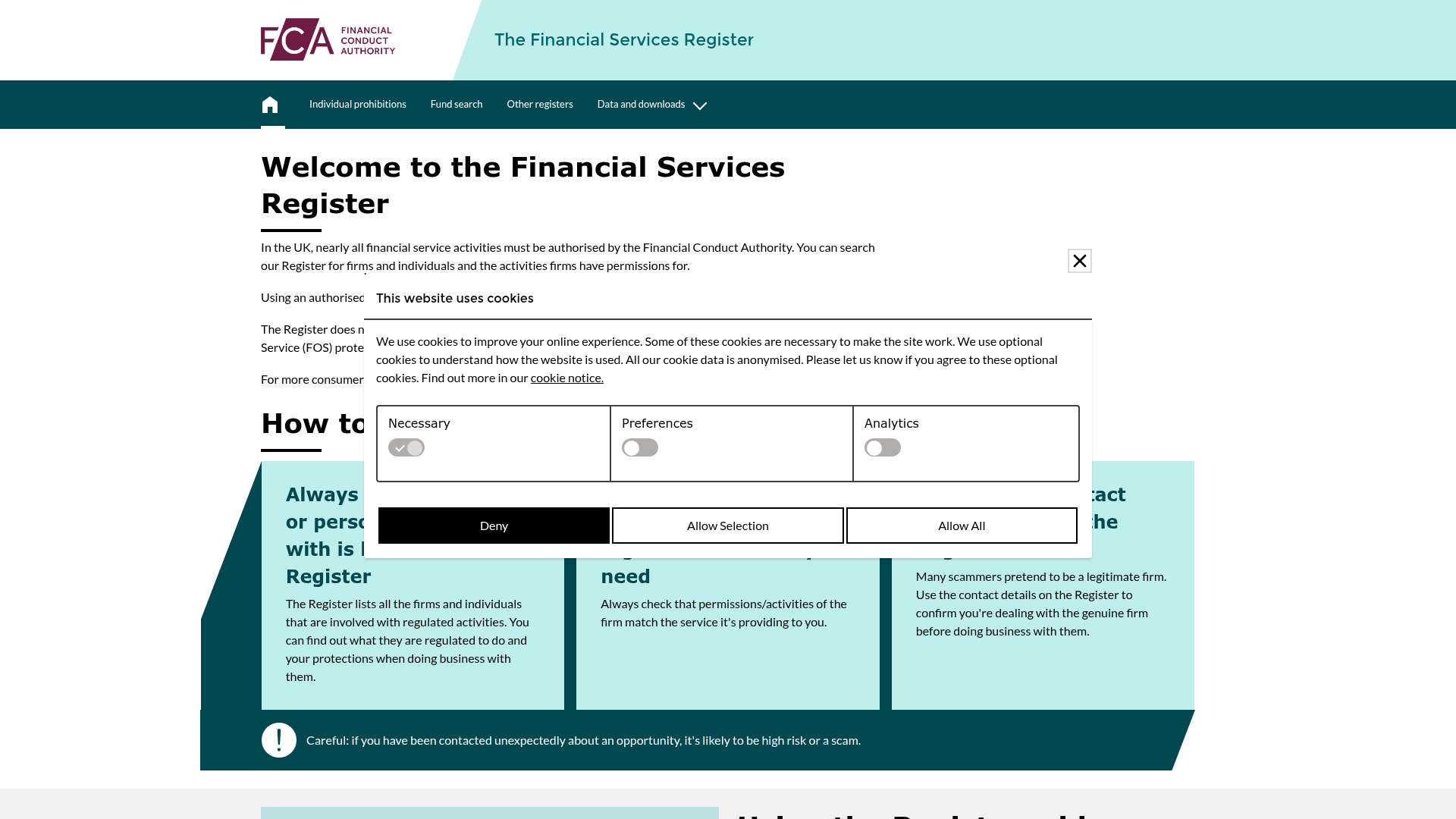
الصفحة التي نتحقق منها
هذه هي صفحة الهيئة نفسها، تم التقاطها كما وجدناها. افتحها وقم بإجراء البحث نفسه بنفسك — لا شيء في هذا السجل يحل محل المصدر.
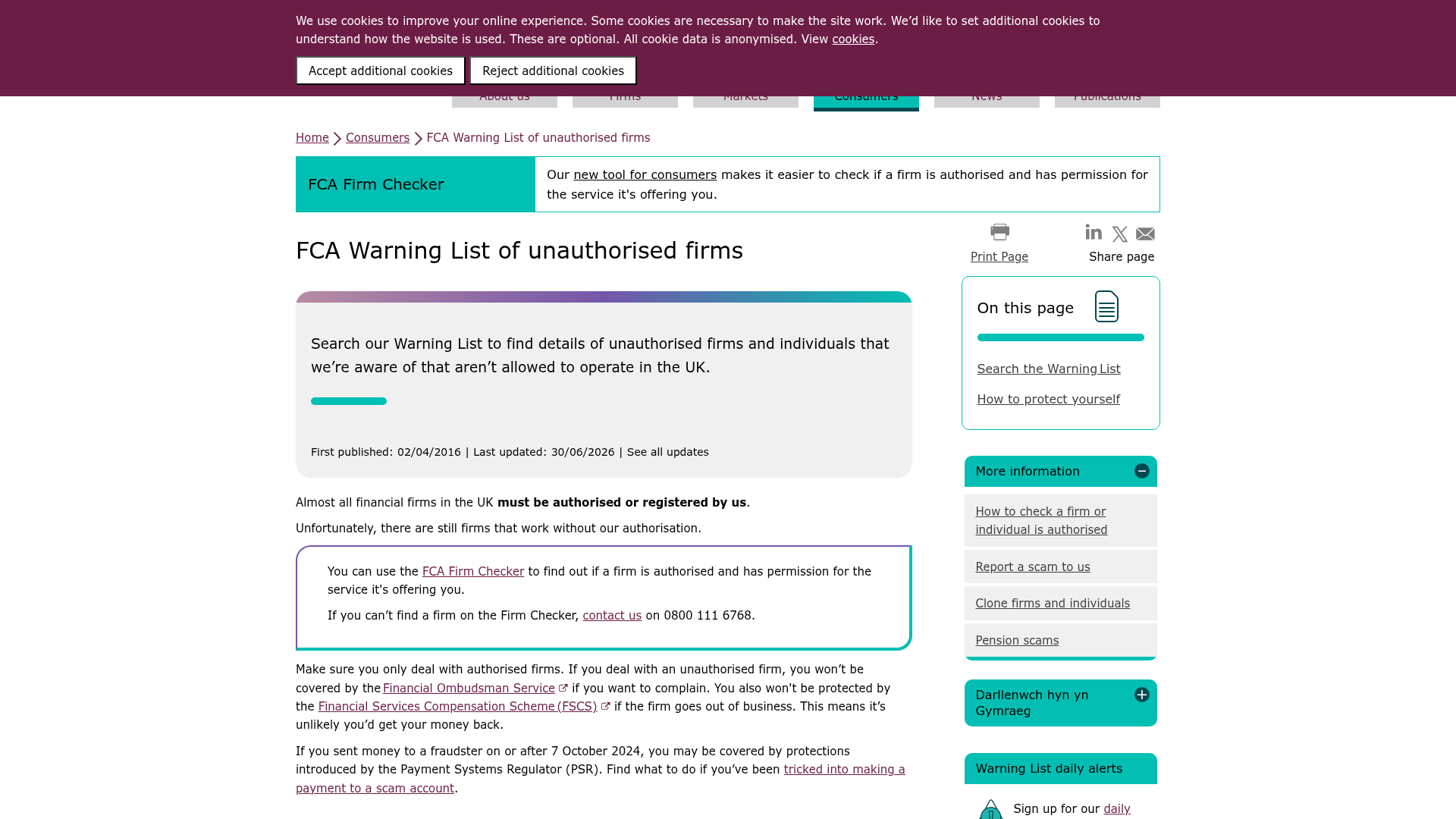
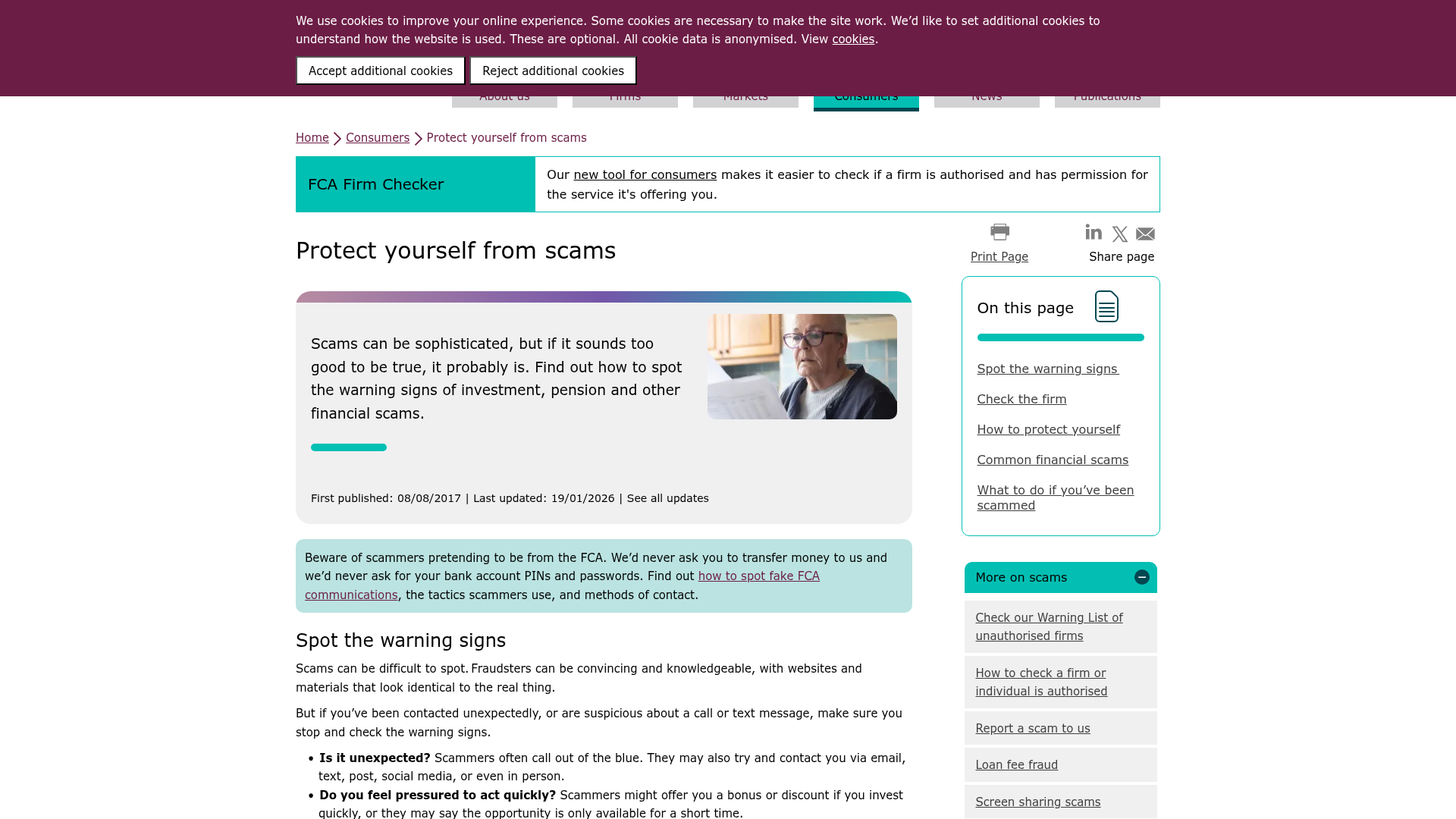
سجلات أخرى مستخدمة في هذا النوع من الفحوصات. كل منها يفتح صفحة الجهة التنظيمية الخاصة بها.
مصادر أساسية
يمكن التحقق من كل ادعاء أعلاه بالرجوع إلى صفحة الهيئة نفسها. تفتح هذه الروابط على موقع الجهة التنظيمية، وليس موقعنا.
- Financial Conduct Authority — Financial Services Registerregister.fca.org.ukhttps://register.fca.org.uk/
- ASIC — Professional registersasic.gov.auhttps://asic.gov.au/online-services/search-asics-registers/
- CFTC — Customer advisories on fraudcftc.govhttps://www.cftc.gov/LearnAndProtect/AdvisoriesAndArticles/index.htm
- FINRA BrokerCheckbrokercheck.finra.orghttps://brokercheck.finra.org/
- IOSCO — Investor alerts portaliosco.orghttps://www.iosco.org/investor_protection/?subsection=investor_alerts_portal
الأسئلة المتكررة
ما هو الفرق الرئيسي بين SEC IAPD و FINRA BrokerCheck؟
يغطي SEC IAPD بشكل أساسي المستشارين الاستثماريين والشركات المسجلة لدى SEC أو الجهات التنظيمية الحكومية، بينما FINRA BrokerCheck مخصص للوسطاء-التجار وممثليهم المسجلين. قد يظهر الفرد في كليهما إذا كان يحمل كلا الترخيصين.
كم مرة يتم تحديث المعلومات على IAPD و EDGAR؟
يُطلب من المستشارين الاستثماريين تحديث نموذجهم Form ADV سنويًا على الأقل، وفورًا عند حدوث تغييرات جوهرية. يتم تقديم إيداعات EDGAR، مثل تقارير 10-K، سنويًا، بينما يتم تقديم تقارير 10-Q ربع سنويًا، ويتم تقديم تقارير 8-K للأحداث الهامة في غضون أربعة أيام عمل.
هل يمكنني التحقق من مستشار خارجي باستخدام أدوات SEC هذه؟
بشكل عام، لا. يغطي SEC IAPD و EDGAR بشكل أساسي الكيانات المسجلة أو المطلوبة للتسجيل لدى SEC في الولايات المتحدة. بالنسبة للمستشارين الخارجيين، ستحتاج إلى التحقق من سجلات الجهات التنظيمية الوطنية الخاصة بهم، مثل FCA في المملكة المتحدة، أو ASIC في أستراليا، أو CySEC في قبرص.
ماذا لو قال مستشار إنه "خاص" ولا يظهر على IAPD؟
كن حذرًا للغاية. يُطلب من جميع المستشارين الماليين الشرعيين تقريبًا الذين يقدمون المشورة مقابل تعويض التسجيل إما لدى SEC أو سلطة أوراق مالية حكومية، مما يجعل سجلاتهم متاحة للجمهور على IAPD. لا يمكن للأفراد غير المسجلين تقديم مشورة استثمارية قانونيًا في معظم الولايات القضائية.
لقد وجدت مستشارًا على IAPD، ولكن لديه حدث تأديبي. هل هذا يعني الرفض التلقائي؟
ليس بالضرورة، ولكنه يتطلب تحقيقًا شاملاً. راجع تفاصيل الحدث التأديبي، بما في ذلك طبيعة المخالفة، والقرار، والتاريخ. قد تكون بعض المشكلات الثانوية القديمة أقل إثارة للقلق من الانتهاكات الخطيرة الحديثة. ناقش الأمر مباشرة مع المستشار.
هل هناك أي تكاليف مرتبطة باستخدام IAPD أو EDGAR؟
لا، كلتا قاعدتي بيانات SEC IAPD و EDGAR هما موارد عامة مجانية مقدمة من هيئة الأوراق المالية والبورصات الأمريكية. لا توجد رسوم للبحث أو الوصول إلى المستندات.