
نقاط رئيسية
- سجلات الشركات العامة هي نقطة البداية الأساسية للتحقق من الملكية، ولكنها غالبًا ما تكشف فقط عن المديرين الاعتباريين.
- الملكية المستفيدة الحقيقية، التي تمثل السيطرة النهائية، غالبًا ما تتطلب تحقيقًا أعمق يتجاوز عمليات البحث الأولية في السجلات.
- هياكل الشركات العابرة للحدود غالبًا ما تتضمن ولايات قضائية متعددة، مما يعقد تحديد جميع المالكين.
- معلومات الشركة غير الكاملة أو غير المتسقة يمكن أن تشير إلى محاولة متعمدة لإخفاء الملكية، مما ينذر بمخاطر محتملة.
- التحقق من الأفراد المحددين مقابل السجلات العامة، قوائم العقوبات، وسجلات الهيئات التنظيمية يضيف طبقة حماية حاسمة.
- العناية الواجبة الشاملة تتطلب وقتًا ومثابرة، وغالبًا ما تستلزم استخدام قواعد بيانات مدفوعة أو خدمات احترافية.
الهياكل الخفية وراء شركات التداول عبر الإنترنت
تخيل منصة تداول عبر الإنترنت تقدم نفسها كمزود خدمة مالية شرعي، مكتملة بموقع إلكتروني احترافي ومواد تسويقية براقة. بالنسبة للعديد من الأفراد، تعتمد الثقة الأولية الموضوعة في مثل هذا الكيان بشكل كامل على بيانات اعتماده المعلنة ذاتيًا. ومع ذلك، وراء كل اسم شركة يكمن هيكل من المديرين والمساهمين، وفي النهاية، المالكين المستفيدين – وهم الأشخاص الحقيقيون الذين يسيطرون على الشركة ويستفيدون من عملياتها. يؤدي الفشل في تحديد هؤلاء الأفراد إلى نقطة ضعف كبيرة، حيث يمكن للهيكل المجهول أن يخفي أشكالًا مختلفة من سوء السلوك المالي، من التضليل إلى الاحتيال الصريح.
يخضع مزودو الخدمات المالية المنظمون بشكل عام لمتطلبات 'اعرف عميلك' (KYC) و'مكافحة غسل الأموال' (AML)، والتي تلزمهم بتحديد مالكيهم المستفيدين. يهدف هذا الضغط التنظيمي إلى زيادة الشفافية ومكافحة الأنشطة غير القانونية. ومع ذلك، يقع العبء أيضًا على عاتق المستهلكين والمستثمرين لإجراء العناية الواجبة الخاصة بهم، خاصة عند التعامل مع كيانات تعمل عبر ولايات قضائية متعددة أو تقدم منتجات مالية معقدة. المعلومات المتاحة من خلال السجلات العامة ليست دائمًا سهلة الوصول أو التفسير، وغالبًا ما تتطلب نهجًا دقيقًا ومنهجيًا.
يتفاقم التحدي بسبب سهولة تأسيس الكيانات الاعتبارية في الولايات القضائية ذات القوانين الأقل صرامة فيما يتعلق بالشفافية. قد تقدم الشركة نفسها بعنوان مسجل في بلد ما، بينما تقع سيطرتها التشغيلية، وبالتالي مالكوها المستفيدون الحقيقيون، في مكان آخر تمامًا. غالبًا ما يُستغل هذا الانفصال لخلق مسافة بين الكيان الذي يقدم الخدمات والأفراد المسؤولين في النهاية عن أفعاله، مما يجعل المساءلة صعبة التحديد في حال نشوء مشاكل. إن هذا الغموض الهيكلي بالتحديد هو ما يتطلب عملية تحقق دقيقة وخطوة بخطوة لحماية مصالحك.
الوصول إلى سجلات الشركات العامة: خطوتك الأولى
الخطوة الأساسية الأولى في التحقق من هيكل أي شركة هي الرجوع إلى سجلات الشركات العامة الرسمية في الولاية القضائية التي تدعي الشركة أنها تأسست فيها. تحتفظ السلطات الوطنية بهذه السجلات وتوفر سجلات رسمية للوضع القانوني للشركة، وعنوانها المسجل، والمديرين، وأحيانًا المساهمين. على سبيل المثال، في المملكة المتحدة، تقوم Companies House بهذا الغرض، بينما في أستراليا توجد سجلات ASIC. غالبًا ما يكون الوصول إلى هذه الخدمات مجانيًا أو يتطلب رسومًا رمزية، وتوفر نقاط بيانات أساسية مثل أرقام التسجيل وتواريخ التأسيس.
بينما تعتبر هذه السجلات موثوقة، يمكن أن يختلف مستوى التفاصيل المقدمة بشكل كبير بين الولايات القضائية. توفر بعض السجلات، مثل سجلات المملكة المتحدة، الكثير من المعلومات، مثل الإيداعات التاريخية وتفاصيل الأفراد المعينين كمديرين. قد تدرج سجلات أخرى فقط المديرين الاعتباريين، وهم شركات أخرى وليسوا أشخاصًا طبيعيين، مما يحجب الأفراد المتحكمين الحقيقيين. هذا هو الجزء الذي تتجاهله معظم الأدلة: فغالبًا ما يكشف البحث الأولي في السجل عن هؤلاء المديرين الاعتباريين فقط، وليس عن البشر الفعليين الذين يمتلكون السيطرة النهائية. وهذا يعني أن بحثًا واحدًا نادرًا ما يكون كافيًا للحصول على صورة كاملة.
من المهم البحث باستخدام الاسم القانوني الدقيق للكيان، حيث قد لا تسفر الاختلافات الطفيفة أو الأسماء التجارية عن نتائج. يوفر رقم التسجيل، إذا كان متاحًا، طريقة البحث الأكثر مباشرة ودقة. إذا ادعت شركة أنها منظمة من قبل سلطة معينة، فإن مقارنة تفاصيل تسجيلها في سجل الشركة مع السجل العام الخاص بالجهة التنظيمية يعد خطوة تحقق حاسمة. أي تباينات هنا هي علامة تحذير مهمة، تشير إلى أن الكيان قد لا يكون هو ما يدعيه.
سجلات الشركات الوطنية الرئيسية وإمكانية الوصول إلى المعلومات
| الولاية القضائية | السلطة الرئيسية للسجل | رابط البحث | المعلومات المتاحة عادةً |
|---|---|---|---|
| المملكة المتحدة | Companies House | https://find-and-update.company-information.service.gov.uk/ | المديرون، المساهمون، العنوان المسجل، الإيداعات، الحسابات |
| أستراليا | ASIC | https://asic.gov.au/online-services/search-asics-registers/ | تفاصيل الشركة، المدراء، ABN/ACN، الأسماء التجارية |
| قبرص | دائرة مسجل الشركات والملكية الفكرية | https://www.companies.gov.cy/ | المدراء، أمين السر، العنوان المسجل، رأس المال السهمي |
| الولايات المتحدة | يختلف حسب الولاية (على سبيل المثال، وزير خارجية ولاية ديلاوير) | https://corp.delaware.gov/bizsearch/ | الوكيل المسجل، تاريخ التأسيس (تختلف التفاصيل بشكل كبير) |
| سنغافورة | ACRA (هيئة المحاسبة والتنظيم المؤسسي) | https://www.acra.gov.sg/how-to-guides/search-for-information-on-entities | المدراء، المساهمون، العنوان المسجل، الأنشطة التجارية |
ما وراء المدراء: فهم الملكية النفعية
بينما يتحمل المدراء مسؤولية إدارة الشركة، إلا أنهم ليسوا دائمًا المالكين النهائيين لها. يشير مفهوم "الملكية النفعية" إلى الشخص الطبيعي أو الأشخاص الذين يمتلكون أو يسيطرون في نهاية المطاف على كيان قانوني، حتى لو تم ممارسة هذه الملكية من خلال سلسلة من الشركات أو الصناديق الائتمانية الأخرى. غالبًا ما يكون تحديد المالكين النفعيين أكثر تعقيدًا من تحديد المدراء، حيث قد يخفي هؤلاء الأفراد مشاركتهم عمدًا لتجنب التدقيق العام أو الرقابة التنظيمية أو الضرائب. هذا تمييز حاسم يمكن أن يؤثر بشكل عميق على تقييم المستثمر للمخاطر.
على سبيل المثال، قد يكون مدير الشركة فردًا معينًا من قبل شركة قابضة، والتي بدورها مملوكة لكيان اعتباري آخر مسجل في بلد مختلف، مما يؤدي في النهاية إلى صندوق ائتماني خاص. تضيف كل طبقة تعقيدًا وتجعل تتبع الفرد الحقيقي في القمة أكثر صعوبة. لقد دفعت لوائح مثل توجيهات الاتحاد الأوروبي الرابعة والخامسة لمكافحة غسل الأموال نحو شفافية أكبر في الملكية النفعية، مما يتطلب من الشركات الإعلان عن مالكيها النفعيين النهائيين في سجلات مركزية. ومع ذلك، ليست كل الولايات القضائية لديها سجلات ملكية نفعية فعالة أو متاحة للجمهور بنفس القدر.
عندما يؤدي هيكل ملكية الشركة إلى كيان اعتباري آخر، يجب أن تمتد عملية التحقق إلى تلك الطبقة التالية. هذا يعني تكرار عملية البحث لكل شركة متتالية في السلسلة حتى يتم تحديد شخص طبيعي كمالك أو مسيطر نهائي. يمكن أن تكون هذه العملية التكرارية مستهلكة للوقت ومليئة بالتحديات، خاصة عندما تعبر السلسلة حدودًا وطنية متعددة، ولكل منها أطرها القانونية وسياسات الوصول إلى البيانات الخاصة بها.
السجلات الدولية وفجوات البيانات
تعني الطبيعة العالمية للتداول عبر الإنترنت أن الشركات غالبًا ما تُؤسس في ولاية قضائية، وتعمل من أخرى، وتخدم العملاء في ثالثة. هذا الانتشار الدولي يعقد العناية الواجبة بشكل كبير. لكل بلد سلطة تسجيل الشركات الخاصة به، وتختلف سهولة الوصول ولغة السجلات وعمق المعلومات المقدمة بشكل كبير. على سبيل المثال، بينما يعتبر سجل الشركات في المملكة المتحدة (Companies House) شفافًا وسهل الاستخدام نسبيًا، فإن الحصول على معلومات تفصيلية مماثلة من بعض الولايات القضائية الخارجية يمكن أن يكون أكثر صعوبة بكثير أو حتى مستحيلًا بدون مساعدة قانونية.
عندما يشير هيكل الشركة إلى كيان مسجل في ولاية قضائية معروفة بالسرية المؤسسية، يجب أن يثير هذا تساؤلًا فوريًا. قد تشمل هذه الولايات القضائية بعض الدول الجزرية أو الأقاليم الأخرى التي تعطي الأولوية للخصوصية على الشفافية، مما يجعل من الصعب غالبًا على الجمهور أو حتى المنظمين التحقق من الملكية النفعية. غالبًا ما يكون هذا الغموض خيارًا متعمدًا من قبل أولئك الذين يسعون لتجنب المساءلة. عمليًا، حتى مع وجود سجلات عامة، يمكن أن يستغرق تأكيد هوية المالك النفعي عدة أيام من المراجعة المتقاطعة وقد يؤدي مع ذلك إلى طرق مسدودة.
ليست كل سجلات الشركات رقمية أو قابلة للبحث بسهولة عبر الإنترنت. تتطلب بعضها طلبات مادية، أو طلبات رسمية، أو حتى تمثيلًا قانونيًا محليًا للوصول إلى السجلات، مما يضيف وقتًا وتكلفة كبيرين لعملية التحقق. إن عدم توفر المعلومات بسهولة، أو المعلومات المقدمة بلغة محلية فقط دون ترجمة، لا ينبغي اعتباره إزعاجًا بسيطًا؛ إنه حاجز مادي أمام العناية الواجبة وقد يخفي قضايا أساسية.
إعطاء الأولوية للشفافية والملكية القابلة للتحقق فوق كل شيء آخر، فهما ركيزتان أساسيتان للثقة في قطاع الخدمات المالية. إذا لم تكن الإجابات واضحة، فابتعد ببساطة.
Owen Blake
كشف الحجب المؤسسية: تتبع الهياكل متعددة الطبقات
تتضمن إحدى الاستراتيجيات الشائعة لإخفاء الملكية النفعية تراكب الكيانات الاعتبارية. قد يمتلك شخص ما الشركة (أ)، التي تمتلك الشركة (ب)، والتي بدورها تمتلك الشركة (ج) — الكيان التشغيلي. تعمل كل طبقة كـ "حجاب مؤسسي"، مما يجعل تتبع الفرد الأصلي أكثر صعوبة. لكشف هذه الهياكل، يجب عليك اتباع سلسلة الملكية بشكل منهجي. إذا كشف بحثك الأولي عن الشركة (ج) أن الشركة (ب) هي مدير أو مساهم اعتباري، فإن خطوتك التالية هي الحصول على تفاصيل تسجيل الشركة (ب) ثم البحث في سجلها. تستمر هذه العملية حتى تصل إلى شخص طبيعي أو طريق مسدود.
غالبًا ما يتطلب هذا التحقيق التكراري الصبر وحفظ السجلات بدقة. قم بتوثيق اسم كل شركة، ورقم تسجيلها، والولاية القضائية، والأفراد أو الكيانات المحددة في كل طبقة. ابحث عن التناقضات، مثل المدراء المشتركين عبر كيانات تبدو غير مرتبطة، أو الشركات المسجلة في نفس العنوان ولكن بمالكين نفعيين مختلفين. يمكن أن تكشف هذه الشذوذات أحيانًا عن شبكة من الكيانات ذات الصلة التي يسيطر عليها نفس الأفراد.
تحذير: إذا واجهت بعد عدة طبقات من التحقيق باستمرار كيانات اعتبارية مسجلة في ولايات قضائية تتسم بالسرية، أو إذا بدت سلسلة الملكية مقطوعة عمدًا، فهذا مؤشر قوي على وجود هيكل غامض. غالبًا ما تكون هذه الترتيبات مصممة لحماية السيطرة النهائية ويمكن أن تشكل عامل خطر كبير. إنها تشير إلى عدم وجود رغبة في الشفافية، وهو ما نادرًا ما يكون علامة إيجابية في التعاملات المالية.
دور الخدمات المهنية وقواعد البيانات المدفوعة
بينما تُعد السجلات العامة لا تقدر بثمن، إلا أنها غالبًا ما تكون محدودة، خاصة بالنسبة للهياكل المعقدة أو الدولية. وهنا تبرز الحاجة إلى الخدمات المهنية وقواعد البيانات المدفوعة. خدمات مثل Dun & Bradstreet و LexisNexis Diligence، أو قواعد البيانات المتخصصة للملكية المستفيدة، تجمع البيانات من مصادر عامة وخاصة متنوعة على مستوى العالم. يمكنها غالبًا توفير رؤية أكثر تكاملاً للهياكل المؤسسية والمديرين والمالكين المستفيدين، مما يبسط بشكل كبير عملية البحث التي قد تستغرق أسابيع أو أشهر لإجرائها يدويًا عبر سجلات وطنية متفرقة.
توفر هذه المنصات عادةً إمكانيات بحث متقدمة وأدوات للمقارنة المرجعية، وغالبًا ما تتضمن نقاط بيانات غير متاحة بسهولة في السجلات العامة المجانية، مثل معلومات المساهمين، وإقرارات الملكية المستفيدة النهائية (حيثما يتطلب القانون)، وروابط للكيانات الأخرى ذات الصلة. غير أن الوصول إلى هذه الخدمات يأتي بتكلفة. يمكن أن تتراوح الاشتراكات من مئات إلى آلاف الدولارات سنويًا، مما يجعلها متاحة بشكل أساسي للشركات وشركات المحاماة أو المتخصصين في الامتثال، بدلاً من المستثمرين الأفراد. يسلط هذا الحاجز الاقتصادي الضوء على أن العناية الواجبة الشاملة تتطلب أحيانًا استثمارًا ماليًا.
بالنسبة للمستثمرين الأفراد، قد يكون الاستعانة بمحترف قانوني أو شركة متخصصة في العناية الواجبة نهجًا أكثر عملية عند مواجهة كيان معقد أو مشبوه بشكل خاص. يمتلك هؤلاء الخبراء الوصول الضروري إلى قواعد البيانات الخاصة والخبرة اللازمة للتنقل في الهياكل المؤسسية المعقدة، وتقديم تقرير موثق حول الملكية الحقيقية للكيان. بينما يتكبد هذا أيضًا تكلفة، إلا أنه يمكن أن يكون نفقًا حكيمًا عند التعامل مع مبالغ كبيرة من المال أو استثمارات عالية المخاطر، حيث يوفر تقييمًا موضوعيًا من طرف ثالث.
مؤشرات الملكية الغامضة: ما يجب الانتباه إليه
بالإضافة إلى التحدي التقني المتمثل في تتبع الملكية، هناك مؤشرات محددة يجب أن تثير القلق بشأن شفافية الشركة. إحدى هذه المؤشرات هي الشركة التي تغير اسمها المسجل أو عنوانها بشكل متكرر دون مبرر واضح. بينما يمكن للشركات الشرعية أن تنتقل أو تعيد تسمية علامتها التجارية، فإن نمط التغييرات المتكررة يمكن أن يكون تكتيكًا للتهرب من التدقيق أو جعل التتبع التاريخي أكثر صعوبة. وبالمثل، فإن التباين بين المقر التشغيلي المعلن للشركة وعنوانها المسجل، خاصة إذا كان الأخير عبارة عن صندوق بريد أو مكتب افتراضي مشترك في ولاية قضائية بحرية معروفة، يستدعي مزيدًا من التحقيق.
علامة تحذير مهمة أخرى هي عندما يظهر المديرون المدرجون أو المالكون المستفيدون كمديرين صوريين (nominee directors) — أفراد يقدمون أسماءهم لشركات متعددة، غالبًا دون أي مشاركة تشغيلية حقيقية. بينما يُعد هذا قانونيًا في بعض السياقات، فإن ظهور مدير واحد في مئات أو آلاف سجلات الشركات عبر صناعات مختلفة غير ذات صلة هو مؤشر قوي على وجود هيكل شركة وهمية (shell company) مصمم لإخفاء المتحكمين الحقيقيين. غالبًا ما تدقق الهيئات التنظيمية في مثل هذه الترتيبات تحديدًا لأنها يمكن أن تسهل الأنشطة غير المشروعة.
أخيرًا، يُعد نقص المعلومات المتسقة عبر المصادر الرسمية المختلفة علامة حمراء رئيسية. إذا كان موقع الشركة الإلكتروني يدرج مديريًا مختلفين عن سجلها الرسمي للشركات، أو إذا لم تُظهر الهيئات التنظيمية المعلنة تفاصيل تسجيل متطابقة، فإن هذه التناقضات تشير إما إلى عدم الكفاءة أو محاولة متعمدة للتضليل. تتطلب هذه التباينات توضيحًا فوريًا، وإذا لم يتم حلها، فيجب التعامل معها كتحذير جاد ضد التعامل مع الكيان.
مطابقة الهويات الفردية: العقوبات والسجلات العامة
بمجرد تحديد الأشخاص الطبيعيين وراء هيكل الشركة، لا تكتمل عملية العناية الواجبة الخاصة بك. الخطوة الحاسمة التالية هي التحقق من هويات هؤلاء الأفراد والبحث عن أي معلومات سلبية مرتبطة بهم. يتضمن ذلك مطابقة أسمائهم مع سجلات عامة وقوائم رسمية مختلفة. تشمل الموارد الرئيسية قوائم العقوبات العالمية (مثل تلك التي تحتفظ بها الأمم المتحدة، OFAC، أو الاتحاد الأوروبي)، والتي تحدد الأفراد والكيانات المتورطة في الإرهاب، الانتشار، أو غيرها من الأنشطة غير المشروعة. بينما يتم الاحتفاظ بهذه القوائم عادةً من قبل الحكومات، يقدم العديد من المزودين التجاريين منصات بحث موحدة.
بالإضافة إلى العقوبات، من الحكمة التحقق من أي سجلات عامة لإجراءات الإنفاذ التنظيمي، حالات الإفلاس، أو الإدانات الجنائية المرتبطة بهؤلاء الأفراد. يمكن أن يكشف البحث في قواعد بيانات الهيئات التنظيمية المالية، مثل سجل الخدمات المالية التابع لـ FCA في المملكة المتحدة أو FINRA BrokerCheck في الولايات المتحدة، ما إذا كان الفرد قد تم حظره أو تأديبه في الصناعة المالية. وبالمثل، يمكن أن يكشف البحث البسيط على الإنترنت أحيانًا عن مقالات إخبارية أو منتديات عامة تناقش الخلافات أو الشكاوى السابقة المتعلقة بالأفراد المعنيين.
تضيف عملية المطابقة المرجعية هذه طبقة حيوية من الحماية. معرفة من تتعامل معه في النهاية، وسلوكه السابق، يسمح بتقييم أكثر استنارة للمخاطر المحتملة. قد يتضمن الفحص الشامل عدة قواعد بيانات متميزة، كل منها يقدم جزءًا من اللغز. لا ينبغي أبدًا تخطي هذه الخطوة، حيث أن نزاهة الأفراد الذين يتحكمون في الشركة في النهاية تنعكس مباشرة على أخلاقيات الشركة التشغيلية وموثوقيتها.
الموارد الرئيسية لمطابقة الهويات الفردية
| نوع الفحص | الغرض الرئيسي | الموارد الرئيسية (أمثلة) | المعلومات المكشوفة |
|---|---|---|---|
| قوائم العقوبات | تحديد الأفراد/الكيانات المتورطين في أنشطة غير مشروعة | OFAC (وزارة الخزانة الأمريكية)، مجلس الأمن التابع للأمم المتحدة، خريطة عقوبات الاتحاد الأوروبي | الإدراج في القوائم، تجميد الأصول، حظر السفر |
| إجراءات الإنفاذ التنظيمي | الكشف عن السجل التأديبي السابق في القطاع المالي | سجل الخدمات المالية التابع لـ FCA، وFINRA BrokerCheck، والقائمة الحمراء لـ CFTC | الحظر، الغرامات، إلغاء التراخيص |
| سجلات الإفلاس | تقييم الاستقرار المالي والنزاهة | سجلات المحاكم الوطنية/الولائية، مكاتب الائتمان | الإعسار، التاريخ المالي الشخصي |
| سجلات المحاكم العامة | اكتشاف الإدانات الجنائية أو الدعاوى المدنية | قواعد بيانات المحاكم المحلية/الوطنية، Pacer (الولايات المتحدة) | القضايا القانونية السابقة، الأحكام |
| بحث عام عبر الويب | تحديد التغطية الإعلامية السلبية أو الشكاوى العامة | جوجل، أرشيفات الأخبار الرئيسية | مخاطر السمعة، تحذيرات غير رسمية |
تجميع الملف الحقيقي للوسيط
بعد التتبع الدقيق للملكية المستفيدة والتحقق من الأفراد المرتبطين بها، تتضمن الخطوة الأخيرة تجميع جميع المعلومات التي تم جمعها في ملف متكامل للوسيط أو الشركة المالية. يجب أن يوضح هذا الملف بوضوح من يملك الكيان ويتحكم فيه، وأين هو مسجل بالفعل، وما هو وضعه التنظيمي في جميع الولايات القضائية ذات الصلة. الهدف هو تجاوز الادعاءات التسويقية الأولية وتأسيس أساس واقعي يستند إلى سجلات عامة قابلة للتحقق وفحوصات مستقلة. هنا يصبح تجميع البيانات المجزأة أمرًا بالغ الأهمية. قارن هيكل الملكية الذي تم التحقق منه بالمعلومات التي تقدمها الشركة نفسها. هل هناك أي تناقضات؟ هل يمتلك المالك المستفيد سجلًا نظيفًا، أم أن هناك قضايا تنظيمية سابقة أو إشارات إعلامية سلبية؟ هل الشركة مسجلة في البلد الذي تدعي أنها فيه، وهل تراخيصها قابلة للتحقق لدى الهيئات التنظيمية المذكورة؟ على سبيل المثال، إذا ادعى وسيط مثل Pepperstone أنه يخضع لتنظيم FCA وASIC وCySEC، فيجب أن تكون قادرًا على العثور على إدخالات مقابلة لكياناته القانونية في السجلات المعنية: https://register.fca.org.uk/، https://asic.gov.au/online-services/search-asics-registers/، و https://www.cysec.cy/en-GB/entities/investment-firms/cypriot/. إن الفشل في العثور على مثل هذه الإدخالات، أو العثور على إدخالات لا تتطابق مع هوية الشركة، يتطلب اهتمامًا فوريًا وجادًا. يعمل هذا الملف المجمع كتقرير العناية الواجبة الشخصي الخاص بك. إنه يمكّنك من اتخاذ قرار مستنير بشأن التعامل مع الشركة، أو ما إذا كان مستوى الغموض أو المخاطر المحددة مرتفعًا جدًا ببساطة. يساهم هيكل الملكية النظيف والشفاف، مع أفراد يمكن التحقق منهم ورقابة تنظيمية متسقة، بشكل كبير في بناء الثقة في مزود الخدمات المالية. على النقيض من ذلك، فإن الملف المليء بالأسئلة غير المجابة أو علامات التحذير يجب أن يدفع إلى الانسحاب الحاسم.
تكلفة ووقت العناية الواجبة الشاملة
إن العناية الواجبة على الهياكل المؤسسية ليست فورية ولا مجانية. يمكن أن يتراوح الاستثمار الزمني وحده من بضع ساعات للكيانات البسيطة والشفافة إلى عدة أسابيع أو حتى أشهر للترتيبات الدولية المعقدة التي تتضمن طبقات متعددة من الحجب المؤسسي. كل بحث في سجل عام، وكل مرجع متقاطع، وكل جزء من المعلومات التي يتم الحصول عليها يتطلب جهدًا واهتمامًا بالتفاصيل. هذا الالتزام بالوقت جزء لا مفر منه لحماية الذات في الأسواق المالية. يمكن أن تتراكم التكاليف المالية أيضًا. بينما تقدم العديد من سجلات الشركات الأساسية عمليات بحث أساسية مجانية، فإن التقارير التفصيلية أو الوثائق المعتمدة أو الوصول إلى سجلات الملكية المستفيدة في بعض الولايات القضائية قد تتكبد رسومًا. كما نوقش، إذا تطلب التعقيد ذلك، فإن الاستعانة بمهنيين قانونيين أو الاشتراك في قواعد بيانات تجارية يمثل نفقات مالية مباشرة. قد يكلف فحص خلفية بسيط للمدير 50-100 دولارًا، بينما يمكن أن يصل تقرير العناية الواجبة الكامل من شركة متخصصة لكيان معقد بسهولة إلى آلاف الدولارات، اعتمادًا على العمق والنطاق المطلوبين. من المهم النظر إلى هذه الاستثمارات – سواء من الوقت أو المال – ليس كنفقات بل كشكل من أشكال التأمين. إن الخسائر المحتملة من التعامل مع شركة غير مشروعة أو سيئة الإدارة تفوق بكثير تكاليف التحقق الوقائي. يمكن أن يؤدي إغفال هذه الخطوات لتوفير الوقت أو المال إلى تعريض الفرد لمخاطر مالية كبيرة، مما يجعل الاستثمار الأولي جزءًا حكيمًا وضروريًا من التعامل المسؤول مع أي مزود خدمة مالية.
حماية رأس مالك: الهدف الأسمى من التحقق
الهدف الأسمى من التدقيق الدقيق في مديري الشركات والمالكين المستفيدين هو حماية رأس مالك. عندما تودع الأموال لدى وسيط أو تستثمر من خلال منصة مالية، فإنك تعهد بأصولك إلى الأفراد الذين يتحكمون في هذا الكيان في نهاية المطاف. بدون معرفة من هم هؤلاء الأفراد، وبدون التحقق من شرعيتهم وسجلهم، فإنك تعمل تحت عيب معلوماتي عميق. يمكن استغلال هذا التباين من قبل ذوي النوايا الخبيثة، مما يعرضك لمخاطر تشغيلية، أو سوء تخصيص الأموال، أو الاحتيال الصريح. إن نقص الشفافية من جانب الشركة يجبرك على تحمل مخاطر لا داعي لها. حتى مع الشركات الخاضعة لتنظيم صارم، فإن نزاهة المالكين المستفيدين تؤثر بشكل مباشر على ثقافة الشركة وأخلاقيات التشغيل. بينما توفر الهيئات التنظيمية مثل FCA أو ASIC الرقابة، إلا أنها لا تستطيع منع جميع المخالفات. يعمل التحقق الاستباقي الخاص بك كخط دفاع أول حاسم، مكملاً للجهود التنظيمية. إنه يمنحك المعرفة لاتخاذ قرارات مستنيرة، بدلاً من الاعتماد فقط على ادعاءات الشركة التسويقية أو ترخيص تنظيمي واحد. لذلك، قبل الالتزام بأي أموال، ابذل الجهد لفهم من يقف حقًا وراء الكيان المالي الذي تفكر فيه. استخدم الأدوات العامة المتاحة، اتبع سلاسل الملكية، وقارن الهويات الفردية. إذا كانت المعلومات في أي وقت غير واضحة أو غير متسقة أو مخفية عمدًا، فاعتبر هذا تحذيرًا حاسمًا. أعطِ الأولوية للشفافية والملكية القابلة للتحقق فوق كل شيء آخر، فهذه هي الركائز الأساسية للثقة في صناعة الخدمات المالية. إذا لم تكن الإجابات متاحة، فما عليك سوى الانسحاب.
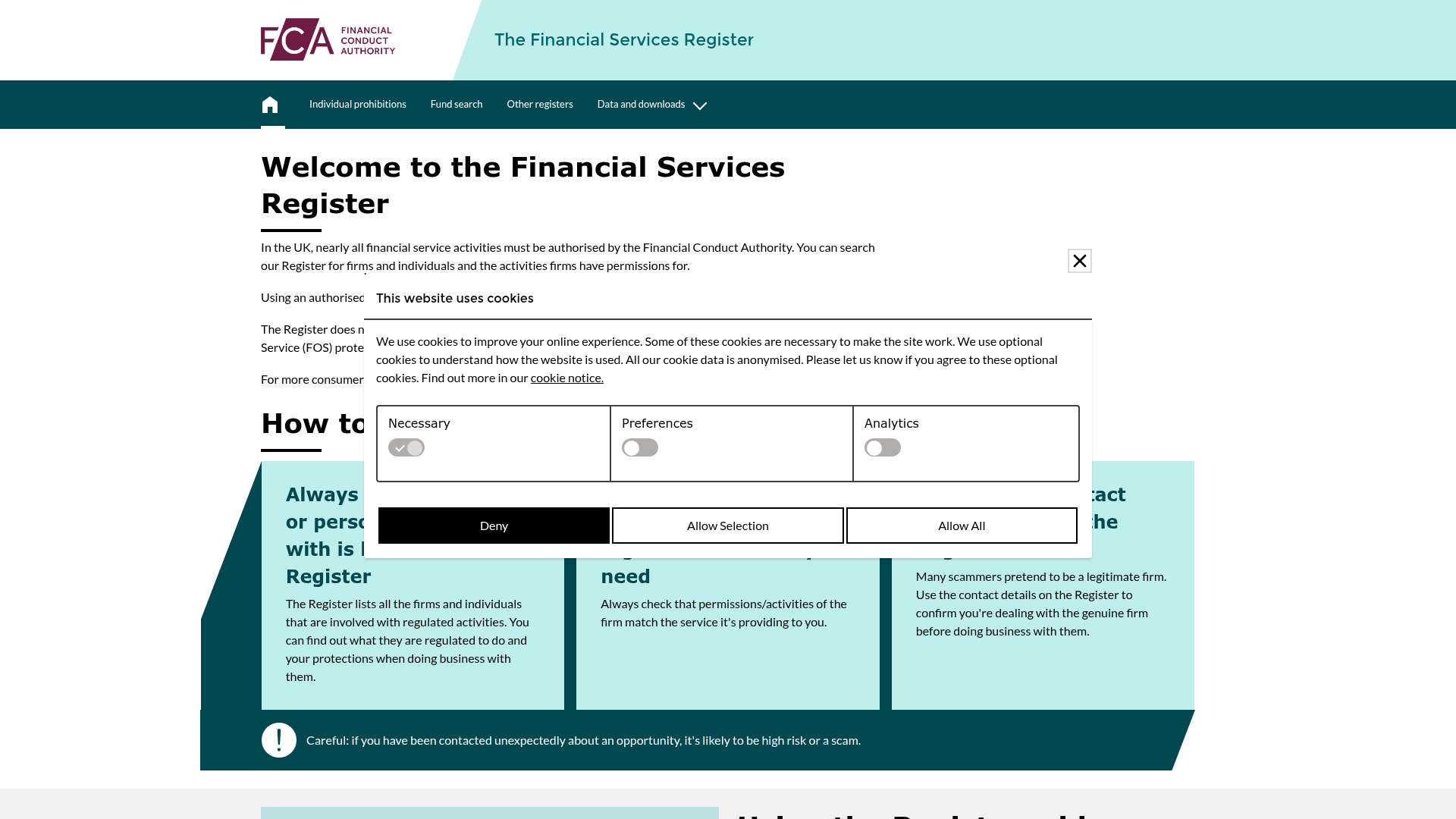
الصفحة التي نتحقق منها
هذه هي صفحة الهيئة نفسها، تم التقاطها كما وجدناها. افتحها وقم بإجراء البحث نفسه بنفسك — لا شيء في هذا السجل يحل محل المصدر.
سجلات أخرى مستخدمة في هذا النوع من الفحوصات. كل منها يفتح صفحة الجهة التنظيمية الخاصة بها.
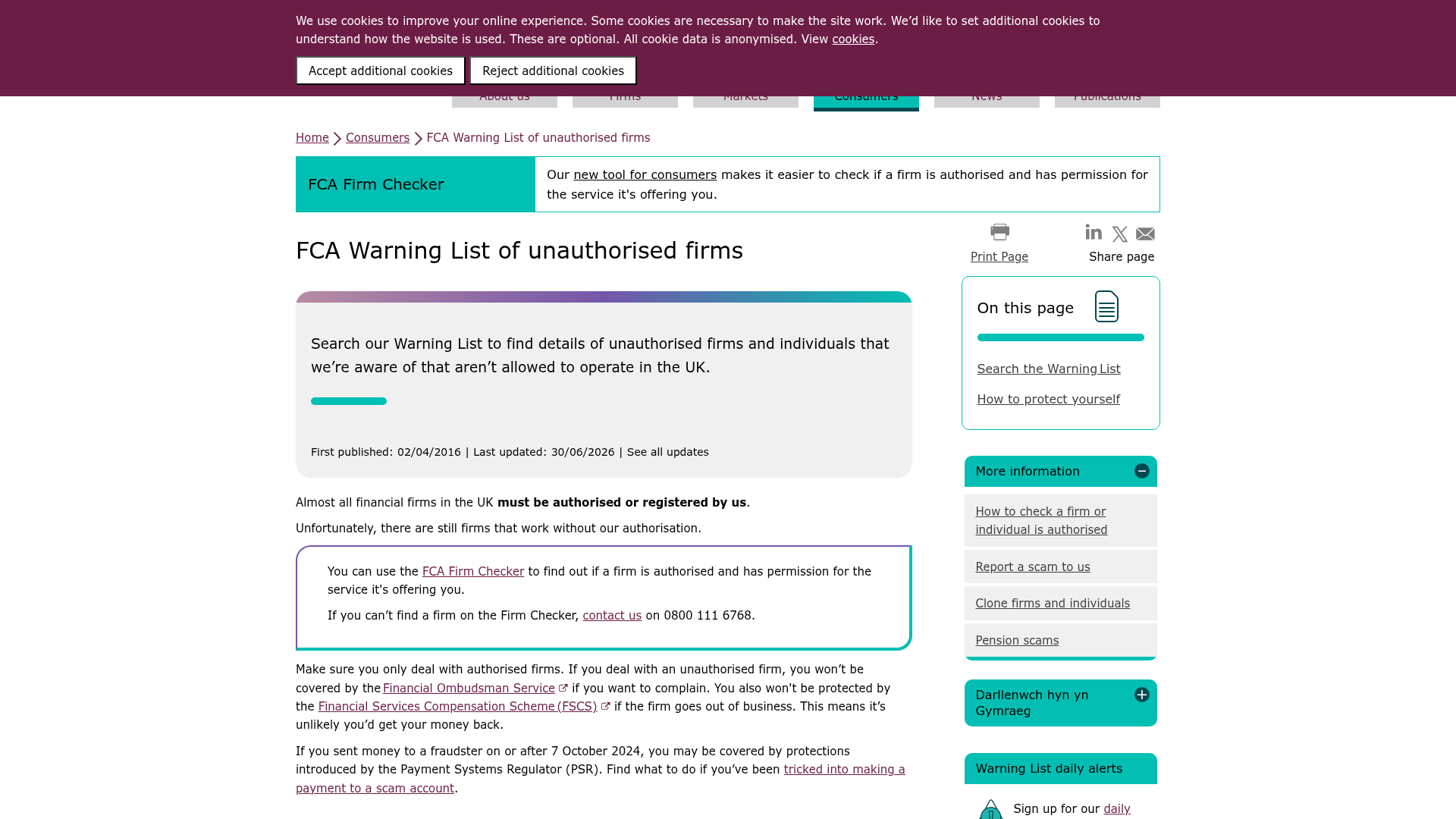
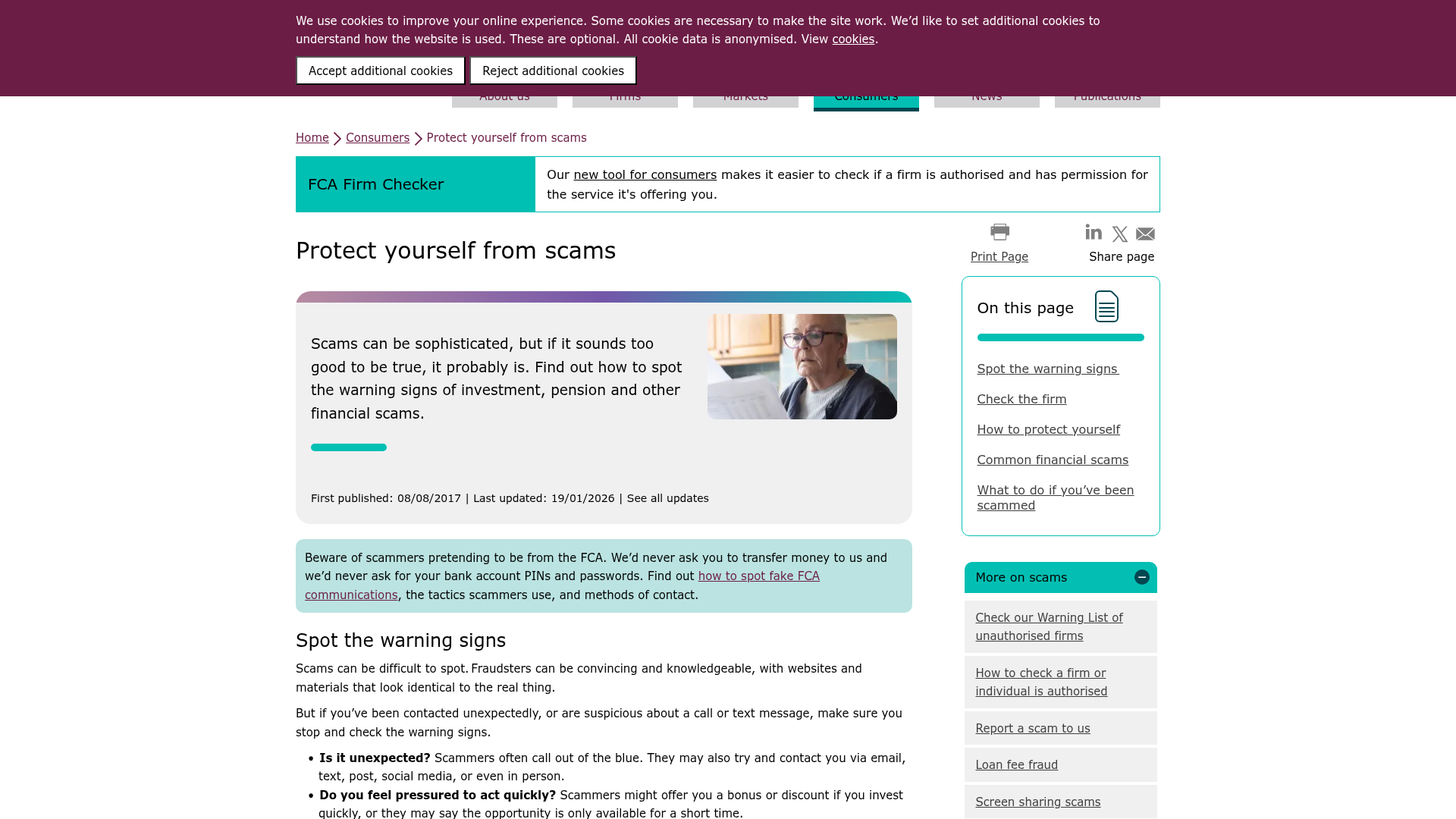
مصادر أساسية
يمكن التحقق من كل ادعاء أعلاه بالرجوع إلى صفحة الهيئة نفسها. تفتح هذه الروابط على موقع الجهة التنظيمية، وليس موقعنا.
- Financial Conduct Authority — Financial Services Registerregister.fca.org.ukhttps://register.fca.org.uk/
- ASIC — Professional registersasic.gov.auhttps://asic.gov.au/online-services/search-asics-registers/
- CySEC — Regulated entities registercysec.gov.cyhttps://www.cysec.gov.cy/en-GB/entities/investment-firms/cypriot/
- CFTC — Registration Deficient (RED) Listcftc.govhttps://www.cftc.gov/check
- IOSCO — Investor alerts portaliosco.orghttps://www.iosco.org/investor_protection/?subsection=investor_alerts_portal
- FINRA BrokerCheckbrokercheck.finra.orghttps://brokercheck.finra.org/
الأسئلة المتكررة
ما الفرق بين المدير والمالك المستفيد؟
المدير هو فرد يتم تعيينه لإدارة العمليات اليومية للشركة وتوجيهها الاستراتيجي. أما المالك المستفيد فهو الشخص الطبيعي الذي يمتلك الشركة أو يتحكم فيها في نهاية المطاف، حتى لو كانت ملكيته غير مباشرة من خلال كيانات مؤسسية أخرى أو صناديق ائتمانية.
لماذا من المهم تحديد المالكين المستفيدين؟
يساعد تحديد المالكين المستفيدين على فهم من يستفيد حقًا من الشركة ويتحكم فيها. هذه الشفافية حاسمة لتقييم المخاطر، وتجنب الكيانات المرتبطة بالأنشطة غير المشروعة، وضمان المساءلة في حال نشأت أي مشاكل تتعلق باستثماراتك.
أين يمكنني العثور على معلومات حول مديري الشركة ومالكيها؟
ابدأ بسجلات الشركات الوطنية الرسمية مثل Companies House (المملكة المتحدة)، وسجلات ASIC (أستراليا)، أو السجلات على مستوى الولاية في الولايات المتحدة. بالنسبة للشركات المنظمة، تحقق أيضًا من السجل العام للهيئة التنظيمية المحددة، مثل سجل الخدمات المالية لـ FCA أو سجل الكيانات لدى CySEC.
ماذا لو بدا هيكل ملكية الشركة معقدًا جدًا بحيث لا يمكن تتبعه؟
إن هيكل الملكية المعقد أو الغامض عمدًا، خاصة إذا كان يتضمن طبقات متعددة من الشركات في ولايات قضائية سرية، يعد علامة تحذير مهمة. إذا لم تتمكن من تحديد المالكين المستفيدين بوضوح، فمن المستحسن إعادة النظر في التعامل مع هذا الكيان.
هل جميع سجلات الشركات مجانية الوصول؟
تقدم العديد من السجلات الرئيسية للشركات عمليات بحث أساسية مجانية عن أسماء الشركات وأرقام التسجيل. ومع ذلك، قد يتطلب الحصول على تقارير مفصلة أو مستندات مصدقة أو الوصول إلى بعض سجلات الملكية المستفيدة دفع رسوم، اعتمادًا على الولاية القضائية ومستوى التفاصيل المطلوبة.
ماذا يجب أن أفعل إذا وجدت تناقضات في معلومات الشركة؟
إذا كانت المعلومات من السجلات الرسمية تتعارض مع ادعاءات الشركة (مثل، مديرين مختلفين، أرقام تسجيل غير صحيحة، أو إدخالات تنظيمية مفقودة)، فاعتبر هذه بمثابة علامات حمراء رئيسية. اطلب توضيحًا فوريًا من الشركة؛ وإذا لم يتم تقديم إجابات مرضية، فتجنب التعامل مع هذا الكيان.