
Điểm chính
- Sổ đăng ký Công khai của DFSA là nguồn thông tin chính thức để xác minh tính hợp pháp và các quyền hạn của các công ty tài chính hoạt động trong DIFC.
- Có một sự khác biệt rõ ràng giữa một công ty chỉ 'đăng ký' tại DIFC và một công ty được DFSA 'cấp phép'; chỉ công ty được cấp phép mới có thể cung cấp các dịch vụ tài chính được quản lý.
- Các quyền hạn quản lý cụ thể được liệt kê trong sổ đăng ký quy định chính xác các hoạt động tài chính mà một công ty được phép thực hiện hợp pháp.
- Luôn xác minh tên pháp lý chính xác của tổ chức và địa chỉ đăng ký trên sổ đăng ký của DFSA, vì những sai lệch nhỏ có thể cho thấy một hoạt động không được cấp phép.
- Đối với các công ty hoạt động toàn cầu, việc đối chiếu giấy phép của DFSA với các cơ quan quản lý quốc gia khác sẽ cung cấp một bức tranh đầy đủ hơn về tình trạng cấp phép của họ.
- Sổ đăng ký cho thấy sự tuân thủ quy định, nhưng cần phải thẩm định thêm để đánh giá sự ổn định hoạt động hoặc chất lượng dịch vụ khách hàng của một công ty.
Kiểm tra Đầu tiên: Vượt Ra Ngoài Tuyên bố trên Website
Trang web của một công ty có thể hiển thị rõ ràng các tuyên bố về việc hoạt động từ Trung tâm Tài chính Quốc tế Dubai (DIFC) hoặc được 'DFSA đăng ký'. Những tuyên bố như vậy, dù có vẻ hợp pháp, nhưng tự thân chúng không đủ. Thực chất về vị thế pháp lý của một công ty tài chính tại DIFC chỉ dựa vào tình trạng được cấp phép của công ty đó với Cơ quan Dịch vụ Tài chính Dubai (DFSA). Nếu không có bằng chứng trực tiếp, có thể kiểm chứng từ các hồ sơ chính thức của DFSA, bất kỳ tuyên bố nào cũng chỉ là tài liệu tiếp thị.
Hãy tưởng tượng bạn gặp một nền tảng cung cấp cơ hội đầu tư, trích dẫn một địa chỉ DIFC uy tín. Hành động bảo vệ bản thân ngay lập tức và hiệu quả nhất của bạn không phải là liên hệ với họ, mà là tham khảo Sổ đăng ký Công khai của DFSA. Cơ sở dữ liệu chính thức này chứa sự thật cuối cùng về việc liệu một công ty có được phép hợp pháp để thực hiện các dịch vụ tài chính tại DIFC hay không, và chính xác những dịch vụ đó bao gồm những gì. Việc không thực hiện kiểm tra ban đầu này sẽ khiến bạn phải đối mặt với những rủi ro đáng kể, có thể phòng ngừa được, vì các tổ chức có thể xuyên tạc vị thế pháp lý của họ để thu hút tiền từ những cá nhân không nghi ngờ.
Đây là phần mà hầu hết các hướng dẫn bỏ qua, thường dẫn đến việc các cá nhân tin vào các tuyên bố trên trang web mà không có sự xác minh độc lập. Việc kiểm tra trực tiếp trên trang web của cơ quan quản lý cung cấp một câu trả lời khách quan, không thể thay đổi. Nó làm rõ liệu tổ chức bạn đang xem xét có phải là một phần không thể thiếu của một trung tâm tài chính được quản lý hay chỉ đơn thuần là một tổ chức đang cố gắng hưởng lợi từ sự liên kết với nó. Quy trình này rất đơn giản, nhưng tầm quan trọng của nó không thể bị đánh giá thấp đối với bất kỳ ai đang xem xét tham gia tài chính trong khu vực pháp lý này.
Nhiệm vụ của DFSA tại Trung tâm Tài chính Quốc tế Dubai
DFSA hoạt động như cơ quan quản lý dịch vụ tài chính độc lập cho Trung tâm Tài chính Quốc tế Dubai. Khu vực tự do đặc biệt này, được thành lập vào năm 2004, hoạt động theo luật dân sự và thương mại riêng, khác biệt với khuôn khổ pháp lý rộng lớn hơn của Các Tiểu vương quốc Ả Rập Thống nhất. Trách nhiệm của DFSA là điều chỉnh các dịch vụ tài chính và phụ trợ được thực hiện trong hoặc từ DIFC, đảm bảo tuân thủ các tiêu chuẩn quốc tế.
Các mục tiêu chính của Cơ quan bao gồm thúc đẩy tính toàn vẹn của thị trường tài chính, bảo vệ người tiêu dùng và giám sát một loạt các tổ chức tài chính. Những tổ chức này có thể bao gồm từ ngân hàng và nhà quản lý tài sản đến các công ty bảo hiểm và tổ chức tài chính Hồi giáo. DFSA thực hiện nhiệm vụ của mình thông qua các quy tắc, giám sát liên tục và các hành động thực thi khi cần thiết.
Điều cần thiết là phải hiểu rằng quyền tài phán của DFSA chỉ giới hạn nghiêm ngặt trong chính DIFC. Các công ty hoạt động bên ngoài khu vực tự do này, ngay cả trong Dubai, thuộc phạm vi của các cơ quan quản lý liên bang hoặc địa phương khác của UAE, chẳng hạn như Ngân hàng Trung ương UAE hoặc Cơ quan Chứng khoán và Hàng hóa (SCA). Sự rõ ràng về quyền tài phán này rất quan trọng đối với người tiêu dùng; nếu một công ty tuyên bố có mặt tại Dubai nhưng không chỉ rõ là DIFC, thì sổ đăng ký của DFSA không phải là nơi để kiểm tra giấy phép của công ty đó. DFSA hoạt động như một người gác cổng, chỉ cấp phép cho những công ty đáp ứng các yêu cầu nghiêm ngặt về vốn, quản trị và hoạt động.
Sử dụng Sổ đăng ký Công khai của DFSA: Xác minh Từng Bước
Truy cập Sổ đăng ký Công khai của DFSA là một quy trình đơn giản được thiết kế để đảm bảo tính minh bạch và dễ sử dụng. Để bắt đầu kiểm tra, hãy truy cập trang web chính thức của DFSA. Tránh các trang tổng hợp của bên thứ ba hoặc các liên kết do chính công ty cung cấp, vì những trang này có thể dẫn đến thông tin sai lệch hoặc các sổ đăng ký không chính thức. Luôn sử dụng nguồn chính để xác minh.
Khi đã ở trang chủ của DFSA, hãy tìm liên kết 'Public Register' (Sổ đăng ký Công khai). Liên kết này thường được tìm thấy trong menu điều hướng chính hoặc một phần dành riêng cho các tổ chức được quản lý. Nhấp vào liên kết này sẽ đưa bạn đến giao diện tìm kiếm. Tại đây, bạn sẽ chủ yếu sử dụng tên pháp lý của công ty làm cụm từ tìm kiếm. Đảm bảo bạn nhập tên pháp lý chính xác, không phải tên giao dịch hoặc phiên bản rút gọn thường được sử dụng trong tài liệu tiếp thị. Nếu bạn có số giấy phép, đó cũng có thể là một tham số tìm kiếm hiệu quả, nhưng tên công ty thường là đủ.
Sau khi gửi truy vấn, hệ thống sẽ hiển thị kết quả. Tìm mục nhập của công ty và chú ý kỹ đến trạng thái của nó. Một công ty được cấp phép sẽ được liệt kê rõ ràng là 'Authorized Firm' (Công ty được cấp phép) với một số tham chiếu DFSA cụ thể. Nhấp vào mục nhập này sẽ hiển thị thông tin chi tiết, bao gồm tên pháp lý đầy đủ, địa chỉ đăng ký trong DIFC và quan trọng nhất là các quyền hạn quản lý cụ thể của công ty. Nếu công ty bạn đang tìm kiếm không xuất hiện hoặc trạng thái của nó không phải là 'Authorized Firm' (ví dụ: 'Registered Company - Non-Financial'), thì công ty đó thiếu giấy phép DFSA cần thiết để cung cấp dịch vụ tài chính.
Được cấp phép so với Đã đăng ký: Một sự phân biệt cần thiết
Ngôn ngữ được sử dụng trên Sổ đăng ký công khai của DFSA có trọng lượng đáng kể, và việc hiểu rõ thuật ngữ chính xác là nền tảng để bảo vệ quyền lợi của bạn. Một điểm nhầm lẫn phổ biến phát sinh từ các thuật ngữ 'đã đăng ký' và 'được cấp phép'. Một tổ chức có thể 'được đăng ký' tại DIFC cho nhiều mục đích thương mại khác nhau – có thể để thành lập văn phòng, chi nhánh hoặc công ty mẹ – mà không có ý định cung cấp dịch vụ tài chính. Quá trình đăng ký này khác biệt với việc cấp phép nghiêm ngặt cần thiết để hoạt động như một nhà cung cấp dịch vụ tài chính dưới sự giám sát của DFSA.
Chỉ những công ty được liệt kê rõ ràng là 'Authorised Firm' trên sổ đăng ký của DFSA mới có quyền hợp pháp để thực hiện các hoạt động tài chính được quản lý tại hoặc từ DIFC. Thông tin của họ sẽ nêu chi tiết các quyền hạn quản lý cụ thể, chỉ rõ phạm vi hoạt động được phép của họ. Nếu thông tin của một công ty trên sổ đăng ký hiển thị trạng thái khác ngoài 'Authorised Firm', hoặc nếu nó xuất hiện dưới dạng 'Registered Company (Non-Financial)', thì công ty đó không được phép cung cấp các sản phẩm hoặc dịch vụ tài chính được quản lý. Bất kỳ tổ chức nào tuyên bố làm như vậy dưới trạng thái này đều đang hoạt động ngoài khuôn khổ pháp lý, khiến khách hàng không được DFSA bảo vệ.
Giao dịch với một công ty chỉ được đăng ký nhưng không được cấp phép cho các dịch vụ tài chính là tự đặt mình vào rủi ro đáng kể. Các tổ chức như vậy không chịu sự giám sát của DFSA về mức độ vốn, bảo vệ tiền của khách hàng, quy tắc ứng xử kinh doanh hoặc cơ chế giải quyết tranh chấp. Đây là một sự khác biệt quan trọng ảnh hưởng trực tiếp đến mức độ bảo vệ dành cho bạn với tư cách là khách hàng. Luôn ưu tiên giao dịch với các tổ chức được cấp phép thực sự, vì điều này cung cấp một lớp giám sát quy định cơ bản.
Hiểu về Trạng thái Công ty của DFSA và Ý nghĩa của Chúng đối với Hoạt động Tài chính
| Trạng thái trên Sổ đăng ký DFSA | Mô tả | Ý nghĩa đối với Dịch vụ Tài chính |
|---|---|---|
| Authorised Firm (Công ty được cấp phép) | Tổ chức được DFSA cấp phép để thực hiện các hoạt động dịch vụ tài chính cụ thể tại hoặc từ DIFC. | Được phép hợp pháp cung cấp các dịch vụ được quản lý theo quyền hạn của mình. Đây là trạng thái duy nhất quan trọng để tham gia vào các hoạt động tài chính được quản lý. |
| Registered Company (Non-Financial) (Công ty đã đăng ký (phi tài chính)) | Tổ chức được đăng ký tại DIFC cho các mục đích thương mại chung nhưng không được DFSA cấp phép để cung cấp dịch vụ tài chính. | Không được phép cung cấp dịch vụ tài chính được quản lý. Giao dịch các dịch vụ như vậy với tổ chức này có rủi ro cao và không được bảo vệ. |
| Deregistered/Ceased Operations (Đã hủy đăng ký/Ngừng hoạt động) | Tổ chức trước đây đã được cấp phép hoặc đăng ký nhưng sau đó đã bị thu hồi giấy phép, hết hạn hoặc tự nguyện ngừng hoạt động. | Không còn được phép thực hiện bất kỳ hoạt động nào tại DIFC. Bất kỳ công ty nào tuyên bố hoạt động dưới trạng thái đã hủy đăng ký đều đang hoạt động bất hợp pháp. |
Sổ đăng ký Công khai của DFSA không chỉ là một danh sách tên; đó là bản đồ xác định rõ ràng các hoạt động tài chính được cấp phép trong Trung tâm Tài chính Quốc tế Dubai, quy định chính xác những dịch vụ mà một công ty có thể cung cấp hợp pháp.
Owen Blake
Giải mã Quyền hạn Quản lý: Công ty Này Thực Sự Có Thể Làm Gì?
Ngoài việc chỉ xác nhận một công ty là 'Authorised' (Được cấp phép), bước quan trọng tiếp theo là hiểu rõ các quyền hạn quản lý cụ thể của công ty đó. Việc cấp phép của DFSA không phải là giấy phép chung cho tất cả các dịch vụ tài chính; thay vào đó, nó rất chi tiết, nêu rõ chính xác những hoạt động mà một công ty được phép thực hiện hợp pháp. Các quyền hạn này được liệt kê chi tiết trong mục đăng ký công khai của mỗi công ty được cấp phép và được phân loại, ví dụ, dưới 'Financial Services' (Dịch vụ Tài chính) và 'Ancillary Services' (Dịch vụ Phụ trợ).
Các quyền hạn phổ biến bao gồm 'Dealing in Investments as Principal' (Giao dịch đầu tư với tư cách là Bên chính), cho phép một công ty tự giao dịch, hoặc 'Dealing in Investments as Agent' (Giao dịch đầu tư với tư cách là Đại lý), nơi công ty giao dịch thay mặt khách hàng. Các quyền hạn khác có thể bao gồm 'Advising on Financial Products' (Tư vấn về Sản phẩm Tài chính), 'Arranging Credit' (Sắp xếp Tín dụng), 'Managing Assets' (Quản lý Tài sản), hoặc 'Providing Custody' (Cung cấp Dịch vụ Lưu ký). Mỗi quyền hạn là cụ thể, đôi khi thậm chí được chia nhỏ theo loại sản phẩm tài chính, chẳng hạn như 'Securities' (Chứng khoán), 'Derivatives' (Phái sinh) hoặc 'Funds' (Quỹ).
Điều bắt buộc là các dịch vụ mà một công ty cung cấp phải phù hợp chính xác với các quyền hạn được cấp trong mục đăng ký DFSA của công ty đó. Ví dụ, một công ty chỉ có quyền hạn 'Arranging Credit' không thể hợp pháp cung cấp dịch vụ tư vấn đầu tư. Nếu một công ty cung cấp sản phẩm hoặc dịch vụ không nằm trong các quyền hạn rõ ràng của mình, công ty đó đang hành động ngoài phạm vi quản lý. Kịch bản này đại diện cho một rủi ro đáng kể, vì khách hàng tham gia vào các hoạt động trái phép như vậy sẽ không được hưởng lợi từ khuôn khổ bảo vệ của DFSA cho các dịch vụ cụ thể đó. Luôn đối chiếu các dịch vụ được công ty tuyên bố với các quyền hạn chi tiết của công ty trước khi tiến hành.
Xác minh Cá nhân: Nhân sự chủ chốt và Cá nhân được phê duyệt
Sự giám sát quản lý của DFSA mở rộng ngoài thực thể doanh nghiệp đến các cá nhân quản lý và điều hành các công ty này. Các công ty được cấp phép được yêu cầu bổ nhiệm 'Approved Individuals' (Cá nhân được phê duyệt) cho các chức năng kiểm soát cụ thể, chẳng hạn như Giám đốc điều hành cấp cao (SEO), Cán bộ tuân thủ (Compliance Officer), Cán bộ tài chính (Finance Officer) hoặc Cán bộ báo cáo rửa tiền (MLRO). Những cá nhân này trải qua một quy trình phê duyệt nghiêm ngặt của DFSA, đảm bảo họ đáp ứng các tiêu chí 'phù hợp và đúng đắn' bao gồm trình độ, kinh nghiệm, tính chính trực và tình hình tài chính lành mạnh.
Sổ đăng ký công khai của DFSA thường bao gồm thông tin về những Approved Individuals này liên quan đến một công ty được cấp phép. Mặc dù mức độ chi tiết có thể khác nhau, sự hiện diện của họ trên sổ đăng ký xác nhận sự phê duyệt quản lý của họ cho các vai trò cụ thể. Điều này cung cấp một lớp đảm bảo bổ sung, vì những cá nhân này chịu trách nhiệm cá nhân trước DFSA về việc thực hiện đúng đắn nhiệm vụ của họ và duy trì sự tuân thủ trong công ty.
Trên thực tế, việc xác minh cá nhân có thể khó hơn nếu bạn chỉ có tên từ chữ ký email hoặc danh thiếp. Sổ đăng ký chủ yếu liệt kê các nhân sự chủ chốt liên quan đến thực thể được cấp phép. Tuy nhiên, nếu bạn đang giao dịch với một đại diện cấp cao của một công ty được DFSA cấp phép, việc kiểm tra tên hoặc chức danh của họ liên quan đến công ty đó trên sổ đăng ký có thể xác nhận tư cách chính thức của họ. Bước này giúp phòng ngừa các kịch bản mà các cá nhân có thể giả mạo các vai trò cấp cao hoặc quyền hạn quản lý trong một công ty. Nó bổ sung một khía cạnh khác để xác minh tính toàn vẹn của hoạt động mà bạn đang tham gia.
Đối chiếu: Môi trường Quản lý Toàn cầu
Nhiều công ty tài chính, đặc biệt là các sàn giao dịch nổi tiếng, hoạt động trên nhiều khu vực pháp lý. Mặc dù việc cấp phép của DFSA là rất quan trọng đối với các hoạt động trong DIFC, điều quan trọng không kém là phải nhận ra rằng họ có thể giữ giấy phép từ các cơ quan quản lý uy tín khác trên toàn cầu. Ví dụ, một công ty có thể có một thực thể được DFSA cấp phép để phục vụ khách hàng ở Trung Đông, đồng thời cũng giữ giấy phép từ Financial Conduct Authority (FCA) ở Vương quốc Anh, Australian Securities and Investments Commission (ASIC) hoặc Cyprus Securities and Exchange Commission (CySEC) cho các hoạt động ở các khu vực khác.
Sự hiện diện đa khu vực pháp lý này thường cho thấy một cam kết rộng lớn hơn đối với việc tuân thủ và giám sát quy định. Tuy nhiên, điều đó cũng có nghĩa là giấy phép DFSA của một công ty chỉ áp dụng cho thực thể có trụ sở tại DIFC và các dịch vụ cụ thể của nó. Nó không tự động mở rộng sự bảo vệ của DFSA cho các dịch vụ được cung cấp bởi các thực thể của công ty đó được quản lý ở nơi khác. Do đó, nếu bạn đang giao dịch với một công ty toàn cầu, việc đối chiếu trạng thái DFSA của công ty đó với giấy phép của công ty tại các khu vực pháp lý liên quan khác sẽ cung cấp một bức tranh đầy đủ hơn về việc tuân thủ quy định của công ty.
Để thực hiện kiểm tra như vậy, bạn sẽ tham khảo các sổ đăng ký công khai của các cơ quan quản lý quốc gia khác, tương tự như cách bạn sử dụng của DFSA. Mặc dù một sàn giao dịch có thể được biết đến rộng rãi, việc cấp phép của DFSA (hoặc việc thiếu cấp phép) chỉ áp dụng cụ thể cho các hoạt động của nó tại DIFC. Ví dụ, trong khi Pepperstone và XM duy trì các thực thể được DFSA cấp phép, nhiều sàn giao dịch nổi tiếng khác chủ yếu hoạt động dưới giấy phép từ các cơ quan quản lý khác, mà không có sự hiện diện của DFSA. Cách tiếp cận xác minh nhiều lớp này giúp đảm bảo rằng bạn đang giao dịch với một công ty được cấp phép phù hợp cho các dịch vụ cụ thể mà bạn đang tìm kiếm và tại khu vực pháp lý nơi bạn cư trú hoặc nơi dịch vụ đang được cung cấp.
Các Sàn Giao Dịch Toàn Cầu Được Chọn và Trạng thái Cấp phép DFSA của Họ (Lưu ý: Điều này đề cập cụ thể đến một thực thể có trụ sở tại DIFC, nếu có)
| Tên nhà môi giới | Giấy phép của DFSA (Tổ chức DIFC) | Các cơ quan quản lý chính khác |
|---|---|---|
| Pepperstone | Có | FCA, ASIC, CySEC, BaFin, CMA, SCB |
| XM | Có | CySEC, ASIC, IFSC |
| IC Markets | Không | ASIC, CySEC, FSA (Seychelles) |
| OANDA | Không | FCA, CFTC/NFA, ASIC, IIROC, MAS |
Dấu hiệu cảnh báo và Báo cáo hoạt động trái phép bị nghi ngờ
Mặc dù DFSA Public Register cung cấp sự minh bạch, các cá nhân vẫn có thể gặp phải các tổ chức trình bày sai về tình trạng pháp lý của họ. Một dấu hiệu cảnh báo đáng kể là một công ty tự nhận có giấy phép của DFSA nhưng không xuất hiện trên sổ đăng ký chính thức, hoặc một tổ chức xuất hiện với tình trạng 'Registered Company (Non-Financial)' nhưng lại cung cấp các dịch vụ tài chính. Một dấu hiệu đáng ngờ khác là một công ty tuyên bố có các quyền hạn không được liệt kê trên hồ sơ chính thức của DFSA, hoặc cung cấp dịch vụ từ một địa chỉ bên ngoài DIFC trong khi vẫn tuyên bố chịu sự giám sát của DFSA. Những điểm không nhất quán này cho thấy hoạt động trái phép tiềm ẩn và cần được cảnh giác ngay lập tức.
Nếu bạn phát hiện những điểm không nhất quán như vậy, điều quan trọng là phải kiềm chế không chuyển bất kỳ khoản tiền hoặc thông tin cá nhân nào. Thay vào đó, bạn nên báo cáo mối lo ngại của mình cho DFSA ngay lập tức. Cơ quan này duy trì một quy trình chuyên biệt để tiếp nhận và điều tra các khiếu nại liên quan đến các công ty hoặc hoạt động trái phép trong phạm vi quyền hạn của mình. Thông thường, trang web chính thức của DFSA sẽ có mục 'Contact Us' hoặc 'Report a Concern', cung cấp hướng dẫn rõ ràng về cách gửi báo cáo, thường thông qua một biểu mẫu trực tuyến hoặc một địa chỉ email cụ thể.
Việc cung cấp thông tin chi tiết, chẳng hạn như tên công ty, trang web, bất kỳ thông tin liên lạc nào nhận được và các tuyên bố cụ thể đã đưa ra, sẽ hỗ trợ DFSA trong cuộc điều tra của họ. Cơ quan này cũng công bố một mục 'Alerts' trên trang web của mình, cảnh báo công chúng về các công ty trái phép hoặc lừa đảo đã được xác định đang cố gắng mạo danh các tổ chức hợp pháp. Kiểm tra mục này thường xuyên cũng có thể cung cấp thông tin phòng ngừa. Báo cáo kịp thời không chỉ bảo vệ bạn mà còn góp phần vào tính toàn vẹn của hệ sinh thái tài chính trong DIFC.
Giới hạn của sổ đăng ký và Thẩm định liên tục
Mặc dù DFSA Public Register cung cấp xác minh cần thiết về giấy phép và quyền hạn pháp lý của một công ty, điều quan trọng là phải nhận ra những giới hạn của nó. Sổ đăng ký xác nhận rằng một công ty đáp ứng các tiêu chuẩn quy định ban đầu và được phép hoạt động, nhưng nó không phải là sự chứng thực về sức khỏe tài chính, thực tiễn kinh doanh cụ thể hoặc chất lượng dịch vụ của công ty. Một công ty có thể được cấp phép đầy đủ nhưng vẫn cung cấp trải nghiệm khách hàng kém hoặc đối mặt với những thách thức hoạt động nội bộ không được phản ánh ngay lập tức trên sổ đăng ký công khai. Sổ đăng ký là một bức ảnh chụp nhanh về việc tuân thủ quy định, không phải là đánh giá hiệu suất liên tục.
Sổ đăng ký không cung cấp chi tiết cụ thể về kiểm soát nội bộ của một công ty ngoài những gì được yêu cầu để cấp phép, cũng như không đánh giá khả năng thương mại của các dịch vụ mà công ty cung cấp. Ví dụ, nó sẽ không cho bạn biết về tính cạnh tranh về giá của công ty, tốc độ khớp lệnh hoặc khả năng phản hồi của bộ phận hỗ trợ khách hàng. Những khía cạnh này đòi hỏi các lớp thẩm định bổ sung, có thể bao gồm tham khảo các đánh giá độc lập, xem xét kỹ các điều khoản và điều kiện, hoặc kiểm tra báo cáo tài chính công khai, nếu có.
Do đó, mặc dù xác minh của DFSA là một bước nền tảng, nó nên là một phần của quy trình thẩm định liên tục, rộng hơn. Tình trạng pháp lý và giấy phép có thể thay đổi; các công ty có thể có được giấy phép mới, hoặc các giấy phép hiện có có thể bị hạn chế hoặc thu hồi. Việc thường xuyên xác minh lại tình trạng của một công ty là điều khôn ngoan, đặc biệt là trước khi thực hiện các khoản đầu tư mới hoặc nếu có những thay đổi đáng kể trong mối quan hệ của bạn với công ty. Sự cảnh giác liên tục này là sự phòng vệ tốt nhất của bạn trong một môi trường tài chính năng động.
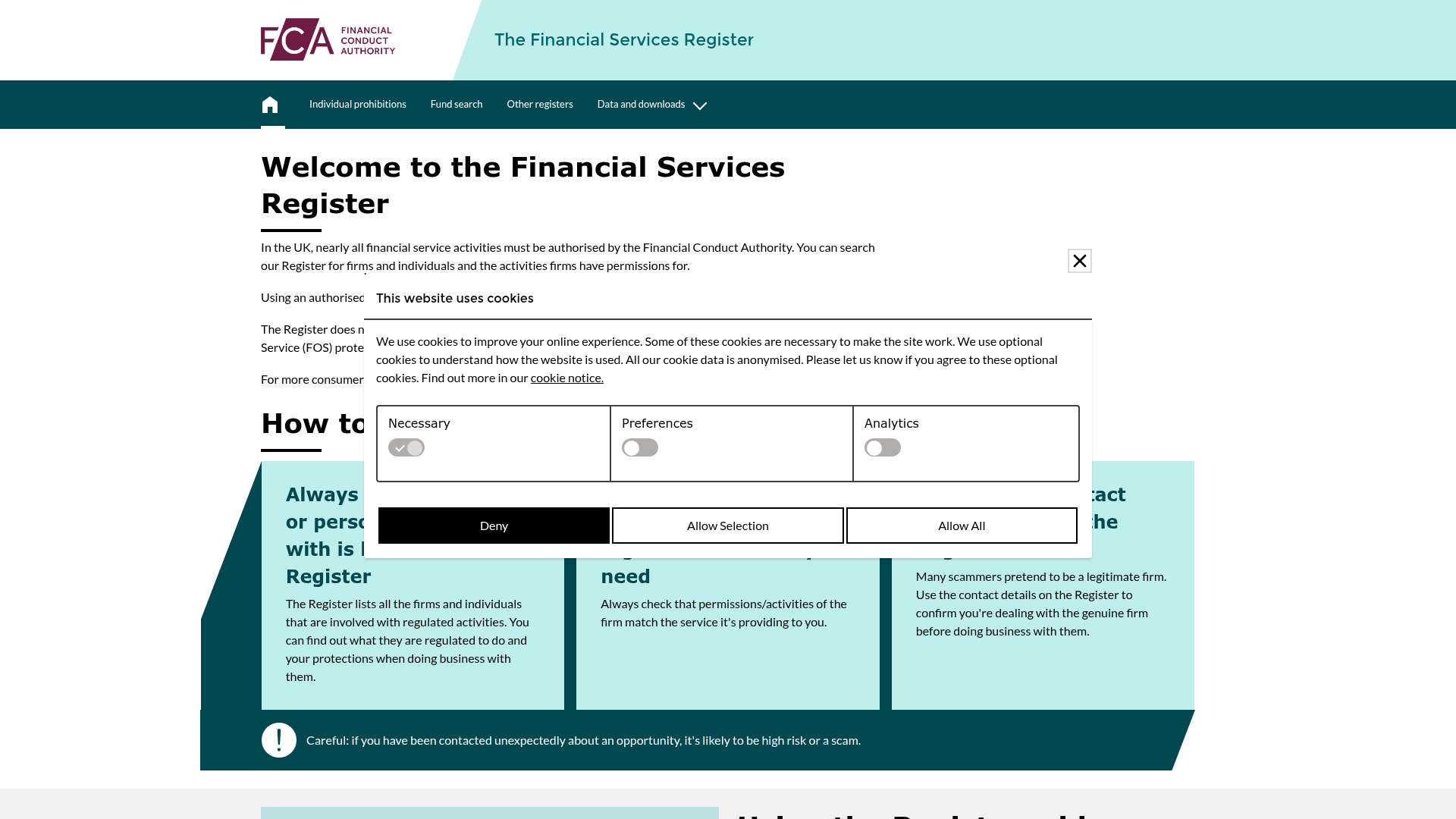
Trang chúng tôi kiểm tra
Đây là trang chính thức của cơ quan quản lý, được chụp lại như khi chúng tôi tìm thấy. Hãy mở nó và tự mình thực hiện tìm kiếm tương tự — không có gì trên sổ đăng ký này thay thế được nguồn gốc.
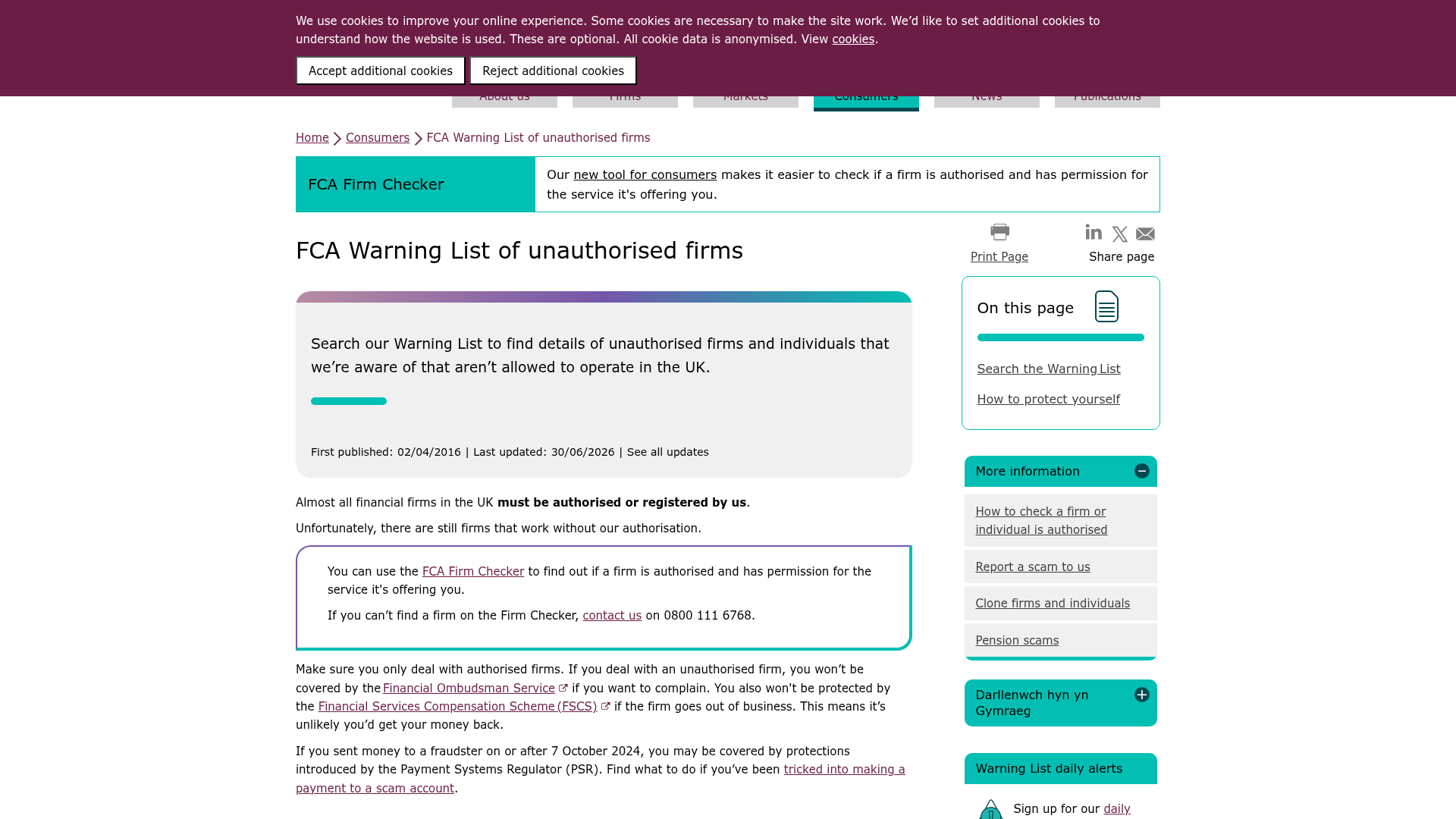
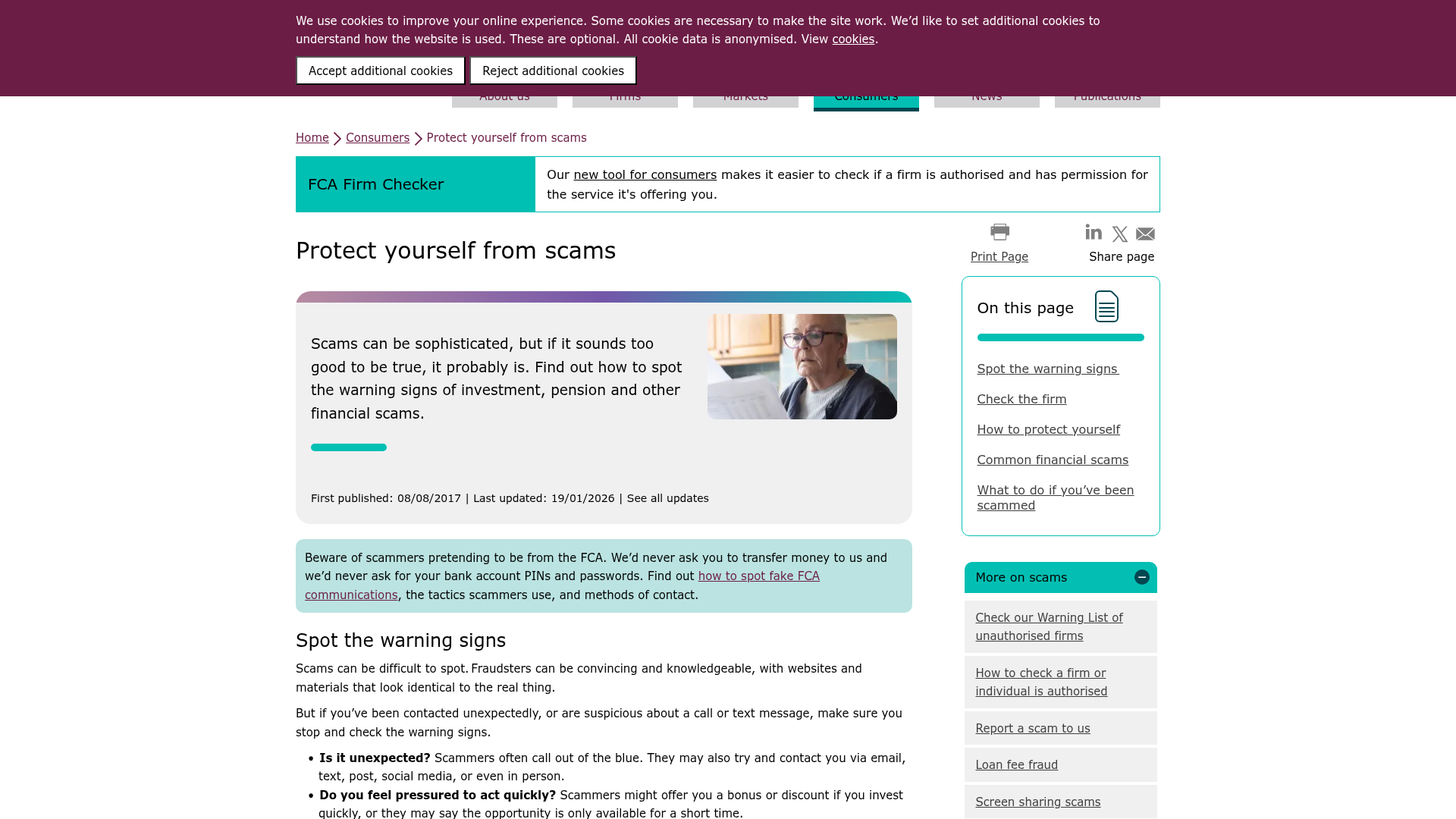
Các sổ đăng ký khác được sử dụng trong các kiểm tra loại này. Mỗi sổ sẽ mở trang riêng của cơ quan quản lý.
Nguồn chính
Mọi khiếu nại trên đều có thể được kiểm tra trên trang của cơ quan quản lý. Các trang này mở trên trang web của cơ quan quản lý, không phải của chúng tôi.
- Financial Conduct Authority — Financial Services Registerregister.fca.org.ukhttps://register.fca.org.uk/
- ASIC — Professional registersasic.gov.auhttps://asic.gov.au/online-services/search-asics-registers/
- CySEC — Regulated entities registercysec.gov.cyhttps://www.cysec.gov.cy/en-GB/entities/investment-firms/cypriot/
- CFTC — Customer advisories on fraudcftc.govhttps://www.cftc.gov/LearnAndProtect/AdvisoriesAndArticles/index.htm
- IOSCO — Investor alerts portaliosco.orghttps://www.iosco.org/investor_protection/?subsection=investor_alerts_portal
Câu hỏi thường gặp
DIFC là gì và nó khác Dubai như thế nào?
Trung tâm Tài chính Quốc tế Dubai (DIFC) là một khu kinh tế tự do đặc biệt nằm trong Dubai, được thiết kế để trở thành một trung tâm tài chính toàn cầu. Nơi đây có khuôn khổ pháp lý và quy định độc lập riêng, bao gồm cả DFSA, tách biệt với các luật và quy định liên bang rộng hơn của UAE. Sự khác biệt này có nghĩa là các công ty trong DIFC hoạt động theo một bộ quy tắc khác so với các công ty ở những nơi khác tại Dubai.
Một công ty đăng ký tại DIFC có thể cung cấp dịch vụ tài chính mà không cần sự cho phép của DFSA không?
Không. Một công ty phải được DFSA cấp phép rõ ràng để thực hiện bất kỳ hoạt động dịch vụ tài chính nào trong hoặc từ DIFC. Việc đăng ký đơn thuần trong khu kinh tế tự do để có văn phòng hoặc cho các mục đích thương mại chung không cấp quyền cung cấp dịch vụ tài chính. Hoạt động mà không có sự cho phép thích hợp là bất hợp pháp và không mang lại sự bảo vệ pháp lý nào cho khách hàng.
Điều gì sẽ xảy ra nếu một công ty tuyên bố được DFSA quản lý nhưng tôi không thể tìm thấy thông tin trên sổ đăng ký?
Nếu một công ty tuyên bố được DFSA quản lý nhưng không xuất hiện trên sổ đăng ký công khai với tư cách là 'Công ty được cấp phép' cùng các quyền cụ thể, thì có khả năng công ty đó đang hoạt động mà không có giấy phép hợp lệ. Bạn nên ngừng giao dịch ngay lập tức với công ty đó và báo cáo trực tiếp những nghi ngờ của mình cho DFSA thông qua mục 'Báo cáo mối lo ngại' trên trang web chính thức của họ.
Tất cả các công ty hoạt động tại Dubai có cần sự cho phép của DFSA không?
Chỉ các công ty hoạt động trong hoặc từ Trung tâm Tài chính Quốc tế Dubai (DIFC) mới cần sự cho phép của DFSA đối với các dịch vụ tài chính. Các công ty hoạt động bên ngoài DIFC thuộc thẩm quyền của các cơ quan quản lý khác của UAE, chẳng hạn như Ngân hàng Trung ương UAE hoặc Cơ quan Chứng khoán và Hàng hóa Emirates (SCA). Thẩm quyền của DFSA chỉ giới hạn trong khu kinh tế tự do DIFC.
Tôi nên kiểm tra tình trạng của một công ty với DFSA bao lâu một lần?
Việc kiểm tra định kỳ tình trạng và các quyền của một công ty với DFSA là điều thận trọng, đặc biệt trước khi thực hiện các khoản đầu tư mới, gia hạn hợp đồng hoặc nếu có những thay đổi đáng kể trong mối quan hệ của bạn với công ty. Tình trạng pháp lý có thể thay đổi, và các quyền có thể được cập nhật hoặc rút lại, ảnh hưởng đến các dịch vụ mà một công ty có thể cung cấp hợp pháp.
Tôi nên tìm kiếm những chi tiết cụ thể nào trong mục đăng ký của một công ty với DFSA?
Luôn xác minh tên pháp lý chính xác của tổ chức, tình trạng của công ty (phải là 'Công ty được cấp phép'), địa chỉ đăng ký của công ty trong DIFC và các quyền quản lý cụ thể được liệt kê. Những quyền này rất quan trọng vì chúng quy định các dịch vụ tài chính cụ thể mà công ty được phép cung cấp hợp pháp, chẳng hạn như tư vấn hoặc giao dịch đầu tư.