
ประเด็นสำคัญ
- หน่วยงานกำกับดูแลแบบ Onshore ให้การคุ้มครองทางกฎหมายที่เข้มแข็งกว่าและมาตรการป้องกันทางการเงินสำหรับนักเทรด
- นิติบุคคล Offshore มักให้การคุ้มครองน้อยกว่า ทำให้เงินทุนของลูกค้ามีความเสี่ยงมากขึ้น
- การตรวจสอบหน่วยงานกำกับดูแลหลักของโบรกเกอร์เป็นสิ่งสำคัญอย่างยิ่งต่อความปลอดภัยทางการเงินของคุณ
- เลเวอเรจที่สูงขึ้นและการเปิดบัญชีที่ง่ายขึ้นกับโบรกเกอร์ Offshore มาพร้อมกับความเสี่ยงที่สูงขึ้น
- ตรวจสอบใบอนุญาตกำกับดูแลเสมอโดยตรงบนเว็บไซต์ทางการของหน่วยงานกำกับดูแล
ความแตกต่างพื้นฐานในการกำกับดูแลโบรกเกอร์
โลกของการเทรด forex และ CFD ออนไลน์นั้นพึ่งพาความไว้วางใจที่นักเทรดมีต่อโบรกเกอร์ที่พวกเขาเลือกเป็นอย่างมาก หัวใจสำคัญของความไว้วางใจนี้คือการกำกับดูแลที่โบรกเกอร์อยู่ภายใต้ การกำกับดูแลมีอยู่เพื่อปกป้องลูกค้าเป็นหลัก เพื่อให้แน่ใจว่ามีการซื้อขายที่เป็นธรรม และเพื่อรักษาความสมบูรณ์ของตลาดการเงิน อย่างไรก็ตาม การกำกับดูแลไม่ได้เท่าเทียมกันทั้งหมด และสถานที่ที่โบรกเกอร์ได้รับการกำกับดูแลสามารถส่งผลกระทบอย่างลึกซึ้งต่อความปลอดภัยของเงินทุนของคุณและความสามารถในการเรียกร้องค่าเสียหายหากเกิดปัญหาขึ้น โดยทั่วไป เราแบ่งการกำกับดูแลโบรกเกอร์ออกเป็นสองประเภทหลักคือ Onshore และ Offshore การกำกับดูแลแบบ Onshore หมายถึงการกำกับดูแลจากหน่วยงานทางการเงินที่ตั้งอยู่ในเขตอำนาจศาลที่มีเศรษฐกิจพัฒนาแล้วและมีกรอบกฎหมายที่แข็งแกร่ง ซึ่งโดยทั่วไปจะรวมถึงประเทศที่มีกฎหมายคุ้มครองผู้บริโภคที่เข้มแข็งและระบบการเงินที่มั่นคง ในทางกลับกัน การกำกับดูแลแบบ Offshore มักมาจากเขตอำนาจศาลขนาดเล็ก ซึ่งบางครั้งเรียกว่าแหล่งหลบเลี่ยงภาษี ซึ่งอาจมีการกำกับดูแลที่เข้มงวดน้อยกว่า กระบวนการออกใบอนุญาตที่ง่ายกว่า และมาตรการคุ้มครองนักเทรดที่น้อยกว่า บางครั้งโบรกเกอร์ก็จดทะเบียนในหลายที่ ซึ่งทำให้เกิดภาพที่ซับซ้อนที่ลูกค้าที่คาดหวังจะต้องตรวจสอบอย่างรอบคอบ
สิ่งที่การกำกับดูแลแบบ Onshore ที่แข็งแกร่งมอบให้
หน่วยงานกำกับดูแลแบบ Onshore ที่มีชื่อเสียงกำหนดกฎระเบียบที่เข้มงวดกับโบรกเกอร์ที่พวกเขาออกใบอนุญาต กฎเหล่านี้ออกแบบมาเพื่อปกป้องเงินของลูกค้าและส่งเสริมการดำเนินงานที่เป็นธรรม ตัวอย่างเช่น หน่วยงานกำกับดูแลแบบ Onshore หลายแห่งกำหนดให้มีการ แยกเงินทุนของลูกค้า ซึ่งหมายความว่าเงินทุนในการเทรดของคุณจะต้องถูกเก็บไว้ในบัญชีธนาคารแยกต่างหากจากเงินทุนในการดำเนินงานของโบรกเกอร์ สิ่งนี้ช่วยให้มั่นใจได้ว่า หากโบรกเกอร์ประสบปัญหาทางการเงิน เงินทุนของลูกค้าจะได้รับการปกป้องและไม่ถูกนำไปใช้เพื่อชำระหนี้ของบริษัท Financial Conduct Authority (FCA) ในสหราชอาณาจักร และ Australian Securities and Investments Commission (ASIC) เป็นตัวอย่างสำคัญของหน่วยงานที่บังคับใช้ข้อกำหนดดังกล่าว การคุ้มครองที่สำคัญอีกประการหนึ่งที่การกำกับดูแลแบบ Onshore ที่แข็งแกร่งมอบให้คือการเข้าถึง โครงการชดเชยนักลงทุน โครงการเหล่านี้เป็นตาข่ายนิรภัย โดยจะคืนเงินทุนส่วนหนึ่งของลูกค้าในกรณีที่โบรกเกอร์ที่ได้รับการกำกับดูแลล้มละลาย ตัวอย่างเช่น Financial Services Compensation Scheme (FSCS) ในสหราชอาณาจักรครอบคลุมการเรียกร้องที่มีสิทธิ์ต่อบริษัททางการเงิน หน่วยงานกำกับดูแลยังกำหนดให้มี ข้อกำหนดด้านเงินกองทุน โดยบังคับให้โบรกเกอร์ต้องรักษาระดับเงินสำรองทางการเงินที่แน่นอน เพื่อแสดงถึงความมั่นคงและความสามารถในการปฏิบัติตามภาระผูกพัน นอกจากนี้ การรายงานที่โปร่งใส การตรวจสอบเป็นประจำ และ กลไกการระงับข้อพิพาท ที่จัดตั้งขึ้นเป็นมาตรฐานภายใต้ระบอบ Onshore ซึ่งเป็นช่องทางที่ชัดเจนสำหรับนักเทรดในการแก้ไขข้อร้องเรียน โบรกเกอร์อย่าง Pepperstone, OANDA และ FOREX.com ได้รับการกำกับดูแลโดยหน่วยงาน Onshore ที่โดดเด่น เช่น FCA, ASIC และ CFTC/NFA เป็นต้น ซึ่งสะท้อนถึงความมุ่งมั่นในการดำเนินงานภายใต้มาตรฐานที่สูงขึ้นเหล่านี้
ข้อดีและข้อควรระวังของนิติบุคคล Offshore
บางครั้งโบรกเกอร์ก็จัดตั้งนิติบุคคลในเขตอำนาจศาล Offshore ด้วยเหตุผลหลายประการ ซึ่งมักจะรวมถึงต้นทุนการดำเนินงานที่ต่ำกว่า ข้อกำหนดด้านเงินทุนที่ไม่เข้มงวดนัก และความสามารถในการเสนอเงื่อนไขการเทรดที่อาจถูกจำกัดโดยกฎระเบียบ Onshore ที่เข้มงวดกว่า สำหรับนักเทรด โบรกเกอร์ Offshore บางครั้งอาจดูน่าสนใจเนื่องจากมีคุณสมบัติ เช่น ขีดจำกัดเลเวอเรจที่สูงกว่าอย่างมีนัยสำคัญ ขั้นตอนการเปิดบัญชีที่ง่ายกว่า และข้อจำกัดที่น้อยกว่าสำหรับผลิตภัณฑ์หรือกลยุทธ์การเทรดบางอย่าง ความยืดหยุ่นที่เห็นได้ชัดนี้อาจดูเป็นประโยชน์ โดยเฉพาะอย่างยิ่งสำหรับผู้ที่มองหาโอกาสในการเทรดที่รุนแรงหรือการเข้าสู่ตลาดที่ง่ายขึ้น อย่างไรก็ตาม ข้อดีที่รับรู้นี้มาพร้อมกับความเสี่ยงที่เพิ่มขึ้นอย่างมาก แม้ว่าใบอนุญาต Offshore อาจดูเหมือนให้ความชอบธรรม แต่ระดับการคุ้มครองนักลงทุนที่มอบให้นั้นโดยทั่วไปต่ำกว่าที่หน่วยงานกำกับดูแล Onshore หลักให้ไว้มาก โบรกเกอร์เช่น XM และ IC Markets แม้จะถือใบอนุญาตจากหน่วยงานกำกับดูแลที่แข็งแกร่งกว่าอย่าง CySEC และ ASIC ตามลำดับ แต่ก็ยังจดทะเบียนกับหน่วยงานเช่น International Financial Services Commission (IFSC) ของเบลีซ หรือ Financial Services Authority (FSA) ของเซเชลส์ ในทำนองเดียวกัน Exness ดำเนินการภายใต้ Financial Services Commission (FSC) ของหมู่เกาะบริติชเวอร์จิน ควบคู่ไปกับใบอนุญาต FCA และ CySEC แม้ว่าใบอนุญาตเหล่านี้จะอนุญาตให้พวกเขาดำเนินการได้ แต่ลูกค้าที่ติดต่อกับนิติบุคคล Offshore เหล่านี้จะอยู่ภายใต้กฎระเบียบและการคุ้มครองของเขตอำนาจศาลนั้นๆ โดยไม่จำเป็นต้องเป็นข้อกำหนดที่เข้มงวดกว่าที่โบรกเกอร์กล่าวถึงในที่อื่น เป็นสิ่งสำคัญอย่างยิ่งสำหรับนักเทรดที่จะต้องระบุให้ชัดเจนว่าพวกเขากำลังติดต่อกับนิติบุคคลใดและได้รับการกำกับดูแลที่ใด
เกราะป้องกันที่ลดลง: คุณสูญเสียการคุ้มครองอะไรไปบ้าง
การเลือกเทรดกับโบรกเกอร์ที่ได้รับการกำกับดูแลโดยหน่วยงาน Offshore เพียงอย่างเดียวหรือเป็นหลัก อาจหมายถึงการสละการคุ้มครองพื้นฐานหลายประการ การสูญเสียที่สำคัญที่สุดมักจะเป็นการไม่มีหรือความอ่อนแอของ การแยกเงินทุนของลูกค้า หากไม่มีสิ่งนี้ เงินของคุณอาจถูกผสมรวมกับเงินทุนในการดำเนินงานของโบรกเกอร์ ทำให้ยากหรือเป็นไปไม่ได้ที่จะกู้คืนหากบริษัทประสบปัญหาทางการเงินหรือล้มละลาย หน่วยงานกำกับดูแล Offshore หลายแห่งไม่ได้กำหนดให้มีการแยกเงินทุนอย่างเข้มงวดเหมือนกับหน่วยงาน Onshore นอกจากนี้ คุณอาจไม่พบ โครงการชดเชยนักลงทุน ที่จัดตั้งขึ้นเพื่อชดเชยเงินทุนของคุณหากโบรกเกอร์ล้มเหลว สิ่งนี้ทำให้คุณต้องเผชิญกับความสามารถในการชำระหนี้ของโบรกเกอร์โดยตรง การกำกับดูแลและการบังคับใช้กฎหมายที่จำกัด ก็เป็นลักษณะทั่วไปของระบอบ Offshore เช่นกัน หน่วยงานกำกับดูแลเหล่านี้อาจมีทรัพยากรน้อยกว่า มีอำนาจทางกฎหมายน้อยกว่า หรือมีอำนาจหน้าที่น้อยกว่าในการตรวจสอบพฤติกรรมของโบรกเกอร์อย่างแข็งขัน สืบสวนข้อร้องเรียน หรือบังคับใช้บทลงโทษ สิ่งนี้สามารถนำไปสู่เงื่อนไขการเทรดที่ไม่เป็นธรรม การถอนเงินล่าช้า หรือข้อพิพาทโดยมีการแทรกแซงจากภายนอกน้อยมากหรือไม่เลย หากเกิดข้อพิพาท การแสวงหา การเยียวยาทางกฎหมาย กับนิติบุคคล Offshore จากประเทศอื่นมักจะเป็นความพยายามที่ซับซ้อน มีค่าใช้จ่ายสูง และมักจะไร้ผล ระบบกฎหมายอาจไม่คุ้นเคย อยู่ห่างไกลทางภูมิศาสตร์ และขาดกระบวนการที่จัดตั้งขึ้นสำหรับการเรียกร้องระหว่างประเทศที่มีอยู่ในกรอบการกำกับดูแลที่แข็งแกร่งกว่า สิ่งนี้ทำให้นักเทรดมีช่องทางในการเรียกร้องความยุติธรรมน้อยมากเมื่อเกิดปัญหาขึ้น
วิธีการตรวจสอบสถานะการกำกับดูแลของโบรกเกอร์
ด้วยความแตกต่างในการคุ้มครองด้านกฎระเบียบ การตรวจสอบสถานะของโบรกเกอร์จึงเป็นขั้นตอนสำคัญก่อนที่จะฝากเงินลงทุนใดๆ อย่าพึ่งพาเพียงแค่การกล่าวอ้างบนเว็บไซต์ของโบรกเกอร์ เพราะสิ่งเหล่านี้บางครั้งอาจทำให้เข้าใจผิด หรือเน้นย้ำถึงนิติบุคคลที่คุณไม่ได้เทรดด้วยจริง วิธีที่น่าเชื่อถือที่สุดคือการ เยี่ยมชมเว็บไซต์ทางการของหน่วยงานกำกับดูแลที่ระบุไว้ โดยตรง ตัวอย่างเช่น หากโบรกเกอร์อ้างว่าได้รับการกำกับดูแลโดย FCA ให้ไปที่ทะเบียนของ FCA และค้นหาชื่อบริษัทอย่างเป็นทางการหรือหมายเลขใบอนุญาตของโบรกเกอร์ โบรกเกอร์หลายราย เช่น Plus500, AvaTrade และ FxPro ระบุหน่วยงานกำกับดูแลหลายแห่ง เป็นสิ่งสำคัญอย่างยิ่งที่จะต้องระบุให้ชัดเจนว่า คุณกำลังเปิดบัญชีกับนิติบุคคลใด และตรวจสอบใบอนุญาตที่เกี่ยวข้อง โบรกเกอร์อาจมีนิติบุคคลที่ได้รับการกำกับดูแลโดย ASIC สำหรับลูกค้าชาวออสเตรเลีย และนิติบุคคลอื่นที่ได้รับการกำกับดูแลโดยหน่วยงาน Offshore สำหรับลูกค้าในที่อื่นๆ การคุ้มครองที่คุณได้รับจะขึ้นอยู่กับนิติบุคคลที่คุณลงทะเบียนบัญชีไว้ทั้งหมด มองหาคำเตือนหรือการแจ้งเตือนด้านกฎระเบียบในเว็บไซต์ทางการของหน่วยงานกำกับดูแลเสมอ เนื่องจากหน่วยงานเหล่านี้มักจะเผยแพร่ข้อมูลเกี่ยวกับบริษัทที่ดำเนินการโดยไม่ได้รับอนุญาตที่เหมาะสม หรือบริษัทที่อยู่ภายใต้การดำเนินการทางวินัย กระบวนการตรวจสอบอย่างรอบคอบนี้ช่วยให้มั่นใจว่าคุณกำลังติดต่อกับบริษัทที่ได้รับการกำกับดูแลอย่างเหมาะสม ไม่ใช่เพียงแค่บริษัทที่ดูเหมือนจะเป็นเช่นนั้น
การเลือกอย่างรอบคอบสำหรับเงินทุนในการเทรดของคุณ
การเลือกระหว่างโบรกเกอร์ที่ได้รับการกำกับดูแลแบบ Onshore หรือ Offshore นั้นขึ้นอยู่กับการแลกเปลี่ยนที่สำคัญ: ความยืดหยุ่นหรือความสะดวกสบายที่รับรู้ได้ เทียบกับความปลอดภัยที่ตรวจสอบได้และการคุ้มครองนักลงทุน สำหรับนักเทรดรายย่อยส่วนใหญ่ การให้ความสำคัญกับความปลอดภัยของเงินทุนและการเข้าถึงช่องทางเรียกร้องที่เชื่อถือได้ ควรมีน้ำหนักมากกว่าความน่าดึงดูดของเลเวอเรจที่สูงขึ้นหรือการเปิดบัญชีที่ง่ายขึ้นที่นิติบุคคล Offshore อาจเสนอ การคุ้มครองที่หน่วยงานกำกับดูแล Onshore ที่แข็งแกร่งมอบให้ เช่น การแยกเงินทุน โครงการชดเชย และช่องทางการระงับข้อพิพาทที่ชัดเจน เป็นหลักประกันที่มีค่าที่สามารถป้องกันการสูญเสียทางการเงินที่สำคัญได้ ก่อนที่จะผูกมัดเงินทุนของคุณ ให้ทำการตรวจสอบวิเคราะห์สถานะอย่างละเอียด ตรวจสอบการกล่าวอ้างด้านกฎระเบียบ ตรวจสอบใบอนุญาตโดยตรงกับหน่วยงานกำกับดูแล และทำความเข้าใจว่าคุณจะเทรดผ่านนิติบุคคลใด หากโบรกเกอร์เสนอทั้งตัวเลือก Onshore และ Offshore ให้ตระหนักถึงผลกระทบที่แต่ละทางเลือกมีต่อระดับการคุ้มครองของคุณ แม้ว่าลักษณะทั่วโลกของการเทรดออนไลน์จะหมายความว่าโบรกเกอร์หลายรายจะมีการจดทะเบียนระหว่างประเทศ การทำให้แน่ใจว่าความสัมพันธ์โดยตรงของคุณอยู่กับนิติบุคคลที่ได้รับการกำกับดูแลโดยหน่วยงาน Onshore ที่แข็งแกร่งและเป็นที่ยอมรับ เป็นการตัดสินใจที่รับผิดชอบสำหรับนักเทรดทุกคนที่มุ่งมั่นที่จะปกป้องเงินลงทุนของตน
หน้าที่เราตรวจสอบ
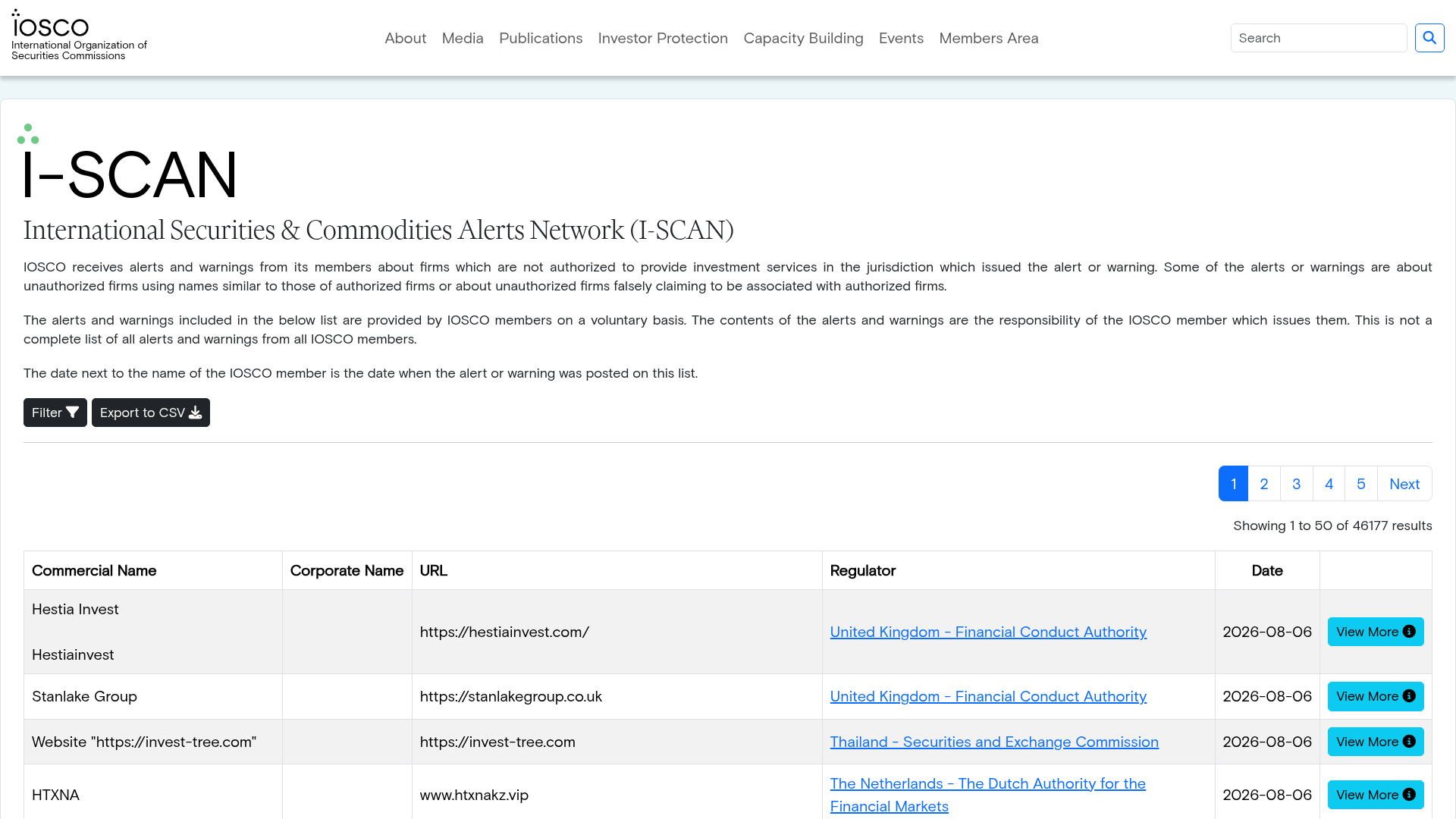
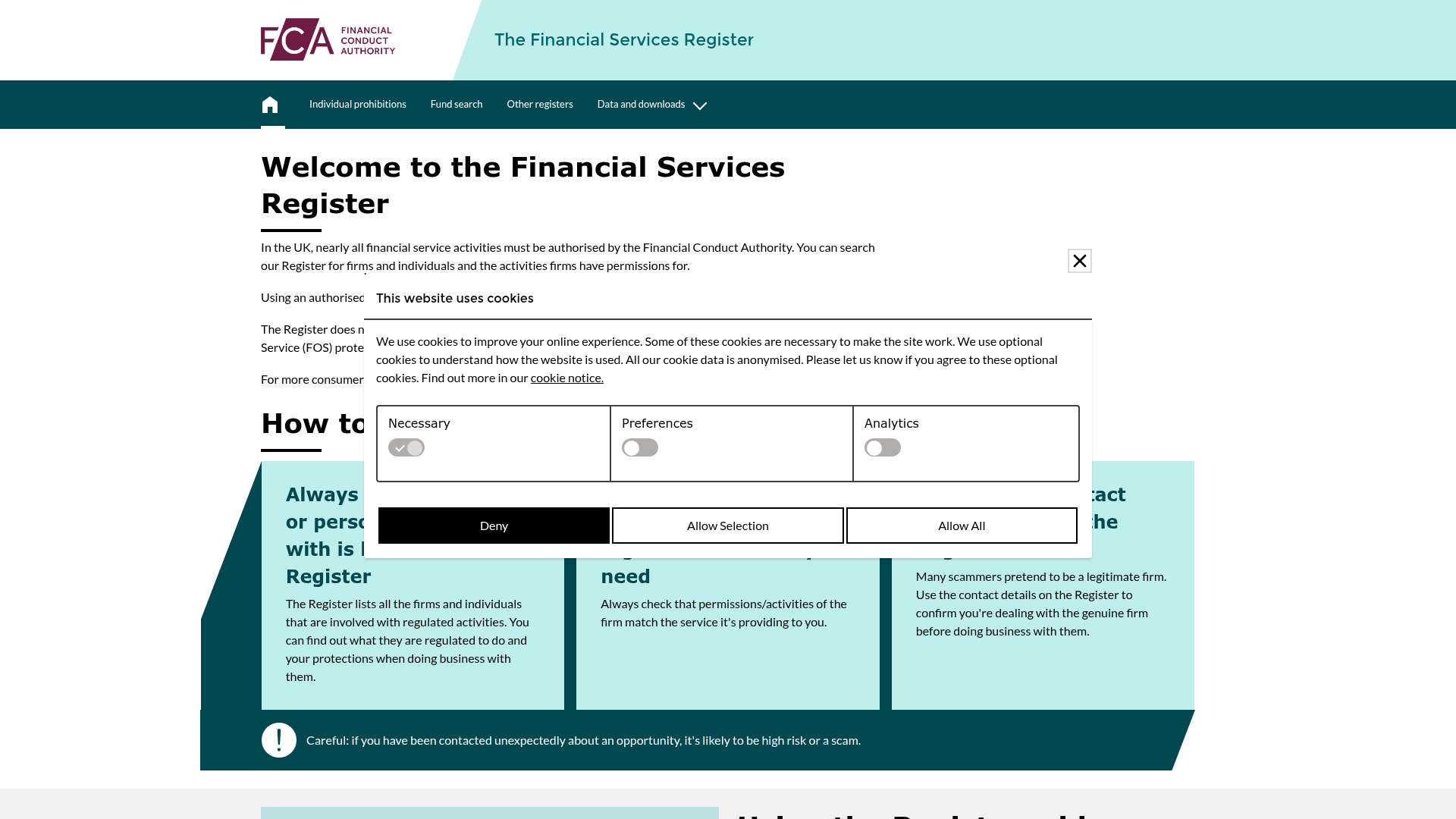
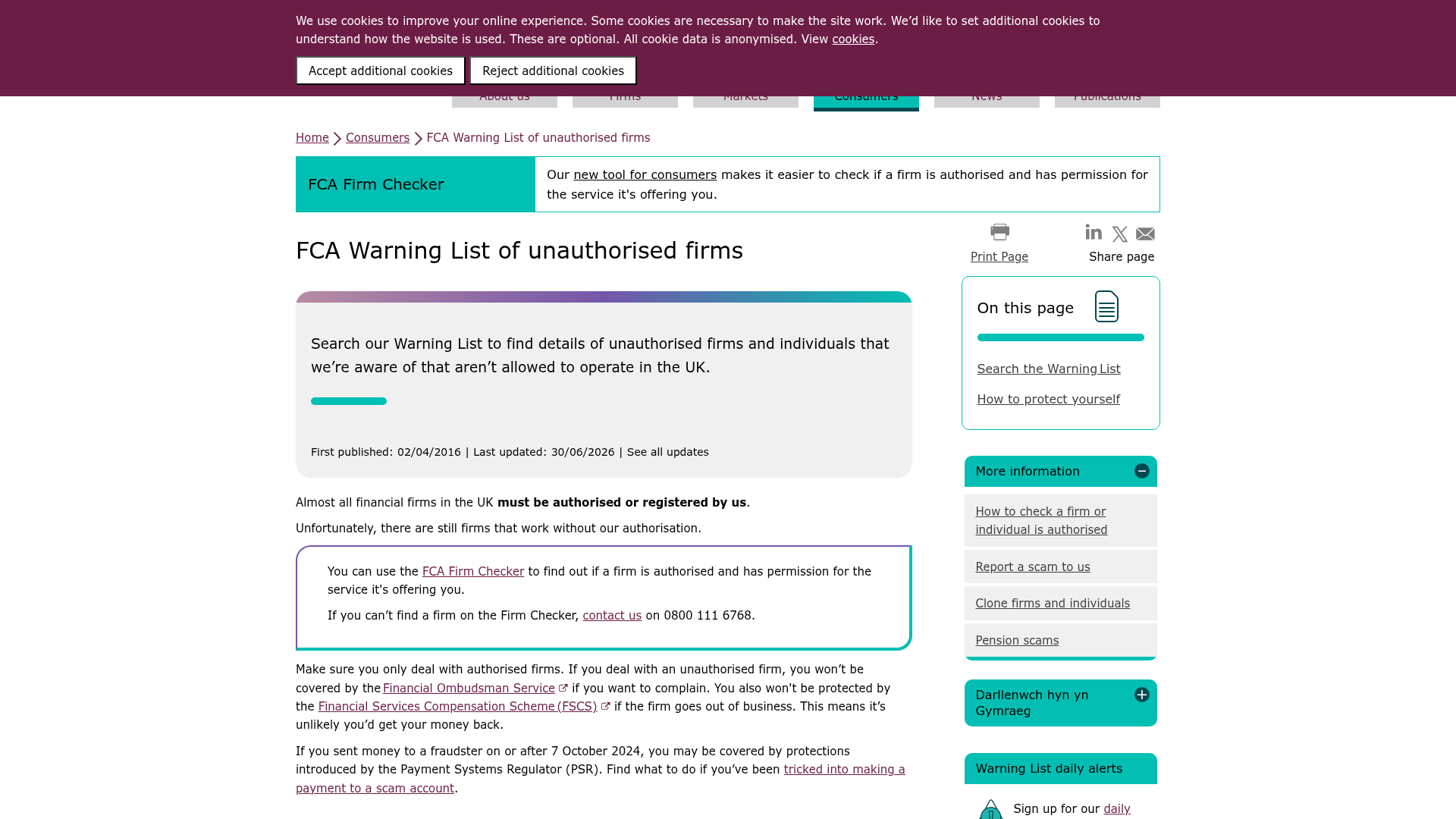
นี่คือหน้าเว็บของหน่วยงานกำกับดูแลเอง ซึ่งเราได้บันทึกไว้ตามที่พบ เปิดหน้าเว็บและทำการค้นหาเดียวกันด้วยตนเอง ไม่มีสิ่งใดในทะเบียนนี้มาแทนที่แหล่งข้อมูลต้นฉบับได้
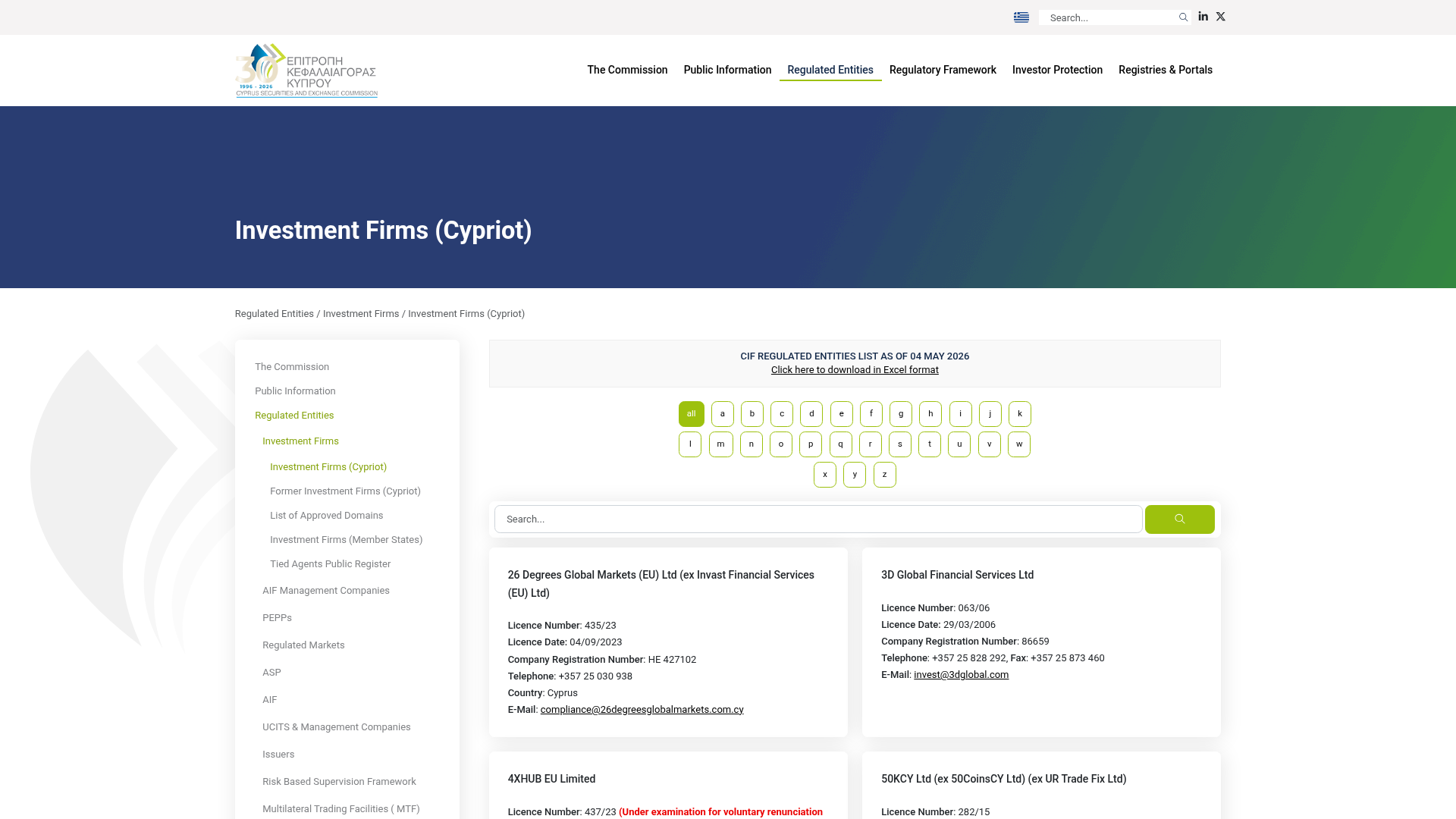
ทะเบียนอื่น ๆ ที่ใช้ในการตรวจสอบประเภทนี้ แต่ละรายการจะเปิดหน้าของหน่วยงานกำกับดูแลนั้น ๆ
คำถามที่พบบ่อย
อะไรคือความแตกต่างหลักระหว่างการกำกับดูแลแบบ Onshore และ Offshore?
การกำกับดูแลแบบ Onshore โดยทั่วไปให้การคุ้มครองนักลงทุนที่เข้มแข็งกว่า รวมถึงการแยกเงินทุนและโครงการชดเชย ในขณะที่การกำกับดูแลแบบ Offshore โดยทั่วไปให้การป้องกันที่น้อยกว่าและช่องทางเรียกร้องทางกฎหมายที่จำกัดสำหรับนักเทรด
ฉันจะตรวจสอบสถานะการกำกับดูแลของโบรกเกอร์ได้อย่างไร?
เยี่ยมชมเว็บไซต์ทางการของหน่วยงานกำกับดูแลที่ระบุไว้เสมอ (เช่น FCA, ASIC) และค้นหาหมายเลขทะเบียนหรือใบอนุญาตของโบรกเกอร์ อย่าพึ่งพาเพียงแค่การกล่าวอ้างบนเว็บไซต์ของโบรกเกอร์เอง
โบรกเกอร์ทั้งหมดที่มีใบอนุญาต Offshore ไม่ปลอดภัยหรือไม่?
ไม่ได้หมายความว่าไม่ปลอดภัยเสมอไป แต่การดำเนินงานของพวกเขามีการกำกับดูแลที่น้อยกว่าอย่างมีนัยสำคัญ และให้การคุ้มครองเงินทุนของคุณน้อยกว่า ความเสี่ยงในการกู้คืนเงินทุนในกรณีที่มีข้อพิพาทหรือโบรกเกอร์ล้มเหลวนั้นสูงกว่าอย่างมาก เมื่อเทียบกับหน่วยงานที่ได้รับการกำกับดูแลในประเทศ
ทำไมโบรกเกอร์ที่มีชื่อเสียงบางรายจึงถือใบอนุญาตจากต่างประเทศด้วย?
โบรกเกอร์ที่มีใบอนุญาตหลายแห่งมักใช้หน่วยงานในต่างประเทศเพื่อเสนอเงื่อนไขการซื้อขายที่แตกต่างกัน เช่น leverage ที่สูงขึ้น ให้กับลูกค้าในภูมิภาคที่กฎระเบียบในประเทศที่เข้มงวดกว่าอาจจำกัดการเสนอขายดังกล่าว อย่างไรก็ตาม ลูกค้าที่ติดต่อกับหน่วยงานในต่างประเทศจะต้องอยู่ภายใต้การคุ้มครองที่อ่อนแอกว่าเหล่านั้น