ประเด็นสำคัญ
- ใบอนุญาตโบรกเกอร์นอกชายฝั่งอนุญาตให้มีอัตราส่วนเลเวอเรจที่สูงขึ้นและข้อกำหนดด้านเงินทุนที่เข้มงวดน้อยลงสำหรับโบรกเกอร์ ซึ่งช่วยลดต้นทุนการดำเนินงาน
- หน่วยงานกำกับดูแลหลัก เช่น FCA, ASIC และ CFTC กำหนดให้มีการแยกเงินทุนลูกค้าอย่างเข้มงวดและเสนอแผนการชดเชย
- โบรกเกอร์ที่ถือใบอนุญาตโบรกเกอร์นอกชายฝั่งอาจไม่ให้การคุ้มครองนักลงทุนในระดับเดียวกัน เช่น กองทุนชดเชย หรือการระงับข้อพิพาทโดยอิสระ
- ควรตรวจสอบใบอนุญาตของโบรกเกอร์โดยตรงบนทะเบียนทางการของหน่วยงานกำกับดูแล โดยใช้หมายเลขใบอนุญาตเฉพาะหรือชื่อบริษัท
- เลเวอเรจที่สูงขึ้นซึ่งมีให้ผ่านโบรกเกอร์นอกชายฝั่งจะเพิ่มทั้งกำไรและขาดทุนที่อาจเกิดขึ้น จึงจำเป็นต้องมีการบริหารความเสี่ยงอย่างรอบคอบ
- ปัญหาการถอนเงินและการขาดช่องทางแก้ไขเป็นข้อร้องเรียนทั่วไปสำหรับหน่วยงานที่ไม่ได้รับการกำกับดูแลหรือได้รับการกำกับดูแลอย่างอ่อนแอ ซึ่งต้องใช้ความระมัดระวังในการตรวจสอบสถานะ
เสน่ห์ของอัตราส่วนเลเวอเรจ 1:500: ภาวะที่กลืนไม่เข้าคายไม่ออกของนักเทรด
ลองจินตนาการถึงสถานการณ์ทั่วไป: โฆษณาหนึ่งปรากฏขึ้น สัญญาว่าจะเข้าถึงตลาดโลกด้วยเลเวอเรจสูงถึง 1:500 ซึ่งแตกต่างอย่างสิ้นเชิงกับเลเวอเรจสูงสุด 1:30 ที่โบรกเกอร์ที่ได้รับการกำกับดูแลในศูนย์กลางทางการเงินที่จัดตั้งขึ้นนำเสนอ เลเวอเรจที่สูงนี้มักมาจากหน่วยงานที่ดำเนินการภายใต้ใบอนุญาตโบรกเกอร์นอกชายฝั่ง ดึงดูดนักเทรดที่ต้องการเพิ่มการเปิดรับความเสี่ยงในตลาดให้สูงสุดด้วยเงินทุนที่น้อยที่สุด แม้ว่าเสน่ห์ของการเพิ่มผลตอบแทนที่อาจเกิดขึ้นจะปฏิเสธไม่ได้ คำถามพื้นฐานสำหรับนักลงทุนที่รอบคอบทุกคนจะต้องเป็น: มีการประนีประนอมอะไรบ้างเพื่อแลกกับข้อได้เปรียบที่เห็นได้ชัดนี้ นี่ไม่ใช่เพียงแค่รายละเอียดทางเทคนิค แต่เป็นรากฐานสำคัญของวิธีการจัดการเงินทุนของคุณและการคุ้มครองสิทธิ์ของคุณ
โบรกเกอร์มักจะจัดตั้งการดำเนินงานในเขตอำนาจศาล เช่น เซเชลส์ เบลีซ หรือหมู่เกาะบริติชเวอร์จิน สถานที่เหล่านี้เสนอกรอบการกำกับดูแลที่มักจะภาระน้อยกว่าที่พบในเขตอำนาจศาล เช่น สหราชอาณาจักร ออสเตรเลีย หรือสหรัฐอเมริกา สำหรับโบรกเกอร์ สิ่งนี้หมายถึงข้อกำหนดด้านเงินทุนที่ต่ำกว่า ขั้นตอนการปฏิบัติตามกฎระเบียบที่ง่ายขึ้น และต้นทุนการดำเนินงานที่ลดลง แรงจูงใจทางการค้านี้ช่วยให้บางบริษัทสามารถนำเสนอบริการที่อาจถูกจำกัดหรือมีราคาแพงกว่าภายใต้ระบอบการกำกับดูแลที่เข้มงวดกว่า ซึ่งสร้างข้อเสนอที่น่าสนใจสำหรับรูปแบบธุรกิจของพวกเขา
อย่างไรก็ตาม ความยืดหยุ่นนี้สำหรับโบรกเกอร์ไม่ค่อยส่งผลให้เกิดการคุ้มครองที่ดีขึ้นสำหรับลูกค้ารายย่อย สภาพแวดล้อมการกำกับดูแลที่ผ่อนคลายหมายความว่าการป้องกันที่คุณอาจคาดหวังจากโบรกเกอร์ที่ได้รับการกำกับดูแลโดย เช่น Financial Conduct Authority (FCA) ในสหราชอาณาจักร หรือ Australian Securities and Investments Commission (ASIC) จะลดลงอย่างมากหรือไม่มีเลย ซึ่งรวมถึงข้อกำหนดที่สำคัญ เช่น การแยกเงินทุนลูกค้าภาคบังคับ การเข้าร่วมในแผนการชดเชยนักลงทุน และการเข้าถึงหน่วยงานระงับข้อพิพาทอิสระ การทำความเข้าใจความแตกต่างเหล่านี้มีความสำคัญอย่างยิ่งก่อนที่จะลงทุนเงินทุนใดๆ
ข้อกำหนดด้านเงินทุนและการแยกเงินทุนลูกค้า
หนึ่งในความแตกต่างที่สำคัญที่สุดระหว่างโบรกเกอร์ที่ได้รับการกำกับดูแลอย่างดีและโบรกเกอร์ที่มีใบอนุญาตนอกชายฝั่งคือข้อกำหนดด้านเงินทุนที่กำหนดโดยหน่วยงานกำกับดูแลของตน หน่วยงานกำกับดูแลระดับ 1 เช่น FCA, ASIC หรือ CySEC ต้องการเงินทุนในการดำเนินงานจำนวนมากจากโบรกเกอร์ เงินทุนนี้ทำหน้าที่เป็นกันชน เพื่อให้มั่นใจว่าบริษัทสามารถดูดซับความเสียหายและปฏิบัติตามภาระผูกพันได้ แม้ในช่วงสภาวะตลาดที่ไม่เอื้ออำนวย ตัวอย่างเช่น FCA กำหนดให้บริษัทลงทุนต้องถือครองเงินทุนสภาพคล่องที่เพียงพอเพื่อครอบคลุมหนี้สินและความเสี่ยงในการดำเนินงาน ซึ่งเป็นจำนวนเงินที่อาจสูงถึงหลายล้านปอนด์ขึ้นอยู่กับกิจกรรมของบริษัท
ในทางตรงกันข้าม เขตอำนาจศาลนอกชายฝั่งหลายแห่งกำหนดข้อกำหนดด้านเงินทุนที่ต่ำกว่าอย่างมาก บางครั้งอาจน้อยเพียงไม่กี่หมื่นดอลลาร์ แม้ว่าสิ่งนี้จะทำให้บริษัทใหม่เข้าสู่ตลาดได้ง่ายขึ้น แต่ก็หมายความว่าหากโบรกเกอร์ประสบปัญหาทางการเงิน อาจมีเงินทุนไม่เพียงพอที่จะครอบคลุมการถอนเงินของลูกค้า ความแตกต่างนี้ส่งผลกระทบโดยตรงต่อความมั่นคงและการดำรงอยู่ของโบรกเกอร์
การแยกเงินทุนลูกค้าเป็นรากฐานสำคัญของการคุ้มครองนักลงทุนในตลาดที่มีการกำกับดูแล ซึ่งหมายความว่าเงินทุนของคุณจะถูกเก็บไว้ในบัญชีธนาคารแยกต่างหาก ซึ่งแตกต่างจากเงินทุนในการดำเนินงานของโบรกเกอร์ สิ่งนี้ทำให้มั่นใจได้ว่าแม้ว่าโบรกเกอร์จะล้มละลาย เงินของคุณก็ไม่สามารถนำไปใช้ชำระหนี้ให้กับเจ้าหนี้ของบริษัทได้ หน่วยงานกำกับดูแลเช่น FCA กำหนดไว้อย่างชัดเจนว่าเงินทุนลูกค้าจะต้องถูกเก็บไว้ในบัญชีธนาคารแยกต่างหากภายใต้ข้อตกลงการจัดการทรัสต์ที่เฉพาะเจาะจง อย่างไรก็ตาม ในเขตอำนาจศาลนอกชายฝั่งหลายแห่ง แม้ว่าจะมีการระบุว่าการแยกเงินทุนเป็นนโยบาย แต่กรอบกฎหมายและกลไกการบังคับใช้เพื่อรับประกันมักจะอ่อนแอหรือไม่ existent นี่คือส่วนที่คู่มือส่วนใหญ่ข้ามไป: การระบุนโยบายไม่เหมือนกับการมีกระบวนการที่สามารถบังคับใช้ทางกฎหมายและตรวจสอบได้
การเปรียบเทียบการคุ้มครองตามกฎระเบียบที่สำคัญในระดับเขตอำนาจศาลที่แตกต่างกัน
| หน่วยงานกำกับดูแล | เพดานเลเวอเรจทั่วไป (สำหรับลูกค้ารายย่อย) | การแยกเงินทุนลูกค้า | แผนการชดเชย |
|---|---|---|---|
| FCA (สหราชอาณาจักร) | 1:30 | ภาคบังคับ, แยกบัญชีลูกค้าอย่างสมบูรณ์ | มี (สูงสุด £85,000 ผ่าน FSCS) |
| ASIC (ออสเตรเลีย) | 1:30 | ภาคบังคับ, แยกบัญชีลูกค้าอย่างสมบูรณ์ | ไม่มีโครงการโดยตรง แต่มีกฎหมายทรัสต์ที่เข้มแข็ง |
| CySEC (ไซปรัส) | 1:30 | ภาคบังคับ, แยกบัญชีลูกค้าอย่างสมบูรณ์ | มี (สูงสุด €20,000 ผ่าน ICF) |
| CFTC/NFA (สหรัฐอเมริกา) | 1:50 | ภาคบังคับ, แยกบัญชีลูกค้าอย่างสมบูรณ์ | ไม่มีโครงการโดยตรง แต่มีกฎเกณฑ์การล้มละลายที่เข้มงวด |
| นอกอาณาเขต (เช่น Seychelles FSA) | 1:500+ | มักระบุไว้ แต่การบังคับใช้แตกต่างกันไป | ไม่ค่อยมีให้บริการ |
ภาพลวงตาของทางเลือก: เลเวอเรจ, มาร์จิ้น และการรับความเสี่ยงของคุณ
แรงจูงใจหลักของโบรกเกอร์นอกอาณาเขตสำหรับหลายคนคือคำมั่นสัญญาเรื่องเลเวอเรจที่สูงขึ้นอย่างมาก ในขณะที่หน่วยงานกำกับดูแลอย่าง European Securities and Markets Authority (ESMA) ได้เข้ามาควบคุมเพดานเลเวอเรจสำหรับ สัญญาซื้อขายส่วนต่าง ของลูกค้ารายย่อยไว้ที่ 1:30 ทั่วเขตเศรษฐกิจยุโรป และ ASIC ก็ดำเนินการในลักษณะเดียวกันสำหรับลูกค้าชาวออสเตรเลีย แต่หน่วยงานนอกอาณาเขตมักเสนอเลเวอเรจที่ 1:200, 1:500 หรือสูงกว่านั้น สำหรับเทรดเดอร์ เลเวอเรจ 1:500 หมายความว่าสำหรับทุกๆ $1 ของเงินทุนของคุณ คุณสามารถควบคุมสินทรัพย์มูลค่า $500 ได้ สิ่งนี้สามารถเพิ่มผลกำไรที่เป็นไปได้จากการเคลื่อนไหวของตลาดเพียงเล็กน้อยได้อย่างมาก
อย่างไรก็ตาม เลเวอเรจก็เหมือนดาบสองคม มันสามารถขยายผลขาดทุนที่เป็นไปได้ได้เช่นกัน ด้วยเลเวอเรจ 1:500 การเคลื่อนไหวของราคาเพียง 0.2% ที่ไม่เป็นไปตามที่คุณคาดการณ์ อาจทำให้เงินทุนที่คุณลงทุนไปในการเทรดนั้นหมดไปได้ทั้งหมด โบรกเกอร์ที่อยู่ภายใต้การกำกับดูแลมักจะใช้ระบบป้องกันยอดคงเหลือติดลบ (negative balance protection) ซึ่งรับประกันว่าลูกค้าจะไม่สูญเสียเงินมากกว่าเงินทุนที่ฝากไว้ มาตรการป้องกันที่สำคัญนี้มักจะไม่มีในโบรกเกอร์นอกอาณาเขต ซึ่งหมายความว่าคุณอาจติดหนี้โบรกเกอร์ได้
ลองพิจารณาการเทรด 1 standard lot (100,000 หน่วย) ของ EUR/USD ด้วยเลเวอเรจ 1:30 คุณจะต้องใช้มาร์จิ้นประมาณ $3,333 (100,000 / 30) ด้วยเลเวอเรจ 1:500 ข้อกำหนดมาร์จิ้นจะลดลงเหลือเพียง $200 (100,000 / 500) แม้ว่าสิ่งนี้จะช่วยให้คุณสามารถเปิดสถานะที่ใหญ่ขึ้นด้วยเงินทุนที่น้อยลง แต่ความเสี่ยงที่แท้จริงของสถานะนั้นไม่ได้เปลี่ยนแปลงไป ตลาดมีการเคลื่อนไหว และด้วยเลเวอเรจที่สูงเช่นนี้ แม้แต่ความผันผวนเพียงเล็กน้อยก็สามารถกระตุ้นให้เกิด margin call หรือ stop-out ได้ ทำให้สถานะของคุณถูกปิดโดยอัตโนมัติอย่างรวดเร็ว และอาจทำให้เกิดการขาดทุนจำนวนมาก
ใบอนุญาตของโบรกเกอร์ไม่ใช่เพียงแค่พิธีการ แต่เป็นข้อผูกมัดทางกฎหมายที่ต้องปฏิบัติตามมาตรฐานการดำเนินงานและการคุ้มครองนักลงทุนที่เฉพาะเจาะจง
Owen Blake
เมื่อเกิดปัญหา: การระงับข้อพิพาทและการชดเชย
หากเกิดข้อพิพาทกับโบรกเกอร์ของคุณ ไม่ว่าจะเป็นการถอนเงินล่าช้า ความผิดพลาดของแพลตฟอร์มการซื้อขาย หรือความไม่เห็นด้วยเกี่ยวกับการดำเนินการซื้อขาย ช่องทางในการแก้ไขปัญหาจะแตกต่างกันอย่างมาก ขึ้นอยู่กับเขตอำนาจการกำกับดูแลของโบรกเกอร์ สำหรับโบรกเกอร์ที่อยู่ภายใต้การกำกับดูแลของหน่วยงานที่มีชื่อเสียง คุณมักจะสามารถเข้าถึงบริการผู้ตรวจการแผ่นดินอิสระได้ เช่น Financial Ombudsman Service (FOS) ในสหราชอาณาจักร หรือ Australian Financial Complaints Authority (AFCA) หน่วยงานเหล่านี้ถูกออกแบบมาเพื่อไกล่เกลี่ยข้อพิพาทอย่างเป็นธรรม เป็นกลาง และบ่อยครั้งไม่มีค่าใช้จ่ายสำหรับลูกค้า โดยออกคำตัดสินที่มีผลผูกพันที่โบรกเกอร์ต้องปฏิบัติตาม สิ่งนี้เป็นเส้นทางที่ชัดเจนและเป็นที่ยอมรับสำหรับการแสวงหาความเป็นธรรม
สำหรับโบรกเกอร์ที่ได้รับใบอนุญาตจากนอกอาณาเขต กลไกที่ชัดเจนเช่นนี้มักจะไม่มี แม้ว่าหน่วยงานกำกับดูแลนอกอาณาเขตบางแห่งอาจมีแผนกรับเรื่องร้องเรียน แต่ความสามารถในการบังคับใช้กฎหมายและความเป็นอิสระของพวกเขาก็อาจเป็นที่น่าสงสัย บ่อยครั้ง ทางเลือกเดียวของคุณอาจเป็นการดำเนินคดีทางกฎหมายในเขตอำนาจศาลที่โบรกเกอร์จดทะเบียน ซึ่งเป็นกระบวนการที่อาจมีค่าใช้จ่ายสูงมาก ใช้เวลานาน และซับซ้อน โดยเฉพาะอย่างยิ่งสำหรับลูกค้าระหว่างประเทศ ความเป็นจริงคือ การกู้คืนเงินทุนผ่านช่องทางกฎหมายในเขตอำนาจศาลต่างประเทศที่มักจะโปร่งใสน้อยกว่านั้น เป็นความท้าทายอย่างยิ่ง ทำให้โอกาสในการได้รับความเป็นธรรมสำหรับเทรดเดอร์รายย่อยส่วนใหญ่เป็นเรื่องที่ห่างไกล
โครงการชดเชยนักลงทุน ซึ่งออกแบบมาเพื่อปกป้องเงินทุนของลูกค้าในกรณีที่โบรกเกอร์ล้มละลาย เป็นจุดเด่นของตลาดที่มีการกำกับดูแลที่ดี ตัวอย่างเช่น Financial Services Compensation Scheme (FSCS) ในสหราชอาณาจักร ปกป้องเงินลงทุนที่มีสิทธิ์สูงสุดถึง £85,000 ในทำนองเดียวกัน โบรกเกอร์ที่อยู่ภายใต้การกำกับดูแลของไซปรัสก็มีส่วนร่วมใน Investor Compensation Fund (ICF) ซึ่งให้ความคุ้มครองสูงสุดถึง €20,000 โครงการเหล่านี้เป็นตาข่ายนิรภัยที่สำคัญ เขตอำนาจศาลนอกอาณาเขตไม่ค่อยมีกองทุนชดเชยที่ได้รับการสนับสนุนจากรัฐบาลที่เทียบเคียงได้ ทำให้ลูกค้าต้องเผชิญกับความเสี่ยงจากการล้มละลายของโบรกเกอร์อย่างเต็มที่ หากบริษัทล้มละลาย เงินทุนของคุณอาจหายไปเฉยๆ โดยไม่มีกรอบการทำงานของสถาบันใดๆ ที่จะช่วยในการกู้คืน สิ่งนี้ทำให้เป็นข้อเสนอที่มีความเสี่ยงสูงเป็นพิเศษสำหรับเงินทุนจำนวนมาก
การตรวจสอบใบอนุญาต: แนวป้องกันแรกของคุณ
ก่อนการฝากเงินกับโบรกเกอร์ ขั้นตอนแรกสุดที่ต้องทำคือการตรวจสอบสถานะการกำกับดูแลของโบรกเกอร์นั้นๆ อย่าพึ่งพาเพียงแค่การกล่าวอ้างบนเว็บไซต์ของโบรกเกอร์ เพราะมิจฉาชีพมักสร้างเว็บไซต์ที่ซับซ้อนเพื่อเลียนแบบบริษัทที่ถูกกฎหมาย หรือแสดงหมายเลขใบอนุญาตปลอม ควรตรวจสอบข้อมูลโดยตรงกับทะเบียนอย่างเป็นทางการของหน่วยงานกำกับดูแลที่กล่าวอ้างเสมอ กระบวนการนี้ทำได้ไม่ยากและช่วยให้คุณสบายใจได้อย่างมาก
ตัวอย่างเช่น หากโบรกเกอร์อ้างว่าอยู่ภายใต้การกำกับดูแลของ FCA ให้เข้าไปที่ FCA's Financial Services Register (https://register.fca.org.uk/) จากนั้นป้อนชื่ออย่างเป็นทางการของบริษัท หรือหมายเลขทะเบียนบริการทางการเงิน (FRN) ของพวกเขา ตรวจสอบให้แน่ใจว่ารายละเอียดในทะเบียน เช่น ที่อยู่ของบริษัทและชื่อที่ใช้ในการซื้อขาย ตรงกันอย่างแม่นยำกับข้อมูลที่โบรกเกอร์ให้ไว้ หากพบความคลาดเคลื่อนใดๆ ควรเป็นสาเหตุที่น่ากังวลอย่างยิ่ง ในทำนองเดียวกัน สำหรับนิติบุคคลที่อยู่ภายใต้การกำกับดูแลของ ASIC ให้ใช้ ASIC Professional registers (https://asic.gov.au/online-services/search-asics-registers/)
โปรดให้ความสนใจอย่างใกล้ชิดว่าใบอนุญาตออกที่ไหนและครอบคลุมกิจกรรมอะไรบ้าง โบรกเกอร์อาจถือใบอนุญาตที่แข็งแกร่งในเขตอำนาจศาลหนึ่ง (เช่น Pepperstone กับ ASIC) แต่ดำเนินการโดยนิติบุคคลนอกชายฝั่งภายใต้ใบอนุญาตที่แตกต่างกันและอ่อนแอกว่าสำหรับลูกค้าในภูมิภาคอื่น (เช่น Pepperstone ยังถือใบอนุญาตกับ SCB) ใบอนุญาตที่บัญชีเฉพาะของคุณถูกเปิดภายใต้คือสิ่งที่กำหนดการคุ้มครองของคุณ สำหรับเทรดเดอร์ในสหรัฐอเมริกา การตรวจสอบฐานข้อมูล NFA BASIC (https://www.nfa.futures.org/basicnet/) เป็นสิ่งจำเป็น และควรปรึกษา CFTC's Registration Deficient (RED) List (https://www.cftc.gov/check) สำหรับบริษัทที่ดำเนินการโดยไม่มีการอนุญาตที่เหมาะสม ในทางปฏิบัติ แผนกบริการลูกค้ามักจะเสนอทางเลือกนอกชายฝั่งให้คุณก่อน
ทะเบียนหน่วยงานกำกับดูแลที่จำเป็นสำหรับการตรวจสอบใบอนุญาตโบรกเกอร์
| หน่วยงานกำกับดูแล | URL สำหรับตรวจสอบ | ข้อมูลที่ต้องตรวจสอบ |
|---|---|---|
| FCA (สหราชอาณาจักร) | https://register.fca.org.uk/ | ชื่อบริษัท, FRN, ที่อยู่จดทะเบียน, ชื่อที่ใช้ในการซื้อขาย, กิจกรรมที่ได้รับอนุญาต |
| ASIC (ออสเตรเลีย) | https://asic.gov.au/online-services/search-asics-registers/ | ชื่อบริษัท, ABN/ACN, หมายเลขใบอนุญาต, สถานะ, บริการที่ได้รับอนุญาต |
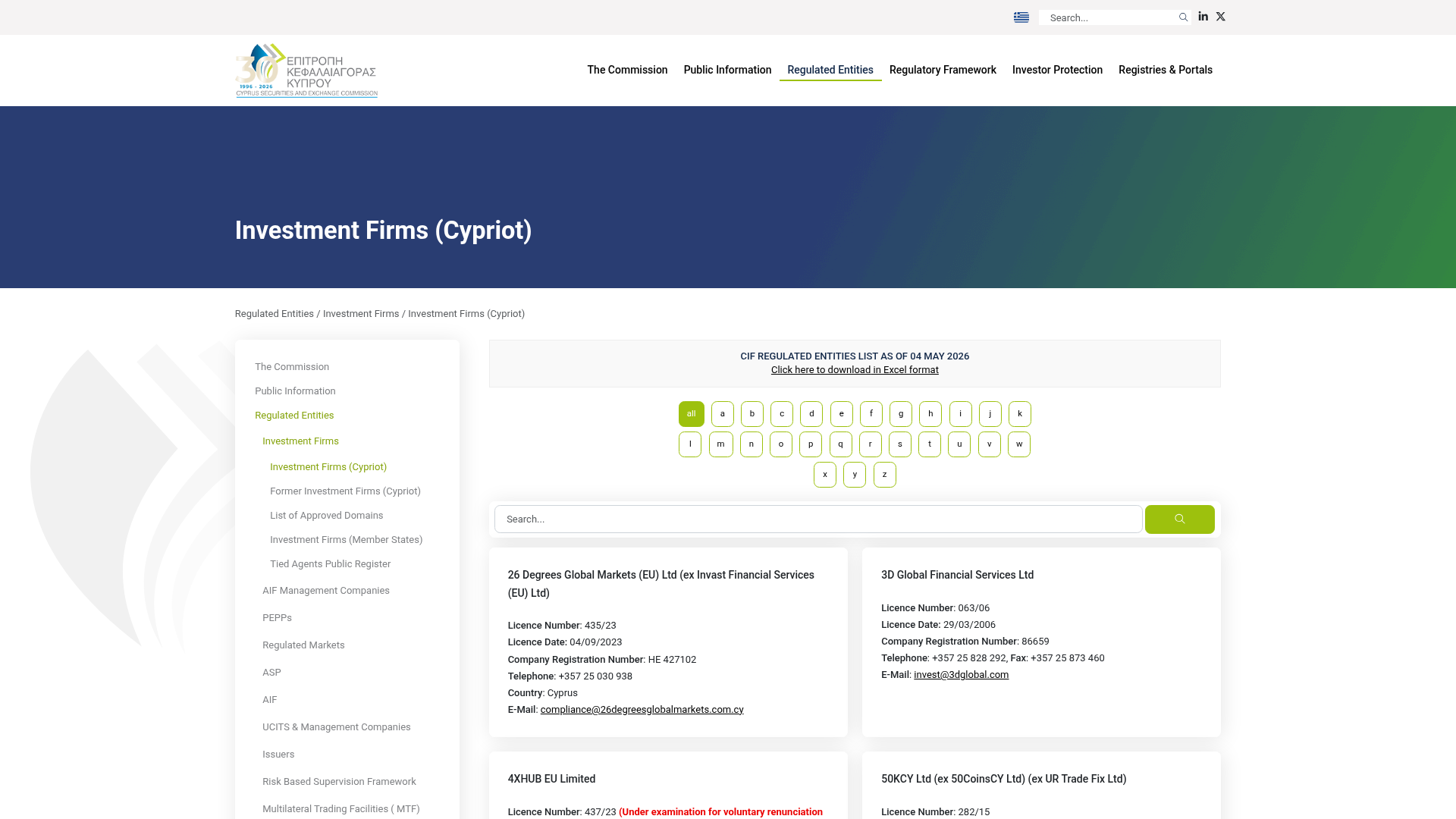
| CySEC (ไซปรัส) | https://www.cysec.gov.cy/en-GB/entities/investment-firms/cypriot/ | ชื่อบริษัทหลักทรัพย์, หมายเลขใบอนุญาต, สถานะ, URL เว็บไซต์ |
| CFTC/NFA (สหรัฐอเมริกา) | https://www.nfa.futures.org/basicnet/ | ชื่อบริษัท, NFA ID, สถานะสมาชิก, การดำเนินการทางวินัย |
| MAS (สิงคโปร์) | https://eservices.mas.gov.sg/fid | ชื่อสถาบันการเงิน, ประเภทใบอนุญาต, สถานะ, กิจกรรมที่ได้รับอนุญาต |
รายชื่อเฝ้าระวังของหน่วยงานกำกับดูแล: การระบุการดำเนินการที่ไม่ได้รับอนุญาต
นอกเหนือจากการตรวจสอบใบอนุญาตที่โบรกเกอร์กล่าวอ้างแล้ว การศึกษาข้อมูลจากรายชื่อเตือนภัยที่ออกโดยหน่วยงานกำกับดูแลทางการเงินที่สำคัญก็มีความสำคัญไม่แพ้กัน รายชื่อเหล่านี้ระบุบริษัทที่ดำเนินการโดยไม่ได้รับอนุญาตอย่างถูกต้อง หรือถูกสงสัยว่ามีกิจกรรมที่ฉ้อโกง ตัวอย่างเช่น FCA มีการรักษารายชื่อเตือนภัยโดยละเอียดของบริษัทที่ไม่ได้รับอนุญาต (https://www.fca.org.uk/consumers/warning-list-unauthorised-firms) หากโบรกเกอร์ปรากฏในรายชื่อนี้ ถือเป็นสัญญาณที่ชัดเจนว่าควรหลีกเลี่ยง ในทำนองเดียวกัน RED List ของ CFTC ก็ได้เน้นย้ำถึงนิติบุคคลที่ชักชวนชาวสหรัฐฯ อย่างผิดกฎหมายสำหรับการทำธุรกรรมสกุลเงินต่างประเทศหรือสินค้าโภคภัณฑ์นอกตลาด
รายชื่อเตือนภัยเหล่านี้ไม่ได้หมายถึงการหลอกลวงโดยสิ้นเชิงเสมอไป แต่บ่อยครั้งเกี่ยวข้องกับนิติบุคคลที่จงใจหลีกเลี่ยงข้อกำหนดด้านกฎระเบียบ พวกเขาอาจใช้ใบอนุญาตจากนอกชายฝั่งเพื่อกำหนดเป้าหมายลูกค้าในเขตอำนาจศาลที่พวกเขาไม่ได้รับใบอนุญาตอย่างเหมาะสม การปฏิบัติที่เรียกว่า 'reverse solicitation' นี้เป็นการใช้ประโยชน์จากช่องโหว่ทางกฎหมาย แต่ทำให้ลูกค้ามีความเสี่ยงสูง บริษัทดังกล่าวอาจโต้แย้งว่าพวกเขาไม่ได้ชักชวนลูกค้าอย่างกระตือรือร้น แต่เพียงแค่ตอบสนองต่อการสอบถาม แม้ว่าความพยายามทางการตลาดของพวกเขาจะมุ่งเป้าไปที่ตลาดเหล่านี้อย่างชัดเจน
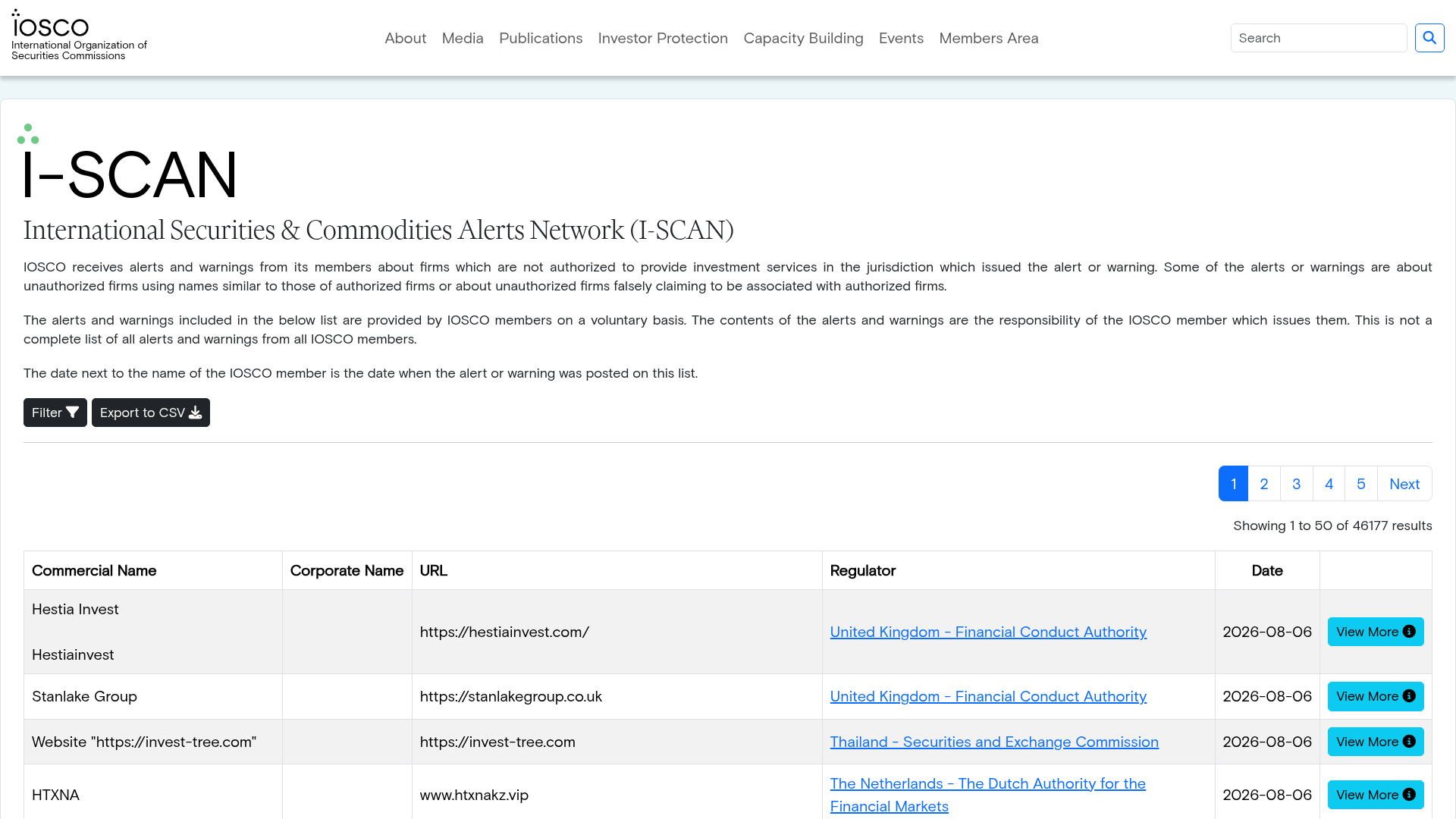
หน่วยงานกำกับดูแลที่มีชื่อเสียงเช่น ASIC, CySEC และแม้แต่องค์กรระหว่างประเทศอย่าง IOSCO (ผ่านพอร์ทัลแจ้งเตือนนักลงทุน: https://www.iosco.org/investor_protection/?subsection=investor_alerts_portal) มีการอัปเดตคำเตือนสาธารณะเป็นประจำ แนวทางเชิงรุกนี้ช่วยปกป้องผู้บริโภคจากบริษัทที่ขาดการอนุญาตที่จำเป็น หรือแสดงให้เห็นถึงการดำเนินธุรกิจที่น่าสงสัย การทำให้เป็นนิสัยในการตรวจสอบรายชื่อเหล่านี้สามารถช่วยคุณให้พ้นจากความเดือดร้อนทางการเงินอย่างมาก และความปวดหัวในการจัดการกับนิติบุคคลที่ไม่ตอบสนองหรือหลอกลวง
ความเป็นจริงในทางปฏิบัติของการถอนเงิน
หนึ่งในข้อร้องเรียนที่พบบ่อยที่สุดเกี่ยวกับโบรกเกอร์ที่ได้รับใบอนุญาตจากต่างประเทศหรือโบรกเกอร์ที่ไม่มีการกำกับดูแลคือปัญหาเกี่ยวกับการถอนเงิน ในขณะที่การฝากเงินมักจะราบรื่นและรวดเร็ว แต่คำขอถอนกำไรหรือแม้แต่เงินทุนเริ่มต้นอาจกลายเป็นกระบวนการที่ยืดเยื้อและน่าหงุดหงิด ลูกค้ารายงานว่าถูกเรียกเอกสารยืนยันตัวตนที่มากเกินไป ค่าธรรมเนียมที่ไม่คาดคิด หรือการปฏิเสธคำขอถอนเงินโดยสิ้นเชิงโดยไม่มีเหตุผลที่ชัดเจน นี่เป็นผลกระทบในทางปฏิบัติของการดำเนินงานนอกเหนือการกำกับดูแลที่เข้มงวด กล่าวคือมีแรงกดดันภายนอกน้อยลงในการปฏิบัติตามหลักปฏิบัติทางธุรกิจที่เป็นธรรม
โบรกเกอร์บางรายอาจใช้กลยุทธ์ เช่น การกระตุ้นให้ลูกค้า 'นำผลกำไรไปลงทุนต่อ' การผลักดันให้มีการซื้อขายมากขึ้นเพื่อตอบสนองข้อกำหนดปริมาณการซื้อขายที่ไม่สมเหตุสมผล หรือการอ้างปัญหาทางเทคนิคที่ทำให้การดำเนินการล่าช้า ในกรณีที่รุนแรงกว่านั้น การสื่อสารอาจหยุดชะงักโดยสิ้นเชิงเมื่อมีการร้องขอถอนเงินจำนวนมาก หากไม่มีการสนับสนุนจากหน่วยงานกำกับดูแลที่เข้มแข็ง ลูกค้าจะมีอำนาจต่อรองน้อยมากที่จะบังคับให้โบรกเกอร์ปล่อยเงินทุนของตน การรายงานไปยังหน่วยงานกำกับดูแลต่างประเทศอาจไม่ค่อยได้ผล เนื่องจากความสามารถในการบังคับใช้กฎหมายมักมีจำกัด
สิ่งนี้แตกต่างกันอย่างสิ้นเชิงกับโบรกเกอร์ที่อยู่ภายใต้การกำกับดูแลของหน่วยงานเช่น FCA หรือ ASIC แม้ว่าโบรกเกอร์ที่ได้รับการกำกับดูแลอาจมีการล่าช้าเป็นครั้งคราว แต่ก็มีข้อตกลงระดับการให้บริการที่ชัดเจนสำหรับการถอนเงิน และกระบวนการร้องเรียนอย่างเป็นทางการ ซึ่งอาจนำไปสู่การอนุญาโตตุลาการภายนอกหากจำเป็น ภัยคุกคามจากการดำเนินการทางกฎหมายของหน่วยงานกำกับดูแลหรือความเสียหายต่อชื่อเสียงทำหน้าที่เป็นแรงจูงใจที่ทรงพลังสำหรับบริษัทที่ได้รับการกำกับดูแลในการดำเนินการถอนเงินของลูกค้าอย่างรวดเร็วและเป็นธรรม สำหรับบริษัทที่ไม่มีการกำกับดูแล แรงจูงใจดังกล่าวแทบจะไม่มีอยู่จริง ทำให้ลูกค้าต้องตกอยู่ภายใต้ดุลยพินิจของบริษัท
การเลือกโบรกเกอร์ของคุณ: การให้ความสำคัญกับการคุ้มครองมากกว่าคำสัญญา
การเลือกโบรกเกอร์เป็นการตัดสินใจที่สำคัญที่สุดอย่างหนึ่งที่นักเทรดรายย่อยจะทำ ซึ่งส่งผลโดยตรงต่อความปลอดภัยของเงินทุนและทางเลือกในการเรียกร้องของพวกเขา แม้ว่าคำเย้ายวนของ leverage สูงและโบนัสที่น่าดึงดูดจากหน่วยงานต่างประเทศจะน่าเชื่อถือ แต่มาตรการคุ้มครองที่มาจากการกำกับดูแลที่เข้มงวดนั้นประเมินค่าไม่ได้ โบรกเกอร์อย่าง Pepperstone, OANDA และ FOREX.com ซึ่งมีใบอนุญาต Tier-1 หลายใบ (FCA, ASIC, CFTC/NFA เป็นต้น) แสดงถึงมาตรฐานการปฏิบัติตามกฎระเบียบที่ให้ความสำคัญกับการคุ้มครองลูกค้า
โบรกเกอร์อย่าง Exness, IC Markets และ XM ก็มีใบอนุญาตที่แข็งแกร่งในบางภูมิภาค แต่พวกเขายังคงมีหน่วยงานต่างประเทศ (เช่น กับ FSA Seychelles หรือ IFSC Belize) สำหรับลูกค้าที่เปิดบัญชีผ่านหน่วยงานต่างประเทศเหล่านี้ ประสบการณ์อาจแตกต่างกันอย่างมีนัยสำคัญในด้านการคุ้มครอง นี่ไม่ใช่การเหมารวมว่าโบรกเกอร์ทุกรายที่มีใบอนุญาตต่างประเทศนั้น 'ไม่ดี' โดยเนื้อแท้ แต่เป็นการทำความเข้าใจสภาพแวดล้อมการกำกับดูแลเฉพาะที่บัญชี ของคุณ ดำเนินการอยู่
ท้ายที่สุด แนวทางที่รับผิดชอบเรียกร้องให้จัดลำดับความสำคัญของความปลอดภัยในการลงทุนของคุณเหนือกว่าข้อได้เปรียบในการเก็งกำไรจาก leverage สูง การตรวจสอบวิเคราะห์สถานะ ซึ่งรวมถึงการตรวจสอบทะเบียนหน่วยงานกำกับดูแลและรายชื่อเตือนภัยอย่างละเอียด ไม่ใช่แค่คำแนะนำ แต่เป็นเกราะป้องกันที่จำเป็น ใบอนุญาตของโบรกเกอร์ไม่ใช่เพียงแค่พิธีการ แต่เป็นข้อผูกพันทางกฎหมายในการปฏิบัติตามมาตรฐานการดำเนินงานและการคุ้มครองนักลงทุนที่เฉพาะเจาะจง เลือกอย่างชาญฉลาด เพราะความมั่นคงทางการเงินของคุณขึ้นอยู่กับสิ่งนี้
หน้าที่เราตรวจสอบ
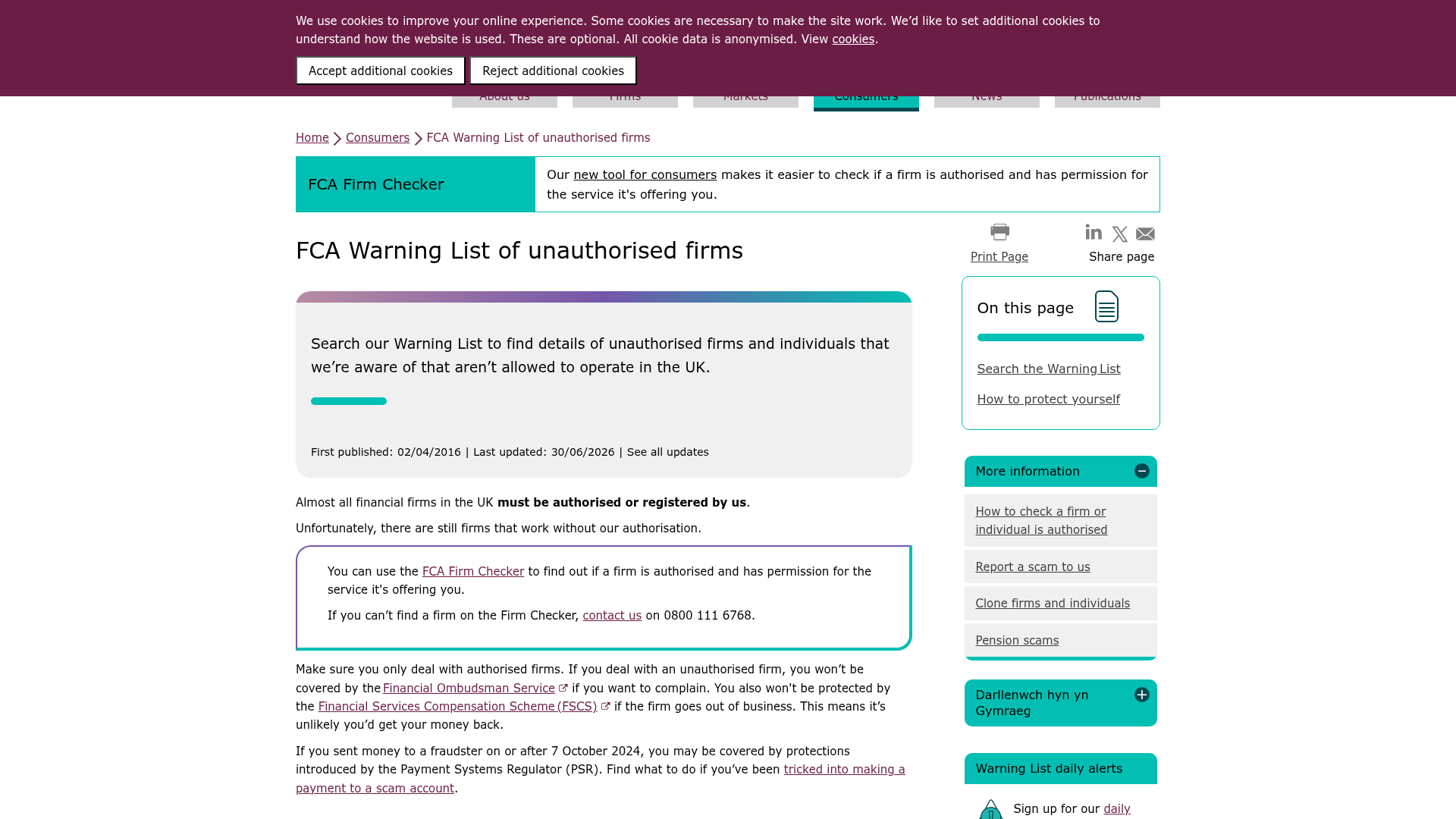
นี่คือหน้าเว็บของหน่วยงานกำกับดูแลเอง ซึ่งเราได้บันทึกไว้ตามที่พบ เปิดหน้าเว็บและทำการค้นหาเดียวกันด้วยตนเอง ไม่มีสิ่งใดในทะเบียนนี้มาแทนที่แหล่งข้อมูลต้นฉบับได้
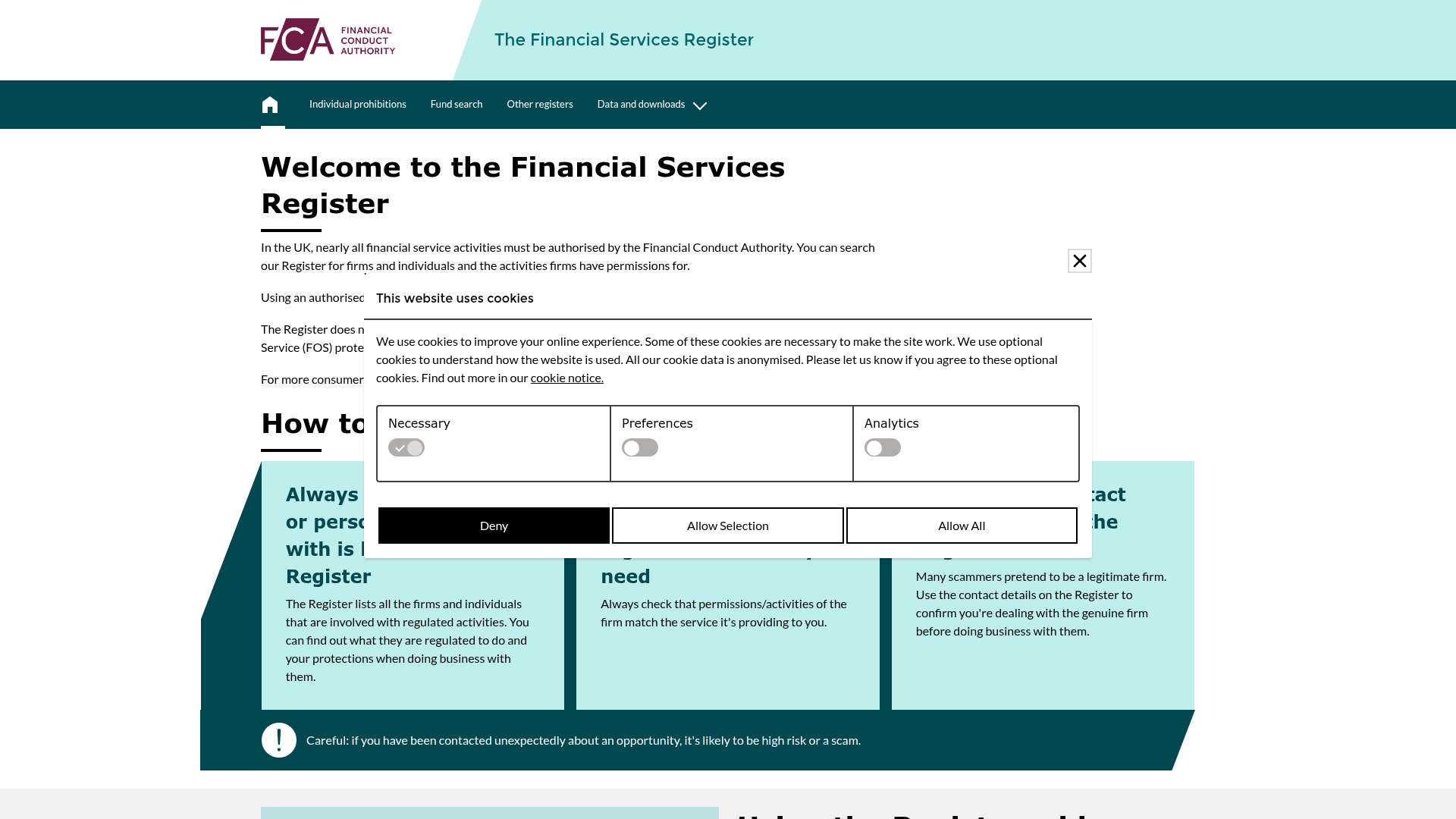
ทะเบียนอื่น ๆ ที่ใช้ในการตรวจสอบประเภทนี้ แต่ละรายการจะเปิดหน้าของหน่วยงานกำกับดูแลนั้น ๆ
แหล่งข้อมูลหลัก
ทุกข้อกล่าวอ้างข้างต้นสามารถตรวจสอบได้จากหน้าเว็บของหน่วยงานกำกับดูแลโดยตรง ลิงก์เหล่านี้จะนำท่านไปยังเว็บไซต์ของหน่วยงานกำกับดูแล ไม่ใช่เว็บไซต์ของเรา
- Financial Conduct Authority — Financial Services Registerregister.fca.org.ukhttps://register.fca.org.uk/
- FCA — Warning list of unauthorised firmsfca.org.ukhttps://www.fca.org.uk/consumers/warning-list-unauthorised-firms
- ASIC — Professional registersasic.gov.auhttps://asic.gov.au/online-services/search-asics-registers/
- CFTC — Registration Deficient (RED) Listcftc.govhttps://www.cftc.gov/check
- ESMA — Product intervention on CFDsesma.europa.euhttps://www.esma.europa.eu/press-news/esma-news/esma-agrees-prohibit-binary-options-and-restrict-cfds-protect-retail
คำถามที่พบบ่อย
'ใบอนุญาตต่างประเทศ' หมายความว่าอย่างไรในบริบทของการซื้อขาย forex และสัญญาซื้อขายส่วนต่าง (CFD)?
ใบอนุญาตต่างประเทศหมายความว่าโบรกเกอร์อยู่ภายใต้การกำกับดูแลโดยหน่วยงานในเขตอำนาจศาลที่มีกฎระเบียบทางการเงินที่เข้มงวดน้อยกว่า ซึ่งมักมีลักษณะเด่นคือข้อกำหนดเงินทุนที่ต่ำกว่า ภาระผูกพันในการรายงานที่น้อยลง และเงื่อนไขการซื้อขายที่ผ่อนปรนมากขึ้น เช่น ข้อจำกัด leverage ที่สูงขึ้น ตัวอย่างเช่น Seychelles หรือ Belize
ใบอนุญาตต่างประเทศส่งผลกระทบต่อเงินทุนของฉันอย่างไรหากโบรกเกอร์ล้มละลาย?
ด้วยใบอนุญาตต่างประเทศ เงินทุนของคุณมักจะได้รับการคุ้มครองน้อยกว่ามาก ไม่เหมือนโบรกเกอร์ในศูนย์กลางทางการเงินหลักที่เข้าร่วมโครงการชดเชยนักลงทุน (เช่น FSCS สูงสุด £85,000) หน่วยงานต่างประเทศไม่ค่อยมีมาตรการป้องกันที่เทียบเท่ากัน ซึ่งหมายความว่าเงินทุนของคุณอาจสูญหายไปทั้งหมด
ฉันสามารถซื้อขายกับโบรกเกอร์ต่างประเทศได้หรือไม่หากฉันอาศัยอยู่ในประเทศที่มีการกำกับดูแลอย่างเข้มงวด?
แม้ว่าโบรกเกอร์ต่างประเทศบางรายอาจรับลูกค้าจากประเทศที่มีการกำกับดูแล แต่โดยทั่วไปแล้วคุณจะไม่ได้รับการคุ้มครองจากหน่วยงานกำกับดูแลในประเทศของคุณ บัญชีของคุณจะอยู่ภายใต้กฎของเขตอำนาจศาลต่างประเทศ ซึ่งอาจไม่สอดคล้องกับกฎหมายคุ้มครองผู้บริโภคภายในประเทศของคุณ
ข้อได้เปรียบหลักสำหรับโบรกเกอร์ในการดำเนินงานด้วยใบอนุญาตต่างประเทศคืออะไร?
ข้อได้เปรียบหลักสำหรับโบรกเกอร์คือต้นทุนการดำเนินงานที่ลดลงและความยืดหยุ่นที่เพิ่มขึ้น ข้อกำหนดเงินทุนที่ต่ำกว่า การปฏิบัติตามกฎระเบียบที่เข้มงวดน้อยลง และความสามารถในการเสนอ leverage หรือโบนัสที่สูงขึ้น ทำให้พวกเขาสามารถดึงดูดฐานลูกค้าที่กว้างขึ้นและอาจเพิ่มอัตรากำไรได้
ฉันจะตรวจสอบได้อย่างไรว่าใบอนุญาตของโบรกเกอร์ถูกต้องตามกฎหมายหรือไม่?
ตรวจสอบใบอนุญาตของโบรกเกอร์เสมอโดยการตรวจสอบทะเบียนออนไลน์อย่างเป็นทางการของหน่วยงานกำกับดูแลที่ระบุ อย่าเชื่อถือการกล่าวอ้างบนเว็บไซต์ของโบรกเกอร์ ใช้แหล่งข้อมูลเช่น FCA Financial Services Register, ASIC Professional registers หรือ NFA BASIC database เพื่อตรวจสอบรายละเอียดเปรียบเทียบ
มีเหตุผลที่ถูกต้องตามกฎหมายใดบ้างที่โบรกเกอร์ที่มีชื่อเสียงอาจมีใบอนุญาตต่างประเทศ?
มี โบรกเกอร์ที่ดำเนินงานทั่วโลกบางรายมีใบอนุญาตต่างประเทศเพื่อให้บริการลูกค้าในภูมิภาคที่พวกเขาไม่มีใบอนุญาต Tier-1 หรือที่กฎระเบียบท้องถิ่นอนุญาตให้ใช้ leverage ที่สูงกว่า เช่น ข้อจำกัดที่กำหนดโดย ESMA สิ่งสำคัญคือการทำความเข้าใจว่าคุณกำลังซื้อขายกับหน่วยงานใดและอยู่ภายใต้การกำกับดูแลเฉพาะใด