
ประเด็นสำคัญ
- ใบอนุญาต Investment Dealer ของ FSC มอริเชียส (ไม่รวมการรับประกันการจัดจำหน่าย) อนุญาตให้ดำเนินการในฐานะตัวการ ตัวแทน ให้คำแนะนำ และจัดการการซื้อขาย แต่ไม่รวมกิจกรรมการรับประกันการจัดจำหน่าย
- ข้อกำหนดเงินทุนขั้นต่ำสำหรับ Investment Dealer ที่ได้รับอนุญาตจาก FSC มอริเชียสค่อนข้างต่ำ โดยทั่วไปอยู่ที่ 1 ล้าน MUR (ประมาณ 22,000 ดอลลาร์สหรัฐ) ซึ่งน้อยกว่าเขตอำนาจศาล Tier-1 หลายแห่งอย่างมาก
- มอริเชียสยังไม่มีการดำเนินการโครงการชดเชยนักลงทุนภาคบังคับ หมายความว่าเงินทุนของลูกค้าไม่ได้รับการคุ้มครองโดยกองทุนที่ได้รับการสนับสนุนจากรัฐบาลในกรณีที่โบรกเกอร์ล้มละลาย
- การตรวจสอบใบอนุญาต FSC มอริเชียสต้องตรวจสอบโดยตรงจากทะเบียนสาธารณะบนเว็บไซต์ทางการของ FSC โดยค้นหาหมายเลขทะเบียนของบริษัทและกิจกรรมที่ได้รับอนุญาต
- โบรกเกอร์ขนาดใหญ่และมีชื่อเสียงหลายแห่งดำเนินงานด้วยใบอนุญาตหลายฉบับ มักให้บริการลูกค้าจากเขตอำนาจศาลที่มีข้อกำหนดเข้มงวดน้อยกว่าผ่านนิติบุคคลที่ได้รับการกำกับดูแลโดยหน่วยงานเช่น FSC มอริเชียส
- นักลงทุนควรให้ความสำคัญกับโบรกเกอร์ที่ได้รับการกำกับดูแลโดยเขตอำนาจศาลที่มีโครงการชดเชยนักลงทุนที่มีประสิทธิภาพและมีข้อจำกัดด้านเลเวอเรจที่เข้มงวด เช่น FCA ของสหราชอาณาจักร หรือ ASIC ของออสเตรเลีย
การออกใบอนุญาตโบรกเกอร์นอกเหนือจากศูนย์กลางทางการเงินหลัก
เมื่อนักลงทุนรายย่อยเลือกใช้บริการโบรกเกอร์ออนไลน์ หน่วยงานกำกับดูแลที่กำกับดูแลโบรกเกอร์นั้นถือเป็นองค์ประกอบสำคัญของการคุ้มครอง นักลงทุนหลายคนคุ้นเคยกับหน่วยงานกำกับดูแลเช่น Financial Conduct Authority (FCA) ของสหราชอาณาจักร, Australian Securities and Investments Commission (ASIC) ของออสเตรเลีย หรือ Cyprus Securities and Exchange Commission (CySEC) หน่วยงานเหล่านี้เป็นที่รู้จักในด้านการกำกับดูแลที่เข้มงวดและมักมีกองทุนชดเชยนักลงทุน อย่างไรก็ตาม มีโบรกเกอร์จำนวนมากที่ดำเนินงานภายใต้ใบอนุญาตที่ออกโดยหน่วยงานบริการทางการเงินในเขตอำนาจศาล เช่น มอริเชียส, เซเชลส์ หรือบาฮามาส สถานที่เหล่านี้มักดึงดูดบริษัทโบรกเกอร์เนื่องจากอาจมีต้นทุนการดำเนินงานที่ต่ำกว่า, ข้อกำหนดด้านเงินทุนที่เข้มงวดน้อยกว่า หรือจุดยืนด้านกฎระเบียบที่ยืดหยุ่นกว่าเกี่ยวกับผลิตภัณฑ์ที่นำเสนอและเลเวอเรจสำหรับลูกค้า ทางเลือกในการดำเนินงานนี้ส่งผลกระทบโดยตรงต่อมาตรการคุ้มครองที่มีให้นักลงทุน ตัวอย่างเช่น โบรกเกอร์อย่าง Pepperstone ซึ่งก่อตั้งในปี 2010 และมีสำนักงานใหญ่ในเมลเบิร์น ออสเตรเลีย ถือใบอนุญาตจาก ASIC, FCA, CySEC, DFSA, BaFin, CMA และ SCB ซึ่งแสดงให้เห็นถึงการมีอยู่เชิงกลยุทธ์ในสภาพแวดล้อมด้านกฎระเบียบที่หลากหลายเพื่อให้บริการฐานลูกค้าทั่วโลกที่แตกต่างกัน การทำความเข้าใจลักษณะเฉพาะของใบอนุญาตแต่ละฉบับจึงเป็นสิ่งสำคัญ
ทำความเข้าใจใบอนุญาต Investment Dealer ของ FSC มอริเชียส
คณะกรรมการบริการทางการเงิน (FSC) ของมอริเชียสออกใบอนุญาตหลายประเภทสำหรับผู้ให้บริการทางการเงิน สำหรับโบรกเกอร์ forex และ CFD รายย่อย การอนุญาตที่พบบ่อยที่สุดคือ 'ใบอนุญาต Investment Dealer (ไม่รวมการรับประกันการจัดจำหน่าย)' ใบอนุญาตเฉพาะนี้อนุญาตให้บริษัทดำเนินกิจกรรมหลายอย่างที่สำคัญต่อการดำเนินงานของโบรกเกอร์ ซึ่งรวมถึงการซื้อขายผลิตภัณฑ์ทางการเงินในฐานะตัวการ หมายความว่าบริษัทสามารถดำเนินการซื้อขายโดยใช้เงินทุนของตนเองเทียบกับคำสั่งของลูกค้า นอกจากนี้ยังครอบคลุมการซื้อขายในฐานะตัวแทน ซึ่งบริษัททำหน้าที่เป็นตัวกลาง จับคู่คำสั่งของลูกค้าโดยไม่รับความเสี่ยงจากตลาดเอง ใบอนุญาตนี้อนุญาตให้มีการให้คำแนะนำการลงทุนที่เกี่ยวข้องกับผลิตภัณฑ์ทางการเงิน และการจัดการการซื้อขายผลิตภัณฑ์ทางการเงินสำหรับลูกค้า ส่วน 'ไม่รวมการรับประกันการจัดจำหน่าย' มีความสำคัญ หมายความว่าบริษัทไม่สามารถทำหน้าที่เป็นผู้จัดจำหน่ายหลักทรัพย์สำหรับการออกหลักทรัพย์ใหม่ ซึ่งเป็นหน้าที่ที่มักเกี่ยวข้องกับธนาคารเพื่อการลงทุนขนาดใหญ่ FSC มีทะเบียนสาธารณะบนเว็บไซต์ทางการ ซึ่งบุคคลทั่วไปสามารถตรวจสอบสถานะและกิจกรรมที่ได้รับอนุญาตของนิติบุคคลที่ได้รับใบอนุญาตได้ นี่เป็นวิธีการโดยตรงในการยืนยันสถานะการกำกับดูแลที่โบรกเกอร์ประกาศไว้
บริษัทที่ต้องการใบอนุญาตนี้ในมอริเชียสต้องปฏิบัติตามข้อกำหนดเงินทุนเริ่มต้น ตามคำแนะนำล่าสุด เงินทุนขั้นต่ำที่ระบุไว้ซึ่งไม่เสียหายที่จำเป็นสำหรับใบอนุญาต Investment Dealer (ไม่รวมการรับประกันการจัดจำหน่าย) คือ 1 ล้าน MUR เพื่อเปรียบเทียบ โดยใช้อัตราแลกเปลี่ยนประมาณ 1 ดอลลาร์สหรัฐต่อ 45 MUR (ซึ่งผันผวน) จะเท่ากับประมาณ 22,222 ดอลลาร์สหรัฐ จำนวนนี้ต่ำกว่าเกณฑ์เงินทุนที่กำหนดโดยหน่วยงานกำกับดูแล Tier-1 หลายแห่งอย่างมาก ตัวอย่างเช่น บริษัทการลงทุนที่ได้รับอนุญาตจาก CySEC ที่ให้บริการ CFD อาจต้องการเงินทุนเริ่มต้น 125,000 ยูโร หรือ 730,000 ยูโร ขึ้นอยู่กับขอบเขตของกิจกรรม ความแตกต่างในข้อกำหนดเงินทุนนี้อาจส่งผลกระทบต่อความยืดหยุ่นทางการเงินของบริษัทในช่วงที่ตลาดผันผวนหรือเกิดการขาดทุนที่ไม่คาดคิด เป็นสิ่งสำคัญสำหรับนักลงทุนที่จะต้องตระหนักว่าข้อกำหนดเงินทุนที่ต่ำกว่าอาจทำให้บริษัทจำนวนมากขึ้นได้รับใบอนุญาต แต่ก็หมายความว่ามีเงินทุนสำรองน้อยลงเพื่อรองรับผลกระทบทางการเงินที่อาจเกิดขึ้นซึ่งอาจส่งผลกระทบต่อเงินทุนของลูกค้า
การคุ้มครองสินทรัพย์ของลูกค้าและกรอบการรายงาน
แง่มุมพื้นฐานของการคุ้มครองนักลงทุนคือวิธีการจัดการเงินทุนของลูกค้า ภายใต้กฎระเบียบของ FSC มอริเชียส โดยทั่วไป Investment Dealer ต้องแยกเงินทุนของลูกค้าออกจากเงินทุนดำเนินงานของตน ซึ่งหมายความว่าเงินของลูกค้าควรถูกเก็บไว้ในบัญชีธนาคารแยกต่างหาก ไม่ปะปนกับเงินทุนของบริษัท เพื่อป้องกันการปะปนกัน การแยกเงินทุนนี้มีจุดมุ่งหมายเพื่อปกป้องสินทรัพย์ของลูกค้าในกรณีที่โบรกเกอร์ล้มละลาย ทำให้เจ้าหนี้ของบริษัทเรียกร้องเงินของลูกค้าได้ยากขึ้น อย่างไรก็ตาม ประสิทธิภาพของการแยกเงินทุนขึ้นอยู่กับการบังคับใช้ที่เข้มงวดและการกำกับดูแลที่เป็นอิสระอย่างมาก
FSC ยังกำหนดข้อกำหนดการรายงานต่อหน่วยงานที่ได้รับใบอนุญาต ซึ่งรวมถึงงบการเงินปกติและการปฏิบัติตามข้อผูกพันในการป้องกันการฟอกเงิน (AML) และการต่อต้านการสนับสนุนทางการเงินแก่การก่อการร้าย (CFT) รายงานเหล่านี้มีวัตถุประสงค์เพื่อให้หน่วยงานกำกับดูแลได้รับข้อมูลเชิงลึกเกี่ยวกับสถานะทางการเงินและความสมบูรณ์ในการดำเนินงานของบริษัท ซึ่งเป็นกลไกในการตรวจจับปัญหาที่อาจเกิดขึ้นได้ตั้งแต่เนิ่นๆ แม้ว่ามาตรการเหล่านี้จะให้การกำกับดูแลในระดับหนึ่ง แต่ความลึกและความถี่ของการรายงาน รวมถึงทรัพยากรที่ทุ่มเทให้กับการตรวจสอบและการบังคับใช้ อาจแตกต่างกันอย่างมากจากเขตอำนาจศาลอื่น ๆ ความสามารถของนักลงทุนในการกู้คืนเงินทุน หากโบรกเกอร์ประสบปัญหาทางการเงิน มักขึ้นอยู่กับกรอบกฎหมายเฉพาะและโครงการชดเชยที่มีอยู่ในประเทศที่กำกับดูแล นี่คือจุดที่ความแตกต่างที่สำคัญระหว่างมอริเชียสกับเขตอำนาจศาลเช่นสหราชอาณาจักรหรือไซปรัสปรากฏขึ้น
การเปรียบเทียบข้อกำหนดเงินทุนขั้นต่ำและโครงการชดเชยในเขตอำนาจศาลต่างๆ
| หน่วยงานกำกับดูแล | ประเภทใบอนุญาตสำหรับ Retail Forex/CFD | ข้อกำหนดเงินทุนเริ่มต้นขั้นต่ำ (โดยประมาณ) | มีโครงการชดเชยนักลงทุนหรือไม่? |
|---|---|---|---|
| FSC มอริเชียส | Investment Dealer (ไม่รวมการรับประกันการจัดจำหน่าย) | MUR 1 ล้าน (USD 22,000) | ไม่มีโครงการภาคบังคับ |
| CySEC (ไซปรัส) | บริษัทหลักทรัพย์เพื่อการลงทุนของไซปรัส (CIF) | EUR 125,000 ถึง EUR 730,000 | มี, ICF |
| FCA (สหราชอาณาจักร) | กิจการ IFPRU 125k/730k | GBP 125,000 ถึง GBP 730,000 | มี, FSCS |
การตรวจสอบสถานะการกำกับดูแลของโบรกเกอร์โดย FSC มอริเชียส
ก่อนที่จะมีการลงทุนทางการเงินใดๆ นักลงทุนควรตรวจสอบสถานะการกำกับดูแลของโบรกเกอร์โดยตรงกับหน่วยงานที่ออกใบอนุญาตเสมอ กระบวนการตรวจสอบใบอนุญาต Investment Dealer ของ FSC มอริเชียสนี้มีขั้นตอนที่ชัดเจนไม่กี่ขั้นตอน ประการแรก ให้เยี่ยมชมเว็บไซต์ทางการของ Mauritius Financial Services Commission มองหาส่วนที่มักจะระบุว่า 'Licensees', 'Public Register' หรือ 'Regulated Entities' บนหน้านี้ โดยปกติแล้วจะมีฟังก์ชันค้นหาที่คุณสามารถป้อนชื่อบริษัทของโบรกเกอร์หรือหมายเลขใบอนุญาต หากมี สิ่งสำคัญคือการค้นหาชื่อนิติบุคคลที่ถูกต้องซึ่งโบรกเกอร์ใช้สำหรับการดำเนินงานในมอริเชียส เนื่องจากอาจแตกต่างจากชื่อแบรนด์ที่ใช้ในการตลาด ผลการค้นหาควรยืนยันว่าบริษัทถือใบอนุญาต Investment Dealer ที่ยังใช้งานอยู่ (ไม่รวม Underwriting) และระบุกิจกรรมที่ได้รับอนุญาตเฉพาะของบริษัท ที่สำคัญ รายการที่พบควรตรงกับรายละเอียดที่โบรกเกอร์ระบุบนเว็บไซต์เกี่ยวกับนิติบุคคลในมอริเชียส หากคุณไม่พบชื่อบริษัท หรือรายละเอียดไม่ตรงกัน นี่คือความคลาดเคลื่อนที่สำคัญซึ่งสมควรได้รับการตรวจสอบเพิ่มเติมและต้องใช้ความระมัดระวังอย่างยิ่ง บริษัทหลายแห่ง เช่น IC Markets ซึ่งก่อตั้งขึ้นในปี 2007 ที่ซิดนีย์ ออสเตรเลีย ได้ระบุหน่วยงานกำกับดูแลต่างๆ (ASIC, CySEC, FSA Seychelles) ไว้อย่างชัดเจนบนเว็บไซต์ของตน ซึ่งเป็นช่องทางที่ชัดเจนสำหรับการตรวจสอบ
การคุ้มครองสำหรับลูกค้ารายบุคคลขึ้นอยู่กับนิติบุคคลเฉพาะที่พวกเขาทำสัญญาร่วมด้วยโดยสิ้นเชิง แม้ว่าโบรกเกอร์จะมีใบอนุญาตอื่นที่แข็งแกร่งกว่าก็ตาม
Mei Tanaka
ช่องว่างในการคุ้มครองนักลงทุนและการเยียวยาที่จำกัด
ประเด็นหลักที่ใบอนุญาต Investment Dealer ของ FSC มอริเชียสแตกต่างจากที่ออกโดยหน่วยงานกำกับดูแลระดับ Tier-1 คือการไม่มีโครงการชดเชยนักลงทุนภาคบังคับ ตัวอย่างเช่น ในสหราชอาณาจักร FSCS สามารถจ่ายค่าชดเชยสูงสุดถึง GBP 85,000 หากบริษัทที่ได้รับอนุญาตล้มเหลว ในทำนองเดียวกัน บริษัทที่อยู่ภายใต้การกำกับดูแลของ CySEC มีส่วนร่วมใน ICF ซึ่งให้ความคุ้มครองสูงสุดถึง EUR 20,000 ต่อลูกค้าหนึ่งราย ปัจจุบันมอริเชียสไม่มีโครงการที่ได้รับการสนับสนุนจากรัฐบาลที่เทียบเคียงได้ ซึ่งจะชดเชยนักลงทุนโดยอัตโนมัติสำหรับความเสียหายที่เกิดขึ้นจากการล้มละลายของโบรกเกอร์หรือการยักยอกเงินทุน นั่นหมายความว่า หากโบรกเกอร์ที่ได้รับการกำกับดูแลโดย FSC มอริเชียสล้มละลาย ลูกค้าอาจเผชิญกับความท้าทายอย่างมากในการกู้คืนเงินทุน และอาจต้องผ่านกระบวนการทางกฎหมายที่ซับซ้อนและมีค่าใช้จ่ายสูงในเขตอำนาจศาลต่างประเทศ ความแตกต่างที่สำคัญอีกประการหนึ่งพบได้ในข้อจำกัดด้าน leverage ในขณะที่หน่วยงานกำกับดูแลหลักเช่น ESMA ได้ใช้มาตรการแทรกแซงผลิตภัณฑ์เพื่อจำกัด leverage ของสัญญาซื้อขายส่วนต่าง (CFD) สำหรับลูกค้ารายย่อยไว้ที่ 1:30 (เช่น สำหรับคู่สกุลเงินหลัก) และ ASIC ยังคงจำกัดไว้ที่ 1:30 แต่ FSC มอริเชียสมักจะอนุญาตให้มีอัตรา leverage ที่สูงกว่ามาก บางครั้งสูงถึง 1:500 หรือมากกว่านั้น แม้ว่า leverage ที่สูงสามารถเพิ่มผลกำไรได้ แต่ก็เพิ่มการขาดทุนได้เช่นกัน ซึ่งก่อให้เกิดความเสี่ยงอย่างมากต่อนักลงทุนรายย่อย โดยเฉพาะผู้ที่มีประสบการณ์จำกัด การเสนอ leverage ที่สูงเช่นนี้โดยไม่มีการชดเชยนักลงทุนที่เพียงพอ หมายความว่าความเสี่ยงสูงขึ้นมาก และไม่มีตาข่ายนิรภัยที่เพียงพอ
การเปรียบเทียบกับมาตรฐานการกำกับดูแลระดับสูงสุด
เพื่อให้เข้าใจถึงข้อจำกัดเฉพาะของใบอนุญาต FSC มอริเชียส เป็นประโยชน์ที่จะเปรียบเทียบกับมาตรฐานที่ยึดถือโดยหน่วยงานกำกับดูแล เช่น Financial Conduct Authority (FCA) ของสหราชอาณาจักร, Australian Securities and Investments Commission (ASIC) หรือ US Commodity Futures Trading Commission (CFTC)/National Futures Association (NFA) หน่วยงานกำกับดูแลเหล่านี้มีคุณสมบัติหลักหลายประการที่ออกแบบมาเพื่อการคุ้มครองนักลงทุนอย่างมีประสิทธิภาพ โดยทั่วไปแล้ว พวกเขากำหนดข้อกำหนดด้านเงินทุนที่สูงขึ้นอย่างมีนัยสำคัญสำหรับโบรกเกอร์ เพื่อให้มั่นใจว่าบริษัทมีเงินสำรองทางการเงินที่แข็งแกร่งขึ้น พวกเขามักจะบังคับให้เข้าร่วมโครงการชดเชยนักลงทุนที่ให้ความคุ้มครองหากโบรกเกอร์ล้มเหลว พวกเขายังบังคับใช้กฎระเบียบที่เข้มงวดเกี่ยวกับการจัดการเงินของลูกค้า, การกำหนดราคาที่โปร่งใส, การปฏิบัติต่อลูกค้าอย่างเป็นธรรม และกลไกการแก้ไขข้อพิพาทที่สมบูรณ์ ตัวอย่างเช่น OANDA ก่อตั้งขึ้นในปี 1996 โดยมีสำนักงานใหญ่ในนิวยอร์ก สหรัฐอเมริกา ถือใบอนุญาตจาก FCA, CFTC/NFA, ASIC, IIROC และ MAS ซึ่งสะท้อนให้เห็นถึงความมุ่งมั่นในการดำเนินงานภายใต้กรอบการกำกับดูแลที่เข้มงวดที่สุดบางส่วนของโลก ดังนั้นฐานลูกค้าของพวกเขาจึงได้รับประโยชน์จากการคุ้มครองที่เพิ่มขึ้นที่หน่วยงานเหล่านี้เสนอ นอกเหนือจากการชดเชยแล้ว ความเข้มข้นในการกำกับดูแลและอำนาจในการบังคับใช้ของหน่วยงานกำกับดูแลระดับ Tier-1 เหล่านี้มักจะเกินกว่าของหน่วยงานนอกชายฝั่ง พวกเขามักจะดำเนินการตรวจสอบบ่อยขึ้น มีทรัพยากรมากขึ้นสำหรับการสอบสวนการประพฤติมิชอบ และกำหนดบทลงโทษที่สำคัญสำหรับการไม่ปฏิบัติตาม การกำกับดูแลในระดับที่สูงขึ้นนี้ส่งผลให้สภาพแวดล้อมการซื้อขายมีความปลอดภัยมากขึ้นสำหรับลูกค้า นักลงทุนที่ใช้บริการโบรกเกอร์ที่ได้รับการกำกับดูแลโดย FCA สามารถอ้างอิง Financial Services Register ของ FCA เพื่อตรวจสอบสถานะและเข้าถึงแหล่งข้อมูลเช่น ScamSmart ในขณะที่นักลงทุนในสหรัฐอเมริกาสามารถใช้ระบบ NFA BASIC ได้ ทรัพยากรเหล่านี้ให้ความโปร่งใสและช่องทางในการเยียวยาที่ไม่มีให้บริการโดยทั่วไปในทุกเขตอำนาจศาลกำกับดูแล รวมถึงมอริเชียส
คุณสมบัติสำคัญในการคุ้มครองนักลงทุน: FSC มอริเชียส เทียบกับ หน่วยงานกำกับดูแลระดับ Tier-1
| คุณสมบัติ | FSC มอริเชียส | FCA (สหราชอาณาจักร) | ASIC (ออสเตรเลีย) |
|---|---|---|---|
| การชดเชยนักลงทุนภาคบังคับ | ไม่มี | มี (สูงสุด GBP 85,000 ผ่าน FSCS) | ไม่มี (แต่มีกฎที่เข้มงวดเกี่ยวกับการจัดการเงินทุนของลูกค้า) |
| เพดานเลเวอเรจสำหรับ CFD รายย่อย | สูง (เช่น 1:500) | 1:30 (สำหรับคู่สกุลเงินหลัก) | 1:30 (สำหรับคู่สกุลเงินหลัก) |
| การแยกเงินทุนของลูกค้า | จำเป็น | จำเป็น (เข้มงวดกว่า เช่น กฎ CASS) | จำเป็น (เข้มงวดกว่า) |
| การระงับข้อพิพาท | กระบวนการภายใน จากนั้นจึงเป็นกระบวนการทางกฎหมาย | บริการผู้ตรวจการทางการเงิน | หน่วยงานรับเรื่องร้องเรียนทางการเงินของออสเตรเลีย |
โบรกเกอร์ที่มีหลายใบอนุญาตและความคลุมเครือทางเขตอำนาจศาล
โบรกเกอร์ที่ได้รับการยอมรับในระดับสากลหลายราย เช่น XM ซึ่งก่อตั้งขึ้นในปี 2009 และมีสำนักงานใหญ่ในเมืองลิมาซอล ประเทศไซปรัส ได้รับใบอนุญาตในหลายเขตอำนาจศาล รวมถึง CySEC, ASIC, IFSC และ DFSA แนวทางที่มีหลายเขตอำนาจศาลนี้ช่วยให้พวกเขาสามารถให้บริการลูกค้าจากภูมิภาคต่างๆ ภายใต้กรอบการกำกับดูแลที่แตกต่างกัน หน่วยงานเฉพาะของโบรกเกอร์ที่นักลงทุนลงทะเบียนด้วยมักจะขึ้นอยู่กับประเทศที่พำนักของนักลงทุน ตัวอย่างเช่น ลูกค้าจากสหราชอาณาจักรอาจได้รับการลงทะเบียนโดยหน่วยงานของโบรกเกอร์ที่อยู่ภายใต้การกำกับดูแลของ FCA ซึ่งจะได้รับประโยชน์จากการคุ้มครองนักลงทุนของสหราชอาณาจักร อย่างไรก็ตาม ลูกค้าจากภูมิภาคที่มีกฎระเบียบในท้องถิ่นที่เข้มงวดน้อยกว่า อาจได้รับการลงทะเบียนโดยหน่วยงานของโบรกเกอร์ที่อยู่ภายใต้การกำกับดูแลของหน่วยงานนอกชายฝั่ง เช่น FSC Mauritius
การปฏิบัตินี้สามารถสร้างการรับรู้ว่ามีการกำกับดูแลที่แข็งแกร่ง เนื่องจากโบรกเกอร์โฆษณาความเกี่ยวข้องกับหน่วยงานที่มีชื่อเสียงทั่วโลก อย่างไรก็ตาม การคุ้มครองที่แท้จริงที่มอบให้กับลูกค้ารายบุคคลขึ้นอยู่กับนิติบุคคลเฉพาะที่พวกเขาทําสัญญาทั้งหมด หากบัญชีของคุณอยู่กับหน่วยงานที่กำกับดูแลโดยมอริเชียส กฎระเบียบและการป้องกันของมอริเชียสก็จะถูกนำมาใช้ ไม่ว่าโบรกเกอร์จะมีใบอนุญาตอื่นที่แข็งแกร่งกว่าในที่อื่นก็ตาม เป็นสิ่งสำคัญสำหรับนักลงทุนที่จะต้องยืนยันว่าพวกเขากำลังเปิดบัญชีกับนิติบุคคลใด และหน่วยงานกำกับดูแลใดที่ดูแลนิติบุคคลนั้น สิ่งนี้มักจะระบุรายละเอียดอยู่ในข้อกำหนดและเงื่อนไขของโบรกเกอร์ หรือข้อตกลงของลูกค้า การไม่สามารถระบุหน่วยงานกำกับดูแลที่รับผิดชอบบัญชีของคุณได้อย่างถูกต้อง อาจนำไปสู่ความคาดหวังที่ไม่ถูกต้องเกี่ยวกับระดับการคุ้มครองที่มีอยู่
นอกเหนือจากสถานะการกำกับดูแล: การประเมินความแข็งแกร่งในการดำเนินงานของโบรกเกอร์
แม้ว่าสถานะการกำกับดูแลจะเป็นสิ่งสำคัญ แต่ก็ไม่ได้บอกเล่าเรื่องราวทั้งหมดเกี่ยวกับความน่าเชื่อถือของโบรกเกอร์ ใบอนุญาตจาก FSC Mauritius ยืนยันการปฏิบัติตามกฎหมายท้องถิ่น แต่ผู้ลงทุนที่รอบคอบจะต้องประเมินแง่มุมที่สำคัญอื่นๆ ของการดำเนินงานของบริษัทด้วย ซึ่งรวมถึงประวัติการดำเนินงานและความมั่นคงของโบรกเกอร์ บริษัทที่ดำเนินธุรกิจมาหลายปี เช่น FOREX.com (ก่อตั้งปี 2001) หรือ AvaTrade (ก่อตั้งปี 2006) มักจะแสดงให้เห็นถึงความยืดหยุ่นและประสบการณ์ในระดับหนึ่งที่ผู้เข้ามาใหม่ๆ อาจขาดไป คุณภาพของแพลตฟอร์มการซื้อขาย เช่น MT4, MT5 หรือ TradingView รวมถึงประสิทธิภาพของการดำเนินการคำสั่งซื้อขาย ก็มีความสำคัญอย่างยิ่ง การดำเนินการที่ไม่มีประสิทธิภาพอาจนำไปสู่การขาดทุนจำนวนมาก แม้แต่กับโบรกเกอร์ที่ได้รับการกำกับดูแลอย่างดี ความพร้อมใช้งานและการตอบสนองของช่องทางการสนับสนุนลูกค้าก็มีบทบาทสำคัญต่อประสบการณ์ของนักลงทุน โดยเฉพาะอย่างยิ่งเมื่อเกิดปัญหาเร่งด่วน
มาตรการรักษาความปลอดภัย รวมถึงโปรโตคอลความปลอดภัยทางไซเบอร์เพื่อปกป้องข้อมูลและเงินทุนของลูกค้า ถือเป็นอีกปัจจัยหนึ่งที่ไม่เกี่ยวข้องกับการกำกับดูแล แต่มีความสำคัญอย่างยิ่ง ความผันผวนของตลาดและความเสี่ยงในการซื้อขายโดยธรรมชาติ เช่น slippage หรือ sudden price gaps ก็เป็นข้อควรพิจารณาเช่นกัน แม้ว่าโบรกเกอร์บางรายจะเสนอ guaranteed stop losses แต่สิ่งนี้ไม่ได้มีอยู่ทั่วไป และอาจเป็นคุณสมบัติที่ควรพิจารณาเป็นพิเศษ การมีใบอนุญาตจาก FSC Mauritius แสดงให้เห็นถึงการปฏิบัติตามกฎระเบียบขั้นพื้นฐาน แต่ไม่ได้รับประกันความเป็นเลิศในการดำเนินงาน โครงสร้างพื้นฐานทางเทคโนโลยีที่พัฒนาแล้ว หรือการบริการลูกค้าที่เหนือกว่าโดยอัตโนมัติ องค์ประกอบเหล่านี้ต้องได้รับการตรวจสอบอย่างอิสระโดยนักลงทุน
ขั้นตอนสำคัญสำหรับการตรวจสอบสถานะของนักลงทุน
เนื่องจากความแตกต่างในการคุ้มครองตามกฎระเบียบ นักลงทุนจึงต้องใช้แนวทางที่เป็นระบบในการตรวจสอบสถานะเมื่อพิจารณาโบรกเกอร์ใดๆ โดยเฉพาะอย่างยิ่งโบรกเกอร์ที่กำกับดูแลโดยหน่วยงานนอกชายฝั่ง เช่น FSC Mauritius กระบวนการเริ่มต้นด้วยการตรวจสอบใบอนุญาตของโบรกเกอร์อย่างละเอียดบนเว็บไซต์ทางการของ FSC เพื่อให้มั่นใจว่าชื่อบริษัทและกิจกรรมตรงกับที่โบรกเกอร์กล่าวอ้าง จากนั้น ให้ตรวจสอบข้อตกลงลูกค้าและข้อกำหนดทางธุรกิจของโบรกเกอร์อย่างรอบคอบ เอกสารนี้จะระบุนิติบุคคลที่คุณทำสัญญาด้วย และจะระบุเขตอำนาจศาลที่เกี่ยวข้อง ขั้นตอนการระงับข้อพิพาท และข้อจำกัดความรับผิดหรือการชดเชยใดๆ ให้ความสำคัญกับรายละเอียดเกี่ยวกับการแยกเงินทุนของลูกค้าและนโยบายการถอนเงิน โบรกเกอร์บางรายอาจมีกระบวนการถอนเงินที่ซับซ้อน หรือเรียกเก็บค่าธรรมเนียมสูงที่อาจกัดกร่อนผลตอบแทน การทำความเข้าใจกระบวนการระงับข้อพิพาทก็เป็นสิ่งสำคัญเช่นกัน หากไม่มีผู้ตรวจการหรือแผนการชดเชยที่เป็นอิสระและน่าเชื่อถือ การแก้ไขข้อพิพาทอาจต้องใช้การดำเนินการทางกฎหมายที่มีค่าใช้จ่ายสูงและใช้เวลานานในมอริเชียส
นอกจากนี้ ยังควรพิจารณาชื่อเสียงของโบรกเกอร์ผ่านบทวิจารณ์อิสระ โดยใช้ความระมัดระวัง ฟอรัมออนไลน์และเว็บไซต์รีวิวสามารถให้ข้อมูลเชิงลึกได้ แต่ควรนำมาเปรียบเทียบและพิจารณาอย่างมีวิจารณญาณ เนื่องจากไม่ใช่ทุกความคิดเห็นที่น่าเชื่อถือ หลักการสำคัญคือการพิจารณาใบอนุญาตจากต่างประเทศด้วยความระมัดระวังเป็นพิเศษ นักลงทุนที่เลือกโบรกเกอร์ที่กำกับดูแลโดย FSC Mauritius ควรทำความเข้าใจอย่างชัดเจนว่าระดับการคุ้มครอง โดยเฉพาะอย่างยิ่งเกี่ยวกับการชดเชยเงินทุนในกรณีที่เกิดการล้มละลาย ไม่สามารถเทียบได้กับสิ่งที่หน่วยงานกำกับดูแล เช่น FCA, ASIC หรือ CySEC เสนอให้ เงินทุนของคุณมีความเสี่ยงส่วนบุคคลที่สูงขึ้น
การให้ความสำคัญกับมาตรการป้องกันที่แข็งแกร่งขึ้นเพื่อความปลอดภัยของเงินทุน
เมื่อต้องเลือกระหว่างการซื้อขายผ่านนิติบุคคลที่กำกับดูแลโดยหน่วยงานนอกอาณาเขตเพียงแห่งเดียว เช่น Mauritius FSC กับนิติบุคคลที่กำกับดูแลโดยหน่วยงานระดับ Tier-1 อย่าง FCA หรือ ASIC นักลงทุนรายย่อยควรให้ความสำคัญกับตัวเลือกหลัง การคุ้มครองนักลงทุนที่เพิ่มขึ้น ซึ่งรวมถึงโครงการชดเชยเงินทุน มาตรฐานการดำเนินงานที่เข้มงวดขึ้น ข้อจำกัด leverage ที่ต่ำกว่า และกลไกการระงับข้อพิพาทที่เข้าถึงได้ ซึ่งเสนอโดยหน่วยงานกำกับดูแลหลักเหล่านี้ ล้วนรวมกันเป็นสภาพแวดล้อมที่ปลอดภัยยิ่งขึ้นสำหรับการลงทุน แม้ว่าจะมีแรงจูงใจจาก leverage ที่สูงขึ้น หรือต้นทุนการซื้อขายที่อาจต่ำลงกับโบรกเกอร์นอกอาณาเขต แต่สิ่งเหล่านี้มักมาพร้อมกับความเสี่ยงที่เพิ่มขึ้นอย่างมากต่อเงินทุนของนักลงทุน โดยเฉพาะอย่างยิ่งในกรณีที่โบรกเกอร์ล้มละลายหรือประพฤติมิชอบ ใบอนุญาตจาก Mauritius FSC บ่งชี้ว่าบริษัทปฏิบัติตามข้อกำหนดท้องถิ่นเฉพาะ แต่ไม่เท่ากับตาข่ายความปลอดภัยสำหรับนักลงทุนทั้งหมดที่มีอยู่ในเขตอำนาจศาลที่มีโครงการชดเชยที่จัดตั้งอย่างดีและมีเงินทุนสูง สำหรับนักลงทุนรายย่อยที่จริงจัง ความสบายใจและการคุ้มครองที่จับต้องได้จากการกำกับดูแลที่มีประสิทธิภาพควรมีน้ำหนักมากกว่าประโยชน์ที่รับรู้ได้จากสภาพแวดล้อมที่เข้มงวดน้อยกว่าเสมอ ตรวจสอบสถานะการกำกับดูแลที่แท้จริงของโบรกเกอร์ของคุณผ่านทะเบียนสาธารณะโดยตรงของหน่วยงานกำกับดูแลเสมอ และเลือกนิติบุคคลที่เสนอการคุ้มครองนักลงทุนในระดับสูงสุดที่มีให้คุณ
หน้าที่เราตรวจสอบ
นี่คือหน้าเว็บของหน่วยงานกำกับดูแลเอง ซึ่งเราได้บันทึกไว้ตามที่พบ เปิดหน้าเว็บและทำการค้นหาเดียวกันด้วยตนเอง ไม่มีสิ่งใดในทะเบียนนี้มาแทนที่แหล่งข้อมูลต้นฉบับได้
ทะเบียนอื่น ๆ ที่ใช้ในการตรวจสอบประเภทนี้ แต่ละรายการจะเปิดหน้าของหน่วยงานกำกับดูแลนั้น ๆ
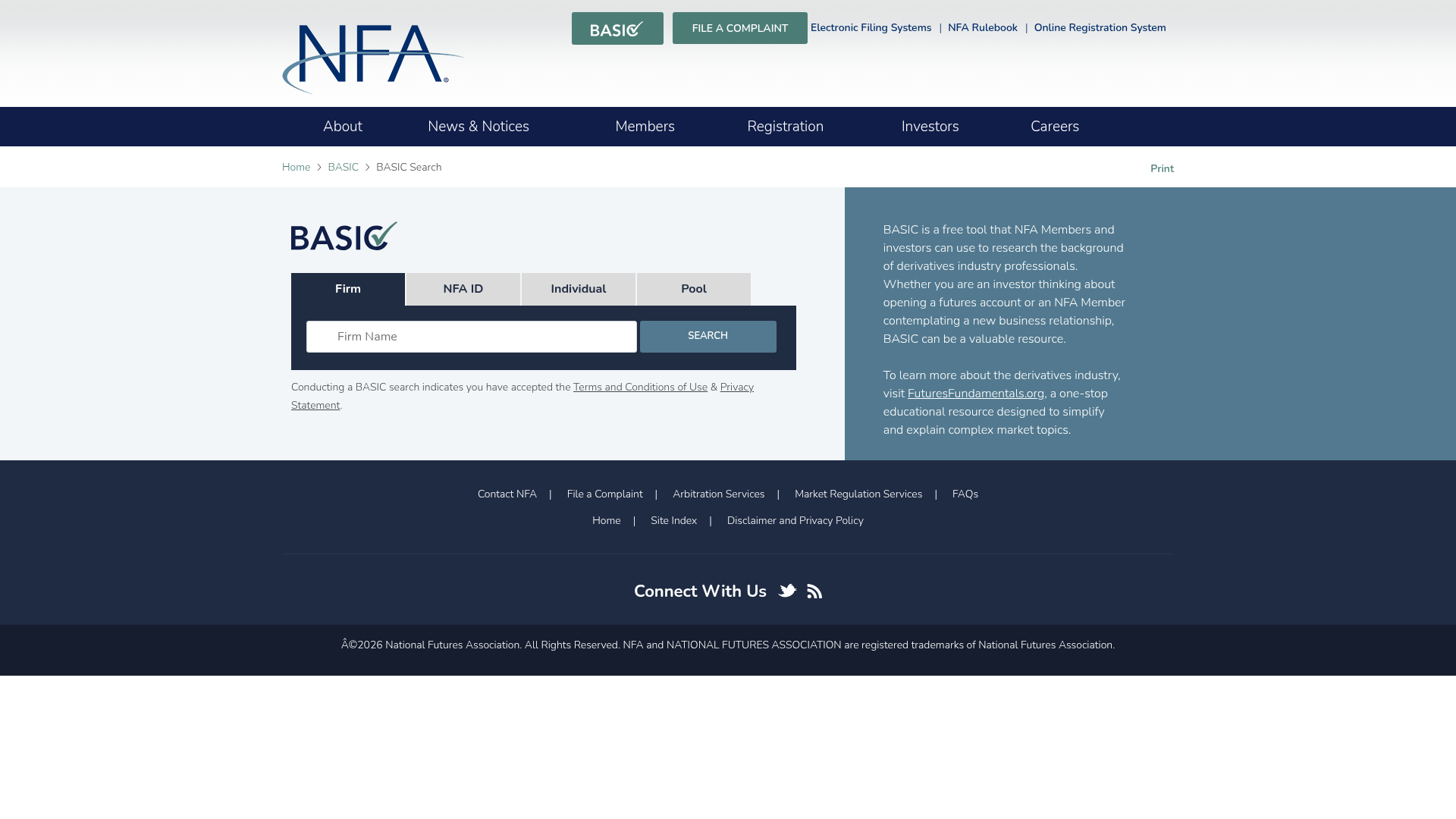
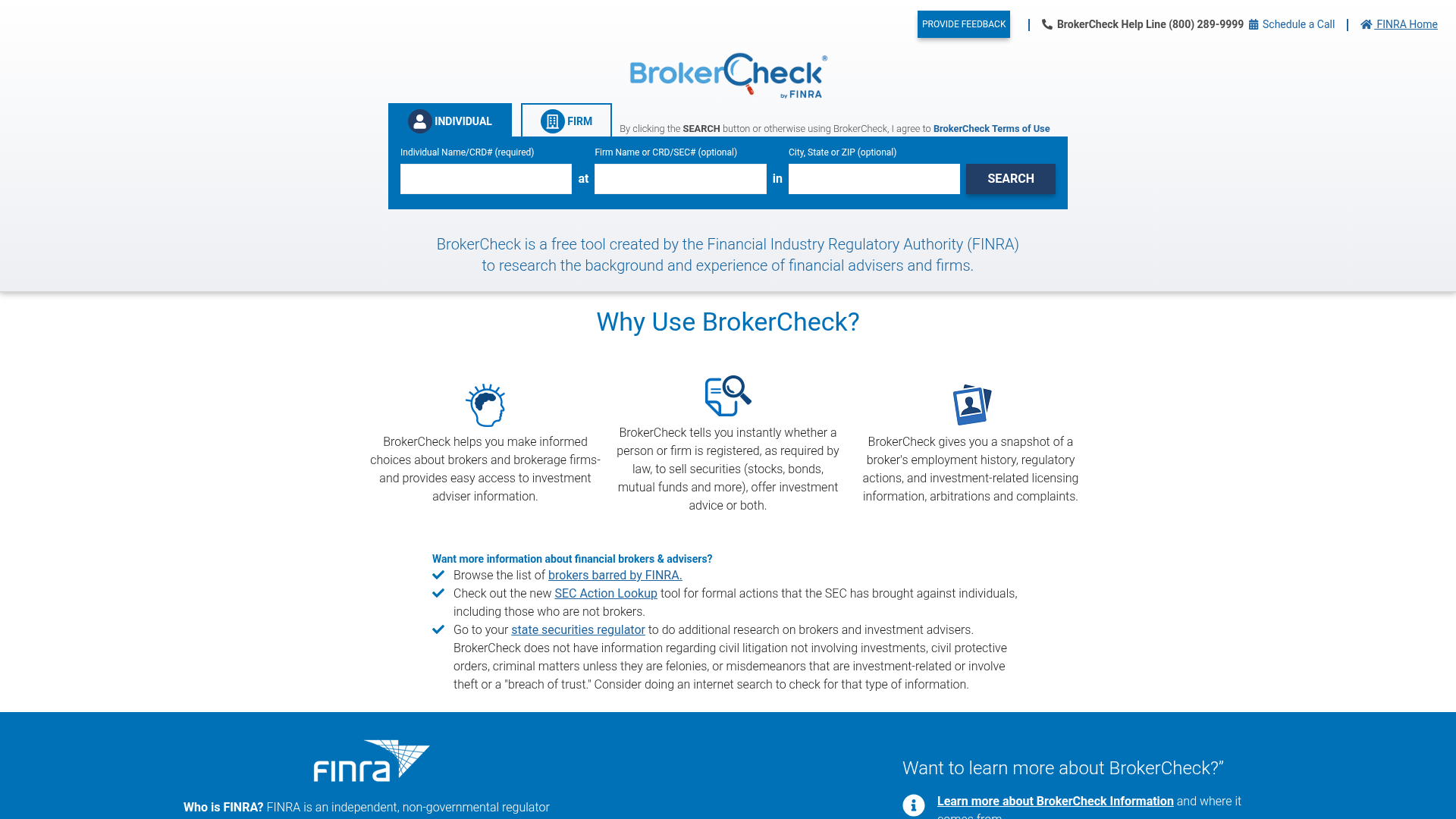
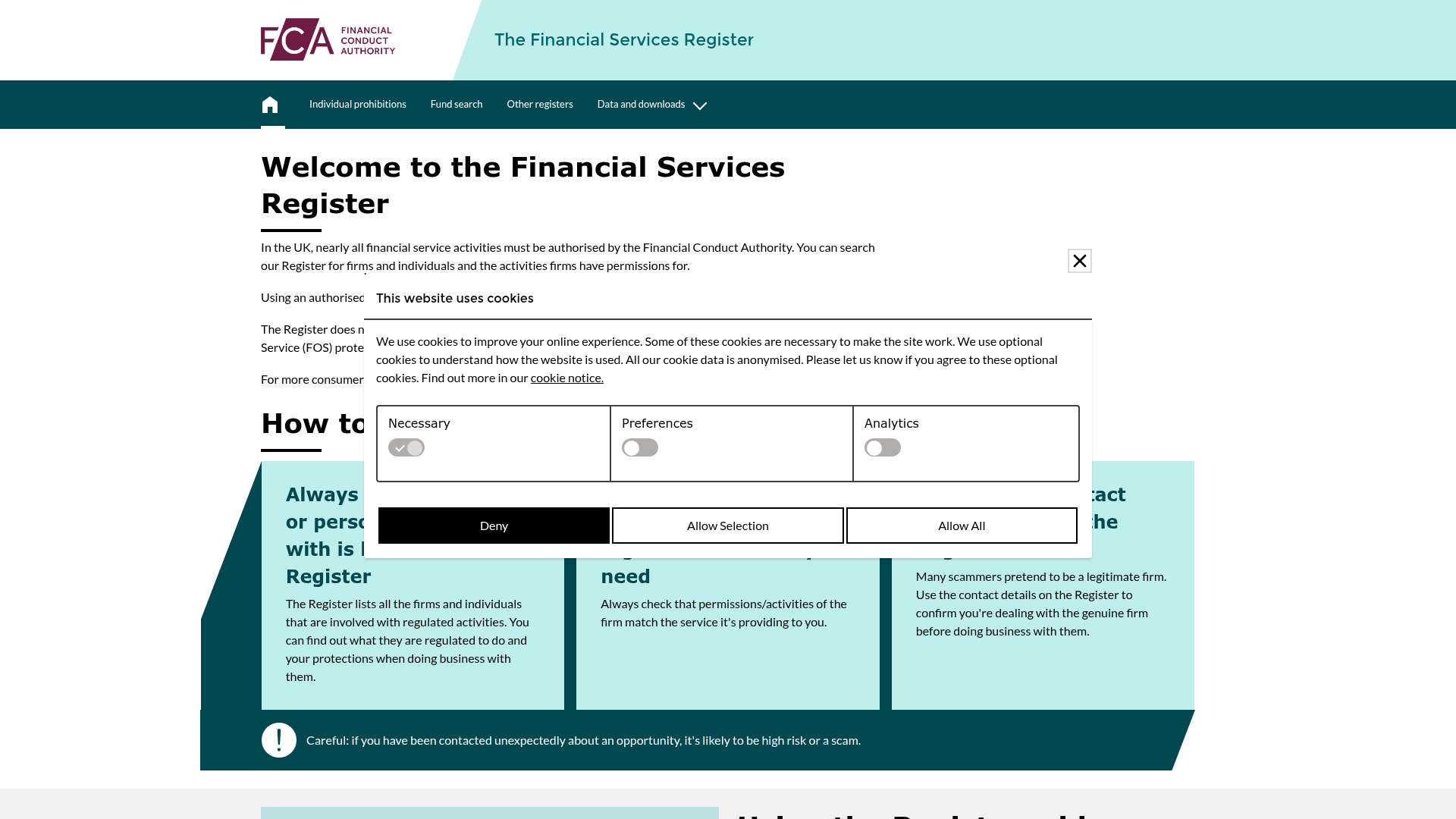
แหล่งข้อมูลหลัก
ทุกข้อกล่าวอ้างข้างต้นสามารถตรวจสอบได้จากหน้าเว็บของหน่วยงานกำกับดูแลโดยตรง ลิงก์เหล่านี้จะนำท่านไปยังเว็บไซต์ของหน่วยงานกำกับดูแล ไม่ใช่เว็บไซต์ของเรา
- Financial Conduct Authority — Financial Services Registerregister.fca.org.ukhttps://register.fca.org.uk/
- ASIC — Professional registersasic.gov.auhttps://asic.gov.au/online-services/search-asics-registers/
- CySEC — Regulated entities registercysec.gov.cyhttps://www.cysec.gov.cy/en-GB/entities/investment-firms/cypriot/
- ESMA — Product intervention on CFDsesma.europa.euhttps://www.esma.europa.eu/press-news/esma-news/esma-agrees-prohibit-binary-options-and-restrict-cfds-protect-retail
- Financial Services Compensation Scheme (FSCS)fscs.org.ukhttps://www.fscs.org.uk/what-we-cover/investments/
คำถามที่พบบ่อย
ใบอนุญาตตัวแทนซื้อขายหลักทรัพย์ (ไม่รวมการรับประกันการจัดจำหน่าย) จาก Mauritius FSC คืออะไร?
ใบอนุญาตนี้อนุญาตให้บริษัทซื้อขายผลิตภัณฑ์ทางการเงินในฐานะตัวการหรือตัวแทน ให้คำแนะนำการลงทุน และจัดการข้อตกลง โดยเฉพาะอย่างยิ่ง ไม่รวมกิจกรรมการรับประกันการจัดจำหน่ายหลักทรัพย์ที่ออกใหม่ ซึ่งเป็นหน้าที่ที่มักดำเนินการโดยธนาคารเพื่อการลงทุนขนาดใหญ่
ข้อกำหนดเงินทุนขั้นต่ำสำหรับโบรกเกอร์ที่มีใบอนุญาต FSC Mauritius คืออะไร?
บริษัทที่ถือใบอนุญาตนี้โดยทั่วไปจะต้องรักษาระดับเงินทุนจดทะเบียนขั้นต่ำที่ไม่ติดภาระไว้ที่ MUR 1 ล้าน ซึ่งเทียบเท่ากับประมาณ USD 22,000 ซึ่งต่ำกว่าข้อกำหนดเงินทุนในเขตอำนาจศาลทางการเงินหลักหลายแห่งอย่างมาก
Mauritius FSC มีโครงการชดเชยนักลงทุนหรือไม่?
ไม่มี ปัจจุบันมอริเชียสไม่ได้ดำเนินการโครงการชดเชยนักลงทุนที่บังคับโดยรัฐบาล ซึ่งหมายความว่า หากโบรกเกอร์ที่กำกับดูแลโดย FSC Mauritius เพียงแห่งเดียวล้มละลาย ลูกค้าโดยทั่วไปจะไม่สามารถเข้าถึงกองทุนชดเชยเพื่อกู้คืนเงินทุนที่สูญเสียไปได้
ฉันจะตรวจสอบได้อย่างไรว่าโบรกเกอร์ได้รับการกำกับดูแลอย่างถูกต้องตามกฎหมายโดย Mauritius FSC?
ในการตรวจสอบ ให้เยี่ยมชมเว็บไซต์ทางการของ Mauritius Financial Services Commission มองหาส่วน 'Public Register' หรือ 'Licensees' และค้นหาชื่อหน่วยงานทางกฎหมายที่ถูกต้องของโบรกเกอร์ หรือหมายเลขใบอนุญาต รายละเอียดควรตรงกับที่โบรกเกอร์ให้ไว้
ข้อจำกัด leverage สำหรับโบรกเกอร์ที่กำกับดูแลโดย FSC Mauritius คล้ายกับในสหราชอาณาจักรหรือสหภาพยุโรปหรือไม่?
ไม่ โดยทั่วไปแล้วไม่เหมือนกัน ในขณะที่หน่วยงานกำกับดูแลอย่าง FCA และ ESMA กำหนดเพดาน leverage สำหรับสัญญาซื้อขายส่วนต่าง (CFD) รายย่อยไว้ที่ 1:30 สำหรับคู่สกุลเงินหลัก โบรกเกอร์ที่กำกับดูแลโดย FSC Mauritius อาจเสนออัตราส่วน leverage ที่สูงขึ้นอย่างมาก ซึ่งมักจะอยู่ที่ 1:500 หรือมากกว่า ซึ่งเป็นการเพิ่มความเสี่ยง
หากโบรกเกอร์มีใบอนุญาตหลายฉบับ ฉบับใดมีผลบังคับใช้กับฉัน?
ใบอนุญาตที่มีผลบังคับใช้กับคุณขึ้นอยู่กับนิติบุคคลเฉพาะของโบรกเกอร์ที่คุณเปิดบัญชี นิติบุคคลนี้มักจะพิจารณาจากประเทศที่คุณพำนัก และจะระบุไว้ในข้อตกลงลูกค้าหรือข้อกำหนดและเงื่อนไขทางธุรกิจของโบรกเกอร์