
ประเด็นสำคัญ
- โครงการคุ้มครองนักลงทุน เช่น FSCS และ ICF เป็นตาข่ายนิรภัยสำหรับบริษัทที่อยู่ภายใต้การกำกับดูแล ไม่ใช่การรับประกันการขาดทุนจากตลาด
- FSCS ในสหราชอาณาจักรให้ความคุ้มครองการลงทุนสูงสุดถึง 85,000 ปอนด์สเตอร์ลิง ในขณะที่ ICFs ในยุโรปหลายแห่งให้ความคุ้มครองสูงสุดถึง 20,000 ยูโร ซึ่งเป็นความแตกต่างที่สำคัญ
- โครงการคุ้มครองจะใช้ได้กับบริษัทที่ได้รับอนุญาตจากหน่วยงานกำกับดูแลที่เฉพาะเจาะจงเท่านั้น การติดต่อกับนิติบุคคลที่ไม่ได้รับการกำกับดูแลจะทำให้ไม่มีความคุ้มครองนี้
- สิทธิ์ในการเรียกร้องค่าชดเชยมักจะเกิดขึ้นเมื่อบริษัทล้มละลายหรือไม่สามารถคืนสินทรัพย์ของลูกค้าได้ ไม่ใช่เกิดจากผลการซื้อขายที่ไม่ดี
- การตรวจสอบสถานะการกำกับดูแลของบริษัทผ่านทะเบียนอย่างเป็นทางการ (เช่น FCA Register, CySEC Regulated Entities Search) เป็นการป้องกันหลักจากการทำธุรกรรมที่ไม่ได้รับการคุ้มครอง
- การคุ้มครองเงินทุนของลูกค้า เช่น การแยกเงินทุน เป็นมาตรการที่แตกต่างออกไป ซึ่งดำเนินการก่อนและมักจะลดความจำเป็นในการเข้าแทรกแซงของโครงการคุ้มครอง
ความล้มเหลวที่ไม่คาดฝัน: เมื่อบริษัทที่ได้รับการกำกับดูแลหยุดดำเนินการ
ลองจินตนาการถึงสถานการณ์ที่บริษัทการเงิน ซึ่งอาจเป็นบริษัทที่คุณไว้วางใจให้ดูแลเงินลงทุน จู่ๆ ก็ประกาศว่าไม่สามารถปฏิบัติตามภาระผูกพันได้ นี่ไม่ใช่ความกลัวในสมมติฐาน แต่มันเกิดขึ้นจริง ในสหราชอาณาจักร การล้มเหลวของบริษัทอย่าง SVS Securities PLC ในปี 2019 ซึ่งนำไปสู่การที่ลูกค้ากว่า 24,000 รายต้องเรียกร้องค่าชดเชย หรือปัญหาล่าสุดกับ Beaufort Securities ล้วนเป็นเครื่องเตือนใจที่ชัดเจน สถานการณ์เหล่านี้ไม่ใช่เรื่องของการเลือกการลงทุนที่ไม่ดี แต่เป็นเรื่องที่บริษัทเองกลายเป็นผู้ล้มละลายหรือไม่สามารถคืนสินทรัพย์ที่ถือครองไว้สำหรับลูกค้าได้ เหตุการณ์ดังกล่าวทำให้บุคคลต้องเผชิญกับโอกาสที่จะสูญเสียเงินทุน แม้ว่าพวกเขาจะคิดว่ากำลังติดต่อกับนิติบุคคลที่มีชื่อเสียงและได้รับใบอนุญาต นี่คือจุดที่โครงการคุ้มครองนักลงทุนถูกออกแบบมาเพื่อเปิดใช้งาน โดยนำเสนอชั้นการป้องกันที่สำคัญที่หลายคนคิดว่ามีอยู่เสมอ แต่มาพร้อมกับเงื่อนไขและข้อจำกัดเฉพาะ การมีอยู่ของโครงการดังกล่าว มักจะแยกแยะการลงทุนที่ได้รับการคุ้มครองอย่างแท้จริงออกจากการลงทุนที่มีความเสี่ยงแอบแฝงจำนวนมาก
กรอบการทำงานของ FSCS: เกราะป้องกันหลักสำหรับนักลงทุนในสหราชอาณาจักร
โครงการคุ้มครองบริการทางการเงิน (FSCS) ทำหน้าที่เป็นตาข่ายนิรภัยของสหราชอาณาจักรสำหรับลูกค้าของบริษัทบริการทางการเงินที่ได้รับอนุญาต ก่อตั้งขึ้นภายใต้พระราชบัญญัติบริการทางการเงินและการตลาด 2000 บทบาทของ FSCS คือการจ่ายเงินชดเชยเมื่อบริษัทดังกล่าวล้มเหลวและไม่สามารถจ่ายค่าเรียกร้องได้ ซึ่งรวมถึงธนาคาร สมาคมการเคหะ สหกรณ์ออมทรัพย์ บริษัทประกันภัย บริษัทลงทุน และผู้บริหารจัดการสินเชื่อที่อยู่อาศัย สำหรับการลงทุน FSCS ให้ความคุ้มครองสูงสุดถึง 85,000 ปอนด์สเตอร์ลิงต่อบุคคล ต่อบริษัท ตัวเลขนี้ใช้กับจำนวนเงินลงทุนทั้งหมดที่ถือครองกับบริษัทเดียว โดยไม่คำนึงว่าบุคคลนั้นถือผลิตภัณฑ์การลงทุนที่แตกต่างกันกี่รายการกับบริษัทนั้น สำหรับบัญชีร่วม ผู้ถือบัญชีแต่ละคนจะได้รับการคุ้มครองนี้ ซึ่งหมายความว่าบัญชีร่วมอาจได้รับการคุ้มครองสูงสุดถึง 170,000 ปอนด์สเตอร์ลิง
FSCS ได้รับเงินทุนจากอุตสาหกรรมบริการทางการเงินเองผ่านการเก็บเงินสมทบจากบริษัทที่ได้รับอนุญาต กลไกนี้ถูกออกแบบมาเพื่อให้แน่ใจว่าต้นทุนของความล้มเหลวจะตกอยู่กับอุตสาหกรรม ไม่ใช่ผู้เสียภาษี เมื่อบริษัทล้มเหลว FSCS จะประเมินการเรียกร้องแต่ละรายการ และหากถูกต้อง จะจ่ายเงินชดเชย กระบวนการนี้มักจะเริ่มต้นด้วยการแต่งตั้งผู้บริหารจัดการให้กับบริษัทที่ล้มเหลว ซึ่งจะสื่อสารกับ FSCS เป็นกระบวนการที่มีโครงสร้าง แต่บ่อยครั้งต้องใช้เวลาเนื่องจากความซับซ้อนในการคลี่คลายกิจการของธุรกิจที่ล้มเหลว วงเงินคุ้มครอง 85,000 ปอนด์สเตอร์ลิงได้รับการปรับปรุงล่าสุดเมื่อวันที่ 1 เมษายน 2019
กองทุนคุ้มครองนักลงทุน: แนวทางของยุโรปในการคุ้มครองนักลงทุน
ทั่วเขตเศรษฐกิจยุโรป (EEA) คำสั่งที่รู้จักกันในชื่อ 97/9/EC กำหนดให้รัฐสมาชิกทุกประเทศต้องจัดตั้งโครงการคุ้มครองนักลงทุน (ICS) อย่างน้อยหนึ่งแห่ง ซึ่งมักจะเรียกว่ากองทุนคุ้มครองนักลงทุน (ICF) แม้ว่าคำสั่งนี้จะกำหนดมาตรฐานขั้นต่ำสำหรับการคุ้มครอง โดยทั่วไปคือ 20,000 ยูโรต่อนักลงทุน ต่อบริษัท แต่รายละเอียดการดำเนินการอาจแตกต่างกันไปในแต่ละประเทศ ตัวอย่างเช่น กองทุนคุ้มครองนักลงทุนไซปรัส ซึ่งกำกับดูแลโดย CySEC เสนอเงินชดเชยสูงสุดถึง 20,000 ยูโร จำนวนนี้เป็นจำนวนสูงสุดที่นักลงทุนที่มีสิทธิ์จะได้รับ โดยไม่คำนึงถึงจำนวนบัญชีที่ถือครองหรือจำนวนเงินทุนที่ฝากไว้
กองทุนเหล่านี้ดำเนินการคล้ายกับ FSCS โดยทั่วไปได้รับเงินทุนจากการบริจาคจากบริษัทลงทุนที่ได้รับอนุญาตภายในเขตอำนาจศาลของตน วัตถุประสงค์ยังคงสอดคล้องกัน: เพื่อชดเชยนักลงทุนหากบริษัทที่ได้รับอนุญาตไม่สามารถคืนเงินทุนหรือตราสารของลูกค้าได้เนื่องจากปัญหาทางการเงินของบริษัท วงเงินคุ้มครองที่ต่ำกว่าเมื่อเทียบกับ FSCS ของสหราชอาณาจักรเป็นข้อกังวลสำหรับนักลงทุนที่มีเงินทุนจำนวนมาก ความแตกต่างนี้หมายความว่าในขณะที่บริษัทอย่าง XM ซึ่งกำกับดูแลโดย CySEC จะอยู่ภายใต้วงเงิน ICF ที่ 20,000 ยูโร แต่บริษัทคู่ค้าที่กำกับดูแลโดย FCA อาจเสนอระดับการคุ้มครองที่สูงกว่า ความแตกต่างนี้อาจส่งผลกระทบอย่างมีนัยสำคัญต่อการกู้คืนเงินทุนที่เป็นไปได้ของนักลงทุนหากบริษัทล้มเหลว
เปรียบเทียบวงเงินคุ้มครองโครงการคุ้มครองนักลงทุนที่เลือก
| โครงการ | เขตอำนาจศาล | วงเงินคุ้มครอง (ต่อบุคคล, ต่อบริษัท) | หลักเกณฑ์ |
|---|---|---|---|
| FSCS | สหราชอาณาจักร | £85,000 | พระราชบัญญัติบริการทางการเงินและตลาด 2000 |
| Cyprus ICF | ไซปรัส (EEA) | €20,000 | คำสั่ง 97/9/EC |
| German EdB | เยอรมนี (EEA) | €20,000 | คำสั่ง 97/9/EC |
| French FGDR | France (EEA) | €70,000 | Directive 97/9/EC (วงเงินคุ้มครองระดับประเทศที่สูงกว่า) |
นอกเหนือจากสหราชอาณาจักรและสหภาพยุโรป: การตรวจสอบการคุ้มครองอื่นๆ
นอกเหนือจากสหราชอาณาจักรและเขตเศรษฐกิจยุโรปแล้ว การชดเชยนักลงทุนมีความเป็นมาตรฐานน้อยกว่า เขตอำนาจศาลอย่างออสเตรเลีย แคนาดา และสหรัฐอเมริกามีหน่วยงานกำกับดูแลและกรอบการคุ้มครองนักลงทุนเป็นของตนเอง แต่สิ่งเหล่านี้ไม่ได้สะท้อนถึงโครงการชดเชยที่ชัดเจนเช่นเดียวกับที่พบในยุโรปเสมอไป ตัวอย่างเช่น ASIC ของออสเตรเลีย ซึ่งกำกับดูแลบริษัทต่างๆ เช่น Pepperstone และ IC Markets ให้ความสำคัญอย่างมากกับการทำให้แน่ใจว่าบริษัทรักษาระดับเงินทุนที่เพียงพอและแยกเงินทุนของลูกค้าออกจากกัน แม้ว่ามาตรการเหล่านี้มีจุดมุ่งหมายเพื่อป้องกันความล้มเหลวของบริษัท แต่ก็ไม่ได้รวมโครงการชดเชยโดยตรงที่ได้รับการสนับสนุนจากรัฐบาลสำหรับจำนวนเงินที่กำหนดไว้ในกรณีที่เกิดการล้มละลายเสมอไป ในสหรัฐอเมริกา Securities Investor Protection Corporation (SIPC) คุ้มครองลูกค้าของโบรกเกอร์ดีลเลอร์ที่เป็นสมาชิกสูงถึง $500,000 รวมถึง $250,000 สำหรับการเรียกร้องเงินสด ซึ่งครอบคลุมหลักทรัพย์และเงินสดที่ถืออยู่ในบัญชีโบรกเกอร์เป็นหลัก ไม่ใช่ผลิตภัณฑ์การลงทุนทุกรูปแบบ เช่น สัญญาซื้อขายส่วนต่าง (CFD) เสมอไป สำหรับการซื้อขายตราสารอนุพันธ์ เช่น สัญญาซื้อขายล่วงหน้า (futures) และออปชั่นบนสัญญาซื้อขายล่วงหน้า (options on futures) Commodity Futures Trading Commission (CFTC) และ National Futures Association (NFA) บังคับใช้กฎการแยกเงินลูกค้าอย่างเข้มงวด แต่ไม่มีกองทุนชดเชยที่บริหารโดย NFA หรือ CFTC โดยตรง ดังนั้น สำหรับบริษัทที่ได้รับการกำกับดูแลในภูมิภาคอื่น เช่น OANDA (CFTC/NFA, ASIC, IIROC) หรือ FOREX.com (CFTC/NFA, FCA, ASIC) กลไกการคุ้มครองจะแตกต่างกันอย่างมีนัยสำคัญตามใบอนุญาตและเขตอำนาจศาลเฉพาะที่บัญชีของลูกค้าถูกเปิด ลูกค้าต้องทำความเข้าใจว่าพวกเขากำลังทำสัญญากับหน่วยงานใดและหน่วยงานนั้นได้รับการกำกับดูแลที่ใด
โครงการคุ้มครองเป็นทางเลือกสุดท้ายที่สำคัญ แต่ไม่สามารถใช้ทดแทนการติดต่อกับบริษัทที่ได้รับการกำกับดูแลอย่างถูกต้อง และการตรวจสอบสถานะของบริษัทผ่านทะเบียนอย่างเป็นทางการได้
Owen Blake
การกระตุ้นการชดเชย: อะไรคือการเรียกร้องที่ถูกต้องตามกฎหมาย?
การเปิดใช้งานโครงการชดเชยนักลงทุนไม่ได้เกิดขึ้นโดยอัตโนมัติ และต้องอาศัยการปฏิบัติตามเงื่อนไขเฉพาะ โดยทั่วไปแล้ว สิ่งกระตุ้นพื้นฐานคือ ความล้มเหลว ของบริษัทหลักทรัพย์ที่ได้รับอนุญาต ความล้มเหลวนี้มักจะถูกประกาศเมื่อบริษัทถูกพิจารณาว่าล้มละลาย หยุดการซื้อขาย หรือไม่สามารถปฏิบัติตามภาระผูกพันทางการเงินต่อลูกค้าได้ รวมถึงการคืนสินทรัพย์หรือเงินทุนของลูกค้า ไม่ได้เกิดจากการขาดทุนจากการลงทุนในตลาด หากนักลงทุนขาดทุนเนื่องจากสินทรัพย์ที่เลือกมีผลประกอบการไม่ดี โครงการชดเชยจะไม่ครอบคลุม หน่วยงานกำกับดูแล หรือผู้บริหารที่ศาลแต่งตั้ง มีบทบาทสำคัญในการพิจารณาว่าบริษัทล้มเหลวเมื่อใด สำหรับ FSCS ต้องมีการประกาศ 'การผิดนัดชำระหนี้' ซึ่งหมายความว่าบริษัทไม่สามารถหรือไม่น่าจะสามารถชำระหนี้ที่ถูกเรียกร้องได้ สำหรับ European ICFs ก็ต้องมีการประกาศความไม่สามารถในการปฏิบัติตามภาระผูกพันในลักษณะเดียวกัน ซึ่งมักจะริเริ่มโดยหน่วยงานกำกับดูแลระดับประเทศ (เช่น CySEC สำหรับ Cyprus ICF) การประกาศนี้จะเริ่มกระบวนการเพื่อให้กองทุนชดเชยเริ่มรับและประเมินการเรียกร้อง นักลงทุนไม่สามารถตัดสินใจเองได้ว่าบริษัทล้มเหลว จะต้องมีการประกาศอย่างเป็นทางการจากหน่วยงานที่เกี่ยวข้องหรือศาลก่อนที่กระบวนการชดเชยจะเริ่มต้นได้ นี่คือส่วนที่คู่มือส่วนใหญ่มักจะข้ามไป: การประกาศการผิดนัดชำระหนี้ทางกฎหมายและการบริหารจัดการจริงคือสิ่งที่จำเป็นต้องมีก่อน
ขั้นตอนการจ่ายเงินชดเชย: กระบวนการและกรอบเวลาที่เป็นจริง
เมื่อบริษัทถูกประกาศว่าผิดนัดชำระหนี้ กองทุนคุ้มครองนักลงทุนจะเริ่มดำเนินการ กระบวนการนี้แม้จะออกแบบมาเพื่อคุ้มครองนักลงทุน แต่ก็ไม่ค่อยเกิดขึ้นทันทีทันใด สำหรับ FSCS ขั้นตอนโดยทั่วไปมีดังนี้: การแจ้งเตือนลูกค้าที่ได้รับผลกระทบโดยผู้ดูแลระบบหรือ FSCS, การยื่นแบบฟอร์มเรียกร้อง (ทางออนไลน์หรือทางไปรษณีย์), การประเมินคุณสมบัติและจำนวนเงินชดเชย และสุดท้ายคือการชำระเงิน FSCS มีเป้าหมายที่จะจ่ายเงินชดเชยภายในเจ็ดวันสำหรับการเรียกร้องต่อธนาคารและสถาบันการเงินเพื่อที่อยู่อาศัย และโดยทั่วไปภายในสามเดือนสำหรับการเรียกร้องจากการลงทุน เมื่อได้รับข้อมูลที่จำเป็นทั้งหมด อย่างไรก็ตาม กรณีที่ซับซ้อนอาจใช้เวลานานกว่านั้น ตัวอย่างเช่น FSCS ได้จ่ายเงินชดเชยมากกว่า £1.2 billion สำหรับการเรียกร้องจากการลงทุนในปี 2022/23
กองทุนคุ้มครองนักลงทุนของยุโรป (ICFs) ดำเนินการในลักษณะที่คล้ายกัน ซึ่งมักจะอยู่ภายใต้ข้อกำหนดของ Directive 97/9/EC หลังจากมีการประกาศว่าไม่สามารถคืนสินทรัพย์ของลูกค้าได้ กองทุนคุ้มครองระดับประเทศจะเปิดระยะเวลาการเรียกร้อง แจ้งนักลงทุนที่ได้รับผลกระทบ และให้คำแนะนำเกี่ยวกับวิธีการยื่นคำร้อง คำสั่งดังกล่าวระบุว่าควรจ่ายเงินชดเชยภายในสามเดือนนับจากวันที่พิจารณาความถูกต้องของการเรียกร้องและจำนวนเงินที่ต้องจ่าย อย่างไรก็ตาม กฎหมายระดับประเทศสามารถขยายระยะเวลานี้ได้ภายใต้เงื่อนไขเฉพาะ ในทางปฏิบัติ กองทุนมักจะขอเอกสารประกอบโดยละเอียดสองครั้งเพื่อยืนยันยอดเงินในบัญชีและตัวตนของลูกค้า ความพยายามด้านการบริหารที่จำเป็นในการสร้างบัญชีลูกค้าขึ้นใหม่และตรวจสอบการเรียกร้องสำหรับบุคคลหลายพันคนสามารถขยายกรอบเวลาเหล่านี้ได้ บางครั้งอย่างมีนัยสำคัญ โดยเฉพาะอย่างยิ่งสำหรับการล้มเหลวของบริษัทที่ใหญ่และซับซ้อนกว่า ไม่ใช่เรื่องแปลกที่บุคคลจะต้องรอหกเดือนหรือมากกว่านั้นนับจากวันที่ประกาศเพื่อรับเงินชดเชยในกรณีที่ซับซ้อน
กระบวนการเรียกร้องค่าชดเชยและกรอบเวลาโดยทั่วไป
| ขั้นตอนกระบวนการ | กรอบเวลาโดยทั่วไปของ FSCS (UK) | กรอบเวลาโดยทั่วไปของ ICF (EEA) |
|---|---|---|
| บริษัทถูกประกาศว่าผิดนัดชำระหนี้ | ผันแปรได้ (ขึ้นอยู่กับหน่วยงานกำกับดูแล/ศาล) | ผันแปรได้ (ขึ้นอยู่กับหน่วยงานระดับประเทศ) |
| เปิดระยะเวลาการเรียกร้อง/การแจ้งเตือน | ภายในไม่กี่สัปดาห์หลังการผิดนัดชำระหนี้ | ภายในไม่กี่สัปดาห์หลังการผิดนัดชำระหนี้ |
| การยื่นคำร้องโดยนักลงทุน | โดยทั่วไปมีกรอบเวลา 6 เดือนถึง 1 ปี | โดยทั่วไปมีกรอบเวลา 6 เดือนถึง 1 ปี |
| การประเมินและตรวจสอบความถูกต้องของคำร้อง | สูงสุด 3 เดือน (กรณีซับซ้อนอาจนานกว่า) | สูงสุด 3 เดือน (สามารถขยายได้) |
| การจ่ายเงินชดเชย | ภายใน 7 วัน (เงินสด), ภายใน 3 เดือน (การลงทุน) | ภายใน 3 เดือนหลังการตรวจสอบความถูกต้อง (สามารถขยายได้) |
การคุ้มครองเงินทุนของคุณ: เงินของลูกค้าเทียบกับกองทุนคุ้มครองนักลงทุน
สิ่งสำคัญคือต้องแยกแยะระหว่างกฎการคุ้มครองเงินของลูกค้าและกองทุนคุ้มครองนักลงทุน ทั้งสองสิ่งนี้เป็นมาตรการป้องกันที่แยกจากกัน แต่เสริมซึ่งกันและกัน กฎเงินของลูกค้า เช่น ที่บังคับใช้โดย FCA (Client Assets Sourcebook, กฎ CASS) หรือ ASIC กำหนดให้บริษัทที่อยู่ภายใต้การกำกับดูแลต้องแยกเงินทุนของลูกค้าออกจากเงินทุนในการดำเนินงานของตนเอง ซึ่งหมายความว่าเงินของคุณจะถูกเก็บไว้ในบัญชีธนาคารแยกต่างหาก ไม่ใช่ส่วนหนึ่งของงบดุลของบริษัท เป้าหมายคือหากบริษัทเลิกกิจการ เงินทุนที่แยกไว้ของคุณจะได้รับการคุ้มครองจากเจ้าหนี้ของบริษัท และสามารถส่งคืนให้คุณได้โดยตรงโดยผู้ดูแลระบบ
กองทุนคุ้มครองนักลงทุนทำหน้าที่เป็นแนวป้องกันสุดท้ายเมื่อการป้องกันหลักเหล่านี้ล้มเหลว หรือหากมีการขาดแคลนเงินทุนของลูกค้าที่แยกไว้เนื่องจากการฉ้อโกงหรือข้อผิดพลาดในการบริหารภายในบริษัท ตัวอย่างเช่น หากบริษัทอย่าง FxPro ซึ่งกำกับดูแลโดย FCA ล้มเหลว แนวป้องกันแรกคือการคืนเงินทุนของลูกค้าที่แยกไว้ เฉพาะในกรณีที่มีการขาดดุลในเงินทุนเหล่านี้ หรือหากไม่สามารถกู้คืนได้ FSCS จึงจะเข้ามาให้เงินชดเชยตามวงเงินที่ระบุไว้ ความแตกต่างนี้ไม่ใช่แค่ทางวิชาการ การแยกเงินลูกค้าที่มีประสิทธิภาพหมายความว่าในการล้มเหลวของบริษัทหลายแห่ง ลูกค้าจะได้รับเงินคืนทั้งหมดหรือส่วนใหญ่โดยไม่จำเป็นต้องพึ่งพากองทุนคุ้มครองนักลงทุนเลย กองทุนคุ้มครองนักลงทุนเป็นแนวป้องกันสุดท้าย ไม่ใช่แนวป้องกันแรก
ความเสี่ยงจากผู้ประกอบการที่ไม่ได้รับอนุญาต: ไม่มีตาข่ายนิรภัยสำหรับผู้ที่ไม่ระมัดระวัง
หนึ่งในประเด็นที่สำคัญที่สุดของการคุ้มครองนักลงทุนคือ โครงการชดเชยความเสียหายจะใช้ได้เฉพาะกับบริษัทที่ได้รับอนุญาตและควบคุมอย่างถูกต้องในเขตอำนาจศาลที่โครงการนั้นดำเนินการอยู่เท่านั้น ซึ่งหมายความว่า หากบุคคลใดติดต่อกับหน่วยงานที่ไม่ได้รับอนุญาต ซึ่งมักจะปลอมตัวเป็นโบรกเกอร์ที่ถูกกฎหมาย จะไม่มีการชดเชยความเสียหายแก่นักลงทุนใดๆ ทั้งสิ้น เงินทุนที่ฝากไว้กับบริษัทดังกล่าวมีความเสี่ยงโดยสิ้นเชิง โดยไม่มีตาข่ายนิรภัยที่ได้รับการสนับสนุนจากรัฐบาลหรืออุตสาหกรรมให้พึ่งพาได้
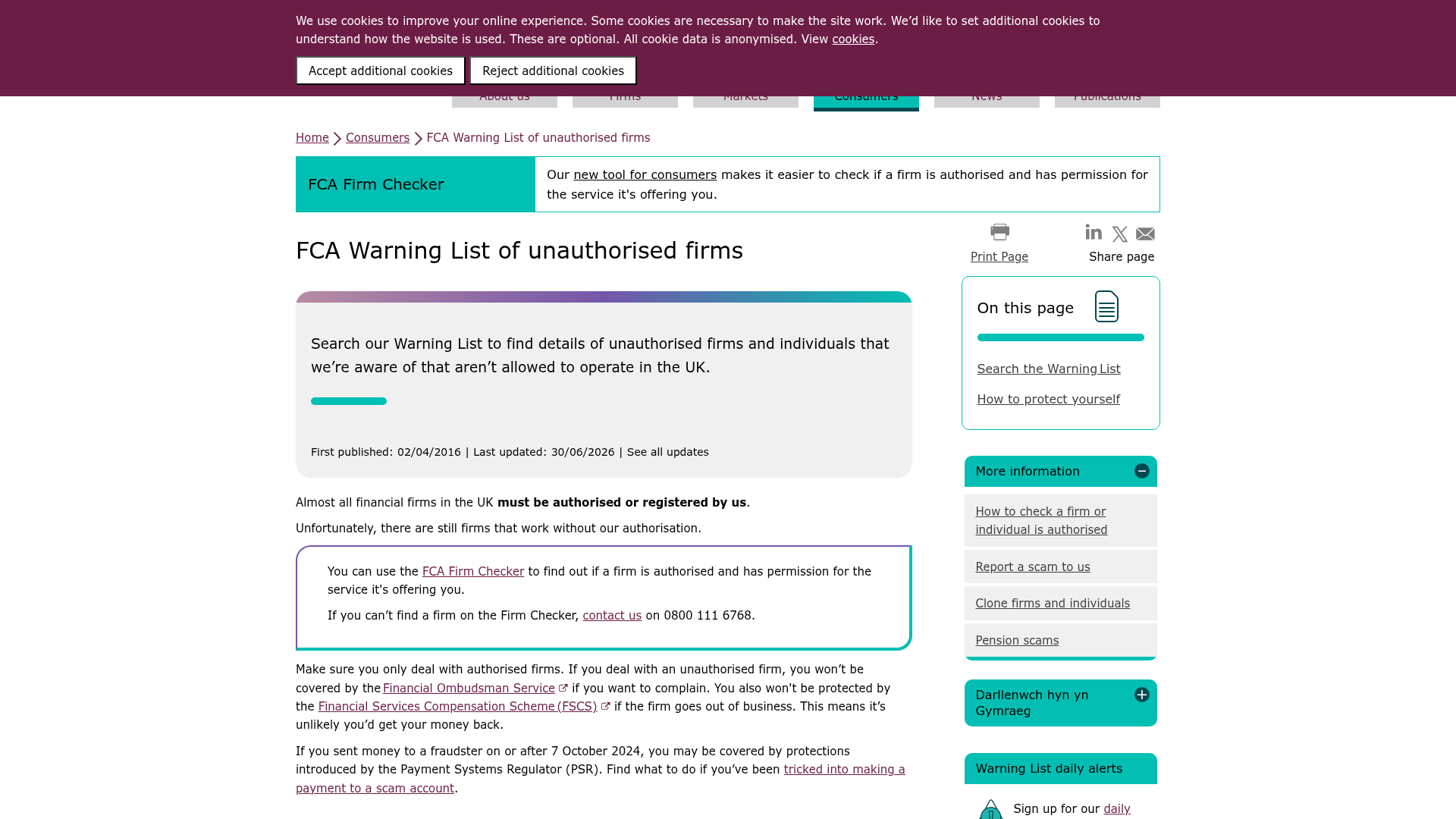
การดำเนินการที่ไม่ได้รับอนุญาตมักจะกำหนดเป้าหมายไปที่บุคคลทั่วไปผ่านการตลาดออนไลน์ที่ซับซ้อน โดยสัญญาผลตอบแทนที่ไม่สมจริง หรือใช้กลยุทธ์การขายแบบกดดันสูง พวกเขาอาจอ้างว่าได้รับการควบคุมในเขตอำนาจศาลที่ไม่ชัดเจน หรือให้หมายเลขใบอนุญาตปลอม บริษัทที่อยู่ใน FCA's Warning List of Unauthorised Firms หรือ CFTC's Registration Deficient (RED) List เป็นตัวอย่างสำคัญของหน่วยงานที่ไม่มีการคุ้มครองที่ถูกต้องตามกฎหมาย เมื่อติดต่อกับหน่วยงานดังกล่าว เงินมักจะสูญหายไปทั้งหมด และความพยายามในการกู้คืนก็เป็นเรื่องที่ท้าทายอย่างยิ่ง ซึ่งมักจะต้องดำเนินการทางกฎหมายระหว่างประเทศโดยมีโอกาสน้อย ผู้บริโภคที่ต้องการปกป้องตนเองจะต้องตรวจสอบสถานะการกำกับดูแลของบริษัท ก่อน ที่จะโอนเงินใดๆ เสมอ นี่เป็นสิ่งที่ไม่สามารถต่อรองได้ในการปกป้องเงินทุน
ความแตกต่างที่สำคัญ: โบรกเกอร์ที่ได้รับการกำกับดูแล เทียบกับ ผู้ประกอบการที่ไม่ได้รับอนุญาต
| คุณสมบัติ | โบรกเกอร์ที่ได้รับการกำกับดูแล (เช่น Pepperstone FCA) | ผู้ประกอบการที่ไม่ได้รับอนุญาต |
|---|---|---|
| การแยกเงินทุนของลูกค้า | ภาคบังคับ (เช่น กฎ CASS ของ FCA) | ไม่น่าเป็นไปได้, เงินทุนมักถูกรวมเข้าด้วยกัน |
| โครงการชดเชยความเสียหายแก่นักลงทุน | มี (เช่น FSCS สูงสุด £85,000) | ไม่มีเงินชดเชย |
| การกำกับดูแล | การตรวจสอบเป็นประจำ, การบังคับใช้กฎอย่างเข้มงวด | ไม่มี, ดำเนินการนอกกรอบกฎหมาย |
| การแก้ไขข้อร้องเรียน | บริการผู้ตรวจการแผ่นดินอิสระ (เช่น FOS) | ไม่มีช่องทางแก้ไขที่เป็นทางการหรือเป็นอิสระ |
| วิธีการตรวจสอบ | การค้นหาในทะเบียนของหน่วยงานกำกับดูแลอย่างเป็นทางการ (เช่น FCA Register) | ไม่มีข้อมูลที่ถูกต้องในทะเบียนอย่างเป็นทางการ |
การประเมินประสิทธิภาพของโครงการ: มาตรฐาน FSCS เทียบกับ ICF
เมื่อเปรียบเทียบประสิทธิภาพและขอบเขตของการชดเชยความเสียหายแก่นักลงทุน Financial Services Compensation Scheme (FSCS) ในสหราชอาณาจักรโดยทั่วไปโดดเด่นในการให้การคุ้มครองในระดับที่สูงกว่าเมื่อเทียบกับ Investor Compensation Fund (ICF) หลายแห่งในยุโรป ความแตกต่างหลักอยู่ที่วงเงินชดเชย: £85,000 สำหรับการลงทุนภายใต้ FSCS เทียบกับ €20,000 ที่เป็นมาตรฐานซึ่งเสนอโดย ICF ระดับชาติหลายแห่ง ตามที่กำหนดโดยคำสั่ง 97/9/EC ของสหภาพยุโรป ความแตกต่างนี้หมายความว่านักลงทุนที่ถือเงิน £50,000 กับบริษัทที่ได้รับการกำกับดูแลโดย FCA มีแนวโน้มที่จะได้รับการคุ้มครองเต็มจำนวน ในขณะที่นักลงทุนที่มีจำนวนเงินเท่ากันในบริษัทการลงทุนที่ได้รับการกำกับดูแลโดย CySEC อาจกู้คืนได้เพียง €20,000 (ประมาณ £17,000 ตามอัตราแลกเปลี่ยนทั่วไป) ความแตกต่างนี้มีนัยสำคัญและหมายความว่าสำหรับเงินลงทุนจำนวนมาก โครงการของสหราชอาณาจักรให้ความปลอดภัยที่มากกว่าอย่างเห็นได้ชัด
นอกเหนือจากตัวเลขหลักแล้ว ประสิทธิภาพในการบริหารจัดการและความรวดเร็วในการจ่ายเงินชดเชยก็อาจแตกต่างกันไป แม้ว่าทั้งสองระบบจะมุ่งเป้าไปที่การชดเชยที่ทันท่วงที แต่ FSCS มีประวัติผลงานที่แข็งแกร่งและรายงานสาธารณะที่ชัดเจนเกี่ยวกับประสิทธิภาพของตน การมีเงินทุนชดเชยที่ใหญ่กว่าและการบริหารจัดการแบบรวมศูนย์ของ FSCS มักจะหมายถึงประสบการณ์ที่สอดคล้องกันมากขึ้นสำหรับผู้เรียกร้อง นี่ไม่ใช่การลดทอนบทบาทของ ICF ในยุโรป ซึ่งมีหน้าที่สำคัญ แต่เป็นการเน้นย้ำว่าโครงการชดเชยความเสียหายทั้งหมดไม่ได้ให้ระดับการกู้คืนทางการเงินที่เท่าเทียมกัน สำหรับผู้ที่กำลังพิจารณาการลงทุน โครงการชดเชยความเสียหายที่เฉพาะเจาะจงที่ใช้กับบริษัทที่เลือกและวงเงินที่โครงการนั้นให้ ควรเป็นปัจจัยสำคัญในการตัดสินใจของพวกเขา วงเงินที่ต่ำกว่า €20,000 ของ ICF หลายแห่งทำให้เป็นทางเลือกที่น่าดึงดูดน้อยลงสำหรับนักลงทุนที่มีเงินทุนจำนวนมาก ซึ่งผลักภาระความรับผิดชอบในการบริหารความเสี่ยงไปที่ตัวบุคคลมากขึ้น
การตรวจสอบการกำกับดูแลของบริษัท: การป้องกันส่วนบุคคลของคุณ
การปกป้องเงินลงทุนของคุณเริ่มต้นด้วยขั้นตอนง่ายๆ แต่กลับถูกมองข้ามบ่อยครั้ง นั่นคือการตรวจสอบสถานะการกำกับดูแลของบริษัทใดๆ ก่อนที่คุณจะตัดสินใจลงทุน กระบวนการนี้ตรงไปตรงมาและใช้ฐานข้อมูลสาธารณะที่หน่วยงานกำกับดูแลทางการเงินดูแลอยู่ สำหรับบริษัทที่อ้างว่าได้รับการกำกับดูแลในสหราชอาณาจักร ให้ตรวจสอบกับ Financial Conduct Authority (FCA) Financial Services Register คุณจะต้องใช้ชื่อบริษัทหรือหมายเลข Financial Services Register (FRN) ของบริษัทนั้น บริษัทที่น่าเชื่อถือจะมีข้อมูลรายละเอียดแสดงกิจกรรมที่ได้รับอนุญาตและข้อมูลติดต่อ ในทำนองเดียวกัน สำหรับบริษัทที่ดำเนินงานภายใต้ใบอนุญาตของไซปรัส ให้ใช้ CySEC Regulated Entities Register สำหรับบริษัทที่ได้รับการกำกับดูแลในออสเตรเลีย ASIC Professional Registers จะให้ข้อมูลที่จำเป็น ในสหรัฐอเมริกา CFTC และ NFA ดูแลระบบ NFA BASIC สำหรับการตรวจสอบประวัติและสถานะการเป็นสมาชิกของโบรกเกอร์ ทะเบียนเหล่านี้จะระบุว่าบริษัทได้รับใบอนุญาตหรือไม่ ดำเนินกิจกรรมใด และมีคำเตือนหรือข้อจำกัดใดๆ ต่อบริษัทนั้นหรือไม่ หากบริษัทไม่อยู่ในทะเบียนของหน่วยงานกำกับดูแลที่เกี่ยวข้อง หรือข้อมูลไม่ตรงกับที่บริษัทแจ้งคุณ นั่นคือสัญญาณเตือนที่ชัดเจน อย่าดำเนินการลงทุนต่อ การตรวจสอบโดยตรงนี้เป็นเครื่องมือที่มีประสิทธิภาพที่สุดของคุณในการป้องกันการสูญเสียที่อาจเกิดขึ้นจากการติดต่อกับหน่วยงานที่ไม่ได้รับอนุญาตหรือฉ้อโกง โปรดจำไว้ว่าเว็บไซต์อาจอ้างอะไรก็ได้ แต่ฐานข้อมูลของหน่วยงานกำกับดูแลต่างหากที่เก็บความจริงที่ตรวจสอบได้
หน้าที่เราตรวจสอบ
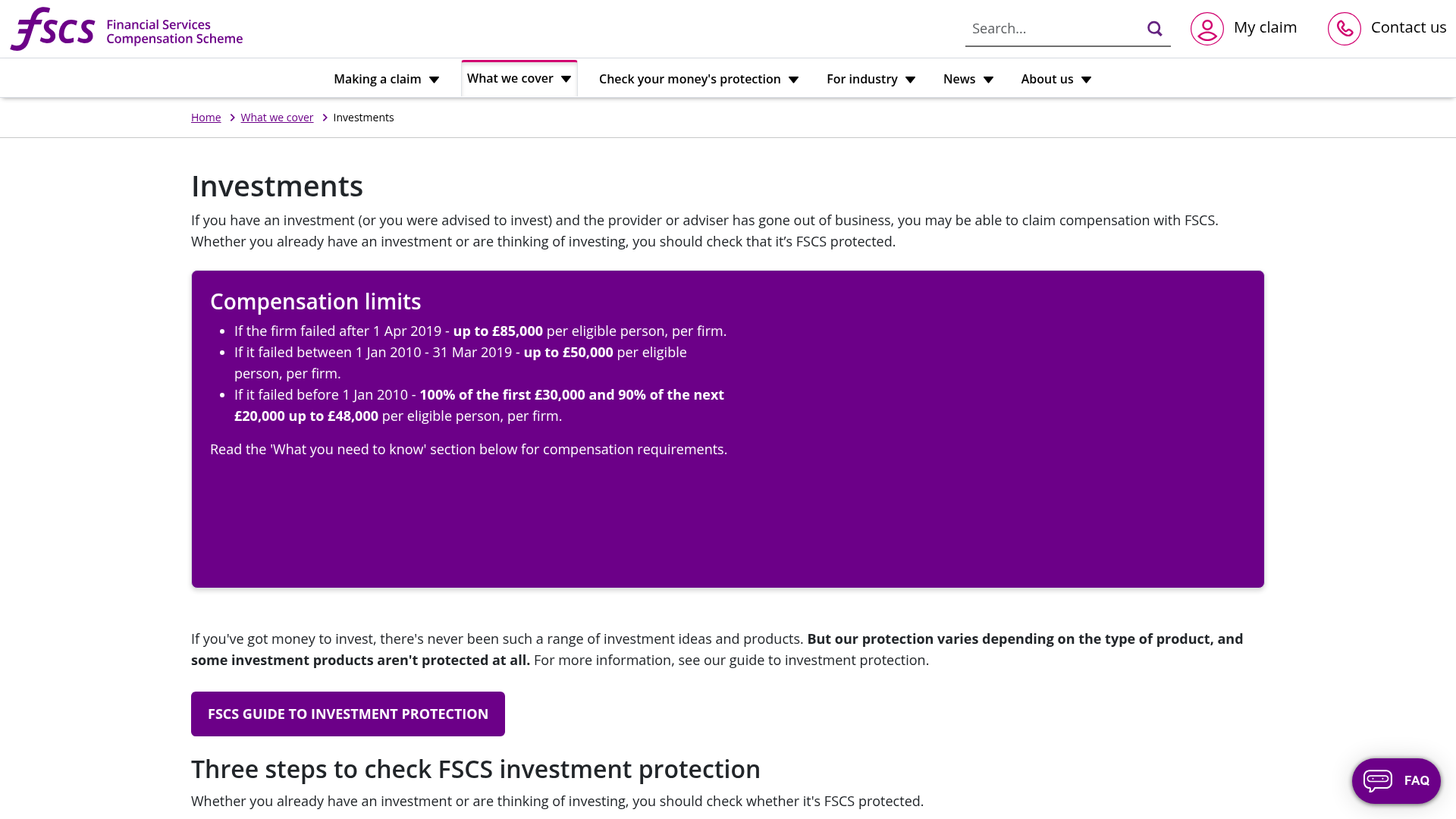
นี่คือหน้าเว็บของหน่วยงานกำกับดูแลเอง ซึ่งเราได้บันทึกไว้ตามที่พบ เปิดหน้าเว็บและทำการค้นหาเดียวกันด้วยตนเอง ไม่มีสิ่งใดในทะเบียนนี้มาแทนที่แหล่งข้อมูลต้นฉบับได้
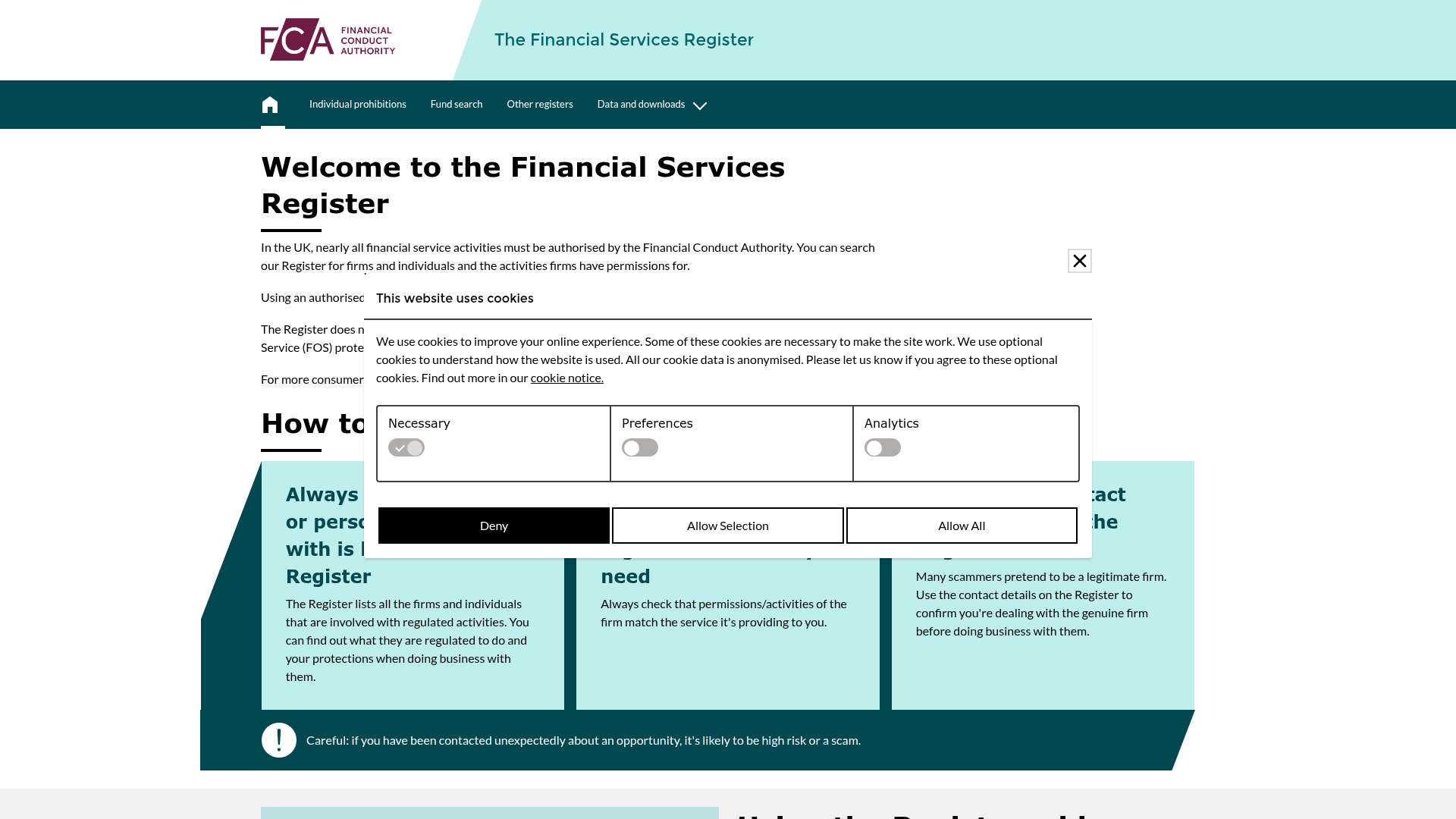
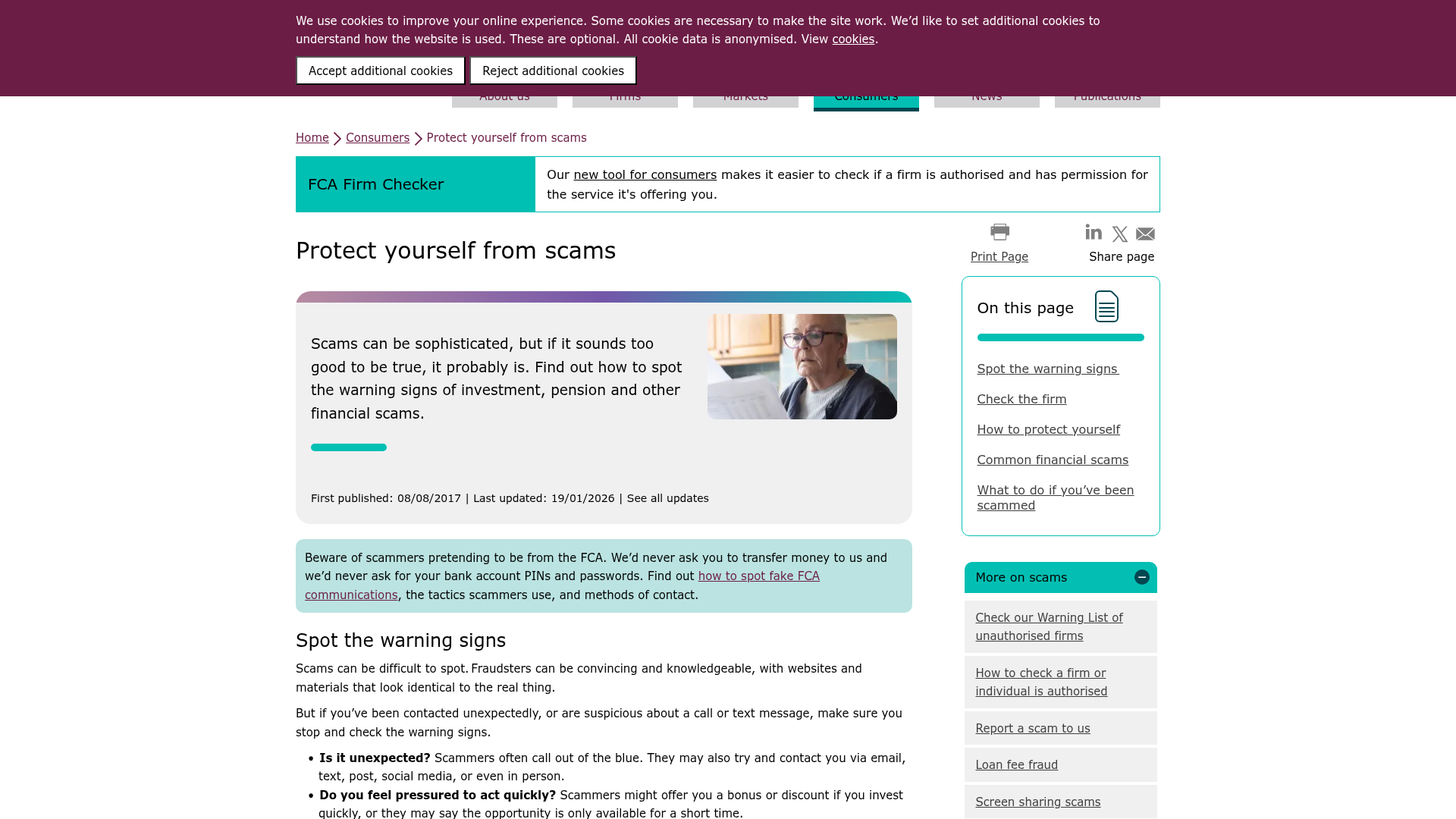
ทะเบียนอื่น ๆ ที่ใช้ในการตรวจสอบประเภทนี้ แต่ละรายการจะเปิดหน้าของหน่วยงานกำกับดูแลนั้น ๆ
แหล่งข้อมูลหลัก
ทุกข้อกล่าวอ้างข้างต้นสามารถตรวจสอบได้จากหน้าเว็บของหน่วยงานกำกับดูแลโดยตรง ลิงก์เหล่านี้จะนำท่านไปยังเว็บไซต์ของหน่วยงานกำกับดูแล ไม่ใช่เว็บไซต์ของเรา
- Financial Services Compensation Scheme (FSCS)fscs.org.ukhttps://www.fscs.org.uk/what-we-cover/investments/
- Financial Conduct Authority — Financial Services Registerregister.fca.org.ukhttps://register.fca.org.uk/
- CySEC — Regulated entities registercysec.gov.cyhttps://www.cysec.gov.cy/en-GB/entities/investment-firms/cypriot/
- ESMA — Product intervention on CFDsesma.europa.euhttps://www.esma.europa.eu/press-news/esma-news/esma-agrees-prohibit-binary-options-and-restrict-cfds-protect-retail
- NFA BASIC — background affiliation statusnfa.futures.orghttps://www.nfa.futures.org/basicnet/
คำถามที่พบบ่อย
FSCS และ ICF ทั่วไปของยุโรปมีความแตกต่างหลักอย่างไร?
ความแตกต่างหลักอยู่ที่วงเงินชดเชย FSCS ในสหราชอาณาจักรคุ้มครองเงินลงทุนสูงถึง £85,000 ต่อคน ต่อบริษัท ในขณะที่ ICFs ของยุโรปหลายแห่ง ซึ่งกำหนดโดยคำสั่งของสหภาพยุโรป เสนอการคุ้มครองสูงถึง €20,000
โครงการชดเชยนักลงทุนจะคุ้มครองฉันหรือไม่หากเงินลงทุนของฉันสูญเสียมูลค่า?
ไม่ โครงการชดเชยนักลงทุนไม่ได้คุ้มครองการสูญเสียที่เกิดจากความผันผวนของตลาดหรือผลการดำเนินงานการลงทุนที่ไม่ดี พวกเขาให้ความคุ้มครองเฉพาะในกรณีที่บริษัทลงทุนล้มเหลวเอง เช่น จากการล้มละลายหรือการฉ้อโกง และไม่สามารถคืนสินทรัพย์ของคุณได้
ฉันจะตรวจสอบได้อย่างไรว่าบริษัทลงทุนของฉันอยู่ภายใต้โครงการชดเชยหรือไม่?
คุณต้องตรวจสอบการอนุญาตและการกำกับดูแลของบริษัทของคุณกับหน่วยงานทางการเงินระดับชาติที่เกี่ยวข้อง ตัวอย่างเช่น ใช้ FCA Financial Services Register สำหรับบริษัทในสหราชอาณาจักร หรือ CySEC Regulated Entities Register สำหรับบริษัทในไซปรัส เฉพาะบริษัทที่ได้รับอนุญาตเท่านั้นที่มีสิทธิ์ได้รับโครงการชดเชย
จะเกิดอะไรขึ้นกับเงินของฉันหากบริษัทที่ได้รับการกำกับดูแลล้มเหลว แต่เงินทุนของฉันถูกแยกไว้?
หากเงินทุนของคุณถูกแยกไว้อย่างเหมาะสม เงินเหล่านั้นควรถูกเก็บแยกต่างหากจากสินทรัพย์ของบริษัท ในกรณีที่ล้มเหลว ผู้ดูแลระบบจะมุ่งมั่นที่จะคืนเงินที่แยกไว้เหล่านี้ให้คุณโดยตรง โครงการชดเชยจะทำงานเฉพาะในกรณีที่มีการขาดแคลนหรือไม่สามารถคืนเงินเหล่านี้ได้
ใช้เวลานานเท่าใดในการรับเงินชดเชยจากโครงการเช่น FSCS?
สำหรับการเรียกร้องเกี่ยวกับการลงทุน FSCS โดยทั่วไปมีเป้าหมายที่จะจ่ายเงินชดเชยภายในสามเดือนเมื่อได้รับข้อมูลที่จำเป็นทั้งหมด อย่างไรก็ตาม กรณีที่ซับซ้อนอาจใช้เวลานานขึ้น ICFs ของยุโรปก็มีเป้าหมายระยะเวลาที่คล้ายกัน โดยมักจะอยู่ภายในสามเดือนหลังจากยืนยันการเรียกร้อง แต่ก็สามารถขยายเวลาได้
โบรกเกอร์ทุกรายอยู่ภายใต้การกำกับดูแลของโครงการชดเชยนักลงทุนหรือไม่?
ไม่ เฉพาะโบรกเกอร์ที่ได้รับอนุญาตและมีใบอนุญาตอย่างชัดเจนจากหน่วยงานกำกับดูแลทางการเงินที่เกี่ยวข้องในเขตอำนาจศาลที่มีโครงการดังกล่าว (เช่น สหราชอาณาจักรหรือสหภาพยุโรป) เท่านั้นที่ได้รับการคุ้มครอง โบรกเกอร์ที่ไม่มีใบอนุญาตหรือโบรกเกอร์นอกชายฝั่งมักจะไม่มีการคุ้มครองดังกล่าว ทำให้เงินทุนของคุณตกอยู่ในความเสี่ยงโดยสมบูรณ์