ประเด็นสำคัญ
- CFTC Reparations มุ่งเน้นไปที่การละเมิดกฎระเบียบโดยบริษัทที่จดทะเบียนโดยเฉพาะ ในขณะที่ NFA Arbitration ครอบคลุมข้อพิพาทที่กว้างขวางมากขึ้นสำหรับสมาชิก NFA ซึ่งมักจะถูกกำหนดโดยข้อตกลงบัญชี
- ข้อตกลงบัญชีลูกค้าของคุณโดยทั่วไปจะกำหนดกลไกหลักในการระงับข้อพิพาท ซึ่งมักจะนำข้อเรียกร้องไปสู่ NFA Arbitration
- ทั้งคำสั่ง CFTC Reparations และคำตัดสิน NFA Arbitration มีผลผูกพันทางกฎหมายและสามารถบังคับใช้ได้ในศาลรัฐบาลกลางหรือศาลของรัฐ
- ตรวจสอบสถานะการกำกับดูแลของบริษัทในสหรัฐฯ ผ่านฐานข้อมูล NFA BASIC ก่อนฝากเงิน เพื่อให้แน่ใจว่าสามารถเข้าถึงช่องทางการเรียกร้องเหล่านี้ได้
- ข้อเรียกร้องมีเกณฑ์ทางการเงินที่เฉพาะเจาะจง ซึ่งกำหนดกระบวนการ ค่าใช้จ่ายที่เกี่ยวข้อง และระยะเวลาโดยทั่วไปในการระงับข้อพิพาท
- เอกสารประกอบที่ครบถ้วนและความเข้าใจที่แม่นยำเกี่ยวกับการประพฤติมิชอบที่ถูกกล่าวหามีความสำคัญอย่างยิ่งต่อการสร้างข้อเรียกร้องค่าเสียหายหรือการอนุญาโตตุลาการที่ประสบความสำเร็จ
ความคับข้องใจเบื้องต้น: เงินทุนที่มีข้อพิพาทกับโบรกเกอร์ที่อยู่ภายใต้การกำกับดูแล
เมื่อนักลงทุนชาวอเมริกันพบว่าเงินทุนของตนติดอยู่ในข้อพิพาทกับผู้ค้าฟิวเจอร์ส (futures commission merchant) หรือตัวแทนซื้อขายอัตราแลกเปลี่ยนเงินตราต่างประเทศรายย่อย (retail foreign exchange dealer) เส้นทางในการเรียกร้องค่าเสียหายอาจดูไม่ชัดเจน บางทีอาจมีการดำเนินการซื้อขายโดยไม่ได้รับอนุญาตอย่างชัดเจน หรือตัวแทนให้ข้อมูลที่ทำให้เข้าใจผิดจนนำไปสู่ความเสียหายอย่างมีนัยสำคัญ สถานการณ์เหล่านี้ แม้จะน่ากังวล แต่ก็ไม่ใช่ว่าจะไม่มีช่องทางในการแก้ไข หากบริษัทที่เกี่ยวข้องดำเนินการภายใต้การกำกับดูแลที่เข้มงวดของหน่วยงานกำกับดูแลทางการเงินของสหรัฐฯ
ในสหรัฐอเมริกา มีกลไกหลักของรัฐบาลกลางสองอย่างที่ช่วยลูกค้าในการแก้ไขข้อร้องเรียนดังกล่าว: โครงการ CFTC Reparations ของ Commodity Futures Trading Commission (CFTC) และเวที NFA Arbitration ของ National Futures Association (NFA) แต่ละระบบได้รับการออกแบบมาเพื่อเป็นช่องทางให้ลูกค้าแสวงหาการแก้ไข แต่มีความแตกต่างกันอย่างมากในขอบเขต ขั้นตอน และประเภทของบริษัทและบุคคลที่ครอบคลุม
การทำความเข้าใจว่าช่องทางใดที่ใช้ได้กับสถานการณ์เฉพาะของคุณเป็นขั้นตอนแรกที่สำคัญในการยื่นข้อเรียกร้อง การเลือกมักขึ้นอยู่กับลักษณะของการประพฤติมิชอบที่ถูกกล่าวหา จำนวนเงินที่เรียกร้อง และที่สำคัญคือ สถานะการกำกับดูแลของบริษัทที่คุณทำการซื้อขายด้วย บทความนี้จะวิเคราะห์กระบวนการทั้งสอง โดยนำเสนอแนวทางที่แม่นยำว่ากระบวนการเหล่านี้ทำงานอย่างไร และนักลงทุนสามารถคาดหวังอะไรได้บ้าง
โครงการ CFTC Reparations: การตัดสินข้อพิพาทโดยตรงจากหน่วยงานกำกับดูแล
Commodity Futures Trading Commission (CFTC) ดำเนินโครงการเรียกร้องค่าเสียหายซึ่งออกแบบมาโดยเฉพาะเพื่อจัดการกับข้อร้องเรียนของลูกค้าต่อบุคคลและบริษัทที่จดทะเบียนกับ CFTC โครงการนี้เป็นกระบวนการทางกฎหมายที่เป็นทางการ ซึ่งจัดตั้งขึ้นภายใต้พระราชบัญญัติการแลกเปลี่ยนสินค้าโภคภัณฑ์ (Commodity Exchange Act - CEA) โดยมีเป้าหมายเพื่อให้เป็นเวทีที่ประหยัด รวดเร็ว และเป็นกลางในการระงับข้อพิพาท
คุณสมบัติในการเข้าร่วมโครงการ CFTC Reparations ผูกโยงโดยตรงกับสถานะการจดทะเบียนของผู้ถูกร้อง ซึ่งหมายความว่าสามารถยื่นข้อเรียกร้องต่อ Futures Commission Merchants (FCMs), Introducing Brokers (IBs), Commodity Trading Advisors (CTAs), Commodity Pool Operators (CPOs) และบุคคลที่เกี่ยวข้องได้ ตราบใดที่พวกเขายังคงจดทะเบียนอยู่กับ CFTC หรือเคยจดทะเบียนในขณะที่เกิดการประพฤติมิชอบที่ถูกกล่าวหา ตัวอย่างเช่น โบรกเกอร์อย่าง OANDA ซึ่งอยู่ภายใต้การกำกับดูแลของ CFTC/NFA จะอยู่ภายใต้เขตอำนาจของโครงการนี้อย่างเต็มที่
ประเภทของข้อเรียกร้องที่มักจะได้รับการจัดการเกี่ยวข้องกับการละเมิดพระราชบัญญัติ CEA หรือกฎระเบียบของ CFTC ที่ถูกกล่าวหา เช่น การฉ้อโกง การให้ข้อมูลเท็จ การซื้อขายโดยไม่ได้รับอนุญาต หรือการไม่ปฏิบัติตามคำสั่งของลูกค้า โครงการนี้ทำหน้าที่เป็นการตัดสินข้อพิพาทโดยตรงจากหน่วยงานกำกับดูแล โดยที่ CFTC ทำหน้าที่เป็นศาลเอง เพื่อให้มั่นใจถึงการกำกับดูแลโดยหน่วยงานของรัฐบาลกลาง เป็นทางเลือกที่แตกต่างจากการฟ้องร้องคดีในศาลแบบดั้งเดิม โดยนำเสนอแนวทางที่มุ่งเน้นไปที่ข้อพิพาททางการเงินที่เกี่ยวข้องกับสินค้าโภคภัณฑ์
NFA Arbitration: การระงับข้อพิพาทที่บริหารจัดการโดยอุตสาหกรรม
เสริมกระบวนการเรียกร้องค่าเสียหายของ CFTC คือโครงการ NFA Arbitration ของ National Futures Association (NFA) NFA เป็นองค์กรกำกับดูแลตนเอง (SRO) สำหรับอุตสาหกรรมอนุพันธ์ของสหรัฐฯ ซึ่งได้รับการแต่งตั้งโดย CFTC โครงการอนุญาโตตุลาการนี้ทำหน้าที่เป็นกลไกการระงับข้อพิพาททางเลือกภาคบังคับสำหรับสมาชิก NFA และลูกค้าของพวกเขา
ต่างจาก CFTC Reparations, NFA Arbitration สามารถครอบคลุมข้อพิพาทที่กว้างขวางกว่า แม้ว่าจะจัดการข้อเรียกร้องที่เกี่ยวข้องกับการฉ้อโกง การให้ข้อมูลเท็จ และการซื้อขายโดยไม่ได้รับอนุญาตอย่างแน่นอน แต่ยังขยายไปถึงข้อพิพาทตามสัญญาและความไม่เห็นด้วยทางการเงินอื่นๆ ที่เกิดขึ้นระหว่างสมาชิก NFA และลูกค้าของพวกเขา โดยมีเงื่อนไขว่าต้องเกี่ยวข้องกับบัญชีฟิวเจอร์สหรือฟอเร็กซ์ สิ่งนี้ทำให้เป็นทางเลือกที่หลากหลายมากขึ้นในบางสถานการณ์ บริษัทเช่น FOREX.com ซึ่งเป็นสมาชิก NFA จะนำข้อพิพาทของลูกค้าเข้าสู่กระบวนการอนุญาโตตุลาการนี้
ข้อตกลงบัญชีลูกค้ามักมีข้อกำหนดการอนุญาโตตุลาการภาคบังคับ ซึ่งกำหนดให้ข้อพิพาทต้องเข้าสู่ NFA Arbitration แทนที่จะเป็นกระบวนการทางศาลแบบดั้งเดิม ซึ่งหมายความว่าสำหรับนักลงทุนหลายราย NFA Arbitration ไม่ใช่แค่ทางเลือก แต่เป็นขั้นตอนแรกที่ผูกพันตามสัญญาในการแสวงหาการแก้ไข การทำความเข้าใจผลกระทบของข้อกำหนดดังกล่าวในข้อตกลงของคุณเป็นสิ่งสำคัญอย่างยิ่ง เนื่องจากข้อกำหนดเหล่านี้มีผลอย่างมากต่อช่องทางที่คุณมีในการระงับข้อพิพาท
การตัดสินใจเลือกเส้นทางที่ถูกต้อง: เขตอำนาจศาลและประเภทข้อเรียกร้องเป็นตัวกำหนดทางเลือก
เมื่อเผชิญกับข้อพิพาท การพิจารณาว่า CFTC Reparations หรือ NFA Arbitration เป็นเส้นทางที่เหมาะสม ต้องพิจารณาอย่างรอบคอบถึงเขตอำนาจศาลและลักษณะเฉพาะของข้อเรียกร้องของคุณ CFTC Reparations ได้รับการออกแบบมาโดยเฉพาะสำหรับการละเมิดพระราชบัญญัติการแลกเปลี่ยนสินค้าโภคภัณฑ์หรือกฎระเบียบของ CFTC ที่ถูกกล่าวหา ซึ่งมักจะมุ่งเน้นไปที่กรณีการฉ้อโกง การให้ข้อมูลเท็จ หรือการซื้อขายโดยไม่ได้รับอนุญาตที่เชื่อมโยงโดยตรงกับผลประโยชน์ในสินค้าโภคภัณฑ์
NFA Arbitration แม้จะครอบคลุมการละเมิดกฎระเบียบประเภทเหล่านี้ด้วย แต่ก็มีขอบเขตที่กว้างกว่าสำหรับข้อพิพาทระหว่างลูกค้าและสมาชิก NFA สามารถครอบคลุมความไม่เห็นด้วยตามสัญญาที่หลากหลายมากขึ้น หรือปัญหาทางการเงินอื่นๆ ที่เกิดจากบัญชีฟิวเจอร์สและฟอเร็กซ์ นี่คือส่วนที่คู่มือส่วนใหญ่มักจะข้ามไป: บ่อยครั้ง การเลือกเริ่มต้นไม่ได้ถูกกำหนดโดยความชอบ แต่โดยถ้อยคำในข้อตกลงบัญชีของคุณ บริษัทหลายแห่งเช่น FOREX.com หรือ OANDA มีข้อกำหนดที่ผลักดันข้อพิพาทไปสู่ NFA Arbitration ทำให้เป็นช่องทางหลัก หากไม่ใช่ช่องทางเดียว ในการเริ่มต้นสำหรับลูกค้าจำนวนมาก
แม้ว่าทั้งสองช่องทางจะนำเสนอการระงับข้อพิพาทที่มีผลผูกพันทางกฎหมาย โครงการของ CFTC ให้การตัดสินข้อพิพาทโดยรัฐบาลพร้อมการกำกับดูแลโดยตรงจากหน่วยงานกำกับดูแล ซึ่งผู้เรียกร้องบางรายอาจชอบเนื่องจากมีสถานะเป็นทางการของรัฐบาลกลาง NFA Arbitration บริหารจัดการโดย SRO ของอุตสาหกรรม ซึ่งนำเสนอกระบวนการที่อาจมีความยืดหยุ่นมากกว่า แต่ก็ยังคงมีโครงสร้าง ตารางด้านล่างสรุปความแตกต่างที่สำคัญเพื่อช่วยชี้แจงว่าเวทีใดที่อาจเหมาะสมกับสถานการณ์เฉพาะของคุณที่สุด
ความแตกต่างที่สำคัญระหว่าง CFTC Reparations และ NFA Arbitration
| หัวข้อหลัก | การชดใช้ค่าเสียหายของ CFTC | การอนุญาโตตุลาการของ NFA |
|---|---|---|
| หน่วยงานกำกับดูแล | คณะกรรมาธิการการซื้อขายสัญญาล่วงหน้าสินค้าโภคภัณฑ์ (CFTC) | สมาคมฟิวเจอร์สแห่งชาติ (NFA) |
| ขอบเขตของข้อเรียกร้อง | การละเมิดพระราชบัญญัติการซื้อขายสินค้าโภคภัณฑ์/กฎระเบียบของ CFTC (เช่น การฉ้อโกง, การบิดเบือนความจริง) | ข้อพิพาทที่กว้างขวางกว่าระหว่างสมาชิก NFA และลูกค้า รวมถึงข้อเรียกร้องตามสัญญา |
| ผู้ถูกร้อง | บุคคล/บริษัทที่จดทะเบียนกับ CFTC (FCMs, IBs, CTAs, CPOs) | บริษัทสมาชิก NFA และบุคคลที่เกี่ยวข้อง |
| วงเงินสูงสุดของข้อเรียกร้อง | ไม่มีวงเงินสูงสุด; ข้อเรียกร้องขนาดเล็กไม่เกิน $30,000, ข้อเรียกร้องอย่างเป็นทางการเกิน $30,000 | ไม่มีวงเงินสูงสุด; แบบสรุปไม่เกิน $50,000, แบบย่อไม่เกิน $100,000, แบบเต็มเกิน $100,000 |
| ทางเลือกของผู้ร้อง | เป็นทางเลือกหากบริษัทจดทะเบียนกับ CFTC | มักเป็นข้อบังคับหากระบุไว้ในข้อตกลงลูกค้า |
| ผู้พิจารณา | เจ้าหน้าที่ตัดสินของ CFTC หรือผู้พิพากษาศาลปกครอง (ALJ) | อนุญาโตตุลาการของ NFA |
ก่อนที่จะมอบเงินทุนให้กับแพลตฟอร์มการซื้อขายออนไลน์ใดๆ ควรตรวจสอบสถานะการกำกับดูแลในสหรัฐฯ ของแพลตฟอร์มนั้น ขั้นตอนเชิงรุกนี้สามารถป้องกันความจำเป็นในการเรียกร้องค่าเสียหายหรือการอนุญาโตตุลาการที่ซับซ้อนในภายหลังได้
Alan Reeve
การเริ่มต้นข้อเรียกร้องการชดใช้ค่าเสียหายของ CFTC: คำแนะนำโดยละเอียด
กระบวนการเริ่มต้นข้อเรียกร้องการชดใช้ค่าเสียหายของ CFTC เริ่มต้นด้วยการยื่นคำร้องอย่างเป็นทางการ โดยทั่วไปจะเกี่ยวข้องกับการกรอกแบบฟอร์ม CFTC Form 30 ซึ่งต้องมีคำแถลงการณ์โดยละเอียดและเป็นลายลักษณ์อักษรที่ระบุข้อเท็จจริงของข้อเรียกร้อง การละเมิดที่ถูกกล่าวหาโดยเฉพาะ และความเสียหายทางการเงินที่ต้องการ เอกสารประกอบทั้งหมด เช่น รายการเดินบัญชีการซื้อขาย, การติดต่อสื่อสารกับโบรกเกอร์ และข้อตกลงการเปิดบัญชี จะต้องยื่นพร้อมกับคำร้อง
CFTC แบ่งประเภทข้อเรียกร้องออกเป็นสองประเภทหลักตามมูลค่าทางการเงิน: 'ข้อเรียกร้องขนาดเล็ก' สำหรับจำนวนเงินไม่เกิน $30,000 และ 'การพิจารณาคดีอย่างเป็นทางการ' สำหรับข้อเรียกร้องที่เกิน $30,000 ข้อเรียกร้องขนาดเล็กมักจะได้รับการจัดการโดยเจ้าหน้าที่ตัดสินเพียงคนเดียวผ่านการยื่นเอกสารที่เป็นลายลักษณ์อักษร โดยมีเป้าหมายเพื่อการแก้ไขปัญหาที่ง่ายขึ้น อย่างไรก็ตาม การพิจารณาคดีอย่างเป็นทางการจะเกี่ยวข้องกับผู้พิพากษาศาลปกครอง (ALJ) และอาจรวมถึงการไต่สวนด้วยวาจา, การค้นหาข้อมูล และกระบวนการทางกฎหมายที่ซับซ้อนมากขึ้น
ค่าธรรมเนียมการยื่นคำร้องอยู่ในระดับปานกลาง: $75 สำหรับข้อเรียกร้องขนาดเล็ก และ $250 สำหรับข้อเรียกร้องอย่างเป็นทางการ แม้ว่าโปรแกรมนี้จะได้รับการออกแบบมาให้เข้าถึงได้ง่าย แต่ความซับซ้อนทางกฎหมายของการพิจารณาคดีอย่างเป็นทางการอาจเป็นเรื่องที่ท้าทายหากไม่มีที่ปรึกษาทางกฎหมาย ข้อเรียกร้องขนาดเล็กมักจะได้รับการแก้ไขภายใน 12 ถึง 18 เดือน ในขณะที่ข้อเรียกร้องอย่างเป็นทางการอาจใช้เวลา 2 ถึง 3 ปี โดยเฉพาะอย่างยิ่งหากมีการอุทธรณ์ ข้อเรียกร้องที่จัดเตรียมมาอย่างดีและมีเอกสารประกอบครบถ้วนจะช่วยเพิ่มโอกาสในการได้รับผลลัพธ์ที่เป็นประโยชน์อย่างมาก ไม่ว่าขนาดของข้อเรียกร้องจะเป็นเท่าใดก็ตาม
กระบวนการอนุญาโตตุลาการของ NFA: ทีละขั้นตอน
กระบวนการอนุญาโตตุลาการของ NFA โดยทั่วไปจะเริ่มต้นด้วยการที่ลูกค้าต้องยื่นเอกสาร Uniform Submission Agreement และ Statement of Claim ผ่านระบบยื่นคำร้องออนไลน์ของ NFA เอกสารนี้ควรระบุรายละเอียดอย่างพิถีพิถันเกี่ยวกับการประพฤติมิชอบที่ถูกกล่าวหา ข้อเท็จจริงที่เกี่ยวข้อง และจำนวนเงินค่าเสียหายทั้งหมดที่ต้องการ ซึ่งคล้ายคลึงกับข้อกำหนดของ CFTC หลักฐานประกอบ รวมถึงรายการเดินบัญชีและเอกสารการสื่อสาร ก็มีความสำคัญในขั้นตอนนี้เช่นกัน
กระบวนการอนุญาโตตุลาการของ NFA ถูกจัดหมวดหมู่ตามมูลค่าข้อเรียกร้องเพื่อกำหนดความซับซ้อนของขั้นตอน 'กระบวนการแบบสรุป' ใช้กับข้อเรียกร้องที่ต่ำกว่า $50,000 และโดยทั่วไปจะตัดสินโดยอนุญาโตตุลาการเพียงคนเดียวที่ตรวจสอบเอกสารที่ยื่นมา โดยมักจะไม่มีการไต่สวนด้วยวาจา 'กระบวนการแบบย่อ' สำหรับข้อเรียกร้องระหว่าง $50,000 ถึง $100,000 โดยปกติจะเกี่ยวข้องกับอนุญาโตตุลาการเพียงคนเดียวที่อาจดำเนินการไต่สวน ซึ่งมักจะเป็นการไต่สวนทางไกล สำหรับข้อเรียกร้องที่เกิน $100,000 จะมีการ 'ไต่สวนแบบเต็มรูปแบบ' โดยคณะอนุญาโตตุลาการสามคน ซึ่งเกี่ยวข้องกับการแลกเปลี่ยนเอกสารที่ครอบคลุมมากขึ้น และมักจะมีการไต่สวนแบบพบหน้า
ค่าธรรมเนียมการยื่นคำร้องสำหรับการอนุญาโตตุลาการของ NFA แตกต่างกันไปขึ้นอยู่กับจำนวนเงินที่เรียกร้อง โดยเริ่มต้นที่ $50 สำหรับข้อเรียกร้องขนาดเล็กที่สุด และจะเพิ่มขึ้นสำหรับจำนวนเงินที่มากขึ้น อนุญาโตตุลาการจะถูกเลือกจากรายชื่อบุคคลที่มีคุณสมบัติเหมาะสม และคู่กรณีมักจะมีส่วนร่วมในการเลือกอนุญาโตตุลาการ กรณีแบบสรุปอาจสรุปผลได้ภายใน 6 ถึง 12 เดือน ในขณะที่ การไต่สวนแบบเต็มรูปแบบอาจใช้เวลาถึง 18 ถึง 24 เดือน ซึ่งโดยทั่วไปเร็วกว่าการชดใช้ค่าเสียหายอย่างเป็นทางการของ CFTC แต่ก็ยังคงต้องใช้ความอดทน NFA ได้จัดทำแนวทางและกฎระเบียบเพื่อให้แน่ใจว่ากระบวนการมีโครงสร้างและเป็นธรรมสำหรับทั้งสองฝ่าย
การบังคับใช้และคำตัดสิน: การกู้คืนความเสียหาย
เมื่อดำเนินการตามกระบวนการชดเชยของ CFTC หรือกระบวนการอนุญาโตตุลาการของ NFA เสร็จสิ้น จะนำไปสู่การตัดสินใจหรือคำตัดสิน แต่คำถามสำคัญสำหรับผู้เรียกร้องคือการได้รับชำระเงินจริง ระบบทั้งสองนี้ให้ผลลัพธ์ที่มีผลผูกพันทางกฎหมาย ทำให้มั่นใจว่าคำตัดสินที่เป็นคุณไม่ใช่แค่คำแนะนำ แต่มีผลทางกฎหมาย
หากมีการออกคำสั่งชดเชยของ CFTC ที่เป็นประโยชน์ต่อลูกค้า ผู้ถูกร้องมีภาระผูกพันทางกฎหมายที่จะต้องชำระค่าเสียหายที่ได้รับคำสั่ง หากผู้ถูกร้องไม่ปฏิบัติตามคำสั่งดังกล่าว CFTC มีอำนาจในการบังคับใช้กฎหมายที่สำคัญ ซึ่งอาจรวมถึงการระงับหรือเพิกถอนการจดทะเบียนของบริษัทหรือบุคคลกับ CFTC ซึ่งจะขัดขวางไม่ให้พวกเขาดำเนินการในตลาดสินค้าโภคภัณฑ์ของสหรัฐอเมริกาได้อย่างมีประสิทธิภาพ คำสั่งชดเชยยังสามารถยื่นและบังคับใช้ได้ในศาลแขวงของรัฐบาลกลาง ซึ่งทำให้มีสถานะทางกฎหมายเช่นเดียวกับคำพิพากษาจากศาลนั้น
ในทำนองเดียวกัน คำตัดสินอนุญาโตตุลาการของ NFA มีผลผูกพันทางกฎหมายและโดยทั่วไปสามารถบังคับใช้ได้ในศาลของรัฐหรือศาลรัฐบาลกลาง หากสมาชิก NFA ไม่ชำระเงินตามคำตัดสินอนุญาโตตุลาการ NFA สามารถดำเนินการทางวินัยได้ ซึ่งรวมถึงการระงับหรือขับไล่บริษัทออกจากการเป็นสมาชิก มาตรการลงโทษนี้มักจะเป็นแรงจูงใจที่สำคัญในการปฏิบัติตาม ในทางปฏิบัติ แม้ว่าคำตัดสินเหล่านี้จะมีผลผูกพันทางกฎหมาย การได้รับชำระเงินจริงบางครั้งอาจเกี่ยวข้องกับขั้นตอนทางกฎหมายเพิ่มเติม โดยเฉพาะอย่างยิ่งหากผู้ถูกร้องพยายามที่จะชะลอหรือโต้แย้งการบังคับใช้ในศาล อย่างไรก็ตาม แรงกดดันด้านกฎระเบียบที่ใช้โดย CFTC และ NFA ช่วยเพิ่มโอกาสในการปฏิบัติตามได้อย่างมาก
การเปรียบเทียบค่าใช้จ่ายและค่าธรรมเนียมสำหรับการชดเชยและอนุญาโตตุลาการ
| มูลค่าการเรียกร้อง | ค่าธรรมเนียมการยื่นคำร้องชดเชย CFTC | ค่าธรรมเนียมการยื่นคำร้องอนุญาโตตุลาการ NFA (สำหรับผู้ไม่เป็นสมาชิก) | เงินมัดจำการไต่สวน NFA (สำหรับผู้ไม่เป็นสมาชิก) |
|---|---|---|---|
| ต่ำกว่า $10,000 | $75 | $50 | $0 |
| $10,000 ถึง $30,000 | $75 | $100 | $0 |
| $30,001 ถึง $50,000 | $250 | $200 | $200 |
| $50,001 ถึง $100,000 | $250 | $400 | $400 |
| มากกว่า $100,000 | $250 | $600+ | $600+ |
การตรวจสอบสถานะการกำกับดูแลของสหรัฐฯ และความหมาย
สำหรับนักลงทุนในสหรัฐฯ ที่กำลังพิจารณาการซื้อขายฟิวเจอร์สหรือฟอเร็กซ์ ขั้นตอนสำคัญเบื้องต้นคือการตรวจสอบสถานะการกำกับดูแลของโบรกเกอร์ที่เลือก การคุ้มครองที่เสนอโดยการชดใช้ค่าเสียหายของ CFTC และการอนุญาโตตุลาการของ NFA นั้นมีให้เฉพาะลูกค้าของบริษัทและบุคคลที่ขึ้นทะเบียนกับ CFTC และเป็นสมาชิกของ NFA เท่านั้น หากบริษัทใดไม่ได้รับการขึ้นทะเบียนกับหน่วยงานกำกับดูแลของสหรัฐฯ เหล่านี้ กลไกการเยียวยาเฉพาะเหล่านี้จะไม่มีผลบังคับใช้
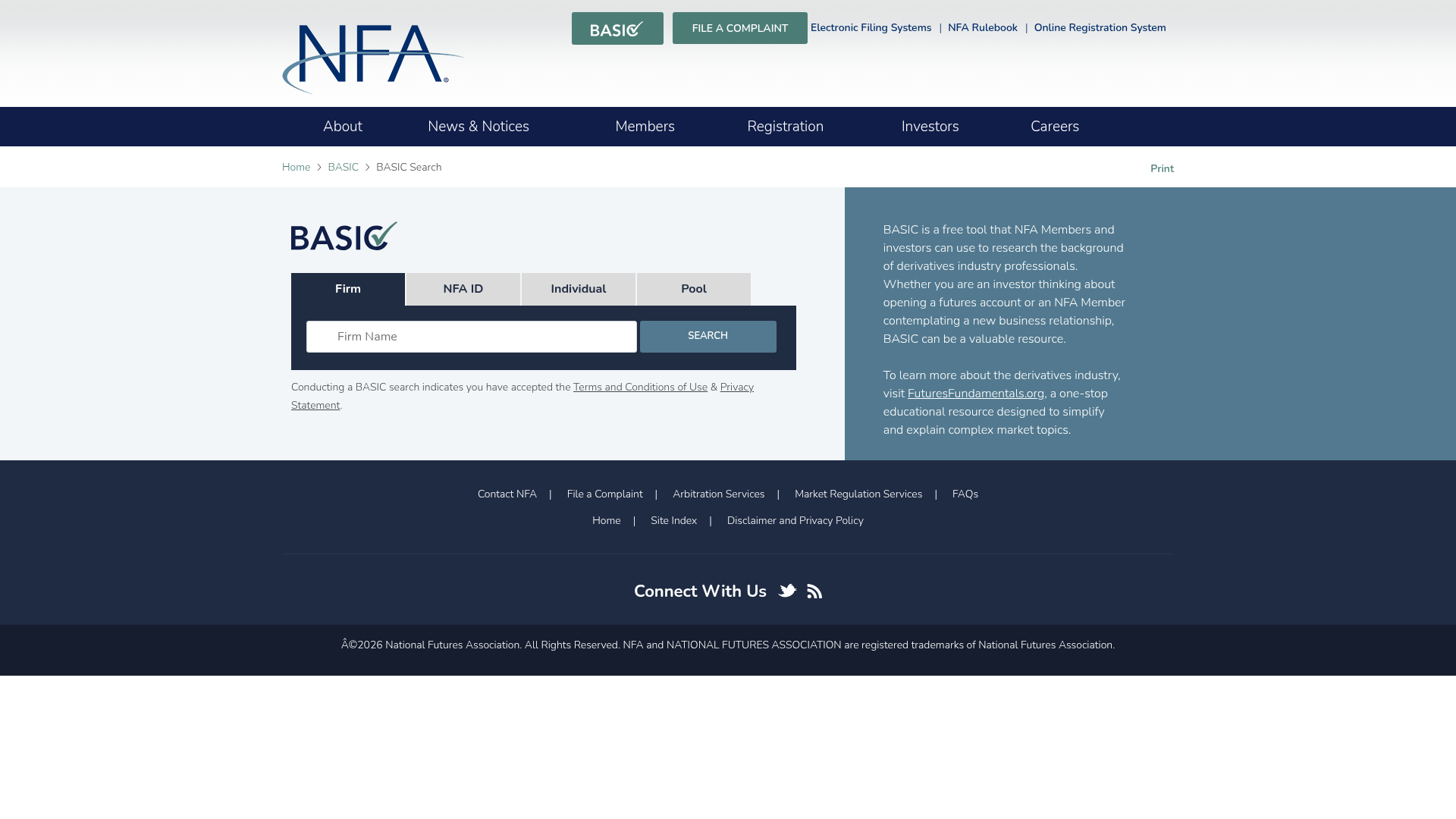
ในการตรวจสอบสถานะการกำกับดูแลของบริษัทในสหรัฐฯ คุณควรตรวจสอบฐานข้อมูลอย่างเป็นทางการเสมอ ฐานข้อมูล NFA BASIC (Background Affiliation Status Information Center) ซึ่งสามารถเข้าถึงได้ที่ nfa.futures.org/basicnet/ ช่วยให้คุณสามารถค้นหาบริษัทและบุคคลเพื่อยืนยันการเป็นสมาชิก NFA และการขึ้นทะเบียนกับ CFTC ได้ นอกจากนี้ คุณยังสามารถตรวจสอบ CFTC's Registration Deficient (RED) List ได้ที่ cftc.gov/check ซึ่งจะแสดงรายชื่อหน่วยงานที่ดูเหมือนจะดำเนินการโดยไม่มีการขึ้นทะเบียนตามที่กำหนด
ตัวอย่างเช่น แม้ว่าบริษัทอย่าง Pepperstone หรือ XM จะได้รับการกำกับดูแลโดยหน่วยงานต่างๆ เช่น FCA, ASIC หรือ CySEC สำหรับการดำเนินงานระหว่างประเทศ แต่พวกเขาอาจไม่มีการขึ้นทะเบียน CFTC ที่จำเป็นเพื่อให้บริการลูกค้ารายย่อยในสหรัฐฯ สำหรับธุรกรรมที่เกี่ยวข้องกับสินค้าโภคภัณฑ์ ในกรณีเช่นนี้ ลูกค้าในสหรัฐฯ โดยทั่วไปจะไม่สามารถเข้าถึงการชดใช้ค่าเสียหายของ CFTC หรือการอนุญาโตตุลาการของ NFA สำหรับข้อพิพาทได้ ซึ่งหมายความว่า หากคุณเป็นผู้อยู่อาศัยในสหรัฐฯ และซื้อขายกับหน่วยงานที่ได้รับการกำกับดูแลโดยหน่วยงานที่ไม่ใช่ของสหรัฐฯ เพียงอย่างเดียว ทางเลือกในการระงับข้อพิพาทของคุณจะขึ้นอยู่กับเขตอำนาจศาลต่างประเทศนั้นๆ ซึ่งมักจะมีกระบวนการที่เข้าถึงได้ยากกว่าและอาจมีค่าใช้จ่ายสูงกว่า
ข้อจำกัดและข้อควรพิจารณาเชิงปฏิบัติสำหรับผู้ร้องเรียน
แม้ว่าทั้งการชดใช้ค่าเสียหายของ CFTC และการอนุญาโตตุลาการของ NFA จะเป็นช่องทางที่มีประสิทธิภาพในการระงับข้อพิพาท แต่ก็มีข้อจำกัดเช่นกัน ข้อจำกัดที่สำคัญที่สุดคือขอบเขตอำนาจศาล: โครงการเหล่านี้โดยทั่วไปไม่สามารถใช้ได้กับข้อพิพาทกับหน่วยงานนอกชายฝั่งที่ไม่ได้รับการกำกับดูแล หรือบริษัทที่ไม่มีการขึ้นทะเบียน CFTC หรือการเป็นสมาชิก NFA ตามที่กำหนด นักลงทุนที่ทำธุรกรรมกับโบรกเกอร์ที่ไม่ได้อยู่ในรายชื่อ NFA BASIC โดยทั่วไปจะต้องสำรวจช่องทางกฎหมายระหว่างประเทศอื่นๆ ซึ่งมักจะซับซ้อนกว่า
ทั้งสองกระบวนการอาจใช้เวลานานและสร้างความเครียดทางอารมณ์ โดยต้องอาศัยความใส่ใจในรายละเอียดอย่างต่อเนื่องและการปฏิบัติตามกฎระเบียบขั้นตอนที่เข้มงวด แม้ว่าจะได้รับการออกแบบมาให้เข้าถึงได้โดยไม่จำเป็นต้องมีตัวแทนทางกฎหมาย โดยเฉพาะอย่างยิ่งสำหรับข้อเรียกร้องขนาดเล็ก แต่การได้รับคำแนะนำทางกฎหมายสามารถเป็นประโยชน์อย่างมากสำหรับผู้ร้องเรียนที่มีข้อพิพาททางการเงินขนาดใหญ่กว่าหรือสถานการณ์ข้อเท็จจริงที่ซับซ้อน ทนายความที่มีประสบการณ์ด้านกฎหมายสินค้าโภคภัณฑ์สามารถช่วยร่างคำร้องเรียนที่น่าเชื่อถือ นำทางกระบวนการสืบพยาน และเป็นตัวแทนผลประโยชน์ของคุณได้อย่างมีประสิทธิภาพในระหว่างการไต่สวน
ผู้ร้องเรียนจะต้องตระหนักถึง อายุความ ด้วยเช่นกัน สำหรับการชดใช้ค่าเสียหายของ CFTC การเรียกร้องโดยทั่วไปจะต้องยื่นภายในสองปีนับจากวันที่ถูกกล่าวหาว่ามีการละเมิด การอนุญาโตตุลาการของ NFA โดยทั่วไปก็มีอายุความสองปีเช่นกัน แม้ว่าข้อตกลงลูกค้าบางฉบับอาจมีข้อกำหนดที่แตกต่างกันไป การพลาดกำหนดเวลาเหล่านี้อาจทำให้การเรียกร้องของคุณถูกห้ามอย่างถาวร ซึ่งแสดงให้เห็นถึงความจำเป็นในการดำเนินการอย่างรวดเร็วเมื่อเกิดข้อพิพาทขึ้น
การปกป้องเงินทุนของคุณ: แนวทางการซื้อขายเชิงรุก
การป้องกันที่มีประสิทธิภาพที่สุดต่อการประพฤติมิชอบของโบรกเกอร์และความจำเป็นในการระงับข้อพิพาทในภายหลังคือการป้องกันเชิงรุก: การตรวจสอบสถานะอย่างรอบคอบก่อนที่จะลงทุนเงินทุนใดๆ แม้ว่าโครงการชดใช้ค่าเสียหายของ CFTC และการอนุญาโตตุลาการของ NFA จะเป็นช่องทางเยียวยาที่สำคัญ แต่การป้องกันไม่ให้เกิดข้อพิพาทขึ้นเลยนั้นเป็นผลลัพธ์ที่ดีที่สุดเสมอ
ก่อนที่จะมอบเงินทุนให้กับแพลตฟอร์มการซื้อขายออนไลน์ใดๆ ให้ใช้ระบบ NFA BASIC เพื่อยืนยันสถานะการกำกับดูแลของสหรัฐฯ อย่าพึ่งพาการกล่าวอ้างบนเว็บไซต์ของบริษัทเพียงอย่างเดียว ให้ตรวจสอบการเป็นสมาชิก NFA และการขึ้นทะเบียน CFTC โดยตรง หากบริษัทใดอยู่ใน CFTC's Registration Deficient (RED) List นั่นเป็นสัญญาณเตือนที่สำคัญที่ควรนำไปสู่การถอนเงินและยุติกิจกรรมการซื้อขายทันที
อ่านและทำความเข้าใจข้อกำหนดในการให้บริการและข้อตกลงของลูกค้าอย่างละเอียดก่อนเปิดบัญชี ให้ความสนใจเป็นพิเศษกับข้อกำหนดที่เกี่ยวข้องกับการระงับข้อพิพาท โดยเฉพาะอย่างยิ่งข้อกำหนดการอนุญาโตตุลาการภาคบังคับ ซึ่งระบุวิธีการและสถานที่ที่จะจัดการข้อขัดแย้งในอนาคต แนวทางเชิงรุกนี้ ซึ่งตั้งอยู่บนพื้นฐานของการตรวจสอบและการยินยอมโดยรับทราบข้อมูล จะช่วยลดความเสี่ยงของคุณได้อย่างมาก และทำให้มั่นใจว่า หากเกิดข้อพิพาทขึ้น คุณจะสามารถเข้าถึงช่องทางของรัฐบาลกลางสหรัฐฯ ที่จัดตั้งขึ้นและบังคับใช้ได้สำหรับการเรียกร้องค่าเสียหาย
หน้าที่เราตรวจสอบ
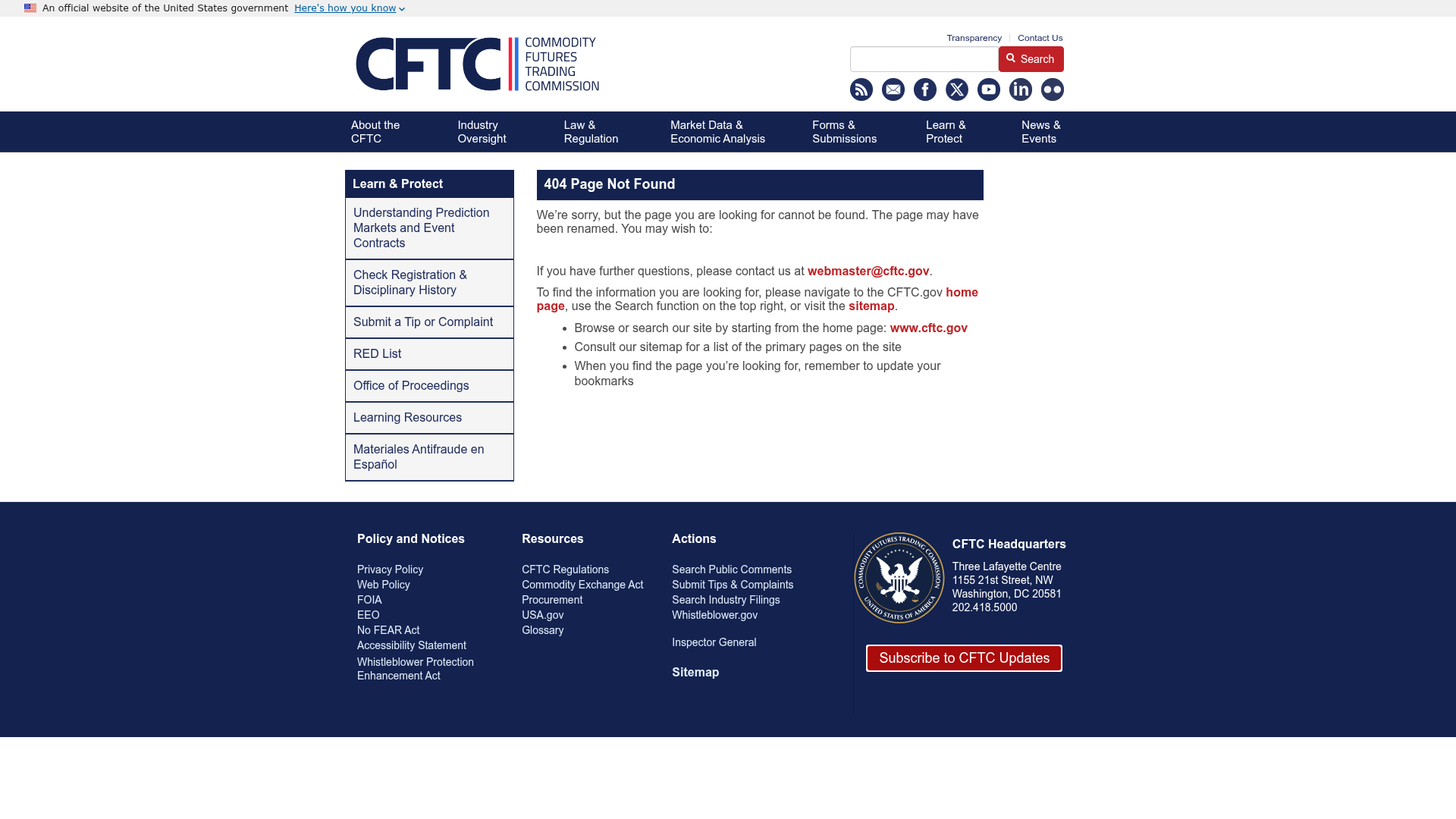
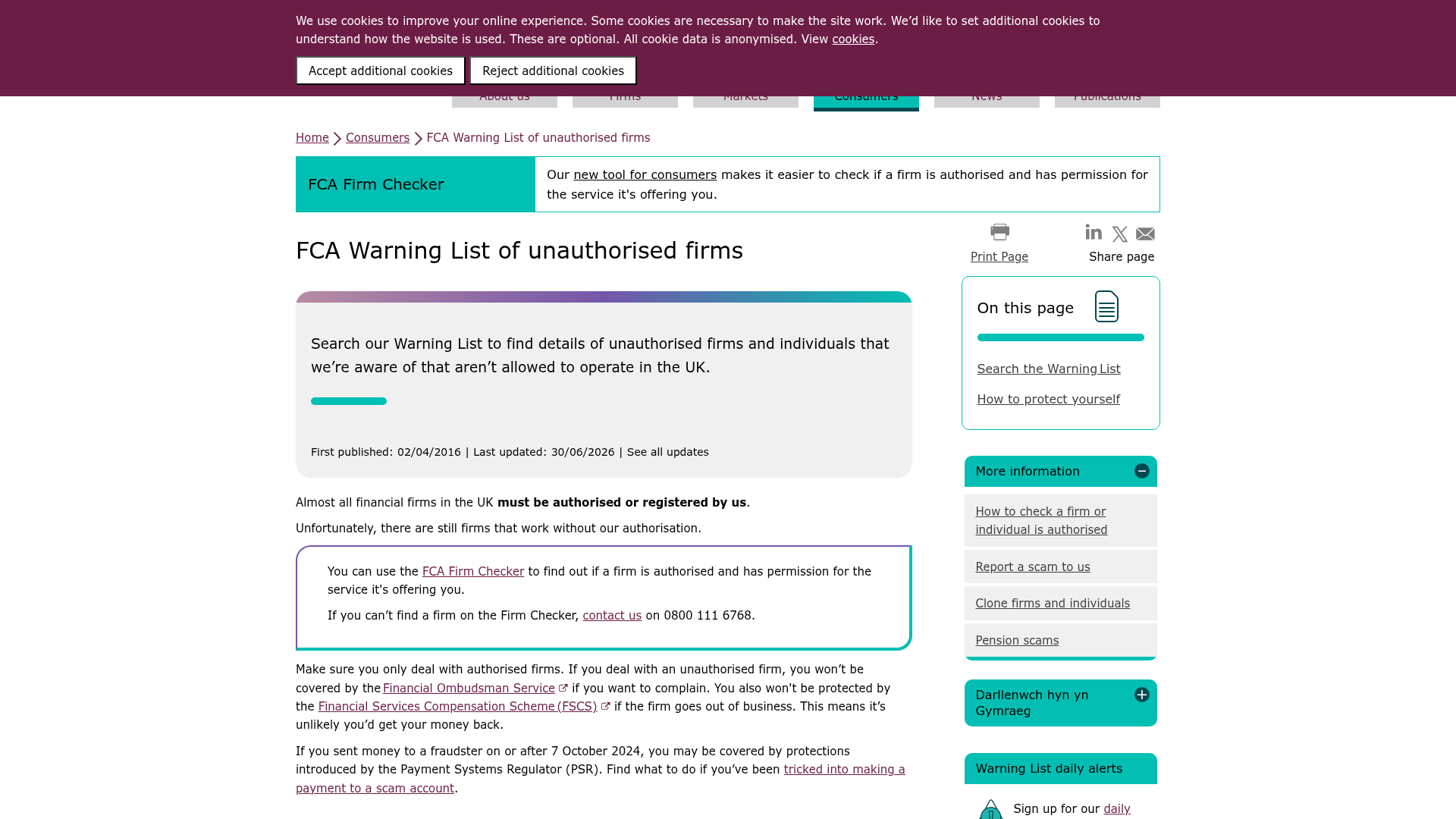
นี่คือหน้าเว็บของหน่วยงานกำกับดูแลเอง ซึ่งเราได้บันทึกไว้ตามที่พบ เปิดหน้าเว็บและทำการค้นหาเดียวกันด้วยตนเอง ไม่มีสิ่งใดในทะเบียนนี้มาแทนที่แหล่งข้อมูลต้นฉบับได้
ทะเบียนอื่น ๆ ที่ใช้ในการตรวจสอบประเภทนี้ แต่ละรายการจะเปิดหน้าของหน่วยงานกำกับดูแลนั้น ๆ
แหล่งข้อมูลหลัก
ทุกข้อกล่าวอ้างข้างต้นสามารถตรวจสอบได้จากหน้าเว็บของหน่วยงานกำกับดูแลโดยตรง ลิงก์เหล่านี้จะนำท่านไปยังเว็บไซต์ของหน่วยงานกำกับดูแล ไม่ใช่เว็บไซต์ของเรา
- CFTC — Registration Deficient (RED) Listcftc.govhttps://www.cftc.gov/check
- NFA BASIC — background affiliation statusnfa.futures.orghttps://www.nfa.futures.org/basicnet/
- CFTC — Customer advisories on fraudcftc.govhttps://www.cftc.gov/LearnAndProtect/AdvisoriesAndArticles/index.htm
- FINRA BrokerCheckbrokercheck.finra.orghttps://brokercheck.finra.org/
คำถามที่พบบ่อย
ฉันสามารถใช้การชดใช้ค่าเสียหายของ CFTC หรือการอนุญาโตตุลาการของ NFA กับโบรกเกอร์นอกชายฝั่งได้หรือไม่?
ไม่ โดยทั่วไปช่องทางเหล่านี้มีให้เฉพาะกับบริษัทและบุคคลที่ขึ้นทะเบียนกับ CFTC และเป็นสมาชิกของ NFA เท่านั้น หากโบรกเกอร์ของคุณได้รับการกำกับดูแลโดย CySEC หรือ ASIC เพียงอย่างเดียว กลไกเฉพาะของสหรัฐฯ เหล่านี้จะไม่มีผลบังคับใช้กับข้อพิพาทของคุณ
ฉันมีเวลาเท่าไรในการยื่นคำร้อง?
สำหรับการชดใช้ค่าเสียหายของ CFTC อายุความโดยทั่วไปคือสองปีนับจากวันที่ถูกกล่าวหาว่ามีการละเมิดเกิดขึ้น การอนุญาโตตุลาการของ NFA โดยทั่วไปก็มีอายุความสองปีเช่นกัน แม้ว่าข้อตกลงบัญชีบางฉบับอาจมีข้อกำหนดที่แตกต่างกันไป
ฉันจำเป็นต้องมีทนายความเพื่อยื่นคำร้องกับ CFTC หรือ NFA หรือไม่?
แม้ว่าทั้งสองระบบจะได้รับการออกแบบมาเพื่อให้ผู้ร้องเรียนสามารถเข้าถึงได้โดยไม่ต้องมีตัวแทนทางกฎหมาย โดยเฉพาะอย่างยิ่งสำหรับข้อเรียกร้องขนาดเล็ก แต่การได้รับคำแนะนำทางกฎหมายจะเป็นประโยชน์อย่างมากสำหรับกรณีที่ซับซ้อน ข้อเรียกร้องทางการเงินขนาดใหญ่ หรือหากคุณรู้สึกว่ากระบวนการนั้นซับซ้อนเกินไป ทนายความที่มีประสบการณ์สามารถแนะนำคุณเกี่ยวกับรายละเอียดปลีกย่อยของขั้นตอนต่างๆ ได้
ฉันสามารถเรียกร้องค่าเสียหายประเภทใดได้บ้างผ่านกระบวนการเหล่านี้?
ทั้งสองระบบมีเป้าหมายหลักในการกู้คืนความเสียหายทางการเงินที่เกิดขึ้นจริงโดยตรงจากการประพฤติมิชอบของโบรกเกอร์ เช่น เงินทุนที่สูญเสียไปจากการซื้อขายที่ไม่ได้รับอนุญาตหรือการบิดเบือนข้อมูล โดยทั่วไปแล้ว จะไม่มีการมอบค่าเสียหายเชิงลงโทษซึ่งมีวัตถุประสงค์เพื่อลงโทษ
จะเกิดอะไรขึ้นหากบริษัทไม่ชำระเงินตามจำนวนที่ตัดสิน?
หากบริษัทใดไม่ปฏิบัติตามคำสั่งชดใช้ค่าเสียหายของ CFTC การขึ้นทะเบียน CFTC ของบริษัทนั้นอาจถูกระงับหรือเพิกถอนได้ สำหรับการอนุญาโตตุลาการของ NFA การไม่ปฏิบัติตามอาจนำไปสู่การระงับหรือการขับไล่จากการเป็นสมาชิก NFA คำตัดสินทั้งสองมีผลผูกพันทางกฎหมายและสามารถบังคับใช้ในศาลได้
มูลค่าการเรียกร้องสูงสุดสำหรับกระบวนการเหล่านี้คือเท่าใด?
ไม่มีการจำกัดมูลค่าการเรียกร้องสูงสุดสำหรับการชดใช้ค่าเสียหายอย่างเป็นทางการของ CFTC หรือการอนุญาโตตุลาการของ NFA อย่างไรก็ตาม กรณีที่เกิน $30,000 (CFTC) หรือ $100,000 (NFA) โดยทั่วไปจะต้องผ่านกระบวนการไต่สวนอย่างเป็นทางการที่ซับซ้อนและใช้เวลานานกว่า โดยมีค่าธรรมเนียมการยื่นที่สูงขึ้น