
ประเด็นสำคัญ
- การเริ่มต้นอนุญาโตตุลาการของ FINRA ต้องใช้คำแถลงข้อเรียกร้องโดยละเอียด ซึ่งระบุข้อเท็จจริง ความเสียหาย และทฤษฎีทางกฎหมายที่เกี่ยวข้อง
- การเลือกอนุญาโตตุลาการเป็นกระบวนการสำคัญที่มีหลายขั้นตอน ซึ่งเกี่ยวข้องกับการคัดค้านและจัดอันดับอนุญาโตตุลาการที่มีศักยภาพจากรายชื่อที่ FINRA สร้างขึ้น
- ขั้นตอนการค้นหาพยานหลักฐาน แม้จะไม่เป็นทางการเท่าในศาล แต่ก็กำหนดให้มีการแลกเปลี่ยนเอกสารจำนวนมากและอาจเกี่ยวข้องกับการซักถามพยาน
- การไกล่เกลี่ยเป็นขั้นตอนที่แตกต่างและเป็นไปโดยสมัครใจภายในกระบวนการอนุญาโตตุลาการ ซึ่งเปิดโอกาสให้มีการหารือเพื่อการระงับข้อพิพาทอย่างเป็นความลับ
- คำชี้ขาดของอนุญาโตตุลาการมีผลผูกพันทางกฎหมาย แต่การบังคับใช้อาจเป็นเรื่องท้าทาย หากผู้ถูกร้องขาดทรัพย์สินเพียงพอหรือประกาศล้มละลาย
- ค่าใช้จ่ายสำหรับการอนุญาโตตุลาการประกอบด้วยค่าธรรมเนียมการยื่นคำร้อง ค่าธรรมเนียมการประชุมพิจารณา และค่าใช้จ่ายทางกฎหมายและค่าพยานผู้เชี่ยวชาญที่อาจเกิดขึ้น ซึ่งแตกต่างกันไปตามขนาดของข้อเรียกร้อง
เมื่อข้อร้องเรียนเข้าสู่กระบวนการอนุญาโตตุลาการอย่างเป็นทางการ
เส้นทางของนักลงทุนในการระงับข้อพิพาทของ FINRA มักจะไม่ได้เริ่มต้นด้วยการยื่นคำร้องอนุญาโตตุลาการ แต่เริ่มต้นด้วยการร้องเรียนโดยตรงกับบริษัทหลักทรัพย์ของตน ลองนึกภาพสถานการณ์ที่บุคคลวัยเกษียณซึ่งได้ลงทุนเงินออมจำนวนมากตามคำแนะนำของผู้แนะนำการลงทุนของตน ได้ค้นพบว่ายอดเงินในบัญชีของตนลดลงอย่างมากและไม่คาดคิด พวกเขาโทรศัพท์หาบริษัท เขียนจดหมาย หรืออาจมีส่วนร่วมในการตรวจสอบภายในบางรูปแบบ เมื่อการสื่อสารโดยตรงเหล่านี้ไม่สามารถให้ผลลัพธ์ที่น่าพอใจ และการประพฤติมิชอบหรือคำแนะนำที่ไม่ดีที่ถูกกล่าวหาทำให้เกิดความเสียหายทางการเงิน การอนุญาโตตุลาการอย่างเป็นทางการก็กลายเป็นช่องทางหลักในการเยียวยา
FINRA ซึ่งเป็นหน่วยงานกำกับดูแลอุตสาหกรรมทางการเงิน (Financial Industry Regulatory Authority) เป็นผู้ดูแลเวทีระงับข้อพิพาทหลักทรัพย์ที่ใหญ่ที่สุดในสหรัฐอเมริกา FINRA จัดการคดีอนุญาโตตุลาการเกือบทั้งหมดระหว่างนักลงทุนกับบริษัทหลักทรัพย์หรือบุคคลที่เกี่ยวข้อง โดยมีเงื่อนไขว่าบริษัทนั้นเป็นสมาชิกของ FINRA การตัดสินใจที่จะดำเนินการอนุญาโตตุลาการไม่ได้ทำขึ้นอย่างง่ายดาย โดยปกติแล้วจะตามมาด้วยช่วงเวลาแห่งความไม่พอใจกับกระบวนการภายในของบริษัท และความตระหนักว่าการประนีประนอมยอมความหรือการเจรจาตกลงนอกกระบวนการอย่างเป็นทางการไม่น่าจะเกิดขึ้นได้ กฎที่ควบคุมกระบวนการนี้มีความเฉพาะเจาะจงและต้องปฏิบัติตามอย่างเคร่งครัดเพื่อปกป้องผลประโยชน์ของผู้ร้อง
ก่อนการยื่นคำร้อง ผู้ร้องมักจะทำการค้นคว้าข้อมูลเบื้องต้นเพื่อทำความเข้าใจประวัติของโบรกเกอร์และบริษัท เครื่องมืออย่าง FINRA BrokerCheck เป็นสิ่งจำเป็นสำหรับการตรวจสอบใบอนุญาตประกอบวิชาชีพ ประวัติการทำงาน และการดำเนินการทางวินัยหรือข้อร้องเรียนจากลูกค้าในอดีต การตรวจสอบเบื้องต้นนี้ช่วยสร้างภาพที่ชัดเจนขึ้นเกี่ยวกับผู้ถูกร้องและมูลเหตุแห่งข้อเรียกร้องที่อาจเกิดขึ้น ถือเป็นมาตรการป้องกันที่ช่วยให้นักลงทุนรวบรวมข้อมูลพื้นฐานที่จำเป็นก่อนที่จะเข้าสู่กระบวนการอย่างเป็นทางการ
การทำให้ข้อเรียกร้องเป็นทางการ: คำแถลงข้อเรียกร้อง
เอกสารเริ่มต้นและพื้นฐานในการอนุญาโตตุลาการของ FINRA คือ คำแถลงข้อเรียกร้อง (Statement of Claim) นี่คือที่ที่นักลงทุน ซึ่งตอนนี้เป็นผู้ร้อง ได้นำเสนอข้อกล่าวหาอย่างเป็นทางการต่อบริษัทหลักทรัพย์หรือบุคคลที่เกี่ยวข้อง ซึ่งเรียกว่าผู้ถูกร้อง เอกสารนี้ไม่ใช่เพียงจดหมายร้องเรียน แต่ต้องระบุข้อเท็จจริงที่เป็นพื้นฐานของข้อเรียกร้อง ระบุบุคคลและนิติบุคคลที่เกี่ยวข้องโดยเฉพาะ รายละเอียดการกระทำผิดที่ถูกกล่าวหา และระบุจำนวนความเสียหายที่เรียกร้อง คำกล่าวทั่วไปไม่เพียงพอ คำแถลงข้อเรียกร้องต้องมีความแม่นยำ โดยระบุวันที่ ธุรกรรม และการสื่อสารที่เฉพาะเจาะจงซึ่งเป็นพื้นฐานของข้อร้องเรียน
ตัวอย่างเช่น หากผู้ร้องกล่าวหาว่ามีการแนะนำการลงทุนที่ไม่เหมาะสม คำแถลงข้อเรียกร้องควรรวมรายการหลักทรัพย์ที่แนะนำ อธิบายว่าเหตุใดจึงไม่เหมาะสมเมื่อพิจารณาจากวัตถุประสงค์การลงทุนที่ระบุไว้และระดับความเสี่ยงที่ยอมรับได้ของผู้ร้อง และให้การคำนวณที่ชัดเจนของความเสียหายทางการเงินที่เกิดขึ้น นอกจากนี้ยังต้องระบุทฤษฎีทางกฎหมายที่ใช้ในการฟ้องร้อง เช่น การละเมิดหน้าที่ความรับผิดชอบในฐานะผู้ดูแลผลประโยชน์ การบิดเบือนความจริง หรือการละเลยการกำกับดูแล แม้ว่าจะไม่ได้จัดรูปแบบอย่างเคร่งครัดเหมือนคำฟ้องในศาล ข้อเรียกร้องต้องชัดเจนและเฉพาะเจาะจง ข้อเรียกร้องที่ไม่มีรายละเอียดเพียงพออาจนำไปสู่ความล่าช้า การขอข้อมูลเพิ่มเติม หรือแม้กระทั่งการยกฟ้องบางส่วนของคดี
เอกสารประกอบต้องแนบมาพร้อมกับคำแถลงข้อเรียกร้อง ซึ่งรวมถึงใบแจ้งยอดบัญชี การติดต่อสื่อสารกับบริษัท เอกสารยืนยันการซื้อขาย และหลักฐานอื่นใดที่สนับสนุนข้อกล่าวหา เอกสารเหล่านี้โดยทั่วไปจะถูกส่งเป็นเอกสารแนบ ซึ่งเป็นแกนหลักของการนำเสนอของผู้ร้อง ผู้ร้องมักจะยื่นเอกสารเหล่านี้ทางอิเล็กทรอนิกส์ผ่านพอร์ทัลระงับข้อพิพาทของ FINRA เพื่อให้แน่ใจว่ามีบันทึกการยื่นที่ตรวจสอบได้และการปฏิบัติตามกำหนดเวลาที่กำหนด
คำให้การของผู้ถูกร้องและข้อเรียกร้องแย้งที่อาจเกิดขึ้น
เมื่อคำแถลงข้อเรียกร้องถูกยื่นและส่งไปยังผู้ถูกร้อง บริษัทหลักทรัพย์หรือบุคคลนั้นมีเวลา 45 วันตามปฏิทินในการยื่นคำให้การ นี่คือการตอบสนองอย่างเป็นทางการต่อข้อกล่าวหาแต่ละข้อที่ผู้ร้องทำขึ้น คำให้การโดยทั่วไปจะปฏิเสธข้อกล่าวหาการกระทำผิดที่เป็นสาระสำคัญ และอาจนำเสนอข้อต่อสู้ เช่น ระบุว่าการลงทุนนั้นเหมาะสม มีการเปิดเผยความเสี่ยงอย่างเพียงพอ หรือผู้ร้องเข้าใจและยอมรับความเสี่ยง
ในบางกรณี ผู้ถูกร้องอาจยื่นข้อเรียกร้องแย้งต่อนักลงทุนด้วย สิ่งนี้เกิดขึ้นเมื่อบริษัทหรือโบรกเกอร์เชื่อว่านักลงทุนเป็นหนี้พวกเขา อาจเนื่องมาจากการเรียกหลักประกันเพิ่มเติมที่ค้างชำระ (margin calls) สัญญาเงินกู้ หรือภาระผูกพันอื่น ๆ ที่ค้างชำระที่เกี่ยวข้องกับบัญชี ข้อเรียกร้องแย้งดังกล่าวก็ต้องมีรายละเอียด ระบุข้อเท็จจริงที่เป็นพื้นฐานและจำนวนเงินที่เรียกร้อง ผู้ร้องจะมีโอกาสยื่นคำตอบต่อข้อเรียกร้องแย้งใด ๆ โดยปกติภายใน 20 วันตามปฏิทิน
การแลกเปลี่ยนคำคู่ความเบื้องต้นนี้กำหนดขอบเขตของข้อพิพาท มันชี้แจงประเด็นที่จะถูกโต้แย้งต่อหน้าอนุญาโตตุลาการและทำให้แน่ใจว่าทั้งสองฝ่ายเข้าใจจุดยืนของอีกฝ่าย นี่คือจุดที่มักถูกมองข้ามในคู่มือทั่วไป: คำให้การที่จัดทำขึ้นอย่างดีสามารถกำหนดรูปแบบการค้นหาพยานหลักฐานและการพิจารณาในภายหลังได้อย่างมีนัยสำคัญ เช่นเดียวกับคำแถลงข้อเรียกร้องที่แข็งแกร่งเป็นรากฐานที่มั่นคงสำหรับข้อโต้แย้งของผู้ร้อง การไม่ยื่นคำให้การภายในกรอบเวลาที่กำหนดอาจนำไปสู่ผลร้ายแรงสำหรับผู้ถูกร้อง รวมถึงการถูกห้ามไม่ให้นำเสนอข้อต่อสู้บางอย่าง หรือแม้กระทั่งคำชี้ขาดโดยปริยายต่อพวกเขา
การเลือกอนุญาโตตุลาการ: จุดสำคัญ
การเลือกคณะอนุญาโตตุลาการอาจเป็นหนึ่งในขั้นตอนที่สำคัญที่สุดในกระบวนการทั้งหมด สำหรับข้อเรียกร้องที่เกิน 100,000 ดอลลาร์ คณะอนุญาโตตุลาการสามคนมักจะได้รับการแต่งตั้ง สำหรับข้อเรียกร้องระหว่าง 50,000 ถึง 100,000 ดอลลาร์ อนุญาโตตุลาการเดี่ยวโดยทั่วไปจะเป็นประธาน เว้นแต่คู่กรณีจะตกลงเป็นอย่างอื่น FINRA ใช้วิธี 'การเลือกจากรายชื่อ' ซึ่งทั้งสองฝ่ายจะได้รับรายชื่ออนุญาโตตุลาการที่มีศักยภาพที่สร้างโดยคอมพิวเตอร์ รายชื่อเหล่านี้มาจากบัญชีรายชื่อบุคคลที่มีคุณสมบัติของ FINRA ซึ่งแบ่งเป็นอนุญาโตตุลาการ 'สาธารณะ' หรือ 'ที่ไม่เป็นสาธารณะ' (เกี่ยวข้องกับอุตสาหกรรม)
จากนั้นคู่กรณีจะผลัดกันคัดค้านรายชื่อออกจากรายการด้วยเหตุผลใดก็ได้ และจัดอันดับอนุญาโตตุลาการที่เหลือตามลำดับความพึงพอใจ FINRA จะพยายามแต่งตั้งอนุญาโตตุลาการตามการจัดอันดับเหล่านี้ คณะอนุญาโตตุลาการสามคนทั่วไปสำหรับข้อเรียกร้องที่เกิน 100,000 ดอลลาร์ ประกอบด้วยอนุญาโตตุลาการที่ไม่เป็นสาธารณะหนึ่งคนและอนุญาโตตุลาการสาธารณะสองคน เพื่อให้มั่นใจถึงความสมดุลระหว่างความรู้ในอุตสาหกรรมและมุมมองที่เป็นอิสระ อย่างไรก็ตาม ทั้งสองฝ่ายสามารถตกลงที่จะมีคณะอนุญาโตตุลาการที่เป็น 'สาธารณะทั้งหมด' ซึ่งผู้ร้องบางรายอาจชอบ
กระบวนการคัดเลือกนี้ออกแบบมาให้เป็นธรรม แต่การตัดสินใจเชิงกลยุทธ์มีความสำคัญ การค้นคว้าเกี่ยวกับคำชี้ขาดในอดีต ประวัติการทำงาน และการเปิดเผยผลประโยชน์ทับซ้อนของอนุญาโตตุลาการที่มีศักยภาพเป็นแนวทางปฏิบัติมาตรฐาน ผู้ร้องและตัวแทนของพวกเขาจะตรวจสอบประวัติเหล่านี้อย่างรอบคอบ เพื่อมองหารูปแบบหรืออคติที่อาจส่งผลต่อความเป็นกลาง การทำความเข้าใจว่าใครอยู่ในคณะอนุญาโตตุลาการและพวกเขาตีความพยานหลักฐานและข้อโต้แย้งทางกฎหมายอย่างไร สามารถส่งผลกระทบอย่างมีนัยสำคัญต่อผลลัพธ์ของข้อพิพาท นี่คือส่วนที่คู่มือส่วนใหญ่มักจะข้ามไป แต่ผู้ปฏิบัติงานรู้ดีว่าความรอบคอบที่นำมาใช้ในขั้นตอนนี้สามารถมีผลกระทบได้มากเท่ากับข้อโต้แย้งเอง
องค์ประกอบคณะอนุญาโตตุลาการของ FINRA ตามจำนวนข้อเรียกร้อง
| จำนวนข้อเรียกร้อง | องค์ประกอบคณะอนุญาโตตุลาการ | กระบวนการคัดเลือก |
|---|---|---|
| ต่ำกว่า $50,000 (การอนุญาโตตุลาการแบบย่อ) | อนุญาโตตุลาการสาธารณะ 1 ท่าน | FINRA แต่งตั้งจากรายชื่อ |
| $50,000 ถึง $100,000 | อนุญาโตตุลาการสาธารณะ 1 ท่าน | การคัดเลือกจากรายชื่อ การตัดชื่อออก และการจัดอันดับโดยคู่ความ |
| เกิน $100,000 | อนุญาโตตุลาการสาธารณะ 2 ท่าน และอนุญาโตตุลาการที่ไม่ใช่สาธารณะ 1 ท่าน | การคัดเลือกจากรายชื่อ การตัดชื่อออก และการจัดอันดับโดยคู่ความ (หรืออนุญาโตตุลาการสาธารณะทั้งหมดโดยความตกลง) |
คำชี้ขาดของอนุญาโตตุลาการมีผลผูกพันทางกฎหมาย แต่การเรียกเก็บเงินตามจำนวนที่ได้รับคำชี้ขาดอาจเป็นเรื่องที่ท้าทายหรือเป็นไปไม่ได้ หากผู้ถูกร้องขาดทรัพย์สินเพียงพอหรือประกาศล้มละลาย
Mei Tanaka
การแลกเปลี่ยนข้อมูล: กระบวนการเปิดเผยข้อมูล
การเปิดเผยข้อมูลในการอนุญาโตตุลาการของ FINRA คือขั้นตอนที่คู่ความแลกเปลี่ยนเอกสารและข้อมูลที่เกี่ยวข้องเพื่อเตรียมความพร้อมสำหรับการพิจารณา แม้ว่าจะขาดกลไกที่เป็นทางการบางอย่างของการดำเนินคดีในศาล เช่น การซักถามอย่างละเอียดและการร้องขอการยอมรับ แต่ก็ยังคงเป็นกระบวนการที่เข้มงวด โดยทั่วไป คู่ความจะแลกเปลี่ยนคำขอเอกสารเริ่มต้น ซึ่งเรียกว่า รายการเอกสารที่ต้องจัดส่ง (Document Production Lists) ซึ่งเป็นมาตรฐานตามกฎของ FINRA รายการเหล่านี้ครอบคลุมเอกสารหลากหลายประเภท รวมถึงใบแจ้งยอดบัญชี แบบฟอร์มเปิดบัญชีใหม่ จดหมายโต้ตอบ บันทึก อีเมล และเอกสารภายในบริษัทที่เกี่ยวข้องกับบัญชีของลูกค้า
การให้การนอกศาล (Depositions) ซึ่งเป็นการให้การภายใต้คำสาบานนั้น พบน้อยกว่าในการอนุญาโตตุลาการของ FINRA เมื่อเทียบกับคดีแพ่งในศาล แต่ได้รับอนุญาตภายใต้สถานการณ์เฉพาะและมักจะต้องได้รับการอนุมัติจากอนุญาโตตุลาการ มักจะสงวนไว้สำหรับพยานสำคัญ หรือเมื่อไม่สามารถหาข้อมูลสำคัญได้ผ่านการขอเอกสาร ความท้าทายมักเกิดขึ้นบ่อยครั้งในช่วงการเปิดเผยข้อมูล โดยที่คู่ความบางครั้งอาจต่อต้านการจัดส่งเอกสารบางอย่าง โดยอ้างสิทธิ์ในเอกสารหรือความไม่เกี่ยวข้อง อนุญาโตตุลาการมีอำนาจในการบังคับให้จัดส่งเอกสารและสามารถกำหนดบทลงโทษสำหรับการไม่ปฏิบัติตามได้
เป้าหมายของการเปิดเผยข้อมูลคือเพื่อให้แน่ใจว่าทั้งสองฝ่ายสามารถเข้าถึงข้อมูลที่จำเป็นในการนำเสนอคดีของตนและตอบโต้ข้อโต้แย้งของอีกฝ่ายได้ ผู้เรียกร้องมักจะต้องแสดงให้เห็นว่าเอกสารที่ร้องขอมีความเกี่ยวข้องโดยตรงกับข้อเรียกร้องและข้อต่อสู้ ขั้นตอนนี้มีความสำคัญอย่างยิ่งต่อการสร้างบันทึกข้อเท็จจริงที่สมบูรณ์และการทำความเข้าใจจุดแข็งและจุดอ่อนของทั้งสองฝ่าย
การประชุมก่อนการพิจารณาและโอกาสในการระงับข้อพิพาท
ก่อนที่การพิจารณาอนุญาโตตุลาการจริงจะเริ่มขึ้น FINRA มักจะกำหนดการประชุมก่อนการพิจารณาหนึ่งครั้งหรือมากกว่านั้น การประชุมเหล่านี้มักจะดำเนินการทางโทรศัพท์กับอนุญาโตตุลาการและตัวแทนของคู่ความ วัตถุประสงค์คือเพื่อจัดการเรื่องขั้นตอนการดำเนินงาน ระงับข้อพิพาทเกี่ยวกับการเปิดเผยข้อมูล กำหนดวันพิจารณา ระบุพยาน และกำหนดรายละเอียดด้านโลจิสติกส์อื่นๆ ทนายความของ FINRA มักจะให้ความช่วยเหลือในขั้นตอนการบริหารจัดการเบื้องต้นเหล่านี้ เพื่อช่วยให้กระบวนการดำเนินไปอย่างมีประสิทธิภาพ การประชุมเหล่านี้มีความสำคัญอย่างยิ่งต่อการจัดการคดีและป้องกันความล่าช้าที่ไม่จำเป็น ในทางปฏิบัติ เจ้าหน้าที่จะสอบถามเกี่ยวกับการเปิดเผยข้อมูลที่ค้างอยู่สองครั้งก่อนที่จะส่งเรื่องไปยังอนุญาโตตุลาการ
นอกเหนือจากการประชุมบริหารจัดการเหล่านี้ FINRA ยังเสนอโครงการไกล่เกลี่ยโดยสมัครใจอีกด้วย การไกล่เกลี่ยเป็นกระบวนการที่เป็นความลับ โดยมีคนกลางที่เป็นกลางช่วยคู่กรณีที่พิพาทกันสำรวจทางเลือกในการระงับข้อพิพาท การไกล่เกลี่ยไม่มีผลผูกพัน หมายความว่าผู้ไกล่เกลี่ยไม่ได้กำหนดการตัดสินใจ แต่เป็นเพียงผู้ช่วยอำนวยความสะดวกในการสื่อสารและการเจรจา หลายคดีระงับข้อพิพาทได้ผ่านการไกล่เกลี่ย เนื่องจากเป็นสภาพแวดล้อมที่ไม่เป็นทางการและไม่เป็นปรปักษ์เท่ากับการพิจารณาอนุญาโตตุลาการเต็มรูปแบบ ซึ่งสามารถช่วยประหยัดเวลาและค่าใช้จ่ายจำนวนมากให้กับทั้งสองฝ่ายได้
แม้ว่าการไกล่เกลี่ยจะเป็นไปโดยสมัครใจ แต่อุญาโตตุลาการมักจะสนับสนุนให้คู่ความพิจารณาเรื่องนี้อย่างจริงจัง สำหรับนักลงทุน การไกล่เกลี่ยเป็นโอกาสในการแก้ไขข้อพิพาทโดยปราศจากความไม่แน่นอนและความตึงเครียดของคำชี้ขาดอนุญาโตตุลาการที่มีผลผูกพัน หากการไกล่เกลี่ยไม่สำเร็จ กระบวนการอนุญาโตตุลาการก็จะดำเนินต่อไป โดยการหารือทั้งหมดในระหว่างการไกล่เกลี่ยจะยังคงเป็นความลับและไม่สามารถนำมาใช้เป็นหลักฐานในการพิจารณาอนุญาโตตุลาการครั้งต่อไปได้ เป็นขั้นตอนที่คุ้มค่าที่จะพิจารณา แม้ว่าจะไม่นำไปสู่การแก้ไขข้อพิพาทเสมอไปก็ตาม
ลำดับเวลาโดยทั่วไปของการอนุญาโตตุลาการ FINRA
| ขั้นตอน | ระยะเวลาโดยทั่วไป (นับจากวันที่ยื่น) | กิจกรรมสำคัญ |
|---|---|---|
| ยื่นคำร้อง | วันที่ 0 | ผู้เรียกร้องเริ่มกระบวนการอย่างเป็นทางการ |
| กำหนดส่งคำตอบของคู่ความ | 45 วัน | ผู้ถูกร้องยื่นคำให้การอย่างเป็นทางการ |
| การคัดเลือกอนุญาโตตุลาการ | วันที่ 45 - วันที่ 90 | คู่ความคัดค้านและจัดอันดับอนุญาโตตุลาการ |
| กระบวนการเปิดเผยข้อมูล | วันที่ 90 - วันที่ 270 | การแลกเปลี่ยนเอกสารและข้อมูล |
| การประชุมก่อนการพิจารณา | วันที่ 120 - วันที่ 360 | เรื่องขั้นตอนการดำเนินงาน การจัดตารางเวลา การแก้ไขข้อขัดแย้งในการเปิดเผยข้อมูล |
| การไกล่เกลี่ย (ทางเลือก) | วันที่ 180 - วันที่ 300 | การเจรจาประนีประนอมยอมความที่เป็นความลับ |
| กำหนดวันพิจารณา | วันที่ 270 - วันที่ 450 | กำหนดวันพิจารณาของอนุญาโตตุลาการเป็นที่สิ้นสุด |
| การพิจารณาคดี | วันที่ 360 - วันที่ 540 | การนำเสนอพยานหลักฐานและคำให้การ |
| การออกคำชี้ขาด | 30 วันหลังการพิจารณา | อนุญาโตตุลาการมีคำวินิจฉัย |
การพิจารณาของอนุญาโตตุลาการ
การพิจารณาของอนุญาโตตุลาการถือเป็นหัวใจสำคัญของกระบวนการระงับข้อพิพาท ซึ่งคล้ายกับการพิจารณาคดีในศาล แต่โดยทั่วไปแล้วจะมีความเป็นทางการน้อยกว่า โดยจะดำเนินการต่อหน้าคณะอนุญาโตตุลาการที่ได้รับการคัดเลือก ซึ่งมักจะจัดขึ้นในห้องประชุมมากกว่าห้องพิจารณาคดีของศาล คู่ความแต่ละฝ่ายจะนำเสนอคดีของตน โดยเริ่มจากการแถลงเปิดคดี ซึ่งจะสรุปข้อโต้แย้งและหลักฐานที่ตั้งใจจะนำเสนอ ผู้เรียกร้องจะเริ่มก่อน ตามด้วยผู้ถูกร้อง นี่คือจุดที่ข้อกล่าวหาตามข้อเท็จจริงจากคำแถลงข้อเรียกร้องจะถูกนำเสนอผ่านคำให้การและเอกสาร
พยานจะถูกเรียกมาให้การภายใต้การสาบาน และต้องถูกซักค้านโดยคู่ความฝ่ายตรงข้าม ซึ่งรวมถึงตัวผู้เรียกร้องเอง โบรกเกอร์ พนักงานคนอื่นๆ ของบริษัท และอาจรวมถึงพยานผู้เชี่ยวชาญที่ให้ความเห็นเกี่ยวกับเรื่องทางการเงินที่ซับซ้อน มาตรฐานความเหมาะสม หรือการคำนวณความเสียหาย เอกสารที่แลกเปลี่ยนกันในระหว่างกระบวนการเปิดเผยข้อมูลจะถูกนำเสนอเป็นหลักฐานประกอบ ซึ่งเป็นส่วนหนึ่งของบันทึกอย่างเป็นทางการ อนุญาโตตุลาการจะเข้าร่วมอย่างแข็งขัน โดยมักจะถามคำถามเพื่อชี้แจงประเด็นหรือสำรวจแง่มุมเฉพาะของคำให้การ
หลังจากพยานทุกคนให้การและหลักฐานทั้งหมดถูกนำเสนอแล้ว ทั้งสองฝ่ายจะนำเสนอคำแถลงปิดคดี สรุปจุดยืนของตนและเรียกร้องให้อนุญาโตตุลาการตัดสินให้เป็นคุณแก่ฝ่ายตน การพิจารณาอาจใช้เวลาตั้งแต่หนึ่งวันไปจนถึงหลายสัปดาห์ ขึ้นอยู่กับความซับซ้อนของคดี จำนวนพยาน และปริมาณหลักฐาน บรรยากาศโดยทั่วไปจะมีความยืดหยุ่นมากกว่าในห้องพิจารณาคดีของศาล แต่หลักการพื้นฐานของกระบวนการที่ชอบด้วยกฎหมายและการพิจารณาที่เป็นธรรมยังคงได้รับการยึดถือ
คำชี้ขาดสุดท้ายและการบังคับใช้
หลังจากการพิจารณาคดีสิ้นสุดลง คณะอนุญาโตตุลาการจะพิจารณาและออกคำชี้ขาดเป็นลายลักษณ์อักษร ซึ่งเป็นที่รู้จักในชื่อ 'award' กฎของ FINRA กำหนดให้คำชี้ขาดต้องออกภายใน 30 วันทำการหลังจากการพิจารณาคดีสิ้นสุดลง หรือหลังจากมีการยื่นเอกสารเพิ่มเติมหลังการพิจารณา คำชี้ขาดจะระบุว่าผู้เรียกร้องเป็นฝ่ายชนะหรือไม่ จำนวนค่าเสียหายที่ได้รับ ใครเป็นผู้รับผิดชอบค่าธรรมเนียมการพิจารณา และบางครั้งอาจรวมถึงค่าเสียหายเชิงลงโทษหรือค่าทนายความด้วย แม้ว่าสิ่งเหล่านี้จะไม่พบบ่อยนักและมักจะต้องมีพื้นฐานตามสัญญาหรือกฎหมายที่เฉพาะเจาะจงAn arbitration award มีผลผูกพันทางกฎหมาย ซึ่งหมายความว่าหากอนุญาโตตุลาการตัดสินให้ผู้เรียกร้องเป็นฝ่ายชนะและกำหนดค่าเสียหาย ผู้ถูกเรียกร้องมีหน้าที่ต้องชำระเงินจำนวนดังกล่าว หากผู้ถูกเรียกร้องไม่ชำระเงินตามคำชี้ขาดโดยสมัครใจ ผู้เรียกร้องจะต้องดำเนินการเพื่อบังคับใช้ ซึ่งโดยปกติแล้วจะเกี่ยวข้องกับการยื่นคำร้องต่อศาลของรัฐหรือศาลกลาง เพื่อให้ศาลรับรองคำชี้ขาดของอนุญาโตตุลาการให้เป็นคำพิพากษา เมื่อได้รับการรับรองแล้ว คำพิพากษาสามารถบังคับใช้ได้ผ่านกระบวนการเรียกเก็บหนี้มาตรฐาน เช่น การยึดทรัพย์สิน หรือการอายัดทรัพย์สินอย่างไรก็ตาม การบังคับใช้คำชี้ขาดไม่ได้ง่ายเสมอไป หากผู้ถูกเรียกร้องเป็นบุคคลที่ประกาศล้มละลาย หรือเป็นบริษัทที่เลิกกิจการหรือไม่มีทรัพย์สินเพียงพอ การเรียกเก็บเงินตามจำนวนที่ได้รับคำชี้ขาดอาจกลายเป็นเรื่องที่ท้าทายหรือเป็นไปไม่ได้ นี่เป็นข้อกังวลที่สำคัญในทางปฏิบัติสำหรับผู้เรียกร้อง เนื่องจากคำชี้ขาดบนกระดาษไม่ได้รับประกันว่าจะสามารถเรียกคืนเงินได้จริง นักลงทุนควรตระหนักถึงอุปสรรคในการบังคับใช้ที่อาจเกิดขึ้น โดยเฉพาะอย่างยิ่งเมื่อต้องรับมือกับบริษัทขนาดเล็กที่มีเงินทุนน้อย หรือบุคคลที่ไม่มีทรัพย์สินส่วนตัวจำนวนมาก
กระบวนการเร่งรัด: ข้อเรียกร้องขนาดเล็ก, การยุติข้อพิพาทที่รวดเร็วขึ้น
สำหรับข้อพิพาทที่เกี่ยวข้องกับจำนวนเงินที่น้อยกว่า FINRA มีกระบวนการอนุญาโตตุลาการแบบย่อที่ออกแบบมาเพื่อให้รวดเร็วและมีค่าใช้จ่ายน้อยลง ข้อเรียกร้องค่าเสียหายที่ $50,000 หรือน้อยกว่า (ไม่รวมดอกเบี้ยและค่าใช้จ่าย) โดยทั่วไปมีสิทธิ์เข้าร่วมกระบวนการเร่งรัดนี้ ความแตกต่างหลักคือคดีเหล่านี้มักจะตัดสินโดยอนุญาโตตุลาการสาธารณะเพียงคนเดียว แทนที่จะเป็นคณะกรรมการสามคน การพิจารณาคดีมักจะดำเนินการผ่านเอกสารเท่านั้น โดยไม่มีการปรากฏตัวต่อหน้าหรือการให้การสด เว้นแต่คู่กรณีจะร้องขอการพิจารณาคดีและอนุญาโตตุลาการเห็นด้วยภายใต้กระบวนการอนุญาโตตุลาการแบบย่อ อนุญาโตตุลาการจะตัดสินใจโดยอาศัยเอกสารที่ยื่นจากทั้งสองฝ่ายเป็นหลัก ซึ่งช่วยลดเวลาและค่าใช้จ่ายที่เกี่ยวข้องกับการพิจารณาคดีเต็มรูปแบบ รวมถึงค่าเดินทาง ค่าพยาน และค่าที่ปรึกษาทางกฎหมายจำนวนมากอย่างเห็นได้ชัด กรอบเวลาตั้งแต่การยื่นคำร้องจนถึงการออกคำชี้ขาดก็สั้นลงอย่างมาก โดยมักจะเสร็จสิ้นภายในหกถึงเก้าเดือน เทียบกับ 12 ถึง 18 เดือนหรือมากกว่านั้นสำหรับอนุญาโตตุลาการมาตรฐานที่มีขนาดใหญ่กว่า แม้ว่ากระบวนการจะเรียบง่าย แต่หลักการพื้นฐานของความเป็นธรรมและกระบวนการที่ถูกต้องตามกฎหมายยังคงอยู่ คู่กรณีทั้งสองมีโอกาสที่จะนำเสนอข้อโต้แย้งและหลักฐานเป็นลายลักษณ์อักษรผู้เรียกร้องที่พิจารณากระบวนการอนุญาโตตุลาการแบบย่อควรชั่งน้ำหนักประโยชน์ของความรวดเร็วและค่าใช้จ่ายที่ลดลง เทียบกับข้อเสียที่อาจเกิดขึ้นจากการไม่มีการพิจารณาคดีแบบต่อหน้าเพื่อนำเสนอคดีของตน สำหรับข้อเรียกร้องเล็กน้อยที่ข้อเท็จจริงค่อนข้างตรงไปตรงมาและมีเอกสารประกอบจำนวนมาก เส้นทางเร่งรัดนี้สามารถเป็นวิธีการที่มีประสิทธิภาพในการแสวงหาความเป็นธรรม
การคำนวณค่าใช้จ่ายในการแสวงหาความเป็นธรรม
การเข้าร่วมกระบวนการอนุญาโตตุลาการของ FINRA มีค่าใช้จ่ายหลายประการที่ผู้เรียกร้องต้องพิจารณา ค่าธรรมเนียมการยื่นคำร้องเริ่มต้นจะพิจารณาจากจำนวนค่าเสียหายที่เรียกร้อง และมีตั้งแต่ $50 สำหรับข้อเรียกร้องไม่เกิน $1,000 ไปจนถึง $1,800 สำหรับข้อเรียกร้องตั้งแต่ $5 ล้านขึ้นไป ค่าธรรมเนียมนี้จะชำระเมื่อยื่นคำแถลงข้อเรียกร้อง นอกเหนือจากค่าธรรมเนียมการยื่นคำร้องแล้ว ผู้เรียกร้องโดยทั่วไปต้องรับผิดชอบค่าธรรมเนียมการพิจารณาคดีบางส่วน ซึ่งครอบคลุมเวลาของอนุญาโตตุลาการ ค่าธรรมเนียมเหล่านี้ยังแตกต่างกันไปตามจำนวนข้อเรียกร้องและจำนวนครั้งของการพิจารณาคดีที่จำเป็น ซึ่งอาจรวมเป็นเงินหลายพันดอลลาร์สำหรับคดีที่ซับซ้อนอย่างไรก็ตาม ค่าใช้จ่ายที่ใหญ่ที่สุดสำหรับผู้เรียกร้องส่วนใหญ่คือการเป็นตัวแทนทางกฎหมาย แม้ว่าจะสามารถเป็นตัวแทนตนเองได้ แต่ความซับซ้อนของกฎอนุญาโตตุลาการ การนำเสนอหลักฐาน และข้อโต้แย้งทางกฎหมาย มักจะทำให้จำเป็นต้องว่าจ้างทนายความที่มีประสบการณ์ในการอนุญาโตตุลาการด้านหลักทรัพย์ ค่าทนายความสามารถจัดโครงสร้างได้หลายวิธี รวมถึงอัตราค่าบริการรายชั่วโมง ค่าบริการแบบเหมาจ่าย หรือค่าธรรมเนียมตามผลสำเร็จของคดี (contingent fees) (ซึ่งทนายความจะได้รับเปอร์เซ็นต์ของคำชี้ขาดใดๆ) ค่าธรรมเนียมเหล่านี้อาจสูงขึ้นอย่างรวดเร็ว โดยเฉพาะอย่างยิ่งหากคดีเข้าสู่การพิจารณาคดีเต็มรูปแบบค่าใช้จ่ายเพิ่มเติมอาจรวมถึงค่าธรรมเนียมสำหรับพยานผู้เชี่ยวชาญ ซึ่งอาจจำเป็นในการวิเคราะห์ข้อมูลการซื้อขาย ประเมินความเหมาะสม หรือคำนวณค่าเสียหาย ค่าถอดเทปการพิจารณาคดี ค่าใช้จ่ายในการซักถามพยาน และค่าธรรมเนียมการบริหารสำหรับการจัดทำเอกสาร ก็สามารถเพิ่มภาระทางการเงินโดยรวมได้ แม้ว่าอนุญาโตตุลาการจะมีอำนาจในการจัดสรรค่าธรรมเนียมของศาล (ค่าธรรมเนียมการยื่นคำร้องและค่าธรรมเนียมการพิจารณาคดี) ในคำชี้ขาดของตน และในบางกรณี อาจรวมถึงค่าทนายความด้วย แต่ไม่มีการรับประกันว่าผู้เรียกร้องจะได้รับคืนค่าใช้จ่ายเหล่านี้ แม้ว่าพวกเขาจะเป็นฝ่ายชนะก็ตาม
หน้าที่เราตรวจสอบ
นี่คือหน้าเว็บของหน่วยงานกำกับดูแลเอง ซึ่งเราได้บันทึกไว้ตามที่พบ เปิดหน้าเว็บและทำการค้นหาเดียวกันด้วยตนเอง ไม่มีสิ่งใดในทะเบียนนี้มาแทนที่แหล่งข้อมูลต้นฉบับได้
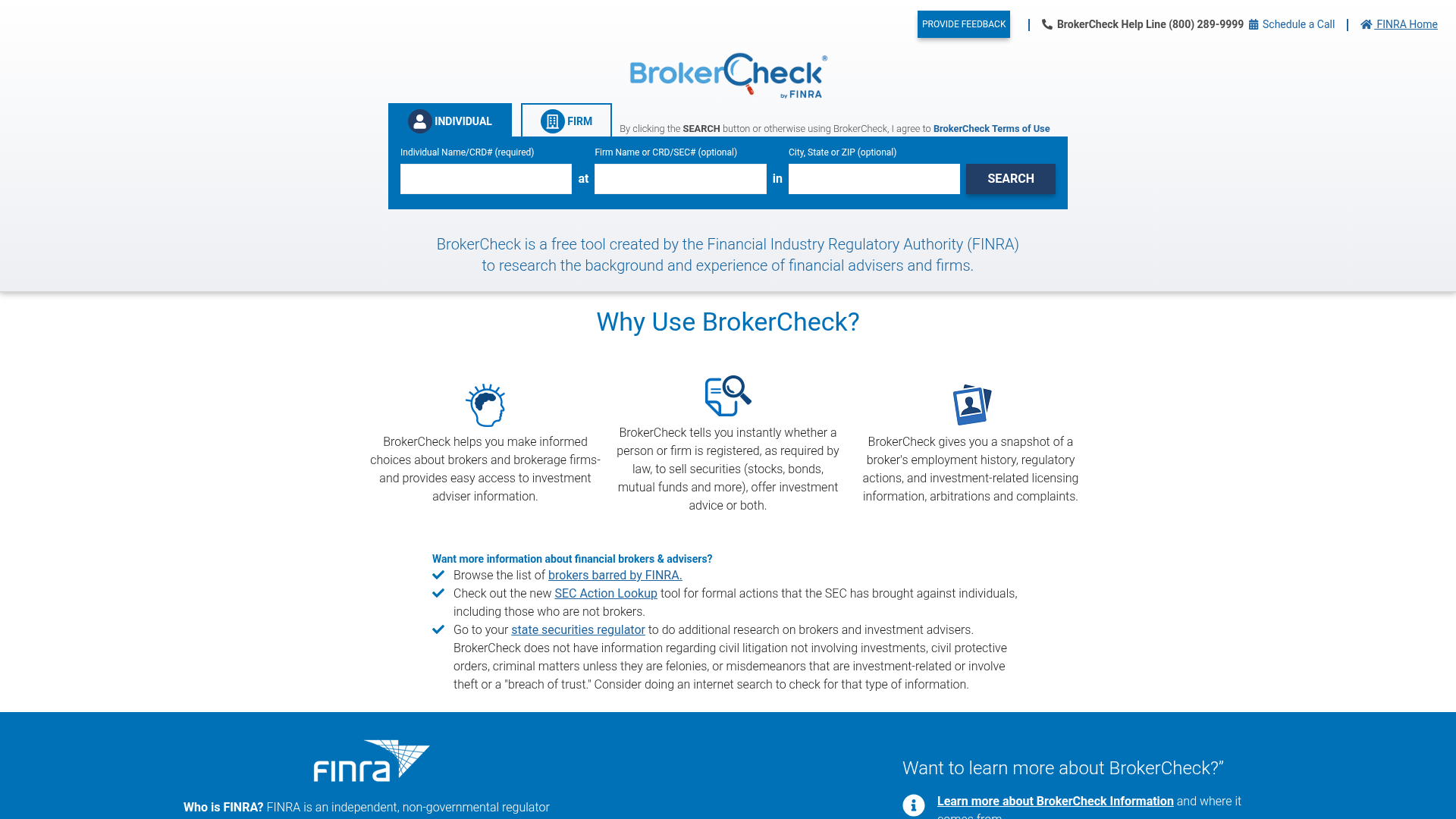
ทะเบียนอื่น ๆ ที่ใช้ในการตรวจสอบประเภทนี้ แต่ละรายการจะเปิดหน้าของหน่วยงานกำกับดูแลนั้น ๆ
แหล่งข้อมูลหลัก
ทุกข้อกล่าวอ้างข้างต้นสามารถตรวจสอบได้จากหน้าเว็บของหน่วยงานกำกับดูแลโดยตรง ลิงก์เหล่านี้จะนำท่านไปยังเว็บไซต์ของหน่วยงานกำกับดูแล ไม่ใช่เว็บไซต์ของเรา
- FINRA BrokerCheckbrokercheck.finra.orghttps://brokercheck.finra.org/
- NFA BASIC — background affiliation statusnfa.futures.orghttps://www.nfa.futures.org/basicnet/
- CFTC — Customer advisories on fraudcftc.govhttps://www.cftc.gov/LearnAndProtect/AdvisoriesAndArticles/index.htm
คำถามที่พบบ่อย
โดยปกติแล้ว การอนุญาโตตุลาการของ FINRA ใช้เวลานานเท่าใด?
ระยะเวลาของการอนุญาโตตุลาการของ FINRA แตกต่างกันอย่างมาก แต่คดีมาตรฐานสำหรับข้อเรียกร้องที่เกิน $100,000 โดยทั่วไปจะเสร็จสิ้นภายใน 12 ถึง 18 เดือน นับตั้งแต่วันที่ยื่นคำร้องจนถึงการออกคำชี้ขาด ส่วนกระบวนการอนุญาโตตุลาการแบบย่อสำหรับข้อเรียกร้องที่ต่ำกว่า $50,000 สามารถแก้ไขได้เร็วกว่า โดยมักจะอยู่ภายใน 6 ถึง 9 เดือน
ฉันสามารถเป็นตัวแทนตนเองในการอนุญาโตตุลาการของ FINRA ได้หรือไม่?
ได้ นักลงทุนมีสิทธิ์ที่จะเป็นตัวแทนตนเองในการอนุญาโตตุลาการของ FINRA อย่างไรก็ตาม กระบวนการนี้เกี่ยวข้องกับกฎระเบียบที่ซับซ้อนของขั้นตอนการดำเนินงาน การนำเสนอหลักฐาน และข้อโต้แย้งทางกฎหมาย ผู้เรียกร้องส่วนใหญ่เลือกที่จะว่าจ้างทนายความที่มีประสบการณ์ในการอนุญาโตตุลาการด้านหลักทรัพย์ เพื่อเพิ่มโอกาสในการได้รับผลลัพธ์ที่เป็นคุณและจัดการกับความซับซับซ้อนทางเทคนิคของกระบวนการ
ฉันสามารถเรียกร้องค่าเสียหายประเภทใดได้บ้างในการอนุญาโตตุลาการของ FINRA?
ผู้เรียกร้องสามารถเรียกร้องค่าเสียหายเชิงชดเชย (compensatory damages) ซึ่งมีวัตถุประสงค์เพื่อคืนสถานะทางการเงินให้กลับไปอยู่ในตำแหน่งที่ควรจะเป็น หากไม่มีการกระทำผิดเกิดขึ้น ในบางกรณี อาจมีการมอบค่าเสียหายเชิงลงโทษ (punitive damages) (เพื่อลงโทษการประพฤติมิชอบอย่างร้ายแรง) หรือค่าทนายความได้ แต่สิ่งเหล่านี้ไม่พบบ่อยนัก และโดยทั่วไปต้องมีเหตุผลทางกฎหมายหรือข้อกำหนดตามสัญญาที่เฉพาะเจาะจง
การอนุญาโตตุลาการของ FINRA มีผลผูกพันหรือไม่?
ใช่ คำตัดสินที่ออกโดยคณะอนุญาโตตุลาการของ FINRA ซึ่งเรียกว่า 'award' มีผลผูกพันทางกฎหมาย ซึ่งหมายความว่าทั้งสองฝ่ายมีหน้าที่ต้องปฏิบัติตามเงื่อนไขของคำชี้ขาด แม้ว่าจะมีเหตุผลที่จำกัดมากในการอุทธรณ์คำชี้ขาดต่อศาล แต่อุทธรณ์ดังกล่าวไม่ค่อยประสบความสำเร็จ และโดยทั่วไปเกี่ยวข้องกับการประพฤติมิชอบทางขั้นตอนมากกว่าสาระสำคัญของการตัดสินใจ
จะเกิดอะไรขึ้นหากโบรกเกอร์หรือบริษัทไม่ชำระเงินตามคำชี้ขาดของ FINRA?
หากผู้ถูกเรียกร้องไม่ชำระเงินตามคำชี้ขาดของ FINRA โดยสมัครใจ ผู้เรียกร้องจะต้องดำเนินการให้ศาลรับรองคำชี้ขาดให้เป็นคำพิพากษา คำพิพากษานี้สามารถบังคับใช้ได้ผ่านวิธีการเรียกเก็บหนี้ตามกฎหมายมาตรฐาน เช่น การยึดทรัพย์สิน หรือการอายัดค่าจ้าง อย่างไรก็ตาม หากผู้ถูกเรียกร้องล้มละลายหรือมีทรัพย์สินไม่เพียงพอ การเรียกเก็บเงินตามคำชี้ขาดอาจเป็นเรื่องที่ท้าทายหรือเป็นไปไม่ได้
มีทางเลือกอื่นนอกเหนือจากการอนุญาโตตุลาการของ FINRA หรือไม่?
ได้ ก่อนหรือระหว่างกระบวนการอนุญาโตตุลาการ คู่กรณีสามารถเข้าร่วมการไกล่เกลี่ย ซึ่งเป็นกระบวนการโดยสมัครใจและไม่มีผลผูกพันทางกฎหมาย โดยมีบุคคลที่สามที่เป็นกลางช่วยอำนวยความสะดวกในการประนีประนอมยอมความ ข้อพิพาทบางอย่างอาจสามารถแก้ไขได้ผ่านการเจรจาโดยตรงกับบริษัท หรือในกรณีที่หายาก ผ่านการดำเนินคดีในศาลของรัฐหรือศาลกลาง หากข้อตกลงอนุญาโตตุลาการอนุญาต