
ประเด็นสำคัญ
- ระบบ NFA BASIC เป็นเครื่องมือออนไลน์หลักที่ใช้งานได้ฟรี สำหรับการตรวจสอบการจดทะเบียนและการดำเนินการทางวินัยของโบรกเกอร์ฟอเร็กซ์ในสหรัฐฯ
- บริษัทจะต้องจดทะเบียนเป็น Forex Dealer Member (FDM) กับ NFA และ CFTC เพื่อให้บริการซื้อขายฟอเร็กซ์รายย่อยแก่ผู้ที่อาศัยอยู่ในสหรัฐฯ ได้อย่างถูกกฎหมาย
- การตรวจสอบประวัติการดำเนินการทางวินัยของโบรกเกอร์บน NFA BASIC จะเปิดเผยการละเมิดในอดีต ค่าปรับ และการระงับใบอนุญาต ซึ่งเป็นตัวบ่งชี้ที่สำคัญของความซื่อสัตย์ในการดำเนินงาน
- พึงระวังโบรกเกอร์ที่อ้างว่าดำเนินงานในสหรัฐฯ โดยไม่มีการจดทะเบียนกับ NFA ที่ตรวจสอบได้ การกล่าวอ้างดังกล่าว มักเป็นการปกปิดหน่วยงานที่อยู่นอกประเทศและมีการกำกับดูแลน้อยกว่า ซึ่งให้การคุ้มครองลูกค้าน้อยลง
- การซื้อขายฟอเร็กซ์ที่ได้รับการกำกับดูแลในสหรัฐฯ มีการคุ้มครองเฉพาะ เช่น การแยกเงินทุนของลูกค้า และข้อจำกัด leverage ที่บังคับใช้ โดยจำกัดไว้ที่ 1:50 สำหรับคู่สกุลเงินหลัก
การตรวจสอบแรก: การยืนยันคุณสมบัติของโบรกเกอร์ในการให้บริการลูกค้าในสหรัฐฯ
ก่อนที่จะลงทุนแม้แต่ดอลลาร์เดียวกับโบรกเกอร์ฟอเร็กซ์ออนไลน์ นักลงทุนรายย่อยในสหรัฐอเมริกาต้องปฏิบัติตามภาระผูกพันพื้นฐาน: การยืนยันว่านิติบุคคลนั้นได้รับอนุญาตตามกฎหมายให้ดำเนินงานภายในพรมแดนของสหรัฐฯ กระบวนการตรวจสอบนี้ไม่ใช่เพียงแค่พิธีการเท่านั้น แต่ยังเป็นเกราะป้องกันความเสี่ยงทางการเงินที่สำคัญและความคลุมเครือด้านกฎระเบียบ บริษัทหลายแห่ง ซึ่งมักจะตั้งอยู่นอกสหรัฐฯ อาจนำเสนอตัวเองว่าให้บริการแก่ผู้ที่อาศัยอยู่ในสหรัฐฯ โดยไม่มีใบอนุญาตที่จำเป็น ตัวอย่างเช่น โบรกเกอร์อย่าง Exness ซึ่งมีสำนักงานใหญ่ในไซปรัสและได้รับการกำกับดูแลโดย CySEC, FSCA หรือ FSA (เซเชลส์) จะไม่ได้รับอนุญาตให้ชักชวนหรือรับการซื้อขายฟอเร็กซ์รายย่อยจากลูกค้าในสหรัฐฯ แม้ว่าจะมีการดำเนินงานทั่วโลกก็ตาม ความแตกต่างที่สำคัญอยู่ที่สถานะการจดทะเบียนเฉพาะของพวกเขากับหน่วยงานของสหรัฐฯ
เครื่องมือสำคัญสำหรับการตรวจสอบเบื้องต้นนี้คือ Background Affiliation Status Information Center ของ National Futures Association (NFA) หรือที่รู้จักกันทั่วไปว่า NFA BASIC ฐานข้อมูลนี้เป็นฐานข้อมูลสาธารณะที่เข้าถึงได้ฟรี ซึ่งให้ข้อมูลที่ชัดเจนเกี่ยวกับบริษัทและบุคคลที่จดทะเบียนกับ NFA ซึ่งรวมถึงโบรกเกอร์ฟอเร็กซ์รายย่อยที่ถูกต้องตามกฎหมายทั้งหมดที่ดำเนินงานในสหรัฐฯ การไม่ใช้แหล่งข้อมูลนี้ทำให้นักลงทุนเสี่ยงต่อบริษัทที่อาจบิดเบือนสถานะการกำกับดูแลของตน เสนอเงื่อนไขการซื้อขายที่ไม่สมจริง หรือเพียงแค่หายไปพร้อมกับเงินทุนของลูกค้า นี่เป็นขั้นตอนพื้นฐานที่เทรดเดอร์มือใหม่จำนวนมากมองข้าม โดยคิดว่าเว็บไซต์ที่ดูเป็นมืออาชีพเท่ากับการดำเนินงานที่ถูกต้องตามกฎหมาย
กรอบการกำกับดูแล: การกำกับดูแลร่วมกันของ CFTC และ NFA
ในสหรัฐอเมริกา ตลาดฟอเร็กซ์รายย่อยดำเนินการภายใต้การกำกับดูแลที่เข้มงวดของสองหน่วยงานหลัก ได้แก่ Commodity Futures Trading Commission (CFTC) และ National Futures Association (NFA) CFTC ซึ่งเป็นหน่วยงานของรัฐบาลกลาง กำหนดกฎและข้อบังคับที่ครอบคลุมซึ่งควบคุมตลาดอนุพันธ์ รวมถึงฟอเร็กซ์นอกตลาดสำหรับรายย่อย โดยกำหนดกรอบกฎหมาย ดำเนินการบังคับใช้กฎหมายกับหน่วยงานที่ไม่ได้จดทะเบียน และออกคำแนะนำแก่ลูกค้าเกี่ยวกับแผนการฉ้อโกง ในทางกลับกัน NFA เป็นองค์กรกำกับดูแลตนเอง (SRO) สำหรับอุตสาหกรรมอนุพันธ์ของสหรัฐฯ ซึ่งได้รับอนุญาตจาก CFTC บทบาทขององค์กรเกี่ยวข้องกับการกำหนดและบังคับใช้มาตรฐานจริยธรรมและกฎการปฏิบัติ การตรวจสอบ และการให้บริการระงับข้อพิพาท บริษัทและบุคคลทั้งหมดที่ดำเนินกิจกรรมฟิวเจอร์สและฟอเร็กซ์รายย่อยกับสาธารณะจะต้องเป็นสมาชิก NFA และจดทะเบียนกับ CFTC
เพื่อให้บริษัทสามารถให้บริการซื้อขายฟอเร็กซ์รายย่อยแก่ผู้ที่อาศัยอยู่ในสหรัฐฯ ได้อย่างถูกกฎหมาย บริษัทจะต้องจดทะเบียนกับ CFTC และเป็นสมาชิก NFA ในฐานะ 'Forex Dealer Member' (FDM) การกำหนดเฉพาะนี้บ่งชี้ว่าบริษัทมีคุณสมบัติตรงตามข้อกำหนดด้านเงินทุนที่เข้มงวด ปฏิบัติตามมาตรฐานการดำเนินงานที่เข้มงวด และอยู่ภายใต้การตรวจสอบและเฝ้าระวังอย่างสม่ำเสมอโดยทั้ง NFA และ CFTC หากไม่มีการจดทะเบียน FDM นี้ โบรกเกอร์จะไม่สามารถชักชวนหรือรับเงินจากลูกค้าในสหรัฐฯ สำหรับการซื้อขายฟอเร็กซ์รายย่อยได้อย่างถูกกฎหมาย โครงสร้างการกำกับดูแลนี้ออกแบบมาเพื่อปกป้องความสมบูรณ์ของตลาดและปกป้องนักลงทุนรายย่อยจากการปฏิบัติที่เอารัดเอาเปรียบและความไม่มั่นคงทางการเงิน
การเข้าถึงและค้นหาระบบ NFA BASIC
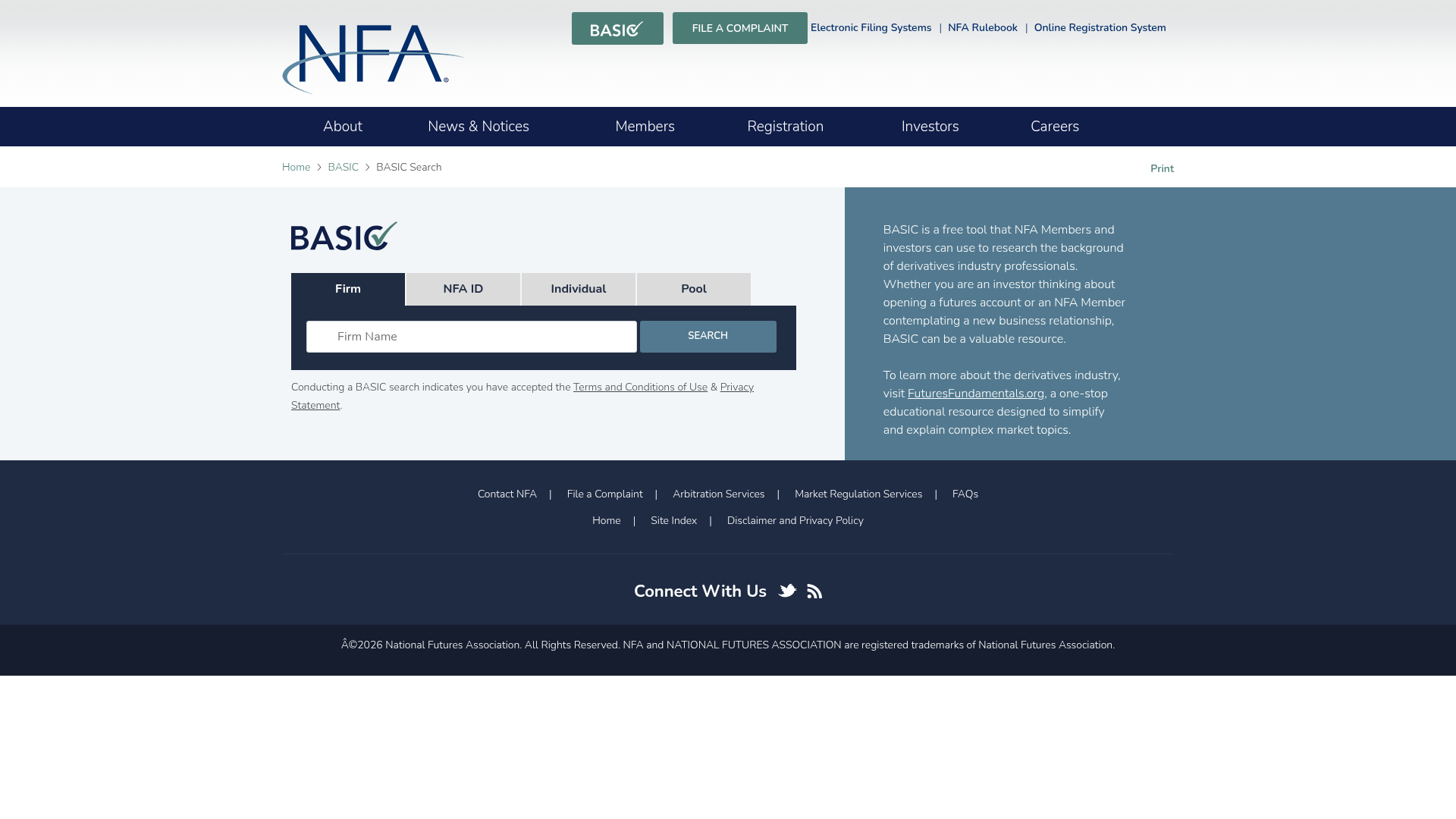
ระบบ NFA BASIC ใช้งานง่ายและเป็นช่องทางตรงในการตรวจสอบสถานะการกำกับดูแลของโบรกเกอร์ ในการเริ่มต้น ให้ไปที่เว็บไซต์ทางการของ NFA และค้นหาระบบ BASIC หน้าการค้นหาหลักมีตัวเลือกหลายอย่างสำหรับการสอบถาม: ค้นหาตามชื่อบริษัท ชื่อบุคคล หรือ NFA ID สำหรับโบรกเกอร์ฟอเร็กซ์รายย่อย จุดเริ่มต้นที่พบบ่อยและมีประสิทธิภาพที่สุดคือการค้นหาตามชื่อบริษัท ป้อนชื่อทางกฎหมายที่ถูกต้องของนิติบุคคลที่คุณกำลังตรวจสอบ การเปลี่ยนแปลงเล็กน้อยหรือชื่อเล่นอาจไม่ให้ผลลัพธ์หรือข้อมูลที่ไม่ถูกต้อง ตัวอย่างเช่น หากคุณกำลังตรวจสอบโบรกเกอร์อย่าง OANDA คุณจะป้อน 'OANDA Corporation' หรือเพียงแค่ 'OANDA' จากนั้นระบบจะแสดงรายการของหน่วยงานที่ตรงกัน ซึ่งคุณสามารถเลือกบริษัทที่ถูกต้องได้
เมื่อคุณเลือกบริษัทแล้ว BASIC จะแสดงหน้ารายละเอียดโปรไฟล์ หน้านี้จะแสดงสถานะการจดทะเบียนปัจจุบันของบริษัทกับ NFA รวมถึง NFA ID หมวดหมู่สมาชิก (เช่น FDM, IB) และประวัติการจดทะเบียน นอกจากนี้ยังจะแสดงการดำเนินการที่รอดำเนินการ ประวัติการดำเนินการทางวินัยในอดีต และบุคคลที่เกี่ยวข้องใดๆ สิ่งสำคัญคือต้องตรวจสอบแต่ละส่วนอย่างละเอียด รายละเอียดที่สำคัญที่มักถูกมองข้ามคือส่วน 'DBA' (Doing Business As) ซึ่งแสดงชื่ออื่น ๆ ที่บริษัทอาจใช้ สิ่งนี้สามารถช่วยชี้แจงได้ว่าโบรกเกอร์ที่คุณพบภายใต้ชื่อหนึ่งเป็นส่วนหนึ่งของหน่วยงานที่ได้รับการกำกับดูแลหรือไม่ อินเทอร์เฟซของ NFA BASIC มีเป้าหมายเพื่อความชัดเจน แต่การตีความข้อมูลทั้งหมดต้องใช้ความระมัดระวัง
วิธีการค้นหาทั่วไปในระบบ NFA BASIC
| ประเภทการค้นหา | วัตถุประสงค์ | ผลลัพธ์ที่คาดหวัง |
|---|---|---|
| ชื่อบริษัท | ตรวจสอบสถานะการกำกับดูแลของโบรกเกอร์ | รายชื่อบริษัทที่ตรงกัน พร้อม NFA ID และสถานะการจดทะเบียน |
| ชื่อบุคคล | ตรวจสอบประวัติการจดทะเบียนและประวัติการถูกลงโทษของบุคคลนั้นๆ | รายชื่อบุคคลที่มีความเกี่ยวข้องกับ NFA บทบาท และการดำเนินการทางวินัยใดๆ |
| NFA ID | เข้าถึงโปรไฟล์ของบริษัทหรือบุคคลได้โดยตรง หากทราบ NFA ID | แสดงโปรไฟล์ NFA โดยละเอียดของบริษัทหรือบุคคลนั้นทันที |
| ที่อยู่/เมือง/รัฐ | ค้นหาบริษัทที่ดำเนินงานในพื้นที่ทางภูมิศาสตร์ที่ระบุ (ไม่ค่อยใช้สำหรับการตรวจสอบโบรกเกอร์เบื้องต้น) | รายชื่อนิติบุคคลที่จดทะเบียนกับ NFA ที่เกี่ยวข้องกับสถานที่ที่ค้นหา |
ถอดรหัสสถานะการจดทะเบียนสำหรับผู้ค้า Forex รายย่อยในสหรัฐอเมริกา
เมื่อตรวจสอบโปรไฟล์ของบริษัทบน NFA BASIC จะพบสถานะการจดทะเบียนต่างๆ ซึ่งแต่ละสถานะมีความหมายที่แตกต่างกันสำหรับนักเทรด Forex รายย่อย สถานะที่สำคัญที่สุดสำหรับผู้ที่เทรดสกุลเงินในสหรัฐอเมริกาคือ 'Forex Dealer Member' (FDM) สถานะนี้บ่งชี้ว่าบริษัทได้จดทะเบียนกับ CFTC และเป็นสมาชิกของ NFA ซึ่งได้รับอนุญาตให้เป็นคู่สัญญาในการทำธุรกรรม Forex รายย่อยได้ บริษัทใดๆ ที่ถือเงินทุนของลูกค้าสำหรับการเทรด Forex รายย่อย ต้อง มีสถานะ FDM นี้ บริษัทอย่าง FOREX.com (StoneX Financial Inc.) และ OANDA Corporation เป็นตัวอย่างของ FDM ที่ถูกต้องตามกฎหมาย
หมวดหมู่การจดทะเบียนอื่นๆ ของ NFA ก็มีอยู่ แต่ไม่ได้รับอนุญาตให้บริษัททำหน้าที่เป็นผู้ค้า Forex รายย่อยที่ถือเงินทุนของลูกค้าได้ ตัวอย่างเช่น 'Introducing Broker' (IB) จะชักชวนหรือรับคำสั่งซื้อขายสัญญาซื้อขายล่วงหน้าหรือสัญญาออปชั่น หรือธุรกรรม Forex รายย่อย แต่จะไม่รับเงินหรือสินทรัพย์อื่นๆ จากลูกค้า พวกเขาจะต้องแนะนำบัญชีลูกค้าให้กับ FDM หรือ Futures Commission Merchant (FCM) ในทำนองเดียวกัน 'Commodity Trading Advisor' (CTA) จะให้คำแนะนำแก่ผู้อื่นเกี่ยวกับการเทรดสัญญาซื้อขายล่วงหน้า ออปชั่น หรือ Forex รายย่อย ในขณะที่ 'Commodity Pool Operator' (CPO) จะบริหารกองทุนที่ลงทุนในตลาดเหล่านี้ หากบริษัทที่ให้บริการเทรด Forex รายย่อยโดยตรงแสดงสถานะการจดทะเบียนเป็นเพียง IB, CTA, หรือ CPO หรือสถานะอื่นใดที่ไม่ใช่ FDM บริษัทนั้นไม่ได้รับอนุญาตให้ทำหน้าที่เป็นโบรกเกอร์โดยตรงของคุณและถือเงินทุนสำหรับการเทรดของคุณได้ ความแตกต่างนี้มักถูกเข้าใจผิด ทำให้นักลงทุนเชื่อว่าตนเองได้รับการคุ้มครอง ทั้งที่จริงแล้วไม่ใช่ การยืนยันสถานะ FDM ที่ถูกต้องแม่นยำไม่ใช่รายละเอียดเล็กน้อย แต่เป็นหัวใจสำคัญของการปฏิบัติตามกฎระเบียบ Forex รายย่อยของสหรัฐอเมริกา
การยืนยันสถานะ Forex Dealer Member ของบริษัทบน NFA BASIC ไม่ใช่แค่ข้อเสนอแนะ แต่เป็นการป้องกันพื้นฐานจากการดำเนินงานที่ไร้การกำกับดูแลและความเสียหายทางการเงินที่อาจเกิดขึ้นสำหรับเทรดเดอร์ฟอเร็กซ์ในสหรัฐฯ
Alan Reeve
การตีความการดำเนินการทางวินัยและการลงโทษ
ระบบ NFA BASIC ช่วยให้สามารถเข้าถึงประวัติการดำเนินการทางวินัยทั้งหมดของบริษัท ซึ่งเป็นช่องทางในการดูพฤติกรรมในอดีตและการปฏิบัติตามมาตรฐานการกำกับดูแล ส่วนนี้มักถูกมองข้าม แต่มีข้อมูลที่สำคัญยิ่ง การดำเนินการทางวินัยอาจมีตั้งแต่การกระทำผิดเล็กน้อย เช่น การตักเตือนทางปกครองสำหรับข้อบกพร่องในการเก็บรักษาบันทึก ไปจนถึงการลงโทษที่รุนแรง รวมถึงค่าปรับจำนวนมาก การระงับสิทธิ์ในการซื้อขาย หรือแม้กระทั่งการเพิกถอนสมาชิกภาพ NFA แต่ละรายการมักจะระบุรายละเอียดของลักษณะการละเมิด วันที่ดำเนินการ และมาตรการลงโทษที่กำหนด
เมื่อพิจารณาบันทึกเหล่านี้ ควรให้ความสนใจอย่างใกล้ชิดกับความถี่และความรุนแรงของการดำเนินการ การกระทำผิดเล็กน้อยเพียงครั้งเดียวเมื่อหลายปีก่อนอาจไม่ใช่เรื่องที่น่ากังวล แต่รูปแบบของการละเมิดซ้ำๆ โดยเฉพาะอย่างยิ่งที่เกี่ยวข้องกับเงินทุนของลูกค้า การบิดเบือนความจริง หรือการไม่กำกับดูแล ควรทำให้เกิดความกังวลอย่างมาก การดำเนินการโดย CFTC ก็จะถูกระบุไว้ด้วย ซึ่งบางครั้งอาจส่งผลให้เกิดการลงโทษที่สำคัญ เช่น ค่าปรับทางแพ่งเป็นเงิน $100,000 และการเพิกถอนการจดทะเบียนที่ CFTC ได้ดำเนินการกับนิติบุคคลที่ไม่ได้จดทะเบียนในการดำเนินการบังคับใช้กฎหมายล่าสุด บันทึกการดำเนินการทางวินัยเหล่านี้สะท้อนถึงความซื่อสัตย์ในการดำเนินงานของบริษัทและความมุ่งมั่นในการคุ้มครองนักลงทุน บริษัทที่มีประวัติการดำเนินการทางวินัยที่ยาวนานหรือรุนแรงบ่งชี้ถึงความเสี่ยงที่สูงขึ้น โดยไม่คำนึงถึงสถานะการจดทะเบียนในปัจจุบัน ความไม่สอดคล้องกันระหว่างคำกล่าวอ้างทางการตลาดของโบรกเกอร์ที่ว่า 'ได้รับรางวัล' หรือ 'น่าเชื่อถือ' กับบันทึกที่เต็มไปด้วยการลงโทษ ควรได้รับการพิจารณาด้วยความระมัดระวังอย่างยิ่งยวด
การตีความประเภทของการดำเนินการทางวินัยบน NFA BASIC
| ประเภทของการดำเนินการ | ความรุนแรง | ผลกระทบที่อาจเกิดขึ้นต่อนักลงทุน |
|---|---|---|
| การตักเตือนทางปกครอง | ต่ำ | ปัญหาเล็กน้อย มักเป็นเรื่องขั้นตอนการปฏิบัติงาน โดยปกติแล้วไม่เป็นภัยคุกคามโดยตรงต่อเงินทุนของลูกค้า |
| ค่าปรับทางการเงิน | ปานกลางถึงสูง | การละเมิดกฎของ NFA/CFTC ขนาดของค่าปรับบ่งชี้ถึงความรุนแรง อาจสะท้อนถึงความเสียหายที่เกิดขึ้นกับลูกค้าในอดีต |
| การระงับการจดทะเบียน | สูง | การสูญเสียสิทธิ์ในการดำเนินงานชั่วคราว บ่งชี้ถึงการละเมิดกฎอย่างร้ายแรง |
| การเพิกถอนการจดทะเบียน | สูงมาก | การสูญเสียสิทธิ์ในการดำเนินงานอย่างถาวร มักเกิดจากการประพฤติมิชอบอย่างร้ายแรงหรือการฉ้อโกง |
| คำสั่งให้ยุติการกระทำ | สูง | คำสั่งให้หยุดกิจกรรมต้องห้ามเฉพาะเจาะจง มักมาจาก CFTC สำหรับการละเมิดที่ดำเนินอยู่ |
ขอบเขตที่จำกัดของโบรกเกอร์ Forex รายย่อยที่อยู่ภายใต้การกำกับดูแลของสหรัฐฯ
สภาพแวดล้อมด้านกฎระเบียบของสหรัฐฯ สำหรับ Forex รายย่อยนั้นเข้มงวดเมื่อเทียบกับเขตอำนาจศาลอื่น ๆ แนวทางที่เข้มงวดนี้ซึ่งขับเคลื่อนโดย CFTC และ NFA ส่งผลให้มี Forex Dealer Members (FDMs) จำนวนค่อนข้างน้อยที่ดำเนินงานในประเทศ ในขณะที่โบรกเกอร์ที่เป็นที่รู้จักทั่วโลกอย่าง Pepperstone (กำกับดูแลโดย FCA, ASIC, CySEC) หรือ IC Markets (กำกับดูแลโดย ASIC, CySEC, FSA Seychelles) มีการดำเนินงานในระดับสากลอย่างกว้างขวาง แต่บริการ Forex รายย่อยของพวกเขาไม่สามารถให้บริการแก่ผู้อยู่อาศัยในสหรัฐฯ ได้ สำหรับนักลงทุนในสหรัฐฯ ทางเลือกของโบรกเกอร์ที่ได้รับการกำกับดูแลอย่างแท้จริงนั้นจำกัดเฉพาะผู้ที่ถือการจดทะเบียน FDM โดยเฉพาะ
การเลือกที่จำกัดนี้มาพร้อมกับการคุ้มครองเฉพาะ โบรกเกอร์ที่อยู่ภายใต้การกำกับดูแลของสหรัฐฯ จะอยู่ภายใต้เพดาน leverage สูงสุดที่ 1:50 สำหรับคู่สกุลเงินหลัก และ 1:20 สำหรับคู่สกุลเงินรอง ซึ่งเป็นมาตรการที่ออกแบบมาเพื่อลดความเสี่ยงที่มากเกินไปสำหรับเทรดเดอร์รายย่อย เงินทุนของลูกค้าจะต้องถูกแยกบัญชีไว้ในธนาคารของสหรัฐฯ แยกต่างหากจากเงินทุนดำเนินงานของโบรกเกอร์ ซึ่งเป็นชั้นของการรักษาความปลอดภัยในกรณีที่โบรกเกอร์ล้มละลาย การป้องกันยอดคงเหลือติดลบ (Negative balance protection) เป็นคุณสมบัติโดยธรรมชาติที่ช่วยให้มั่นใจว่าลูกค้าจะไม่สามารถขาดทุนเกินกว่าเงินทุนที่ฝากไว้ เมื่อเลือกโบรกเกอร์ที่อยู่ภายใต้การกำกับดูแลของสหรัฐฯ การคุ้มครองเหล่านี้เป็นมาตรฐาน ซึ่งช่วยลดความเสี่ยงที่เกี่ยวข้องกับการซื้อขายเก็งกำไรได้อย่างมาก ตัวอย่างเช่น OANDA โบรกเกอร์ที่ก่อตั้งในปี 1996 และมีสำนักงานใหญ่ในนิวยอร์ก และ FOREX.com ซึ่งก่อตั้งในปี 2001 และมีสำนักงานใหญ่ในนิวเจอร์ซีย์ เป็นตัวอย่างของ FDMs ที่ดำเนินงานมายาวนาน
อันตรายจากหน่วยงานนอกชายฝั่งที่ไม่ได้รับการกำกับดูแลและการบิดเบือนความจริง
ความท้าทายที่ยังคงมีอยู่สำหรับนักลงทุนในสหรัฐฯ คือการแพร่หลายของโบรกเกอร์ Forex ที่ดำเนินงานจากเขตอำนาจศาลนอกชายฝั่งซึ่งชักชวนลูกค้าในสหรัฐฯ อย่างแข็งขันโดยไม่มีการจดทะเบียนกับ NFA และ CFTC อย่างถูกต้อง บริษัทเหล่านี้มักเสนอข้อเสนอที่น่าดึงดูด เช่น leverage ที่สูงมาก (เช่น 1:500 หรือสูงกว่า) โบนัสการซื้อขาย และคำมั่นสัญญาว่าจะได้กำไรอย่างรวดเร็วและมหาศาล อย่างไรก็ตาม คุณสมบัติที่น่าดึงดูดเหล่านี้มักมาพร้อมกับความเสี่ยงที่ร้ายแรง โบรกเกอร์ที่ได้รับการกำกับดูแลโดยหน่วยงานในเขตอำนาจศาล เช่น เซเชลส์ วานูอาตู หรือเซนต์วินเซนต์และเกรนาดีนส์ แม้จะมีความชอบธรรมในตัวเองสำหรับลูกค้าที่อยู่นอกสหรัฐฯ แต่ก็ไม่มีการคุ้มครองตามกฎระเบียบของสหรัฐฯ
เมื่อผู้อยู่อาศัยในสหรัฐฯ ฝากเงินกับหน่วยงานดังกล่าว พวกเขาจะสละการคุ้มครองทั้งหมดที่จัดหาให้โดย CFTC และ NFA ในกรณีที่มีข้อพิพาท การจัดการที่ไม่เหมาะสม หรือการฉ้อโกงโดยตรง การดำเนินการเรียกร้องกับโบรกเกอร์นอกชายฝั่งจะกลายเป็นเรื่องยากอย่างเหลือเชื่อและมักจะไร้ประโยชน์ ไม่มีหน่วยงานของสหรัฐฯ ที่มีเขตอำนาจศาล และการดำเนินการทางกฎหมายในศาลต่างประเทศอาจมีค่าใช้จ่ายสูงและซับซ้อนอย่างมาก กรณีที่บริษัทปฏิเสธการถอนเงิน บิดเบือนแพลตฟอร์มการซื้อขาย หรือหายไปเฉย ๆ มีจำนวนสูงผิดปกติในหมู่โบรกเกอร์นอกชายฝั่งที่ไม่ได้รับการกำกับดูแลหรือไม่ได้รับการกำกับดูแลอย่างเหมาะสมซึ่งมุ่งเป้าไปที่ตลาดสหรัฐฯ CFTC มี 'RED List' (Registration Deficient List) เพื่อเน้นย้ำถึงหน่วยงานที่ดูเหมือนจะดำเนินงานโดยไม่มีการจดทะเบียนที่ถูกต้อง ซึ่งเป็นแหล่งข้อมูลที่เป็นประโยชน์อีกอย่างหนึ่งในการระบุภัยคุกคามที่อาจเกิดขึ้น นักลงทุนต้องเข้าใจว่าที่ตั้งทางกายภาพและใบอนุญาตกำกับดูแลในท้องถิ่นของโบรกเกอร์มีความสำคัญ ไม่ใช่แค่การแสดงตนทางออนไลน์หรือการกล่าวอ้างทางการตลาด
นอกเหนือจาก BASIC: พิธีสารการตรวจสอบอย่างละเอียด
แม้ว่า NFA BASIC จะเป็นหัวใจสำคัญในการตรวจสอบโบรกเกอร์ Forex ของสหรัฐฯ แต่พิธีสารการตรวจสอบอย่างเต็มรูปแบบจะขยายไปไกลกว่าการค้นหาในฐานข้อมูลเดียว หลังจากยืนยันสถานะ FDM บน NFA BASIC แล้ว นักลงทุนควรตรวจสอบข้อมูลนี้กับเว็บไซต์ทางการของโบรกเกอร์ เว็บไซต์ระบุสถานะการกำกับดูแลของสหรัฐฯ และ NFA ID อย่างชัดเจนหรือไม่? รายละเอียดการติดต่อและที่อยู่ทางกายภาพสอดคล้องกับข้อมูลใน BASIC หรือไม่? ความคลาดเคลื่อนในจุดนี้อาจเป็นตัวบ่งชี้ที่สำคัญว่าโบรกเกอร์กำลังบิดเบือนข้อมูลของตนเอง
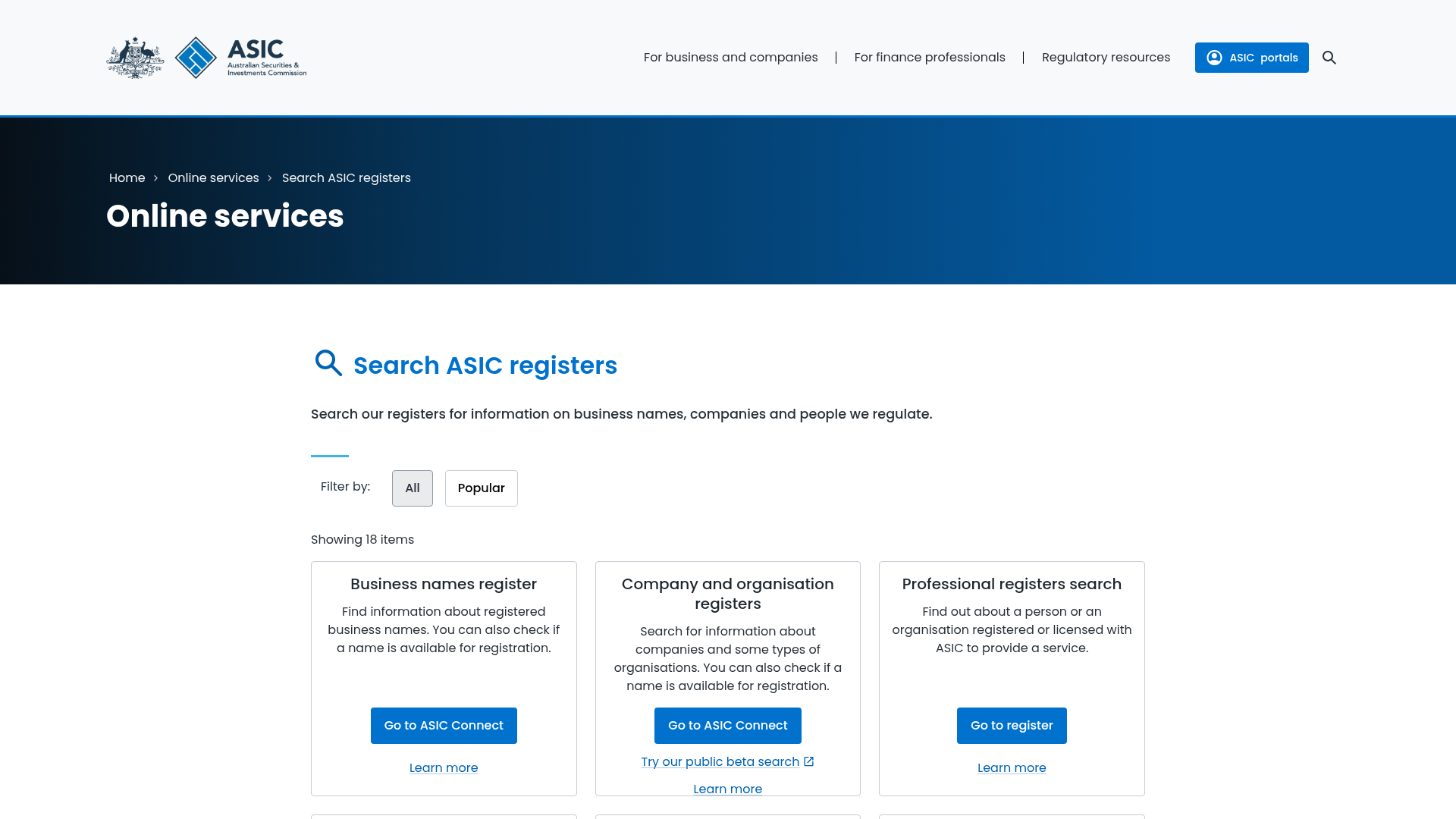
ถัดไป ตรวจสอบเว็บไซต์ของ CFTC สำหรับคำแนะนำล่าสุดหรือการดำเนินการบังคับใช้กฎหมายต่อบริษัท CFTC เผยแพร่คำแนะนำสำหรับลูกค้าเกี่ยวกับการฉ้อโกงและดูแลรายการการดำเนินการบังคับใช้กฎหมาย นอกจากนี้ยังควรทำการค้นหาทางอินเทอร์เน็ตทั่วไปสำหรับชื่อบริษัท โดยเฉพาะอย่างยิ่งการมองหาบทความข่าว เว็บไซต์รีวิวที่มีชื่อเสียง และคำเตือนอย่างเป็นทางการจากหน่วยงานกำกับดูแลทั่วโลกอื่น ๆ (เช่น FCA Warning List, ASIC Professional Registers) แม้ว่าแหล่งข้อมูลเหล่านี้จะไม่ใช่หลักฐานที่ชัดเจนของการกระทำผิด แต่รายงานเชิงลบที่สอดคล้องกันหรือคำเตือนอย่างเป็นทางการ แม้แต่จากหน่วยงานกำกับดูแลที่ไม่ใช่ของสหรัฐฯ ก็สามารถให้บริบทที่กว้างขึ้นเกี่ยวกับจรรยาบรรณในการดำเนินงานของบริษัท โปรดจำไว้ว่าโบรกเกอร์ที่ถูกกฎหมายจะมีข้อมูลที่ชัดเจนและสอดคล้องกันในทุกแหล่งข้อมูลที่เป็นทางการ การปิดบังข้อมูล ข้อมูลที่ขัดแย้งกัน หรือการขาดความโปร่งใส ควรได้รับการพิจารณาว่าเป็นสัญญาณเตือน นี่คือส่วนที่คู่มือส่วนใหญ่ข้ามไป: การตรวจสอบสถานะอย่างต่อเนื่องที่จำเป็นเพื่อปกป้องเงินทุนของคุณ
การคุ้มครองลูกค้าและการเยียวยาสำหรับบริษัทที่อยู่ภายใต้การกำกับดูแลของสหรัฐฯ
บทบาทของ NFA ไม่ได้จำกัดอยู่เพียงแค่การจดทะเบียนเท่านั้น แต่ยังรวมถึงการจัดหากลไกการคุ้มครองที่สำคัญและช่องทางในการเรียกร้องสำหรับลูกค้าของ Forex Dealer Members (FDMs) ที่อยู่ภายใต้การกำกับดูแลของสหรัฐอเมริกา การคุ้มครองหลักประการหนึ่งคือข้อกำหนดให้ FDM ต้องแยกเงินทุนของลูกค้าออกจากกัน ซึ่งหมายความว่าเงินทุนในการซื้อขายของคุณจะถูกเก็บไว้ในบัญชีธนาคารแยกต่างหาก ไม่ปะปนกับเงินทุนในการดำเนินงานของโบรกเกอร์ ในกรณีที่โบรกเกอร์ล้มละลาย การแยกเงินทุนนี้จะช่วยให้มั่นใจได้ว่าเงินทุนของลูกค้าจะได้รับการคุ้มครองและสามารถคืนกลับได้ แทนที่จะถูกนำไปใช้เพื่อชำระหนี้ให้กับเจ้าหนี้ของโบรกเกอร์ นี่คือมาตรการป้องกันที่สำคัญ ซึ่งมักจะไม่มีอยู่หรือมีประสิทธิภาพน้อยกว่าในกรณีของหน่วยงานนอกชายฝั่งที่ไม่ได้รับการกำกับดูแล หากเกิดข้อพิพาทกับ FDM ที่เป็นสมาชิก NFA ลูกค้าสามารถเข้าถึงโปรแกรมอนุญาโตตุลาการและการไกล่เกลี่ยของ NFA ได้ โปรแกรมเหล่านี้ออกแบบมาเพื่อให้กระบวนการยุติข้อร้องเรียนที่เป็นธรรมและมีประสิทธิภาพ โดยไม่ต้องพึ่งการดำเนินคดีที่มีค่าใช้จ่ายสูงและใช้เวลานาน สำหรับข้อกังวลที่ร้ายแรงกว่าหรือการฉ้อโกงที่ต้องสงสัย นักลงทุนสามารถยื่นเรื่องร้องเรียนโดยตรงกับ NFA, CFTC หรือแม้แต่ศูนย์รับเรื่องร้องเรียนอาชญากรรมทางอินเทอร์เน็ตของ FBI (IC3) ช่องทางที่เป็นทางการเหล่านี้มีกระบวนการที่มีโครงสร้างสำหรับการสอบสวนและการดำเนินการบังคับใช้กฎหมายที่อาจเกิดขึ้น การมีอยู่ของกลไกเหล่านี้เป็นประโยชน์ที่จับต้องได้ของการซื้อขายกับโบรกเกอร์ที่ได้รับการกำกับดูแลอย่างถูกต้องในสหรัฐฯ ซึ่งเป็นเส้นทางที่ชัดเจนในการจัดการกับปัญหาที่อาจทำให้นักลงทุนไม่มีทางเลือกเมื่อต้องรับมือกับบริษัทต่างชาติที่ไม่ได้รับการกำกับดูแล ในทางปฏิบัติ เจ้าหน้าที่ NFA มักจะขอเอกสารประกอบโดยละเอียด ดังนั้นการเก็บรักษาบันทึกการสื่อสารและธุรกรรมทั้งหมดอย่างรอบคอบจึงเป็นสิ่งสำคัญ
การเฝ้าระวังอย่างต่อเนื่อง: นอกเหนือจากการจดทะเบียนครั้งแรก
การยืนยันการจดทะเบียนของโบรกเกอร์กับ NFA เป็นขั้นตอนแรกที่สำคัญ แต่ไม่ใช่จุดสิ้นสุดของการตรวจสอบสถานะของนักลงทุน สถานะการกำกับดูแลของบริษัทสามารถเปลี่ยนแปลงได้ตลอดเวลาเนื่องจากปัจจัยต่างๆ เช่น การเข้าซื้อกิจการ การละเมิดกฎระเบียบ หรือการถอนตัวโดยสมัครใจจากตลาดเฉพาะ ดังนั้น การเฝ้าระวังอย่างต่อเนื่องจึงเป็นสิ่งสำคัญ การตรวจสอบระบบ NFA BASIC ซ้ำเป็นระยะๆ เพื่อดูการอัปเดตสถานะการจดทะเบียนของโบรกเกอร์หรือประวัติการลงโทษถือเป็นการปฏิบัติที่รอบคอบ โดยเฉพาะอย่างยิ่งก่อนที่จะทำการฝากเงินเพิ่มเติม หรือหากคุณสังเกตเห็นการเปลี่ยนแปลงที่ผิดปกติในบริการของพวกเขา ติดตามข่าวสารเกี่ยวกับการเปลี่ยนแปลงกฎระเบียบทั่วไป หรือคำแนะนำที่ออกโดย CFTC และ NFA หน่วยงานเหล่านี้มักจะเผยแพร่คำเตือนเกี่ยวกับแผนการฉ้อโกงใหม่ๆ หรือหน่วยงานที่พยายามหลีกเลี่ยงกฎระเบียบ การสมัครรับการแจ้งเตือนอย่างเป็นทางการหรือการตรวจสอบเว็บไซต์ของพวกเขาเป็นประจำสามารถให้ข้อมูลเชิงลึกที่มีคุณค่าเกี่ยวกับความเสี่ยงที่กำลังพัฒนา การคุ้มครองของคุณในฐานะนักเทรด Forex รายย่อยขึ้นอยู่กับความพยายามเชิงรุกของคุณในการยืนยันและติดตามการปฏิบัติตามกฎระเบียบของโบรกเกอร์อย่างต่อเนื่อง อย่าสันนิษฐานว่าเมื่อโบรกเกอร์ได้รับการยืนยันแล้ว พวกเขาจะยังคงปฏิบัติตามกฎระเบียบตลอดไป สภาพแวดล้อมด้านกฎระเบียบมีการเปลี่ยนแปลงอยู่เสมอ และมาตรการป้องกันของคุณก็ควรเป็นเช่นนั้นด้วย
หน้าที่เราตรวจสอบ
นี่คือหน้าเว็บของหน่วยงานกำกับดูแลเอง ซึ่งเราได้บันทึกไว้ตามที่พบ เปิดหน้าเว็บและทำการค้นหาเดียวกันด้วยตนเอง ไม่มีสิ่งใดในทะเบียนนี้มาแทนที่แหล่งข้อมูลต้นฉบับได้
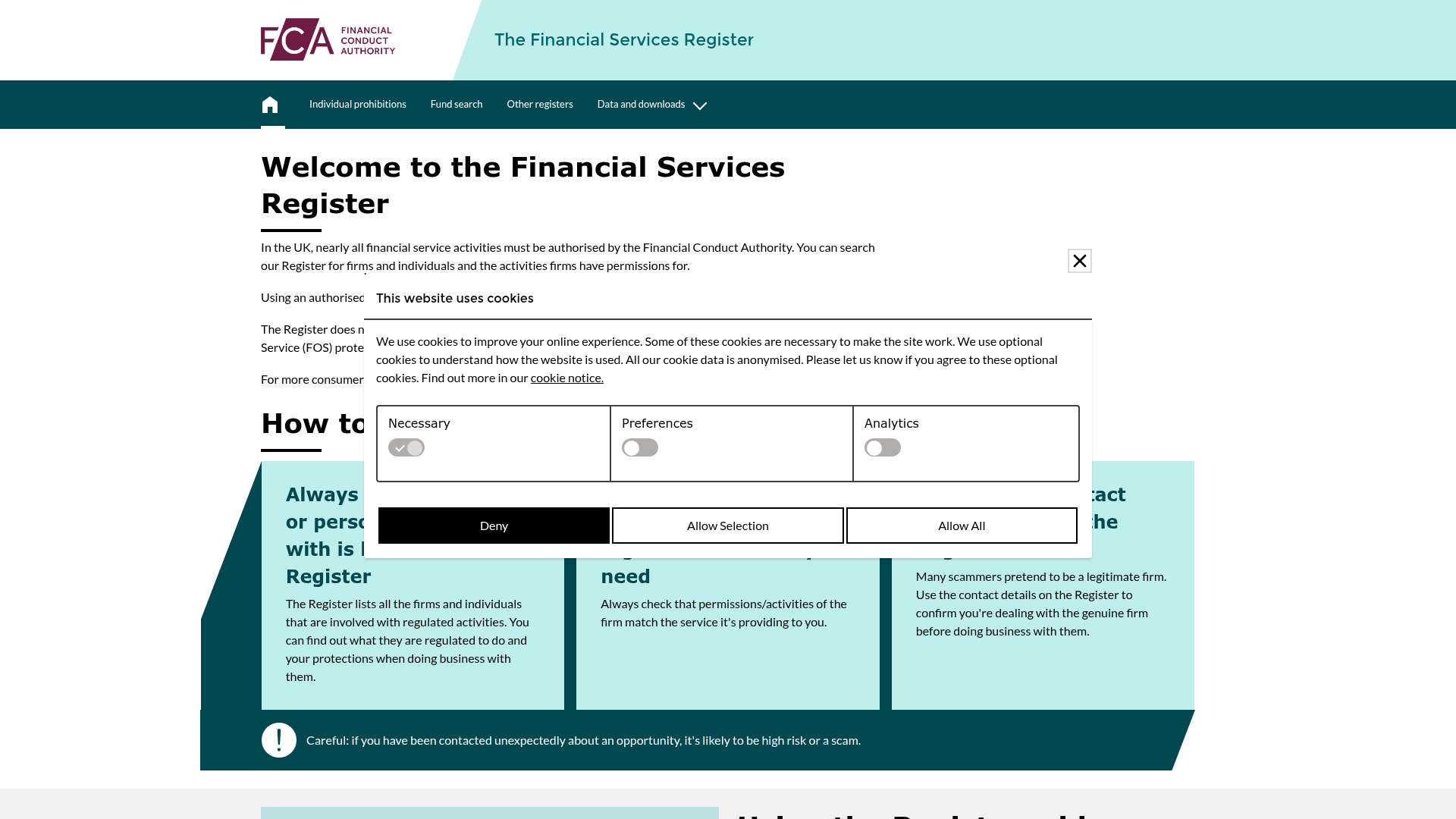
ทะเบียนอื่น ๆ ที่ใช้ในการตรวจสอบประเภทนี้ แต่ละรายการจะเปิดหน้าของหน่วยงานกำกับดูแลนั้น ๆ
แหล่งข้อมูลหลัก
ทุกข้อกล่าวอ้างข้างต้นสามารถตรวจสอบได้จากหน้าเว็บของหน่วยงานกำกับดูแลโดยตรง ลิงก์เหล่านี้จะนำท่านไปยังเว็บไซต์ของหน่วยงานกำกับดูแล ไม่ใช่เว็บไซต์ของเรา
- NFA BASIC — background affiliation statusnfa.futures.orghttps://www.nfa.futures.org/basicnet/
- CFTC — Registration Deficient (RED) Listcftc.govhttps://www.cftc.gov/check
- CFTC — Customer advisories on fraudcftc.govhttps://www.cftc.gov/LearnAndProtect/AdvisoriesAndArticles/index.htm
- FBI IC3 — Internet Crime Reportic3.govhttps://www.ic3.gov/AnnualReport/Reports
- FCA — Warning list of unauthorised firmsfca.org.ukhttps://www.fca.org.uk/consumers/warning-list-unauthorised-firms
คำถามที่พบบ่อย
NFA BASIC คืออะไร และทำไมจึงสำคัญสำหรับนักเทรด Forex ในสหรัฐอเมริกา?
NFA BASIC (Background Affiliation Status Information Center) เป็นเครื่องมือออนไลน์ฟรีที่จัดทำโดย National Futures Association มีความสำคัญอย่างยิ่งสำหรับนักเทรด Forex ในสหรัฐอเมริกา เนื่องจากช่วยให้พวกเขาสามารถตรวจสอบได้ว่าโบรกเกอร์ Forex ได้รับการจดทะเบียนอย่างถูกต้องตามกฎหมายกับ NFA และ CFTC ในฐานะ Forex Dealer Member (FDM) ซึ่งเป็นข้อกำหนดในการนำเสนอบริการ Forex แก่ลูกค้ารายย่อยในสหรัฐฯ อย่างถูกกฎหมาย
สถานะ 'Forex Dealer Member' (FDM) บน NFA BASIC หมายความว่าอย่างไร?
สถานะ FDM บ่งชี้ว่าบริษัทได้รับการจดทะเบียนกับ NFA และ CFTC ในฐานะ Forex Dealer Member นี่คือประเภทการกำกับดูแลเฉพาะที่กำหนดสำหรับหน่วยงานใดๆ ที่ถือเงินทุนของลูกค้าสำหรับการซื้อขาย Forex นอกตลาดสำหรับลูกค้ารายย่อยในสหรัฐอเมริกา หากไม่มีสถานะ FDM โบรกเกอร์ไม่สามารถให้บริการลูกค้า Forex รายย่อยในสหรัฐฯ ได้อย่างถูกกฎหมาย
ฉันสามารถซื้อขายกับโบรกเกอร์ Forex ที่ไม่ได้อยู่ในระบบ NFA BASIC ได้หรือไม่?
ไม่ หากคุณเป็นพลเมืองสหรัฐฯ คุณไม่ควรซื้อขายกับโบรกเกอร์ Forex ที่ไม่ได้ระบุว่าเป็น Forex Dealer Member (FDM) ที่จดทะเบียนใน NFA BASIC บริษัทที่ไม่ได้ระบุหรือจดทะเบียนเป็น FDM กำลังดำเนินการอย่างผิดกฎหมายในสหรัฐฯ และไม่มีการคุ้มครองตามกฎระเบียบของสหรัฐฯ ซึ่งทำให้เงินทุนของคุณมีความเสี่ยงสูง
ฉันสามารถหาข้อมูลเกี่ยวกับการลงโทษประเภทใดได้บ้างใน NFA BASIC?
NFA BASIC ให้ประวัติการลงโทษโดยละเอียดสำหรับบริษัทและบุคคล ซึ่งรวมถึงรายละเอียดของการดำเนินการของ NFA หรือ CFTC เช่น การตักเตือนทางปกครอง การปรับเงิน การระงับสิทธิ์การซื้อขาย หรือแม้แต่การเพิกถอนสมาชิกภาพ NFA พร้อมด้วยเหตุผลสำหรับการดำเนินการเหล่านี้
ฉันควรทำอย่างไรหากโบรกเกอร์อ้างว่าได้รับการกำกับดูแลในสหรัฐฯ แต่ไม่ได้เป็น FDM ใน NFA BASIC?
หากโบรกเกอร์ชักชวนคุณในฐานะลูกค้าในสหรัฐฯ และอ้างว่าอยู่ภายใต้การกำกับดูแลของสหรัฐฯ แต่ไม่ปรากฏเป็น FDM ใน NFA BASIC คุณควรยุติการสื่อสารกับพวกเขาโดยทันที รายงานบริษัทดังกล่าวต่อ CFTC และ NFA เนื่องจากพวกเขามีแนวโน้มที่จะดำเนินการอย่างผิดกฎหมายและก่อให้เกิดความเสี่ยงต่อนักลงทุนในสหรัฐฯ
มีการคุ้มครองเงินทุนของลูกค้ากับโบรกเกอร์ที่ได้รับการกำกับดูแลโดย NFA หรือไม่?
ใช่ Forex Dealer Members (FDMs) ที่ได้รับการกำกับดูแลโดย NFA ถูกกำหนดให้แยกเงินทุนของลูกค้าออกจากเงินทุนในการดำเนินงานของพวกเขาในธนาคารในสหรัฐฯ สิ่งนี้ให้การคุ้มครองอีกชั้นหนึ่ง ทำให้ลูกค้ามีโอกาสมากขึ้นที่จะได้รับเงินคืนในกรณีที่โบรกเกอร์ล้มละลาย พวกเขายังเสนอการเข้าถึงโปรแกรมการระงับข้อพิพาทของ NFA