Poin-poin penting
- Financial Ombudsman Service (FOS) adalah upaya terakhir, digunakan hanya setelah proses pengaduan internal broker habis ditempuh.
- Tidak semua broker diregulasi oleh FCA Inggris, yang berarti yurisdiksi FOS terbatas pada entitas yang diregulasi Inggris.
- Batas kompensasi berlaku untuk keputusan FOS, saat ini £430.000 untuk pengaduan yang diajukan pada atau setelah 1 April 2023.
- Bukti terperinci, penjelasan kerugian yang jelas, dan kepatuhan pada batas waktu yang ketat sangat penting untuk pengaduan FOS yang berhasil.
- Keputusan FOS mengikat perusahaan keuangan jika diterima oleh pengadu, menawarkan resolusi yang definitif.
- Pencegahan melalui uji tuntas broker yang cermat secara signifikan mengurangi kemungkinan perlunya intervensi FOS.
Memahami Mandat dan Ruang Lingkup FOS
Financial Ombudsman Service (FOS) berdiri sebagai badan independen dan imparsial yang didirikan oleh Parlemen, berdedikasi untuk menyelesaikan sengketa antara bisnis keuangan dan pelanggan mereka. Mandatnya jelas: untuk memberikan hasil yang adil dan wajar, bertindak sebagai alternatif dari pengadilan. FOS menangani berbagai macam pengaduan terhadap berbagai penyedia layanan keuangan, termasuk bank, pemberi pinjaman, perusahaan asuransi, dan yang terpenting, broker yang diregulasi oleh Financial Conduct Authority (FCA) Inggris. Independensi ini adalah landasan fungsinya, memastikan bahwa keputusan didasarkan pada substansi kasus daripada kekuatan salah satu pihak.
Agar suatu pengaduan dapat masuk dalam yurisdiksi FOS, broker atau perusahaan keuangan harus diotorisasi dan diregulasi oleh FCA pada saat dugaan pelanggaran. Perbedaan ini sangat penting karena banyak broker internasional beroperasi melalui berbagai entitas, dengan hanya beberapa di antaranya yang memiliki lisensi FCA. Jika transaksi Anda dilakukan dengan entitas yang tidak berada di bawah pengawasan FCA, FOS tidak dapat melakukan intervensi secara hukum. Kewenangannya terbatas pada lingkup regulasi keuangan Inggris, melindungi konsumen yang berinteraksi dengan perusahaan yang beroperasi dalam kerangka ini.
FOS tidak bertindak sebagai regulator; peran tersebut adalah milik FCA. Sebaliknya, FOS berfungsi sebagai arbiter, menilai pengaduan individu berdasarkan apa yang adil dan wajar dalam semua keadaan, dengan mempertimbangkan hukum dan regulasi yang relevan, kode praktik industri, dan praktik yang baik. Perbedaan ini penting. Sementara FCA menetapkan aturan dan mengawasi perusahaan, FOS mengadili ketika aturan-aturan tersebut atau standar perilaku yang diharapkan diduga telah dilanggar dengan cara yang merugikan pelanggan.
Layanannya gratis bagi konsumen, yang sangat kontras dengan biaya yang seringkali sangat mahal untuk menempuh jalur hukum melalui pengadilan. Aksesibilitas ini memastikan bahwa individu, terlepas dari kemampuan finansial mereka, memiliki jalan untuk mendapatkan ganti rugi ketika mereka merasa telah diperlakukan tidak adil oleh perusahaan keuangan. FOS bertujuan untuk resolusi yang tepat waktu, meskipun kasus-kasus kompleks dapat memperpanjang jangka waktu secara signifikan.
Memverifikasi Regulasi Inggris: Langkah Pertama yang Krusial
Bahkan sebelum mempertimbangkan pengaduan ke FOS, pertanyaan mendasar yang harus dijawab adalah apakah broker yang Anda gunakan benar-benar diregulasi oleh Financial Conduct Authority (FCA) Inggris. Hal ini tidak selalu mudah, karena banyak perusahaan broker beroperasi secara global, seringkali mendirikan beberapa entitas hukum di yurisdiksi yang berbeda. Sebuah broker mungkin mengiklankan lisensi FCA, tetapi akun trading spesifik Anda bisa saja dipegang oleh entitas yang diregulasi di tempat lain, seperti di Siprus, Australia, atau Seychelles, tergantung pada domisili Anda dan proses pembukaan akun.
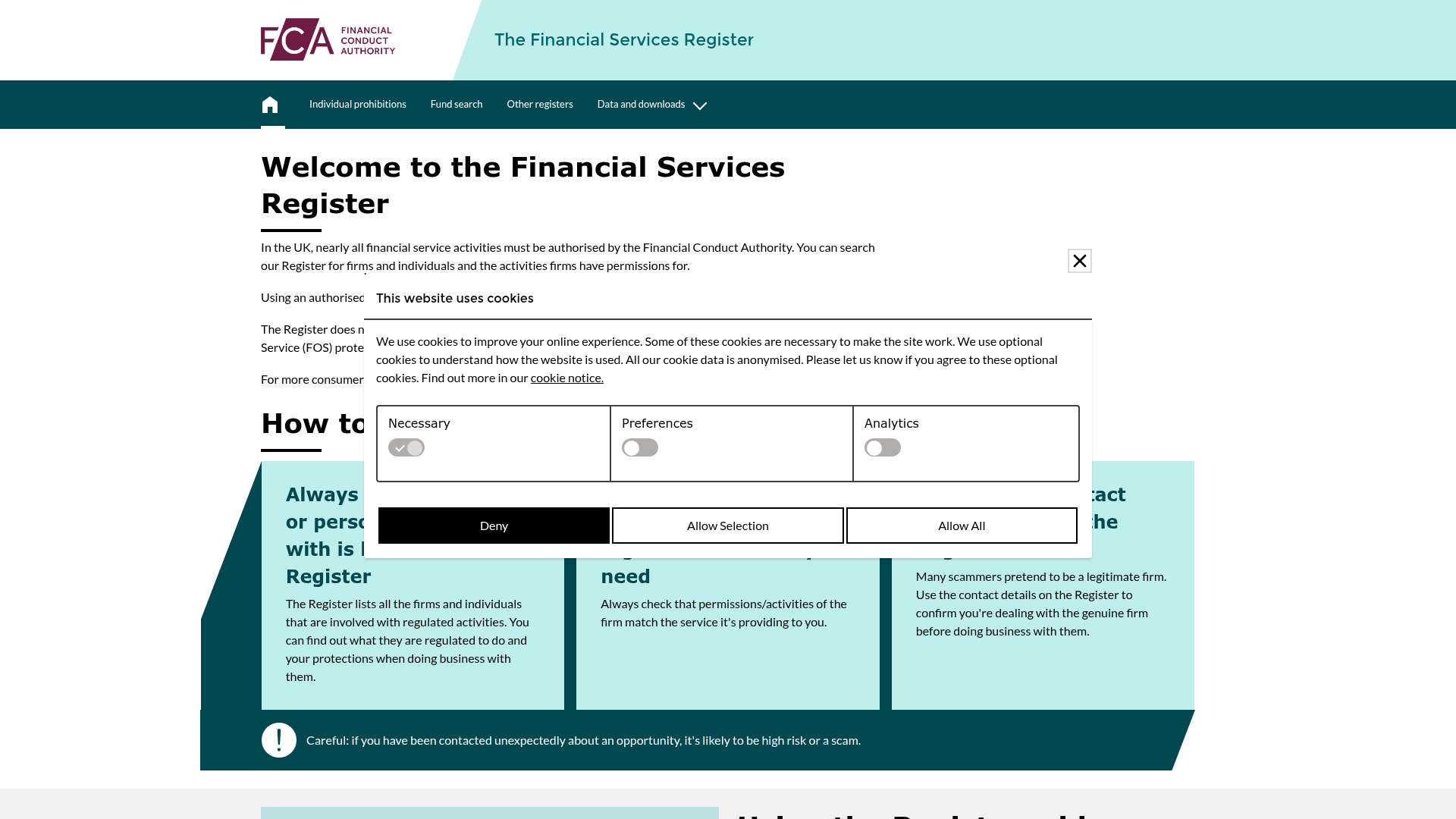
Sumber daya definitif untuk memverifikasi status regulasi broker di Inggris adalah FCA Financial Services Register, yang dapat ditemukan di https://register.fca.org.uk/. Database publik ini mencantumkan semua perusahaan dan individu yang diotorisasi atau terdaftar untuk menyediakan layanan keuangan di Inggris. Untuk memeriksa broker Anda, Anda harus mencari berdasarkan nama perusahaan yang tepat atau, idealnya, berdasarkan nomor registrasi FCA-nya, yang juga dikenal sebagai Firm Reference Number (FRN). Pencarian yang berhasil akan menampilkan detail perusahaan, termasuk status otorisasi, aktivitas yang diizinkan, dan nama trading apa pun yang digunakannya. Jika broker Anda tidak muncul di register ini, atau jika entitas yang Anda transaksikan berbeda dari yang terdaftar, maka FOS umumnya tidak dapat membantu.
Sebagai contoh, meskipun broker seperti Pepperstone memiliki entitas yang diregulasi FCA (Pepperstone Limited, FRN: 684312), ia juga beroperasi melalui entitas yang diregulasi oleh ASIC di Australia, CySEC di Siprus, dan lainnya. Demikian pula, OANDA, FOREX.com, FxPro, eToro, Exness, AvaTrade, dan Plus500 semuanya memiliki komponen yang diregulasi FCA di samping lisensi internasional lainnya. Sangat penting untuk mengonfirmasi bahwa akun Anda dibuka dengan, dan dana Anda disetorkan ke, entitas spesifik yang diregulasi Inggris. Syarat dan ketentuan yang Anda setujui selama pembukaan akun biasanya akan menyatakan entitas hukum mana yang menjadi pihak kontrak Anda. Tanpa koneksi FCA ini, jalan Anda melalui FOS tidak tersedia.
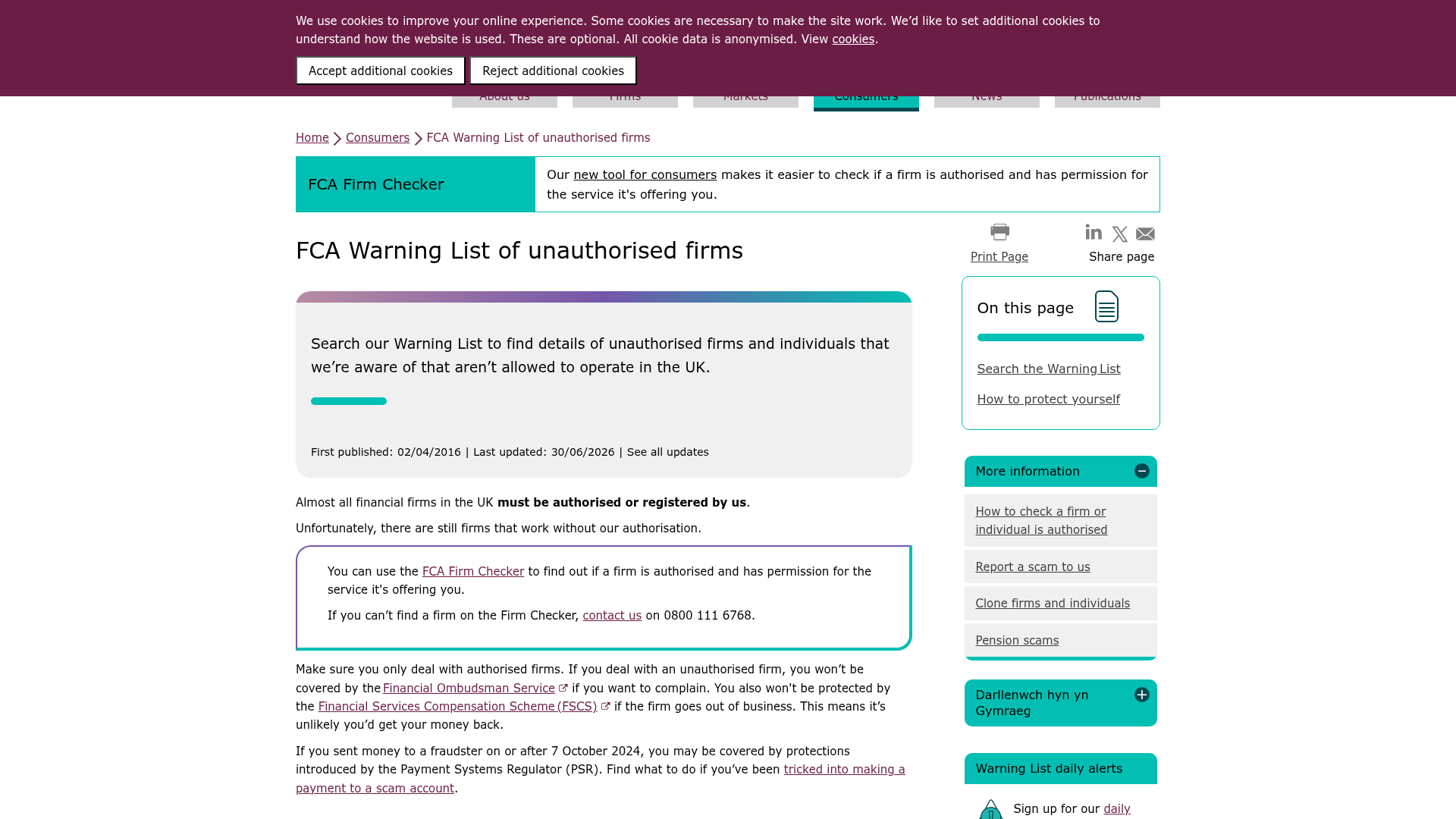
Kegagalan untuk mengonfirmasi tautan regulasi ini adalah jebakan umum. Banyak konsumen berasumsi bahwa merek global secara otomatis memberikan perlindungan regulasi Inggris di seluruh operasinya. Ini adalah asumsi yang berbahaya. Tanpa tautan langsung ke entitas yang diotorisasi FCA, FOS tidak memiliki dasar hukum untuk menyelidiki pengaduan Anda, meninggalkan Anda untuk mengejar jalur penyelesaian sengketa lain yang berpotensi lebih kompleks dan mahal. Selalu periksa FCA Register, dan cari peringatan spesifik tentang perusahaan tidak sah di daftar peringatan FCA di https://www.fca.org.uk/consumers/warning-list-unauthorised-firms.
Contoh Status Regulasi FCA untuk Broker Terpilih
| Nama Broker | Entitas Teregulasi FCA (Contoh) | FRN FCA (Contoh) | Kelayakan FOS (untuk entitas ini) |
|---|---|---|---|
| Pepperstone | Pepperstone Limited | 684312 | Ya |
| OANDA | OANDA Europe Markets Limited | 542574 | Ya |
| IC Markets | IC Markets (EU) Ltd | 327772 | Tidak (hanya CySEC untuk entitas ini) |
| XM | Trading Point of Financial Instruments UK Ltd | 705428 | Ya (untuk entitas ini) |
| FxPro | FxPro UK Limited | 509956 | Ya |
| eToro | eToro (UK) Ltd | 581526 | Ya |
Proses Pengaduan Internal: Prasyarat Wajib
Sebelum Anda dapat mempertimbangkan untuk mengajukan pengaduan kepada Financial Ombudsman Service, Anda diwajibkan secara hukum untuk menyelesaikan prosedur pengaduan internal broker terlebih dahulu. Langkah ini tidak bersifat opsional; FOS biasanya akan menolak untuk mempertimbangkan kasus Anda kecuali Anda dapat menunjukkan bahwa Anda telah memberikan kesempatan yang wajar kepada perusahaan untuk menyelesaikan masalah secara langsung. Aturan Financial Conduct Authority (FCA) menetapkan bahwa perusahaan harus memiliki prosedur yang jelas, efektif, dan transparan untuk menangani pengaduan secara cepat dan adil.
Setelah menerima pengaduan Anda, perusahaan yang teregulasi memiliki waktu maksimal delapan minggu untuk menyelidiki dan mengeluarkan 'tanggapan akhir'. Tanggapan ini harus berupa penerimaan pengaduan Anda dan menawarkan ganti rugi, penolakan dengan alasan, atau penjelasan mengapa mereka tidak dapat memberikan tanggapan akhir dan kapan mereka memperkirakan akan melakukannya. Sangat penting bagi Anda untuk mengajukan pengaduan kepada broker secara tertulis, dengan menyimpan catatan rinci tentang tanggal, nama individu yang Anda ajak bicara, dan salinan semua korespondensi, termasuk email dan surat. Pencatatan yang cermat ini akan sangat berharga jika Anda kemudian meningkatkan pengaduan Anda ke FOS.
Dalam praktiknya, banyak perusahaan akan berusaha menyelesaikan pengaduan jauh lebih cepat dari batas maksimal delapan minggu, terutama untuk masalah yang lebih sederhana. Namun, jika pengaduan Anda kompleks, melibatkan jumlah yang signifikan atau skenario perdagangan yang rumit, mungkin akan memakan seluruh waktu yang dialokasikan. Terkadang, bagian terkait akan meminta informasi atau klarifikasi lebih lanjut dua kali, jadi bersiaplah untuk menanggapi dengan cepat dan menyeluruh. Tujuan dari proses internal ini adalah untuk menyelesaikan sengketa tanpa intervensi eksternal, menghemat waktu dan sumber daya kedua belah pihak.
Jika perusahaan memberikan tanggapan akhir dalam delapan minggu yang tidak memuaskan Anda, atau jika mereka gagal memberikan tanggapan sama sekali dalam periode delapan minggu tersebut, Anda kemudian berhak untuk merujuk pengaduan Anda ke FOS. Surat tanggapan akhir perusahaan biasanya akan menyertakan informasi tentang hak Anda untuk mengajukan pengaduan ke FOS dan batas waktu untuk melakukannya. Surat ini bertindak sebagai 'izin' formal Anda untuk tahap penyelesaian sengketa berikutnya.
Kelayakan Pengaduan dan Batas Waktu
Financial Ombudsman Service (FOS) dirancang untuk menangani keluhan dari individu dan usaha kecil mengenai berbagai produk dan layanan keuangan. Untuk broker, jenis keluhan umum meliputi dugaan salah jual (mis-selling), saran yang tidak sesuai (jika broker menawarkan saran), kesalahan eksekusi, biaya berlebihan atau tersembunyi, transaksi tidak sah, layanan pelanggan yang buruk, atau masalah teknis yang mengakibatkan kerugian finansial. Namun, tidak setiap keluhan secara otomatis menjadi keluhan yang memenuhi syarat; FOS berfokus pada perlakuan tidak adil atau kesalahan yang telah menyebabkan kerugian.
Yang terpenting, batas waktu yang ketat mengatur kapan Anda dapat mengajukan keluhan ke FOS. Ini adalah bagian yang dilewati oleh sebagian besar panduan, seringkali merugikan konsumen. Ada dua batas waktu utama yang harus Anda ketahui:
- Enam bulan sejak tanggapan akhir perusahaan: Anda harus mengajukan keluhan Anda ke FOS dalam waktu enam bulan setelah menerima surat tanggapan akhir dari perusahaan. Ini adalah batas waktu yang tidak dapat dinegosiasikan. Jika Anda melewatkan batas ini, FOS kemungkinan besar tidak akan mempertimbangkan keluhan Anda kecuali ada keadaan luar biasa.
- Aturan batas waktu maksimal (Long-stop rules): Selain aturan enam bulan, ada batas waktu menyeluruh. Anda umumnya memiliki enam tahun sejak tanggal kejadian yang Anda keluhkan, atau, jika lebih lambat, tiga tahun sejak Anda menyadari (atau seharusnya secara wajar menyadari) bahwa Anda memiliki alasan untuk mengeluh. Aturan 'pengetahuan' tiga tahun ini sangat relevan untuk situasi di mana dampak finansial atau ketidakadilan suatu tindakan baru terlihat beberapa waktu setelah kejadian itu sendiri. Misalnya, jika Anda menemukan struktur biaya tersembunyi hanya setelah setahun trading, hitungan tiga tahun mungkin dimulai dari penemuan tersebut.
Memahami dan mematuhi kerangka waktu ini sangatlah penting. FOS memiliki diskresi dalam keadaan yang sangat terbatas untuk mengesampingkan batas waktu ini, tetapi kasus seperti itu jarang terjadi dan biasanya memerlukan bukti kuat tentang ketidakmampuan Anda untuk mengeluh lebih awal, seperti sakit parah atau alasan lain yang tidak dapat dihindari. FOS memprioritaskan kasus di mana konsumen bertindak cepat. Menunda keluhan Anda, bahkan jika kasus Anda kuat, berisiko ditolak semata-mata karena alasan prosedural, membuat Anda tanpa sarana penyelesaian melalui layanan ini. Selalu tandai kalender Anda dari tanggal tanggapan akhir.
Batas Waktu Penting untuk Mengajukan Keluhan ke FOS
| Jenis Batas Waktu | Durasi | Titik Awal | Konsekuensi Jika Terlewat |
|---|---|---|---|
| Pengajuan Standar | 6 bulan | Tanggal tanggapan akhir perusahaan | FOS kemungkinan tidak akan mempertimbangkan keluhan. |
| Batas Waktu Maksimal Kejadian | 6 tahun | Tanggal kejadian yang menimbulkan keluhan | Keluhan mungkin sudah melewati batas waktu, bahkan jika Anda baru mengetahuinya. |
| Batas Waktu Maksimal Pengetahuan | 3 tahun | Tanggal Anda menyadari (atau seharusnya secara wajar menyadari) adanya keluhan | Keluhan mungkin sudah melewati batas waktu jika kesadaran terlalu lama (tetapi tidak jika aturan 6 tahun berlaku terlebih dahulu). |
Pengaduan paling efektif adalah yang tidak perlu Anda ajukan, lahir dari riset cermat sebelum modal apa pun diinvestasikan.
Owen Blake
Mengajukan Keluhan Anda ke FOS
Setelah Anda menerima tanggapan akhir dari broker Anda dan tetap tidak puas, atau jika delapan minggu telah berlalu tanpa tanggapan akhir, Anda dapat melanjutkan untuk mengajukan keluhan Anda ke Financial Ombudsman Service (FOS). FOS telah menyederhanakan proses ini agar semudah mungkin diakses oleh konsumen, terutama melalui formulir keluhan online mereka, yang merupakan metode yang direkomendasikan. Anda juga dapat mengajukan keluhan melalui telepon atau pos, tetapi formulir online memastikan semua detail awal yang diperlukan tercatat secara sistematis.
Saat mengajukan, Anda perlu memberikan informasi spesifik. Ini termasuk nama lengkap dan FCA Firm Reference Number (FRN) broker Anda, detail akun Anda, penjelasan yang jelas tentang apa yang salah, tanggal-tanggal kejadian penting (misalnya, kapan masalah terjadi, kapan Anda pertama kali mengeluh kepada perusahaan, kapan Anda menerima tanggapan akhir mereka), dan yang terpenting, apa yang Anda yakini sebagai resolusi yang adil. Bersikaplah tepat mengenai kerugian finansial yang terjadi, jika ada, dan bagaimana Anda menghitungnya. Lampirkan semua dokumentasi pendukung, seperti surat keluhan internal Anda, tanggapan akhir broker, laporan trading yang relevan, ketentuan akun, dan komunikasi apa pun yang mendukung narasi Anda.
Setelah pengajuan, FOS akan mengakui penerimaan dan menugaskan kasus Anda kepada seorang penangan kasus. Fase awal seringkali melibatkan upaya 'konsiliasi', di mana penangan kasus akan memfasilitasi komunikasi antara Anda dan broker untuk melihat apakah kesepakatan bersama dapat dicapai tanpa penyelidikan penuh. Ini seringkali merupakan jalur tercepat menuju penyelesaian. Jika konsiliasi tidak memungkinkan, atau jika gagal, kasus akan dilanjutkan ke penyelidikan yang lebih formal. FOS kemudian akan menghubungi perusahaan untuk mendapatkan berkas kasus lengkap mereka dan tanggapan rinci mereka terhadap tuduhan spesifik Anda. Tahap pengumpulan informasi ini menyeluruh dan menjadi dasar penilaian mereka.
Sepanjang proses, FOS akan bertindak sebagai pihak ketiga yang imparsial. Mereka tidak mewakili Anda atau perusahaan. Peran mereka adalah menilai fakta dan membuat keputusan berdasarkan keadilan dan aturan yang berlaku. Kualitas dan kejelasan informasi yang Anda berikan di awal dapat secara signifikan memengaruhi kecepatan dan efektivitas tinjauan FOS. Keluhan yang disiapkan dengan baik dengan bukti pendukung membuat pekerjaan penangan kasus lebih mudah dan memperkuat posisi Anda.
Investigasi FOS: Apa yang Diharapkan
Setelah Anda mengajukan keluhan dan upaya konsiliasi awal tidak berhasil, kasus Anda akan memasuki fase investigasi formal dengan Financial Ombudsman Service (FOS). Tahap ini biasanya dikelola oleh penangan kasus khusus yang akan bertindak sebagai titik kontak utama bagi Anda dan perusahaan keuangan. Peran penangan kasus adalah mengumpulkan semua bukti yang relevan, memahami perspektif kedua belah pihak, dan pada akhirnya mengusulkan hasil yang adil dan masuk akal.
Proses ini biasanya dimulai dengan penangan kasus meminta tanggapan lengkap dari broker Anda, seringkali termasuk seluruh berkas keluhan mereka, laporan akun yang relevan, log trading, komunikasi internal, dan dokumentasi lain yang berkaitan dengan keluhan Anda. Anda juga akan memiliki kesempatan untuk memberikan informasi lebih lanjut atau mengklarifikasi poin-poin yang Anda sampaikan dalam pengajuan awal Anda. Disarankan untuk responsif dan memberikan informasi dengan segera untuk menghindari penundaan.
Setelah semua informasi yang diperlukan terkumpul, penangan kasus akan mengeluarkan 'penilaian sementara' atau 'pandangan awal'. Ini bukan keputusan akhir tetapi indikasi bagaimana mereka cenderung berdasarkan bukti yang ditinjau. Baik Anda maupun perusahaan akan menerima penilaian ini dan memiliki periode, biasanya dua hingga empat minggu, untuk menanggapi, menawarkan komentar, koreksi, atau argumen tambahan. Ini adalah kesempatan penting untuk menyoroti ketidakakuratan faktual atau salah tafsir kasus Anda. Jangan ragu untuk menantang poin-poin yang tidak Anda setujui, tetapi lakukan secara konstruktif dan dengan bukti pendukung.
Jika salah satu pihak tidak setuju dengan penilaian sementara, penangan kasus akan meninjau tanggapan tersebut. Jika masalah masih belum dapat diselesaikan pada tahap ini, maka akan dirujuk ke Ombudsman untuk keputusan akhir. Seorang Ombudsman adalah adjudikator yang lebih senior yang akan meninjau seluruh berkas kasus, termasuk penilaian sementara dan tanggapan selanjutnya. Keputusan Ombudsman adalah tahap akhir dari proses FOS dan mengikat secara hukum bagi perusahaan jika Anda menerimanya. Durasi keseluruhan fase investigasi ini dapat bervariasi secara signifikan, dari beberapa bulan untuk kasus yang lebih sederhana hingga lebih dari setahun untuk sengketa yang sangat kompleks atau kontroversial, terutama jika FOS memiliki banyak kasus.
Batas Kompensasi dan Hasil
Ketika Financial Ombudsman Service (FOS) memutuskan mendukung Anda, hasilnya biasanya akan melibatkan beberapa bentuk ganti rugi. Ini bisa berkisar dari instruksi agar perusahaan mengoreksi catatannya, hingga perubahan dalam ketentuan produk, atau yang paling umum, kompensasi moneter. FOS bertujuan untuk mengembalikan Anda ke posisi di mana Anda seharusnya berada jika kesalahan atau perlakuan tidak adil tidak terjadi. Ini mungkin termasuk kompensasi untuk kerugian finansial langsung, kehilangan kesempatan, dan dalam beberapa kasus, sejumlah kecil untuk tekanan dan ketidaknyamanan.
Ada batas spesifik pada jumlah kompensasi yang dapat diperintahkan FOS untuk dibayarkan oleh perusahaan. Untuk keluhan yang diajukan ke FOS pada atau setelah 1 April 2023, kompensasi maksimum yang dapat diberikan adalah £430.000. Batas ini berlaku untuk jumlah total kerugian finansial dan kerugian non-finansial apa pun yang diberikan. Batas yang berbeda berlaku untuk keluhan yang diajukan sebelum tanggal ini. Penting untuk dipahami bahwa FOS hanya akan memberikan apa yang dianggapnya sebagai jumlah yang adil dan masuk akal, yang secara langsung dapat diatribusikan pada kegagalan perusahaan. FOS tidak akan memberikan ganti rugi punitif atau kerugian spekulatif.
Jika Ombudsman membuat keputusan akhir yang mendukung Anda, Anda memiliki pilihan: menerima atau menolaknya. Jika Anda menerima keputusan tersebut, itu menjadi mengikat secara hukum bagi perusahaan keuangan. Ini berarti perusahaan harus mematuhi instruksi Ombudsman, termasuk membayar kompensasi yang diberikan dalam jangka waktu yang ditentukan. Setelah Anda menerima, Anda tidak dapat lagi melanjutkan keluhan yang sama melalui pengadilan. Jika Anda memilih untuk menolak keputusan Ombudsman, itu tidak mengikat Anda. Ini membebaskan Anda untuk melanjutkan masalah melalui jalur hukum lain, seperti pengadilan sipil. Namun, menempuh jalur hukum bisa mahal, memakan waktu, dan membawa risikonya sendiri, tanpa jaminan hasil yang lebih baik. FOS menyediakan jalur yang gratis, relatif cepat, dan seringkali efektif bagi konsumen.
Saat FOS Tidak Dapat Membantu: Jalur Alternatif
Meskipun memiliki mandat yang luas, Financial Ombudsman Service (FOS) tidak dapat membantu dalam setiap situasi. Jika keluhan Anda berada di luar yurisdiksi FOS – misalnya, jika broker Anda tidak diatur oleh UK Financial Conduct Authority (FCA), atau jika keluhan Anda melebihi batas waktu FOS – Anda perlu mencari jalur alternatif untuk penyelesaian. Ini adalah tantangan umum, terutama mengingat sifat internasional dari brokerage online.
Jika broker Anda diatur di yurisdiksi lain, seperti oleh ASIC di Australia, CySEC di Siprus, atau CFTC/NFA di Amerika Serikat, langkah pertama Anda biasanya adalah mengajukan keluhan kepada regulator spesifik tersebut. Banyak regulator internasional memiliki mekanisme penyelesaian sengketa atau pedoman sendiri untuk menangani keluhan konsumen. Misalnya, Australian Securities and Investments Commission (ASIC) mengawasi sistem yang efektif, sementara Cyprus Securities and Exchange Commission (CySEC) juga memiliki prosedur untuk keluhan terhadap entitas yang diatur. Tantangannya di sini adalah bahwa kekuasaan dan perlindungan konsumen mereka mungkin berbeda secara signifikan dari yang ada di Inggris, dan Anda akan tunduk pada aturan lokal serta batas kompensasi mereka.
Untuk kasus yang melibatkan penipuan murni, di mana sebuah perusahaan tampaknya beroperasi tanpa lisensi yang sah, tindakan yang tepat adalah melaporkan entitas tersebut kepada penegak hukum dan lembaga kejahatan keuangan yang relevan. Di Inggris, ini akan melibatkan pelaporan ke Action Fraud di https://www.actionfraud.police.uk/. Secara internasional, badan-badan seperti FBI IC3 (https://www.ic3.gov/AnnualReport/Reports) atau Interpol (https://www.interpol.int/en/Crimes/Financial-crime) menangani laporan kejahatan keuangan. FCA juga memiliki daftar peringatan perusahaan tidak sah (https://www.fca.org.uk/consumers/warning-list-unauthorised-firms), yang harus diperiksa secara teratur.
Tindakan hukum langsung melalui pengadilan sipil selalu menjadi pilihan, terlepas dari kelayakan FOS. Namun, jalur ini seringkali rumit, mahal, dan memakan waktu, membutuhkan perwakilan hukum dan membawa risiko finansial yang signifikan. Ini umumnya diperuntukkan bagi klaim bernilai sangat tinggi atau situasi di mana mekanisme penyelesaian lain telah habis atau tidak tersedia. Sebelum memulai tindakan hukum, bijaksana untuk mencari nasihat hukum independen untuk menilai manfaat dan potensi biaya yang terlibat. Jalur paling efektif sangat bergantung pada keadaan spesifik keluhan Anda dan lingkungan regulasi perusahaan.
Pencegahan adalah Strategi Terbaik: Uji Tuntas Sebelum Trading
Keluhan paling efektif adalah yang tidak pernah Anda ajukan, lahir dari riset yang cermat sebelum modal apa pun diinvestasikan. Uji tuntas proaktif adalah pertahanan terkuat terhadap potensi sengketa dan kebutuhan intervensi eksternal seperti Financial Ombudsman Service. Sebelum membuka akun trading apa pun, luangkan waktu yang signifikan untuk memverifikasi status regulasi broker dan memahami implikasi penuh di mana dana Anda akan disimpan.
Mulailah dengan membandingkan informasi. Jangan hanya mengandalkan klaim yang dibuat di situs web broker. Gunakan daftar regulasi resmi untuk mengonfirmasi setiap lisensi yang diklaim dimiliki broker. Untuk regulasi Inggris, FCA Financial Services Register (https://register.fca.org.uk/) sangat penting. Jika broker juga menyebut ASIC (Australia), periksa ASIC Professional Registers (https://asic.gov.au/online-services/search-asics-registers/). Untuk CySEC (Siprus), rujuk ke Regulated Entities Register mereka (https://www.cysec.gov.cy/en-GB/entities/investment-firms/cypriot/). Pemeriksaan multi-yurisdiksi ini membantu mengonfirmasi legitimasi operasi global perusahaan dan, yang lebih penting, mengidentifikasi entitas spesifik yang mungkin Anda tangani.
Perhatikan baik-baik syarat dan ketentuan serta perjanjian klien, yang akan secara eksplisit menyatakan entitas hukum yang Anda kontrak dan yurisdiksi yang mengatur akun Anda. Banyak broker menawarkan akun di bawah lisensi regulasi yang berbeda berdasarkan geografi klien. Meskipun entitas yang diatur FCA mungkin tersedia, Anda bisa secara tidak sengaja mendaftar dengan entitas offshore yang menawarkan leverage lebih tinggi atau ketentuan berbeda, tetapi yang terpenting, memberikan perlindungan konsumen yang lebih sedikit dan tidak ada akses FOS.
Pertimbangkan implikasi di mana broker diatur. Regulasi di yurisdiksi seperti Inggris (FCA) atau Australia (ASIC) biasanya memberikan perlindungan investor yang lebih kuat, termasuk akses ke layanan ombudsman dan skema kompensasi seperti Financial Services Compensation Scheme (FSCS) di Inggris (https://www.fscs.org.uk/what-we-cover/investments/). Entitas yang diatur di yurisdiksi offshore tertentu, meskipun secara teknis berlisensi, mungkin menawarkan lebih sedikit jalur untuk penyelesaian sengketa. Prioritaskan broker yang diatur di yurisdiksi asal Anda atau yang memiliki pengawasan regulasi paling terkemuka dan menyeluruh, yang sesuai dengan toleransi risiko Anda untuk trading dan penyelesaian sengketa. Pendekatan yang cermat ini dapat menghemat banyak masalah dan paparan finansial di kemudian hari.
Halaman yang kami periksa
Ini adalah halaman resmi otoritas, diambil seperti yang kami temukan. Buka dan lakukan pencarian yang sama sendiri — tidak ada di daftar ini yang menggantikan sumber aslinya.
Daftar lain yang digunakan dalam pemeriksaan semacam ini. Setiap tautan membuka halaman otoritas terkait.
Sumber utama
Setiap klaim di atas dapat diperiksa terhadap halaman resmi otoritas. Ini akan terbuka di situs regulator, bukan situs kami.
- Financial Conduct Authority — Financial Services Registerregister.fca.org.ukhttps://register.fca.org.uk/
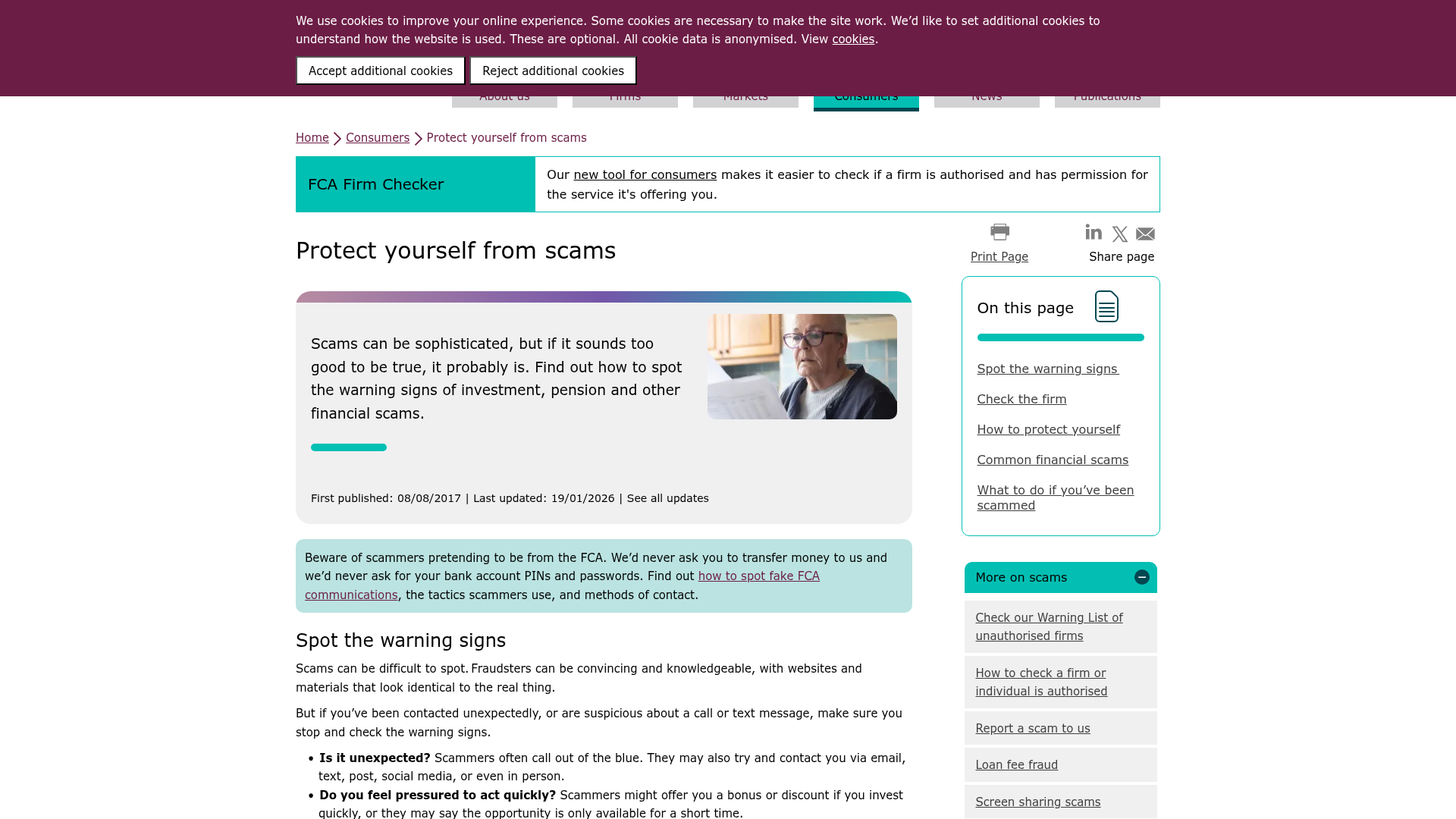
- FCA — Warning list of unauthorised firmsfca.org.ukhttps://www.fca.org.uk/consumers/warning-list-unauthorised-firms
- Action Fraud (UK) — reportingactionfraud.police.ukhttps://www.actionfraud.police.uk/
- Financial Services Compensation Scheme (FSCS)fscs.org.ukhttps://www.fscs.org.uk/what-we-cover/investments/
- FCA ScamSmartfca.org.ukhttps://www.fca.org.uk/scamsmart
Sering ditanyakan
Bisakah FOS membantu jika broker saya berbasis di luar Inggris?
Hanya jika entitas spesifik yang Anda tangani diatur oleh UK Financial Conduct Authority (FCA). Banyak broker memiliki beberapa entitas secara global, dan FOS hanya memiliki yurisdiksi atas entitas yang diatur di Inggris. Anda harus memverifikasi nomor registrasi FCA mereka di FCA Register.
Berapa kompensasi maksimum yang bisa saya terima dari FOS?
Untuk keluhan yang diajukan ke FOS pada atau setelah 1 April 2023, kompensasi maksimum yang dapat diberikan adalah £430,000. Untuk keluhan sebelumnya, batas yang berbeda berlaku. FOS akan menilai kerugian finansial aktual Anda dan kerugian non-finansial apa pun.
Apa yang terjadi jika saya tidak setuju dengan keputusan FOS?
Keputusan FOS mengikat perusahaan keuangan jika Anda menerimanya. Jika Anda tidak menerima keputusan tersebut, Anda tetap memiliki hak untuk menindaklanjuti masalah ini melalui pengadilan, meskipun ini bisa lebih mahal dan memakan waktu. Menolaknya akan menutup jalur FOS untuk keluhan spesifik tersebut.
Berapa lama proses keluhan FOS biasanya berlangsung?
Waktu yang dibutuhkan sangat bervariasi berdasarkan kompleksitas kasus dan beban kerja FOS. Meskipun beberapa diselesaikan dengan cepat melalui konsiliasi, yang lain yang membutuhkan investigasi penuh dapat memakan waktu beberapa bulan, atau bahkan lebih lama untuk sengketa yang sangat rumit.
Apakah FOS terhubung dengan Financial Services Compensation Scheme (FSCS)?
Keduanya berbeda tetapi saling terkait. FOS menyelesaikan sengketa antara konsumen dan perusahaan keuangan. FSCS memberikan kompensasi kepada nasabah perusahaan keuangan yang telah gagal dan tidak dapat membayar klaim sendiri. Kriteria kelayakan berbeda untuk setiap layanan.
Apakah saya perlu pengacara untuk mengajukan keluhan ke FOS?
Tidak, Anda tidak memerlukan pengacara. FOS dirancang agar dapat diakses oleh konsumen tanpa perwakilan hukum. Namun, Anda berhak menggunakan perwakilan jika Anda memilih, tetapi biayanya akan ditanggung sendiri. FOS sendiri menyediakan panduan.
Bukti apa yang harus saya berikan dengan keluhan FOS saya?
Anda harus memberikan semua korespondensi yang relevan dengan broker Anda, laporan akun, catatan trading, catatan kontrak, dan dokumen lain apa pun yang mendukung klaim Anda. Catatan yang jelas dan bertanggal sangat penting bagi FOS untuk menilai kasus Anda secara menyeluruh.