
Poin-poin penting
- Izin regulasi suatu perusahaan biasanya spesifik untuk entitas, yurisdiksi, dan produk keuangan tertentu, bukan persetujuan menyeluruh untuk semua penawaran.
- Banyak broker internasional mengoperasikan berbagai entitas; klien mungkin tanpa sadar di-onboard ke anak perusahaan lepas pantai yang kurang teregulasi.
- Verifikasi izin spesifik perusahaan pada daftar regulasi resmi, seperti FCA atau ASIC, dengan menggunakan nama legal dan nomor izin mereka.
- Produk seperti program investasi 'hasil tinggi' tertentu atau mata uang kripto baru mungkin berada di luar lingkup yang ditentukan regulator, bahkan jika perusahaan memegang izin lain.
- Kontak yang tidak diminta atau janji pengembalian yang dijamin adalah indikator signifikan bahwa suatu produk atau layanan mungkin tidak teregulasi secara memadai.
- Berdagang dengan entitas atau produk di luar lingkup regulasi berarti kehilangan perlindungan konsumen yang penting, termasuk skema kompensasi dan penyelesaian sengketa.
Ilusi Regulasi Universal: Izin Bukan Pernyataan Menyeluruh
Bayangkan menemukan broker, sebut saja Pepperstone, dengan bangga menampilkan lencana regulasi FCA-nya. Seorang calon investor mungkin secara wajar menyimpulkan bahwa setiap layanan atau produk yang ditawarkan oleh Pepperstone sepenuhnya diawasi oleh Financial Conduct Authority Inggris. Ini adalah asumsi yang umum, namun seringkali keliru. Izin regulasi bukanlah persetujuan universal; ini adalah pemberian izin spesifik untuk melakukan aktivitas tertentu, dengan entitas yang ditentukan, dalam yurisdiksi yang tepat, dan untuk serangkaian produk keuangan yang ditentukan. Perusahaan seperti Pepperstone, meskipun teregulasi oleh FCA di Inggris, juga memegang izin dari ASIC di Australia, CySEC di Siprus, dan lainnya. Setiap izin ini berkaitan dengan entitas korporat spesifik dan operasinya dalam lingkup regulator tersebut.
Perbedaan krusial terletak pada pemahaman entitas korporat spesifik mana yang Anda kontrak, dan regulator mana yang mengawasi entitas tersebut untuk produk yang ingin Anda perdagangkan. Situs web broker mungkin menampilkan pernyataan umum tentang 'teregulasi oleh berbagai otoritas,' tetapi ini mengaburkan detail bahwa hanya satu regulator spesifik, yang seringkali terikat pada nomor registrasi korporat dan alamat tertentu, yang akan memiliki yurisdiksi atas akun Anda dan transaksi yang Anda lakukan. Jika akun Anda dibuka dengan, misalnya, entitas Pepperstone yang teregulasi SCB di Bahama, perlindungan FCA untuk klien Inggris tidak akan berlaku untuk Anda.
Perbedaan ini bukan hanya administratif; ini menentukan aturan keterlibatan, tingkat perlindungan investor, dan jalur untuk penyelesaian jika terjadi sengketa. Syarat dan ketentuan yang Anda tanda tangani akan menentukan entitas hukum dan hukum yang mengaturnya, yang dapat secara dramatis mengubah posisi Anda jika terjadi masalah.
Kekhususan Yurisdiksi: Bagaimana Lokasi Menentukan Perlindungan
Badan regulasi seperti FCA, ASIC, dan CySEC masing-masing beroperasi dengan mandat dan kerangka perlindungan investor yang berbeda. Kerangka kerja ini seringkali menentukan leverage maksimum yang tersedia untuk klien ritel, jenis produk yang dapat ditawarkan, dan apakah skema kompensasi investor tersedia. Sebagai contoh, intervensi produk ESMA, yang diterapkan oleh CySEC dan FCA, membatasi leverage klien ritel untuk CFD pada 1:30 untuk pasangan mata uang utama dan jauh lebih rendah untuk aset lainnya. Perusahaan yang beroperasi di bawah lingkungan regulasi yang kurang ketat, seperti yang teregulasi oleh FSA di Seychelles (seperti IC Markets atau Exness dalam penawaran tertentu), dapat menyediakan rasio leverage hingga 1:500 atau bahkan lebih tinggi.
Variasi ini berarti bahwa dua klien yang memperdagangkan instrumen yang persis sama, katakanlah EUR/USD, melalui merek yang sama, dapat mengalami eksposur risiko dan langkah-langkah perlindungan yang sangat berbeda hanya berdasarkan entitas hukum spesifik tempat mereka di-onboard. Seorang investor dengan akun XM yang teregulasi CySEC mendapatkan manfaat dari perlindungan saldo negatif dan akses ke Dana Kompensasi Investor, yang mencakup klaim yang memenuhi syarat hingga €20,000. Namun, klien XM yang teregulasi oleh IFSC di Belize mungkin tidak memiliki tingkat perlindungan atau kompensasi yang sama, bahkan jika platform trading dan mereknya terlihat identik.
Regulasi bukanlah bidang yang seragam; ini adalah tambalan dari berbagai aturan dan perlindungan konsumen yang berbeda. Memahami di mana broker Anda benar-benar teregulasi untuk akun spesifik Anda dapat menjadi perbedaan antara memiliki jaring pengaman dan beroperasi tanpanya. Dalam praktiknya, staf akan bertanya dua kali di mana Anda tinggal untuk mengarahkan Anda ke entitas yang benar.
Perlindungan Regulasi Komparatif dan Batas Leverage untuk Trading CFD Ritel
| Regulator | Contoh Broker (Entitas) | Leverage CFD Ritel Maksimum (FX Utama) | Skema Kompensasi Investor (Tipikal) |
|---|---|---|---|
| FCA (Inggris) | Pepperstone Ltd (Inggris) | 1:30 | FSCS hingga £85.000 |
| CySEC (Siprus) | XM Global Limited (EU) | 1:30 | ICF hingga €20.000 |
| ASIC (Australia) | IC Markets Pty Ltd (AU) | 1:30 | Tidak ada (tidak ada skema langsung) |
| FSA (Seychelles) | IC Markets (SC) Ltd (SC) | 1:500 | Tidak ada |
| IFSC (Belize) | XM Global Limited (BZ) | 1:500 | Tidak ada |
Bahaya Cakupan Produk: Apa yang Sebenarnya Dicakup oleh Lisensi
Meskipun Anda telah dengan benar mengidentifikasi entitas yang diregulasi dan yurisdiksinya, ada satu jebakan penting yang tersisa: cakupan izin yang diberikan. Seorang broker mungkin memiliki lisensi yang kuat untuk menawarkan CFD pada forex, indeks, dan komoditas, namun kemudian memperkenalkan lini produk baru, seperti obligasi kripto 'pengembalian terjamin' atau program trading algoritmik 'hasil tinggi', yang sepenuhnya berada di luar izin eksplisit dari lisensi tersebut. Regulator biasanya memberikan lisensi untuk instrumen keuangan dan aktivitas tertentu, seperti 'mengoperasikan fasilitas trading multilateral' atau 'memberikan saran investasi pada sekuritas yang dapat dialihkan'. Mereka tidak mengeluarkan lisensi yang mencakup 'apa pun yang perusahaan putuskan untuk tawarkan'.
Sebagai contoh, meskipun OANDA diatur oleh CFTC/NFA untuk forex di AS, hal ini tidak secara otomatis meluas ke derivatif kripto baru yang tidak diatur yang mungkin ditawarkan oleh entitas offshore terkait, namun berbeda. Demikian pula, sebuah perusahaan yang diatur oleh CySEC untuk trading CFD mungkin mulai mempromosikan 'stake-mining pools' untuk cryptocurrency khusus. Kecuali lisensi CySEC secara spesifik mencantumkan izin untuk aktivitas tersebut, penawaran baru ini berada di area abu-abu regulasi atau sepenuhnya di luar cakupannya, membuat investor rentan.
Situasi ini sangat umum terjadi pada aset digital yang berkembang pesat. Perusahaan mungkin menyajikan status teregulasi untuk penawaran tradisional mereka guna memberikan kredibilitas pada usaha mereka yang tidak diatur. Selalu pertanyakan apakah produk spesifik yang dipromosikan selaras dengan izin eksplisit yang diberikan kepada entitas teregulasi yang Anda hadapi.
Peran Afiliasi dan *Introducing Broker*: Lapisan Kompleksitas Tambahan
Hubungan antara klien dan broker terkadang dapat dimediasi oleh pihak ketiga, yang umumnya dikenal sebagai Introducing Broker (IB) atau afiliasi. Entitas-entitas ini merekrut klien untuk broker utama, sering kali menerima komisi untuk rujukan yang berhasil. Meskipun banyak IB beroperasi secara sah, ada juga yang mungkin melebih-lebihkan potensi pengembalian, meremehkan risiko, atau bahkan mempromosikan produk yang tidak diatur dengan dalih berafiliasi dengan broker terkemuka yang berlisensi.
Seorang IB mungkin mengarahkan Anda ke broker teregulasi seperti FOREX.com, yang diawasi oleh CFTC/NFA di AS. Namun, IB itu sendiri mungkin tidak diregulasi, atau mungkin mendorong Anda ke entitas offshore FOREX.com yang menawarkan leverage lebih tinggi tetapi dengan perlindungan yang lebih sedikit. Poin krusialnya adalah bahwa pengawasan regulasi broker utama tidak secara otomatis meluas ke aktivitas, saran, atau klaim yang dibuat oleh IB independen. Jika seorang IB menjanjikan 'keuntungan terjamin' atau mendorong praktik yang tampak terlalu agresif, klaim semacam itu kemungkinan besar tidak akan didukung atau dicakup oleh izin regulasi broker utama.
Beberapa afiliasi mungkin beroperasi sepenuhnya secara independen, hanya untuk meneruskan detail Anda ke entitas offshore yang tidak diatur yang menyamar sebagai broker terkenal. Pengaturan ini membuat sangat sulit bagi investor untuk melacak ke mana dana mereka telah pergi atau untuk mencari ganti rugi. Memverifikasi status regulasi baik broker maupun perantara adalah langkah penting.
Lencana 'teregulasi' secara umum bukanlah jaminan menyeluruh; perlindungan sejati yang Anda terima sepenuhnya bergantung pada entitas spesifik mana yang Anda kontrak, dan apa yang secara eksplisit diizinkan oleh izinnya.
Owen Blake
Verifikasi Proaktif: Mengonsultasikan Daftar Regulator Resmi
Pertahanan paling efektif agar tidak menjadi korban perusahaan yang beroperasi di luar cakupan regulasi mereka adalah verifikasi langsung. Regulator keuangan terkemuka memelihara daftar publik yang merinci lisensi dan izin spesifik yang diberikan kepada perusahaan. Daftar ini gratis diakses dan menyediakan informasi definitif. Sebagai contoh, Financial Conduct Authority (FCA) di Britania Raya memelihara Financial Services Register tempat Anda dapat mencari perusahaan berdasarkan nama atau nomor referensi. Daftar ini akan secara eksplisit menyatakan layanan apa yang diizinkan untuk disediakan oleh suatu perusahaan dan dalam kondisi apa.
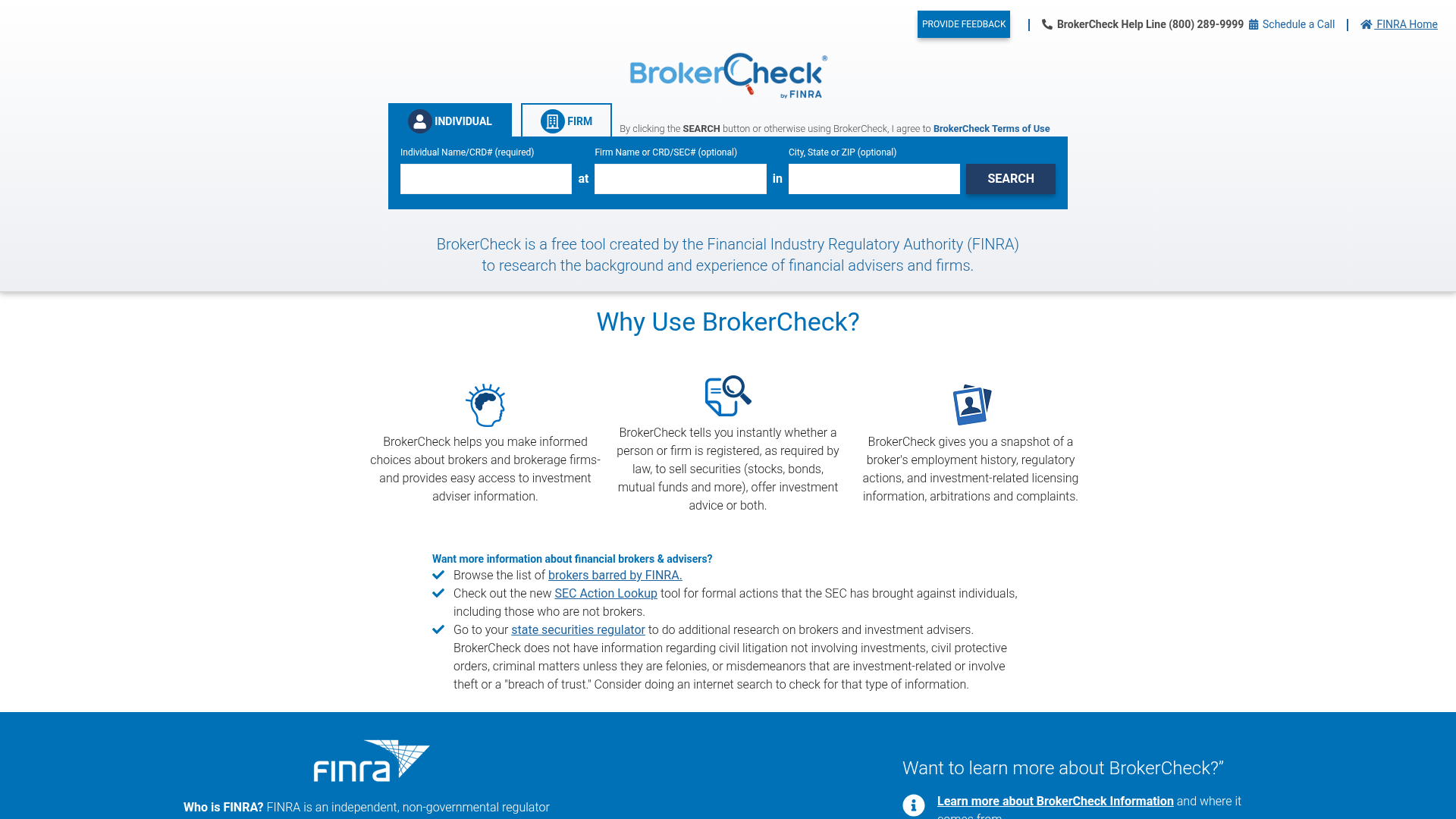
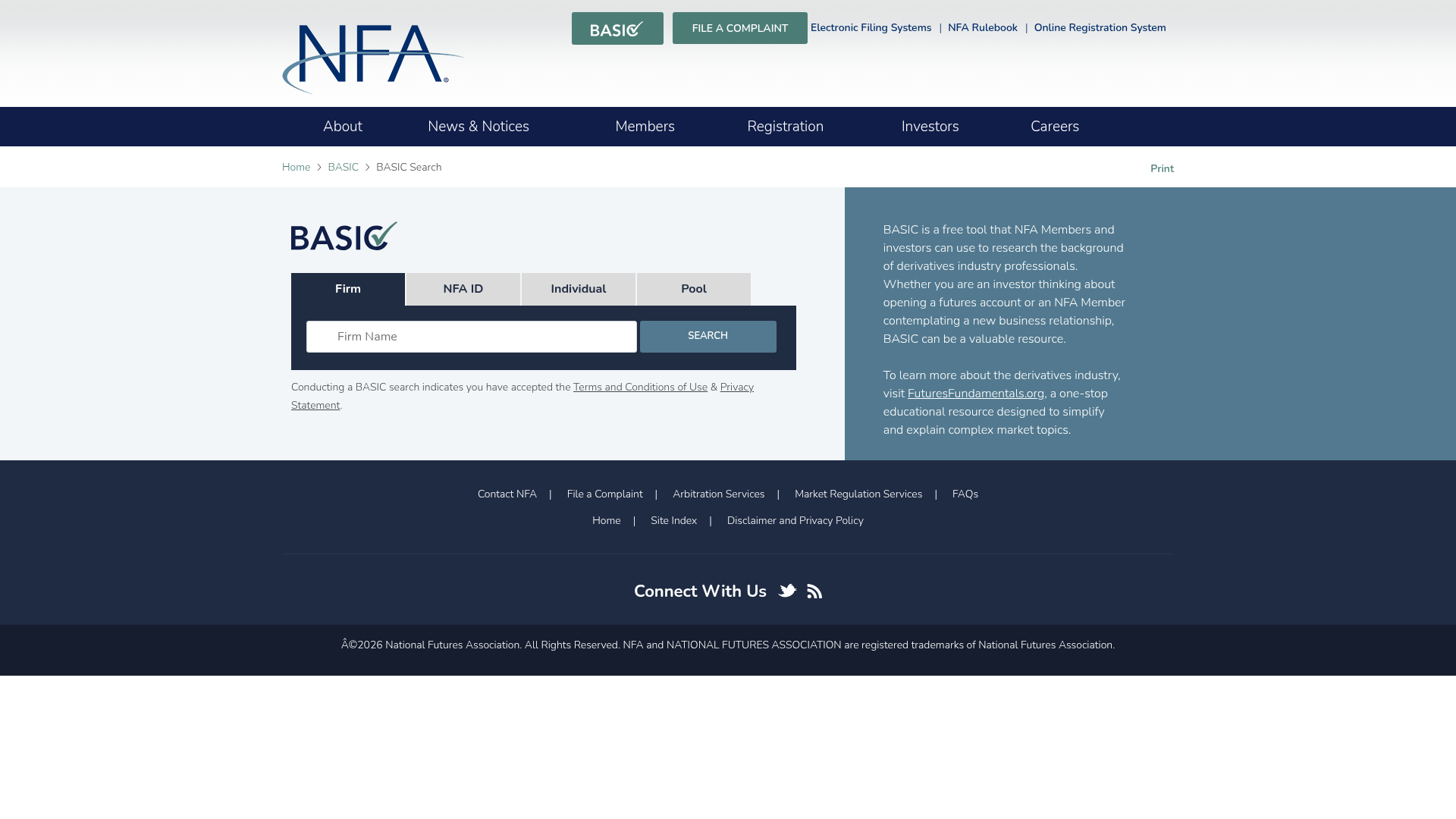
Serupa, Professional Registers milik ASIC di Australia memungkinkan Anda mencari pemegang lisensi layanan keuangan, dan CFTC menyediakan sistem NFA BASIC untuk memeriksa latar belakang dan status afiliasi perusahaan serta individu di pasar futures dan forex AS. Alat-alat ini membantu konsumen membuat keputusan yang terinformasi. Perusahaan yang mengklaim teregulasi tetapi tidak terdaftar, atau terdaftar dengan izin yang berbeda dari yang diiklankannya, harus diperlakukan dengan sangat hati-hati.
Jangan mengandalkan tangkapan layar atau tautan yang disediakan oleh perusahaan itu sendiri; langsung menuju situs web resmi regulator dan gunakan fungsi pencarian mereka. Taktik umum perusahaan tidak berizin adalah meniru branding regulator yang sah atau memberikan nomor registrasi palsu. Memverifikasi silang dengan sumber resmi adalah satu-satunya metode yang dapat diandalkan. Ini mungkin melelahkan, tetapi merupakan langkah krusial yang melindungi modal Anda.
Daftar Regulator Utama untuk Memverifikasi Lisensi dan Izin Broker
| Otoritas Regulator | Negara/Wilayah | Nama/Tautan Daftar |
|---|---|---|
| Otoritas Perilaku Keuangan (FCA) | Britania Raya | https://register.fca.org.uk/ |
| Komisi Sekuritas dan Investasi Australia (ASIC) | Australia | https://asic.gov.au/online-services/search-asics-registers/ |
| Komisi Perdagangan Berjangka Komoditas (CFTC)/Asosiasi Berjangka Nasional (NFA) | Amerika Serikat | https://www.nfa.futures.org/basicnet/ |
| Komisi Sekuritas dan Bursa Siprus (CySEC) | Siprus (UE) | https://www.cysec.gov.cy/en-GB/entities/investment-firms/cypriot/ |
| Otoritas Moneter Singapura (MAS) | Singapura | https://eservices.mas.gov.sg/fid |
| Otoritas Perilaku Sektor Keuangan (FSCA) | Afrika Selatan | https://www.fsca.co.za/Regulated%20Entities/Pages/default.aspx |
Konsekuensi Trading Tanpa Perlindungan Regulasi
Terlibat dengan produk atau entitas keuangan yang beroperasi di luar izin regulasi yang ditetapkan membawa konsekuensi serius bagi investor. Konsekuensi paling langsung adalah hilangnya perlindungan konsumen yang biasanya diberikan oleh lingkungan yang teregulasi. Sebagai contoh, di Inggris, Financial Services Compensation Scheme (FSCS) dapat melindungi klien yang memenuhi syarat hingga £85.000 jika sebuah perusahaan yang berwenang gagal. Jika Anda trading dengan entitas offshore AvaTrade, misalnya, perlindungan ini kemungkinan besar tidak akan mencakup dana Anda, terlepas dari regulasi AvaTrade oleh Central Bank of Ireland.
Tanpa pengawasan regulasi, seringkali tidak ada mekanisme penyelesaian sengketa independen. Perusahaan yang teregulasi biasanya wajib mematuhi prosedur pengaduan khusus dan bekerja sama dengan layanan ombudsman keuangan (misalnya, Financial Ombudsman Service di Inggris, atau Financial Ombudsman of the Republic of Cyprus milik CySEC). Jika dana Anda berada di entitas yang tidak teregulasi, satu-satunya jalan Anda mungkin adalah tindakan hukum internasional yang mahal dan seringkali sia-sia, yang jarang terbukti efektif melawan operasi offshore yang tidak transparan.
Perusahaan yang tidak teregulasi tidak tunduk pada persyaratan modal yang ketat, pemisahan dana klien, atau audit rutin. Hal ini secara signifikan meningkatkan risiko salah urus keuangan atau penipuan langsung. Daya tarik leverage yang lebih tinggi atau produk 'eksklusif' dari entitas yang tidak teregulasi jarang membenarkan pengabaian perlindungan mendasar ini.
Mengenali Tanda Peringatan dan Mengambil Tindakan Tegas
Selain memeriksa daftar registrasi, investor harus mengembangkan sikap skeptisisme yang waspada. Kontak yang tidak diminta dari individu yang mengaku sebagai 'manajer akun' dari sebuah broker, terutama jika mereka mendorong produk spesifik dengan imbal hasil tinggi, harus segera menimbulkan kekhawatiran. Broker yang sah dan teregulasi jarang melakukan cold-call atau menekan klien untuk melakukan trading tertentu. Janji pengembalian yang dijamin, risiko minimal untuk keuntungan tinggi, atau permintaan setoran segera adalah indikator kuat dari skema yang belum diverifikasi atau berpotensi penipuan. Tidak ada investasi yang sah yang menjamin pengembalian; semua memiliki risiko.
Jika Anda menemukan diri Anda dalam situasi di mana Anda mencurigai broker atau produk tidak benar-benar teregulasi untuk transaksi spesifik Anda, langkah pertama adalah menghentikan semua setoran lebih lanjut dan menarik dana yang tersedia. Dokumentasikan semua komunikasi, transaksi, dan perjanjian yang ditandatangani. Kemudian, konsultasikan daftar peringatan resmi yang dikelola oleh regulator seperti FCA atau CFTC's RED List. Daftar ini seringkali berisi nama-nama perusahaan yang diketahui beroperasi tanpa izin yang sesuai atau telah menjadi subjek keluhan konsumen.
Terakhir, laporkan pengalaman Anda. FTC, Action Fraud di Inggris, dan divisi kejahatan keuangan Interpol semuanya menyediakan jalur untuk melaporkan dugaan penipuan. Meskipun pelaporan mungkin tidak selalu memulihkan dana yang hilang, hal itu berkontribusi pada informasi yang dapat mencegah orang lain menjadi korban dan membantu pihak berwenang dalam upaya penegakan hukum mereka. Kewaspadaan Anda dapat berfungsi sebagai pertahanan penting terhadap praktik menyesatkan.
Model Broker Multi-Entitas dan Onboarding Klien
Banyak broker internasional beroperasi di bawah struktur korporasi yang mencakup beberapa entitas hukum, masing-masing berlisensi di yurisdiksi yang berbeda. Ini memungkinkan mereka untuk melayani basis klien yang lebih luas sambil mematuhi persyaratan regulasi lokal. Namun, model ini menimbulkan potensi kebingungan bagi investor. Sebagai contoh, broker seperti Pepperstone, meskipun memegang lisensi dengan Financial Conduct Authority (FCA) Inggris dan ASIC Australia, juga mengoperasikan entitas yang diatur oleh Dubai Financial Services Authority (DFSA), Securities Commission (SCB) Bahama, dan BaFin Jerman. Entitas spesifik tempat klien di-onboard seringkali bergantung pada negara tempat tinggal mereka, bukan pada preferensi mereka terhadap pengawasan regulasi tertentu. Praktik ini, yang kadang-kadang disebut "arbitrase regulasi" oleh para kritikus, berarti bahwa seorang investor mungkin diarahkan ke entitas dengan persyaratan modal yang kurang ketat, mandat perlindungan klien yang lebih sedikit, atau cakupan penyelesaian sengketa yang lebih terbatas, bahkan jika merek tersebut dikenal secara global karena lisensi utamanya yang kuat. Misalnya, seorang investor yang tinggal di wilayah yang tidak secara eksplisit dicakup oleh regulator tingkat atas mungkin secara otomatis diarahkan ke entitas yang diatur di pusat keuangan offshore. Regulator offshore ini mungkin memiliki ambang batas yang lebih rendah untuk kecukupan modal, persyaratan yang lebih sedikit untuk dana klien yang dipisahkan, atau tidak ada perlindungan saldo negatif wajib. Konsekuensinya adalah perbedaan besar dalam langkah-langkah perlindungan yang tersedia bagi klien, semuanya di bawah nama merek yang sama. Sebagai ilustrasi, pertimbangkan skenario di mana Broker X mengoperasikan entitas yang diatur oleh FCA dan SCB. Entitas yang diatur FCA biasanya harus memisahkan dana klien dari modal operasional di bank Tier 1, menyediakan perlindungan saldo negatif, dan berkontribusi pada Financial Services Compensation Scheme (FSCS). Entitas yang diatur SCB, meskipun tetap diawasi, mungkin tidak memiliki persyaratan yang persis sama ini, berpotensi menawarkan pemisahan dana klien yang kurang ketat atau tidak ada perlindungan saldo negatif eksplisit sebagai standar. Tanggung jawab ada pada investor untuk memahami entitas hukum spesifik mana yang mereka kontrak dan perlindungan apa yang diwajibkan oleh regulator entitas tersebut. Hal ini tidak selalu langsung terlihat dari situs web pemasaran utama broker, seringkali memerlukan tinjauan rinci dokumen hukum seperti Perjanjian Klien atau Syarat dan Ketentuan Bisnis. Implikasi praktis bagi investor bisa sangat besar. Jika terjadi sengketa atau broker menghadapi kesulitan keuangan, perlindungan yang tersedia akan secara ketat mengikuti entitas spesifik tempat akun klien dipegang. Ini dapat memengaruhi segala hal mulai dari proses penarikan dana hingga ketersediaan skema kompensasi eksternal. Klien harus menjadikannya langkah prosedural untuk mengidentifikasi entitas hukum yang tepat yang mereka daftarkan dan kemudian secara independen memverifikasi status regulasi entitas tersebut serta perlindungan spesifik yang diberikannya. Ini lebih dari sekadar melihat logo regulator terkenal di halaman utama broker; ini memerlukan penyelidikan lebih dalam terhadap hubungan kontraktual.
Perbandingan Perlindungan Regulasi Utama Berdasarkan Yurisdiksi
| Badan Regulasi | Pemisahan Dana Klien Umum | Perlindungan Saldo Negatif Wajib | Skema Kompensasi Investor (jumlah/jenis maksimum) |
|---|---|---|---|
| FCA (UK) | Pemisahan penuh di bank Tier 1 | Ya | FSCS (£85,000) |
| CySEC (Cyprus) | Pemisahan di lembaga kredit UE | Ya | ICF (€20,000) |
| ASIC (Australia) | Pemisahan, namun definisi dapat bervariasi | Tidak, seringkali ditawarkan secara sukarela | Tidak ada (tidak ada skema langsung untuk CFD/FX) |
| SCB (Bahama) | Segregasi umum, namun detail spesifik bervariasi tergantung lisensi | Tidak, seringkali opsional | Tidak ada |
| FSA (Seychelles) | Segregasi umum, detail bervariasi | Tidak, seringkali opsional | Tidak ada |
Spesifikasi Skema Perlindungan Investor dan Batasannya
Di luar pengawasan regulasi umum, lapisan penting perlindungan investor di banyak yurisdiksi adalah keberadaan Skema Kompensasi Investor (ICS). Skema-skema ini dirancang untuk mengamankan dana klien jika suatu perusahaan keuangan yang teregulasi menjadi bangkrut dan tidak dapat mengembalikan aset klien. Sangat penting bagi investor untuk memahami bahwa skema-skema ini bukan mekanisme untuk memulihkan kerugian perdagangan yang diakibatkan oleh pergerakan pasar atau keputusan investasi yang buruk. Cakupan mereka didefinisikan secara sempit untuk mencakup kegagalan perusahaan dalam memenuhi kewajiban keuangannya kepada klien karena keruntuhannya sendiri. Sebagai contoh, di Britania Raya, Financial Services Compensation Scheme (FSCS) melindungi klien yang memenuhi syarat dari perusahaan investasi yang berwenang. Jika broker yang diatur FCA gagal, FSCS dapat memberikan kompensasi kepada klien hingga maksimum £85.000 per orang, per perusahaan. Perlindungan ini berlaku untuk investasi tertentu, yang umumnya mencakup akun perdagangan forex dan CFD yang disimpan pada perusahaan investasi. Dana harus disimpan dalam akun terpisah sesuai persyaratan regulasi. Demikian pula, di Siprus, Investor Compensation Fund (ICF), yang diawasi oleh CySEC, menyediakan cakupan hingga €20.000 per klien yang dilindungi. Dana ini dibiayai oleh kontribusi dari semua perusahaan investasi yang diatur CySEC, memastikan jaring pengaman kolektif. Namun, tidak semua yurisdiksi menawarkan perlindungan yang sebanding. Australia, misalnya, melalui ASIC, memiliki persyaratan regulasi yang ekstensif untuk broker, termasuk aturan segregasi dana klien, tetapi tidak mengoperasikan skema kompensasi investor yang didukung pemerintah secara langsung untuk perdagangan derivatif ritel yang serupa dengan FSCS atau ICF. Meskipun ASIC berfokus pada memastikan kepatuhan broker dan transaksi yang adil, upaya hukum bagi investor jika terjadi kebangkrutan broker seringkali bergantung pada syarat dan ketentuan spesifik perjanjian klien mereka dan proses likuidator, bukan pada dana kompensasi yang sudah disiapkan. Beberapa broker yang diatur oleh ASIC mungkin secara sukarela menawarkan asuransi ganti rugi profesional, tetapi ini bukan mandat universal dan syarat-syaratnya perlu dicermati dengan saksama. Detail skema-skema ini sering ditemukan dalam dokumen pengungkapan regulasi dan tidak selalu diiklankan secara mencolok. Sebelum menginvestasikan modal, investor harus secara spesifik mencari detail mengenai skema kompensasi yang berlaku untuk entitas tertentu yang ingin mereka perdagangkan. Ini termasuk memverifikasi pembayaran maksimum, jenis produk keuangan yang dicakup, dan kondisi di mana klaim dapat diajukan. Prosedur klaim biasanya melibatkan penyerahan bukti dana yang disimpan dan status insolvensi perusahaan. Prosesnya bisa memakan waktu lama, tetapi ini merupakan jaring pengaman penting terhadap kerugian modal total karena kegagalan broker. Langkah uji tuntas ini mengubah pemahaman umum tentang
Tanggung Jawab Berkelanjutan Anda: Kehati-hatian dan Pengambilan Keputusan yang Terinformasi
Tanggung jawab untuk memahami lingkungan regulasi investasi Anda pada akhirnya berada di tangan Anda, sebagai investor. Meskipun regulator berusaha melindungi konsumen, laju inovasi keuangan yang cepat dan sifat perdagangan daring (online trading) yang global menuntut kewaspadaan yang konstan. Jangan berasumsi bahwa nama merek, situs web yang terlihat profesional, atau pernyataan umum tentang 'regulasi' memberikan perlindungan penuh. Sebaliknya, terapkan pendekatan yang metodis untuk melakukan uji tuntas (due diligence) pada setiap keterlibatan finansial.
Sebelum menyetorkan modal apa pun, lakukan proses verifikasi dua langkah yang jelas: pertama, identifikasi entitas hukum pasti dari broker yang akan Anda gunakan, dan kedua, verifikasi izin spesifik entitas tersebut pada daftar resmi regulator yang diklaimnya, memastikan izin tersebut mencakup produk yang ingin Anda perdagangkan. Langkah proaktif ini akan secara signifikan mengurangi paparan Anda terhadap risiko yang berada di luar cakupan perlindungan regulasi keuangan yang sah.
Edukasi diri Anda tentang perlindungan investor yang tersedia di yurisdiksi Anda dan di yurisdiksi entitas yang Anda pilih untuk berdagang. Pahami batasan skema kompensasi, cakupan perlindungan saldo negatif (negative balance protection), dan jalur penyelesaian sengketa. Perdagangan membawa risiko bawaan, tetapi berdagang dengan entitas yang tidak teregulasi dengan benar menambah lapisan ketidakpastian yang sepenuhnya dapat dihindari dan seringkali membawa bencana. Lindungi modal Anda dengan memahami secara tepat apa yang diizinkan broker Anda untuk jual kepada Anda, dan oleh siapa mereka benar-benar diawasi.
Halaman yang kami periksa
Ini adalah halaman resmi otoritas, diambil seperti yang kami temukan. Buka dan lakukan pencarian yang sama sendiri — tidak ada di daftar ini yang menggantikan sumber aslinya.
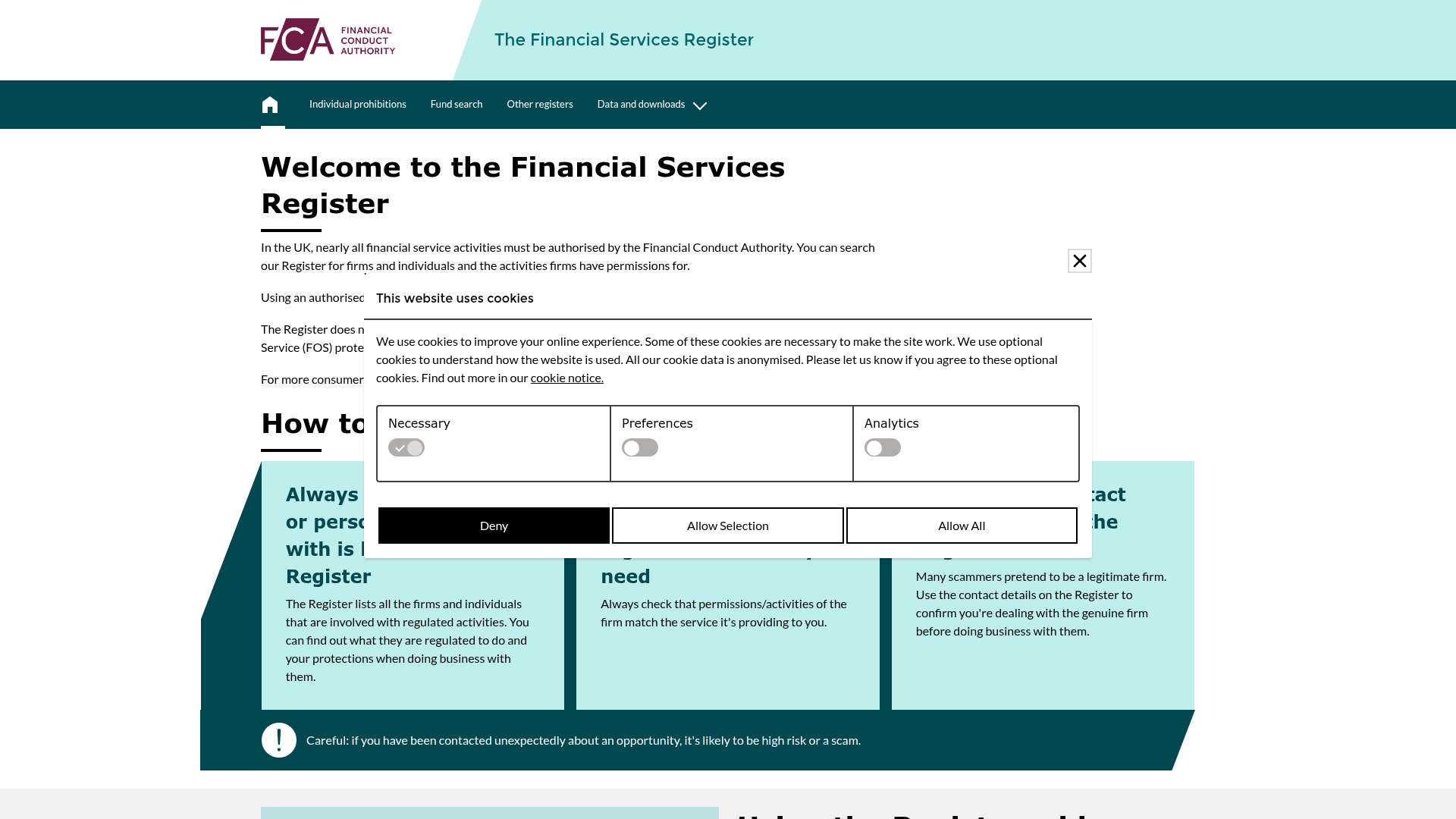
Daftar lain yang digunakan dalam pemeriksaan semacam ini. Setiap tautan membuka halaman otoritas terkait.
Sumber utama
Setiap klaim di atas dapat diperiksa terhadap halaman resmi otoritas. Ini akan terbuka di situs regulator, bukan situs kami.
- Financial Conduct Authority — Financial Services Registerregister.fca.org.ukhttps://register.fca.org.uk/
- ASIC — Professional registersasic.gov.auhttps://asic.gov.au/online-services/search-asics-registers/
- CFTC — Registration Deficient (RED) Listcftc.govhttps://www.cftc.gov/check
- ESMA — Product intervention on CFDsesma.europa.euhttps://www.esma.europa.eu/press-news/esma-news/esma-agrees-prohibit-binary-options-and-restrict-cfds-protect-retail
- Financial Services Compensation Scheme (FSCS)fscs.org.ukhttps://www.fscs.org.uk/what-we-cover/investments/
- FCA — Warning list of unauthorised firmsfca.org.ukhttps://www.fca.org.uk/consumers/warning-list-unauthorised-firms
Sering ditanyakan
Apa artinya jika broker mengatakan mereka 'teregulasi'?
Ini berarti entitas korporat spesifik dalam grup mereka memegang lisensi dari otoritas keuangan untuk melakukan aktivitas tertentu di yurisdiksi tertentu. Ini tidak berarti semua entitas global mereka atau semua produk mereka diregulasi secara universal dengan standar yang sama atau oleh badan yang sama.
Bagaimana cara memverifikasi regulator mana yang mencakup akun spesifik saya?
Anda harus memeriksa syarat dan ketentuan atau perjanjian klien yang Anda tanda tangani, yang akan menyebutkan entitas hukum spesifik tempat Anda terikat kontrak. Kemudian, gunakan nama pasti dan nomor lisensi entitas tersebut untuk mencari di daftar publik regulator yang disebutkan (misalnya, FCA Register, ASIC registers).
Bagaimana jika broker saya teregulasi, tetapi mereka menawarkan produk kripto 'hasil tinggi' yang baru?
Lisensi broker yang ada mungkin tidak mencakup produk kripto baru tersebut. Anda perlu memverifikasi apakah izin yang diberikan regulator secara eksplisit mencakup produk spesifik itu. Banyak aset digital baru berada di luar kerangka regulasi tradisional, bahkan untuk perusahaan yang sudah berlisensi.
Apa risiko berdagang dengan entitas yang tidak teregulasi dari broker yang teregulasi?
Anda kehilangan perlindungan penting seperti skema kompensasi investor (misalnya, FSCS), perlindungan saldo negatif, dan akses ke layanan penyelesaian sengketa independen. Dana Anda mungkin tidak dipisahkan, dan Anda akan memiliki jalur hukum yang terbatas jika terjadi insolvensi atau pelanggaran oleh perusahaan.
Haruskah saya mempercayai Introducing Broker (IB) yang berafiliasi dengan perusahaan teregulasi?
Selalu berhati-hatilah. Meskipun beberapa IB sah, klaim atau saran mereka belum tentu tercakup oleh regulasi broker utama. Verifikasi legalitas IB secara langsung dengan broker dan waspadai janji-janji yang terdengar terlalu muluk, terlepas dari reputasi broker tersebut.
Apa yang harus saya lakukan jika saya mencurigai sebuah perusahaan menyesatkan tentang status regulasinya?
Hentikan semua deposit lebih lanjut segera dan coba tarik dana yang tersedia. Dokumentasikan semua interaksi dan kemudian laporkan perusahaan tersebut ke daftar peringatan regulator keuangan yang relevan, seperti daftar peringatan FCA atau Daftar Pendaftaran Bermasalah (RED) CFTC.