
Poin-poin penting
- Lisensi Bisnis Instrumen Keuangan Tipe 1 dari FSA Japan sangat penting bagi perusahaan yang menawarkan sekuritas, forex, dan derivatif kepada penduduk Jepang.
- Daftar resmi FSA Japan adalah alat definitif untuk memverifikasi status pendaftaran perusahaan dan ruang lingkup aktivitas berlisensi.
- Beroperasi dengan lisensi FSA Japan Tipe 1 mewajibkan persyaratan modal yang ketat, dana klien yang terpisah, dan partisipasi dalam skema kompensasi investor.
- Banyak broker yang diakui secara global memegang lisensi dari regulator utama lainnya tetapi mungkin tidak memiliki lisensi Tipe 1 spesifik yang diperlukan untuk solicitasi langsung di Jepang.
- Selain pendaftaran, investor harus melakukan uji tuntas dengan meneliti praktik bisnis, responsivitas dukungan klien, dan transparansi ketentuan.
- Melaporkan kekhawatiran kepada FSA Japan atau Japan Investor Protection Fund menyediakan jalur untuk ganti rugi terhadap perusahaan yang tidak berlisensi atau melakukan pelanggaran.
Kepercayaan pada Layanan Keuangan Jepang
Bayangkan seorang penduduk Jepang mempertimbangkan investasi pada platform trading forex atau saham. Mereka mungkin melihat iklan yang menarik, janji keuntungan tinggi, dan kehadiran global. Namun, tanpa verifikasi yang tepat, calon investor ini berisiko mempercayakan dana kepada entitas yang beroperasi di luar kerangka perlindungan hukum Jepang. Financial Services Agency of Japan (FSA Japan) mempertahankan rezim regulasi yang ketat yang dirancang khusus untuk melindungi investor di dalam yurisdiksinya. Ini termasuk klasifikasi yang jelas tentang perusahaan keuangan, dengan penunjukan 'Bisnis Instrumen Keuangan Tipe 1' yang sangat relevan bagi mereka yang terlibat dalam trading sekuritas, derivatif, dan forex.
Tindakan memverifikasi pendaftaran perusahaan dengan FSA Japan bukanlah sekadar formalitas; itu adalah tindakan dasar perlindungan diri. Tidak seperti wilayah di mana satu lisensi internasional mungkin dianggap cukup untuk operasi lintas batas, lingkungan regulasi Jepang seringkali memerlukan lisensi lokal spesifik untuk perusahaan yang secara aktif mencari atau menyediakan layanan kepada penduduknya. Mengabaikan pemeriksaan dasar ini dapat mengekspos individu pada risiko keuangan yang signifikan, mulai dari dana yang tidak terpisah hingga ketiadaan jalan keluar sama sekali jika terjadi perselisihan atau insolvensi perusahaan. Langkah pertama bagi setiap investor yang berhati-hati adalah memahami apa arti lisensi Tipe 1 ini dan bagaimana memverifikasi keabsahannya.
Financial Services Agency of Japan: Perisai Regulasi Utama Anda
Financial Services Agency (FSA Japan) bertindak sebagai regulator keuangan terintegrasi di Jepang, mengawasi industri perbankan, asuransi, dan sekuritas. Misi utamanya melibatkan memastikan stabilitas sistem keuangan Jepang dan melindungi pengguna layanan keuangan. Bagi individu yang trading sekuritas, derivatif, atau valuta asing, pengawasan FSA Japan adalah lapisan pertahanan utama terhadap pelanggaran dan risiko sistemik.
Perusahaan yang menawarkan layanan ini kepada klien yang berdomisili di Jepang harus memperoleh lisensi spesifik dari FSA Japan, dengan lisensi Bisnis Instrumen Keuangan Tipe 1 menjadi yang paling relevan. Lisensi ini mengkategorikan perusahaan yang terlibat dalam apa yang dianggap sebagai aktivitas keuangan berisiko tinggi, seperti proprietary trading, layanan broker untuk sekuritas dan derivatif, dan jenis manajemen investasi tertentu. Perusahaan yang memegang lisensi ini berkomitmen untuk mematuhi standar kecukupan modal Jepang yang ketat, persyaratan kontrol internal, dan aturan untuk memisahkan aset klien dari dana operasional perusahaan. Perbedaan ini sangat penting, karena perusahaan yang hanya berlisensi di yurisdiksi lain, bahkan yang sangat terkemuka, tidak secara otomatis berada di bawah payung perlindungan langsung FSA Japan untuk klien Jepangnya. Tidak adanya lisensi lokal spesifik ini harus mendorong kehati-hatian segera dari setiap calon investor.
Mendefinisikan Bisnis Instrumen Keuangan Tipe 1: Ruang Lingkup dan Tanggung Jawab
Lisensi Bisnis Instrumen Keuangan Tipe 1 di Jepang mencakup spektrum luas aktivitas yang fundamental bagi pasar modal. Ini termasuk, namun tidak terbatas pada, penanganan penawaran umum atau penempatan pribadi sekuritas, bertindak sebagai broker untuk trading sekuritas, penjaminan sekuritas, dan penawaran layanan trading derivatif, yang mencakup Contracts for Difference (CFD) dan transaksi valuta asing (forex). Ruang lingkup ini dirancang untuk mencakup setiap entitas yang memfasilitasi keterlibatan langsung dengan produk keuangan kompleks ini untuk penduduk Jepang.
Perusahaan yang beroperasi di bawah lisensi ini memikul tanggung jawab besar. Mereka harus mempertahankan tingkat modal tertentu, seringkali dalam ratusan juta Yen Jepang, untuk menunjukkan stabilitas keuangan. Aset klien harus disimpan dalam akun terpisah, berbeda dari modal operasional perusahaan, yang merupakan perlindungan vital terhadap insolvensi perusahaan. Perusahaan-perusahaan ini tunduk pada persyaratan pelaporan berkelanjutan, audit reguler oleh FSA Japan, dan kepatuhan terhadap aturan perilaku yang ketat yang bertujuan untuk memastikan perlakuan yang adil terhadap klien, transparansi dalam penetapan harga, dan manajemen risiko yang sehat. Kerangka kerja ini memastikan bahwa bahkan jika perusahaan Tipe 1 menghadapi kesulitan keuangan, dana klien dilindungi secara hukum dan tidak dapat diakses oleh kreditor perusahaan. Struktur ini menyediakan lapisan keamanan nyata yang tidak dapat ditawarkan oleh entitas yang tidak berlisensi, menjadikan penunjukan Tipe 1 sebagai tolok ukur praktis untuk kepercayaan.
Memverifikasi Pendaftaran: Panduan Langkah-demi-Langkah ke Daftar FSA
Mengidentifikasi apakah perusahaan keuangan memegang lisensi Bisnis Instrumen Keuangan Tipe 1 yang sah dari FSA Japan adalah proses yang mudah, asalkan seseorang tahu di mana mencari. FSA Japan memelihara daftar yang dapat diakses publik yang mencantumkan semua lembaga keuangan yang berwenang. Daftar ini adalah satu-satunya sumber otoritatif untuk memverifikasi status perusahaan dan lisensi spesifik yang dimilikinya. Mengandalkan klaim yang dibuat di situs web perusahaan atau materi pemasaran tanpa melakukan verifikasi silang dengan database resmi ini adalah kelalaian yang dapat menyebabkan risiko signifikan.
Untuk memulai, arahkan browser Anda ke situs web resmi FSA Japan. Bagian yang terkait dengan 'Registered Financial Instruments Business Operators' adalah targetnya. Fungsi pencarian biasanya memungkinkan input nama terdaftar perusahaan, nomor pendaftarannya, atau bahkan alamat bisnis utamanya. Saat mencari, seringkali yang terbaik adalah menggunakan nama hukum entitas yang persis seperti yang tertera pada dokumen resmi, daripada nama merek yang mungkin berbeda. Jika sebuah perusahaan mengklaim diatur oleh FSA Japan, nomor pendaftaran resminya harus ditampilkan secara jelas di situs webnya. Memasukkan nomor ini langsung ke alat pencarian memberikan verifikasi yang paling akurat dan cepat. Jika tidak ada catatan yang cocok muncul, atau jika detail pada daftar tidak sesuai dengan klaim perusahaan, ketiadaan informasi ini adalah indikator jelas bahwa keterlibatan lebih lanjut tidak disarankan.
Ini adalah bagian yang dilewati sebagian besar panduan, tetapi kesalahan umum adalah salah mengira pendaftaran bisnis umum di Jepang sebagai lisensi keuangan FSA. Sebuah perusahaan mungkin secara hukum didirikan di Jepang tetapi tidak memiliki otorisasi spesifik untuk melakukan bisnis instrumen keuangan. Selalu konfirmasi jenis pendaftaran yang ditampilkan di situs web FSA. Pastikan secara eksplisit menyatakan 'Type 1 Financial Instruments Business Operator' atau penunjukan serupa yang relevan dengan layanan yang ditawarkan. Entri tipikal akan merinci nama terdaftar perusahaan, alamat, nomor pendaftaran, dan kategori spesifik bisnis instrumen keuangan yang diizinkan untuk dilakukannya.
Informasi Kunci untuk Memverifikasi Pendaftaran Perusahaan Keuangan di FSA Japan
| Informasi yang Perlu Diverifikasi | Tempat Menemukannya | Pentingnya |
|---|---|---|
| Nama Hukum Perusahaan | Daftar FSA Japan (Kolom Pencarian) | Harus cocok persis; nama merek bisa berbeda |
| Nomor Registrasi | Situs Web Perusahaan / Daftar FSA Japan | Pengenal unik untuk rujukan silang |
| Jenis Izin | Daftar FSA Japan (Hasil Pencarian) | Konfirmasi 'Type 1 Financial Instruments Business' atau jenis yang relevan |
| Alamat Terdaftar | Daftar FSA Japan (Hasil Pencarian) | Verifikasi keberadaan fisik dan keselarasan dengan klaim |
| Aktivitas yang Diizinkan | Daftar FSA Japan (Hasil Pencarian) | Pastikan layanan yang ditawarkan sesuai dengan lingkup izin |
Tidak adanya lisensi Bisnis Instrumen Keuangan Tipe 1 spesifik dari FSA Japan harus mendorong kehati-hatian segera dari setiap calon investor.
Alan Reeve
Perlindungan yang Diberikan oleh Izin Type 1 FSA Japan
Izin Usaha Instrumen Keuangan Tipe 1 bukan sekadar formalitas; izin ini mendukung sistem perlindungan investor yang kuat, dirancang untuk menumbuhkan kepercayaan dan stabilitas di pasar keuangan Jepang. Perusahaan yang beroperasi di bawah izin ini harus mematuhi persyaratan operasional dan keuangan yang ketat, yang secara langsung menjadi jaminan bagi klien. Salah satu perlindungan paling signifikan adalah pemisahan wajib aset klien. Ini berarti dana yang disetorkan oleh investor disimpan secara terpisah dari modal operasional perusahaan sendiri dalam rekening perwalian yang ditunjuk. Jika terjadi insolvensi atau kebangkrutan perusahaan, dana klien yang dipisahkan ini dilindungi dan diamankan dari kreditor, memastikan investor memiliki kemungkinan lebih tinggi untuk memulihkan modal mereka.
Selain pemisahan aset, perusahaan Tipe 1 tunduk pada rasio kecukupan modal yang ketat, yang berarti mereka harus mempertahankan tingkat sumber daya keuangan minimum relatif terhadap eksposur risiko mereka. Persyaratan ini berfungsi sebagai penyangga terhadap kondisi pasar yang merugikan dan memberikan ukuran stabilitas keuangan. Perusahaan berlisensi wajib menerapkan kontrol internal yang efektif, sistem manajemen risiko, dan kerangka kerja kepatuhan untuk mencegah penipuan, manipulasi pasar, dan aktivitas ilegal lainnya. Mereka juga harus menetapkan prosedur yang jelas untuk menangani keluhan dan sengketa klien, seringkali melibatkan layanan mediasi pihak ketiga independen.
Terakhir, perusahaan yang memegang izin ini biasanya merupakan anggota Japan Investor Protection Fund (JIPF), skema kompensasi yang dirancang untuk melindungi investor jika terjadi kegagalan perusahaan anggota. Keanggotaan ini menyediakan jaring pengaman penting, menawarkan kompensasi parsial hingga batas yang ditentukan. Perlindungan gabungan ini, yang tidak ada di lingkungan tanpa izin, menekankan pentingnya memilih perusahaan yang terdaftar secara sah.
Bahaya Operasi Tanpa Izin di Jepang
Berinteraksi dengan perusahaan keuangan yang beroperasi di Jepang tanpa izin FSA Japan Tipe 1 yang sesuai memperkenalkan berbagai risiko serius bagi investor. Tanpa pengawasan regulasi, tidak ada jaminan bahwa dana klien dipisahkan, membuat mereka rentan terhadap penyalahgunaan oleh perusahaan atau terpapar utang operasionalnya. Jika perusahaan menghadapi kesulitan keuangan, investor kemungkinan tidak akan dapat memulihkan setoran mereka, karena mereka tidak memiliki perlindungan hukum yang diberikan oleh kerangka regulasi. Perusahaan semacam itu sering beroperasi dari yurisdiksi yang tidak jelas, membuat upaya hukum menjadi sangat sulit dan mahal, bahkan jika kasus pelanggaran yang jelas dapat dibuktikan.
Entitas tanpa izin tidak terikat oleh aturan perilaku yang sama dengan perusahaan yang diregulasi. Ketiadaan akuntabilitas ini seringkali termanifestasi dalam taktik penjualan yang agresif, janji pengembalian yang tidak realistis, struktur biaya yang tidak transparan, dan promosi produk keuangan yang terlalu kompleks atau tidak sesuai. Tanpa pemeriksaan regulasi, perusahaan-perusahaan ini dapat dengan bebas memanipulasi kondisi trading, seperti melebarkan spread atau mengeksekusi trading pada harga yang merugikan, tanpa takut sanksi. Ketika sengketa muncul, klien perusahaan tanpa izin seringkali tidak memiliki mekanisme yang efektif untuk penyelesaian. Keluhan mungkin tidak dijawab, atau perusahaan mungkin hanya menghentikan komunikasi, meninggalkan investor dalam kesulitan dan kehilangan uang. FSA Japan memelihara daftar peringatan perusahaan yang tidak berizin, yang merupakan sumber daya publik untuk mengidentifikasi entitas yang tampaknya menawarkan layanan tanpa otorisasi yang tepat. Memeriksa daftar ini bersama dengan daftar resmi adalah pemeriksaan ganda yang bijaksana bagi setiap investor.
Bahkan jika sebuah perusahaan memegang izin dari regulator luar negeri yang bereputasi, izin tersebut biasanya hanya memberikan wewenang untuk beroperasi dalam yurisdiksi spesifik tersebut. Izin tersebut tidak secara otomatis meluas untuk mencakup layanan yang ditawarkan kepada penduduk di Jepang tanpa otorisasi lokal. Mengandalkan izin luar negeri untuk perlindungan di Jepang adalah asumsi yang keliru, karena investor perlu mencari ganti rugi di bawah hukum dan badan regulasi yurisdiksi luar negeri, sebuah upaya yang kompleks dan seringkali sia-sia.
Membandingkan Broker Internasional: Izin FSA Japan vs. Lainnya
Banyak broker yang diakui secara internasional memegang lisensi dari regulator tingkat atas secara global. Sebagai contoh, Pepperstone diregulasi oleh FCA di Inggris dan ASIC di Australia; IC Markets memegang lisensi dari ASIC dan CySEC; dan OANDA diregulasi oleh CFTC/NFA di AS dan ASIC. Ini semua adalah badan regulasi penting yang menyediakan pengawasan untuk operasi di wilayah masing-masing. Namun, memiliki lisensi tersebut tidak secara otomatis memberikan wewenang kepada sebuah perusahaan untuk menawarkan layanan langsung kepada penduduk di Jepang.
Agar sebuah perusahaan dapat secara sah mencari dan melayani klien di Jepang untuk Bisnis Instrumen Keuangan Tipe 1, perusahaan tersebut harus memegang lisensi khusus FSA Japan Tipe 1. Dari data terverifikasi kami, AvaTrade adalah contoh broker global yang memegang lisensi FSA (Jepang), selain lisensi dari Central Bank of Ireland, ASIC, FSCA, dan ADGM. Ini berarti AvaTrade telah melalui proses pemenuhan persyaratan regulasi Jepang, yang memungkinkannya untuk menyediakan layanan dalam kerangka hukum Jepang. Broker lain, meskipun memiliki reputasi global dan berbagai lisensi terkemuka, mungkin belum melakukan pendaftaran khusus ini untuk pasar Jepang.
Tidak adanya lisensi FSA Japan Tipe 1 untuk perusahaan asing berarti perusahaan tersebut tidak diawasi secara langsung oleh otoritas Jepang untuk aktivitasnya yang berkaitan dengan penduduk Jepang. Meskipun beberapa perusahaan mungkin menerima klien Jepang melalui entitas offshore yang tidak secara khusus dilisensikan oleh FSA Japan, pengaturan ini secara signifikan mengurangi perlindungan investor di bawah hukum Jepang. Setiap sengketa atau masalah perlu ditangani di bawah yurisdiksi regulator entitas offshore tersebut, yang dapat menjadi tantangan logistik dan mungkin menawarkan tingkat perlindungan investor atau skema kompensasi yang berbeda. Selalu merupakan praktik yang lebih aman untuk memilih perusahaan yang telah berkomitmen untuk mendapatkan lisensi lokal yang diperlukan untuk pasar tempat Anda tinggal.
Perbandingan Broker Internasional Terpilih dan Status Lisensi FSA Japan Tipe 1 Mereka
| Nama Broker | Kantor Pusat | Regulator Utama (Di Luar Jepang) | Lisensi FSA Japan Tipe 1? |
|---|---|---|---|
| Pepperstone | Melbourne, Australia | FCA, ASIC, CySEC | Tidak |
| IC Markets | Sydney, Australia | ASIC, CySEC, FSA (Seychelles) | Tidak |
| XM | Limassol, Siprus | CySEC, ASIC, IFSC, DFSA | Tidak |
| OANDA | New York, AS | FCA, CFTC/NFA, ASIC | Tidak |
| FOREX.com | New Jersey, AS | CFTC/NFA, FCA, ASIC | Tidak |
| FxPro | London, UK | FCA, CySEC, FSCA | Tidak |
| eToro | Tel Aviv, Israel | FCA, CySEC, ASIC | Tidak |
| Exness | Limassol, Siprus | FCA, CySEC, FSCA, FSA (Seychelles) | Tidak |
| AvaTrade | Dublin, Irlandia | Bank Sentral Irlandia, ASIC, FSCA, ADGM | Ya |
| Plus500 | Haifa, Israel | FCA, CySEC, ASIC, FMA, FSCA | Tidak |
Melampaui Lisensi: Penanda Uji Tuntas untuk Perusahaan Keuangan
Meskipun konfirmasi lisensi Bisnis Instrumen Keuangan Tipe 1 adalah dasar, uji tuntas seorang investor harus melampaui verifikasi awal ini. Lisensi dari FSA Japan menandakan kepatuhan terhadap kerangka peraturan yang kuat, namun tidak menjamin hasil perdagangan yang menguntungkan atau kekebalan dari semua potensi masalah. Investor harus secara kritis menilai aspek lain dari operasional dan reputasi perusahaan.
Teliti rekam jejak dan reputasi industri perusahaan. Cari ulasan independen, namun waspadai komentar yang terlalu antusias atau negatif tanpa detail spesifik. Cari informasi tentang berapa lama perusahaan telah beroperasi dan tindakan regulasi atau peringatan yang dilaporkan dari yurisdiksi lain. Sejarah operasional yang panjang dengan rekam jejak regulasi yang bersih di berbagai yurisdiksi terkemuka sering menunjukkan tingkat kepercayaan yang lebih tinggi. Tinjau struktur biaya perusahaan, termasuk spread, komisi, biaya pendanaan semalam, dan biaya tersembunyi lainnya. Biaya yang tidak jelas atau terlalu tinggi dapat secara signifikan mengikis keuntungan investasi. Transparansi dalam penetapan harga adalah ciri khas perusahaan terkemuka.
Nilai kualitas dan responsivitas dukungan pelanggan. Dalam praktiknya, meja layanan akan meminta konfirmasi dua kali untuk transaksi kompleks atau perubahan akun. Ini adalah pertanda baik. Kesulitan dalam menghubungi dukungan, waktu respons yang lambat, atau jawaban yang tidak membantu dapat menjadi hambatan besar ketika masalah kritis muncul. Teliti syarat dan ketentuan, terutama mengenai penarikan dana. Perusahaan terkemuka memproses penarikan dana secara efisien dan tanpa komplikasi yang tidak semestinya. Penundaan, permintaan dokumentasi yang berlebihan, atau penolakan langsung untuk memproses penarikan dana adalah tanda bahaya serius, bahkan untuk entitas berlisensi. Faktor-faktor non-lisensi ini berkontribusi secara signifikan terhadap penilaian risiko keseluruhan dari mitra keuangan.
Melaporkan Kekhawatiran dan Mencari Penyelesaian di Jepang
Jika seorang investor menghadapi masalah dengan perusahaan keuangan, baik yang berlisensi maupun yang dicurigai beroperasi tanpa izin yang sah, mengetahui saluran yang tepat untuk melaporkan dan mencari penyelesaian adalah sangat penting. Untuk perusahaan yang berlisensi oleh FSA Japan, lembaga tersebut menyediakan mekanisme untuk mengajukan keluhan mengenai pelanggaran, salah representasi, atau kegagalan mematuhi kewajiban regulasi. FSA Japan menanggapi keluhan tersebut dengan serius dan akan menyelidiki perusahaan di bawah pengawasannya. Catatan rinci komunikasi, transaksi, dan informasi yang menyesatkan sangat penting saat mengajukan laporan.
Dalam kasus yang melibatkan entitas tidak berlisensi, meskipun intervensi regulasi langsung oleh FSA Japan mungkin terbatas, melaporkan aktivitas tersebut tetap penting. FSA Japan dapat mengeluarkan peringatan publik terhadap perusahaan yang tidak berizin, yang membantu melindungi investor potensial lainnya. Pusat Urusan Konsumen Nasional Jepang atau pusat konsumen prefektur dapat menawarkan panduan dan bantuan dalam menangani sengketa keuangan, termasuk yang melibatkan perusahaan yang beroperasi di luar batas regulasi. Untuk kasus-kasus serius yang melibatkan dugaan penipuan, melaporkan kepada otoritas kepolisian setempat atau Divisi Penanggulangan Kejahatan Siber adalah tindakan yang tepat.
Bagi investor yang telah berurusan dengan perusahaan Tipe 1 yang merupakan anggota Japan Investor Protection Fund (JIPF), dan perusahaan tersebut gagal atau bangkrut, JIPF menyediakan skema kompensasi. Klaim biasanya harus diajukan dalam jangka waktu tertentu setelah kegagalan perusahaan. Memahami saluran-saluran ini sebelum masalah muncul dapat menghemat waktu dan stres yang signifikan, memberikan jalur yang lebih jelas menuju potensi penyelesaian atau kompensasi.
Dana Perlindungan Investor Jepang: Jaring Pengaman untuk Investasi Sekuritas
Japan Investor Protection Fund (JIPF) berfungsi sebagai jaring pengaman penting bagi investor yang berurusan dengan perusahaan sekuritas berlisensi di Jepang. Didirikan di bawah Undang-Undang Instrumen Keuangan dan Bursa, peran utama JIPF adalah melindungi investor dengan memberikan kompensasi atas kerugian jika perusahaan sekuritas anggota atau operator bisnis instrumen keuangan menjadi bangkrut dan tidak dapat mengembalikan aset klien. Keanggotaan di JIPF bersifat wajib bagi sebagian besar Operator Bisnis Instrumen Keuangan Tipe 1 yang menangani aset nasabah, memperkuat kerangka perlindungan bagi klien perusahaan yang diatur.
Batas kompensasi yang diberikan oleh JIPF cukup besar, mencakup hingga 10 juta Yen Jepang per investor per perusahaan anggota. Jumlah ini dirancang untuk menutupi aset klien yang dipisahkan, seperti uang tunai dan sekuritas, yang tidak dapat dikembalikan karena kegagalan perusahaan. Penting untuk menjelaskan bahwa kompensasi ini mencakup pengembalian aset dan tidak mencakup kerugian investasi yang diakibatkan oleh fluktuasi pasar atau keputusan investasi yang buruk. JIPF bertindak sebagai upaya terakhir, memastikan bahwa modal pokok investor yang disimpan pada perusahaan teregulasi yang gagal dilindungi hingga batas yang ditentukan. Mekanisme ini merupakan pembeda signifikan antara entitas yang diatur dan tidak diatur; investor dengan perusahaan tidak berlisensi tidak memiliki jaminan pemulihan melalui dana khusus seperti ini. Memverifikasi bahwa perusahaan Tipe 1 juga merupakan anggota JIPF menambah lapisan kepercayaan bagi investor yang cerdas, menjadikannya detail penting untuk dikonfirmasi selama proses uji tuntas (due diligence).
Mengamankan Investasi Anda: Pendekatan Proaktif
Mengamankan investasi Anda di pasar keuangan Jepang yang dinamis menuntut pendekatan yang proaktif dan terinformasi. Landasan pendekatan ini adalah verifikasi cermat status lisensi setiap perusahaan keuangan dengan Financial Services Agency of Japan (FSA Japan). Memahami pentingnya lisensi Bisnis Instrumen Keuangan Tipe 1, dan secara aktif mengkonfirmasi keberadaannya di daftar resmi FSA Japan, adalah langkah pertama yang sangat diperlukan. Pemeriksaan dasar ini memisahkan entitas yang sah dan teregulasi dari mereka yang beroperasi tanpa pengawasan yang tepat, sehingga mengurangi sebagian besar risiko investasi.
Di luar lisensi dasar, uji tuntas menyeluruh memerlukan pemeriksaan riwayat operasional perusahaan, transparansi biaya, dan efektivitas dukungan kliennya. Sadarilah bahwa bahkan lisensi internasional yang paling terkemuka sekalipun tidak menggantikan otorisasi lokal khusus saat berurusan dengan penduduk Jepang. Keberadaan skema perlindungan investor yang kuat, seperti Japan Investor Protection Fund, menyediakan jaring pengaman yang vital, tetapi hanya untuk klien perusahaan anggotanya. Selalu prioritaskan perusahaan yang secara transparan menunjukkan komitmen mereka terhadap kepatuhan regulasi di Jepang. Jika klaim perusahaan tentang status regulasinya tampak tidak jelas atau tidak dapat diverifikasi secara independen, tindakan investor yang bijaksana adalah menghindari keterlibatan dan mencari perusahaan yang sepenuhnya memenuhi standar regulasi ketat Jepang. Keamanan modal Anda bergantung pada langkah-langkah yang cermat dan dapat diverifikasi ini.
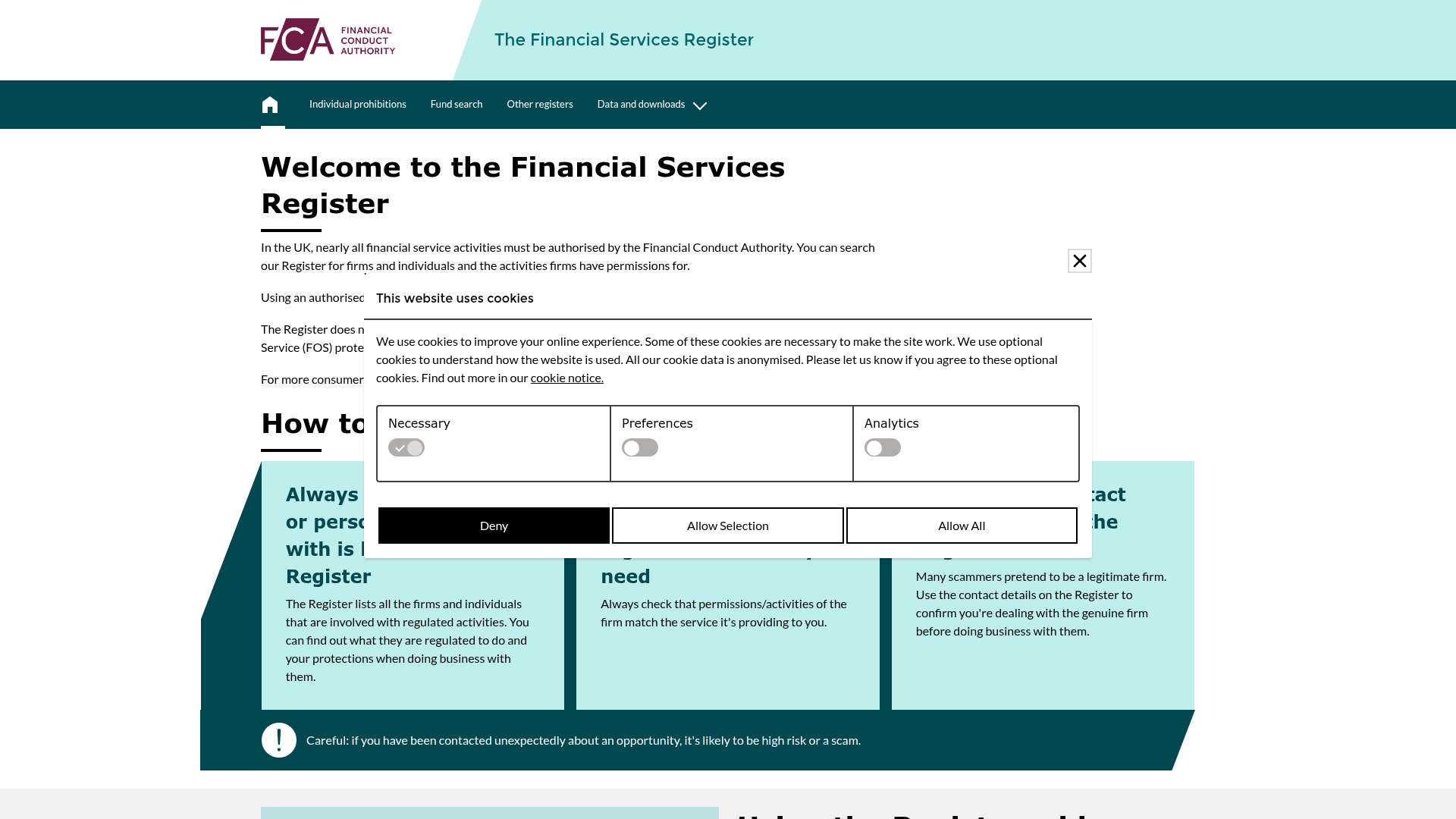
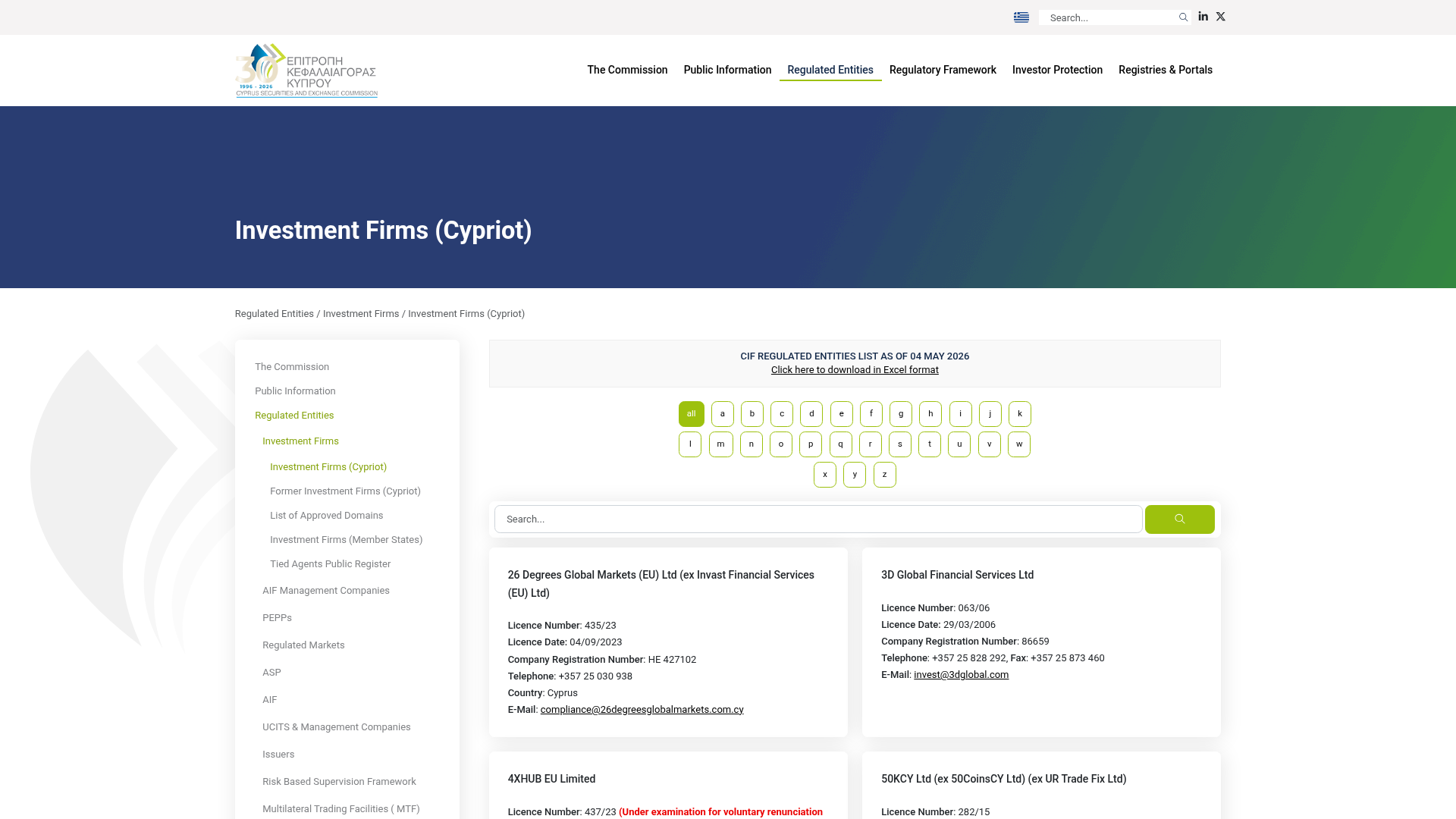
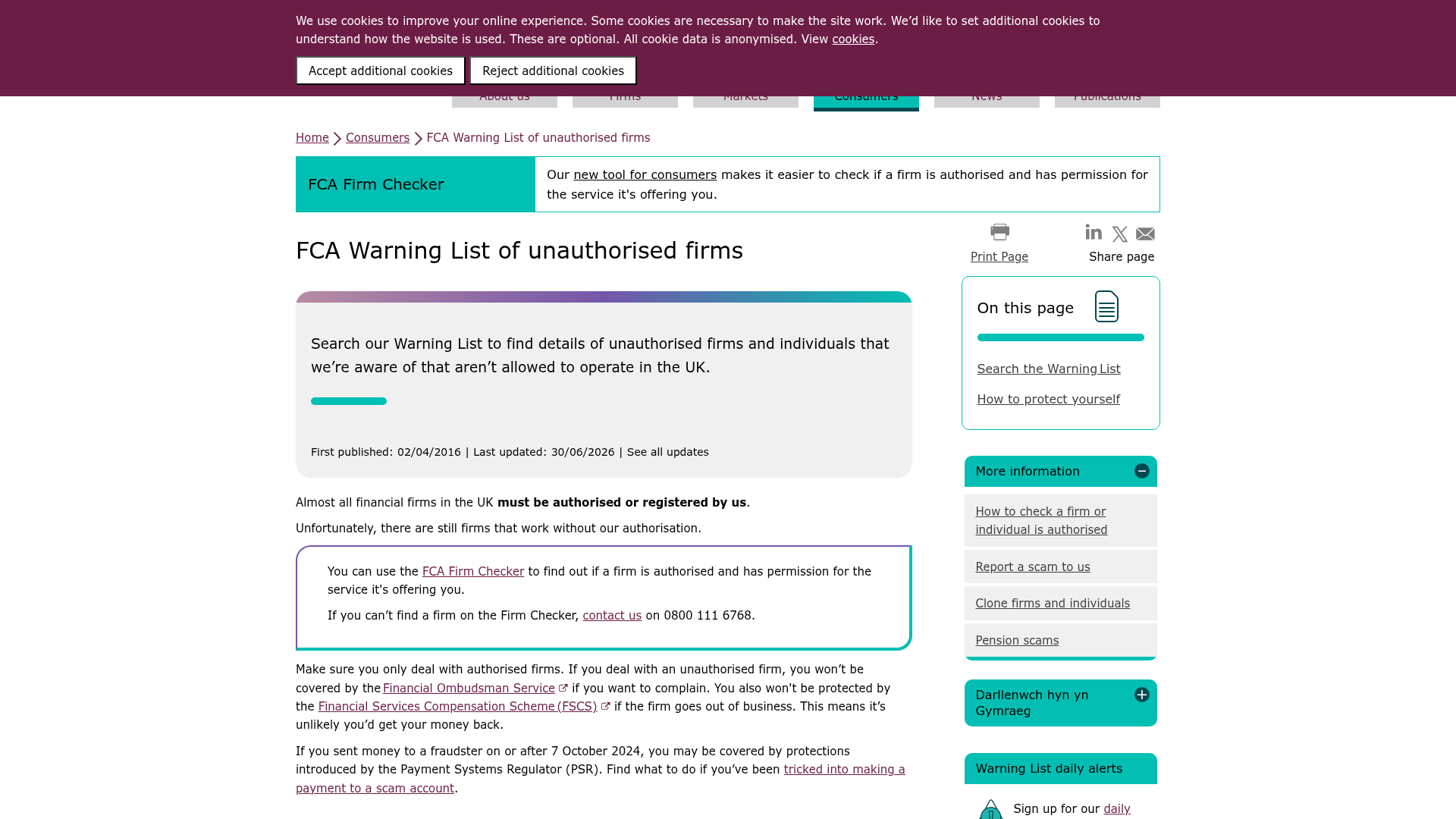
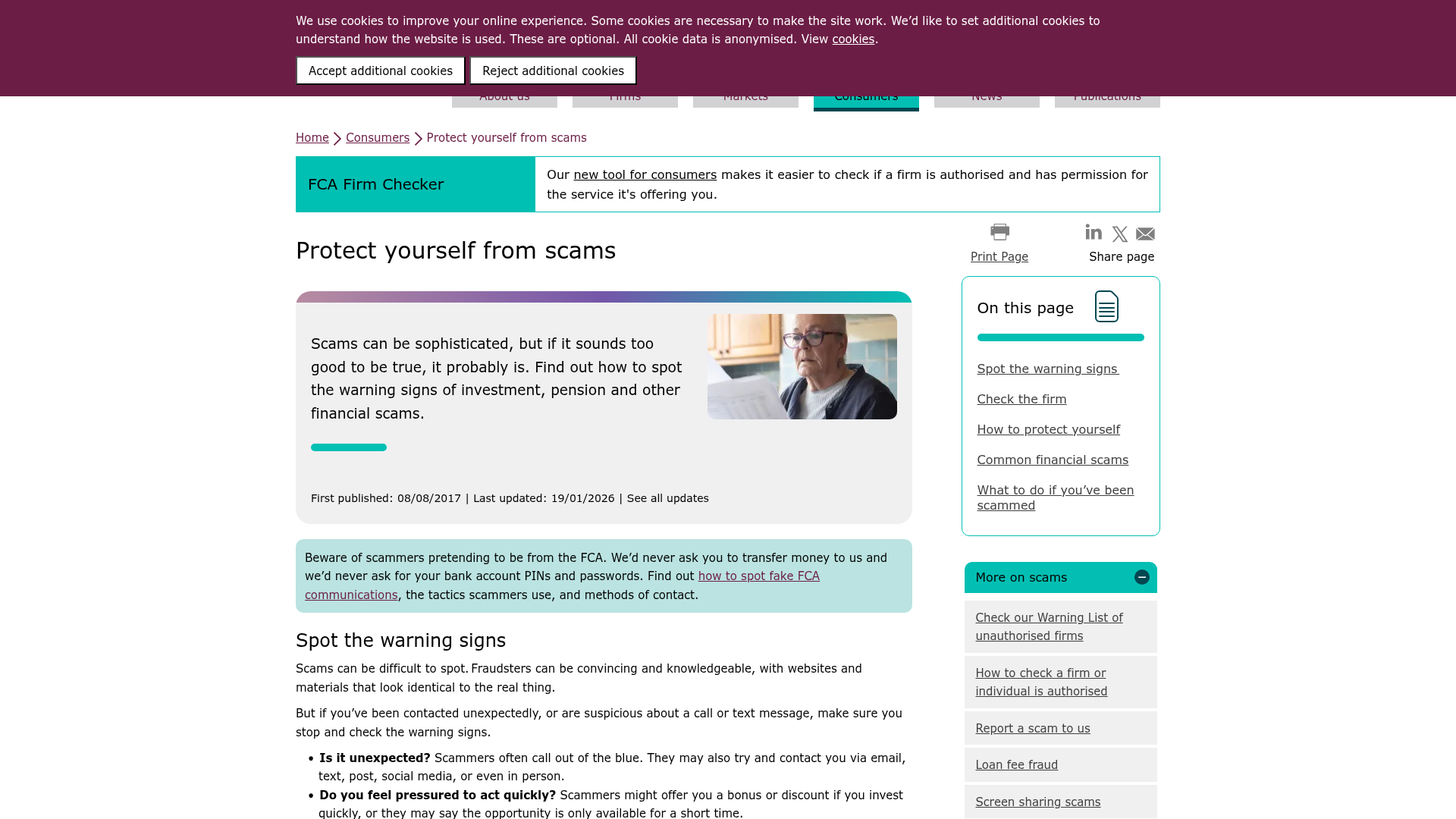
Halaman yang kami periksa
Ini adalah halaman resmi otoritas, diambil seperti yang kami temukan. Buka dan lakukan pencarian yang sama sendiri — tidak ada di daftar ini yang menggantikan sumber aslinya.
Daftar lain yang digunakan dalam pemeriksaan semacam ini. Setiap tautan membuka halaman otoritas terkait.
Sumber utama
Setiap klaim di atas dapat diperiksa terhadap halaman resmi otoritas. Ini akan terbuka di situs regulator, bukan situs kami.
- FCA ScamSmartfca.org.ukhttps://www.fca.org.uk/scamsmart
- FCA — Warning list of unauthorised firmsfca.org.ukhttps://www.fca.org.uk/consumers/warning-list-unauthorised-firms
- IOSCO — Investor alerts portaliosco.orghttps://www.iosco.org/investor_protection/?subsection=investor_alerts_portal
- Financial Services Compensation Scheme (FSCS)fscs.org.ukhttps://www.fscs.org.uk/what-we-cover/investments/
Sering ditanyakan
Apa itu lisensi Bisnis Instrumen Keuangan Tipe 1 di Jepang?
Lisensi ini diterbitkan oleh FSA Japan dan diperlukan bagi perusahaan yang menawarkan layanan keuangan berisiko tinggi seperti brokerage sekuritas, penjaminan emisi, perdagangan derivatif, dan forex kepada penduduk di Jepang. Ini menandakan kepatuhan terhadap persyaratan modal yang ketat dan aturan pemisahan aset klien.
Bagaimana saya bisa memverifikasi apakah perusahaan keuangan memiliki lisensi dari FSA Japan?
Anda harus mengunjungi situs web resmi FSA Japan dan menggunakan daftar publik mereka untuk 'Registered Financial Instruments Business Operators.' Cari berdasarkan nama resmi perusahaan yang tepat atau nomor registrasi untuk mengkonfirmasi status lisensi Tipe 1 mereka dan aktivitas yang diizinkan.
Apakah lisensi luar negeri melindungi saya jika saya adalah penduduk Jepang?
Secara umum, tidak. Lisensi dari regulator luar negeri memberikan wewenang dalam yurisdiksi spesifik tersebut. Untuk layanan langsung kepada penduduk di Jepang, perusahaan biasanya membutuhkan lisensi FSA Japan Tipe 1 khusus agar Anda dapat memperoleh manfaat dari perlindungan investor Jepang dan mekanisme penyelesaian sengketa.
Perlindungan apa saja yang ditawarkan oleh Japan Investor Protection Fund (JIPF)?
JIPF memberikan kompensasi kepada investor hingga 10 juta Yen Jepang per investor per perusahaan anggota jika perusahaan sekuritas berlisensi menjadi bangkrut dan tidak dapat mengembalikan aset klien. Ini mencakup uang tunai dan sekuritas yang dipisahkan, bukan kerugian investasi akibat pergerakan pasar.
Apa yang harus saya lakukan jika saya mencurigai sebuah perusahaan beroperasi tanpa lisensi FSA Japan?
Hindari berinteraksi dengan perusahaan tersebut. Anda harus melaporkan kecurigaan Anda kepada FSA Japan, dengan memberikan detail yang relevan. Untuk dugaan penipuan, pertimbangkan untuk menghubungi pihak kepolisian setempat atau pusat perlindungan konsumen untuk mendapatkan panduan.
Apakah ada broker dengan lisensi FSA Japan Tipe 1 yang disebutkan dalam data Anda?
Ya, AvaTrade tercantum dalam data broker terverifikasi kami sebagai pemegang lisensi FSA (Japan), bersama dengan persetujuan regulasi internasional lainnya. Ini menunjukkan bahwa mereka telah memenuhi persyaratan khusus untuk beroperasi di pasar keuangan Jepang yang teregulasi.