
Poin-poin penting
- FINRA BrokerCheck menyediakan riwayat pekerjaan, lisensi, dan pengungkapan detail untuk broker individu, berbeda dengan pemeriksaan tingkat perusahaan.
- Periksa dengan cermat semua peristiwa pengungkapan, termasuk sengketa nasabah, tindakan regulasi, catatan kriminal, dan putusan keuangan, terlepas dari status penyelesaiannya.
- Jeda pekerjaan, seringnya berganti pekerjaan, dan nama 'berbisnis sebagai' dapat menjadi sinyal untuk penyelidikan lebih lanjut mengenai riwayat seorang profesional.
- Lakukan pemeriksaan silang FINRA BrokerCheck dengan daftar nasional dan internasional lainnya seperti ASIC atau FCA saat berurusan dengan individu yang tidak terdaftar di FINRA atau aktivitas internasional.
- Catatan BrokerCheck yang bersih tidak menghilangkan kebutuhan untuk pertanyaan langsung mengenai pengalaman, filosofi investasi, dan pendekatan pelayanan klien.
- Pahami perbedaan krusial dalam tugas fidusia antara 'broker' dan 'penasihat investasi' karena pengawasan regulasi dan kewajiban klien mereka sangat berbeda.
Dimensi Personal dalam Nasihat Keuangan
Seorang profesional keuangan, mungkin yang direkomendasikan oleh kenalan, menyajikan tawaran menarik untuk investasi Anda. Mereka mewakili perusahaan terkenal, dengan nama besar dan sejarah panjang di pasar. Banyak individu secara naluriah mencari perusahaan tersebut di FINRA BrokerCheck, mencatat rekor bersih dan kepatuhan terhadap regulasi. Ini adalah langkah awal yang baik, tetapi seringkali meninggalkan celah krusial: individu yang memberikan nasihat. Status regulasi perusahaan tidak secara otomatis berlaku untuk setiap individu di bawah naungannya.
Tantangan sebenarnya muncul ketika riwayat pribadi individu, kualifikasi spesifik mereka, perilaku masa lalu, dan setiap peristiwa disipliner, menjadi fokus. Sebuah perusahaan bisa memiliki catatan yang patut dicontoh, namun seorang broker tertentu di dalamnya mungkin memiliki riwayat keluhan nasabah atau pengawasan regulasi yang memerlukan perhatian. Kesejahteraan finansial Anda seringkali bergantung pada penilaian dan integritas satu orang, sehingga latar belakang individu mereka sangat penting. Proses ini melampaui sekadar mengetik nama perusahaan ke dalam kolom pencarian; ini membutuhkan pendekatan yang terfokus dan cermat terhadap uji tuntas individu.
Mengakses dan Menginterpretasikan Catatan Individu
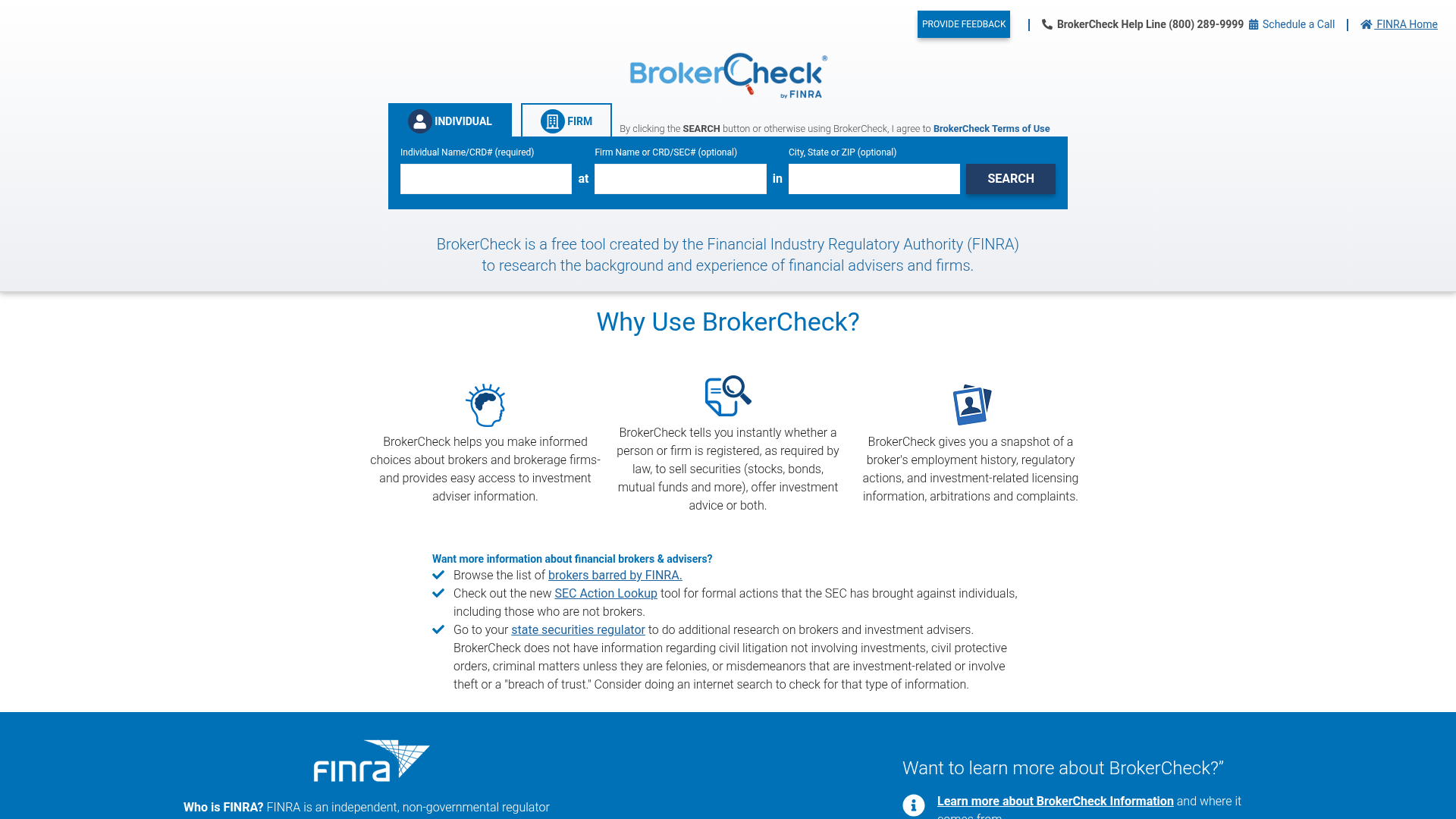
Untuk memulai, kunjungi situs web FINRA BrokerCheck di https://brokercheck.finra.org/. Antarmuka ini memungkinkan Anda mencari individu berdasarkan nama atau nomor Central Registration Depository (CRD) unik mereka. Nomor CRD adalah pengidentifikasi krusial, terutama ketika beberapa individu memiliki nama yang sama, memastikan Anda menemukan catatan yang benar. Jika Anda hanya memiliki nama, sistem akan sering menyajikan daftar kemungkinan kecocokan, merinci perusahaan dan lokasi mereka saat ini untuk membantu identifikasi.
Setelah Anda menemukan laporan seorang profesional, Anda akan melihat halaman ringkasan yang menyediakan status pendaftaran mereka saat ini, perusahaan tempat bekerja, dan lisensi apa pun yang dimiliki. Namun, substansi penyelidikan Anda terletak pada bagian-bagian detail yang menyertainya. Ini termasuk riwayat pekerjaan, kualifikasi profesional, dan, yang terpenting, setiap peristiwa pengungkapan. Setiap bagian memerlukan tinjauan cermat, karena satu entri saja dapat secara signifikan mengubah persepsi Anda tentang kesesuaian seorang profesional.
Perhatikan baik-baik tanggal terakhir informasi diperbarui, yang biasanya ditemukan di bagian atas laporan. Meskipun FINRA berusaha untuk pembaruan waktu nyata, mengandalkan informasi yang sudah usang dapat menyebabkan kesalahan penilaian. Penting juga untuk mencetak atau menyimpan salinan PDF laporan untuk catatan Anda, menyediakan referensi dengan stempel waktu jika Anda perlu meninjau kembali informasi tersebut nanti atau mendiskusikannya langsung dengan profesional.
Menguraikan Peristiwa Pengungkapan: Melampaui 'Tanda Bahaya'
Bagian 'Peristiwa Pengungkapan' seringkali menjadi bagian yang paling banyak dicermati dalam laporan BrokerCheck, dan memang demikian. Ini merinci peristiwa signifikan yang dapat memengaruhi integritas atau kompetensi seorang profesional. Ini dikategorikan menjadi sengketa nasabah, tindakan regulasi, riwayat kriminal, dan masalah keuangan. Sekadar mengamati apakah ada pengungkapan tidaklah cukup; sifat, tingkat keparahan, dan penyelesaian setiap peristiwa sangat penting.
Sebagai contoh, sengketa nasabah dapat berkisar dari salah komunikasi kecil, diselesaikan dengan jumlah nominal, hingga putusan arbitrase serius yang melibatkan tuduhan penipuan atau kelalaian besar. Tindakan regulasi dapat berkisar dari surat peringatan untuk pelanggaran prosedural kecil hingga larangan permanen dari industri oleh FINRA atau SEC. Demikian pula, pengungkapan kriminal membedakan antara pelanggaran ringan dari puluhan tahun yang lalu dan vonis kejahatan baru-baru ini terkait dengan penyimpangan keuangan.
Kuncinya adalah mengevaluasi konteksnya. Apakah peristiwa itu terisolasi atau bagian dari pola? Apakah profesional tersebut sepenuhnya bertanggung jawab, atau adakah keadaan yang meringankan yang melibatkan perusahaan? Beberapa pengungkapan, terutama yang lebih lama, mungkin memiliki sedikit pengaruh pada kompetensi saat ini, sementara yang lain, meskipun sudah diselesaikan, mungkin menunjukkan pola perilaku. Ini bukan tentang mencari catatan yang sempurna, yang bagi profesional berpengalaman jarang terjadi, tetapi tentang memahami sifat dari masalah masa lalu apa pun.
Kategori Pengungkapan Umum dan Implikasinya pada FINRA BrokerCheck
| Kategori Pengungkapan | Contoh Umum | Signifikansi bagi Investor |
|---|---|---|
| Sengketa Nasabah | Dugaan ketidaksesuaian, salah penyajian, churning, dan transaksi tanpa otorisasi. | Menunjukkan potensi masalah dalam interaksi dengan klien, perilaku etis, atau keselarasan strategi investasi. Perhatikan penyelesaian dan jumlah moneter. |
| Tindakan Regulasi | Denda, penangguhan, larangan oleh FINRA, SEC, regulator negara bagian atas pelanggaran aturan. | Menandakan kegagalan untuk mematuhi aturan industri atau kewajiban hukum. Tingkat keparahan bervariasi berdasarkan otoritas yang menjatuhkan sanksi dan jenis sanksi. |
| Pengungkapan Kriminal | Hukuman kejahatan berat atau pelanggaran ringan tertentu yang berkaitan dengan kejahatan keuangan, pencurian, penipuan. | Menimbulkan pertanyaan mendasar tentang kepercayaan dan integritas pribadi, terutama untuk pelanggaran yang berkaitan dengan keuangan. |
| Pengungkapan Keuangan | Kebangkrutan, hak gadai, putusan yang belum dipenuhi, kompromi dengan kreditur. | Dapat menunjukkan manajemen keuangan pribadi yang buruk, yang dalam beberapa kasus, secara tidak langsung dapat memengaruhi perilaku profesional atau menciptakan konflik kepentingan. |
Melacak Riwayat Pekerjaan dan Kesenjangan
Riwayat pekerjaan seorang profesional, sebagaimana dirinci di BrokerCheck, menawarkan garis waktu karier mereka. Setiap entri biasanya mencantumkan perusahaan, tanggal mulai dan berakhirnya pekerjaan, serta status pendaftaran mereka. Bagian ini berharga karena beberapa alasan: ini mengkonfirmasi tingkat pengalaman individu, menunjukkan perkembangan mereka melalui peran atau perusahaan yang berbeda, dan mengidentifikasi periode pengangguran atau tidak terdaftar.
Kesenjangan signifikan dalam pekerjaan, terutama jika tidak dijelaskan, memerlukan penyelidikan lebih lanjut. Kesenjangan mungkin disebabkan oleh alasan pribadi, seperti cuti keluarga, atau bisa menunjukkan periode di mana individu tersebut tidak aktif terlibat dalam industri sekuritas. Alasan yang kurang baik mungkin termasuk tindakan disipliner yang menyebabkan periode tidak terdaftar, atau kesulitan mendapatkan pekerjaan baru setelah masalah sebelumnya. Ini adalah bagian yang dilewatkan oleh sebagian besar panduan: seringkali, laporan BrokerCheck yang bersih bukanlah cerita lengkap jika individu tersebut terutama beroperasi di bawah payung regulasi yang berbeda selama kesenjangan ini.
Pertimbangkan frekuensi perubahan pekerjaan. Meskipun mobilitas karier umum terjadi, pola masa kerja yang sangat singkat di beberapa perusahaan mungkin menunjukkan masalah dengan retensi, kepatuhan, atau ketidakmampuan untuk menjaga hubungan klien. Setiap perubahan perusahaan juga menciptakan peluang untuk pengungkapan baru, sehingga melacak jalur lengkap memberikan gambaran yang lebih kaya tentang lintasan profesional mereka.
Status regulasi perusahaan tidak secara otomatis berlaku untuk setiap individu di bawah naungannya; kesejahteraan finansial Anda seringkali bergantung pada penilaian dan integritas satu orang.
Mei Tanaka
Memahami Sengketa Pelanggan: Jumlah dan Penyelesaian
Istilah 'sengketa pelanggan' di BrokerCheck mencakup berbagai tindakan yang diprakarsai klien, mulai dari keluhan formal yang diajukan ke regulator hingga klaim arbitrase dan gugatan perdata. Penting untuk membedakan antara sekadar pengajuan keluhan dan penyelesaian akhirnya. Banyak sengketa diselesaikan, ditarik, atau ditolak, seringkali tanpa pengakuan kesalahan. Kehadiran sengketa saja tidak secara otomatis mengutuk seorang profesional, tetapi pola atau jenis sengketa tertentu harus mendorong penyelidikan terperinci.
Saat meninjau sengketa pelanggan, fokuslah pada substansi tuduhan, jumlah yang diminta oleh pelanggan, dan keputusan akhir. Apakah sengketa diselesaikan, dan jika demikian, berapa jumlahnya? Apakah ditolak, atau apakah panel arbitrase memutuskan mendukung broker? Seorang profesional dengan riwayat banyak penyelesaian kecil, meskipun secara individual kecil, mungkin menunjukkan masalah berulang dengan komunikasi klien atau praktik kesesuaian. Sebaliknya, satu klaim besar yang akhirnya ditolak bisa jadi kurang mengkhawatirkan daripada serangkaian klaim yang lebih kecil dan diselesaikan.
Dalam praktiknya, banyak perusahaan akan menyelesaikan sengketa untuk menghindari biaya dan ketidakpastian litigasi atau arbitrase yang berkepanjangan, terlepas dari kesalahan yang dirasakan. Ini berarti sengketa yang 'diselesaikan' belum tentu merupakan pengakuan bersalah, tetapi itu menunjukkan situasi di mana perusahaan atau individu membayar uang untuk menyelesaikan keluhan klien. Tujuan Anda adalah untuk memahami apakah gambaran agregat sengketa menunjukkan pola perilaku yang membahayakan kepentingan Anda.
Tindakan Regulasi dan Riwayat Kriminal
Tindakan regulasi biasanya diprakarsai oleh organisasi seperti FINRA, Securities and Exchange Commission (SEC), atau regulator sekuritas negara bagian. Tindakan ini muncul dari dugaan pelanggaran undang-undang sekuritas atau aturan industri. Tindakan tersebut dapat mengakibatkan berbagai sanksi, termasuk denda, penangguhan dari industri untuk periode tertentu, atau bahkan larangan permanen. Tingkat keparahan sanksi seringkali berkorelasi langsung dengan keseriusan pelanggaran, mulai dari kelalaian administratif hingga perilaku penipuan.
Saat memeriksa tindakan regulasi, pertimbangkan aturan atau hukum spesifik yang dilanggar, tanggal tindakan, dan hasilnya. Seorang profesional yang telah diskors selama beberapa bulan oleh FINRA karena salah merepresentasikan produk investasi, misalnya, memiliki profil risiko yang sangat berbeda dibandingkan dengan seseorang yang menerima denda kecil karena kesalahan administrasi. Kehadiran beberapa tindakan regulasi, terutama di berbagai badan regulasi yang berbeda, adalah indikator serius yang memerlukan tinjauan menyeluruh dan kemungkinan diskualifikasi individu tersebut.
Pengungkapan kriminal berkaitan dengan penangkapan, dakwaan, dan hukuman untuk kejahatan berat dan pelanggaran ringan tertentu. Meskipun pelanggaran ringan kecil, non-keuangan dari masa lalu yang jauh mungkin tidak terlalu relevan, riwayat kriminal apa pun yang melibatkan penipuan, pencurian, penggelapan, atau kejahatan keuangan lainnya adalah peringatan keras. Entri semacam itu secara langsung menantang prinsip inti kepercayaan yang diperlukan dalam hubungan keuangan. FINRA mewajibkan pelaporan semua hukuman kejahatan berat dan hukuman pelanggaran ringan tertentu, terlepas dari apakah itu terkait investasi, memberikan pandangan luas tentang riwayat hukum individu.
Broker Versus Penasihat Investasi: Perbedaan Fiduciary
Perbedaan krusial yang sering diabaikan banyak investor adalah antara 'broker' (atau perwakilan terdaftar) dan 'penasihat investasi' (atau perwakilan penasihat investasi). Ini bukan hanya masalah terminologi; ini menentukan standar hukum perawatan yang wajib diberikan kepada Anda. Seorang broker biasanya beroperasi di bawah standar 'kesesuaian', yang berarti mereka harus merekomendasikan investasi yang sesuai untuk profil Anda pada saat transaksi. Sebaliknya, seorang penasihat investasi umumnya beroperasi di bawah standar 'fiduciary', yang berarti mereka harus bertindak semata-mata demi kepentingan terbaik Anda setiap saat, menempatkan kepentingan Anda di atas kepentingan mereka sendiri.
Banyak profesional memiliki pendaftaran ganda, yang berarti mereka terdaftar sebagai perwakilan broker-dealer dan perwakilan penasihat investasi. Ini adalah bagian yang dilewatkan oleh sebagian besar panduan: ketika seorang individu terdaftar ganda, standar perawatan mereka dapat bergeser tergantung pada layanan spesifik yang mereka berikan pada saat itu. Memahami kapan mereka bertindak sebagai broker versus penasihat adalah kuncinya. Untuk penasihat investasi, uji tuntas lebih lanjut mungkin melibatkan pemeriksaan situs web Investment Adviser Public Disclosure (IAPD) SEC, yang menyediakan informasi tentang penasihat investasi terdaftar dan perwakilan mereka.
BrokerCheck terutama mencakup individu yang terdaftar di FINRA, yang mengawasi broker-dealer. Meskipun mungkin menunjukkan beberapa afiliasi penasihat investasi, pemeriksaan lengkap untuk penasihat investasi harus selalu meluas ke IAPD. Mengetahui peran apa yang sedang dijalankan profesional Anda, dan kapan, memungkinkan Anda untuk menuntut mereka pada standar hukum dan etika yang benar, menuntut mereka untuk mematuhi standar yang lebih tinggi dari tugas fiduciary ketika acting sebagai penasihat.
Rujukan Silang dengan Daftar Regulasi Lain
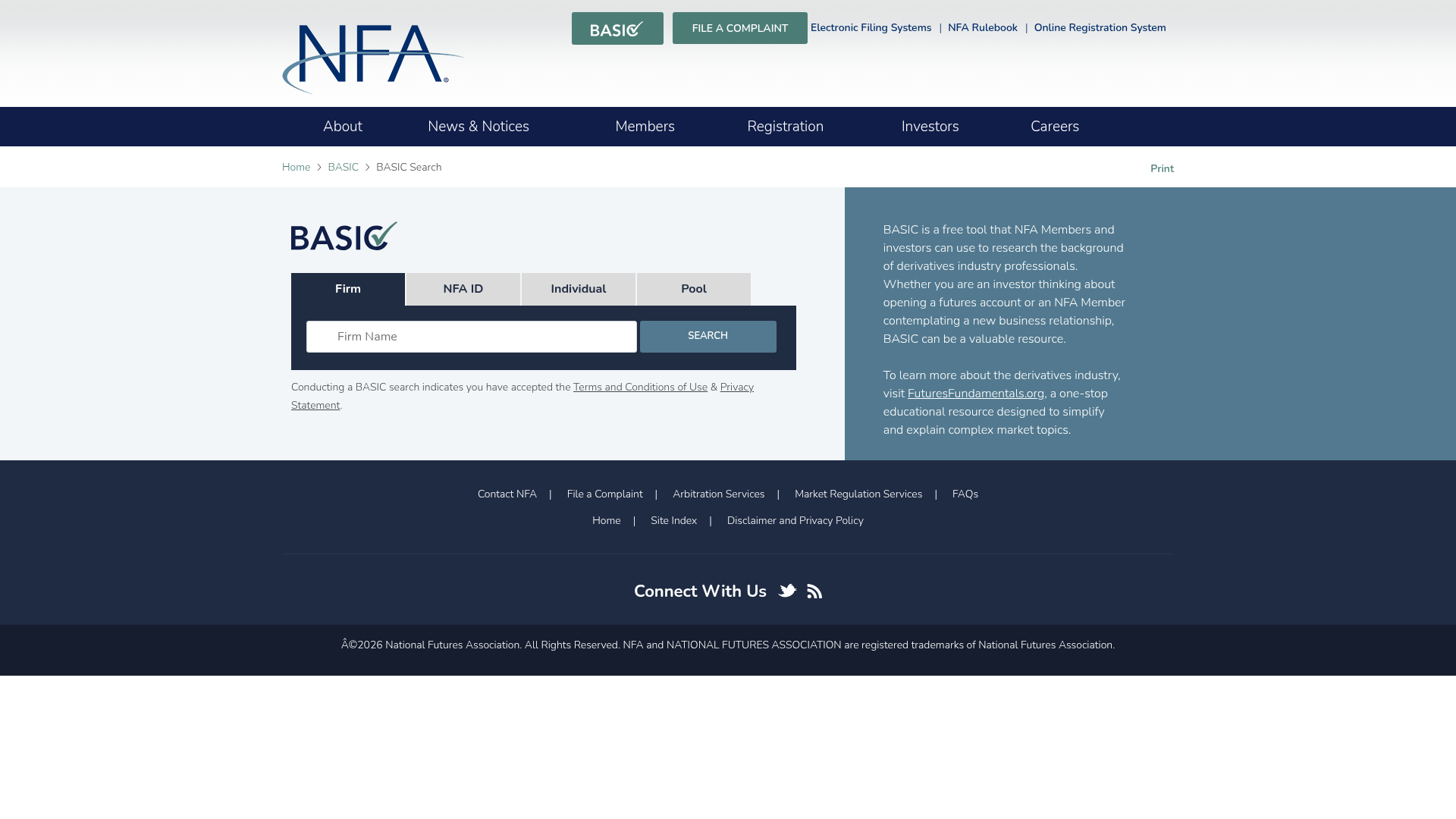
Meskipun FINRA BrokerCheck berfungsi baik untuk individu yang berbasis di AS dan terdaftar di FINRA, banyak profesional keuangan, terutama mereka yang beroperasi secara internasional atau berspesialisasi dalam produk non-sekuritas, mungkin berada di bawah lingkup regulasi yang berbeda. Jika seorang profesional terutama berurusan dengan futures dan opsi, misalnya, regulator utama mereka mungkin National Futures Association (NFA) atau Commodity Futures Trading Commission (CFTC). Sistem BASIC NFA (https://www.nfa.futures.org/basicnet/) berfungsi serupa dengan BrokerCheck untuk pendaftarnya.
Untuk profesional yang beroperasi di yurisdiksi lain, atau untuk perusahaan dengan jangkauan internasional, memeriksa daftar regulasi lokal sangat penting. Misalnya, di Australia, ASIC Professional Registers (https://asic.gov.au/online-services/search-asics-registers/) menyediakan informasi tentang penasihat keuangan dan pemegang lisensi kredit. Di Inggris, Financial Conduct Authority (FCA) Financial Services Register (https://register.fca.org.uk/) adalah sumber otoritatif. Monetary Authority of Singapore (MAS) Singapura menawarkan Financial Institutions Directory (https://eservices.mas.gov.sg/fid).
Kebutuhan akan rujukan silang ini menjadi semakin penting ketika berurusan dengan perusahaan atau individu yang mengklaim kredensial internasional atau menawarkan layanan lintas batas. Seorang profesional mungkin terlihat bersih di BrokerCheck tetapi memiliki riwayat masalah dengan regulator luar negeri. IOSCO Investor Alerts Portal (https://www.iosco.org/investor_protection/?subsection=investor_alerts_portal) juga dapat memberikan peringatan tentang entitas atau individu tidak terdaftar secara global. Uji tuntas jarang terbatas pada satu basis data ketika seorang profesional memiliki kehadiran multi-yurisdiksi.
Daftar Registrasi Regulator Internasional Utama untuk Profesional Keuangan
| Negara/Wilayah | Regulator Utama | Daftar/Alat Pencarian |
|---|---|---|
| Amerika Serikat (Pialang-Dealer) | FINRA | FINRA BrokerCheck (https://brokercheck.finra.org/) |
| Amerika Serikat (Futures/Opsi) | NFA/CFTC | NFA BASIC (https://www.nfa.futures.org/basicnet/) |
| Britania Raya | Otoritas Perilaku Keuangan (FCA) | Register Layanan Keuangan FCA (https://register.fca.org.uk/) |
| Australia | Komisi Sekuritas dan Investasi Australia (ASIC) | Registri Profesional ASIC (https://asic.gov.au/online-services/search-asics-registers/) |
| Siprus | Komisi Sekuritas dan Bursa Siprus (CySEC) | Daftar Entitas Teregulasi CySEC (https://www.cysec.gov.cy/en-GB/entities/investment-firms/cypriot/) |
| Singapura | Otoritas Moneter Singapura (MAS) | Direktori Lembaga Keuangan MAS (https://eservices.mas.gov.sg/fid) |
| Afrika Selatan | Otoritas Perilaku Sektor Keuangan (FSCA) | Pencarian Entitas Teregulasi FSCA (https://www.fsca.co.za/Regulated%20Entities/Pages/default.aspx) |
Batasan BrokerCheck: Apa yang Tidak Ada di Sana
Meskipun FINRA BrokerCheck adalah alat yang sangat diperlukan, namun tidak menyeluruh. Ada aspek kompetensi dan integritas seorang profesional keuangan yang sistem ini, berdasarkan desainnya, tidak dapat menyampaikannya. Misalnya, BrokerCheck tidak akan menyediakan data kinerja kualitatif, seperti imbal hasil investasi historis seorang profesional untuk klien. Juga tidak akan menawarkan peringkat kepuasan klien atau testimoni kecuali jika hal tersebut telah menyebabkan sengketa formal yang wajib dilaporkan. Ini adalah catatan kepatuhan regulasi dan masalah masa lalu, bukan tinjauan kinerja.
Keterbatasan lain adalah tidak adanya informasi mengenai aktivitas yang dilakukan di luar pengawasan langsung broker-dealer atau perusahaan penasihat investasi, yang sering disebut sebagai 'aktivitas bisnis di luar'. Meskipun para profesional diwajibkan untuk melaporkan hal ini kepada perusahaan mereka, detail aktivitas tersebut mungkin tidak ditampilkan secara jelas di profil BrokerCheck publik mereka kecuali jika menjadi subjek kejadian pengungkapan. Ini berarti seorang profesional bisa terlibat dalam usaha lain yang tidak sepenuhnya transparan melalui basis data ini.
Akhirnya, laporan BrokerCheck yang sepenuhnya kosong untuk seorang profesional berpengalaman, tanpa pengungkapan apa pun, meskipun tampak ideal, juga harus dilihat dengan perspektif realistis. Ini bisa menunjukkan catatan yang sangat bersih, atau bisa menunjukkan seorang profesional yang sangat baru di industri ini, sehingga memiliki lebih sedikit kesempatan untuk peristiwa yang wajib dilaporkan. Kurangnya riwayat disipliner memang menguntungkan, tetapi tidak menggantikan keharusan untuk mengajukan pertanyaan mendalam tentang pengalaman, strategi investasi spesifik, dan bagaimana mereka menangani kekhawatiran klien yang tidak meningkat menjadi sengketa formal.
Melindungi Kepentingan Anda: Langkah Selanjutnya
Setelah melakukan peninjauan menyeluruh laporan BrokerCheck seorang profesional keuangan dan registrasi tambahan yang relevan, Anda mungkin masih memiliki pertanyaan atau kekhawatiran yang tersisa. Ini adalah bagian normal dari proses uji tuntas. Langkah selanjutnya adalah berinteraksi langsung dengan profesional tersebut. Ajukan pertanyaan spesifik tentang pengungkapan apa pun yang Anda temukan, memungkinkan mereka memberikan konteks dan penjelasan. Penjelasan yang transparan dan jujur dapat membantu memperjelas situasi; sikap menghindar harus menjadi perhatian serius.
Jika kekhawatiran Anda berlanjut atau jika Anda menemukan informasi yang mengindikasikan potensi pelanggaran, jangan ragu untuk bertindak. Pertama, pertimbangkan untuk menghubungi departemen kepatuhan perusahaan tempat mereka bekerja. Perusahaan memiliki kewajiban untuk mengawasi perwakilan terdaftar mereka dan menyelidiki tuduhan yang kredibel. Anda juga dapat melaporkan potensi penipuan atau pelanggaran kepada badan regulasi yang sesuai. Untuk konsumen di AS, FTC menawarkan portal pelaporan yang jelas di https://reportfraud.ftc.gov/, dan Internet Crime Complaint Center (IC3) FBI di https://www.ic3.gov/AnnualReport/Reports dapat digunakan untuk kejahatan keuangan. Di Inggris, Action Fraud (https://www.actionfraud.police.uk/) adalah pusat pelaporan nasional untuk penipuan dan kejahatan siber.
Kewaspadaan Anda dalam meneliti dan, jika perlu, melaporkan adalah komponen vital perlindungan konsumen, tidak hanya untuk keamanan finansial Anda sendiri tetapi juga untuk komunitas investasi yang lebih luas. Jangan pernah berasumsi bahwa orang lain akan menemukan masalah; pemeriksaan proaktif Anda seringkali merupakan lini pertahanan paling langsung.
Halaman yang kami periksa
Ini adalah halaman resmi otoritas, diambil seperti yang kami temukan. Buka dan lakukan pencarian yang sama sendiri — tidak ada di daftar ini yang menggantikan sumber aslinya.
Daftar lain yang digunakan dalam pemeriksaan semacam ini. Setiap tautan membuka halaman otoritas terkait.
Sumber utama
Setiap klaim di atas dapat diperiksa terhadap halaman resmi otoritas. Ini akan terbuka di situs regulator, bukan situs kami.
- FINRA BrokerCheckbrokercheck.finra.orghttps://brokercheck.finra.org/
- FCA Financial Services Registerregister.fca.org.ukhttps://register.fca.org.uk/
- ASIC Professional registersasic.gov.auhttps://asic.gov.au/online-services/search-asics-registers/
- NFA BASIC – background affiliation statusnfa.futures.orghttps://www.nfa.futures.org/basicnet/
- FTC – Report fraudreportfraud.ftc.govhttps://reportfraud.ftc.gov/
Sering ditanyakan
Apa itu nomor CRD dan mengapa itu penting?
Nomor CRD (Central Registration Depository) adalah nomor identifikasi unik yang diberikan kepada setiap profesional keuangan yang terdaftar di FINRA. Ini sangat penting untuk mengidentifikasi individu secara akurat di BrokerCheck, terutama jika mereka memiliki nama umum, memastikan Anda mendapatkan catatan yang benar dan lengkap.
Apakah laporan BrokerCheck yang 'bersih' menjamin seorang profesional dapat dipercaya?
Tidak, laporan BrokerCheck yang 'bersih' menunjukkan tidak adanya tindakan disipliner yang wajib dilaporkan atau sengketa pelanggan dalam sistem FINRA. Ini tidak menjamin kepercayaan, kompetensi, atau perilaku etis dalam semua keadaan. Ini adalah salah satu komponen penting dari proses uji tuntas yang lebih luas.
Bisakah saya melihat kinerja investasi seorang profesional di BrokerCheck?
FINRA BrokerCheck tidak menyediakan informasi tentang kinerja atau imbal hasil investasi masa lalu seorang profesional keuangan. Tujuannya adalah untuk mengungkapkan status lisensi, riwayat pekerjaan, kualifikasi, dan pengungkapan regulasi, kriminal, atau sengketa pelanggan, bukan hasil investasi.
Apa yang harus saya lakukan jika saya menemukan kejadian pengungkapan pada catatan seorang profesional?
Jika Anda menemukan kejadian pengungkapan, tinjau detailnya, termasuk sifat tuduhan, tanggal, dan penyelesaiannya. Kemudian, tanyakan langsung kepada profesional keuangan tersebut untuk penjelasan dan konteks mereka. Evaluasi respons mereka untuk transparansi dan kredibilitas sebelum membuat keputusan.
Jika seorang profesional tidak ada di FINRA BrokerCheck, apakah itu berarti mereka tidak teregulasi?
Tidak selalu. Jika seorang profesional tidak terdaftar di FINRA, mereka mungkin diregulasi oleh otoritas lain, seperti komisioner asuransi negara bagian, SEC (untuk Penasihat Investasi Terdaftar), atau badan internasional seperti FCA di Inggris. Selalu tentukan regulator yang sesuai untuk layanan yang ditawarkan.
Apakah ada biaya yang terkait dengan penggunaan FINRA BrokerCheck?
Tidak, FINRA BrokerCheck adalah sumber daya publik gratis. Siapa pun dapat mengakses dan mencari basis data tanpa biaya untuk meneliti latar belakang dan pengalaman broker keuangan, perusahaan pialang, dan penasihat investasi.