
Poin-poin penting
- Daftar Profesional ASIC Connect adalah sumber resmi untuk memverifikasi pemegang lisensi AFS dan perwakilan resmi di Australia.
- Lisensi AFS merinci produk dan layanan keuangan spesifik yang diizinkan untuk disediakan oleh suatu perusahaan, dan kondisi ini harus diperiksa dengan cermat.
- Berurusan dengan entitas tidak berlisensi di Australia secara signifikan mengurangi perlindungan investor dan jalur pengaduan untuk dana yang hilang.
- Selalu lakukan pemeriksaan silang nomor lisensi ASIC yang dinyatakan oleh suatu perusahaan langsung di situs web ASIC Connect untuk melindungi diri dari peniruan identitas dan kredensial palsu.
- Perusahaan internasional yang menawarkan layanan di Australia memerlukan lisensi AFS, meskipun mereka memiliki lisensi di yurisdiksi lain.
- Perwakilan resmi beroperasi di bawah lisensi AFS utama; verifikasi baik perwakilan maupun entitas utama.
Langkah Awal: Mengapa ASIC Connect Penting
Bayangkan Anda menyetor $20.000 ke platform investasi, percaya bahwa itu adalah perusahaan Australia yang terkemuka, hanya untuk menemukan dana Anda tidak dapat diakses beberapa minggu kemudian. Skenario ini, sayangnya umum terjadi, merupakan kerugian finansial yang signifikan bagi banyak individu. Australia, seperti pusat keuangan besar lainnya, mempertahankan pengawasan regulasi yang ketat melalui Australian Securities and Investments Commission (ASIC). Mandat ASIC adalah untuk melindungi konsumen, menegakkan undang-undang layanan keuangan, dan memastikan integritas pasar. Komponen inti dari perlindungan ini adalah persyaratan bagi entitas yang menawarkan produk dan layanan keuangan untuk memiliki lisensi Australian Financial Services (AFS). Tanpa lisensi tersebut, suatu perusahaan tidak dapat secara sah melakukan sebagian besar bisnis keuangan dengan klien ritel Australia.Alat publik utama untuk memverifikasi penyedia layanan keuangan ini adalah ASIC Connect. Ini menawarkan portal ke berbagai daftar, termasuk yang mencantumkan perusahaan, nama bisnis, dan yang penting, daftar profesional yang merinci pemegang lisensi AFS dan perwakilan resmi mereka. Sebelum dana berpindah tangan, sebelum menandatangani perjanjian apa pun, dan tentu saja sebelum bertindak berdasarkan nasihat keuangan apa pun, memeriksa kredensial ASIC suatu perusahaan adalah langkah perlindungan fundamental. Verifikasi ini bukan sekadar formalitas birokrasi; ini adalah perlindungan kritis yang dirancang untuk melindungi modal Anda dari entitas yang beroperasi di luar kerangka hukum yang ditetapkan, di mana jalur pengaduan bagi korban sangat terbatas atau tidak ada. Beberapa menit yang dihabiskan di ASIC Connect dapat mencegah bertahun-tahun kesulitan finansial dan frustrasi berurusan dengan entitas yang tidak memiliki kewajiban hukum kepada Anda.
Menemukan Jalan Anda: Menggunakan Daftar ASIC Connect
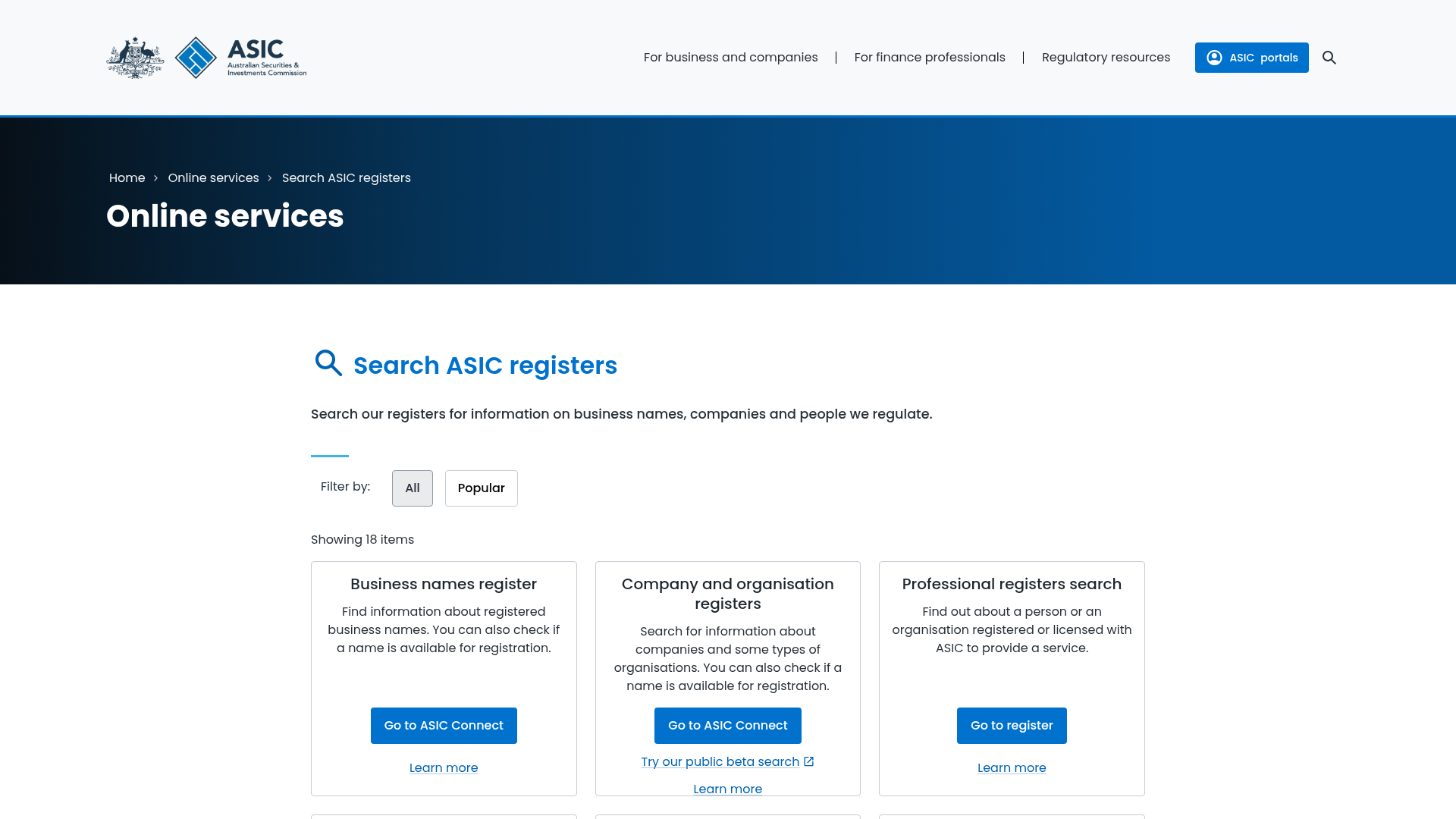
Mengakses ASIC Connect cukup mudah, tetapi mengetahui di mana harus mengeklik adalah kunci untuk menemukan informasi yang benar. Mulailah dengan membuka peramban web Anda dan langsung menuju situs web resmi ASIC: asic.gov.au. Dari halaman beranda, temukan menu 'Online services'. Di menu ini, klik 'Search ASIC's registers'. Ini akan membawa Anda ke halaman dengan beberapa kategori daftar publik.Untuk memverifikasi penyedia layanan keuangan, fokus pada bagian 'Professional registers'. Di sini, Anda akan menemukan opsi pencarian untuk 'AFS Licensees', 'Authorised Representatives', dan 'Banned and Disqualified Persons'. Pilih 'AFS Licensees' untuk mencari entitas yang memegang lisensi penting ini. Antarmuka pencarian memungkinkan Anda memasukkan Australian Business Number (ABN), Australian Company Number (ACN), atau nama bisnis resmi lengkap perusahaan. Menggunakan ABN atau ACN biasanya memberikan hasil yang paling tepat, karena nama bisnis terkadang bisa serupa atau menyertakan variasi.Setelah memasukkan kriteria pencarian, sistem akan menampilkan daftar entitas yang cocok. Periksa daftar ini dengan cermat untuk menemukan perusahaan yang ingin Anda verifikasi. Perhatikan baik-baik nama resmi lengkap dan detail pengenal lainnya untuk memastikan Anda memilih entri yang benar. Langkah ini sangat penting untuk menghindari kebingungan antara perusahaan yang sah dengan entitas yang namanya serupa, tetapi tidak terkait. Setelah Anda menemukan entri yang benar, mengekliknya akan menampilkan catatan publik terperinci dari lisensi AFS-nya, termasuk status dan aktivitas yang diizinkan.
Menguraikan Lisensi Australian Financial Services (AFS)
Lisensi Australian Financial Services (AFS) bukanlah persetujuan menyeluruh untuk semua dan setiap aktivitas keuangan. Sebaliknya, ini adalah otorisasi spesifik yang menguraikan produk dan layanan keuangan persis yang diizinkan secara hukum untuk disediakan oleh suatu perusahaan kepada klien Australia. Ketika Anda melihat detail lisensi AFS suatu perusahaan di ASIC Connect, bagian paling penting untuk diperiksa adalah 'Licence conditions' atau 'Authorisations'. Bagian ini merinci dengan tepat apa yang diizinkan untuk dilakukan oleh pemegang lisensi.Sebagai contoh, lisensi mungkin mengizinkan perusahaan 'to deal in derivatives' atau 'to provide general financial product advice on securities'. Lisensi juga dapat menentukan 'to make a market for foreign exchange contracts'. Jika suatu perusahaan menawarkan produk atau layanan yang tidak secara eksplisit tercantum di bawah otorisasi, ia beroperasi di luar cakupan lisensinya, yang merupakan pelanggaran regulasi. Pembatasan ini adalah tindakan perlindungan yang disengaja; ASIC memastikan bahwa perusahaan memiliki keahlian, struktur kepatuhan, dan modal yang diperlukan hanya untuk aktivitas yang disetujui untuk mereka lakukan. Lisensi AFS juga dilengkapi dengan kewajiban berkelanjutan, termasuk persyaratan modal, prosedur penyelesaian sengketa internal, dan kewajiban pelaporan kepada ASIC. Kewajiban-kewajiban ini bertujuan untuk memastikan pemegang lisensi beroperasi dengan integritas dan memiliki mekanisme untuk menangani keluhan klien serta menjaga stabilitas keuangan.Mengabaikan untuk meninjau otorisasi spesifik ini adalah kelalaian umum. Sebuah perusahaan mungkin dengan bangga menampilkan nomor lisensi AFS-nya, tetapi jika lisensi tersebut tidak mencakup layanan spesifik yang mereka pasarkan kepada Anda, maka dari sudut pandang regulasi, mereka secara efektif tidak berlisensi untuk aktivitas tertentu tersebut. Perbedaan ini halus tetapi krusial untuk perlindungan Anda.
Informasi Penting yang Disediakan oleh Hasil Pencarian Lisensi AFS di ASIC Connect
| Kolom Informasi | Signifikansi bagi Investor |
|---|---|
| Nomor Lisensi AFS | Pengenal unik; fundamental untuk verifikasi. |
| Nama Resmi Pemegang Lisensi | Harus sama persis dengan perusahaan yang Anda tangani. |
| Status Saat Ini | Menunjukkan apakah lisensi berstatus 'Terdaftar', 'Ditangguhkan', atau 'Dibatalkan'. |
| Ketentuan/Otorisasi Lisensi | Merinci produk dan layanan keuangan spesifik yang diizinkan untuk ditawarkan oleh perusahaan. |
| Tanggal Diberikan | Menunjukkan berapa lama perusahaan telah memegang lisensinya, mengindikasikan riwayat operasional. |
| ABN/ACN | Nomor Bisnis/Perusahaan Australia, berguna untuk rujukan silang. |
| Alamat Terdaftar | Mengkonfirmasi keberadaan fisik dan selaras dengan catatan bisnis lainnya. |
Perbedaan Perwakilan Resmi
Saat memeriksa entitas keuangan, ada struktur spesifik yang seringkali menimbulkan kebingungan: Perwakilan Resmi (AR). AR adalah individu atau perusahaan yang bertindak atas nama pemegang lisensi AFS, yang dikenal sebagai 'prinsipal'. AR tidak memegang lisensi AFS sendiri. Sebaliknya, mereka beroperasi di bawah payung hukum dan tanggung jawab regulasi dari prinsipal pemegang lisensi AFS mereka. Ini berarti prinsipal pemegang lisensi bertanggung jawab secara hukum atas layanan keuangan yang diberikan oleh AR mereka. Untuk memverifikasi Perwakilan Resmi, Anda tetap akan menggunakan ASIC Connect. Pertama, cari nama AR atau ABN/ACN di bawah bagian 'Authorised Representatives' pada 'Professional registers'. Hasil pencarian akan menampilkan detail mereka dan, yang penting, mencantumkan pemegang lisensi AFS yang memberikan otorisasi kepada mereka. Ini adalah bagian yang sering dilewatkan oleh sebagian besar panduan, yang seringkali menyebabkan kebingungan. Hanya melihat entitas yang terdaftar sebagai 'Perwakilan Resmi' tidaklah cukup; Anda harus memverifikasi prinsipal pemegang lisensi AFS mereka menggunakan langkah-langkah yang telah dijelaskan sebelumnya. Pastikan bahwa prinsipal pemegang lisensi masih berlaku dan memegang otorisasi yang sesuai untuk layanan yang diberikan oleh AR. Otorisasi AR hanya berlaku selama lisensi AFS prinsipal mereka aktif dan mencakup layanan spesifik yang diberikan. Jika lisensi prinsipal ditangguhkan atau dibatalkan, atau jika AR bertindak di luar cakupan otorisasi prinsipal mereka, mereka beroperasi tanpa dukungan hukum yang sah. Investor harus memahami struktur berlapis ini, karena ini menentukan siapa yang memikul tanggung jawab utama atas layanan yang diberikan. Berurusan dengan AR yang prinsipalnya tidak berlisensi dengan benar, atau yang aktivitasnya berada di luar otorisasi prinsipalnya, membawa risiko yang sama dengan berurusan dengan entitas yang sepenuhnya tidak berlisensi.
Beberapa menit yang dihabiskan di ASIC Connect dapat mencegah bertahun-tahun kesulitan finansial dan frustrasi berurusan dengan entitas yang tidak memiliki kewajiban hukum kepada Anda.
Mei Tanaka
Melampaui Nomor Lisensi: Langkah Verifikasi Tambahan
Meskipun mengkonfirmasi nomor lisensi AFS yang valid dan otorisasi spesifik adalah penting, verifikasi menyeluruh melampaui pemeriksaan awal ini. Kolom 'Status Saat Ini' di ASIC Connect sangatlah penting. Status lisensi 'Ditangguhkan' atau 'Dibatalkan' berarti perusahaan tidak lagi diizinkan secara hukum untuk menawarkan layanan keuangan, terlepas dari nomor lisensi yang mungkin pernah dimilikinya. Selalu pastikan statusnya terbaca 'Terdaftar' atau 'Aktif'. Langkah penting lainnya adalah melakukan rujukan silang detail di ASIC Connect dengan informasi yang diberikan oleh perusahaan itu sendiri. Ini termasuk membandingkan nama bisnis resmi, Nomor Bisnis Australia (ABN) atau Nomor Perusahaan Australia (ACN), alamat terdaftar, dan bahkan detail kontak. Perbedaan di sini dapat mengindikasikan upaya peniruan identitas, di mana penipu meniru perusahaan yang sah untuk menipu investor. Tidak jarang perusahaan kloning menggunakan nomor lisensi AFS yang asli tetapi beroperasi dengan nama yang sedikit diubah atau informasi kontak yang berbeda. ASIC juga memelihara daftar individu dan perusahaan yang telah 'Dilarang dan Didiskualifikasi' dari penyediaan layanan keuangan. ASIC juga mengeluarkan peringatan publik dan tindakan penegakan hukum terhadap entitas yang melanggar kewajiban mereka atau beroperasi tanpa otorisasi yang tepat. Memeriksa rilis berita resmi atau daftar peringatan ASIC dapat memberikan informasi tambahan mengenai kedudukan regulasi suatu perusahaan. Langkah-langkah gabungan ini membangun gambaran lengkap, bergerak melampaui pemeriksaan nomor lisensi sederhana menuju proses uji tuntas yang lebih menyeluruh yang melindungi dari penipuan canggih.
Risiko Operasi Tanpa Lisensi
Berurusan dengan entitas yang beroperasi tanpa lisensi AFS terbukti lebih berbahaya daripada berinteraksi dengan perusahaan yang diatur dengan benar. Ini bukanlah poin yang sepele; ini adalah perbedaan mendasar dalam perlindungan investor. Konsekuensi paling signifikan adalah kurangnya perlindungan konsumen yang parah. Perusahaan berlisensi terikat oleh seperangkat aturan ketat yang dirancang untuk menjaga dana klien, memastikan transaksi yang adil, dan menyediakan informasi yang transparan. Aturan-aturan ini mencakup persyaratan untuk menahan dana klien di rekening terpisah, kewajiban pengungkapan spesifik, dan proses penyelesaian sengketa internal (IDR) yang efektif. Dalam hal terjadi sengketa atau kerugian finansial dengan entitas yang tidak berlisensi, investor hampir tidak memiliki jalan keluar di bawah hukum Australia. Mereka tidak dapat mengajukan keluhan ke Australian Financial Complaints Authority (AFCA), yang merupakan skema penyelesaian sengketa eksternal independen untuk konsumen yang berurusan dengan perusahaan keuangan berlisensi. Tanpa AFCA, memulihkan dana yang hilang seringkali menjadi upaya yang kompleks, mahal, dan seringkali sia-sia, biasanya membutuhkan tindakan hukum perdata di yurisdiksi di mana entitas yang tidak berlisensi mungkin bahkan tidak hadir secara fisik atau diakui secara hukum. Entitas yang tidak berlisensi tidak tunduk pada pengawasan ASIC terkait stabilitas keuangan, perilaku, atau kepatuhan. Ini berarti tidak ada pemeriksaan regulasi terhadap kecukupan modal mereka, kemampuan mereka untuk memenuhi kewajiban finansial mereka, atau kepatuhan mereka terhadap praktik perdagangan yang adil. Perbedaannya sangat mencolok: perusahaan berlisensi menawarkan tingkat keamanan dan jalur yang jelas untuk ganti rugi, sementara perusahaan yang tidak berlisensi beroperasi dalam kekosongan regulasi, meninggalkan investor terekspos pada risiko signifikan yang tidak teratasi. Pilihan antara perusahaan yang diatur dan yang tidak diatur harus selalu mengarah pada opsi yang diatur untuk setiap keterlibatan finansial yang serius.
Broker Global dengan Lisensi Australia
Banyak penyedia layanan keuangan global ternama mempertahankan operasi di berbagai yurisdiksi, memegang lisensi dari berbagai badan regulasi di seluruh dunia. Agar perusahaan internasional dapat secara legal menawarkan produk dan layanan keuangan kepada klien ritel Australia, perusahaan tersebut harus memiliki lisensi Australian Financial Services (AFS) yang dikeluarkan oleh ASIC. Hanya memegang lisensi dari, misalnya, Financial Conduct Authority (FCA) Inggris atau CySEC Siprus, tidak memberikan izin untuk melayani penduduk Australia kecuali entitas spesifik tersebut juga diatur oleh ASIC untuk operasinya di Australia. Ambil contoh Pepperstone, yang didirikan di Melbourne, Australia. Meskipun Pepperstone memegang lisensi dari FCA, CySEC, DFSA, BaFin, CMA, dan SCB, klien Australia harus memastikan mereka berurusan dengan entitas yang secara spesifik diatur oleh ASIC. Demikian pula, IC Markets, yang berkantor pusat di Sydney, Australia, diatur oleh ASIC, CySEC, dan FSA (Seychelles). Seorang warga Australia yang mencari layanan dari IC Markets harus terhubung dengan cabang Australia yang diatur ASIC. Entitas hukum spesifik yang Anda kontrak, sebagaimana tercantum dalam perjanjian akun Anda, menentukan badan regulasi mana yang mengatur hubungan Anda dan memberikan pengawasan. Adalah umum bagi perusahaan-perusahaan ini untuk memiliki entitas hukum terpisah untuk wilayah yang berbeda. Misalnya, broker mungkin memiliki 'Broker Name UK Ltd.' yang diatur oleh FCA, dan 'Broker Name AU Pty Ltd.' yang diatur oleh ASIC. Seorang warga Australia harus selalu memastikan akun mereka dibuka dengan, dan layanan disediakan oleh, entitas 'AU Pty Ltd.' atau yang setara, yang memegang lisensi AFS. Mengandalkan lisensi non-Australia untuk perlindungan saat tinggal di Australia tidak menawarkan perlindungan hukum atau regulasi praktis di dalam Australia.
Contoh Broker dengan Lisensi ASIC dan Kantor Pusat Australia yang Dinyatakan
| Nama Broker | Kantor Pusat Australia (jika berlaku) | Regulator Lain yang Tercantum | Keterkaitan Lisensi ASIC untuk Klien Australia |
|---|---|---|---|
| Pepperstone | Melbourne, Australia | FCA, CySEC, DFSA, BaFin, CMA, SCB | Klien Australia dilayani oleh entitas yang diregulasi ASIC. |
| IC Markets | Sydney, Australia | CySEC, FSA (Seychelles) | Klien Australia dilayani oleh entitas yang diregulasi ASIC. |
| OANDA | New York, USA | FCA, CFTC/NFA, IIROC, MAS | OANDA memiliki lisensi ASIC untuk operasionalnya di Australia. |
| FOREX.com | New Jersey, AS (StoneX) | CFTC/NFA, FCA, CIRO, CIMA | FOREX.com memiliki lisensi ASIC untuk operasionalnya di Australia. |
| eToro | Tel Aviv, Israel | FCA, CySEC, FinCEN | eToro memiliki lisensi ASIC untuk operasionalnya di Australia. |
| AvaTrade | Dublin, Irlandia | Central Bank of Ireland, FSCA, FSA (Jepang), ADGM | AvaTrade memiliki izin ASIC untuk operasi di Australia. |
| Plus500 | Haifa, Israel | FCA, CySEC, FMA, FSCA | Plus500 memiliki izin ASIC untuk operasi di Australia. |
Memverifikasi Kredensial ASIC: Protokol Langkah demi Langkah
Untuk mensistematisasi proses verifikasi dan memastikan tidak ada langkah penting yang terlewat, ikuti protokol terperinci ini sebelum berinteraksi dengan penyedia layanan keuangan Australia mana pun:1. Dapatkan Detail Perusahaan yang Akurat: Minta nama lengkap perusahaan, Australian Business Number (ABN), atau Australian Company Number (ACN). Jangan menerima deskripsi yang samar. Perusahaan yang sah akan dengan mudah memberikan informasi ini.2. Akses ASIC Connect Secara Langsung: Kunjungi situs web resmi ASIC (asic.gov.au). Hindari mengeklik tautan yang disediakan oleh perusahaan itu sendiri, yang dapat mengarahkan ke situs kloning penipuan. Navigasikan ke 'Online services' dan kemudian 'Search ASIC's registers'.3. Cari di 'Professional registers': Pilih 'AFS Licensees' atau 'Authorised Representatives' sesuai kebutuhan. Masukkan ABN, ACN, atau nama resmi ke dalam bilah pencarian. Menggunakan pengidentifikasi spesifik seperti ABN atau ACN biasanya menghasilkan hasil yang lebih akurat.4. Identifikasi dan Tinjau Entri: Setelah hasil pencarian muncul, bandingkan dengan cermat nama dan detail perusahaan yang ditampilkan dengan informasi yang Anda miliki. Klik pada entri yang benar untuk melihat catatan izin terperinci.5. Verifikasi Status Izin dan Otorisasi: Konfirmasikan bahwa 'Current Status' izin adalah 'Registered' atau 'Active'. Yang terpenting, teliti bagian 'Licence conditions' atau 'Authorisations' untuk memastikan perusahaan secara hukum diizinkan untuk menawarkan produk dan layanan spesifik yang ingin Anda gunakan.6. Periksa Silang Informasi Perusahaan: Periksa apakah alamat terdaftar dan detail kontak lainnya di ASIC Connect sesuai dengan yang disediakan oleh perusahaan di situs web resmi atau dokumentasinya. Perbedaan signifikan adalah tanda peringatan.7. Periksa Daftar Peringatan: Cari di situs web ASIC untuk peringatan publik atau tindakan penegakan hukum terhadap perusahaan. Pertimbangkan juga untuk memeriksa daftar peringatan internasional, seperti IOSCO Investor Alerts Portal, untuk konteks yang lebih luas jika itu adalah perusahaan global.Pendekatan sistematis ini meminimalkan kemungkinan terlewatnya detail penting. Dalam praktiknya, meja layanan akan meminta verifikasi detail akun Anda dua kali sebelum membahas hal-hal sensitif, jadi Anda harus menerapkan ketelitian serupa dalam pemeriksaan Anda sendiri.
Taktik Peniruan Umum dan Tanda Bahaya
Entitas penipuan sering menggunakan taktik canggih agar terlihat sah, menjadikan kewaspadaan investor lebih penting dari sebelumnya. Salah satu metode yang umum adalah pembuatan 'perusahaan kloning'. Para penipu ini dengan cermat meniru branding, desain situs web, dan bahkan nomor izin AFS yang sah dari perusahaan asli yang diregulasi. Satu-satunya perbedaan mungkin adalah nama domain yang sedikit diubah (misalnya, '.com.au' alih-alih '.com'), nomor telepon yang berbeda, atau alamat email yang tidak cocok dengan domain resmi. Selalu ketik alamat situs web resmi langsung ke peramban Anda daripada mengeklik tautan dari email atau pesan yang tidak diminta.Tanda bahaya penting lainnya adalah pendekatan yang tidak diminta. Jika Anda dihubungi secara tiba-tiba melalui telepon, email, atau media sosial oleh seseorang yang menawarkan peluang investasi, terutama dari perusahaan yang belum pernah Anda dengar atau yang mengaku sebagai institusi terkenal, berhati-hatilah. Perusahaan yang sah dan teregulasi biasanya tidak mencari bisnis dengan cara agresif ini. Janji pengembalian yang luar biasa tinggi atau dijamin, terutama yang terdengar terlalu bagus untuk menjadi kenyataan, hampir selalu merupakan indikasi penipuan. Investasi berkelanjutan jarang menawarkan pertumbuhan cepat, bebas risiko, dan eksponensial.Taktik tekanan, seperti mendesak Anda untuk berinvestasi dengan cepat atau mengklaim penawaran terbatas waktu, juga umum di kalangan operator penipuan. Mereka bertujuan untuk melewati pengambilan keputusan rasional dengan menciptakan rasa urgensi. Kesulitan atau penolakan langsung untuk memproses permintaan penarikan adalah tanda pasti adanya masalah. Setiap perusahaan keuangan yang sah akan memiliki prosedur yang jelas dan mudah diakses untuk menarik dana Anda. Terakhir, permintaan pembayaran menggunakan metode tidak konvensional seperti transfer cryptocurrency ke dompet yang tidak dikenal, kartu hadiah, atau transfer bank langsung ke rekening individu alih-alih rekening perusahaan, harus memicu alarm segera. Metode-metode ini seringkali tidak dapat dilacak dan melewati protokol keamanan keuangan standar.
Apa yang Harus Dilakukan Jika Anda Mencurigai Aktivitas Tidak Berizin
Menemukan bahwa entitas yang telah Anda gunakan layanannya tampak tidak berizin atau mencurigakan bisa jadi sangat mengganggu, tetapi tindakan segera dan tegas sangat penting untuk mengurangi potensi kerugian lebih lanjut. Langkah pertama yang mutlak adalah menghentikan semua investasi atau pembayaran lebih lanjut kepada entitas tersebut. Jangan mengirim uang lagi, terlepas dari tekanan atau janji apa pun yang diberikan.Selanjutnya, putuskan semua kontak dengan entitas penipuan yang dicurigai. Blokir nomor telepon, alamat email, dan akun media sosial mereka. Berinteraksi lebih lanjut hanya memberi mereka lebih banyak kesempatan untuk memanipulasi atau menarik dana tambahan dari Anda. Secara bersamaan, kumpulkan setiap bukti yang Anda miliki: korespondensi, catatan transaksi, tangkapan layar situs web, laporan rekening, dan dokumentasi relevan lainnya. Informasi ini akan sangat berharga untuk penyelidikan resmi.Saluran pelaporan utama di Australia untuk pelanggaran keuangan atau aktivitas tidak berizin adalah ASIC. Anda dapat mengajukan laporan langsung melalui situs web mereka, dengan menyediakan semua bukti yang telah Anda kumpulkan. Meskipun ASIC mungkin tidak dapat memulihkan dana Anda yang hilang, laporan Anda membantu mereka dalam mengambil tindakan penegakan hukum terhadap entitas tersebut dan melindungi korban potensial lainnya. Tergantung pada sifat dan lokasi penipuan yang dicurigai, mungkin juga tepat untuk melaporkan kepada otoritas nasional atau internasional lainnya. Misalnya, jika dana ditransfer secara internasional, badan seperti FBI IC3 atau layanan Report Fraud FTC mungkin relevan. Tujuannya adalah untuk memberi tahu pihak berwenang yang berpotensi dapat bertindak melawan pelaku dan berkontribusi pada upaya yang lebih luas untuk memerangi kejahatan keuangan.
Kewaspadaan sebagai Perisai Berkelanjutan
Tanggung jawab untuk melindungi investasi seseorang pada akhirnya terletak pada individu. Meskipun badan pengatur seperti ASIC menyediakan kerangka kerja dan alat penting, kewaspadaan yang berkelanjutan adalah aspek yang tidak dapat ditawar dalam keterlibatan keuangan yang aman. Memverifikasi status izin perusahaan bukanlah peristiwa sekali jalan yang dilakukan hanya pada titik kontak awal. Status izin AFS dapat berubah: dapat ditangguhkan, dibatalkan, atau kondisi-kondisinya diubah.Oleh karena itu, bijaksana untuk melakukan pemeriksaan berkala, terutama sebelum melakukan investasi baru yang signifikan atau jika ada perubahan dalam layanan yang disediakan oleh perusahaan keuangan Anda. Pemeriksaan cepat di ASIC Connect hanya membutuhkan beberapa menit tetapi dapat menegaskan kembali legitimasi perusahaan atau menandai perubahan dalam status regulasinya. Praktik ini membantu memastikan bahwa entitas yang terus Anda percayai dengan modal Anda masih mematuhi standar yang diperlukan dan secara hukum diizinkan untuk menyediakan layanan tersebut.Pasar keuangan bersifat dinamis, begitu pula lingkungan regulasi untuk penyedia layanan keuangan. Tetap mengetahui status izin perusahaan saat ini adalah mekanisme pertahanan proaktif terhadap potensi masalah di masa depan. Bergantung semata-mata pada verifikasi masa lalu tanpa pemeriksaan ulang berkala dapat membuat investor terpapar risiko jika kepatuhan atau otorisasi perusahaan berubah. Verifikasi rutin di ASIC Connect tetap menjadi pertahanan paling andal terhadap berurusan dengan entitas yang tidak berizin.
Halaman yang kami periksa
Ini adalah halaman resmi otoritas, diambil seperti yang kami temukan. Buka dan lakukan pencarian yang sama sendiri — tidak ada di daftar ini yang menggantikan sumber aslinya.
Daftar lain yang digunakan dalam pemeriksaan semacam ini. Setiap tautan membuka halaman otoritas terkait.
Sumber utama
Setiap klaim di atas dapat diperiksa terhadap halaman resmi otoritas. Ini akan terbuka di situs regulator, bukan situs kami.
- ASIC — Professional registersasic.gov.auhttps://asic.gov.au/online-services/search-asics-registers/
- IOSCO — Investor alerts portaliosco.orghttps://www.iosco.org/investor_protection/?subsection=investor_alerts_portal
- FTC — Report fraudreportfraud.ftc.govhttps://reportfraud.ftc.gov/
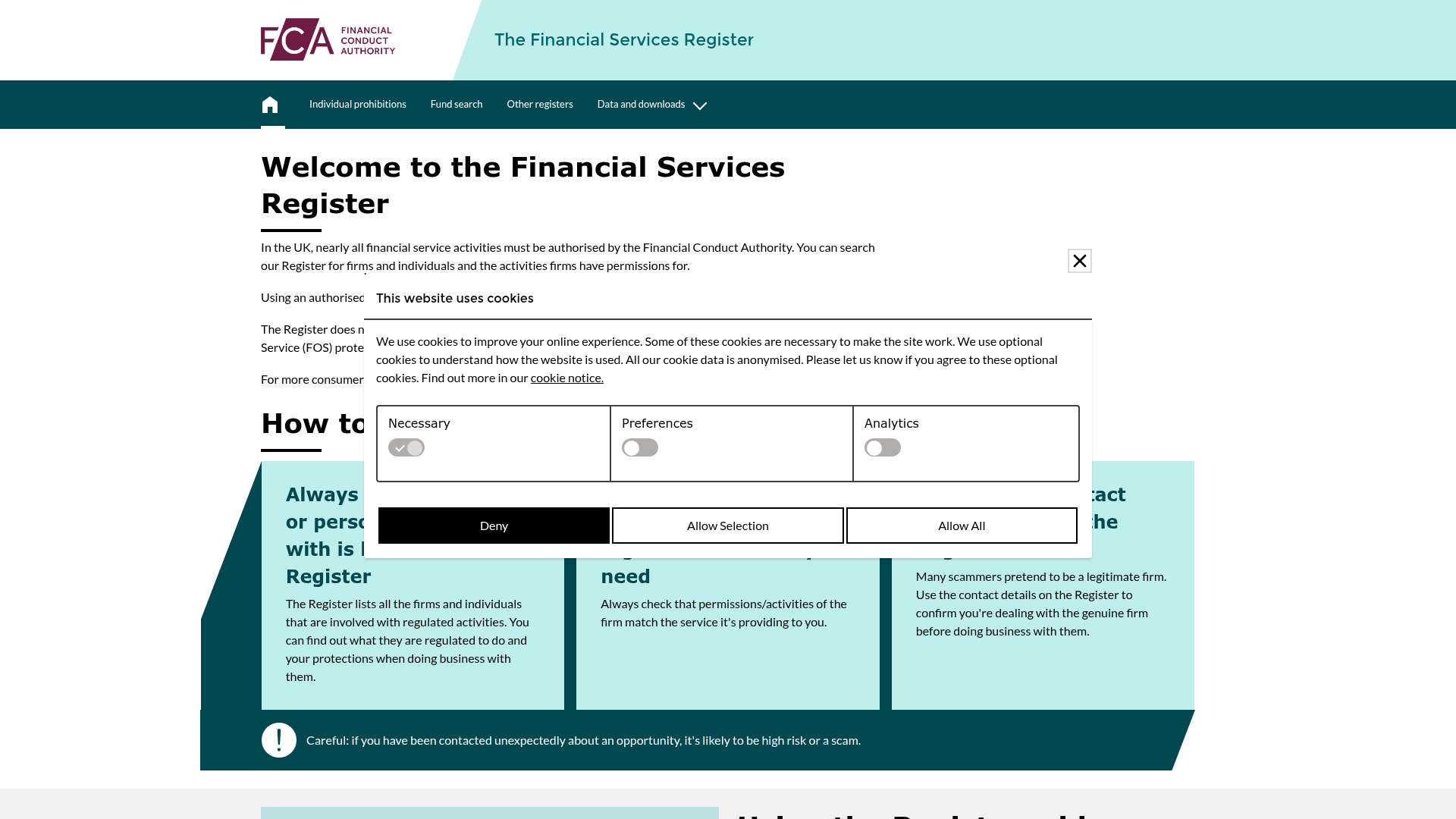
- FCA ScamSmartfca.org.ukhttps://www.fca.org.uk/scamsmart
Sering ditanyakan
Apa itu izin AFS, dan mengapa penting bagi investor Australia?
Izin AFS adalah izin Layanan Keuangan Australia (*Australian Financial Services licence*) yang dikeluarkan oleh ASIC, yang mengizinkan sebuah perusahaan untuk secara legal menyediakan produk dan layanan keuangan spesifik kepada klien Australia. Ini sangat penting karena memastikan perusahaan mematuhi undang-undang perlindungan konsumen, memiliki mekanisme penyelesaian sengketa, dan diawasi oleh regulator.
Bagaimana saya bisa memverifikasi Perwakilan Resmi (*Authorised Representative* - AR) di ASIC Connect?
Cari nama AR atau ABN/ACN di bawah bagian 'Authorised Representatives'. Hasilnya akan menampilkan pemegang izin AFS utama mereka. Anda kemudian harus memverifikasi secara terpisah status izin AFS dan otorisasi pemegang izin utama ini untuk memastikan legitimasi penuh.
Apa yang terjadi jika saya berinvestasi dengan perusahaan tidak berizin di Australia?
Jika Anda berinvestasi dengan perusahaan tidak berizin, Anda akan memiliki perlindungan hukum yang sangat terbatas atau tidak sama sekali di bawah hukum Australia. Anda tidak dapat mengakses skema penyelesaian sengketa eksternal Australia (AFCA), sehingga sangat sulit untuk memulihkan dana yang hilang atau menangani keluhan.
Bisakah perusahaan internasional beroperasi di Australia tanpa izin AFS jika diregulasi di tempat lain?
Tidak. Agar perusahaan internasional dapat secara legal menawarkan produk atau layanan keuangan kepada klien ritel Australia, perusahaan tersebut harus memiliki izin Layanan Keuangan Australia (AFS) spesifik yang dikeluarkan oleh ASIC, terlepas dari izin apa pun yang dimilikinya di negara lain.
Apa saja tanda bahaya umum yang menunjukkan bahwa suatu perusahaan mungkin tidak berlisensi atau melakukan penipuan?
Tanda bahaya meliputi pendekatan yang tidak diminta, janji imbal hasil yang sangat tinggi atau dijamin, tekanan untuk berinvestasi dengan cepat, kesulitan menarik dana, dan permintaan pembayaran melalui metode yang tidak dapat dilacak seperti cryptocurrency atau kartu hadiah. Situs web kloning juga merupakan taktik umum.
Haruskah saya melaporkan sebuah perusahaan jika saya menduga perusahaan tersebut beroperasi tanpa lisensi AFS?
Ya, tentu saja. Segera hentikan semua kontak dan pembayaran, kumpulkan semua bukti, dan laporkan perusahaan tersebut ke ASIC melalui saluran resmi mereka. Tindakan ini membantu ASIC melakukan investigasi dan melindungi investor potensial lainnya agar tidak menjadi korban.