
Puntos clave
- Los contracargos son un mecanismo de protección al consumidor iniciado por su banco, no un reembolso directo del bróker.
- Los códigos de motivo específicos (por ejemplo, 'servicios no prestados', 'transacción no autorizada') deben coincidir con su disputa, cada uno con requisitos probatorios distintos.
- Plazos estrictos, normalmente 120 días desde la fecha de la transacción o de descubrimiento, rigen el inicio del contracargo, variando según la red de tarjetas.
- La documentación detallada, incluyendo registros de transacciones, correspondencia del bróker y advertencias regulatorias, es fundamental para una reclamación exitosa.
- Verifique siempre el estado regulatorio de un bróker en registros oficiales (por ejemplo, FCA, ASIC, CySEC) *antes* de depositar fondos.
- Los contracargos son un último recurso; buscar una resolución directa o presentar quejas regulatorias a menudo debería preceder a esta acción.
Fondos Congelados: Las Consecuencias Inmediatas de un Depósito Problemático
Imagine esto: ha depositado fondos en una cuenta de trading en línea utilizando su tarjeta de débito o crédito, quizás una suma de 5.000 USD para comenzar a operar con materias primas. Semanas después, la plataforma de trading deja de responder, o descubre que sus retiros se retrasan perpetuamente sin una explicación clara. Sus intentos iniciales de contactar con el servicio de atención al cliente producen respuestas genéricas o ninguna respuesta en absoluto. La preocupación inmediata pasa de las posibles ganancias del mercado a la propia seguridad de su capital principal.
En este punto, muchos inversores minoristas, particularmente aquellos nuevos en el trading en línea, a menudo asumen que sus fondos simplemente se han perdido. Esta es una reacción común y angustiante, pero pasa por alto un mecanismo fundamental de protección al consumidor integrado en los pagos con tarjeta: el contracargo. Este proceso no es un remedio automático; es un sistema estructurado de resolución de disputas gestionado por el emisor de su tarjeta y las redes de pago. Su uso efectivo exige una comprensión precisa de sus reglas, códigos de motivo y límites de tiempo estrictos. No cumplir con estos requisitos específicos significa que el banco probablemente rechazará la disputa desde el principio, dejando al titular de la tarjeta con pocas otras opciones.
Comprendiendo el Rol de Arbitraje de las Redes de Tarjetas
En el centro del sistema de contracargos se encuentran las principales redes de tarjetas: Visa, Mastercard, American Express y Discover. Estas redes establecen las reglas y protocolos que todos los bancos, tanto los que emiten tarjetas a los consumidores (emisores) como los que procesan pagos para los comerciantes (adquirentes), deben seguir. Cuando inicia un contracargo con su banco, esencialmente le está pidiendo a su banco que defienda su caso, de acuerdo con estas reglas de la red, ante el banco del bróker. Las redes actúan como los árbitros finales si el emisor y el adquirente no pueden llegar a un acuerdo.
Cada red mantiene una lista exhaustiva de 'códigos de motivo' que definen escenarios específicos bajo los cuales un contracargo puede ser presentado legítimamente. Estos códigos no son meras etiquetas administrativas; dictan el tipo de evidencia requerida, los plazos involucrados y el potencial de una reversión exitosa. Por ejemplo, un contracargo presentado bajo 'transacción no autorizada' requerirá una prueba diferente a uno presentado bajo 'servicios no prestados'. Comprender estas clasificaciones específicas es el primer paso analítico para cualquier titular de tarjeta que contemple una disputa. El éxito depende de hacer coincidir con precisión su situación con un código de motivo aplicable y luego presentar evidencia convincente para respaldar esa reclamación.
Códigos de Motivo de Contracargo Comunes Aplicables a Depósitos en Cuentas de Trading
| Red de Tarjetas | Ejemplo de Código de Motivo | Descripción | Relevancia para Depósitos de Trading |
|---|---|---|---|
| Visa | 10.4 - Otro Fraude | La transacción no fue autorizada por el titular de la tarjeta. | Se utiliza a menudo para datos de tarjetas robadas o escenarios de apropiación de cuentas que resultan en depósitos no autorizados. |
| Mastercard | 4837 - Sin autorización del titular de la tarjeta | El titular de la tarjeta afirma no haber autorizado ni participado en la transacción. | Similar al código de fraude de Visa, aplicable cuando se realiza un depósito sin consentimiento explícito. |
| Visa | 13.1 - Mercancía/Servicios no recibidos | El titular de la tarjeta no recibió los bienes o servicios según lo prometido. | Aplicable si un bróker no proporciona los servicios de trading prometidos o el acceso a los fondos después del depósito. |
| Mastercard | 4855 - No recepción de mercancía | El titular de la tarjeta no recibió el producto o servicio adquirido. | Código más amplio que cubre situaciones en las que el servicio de trading acordado está completamente ausente. |
| Visa | 13.3 - No como se describió | La mercancía o el servicio recibido fue significativamente diferente de lo descrito. | Potencialmente utilizado si las condiciones de trading (por ejemplo, los spreads, la ejecución) fueron drásticamente tergiversadas. |
Plazos Inflexibles para Presentar una Disputa
El factor más crítico en cualquier intento de contracargo es el cumplimiento de los plazos. Estos plazos son establecidos por las redes de tarjetas y son estrictamente aplicados por su banco. Aunque existen algunas variaciones, una regla general es que las disputas deben iniciarse dentro de los 120 días posteriores a la fecha de la transacción. Sin embargo, esto puede extenderse en circunstancias específicas, como 120 días a partir de la 'fecha de servicio' (cuando se debía entregar un servicio prometido) o 120 días a partir de la 'fecha de descubrimiento' para ciertos casos de fraude, con un límite de 540 días desde la transacción.
Perder estas ventanas, incluso por un solo día, generalmente resulta en un rechazo automático de su disputa. Esta es la parte que la mayoría de las guías omiten, lo que a menudo lleva a los consumidores a creer que tienen tiempo infinito para actuar. No es así. En el momento en que sospeche un problema, debe iniciar la comunicación con su banco, incluso si simultáneamente intenta resolverlo directamente con el bróker. Documente la fecha de su contacto inicial con su banco, ya que esto a menudo marca el inicio formal del proceso de contracargo desde su perspectiva. No espere la negativa final de un bróker a comunicarse antes de acercarse a su banco.
Reunir el Expediente de Evidencias: Lo que los Bancos Necesitan Ver
Un contracargo no es una simple queja; es una reclamación que requiere justificación. Su emisor de tarjeta actuará como su defensor, pero solo podrá ser tan eficaz como la evidencia que usted proporcione. Presentar toda la información relevante aumenta enormemente la probabilidad de éxito. Este expediente debe incluir todos los registros disponibles relacionados con el depósito y los problemas posteriores. Las piezas clave de evidencia incluyen registros detallados de transacciones de su banco o extracto de tarjeta que muestren el monto del depósito, la fecha y el nombre del comercio. Cualquier correspondencia con el bróker – correos electrónicos, registros de chat, capturas de pantalla de la plataforma de trading – que detalle los problemas encontrados (por ejemplo, denegaciones de retiro, problemas de acceso a la cuenta, condiciones de trading tergiversadas) es vital. Si el bróker afirmó estar regulado y luego descubrió que no lo estaba, la documentación de los registros regulatorios oficiales (o la ausencia de su presencia en dichos registros) puede ser poderosa. Mantenga un registro cronológico de todas las interacciones, incluyendo fechas, horas y los nombres de las personas con las que habló. En la práctica, el departamento solicitará dos veces documentación clara y específica antes de proceder con una presentación formal.
Evidencia Esencial para un Contracargo de Depósito de Trading
| Tipo de Evidencia | Propósito | Detalle de Ejemplo |
|---|---|---|
| Extractos Bancarios/de Tarjeta | Prueba de la transacción y del ID del comercio. | Fecha de la transacción, importe, nombre del comercio (por ejemplo, 'Forex Trading Ltd.'). |
| Correspondencia con el bróker | Prueba de los intentos de resolución y de las respuestas del bróker. | Correos electrónicos que detallan denegaciones de solicitudes de retiro, transcripciones de chats de servicio al cliente. |
| Capturas de Pantalla de la Plataforma | Prueba del estado de la cuenta, actividad de trading o problemas. | Capturas de pantalla que muestran cuenta congelada, operaciones inexistentes o opciones de retiro no disponibles. |
| Términos y Condiciones | Prueba de incumplimiento de contrato por parte del bróker. | Cláusulas específicas que el bróker violó con respecto a los retiros, la prestación del servicio o el acceso a la cuenta. |
| Verificaciones Regulatorias | Prueba de tergiversación del estado regulatorio. | Resultados de búsqueda de registros oficiales (por ejemplo, ASIC, FCA, CySEC) que muestran la ausencia del bróker. |
La Investigación del Emisor y el Contraargumento del Adquirente
Una vez que usted inicia un contracargo, su banco emisor revisa su evidencia y, si se considera válida según las reglas de la red, presenta formalmente la disputa al banco adquirente (el banco que procesa los pagos para el bróker). El banco adquirente contacta entonces al bróker, presentándole la reclamación de contracargo. El bróker tiene un plazo específico, a menudo de 30 a 45 días, para responder y 'representar' su versión de los hechos. Esta etapa se conoce como 'representment'. Proporcionarán su propia evidencia, que podría incluir prueba de la prestación del servicio, términos y condiciones firmados, registros de comunicación con el cliente, o prueba de que los fondos fueron operados según las instrucciones del cliente. Si el banco adquirente considera convincente la 'representment' del bróker, puede impugnar el contracargo, devolviéndolo a su banco emisor. En este punto, su banco evaluará la defensa del bróker y podría solicitarle evidencia adicional. Este ir y venir puede llevar varias semanas o incluso meses, requiriendo paciencia y un compromiso persistente por parte del titular de la tarjeta.
En el momento en que sospeche un problema, debe iniciar la comunicación con su banco, incluso si está intentando resolverlo directamente con el bróker al mismo tiempo.
Owen Blake
Vigilancia de Brókeres: El Papel de la Situación Regulatoria en la Prevención de Disputas
El estado regulatorio de un bróker a menudo se correlaciona con la facilidad, o dificultad, para resolver disputas, incluidos los contracargos. Las entidades reguladas y de buena reputación tienen incentivos para mantener una buena posición con los procesadores de pago y los reguladores. Por ejemplo, firmas como OANDA (regulada por FCA, CFTC/NFA, ASIC, IIROC, MAS) o Pepperstone (FCA, ASIC, CySEC, DFSA, BaFin, CMA, SCB) operan bajo una supervisión significativa. Normalmente, cuentan con procedimientos de queja establecidos y son más propensas a involucrarse constructivamente para evitar contracargos, los cuales impactan negativamente sus relaciones con los procesadores de pago y su reputación. En contraste, las firmas que operan sin las licencias apropiadas o desde jurisdicciones con una supervisión laxa representan un riesgo mayor. Es posible que no respondan a las solicitudes de contracargo, lo que lleva a un proceso más prolongado e incierto. Antes de cualquier depósito, verificar las afirmaciones regulatorias de un bróker en los registros gubernamentales oficiales es un paso preventivo fundamental. Esta simple verificación puede evitar muchos dolores de cabeza futuros. Por ejemplo, verificar una firma en el registro de la Financial Conduct Authority (FCA) en el Reino Unido o en los registros profesionales de ASIC en Australia toma solo unos minutos, pero proporciona claridad sobre sus permisos operativos legítimos. Si un bróker afirma tener una licencia, ese número de licencia y el nombre de la entidad deberían aparecer en la base de datos pública del regulador correspondiente.
Más allá del contracargo: Considerando vías de resolución alternativas
Si bien los contracargos proporcionan una vía directa para disputar transacciones con tarjeta, a menudo son un último recurso. Antes de escalar a su banco, considere otras vías disponibles. La comunicación directa con el bróker a través de sus canales de soporte oficiales siempre debe ser el primer paso. Mantenga registros detallados de todas las interacciones, incluyendo fechas, horas, nombres y un resumen de las conversaciones. Si la comunicación directa falla, los brókeres regulados suelen tener procedimientos internos de quejas que deben agotarse antes de que organismos externos puedan intervenir. Estos procedimientos están diseñados para resolver problemas de manera estructurada y a menudo son mandatados por sus autoridades de licenciamiento.
Si el proceso interno del bróker no produce un resultado satisfactorio, y este está regulado en su jurisdicción, usted podría presentar una queja formal ante el regulador financiero pertinente. Por ejemplo, los consumidores en el Reino Unido pueden acercarse al Financial Ombudsman Service después de agotar el proceso interno de quejas de una empresa, siempre que la empresa esté regulada por la FCA. De manera similar, ASIC en Australia o CySEC en Chipre proporcionan vías para quejas de los consumidores contra sus entidades reguladas. Estas quejas oficiales tienen peso y a veces pueden impulsar una resolución sin necesidad de un contracargo, o proporcionar documentación adicional si un contracargo finalmente resulta necesario. Estos pasos a menudo pueden proporcionar una vía de resolución más clara que el a veces opaco proceso de contracargo.
Dificultades específicas con transacciones transfronterizas y empresas sin licencia
Los contracargos se vuelven más complejos cuando los brókeres operan en diferentes países o, más críticamente, sin la regulación adecuada. Si un bróker tiene su sede en una jurisdicción offshore con supervisión regulatoria débil, o está completamente sin licencia, el banco adquirente podría ser poco cooperativo o incluso inalcanzable. Los fondos canalizados a través de múltiples procesadores de pago dificultan el rastreo para las redes de tarjetas. Algunas empresas no reguladas utilizan intencionalmente métodos de procesamiento de pagos resistentes a los contracargos, como transferencias bancarias directas o depósitos de criptomonedas. Si bien los depósitos iniciales podrían usar tarjetas, los movimientos de fondos posteriores por parte del bróker pueden complicar la recuperación. Existen barreras legales y jurisdiccionales sustanciales, ya que las leyes locales de protección al consumidor podrían no extenderse a entidades que operan únicamente en el extranjero sin presencia local o licenciamiento. Esto representa una desventaja significativa para los consumidores que tratan con empresas que eluden requisitos regulatorios estrictos, reduciendo considerablemente la carga de la prueba y la tasa de éxito de los contracargos.
Consideraciones finales: Las limitaciones y consecuencias de un contracargo
Si bien los contracargos sirven como una herramienta crítica de protección al consumidor, no están exentos de limitaciones o posibles consecuencias. Un contracargo no está garantizado que tenga éxito. La decisión recae en el proceso de arbitraje de la red de tarjetas, que sopesa la evidencia tanto del titular de la tarjeta como del comerciante. Un contracargo exitoso no implica necesariamente fraude por parte del bróker, sino que la transacción cumplió con los criterios técnicos para la reversión bajo las reglas de la red. Además, iniciar contracargos frecuentes o sin fundamento puede llevar a que su banco marque su cuenta, afectando potencialmente su capacidad para usar los servicios de tarjeta en el futuro. Los comerciantes que reciben un alto volumen de contracargos enfrentan sanciones y pueden incluso perder su capacidad para procesar pagos con tarjeta. Para los brókeres legítimos, incluso un contracargo fallido puede dañar sus relaciones de procesamiento de pagos. Por lo tanto, es esencial abordar los contracargos con seriedad, con evidencia sólida, y solo después de explorar otras opciones de resolución. Representan un esfuerzo administrativo significativo para todas las partes involucradas y deben reservarse para transacciones genuinamente disputadas.
Decodificando los códigos de motivo de contracargo: Un vistazo más de cerca al 'porqué' de su disputa
Cuando usted inicia un contracargo, su banco emisor no simplemente retransmite su queja; traduce su queja en un 'código de motivo' específico establecido por las redes de tarjetas. Estos códigos numéricos o alfanuméricos —como el 10.4 de Visa para "Otro Fraude – Entorno sin Tarjeta Presente" o el 4837 de Mastercard para "Sin Autorización del Titular de la Tarjeta"— categorizan la naturaleza precisa de la disputa. Cada código conlleva un conjunto distinto de reglas y requisitos probatorios a los que deben adherirse tanto el banco emisor como el banco adquirente del comerciante. Comprender estos códigos, incluso de manera general, puede ayudarle a preparar la documentación más efectiva para su reclamo. Para los depósitos de trading, se aplican con frecuencia varios códigos de motivo comunes. Un código de 'transacción no autorizada' se utiliza cuando un titular de tarjeta afirma que no aprobó el depósito. Esto a menudo se aplica a situaciones que involucran detalles de tarjeta robados utilizados para financiar una cuenta de trading sin el conocimiento del propietario legítimo. Otra categoría común es 'servicios no prestados' o 'mercancía no recibida'. Si un bróker acepta su depósito pero posteriormente no proporciona acceso a una plataforma de trading, o congela su cuenta sin justificación, impidiendo cualquier actividad de trading como se anunció, este código podría ser apropiado. Por ejemplo, el 13.3 de Visa, "Servicios no Proporcionados", o el 4855 de Mastercard, "No Recepción de Mercancía/Servicios", son relevantes aquí. Un tercer tipo implica 'transacciones disputadas' donde el titular de la tarjeta simplemente no está de acuerdo con el cargo, quizás debido a un malentendido de los términos o una cancelación fallida. El 4808 de Mastercard, "Transacción Solicitada No Completa", podría aplicarse si se suponía que un depósito recurrente debía detenerse pero se procesó de todos modos. El banco emisor es responsable de seleccionar el código de motivo correcto basado en su explicación. Su papel es proporcionar un relato claro y fáctico de lo ocurrido, respaldado por evidencia. Si el banco asigna incorrectamente un código, el contracargo podría fallar, incluso si su reclamo subyacente es legítimo. Por ejemplo, presentar evidencia de no entrega de servicio cuando el banco ha procesado la disputa bajo un código de "fraude" probablemente conducirá a un resultado infructuoso. Las redes de tarjetas actualizan rutinariamente estos códigos y sus directrices asociadas, por lo que el identificador numérico específico podría cambiar, pero las categorías centrales de disputa permanecen en gran medida consistentes. Este enfoque sistemático asegura un proceso de resolución de disputas más eficiente, con todas las partes operando bajo un marco estandarizado.
Códigos de motivo de contracargo comunes relevantes para depósitos de trading
| Red de Tarjetas | Código de Motivo | Descripción General | Escenario Común de Depósito de Trading |
|---|---|---|---|
| Visa | 10.4 | Otro Fraude – Entorno sin Tarjeta Presente | Tarjeta robada utilizada para depósito sin el conocimiento del titular. |
| Mastercard | 4837 | Autorización no del Titular de la Tarjeta | Uso no autorizado de la tarjeta por un tercero para financiar una cuenta. |
| Visa | 13.3 | Servicios no prestados | El bróker aceptó el depósito pero no concedió acceso a la plataforma de trading ni facilitó los servicios. |
| Mastercard | 4855 | Mercancía/Servicios no recibidos | Fondos cobrados pero la cuenta de trading permaneció inactiva o no disponible. |
| Visa | 13.6 | Transacción Disputada – Recurrente Cancelada | Depósito recurrente procesado después de que se solicitara una cancelación. |
| Mastercard | 4808 | Transacción Solicitada No Completada | Pago procesado pero el servicio acordado no se entregó según lo esperado. |
La Defensa del Bróker: Entendiendo la Re-presentación del Comerciante y Sus Implicaciones
Cuando un titular de tarjeta inicia un contracargo, el proceso no concluye con el banco simplemente reembolsando los fondos. En su lugar, el comerciante, en este caso, el bróker de trading, es notificado de la disputa a través de su banco adquirente. Esta notificación le brinda al bróker la oportunidad de impugnar la reclamación de contracargo, un proceso conocido como "re-presentación". El derecho del bróker a re-presentar una transacción es una parte fundamental de las normas de la red de tarjetas, lo que le permite proporcionar pruebas de que la transacción fue legítima y que los servicios se prestaron correctamente. Los brókeres compilan un paquete de evidencia para su banco adquirente, que luego lo envía al banco emisor. Este paquete suele incluir documentación detallada de Conozca a su Cliente (KYC) que verifica la identidad del titular de la tarjeta, como copias de identificaciones emitidas por el gobierno y prueba de domicilio. También contiene registros de transacciones, mostrando la hora y fecha exactas del depósito, la dirección IP desde la que se inició y el dispositivo utilizado. Los registros de la actividad de trading del titular de la tarjeta, incluyendo las operaciones ejecutadas o el historial de inicio de sesión en la plataforma, sirven como prueba de que los servicios fueron accedidos y utilizados. A menudo se incluyen copias de los términos y condiciones firmados, las divulgaciones de riesgos y cualquier registro de comunicación entre el cliente y el bróker para demostrar el acuerdo con los términos y los intentos de resolución. Fundamentalmente, si la transacción se aseguró utilizando 3D Secure (por ejemplo, Verified by Visa, Mastercard SecureCode), estos datos de autenticación se presentan, ya que con frecuencia trasladan la responsabilidad por reclamaciones de fraude del bróker. Al recibir la re-presentación del bróker, el banco emisor revisa esta información en comparación con la reclamación original del titular de la tarjeta. Si el banco adquirente demuestra con éxito la validez de la transacción según las normas de la red, el contracargo puede revertirse, lo que significa que los fondos se debitan de la cuenta del titular de la tarjeta y se devuelven al bróker. Si el banco emisor aún mantiene la reclamación del titular de la tarjeta, la disputa podría pasar a un proceso de arbitraje más formal gestionado por la red de tarjetas. Esta etapa implica tarifas adicionales para ambos bancos y, por lo general, resulta en una decisión final y vinculante. Los consumidores deben ser conscientes de las implicaciones si una re-presentación tiene éxito. Los fondos previamente acreditados en su cuenta se debitarán nuevamente. Los contracargos repetidos, especialmente aquellos considerados "fraude amistoso" (donde un titular de tarjeta disputa una transacción legítima, quizás debido a arrepentimiento del comprador o al olvido de la compra), conllevan riesgos significativos. Los procesadores de pago podrían marcar a dichos titulares de tarjetas, lo que dificultaría la apertura de cuentas con otros brókeres o incluso el cierre de su cuenta de tarjeta por parte de su propio banco emisor. Brókeres regulados y de buena reputación como Pepperstone, OANDA o IC Markets mantienen sistemas meticulosos de mantenimiento de registros precisamente para defenderse de contracargos ilegítimos, lo que subraya la importancia de garantizar que cualquier disputa que usted presente esté genuinamente justificada.
Salvaguardias Proactivas: Protegiendo Sus Depósitos de Trading Antes de Realizar Transacciones
La forma más efectiva de proteger sus depósitos de trading es implementar una rigurosa diligencia debida antes de que cualquier fondo salga de su cuenta. Confiar únicamente en los contracargos como red de seguridad es una medida reactiva y a menudo difícil. Comience investigando a fondo el estatus regulatorio del bróker. Utilice los registros oficiales proporcionados por autoridades como la Financial Conduct Authority (FCA) en el Reino Unido, la Australian Securities and Investments Commission (ASIC) o la Cyprus Securities and Exchange Commission (CySEC). No confíe simplemente en lo que un bróker afirma en su sitio web; verifíquelo de forma independiente. Una empresa como XM, por ejemplo, declara estar regulada por CySEC, ASIC, IFSC y DFSA; estas afirmaciones son verificables a través de los respectivos registros públicos.
Examine los términos y condiciones del bróker, centrándose específicamente en las cláusulas relacionadas con depósitos, retiros y resolución de disputas. Comprenda cualquier comisión, tiempo de procesamiento y posibles restricciones. Tenga cuidado con las ofertas no solicitadas o las tácticas de venta de alta presión. Si bien los contracargos ofrecen un recurso, son una solución que requiere muchos recursos. Unas pocas horas dedicadas a verificar las credenciales de un bróker y a comprender su marco operativo pueden ahorrar meses de estrés y posibles pérdidas financieras. Priorice las empresas con un largo historial operativo, una supervisión regulatoria verificable y prácticas transparentes. Este enfoque proactivo reduce significativamente la necesidad de considerar un contracargo.
La página que verificamos
Esta es la página propia de la autoridad, capturada tal como la encontramos. Ábrala y realice la misma búsqueda usted mismo — nada en este registro reemplaza la fuente.
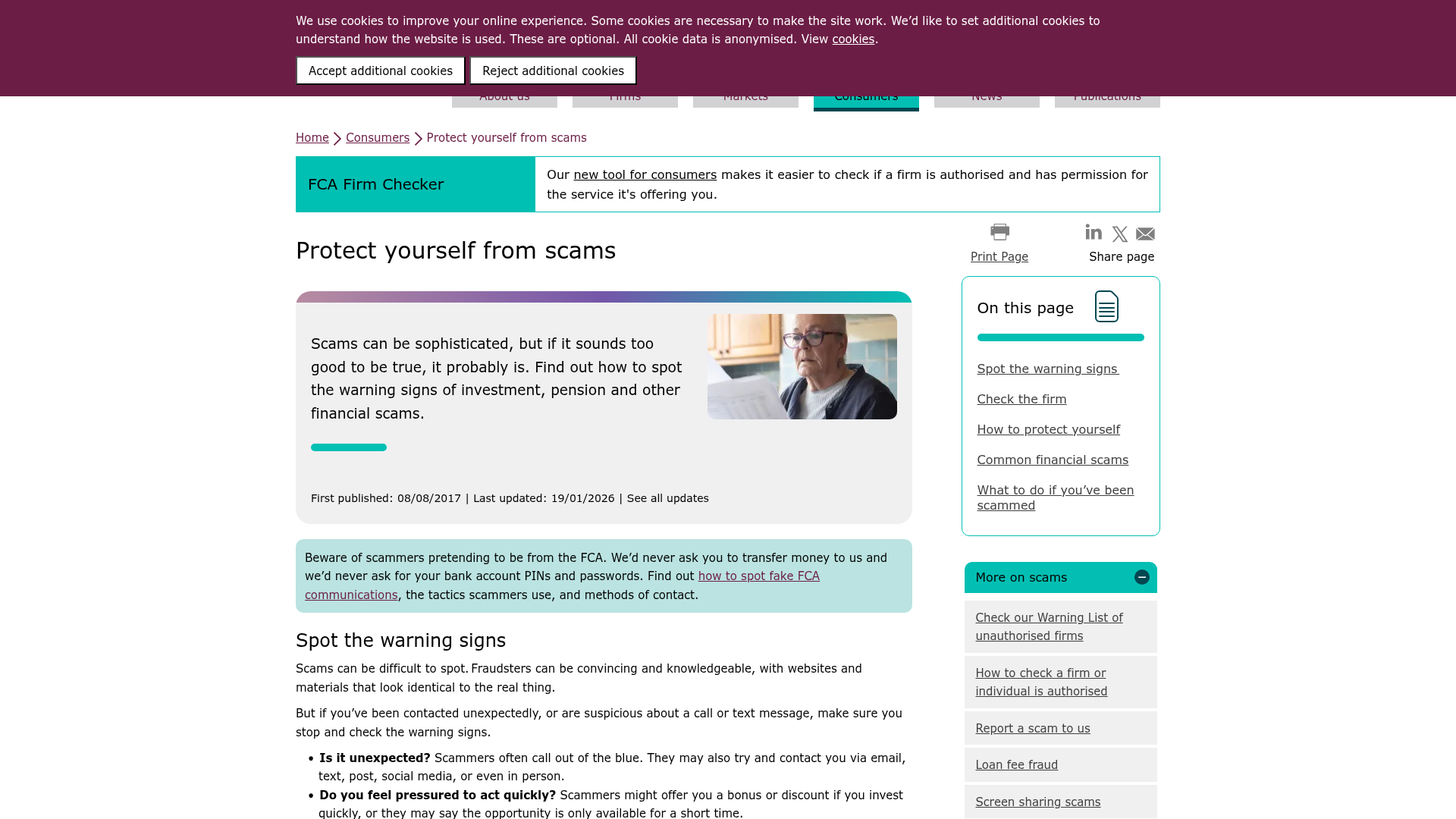
Otros registros utilizados en verificaciones de este tipo. Cada uno abre la página propia de la autoridad.
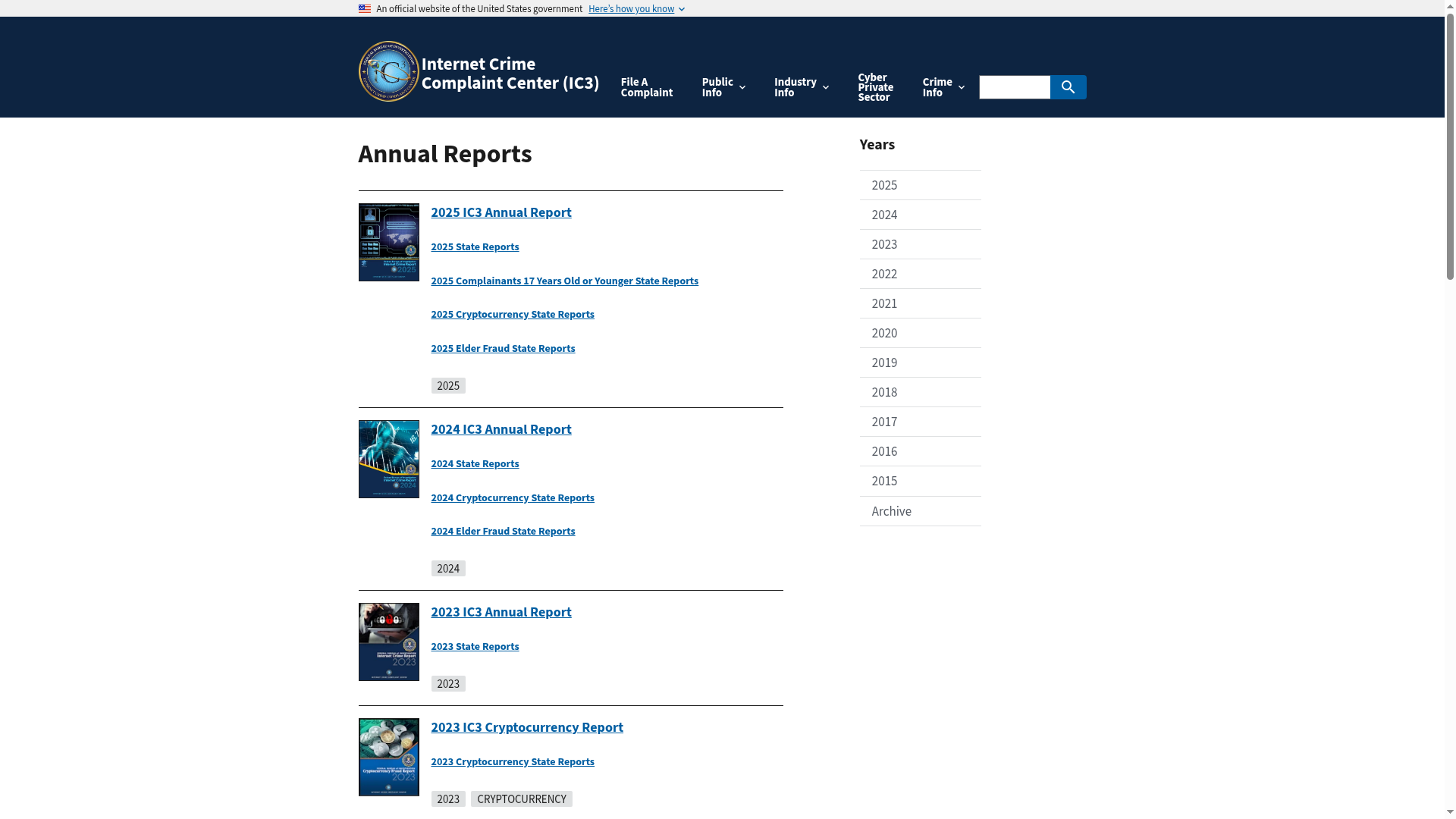
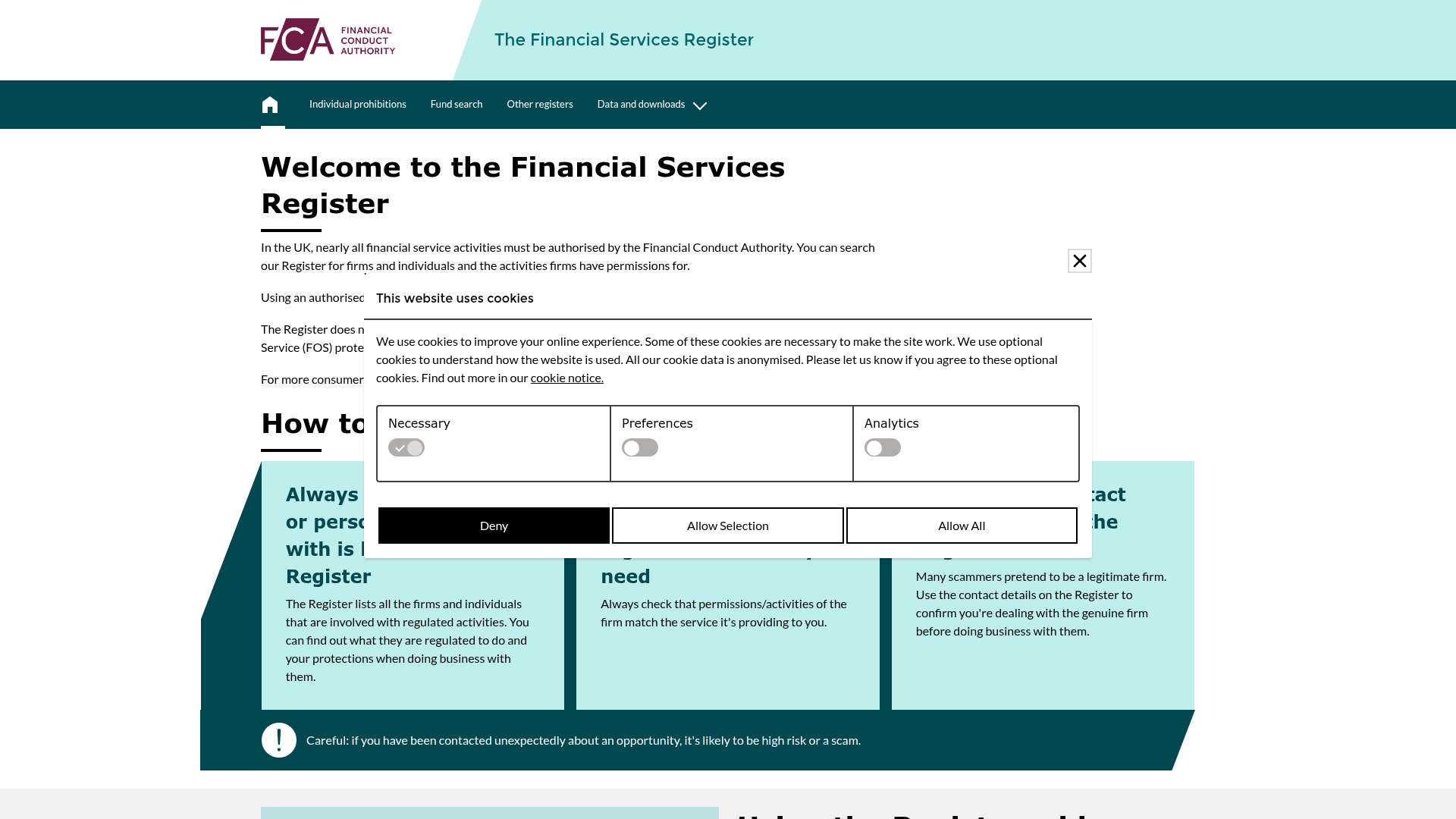
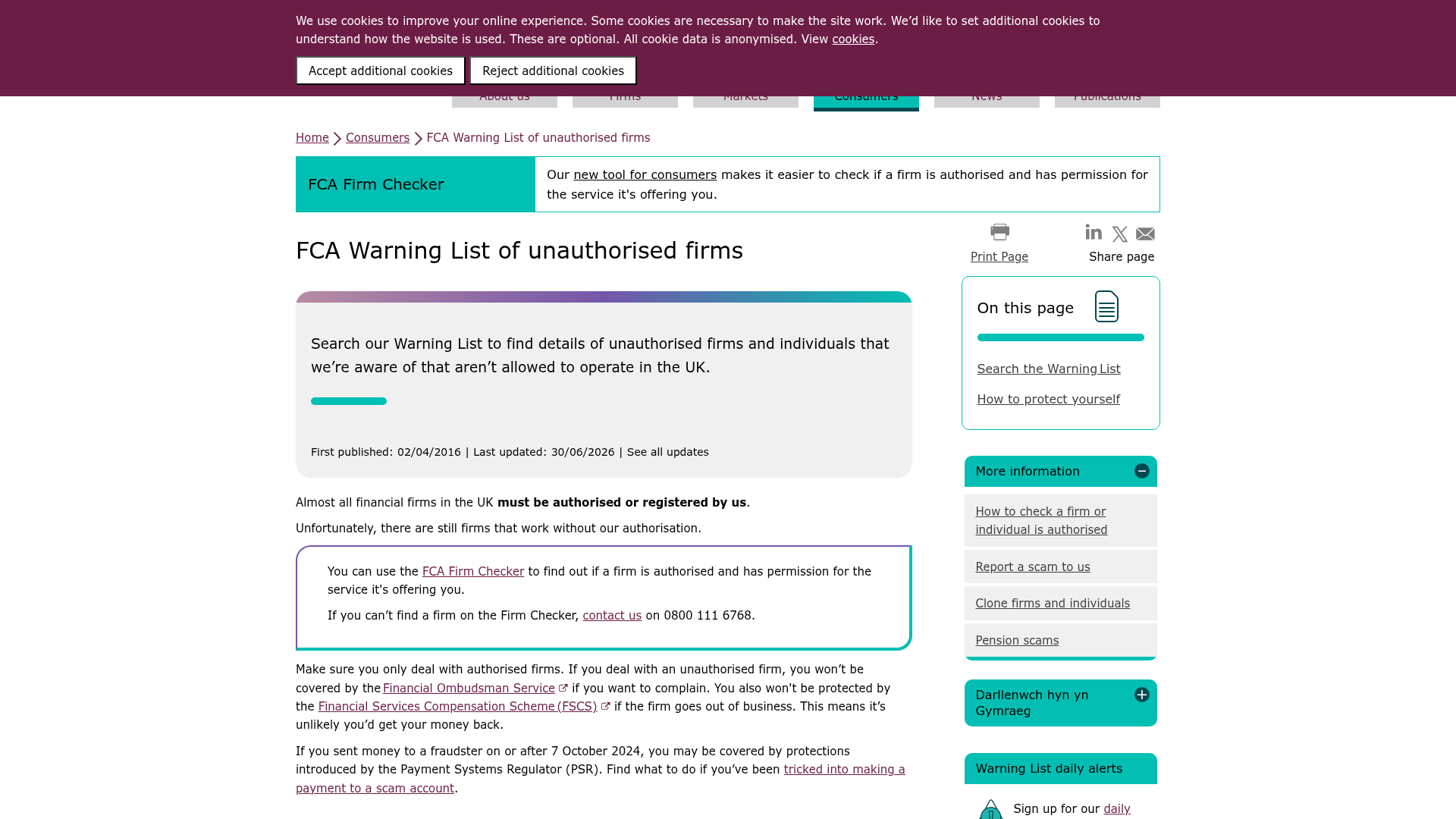
Fuentes primarias
Cada afirmación anterior puede verificarse en la propia página de la autoridad. Se abren en el sitio del regulador, no en el nuestro.
- FBI IC3 — Internet Crime Reportic3.govhttps://www.ic3.gov/AnnualReport/Reports
- FTC — Report fraudreportfraud.ftc.govhttps://reportfraud.ftc.gov/
- Financial Conduct Authority — Financial Services Registerregister.fca.org.ukhttps://register.fca.org.uk/
- FCA — Warning list of unauthorised firmsfca.org.ukhttps://www.fca.org.uk/consumers/warning-list-unauthorised-firms
- CFTC — Customer advisories on fraudcftc.govhttps://www.cftc.gov/LearnAndProtect/AdvisoriesAndArticles/index.htm
Preguntas frecuentes
¿Cuál es la principal diferencia entre un reembolso y un contracargo?
Un reembolso es una devolución voluntaria de fondos iniciada por el comerciante (el bróker de trading). Un contracargo es una reversión involuntaria de una transacción iniciada por su banco emisor de tarjeta, a menudo sin el consentimiento del comerciante, tras un proceso formal de disputa.
¿Cuánto tiempo tengo normalmente para presentar un contracargo por un depósito de trading?
La mayoría de las redes de tarjetas imponen un plazo de 120 días desde la fecha de la transacción o la fecha en que descubrió el problema por primera vez. Para ciertas disputas relacionadas con fraude, este período puede extenderse, a veces hasta 540 días desde la transacción original, pero se aplican reglas estrictas.
¿Qué tipo de evidencia es crucial para un contracargo exitoso contra un bróker?
La evidencia esencial incluye extractos bancarios que muestren el depósito, toda la correspondencia con el bróker (correos electrónicos, registros de chat, tickets de soporte), capturas de pantalla de la plataforma de trading que demuestren problemas y cualquier documentación sobre el estado regulatorio del bróker.
¿Puedo presentar un contracargo si firmé los términos y condiciones de un bróker?
Sí, firmar los términos y condiciones no anula su derecho a un contracargo si el bróker no cumplió con el servicio prometido, tergiversó sus ofertas o si la transacción no fue autorizada. El proceso de contracargo evalúa si el comerciante cumplió con sus obligaciones y las reglas de la red de pagos.
¿Qué sucede si un bróker impugna mi contracargo?
Si un bróker impugna su contracargo, este entra en una fase de 'representación'. Su banco evaluará la contraevidencia del bróker y podría solicitarle documentación adicional para fortalecer su reclamo. Esto puede llevar a un proceso más largo, que potencialmente involucre un arbitraje de la red de tarjetas.
¿Son efectivos los contracargos contra todo tipo de plataformas de trading o brókers?
Los contracargos son generalmente más efectivos contra brókers regulados que utilizan procesadores de pago con tarjeta estándar. Pueden ser significativamente más desafiantes, o incluso imposibles, contra brókers no regulados, aquellos que operan desde jurisdicciones offshore, o aquellos que convierten rápidamente los depósitos de tarjeta en criptomonedas u otros activos difíciles de rastrear.