نقاط رئيسية
- سجل SFC العام للشركات المرخصة في هونغ كونغ هو المصدر الموثوق للتحقق من مزودي الخدمات المالية في الولاية القضائية.
- طابق دائمًا الاسم المسجل الدقيق للكيان ورقم الكيان المركزي (Central Entity Number) في سجل SFC؛ فالأسماء المتشابهة لا تعني كيانات متطابقة.
- يساعد فهم أنواع تراخيص SFC (مثل النوع 1 للأوراق المالية، والنوع 9 لإدارة الأصول) في تأكيد الأنشطة المسموح بها للشركة.
- الشركات غير المرخصة العاملة في هونغ كونغ تشكل مخاطر كبيرة، حيث تفتقر إلى حماية المستثمرين والرقابة التنظيمية.
- يقدم صندوق تعويض المستثمرين حماية محدودة لبعض الأوراق المالية وعقود العقود الآجلة، ولكن فقط ضد الكيانات المرخصة.
- الإبلاغ عن المخاوف بشأن الشركات التي يحتمل أن تكون غير مصرح بها إلى SFC هو خطوة حيوية في حماية المستثمرين الآخرين.
العرض غير المرغوب فيه والخطوة الأولى للتحقق
تخيل أنك تتلقى رسالة غير متوقعة، ربما عبر تطبيق مراسلة أو إعلان على وسائل التواصل الاجتماعي، تفصل فرصة استثمارية بوعود عوائد كبيرة. قد تدعي الشركة المروجة لهذه الفرصة عنوانًا مرموقًا في سنترال، هونغ كونغ، وتقدم نفسها بموقع إلكتروني ذي مظهر احترافي. هذا السيناريو شائع بشكل متزايد، وبالنسبة للكثيرين، يمكن أن يطغى الإغراء الأولي للعوائد المرتفعة على ضرورة بذل العناية الواجبة. قبل التفكير في أي إيداع أو التزام، فإن الإجراء الأهم الذي يجب على المستثمر اتخاذه هو التحقق من شرعية الشركة. يتم تنظيم الأسواق المالية في هونغ كونغ من قبل هيئة الأوراق المالية والعقود الآجلة (SFC). يجب على أي كيان يقدم خدمات مالية منظمة للجمهور في هونغ كونغ أن يحمل ترخيصًا ذا صلة من SFC. تحتفظ SFC بسجل عام للشركات المرخصة والمؤسسات المسجلة، وهو قاعدة بيانات متاحة مجانًا عبر الإنترنت وتعد السجل النهائي لجميع الشركات والأفراد المصرح لهم بممارسة الأنشطة المنظمة ضمن ولايتها القضائية. عدم الرجوع إلى هذا السجل يعني الاعتماد فقط على ادعاءات الشركة نفسها، وهي ممارسة خطيرة. أي كيان يدعي زوراً أنه مرخص، أو يعمل بدون أي ترخيص، يقع خارج الإطار التنظيمي لـ SFC. يعني غياب الرقابة هذا أن المستثمرين ليس لديهم أي سبيل للجوء إلى القنوات الرسمية لحل النزاعات، وعادة ما تفتقر أموالهم إلى الحماية القانونية المتاحة لعملاء المؤسسات المرخصة بشكل صحيح. السجل ليس مجرد إجراء شكلي؛ بل هو الحارس الأساسي لأمن المستثمرين في هونغ كونغ.
الوصول إلى سجل SFC العام بفعالية
الوصول إلى سجل SFC العام عملية مباشرة، مصممة للشفافية العامة. السجل متاح مباشرة على الموقع الإلكتروني الرسمي لـ SFC. عند زيارة الموقع، سيجد المستخدمون عادة رابطًا بارزًا إلى
فك رموز فئات تراخيص SFC وأهميتها
تصدر SFC تراخيص لأنشطة منظمة محددة، مصنفة إلى 12 نوعًا بموجب قانون الأوراق المالية والعقود الآجلة (SFO). يتوافق كل نوع ترخيص مع مجموعة مميزة من الخدمات المالية. على سبيل المثال، 'النوع 1' مخصص للتعامل في الأوراق المالية، والذي يغطي أنشطة مثل الوساطة في الأسهم. يتعلق 'النوع 2' بالتعامل في عقود العقود الآجلة، بينما يسمح 'النوع 4' بتقديم المشورة بشأن الأوراق المالية. بالنسبة للمستثمرين الذين يبحثون عن خدمات إدارة الأصول، فإن ترخيص 'النوع 9' لإدارة الأصول هو التفويض ذو الصلة. فهم هذه الفئات أمر حيوي لأن الشركة قد تحمل ترخيصًا، ولكن ليس للنشاط المحدد الذي تروج له لك. على سبيل المثال، الشركة المرخصة لـ 'النوع 4: تقديم المشورة بشأن الأوراق المالية' غير مصرح لها بتنفيذ الصفقات مباشرة نيابة عنك؛ يمكنها فقط تقديم المشورة. الشركة التي تدعي تقديم إدارة المحافظ الاستثمارية التقديرية ولكنها تحمل فقط ترخيصًا من النوع 1 للتعامل في الأوراق المالية ستكون تعمل خارج نطاقها المسموح به لتلك الخدمة المحددة. ستحتاج مثل هذه الشركة إلى ترخيص من النوع 9 لإدارة أصول العملاء بشكل قانوني. هذا هو المكان الذي تتجاهل فيه العديد من الأدلة تفصيلاً حاسمًا: مجرد وجود ترخيص لا يكفي. يجب أن يتطابق نوع الترخيص مع الخدمة المقدمة. يجب على المستثمر مقارنة الخدمة المعلن عنها بعناية مع الأنشطة المنظمة المدرجة في سجل SFC لتلك الشركة المحددة. يشير أي عدم تطابق إلى انتهاك تنظيمي أو، على الأقل، تحريف للخدمات. المضي قدمًا مع مثل هذه الشركة يحمل مخاطر كبيرة، حيث قد لا تكون الخدمة المحددة التي تشارك فيها منظمة أو مشمولة بأي خطط لحماية المستثمرين.
أنواع تراخيص SFC المختارة والأنشطة المنظمة المقابلة
| نوع ترخيص SFC | النشاط المنظم | الخدمات الشائعة المشمولة |
|---|---|---|
| النوع 1 | التعامل في الأوراق المالية | سمسرة الأسهم، تداول الأوراق المالية، العمل كأصيل أو وكيل |
| النوع 2 | التعامل في العقود الآجلة | تداول العقود الآجلة، العمل كأصيل أو وكيل |
| النوع 4 | تقديم المشورة بشأن الأوراق المالية | تقديم المشورة الاستثمارية بشأن الأوراق المالية |
| النوع 5 | تقديم المشورة بشأن العقود الآجلة | تقديم المشورة الاستثمارية بشأن العقود الآجلة |
| النوع 6 | تقديم المشورة بشأن تمويل الشركات | المشورة بشأن عمليات الاندماج والاستحواذ، رعاية الإدراج |
| النوع 9 | إدارة الأصول | إدارة المحافظ الاستثمارية التقديرية، إدارة الصناديق |
التمييز بين الكيانات الحقيقية والمحتالين والشركات المستنسخة
لقد سهّل العصر الرقمي على الكيانات غير المصرح لها إنشاء واجهات مقنعة. من التكتيكات الشائعة إنشاء "شركات مستنسخة" تستخدم بشكل غير قانوني اسم أو عنوان أو رقم ترخيص أو معلومات تعريفية أخرى لشركة مرخصة حقيقية لخداع المستثمرين. هدفها هو الظهور بمظهر شرعي والاستفادة من السمعة الراسخة لكيان منظم، بينما تدير مخططًا منفصلاً تمامًا وغير منظم.
لتحديد الشركة المستنسخة، من الضروري إجراء مقارنة دقيقة. إذا قدمت شركة تفاصيل اتصال – خاصة عناوين البريد الإلكتروني أو أرقام الهواتف أو عناوين URL للمواقع الإلكترونية – تختلف عن تلك المدرجة في سجل SFC للكيان المرخص الأصلي، فهذا مؤشر قوي على أنها شركة مستنسخة. يجب أن يثير أي تغيير طفيف في عنوان الويب، مثل 'SFC-HongKong.com' بدلاً من 'sfc.hk'، أو عنوان بريد إلكتروني يستخدم نطاقًا عامًا بدلاً من النطاق الرسمي للشركة، جرس إنذار فوري. احذر من الشركات التي تضغط عليك لاتخاذ قرارات سريعة أو تطلب طرق دفع غير معتادة، مثل تحويلات العملات المشفرة إلى محافظ فردية.
علامة حمراء أخرى هي ادعاء شركة بأنها "منظمة" دون تحديد أي جهة تنظيمية، أو إدراج جهة تنظيمية من ولاية قضائية مختلفة عندما تستهدف بشكل أساسي المقيمين في هونغ كونغ لخدمات يجب أن تكون مرخصة من قبل SFC. في حين أن الشركة قد تكون منظمة بشكل مشروع في مكان آخر، فإن هذا التنظيم لا يمتد إلى الخدمات المقدمة في هونغ كونغ إذا كانت تفتقر إلى ترخيص SFC. تحتفظ SFC بـ "قائمة الكيانات غير المرخصة" التي تسمي على وجه التحديد الشركات المعروفة بأنها تعمل دون ترخيص. يساعد التحقق من هذه القائمة في حماية المستثمرين.
سجل SFC العام ليس مجرد إجراء شكلي؛ بل هو الحارس الأساسي لأمن المستثمرين في هونغ كونغ.
Mei Tanaka
التدقيق في تفاصيل وشروط الترخيص بحثًا عن المخالفات
بعيدًا عن مجرد تأكيد وجود شركة في سجل SFC، يجب على المستثمرين التدقيق بعناية في التفاصيل المقدمة ضمن إدخالها الرسمي. تحتوي صفحة ملف كل كيان مرخص في السجل على معلومات حاسمة، بما في ذلك تاريخ سريان ترخيصه، وأي شروط مفروضة على ترخيصه، وقائمة بممثليه المرخصين والمسؤولين المسؤولين. تقدم هذه العناصر رؤى أعمق حول شرعية عمليات الشركة ونطاقها.
انتبه جيدًا لأي "شروط" أو "قيود" مدرجة على الترخيص. قد تحد هذه الشروط من أنشطة الشركة بطرق محددة، مثل منعها من الاحتفاظ بأصول العملاء، أو مطالبتها بالعمل للمستثمرين المحترفين فقط. تعتبر الشركة التي تعمل خارج هذه الشروط، أو تفشل في الكشف عنها، في خرق لالتزاماتها التنظيمية. على سبيل المثال، شرط ينص على "مقتصر على المستثمرين المحترفين فقط" يعني أن الشركة لا يمكنها قانونًا تقديم الخدمات لمستثمري التجزئة، بغض النظر عن نوع ترخيصها الأساسي. إذا كنت مستثمر تجزئة واقتربت منك مثل هذه الشركة، فهذا يشير إلى مشكلة امتثال خطيرة.
تحقق من الممثلين المرخصين والمسؤولين المسؤولين. هؤلاء الأفراد هم الواجهة البشرية للكيان المنظم وهم أيضًا يخضعون لترخيص SFC. إذا لم يكن الشخص الذي تتواصل معه مدرجًا كممثل مرخص للشركة في السجل، أو إذا تم تعليق ترخيصه أو إلغاؤه، فإن ذلك يمثل خطرًا كبيرًا. الشركات الشرعية سيكون لديها فقط أفراد مرخصون يؤدون وظائف منظمة. غالبًا ما يتم التغاضي عن هذه التفاصيل، لكنها حماية حاسمة ضد الأفراد الذين يسيئون تمثيل سلطتهم أو ارتباطهم بكيان مرخص.
نقاط البيانات الرئيسية التي يجب فحصها في سجل SFC
| حقل المعلومات | الغرض | ما الذي يجب البحث عنه |
|---|---|---|
| رقم الكيان المركزي (CE No.) | معرف فريد للشركة | يجب أن يتطابق تمامًا مع رقم CE المعلن للشركة |
| العنوان المسجل | الموقع الرئيسي للعمل | يجب أن يتطابق مع عنوان المكتب المعلن للشركة |
| تاريخ سريان الترخيص | متى تم منح الترخيص | يضمن أن الترخيص ساري المفعول وغير معلق أو ملغى |
| الشروط/القيود | قيود محددة على العمليات | تأكد من توافق عروض الشركة مع هذه الشروط (على سبيل المثال، عملاء التجزئة مقابل العملاء المحترفين) |
| الممثلون المرخصون | الأفراد المخولون بالتصرف نيابة عن الشركة | تحقق من اسم الفرد الذي تتعامل معه |
| الأنشطة المنظمة | خدمات محددة مصرح بها | تأكد من تطابق الخدمة المقدمة مع أنواع التراخيص المدرجة |
وهم التنظيم الخارجي لعملاء هونغ كونغ
يواجه المستثمرون تحديًا متكررًا يتمثل في ممارسة الشركات العاملة في هونغ كونغ تحت ستار ترخيص أجنبي. العديد من الكيانات، لا سيما تلك التي تقدم تداول العملات الأجنبية (الفوركس) أو عقود الفروقات (CFD)، قد تكون منظمة في ولايات قضائية مثل أستراليا (ASIC) أو قبرص (CySEC) أو المملكة المتحدة (FCA). في حين أن هذه الهيئات التنظيمية ذات سمعة طيبة بحد ذاتها، فإن إشرافها لا يمتد تلقائيًا إلى الخدمات المقدمة للمقيمين في هونغ كونغ إذا كانت الشركة تفتقر إلى ترخيص SFC لتلك الأنشطة المحددة.
على سبيل المثال، وسيط مثل Pepperstone، والذي يخضع لتنظيم ASIC في أستراليا، وFCA في المملكة المتحدة، وCySEC في قبرص، يقدم خدماته عالميًا. ومع ذلك، إذا قامت Pepperstone بالتماس وتقديم خدمات منظمة مباشرة للمقيمين في هونغ كونغ من هونغ كونغ، والتي تتطلب ترخيص SFC، دون الحصول على ترخيص SFC المحدد هذا، فإنها ستكون تعمل خارج نطاق تنظيم SFC لتلك الخدمات في هونغ كونغ. الحماية التنظيمية التي ستحصل عليها ستكون فقط من المنظم الخارجي، مما يستتبع غالبًا عقبات كبيرة للمستثمرين المحليين، بما في ذلك التكاليف القانونية، وحواجز اللغة، والتعقيدات القضائية عند متابعة شكوى.
هذا التمييز ليس إداريًا فحسب؛ بل له تداعيات مباشرة على حماية المستثمر. الأموال المحتفظ بها لدى كيان مرخص من SFC قد تكون خاضعة لصندوق تعويض المستثمرين (ICF)، مما يوفر طبقة من الأمان المالي. الأموال المحتفظ بها لدى كيان منظم خارجيًا والذي ليس مرخصًا من SFC لعملياته في هونغ كونغ لن تستفيد عادةً من هذه الحماية المحلية. لذلك، يجب أن يُقابل ادعاء الشركة بـ 'التنظيم الدولي' بسؤال مباشر: 'هل أنت مرخص تحديدًا من قبل SFC للخدمات التي تقدمها لي في هونغ كونغ؟' إذا كانت الإجابة لا، أو إذا تهربوا، فإن توخي الحذر الشديد أمر مبرر.
التصرف عند عدم وجود شركة في السجل
إذا تبين، بعد بحث دقيق، أن شركة تروج لخدمات مالية في هونغ كونغ غير مدرجة في السجل العام لـ SFC، أو إذا كانت التفاصيل المدرجة لا تتطابق مع المعلومات التي تقدمها، فإن هذا الغياب يعد مؤشرًا خطيرًا. ويعني ذلك أن الشركة تعمل على الأرجح بدون ترخيص في هونغ كونغ. إن التعامل مع كيان كهذا يعرض المستثمرين لمخاطر جسيمة، بما في ذلك الخسارة الكاملة لرأس المال المستثمر دون أي سبيل انتصاف قانوني مجدٍ عبر القنوات التنظيمية المحلية.يجب أن يكون رد فعلك الفوري هو وقف جميع الاتصالات مع الشركة، وتحت أي ظرف من الظروف، عدم تحويل أي أموال. أبلغ الكيان إلى SFC. تحتفظ SFC بقنوات للإبلاغ عن الأنشطة المشبوهة والكيانات غير المرخصة. إن تقديم تفاصيل مثل اسم الشركة وموقعها الإلكتروني ومعلومات الاتصال بها وطبيعة العرض يساعد الجهة التنظيمية على التحقيق وربما إصدار تنبيهات للمستثمرين. هذا الإجراء الوقائي لا يفيدك أنت فحسب، بل يفيد أيضًا الضحايا المحتملين الآخرين.بينما قد يعد الكيان غير المرخص بعوائد أعلى أو رسوم أقل، غالبًا ما تكون هذه تكتيكات إغراء. إن غياب الرقابة التنظيمية يعني عدم وجود متطلبات لكفاية رأس المال، أو فصل أموال العملاء، أو التعامل العادل، وهي معايير أساسية للشركات المرخصة. إن الفوائد المتصورة تفوقها دائمًا مخاطر الاحتيال والخسارة المالية المتزايدة. إن عدم قدرة الشركة على الظهور في سجل رسمي ليس خللاً مؤقتًا؛ بل هو قصور أساسي يشير إلى احتمالية كبيرة لعملية غير مشروعة.
صندوق تعويض المستثمرين في هونغ كونغ: النطاق والقيود
بالنسبة للمستثمرين الذين يتعاملون مع الوسطاء المرخصين من SFC، توفر هونغ كونغ طبقة من الحماية من خلال صندوق تعويض المستثمرين (ICF). وقد أُنشئ صندوق ICF بموجب مرسوم الأوراق المالية والعقود الآجلة لتقديم تعويض للمستثمرين الذين يتكبدون خسائر مالية نتيجة لتقصير وسيط مرخص من SFC. يمكن أن يشمل هذا 'التقصير' الإعسار، أو التصفية، أو أي خيانة للأمانة، أو اختلاس، أو احتيال، أو سوء تصرف من قبل الوسيط أو موظفيه.حدود التعويض محددة. بالنسبة للتداول في الأوراق المالية، يبلغ الحد الأقصى للتعويض المستحق للمستثمر الفردي 500,000 دولار هونغ كونغي (HK$) لكل تقصير. وبالنسبة للتداول في العقود الآجلة، يبلغ الحد الأقصى للتعويض أيضًا 500,000 دولار هونغ كونغي (HK$) لكل تقصير. من الأهمية بمكان فهم أن هذه الحدود تنطبق على كل مستثمر، ولكل تقصير، وتحديدًا على الخسائر الناشئة عن الأوراق المالية والعقود الآجلة المتداولة من خلال كيان مرخص. قد لا تغطي منتجات أو خدمات استثمارية أخرى، حتى لو قدمتها شركة مرخصة.أحد القيود بالغة الأهمية هو أن صندوق ICF يغطي فقط الخسائر المتكبدة نتيجة لتقصير وسيط مرخص من قبل SFC. لا يوفر هذا الصندوق أي حماية للاستثمارات التي تتم مع شركات غير مرخصة، أو شركات استنساخ، أو شركات منظمة فقط من قبل هيئات خارجية بدون ترخيص من SFC لعملياتها في هونغ كونغ. وهذا يجعل التحقق الأولي في السجل العام لـ SFC ليس مجرد أفضل ممارسة، بل شرطًا أساسيًا لأي مطالبة محتملة بموجب صندوق ICF. إن الاعتماد على كيان غير منظم للاستثمارات يعني التخلي عن أي وصول إلى شبكة الأمان القانونية هذه.
حدود التحقق من السجل واليقظة المستمرة
بينما يعد التحقق من السجل العام لـ SFC خطوة أساسية في العناية الواجبة، إلا أنه ليس ضمانًا كاملاً ضد جميع المخاطر المالية. إن إدراج الشركة في السجل يؤكد ترخيصها للعمل، لكنه لا يضمن أداء الاستثمار أو يعزل المستثمر عن مخاطر السوق. حتى الشركات المرخصة بشكل قانوني يمكن أن تواجه صعوبات مالية، أو قد يشارك موظفوها في سوء سلوك، على الرغم من أن مثل هذه الحوادث تخضع عادة لتحقيق تنظيمي وإجراءات تأديبية محتملة.صناعة الخدمات المالية ديناميكية. يمكن تعليق التراخيص أو إلغاؤها أو فرض شروط جديدة عليها. يمكن أن تتغير تفاصيل الاتصال بالشركة أو حتى نموذج عملها بمرور الوقت. لذلك، لا ينبغي أن يكون الفحص الأولي هو الأخير. بالنسبة للاستثمارات الكبيرة أو العلاقات المستمرة، يعد إعادة التحقق الدوري من حالة ترخيص الشركة وتفاصيلها في سجل SFC ممارسة حكيمة. تضمن هذه اليقظة المستمرة أن الشركة تحافظ على وضعها المرخص وتواصل العمل ضمن حدود ترخيصها.تتجاوز مسؤولية المستثمر مجرد تأكيد الترخيص. إنها تشمل فهم المنتج الاستثماري، والمخاطر المرتبطة به، وشروط وأحكام الخدمة. حتى مع شركة مرخصة، يجب على المستثمرين دائمًا التشكيك في تكتيكات البيع عالية الضغط، ووعود العوائد المضمونة (التي نادرًا ما تكون مشروعة في الأسواق المالية المنظمة)، وأي طلبات للحصول على معلومات شخصية غير عادية أو طرق دفع. السجل هو أداة قوية، لكنه يكمل، بدلاً من أن يحل محل، وعي المستثمر الشامل والتفكير النقدي.
الحفاظ على الأمن المالي من خلال التحقق الاستباقي
لقد فتحت إمكانية الوصول الرقمي إلى الأسواق المالية أبوابًا لفرص عالمية، لكنها في الوقت نفسه زادت من الحاجة إلى عناية شخصية واجبة صارمة. يمثل السجل العام لـ SFC في هونغ كونغ موردًا قويًا ومجاني الاستخدام يتيح للمستثمرين حماية أنفسهم من مزودي الخدمات المالية غير المصرح لهم والمحتمل احتيالهم. إن استخدامه الصحيح يحول المشاركة التخمينية إلى قرار مستنير، يستند إلى الشفافية التنظيمية.العملية واضحة: إذا عرضت عليك شركة خدمات مالية منظمة في هونغ كونغ، فيجب التحقق من شرعيتها في سجل SFC. يجب أن يتجاوز هذا التحقق مجرد البحث بالاسم ليشمل نوع الترخيص، والوضع الحالي، والتفاصيل المسجلة، والموظفين المخولين. أي تناقض، مهما بدا طفيفًا، يستدعي دراسة متأنية وانسحابًا فوريًا من الشركة. إن التحقق الاستباقي ليس مجرد خيار؛ بل هو ركيزة أساسية للاستثمار المسؤول.تعمل SFC باستمرار للحفاظ على نزاهة الأسواق المالية في هونغ كونغ، لكن خط الدفاع الأول يظل هو المستثمر الواعي. من خلال التطبيق المستمر لخطوات التحقق الموضحة، يمكن للمستثمرين تقليل تعرضهم للمخاطر التي تشكلها الكيانات غير المصرح بها بشكل كبير. يبدأ أمنك المالي بقرار واعي لتأكيد الشرعية قبل الالتزام.
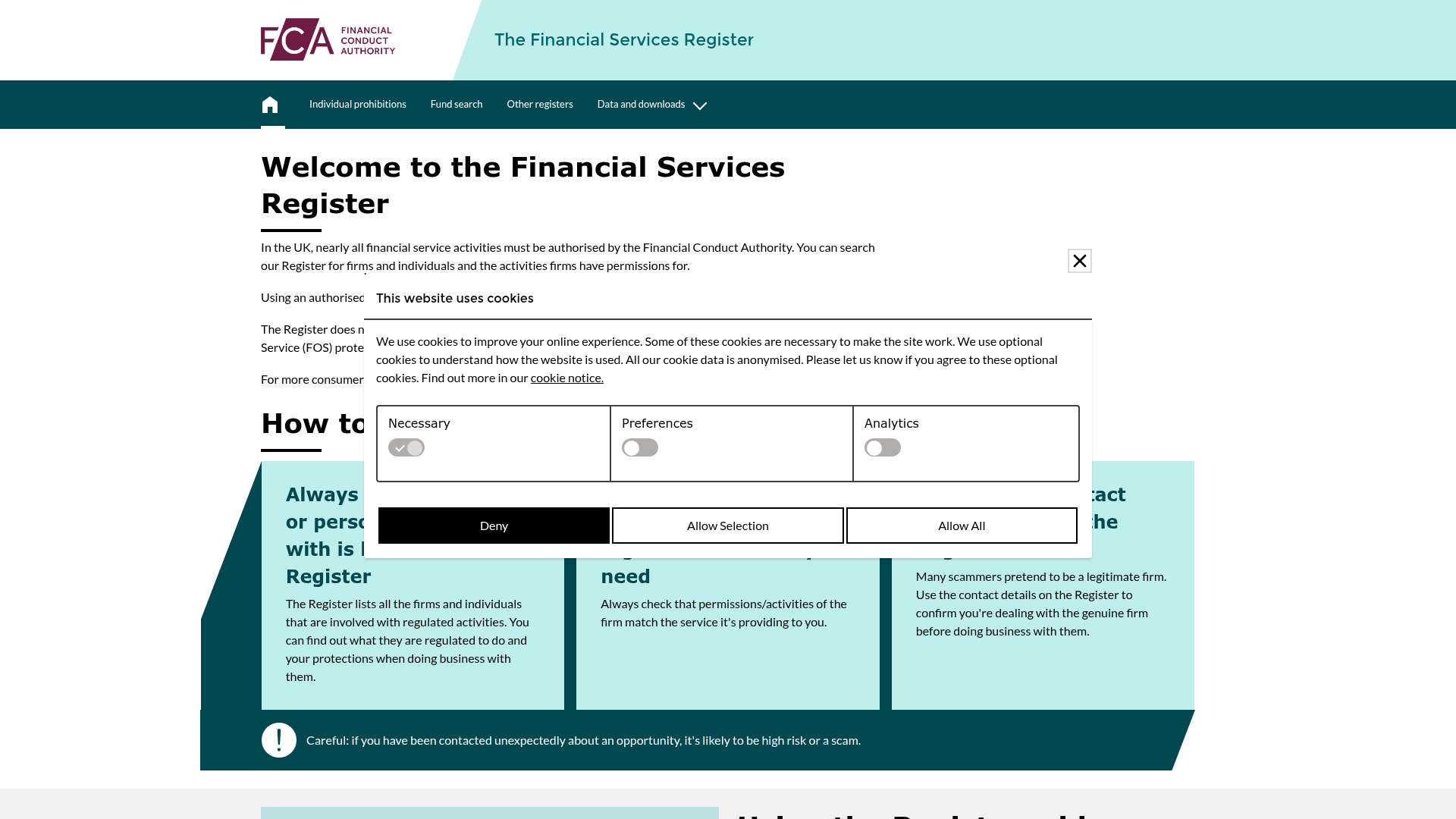
الصفحة التي نتحقق منها
هذه هي صفحة الهيئة نفسها، تم التقاطها كما وجدناها. افتحها وقم بإجراء البحث نفسه بنفسك — لا شيء في هذا السجل يحل محل المصدر.
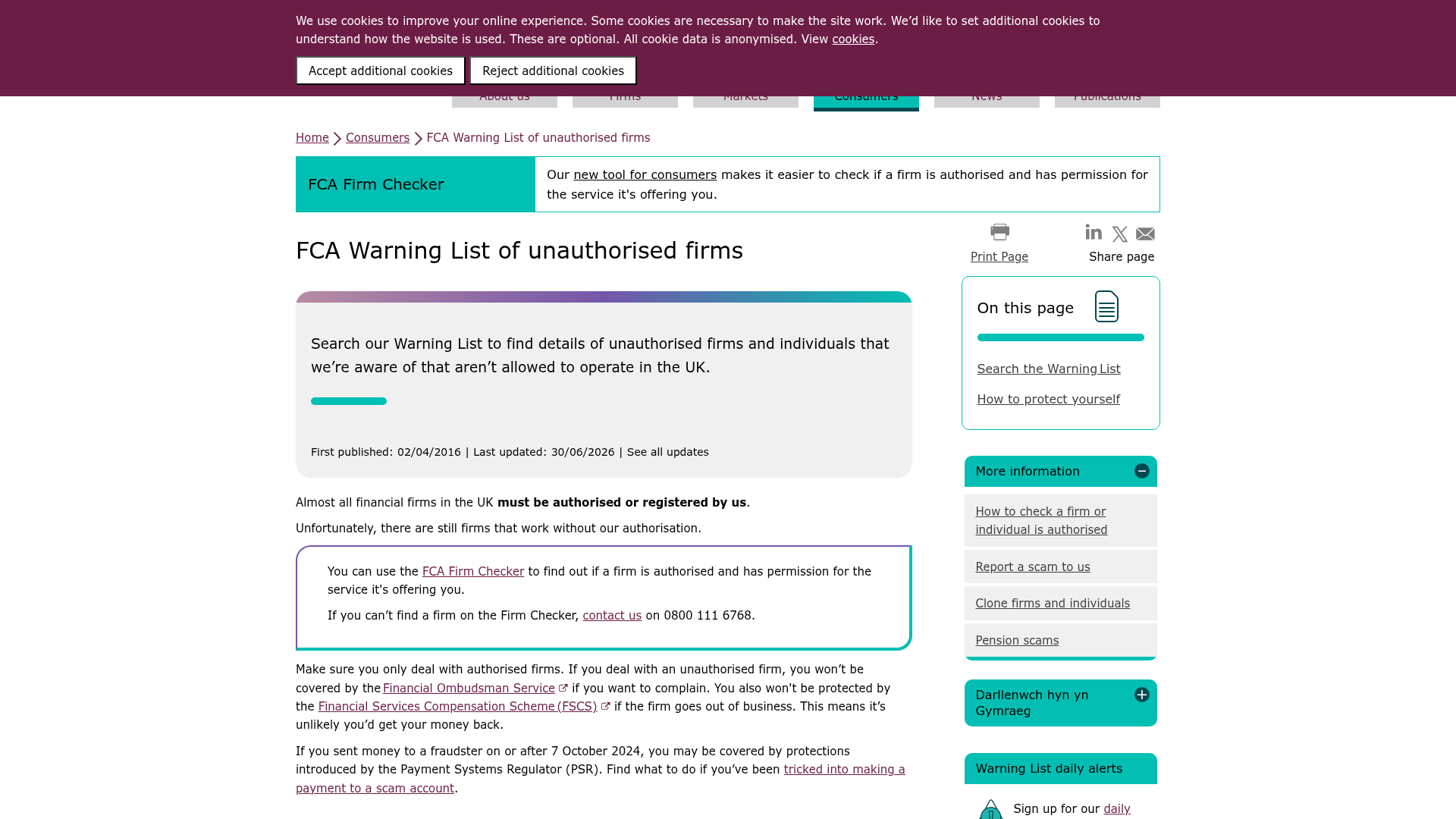
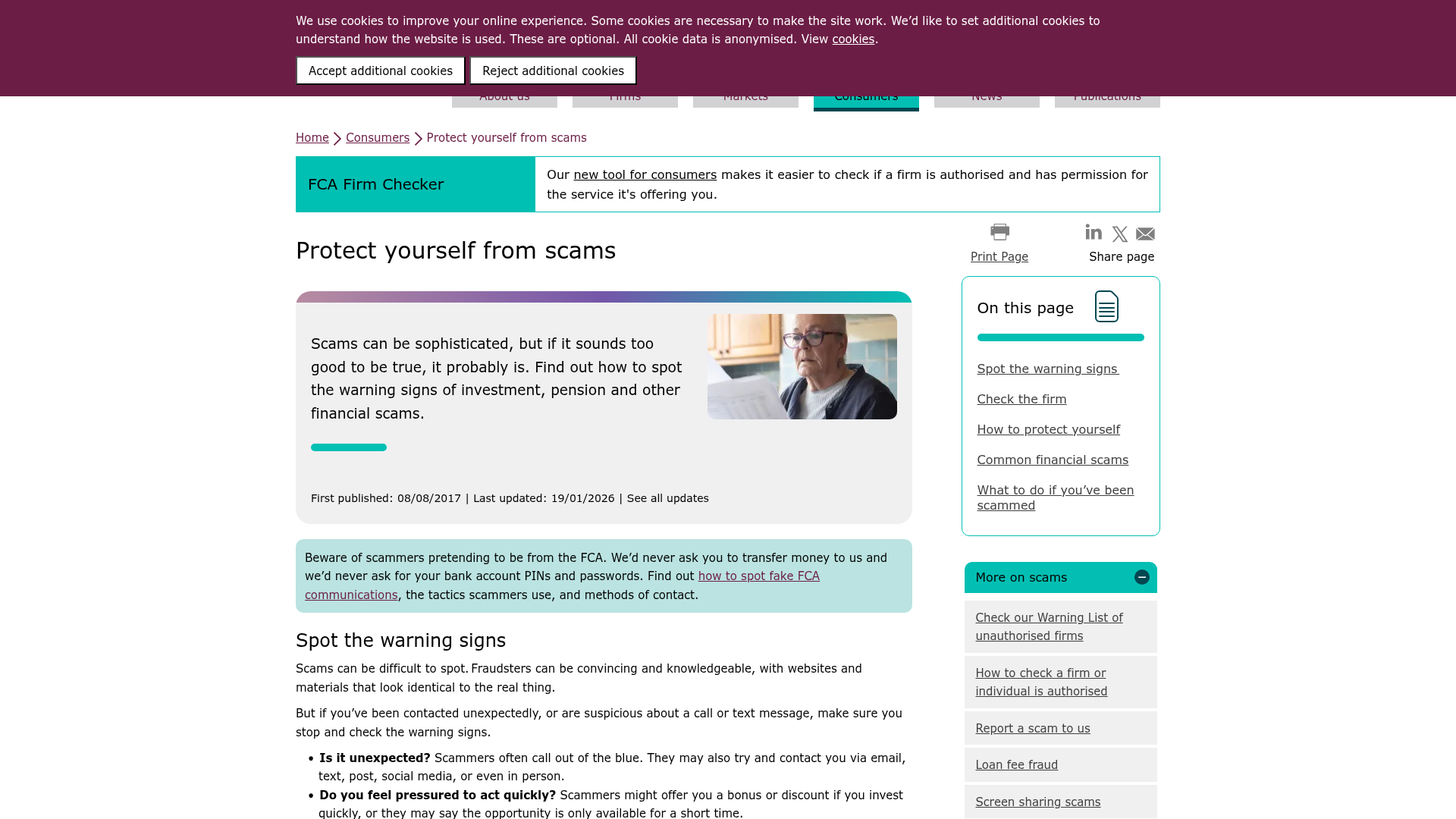
سجلات أخرى مستخدمة في هذا النوع من الفحوصات. كل منها يفتح صفحة الجهة التنظيمية الخاصة بها.
مصادر أساسية
يمكن التحقق من كل ادعاء أعلاه بالرجوع إلى صفحة الهيئة نفسها. تفتح هذه الروابط على موقع الجهة التنظيمية، وليس موقعنا.
- MAS — Financial institutions directoryeservices.mas.gov.sghttps://eservices.mas.gov.sg/fid
- FCA ScamSmartfca.org.ukhttps://www.fca.org.uk/scamsmart
- FCA — Warning list of unauthorised firmsfca.org.ukhttps://www.fca.org.uk/consumers/warning-list-unauthorised-firms
- ASIC — Professional registersasic.gov.auhttps://asic.gov.au/online-services/search-asics-registers/
- CySEC — Regulated entities registercysec.gov.cyhttps://www.cysec.gov.cy/en-GB/entities/investment-firms/cypriot/
الأسئلة المتكررة
ما هو السجل العام لـ SFC للشركات المرخصة ولماذا هو مهم؟
السجل العام لـ SFC هو قاعدة بيانات إلكترونية تحتفظ بها هيئة الأوراق المالية والعقود الآجلة في هونغ كونغ. يدرج هذا السجل جميع الشركات والأفراد المرخص لهم بإجراء أنشطة مالية منظمة في هونغ كونغ. وهو أمر بالغ الأهمية لأنه المصدر الموثوق للتحقق من شرعية الشركة وحالة ترخيصها، مما يحمي المستثمرين من الكيانات غير المصرح بها.
كيف يمكنني البحث عن شركة في سجل SFC؟
يمكنك البحث في سجل SFC باستخدام الاسم القانوني الدقيق للشركة أو رقم الكيان المركزي (CE No.) الخاص بها على الموقع الرسمي لـ SFC (sfc.hk). تأكد من استخدام الاسم القانوني الدقيق، وليس مجرد اسم تجاري، للحصول على نتائج دقيقة. تحقق من جميع تفاصيل الاتصال مقابل السجل.
ماذا أفعل إذا ادعت شركة أنها مرخصة ولكنها غير موجودة في سجل SFC؟
إذا كانت شركة تدعي تقديم خدمات منظمة في هونغ كونغ غير موجودة في سجل SFC، فإنها تعمل بدون ترخيص. يجب عليك وقف الاتصال فورًا، وعدم تحويل أي أموال، والإبلاغ عن الشركة إلى SFC عبر قنواتها الرسمية للمساعدة في حماية المستثمرين المحتملين الآخرين.
هل تحميني الرقابة من جهة خارجية إذا كنت في هونغ كونغ؟
الرقابة من قبل سلطة خارجية (مثل ASIC، FCA) لا توفر حماية تلقائية لك للخدمات المقدمة في هونغ كونغ. إذا كانت شركة تستهدف سكان هونغ كونغ لتقديم خدمات تتطلب ترخيص SFC، فيجب أن تمتلك هذا الترخيص المحدد من SFC. بدون ذلك، ستفتقر إلى الحماية التنظيمية المحلية، بما في ذلك إمكانية الوصول إلى صندوق تعويض المستثمرين.
ما هو صندوق تعويض المستثمرين، وما هي حدوده؟
يوفر صندوق تعويض المستثمرين (ICF) تعويضًا للمستثمرين الذين يتكبدون خسائر بسبب إخفاق وسيط مرخص من SFC في هونغ كونغ. يغطي الصندوق أوراقًا مالية وعقود آجلة محددة، بحد أقصى للتعويض قدره 500,000 دولار هونغ كونغي لكل مستثمر، لكل إخفاق. ولا يغطي الخسائر الناجمة عن الشركات غير المرخصة أو المنتجات الاستثمارية الأخرى.
ما هي "الشركات المستنسخة" وكيف يمكنني التعرف عليها؟
تستخدم الشركات المستنسخة بشكل غير قانوني اسم أو تفاصيل شركة مرخصة بشكل حقيقي لخداع المستثمرين للاعتقاد بأنها شرعية. يمكنك التعرف عليها من خلال مقارنة جميع تفاصيل الاتصال (الموقع الإلكتروني، البريد الإلكتروني، الهاتف) المقدمة من الشركة بعناية مع المعلومات الرسمية المدرجة في سجل SFC للكيان الحقيقي. أي اختلافات هي علامة حمراء رئيسية.