
نقاط رئيسية
- يستهدف احتيال غرف الاسترداد الأفراد الذين خسروا أموالاً بالفعل في عمليات احتيال استثمارية، مقدماً أملاً كاذباً في استردادها.
- يحصل المحتالون على بيانات الضحايا من مصادر غير مشروعة ويقومون بالاتصال غير المرغوب فيه، غالباً ما يتظاهرون بأنهم خبراء قانونيون أو وكلاء حكوميون.
- تتطلب هذه المخططات رسوماً أولية مختلفة مقابل 'التحقيق' أو 'الإجراءات القانونية' أو 'الضرائب' على أموال مستردة غير موجودة.
- خدمات الاسترداد المشروعة لا تقوم بالاتصال العشوائي، ولا تضمن النجاح، ولا تطلب رسوماً مقابل 'الإفراج' عن الأموال.
- تحقق دائماً من التسجيل التنظيمي للشركة ومعلومات الاتصال بشكل مستقل عبر السجلات الرسمية قبل التعامل.
- أبلغ عن جميع حوادث الاحتيال إلى الهيئات الرسمية مثل FBI IC3 أو Action Fraud؛ فهم لا يفرضون رسوماً على الإبلاغ.
الاتصال الأولي بعد خسارة كبيرة
يجلس الضحية، يحدق في حساب تداول فارغ، ووعد العوائد السريعة أصبح الآن ذكرى مريرة. تمر الأيام، وربما الأسابيع، في ضباب من عدم التصديق والضائقة المالية العميقة. تتفاقم صدمة الخسارة الكبيرة بمشاعر الخيانة والغضب. ثم، وبدون طلب، يصل بريد إلكتروني، أو يرن هاتف. صوت المتصل دافئ، متعاطف، ومطلع بشكل مقلق، يقدم حلاً محدداً: "يمكننا استعادة أموالك المفقودة." هذا ليس عملاً عشوائياً من أعمال اللطف؛ بل هو تكتيك مفترس محسوب، احتيال غرف الاسترداد، يستهدف الأفراد الذين تعرضوا بالفعل للصدمة واستنزفت أموالهم. غالباً ما يحصل هؤلاء الجناة على قوائم ضحايا منسقة بدقة من المحتالين الأصليين، أو عبر سماسرة البيانات العاملين على الشبكة المظلمة، مدركين تماماً من يجب الاتصال به والتفاصيل المؤلمة لخسائرهم الأخيرة. يضعون أنفسهم بسلطة خادعة، مدعين أنهم خبراء قانونيون متمرسون، أو محققون خاصون دقيقون، أو حتى وكلاء تابعون لوكالات حكومية لحماية المستهلك، وكل ذلك مصمم لتقديم بصيص أمل مقنع حيث لم يكن هناك شيء قبل لحظات. تستغل هذه الموجة الثانية الخبيثة من الخداع مباشرة الضعف النفسي الخام لأولئك الذين عانوا بالفعل من ضرر مالي كبير، مما يجعلهم عرضة بشكل فريد لمخطط آخر مدمر بنفس القدر. تكمن العبقرية القاسية لهذا الاحتيال ليس فقط في توقيته، ولكن في استغلاله الدقيق ليأس الضحية لإصلاح خطأ، محولاً أملهم إلى استنزاف مالي إضافي.
الخداع السابق: كيف خسر الضحايا أموالهم أولاً
يبدأ الطريق إلى احتيال غرف الاسترداد دائماً تقريباً بالتعرض الأولي لمخطط استثماري غير منظم أو احتيالي بشكل صريح. تتجلى هذه الخدع الأصلية عادة في منصات وساطة وهمية تبدو متطورة، أو برامج استثمارية عالية العائد تعد بعوائد يومية أو أسبوعية غير واقعية، أو مخططات عملات مشفرة معقدة تختفي دون أثر مع ودائع المستثمرين. غالباً ما تحاكي هذه المنصات الاحتيالية بيئات التداول المشروعة بدقة، وتقدم لوحات تحكم أنيقة واحترافية، وبيانات سوق تظهر في الوقت الفعلي، وحتى خدمة عملاء سريعة الاستجابة، ولكن دون أي اتصال حقيقي بالأسواق المالية العالمية. قد يودع الضحايا في البداية أموالاً لدى ما يبدو أنه وسيط شرعي يستخدم اسماً مشابهاً لـ "Pepperstone Global" أو "XM Pro"، ولكن تدقيقاً سريعاً ودقيقاً في السجلات العامة الرسمية للهيئات التنظيمية ذات السمعة الطيبة مثل FCA (هيئة السلوك المالي) في المملكة المتحدة، أو ASIC (لجنة الأوراق المالية والاستثمارات الأسترالية)، أو CySEC (لجنة الأوراق المالية والبورصات القبرصية) سيكشف بسرعة عدم وجود كيان مرخص كهذا. على سبيل المثال، بينما تخضع Pepperstone الأصلية لتنظيم صارم من قبل FCA و ASIC و CySEC و DFSA و BaFin و CMA و SCB، فإن كياناً وهمياً يستخدم علامة تجارية مماثلة لن يحمل أي تسجيل رسمي كهذا، مما يجعل عملياته غير قانونية ومطالباته غير قابلة للتنفيذ. هذا النقص الأساسي في الرقابة التنظيمية يعني أنه عندما تختفي الأموال حتماً، لا يوجد سبيل انتصاف رسمي، مما يترك الضحايا يشعرون بالعجز التام واليأس من أي حل واضح. يتضمن الاحتيال الأولي عادةً تكتيكات مبيعات شديدة الإقناع، وضغطاً عدوانياً لإيداع مبالغ رأسمالية أكبر بشكل متزايد، ثم عدم القدرة المفاجئة والمطلقة على سحب الأموال، مما يتوج بخسارة كاملة ومدمرة للمبلغ المستثمر.
صياغة الإغراء: كيف يتصل 'خبراء الاسترداد'
ظهور "خبير استرداد" ليس مصادفة أبداً؛ بل هو فعل محسوب. يستهدف المحتالون بشكل خاص الأفراد الذين خسروا أموالاً مؤخراً، وغالباً ما يحصلون على تفاصيلهم الشخصية الدقيقة، بما في ذلك جميع المعلومات حول خسائرهم الاستثمارية السابقة. يتم الحصول على هذه البيانات الحساسة للغاية عادةً عبر وسائل غير مشروعة مختلفة: يتم شراؤها وبيعها في منتديات الشبكة المظلمة، أو مشاركتها مباشرة بين الشبكات الإجرامية، أو حتى "جمعها" من قواعد بيانات مخترقة لعمليات احتيالية أخرى. تختلف طرق الاتصال على نطاق واسع ولكنها تشمل غالباً رسائل بريد إلكتروني غير مرغوب فيها مرسلة من عناوين تبدو مشروعة، أو مكالمات هاتفية غير متوقعة بأكواد اتصال دولية، أو حتى رسائل مباشرة تبدأ على منصات التواصل الاجتماعي. عادة ما يتم صياغة الاتصال الأولي بعناية ليبدو متعاطفاً بعمق ومطلعاً بشكل ملحوظ على وضع الضحية المحدد. قد يشيرون إلى تفاصيل صريحة للاحتيال السابق—اسم الوسيط الوهمي، المبلغ المفقود، أو الجدول الزمني—مما يجعل عرضهم يبدو شرعياً بشكل لا يصدق ومصمماً بدقة لمحنة الفرد. غالباً ما تحمل هذه الاتصالات نبرة مميزة من الإلحاح المصطنع، تضغط بلطف ولكن بحزم على الضحية للتصرف بسرعة، غالباً ما تستشهد بأسباب مثل "تلاشي الأدلة"، "فقدان الأدلة الحاسمة"، أو "الأموال على وشك التبديد بشكل لا رجعة فيه." هذا الضغط الزمني المصطنع هو تكتيك احتيالي كلاسيكي، مصمم بمهارة للتحايل على التفكير المتأني، والبحث الشامل، والعناية الواجبة السليمة. يتضمن نهج شائع جداً الادعاء بالانتماء إلى شركة محاماة معروفة، أو وكالة حكومية مخصصة للتحقيق في الاحتيال، أو مجموعة حماية مستهلك ذات سمعة طيبة، وكلها تستخدم استراتيجياً لإضفاء جو غير مستحق من الأصالة والسلطة على ادعاءاتهم الكاذبة أساساً.
سراب التعويض: ما تدعي خدمات الاسترداد تقديمه
تقدم "خدمات الاسترداد" نفسها بغطاء مصطنع بعناية من الخبرة المتخصصة، مؤكدة قدرات فريدة لاستعادة الأموال المفقودة من العمليات الاحتيالية المراوغة. غالباً ما تتضمن ادعاءاتهم امتلاك وصول خاص إلى برامج تتبع مالي متطورة، أو اتصالات مباشرة ومميزة داخل وكالات إنفاذ القانون الدولية، أو إجراءات قانونية خاصة تدعي تجاوز العقبات البيروقراطية والقضائية التقليدية. قد يؤكدون بثقة أنهم يمتلكون السلطة القانونية "لتجميد" أصول المحتالين الأصليين أو ممارسة ضغط كبير عبر قنوات قانونية دولية معقدة لا يمكن للفرد العادي الوصول إليها. غالباً ما تمتد الوعود لتشمل معدل نجاح مرتفع بشكل مثير للإعجاب، وأحياناً يذكرون نسباً مئوية محددة، وغالباً ما تكون مبالغ فيها، مما يعني ضمناً يقيناً بالاسترداد وهو أمر غير واقعي ببساطة بالنسبة للمؤسسات الإجرامية الخارجية أو المخفية جيداً التي تعمل عبر ولايات قضائية متعددة. غالباً ما يرسمون صورة مقنعة لنضال قانوني معقد، يتطلب بالتأكيد خبرتهم الفريدة والمحددة، ولكن الأهم من ذلك، يتطلب أيضاً تعاون الضحية الكامل، ومساهمات مالية مستمرة. تم تصميم هذه الرواية المعقدة بدقة لغرس شعور قوي زائف بالأمل، مما يجعل الضحية تشعر بأن أموالها في متناول اليد بشكل مغرٍ، وتتطلب دفعة واحدة أخرى، دفعة واحدة أخرى، لتأمين عودتها أخيراً. غالباً ما تكون اللغة المستخدمة تقنية وقانونية عن عمد، ومليئة بالمصطلحات، ومقصودة خصيصاً لإبهار وإرباك بدلاً من الإبلاغ أو التوضيح بصدق.
الدفاع الوحيد الموثوق به ضد هذا الاستغلال الثانوي هو التشكيك المطلق، والتحقق الدقيق، والالتزام بالتعامل حصراً مع الكيانات الشفافة والمرخصة رسمياً.
Owen Blake
الاستنزاف المالي المزدوج: فهم هيكل الرسوم
تمثل هذه المرحلة حيث يفرض احتيال غرف الاسترداد ضربته المالية الثانية، وغالباً الأكثر جوهرية. سيطلب "خبراء الاسترداد" المزعومون بشكل منهجي سلسلة من الرسوم المتنوعة طوال عملية التعويض المزعومة، ونادراً ما تكون هذه الرسوم شفافة أو مفصلة بوضوح. قد تسمى الرسوم الأولية بشكل خادع "تكاليف إدارية"، أو "رسوم فتح القضية"، أو "رسوم العناية الواجبة للتحقيق الدولي"، أو "رسوم التحويل المصرفي الدولي". يمكن أن تتراوح هذه المدفوعات الأولية بشكل كبير، من بضع مئات متواضعة إلى عدة آلاف كبيرة من الدولارات أو اليورو أو الجنيهات، اعتماداً على القدرة المالية المتصورة للضحية ومبلغ خسارتها الأولية. مع تقدم "القضية" الملفقة ظاهرياً، يتم طلب المزيد من المدفوعات بلا هوادة مقابل ما يوصف بأنه "إجراءات قانونية في محكمة خارجية"، أو "تخليصات ضريبية حاسمة"، أو "شهادات امتثال لمكافحة غسل الأموال"، أو "ودائع ضمان إلزامية" يزعمون أنها مطلوبة من قبل البنوك أو المحاكم الدولية قبل الإفراج عن الأموال المستردة. تكتيك شائع ومدمر بشكل خاص هو إبلاغ الضحية بأن أموالها قد "استردت بنجاح" بالفعل، ولكن يجب عليهم دفع "رسوم إفراج" أو "ضريبة استرداد" نهائية غير قابلة للتفاوض قبل أن يتم تحويل الأموال إلى حسابهم. بالطبع، لا توجد أموال حقيقية أو تم استردادها، وأي دفعة تتم في هذه المرحلة تختفي ببساطة في جيوب المحتالين. تعمل الخدمات القانونية الحقيقية على أساس أتعاب واضحة أو رسوم طوارئ، وغالباً بدون رسوم أولية كبيرة لمجرد التحقيق في إمكانية الاسترداد، وبالتأكيد لا تطلب رسوماً مقابل "ضرائب" زائفة أو "إفراج" عن الأموال.
الرسوم النموذجية التي تطلبها خدمات الاسترداد الاحتيالية مقارنة بممارسات المساعدة القانونية/الاسترداد المشروعة.
| نوع الرسوم | مطالبات خدمات الاسترداد الاحتيالية | ممارسات الخدمات القانونية/الاسترداد المشروعة |
|---|---|---|
| رسوم التحقيق الأولية | غالبًا ما تكون كبيرة (على سبيل المثال، 500 - 5,000 دولار أمريكي فأكثر) مقابل 'العناية الواجبة' الغامضة أو 'فتح القضية'، دون أي مخرجات ملموسة. | نادرًا ما تكون كبيرة مقدمًا للتحقيق الأولي؛ قد تتطلب دفعة مقدمة معقولة لإجراءات قانونية محددة، ومفصلة بوضوح. |
| رسوم 'الضريبة' أو 'الإفراج' | تُطلب عندما يتم 'استرداد' الأموال ولكن لا يمكن تحويلها دون دفع ضريبة مزعومة أو 'رسوم معالجة بنكية'، وغالبًا ما تكون 10-20% من المبلغ 'المسترد'. | تُدفع الضرائب المشروعة من الأموال المستردة بنجاح أو مباشرة إلى السلطات الضريبية؛ ولا تطلبها شركة استرداد أبدًا مقابل 'الإفراج'. |
| إعداد المستندات القانونية | رسوم باهظة لتزوير مستندات قانونية وهمية أو لنماذج قياسية يمكن العثور عليها بسهولة عبر الإنترنت، وغالبًا ما تكون 1,000 دولار أمريكي أو أكثر لكل مستند. | تعكس الرسوم العمل القانوني الفعلي وصياغة المستندات، وتُحاسب بالساعة أو كجزء من دفعة مقدمة، مع مخرجات واضحة. |
| رسوم النجاح | يُوعَد بها كنسبة مئوية من الأموال 'المستردة'، ولكن تُطلب بشكل حاسم قبل الإفراج الفعلي عن أي أموال، إن تم ذلك على الإطلاق، بناءً على استرداد وهمي. | تُدفع فقط بعد الاسترداد الناجح والمتحقق منه للأموال، كنسبة مئوية متفق عليها مسبقًا من المبلغ الفعلي الذي يعود إلى الضحية. |
وهم التقدم: عملية الاسترداد الزائفة
بمجرد أن يدفع الضحية على مضض الجولات الأولية من الرسوم، يشرع المحتالون في بناء واجهة معقدة وخادعة للغاية من الأنشطة المستمرة، مصممة بدقة لإبقائهم متورطين لأطول فترة ممكنة. غالبًا ما تتضمن هذه المهزلة إرسال وابل من المستندات المزورة، مثل أوامر المحكمة المزيفة التي تحمل أختامًا رسمية المظهر، أو كشوفات بنكية مزورة تظهر أموالًا مستردة غير موجودة ومقيدة باسم الضحية، أو رسائل رسمية المظهر تدعي أنها من سلطات دولية غير موجودة. قد يقومون بتنظيم سلسلة من المكالمات الهاتفية المجدولة حيث ينتحل أفراد مختلفون، غالبًا ما يستخدمون أسماء مستعارة، أدوارًا متنوعة ببراعة: محامون متمرسون، مصرفيون مجتهدون، أو حتى مسؤولون حكوميون صارمون، يلعب كل منهم دورًا مقنعًا في الدراما المتكشفة. يتم تزويد الضحايا بتحديثات منتظمة، وغالبًا ما تكون مطولة، تشير دائمًا إلى تقدم كبير ولكنها دائمًا، وبشكل حاسم، تتوج بطلب دفعة أخرى للتغلب على عقبة جديدة غير متوقعة: عائق إداري جديد، تكلفة قانونية غير متوقعة لـ 'شاهد خبير'، أو 'رسوم تحويل عاجلة' مطلوبة لإتمام المعاملة النهائية. تم تصميم الاتصالات عمدًا للحفاظ على شعور حاد بالإلحاح والأهمية، مما يشير باستمرار إلى أن الضحية على وشك استعادة أمواله. تستمر هذه الدورة التلاعبية حتى ينفد المال المتاح للضحية تمامًا، أو يصبح أكثر ارتيابًا وينسحب، أو يستسلم ببساطة للإرهاق الشديد ويتخلى عن الأمر. ما يغفل عنه العديد من الأدلة العامة أو المقالات التقليدية هو أنه من الناحية العملية، لن يتردد قسم الاحتيال في طلب هذه الرسوم 'غير المتوقعة' مرتين أو ثلاث أو حتى أربع مرات أخرى، وكل مرة تكون مصحوبة بقصة جديدة ومقنعة للغاية ومؤثرة عاطفياً، مع تحسين نهجهم باستمرار بناءً على استجابات الضحية السابقة وحدودهم المالية المتصورة. الهدف النهائي ليس الاسترداد المشروع، بل إطالة أمد الخداع واستخراج أقصى قدر ممكن من رأس المال قبل أن يدرك الضحية حتمًا أنه وقع في عملية احتيال ثانية، مدمرة بنفس القدر.
التحقق من المصداقية: خطوات أساسية قبل التعامل مع شركة
قبل التفكير في أي تعامل مع ما يسمى بـ 'خدمة استرداد'، يجب على الأفراد إجراء عناية واجبة صارمة ومستقلة. هذا إجراء وقائي حاسم. الخطوة الأكثر أهمية هي التحقق من شرعية الكيان نفسه والأفراد الذين يديرونه. تحقق دائمًا مما إذا كانت الشركة مسجلة بشكل صحيح لدى السلطات المالية أو القانونية ذات الصلة في نطاق اختصاصها المعلن. على سبيل المثال، إذا ادعت شركة أنها تتخذ من المملكة المتحدة مقرًا لها، فابحث في سجل Financial Conduct Authority (FCA) المتاح للجمهور. وبالمثل، بالنسبة للكيانات التي تدعي العمليات في الولايات المتحدة، تحقق بدقة من قائمة CFTC's Registration Deficient (RED) ونظام NFA BASIC لحالة الانتماء والخلفية. إذا ادعت الشركة صراحة أنها مكتب محاماة، فتحقق من وضعها الحالي والنشط لدى نقابة المحامين الوطنية أو الإقليمية أو الهيئة المهنية القانونية المناسبة. الأهم من ذلك، ابحث عن الشفافية في جميع الجوانب: فشركة شرعية حقًا ستمتلك دائمًا عنوانًا ماديًا واضحًا وقابلًا للتحقق، ورقم هاتف أرضي ثابت، ومعلومات متاحة للجمهور بخصوص شركائها أو مديريها أو مسؤوليها المسجلين. كن حذرًا للغاية من الشركات التي تتواصل حصريًا عبر عناوين بريد إلكتروني عامة (مثل Gmail أو Outlook)، أو تستخدم أرقام هواتف محمولة فقط، أو تقدم عناوين غامضة وغير محددة. ستكون الشركة الشرعية حقًا واضحة بشكل لا لبس فيه بشأن هيكل رسومها بالكامل منذ البداية، وعادة ما يتم تقديم ذلك في اتفاقية رسمية مكتوبة، ولن تطالب بشكل قاطع بـ 'ضرائب' غامضة، أو 'رسوم تحويل'، أو 'رسوم إفراج' تظهر من العدم. أي شركة تحاول الضغط عليك لدفع مبالغ فورية وغير مخططة، أو تعد بمعدلات استرداد مضمونة، أو تعرض استخدام 'قنوات خاصة وسرية' يجب التعامل معها بأقصى قدر من الشك وتجنبها تمامًا. تمثل هذه اليقظة الثابتة الدفاع الأساسي والأكثر فعالية ضد الوقوع ضحية مرة ثانية.
خطوات التحقق الرئيسية للتمييز بين المساعدة الحقيقية في الاسترداد والخطط الاحتيالية الخادعة.
| جانب التحقق | مؤشرات الخدمة الحقيقية | مؤشرات الخدمة الاحتيالية |
|---|---|---|
| التسجيل التنظيمي | مسجل وقابل للتحقق لدى الهيئات المهنية المالية أو القانونية ذات الصلة (على سبيل المثال، FCA, ASIC, Bar Council, NFA BASIC). | غير مسجل، يدعي وضعًا "خاصًا" يعفيه من التسجيل، أو يستخدم أرقام تسجيل مزيفة لا تتطابق مع السجلات الرسمية. |
| معلومات الاتصال | عنوان فعلي قابل للتحقق (وليس صندوق بريد)، هاتف أرضي ثابت، نطاق بريد إلكتروني احترافي (على سبيل المثال، @firmname.com). | أرقام هواتف محمولة فقط، بريد إلكتروني عام (مثل Gmail, Yahoo)، صندوق بريد، أو عناوين غامضة وغير موجودة. |
| هيكل الرسوم | اتفاقية مكتوبة شفافة ومفصلة للاحتفاظ أو على أساس النجاح؛ الرسوم مفصلة بوضوح وتدفع بعد التحقق من الاسترداد، أو مقابل عمل قانوني محدد بوضوح. | يطالب برسوم مقدمة كبيرة مقابل "التحقيق" أو "الضرائب" أو "الإفراج" عن الأموال؛ مطالبات رسوم غامضة، متغيرة، ومتزايدة بشكل متكرر بدون مبرر واضح. |
| الوعود المقدمة | تقييم واقعي ومتوازن لفرص الاسترداد؛ لا يقدم أبدًا ضمانات للنجاح بسبب التعقيدات المتأصلة. | استرداد مضمون، وعود بـ "وصول خاص" أو "معلومات داخلية"، جداول زمنية غير واقعية (على سبيل المثال، "الأموال تسترد في 24 ساعة"). |
| طريقة التواصل | لغة احترافية، واضحة، ومتسقة؛ يقدم وثائق رسمية. | تكتيكات عدوانية وضاغطة؛ يستخدم مصطلحات غامضة أو تقنية بشكل مفرط دون شرح واضح؛ يعتمد بشكل كبير على التلاعب العاطفي والترهيب. |
| المراجع المهنية | يمكنه تقديم شهادات عملاء قابلة للتحقق، انتماءات مهنية قابلة للتحقق، أو سجلات قضايا عامة. | لا يوجد سجل حافل قابل للتحقق؛ يعتمد فقط على ادعاءاتهم غير المدعومة بالنجاح أو مراجعات مجهولة. |
الوصول إلى القنوات الرسمية للإبلاغ والدعم
للأفراد الذين فقدوا أموالهم للأسف، سواء من خلال احتيال الاستثمار الأولي أو عملية احتيال "غرفة الاسترداد" اللاحقة والمضرة بنفس القدر، فإن الخطوة الفورية والحاسمة هي الإبلاغ عن الحادث للسلطات الوطنية والدولية المختصة. وبينما لا يمكن ضمان استرداد الأموال بالكامل بأي حال من الأحوال، خاصة عند التعامل مع كيانات إجرامية متطورة للغاية وعابرة للحدود تعمل على إخفاء آثارها عمدًا، فإن الإبلاغ يوفر معلومات استخباراتية بالغة الأهمية. تساعد هذه البيانات وكالات إنفاذ القانون على تتبع الجناة بدقة، ورسم خرائط لشبكاتهم، والأهم من ذلك، منع عدد لا يحصى من الآخرين من الوقوع ضحية لمخططات مماثلة. في الولايات المتحدة، يجب على الضحايا الإبلاغ فورًا عن جميع التفاصيل إلى مركز شكاوى الجرائم عبر الإنترنت التابع لمكتب التحقيقات الفيدرالي (FBI IC3) واللجنة الفيدرالية للتجارة (FTC). في المملكة المتحدة، يعمل Action Fraud كمركز إبلاغ وطني لجميع أشكال الاحتيال والجرائم الإلكترونية، وهو نقطة الاتصال الأولى. كما تقدم الهيئات التنظيمية المالية مثل هيئة السلوك المالي (FCA) في المملكة المتحدة ولجنة تداول العقود الآجلة للسلع (CFTC) في الولايات المتحدة آليات محددة للإبلاغ عن الأنشطة الاحتيالية المشتبه بها وتحتفظ بدقة بقوائم تحذير عامة بالشركات غير المصرح بها التي يجب على المستهلكين تجنبها. توفر هذه الهيئات الرسمية سبلًا أساسية وشرعية للضحايا لتسجيل قضاياهم والمساهمة بشكل كبير في مكافحة الجريمة المالية الأوسع نطاقًا والجماعية. من الأهمية بمكان فهم أن هذه الوكالات الرسمية لا تفرض، تحت أي ظرف من الظروف، رسومًا لتقديم بلاغ أو لبدء تحقيقات في المطالبات. عند الإبلاغ، من الضروري للغاية تقديم أكبر قدر ممكن من التفاصيل المحددة، بما في ذلك جميع سجلات المعاملات، وسجلات الاتصالات الكاملة (رسائل البريد الإلكتروني، نصوص الدردشة، سجلات المكالمات)، وأي معلومات تعريفية تتعلق بالمحتالين، مهما بدت بسيطة.
نطاق الإجراءات التنظيمية: فهم القيود
بينما تلعب الهيئات التنظيمية المالية بلا شك دورًا محوريًا في حماية المستهلك ضمن ولاياتها القضائية المحددة، فإن صلاحياتها وقدراتها لها حدود واضحة ومحددة. وهذه نقطة دقيقة وحاسمة غالبًا ما تغفلها أو تبسطها العديد من الأدلة الأولية حول احتيال الاستثمار. تعمل الهيئات التنظيمية مثل FCA, ASIC, و CySEC بشكل أساسي من خلال الإشراف على الكيانات المرخصة التي تقع تحت إشرافها المباشر. وهذا يعني أنها تمتلك صلاحية اتخاذ إجراءات حاسمة ضد وسيط أو شركة منظمة تنتهك القواعد المعمول بها، لفرض غرامات كبيرة، أو حتى إلغاء تراخيص التشغيل. ومع ذلك، فإن قدرتهم على ملاحقة كيان احتيالي غير منظم وعابر للحدود اختفى بأموال المستثمرين محدودة للغاية بسبب التحديات القضائية والطبيعة الغامضة لهذه العمليات الإجرامية. وبالمثل، لا تعمل هذه الهيئات التنظيمية عادةً كوكالات تحصيل مصممة لاسترداد الأموال المفقودة مباشرة للمستثمرين الأفراد من العمليات غير المنظمة. تقدم مخططات تعويض المستهلكين، مثل مخطط تعويض الخدمات المالية (FSCS) في المملكة المتحدة، طبقة حيوية من الحماية ولكن فقط للخسائر المتكبدة مع الشركات المرخص لها والمنظمة التي تفشل لاحقًا. إذا أرسل مستثمر، للأسف، أموالًا إلى كيان غير مرخص يتظاهر بأنه وسيط شرعي – وهو سيناريو شائع في عمليات احتيال الاستثمار الأولية – فإن مخططات التعويض هذه لا تقدم أي تعويض على الإطلاق، حيث لم تكن الأموال أبدًا لدى كيان مشمول. إن فهم هذا التمييز الأساسي أمر بالغ الأهمية: التعامل حصريًا مع الكيانات المنظمة رسميًا يوفر طبقة كبيرة من الحماية واللجوء المحتمل، وهي غائبة تمامًا عند التعامل مع الجهات الفاعلة غير المنظمة أو الاحتيالية بشكل علني. هذا هو بالضبط السبب في أن التحقق الدقيق من الوضع التنظيمي للشركة من خلال السجلات الرسمية والعامة (مثل سجل FCA، سجلات ASIC المهنية، سجل الكيانات المنظمة لـ CySEC، أو NFA BASIC) ليس مجرد خطوة مستحسنة، بل هو متطلب أساسي للسلامة المالية.
تحصين الدفاعات: خطوات لمنع الوقوع ضحية مرة أخرى
يتطلب تعزيز الدفاعات الشخصية ضد التهديد الخبيث لإعادة الاستهداف من قبل عمليات الاحتيال في "غرف الاسترداد" (recovery-room fraud) اتباع نهج استباقي ويقظ للغاية باستمرار. أولاً، يجب التعامل مع أي شكل من أشكال الاتصال غير المرغوب فيه بخصوص خسائرك المالية السابقة، سواء عبر الهاتف أو البريد الإلكتروني أو وسائل التواصل الاجتماعي، بقدر كبير من الشك والريبة على الفور. لا تشارك، تحت أي ظرف من الظروف، في محادثات مع متصلين مجهولين أو ترد على مرسلي رسائل بريد إلكتروني لا يمكنك التحقق من شرعيتهم بشكل مستقل. إذا تم الاتصال بك، اجعل أولويتك القصوى التحقق من هويتهم وانتمائهم المزعوم بشكل مستقل، باستخدام مصادر رسمية ومتاحة للجمهور، ولا تعتمد أبدًا فقط على المعلومات التي يقدمونها لك. ثانيًا، افترض أن تفاصيلك الشخصية ومعلوماتك الحساسة حول خسائرك المالية السابقة قد تكون قد تعرضت للاختراق بالفعل. كن حذرًا للغاية بشأن مشاركة أي معلومات شخصية أو مالية إضافية مع كيانات غير موثوقة. من الحكمة غالبًا التفكير في تغيير عناوين البريد الإلكتروني الأساسية أو أرقام الهواتف إذا شعرت أنك مستهدف أو تتعرض للمضايقة بشدة. ثالثًا، خصص وقتًا لتثقيف نفسك بشكل شامل حول التكتيكات الشائعة والتلاعبات النفسية التي يستخدمها المحتالون، سواء في عمليات الاحتيال الاستثمارية الأولية أو في مخططات الاسترداد اللاحقة. تقدم الموارد القيمة وغير المتحيزة من مبادرات مثل FCA ScamSmart أو إرشادات العملاء من CFTC رؤى حاسمة حول أنماط الاحتيال السائدة والتدابير الوقائية. أخيرًا، والأهم من ذلك، اطلب دائمًا المشورة من متخصصين ماليين أو قانونيين موثوقين ومستقلين حقًا قمت باختيارهم بنفسك بعناية، ويفضل أن يكونوا موصى بهم من خلال شبكات مهنية راسخة وقابلة للتحقق. لا تعتمد إطلاقًا على نصيحة من أفراد أو شركات تتصل بك بشكل عشوائي أو غير مرغوب فيه. إن اتباع نهج متحفظ ومتشكك تجاه أي عرض "يبدو أفضل من أن يكون حقيقيًا" للاسترداد أو المساعدة هو دائمًا الإجراء الأكثر أمانًا وحكمة لحماية نفسك من المزيد من الضرر المالي.
دعوة لليقظة المستمرة
يمكن أن يؤدي الألم العميق والضيق العاطفي الناجم عن خسارة مالية كبيرة بشكل مأساوي إلى جعل حتى الأفراد الأكثر حذرًا عرضة للوعود الزائفة والمغرية بالاسترداد. يمثل الاحتيال في "غرف الاسترداد" استغلالًا قاسيًا وساخرًا بشكل خاص لهذه الهشاشة البشرية المتأصلة. إنه بمثابة تذكير صارخ لا يتزعزع بأن الأسواق المالية، عند التعامل معها عبر قنوات غير منظمة أو غير جديرة بالثقة بشكل واضح، محفوفة بمخاطر واسعة الانتشار وغالبًا ما تكون خفية؛ وحتى بعد التعرض لخسارة أولية مدمرة، يمكن أن يظل خطر المزيد من الاستغلال قائمًا باستمرار. إن الدفاع الوحيد الموثوق والفعال حقًا ضد هذا الاستغلال الثانوي المفترس هو الالتزام الثابت بالشك النقدي، والتحقق الدقيق والصارم من كل ادعاء، والالتزام المطلق بالتعامل فقط مع الكيانات الشفافة والمنظمة رسميًا والتي يمكن تأكيد بيانات اعتمادها بشكل مستقل. من خلال الفهم الشامل للتكتيكات الخادعة التي يستخدمها هؤلاء المحتالون المتطورون، ومن خلال معرفة أين يمكن التوجه للحصول على مساعدة حقيقية وغير مكلفة من الهيئات الرسمية، يمكن للأفراد أن يمنعوا بشكل كبير تحول خسارة أولية مدمرة إلى عبء مالي ونفسي أكثر ضررًا وطول أمدًا. تصرف لحماية أموالك المتبقية، وحافظ على راحة بالك، ولا تدفع أبدًا، تحت أي ظرف من الظروف، لاسترداد أموال لم تكن موجودة بالفعل في المقام الأول.
الصفحة التي نتحقق منها
هذه هي صفحة الهيئة نفسها، تم التقاطها كما وجدناها. افتحها وقم بإجراء البحث نفسه بنفسك — لا شيء في هذا السجل يحل محل المصدر.
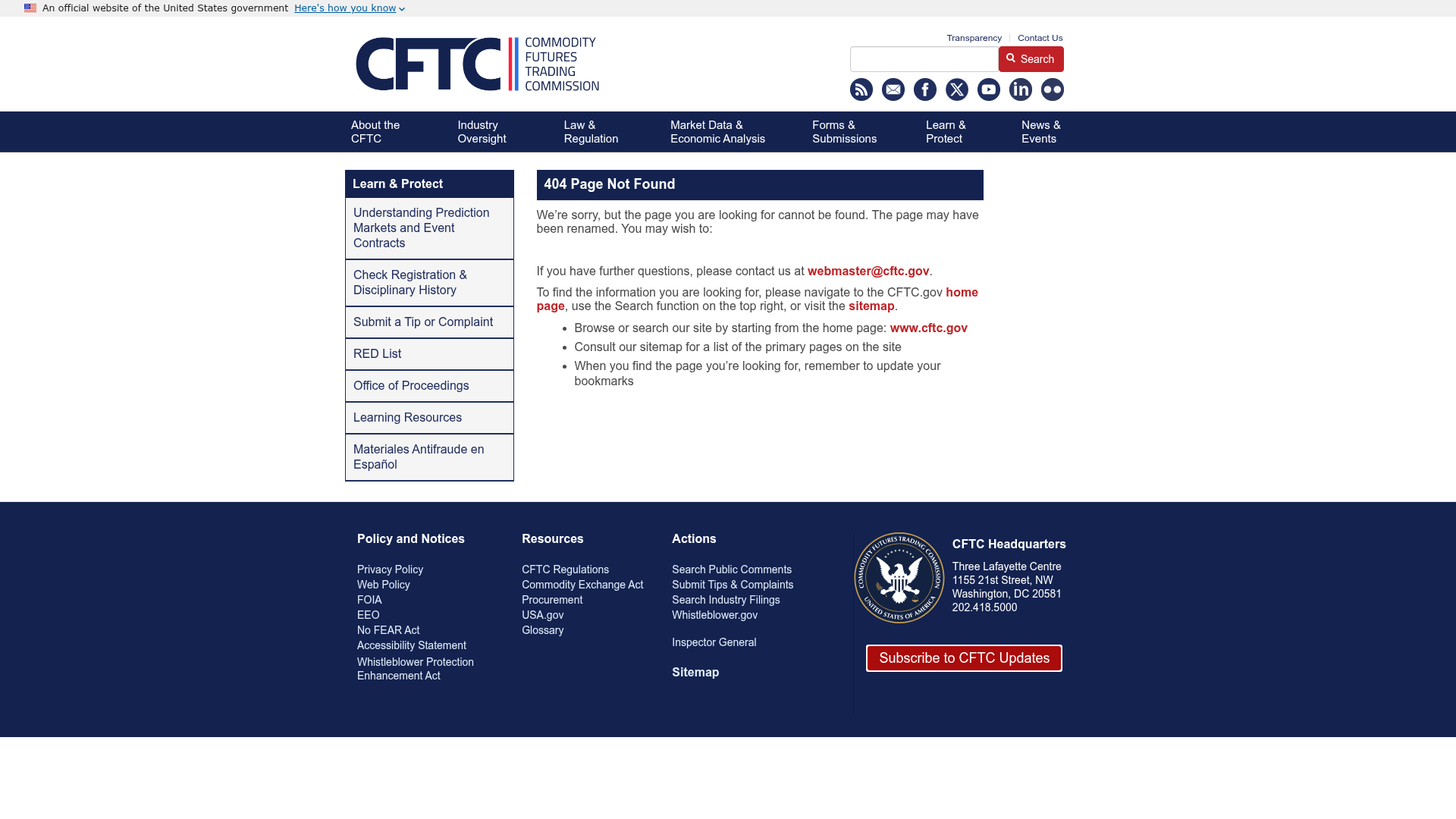
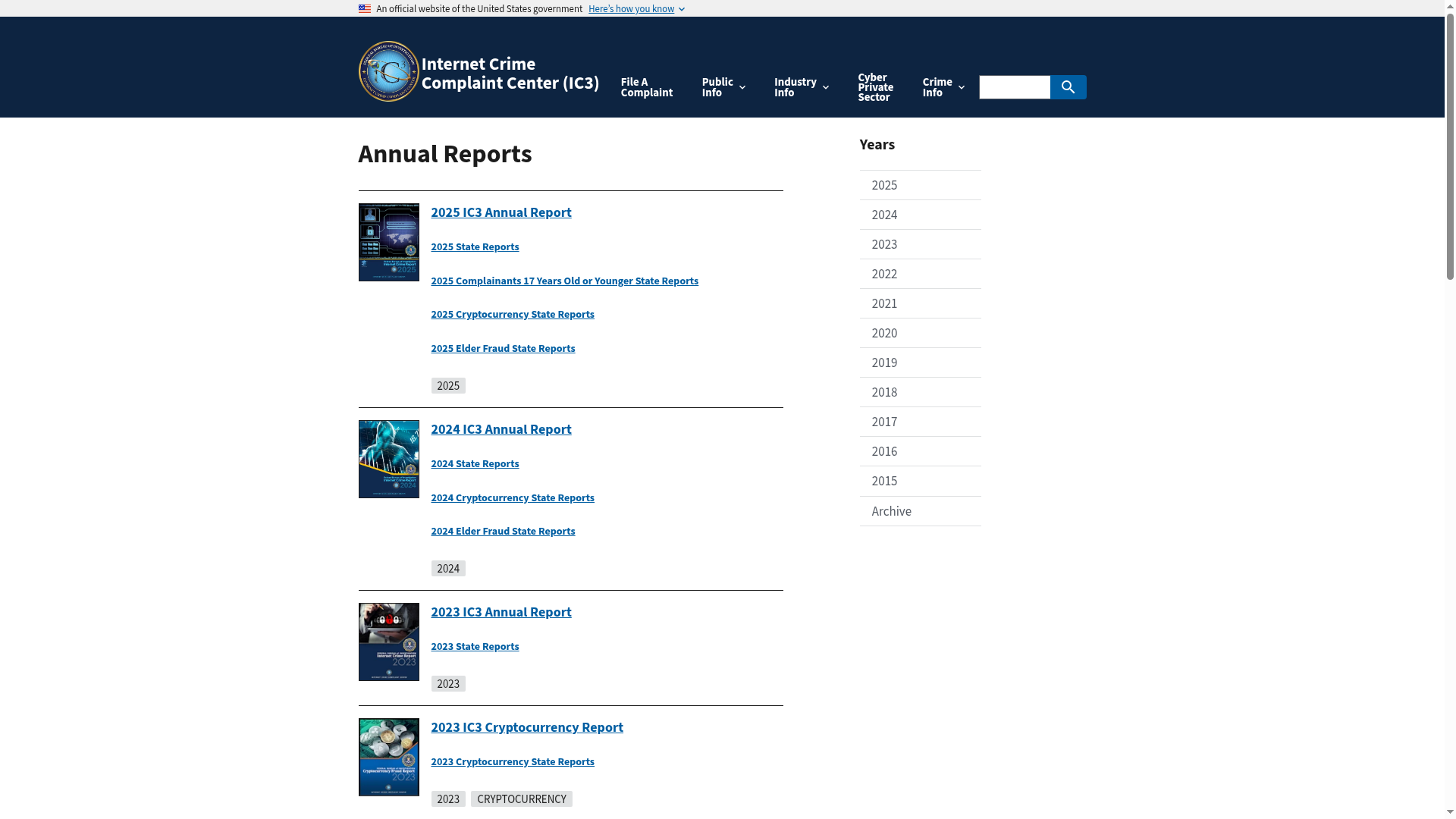
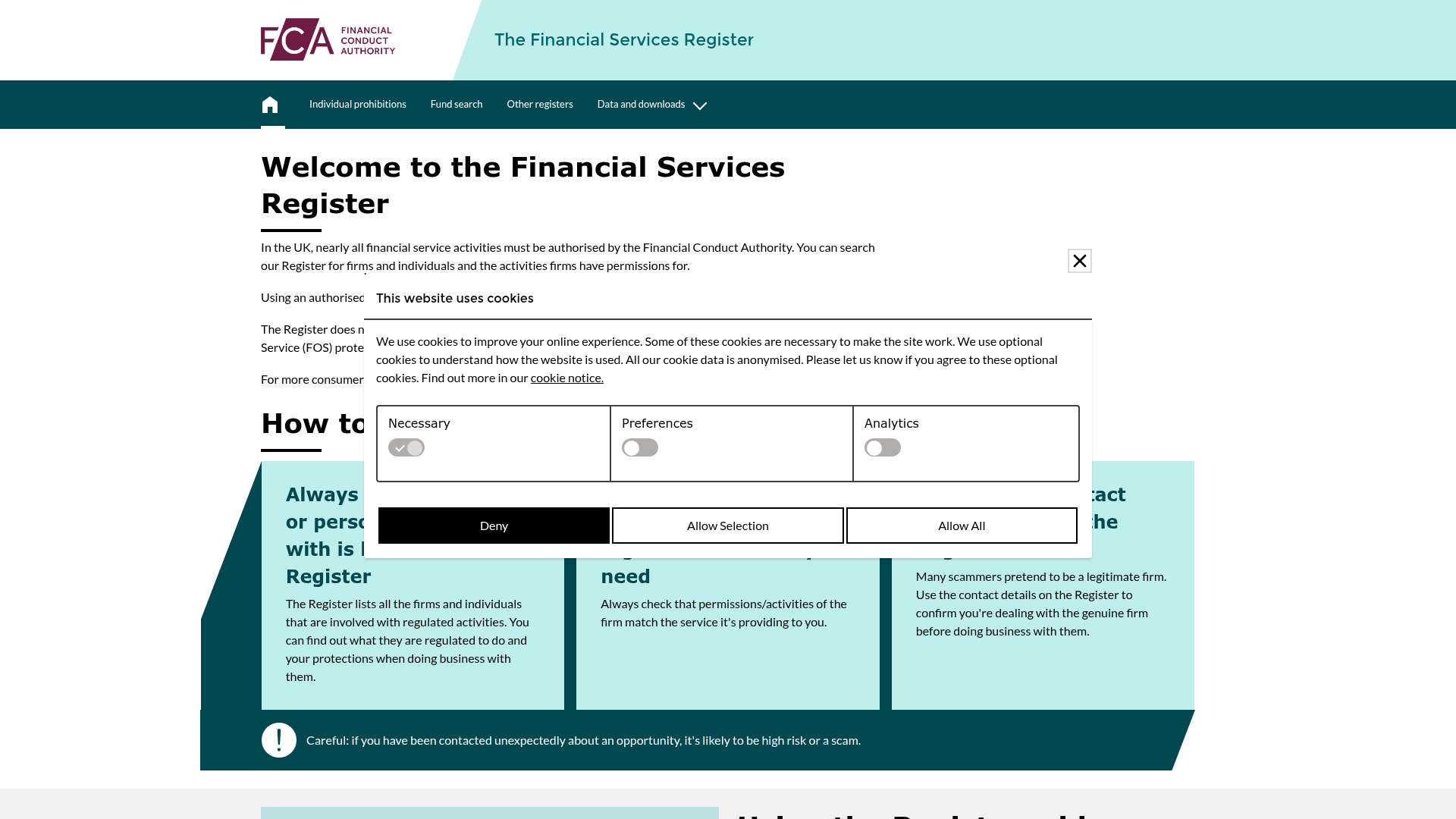
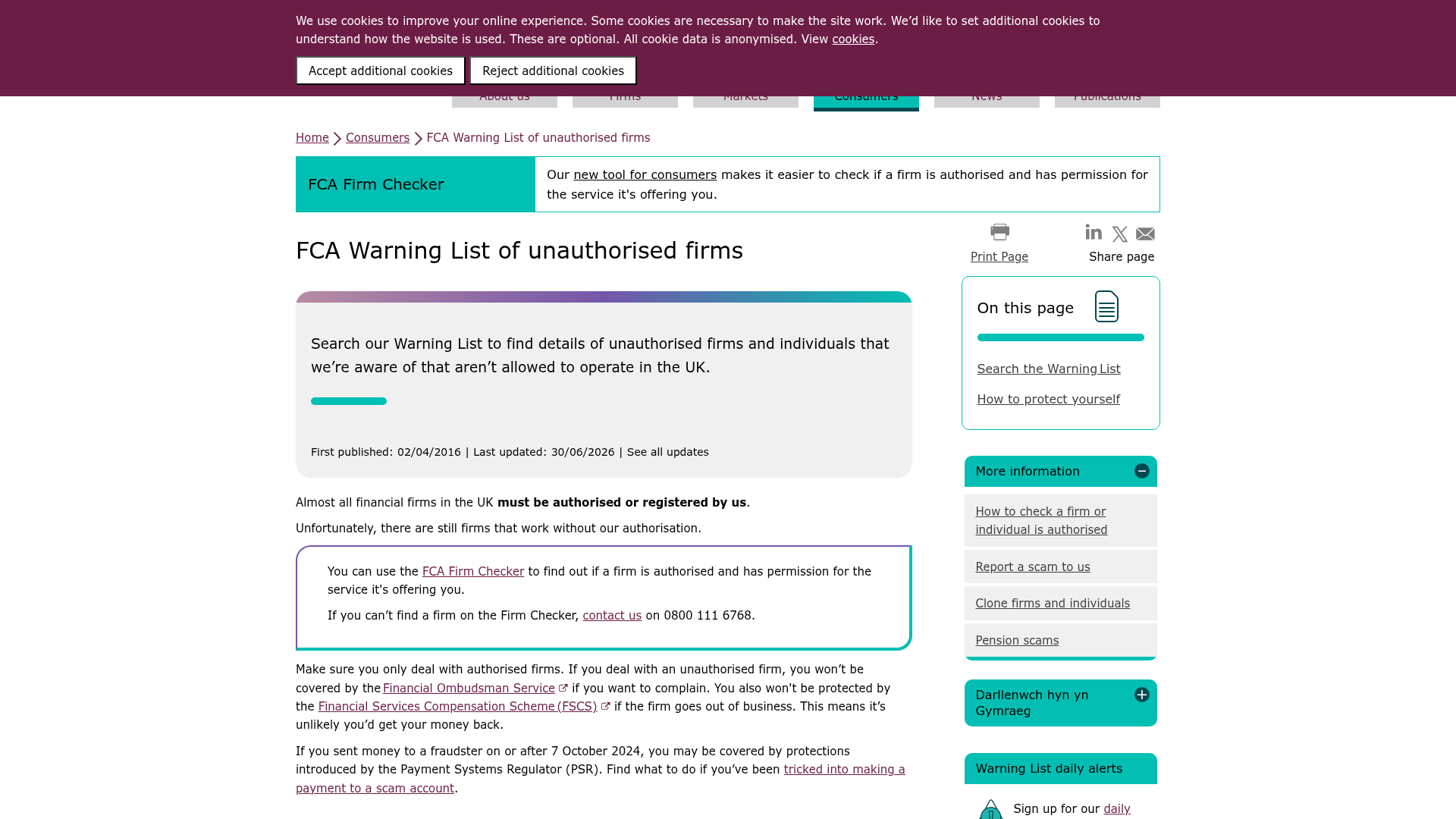
سجلات أخرى مستخدمة في هذا النوع من الفحوصات. كل منها يفتح صفحة الجهة التنظيمية الخاصة بها.
مصادر أساسية
يمكن التحقق من كل ادعاء أعلاه بالرجوع إلى صفحة الهيئة نفسها. تفتح هذه الروابط على موقع الجهة التنظيمية، وليس موقعنا.
- FBI IC3 — Internet Crime Reportic3.govhttps://www.ic3.gov/AnnualReport/Reports
- FTC — Report fraudreportfraud.ftc.govhttps://reportfraud.ftc.gov/
- Action Fraud (UK) — reportingactionfraud.police.ukhttps://www.actionfraud.police.uk/
- FCA ScamSmartfca.org.ukhttps://www.fca.org.uk/scamsmart
- Financial Conduct Authority — Financial Services Registerregister.fca.org.ukhttps://register.fca.org.uk/
- NFA BASIC — background affiliation statusnfa.futures.orghttps://www.nfa.futures.org/basicnet/
الأسئلة المتكررة
كيف يعرف محتالو "غرف الاسترداد" أنني خسرت أموالاً؟
غالبًا ما يحصل هؤلاء المحتالون على قوائم الضحايا من المحتالين الأصليين أو من سماسرة البيانات على الشبكة المظلمة (dark web). يستهدفون تحديدًا الأفراد الذين تعرضوا مؤخرًا لخسائر مالية، مما يجعل اتصالهم يبدو محددًا بشكل غريب وشرعيًا.
ما هي العلامات الحمراء الشائعة لعملية احتيال في "غرف الاسترداد"؟
تشمل العلامات الحمراء الرئيسية: الاتصال غير المرغوب فيه، والمطالبة برسوم مقدمة مقابل 'التحقيق' أو 'الضرائب'، والوعود بضمان الاسترداد، والضغط للتصرف بسرعة، وعدم وجود تسجيل تنظيمي قابل للتحقق أو عنوان فعلي.
هل يمكن للهيئات التنظيمية الرسمية مثل FCA أو ASIC استرداد أموالي المفقودة من وسيط غير منظم؟
تشرف الهيئات التنظيمية المالية بشكل أساسي على الكيانات المرخصة. وبينما يمكنها التحقيق واتخاذ إجراءات ضد الشركات المنظمة، فإن قدرتها على استرداد الأموال مباشرة من المحتالين غير المنظمين في الخارج محدودة بشكل كبير بسبب الحدود القضائية.
ماذا أفعل إذا طلبت 'خدمة استرداد' رسومًا 'لتحرير' أموالي المستردة؟
هذه علامة قاطعة على الاحتيال. لا تتضمن عمليات الاسترداد المشروعة دفع رسوم 'لتحرير' الأموال. أي طلب من هذا القبيل يعني أن الأموال 'المستردة' وهمية، وأنك تتعرض للاحتيال مرة أخرى. لا تدفع.
أين يمكنني الإبلاغ عن عملية احتيال في 'غرف الاسترداد'؟
في الولايات المتحدة، أبلغ مكتب التحقيقات الفيدرالي (FBI IC3) ولجنة التجارة الفيدرالية (FTC). في المملكة المتحدة، أبلغ 'أكشن فرود' (Action Fraud). تجمع هذه الهيئات الرسمية المعلومات الاستخباراتية ويمكنها تقديم الإرشادات، والأهم من ذلك، أنها لا تفرض رسومًا على الإبلاغ عن الاحتيال.
هل هناك طريقة لضمان استعادة أموالي بعد تعرضي للاحتيال؟
للأسف، لا يوجد ضمان لاسترداد الأموال، خاصة من الكيانات الخارجية غير المنظمة. أفضل دفاع لك هو الوقاية: تعامل فقط مع الشركات المنظمة رسميًا وتحقق من جميع الادعاءات بشكل مستقل.
كيف يمكنني التحقق مما إذا كانت شركة استرداد الأموال شرعية؟
تحقق من تسجيلهم لدى السلطات المالية ذات الصلة (مثل FCA Register, NFA BASIC) أو نقابات المحامين. تحقق من عنوانهم الفعلي ورقم هاتفهم، وتأكد من أن لديهم هيكل رسوم مكتوب وشفاف.