نقاط رئيسية
- تختلف تراخيص Labuan FSA عن تلك الصادرة عن الهيئات التنظيمية من الفئة الأولى (Tier-1 jurisdictions)، مما يعني غالباً مستويات مختلفة من الرسملة وحماية العملاء.
- يسمح ترخيص وساطة الأموال في لابوان تحديداً بترتيب المعاملات بين العملاء والأطراف الأصيلة، وليس العمل كطرف أصيل بحد ذاته.
- يتطلب التحقق من ترخيص لابوان الرجوع إلى السجل العام لـ Labuan FSA والمقارنة مع المواقع الرسمية.
- قد تختلف خطط تعويض المستثمرين ومتطلبات فصل أموال العملاء في لابوان بشكل كبير عن تلك الموجودة في المراكز المالية الرئيسية.
- يجب على العملاء الأفراد توخي الحذر وفهم قيود آليات الانتصاف عند التعامل مع الكيانات الخاضعة لتنظيم لابوان.
- غالباً ما يحمل الوسطاء تراخيص متعددة؛ والترخيص ذو الصلة بعقد العميل المحدد هو الذي يحدد الحماية المطبقة.
الجاذبية الخاصة للابوان لكيانات وساطة الأموال
تختار العديد من كيانات الخدمات المالية، وخاصة تلك العاملة في أسواق العملات الأجنبية وعقود الفروقات (CFD)، مركز لابوان الدولي للأعمال والمال (IBFC) كولاية قضائية للترخيص. غالباً ما يكون هذا الاختيار مدفوعاً بمجموعة من العوامل، بما في ذلك نظامها الضريبي، والسرعة النسبية للحصول على الترخيص، وإطار الإشراف الذي، على الرغم من وجوده، غالباً ما يوصف بأنه أكثر مرونة من تلك الموجودة في المراكز المالية الراسخة مثل لندن أو سيدني أو نيويورك. تكمن جاذبيتها في مكانتها كمركز مالي دولي داخل ماليزيا، مصمم لجذب الأعمال التجارية العالمية.
تصدر Labuan FSA، وهي السلطة التنظيمية والإشرافية لمركز لابوان الدولي للأعمال والمال (Labuan IBFC)، مجموعة من التراخيص لأنشطة الخدمات المصرفية والتأمين وإدارة الصناديق ووساطة الأموال. بالنسبة لشركة ترغب في تسهيل التداول دون العمل كوسيط أصيل، يمكن أن يبدو ترخيص وساطة الأموال خياراً مناسباً. ومع ذلك، فإن النطاق الدقيق للأنشطة المسموح بها بموجب هذا الترخيص، ومدى الإشراف، يختلف بشكل كبير عن ذلك الذي تقدمه سلطات مثل هيئة السلوك المالي في المملكة المتحدة (FCA) أو هيئة الأوراق المالية والاستثمارات الأسترالية (ASIC).
من الضروري التمييز بين ترخيص وساطة الأموال في لابوان وترخيص التداول الكامل على الحساب الخاص الموجود في ولايات قضائية أخرى. يقيد الأول عادةً حامل الترخيص بالعمل كوسيط، حيث يربط العملاء بمقدمي الخدمات الأصيلين. هذا التمييز ليس مجرد دلالي؛ بل يغير بشكل أساسي الحماية القانونية والعملية المتاحة للعميل. يعد فهم هذه النقطة الأولية أمراً بالغ الأهمية لأي فرد يفكر في التعامل مع كيان يقدم ترخيص وساطة أموال من لابوان كاعتماده التنظيمي الأساسي.
فهم فئات ترخيص Labuan FSA للوسطاء
تقدم Labuan FSA تصنيفات محددة لمقدمي الخدمات المالية ضمن ولايتها القضائية. بالنسبة للكيانات التي تسهل تداول الأدوات المالية، فإن ترخيص "وساطة الأموال" (money broking) هو الفئة الأكثر شيوعًا التي يستند إليها الوسطاء، لا سيما أولئك العاملين في سوق العملات الأجنبية (FX) وعقود الفروقات (CFD). يسمح هذا الترخيص، الذي يخضع لقانون Labuan Financial Services and Securities Act 2010، لحامله بمزاولة أعمال وساطة الأموال (money broking)، والتي تشمل بشكل عام ترتيب المعاملات في العملات الأجنبية وأدوات سوق المال والمشتقات المالية للعملاء.
يكمن الاختلاف الوظيفي الرئيسي بين وسيط الأموال (money broker) والوسيط الرئيسي كامل الخدمات (full-service principal broker) في كيفية تنفيذ أوامر العملاء. يقوم وسيط الأموال (money broker) بتمرير الأوامر إلى طرف رئيسي ثالث، ويحصل على عمولة أو هامش (spread) مقابل الخدمة، لكنه لا يتخذ الجانب المقابل لصفقة العميل. يتناقض هذا مع الوسيط الرئيسي (principal broker)، الذي يعمل كطرف مقابل. تعكس متطلبات رأس المال وكثافة الإشراف هذا التمييز؛ فملف المخاطر للوسيط يتم تقييمه عادة بشكل مختلف عن ملف المخاطر لشركة تتحمل مخاطر السوق في دفاترها الخاصة.
على الرغم من أن Labuan FSA تهدف إلى ضمان استيفاء جميع الكيانات المرخصة لمعايير الملاءمة والجدارة، إلا أن الالتزامات التشغيلية المحددة وإجراءات حماية أصول العملاء قد لا تتوافق مع المعايير العالية المتبعة في البيئات التنظيمية من الفئة الأولى (Tier-1). غالبًا ما تعمل الشركات بموجب هذا الترخيص المحدد لخدمة قاعدة عملاء عالمية حيث قد تشكل اللوائح المحلية الأكثر صرامة حاجزًا أعلى للدخول. هذا هو الجزء الذي تتجاهله معظم الأدلة: الآثار العملية لترخيص وساطة الأموال (money broking) بالنسبة للمستخدم النهائي تختلف تمامًا عن التعامل مباشرة مع وسيط يحمل ترخيص تداول كامل من ولاية قضائية رئيسية.
تراخيص Labuan FSA المختارة ومتطلبات رأس المال الأدنى
| Licence Type | Primary Activity | الحد الأدنى لمتطلبات رأس المال (USD) |
|---|---|---|
| Labuan Money Broking Licence | ترتيب صفقات الفوركس وأسواق النقد والمشتقات المالية؛ دون التداول بصفة أصيل | لا يقل عن 50,000 |
| ترخيص إدارة الصناديق في لابوان | إدارة الأموال للعملاء | لا يقل عن 120,000 |
| ترخيص الأوراق المالية في لابوان | التعامل في الأوراق المالية | لا يقل عن 100,000 |
| ترخيص بنك الاستثمار في لابوان | أعمال الخدمات المصرفية الاستثمارية | لا يقل عن 500,000 |
متطلبات رأس المال والتشغيل لوسطاء الأموال في لابوان
يجب على الكيانات التي تسعى للحصول على ترخيص وساطة مالية في لابوان أن تستوفي متطلبات محددة لرأس المال والتشغيل، والتي تعتبر ركائز أساسية لترخيصها. وفقًا للإرشادات الحالية، فإن الحد الأدنى لرأس المال المدفوع لشركة وساطة مالية في لابوان لا يقل عن USD 50,000 أو ما يعادله بعملة أخرى. هذا المبلغ أقل بكثير من حدود رأس المال التي تفرضها الهيئات التنظيمية في ولايات قضائية مثل المملكة المتحدة أو قبرص على الكيانات التي تتعامل كوكلاء أصيلين، والتي يمكن أن تصل إلى ملايين اليورو. تتطلب Labuan FSA، بالإضافة إلى رأس المال، من حاملي التراخيص إثبات وجود جوهر اقتصادي داخل مركز لابوان المالي الدولي (IBFC). وهذا يعني تأسيس وجود مادي، مع مساحة مكتبية واضحة، وتوظيف العدد المطلوب من الموظفين المتفرغين والمؤهلين بشكل مناسب في لابوان. يتم تقييم العدد الدقيق للموظفين وطبيعة المكتب الفعلي على أساس كل حالة على حدة، ولكن الهدف هو ضمان أن الكيان ليس مجرد شركة وهمية. كما أن تعيين مسؤول رئيسي، يجب أن يكون فردًا معتمدًا من قبل Labuan FSA، هو أمر إلزامي للإشراف على العمليات. هذه المتطلبات، على الرغم من أنها مصممة لتعزيز مركز مالي شرعي، يجب أن تُنظر إليها في سياق المعايير التنظيمية العالمية. في حين أن USD 50,000 توفر خط أساس، إلا أنها تقدم حاجزًا ماليًا محدودًا في حالة حدوث مشكلات تشغيلية كبيرة أو خسائر للعملاء مقارنة بالشركات التي يبلغ رأسمالها، على سبيل المثال، EUR 730,000 بموجب MiFID II للتعامل كوكيل أصيل. إن قدرة العميل على استرداد الأموال من وسيط ذي رأس مال ضعيف، بغض النظر عن الترخيص، مقيدة بطبيعتها.
إطار الإشراف داخل مركز لابوان المالي الدولي (IBFC)
تعمل Labuan FSA بصفتها السلطة التنظيمية الوحيدة لأنشطة الخدمات المالية التي تتم داخل مركز لابوان المالي الدولي (IBFC). يشمل تفويضها التنظيم الاحترازي، والإشراف على سلوك السوق، والإنفاذ. يخضع المرخص لهم لالتزامات إبلاغ مستمرة، والتي تتضمن تقديم بيانات مالية مدققة، وتقارير امتثال، وبيانات تشغيلية أخرى. وتجري الهيئة عمليات تفتيش منتظمة ويمكنها فرض عقوبات، أو إلغاء التراخيص، أو إصدار توجيهات في حالة تحديد عدم الامتثال. غالبًا ما يوصف النهج التنظيمي في لابوان بأنه تسهيلي، ويهدف إلى الموازنة بين الرقابة القوية وبيئة مواتية لنمو الأعمال. ومع ذلك، يمكن أن يترجم هذا النهج التسهيلي إلى إطار عمل، على الرغم من أنه سليم قانونيًا ضمن اختصاصه، قد لا يقدم نفس المستوى من التدقيق الدقيق على عمليات التداول اليومية أو نفس آليات التدخل الاستباقي الموجودة، على سبيل المثال، في الاتحاد الأوروبي أو أستراليا. عمليًا، قد يطلب القسم الوثائق والتفسيرات مرتين، لكن عمق التدقيق الجنائي قد يكون أخف مما يجريه منظم من الفئة الأولى (Tier-1). أحد الجوانب الحاسمة للإشراف يتعلق بجهود مكافحة غسل الأموال (AML) وتمويل الإرهاب (CFT). تضمن Labuan FSA امتثال المرخص لهم للمعايير الدولية في هذا المجال، بما في ذلك إجراءات العناية الواجبة للعملاء (KYC). وبينما توجد هذه التدابير بالتأكيد، فإن التأثير العملي على حماية المستثمرين، خاصة في حالات إفلاس الوسطاء أو سوء السلوك غير المتعلق بالجرائم المالية، لا يزال بحاجة إلى دراسة متأنية.
يسمح ترخيص وساطة الأموال في لابوان بترتيب المعاملات، وليس العمل كطرف أصيل، وهو تمييز يغير بشكل أساسي الحماية القانونية والعملية المتاحة للعملاء.
Owen Blake
آليات حماية المستثمرين للكيانات الخاضعة لتنظيم لابوان
يكمن أحد الفروق الجوهرية بين الولايات القضائية التنظيمية المختلفة في آليات حماية المستثمرين لديها. في لابوان، بينما توجد أحكام قانونية لفصل أصول العملاء، فإن الأطر المحددة لصناديق تعويض المستثمرين، المشابهة لتلك الموجودة في المملكة المتحدة (Financial Services Compensation Scheme, FSCS) أو قبرص (Investor Compensation Fund, ICF)، تكون عادةً أقل شمولاً أو غائبة لأنواع معينة من التراخيص. هذا يعني أنه في حالة إفلاس وسيط مالي مرخص في لابوان أو سوء سلوك جسيم، قد يواجه العملاء طريقًا أصعب بكثير، أو حتى مستحيلاً، لاسترداد أموالهم. على سبيل المثال، يوفر FSCS في المملكة المتحدة حماية تصل إلى £85,000 لكل شخص لكل شركة للشركات الاستثمارية، بينما يقدم CySEC ICF تغطية تصل إلى EUR 20,000. تم تصميم هذه المخططات للتدخل عندما تفشل كيان منظم. لا تدير لابوان مخططًا مكافئًا، واسع النطاق، مدعومًا من الحكومة لتعويض المستثمرين لأنشطة وساطة الأموال. سيعتمد أي استرداد لأصول العملاء على عملية الإفلاس والاتفاقيات التعاقدية المحددة مع الوسيط. بدون شبكة أمان فعالة للتعويض مدعومة من الدولة، يتحمل العملاء مسؤولية أكبر في العناية الواجبة. بينما يعد فصل أموال العملاء مطلبًا عامًا، فإن تطبيقه العملي وسهولة الوصول إلى تلك الأموال في سيناريو التصفية يمكن أن يختلفان بشكل كبير. يجب على المستثمر الحكيم أن يفهم أن التعامل مع كيان مرخص في لابوان فقط ينطوي على درجة أعلى من مخاطر الطرف المقابل مقارنة بالتعامل مع الشركات التي تشرف عليها هيئات تنظيمية لديها مخططات حماية مستثمرين صريحة وممولة.
مخططات تعويض المستثمرين عبر الولايات القضائية للشركات الاستثمارية
| الولاية القضائية | الجهة التنظيمية | مخطط تعويض المستثمرين | حد التغطية (تقريبي) |
|---|---|---|---|
| المملكة المتحدة | FCA | FSCS | £85,000 |
| قبرص | CySEC | ICF (CIF) | €20,000 |
| أستراليا | ASIC | لا يوجد نظام مباشر (قانون حماية المستهلك العام) | غير متوفر |
| لابوان، ماليزيا | Labuan FSA | لا يوجد نظام مباشر لوساطة الأموال | غير متوفر |
الجوانب العملية للتحقق من ترخيص وساطة الأموال في لابوان
يُعد التحقق من ترخيص وساطة الأموال في لابوان عملية مباشرة ومتعددة الخطوات يجب على أي عميل محتمل القيام بها. تتضمن الخطوة الأولى زيارة الموقع الرسمي لهيئة الخدمات المالية في لابوان (Labuan FSA) والوصول إلى سجلها العام. تُدرج قاعدة البيانات الإلكترونية هذه جميع الكيانات المرخصة العاملة ضمن مركز لابوان المالي الدولي (Labuan IBFC). ستحتاج عادةً إلى الاسم التجاري الدقيق للكيان أو رقم ترخيصه.بمجرد الوصول إلى السجل العام لـ Labuan FSA، قم بمقارنة التفاصيل المقدمة من الوسيط مع المعلومات المدرجة من قبل الهيئة التنظيمية. يشمل ذلك الاسم التجاري، ورقم الترخيص، والنوع المحدد للترخيص الحاصل عليه (على سبيل المثال، 'ترخيص وساطة أموال في لابوان'). لا يكفي مجرد رؤية اسم الشركة؛ فتأكيد نوع الترخيص أمر بالغ الأهمية، حيث قد تحمل بعض الشركات ترخيصًا تجاريًا عامًا بدلاً من ترخيص خدمات مالية.بعد ذلك، تحقق من تفاصيل الموقع الإلكتروني ومعلومات الاتصال المدرجة في سجل الهيئة التنظيمية ومقارنتها بموقع الوسيط الخاص. يمكن أن تشير التناقضات هنا إلى شركة مستنسخة أو كيان يضلل بشأن وضعه. ستحتوي الشركات الشرعية على معلومات متسقة عبر جميع القنوات الرسمية. إذا ادعى وسيط أنه يحمل ترخيصًا من لابوان، ولكن وجوده التشغيلي الأساسي أو تسويقه يتركز بشكل كبير في مكان آخر، فإن ذلك يستدعي مزيدًا من التدقيق. يضمن هذا النهج متعدد الطبقات للتحقق أن الترخيص ليس صالحًا فحسب، بل ينتمي أيضًا بشكل حقيقي إلى الكيان الذي تنوي التعامل معه.
تحديات التنفيذ الدولي وتعويض العملاء
عند نشوء نزاعات مع شركة خدمات مالية، تتأثر سهولة وفعالية السعي للحصول على تعويض بشكل كبير بالمدى الجغرافي للهيئة التنظيمية واتفاقيات التعاون الدولي. بينما تشارك Labuan FSA في المنتديات التنظيمية الدولية وتتعاون مع السلطات المالية الأخرى، فإن متابعة شكوى أو السعي للحصول على تعويض ضد كيان منظم في لابوان من بلد العميل الأم يمكن أن يمثل تحديات مميزة.تمتلك ولايات قضائية مثل المملكة المتحدة، والدول الأعضاء في الاتحاد الأوروبي، وأستراليا، خدمات أمين مظالم راسخة أو آليات بديلة لتسوية المنازعات (ADR) مصممة للتعامل مع شكاوى عملاء التجزئة ضد الشركات المنظمة. غالبًا ما تكون هذه الخدمات مجانية أو منخفضة التكلفة للمستهلكين وتوفر مسارًا سهل الوصول نسبيًا لتسوية المنازعات. بالنسبة للكيانات المنظمة في لابوان، قد لا تتوفر آليات ADR المباشرة والمتاحة عالميًا للعملاء الدوليين.يواجه العملاء عادةً احتمال التعامل مع عملية الشكاوى الخاصة بـ Labuan FSA، أو ربما متابعة إجراءات قانونية ضمن الإطار القانوني الماليزي. يمكن أن يكون هذا مكلفًا، ويستغرق وقتًا طويلاً، ويشكل تحديًا جغرافيًا للعملاء المقيمين خارج ماليزيا. الواقع العملي هو أن مستوى حماية المستهلك وجدوى اللجوء إلى التعويض غالبًا ما يقل بشكل كبير مقارنة بالتعامل مع الشركات المنظمة في ولايات قضائية تتمتع بضمانات أقوى للمستثمرين الأفراد.
لماذا يختار بعض الوسطاء لابوان وتداعيات ذلك على المتداولين
يختار الوسطاء ولايات قضائية مثل لابوان لأسباب متنوعة، غالبًا ما تكون مرتبطة بالمرونة التشغيلية والوصول إلى الأسواق. يمكن أن تكون متطلبات رأس المال الأدنى الأقل، وعملية الترخيص الأكثر تبسيطًا، والقواعد الأقل تقييدًا على عروض المنتجات أو التسويق، جذابة للشركات التي تسعى لتوسيع بصمتها العالمية أو العمل بنماذج أعمال مختلفة. هذا لا يعني أن مثل هذه الشركات غير شرعية بطبيعتها، لكن اختيارها للولاية القضائية يعكس قرارًا محسوبًا فيما يتعلق بالرقابة التنظيمية.بالنسبة لمتداولي التجزئة، فإن هذا الاختيار للولاية القضائية له تداعيات مباشرة. قد يقدم وسيط منظم بشكل أساسي من قبل Labuan FSA نسب رافعة مالية (leverage) أعلى من تلك المسموح بها من قبل هيئات تنظيمية مثل ESMA (المحددة بـ 1:30 لعملاء التجزئة)، أو FCA، أو ASIC. وبينما قد يكون هذا جذابًا للبعض، فإن الرافعة المالية الأعلى تضخم المكاسب والخسائر المحتملة على حد سواء. والأهم من ذلك، أن النهج الأقل صرامة في بعض مجالات الإشراف على سلوك السوق يعني أن العملاء يتعرضون لمخاطر تخففها الهيئات التنظيمية من الفئة الأولى (Tier-1 regulators) بنشاط، مثل ممارسات التسويق العدوانية أو نماذج التنفيذ الأقل شفافية.لذلك، بينما يمنح ترخيص لابوان تفويضًا قانونيًا للعمل، فإنه يوفر عمومًا بيئة أقل حماية لمتداولي التجزئة الذين يبحثون عن أقصى درجات الأمان وسبل تعويض متاحة بسهولة. عند التفكير في وسيط، يجب أن يدفع ترخيص لابوان إلى مزيد من التحقيق في البيئة التنظيمية الأوسع للشركة، خاصة إذا كانت تحمل أيضًا تراخيص من ولايات قضائية أقوى لكيانات تشغيلية مختلفة.
تحديد العمليات غير المرخصة أو المضللة المحتملة
حتى مع ترخيص Labuan مشروع، قد تنخرط بعض الشركات في ممارسات تثير القلق، أو تعمل بشكل صريح دون ترخيص مناسب، مضللة بشأن وضعها. من المؤشرات الحاسمة على النشاط غير المرخص المحتمل هو عدم وجود تفاصيل قابلة للتحقق في السجلات التنظيمية الرسمية. إذا ادعت شركة امتلاك ترخيص Labuan ولكن لا يمكن العثور عليها في السجل العام لـ Labuan FSA، فإنها تعمل دون الترخيص المدعى.
علامة حمراء أخرى هي المعلومات غير المتسقة. إذا كان موقع الوسيط يعرض اسم شركة أو رقم ترخيص معين، ولكن السجل الرسمي يظهر شيئًا آخر، أو إذا كانت معلومات الاتصال لا تتطابق، فهذا يشير إلى محاولة خداع. كن حذرًا بشكل خاص من الاتصالات غير المرغوب فيها عبر وسائل التواصل الاجتماعي أو المكالمات الباردة، خاصة إذا كانت تضغط لإيداع أموال فورية أو تقدم عوائد عالية بشكل غير واقعي. الشركات الشرعية والمنظمة عادة لا تستخدم تكتيكات المبيعات عالية الضغط هذه.
أخيرًا، دقق في التفاصيل الدقيقة المتعلقة بمكان الاحتفاظ بحسابك والكيان التنظيمي المسؤول عنه. يعمل العديد من الوسطاء عبر كيانات متعددة تحت مظلات تنظيمية مختلفة. على سبيل المثال، قد يكون لدى الوسيط كيان منظم من قبل FCA لعملاء المملكة المتحدة وكيان Labuan لعملاء في مناطق أخرى. الكيان المحدد الذي أبرمت عقدك معه هو الذي يحدد حمايتك التنظيمية. لا تفترض أن أقوى ترخيص للشركة ينطبق على حسابك المحدد.
خطوات يجب اتخاذها إذا اشتبهت في نشاط غير مصرح به أو احتيال
إذا اشتبهت في أنك تتعامل مع شركة غير مصرح بها أو تعرضت لممارسات احتيالية، فإن التصرف بسرعة أمر ضروري. يجب أن تكون نقطة اتصالك الأولى بشكل عام هي السلطة المالية المحلية أو وكالة حماية المستهلك. على سبيل المثال، في المملكة المتحدة، سيكون هذا هو Financial Conduct Authority (FCA) عبر برنامج ScamSmart الخاص بهم، أو Action Fraud للإبلاغ عن الجرائم. في الولايات المتحدة، تقدم Commodity Futures Trading Commission (CFTC) استشارات، وتتولى Federal Trade Commission (FTC) تقارير الاحتيال.
في الوقت نفسه، أبلغ Labuan FSA عن النشاط المشبوه. بينما قد تكون قدرتهم على التدخل مباشرة في ولايتك القضائية محدودة، إلا أن لديهم السلطة للتحقيق في الشركات التي تعمل بموجب ترخيصهم واتخاذ إجراءات إنفاذ مناسبة. زودهم بجميع التفاصيل ذات الصلة، بما في ذلك أسماء الشركات وعناوين المواقع الإلكترونية وأرقام التراخيص المدعاة وأي سجلات اتصالات.
بالنسبة للاحتيال عبر الحدود، توفر الهيئات الدولية مثل Interpol أو International Organization of Securities Commissions (IOSCO) أيضًا آليات للإبلاغ وتبادل المعلومات، على الرغم من أنها لا تتعامل عادةً مع شكاوى العملاء الفردية مباشرة. وثق كل تفاعل ومعاملة ودليل. كلما كانت سجلاتك أكثر تفصيلاً، زادت فرص أي هيئة تحقيق في التمكن من المساعدة. تذكر أن الإبلاغ الفوري يعزز احتمالية التدخل الفعال، حتى لو لم يكن استرداد الأموال بالكامل مضمونًا دائمًا.
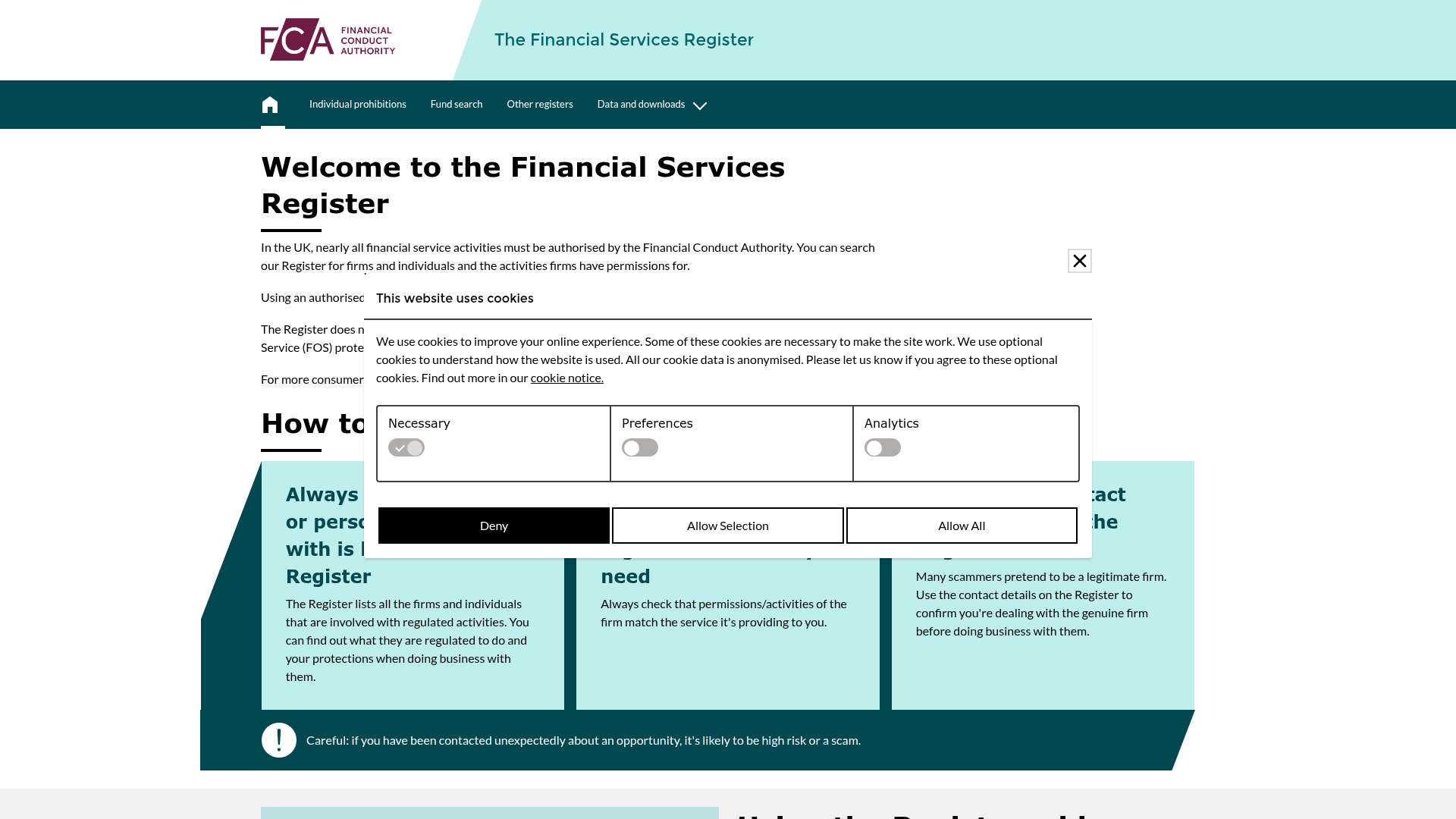
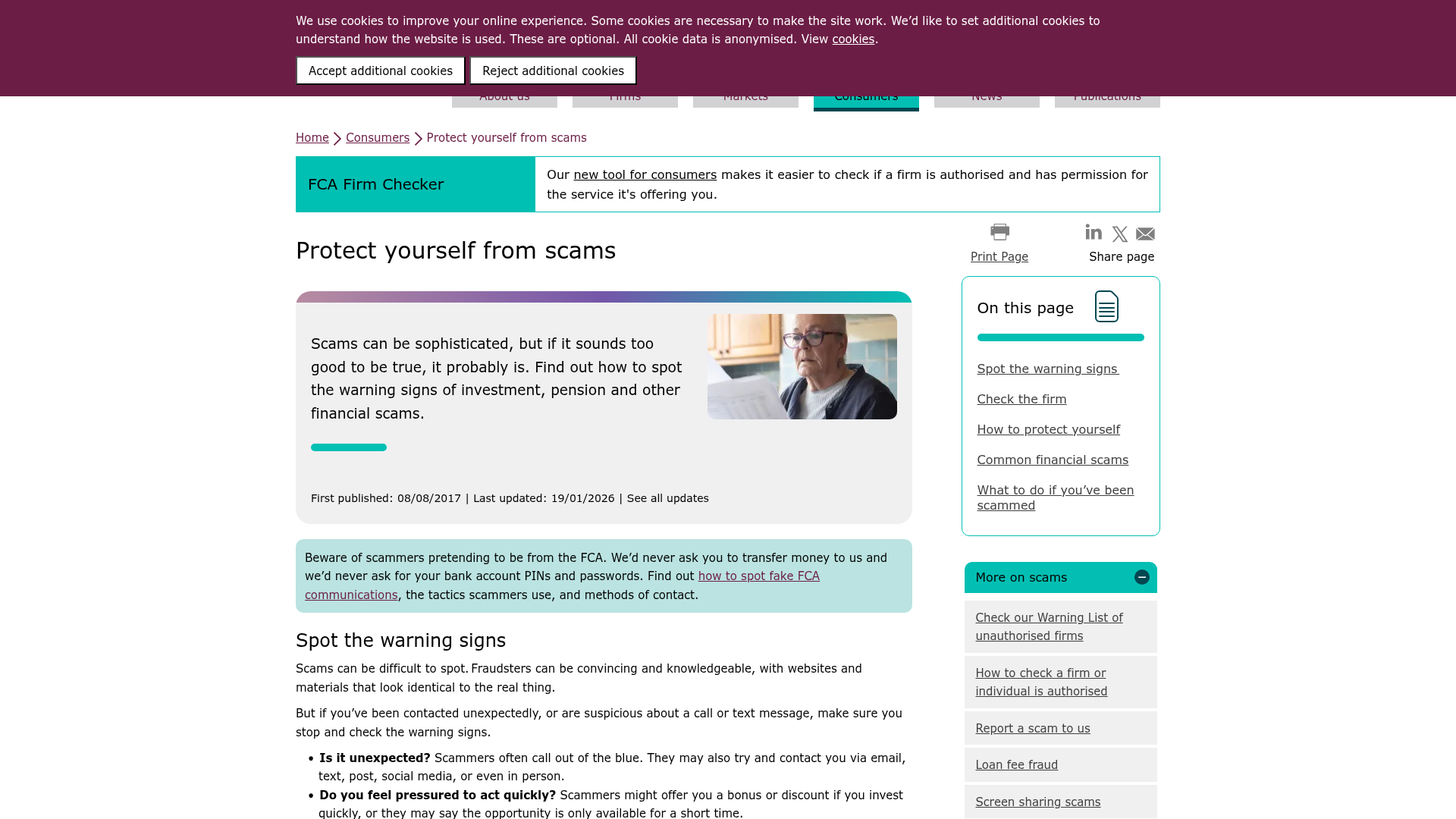
الصفحة التي نتحقق منها
هذه هي صفحة الهيئة نفسها، تم التقاطها كما وجدناها. افتحها وقم بإجراء البحث نفسه بنفسك — لا شيء في هذا السجل يحل محل المصدر.
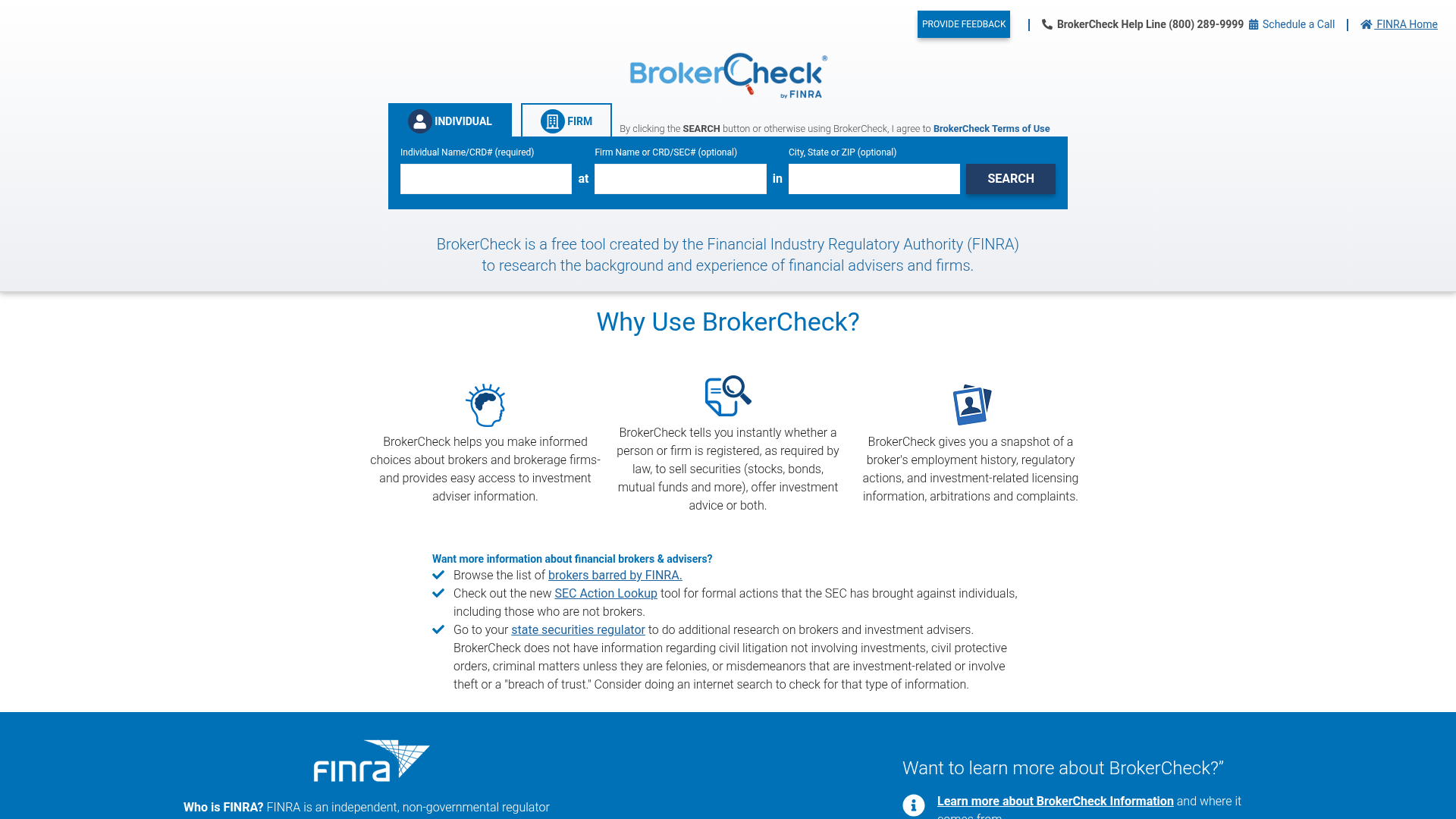
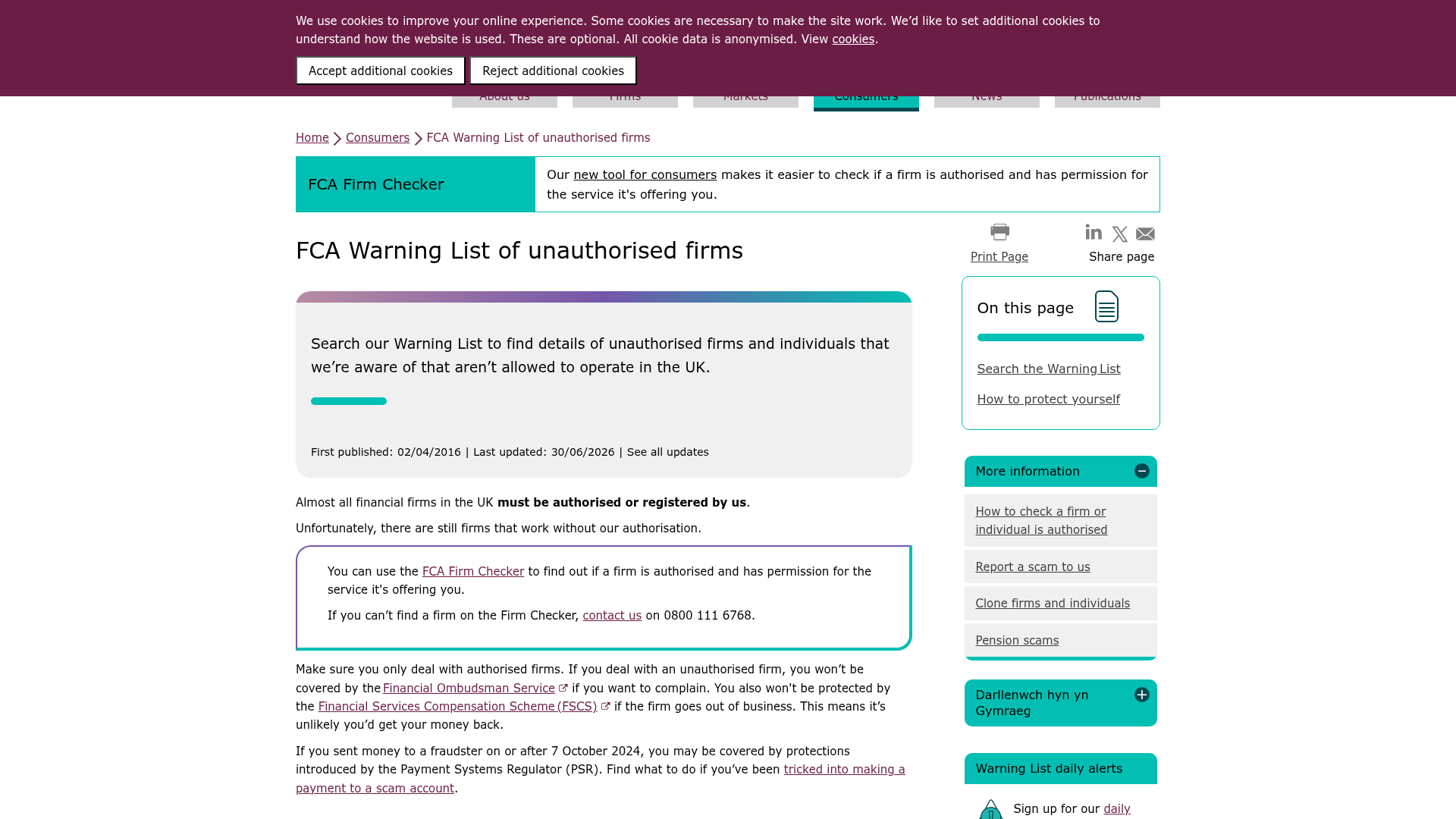
سجلات أخرى مستخدمة في هذا النوع من الفحوصات. كل منها يفتح صفحة الجهة التنظيمية الخاصة بها.
مصادر أساسية
يمكن التحقق من كل ادعاء أعلاه بالرجوع إلى صفحة الهيئة نفسها. تفتح هذه الروابط على موقع الجهة التنظيمية، وليس موقعنا.
- FCA ScamSmartfca.org.ukhttps://www.fca.org.uk/scamsmart
- CFTC — Customer advisories on fraudcftc.govhttps://www.cftc.gov/LearnAndProtect/AdvisoriesAndArticles/index.htm
- ESMA — Product intervention on CFDsesma.europa.euhttps://www.esma.europa.eu/press-news/esma-news/esma-agrees-prohibit-binary-options-and-restrict-cfds-protect-retail
- Financial Services Compensation Scheme (FSCS)fscs.org.ukhttps://www.fscs.org.uk/what-we-cover/investments/
- CySEC — Regulated entities registercysec.gov.cyhttps://www.cysec.gov.cy/en-GB/entities/investment-firms/cypriot/
الأسئلة المتكررة
ما هي الوظيفة الأساسية لحامل ترخيص وساطة الأموال في Labuan؟
حامل ترخيص وساطة الأموال في Labuan مخول بشكل أساسي بالعمل كوسيط، حيث يقوم بترتيب المعاملات في الأدوات المالية مثل العملات الأجنبية أو المشتقات بين العملاء والمزودين الرئيسيين، دون أن يكون الطرف المقابل المباشر للصفقة.
كيف تقارن رقابة Labuan FSA بالهيئات التنظيمية مثل FCA أو ASIC؟
توفر Labuan FSA رقابة تنظيمية، ولكن غالبًا ما يوصف إطارها بأنه تسهيلي مقارنة بالنهج الأكثر تحديدًا وتركيزًا على حماية المستهلك لدى الهيئات التنظيمية من الفئة الأولى مثل FCA أو ASIC، لا سيما فيما يتعلق بالرسملة وخطط تعويض المستثمرين.
هل يتم فصل أموال العملاء من قبل وسطاء الأموال المرخصين في Labuan؟
بينما تتطلب إرشادات Labuan FSA بشكل عام فصل أموال العملاء، فإن الجوانب العملية المحددة للإنفاذ وإمكانية الوصول إلى هذه الأموال في حالة إفلاس الوسيط قد لا تكون قوية أو واضحة كما هو الحال في الولايات القضائية التي لديها خطط مخصصة لتعويض المستثمرين.
ما هو الحد الأدنى لمتطلبات رأس المال للحصول على ترخيص وساطة الأموال في Labuan؟
الحد الأدنى لمتطلبات رأس المال المدفوع لشركة وساطة الأموال في Labuan لا يقل عن USD 50,000. وهذا أقل بكثير من متطلبات رأس المال في العديد من الولايات القضائية المالية الكبرى الأخرى لشركات التعامل الرئيسية.
كيف يمكنني التحقق مما إذا كانت شركة تحمل ترخيص وساطة أموال مشروع في Labuan؟
يجب عليك زيارة الموقع الرسمي لـ Labuan FSA، والوصول إلى سجلهم العام، ومقارنة الاسم التجاري الدقيق للشركة ورقم الترخيص مع التفاصيل المقدمة من قبل الجهة التنظيمية. أي اختلافات يجب أن تكون مدعاة للقلق.
ماذا يحدث إذا أصبح وسيط مرخص في Labuan معسرًا؟
في حالات الإعسار، سيحتاج العملاء عمومًا إلى المشاركة في عملية تصفية الشركة ضمن الإطار القانوني الماليزي. على عكس بعض الولايات القضائية الأخرى، لا تمتلك Labuan خطة تعويض مستثمرين مدعومة من الحكومة وواسعة النطاق لأنشطة وساطة الأموال.
هل يعني ترخيص Labuan أن الوسيط يمكنه تقديم الخدمات عالميًا؟
ترخص رخصة لابوان للوسيط بالعمل من لابوان. ومع ذلك، فإن قدرة الوسيط على تقديم الخدمات في بلدان معينة تعتمد أيضًا على اللوائح المحلية لتلك البلدان. لا تمنح رخصة لابوان تلقائيًا حق الوصول الشامل إلى الأسواق أو تلغي القوانين المحلية.