Điểm chính
- Thông báo cảnh báo đề cập đến các vi phạm cụ thể của các tổ chức được cấp phép, thường yêu cầu hành động khắc phục hơn là chỉ ra sự bất hợp pháp hoàn toàn.
- Các mục trong danh sách cảnh báo cho thấy một công ty hoạt động mà không có sự ủy quyền phù hợp, gây ra rủi ro cơ bản và tức thời đối với vốn đầu tư.
- Nhà đầu tư phải kiểm tra các sổ đăng ký chính thức của cơ quan quản lý như FCA Financial Services Register hoặc NFA BASIC để xác minh tình trạng cấp phép của một công ty.
- Các tổ chức trong danh sách cảnh báo hiếm khi cung cấp biện pháp bồi thường thông qua các chương trình bồi thường cho nhà đầu tư, không giống như nhiều công ty được cấp phép phải chịu thông báo cảnh báo.
- Mức độ nghiêm trọng của một mục trong danh sách cảnh báo cao hơn đáng kể, vì nó chỉ ra một tổ chức hoạt động hoàn toàn ngoài khuôn khổ pháp lý.
- Hiểu rõ những khác biệt này là chìa khóa để xác định các công ty hợp pháp từ những công ty gây rủi ro đáng kể cho tiền của người tiêu dùng.
Email Đáng Lo Ngại Từ Cơ Quan Quản Lý
Hãy tưởng tượng bạn mở một email từ một cơ quan quản lý tài chính – chẳng hạn như FCA – và tìm thấy một tài liệu có tiêu đề 'Thông báo Cảnh báo.' Phản ứng đầu tiên của bạn có thể là báo động, một phản ứng tự nhiên khi biết nguồn gốc. Nhưng điều gì sẽ xảy ra nếu thay vào đó, bạn tìm kiếm trên một cơ sở dữ liệu trực tuyến và tìm thấy một công ty được liệt kê trong 'Danh sách Cảnh báo'? Hai kịch bản này, mặc dù đều liên quan đến thông tin liên lạc chính thức của cơ quan quản lý, nhưng lại chỉ ra những tình huống hoàn toàn khác nhau đối với nhà đầu tư. Bản chất mối quan tâm của cơ quan quản lý, tổ chức liên quan và những tác động tức thời đối với tiền của bạn khác biệt đáng kể, đòi hỏi phải đọc kỹ từng tài liệu.
Người ta có thể cho rằng tất cả các thông tin liên lạc của cơ quan quản lý đều nghiêm trọng như nhau, nhưng đây là một quan niệm sai lầm có thể dẫn đến sự nhầm lẫn và đánh giá sai. Một 'thông báo cảnh báo' thường nhắm vào một hành động hoặc thiếu sót cụ thể của một công ty mà về cơ bản là được cấp phép và giám sát. Nó báo hiệu một vi phạm quy tắc tiềm ẩn hoặc việc không đáp ứng các tiêu chuẩn nhất định. Công ty thường được trao cơ hội phản hồi hoặc khắc phục tình hình, thường là dưới sự giám sát chặt chẽ.
Một 'mục trong danh sách cảnh báo' thường áp dụng cho các tổ chức dường như hoạt động mà không có bất kỳ giấy phép nào, hoặc cố ý lừa dối công chúng. Sự khác biệt này rất quan trọng đối với bất kỳ ai đang cân nhắc đầu tư, vì hồ sơ rủi ro liên quan đến một tổ chức không có giấy phép về cơ bản khác với một tổ chức hoạt động dưới sự giám sát quy định chính thức, ngay cả khi sự giám sát đó dẫn đến một cảnh báo. Biết tài liệu nào áp dụng cho tình huống nào có thể bảo vệ vốn và lợi ích tài chính của bạn.
Giải Mã Thông Báo Cảnh Báo Của Cơ Quan Quản Lý
Một thông báo cảnh báo là một thông tin liên lạc chính thức được ban hành bởi một cơ quan quản lý đến một công ty hoặc cá nhân được cấp phép. Nó thường chỉ ra rằng cơ quan quản lý đã xác định một mối lo ngại liên quan đến hành vi, thực tiễn hoặc việc tuân thủ các quy tắc và quy định cụ thể của công ty. Điều này có thể xuất phát từ nhiều vấn đề khác nhau, chẳng hạn như kiểm soát chống rửa tiền không đầy đủ, trình bày sai dịch vụ, quy trình giới thiệu khách hàng không phù hợp, hoặc thậm chí là các lỗi vận hành mang tính hệ thống. Ví dụ, một cơ quan quản lý có thể ban hành cảnh báo nếu một nhà môi giới không tách biệt đúng cách tiền của khách hàng, một biện pháp bảo vệ cơ bản.
Đặc điểm chính ở đây là tổ chức nhận cảnh báo thường nằm trong phạm vi quản lý. Họ có giấy phép từ cơ quan cấp phép – ví dụ, Pepperstone, được FCA, ASIC và CySEC quản lý, hoặc OANDA, được FCA, CFTC/NFA và ASIC quản lý, về mặt lý thuyết có thể nhận được thông báo như vậy nếu họ không đáp ứng một yêu cầu cụ thể nào đó trong một trong các khu vực pháp lý của họ. Thông báo này đóng vai trò như một tín hiệu chính thức, báo hiệu cho công ty rằng hành động khắc phục được mong đợi, và cho công chúng biết rằng cơ quan quản lý đã xác định một vấn đề.
Những thông báo này thường đi trước các hành động thực thi tiếp theo, có thể bao gồm từ phạt tiền và khiển trách công khai đến hạn chế hoạt động kinh doanh, hoặc thậm chí là thu hồi giấy phép nếu các vấn đề nghiêm trọng và không được giải quyết. Tuy nhiên, bản thân cảnh báo ban đầu thường là một phần của quy trình nhằm buộc tuân thủ và bảo vệ người tiêu dùng trong khuôn khổ quy định hiện hành. Một nhà đầu tư gặp phải thông báo như vậy nên hiểu rằng mặc dù có vấn đề, công ty vẫn thường hoạt động dưới sự giám sát.
Những Hàm Ý Nghiêm Trọng Của Một Mục Trong Danh Sách Cảnh Báo
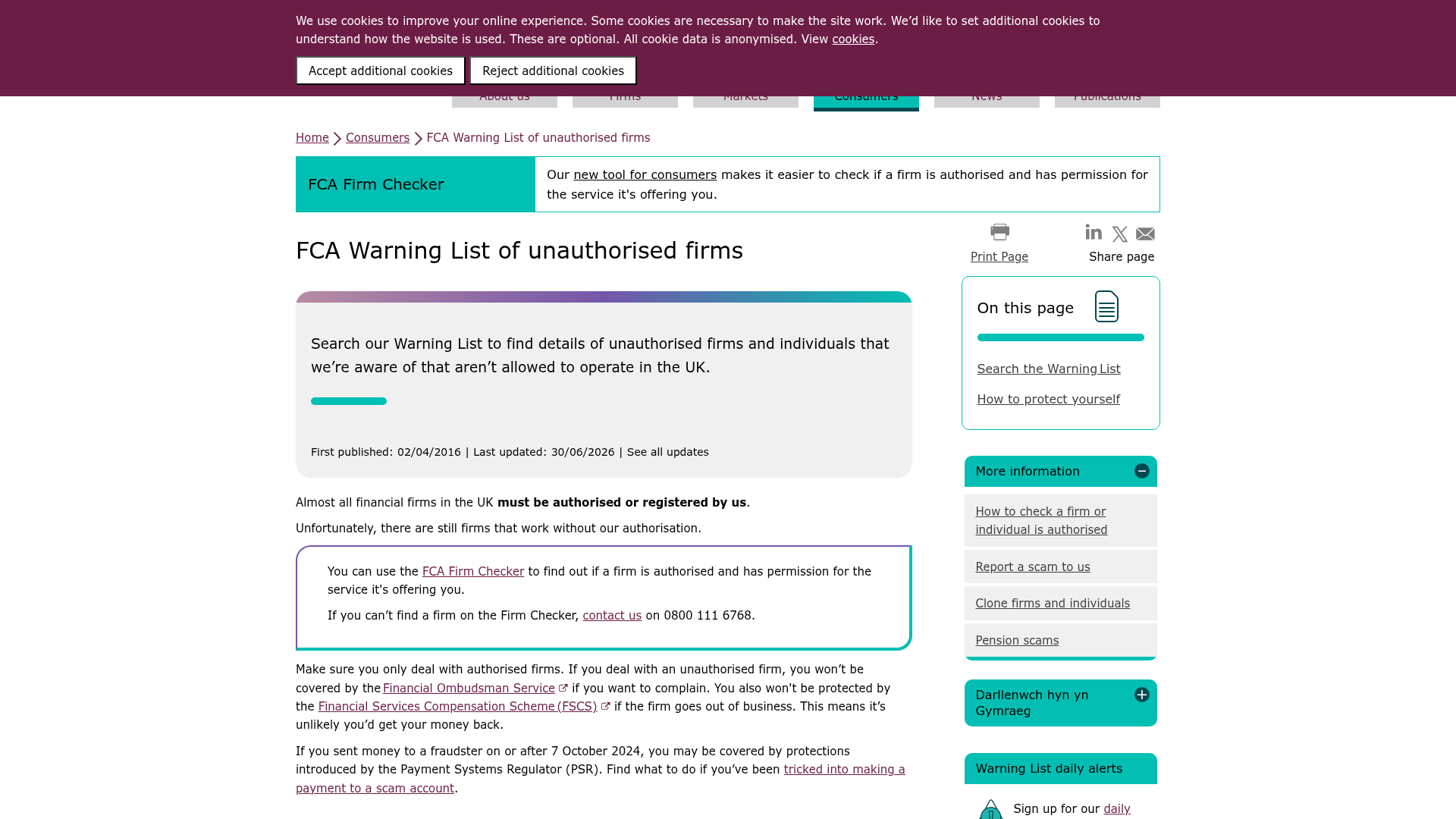
Ngược lại, một mục trong danh sách cảnh báo nhắm vào các tổ chức đang hoạt động ngoài bất kỳ khuôn khổ quy định có thể xác minh nào, hoặc đang tích cực cố gắng lừa dối công chúng. Điều này có nghĩa là tổ chức xuất hiện trong danh sách cảnh báo có thể không được cấp phép bởi cơ quan quản lý ban hành cảnh báo, mặc dù có thể tự tuyên bố là có. Các danh sách như vậy được duy trì bởi các cơ quan như FCA, cơ quan công bố 'Warning list of unauthorised firms,' hoặc CFTC, cơ quan duy trì 'Registration Deficient (RED) List.'
Khi một công ty xuất hiện trong danh sách cảnh báo, thường là do họ bị nghi ngờ tham gia vào các dịch vụ tài chính trái phép, đưa ra các tuyên bố sai lệch về quy định, hoặc thực hiện hành vi gian lận trắng trợn. Ví dụ, một công ty có thể tuyên bố sai sự thật là được ASIC hoặc CySEC quản lý để thu hút khách hàng, nhưng việc kiểm tra các sổ đăng ký chính thức sẽ cho thấy không có sự ủy quyền nào như vậy. Việc có mặt trong danh sách như vậy ngụ ý một sự thiếu hụt cơ bản về thẩm quyền hoạt động hợp pháp, nghĩa là nhà đầu tư hầu như không có sự bảo vệ nào từ cơ quan quản lý. Đây là phần mà hầu hết các hướng dẫn bỏ qua: những cảnh báo có tác động nhất không phải là những cáo buộc gian lận trực tiếp mà là những thông báo tinh tế về việc không tuân thủ quy trình, ám chỉ những vấn đề sâu xa hơn.
Điều này nghiêm trọng hơn đáng kể so với một thông báo cảnh báo được ban hành cho một tổ chức được cấp phép. Một mục trong danh sách cảnh báo cho thấy tổ chức không có nghĩa vụ tuân thủ các quy tắc bảo vệ nhà đầu tư, yêu cầu tách biệt quỹ hoặc các thực hành giao dịch công bằng. Bất kỳ khoản tiền nào được gửi vào một tổ chức như vậy đều có rủi ro đáng kể, với rất ít hoặc không có biện pháp bồi thường thông qua các kênh chính thức, nếu phát sinh tranh chấp hoặc tổn thất tài chính. Không có quy trình chính thức để khắc phục vì tổ chức không được công nhận là một bên tham gia hợp pháp trong hệ thống tài chính được quản lý.
Phạm Vi Và Mức Độ Nghiêm Trọng: Một Sự Khác Biệt Cơ Bản
Sự khác biệt cốt lõi giữa thông báo cảnh báo và một mục trong danh sách cảnh báo nằm ở phạm vi và mức độ nghiêm trọng của vấn đề cơ bản. Một thông báo cảnh báo mang tính cụ thể, giải quyết một lỗi cụ thể trong một hệ thống mà nếu không thì vẫn được công nhận là hợp pháp. Đó là một biện pháp khắc phục, một tín hiệu cho cả công ty và thị trường rằng các tiêu chuẩn cần được duy trì. Chẳng hạn, một nhà môi giới có thể nhận được cảnh báo về những sai lệch nhỏ trong báo cáo, điều này, mặc dù nghiêm trọng, nhưng không ngụ ý gian lận có hệ thống hoặc hoàn toàn thiếu tính hợp pháp trong hoạt động.
Tuy nhiên, một mục trong danh sách cảnh báo là một tuyên bố đầy đủ về tính bất hợp pháp của một tổ chức. Nó cho thấy một sự thiếu vắng hoàn toàn sự giám sát của cơ quan quản lý, khiến mọi giao dịch với một công ty như vậy đều tiềm ẩn rủi ro. Trong khi một thông báo cảnh báo có thể dẫn đến phạt tiền hoặc thay đổi quy trình hoạt động đối với một công ty được cấp phép, thì một mục trong danh sách cảnh báo lại là một thông điệp rõ ràng tới người tiêu dùng: 'Tránh xa tổ chức này; nó không được phép cung cấp các dịch vụ này.' Sự khác biệt này có nghĩa là một mục trong danh sách cảnh báo gây hại cho an ninh của nhà đầu tư hơn nhiều so với một thông báo cảnh báo, vì nó nhắm vào các tổ chức hoạt động hoàn toàn ngoài các mạng lưới an toàn tài chính bảo vệ.
Hãy xem xét sự khác biệt thực tế: nếu một nhà môi giới được quản lý như FOREX.com (được CFTC/NFA, FCA, ASIC, CIRO, CIMA quản lý) nhận được cảnh báo về các hoạt động quảng cáo của mình, nhà đầu tư vẫn có sự hỗ trợ từ các cơ quan quản lý khác nhau của nó đối với các khía cạnh khác trong hoạt động của nó. Nếu một tổ chức không rõ xuất hiện trong danh sách cảnh báo vì cung cấp 'giao dịch forex' mà không có bất kỳ giấy phép nào, tất cả các khoản tiền gửi vào đó đều phải đối mặt với rủi ro tối đa có thể mà không có biện pháp pháp lý nào. Khả năng mất toàn bộ vốn cao hơn đáng kể với một tổ chức nằm trong danh sách cảnh báo.
Một mục trong danh sách cảnh báo xác định một công ty hoạt động mà không có thẩm quyền hợp pháp, đại diện cho một mối đe dọa trực tiếp và cơ bản đối với vốn của bạn, vượt xa rủi ro của một thông báo cảnh báo.
Mei Tanaka
Cách Xác Nhận Tình Trạng Pháp Lý Của Một Công Ty
Xác minh tình trạng pháp lý của một công ty tài chính có thể nói là bước quan trọng nhất mà bất kỳ nhà đầu tư nào cũng nên thực hiện trước khi cam kết rót vốn. Quy trình này khá đơn giản nhưng đòi hỏi sự cẩn trọng. Mọi cơ quan quản lý hợp pháp đều duy trì một sổ đăng ký hoặc cơ sở dữ liệu công khai, nơi liệt kê các tổ chức được cấp phép. Việc một công ty không có tên trong các sổ đăng ký chính thức này, đặc biệt nếu họ tuyên bố được cấp phép bởi cơ quan đó, là một dấu hiệu rõ ràng của hoạt động không được cấp phép.
Ví dụ, nếu một công ty khẳng định họ được FCA quản lý, bước đầu tiên bạn nên làm là truy cập Sổ đăng ký Dịch vụ Tài chính của FCA. Bạn nên tìm kiếm tên pháp lý chính xác và số đăng ký của công ty. Tương tự, đối với các công ty tuyên bố được quản lý tại Úc, các sổ đăng ký chuyên nghiệp của ASIC là nguồn thông tin đáng tin cậy nhất. Trên thực tế, việc xác minh tình trạng của một công ty có thể yêu cầu đối chiếu thông tin từ hai hoặc ba sổ đăng ký quốc gia khác nhau, đặc biệt đối với các công ty hoạt động trên toàn cầu, như nhiều broker hợp pháp như XM (CySEC, ASIC, IFSC, DFSA) hoặc Exness (FCA, CySEC, FSCA, FSA, CBCS) đang làm.
Việc này giúp ngăn chặn việc dựa vào các tuyên bố có khả năng gian lận trên trang web hoặc tài liệu tiếp thị của một công ty. Một công ty không thể tìm thấy trên sổ đăng ký chính thức, hoặc một công ty có thông tin chi tiết trên trang web không khớp chính xác với sổ đăng ký, cần phải cực kỳ thận trọng. Đừng tiến hành bất kỳ khoản đầu tư nào cho đến khi bạn đã tự mình xác nhận tình trạng được cấp phép của họ.
Các Sổ Đăng Ký Quản Lý Chính để Xác Minh Công Ty
| Cơ quan quản lý | Cổng thông tin xác minh | Thông tin chính cần kiểm tra |
|---|---|---|
| FCA (Vương quốc Anh) | Sổ đăng ký Dịch vụ Tài chính | Tên công ty, Số tham chiếu, Giấy phép |
| ASIC (Úc) | Sổ đăng ký chuyên nghiệp | Tên tổ chức, ABN/ACN, Loại giấy phép |
| CySEC (Síp) | Sổ đăng ký các tổ chức được quản lý | Tên công ty đầu tư, Số giấy phép, Dịch vụ |
| CFTC/NFA (Hoa Kỳ) | NFA BASIC | Tên công ty, NFA ID, Tình trạng |
| MAS (Singapore) | Danh bạ các tổ chức tài chính | Tên tổ chức, Số giấy phép, Hoạt động |
| FSCA (Nam Phi) | Tìm kiếm các tổ chức được quản lý | Tên tổ chức, Số FSP, Tình trạng |
Kịch bản về nhà môi giới không có giấy phép: 'Global Markets Group'
Hãy xem xét một thực thể giả định có tên là 'Global Markets Group'. Trang web bóng bẩy của họ hứa hẹn lợi nhuận cao bất thường từ giao dịch forex và tiền điện tử, tuyên bố sử dụng 'thuật toán AI độc quyền'. Họ hiển thị logo của FCA và một số giấy phép giả mạo nổi bật trên trang chủ của mình. Một nhà đầu tư, bị hấp dẫn bởi những lời hứa hẹn, đã nạp 10.000 USD.
Khi một cá nhân quan tâm kiểm tra Sổ đăng ký Dịch vụ Tài chính của FCA, 'Global Markets Group' không hề được tìm thấy, cũng như số giấy phép giả mạo không tương ứng với bất kỳ tổ chức được ủy quyền nào. Thay vào đó, 'Danh sách cảnh báo các công ty không được cấp phép' của FCA có thể có một mục ghi rõ, 'Global Markets Group: Dường như đang cung cấp dịch vụ tài chính tại Vương quốc Anh mà không có ủy quyền.' Đây là một kịch bản cảnh báo điển hình.
Hậu quả đối với nhà đầu tư giả định của chúng ta là rất nghiêm trọng. Nếu không có sự giám sát của cơ quan quản lý, không có yêu cầu về việc tách biệt quỹ, không có cơ chế giải quyết tranh chấp và không có sự bảo vệ từ chương trình bồi thường cho nhà đầu tư. Mọi nỗ lực rút tiền đều bị đáp lại bằng những lời bào chữa, các khoản phí bổ sung, hoặc đơn giản là sự im lặng. Khoản 10.000 USD thực tế đã mất, với các lựa chọn thu hồi chỉ giới hạn trong điều tra hình sự, một con đường gian nan và không chắc chắn hơn nhiều so với sự can thiệp của cơ quan quản lý.
Vi phạm của một công ty được cấp phép: 'Capital Trade Solutions'
Bây giờ, hãy xem xét 'Capital Trade Solutions,' một công ty được CySEC cấp phép hợp pháp và đã hoạt động trong nhiều năm. Một cuộc kiểm toán của CySEC tiết lộ rằng 'Capital Trade Solutions' đã gửi các thông tin tiếp thị cho khách hàng bao gồm các tuyên bố không có căn cứ về lợi nhuận tiềm năng, vi phạm các tiêu chuẩn tiếp thị cụ thể. CySEC sau đó đã ban hành một thông báo cảnh báo chính thức cho 'Capital Trade Solutions', nêu chi tiết các vi phạm cụ thể và yêu cầu công ty chấm dứt các hoạt động đó cũng như cập nhật tài liệu tiếp thị của mình trong vòng 30 ngày.
Trong trường hợp này, 'Capital Trade Solutions' vẫn là một thực thể được cấp phép. Tiền của khách hàng vẫn được tách biệt theo quy định của CySEC, và công ty vẫn chịu sự giám sát liên tục. Thông báo cảnh báo là một hồ sơ công khai về vi phạm, nhưng nó cũng khởi xướng một quy trình khắc phục. Khách hàng bị ảnh hưởng bởi hoạt động tiếp thị gây hiểu lầm có thể có các kênh khiếu nại thông qua các cơ chế giải quyết tranh chấp của CySEC, và có thể thông qua Dịch vụ Thanh tra Tài chính của Cộng hòa Síp nếu là địa phương. Công ty có thể phải đối mặt với một khoản phạt, nhưng giấy phép cốt lõi của nó không bị thu hồi ngay lập tức.
Sự khác biệt quan trọng ở đây là sự hiện diện của một khuôn khổ pháp lý để khắc phục. Mặc dù hành vi của công ty có vấn đề, nhà đầu tư không bị bỏ mặc hoàn toàn. Cơ quan quản lý đang tích cực làm việc với công ty để đưa công ty trở lại tuân thủ, cung cấp một lớp bảo vệ hoàn toàn không có khi giao dịch với một thực thể không được ủy quyền.
Bảo vệ nhà đầu tư và biện pháp khắc phục: Một sự tương phản rõ rệt
Sự hiện diện hay vắng mặt của giấy phép từ cơ quan quản lý có mối tương quan trực tiếp với mức độ bảo vệ nhà đầu tư và khả năng khắc phục nếu có vấn đề xảy ra. Các công ty được cấp phép thường hoạt động theo các quy tắc yêu cầu tách biệt tiền của khách hàng, yêu cầu các quy trình khiếu nại nội bộ, và thường tham gia vào các dịch vụ giải quyết tranh chấp bên ngoài. Nhiều khu vực pháp lý cũng cung cấp các chương trình bồi thường cho nhà đầu tư.
Ví dụ, một nhà đầu tư với một công ty được quản lý tại Vương quốc Anh như FxPro (được FCA, CySEC, FSCA, SCB quản lý) thường sẽ được bảo vệ bởi Chương trình Bồi thường Dịch vụ Tài chính (FSCS) lên đến £85,000 cho mỗi người, mỗi công ty, nếu công ty đó phá sản. Đây là một mạng lưới an toàn quan trọng. Tuy nhiên, nếu nhà đầu tư đó đặt tiền vào một thực thể trong danh sách cảnh báo của FCA, sẽ không có sự bảo vệ của FSCS, vì thực thể đó không phải là một công ty được ủy quyền. Sự khác biệt này thường bị hiểu lầm, dẫn đến những tổn thất tài chính nghiêm trọng.
Một mục nhập trong danh sách cảnh báo hầu như luôn có nghĩa là không có chương trình bồi thường hoặc quy trình giải quyết tranh chấp chính thức nào được áp dụng. Nhà đầu tư thực sự phải tự xoay sở. Mặc dù các cơ quan thực thi pháp luật như Action Fraud hoặc FBI IC3 có thể điều tra gian lận, việc thu hồi tiền thông qua các kênh này thường là một quá trình phức tạp, kéo dài và không chắc chắn. Con đường phục hồi cho một nhà đầu tư giao dịch với một công ty phải chịu thông báo cảnh báo thường được xác định rõ ràng hơn, hoạt động trong một khuôn khổ pháp lý và quy định đã được thiết lập, ngay cả khi không phải lúc nào cũng nhanh chóng.
Các Chương trình Bồi thường Nhà đầu tư theo Khu vực Pháp lý (Ví dụ)
| Khu vực pháp lý | Cơ quan quản lý | Chương trình/Giới hạn bồi thường | Phạm vi áp dụng |
|---|---|---|---|
| Vương quốc Anh | FCA | FSCS, tối đa £85,000 | Chỉ dành cho các công ty được ủy quyền |
| Síp (EU) | CySEC | ICF, lên đến €20.000 | Các công ty đầu tư được cấp phép |
| Úc | ASIC | Không có chương trình bồi thường trực tiếp | Giải quyết tranh chấp thông qua AFCA cho các công ty được cấp phép |
| Hoa Kỳ | CFTC/NFA | SIPC, lên đến $500,000 (chứng khoán) | Không áp dụng cho forex/CFD không được quản lý; cụ thể đối với các nhà môi giới đã đăng ký |
| Canada | CIRO | CIPF, lên đến CA$1,000,000 | Thành viên đại lý đầu tư |
| Nam Phi | FSCA | Không có chương trình bồi thường chung | Khiếu nại gửi đến OMBUD đối với các FSP được cấp phép |
Mục đích của Cơ quan quản lý: Bảo vệ thông qua sự minh bạch
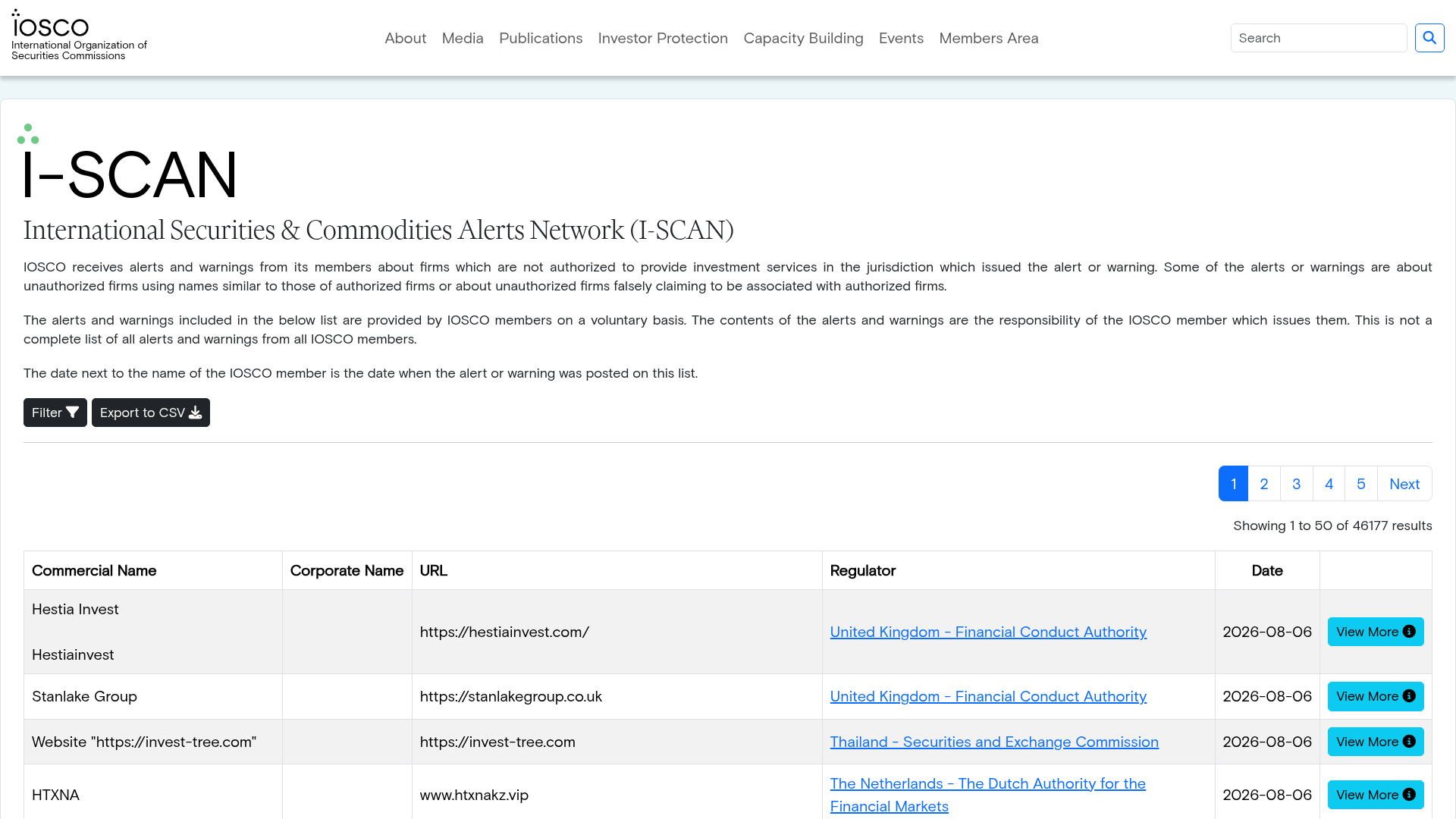
Các cơ quan quản lý có hai mục đích: duy trì sự toàn vẹn của thị trường và bảo vệ người tiêu dùng. Cả thông báo cảnh báo và danh sách cảnh báo đều đóng góp vào sứ mệnh này, mặc dù theo những cách khác nhau. Thông báo cảnh báo nhằm mục đích sửa chữa và ngăn chặn hành vi sai trái trong hệ sinh thái được quản lý, đảm bảo rằng các công ty được cấp phép tuân thủ các tiêu chuẩn được mong đợi. Chúng là một công cụ giám sát và thực thi giúp duy trì niềm tin vào hệ thống tài chính. Sự tồn tại của một thông báo cảnh báo không tự động có nghĩa là một công ty 'tệ'; nó thường chỉ ra một vấn đề cụ thể cần được giải quyết. Tuy nhiên, các mục trong danh sách cảnh báo là một biện pháp chủ động để bảo vệ người tiêu dùng khỏi các thực thể hoạt động hoàn toàn ngoài vòng pháp luật. Bằng cách công khai xác định các công ty không được phép, các cơ quan quản lý cung cấp một dịch vụ công cộng quan trọng, giúp các cá nhân đưa ra quyết định sáng suốt và tránh các kế hoạch lừa đảo tiềm ẩn. Chúng hoạt động như một hàng rào kỹ thuật số, đánh dấu các khu vực không an toàn trên internet tài chính. Cổng thông tin Cảnh báo Nhà đầu tư của IOSCO tổng hợp nhiều cảnh báo quốc tế này, cung cấp một điểm tập trung để kiểm tra xuyên biên giới. Bỏ qua bất kỳ loại thông báo nào cũng đi kèm với những rủi ro đáng kể. Tuy nhiên, rủi ro liên quan đến một thực thể nằm trong danh sách cảnh báo thường trực tiếp và tuyệt đối hơn nhiều. Đó là sự khác biệt giữa một tài xế có bằng lái nhận vé phạt chạy quá tốc độ (một cảnh báo) và một cá nhân lái xe không có bằng lái hoặc bảo hiểm (một cảnh báo nguy hiểm). Cả hai đều có vấn đề, nhưng một trong số đó về cơ bản làm suy yếu nghiêm trọng hơn sự an toàn và khuôn khổ pháp lý của đường bộ.
Báo cáo hoạt động không có giấy phép bị nghi ngờ
Nếu bạn gặp một công ty dường như đang hoạt động mà không có giấy phép cần thiết, hoặc nếu bạn nghi ngờ hoạt động gian lận, việc báo cáo cho các cơ quan có thẩm quyền là điều cần thiết. Điều này không chỉ bảo vệ bạn mà còn giúp đỡ các nạn nhân tiềm năng khác. Đừng ngần ngại báo cáo; những hành động này rất quan trọng để các cơ quan quản lý xây dựng danh sách cảnh báo của họ và thực hiện các hành động tiếp theo chống lại các hoạt động bất hợp pháp. Quá trình này thường bao gồm việc cung cấp càng nhiều chi tiết càng tốt, bao gồm tên công ty, trang web, bất kỳ thông tin liên lạc nào đã nhận được và ngày tương tác. Đối với cư dân tại Vương quốc Anh, Action Fraud đóng vai trò là trung tâm báo cáo quốc gia về gian lận và tội phạm mạng. Tại Hoa Kỳ, các báo cáo có thể được gửi đến cổng thông tin Báo cáo Gian lận của FTC, hoặc đối với các tội phạm tài chính liên quan đến internet nghiêm trọng hơn, đến Trung tâm Khiếu nại Tội phạm Internet (IC3) của FBI. Các cơ quan này tổng hợp thông tin, điều tra và có thể đưa ra cảnh báo công khai của riêng họ hoặc phối hợp với các cơ quan quản lý tài chính. CFTC cũng duy trì một trang dành riêng cho các khuyến nghị của khách hàng về gian lận, cung cấp hướng dẫn trực tiếp. Khi báo cáo, hãy đảm bảo bạn sử dụng các kênh báo cáo chính thức do các tổ chức này cung cấp. Không bao giờ trả lời email hoặc cuộc gọi từ các nguồn không xác minh tự nhận là cơ quan quản lý hoặc cơ quan thực thi pháp luật yêu cầu thông tin cá nhân hoặc tiền. Các cơ quan quản lý sẽ không yêu cầu mật khẩu của bạn hoặc đòi tiền để 'giải phóng' quỹ. Sự cảnh giác của bạn trong việc báo cáo hoạt động đáng ngờ trực tiếp góp phần tạo ra một môi trường tài chính an toàn hơn cho tất cả mọi người.
Bảo vệ vốn của bạn trong một thị trường phức tạp
Thị trường tài chính, mặc dù mang lại nhiều cơ hội, cũng có sự hiện diện của các thực thể tìm cách lợi dụng lòng tin của nhà đầu tư. Việc phân biệt giữa thông báo cảnh báo của cơ quan quản lý và một mục trong danh sách cảnh báo không chỉ là một bài tập lý thuyết; đó là một khía cạnh cơ bản của việc thẩm định kỹ lưỡng, ảnh hưởng trực tiếp đến sự an toàn của các khoản đầu tư của bạn. Một thông báo cảnh báo, mặc dù nghiêm trọng, chỉ ra một vấn đề có thể khắc phục được trong một khuôn khổ được giám sát. Tuy nhiên, một mục trong danh sách cảnh báo xác định một công ty hoạt động mà không có thẩm quyền hợp pháp, đại diện cho một mối đe dọa trực tiếp và cơ bản đối với vốn của bạn. Nhà đầu tư chủ động hiểu rằng gánh nặng xác minh thường thuộc về họ. Dựa vào các tuyên bố tự xác nhận về tính hợp pháp của một công ty là một cạm bẫy phổ biến. Thay vào đó, một cách tiếp cận có phương pháp là kiểm tra các sổ đăng ký chính thức, hiểu rõ phạm vi của các chương trình bồi thường cho nhà đầu tư và nhận ra những ý nghĩa khác biệt của các thông báo quản lý khác nhau sẽ xây dựng một hàng rào bảo vệ vững chắc chống lại thiệt hại tài chính. Luôn ưu tiên xác minh độc lập thông qua các kênh chính thức của cơ quan quản lý, và không bao giờ giao dịch với một công ty không thể chứng minh một cách thuyết phục tình trạng được cấp phép của mình. Bảo vệ tương lai tài chính của bạn bằng cách hiểu rõ những khác biệt quan trọng này và hành động theo chúng.
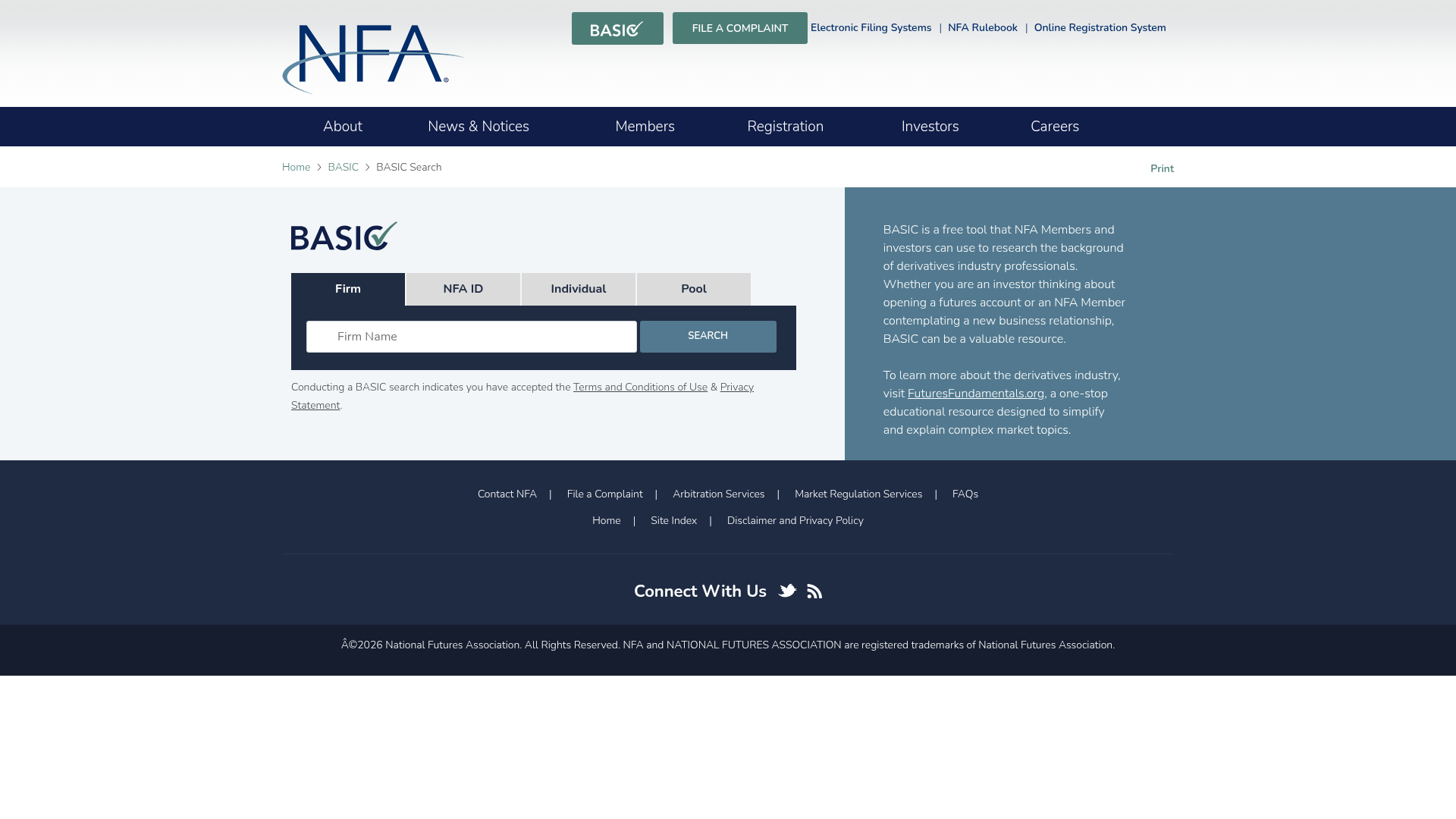
Trang chúng tôi kiểm tra
Đây là trang chính thức của cơ quan quản lý, được chụp lại như khi chúng tôi tìm thấy. Hãy mở nó và tự mình thực hiện tìm kiếm tương tự — không có gì trên sổ đăng ký này thay thế được nguồn gốc.
Các sổ đăng ký khác được sử dụng trong các kiểm tra loại này. Mỗi sổ sẽ mở trang riêng của cơ quan quản lý.
Nguồn chính
Mọi khiếu nại trên đều có thể được kiểm tra trên trang của cơ quan quản lý. Các trang này mở trên trang web của cơ quan quản lý, không phải của chúng tôi.
- Financial Conduct Authority — Financial Services Registerregister.fca.org.ukhttps://register.fca.org.uk/
- FCA — Warning list of unauthorised firmsfca.org.ukhttps://www.fca.org.uk/consumers/warning-list-unauthorised-firms
- CFTC — Registration Deficient (RED) Listcftc.govhttps://www.cftc.gov/check
- Financial Services Compensation Scheme (FSCS)fscs.org.ukhttps://www.fscs.org.uk/what-we-cover/investments/
- Action Fraud (UK) — reportingactionfraud.police.ukhttps://www.actionfraud.police.uk/
- IOSCO — Investor alerts portaliosco.orghttps://www.iosco.org/investor_protection/?subsection=investor_alerts_portal
Câu hỏi thường gặp
Sự khác biệt chính giữa thông báo cảnh báo và mục trong danh sách cảnh báo là gì?
Thông báo cảnh báo được ban hành cho một công ty được cấp phép vì vi phạm quy tắc cụ thể, cho thấy cần có hành động khắc phục. Tuy nhiên, một mục trong danh sách cảnh báo xác định một thực thể hoạt động mà không có bất kỳ giấy phép hợp lệ nào, gây ra rủi ro cơ bản và tức thì cho các nhà đầu tư.
Một nhà môi giới được quản lý có thể xuất hiện trong danh sách cảnh báo không?
Thông thường là không. Danh sách cảnh báo dành cho các công ty không được phép. Một nhà môi giới được quản lý có thể nhận được thông báo cảnh báo, nhưng sự hiện diện của họ trong danh sách cảnh báo sẽ ngụ ý một sự thiếu sót cơ bản trong tình trạng được cấp phép của họ, đây là một tình huống hiếm gặp và cực đoan thường dẫn đến việc thu hồi giấy phép.
Nếu một công ty nhận được thông báo cảnh báo, điều đó có nghĩa là khoản đầu tư của tôi đang gặp rủi ro không?
Thông báo cảnh báo chỉ ra một vấn đề cụ thể mà cơ quan quản lý đã xác định. Mặc dù đây là một mối lo ngại, nhưng nó không tự động có nghĩa là khoản đầu tư của bạn bị mất. Công ty vẫn được quản lý, và thông thường, tiền của khách hàng vẫn được bảo vệ bởi các quy tắc tách biệt tài sản và các chương trình bồi thường tiềm năng, mặc dù vấn đề cụ thể có thể ảnh hưởng đến tiền của bạn hoặc khả năng giao dịch.
Làm thế nào tôi có thể xác minh một công ty có hợp pháp và được cấp phép không?
Bạn phải kiểm tra cơ sở dữ liệu trực tuyến chính thức của các cơ quan quản lý mà công ty tuyên bố được cấp phép. Ví dụ, đối với các công ty ở Vương quốc Anh, hãy sử dụng FCA Financial Services Register; đối với các công ty ở Úc, hãy sử dụng ASIC Professional registers. Luôn sử dụng trang web chính thức của cơ quan quản lý để xác minh.
Tôi nên làm gì nếu một công ty tôi đang giao dịch nằm trong danh sách cảnh báo?
Nếu một công ty bạn đã đầu tư xuất hiện trong danh sách cảnh báo, hãy ngừng mọi giao dịch tiếp theo và cố gắng rút bất kỳ khoản tiền còn lại nào, mặc dù khả năng thành công thường bị hạn chế. Báo cáo đơn vị này cho cơ quan báo cáo gian lận quốc gia của bạn, chẳng hạn như Action Fraud (Vương quốc Anh) hoặc FTC (Hoa Kỳ), cung cấp tất cả thông tin chi tiết về quá trình giao dịch của bạn.
Có bất kỳ chương trình bồi thường nhà đầu tư nào dành cho các công ty nằm trong danh sách cảnh báo không?
Không. Các chương trình bồi thường nhà đầu tư (như FSCS ở Vương quốc Anh hoặc ICF ở Síp) được thiết kế đặc biệt để bảo vệ khách hàng của các công ty *được cấp phép* và *được ủy quyền* trong trường hợp các công ty này mất khả năng chi trả. Các công ty nằm trong danh sách cảnh báo, theo định nghĩa, là không được ủy quyền, và do đó khách hàng của họ không đủ điều kiện nhận các biện pháp bảo vệ này.