Điểm chính
- Các ứng dụng được cài đặt từ các nguồn không phải cửa hàng ứng dụng chính thức (Google Play, Apple App Store) bỏ qua các kiểm tra bảo mật quan trọng, khiến chúng có nguy cơ bị lừa đảo cao.
- Các ứng dụng giao dịch lừa đảo cài đặt ngoài luồng thường hiển thị giao diện giả mạo rất thuyết phục, mô phỏng hoạt động thị trường thực và số dư tài khoản.
- Các nhà môi giới được quản lý không bao giờ hướng dẫn khách hàng cài đặt ứng dụng giao dịch của họ ngoài luồng; các ứng dụng hợp pháp luôn có sẵn thông qua các kênh chính thức.
- Xác minh giấy phép của nhà môi giới trực tiếp với các cơ quan quản lý tài chính là biện pháp phòng vệ chính chống lại các nền tảng lừa đảo.
- Tiền gửi vào các ứng dụng lừa đảo cài đặt ngoài luồng thường không thể phục hồi do thiếu sự giám sát của cơ quan quản lý và các chương trình bảo vệ tiền gửi.
- Kỹ thuật xã hội và chiến thuật gây áp lực là những phương pháp phổ biến được những kẻ lừa đảo sử dụng để thuyết phục cá nhân cài đặt và nạp tiền vào các ứng dụng giả mạo này.
Ứng dụng Ma: Vượt Qua Các Cổng Bảo Mật
Hãy tưởng tượng bạn nhận được một tin nhắn, có thể trên mạng xã hội hoặc ứng dụng nhắn tin, từ một người tự xưng là nhà giao dịch thành công hoặc cố vấn tài chính. Họ chia sẻ những ảnh chụp màn hình lợi nhuận ấn tượng và mô tả một cơ hội đầu tư lợi nhuận cao. Một phần trong lời chào mời của họ là hướng dẫn bạn tải xuống một 'ứng dụng giao dịch đặc biệt' – không phải thông qua các cửa hàng ứng dụng chính thức như Apple App Store hay Google Play Store, mà là qua một liên kết web trực tiếp hoặc tệp APK. Kịch bản này đánh dấu điểm khởi đầu cho hành vi lừa đảo tài chính tinh vi liên quan đến các ứng dụng giao dịch cài đặt ngoài luồng.
Cài đặt ngoài luồng (sideloading) đề cập đến việc cài đặt các ứng dụng phần mềm vào thiết bị di động từ một nguồn không chính thức. Không giống như việc tải xuống từ một cửa hàng ứng dụng được kiểm duyệt, nơi các ứng dụng phải trải qua quá trình đánh giá bảo mật và nội dung nghiêm ngặt, các ứng dụng cài đặt ngoài luồng hoàn toàn bỏ qua những biện pháp bảo vệ quan trọng này. Việc thiếu kiểm duyệt độc lập này tạo ra một môi trường thuận lợi cho phần mềm độc hại, bao gồm các nền tảng giao dịch giả mạo được thiết kế chỉ để lừa đảo. Rủi ro cố hữu là các ứng dụng này không được xác minh về độ an toàn, chức năng hoặc tính hợp pháp của nhà phát triển, khiến chúng trở thành một công cụ chính cho các vụ lừa đảo.
Nguy hiểm của việc cài đặt ngoài luồng mở rộng đáng kể vượt ra ngoài phần mềm độc hại tiềm ẩn. Đối với các ứng dụng tài chính, điều đó có nghĩa là không có xác nhận độc lập về danh tính nhà phát triển, không có kiểm toán bảo mật và không có đảm bảo rằng ứng dụng hoạt động đúng như quảng cáo. Việc thiếu giám sát cơ bản này có nghĩa là cài đặt phần mềm trực tiếp từ một nguồn không được xác minh, tin tưởng một người lạ kiểm soát thiết bị của bạn và, cuối cùng, tiền của bạn. Đây là phần mà hầu hết các hướng dẫn bỏ qua: lý do tại sao các cửa hàng ứng dụng chính thức lại phân phối ứng dụng. Nó tạo thành một lớp bảo vệ người tiêu dùng quan trọng mà việc cài đặt ngoài luồng cố tình vô hiệu hóa.
Vỏ Bọc Của Một Nền Tảng Tài Chính: Cách Các Ứng Dụng Giả Mạo Lừa Dối
Sau khi được cài đặt, các ứng dụng cài đặt ngoài luồng này tạo ra một ảo ảnh cực kỳ thuyết phục về một nền tảng giao dịch hợp pháp. Chúng thường có giao diện đẹp mắt, hiển thị dữ liệu thị trường có vẻ là thời gian thực (thường được lấy từ các nguồn hợp pháp) và mô phỏng hoạt động giao dịch sôi nổi. Người dùng sẽ thấy 'số dư tài khoản' của họ tăng lên, 'lợi nhuận' tích lũy và 'giao dịch' được thực hiện với thành công rõ ràng. Mức độ tinh vi có thể đáng kinh ngạc, bắt chước tỉ mỉ các nền tảng như MetaTrader 4 (MT4) hoặc TradingView, được sử dụng bởi các công ty có giấy phép như Pepperstone và IC Markets. Sự trung thực về mặt hình ảnh này là một công cụ lừa đảo chính.
Tuy nhiên, điểm khác biệt cốt lõi là toàn bộ màn hình hiển thị này đều được ngụy tạo. Không có giao dịch thực tế nào được thực hiện trên thị trường thật; hệ thống backend hoàn toàn do những kẻ lừa đảo kiểm soát. Các con số hiển thị trên màn hình bị thao túng, được thiết kế để xây dựng lòng tin và khuyến khích gửi tiền lớn hơn. Nạn nhân thậm chí có thể được phép 'rút' một khoản nhỏ ban đầu từ 'lợi nhuận' của họ – một chiến thuật xảo quyệt được gọi là thanh toán 'thiện chí'. Hành động này càng củng cố niềm tin rằng nền tảng là hợp pháp, khiến họ mất cảnh giác đối với các khoản đầu tư lớn hơn sau này.
Khi nạn nhân đầu tư nhiều hơn, 'lợi nhuận' tiếp tục tăng vọt. Tuy nhiên, khi cố gắng rút một khoản tiền đáng kể, một loạt các trở ngại phức tạp sẽ xuất hiện. Chúng có thể bao gồm yêu cầu 'thanh toán thuế', 'phí hoa hồng' hoặc 'phí xác minh chống rửa tiền'. Tất cả đều là những khoản phí bịa đặt, được thiết kế chỉ để moi thêm tiền. Tiền đã gửi không bao giờ được trả lại; hoạt động 'giao dịch' chỉ là một trò lừa bịp, và số dư tài khoản chỉ là những con số trên màn hình, do những kẻ lừa đảo kiểm soát, không có giá trị tài chính thực tế.
Vai trò quan trọng của các cửa hàng ứng dụng chính thức
Các cửa hàng ứng dụng chính thức, như Google Play và Apple App Store, đóng vai trò là những người gác cổng quan trọng. Trước khi một ứng dụng có sẵn, nó phải trải qua một quy trình xem xét nhiều giai đoạn. Quá trình kiểm duyệt này bao gồm kiểm tra bảo mật chi tiết đối với phần mềm độc hại, tuân thủ chính sách quyền riêng tư, xác minh kỹ lưỡng danh tính nhà phát triển và kiểm tra nội dung. Mặc dù không hoàn hảo, nhưng những kiểm tra này giảm đáng kể nguy cơ các ứng dụng độc hại hoặc lừa đảo. Các ứng dụng tài chính, do liên quan đến dữ liệu và giao dịch nhạy cảm, thường nhận được sự thẩm định bổ sung đặc biệt.
Hãy xem xét các biện pháp bảo vệ: Apple yêu cầu các hướng dẫn nghiêm ngặt về bảo mật dữ liệu và giao dịch tài chính, thường xuyên yêu cầu mã hóa mạnh. Google Play Protect chủ động quét các ứng dụng để tìm các mối đe dọa tiềm ẩn, ngay cả sau khi cài đặt. Cả hai nền tảng đều cung cấp các cơ chế rõ ràng để người dùng báo cáo các ứng dụng lừa đảo. Các nhà môi giới uy tín như OANDA hoặc FOREX.com, với lịch sử hoạt động lâu dài và nhiều giấy phép quản lý, luôn phân phối ứng dụng của họ độc quyền thông qua các kênh chính thức, đã được kiểm duyệt này.
Các nhà cung cấp dịch vụ tài chính hợp pháp hiểu rằng danh tiếng và sự tin cậy của khách hàng phụ thuộc vào việc hoạt động trong các khuôn khổ đã được thiết lập, an toàn và minh bạch. Họ chủ động tìm kiếm sự kiểm duyệt cho các ứng dụng của mình từ các nhà điều hành cửa hàng ứng dụng vì điều đó bổ sung một lớp tin cậy thiết yếu cho người dùng của họ. Bất kỳ hướng dẫn hoặc đề xuất nào về việc tải xuống ứng dụng giao dịch bên ngoài các cửa hàng được phê duyệt, an toàn này đều báo hiệu một cảnh báo tức thời, đáng kể và không thể chối cãi về khả năng lừa đảo.
Nhận diện các chiến thuật lừa dối và thao túng tâm lý
Những kẻ lừa đảo sử dụng các vụ lừa đảo ứng dụng cài đặt ngoài luồng phụ thuộc rất nhiều vào kỹ thuật xã hội tinh vi. Liên hệ ban đầu có thể xuất phát từ các ứng dụng hẹn hò, trang mạng xã hội chuyên nghiệp hoặc tin nhắn không mong muốn. Chúng tỉ mỉ xây dựng mối quan hệ, tạo dựng lòng tin trong nhiều tuần hoặc thậm chí nhiều tháng – một chiến lược đôi khi được gọi là 'mổ heo' (pig butchering). Các cuộc trò chuyện khéo léo hướng đến thành công tài chính, lối sống xa hoa và các cơ hội đầu tư độc quyền, lợi nhuận cao, thường tuyên bố có kiến thức nội bộ hoặc hướng dẫn từ một 'người cố vấn' không thể sai lầm.
Khi nạn nhân đã tiếp nhận, việc thúc đẩy tải xuống ứng dụng giao dịch 'đặc biệt' bắt đầu. Các lý do bao gồm tuyên bố rằng ứng dụng cung cấp các tính năng độc đáo, spread tốt hơn hoặc một 'máy chủ riêng' để thực hiện lệnh cực nhanh. Những điều này đều là bịa đặt. Sự khẩn cấp thường được tạo ra – 'ưu đãi có giới hạn thời gian' – để thúc ép nạn nhân mà không cho phép đủ thời gian để thẩm định. Áp lực tâm lý có thể rất lớn, với những kẻ lừa đảo giả vờ thất vọng hoặc tức giận nếu nạn nhân do dự.
Một chiêu trò lừa đảo phổ biến khác liên quan đến dịch vụ hỗ trợ khách hàng giả mạo. 'Đội ngũ hỗ trợ' trong ứng dụng cài đặt ngoài luồng hoặc thông qua các kênh nhắn tin liên quan thường phản hồi nhanh chóng, củng cố ảo tưởng về một hoạt động hợp pháp. Tuy nhiên, chức năng thực sự của họ là xoa dịu những nghi ngờ và đảm bảo dòng tiền tiếp tục chảy vào vụ lừa đảo, thay vì cung cấp hỗ trợ thực sự. Họ sẽ đưa ra những lý do phức tạp cho việc chậm trễ rút tiền hoặc các khoản phí bổ sung, được thiết kế để gây hoang mang và đe dọa nạn nhân.
Điểm khác biệt cốt lõi giữa một ứng dụng lừa đảo cài đặt ngoài luồng và một nền tảng giao dịch hợp pháp là việc hoàn toàn thiếu vắng sự giám sát của cơ quan quản lý và bảo vệ nhà đầu tư.
Owen Blake
Sự thiếu vắng quan trọng của quy định và bảo vệ nhà đầu tư
Điểm khác biệt quan trọng nhất giữa một ứng dụng lừa đảo cài đặt ngoài luồng và một nền tảng giao dịch hợp pháp do một nhà môi giới được quản lý vận hành là việc hoàn toàn thiếu vắng sự giám sát của cơ quan quản lý. Khi bạn giao dịch với một công ty như FxPro, eToro, hoặc Exness, họ phải tuân thủ các khuôn khổ nghiêm ngặt của các cơ quan như FCA (Anh) hoặc ASIC (Úc). Các cơ quan quản lý này quy định các tiêu chuẩn hoạt động cụ thể, yêu cầu về vốn khả dụng, tách biệt tiền của khách hàng và các cơ chế giải quyết tranh chấp. Điều này có nghĩa là tiền của bạn được yêu cầu pháp lý phải được giữ trong các tài khoản tách biệt, riêng biệt với vốn hoạt động của nhà môi giới, cung cấp một lớp bảo vệ quan trọng nếu công ty gặp khó khăn tài chính.
Các ứng dụng cài đặt ngoài luồng hoạt động hoàn toàn bên ngoài khuôn khổ quy định thiết yếu này. Không có cơ quan cấp phép nào giám sát hoạt động của chúng, không có yêu cầu về minh bạch tài chính và không có cơ quan độc lập nào để khiếu nại nếu tiền biến mất. Sự thiếu trách nhiệm giải trình sâu sắc này có nghĩa là bất kỳ khoản vốn nào được chuyển đến các nền tảng này đều không thể truy vết, hoàn toàn không được bảo vệ và chịu toàn bộ sự tùy ý của những kẻ lừa đảo. Những kẻ lừa đảo hoạt động với sự miễn trừ tuyệt đối, biết rằng nạn nhân hầu như không có bất kỳ biện pháp pháp lý nào để thu hồi tiền của họ. Điểm yếu này là trọng tâm trong hoạt động của chúng.
Xác minh tình trạng pháp lý của nhà môi giới không chỉ là một gợi ý, mà là một điều tuyệt đối cần thiết. Ngành dịch vụ tài chính được quản lý rộng rãi chính xác là để bảo vệ người tiêu dùng khỏi những hành vi lạm dụng như vậy. Nếu không có ô bảo vệ đó, bạn sẽ phải đối mặt với rủi ro đáng kể, không được giảm thiểu và thường là thảm khốc. Trên thực tế, trong khi một bàn giao dịch hợp pháp sẽ luôn xử lý yêu cầu rút tiền kịp thời, họ có thể đặt câu hỏi nếu các mẫu rút tiền bất thường, nhưng điều này khác xa với việc từ chối thẳng thừng hoặc yêu cầu các khoản phí giả mạo.
So sánh Bảo mật và Bảo vệ giữa Ứng dụng Giao dịch Hợp pháp và Ứng dụng Cài đặt Ngoài Luồng
| Tính năng | Ứng dụng hợp pháp (Sàn môi giới được cấp phép) | Ứng dụng lừa đảo cài đặt ngoài |
|---|---|---|
| Nguồn tải xuống | Cửa hàng ứng dụng chính thức (Google Play, Apple App Store) | Liên kết trực tiếp, tệp APK, trang web tùy chỉnh |
| Giám sát của cơ quan quản lý | Có (FCA, ASIC, CySEC, v.v.) | Không có |
| Tách biệt quỹ khách hàng | Bắt buộc | Không có |
| Chương trình bồi thường cho nhà đầu tư | Có (ví dụ: FSCS tại Vương quốc Anh cho các công ty được FCA quản lý) | Không có |
| Kiểm toán bảo mật | Thường xuyên bởi các cửa hàng ứng dụng và cơ quan quản lý | Không có |
| Xác minh danh tính nhà phát triển | Được kiểm duyệt bởi các cửa hàng ứng dụng và cơ quan quản lý | Ẩn danh hoặc giả mạo |
| Giải quyết tranh chấp | Cơ quan quản lý, dịch vụ thanh tra | Không có (liên hệ trực tiếp với kẻ lừa đảo) |
Xác minh tính xác thực của sàn môi giới: Tuyến phòng thủ đầu tiên của bạn
Trước khi tham gia bất kỳ nền tảng giao dịch trực tuyến nào hoặc nạp tiền, việc xác minh kỹ lưỡng tính hợp pháp và tình trạng pháp lý được xác nhận của nhà môi giới là điều bắt buộc. Quá trình này, mặc dù đòi hỏi sự chú ý cẩn thận, nhưng lại đơn giản và là tuyến phòng thủ chính của bạn chống lại gian lận. Hãy bắt đầu bằng cách xác định (các) khu vực pháp lý cụ thể mà nhà môi giới tuyên bố rõ ràng là được cấp phép. Ví dụ, nếu một nhà môi giới tuyên bố họ được FCA cấp phép tại Vương quốc Anh, hãy truy cập Sổ đăng ký Dịch vụ Tài chính chính thức của FCA. Nếu họ tuyên bố được ASIC quản lý tại Úc, hãy tham khảo Sổ đăng ký Chuyên nghiệp của ASIC. Mỗi cơ quan quản lý tài chính uy tín đều duy trì một cơ sở dữ liệu trực tuyến, công khai về tất cả các công ty được cấp phép. Điều quan trọng là, khi thực hiện xác minh này, đừng tin vào bất kỳ liên kết nào được cung cấp trực tiếp bởi nhà môi giới; thay vào đó, hãy tự mình truy cập trang web chính thức của cơ quan quản lý. Khi vào đó, hãy nhập tên chính xác của nhà môi giới và bất kỳ số đăng ký nào được cung cấp. Xác nhận rằng tất cả các chi tiết được trình bày trên sổ đăng ký—tên công ty, địa chỉ, thông tin liên hệ và các dịch vụ được cấp phép—phải khớp chính xác với thông tin do nhà môi giới cung cấp. Đặc biệt chú ý đến tên miền trang web được liệt kê trong sổ đăng ký của cơ quan quản lý, vì những kẻ lừa đảo thường sử dụng các tên miền trông tương tự để mạo danh các công ty hợp pháp. Nếu một nhà môi giới khẳng định được cấp phép ở nhiều khu vực pháp lý, điều cần thiết là phải xác minh từng tuyên bố một cách độc lập. Ví dụ, OANDA được FCA, CFTC/NFA, ASIC, IIROC và MAS quản lý. Bạn sẽ cần kiểm tra từng sổ đăng ký cụ thể này. Hãy cực kỳ thận trọng với các công ty tự nhận là 'được quản lý toàn cầu' mà không nêu rõ các cơ quan quản lý cụ thể, hoặc những công ty liệt kê các tổ chức không rõ ràng. Các nguồn tài liệu như Danh sách Thiếu Đăng ký (RED) của CFTC và Danh sách Cảnh báo của FCA về các công ty không được cấp phép là những công cụ tuyệt vời để xác định các thực thể gian lận đã biết.
Các Cơ quan Quản lý Chủ chốt và Sổ đăng ký Công khai của Họ để Xác minh
| Cơ quan quản lý (Khu vực pháp lý) | Liên kết Sổ đăng ký Công khai |
|---|---|
| Financial Conduct Authority (Vương quốc Anh) | https://register.fca.org.uk/ |
| Australian Securities & Investments Commission (Úc) | https://asic.gov.au/online-services/search-asics-registers/ |
| Cyprus Securities and Exchange Commission (Síp) | https://www.cysec.gov.cy/en-GB/entities/investment-firms/cypriot/ |
| Commodity Futures Trading Commission (Hoa Kỳ) | https://www.cftc.gov/check |
| National Futures Association (Hoa Kỳ) | https://www.nfa.futures.org/basicnet/ |
| Monetary Authority of Singapore (tại Singapore) | https://eservices.mas.gov.sg/fid |
| Financial Sector Conduct Authority (Nam Phi) | https://www.fsca.co.za/Regulated%20Entities/Pages/default.aspx |
Hậu quả tài chính và hành trình phục hồi đầy khó khăn
Hậu quả tài chính khi trở thành nạn nhân của một ứng dụng lừa đảo cài đặt ngoài luồng (sideloaded app) luôn rất nghiêm trọng và, trong phần lớn các trường hợp, là vĩnh viễn. Tiền được nạp vào các nền tảng giả mạo này thường được chuyển gần như ngay lập tức đến tài khoản của những kẻ lừa đảo, thường được chuyển qua các trung gian phức tạp hoặc ví tiền điện tử để che giấu nguồn gốc. Việc rửa tiền tinh vi này khiến việc truy tìm và thu hồi tiền trở nên cực kỳ khó khăn, nếu không muốn nói là gần như không thể. Không giống như các khoản đầu tư với các nhà môi giới được cấp phép, không có chương trình bồi thường cho nhà đầu tư nào, chẳng hạn như Financial Services Compensation Scheme (FSCS) ở Vương quốc Anh, để bảo vệ tiền gửi của bạn. Vốn của bạn hoàn toàn bị phơi bày mà không có bất kỳ lưới an toàn nào. Các nạn nhân không chỉ chịu tổn thất hoàn toàn số vốn đầu tư ban đầu mà còn thường xuyên phải chịu thêm các khoản lỗ thông qua các khoản 'phí', 'thuế' và 'hoa hồng' bịa đặt mà những kẻ lừa đảo yêu cầu. Những yêu cầu không ngừng này lợi dụng sự tuyệt vọng của nạn nhân muốn thu hồi tiền, đẩy họ vào tình trạng khó khăn tài chính sâu sắc hơn. Các khoản lỗ được báo cáo có thể dao động đáng kể, từ hàng trăm đến hàng trăm nghìn đô la. Dữ liệu từ Báo cáo Tội phạm Internet của FBI liên tục chỉ ra lừa đảo đầu tư là một trong những loại tổn thất tài chính hàng đầu, với số tiền đáng kể được cho là do các vụ lừa đảo kỹ thuật số này gây ra. Ngay cả khi các cơ quan chức năng được thông báo, tính chất xuyên biên giới của các vụ lừa đảo phức tạp này, với những kẻ gây án thường hoạt động từ các khu vực pháp lý khác nhau và sử dụng tiền kỹ thuật số ẩn danh, làm cho việc điều tra trở nên vô cùng phức tạp. Việc thiếu các thực thể pháp lý có thể xác định và các lộ trình tài chính có thể truy vết có nghĩa là việc thu hồi tiền thành công cho các nạn nhân là một trường hợp hiếm hoi. Biện pháp bảo vệ hiệu quả nhất chống lại thiệt hại tài chính nghiêm trọng như vậy vẫn là phòng ngừa chủ động: không bao giờ tham gia vào các ứng dụng hoặc nền tảng chưa được xác minh ngay từ đầu.
Các biện pháp can thiệp của cơ quan quản lý và hệ thống cảnh báo toàn cầu
Các cơ quan quản lý tài chính trên toàn thế giới đều nhận thức rõ về mối đe dọa phổ biến từ các công ty không được cấp phép và các kế hoạch giao dịch lừa đảo, bao gồm cả những công ty sử dụng ứng dụng cài đặt ngoài luồng (sideloaded applications). Các cơ quan như FCA, ASIC và CFTC thường xuyên đưa ra các cảnh báo công khai về các thực thể gian lận cụ thể và các chiến thuật lừa đảo chung. Cổng thông tin Cảnh báo Nhà đầu tư của IOSCO tổng hợp các cảnh báo từ nhiều cơ quan quản lý quốc gia, cung cấp một cơ sở dữ liệu tập trung để xác định các mối đe dọa đã biết và đang nổi lên. Các danh sách cảnh báo này được cập nhật thường xuyên khi các kế hoạch mới xuất hiện, phản ánh bản chất luôn thay đổi của tội phạm tài chính. Việc cập nhật thông tin thông qua các kênh chính thức này mang lại một biện pháp bảo vệ quan trọng. Ngoài các cảnh báo chung, các biện pháp can thiệp quản lý cụ thể còn nhấn mạnh những rủi ro vốn có trong giao dịch không được cấp phép. Ví dụ, biện pháp can thiệp của ESMA đã giới hạn đòn bẩy cho khách hàng bán lẻ đối với Hợp đồng chênh lệch (CFD) ở mức 1:30 tại EU. Biện pháp này được thiết kế để bảo vệ các nhà giao dịch ít kinh nghiệm khỏi rủi ro quá mức. Tuy nhiên, các nền tảng không được cấp phép hoàn toàn không bị ràng buộc bởi các biện pháp bảo vệ người tiêu dùng quan trọng như vậy và thường xuyên cung cấp đòn bẩy cao hơn đáng kể—và vốn dĩ rủi ro hơn—nhằm thu hút nạn nhân bằng những lời hứa hẹn về lợi nhuận được khuếch đại lớn. Sự khác biệt rõ rệt trong các biện pháp bảo vệ này rõ ràng nhấn mạnh tầm quan trọng sâu sắc của việc chỉ chọn một nhà môi giới được cấp phép. Các cơ quan quản lý này cũng tham gia vào sự hợp tác quốc tế quan trọng thông qua các tổ chức như Interpol, tổ chức dành nguồn lực đáng kể để chống lại tội phạm tài chính toàn cầu. Sự hợp tác như vậy nhằm mục đích truy tìm và truy tố những kẻ gây án trên khắp các quốc gia, nhưng số lượng lớn và khả năng thích ứng của các vụ lừa đảo này đặt ra những thách thức đáng gờm. Cách tiếp cận chủ động của các cơ quan quản lý tập trung mạnh vào việc giáo dục công chúng, cung cấp các công cụ dễ tiếp cận để xác minh nhà môi giới, và nhấn mạnh rằng trách nhiệm cuối cùng trong việc thẩm định kỹ lưỡng thuộc về từng nhà đầu tư cá nhân.
Các dấu hiệu chính của một ứng dụng hoặc lời chào mời lừa đảo
Nhận biết các dấu hiệu cảnh báo ngay lập tức là rất quan trọng. Dấu hiệu hàng đầu của gian lận tiềm ẩn là bất kỳ hướng dẫn nào yêu cầu tải xuống ứng dụng từ một nguồn không chính thức hoặc chưa được xác minh. Không có tổ chức tài chính uy tín hoặc nhà môi giới được cấp phép nào thực sự yêu cầu bạn làm điều này; các ứng dụng chính thức của họ luôn có sẵn trên các cửa hàng ứng dụng chính thức. Các cờ đỏ nổi bật khác bao gồm liên hệ không mong muốn về các cơ hội đầu tư 'độc quyền', những lời hứa rõ ràng về lợi nhuận cao được đảm bảo với rủi ro dường như rất thấp hoặc không có, và áp lực mạnh mẽ yêu cầu đầu tư nhanh chóng hoặc nạp thêm tiền.Cần kiểm tra kỹ lưỡng tất cả các thông tin liên lạc từ nhà môi giới hoặc cố vấn bị cáo buộc. Ngữ pháp kém thường xuyên, lỗi chính tả dai dẳng và việc sử dụng địa chỉ email chung chung, không phải của công ty là những dấu hiệu mạnh mẽ cho thấy sự thiếu chuyên nghiệp và gian lận tiềm ẩn. Các công ty tài chính hợp pháp sử dụng các tên miền email chuyên nghiệp, của công ty. Hãy hết sức cảnh giác nếu 'nhà môi giới' hoặc 'cố vấn' khăng khăng liên lạc độc quyền qua các ứng dụng nhắn tin riêng tư hoặc kênh mã hóa, chủ động tránh các số điện thoại chính thức hoặc email của công ty. Hành vi này cho thấy nỗ lực hoạt động ngoài các hồ sơ có thể kiểm toán.Cuối cùng, hãy đặc biệt chú ý đến các phương thức thanh toán được yêu cầu. Nếu được hướng dẫn nạp tiền bằng các phương thức không thông thường—như chuyển tiền điện tử vào ví cá nhân, thẻ quà tặng, hoặc chuyển khoản ngân hàng đến tài khoản cá nhân thay vì tài khoản khách hàng tách biệt của công ty—đây gần như là những dấu hiệu chắc chắn của một vụ lừa đảo. Các nhà môi giới được cấp phép sẽ luôn cung cấp chi tiết ngân hàng rõ ràng, hợp pháp cho việc nạp tiền, thường yêu cầu chuyển khoản vào các tài khoản khách hàng tách biệt. Bất kỳ sự sai lệch nào so với các phương thức ngân hàng tiêu chuẩn, an toàn này đều phải ngay lập tức gây ra mức độ cảnh báo cao nhất.
Các Bước Cần Thực Hiện Nếu Bị Nhắm Mục Tiêu Hoặc Là Nạn Nhân
Nếu bạn nghi ngờ mình đã bị nhắm mục tiêu bởi một vụ lừa đảo ứng dụng sideloaded, hoặc nếu bạn đã nạp tiền, hành động ngay lập tức và quyết đoán là cần thiết. Đầu tiên, hãy ngừng mọi liên lạc với những kẻ lừa đảo. Trong bất kỳ trường hợp nào, bạn không nên nạp thêm tiền, bất kể lời hứa hay đe dọa. Ngừng sử dụng ứng dụng lừa đảo ngay lập tức và gỡ cài đặt nó khỏi thiết bị của bạn để ngăn chặn bất kỳ sự xâm phạm nào nữa. Thay đổi bất kỳ mật khẩu nào có thể đã được sử dụng hoặc bị lộ liên quan đến vụ lừa đảo.Tiếp theo, thu thập tỉ mỉ tất cả bằng chứng có sẵn: ảnh chụp màn hình của ứng dụng giả mạo, nhật ký cuộc trò chuyện, hồ sơ giao dịch, URL trang web và tất cả thông tin liên hệ của những kẻ lừa đảo. Báo cáo sự cố kịp thời cho cơ quan quản lý tài chính địa phương của bạn. Tại Vương quốc Anh, đó là FCA; tại Hoa Kỳ, FTC và Trung tâm Khiếu nại Tội phạm Internet (IC3) của FBI là những đầu mối liên hệ quan trọng. Đồng thời, thông báo ngay lập tức cho ngân hàng hoặc nhà cung cấp dịch vụ thanh toán của bạn. Mặc dù việc yêu cầu hoàn tiền (chargeback) khó khăn đối với chuyển khoản ngân hàng hoặc tiền điện tử, nhưng chúng có thể khả thi đối với các phương thức thanh toán khác nếu hành động cực kỳ nhanh chóng. Nếu thông tin cá nhân của bạn đã bị xâm phạm, hãy cân nhắc đặt cảnh báo gian lận trên báo cáo tín dụng của bạn.Cuối cùng, báo cáo hoạt động đáng ngờ cho nền tảng nơi bạn đã liên hệ ban đầu. Bước quan trọng này giúp các nền tảng đó xác định và loại bỏ những kẻ độc hại, có khả năng bảo vệ những người dùng khác. Mặc dù việc thu hồi toàn bộ số tiền bị mất thường khó xảy ra, việc báo cáo sự cố giúp các cơ quan chức năng xây dựng hồ sơ, theo dõi các mạng lưới tội phạm và cuối cùng đóng góp vào nỗ lực rộng lớn hơn nhằm ngăn chặn gian lận trong tương lai, đóng vai trò bảo vệ quan trọng cho công chúng.
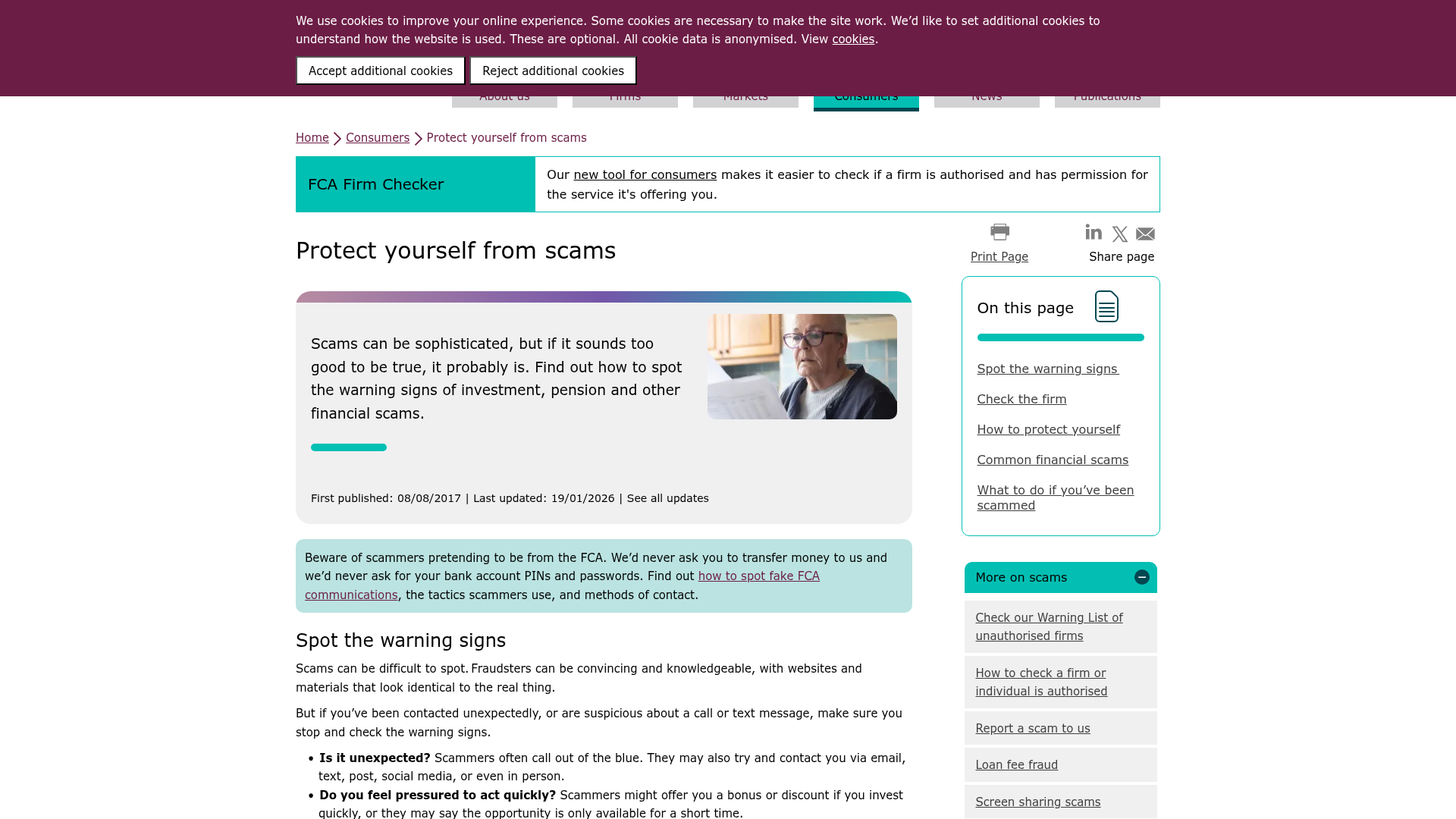
Trang chúng tôi kiểm tra
Đây là trang chính thức của cơ quan quản lý, được chụp lại như khi chúng tôi tìm thấy. Hãy mở nó và tự mình thực hiện tìm kiếm tương tự — không có gì trên sổ đăng ký này thay thế được nguồn gốc.
Các sổ đăng ký khác được sử dụng trong các kiểm tra loại này. Mỗi sổ sẽ mở trang riêng của cơ quan quản lý.
Nguồn chính
Mọi khiếu nại trên đều có thể được kiểm tra trên trang của cơ quan quản lý. Các trang này mở trên trang web của cơ quan quản lý, không phải của chúng tôi.
- FCA ScamSmartfca.org.ukhttps://www.fca.org.uk/scamsmart
- Financial Conduct Authority — Financial Services Registerregister.fca.org.ukhttps://register.fca.org.uk/
- ASIC — Professional registersasic.gov.auhttps://asic.gov.au/online-services/search-asics-registers/
- CFTC — Customer advisories on fraudcftc.govhttps://www.cftc.gov/LearnAndProtect/AdvisoriesAndArticles/index.htm
- FBI IC3 — Internet Crime Reportic3.govhttps://www.ic3.gov/AnnualReport/Reports
- Financial Services Compensation Scheme (FSCS)fscs.org.ukhttps://www.fscs.org.uk/what-we-cover/investments/
Câu hỏi thường gặp
'Ứng dụng sideloaded' chính xác có nghĩa là gì trong ngữ cảnh này?
Ứng dụng sideloaded là một ứng dụng di động được cài đặt trên thiết bị của bạn từ một nguồn khác ngoài các cửa hàng ứng dụng chính thức, như Google Play hoặc Apple App Store. Trong ngữ cảnh giao dịch, nó thường có nghĩa là cài đặt một tệp trực tiếp từ một liên kết do một cá nhân hoặc trang web không rõ cung cấp, bỏ qua tất cả các kiểm tra bảo mật.
Tại sao các cửa hàng ứng dụng chính thức an toàn hơn cho các ứng dụng tài chính?
Các cửa hàng ứng dụng chính thức tiến hành đánh giá bảo mật, quét phần mềm độc hại và xác minh danh tính nhà phát triển. Chúng đóng vai trò như người gác cổng, giảm đáng kể khả năng các ứng dụng tài chính độc hại hoặc lừa đảo tiếp cận người dùng, đảm bảo một lớp bảo vệ người tiêu dùng.
Làm thế nào tôi có thể xác nhận liệu ứng dụng giao dịch của một nhà môi giới có hợp pháp không?
Luôn tìm kiếm tên nhà môi giới trực tiếp trên Google Play Store hoặc Apple App Store. Đối chiếu thông tin nhà phát triển và chi tiết ứng dụng với trang web chính thức, được cấp phép của nhà môi giới và thông tin của họ trên sổ đăng ký công khai của cơ quan quản lý tài chính có liên quan.
Những dấu hiệu tức thì nào cho thấy một ứng dụng giao dịch có thể là lừa đảo?
Các dấu hiệu chính bao gồm việc được yêu cầu tải xuống ứng dụng từ một liên kết không chính thức, hứa hẹn lợi nhuận cao được đảm bảo, áp lực đầu tư nhanh chóng, yêu cầu nạp tiền qua tiền điện tử hoặc thẻ quà tặng, và giao tiếp có ngữ pháp kém hoặc địa chỉ email chung chung.
Nếu tôi đã nạp tiền vào một ứng dụng lừa đảo sideloaded, liệu tôi có thể lấy lại được không?
Việc thu hồi tiền từ các vụ lừa đảo ứng dụng sideloaded là cực kỳ khó khăn. Không có sự bảo vệ pháp lý hoặc các chương trình bồi thường nhà đầu tư, và tiền thường nhanh chóng được chuyển ra quốc tế. Điều quan trọng là phải báo cáo vụ lừa đảo cho các cơ quan chức năng và ngân hàng của bạn ngay lập tức, nhưng thành công là rất hiếm.
Các nhà môi giới được cấp phép có bao giờ sử dụng ứng dụng sideloaded không?
Không. Các nhà môi giới hợp pháp và được cấp phép, như Pepperstone, IC Markets, hoặc OANDA, sẽ luôn phân phối các ứng dụng giao dịch chính thức của họ thông qua Apple App Store và Google Play Store. Bất kỳ yêu cầu nào để sideload một ứng dụng đều là một cờ đỏ rõ ràng.
Tôi nên làm gì nếu một người bạn hoặc người quen giới thiệu một ứng dụng giao dịch sideloaded?
Hãy hết sức thận trọng. Những vụ lừa đảo này thường bắt đầu bằng kỹ thuật xã hội, nơi những kẻ lừa đảo xây dựng lòng tin theo thời gian. Lịch sự từ chối, tự mình xác minh bất kỳ tuyên bố tài chính nào, và giáo dục bạn bè của bạn về các rủi ro, vì họ cũng có thể là nạn nhân hoặc vô tình là một phần của vụ lừa đảo.