
ประเด็นสำคัญ
- การรายงานการฉ้อโกงมักเริ่มต้นในระดับท้องถิ่น แต่บ่อยครั้งต้องอาศัยความร่วมมือระหว่างประเทศ
- การตรวจสอบใบอนุญาตของบริษัทผ่านทะเบียนทางการคือการป้องกันหลักจากการฉ้อโกงการลงทุน
- Action Fraud (สหราชอาณาจักร) และ IC3 (สหรัฐอเมริกา) เป็นศูนย์กลางการรายงานหลัก แต่หน้าที่เฉพาะในการสอบสวนของพวกเขานั้นแตกต่างกันอย่างมาก
- การรายงานอย่างทันท่วงทีช่วยเพิ่มโอกาสในการกู้คืนสินทรัพย์ แม้ว่าจะไม่รับประกันการชดเชยเต็มจำนวนก็ตาม
- บริษัทลงทุนทุกแห่งไม่ได้ดำเนินการภายใต้การกำกับดูแลเดียวกันในทุกประเทศที่พวกเขาให้บริการ
- การระบุเขตอำนาจศาลที่ถูกต้องสำหรับบริษัทและผู้เสียหายมีความสำคัญอย่างยิ่งต่อการเลือกหน่วยงานรายงานที่เหมาะสม
สัญญาณเตือนแรก: เมื่อเงินทุนหายไป
ลองจินตนาการว่าคุณเข้าสู่ระบบบัญชีเทรดของคุณ โดยคาดหวังว่าจะเห็นเงินทุนของคุณ อาจจะมีกำไรบ้าง แต่กลับพบยอดคงเหลือเป็นศูนย์ หรือไม่สามารถเข้าถึงพอร์ทัลได้ สถานการณ์เช่นนี้เป็นเรื่องที่น่าเสียดายและเป็นประสบการณ์ทั่วไปสำหรับผู้ที่ตกเป็นเหยื่อของการฉ้อโกงการลงทุน วันหนึ่งคุณกำลังติดต่อกับโบรกเกอร์ที่ดูเหมือนจะถูกต้องตามกฎหมาย อาจเป็นโบรกเกอร์ที่อ้างว่ามีความเกี่ยวข้องกับหน่วยงานที่มีชื่อเสียง เช่น "Global Capital FX" หรือแพลตฟอร์มการเทรดที่สัญญาผลตอบแทนรายวันที่ไม่สมจริง วันรุ่งขึ้น การสื่อสารทั้งหมดหยุดชะงัก เว็บไซต์ของพวกเขาหายไป และเงินทุนของคุณก็หาไม่พบ
การตระหนักถึงการสูญเสียอย่างกะทันหันนี้ทำให้เกิดลำดับการดำเนินการที่สำคัญและต้องคำนึงถึงเวลา บุคคลจำนวนมากในสถานการณ์นี้รู้สึกตกใจอย่างมาก ถูกหักหลัง และหมดหนทาง พวกเขามักจะลังเล โดยหวังว่าจะเป็นความผิดพลาดทางเทคนิคหรือการตอบสนองที่ล่าช้าจากบริษัท อย่างไรก็ตาม ทุกชั่วโมงที่ผ่านไปหลังจากที่บริษัทลงทุนไม่ตอบสนอง จะลดโอกาสในการติดตามและกู้คืนสินทรัพย์ที่สูญหาย ผู้ฉ้อโกงดำเนินการอย่างรวดเร็ว โดยมักจะโอนเงินข้ามบัญชีระหว่างประเทศหลายบัญชีภายในระยะเวลาอันสั้นมาก
ผลที่ตามมาในทันทีเรียกร้องให้มีการประเมินที่ชัดเจนและสงบ แม้จะมีความทุกข์ทางอารมณ์ก็ตาม นี่ไม่ใช่เวลาสำหรับการตำหนิตนเอง แต่เป็นการดำเนินการที่รวดเร็วและเด็ดขาด เป้าหมายเปลี่ยนจากการลงทุนไปสู่การรายงานอาชญากรรมทางการเงินและการแสวงหาช่องทางในการเยียวยาที่มีอยู่ ขั้นตอนแรกไม่จำเป็นต้องติดต่อทนายความหรือเรียกร้องคำตอบจากที่อยู่อีเมลที่ว่างเปล่า แต่เป็นการรวบรวมข้อมูลทุกชิ้นที่สามารถช่วยหน่วยงานทางการได้ในภายหลัง ซึ่งรวมถึงบันทึกการทำธุรกรรม ภาพหน้าจอของแพลตฟอร์ม และการติดต่อสื่อสารทั้งหมด คุณภาพของการรวบรวมหลักฐานเบื้องต้นนี้ส่งผลโดยตรงต่อประสิทธิภาพของความพยายามในการรายงานในภายหลัง
การตรวจสอบความถูกต้องตามกฎหมาย: สิ่งที่ต้องทำก่อนการรายงาน
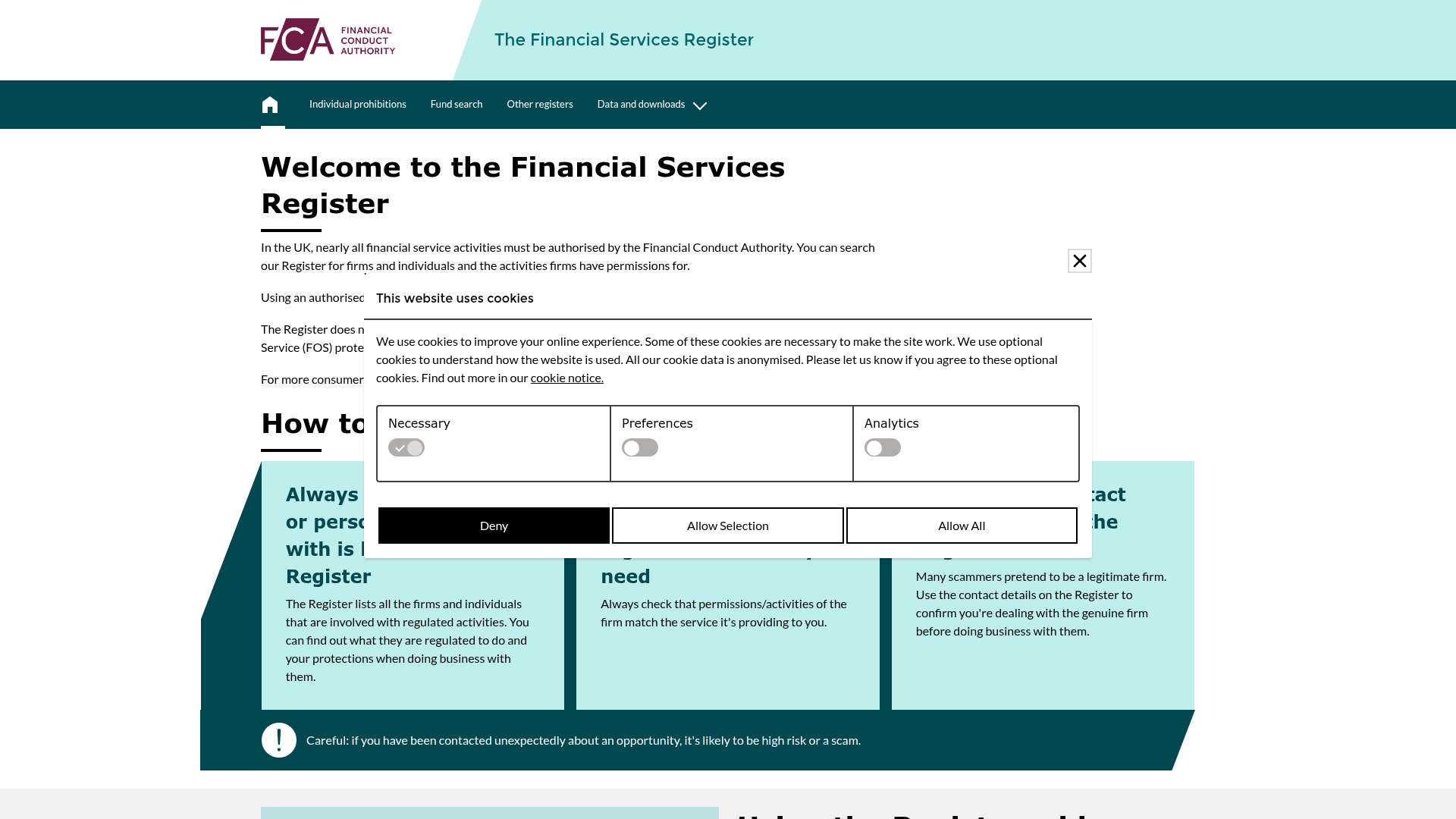
ก่อนที่เงินจะเปลี่ยนมือ หรือก่อนที่สถานการณ์จะบานปลายไปสู่การรายงานการฉ้อโกง มาตรการป้องกันที่มีประสิทธิภาพที่สุดคือการตรวจสอบสถานะการกำกับดูแลของบริษัทลงทุนอย่างรอบคอบ หน่วยงานที่ฉ้อโกงมักจะเลียนแบบการดำเนินงานที่ถูกต้องตามกฎหมาย โดยมักอ้างใบอนุญาตที่ตนไม่มี หรือดำเนินการภายใต้ชื่อที่คล้ายคลึงกับบริษัทที่มีชื่อเสียง ตัวอย่างเช่น บริษัทอาจอ้างว่าได้รับการกำกับดูแลโดย FCA แต่การตรวจสอบอย่างรวดเร็วใน Financial Services Register ของ FCA จะไม่พบหน่วยงานดังกล่าว หรือพบว่าเป็นรายการของบริษัทที่ถูกปลอมแปลง
เขตอำนาจศาลทางการเงินที่สำคัญแต่ละแห่งมีทะเบียนอย่างเป็นทางการของหน่วยงานที่ได้รับการกำกับดูแล ในสหราชอาณาจักร Financial Conduct Authority (FCA) มีทะเบียนที่สมบูรณ์ ในสหรัฐอเมริกา Commodity Futures Trading Commission (CFTC) มีรายชื่อ Registration Deficient (RED) List และ National Futures Association (NFA) มีระบบ BASIC สำหรับข้อมูลสถานะความเกี่ยวข้อง ASIC ของออสเตรเลียมีทะเบียนวิชาชีพ ในขณะที่ไซปรัสมีทะเบียน CySEC Regulated Entities แหล่งข้อมูลเหล่านี้สามารถเข้าถึงได้ฟรีและออกแบบมาโดยเฉพาะสำหรับการตรวจสอบของสาธารณะ
กระบวนการนี้ตรงไปตรงมา: ค้นหาหมายเลขทะเบียนที่บริษัทอ้างหรือชื่อทางกฎหมายบนเว็บไซต์ของพวกเขา จากนั้นตรวจสอบกับฐานข้อมูลออนไลน์ของหน่วยงานกำกับดูแลอย่างเป็นทางการโดยตรง หากตรงกัน ควรให้รายละเอียดเกี่ยวกับกิจกรรมที่ได้รับอนุมัติของบริษัทและข้อมูลติดต่อ หากบริษัทอ้างว่ามีใบอนุญาตหลายฉบับ เช่น Pepperstone ได้รับการกำกับดูแลโดย FCA, ASIC, CySEC, DFSA, BaFin, CMA และ SCB ใบอนุญาตที่อ้างแต่ละฉบับจะต้องได้รับการตรวจสอบอย่างอิสระบนเว็บไซต์ของหน่วยงานกำกับดูแลที่เกี่ยวข้อง นี่คือส่วนที่คู่มือส่วนใหญ่ข้ามไป; เพียงแค่เห็นโลโก้ของหน่วยงานกำกับดูแลไม่ได้หมายความว่าบริษัทมีใบอนุญาตกับหน่วยงานนั้นๆ หรือสำหรับบริการที่นำเสนอ
ทะเบียนกำกับดูแลที่สำคัญสำหรับการตรวจสอบบริษัทลงทุน
| เขตอำนาจศาล | หน่วยงานกำกับดูแลหลัก | ลิงก์ทะเบียนสาธารณะ | วัตถุประสงค์ |
|---|---|---|---|
| สหราชอาณาจักร | สำนักงานคณะกรรมการกำกับดูแลสถาบันการเงิน (FCA) | https://register.fca.org.uk/ | ตรวจสอบบริษัทและบุคคลที่ให้บริการทางการเงิน |
| สหรัฐอเมริกา (ฟิวเจอร์ส/ฟอเร็กซ์) | CFTC และ National Futures Association (NFA) | https://www.nfa.futures.org/basicnet/ | ตรวจสอบประวัติและสถานะการเป็นสมาชิกของ NFA |
| ออสเตรเลีย | สำนักงานคณะกรรมการกำกับหลักทรัพย์และการลงทุนของออสเตรเลีย (ASIC) | https://asic.gov.au/online-services/search-asics-registers/ | ค้นหาทะเบียนวิชาชีพสำหรับบริษัท ธุรกิจ และผู้รับใบอนุญาต |
| ไซปรัส | คณะกรรมการกำกับหลักทรัพย์และตลาดหลักทรัพย์ไซปรัส (CySEC) | https://www.cysec.gov.cy/en-GB/entities/investment-firms/cypriot/ | ค้นหาหน่วยงานที่อยู่ภายใต้การกำกับดูแล โดยเฉพาะบริษัทลงทุน |
| สิงคโปร์ | ธนาคารกลางสิงคโปร์ (MAS) | https://eservices.mas.gov.sg/fid | สารบบสถาบันการเงินและบุคคลที่ได้รับใบอนุญาต |
| แอฟริกาใต้ | หน่วยงานกำกับดูแลพฤติกรรมในภาคการเงิน (FSCA) | https://www.fsca.co.za/Regulated%20Entities/Pages/default.aspx | ค้นหาสถาบันการเงินและบุคคลที่อยู่ภายใต้การกำกับดูแล |
แนวทางของสหรัฐอเมริกา: IC3 และ FTC
ในสหรัฐอเมริกา หน่วยงานรัฐบาลกลางหลักสองแห่งทำหน้าที่เป็นศูนย์กลางในการรายงานการฉ้อโกงการลงทุนที่น่าสงสัย ได้แก่ Internet Crime Complaint Center (IC3) และ Federal Trade Commission (FTC) แม้ว่าทั้งสองหน่วยงานจะมีความสำคัญ แต่บทบาทหน้าที่ของพวกเขาก็แตกต่างกัน IC3 ซึ่งเป็นความร่วมมือระหว่าง Federal Bureau of Investigation (FBI), Bureau of Justice Assistance (BJA) และ National White Collar Crime Center (NW3C) ทำหน้าที่เป็นศูนย์กลางของประเทศในการรายงานอาชญากรรมทางอินเทอร์เน็ต เมื่อคุณยื่นเรื่องร้องเรียนต่อ IC3 คุณกำลังให้ข้อมูลแก่ฐานข้อมูลที่หน่วยงานบังคับใช้กฎหมายของรัฐบาลกลาง รัฐ และท้องถิ่นสามารถเข้าถึงได้เพื่อวัตถุประสงค์ด้านข่าวกรอง
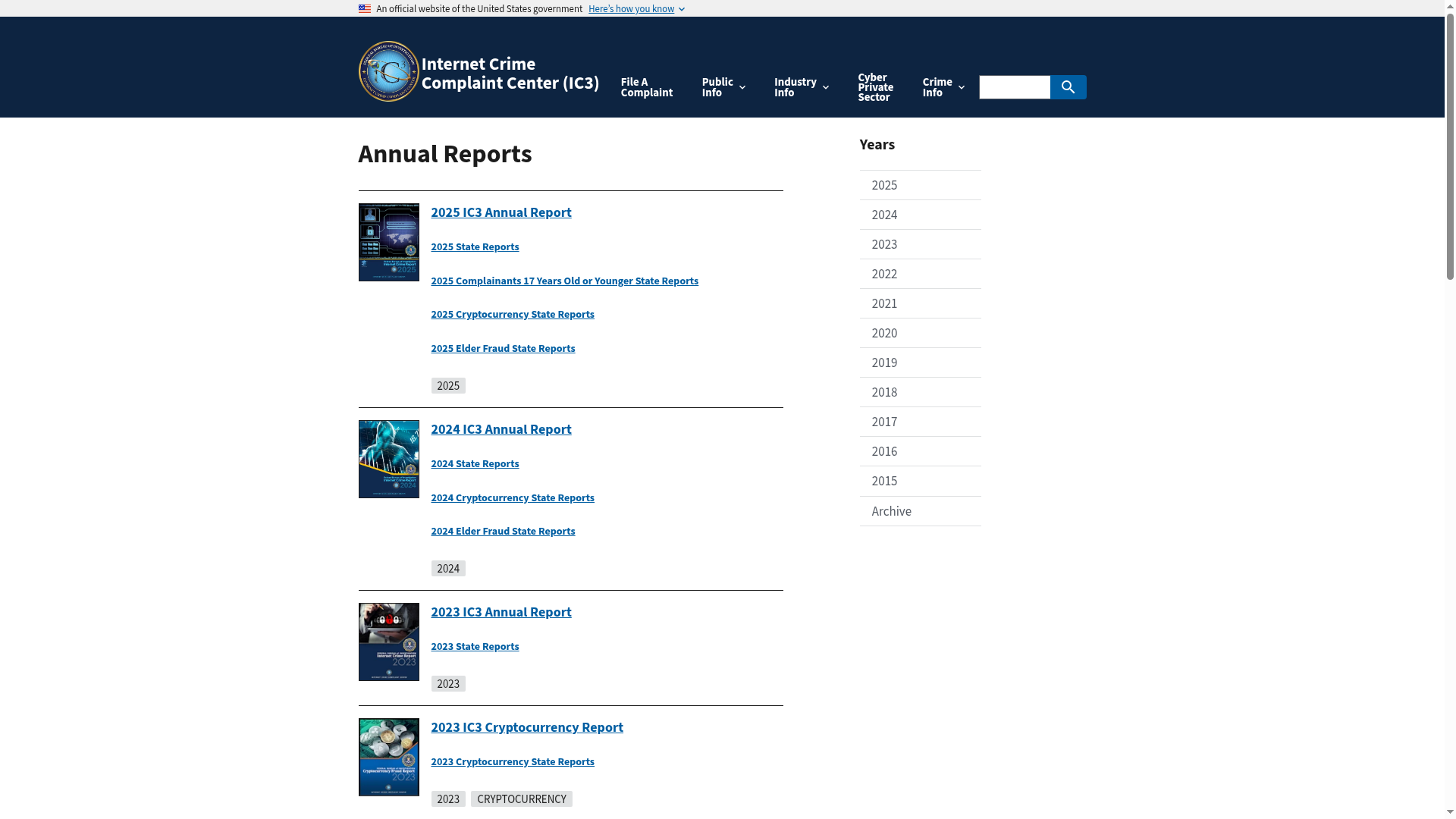
IC3 รวบรวมข้อมูลจากการร้องเรียนหลายพันรายการเพื่อระบุรูปแบบ เชื่อมโยงคดี และจัดทำรายงานประจำปีโดยละเอียด เช่น รายงานที่มีอยู่บนเว็บไซต์ของพวกเขา ข้อมูลนี้มีความสำคัญอย่างยิ่งต่อการทำความเข้าใจขอบเขตของอาชญากรรมไซเบอร์ และเพื่อเป็นข้อมูลสำหรับการสืบสวนเชิงกลยุทธ์ อย่างไรก็ตาม สิ่งสำคัญคือต้องเข้าใจว่าการยื่นรายงานต่อ IC3 ไม่ได้เป็นการเริ่มต้นการสอบสวนคดีของคุณโดยอัตโนมัติ และไม่รับประกันการเข้าแทรกแซงโดยตรงเพื่อกู้คืนเงินของคุณ IC3 ทำหน้าที่หลักในการรวบรวมข่าวกรองและกลไกการส่งต่อ เรื่องร้องเรียนของคุณอาจถูกส่งต่อไปยังหน่วยงานบังคับใช้กฎหมายที่เกี่ยวข้อง หากสอดคล้องกับการสอบสวนที่กำลังดำเนินอยู่ หรือตรงตามเกณฑ์บางประการ
เพื่อเสริมการทำงานของ IC3 ทาง Federal Trade Commission (FTC) ยังได้จัดเตรียมแพลตฟอร์มสำหรับการรายงานการฉ้อโกงที่ reportfraud.ftc.gov FTC มุ่งเน้นไปที่การคุ้มครองผู้บริโภคในวงกว้าง รวมถึงการดำเนินธุรกิจที่หลอกลวงและการโจรกรรมข้อมูลประจำตัว แม้ว่าจะไม่ได้ดำเนินการสอบสวนทางอาญา แต่ FTC ใช้ข้อมูลที่ได้รับรายงานเพื่อระบุแนวโน้ม เผยแพร่การแจ้งเตือนผู้บริโภค และดำเนินคดีแพ่งกับบริษัทที่ฉ้อโกง การรายงานต่อทั้ง IC3 และ FTC เป็นกลยุทธ์ที่ดี เนื่องจากช่วยให้ข้อมูลของคุณมีส่วนร่วมในฐานข้อมูลข่าวกรองอาชญากรรมและฐานข้อมูลคุ้มครองผู้บริโภค ข้อมูลแต่ละชิ้นช่วยให้เจ้าหน้าที่เห็นภาพที่ชัดเจนขึ้น แม้ว่าการดำเนินการโดยตรงต่อการร้องเรียนแต่ละรายการอาจไม่เกิดขึ้นทันที
การรายงานในสหราชอาณาจักร: บทบาทของ Action Fraud
สำหรับผู้เสียหายจากการฉ้อโกงการลงทุนในสหราชอาณาจักร หน่วยงานหลักในการรายงานคือ Action Fraud ซึ่งเป็นศูนย์รายงานระดับชาติของสหราชอาณาจักรสำหรับการฉ้อโกงและอาชญากรรมไซเบอร์ กระบวนการเริ่มต้นด้วยการยื่นรายงานโดยละเอียดทางออนไลน์ผ่านเว็บไซต์ actionfraud.police.uk หรือทางโทรศัพท์ รายงานเบื้องต้นนี้มีความสำคัญอย่างยิ่ง เนื่องจากรวบรวมข้อมูลที่เกี่ยวข้องทั้งหมดเกี่ยวกับการฉ้อโกงที่ต้องสงสัย ฝ่ายที่เกี่ยวข้อง และธุรกรรมทางการเงิน
เมื่อรายงานถูกยื่นแล้ว จะเข้าสู่ National Fraud Intelligence Bureau (NFIB) ซึ่งดำเนินการโดยตำรวจนครลอนดอน NFIB จะประเมินรายงานแต่ละฉบับ โดยเปรียบเทียบข้ามข้อมูลกับเหตุการณ์ที่รายงานมาแล้วหลายพันกรณีเพื่อระบุรูปแบบ ผู้กระทำความผิดทั่วไป และแนวโน้มการฉ้อโกงที่เกิดขึ้นใหม่ แนวทางที่ขับเคลื่อนด้วยข้อมูลเชิงลึกนี้ช่วยให้พวกเขาระบุคดีที่มีโอกาสสูงสุดในการสืบสวนและดำเนินคดีที่ประสบความสำเร็จ ไม่ใช่ทุกรายงานที่จะนำไปสู่การสืบสวนของตำรวจอย่างเต็มรูปแบบ NFIB จัดลำดับความสำคัญของคดีตามปัจจัยต่างๆ เช่น จำนวนเงินที่สูญเสีย จำนวนผู้เสียหายที่ได้รับผลกระทบ และศักยภาพในการดำเนินคดีที่ประสบความสำเร็จ
หากรายงานตรงตามเกณฑ์สำหรับการดำเนินการต่อไป จะมีการกำหนดหมายเลขอ้างอิง NFIB และอาจส่งต่อไปยังกองกำลังตำรวจเพื่อทำการสืบสวน ข้อแตกต่างนี้สำคัญ: การรายงานต่อ Action Fraud เป็นประตูสู่การมีส่วนร่วมของตำรวจ แต่ไม่เหมือนกับการรายงานอาชญากรรมโดยตรงไปยังสถานีตำรวจท้องถิ่นของคุณ ซึ่งโดยทั่วไปสงวนไว้สำหรับอาชญากรรมที่กำลังเกิดขึ้นหรือภัยคุกคามที่เร่งด่วน Action Fraud จัดให้มีกลไกส่วนกลางระดับชาติสำหรับการรวบรวมข้อมูลการฉ้อโกง ซึ่งจะแจ้งกลยุทธ์การบังคับใช้กฎหมายทั่วประเทศ ผู้เสียหายจะได้รับการอัปเดตหากคดีของพวกเขาถูกนำไปสืบสวน แม้ว่าสิ่งนี้อาจใช้เวลา บางครั้งหลายเดือน เมื่อพิจารณาจากปริมาณรายงานที่จัดการในแต่ละปี
การป้องกันการฉ้อโกงการลงทุนที่ดีที่สุดคือการตรวจสอบอย่างละเอียดล่วงหน้า หลังจากการสูญเสีย การรายงานอย่างรอบคอบเป็นหนทางเดียวในการแสวงหาการเยียวยาที่เป็นไปได้
Alan Reeve
การประสานงานระหว่างประเทศ: Interpol และ IOSCO
การฉ้อโกงการลงทุนมักจะข้ามพรมแดนประเทศ ทำให้ความร่วมมือระหว่างประเทศเป็นสิ่งจำเป็นสำหรับการบังคับใช้กฎหมายที่มีประสิทธิภาพ ในขณะที่หน่วยงานระดับชาติจัดการข้อร้องเรียนภายในประเทศ องค์กรเช่น Interpol และ International Organization of Securities Commissions (IOSCO) มีบทบาทสำคัญในการประสานงานความพยายามในประเทศต่างๆ Interpol ซึ่งเป็นองค์กรตำรวจระหว่างประเทศที่ใหญ่ที่สุดในโลก อำนวยความสะดวกในการประสานงานของตำรวจข้ามพรมแดนและช่วยต่อสู้กับอาชญากรรมระหว่างประเทศในรูปแบบต่างๆ รวมถึงอาชญากรรมทางการเงิน เมื่อแผนการฉ้อโกงเกี่ยวข้องกับผู้กระทำความผิดหรือทรัพย์สินในหลายประเทศ Interpol สามารถช่วยเหลือหน่วยงานบังคับใช้กฎหมายของประเทศในการแบ่งปันข้อมูล การระบุตำแหน่งผู้ต้องสงสัย และการประสานงานการจับกุม
หน่วยอาชญากรรมทางการเงินของ Interpol ให้การสนับสนุนด้านการวิเคราะห์และความช่วยเหลือในการปฏิบัติงานแก่ประเทศสมาชิก สำหรับผู้เสียหาย สิ่งนี้หมายความว่าแม้ว่ารายงานเบื้องต้นของคุณจะถูกยื่นต่อหน่วยงานระดับชาติเช่น Action Fraud หรือ IC3 ข้อมูลเชิงลึกที่รวบรวมอาจมีส่วนช่วยในที่สุดในความพยายามที่ใหญ่ขึ้นซึ่งประสานงานโดย Interpol เพื่อต่อต้านเครือข่ายฉ้อโกงระหว่างประเทศ แม้ว่าผู้เสียหายไม่สามารถรายงานโดยตรงต่อ Interpol แต่ข้อมูลที่รวบรวมโดยหน่วยงานระดับชาติมีความสำคัญต่อการดำเนินงานของพวกเขา การประสานงานระหว่างประเทศในระดับนี้มีความเกี่ยวข้องเป็นพิเศษเมื่อจัดการกับบริษัทนอกประเทศหรือบริษัทที่ดำเนินการจากเขตอำนาจศาลที่มีการกำกับดูแลด้านกฎระเบียบที่เข้มงวดน้อยกว่า
ในทางกลับกัน IOSCO เป็นผู้กำหนดมาตรฐานระดับโลกสำหรับตลาดหลักทรัพย์ แม้ว่าจะไม่มีอำนาจในการบังคับใช้กฎหมาย แต่ IOSCO มีบทบาทสำคัญในการคุ้มครองนักลงทุนผ่านพอร์ทัลการแจ้งเตือนนักลงทุน (Investor Alerts Portal) พอร์ทัลนี้รวบรวมคำเตือนและการแจ้งเตือนที่ออกโดยหน่วยงานกำกับดูแลหลักทรัพย์ทั่วโลกเกี่ยวกับบริษัทหรือบุคคลที่ดำเนินการโดยไม่ได้รับอนุญาตหรือมีส่วนร่วมในกิจกรรมฉ้อโกง ก่อนการลงทุน การตรวจสอบพอร์ทัลนี้สามารถให้การเตือนล่วงหน้าเกี่ยวกับหน่วยงานที่ได้รับความสนใจจากการกำกับดูแลในประเทศอื่น ๆ แล้ว แหล่งข้อมูลเชิงรุกนี้ช่วยให้นักลงทุนระบุภัยคุกคามที่อาจเกิดขึ้นซึ่งอาจยังไม่ปรากฏในรายการเตือนของหน่วยงานกำกับดูแลท้องถิ่นของตน โดยรวมแล้ว องค์กรระหว่างประเทศเหล่านี้ให้การป้องกันแบบหลายชั้นเพื่อต่อต้านลักษณะการฉ้อโกงการลงทุนที่ขยายไปทั่วโลกมากขึ้น
เรื่องเขตอำนาจศาล: ควรติดต่อหน่วยงานใด
หนึ่งในแง่มุมที่ซับซ้อนที่สุดของการรายงานการฉ้อโกงการลงทุนคือการพิจารณาหน่วยงานที่ถูกต้องที่จะติดต่อ เนื่องจากสิ่งนี้ขึ้นอยู่กับเขตอำนาจศาลของทั้งผู้เสียหายและบริษัทที่รับผิดชอบอย่างมาก บริษัทการลงทุน โดยเฉพาะอย่างยิ่งบริษัทที่ดำเนินงานทั่วโลก มักจะถือใบอนุญาตในหลายประเทศ ตัวอย่างเช่น AvaTrade ได้รับการกำกับดูแลโดย Central Bank of Ireland, ASIC, FSCA, FSA (Japan) และ ADGM การมีอยู่หลายเขตอำนาจศาลนี้หมายความว่าลูกค้าในสหราชอาณาจักรที่ถูก AvaTrade ฉ้อโกงน่าจะรายงานต่อ FCA ในขณะที่ลูกค้าชาวออสเตรเลียจะติดต่อ ASIC
กฎทั่วไปคือการรายงานต่อหน่วยงานกำกับดูแลทางการเงินในเขตอำนาจศาลที่คุณซึ่งเป็นผู้เสียหายอาศัยอยู่ และยังรายงานต่อหน่วยงานกำกับดูแลที่บริษัทอ้างว่าได้รับใบอนุญาต หากบริษัทไม่ได้รับใบอนุญาตในประเทศของคุณ แต่กล่าวอ้างว่ามีใบอนุญาตที่อื่น คุณควรรายงานต่อหน่วยงานรายงานการฉ้อโกงระดับชาติของคุณก่อน และอาจติดต่อหน่วยงานกำกับดูแลต่างประเทศที่บริษัทอ้างว่าได้รับการกำกับดูแล ตัวอย่างเช่น หากพลเมืองสหรัฐฯ ลงทุนกับบริษัทที่อ้างว่ามีใบอนุญาต CySEC เท่านั้น พวกเขาควรรายงานต่อ IC3 และพิจารณาแจ้ง CySEC ด้วย
ข้อแตกต่างนี้ไม่ชัดเจนเสมอไป โดยเฉพาะอย่างยิ่งกับบริษัทที่ไม่มีใบอนุญาตที่ตรวจสอบได้ที่ใดเลย ในกรณีเช่นนี้ ศูนย์รายงานการฉ้อโกงระดับชาติของคุณ (เช่น Action Fraud ในสหราชอาณาจักร หรือ IC3 ในสหรัฐอเมริกา) คือจุดติดต่อแรกที่เหมาะสม พวกเขามีความพร้อมในการจัดการคดีที่ไม่มีหน่วยงานกำกับดูแลที่ชัดเจนมีอำนาจกำกับดูแลโดยตรง เจ้าหน้าที่จะถามซ้ำสองครั้งเกี่ยวกับที่ตั้งทางกายภาพของบริษัท และที่ที่คุณพบเห็นบริการของพวกเขาเป็นครั้งแรก เนื่องจากรายละเอียดเหล่านี้มักจะนำทางว่าหน่วยงานบังคับใช้กฎหมายหรือหน่วยงานกำกับดูแลใดอาจให้ความสนใจ การรายงานเกินความจำเป็นไปยังหน่วยงานที่เกี่ยวข้องจะดีกว่าเสมอ ดีกว่าที่จะพลาดการเชื่อมโยงที่สำคัญที่อาจช่วยในการสืบสวนที่กว้างขึ้น
สถานการณ์การรายงานอ้างอิงจากเขตอำนาจศาลของผู้เสียหายและบริษัท
| ที่ตั้งของผู้เสียหาย | การกำกับดูแลที่บริษัทอ้าง | หน่วยงานที่แนะนำให้รายงาน |
|---|---|---|
| สหราชอาณาจักร | FCA | Action Fraud, FCA (ฝ่ายบังคับใช้กฎหมายของ FCA) |
| สหราชอาณาจักร | ไม่ได้รับการกำกับดูแล / นอกประเทศ | Action Fraud |
| สหรัฐอเมริกา | CFTC/NFA | IC3, CFTC |
| สหรัฐอเมริกา | ไม่ได้รับการกำกับดูแล / นอกประเทศ | IC3, FTC |
| ออสเตรเลีย | ASIC | ASIC (ผ่านช่องทางการรายงานของหน่วยงาน) |
| ออสเตรเลีย | ไม่ได้รับการกำกับดูแล / นอกประเทศ | ASIC, ตำรวจสหพันธ์ออสเตรเลีย (AFP) |
| ประเทศสมาชิกสหภาพยุโรป | CySEC | ตำรวจแห่งชาติ/หน่วยงานรับแจ้งการฉ้อโกงในประเทศ, CySEC |
| ประเทศสมาชิกสหภาพยุโรป | ไม่ได้รับการกำกับดูแล / นอกประเทศ | ตำรวจแห่งชาติ/หน่วยงานรับแจ้งการฉ้อโกงในประเทศ |
กระบวนการกู้คืนเงิน: ความคาดหวังและความเป็นจริง
การรายงานการฉ้อโกงการลงทุนเป็นขั้นตอนที่สำคัญ แต่สิ่งสำคัญคือต้องจัดการความคาดหวังเกี่ยวกับการกู้คืนเงินทุน แม้ว่าหน่วยงานจะพยายามนำผู้กระทำผิดเข้าสู่กระบวนการยุติธรรม แต่การกู้คืนสินทรัพย์ที่สูญหายนั้นไม่ได้รับการรับรองและมักเป็นเรื่องที่ท้าทาย เงินที่ได้มาจากการฉ้อโกงมักจะถูกย้ายอย่างรวดเร็วผ่านบัญชีต่างๆ ซึ่งมักจะข้ามพรมแดนระหว่างประเทศ ทำให้ยากต่อการติดตามและอายัด
มีช่องทางหลายอย่างสำหรับการกู้คืนเงิน การทำ chargeback ผ่านธนาคารหรือผู้ให้บริการบัตรเครดิตของคุณบางครั้งสามารถยกเลิกธุรกรรมได้ โดยเฉพาะอย่างยิ่งหากเงินถูกส่งไปเมื่อไม่นานมานี้ (โดยทั่วไปภายใน 120-180 วัน แต่ก็แตกต่างกันไป) นี่มักเป็นเส้นทางที่เร็วที่สุดในการกู้คืนสำหรับความเสียหายเล็กน้อยที่เกิดขึ้นเมื่อไม่นานมานี้ อย่างไรก็ตาม แผนการฉ้อโกงการลงทุนจำนวนมากเกี่ยวข้องกับการโอนเงินผ่านธนาคารหรือสกุลเงินดิจิทัล ซึ่งยากต่อการยกเลิกเมื่อดำเนินการไปแล้ว
สำหรับบริษัทที่ได้รับการกำกับดูแลในบางเขตอำนาจศาล โครงการชดเชยนักลงทุนอาจเสนอความคุ้มครอง ตัวอย่างเช่น ในสหราชอาณาจักร โครงการ Financial Services Compensation Scheme (FSCS) คุ้มครองลูกค้าของบริษัทบริการทางการเงินที่ได้รับอนุญาตสูงสุดถึง £85,000 ต่อคนต่อบริษัท หากบริษัทล้มเหลวหรือเลิกกิจการ อย่างไรก็ตาม การคุ้มครองนี้ใช้ได้ เฉพาะ กับบริษัทที่ได้รับการกำกับดูแลอย่างแท้จริงโดย FCA และเข้าร่วมในโครงการ และ เฉพาะ หากความเสียหายเกิดจากการล้มเหลวของบริษัท ไม่ใช่แค่ผลการลงทุนที่ไม่ดีหรือการหลอกลวงโดยตรงจากหน่วยงานที่ไม่ได้รับการกำกับดูแล เหยื่อการฉ้อโกงการลงทุนส่วนใหญ่ติดต่อกับหน่วยงานที่ไม่เคยได้รับการกำกับดูแลหรือดำเนินการนอกขอบเขตของใบอนุญาตที่ถูกต้องตามกฎหมาย ซึ่งหมายความว่าการคุ้มครองของ FSCS ไม่สามารถใช้ได้ การทำความเข้าใจข้อจำกัดเหล่านี้ช่วยป้องกันความหวังที่ผิดพลาดและช่วยให้เหยื่อสามารถดำเนินการตามเส้นทางที่เป็นจริงที่สุดสำหรับสถานการณ์ของตน
เอกสาร: เครื่องมือที่สำคัญที่สุดของคุณ
เมื่อรายงานการฉ้อโกงการลงทุน การจัดทำเอกสารอย่างละเอียดถี่ถ้วนคือเครื่องมือที่มีประสิทธิภาพที่สุดของคุณ ความสำเร็จของการสอบสวนใดๆ และความเป็นไปได้ในการกู้คืนเงินทุน ขึ้นอยู่กับคุณภาพและความสมบูรณ์ของหลักฐานที่คุณให้ หน่วยงานกำกับดูแลต้องการรายละเอียดที่เฉพาะเจาะจงและตรวจสอบได้เพื่อสร้างคดีและติดตามเงินทุน ทุกการปฏิสัมพันธ์ ทุกธุรกรรม และทุกข้อเรียกร้องที่ทำโดยหน่วยงานฉ้อโกงสามารถเป็นประโยชน์อย่างยิ่ง
เริ่มต้นด้วยการรวบรวมการติดต่อทั้งหมด: อีเมล, บันทึกการสนทนา (WhatsApp, Telegram, แอปส่งข้อความอื่นๆ) และบันทึกการโทรศัพท์ ภาพหน้าจอของแพลตฟอร์มการซื้อขาย โดยเฉพาะที่แสดงยอดคงเหลือในบัญชี ประวัติการทำธุรกรรม และผลตอบแทนที่สัญญาไว้ ล้วนมีความสำคัญ เก็บบันทึกการฝากเงินทั้งหมด รวมถึงใบแจ้งยอดธนาคาร ใบแจ้งยอดบัตรเครดิต และรายละเอียดการโอนสกุลเงินดิจิทัล หากคุณได้รับคำแนะนำการลงทุนหรือคำสัญญาที่เฉพาะเจาะจง ให้เก็บเอกสารเหล่านั้นไว้ด้วย จดบันทึกวันที่ เวลา และชื่อของบุคคลที่คุณติดต่อด้วย พร้อมกับบทบาทที่ระบุไว้
แม้ว่าในตอนแรกคุณจะสงสัยว่าบริษัทนั้นถูกต้องตามกฎหมาย ก็ยังคงรักษาบันทึกเหล่านี้ไว้ บริษัทอย่าง OANDA ซึ่งเป็นที่รู้จักในด้านการกำกับดูแลมานานกว่า 25 ปี หรือ FOREX.com ซึ่งเป็น #1 โบรกเกอร์ในสหรัฐอเมริกา ก็ยังคงแนะนำให้ลูกค้าเก็บบันทึกอย่างละเอียดสำหรับการจัดการทางการเงินของตนเอง สำหรับการดำเนินการที่อาจเป็นการฉ้อโกง การปฏิบัติเช่นนี้จะเปลี่ยนจากการเงินส่วนบุคคลที่ดีไปสู่การรวบรวมหลักฐานที่สำคัญ อย่าลบอีเมลหรือข้อความใดๆ แม้ว่าจะดูไม่สำคัญ สร้างโฟลเดอร์เฉพาะบนคอมพิวเตอร์ของคุณสำหรับไฟล์ทั้งหมดเหล่านี้ แนวทางที่เป็นระบบนี้ช่วยให้หน่วยงานบังคับใช้กฎหมายและหน่วยงานกำกับดูแลเข้าใจการฉ้อโกง ระบุผู้กระทำผิด และอาจกู้คืนสินทรัพย์ได้ หากไม่มีหลักฐานที่เป็นรูปธรรม แม้แต่เรื่องราวส่วนตัวที่น่าเชื่อถือที่สุดก็ยังยากที่จะกลายเป็นคดีอาญาที่สามารถดำเนินการได้
การหลีกเลี่ยงข้อผิดพลาดในอนาคต: ท่าทีเชิงรุก
วิธีที่มีประสิทธิภาพที่สุดในการหลีกเลี่ยงความทุกข์และความเสียหายทางการเงินที่เกี่ยวข้องกับการฉ้อโกงการลงทุนคือการใช้ท่าทีเชิงรุกผ่านการตรวจสอบสถานะอย่างรอบคอบก่อนที่จะมีการลงทุนใดๆ การรอจนกว่าเงินจะหายไปแล้วจึงรายงานเป็นการดำเนินการเชิงรับ และแม้ว่าจะจำเป็น แต่ก็มีโอกาสน้อยกว่าที่จะกู้คืนได้อย่างเต็มที่เมื่อเทียบกับการป้องกันการสูญเสียตั้งแต่แรก ซึ่งหมายถึงการตรวจสอบทุกแง่มุมของโอกาสการลงทุนและบริษัทที่นำเสนอ
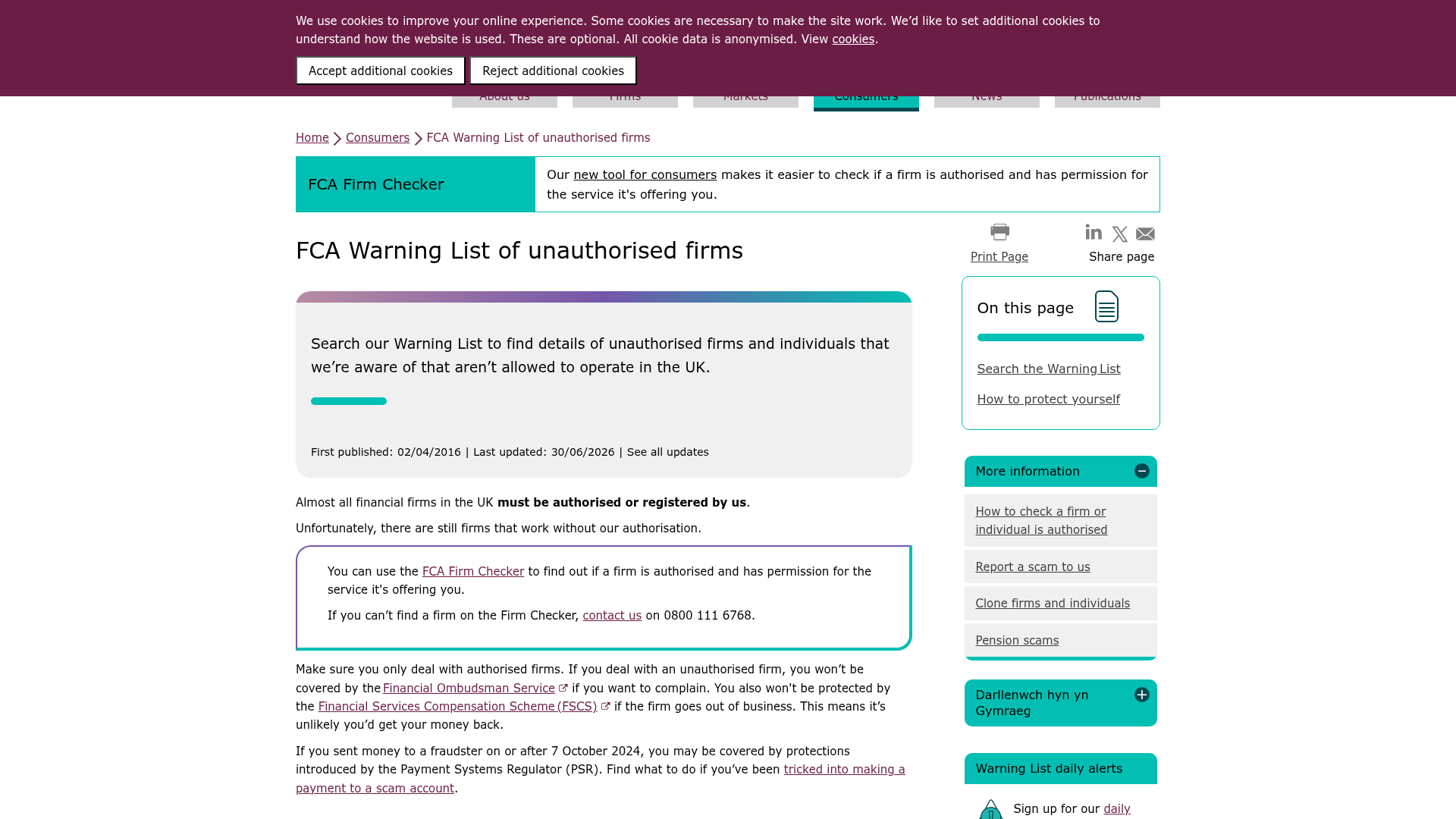
ตรวจสอบทะเบียนผู้กำกับดูแล ก่อน การลงทุนเสมอ ตามที่ได้กล่าวไว้ก่อนหน้านี้ อ้างอิงถึง Warning List ของ FCA สำหรับบริษัทที่ไม่ได้รับอนุญาต และ Registration Deficient (RED) List ของ CFTC รายชื่อเหล่านี้ระบุชื่อหน่วยงานที่ได้รับการระบุว่าดำเนินการโดยไม่ได้รับอนุญาตอย่างถูกต้อง หรือมีส่วนร่วมในกิจกรรมที่น่าสงสัย ในทำนองเดียวกัน แคมเปญ ScamSmart ของ FCA ให้แหล่งข้อมูลการศึกษาที่มีคุณค่าและคำเตือนเกี่ยวกับกลยุทธ์การฉ้อโกงทั่วไป หากบริษัทถูกกล่าวถึงในรายชื่อเหล่านี้ หรือหากไม่มีชื่ออยู่ในทะเบียนผู้กำกับดูแลอย่างเป็นทางการ ให้ถือว่าเป็นสัญญาณเตือนที่สำคัญ
จงสงสัยในข้อเสนอที่ไม่พึงประสงค์ โดยเฉพาะอย่างยิ่งข้อเสนอที่สัญญาผลตอบแทนสูงโดยมีความเสี่ยงน้อยหรือไม่มีเลย การลงทุนที่ถูกต้องตามกฎหมายย่อมมีความเสี่ยงเสมอ และการรับประกันผลกำไรจำนวนมากควรเป็นสัญญาณอันตรายที่สำคัญ ใช้เวลาในการค้นคว้าข้อมูลบุคคลที่อยู่เบื้องหลังบริษัท ประวัติ และประสบการณ์ของพวกเขา การค้นหาออนไลน์ง่ายๆ มักจะเปิดเผยข้อร้องเรียนในอดีตหรือกิจกรรมที่น่าสงสัย เชื่อสัญชาตญาณของคุณ: หากบางสิ่งดูดีเกินจริง ก็มักจะไม่เป็นจริง ความรับผิดชอบในการปกป้องเงินทุนของคุณท้ายที่สุดแล้วขึ้นอยู่กับคุณ ในฐานะนักลงทุน โดยการดำเนินการตามขั้นตอนการป้องกันเหล่านี้
หน้าที่เราตรวจสอบ
นี่คือหน้าเว็บของหน่วยงานกำกับดูแลเอง ซึ่งเราได้บันทึกไว้ตามที่พบ เปิดหน้าเว็บและทำการค้นหาเดียวกันด้วยตนเอง ไม่มีสิ่งใดในทะเบียนนี้มาแทนที่แหล่งข้อมูลต้นฉบับได้
ทะเบียนอื่น ๆ ที่ใช้ในการตรวจสอบประเภทนี้ แต่ละรายการจะเปิดหน้าของหน่วยงานกำกับดูแลนั้น ๆ
แหล่งข้อมูลหลัก
ทุกข้อกล่าวอ้างข้างต้นสามารถตรวจสอบได้จากหน้าเว็บของหน่วยงานกำกับดูแลโดยตรง ลิงก์เหล่านี้จะนำท่านไปยังเว็บไซต์ของหน่วยงานกำกับดูแล ไม่ใช่เว็บไซต์ของเรา
- Action Fraud (UK) — reportingactionfraud.police.ukhttps://www.actionfraud.police.uk/
- FBI IC3 — Internet Crime Reportic3.govhttps://www.ic3.gov/AnnualReport/Reports
- FCA — Financial Services Registerregister.fca.org.ukhttps://register.fca.org.uk/
- CFTC — Customer advisories on fraudcftc.govhttps://www.cftc.gov/LearnAndProtect/AdvisoriesAndArticles/index.htm
- IOSCO — Investor alerts portaliosco.orghttps://www.iosco.org/investor_protection/?subsection=investor_alerts_portal
- Financial Services Compensation Scheme (FSCS)fscs.org.ukhttps://www.fscs.org.uk/what-we-cover/investments/
คำถามที่พบบ่อย
จะเกิดอะไรขึ้นหากบริษัทอยู่นอกประเทศและไม่ได้รับการกำกับดูแล?
หากบริษัทลงทุนอยู่นอกประเทศและดูเหมือนไม่ได้รับการกำกับดูแล วิธีหลักในการดำเนินการคือการรายงานเหตุการณ์ดังกล่าวไปยังหน่วยงานรับแจ้งการฉ้อโกงระดับประเทศของคุณ เช่น IC3 ในสหรัฐอเมริกา หรือ Action Fraud ในสหราชอาณาจักร หน่วยงานเหล่านี้รวบรวมข้อมูลและอาจสามารถประสานงานกับหน่วยงานบังคับใช้กฎหมายระหว่างประเทศได้ แม้ว่าการกู้คืนเงินทุนโดยตรงอาจเป็นเรื่องที่ยากมาก
ฉันจะได้รับเงินคืนหลังจากรายงานการฉ้อโกงหรือไม่?
แม้ว่าการรายงานการฉ้อโกงเป็นสิ่งจำเป็น แต่ก็ไม่ได้รับประกันการกู้คืนเงินทุน ความสำเร็จขึ้นอยู่กับปัจจัยหลายประการ รวมถึงความรวดเร็วในการรายงาน จำนวนเงินที่สูญเสียไป และความสามารถของหน่วยงานในการติดตามเงินทุน การทำ chargeback อาจเป็นไปได้สำหรับการทำธุรกรรมบัตรเครดิตที่เพิ่งเกิดขึ้น แต่การโอนเงินผ่านธนาคารและสกุลเงินดิจิทัลนั้นยากต่อการยกเลิก
กระบวนการรายงานการฉ้อโกงใช้เวลานานเท่าใด?
กระบวนการแจ้งความเบื้องต้นต่อหน่วยงานอย่าง Action Fraud หรือ IC3 ค่อนข้างรวดเร็ว มักใช้เวลา 30-60 นาทีในการกรอกแบบฟอร์มออนไลน์ อย่างไรก็ตาม การประเมินผล การสอบสวน และการดำเนินการทางกฎหมายที่อาจเกิดขึ้นในภายหลัง อาจใช้เวลาตั้งแต่หลายเดือนไปจนถึงหลายปี โดยไม่มีกรอบเวลาที่แน่นอน
ฉันต้องใช้หลักฐานอะไรบ้างในการแจ้งความฉ้อโกงการลงทุน?
คุณควรรวบรวมหลักฐานที่มีทั้งหมด: บันทึกการทำธุรกรรม (รายการเดินบัญชีธนาคาร, การโอนคริปโต), บันทึกการสื่อสาร (อีเมล, ข้อความแชท), ภาพหน้าจอของแพลตฟอร์มการลงทุน, รายละเอียดของบุคคลที่คุณติดต่อด้วย และเอกสารหรือสัญญาใดๆ ที่บริษัทให้มา การจัดทำเอกสารอย่างละเอียดเป็นสิ่งสำคัญอย่างยิ่ง
การแจ้งความต่อ Action Fraud หรือ IC3 เหมือนกับการแจ้งความกับตำรวจหรือไม่?
ไม่ การแจ้งความต่อ Action Fraud (สหราชอาณาจักร) หรือ IC3 (สหรัฐอเมริกา) ไม่เหมือนกับการแจ้งความกับตำรวจโดยตรง หน่วยงานเหล่านี้เป็นศูนย์รับแจ้งความระดับชาติที่รวบรวมข้อมูลข่าวสารและส่งต่อคดีไปยังหน่วยงานบังคับใช้กฎหมายเพื่อการสอบสวนที่อาจเกิดขึ้น รายงานของคุณจะถูกบันทึกลงในฐานข้อมูลของพวกเขาและช่วยระบุรูปแบบการฉ้อโกง ซึ่งอาจนำไปสู่หรือไม่นำไปสู่การสอบสวนโดยตรงของตำรวจในกรณีเฉพาะของคุณ
ฉันจะตรวจสอบได้อย่างไรว่าบริษัทการลงทุนนั้นถูกต้องตามกฎหมาย?
ควรตรวจสอบสถานะการกำกับดูแลของบริษัทเสมอ โดยตรงกับหน่วยงานกำกับดูแลทางการเงินระดับชาติที่เกี่ยวข้อง ใช้ทะเบียนสาธารณะอย่างเป็นทางการ เช่น FCA Financial Services Register, NFA BASIC, ทะเบียนวิชาชีพของ ASIC หรือรายชื่อหน่วยงานที่อยู่ภายใต้การกำกับดูแลของ CySEC ตรวจสอบหมายเลขใบอนุญาตที่บริษัทอ้างสิทธิ์กับฐานข้อมูลเหล่านี้