ประเด็นสำคัญ
- การฉ้อโกงแบบ Recovery Room มุ่งเป้าไปที่บุคคลที่สูญเสียเงินไปกับการหลอกลวงการลงทุนแล้ว โดยเสนอความหวังเท็จในการกู้คืนเงิน
- นักต้มตุ๋นได้รับข้อมูลเหยื่อจากแหล่งที่ผิดกฎหมายและติดต่อมาโดยไม่ได้รับการร้องขอ บ่อยครั้งที่แอบอ้างเป็นผู้เชี่ยวชาญด้านกฎหมายหรือเจ้าหน้าที่รัฐ
- แผนการเหล่านี้เรียกเก็บค่าธรรมเนียมล่วงหน้าหลายประเภทสำหรับ 'การสอบสวน' 'การยื่นเอกสารทางกฎหมาย' หรือ 'ภาษี' สำหรับเงินที่กู้คืนได้ซึ่งไม่มีอยู่จริง
- บริการกู้คืนที่ถูกต้องตามกฎหมายจะไม่โทรหาโดยไม่ได้รับเชิญ ไม่รับประกันความสำเร็จ หรือเรียกเก็บค่าธรรมเนียมสำหรับการ 'ปล่อย' เงิน
- ควรตรวจสอบการจดทะเบียนกับหน่วยงานกำกับดูแลและข้อมูลติดต่อของบริษัทด้วยตนเองผ่านทะเบียนทางการก่อนที่จะตกลงดำเนินการเสมอ
- รายงานเหตุการณ์ฉ้อโกงทั้งหมดไปยังหน่วยงานทางการ เช่น FBI IC3 หรือ Action Fraud; พวกเขาไม่เรียกเก็บค่าธรรมเนียมสำหรับการรายงาน
การติดต่อครั้งแรกหลังจากสูญเสียครั้งใหญ่
เหยื่อนั่งจ้องมองบัญชีซื้อขายที่ว่างเปล่า คำสัญญาผลตอบแทนที่รวดเร็วกลายเป็นความทรงจำอันขมขื่น วันแล้ววันเล่า บางทีอาจเป็นสัปดาห์ ผ่านไปในความมึนงงของความไม่เชื่อและความทุกข์ทรมานทางการเงินอย่างแสนสาหัส ความตกใจจากการสูญเสียจำนวนมากยิ่งทวีความรุนแรงขึ้นด้วยความรู้สึกถูกหักหลังและความโกรธ จากนั้น โดยไม่ได้รับการร้องขอ อีเมลก็มาถึง หรือโทรศัพท์ก็ดังขึ้น เสียงของผู้โทรอบอุ่น เห็นอกเห็นใจ และดูเหมือนจะรู้ข้อมูลอย่างน่าตกใจ โดยเสนอทางออกที่เฉพาะเจาะจงว่า: "เราสามารถกู้คืนเงินที่คุณสูญเสียไปได้" นี่ไม่ใช่การกระทำที่ใจดีโดยบังเอิญ แต่มันคือกลยุทธ์การล่าเหยื่อที่คำนวณมาอย่างดี นั่นคือการฉ้อโกงแบบ Recovery Room ซึ่งมุ่งเป้าไปที่บุคคลที่ได้รับความบอบช้ำทางจิตใจและหมดสิ้นเงินทองไปแล้ว ผู้กระทำผิดเหล่านี้มักจะได้รับรายชื่อเหยื่อที่คัดสรรมาอย่างดีจากนักต้มตุ๋นต้นฉบับ หรือผ่านนายหน้าข้อมูลที่ดำเนินการบน dark web โดยรู้ว่าควรติดต่อใครและรายละเอียดอันเจ็บปวดของการสูญเสียล่าสุดของพวกเขาอย่างแม่นยำ พวกเขาวางตัวด้วยอำนาจที่หลอกลวง โดยอ้างว่าเป็นผู้เชี่ยวชาญด้านกฎหมายที่มีประสบการณ์ นักสืบเอกชนที่ละเอียดรอบคอบ หรือแม้แต่เจ้าหน้าที่ที่เกี่ยวข้องกับหน่วยงานคุ้มครองผู้บริโภคของรัฐบาล ทั้งหมดนี้ออกแบบมาเพื่อเสนอประกายแห่งความหวังที่น่าดึงดูดใจ ในขณะที่ก่อนหน้านี้ไม่มีเลย การหลอกลวงระลอกที่สองที่ร้ายกาจนี้ พุ่งเป้าไปที่ความเปราะบางทางจิตใจอย่างรุนแรงของผู้ที่ได้รับความเสียหายทางการเงินอย่างมากแล้ว ทำให้พวกเขามีแนวโน้มที่จะตกเป็นเหยื่อของแผนการที่ทำลายล้างไม่แพ้กันอีกครั้ง ความอัจฉริยะอันโหดร้ายของการฉ้อโกงนี้ไม่ได้อยู่ที่เพียงแค่จังหวะเวลาเท่านั้น แต่ยังอยู่ที่การใช้ประโยชน์จากความสิ้นหวังของเหยื่อในการแก้ไขความผิดพลาดอย่างแม่นยำ เปลี่ยนความหวังของพวกเขาให้กลายเป็นการสูญเสียทางการเงินเพิ่มเติม
การหลอกลวงก่อนหน้า: เหยื่อสูญเสียเงินไปได้อย่างไรในครั้งแรก
เส้นทางสู่การฉ้อโกงแบบ Recovery Room เกือบจะเริ่มต้นด้วยการสัมผัสกับโครงการลงทุนที่ไม่มีการควบคุมหรือเป็นการฉ้อโกงโดยสิ้นเชิง การหลอกลวงดั้งเดิมเหล่านี้มักจะปรากฏในรูปแบบของแพลตฟอร์มนายหน้าปลอมที่ดูซับซ้อน โครงการลงทุนที่ให้ผลตอบแทนสูงที่สัญญาผลตอบแทนรายวันหรือรายสัปดาห์ที่ไม่สมจริง หรือโครงการสกุลเงินดิจิทัลที่ซับซ้อนซึ่งหายไปอย่างไร้ร่องรอยพร้อมกับเงินฝากของนักลงทุน บ่อยครั้งที่แพลตฟอร์มฉ้อโกงเหล่านี้เลียนแบบสภาพแวดล้อมการซื้อขายที่ถูกต้องตามกฎหมายอย่างพิถีพิถัน โดยนำเสนอแดชบอร์ดที่ดูดีและเป็นมืออาชีพ ข้อมูลตลาดที่ดูเหมือนเรียลไทม์ และแม้กระทั่งการบริการลูกค้าที่ตอบสนอง แต่ไม่มีการเชื่อมโยงที่แท้จริงกับตลาดการเงินทั่วโลก เหยื่ออาจฝากเงินเริ่มต้นกับสิ่งที่ดูเหมือนจะเป็นโบรกเกอร์ที่ถูกต้องตามกฎหมายโดยใช้ชื่อที่คล้ายกับ "Pepperstone Global" หรือ "XM Pro" แต่การตรวจสอบอย่างรวดเร็วและรอบคอบกับทะเบียนสาธารณะอย่างเป็นทางการของหน่วยงานกำกับดูแลที่มีชื่อเสียง เช่น FCA (Financial Conduct Authority) ในสหราชอาณาจักร, ASIC (Australian Securities and Investments Commission) หรือ CySEC (Cyprus Securities and Exchange Commission) จะเปิดเผยอย่างรวดเร็วว่าไม่มีหน่วยงานที่ได้รับอนุญาตดังกล่าวอยู่จริง ตัวอย่างเช่น ในขณะที่ Pepperstone ของแท้ได้รับการกำกับดูแลอย่างเข้มงวดโดย FCA, ASIC, CySEC, DFSA, BaFin, CMA และ SCB แต่หน่วยงานปลอมที่ใช้เพียงแค่แบรนด์ที่คล้ายกันจะไม่มีการจดทะเบียนอย่างเป็นทางการดังกล่าว ทำให้การดำเนินงานของพวกเขาผิดกฎหมายและข้อเรียกร้องของพวกเขาไม่สามารถบังคับใช้ได้ การขาดการกำกับดูแลจากหน่วยงานกำกับดูแลนี้หมายความว่าเมื่อเงินหายไปอย่างหลีกเลี่ยงไม่ได้ จะไม่มีช่องทางแก้ไขอย่างเป็นทางการ ทำให้เหยื่อรู้สึกหมดหนทางและสิ้นหวังสำหรับทางออกใดๆ ที่ปรากฏ การฉ้อโกงเริ่มต้นมักจะเกี่ยวข้องกับกลยุทธ์การขายที่โน้มน้าวใจอย่างสูง การกดดันอย่างรุนแรงให้ฝากเงินทุนจำนวนมากขึ้นเรื่อยๆ และจากนั้นก็ไม่สามารถถอนเงินได้โดยสิ้นเชิงในทันที ซึ่งนำไปสู่การสูญเสียเงินลงทุนทั้งหมดอย่างสมบูรณ์และเสียหายอย่างร้ายแรง
การสร้างแรงจูงใจ: 'ผู้เชี่ยวชาญด้านการกู้คืน' ติดต่อมาได้อย่างไร
การปรากฏตัวของ "ผู้เชี่ยวชาญด้านการกู้คืน" แทบจะไม่ใช่เรื่องบังเอิญเลย แต่มันคือการกระทำที่คำนวณมาอย่างดี นักต้มตุ๋นจะมุ่งเป้าไปที่บุคคลที่เพิ่งสูญเสียเงินไป โดยมักจะได้รับรายละเอียดส่วนบุคคลที่แม่นยำ รวมถึงข้อมูลทั้งหมดเกี่ยวกับการสูญเสียการลงทุนก่อนหน้านี้ ข้อมูลที่ละเอียดอ่อนอย่างยิ่งนี้มักจะถูกได้มาด้วยวิธีการที่ผิดกฎหมายต่างๆ: ซื้อขายในฟอรัม dark web, แบ่งปันโดยตรงระหว่างเครือข่ายอาชญากร หรือแม้กระทั่ง 'เก็บเกี่ยว' จากฐานข้อมูลที่ถูกบุกรุกของการดำเนินการฉ้อโกงอื่นๆ วิธีการติดต่อแตกต่างกันไปอย่างกว้างขวาง แต่บ่อยครั้งรวมถึงอีเมลที่ไม่ได้รับการร้องขอที่ส่งมาจากที่อยู่ดูเหมือนถูกต้อง การโทรศัพท์ที่ไม่คาดคิดพร้อมรหัสโทรศัพท์ระหว่างประเทศ หรือแม้แต่ข้อความโดยตรงที่เริ่มต้นบนแพลตฟอร์มโซเชียลมีเดีย การสื่อสารครั้งแรกมักจะถูกสร้างขึ้นอย่างระมัดระวังเพื่อให้ฟังดูเห็นอกเห็นใจอย่างลึกซึ้งและมีความรู้เกี่ยวกับสถานการณ์เฉพาะของเหยื่ออย่างน่าทึ่ง พวกเขาอาจอ้างอิงรายละเอียดที่ชัดเจนของการหลอกลวงก่อนหน้านี้ เช่น ชื่อโบรกเกอร์ปลอม จำนวนเงินที่สูญเสีย หรือช่วงเวลา ทำให้ข้อเสนอของพวกเขาดูน่าเชื่อถืออย่างไม่น่าเชื่อและปรับให้เข้ากับสถานการณ์ที่ยากลำบากของแต่ละบุคคลอย่างแม่นยำ การสื่อสารเหล่านี้มักจะมีน้ำเสียงที่สร้างขึ้นมาอย่างเร่งด่วน โดยกดดันเหยื่ออย่างละเอียดอ่อนแต่หนักแน่นให้ดำเนินการอย่างรวดเร็ว โดยมักอ้างเหตุผลเช่น "ร่องรอยจะเลือนหายไป" "หลักฐานสำคัญจะสูญหาย" หรือ "เงินกำลังจะถูกใช้จ่ายไปอย่างถาวร" แรงกดดันด้านเวลาที่สร้างขึ้นนี้เป็นกลยุทธ์การฉ้อโกงแบบคลาสสิก ซึ่งออกแบบมาอย่างชาญฉลาดเพื่อหลีกเลี่ยงการพิจารณาอย่างรอบคอบ การวิจัยอย่างละเอียด และการตรวจสอบวิเคราะห์สถานะที่เหมาะสม วิธีการที่พบบ่อยมากคือการอ้างความเกี่ยวข้องกับสำนักงานกฎหมายที่มีชื่อเสียง หน่วยงานรัฐบาลที่อุทิศให้กับการสอบสวนการฉ้อโกง หรือกลุ่มคุ้มครองผู้บริโภคที่มีชื่อเสียง ซึ่งทั้งหมดนี้ถูกนำมาใช้อย่างมีกลยุทธ์เพื่อสร้างความน่าเชื่อถือและอำนาจที่ไม่สมควรให้กับข้อเรียกร้องที่เป็นเท็จโดยพื้นฐานของพวกเขา
ภาพลวงตาของการชดเชย: สิ่งที่บริการกู้คืนอ้างว่าจะเสนอ
"บริการกู้คืน" นำเสนอตัวเองด้วยภาพลักษณ์ที่สร้างขึ้นอย่างระมัดระวังของความเชี่ยวชาญเฉพาะทาง โดยยืนยันถึงความสามารถพิเศษในการกู้คืนเงินที่สูญหายจากการดำเนินการฉ้อโกงที่จับต้องได้ยาก ข้อเรียกร้องของพวกเขามักจะรวมถึงการเข้าถึงซอฟต์แวร์ติดตามทางการเงินที่ซับซ้อนที่เป็นกรรมสิทธิ์ การติดต่อโดยตรงและพิเศษภายในหน่วยงานบังคับใช้กฎหมายระหว่างประเทศ หรือขั้นตอนทางกฎหมายพิเศษที่อ้างว่าสามารถหลีกเลี่ยงอุปสรรคทางราชการและเขตอำนาจศาลแบบเดิมๆ ได้ พวกเขาอาจยืนยันอย่างมั่นใจว่าพวกเขามีอำนาจทางกฎหมายในการ "อายัด" ทรัพย์สินของนักต้มตุ๋นต้นฉบับ หรือใช้แรงกดดันอย่างมีนัยสำคัญผ่านช่องทางกฎหมายระหว่างประเทศที่ซับซ้อนซึ่งบุคคลทั่วไปไม่สามารถเข้าถึงได้ คำสัญญามักจะขยายไปถึงอัตราความสำเร็จที่สูงอย่างน่าประทับใจ บางครั้งอ้างอิงเปอร์เซ็นต์ที่เฉพาะเจาะจง ซึ่งมักจะเกินจริง ซึ่งหมายถึงความแน่นอนในการกู้คืนที่ไม่สมจริงสำหรับองค์กรอาชญากรรมนอกชายฝั่งหรือที่ซ่อนตัวอย่างดีซึ่งดำเนินการข้ามหลายเขตอำนาจศาล พวกเขามักจะวาดภาพที่น่าสนใจของการต่อสู้ทางกฎหมายที่ซับซ้อน ซึ่งจำเป็นต้องใช้ความเชี่ยวชาญเฉพาะตัวของพวกเขาอย่างแน่นอน แต่ที่สำคัญกว่านั้นคือยังต้องได้รับความร่วมมืออย่างเต็มที่จากเหยื่อ และที่สำคัญยิ่งกว่านั้นคือการสนับสนุนทางการเงินอย่างต่อเนื่อง เรื่องราวที่ซับซ้อนนี้ได้รับการออกแบบอย่างพิถีพิถันเพื่อปลูกฝังความหวังเท็จที่รุนแรง ทำให้เหยื่อรู้สึกว่าเงินของพวกเขาอยู่ใกล้แค่เอื้อม โดยต้องการเพียงแค่การผลักดันอีกครั้ง การชำระเงินอีกครั้ง เพื่อให้ได้เงินคืนในที่สุด ภาษาที่ใช่มักจะเป็นภาษาเทคนิคและกฎหมายโดยเจตนา เต็มไปด้วยศัพท์เฉพาะ ซึ่งมีจุดประสงค์เพื่อสร้างความประทับใจและสร้างความสับสนมากกว่าที่จะให้ข้อมูลหรือชี้แจงอย่างแท้จริง
การป้องกันที่เชื่อถือได้เพียงอย่างเดียวจากการถูกหลอกซ้ำสองนี้ คือการมีความสงสัยอย่างไม่คลอนแคลน การตรวจสอบอย่างเข้มงวด และความมุ่งมั่นที่จะติดต่อกับหน่วยงานที่โปร่งใสและได้รับการกำกับดูแลอย่างเป็นทางการเท่านั้น
Owen Blake
การเรียกเก็บค่าธรรมเนียมซ้ำซ้อน: ทำความเข้าใจโครงสร้างค่าธรรมเนียม
ขั้นตอนนี้แสดงถึงจุดที่การฉ้อโกงแบบ Recovery Room สร้างความเสียหายทางการเงินครั้งที่สอง และบ่อยครั้งเป็นครั้งที่สำคัญที่สุด "ผู้เชี่ยวชาญด้านการกู้คืน" ที่อ้างตนเองจะเรียกเก็บค่าธรรมเนียมหลายประเภทอย่างเป็นระบบตลอดกระบวนการชดเชยที่ถูกกล่าวอ้าง โดยค่าใช้จ่ายเหล่านี้ไม่ค่อยโปร่งใสหรือระบุรายการอย่างชัดเจน ค่าธรรมเนียมเริ่มต้นอาจถูกเรียกอย่างหลอกลวงว่า "ค่าใช้จ่ายในการบริหาร" "ค่าธรรมเนียมการเปิดคดี" "ค่าธรรมเนียมการตรวจสอบวิเคราะห์สถานะสำหรับการสอบสวนระหว่างประเทศ" หรือ "ค่าธรรมเนียมการโอนเงินระหว่างประเทศ" การชำระเงินล่วงหน้าเหล่านี้อาจแตกต่างกันอย่างมาก ตั้งแต่ไม่กี่ร้อยไปจนถึงหลายพันดอลลาร์ ยูโร หรือปอนด์ ขึ้นอยู่กับความสามารถทางการเงินที่รับรู้ของเหยื่อและจำนวนเงินที่สูญเสียไปในครั้งแรก เมื่อ "คดี" ที่ถูกสร้างขึ้นดำเนินไปอย่างเห็นได้ชัด การชำระเงินเพิ่มเติมจะถูกร้องขออย่างไม่ลดละสำหรับสิ่งที่อธิบายว่าเป็น "การยื่นเอกสารทางกฎหมายในศาลต่างประเทศ" "การเคลียร์ภาษีที่สำคัญ" "การรับรองการปฏิบัติตามกฎหมายป้องกันและปราบปรามการฟอกเงิน" หรือ "เงินฝากประกันภาคบังคับ" ที่พวกเขาอ้างว่าธนาคารหรือศาลระหว่างประเทศกำหนดก่อนที่จะสามารถปล่อยเงินที่กู้คืนได้ กลยุทธ์ที่พบบ่อยและสร้างความเสียหายอย่างยิ่งคือการแจ้งให้เหยื่อทราบว่าเงินของพวกเขา "กู้คืนได้สำเร็จ" แล้ว แต่พวกเขาต้องชำระ "ค่าธรรมเนียมการปล่อย" หรือ "ภาษีการกู้คืน" ครั้งสุดท้ายที่ไม่สามารถต่อรองได้ก่อนที่จะสามารถโอนเงินเข้าบัญชีของพวกเขาได้ แน่นอนว่าไม่มีเงินจริงอยู่หรือได้รับการกู้คืน และการชำระเงินใดๆ ที่ทำในขั้นตอนนี้ก็แค่หายไปในกระเป๋าของนักต้มตุ๋น บริการทางกฎหมายที่แท้จริงดำเนินการโดยมีค่าธรรมเนียมที่ชัดเจนหรือค่าธรรมเนียมตามผลสำเร็จ โดยมักจะไม่มีค่าธรรมเนียมล่วงหน้าที่สำคัญสำหรับการเพียงแค่การสอบสวนความเป็นไปได้ในการกู้คืน และพวกเขาจะไม่เรียกเก็บค่าธรรมเนียมสำหรับ "ภาษี" หรือ "การปล่อย" เงินที่ไม่มีมูลความจริงอย่างแน่นอน
ค่าธรรมเนียมทั่วไปที่บริการกู้คืนที่ฉ้อโกงเรียกเก็บ เปรียบเทียบกับการปฏิบัติของความช่วยเหลือทางกฎหมาย/การกู้คืนที่ถูกต้องตามกฎหมาย
| ประเภทค่าธรรมเนียม | ข้อเรียกร้องของบริการกู้คืนเงินที่เป็นการฉ้อโกง | แนวปฏิบัติของบริการกฎหมาย/กู้คืนเงินที่ถูกต้องตามกฎหมาย |
|---|---|---|
| ค่าธรรมเนียมการสอบสวนล่วงหน้า | มักจะมีจำนวนมาก (เช่น $500 - $5,000+) สำหรับการ 'ตรวจสอบวิเคราะห์สถานะ' หรือ 'การเปิดคดี' ที่คลุมเครือ โดยไม่มีผลลัพธ์ที่เป็นรูปธรรม | ไม่ค่อยมีจำนวนมากสำหรับการสอบสวนเบื้องต้นล่วงหน้า อาจต้องมีการเรียกเก็บค่าธรรมเนียมล่วงหน้า (retainer) ที่สมเหตุสมผลสำหรับการดำเนินการทางกฎหมายเฉพาะ โดยระบุรายละเอียดชัดเจน |
| ค่าธรรมเนียม 'ภาษี' หรือ 'การปล่อยเงิน' | ถูกเรียกเก็บเมื่อเงินถูก 'กู้คืน' แต่ไม่สามารถโอนได้หากไม่ชำระภาษีที่อ้างถึง หรือ 'ค่าธรรมเนียมการดำเนินการของธนาคาร' ซึ่งมักจะอยู่ที่ 10-20% ของจำนวนเงินที่ 'กู้คืน' ได้ | ภาษีที่ถูกต้องตามกฎหมายจะถูกชำระจากเงินที่กู้คืนได้สำเร็จ หรือชำระโดยตรงต่อหน่วยงานจัดเก็บภาษี ไม่เคยถูกเรียกเก็บโดยบริษัทกู้คืนเงินเพื่อ 'การปล่อยเงิน' |
| การจัดทำเอกสารทางกฎหมาย | ค่าธรรมเนียมที่สูงเกินจริงสำหรับการสร้างเอกสารทางกฎหมายปลอม หรือสำหรับแบบฟอร์มมาตรฐานที่หาได้ง่ายทางออนไลน์ ซึ่งมักจะอยู่ที่ $1,000 หรือมากกว่าต่อเอกสาร | ค่าธรรมเนียมสะท้อนถึงงานกฎหมายจริงและการร่างเอกสาร โดยคิดเป็นรายชั่วโมงหรือเป็นส่วนหนึ่งของค่าธรรมเนียมล่วงหน้า (retainer) พร้อมผลงานที่ชัดเจน |
| ค่าธรรมเนียมความสำเร็จ | สัญญาว่าจะคิดเป็นเปอร์เซ็นต์ของเงินที่ 'กู้คืน' ได้ แต่ถูกเรียกเก็บ ก่อน ที่เงินใด ๆ จะถูกปล่อยออกมาจริง หากมีการปล่อยเงินเลย โดยอ้างอิงจากการกู้คืนที่สมมติขึ้น | ชำระ หลังจาก การกู้คืนเงินสำเร็จและได้รับการยืนยันแล้วเท่านั้น โดยเป็นเปอร์เซ็นต์ที่ตกลงกันไว้ล่วงหน้าของเงินจริงที่ส่งคืนให้ผู้เสียหาย |
ภาพลวงตาของความคืบหน้า: กระบวนการกู้คืนเงินปลอม
เมื่อผู้เสียหายได้ชำระค่าธรรมเนียมรอบแรกอย่างไม่เต็มใจแล้ว กลุ่มมิจฉาชีพจะดำเนินการสร้างภาพลวงตาที่ซับซ้อนและหลอกลวงอย่างมากถึงกิจกรรมที่กำลังดำเนินอยู่ ซึ่งถูกออกแบบมาอย่างพิถีพิถันเพื่อถ่วงเวลาผู้เสียหายให้นานที่สุดเท่าที่จะทำได้ การหลอกลวงนี้มักจะเกี่ยวข้องกับการส่งเอกสารปลอมจำนวนมาก เช่น คำสั่งศาลปลอมที่มีตราประทับที่ดูเป็นทางการ, ใบแจ้งยอดธนาคารที่ถูกแก้ไขแสดงเงินที่กู้คืนได้ซึ่งไม่มีอยู่จริงในชื่อของผู้เสียหาย, หรือจดหมายที่ดูเป็นทางการที่อ้างว่ามาจากหน่วยงานระหว่างประเทศที่ไม่มีอยู่จริง พวกเขาอาจจัดฉากการโทรศัพท์ตามกำหนดเวลา ซึ่งบุคคลต่าง ๆ มักใช้ชื่อปลอม โดยสวมบทบาทเป็นผู้เชี่ยวชาญในด้านต่าง ๆ เช่น ทนายความผู้มากประสบการณ์, นายธนาคารผู้ขยันขันแข็ง หรือแม้แต่เจ้าหน้าที่รัฐที่เข้มงวด โดยแต่ละคนล้วนแสดงบทบาทได้อย่างน่าเชื่อถือในละครที่กำลังดำเนินอยู่ ผู้เสียหายจะได้รับการอัปเดตอย่างสม่ำเสมอ ซึ่งมักจะยาวนาน และมักจะบ่งชี้ถึงความคืบหน้าที่สำคัญ แต่ที่สำคัญที่สุดคือจะจบลงด้วยการเรียกร้องให้ชำระเงินอีกครั้งเพื่อเอาชนะอุปสรรคใหม่ที่เพิ่งค้นพบและไม่คาดคิด เช่น อุปสรรคทางธุรการใหม่, ค่าใช้จ่ายทางกฎหมายสำหรับ "พยานผู้เชี่ยวชาญ" ที่ไม่คาดคิด, หรือ "ค่าธรรมเนียมการโอนเร่งด่วน" ที่จำเป็นสำหรับการทำธุรกรรมขั้นสุดท้าย การสื่อสารเหล่านี้ถูกออกแบบมาโดยเจตนาเพื่อรักษาระดับความเร่งด่วนและความสำคัญอย่างมาก โดยบอกเป็นนัยอย่างต่อเนื่องว่าผู้เสียหายกำลังใกล้จะได้รับเงินคืนในที่สุด วงจรการบิดเบือนนี้จะดำเนินต่อไปจนกว่าผู้เสียหายจะหมดเงินที่มีอยู่ทั้งหมด, เริ่มสงสัยมากขึ้นและถอนตัวออกไป, หรือเพียงแค่ยอมแพ้เพราะความเหนื่อยล้าอย่างแท้จริง สิ่งที่คู่มือทั่วไปหรือบทความทั่วไปมักมองข้ามคือ ในทางปฏิบัติแล้ว หน่วยงานฉ้อโกงจะไม่ลังเลที่จะขอค่าธรรมเนียม "ที่ไม่คาดคิด" เหล่านี้ซ้ำสอง สาม หรือแม้กระทั่งสี่ครั้ง โดยแต่ละครั้งจะมาพร้อมกับเรื่องราวใหม่ที่น่าเชื่อถือและกระตุ้นอารมณ์อย่างมาก พร้อมปรับปรุงวิธีการของตนอย่างต่อเนื่องตามการตอบสนองครั้งก่อน ๆ ของผู้เสียหายและขีดจำกัดทางการเงินที่รับรู้ได้ เป้าหมายสูงสุดไม่ใช่การกู้คืนเงินที่ถูกต้องตามกฎหมาย แต่เป็นการยืดเยื้อการหลอกลวงและดึงเงินทุนให้ได้มากที่สุดก่อนที่ผู้เสียหายจะตระหนักว่าตนเองกำลังติดกับดักการฉ้อโกงครั้งที่สองที่สร้างความเสียหายไม่แพ้กัน
การตรวจสอบความน่าเชื่อถือ: ขั้นตอนสำคัญก่อนการว่าจ้างบริษัท
ก่อนที่จะพิจารณาว่าจ้างสิ่งที่เรียกว่า "บริการกู้คืนเงิน" บุคคลจะต้องดำเนินการตรวจสอบวิเคราะห์สถานะอย่างเข้มงวดและเป็นอิสระ นี่คือมาตรการป้องกันที่สำคัญที่สุด ขั้นตอนที่จำเป็นที่สุดคือการตรวจสอบความชอบธรรมของหน่วยงานนั้น ๆ และบุคคลที่ดำเนินการอยู่ ตรวจสอบเสมอว่าบริษัทได้จดทะเบียนอย่างถูกต้องกับหน่วยงานกำกับดูแลทางการเงินหรือกฎหมายที่เกี่ยวข้องในเขตอำนาจศาลที่ระบุว่าดำเนินการอยู่หรือไม่ ตัวอย่างเช่น หากบริษัทอ้างว่าตั้งอยู่ในสหราชอาณาจักร ให้ค้นหาข้อมูลในทะเบียนของ Financial Conduct Authority (FCA) ในทำนองเดียวกัน สำหรับหน่วยงานที่อ้างว่าดำเนินการในสหรัฐอเมริกา ให้ตรวจสอบรายชื่อ Registration Deficient (RED) ของ CFTC และระบบ NFA BASIC เพื่อดูสถานะการเป็นสมาชิกอย่างละเอียด หากบริษัทอ้างอย่างชัดเจนว่าเป็นสำนักงานกฎหมาย ให้ตรวจสอบสถานะปัจจุบันและสถานะการดำเนินงานกับสภาทนายความแห่งชาติหรือภูมิภาค หรือองค์กรวิชาชีพทางกฎหมายที่เกี่ยวข้อง สิ่งสำคัญคือต้องมองหาความโปร่งใสในทุกด้าน: บริษัทที่ถูกต้องตามกฎหมายอย่างแท้จริงจะต้องมีที่อยู่จริงที่ชัดเจนและตรวจสอบได้, หมายเลขโทรศัพท์พื้นฐานที่มั่นคง, และข้อมูลที่เปิดเผยต่อสาธารณะเกี่ยวกับหุ้นส่วน, ผู้บริหารหลัก, หรือเจ้าหน้าที่ที่จดทะเบียนไว้ จงระมัดระวังอย่างยิ่งต่อบริษัทที่สื่อสารผ่านที่อยู่อีเมลทั่วไปเท่านั้น (เช่น Gmail หรือ Outlook), ใช้เพียงหมายเลขโทรศัพท์มือถือ, หรือให้ที่อยู่ที่ไม่ชัดเจนและไม่เฉพาะเจาะจง บริษัทที่ถูกต้องตามกฎหมายอย่างแท้จริงจะมีความชัดเจนอย่างไม่มีข้อโต้แย้งเกี่ยวกับโครงสร้างค่าธรรมเนียมทั้งหมดตั้งแต่เริ่มต้น โดยปกติจะนำเสนอในข้อตกลงที่เป็นทางการและเป็นลายลักษณ์อักษร และจะไม่เรียกร้อง "ภาษี", "ค่าธรรมเนียมการโอน", หรือ "ค่าธรรมเนียมการปล่อยเงิน" ที่ลึกลับซึ่งปรากฏขึ้นมาโดยไม่คาดคิด บริษัทใด ๆ ที่พยายามกดดันให้คุณชำระเงินทันทีโดยไม่วางแผนไว้, สัญญาว่าจะรับประกันอัตราการกู้คืนเงิน, หรือเสนอให้ใช้ "ช่องทางพิเศษที่เป็นความลับ" ควรถูกมองด้วยความสงสัยอย่างที่สุดและหลีกเลี่ยงโดยสิ้นเชิง การเฝ้าระวังอย่างไม่ลดละนี้เป็นเกราะป้องกันหลักและมีประสิทธิภาพที่สุดในการป้องกันไม่ให้ตกเป็นเหยื่ออีกครั้ง
ขั้นตอนการตรวจสอบที่สำคัญเพื่อแยกแยะความช่วยเหลือในการกู้คืนเงินที่แท้จริงออกจากแผนการฉ้อโกงที่หลอกลวง
| ด้านการตรวจสอบ | ตัวบ่งชี้บริการที่แท้จริง | ตัวบ่งชี้บริการฉ้อโกง |
|---|---|---|
| การจดทะเบียนกับหน่วยงานกำกับดูแล | ได้รับการจดทะเบียนและสามารถตรวจสอบได้กับหน่วยงานวิชาชีพทางการเงินหรือกฎหมายที่เกี่ยวข้อง (เช่น FCA, ASIC, Bar Council, NFA BASIC) | ไม่ได้จดทะเบียน อ้างสถานะ 'พิเศษ' ที่ได้รับการยกเว้นจากการจดทะเบียน หรือใช้หมายเลขทะเบียนปลอมที่ไม่ตรงกับบันทึกอย่างเป็นทางการ |
| ข้อมูลติดต่อ | ที่อยู่จริงที่ตรวจสอบได้ (ไม่ใช่ตู้ ป.ณ.), โทรศัพท์บ้านที่ใช้งานได้, โดเมนอีเมลระดับมืออาชีพ (เช่น @firmname.com) | มีเพียงเบอร์มือถือ, อีเมลทั่วไป (เช่น Gmail, Yahoo), ตู้ ป.ณ. หรือที่อยู่ที่ไม่ชัดเจนและไม่มีอยู่จริง |
| โครงสร้างค่าธรรมเนียม | มีข้อตกลงเป็นลายลักษณ์อักษรที่โปร่งใสและละเอียดสำหรับค่าธรรมเนียมที่ปรึกษาหรือค่าธรรมเนียมตามผลสำเร็จ; ค่าธรรมเนียมระบุชัดเจนและชำระ หลังจาก การกู้คืนที่ตรวจสอบได้ หรือสำหรับงานกฎหมายที่ระบุชัดเจน | เรียกเก็บค่าธรรมเนียมล่วงหน้าจำนวนมากสำหรับการ 'สืบสวน', 'ภาษี' หรือ 'การปล่อย' เงิน; ข้อเรียกร้องค่าธรรมเนียมที่ไม่โปร่งใส เปลี่ยนแปลง และเพิ่มขึ้นบ่อยครั้งโดยไม่มีเหตุผลที่ชัดเจน |
| คำมั่นสัญญาที่ให้ไว้ | ประเมินโอกาสในการกู้คืนอย่างสมเหตุสมผลและสมดุล; ไม่เคยรับประกันความสำเร็จเนื่องจากความซับซ้อนที่มีอยู่ | รับประกันการกู้คืน, สัญญาว่าจะให้ 'สิทธิ์เข้าถึงพิเศษ' หรือ 'ข้อมูลวงใน', กำหนดเวลาที่ไม่สมจริง (เช่น 'ได้เงินคืนภายใน 24 ชั่วโมง') |
| วิธีการสื่อสาร | ใช้ภาษาที่เป็นมืออาชีพ ชัดเจน และสอดคล้องกัน; จัดเตรียมเอกสารอย่างเป็นทางการ | ใช้กลยุทธ์ที่ก้าวร้าว กดดันสูง; ใช้ศัพท์เฉพาะทางที่ไม่ชัดเจนหรือซับซ้อนเกินไปโดยไม่มีคำอธิบายที่ชัดเจน; พึ่งพาการบงการทางอารมณ์และการข่มขู่เป็นอย่างมาก |
| การอ้างอิงจากมืออาชีพ | สามารถให้คำรับรองจากลูกค้าที่ตรวจสอบได้, การเป็นสมาชิกองค์กรวิชาชีพที่ตรวจสอบได้ หรือบันทึกคดีสาธารณะ | ไม่มีประวัติผลงานที่ตรวจสอบได้; พึ่งพาเพียงคำกล่าวอ้างความสำเร็จที่ไม่มีหลักฐานหรือรีวิวที่ไม่ระบุชื่อ |
การเข้าถึงช่องทางทางการสำหรับการรายงานและการสนับสนุน
สำหรับบุคคลที่โชคร้ายสูญเสียเงิน ไม่ว่าจะจากการฉ้อโกงการลงทุนครั้งแรก หรือการหลอกลวงกู้คืนเงิน (recovery-room scam) ที่สร้างความเสียหายไม่แพ้กัน ขั้นตอนเร่งด่วนและสำคัญคือการรายงานเหตุการณ์ไปยังหน่วยงานระดับชาติและนานาชาติที่เกี่ยวข้อง แม้ว่าการกู้คืนเงินคืนทั้งหมดจะไม่ได้รับการรับประกัน โดยเฉพาะอย่างยิ่งเมื่อต้องรับมือกับองค์กรอาชญากรรมนอกประเทศที่มีความซับซ้อนสูงซึ่งจงใจปกปิดร่องรอย การรายงานให้ข้อมูลเชิงลึกที่สำคัญอย่างยิ่ง ข้อมูลนี้ช่วยให้หน่วยงานบังคับใช้กฎหมายสามารถติดตามผู้กระทำความผิด ระบุเครือข่าย และที่สำคัญที่สุดคือป้องกันไม่ให้ผู้อื่นจำนวนมากตกเป็นเหยื่อของแผนการที่คล้ายกัน ในสหรัฐอเมริกา ผู้เสียหายควรรายงานรายละเอียดทั้งหมดไปยังศูนย์ร้องเรียนอาชญากรรมทางอินเทอร์เน็ตของ FBI (IC3) และคณะกรรมาธิการการค้าแห่งสหพันธรัฐ (FTC) ในสหราชอาณาจักร Action Fraud ทำหน้าที่เป็นศูนย์กลางการรายงานระดับชาติสำหรับการฉ้อโกงและอาชญากรรมไซเบอร์ทุกรูปแบบ และเป็นจุดติดต่อแรก หน่วยงานกำกับดูแลทางการเงิน เช่น Financial Conduct Authority (FCA) ในสหราชอาณาจักร และ Commodity Futures Trading Commission (CFTC) ในสหรัฐอเมริกาก็มีกลไกเฉพาะสำหรับการรายงานกิจกรรมที่น่าสงสัยว่าเป็นการฉ้อโกง และดูแลรักษารายชื่อเตือนภัยสาธารณะของบริษัทที่ไม่ได้รับอนุญาตที่ผู้บริโภคควรหลีกเลี่ยงอย่างพิถีพิถัน หน่วยงานทางการเหล่านี้เป็นช่องทางที่จำเป็นและถูกต้องตามกฎหมายสำหรับผู้เสียหายในการลงทะเบียนคดีของตน และมีส่วนสำคัญในการต่อสู้กับอาชญากรรมทางการเงินในวงกว้างร่วมกัน เป็นสิ่งสำคัญอย่างยิ่งที่จะต้องเข้าใจว่าหน่วยงานทางการเหล่านี้ไม่เรียกเก็บค่าธรรมเนียมสำหรับการยื่นรายงานหรือสำหรับการเริ่มการสอบสวนข้อเรียกร้องไม่ว่าในกรณีใดๆ เมื่อรายงาน จำเป็นอย่างยิ่งที่จะต้องให้รายละเอียดเฉพาะเจาะจงมากที่สุดเท่าที่จะทำได้ รวมถึงบันทึกการทำธุรกรรมทั้งหมด, บันทึกการสื่อสารที่สมบูรณ์ (อีเมล, บันทึกการสนทนา, บันทึกการโทร) และข้อมูลที่สามารถระบุตัวผู้ฉ้อโกงได้ ไม่ว่าจะดูเล็กน้อยเพียงใดก็ตาม
ขอบเขตของการดำเนินการกำกับดูแล: ทำความเข้าใจข้อจำกัด
แม้ว่าหน่วยงานกำกับดูแลทางการเงินจะมีบทบาทสำคัญในการคุ้มครองผู้บริโภคภายในเขตอำนาจที่กำหนดไว้ แต่ก็มีอำนาจและขีดความสามารถที่มีขอบเขตที่ชัดเจนและจำกัด นี่คือความแตกต่างที่สำคัญที่คู่มือเบื้องต้นเกี่ยวกับการฉ้อโกงการลงทุนหลายฉบับมักละเลยหรือทำให้ง่ายเกินไป หน่วยงานกำกับดูแล เช่น FCA, ASIC และ CySEC ดำเนินการโดยหลักในการกำกับดูแลหน่วยงานที่ ได้รับใบอนุญาต ซึ่งอยู่ภายใต้การดูแลโดยตรงของพวกเขา ซึ่งหมายความว่าพวกเขามีอำนาจในการดำเนินการอย่างเด็ดขาดกับโบรกเกอร์หรือบริษัทที่ได้รับการกำกับดูแลซึ่งละเมิดกฎที่กำหนดไว้ เพื่อกำหนดค่าปรับจำนวนมาก หรือแม้กระทั่งเพิกถอนใบอนุญาตการดำเนินงาน อย่างไรก็ตาม ความสามารถของพวกเขาในการติดตามหน่วยงานฉ้อโกงนอกประเทศที่ไม่ได้รับการกำกับดูแลซึ่งหายไปพร้อมกับเงินทุนของนักลงทุนนั้นถูกจำกัดอย่างมากจากความท้าทายด้านเขตอำนาจศาลและลักษณะที่ไม่โปร่งใสของการดำเนินการทางอาญาเหล่านี้ ในทำนองเดียวกัน หน่วยงานกำกับดูแลเหล่านี้โดยทั่วไปไม่ได้ทำหน้าที่เป็นหน่วยงานจัดเก็บหนี้ที่ออกแบบมาเพื่อกู้คืนเงินที่สูญหายโดยตรงสำหรับนักลงทุนแต่ละรายจากการดำเนินการที่ไม่ได้รับการกำกับดูแล โครงการชดเชยผู้บริโภค เช่น Financial Services Compensation Scheme (FSCS) ในสหราชอาณาจักร เสนอการป้องกันที่สำคัญ แต่สำหรับความเสียหายที่เกิดขึ้นกับบริษัทที่ ได้รับอนุญาตและได้รับการกำกับดูแล ที่ล้มเหลวในภายหลังเท่านั้น หากนักลงทุนโชคร้ายส่งเงินไปยังหน่วยงานที่ไม่ได้รับใบอนุญาตที่แอบอ้างว่าเป็นโบรกเกอร์ที่ถูกต้องตามกฎหมาย ซึ่งเป็นสถานการณ์ทั่วไปในการหลอกลวงการลงทุนเบื้องต้น โครงการชดเชยเหล่านี้จะไม่มีทางเลือกใดๆ เลย เนื่องจากเงินไม่เคยอยู่กับหน่วยงานที่ครอบคลุม การทำความเข้าใจความแตกต่างพื้นฐานนี้เป็นสิ่งสำคัญอย่างยิ่ง: การติดต่อกับหน่วยงานที่ได้รับการกำกับดูแลอย่างเป็นทางการเท่านั้นจะให้การป้องกันที่สำคัญและช่องทางแก้ไขที่เป็นไปได้ ซึ่งไม่มีอยู่เลยเมื่อต้องรับมือกับผู้กระทำความผิดที่ไม่ได้รับการกำกับดูแลหรือฉ้อโกงอย่างโจ่งแจ้ง นี่คือเหตุผลที่การตรวจสอบสถานะการกำกับดูแลของบริษัทอย่างขยันขันแข็งผ่านทะเบียนสาธารณะอย่างเป็นทางการ (เช่น FCA Register, ASIC Professional registers, CySEC Regulated Entities Register หรือ NFA BASIC) ไม่ใช่แค่ขั้นตอนที่แนะนำ แต่เป็นข้อกำหนดพื้นฐานสำหรับความปลอดภัยทางการเงิน
เสริมสร้างการป้องกัน: ขั้นตอนเพื่อป้องกันการตกเป็นเหยื่อซ้ำ
การเสริมสร้างการป้องกันส่วนบุคคลต่อภัยคุกคามที่ซ่อนเร้นของการตกเป็นเหยื่อซ้ำซ้อนจากการฉ้อโกงบริการทวงเงินคืนนั้น ต้องอาศัยแนวทางเชิงรุกและเฝ้าระวังอย่างสม่ำเสมอ ประการแรก การติดต่อที่ไม่พึงประสงค์ใดๆ เกี่ยวกับการสูญเสียทางการเงินในอดีตของคุณ ไม่ว่าจะทางโทรศัพท์ อีเมล หรือโซเชียลมีเดีย ควรได้รับการปฏิบัติด้วยความสงสัยอย่างยิ่งทันที ไม่ว่าในกรณีใดก็ตาม ห้ามมีส่วนร่วมในการสนทนากับผู้โทรที่ไม่รู้จัก หรือตอบกลับผู้ส่งอีเมลที่คุณไม่สามารถยืนยันความถูกต้องได้ด้วยตนเอง หากคุณได้รับการติดต่อ ให้ถือเป็นลำดับความสำคัญสูงสุดในการตรวจสอบตัวตนและความเกี่ยวข้องที่อ้างสิทธิ์ด้วยตนเอง โดยใช้แหล่งข้อมูลที่เป็นทางการและเปิดเผยต่อสาธารณะ และห้ามพึ่งพาข้อมูลที่พวกเขาให้มาเพียงอย่างเดียว ประการที่สอง ให้สันนิษฐานว่ารายละเอียดส่วนบุคคลและข้อมูลที่ละเอียดอ่อนเกี่ยวกับการสูญเสียทางการเงินครั้งก่อนของคุณอาจถูกบุกรุกไปแล้ว โปรดใช้ความระมัดระวังอย่างยิ่งในการแบ่งปันข้อมูลส่วนบุคคลหรือทางการเงินเพิ่มเติมกับหน่วยงานที่ไม่ได้รับการยืนยัน บ่อยครั้งที่ควรพิจารณาเปลี่ยนที่อยู่อีเมลหลักหรือหมายเลขโทรศัพท์ หากคุณรู้สึกว่ากำลังถูกพุ่งเป้าหรือคุกคามอย่างหนัก ประการที่สาม ใช้เวลาในการให้ความรู้แก่ตนเองอย่างละเอียดเกี่ยวกับกลยุทธ์ทั่วไปและการบงการทางจิตวิทยาที่มิจฉาชีพใช้ ทั้งในการหลอกลวงการลงทุนครั้งแรกและในแผนการทวงเงินคืนในภายหลัง แหล่งข้อมูลที่มีคุณค่าและเป็นกลางจากโครงการริเริ่มต่างๆ เช่น FCA ScamSmart หรือคำแนะนำสำหรับลูกค้าของ CFTC ให้ข้อมูลเชิงลึกที่สำคัญเกี่ยวกับรูปแบบการฉ้อโกงที่แพร่หลายและมาตรการป้องกัน สุดท้ายและที่สำคัญที่สุด ควรขอคำแนะนำจากผู้เชี่ยวชาญทางการเงินหรือกฎหมายที่เชื่อถือได้และเป็นอิสระอย่างแท้จริง ซึ่งคุณได้ค้นหามาด้วยตนเองอย่างรอบคอบ โดยเฉพาะอย่างยิ่งผู้ที่ได้รับการแนะนำผ่านเครือข่ายมืออาชีพที่จัดตั้งขึ้นและตรวจสอบได้ ห้ามพึ่งพาคำแนะนำจากบุคคลหรือบริษัทที่โทรศัพท์แบบสุ่มหรือติดต่อคุณโดยไม่ได้รับเชิญโดยเด็ดขาด แนวทางที่ระมัดระวังและสงสัยต่อข้อเสนอใดๆ ที่
เตือนภัยให้เฝ้าระวังอย่างไม่ลดละ
ความเจ็บปวดอย่างลึกซึ้งและความทุกข์ทางอารมณ์ที่เกิดจากการสูญเสียทางการเงินครั้งสำคัญ สามารถทำให้แม้แต่บุคคลที่ระมัดระวังที่สุดก็ยังตกเป็นเหยื่อของคำสัญญาที่เย้ายวนและเป็นเท็จเกี่ยวกับการทวงเงินคืนได้อย่างน่าเศร้า การฉ้อโกงจากบริการทวงเงินคืนเป็นการแสวงหาประโยชน์ที่โหดร้ายและไร้ความรู้สึกต่อจุดอ่อนของมนุษย์ที่ฝังลึก มันทำหน้าที่เป็นเครื่องเตือนใจที่ชัดเจนและไม่เปลี่ยนแปลงว่าตลาดการเงิน เมื่อเข้าไปเกี่ยวข้องผ่านช่องทางที่ไม่ได้รับการกำกับดูแลหรือพิสูจน์แล้วว่าไม่น่าเชื่อถือ ย่อมเต็มไปด้วยความเสี่ยงที่แพร่หลายและมักจะซ่อนอยู่ และแม้จะประสบกับการสูญเสียครั้งแรกที่รุนแรง ภัยคุกคามจากการแสวงหาประโยชน์เพิ่มเติมก็ยังคงอยู่เสมอ การป้องกันเพียงอย่างเดียวที่เชื่อถือได้และมีประสิทธิภาพอย่างแท้จริงจากการแสวงหาประโยชน์ซ้ำซ้อนแบบนักล่านี้ คือความมุ่งมั่นที่ไม่เปลี่ยนแปลงต่อการใช้หลักการสงสัยอย่างมีวิจารณญาณ การตรวจสอบทุกข้อกล่าวอ้างอย่างละเอียดและเข้มงวด และความมุ่งมั่นอย่างแน่วแน่ในการติดต่อกับหน่วยงานที่โปร่งใสและได้รับการกำกับดูแลอย่างเป็นทางการเท่านั้น ซึ่งสามารถยืนยันคุณสมบัติได้ด้วยตนเอง ด้วยการทำความเข้าใจกลยุทธ์หลอกลวงที่มิจฉาชีพผู้เชี่ยวชาญเหล่านี้ใช้ และการทราบอย่างชัดเจนว่าจะขอความช่วยเหลือที่แท้จริงและไม่มีค่าใช้จ่ายจากหน่วยงานราชการได้จากที่ใด บุคคลจะสามารถป้องกันไม่ให้การสูญเสียครั้งแรกที่รุนแรงลุกลามกลายเป็นภาระทางการเงินและจิตใจที่เสียหายและยืดเยื้อยิ่งขึ้นได้อย่างมาก ดำเนินการเพื่อปกป้องเงินทุนที่เหลือของคุณ ปกป้องความสบายใจของคุณ และห้ามจ่ายเงินเพื่อทวงคืนเงินที่ไม่มีอยู่จริงตั้งแต่แรกโดยเด็ดขาดไม่ว่าในกรณีใดๆ
หน้าที่เราตรวจสอบ
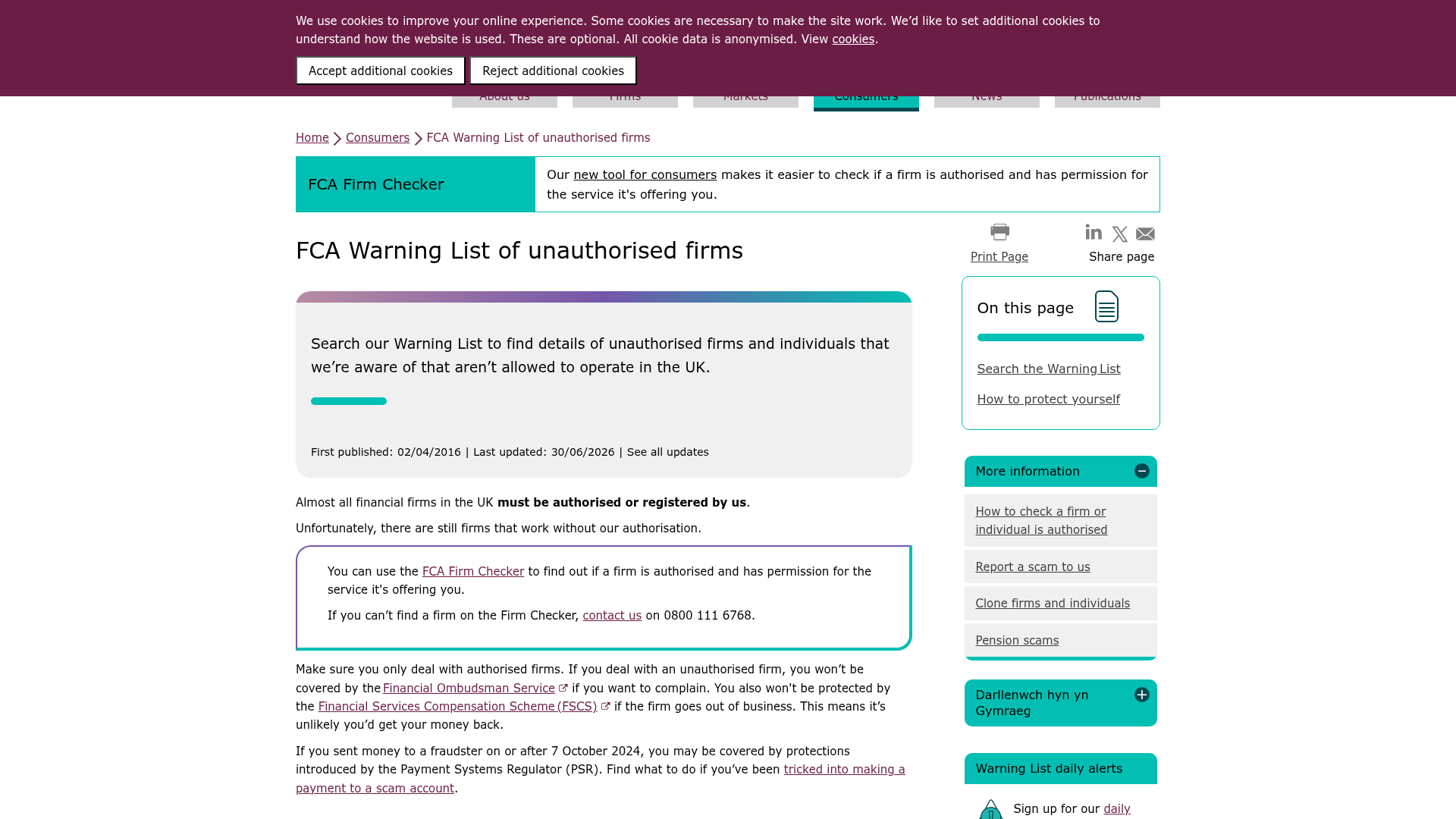
นี่คือหน้าเว็บของหน่วยงานกำกับดูแลเอง ซึ่งเราได้บันทึกไว้ตามที่พบ เปิดหน้าเว็บและทำการค้นหาเดียวกันด้วยตนเอง ไม่มีสิ่งใดในทะเบียนนี้มาแทนที่แหล่งข้อมูลต้นฉบับได้
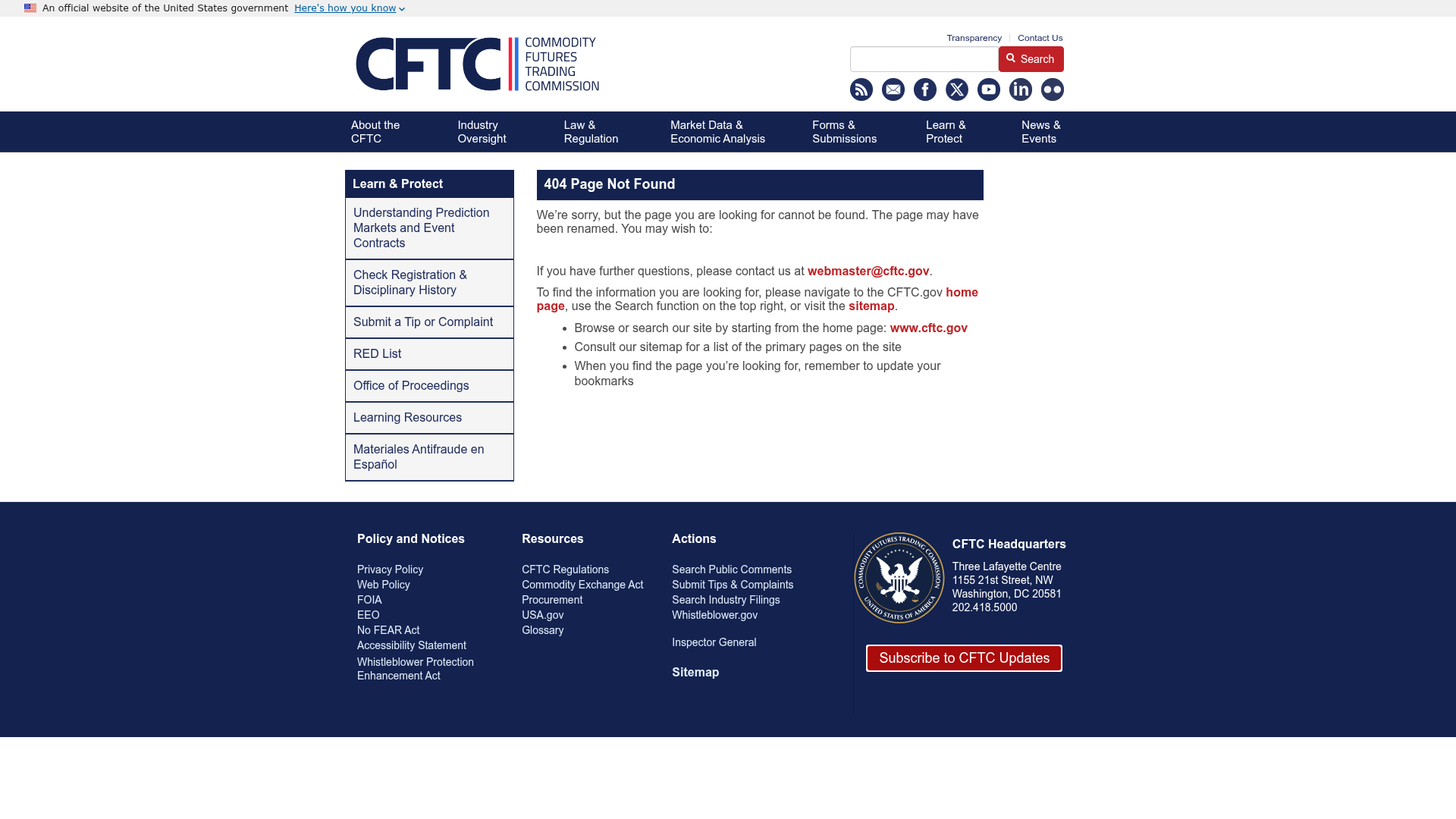
ทะเบียนอื่น ๆ ที่ใช้ในการตรวจสอบประเภทนี้ แต่ละรายการจะเปิดหน้าของหน่วยงานกำกับดูแลนั้น ๆ
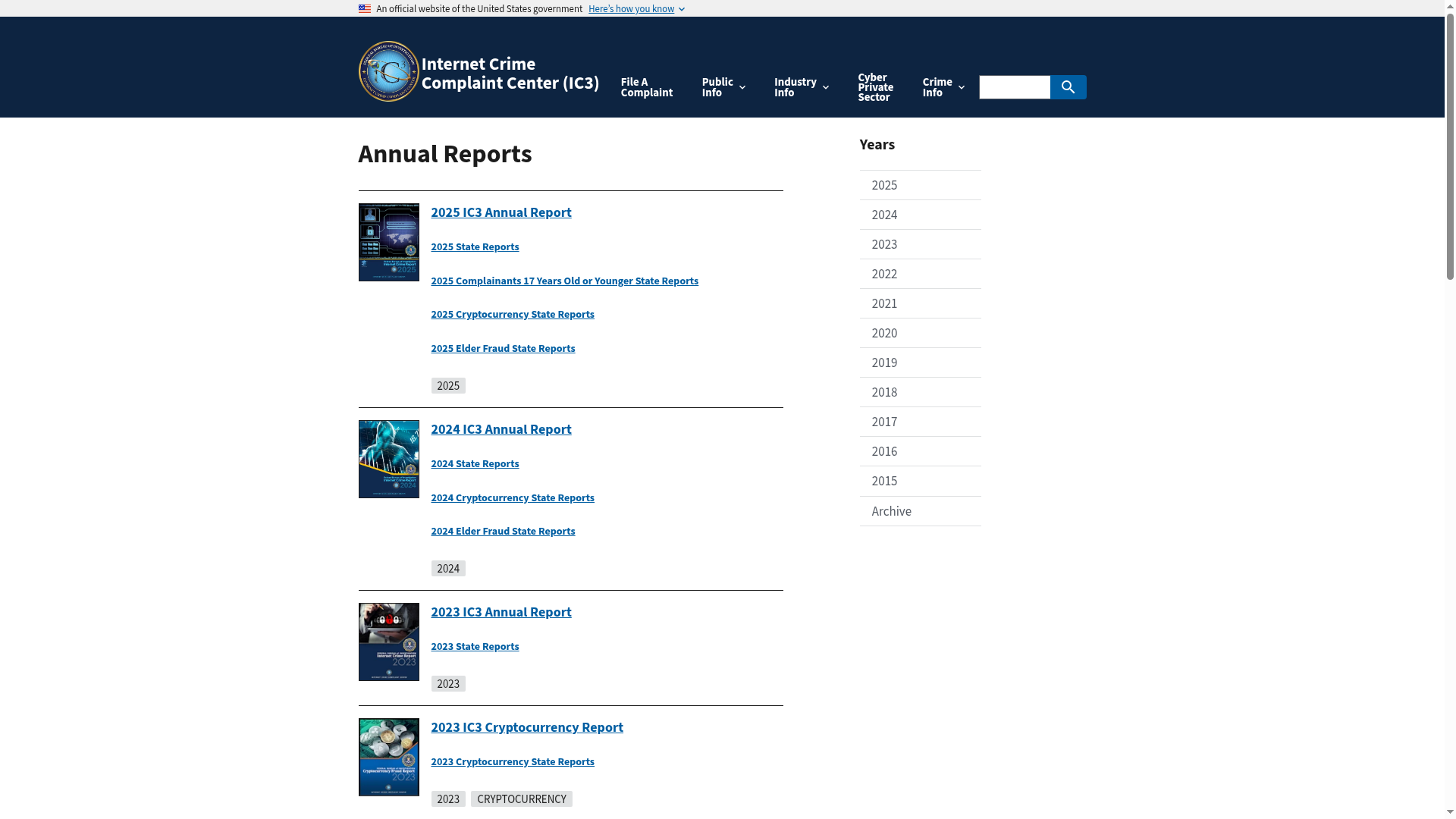
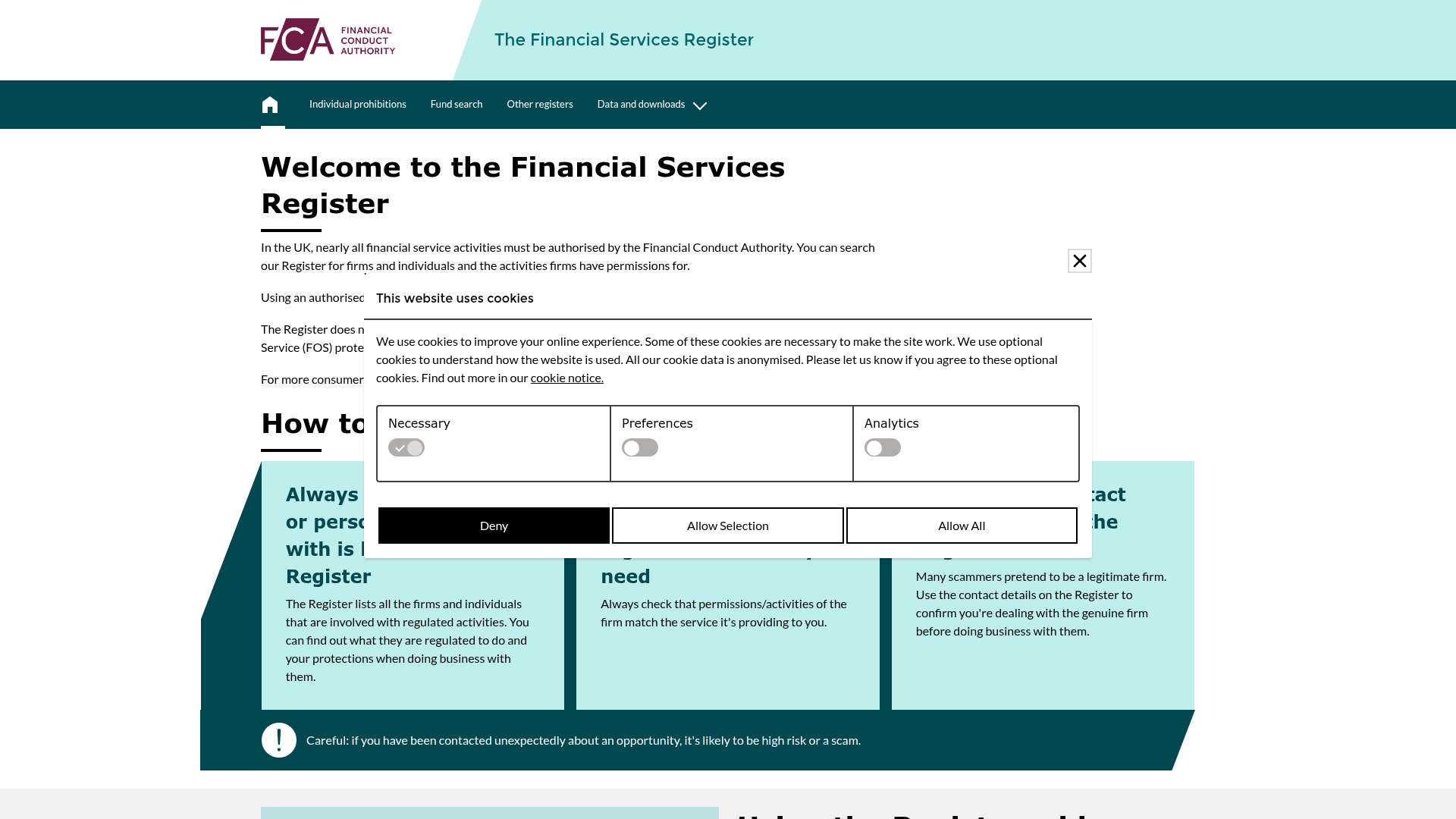
แหล่งข้อมูลหลัก
ทุกข้อกล่าวอ้างข้างต้นสามารถตรวจสอบได้จากหน้าเว็บของหน่วยงานกำกับดูแลโดยตรง ลิงก์เหล่านี้จะนำท่านไปยังเว็บไซต์ของหน่วยงานกำกับดูแล ไม่ใช่เว็บไซต์ของเรา
- FBI IC3 — Internet Crime Reportic3.govhttps://www.ic3.gov/AnnualReport/Reports
- FTC — Report fraudreportfraud.ftc.govhttps://reportfraud.ftc.gov/
- Action Fraud (UK) — reportingactionfraud.police.ukhttps://www.actionfraud.police.uk/
- FCA ScamSmartfca.org.ukhttps://www.fca.org.uk/scamsmart
- Financial Conduct Authority — Financial Services Registerregister.fca.org.ukhttps://register.fca.org.uk/
- NFA BASIC — background affiliation statusnfa.futures.orghttps://www.nfa.futures.org/basicnet/
คำถามที่พบบ่อย
มิจฉาชีพที่ให้บริการทวงเงินคืนรู้ได้อย่างไรว่าฉันเสียเงินไปแล้ว?
มิจฉาชีพเหล่านี้มักได้รายชื่อเหยื่อมาจากผู้หลอกลวงรายเดิม หรือจากนายหน้าข้อมูลบน dark web พวกเขาจะพุ่งเป้าไปที่บุคคลที่เพิ่งประสบความสูญเสียทางการเงิน ทำให้การติดต่อของพวกเขาดูเฉพาะเจาะจงและน่าเชื่อถืออย่างน่าประหลาดใจ
สัญญาณอันตรายทั่วไปของการหลอกลวงจากบริการทวงเงินคืนมีอะไรบ้าง?
สัญญาณอันตรายที่สำคัญ ได้แก่ การติดต่อที่ไม่พึงประสงค์ การเรียกเก็บค่าธรรมเนียมล่วงหน้าสำหรับ 'การสอบสวน' หรือ 'ภาษี' คำสัญญาว่าจะได้เงินคืนอย่างแน่นอน การกดดันให้รีบดำเนินการ และการขาดการจดทะเบียนกับหน่วยงานกำกับดูแลที่ตรวจสอบได้ หรือไม่มีที่อยู่จริง
หน่วยงานกำกับดูแลอย่าง FCA หรือ ASIC สามารถกู้คืนเงินที่ฉันเสียไปจากโบรกเกอร์ที่ไม่ได้รับการกำกับดูแลได้หรือไม่?
หน่วยงานกำกับดูแลทางการเงินจะกำกับดูแลหน่วยงานที่ได้รับใบอนุญาตเป็นหลัก แม้ว่าพวกเขาจะสามารถสอบสวนและดำเนินการกับบริษัทที่ได้รับการกำกับดูแลได้ แต่ความสามารถในการกู้คืนเงินจากมิจฉาชีพนอกประเทศที่ไม่ได้รับการกำกับดูแลนั้นถูกจำกัดอย่างมากด้วยขอบเขตทางอำนาจศาล
ฉันควรทำอย่างไรหาก 'บริการทวงเงินคืน' เรียกเก็บค่าธรรมเนียมเพื่อ 'ปล่อย' เงินที่กู้คืนได้ของฉัน?
นี่คือสัญญาณที่ชัดเจนของการฉ้อโกง กระบวนการทวงเงินคืนที่ถูกต้องตามกฎหมายไม่เกี่ยวข้องกับการจ่ายค่าธรรมเนียมเพื่อ 'ปล่อย' เงิน การเรียกเก็บเงินดังกล่าวหมายความว่าเงินที่ 'กู้คืนได้' นั้นเป็นเรื่องสมมติ และคุณกำลังถูกหลอกซ้ำอีก อย่าจ่ายเงิน
ฉันสามารถรายงานการฉ้อโกงจากบริการทวงเงินคืนได้ที่ไหน?
ในสหรัฐอเมริกา ให้รายงานไปที่ FBI IC3 และ FTC ในสหราชอาณาจักร ให้รายงานไปที่ Action Fraud หน่วยงานราชการเหล่านี้รวบรวมข้อมูลข่าวกรองและสามารถให้คำแนะนำได้ และที่สำคัญคือ พวกเขาไม่คิดค่าใช้จ่ายในการรายงานการฉ้อโกง
มีวิธีใดที่จะรับประกันว่าฉันจะได้เงินคืนหลังจากถูกหลอกลวงหรือไม่?
น่าเสียดายที่ไม่มีการรับประกันว่าจะได้เงินคืน โดยเฉพาะจากหน่วยงานนอกประเทศที่ไม่ได้รับการกำกับดูแล การป้องกันที่ดีที่สุดคือการป้องกัน: ติดต่อเฉพาะบริษัทที่ได้รับการกำกับดูแลอย่างเป็นทางการเท่านั้น และตรวจสอบการกล่าวอ้างทั้งหมดด้วยตนเอง
ฉันจะตรวจสอบได้อย่างไรว่าบริษัททวงเงินคืนนั้นถูกต้องตามกฎหมาย?
ตรวจสอบการจดทะเบียนกับหน่วยงานทางการเงินที่เกี่ยวข้อง (เช่น FCA Register, NFA BASIC) หรือสภาทนายความ ตรวจสอบที่อยู่จริงและหมายเลขโทรศัพท์ และตรวจสอบให้แน่ใจว่าพวกเขามีโครงสร้างค่าธรรมเนียมที่เป็นลายลักษณ์อักษรและโปร่งใส