ประเด็นสำคัญ
- ควรตรวจสอบใบอนุญาตของโบรกเกอร์โดยตรงกับหน่วยงานกำกับดูแลอย่างเป็นทางการเสมอ ไม่ใช่แค่เชื่อตามคำกล่าวอ้างของโบรกเกอร์
- หน่วยงานกำกับดูแลที่เป็นที่ยอมรับ เช่น FCA, ASIC และ CySEC มีทะเบียนสาธารณะที่สามารถค้นหาได้สำหรับการตรวจสอบใบอนุญาต
- ใบอนุญาตที่ถูกต้องตามกฎหมายมอบการคุ้มครองนักลงทุนในระดับหนึ่ง เช่น การแยกเงินทุนลูกค้าและโครงการชดเชย ซึ่งช่วยลดความเสี่ยงจากการประพฤติมิชอบของโบรกเกอร์
- พึงระวังโบรกเกอร์ที่มีใบอนุญาตคลุมเครือหรือเป็นเพียงใบอนุญาตจากต่างประเทศ (offshore) เท่านั้น โดยเฉพาะอย่างยิ่งหากพวกเขามอบโบนัสที่สูงผิดปกติหรือผลตอบแทนที่ไม่สมจริง
- ควรยืนยันสถานะการกำกับดูแลของโบรกเกอร์ของคุณเป็นประจำ เนื่องจากสถานะการอนุญาตของพวกเขาอาจเปลี่ยนแปลงได้ตลอดเวลา
ขั้นตอนแรกในการปกป้องเงินทุนของคุณ
ก่อนที่คุณจะลงทุนเงินทุนใดๆ ในบัญชีซื้อขายออนไลน์ การยืนยันสถานะการกำกับดูแลของโบรกเกอร์ของคุณเป็นขั้นตอนที่สำคัญที่สุด การตรวจสอบนี้ใช้เวลาเพียงไม่กี่นาที แต่ก็ให้ความปลอดภัยขั้นพื้นฐานสำหรับเงินทุนและกิจกรรมการซื้อขายของคุณ บุคคลจำนวนมากมองข้ามการตรวจสอบสถานะเบื้องต้นที่สำคัญนี้ ทำให้ตนเองต้องเผชิญกับความเสี่ยงที่สำคัญ
ใบอนุญาตของโบรกเกอร์ไม่ใช่เพียงแค่พิธีการ แต่เป็นการอนุญาตที่ออกโดยหน่วยงานทางการเงินที่ได้รับการแต่งตั้งจากรัฐบาล การอนุญาตนี้หมายความว่าโบรกเกอร์ต้องปฏิบัติตามมาตรฐานเฉพาะสำหรับความมั่นคงทางการเงิน ความโปร่งใสในการดำเนินงาน และการจัดการเงินทุนของลูกค้า มาตรฐานเหล่านี้ออกแบบมาเพื่อปกป้องคุณในฐานะนักเทรด จากการประพฤติมิชอบ การฉ้อโกง หรือการล้มละลายของโบรกเกอร์ที่อาจเกิดขึ้น หากไม่มีใบอนุญาตที่ถูกต้องจากหน่วยงานที่น่าเชื่อถือ เงินทุนของคุณอาจตกอยู่ในความเสี่ยงอย่างร้ายแรง โดยไม่มีช่องทางที่ชัดเจนในการแก้ไขปัญหาหากเกิดเหตุการณ์ขึ้น บทความนี้จะแสดงให้คุณเห็นถึงวิธีการตรวจสอบที่สำคัญนี้อย่างรวดเร็วและมีประสิทธิภาพ
ใบอนุญาตโบรกเกอร์บ่งบอกถึงอะไร
ใบอนุญาตโบรกเกอร์บ่งบอกว่าผู้ให้บริการทางการเงินได้รับการตรวจสอบและอนุมัติให้ดำเนินงานภายในเขตอำนาจศาลที่กำหนด หน่วยงานที่ออกใบอนุญาต ซึ่งรู้จักกันในชื่อหน่วยงานกำกับดูแล จะกำหนดกรอบการทำงานที่ชัดเจนว่าโบรกเกอร์ต้องดำเนินธุรกิจอย่างไร โดยทั่วไปกรอบการทำงานนี้จะรวมถึงกฎระเบียบเกี่ยวกับ:
- การคุ้มครองเงินทุนลูกค้า: มักจะกำหนดให้เงินทุนของลูกค้าต้องถูกเก็บไว้ในบัญชีธนาคารที่แยกต่างหากจากเงินทุนดำเนินงานของโบรกเกอร์ ซึ่งช่วยให้มั่นใจว่าแม้โบรกเกอร์จะประสบปัญหาทางการเงิน เงินทุนของคุณก็ยังคงแยกต่างหากและได้รับการคุ้มครอง
- ความโปร่งใสและการเปิดเผยข้อมูล: โบรกเกอร์ต้องนำเสนอค่าธรรมเนียม ข้อกำหนด และความเสี่ยงที่เกี่ยวข้องกับการซื้อขายอย่างชัดเจน
- การปฏิบัติที่เป็นธรรม: หน่วยงานกำกับดูแลจะตรวจสอบเรื่องการกำหนดราคาที่เป็นธรรม การดำเนินการที่น่าเชื่อถือ และการปฏิบัติต่อลูกค้าอย่างมีจริยธรรม
- การระงับข้อพิพาท: จัดให้มีกลไกสำหรับลูกค้าในการยื่นเรื่องร้องเรียนและแสวงหาการแก้ไขหากเกิดข้อพิพาทกับโบรกเกอร์
- ความเพียงพอของเงินทุน: กำหนดให้โบรกเกอร์ต้องมีเงินทุนที่เพียงพอเพื่อรองรับการขาดทุนจากการดำเนินงานและปฏิบัติตามภาระผูกพันทางการเงิน
ความแข็งแกร่งของการคุ้มครองเหล่านี้แตกต่างกันอย่างมากขึ้นอยู่กับหน่วยงานกำกับดูแล หน่วยงานกำกับดูแลที่เป็นที่ยอมรับอย่างสูง เช่น Financial Conduct Authority (FCA) ของสหราชอาณาจักร, Australian Securities and Investments Commission (ASIC) ของออสเตรเลีย และ National Futures Association (NFA) และ Commodity Futures Trading Commission (CFTC) ของสหรัฐอเมริกา เป็นที่รู้จักในด้านการกำกับดูแลที่เข้มงวดและการคุ้มครองนักลงทุนที่แข็งแกร่ง หน่วยงานกำกับดูแลอื่นๆ แม้จะถูกต้องตามกฎหมาย แต่อาจเสนอระดับการคุ้มครองที่แตกต่างกัน ซึ่งเป็นประเด็นที่เราจะกล่าวถึงต่อไป
การค้นหาข้อมูลการรับรองที่โบรกเกอร์ระบุไว้
ขั้นตอนแรกของการตรวจสอบคือการค้นหาข้อมูลการกำกับดูแลที่โบรกเกอร์อ้างสิทธิ์บนเว็บไซต์ของตนเอง โบรกเกอร์ที่ถูกต้องตามกฎหมายส่วนใหญ่จะแสดงข้อมูลนี้อย่างชัดเจน มักจะอยู่ที่ส่วนท้ายของหน้าแรก ในหน้า 'เกี่ยวกับเรา' หรือในส่วน 'กฎหมาย' หรือ 'การกำกับดูแล' โดยเฉพาะ สิ่งที่คุณกำลังมองหาคือ:
- ชื่อเต็มของหน่วยงานกำกับดูแล (เช่น 'Financial Conduct Authority')
- หมายเลขใบอนุญาตเฉพาะ หมายเลขทะเบียน หรือหมายเลขอ้างอิง (เช่น 'FCA Reference Number 123456')
โบรกเกอร์จำนวนมากดำเนินงานผ่านหลายหน่วยงาน ซึ่งแต่ละหน่วยงานได้รับการกำกับดูแลในภูมิภาคต่างๆ กัน ตัวอย่างเช่น Pepperstone ได้รับการกำกับดูแลโดย FCA, ASIC, CySEC, DFSA, BaFin, CMA และ SCB OANDA ถือใบอนุญาตกับ FCA, CFTC/NFA, ASIC, IIROC และ MAS นี่เป็นแนวปฏิบัติทั่วไปสำหรับโบรกเกอร์ที่มีฐานลูกค้าทั่วโลก สิ่งสำคัญคือต้องระบุหน่วยงานที่คุณจะเปิดบัญชีด้วย เนื่องจากสิ่งนี้จะเป็นตัวกำหนดว่าใบอนุญาตและหน่วยงานกำกับดูแลใดที่เกี่ยวข้องกับคุณ จดชื่อหน่วยงานกำกับดูแลที่ถูกต้องและหมายเลขใบอนุญาตหรือทะเบียนที่เกี่ยวข้อง อย่าดำเนินการฝากเงินโดยอาศัยข้อมูลนี้เพียงอย่างเดียว การตรวจสอบโดยตรงเป็นขั้นตอนต่อไปที่ไม่สามารถต่อรองได้
วิธีการตรวจสอบโดยตรง: คู่มือทีละขั้นตอน
เมื่อมีรายละเอียดการกำกับดูแลที่โบรกเกอร์อ้างสิทธิ์อยู่ในมือ คุณก็พร้อมสำหรับการตรวจสอบโดยตรง กระบวนการนี้ง่ายและใช้เวลาเพียงไม่กี่นาที:
เปิดเว็บไซต์ทางการของหน่วยงานกำกับดูแล: ไปยังเว็บไซต์ ทางการ ของหน่วยงานกำกับดูแลที่โบรกเกอร์อ้างว่าได้รับใบอนุญาต โปรดระมัดระวังในการพิมพ์ URL ให้ถูกต้อง หรือใช้เครื่องมือค้นหาที่น่าเชื่อถือเพื่อค้นหาเว็บไซต์ที่แท้จริง ตัวอย่างเช่น:
- สำหรับ FCA ของสหราชอาณาจักร:
fca.org.uk - สำหรับ ASIC ของออสเตรเลีย:
asic.gov.au - สำหรับ CySEC ของไซปรัส:
cysec.gov.cy - สำหรับ NFA ของสหรัฐอเมริกา (กำกับดูแล CFTC):
nfa.futures.org
- สำหรับ FCA ของสหราชอาณาจักร:
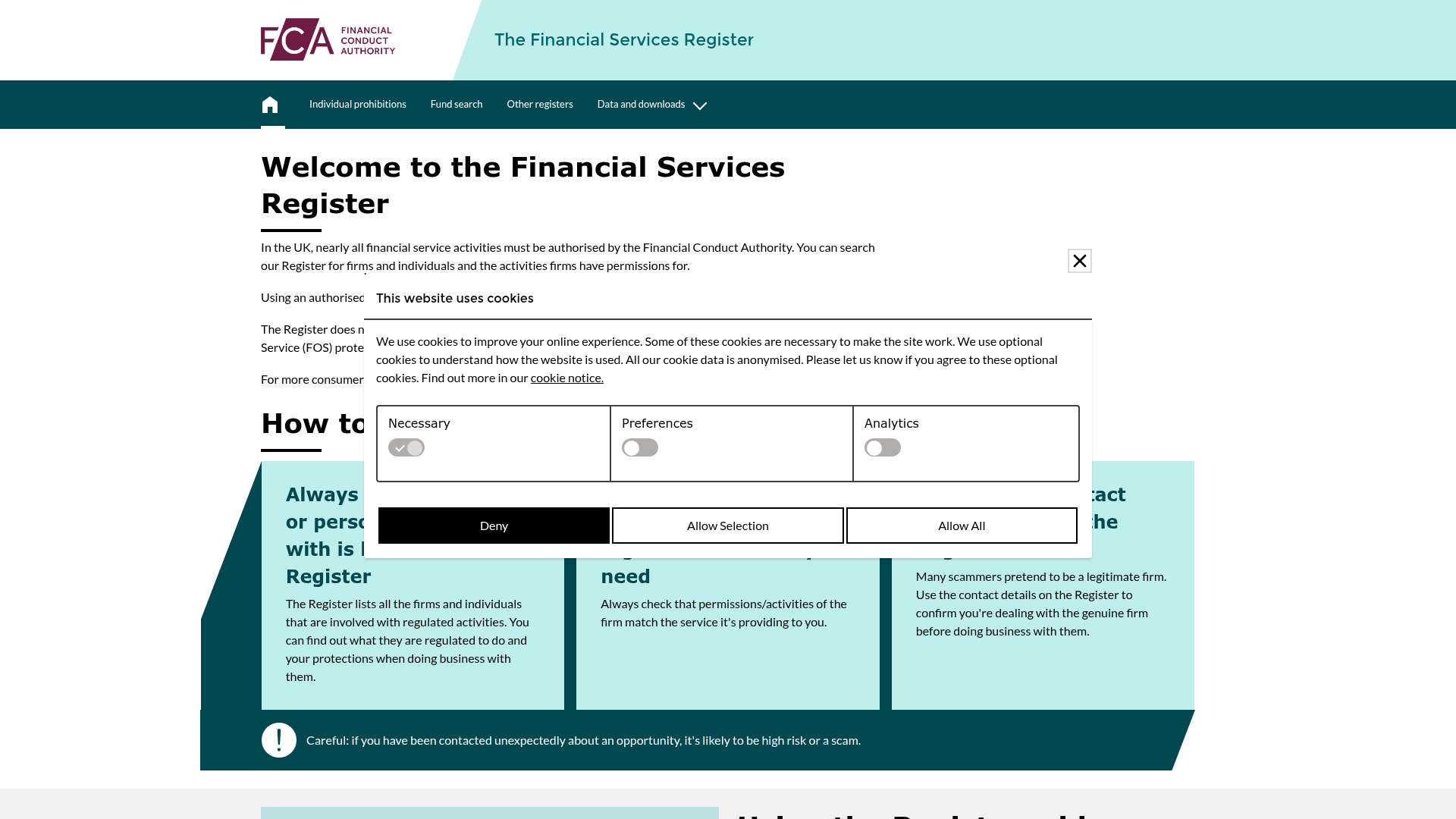
ค้นหาทะเบียนสาธารณะหรือเครื่องมือค้นหา: หน่วยงานกำกับดูแลส่วนใหญ่มีทะเบียนสาธารณะหรือฟังก์ชัน 'ค้นหาบริษัท' นี่คือที่ที่คุณสามารถค้นหาหน่วยงานที่ได้รับอนุญาต ตัวอย่างเช่น บนเว็บไซต์ของ FCA จะเรียกว่า 'Financial Services Register' บนเว็บไซต์ของ NFA จะเป็นระบบ 'BASIC' (Background Affiliation Status Information Center)
ป้อนรายละเอียดโบรกเกอร์: ใช้ฟังก์ชันการค้นหาเพื่อป้อนชื่อโบรกเกอร์ที่ถูกต้อง หรือหมายเลขใบอนุญาต/อ้างอิงที่คุณจดไว้จากเว็บไซต์ของพวกเขา บ่อยครั้งที่ดีที่สุดคือลองทั้งสองอย่าง เนื่องจากบางครั้งชื่ออาจมีความแตกต่างเล็กน้อยในทะเบียน
ยืนยันข้อมูล: เมื่อคุณพบข้อมูลที่ตรงกัน ให้ตรวจสอบประเด็นสำคัญหลายประการ:
- ชื่อหน่วยงานในทะเบียนตรงกับโบรกเกอร์ที่คุณกำลังค้นหาหรือไม่? ให้ความสนใจกับชื่อนิติบุคคล ซึ่งอาจแตกต่างจากชื่อแบรนด์เล็กน้อย
- สถานะใบอนุญาตเป็น 'Active' (ใช้งานอยู่) หรือ 'Authorized' (ได้รับอนุญาต) หรือไม่? หลีกเลี่ยงโบรกเกอร์ที่มีสถานะเป็น 'Withdrawn' (ถอนออก), 'Revoked' (เพิกถอน) หรือ 'Inactive' (ไม่ใช้งาน)
- กิจกรรมที่ได้รับอนุญาตสอดคล้องกับสิ่งที่โบรกเกอร์นำเสนอหรือไม่? ตัวอย่างเช่น ใบอนุญาตอนุญาตให้พวกเขาซื้อขายฟอเร็กซ์หรือ CFD หรือเพียงแค่ให้คำแนะนำเท่านั้น?
- มีคำเตือนหรือข้อจำกัดใดๆ ระบุไว้สำหรับบริษัทหรือไม่? หน่วยงานกำกับดูแลมักจะเผยแพร่การแจ้งเตือนหรือข้อจำกัดบนโปรไฟล์ของบริษัท
โบรกเกอร์เช่น Pepperstone, OANDA, FxPro, eToro, Exness และ Plus500 ได้รับการระบุว่าอยู่ภายใต้การกำกับดูแลของ FCA IC Markets, Pepperstone, XM, OANDA, FOREX.com, eToro, AvaTrade และ Plus500 ได้รับการกำกับดูแลโดย ASIC XM, Pepperstone, IC Markets, FxPro, eToro และ Exness ได้รับการกำกับดูแลโดย CySEC OANDA และ FOREX.com ได้รับการกำกับดูแลโดย CFTC/NFA การตรวจสอบที่สำเร็จหมายความว่าข้อมูลบนเว็บไซต์ของโบรกเกอร์ตรงกันอย่างแม่นยำกับสิ่งที่หน่วยงานกำกับดูแลอย่างเป็นทางการยืนยัน ความสอดคล้องนี้เป็นตัวบ่งชี้เชิงบวกที่แข็งแกร่ง
การทำความเข้าใจเขตอำนาจศาลที่หลากหลายและใบอนุญาตจากต่างประเทศ (Offshore)
เป็นเรื่องปกติที่โบรกเกอร์ระดับโลกจะถือใบอนุญาตในหลายประเทศ ซึ่งช่วยให้พวกเขาสามารถให้บริการลูกค้าในภูมิภาคต่างๆ ได้ตามกฎหมายท้องถิ่น ตัวอย่างเช่น Exness ได้รับการกำกับดูแลโดย FCA, CySEC, FSCA, FSA (Seychelles) และ CBCS นี่แสดงถึงขอบเขตการดำเนินงานที่กว้างขวาง แต่ก็หมายความว่าการคุ้มครองเฉพาะที่คุณได้รับขึ้นอยู่กับหน่วยงานที่คุณเปิดบัญชีด้วย ซึ่งโดยทั่วไปจะถูกกำหนดโดยประเทศที่คุณพำนักอยู่
โบรกเกอร์บางรายอาจถือใบอนุญาตจากหน่วยงานกำกับดูแลนอกประเทศ (offshore) เช่น FSA (Seychelles), International Financial Services Commission (IFSC) ของเบลีซ หรือ Securities Commission of the Bahamas (SCB) แม้ว่าหน่วยงานเหล่านี้จะเป็นหน่วยงานกำกับดูแลที่ถูกต้องตามกฎหมาย แต่โดยทั่วไปแล้วจะมีการกำกับดูแลที่เข้มงวดน้อยกว่าและมีการคุ้มครองนักลงทุนน้อยกว่าเมื่อเทียบกับหน่วยงานกำกับดูแลระดับ Tier 1 เช่น FCA หรือ ASIC อาจไม่มีข้อกำหนดในการแยกเงินทุนลูกค้า การระงับข้อพิพาทที่แข็งแกร่งน้อยกว่า หรือไม่มีโครงการชดเชยนักลงทุน หากโบรกเกอร์มุ่งเป้าไปที่ลูกค้าในภูมิภาคที่มีการกำกับดูแลอย่างเข้มงวดเป็นหลัก แต่ เสนอ บัญชีผ่านหน่วยงานนอกประเทศ (offshore) เท่านั้น นี่ควรเป็นสัญญาณให้พิจารณาอย่างระมัดระวัง โปรดเข้าใจว่าใบอนุญาตที่เกี่ยวข้องกับประเทศที่คุณพำนักอยู่คือใบอนุญาตที่ให้การคุ้มครองแก่คุณและกำหนดช่องทางทางกฎหมายของคุณ
สิ่งที่ควรทำหากการตรวจสอบล้มเหลวหรือทำให้เกิดข้อกังวล
หากกระบวนการตรวจสอบโดยตรงของคุณให้ผลลัพธ์ที่ไม่ตรงกับคำกล่าวอ้างของโบรกเกอร์ หรือหากคุณไม่พบข้อมูลของโบรกเกอร์บนเว็บไซต์ทางการของหน่วยงานกำกับดูแล ให้ถือว่านี่เป็นคำเตือนที่สำคัญ อย่าดำเนินการเปิดบัญชีหรือฝากเงิน นี่อาจบ่งชี้ว่าโบรกเกอร์กำลังดำเนินงานโดยไม่ได้รับอนุญาตที่ถูกต้อง หรือกำลังบิดเบือนสถานะการกำกับดูแลของตนเอง
สัญญาณอันตรายอื่นๆ ได้แก่:
- ความคลาดเคลื่อน: ชื่อตามกฎหมายในทะเบียนของหน่วยงานกำกับดูแลไม่ตรงกับชื่อที่โบรกเกอร์ใช้ หรือหมายเลขใบอนุญาตแตกต่างกัน
- สถานะไม่ใช้งาน: หน่วยงานกำกับดูแลแสดงใบอนุญาตของโบรกเกอร์ว่าหมดอายุ เพิกถอน หรือถูกระงับ
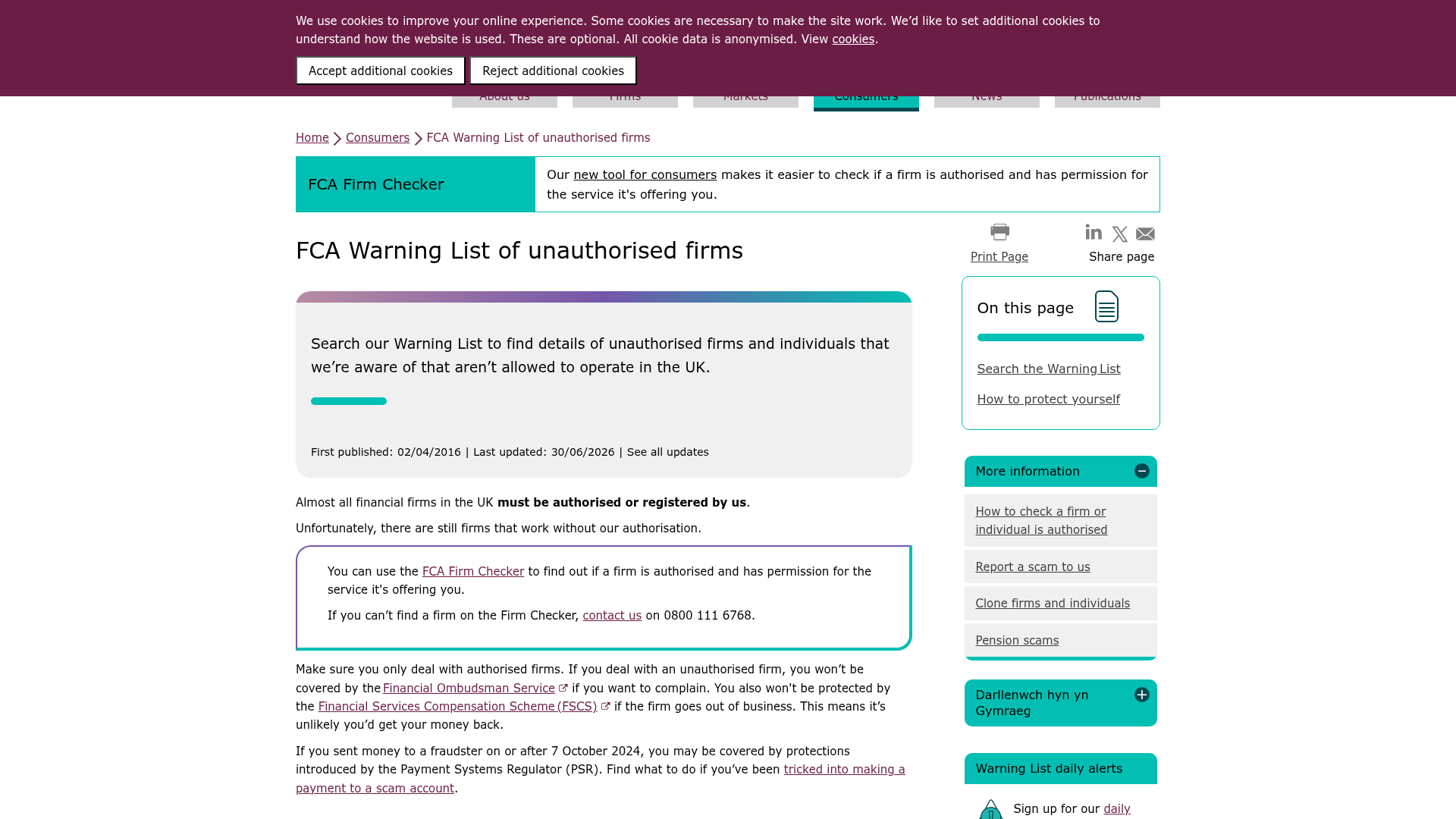
- คำเตือนจากหน่วยงานกำกับดูแล: หน่วยงานกำกับดูแลอย่างเป็นทางการได้เผยแพร่การแจ้งเตือนหรือคำเตือนต่อโบรกเกอร์
ในกรณีเช่นนี้ ควรหลีกเลี่ยงโบรกเกอร์โดยสิ้นเชิง มีทางเลือกอื่นที่ได้รับการกำกับดูแลอย่างเต็มที่มากมาย รวมถึงที่กล่าวถึงในบทความนี้ หากคุณสงสัยว่าหน่วยงานใดกำลังดำเนินงานอย่างผิดกฎหมายหรือกล่าวอ้างเท็จ ควรพิจารณารายงานพวกเขาไปยังหน่วยงานทางการเงินในพื้นที่ของคุณ สิ่งนี้ช่วยปกป้องนักลงทุนรายอื่นที่อาจตกอยู่ในความเสี่ยงที่คล้ายกัน
นอกเหนือจากใบอนุญาต: การป้องกันเพิ่มเติม
แม้ว่าใบอนุญาตที่ถูกต้องจากหน่วยงานกำกับดูแลที่น่าเชื่อถือจะเป็นรากฐานสำคัญในการเลือกโบรกเกอร์ แต่ปัจจัยอื่นๆ ก็มีส่วนช่วยให้ประสบการณ์การซื้อขายของคุณปลอดภัย ข้อควรพิจารณาเพิ่มเติมเหล่านี้สร้างขึ้นบนพื้นฐานความปลอดภัยที่นำเสนอโดยกฎระเบียบ:
- ประวัติการดำเนินงาน: โบรกเกอร์ที่มีประวัติยาวนาน เช่น OANDA (ก่อตั้งปี 1996) หรือ FOREX.com (ก่อตั้งปี 2001) มักจะแสดงให้เห็นถึงความมั่นคงและประสบการณ์ แม้ว่าโบรกเกอร์ใหม่ๆ ก็สามารถน่าเชื่อถือได้เช่นกัน แต่ความยืนยาวก็เป็นสัญญาณที่น่าอุ่นใจ
- ชื่อเสียงและรีวิว: ศึกษาบทวิจารณ์อิสระและความคิดเห็นสาธารณะทั่วไป มองหารูปแบบในข้อเสนอแนะเกี่ยวกับการสนับสนุนลูกค้า กระบวนการถอนเงิน และความน่าเชื่อถือของแพลตฟอร์ม
- ข้อกำหนดและเงื่อนไข: อ่านข้อตกลงลูกค้าของโบรกเกอร์อย่างละเอียด โดยเฉพาะส่วนที่เกี่ยวกับการฝากเงิน การถอนเงิน ค่าธรรมเนียม และการระงับข้อพิพาท ทำความเข้าใจว่าเงินทุนของคุณได้รับการจัดการอย่างไรและมีการป้องกันอะไรบ้าง
- การสนับสนุนลูกค้า: ทดสอบการตอบสนองและคุณภาพการช่วยเหลือของพวกเขา ทีมสนับสนุนของโบรกเกอร์ควรเข้าถึงได้ง่ายและสามารถให้คำตอบที่ชัดเจนสำหรับคำถามของคุณ
โปรดจำไว้ว่า ตลาดการเงินมีความเสี่ยงโดยธรรมชาติ และแม้แต่โบรกเกอร์ที่ได้รับการกำกับดูแลอย่างเข้มงวดที่สุดก็ไม่สามารถปกป้องคุณจากความผันผวนของตลาดหรือการตัดสินใจซื้อขายที่ไม่ดีได้ อย่างไรก็ตาม ด้วยการตรวจสอบใบอนุญาตอย่างรอบคอบและพิจารณาการป้องกันเพิ่มเติมเหล่านี้ คุณสามารถลดความเสี่ยงที่เกี่ยวข้องกับการดำเนินงานของโบรกเกอร์ได้อย่างมาก
หน้าที่เราตรวจสอบ
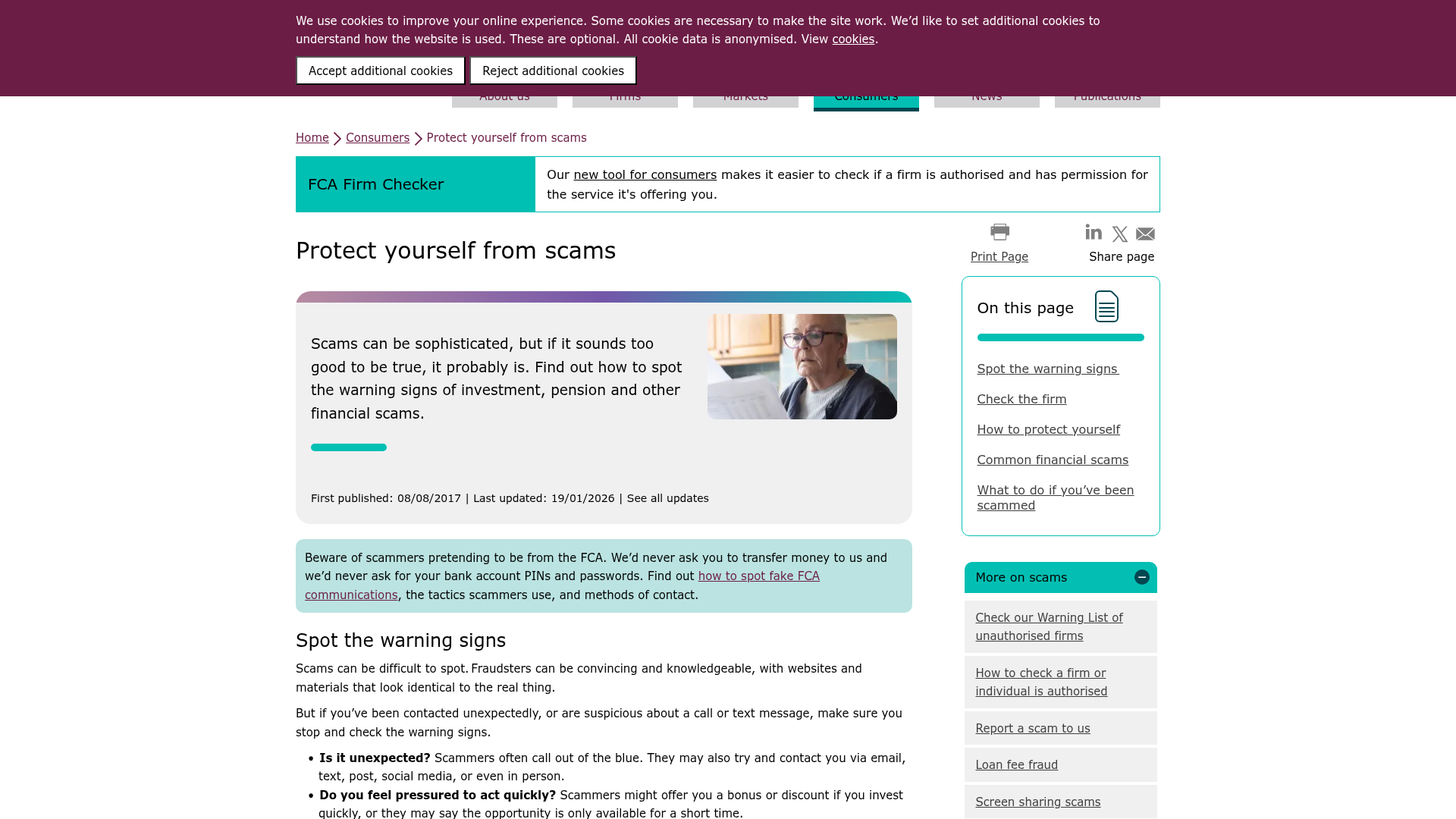
นี่คือหน้าเว็บของหน่วยงานกำกับดูแลเอง ซึ่งเราได้บันทึกไว้ตามที่พบ เปิดหน้าเว็บและทำการค้นหาเดียวกันด้วยตนเอง ไม่มีสิ่งใดในทะเบียนนี้มาแทนที่แหล่งข้อมูลต้นฉบับได้
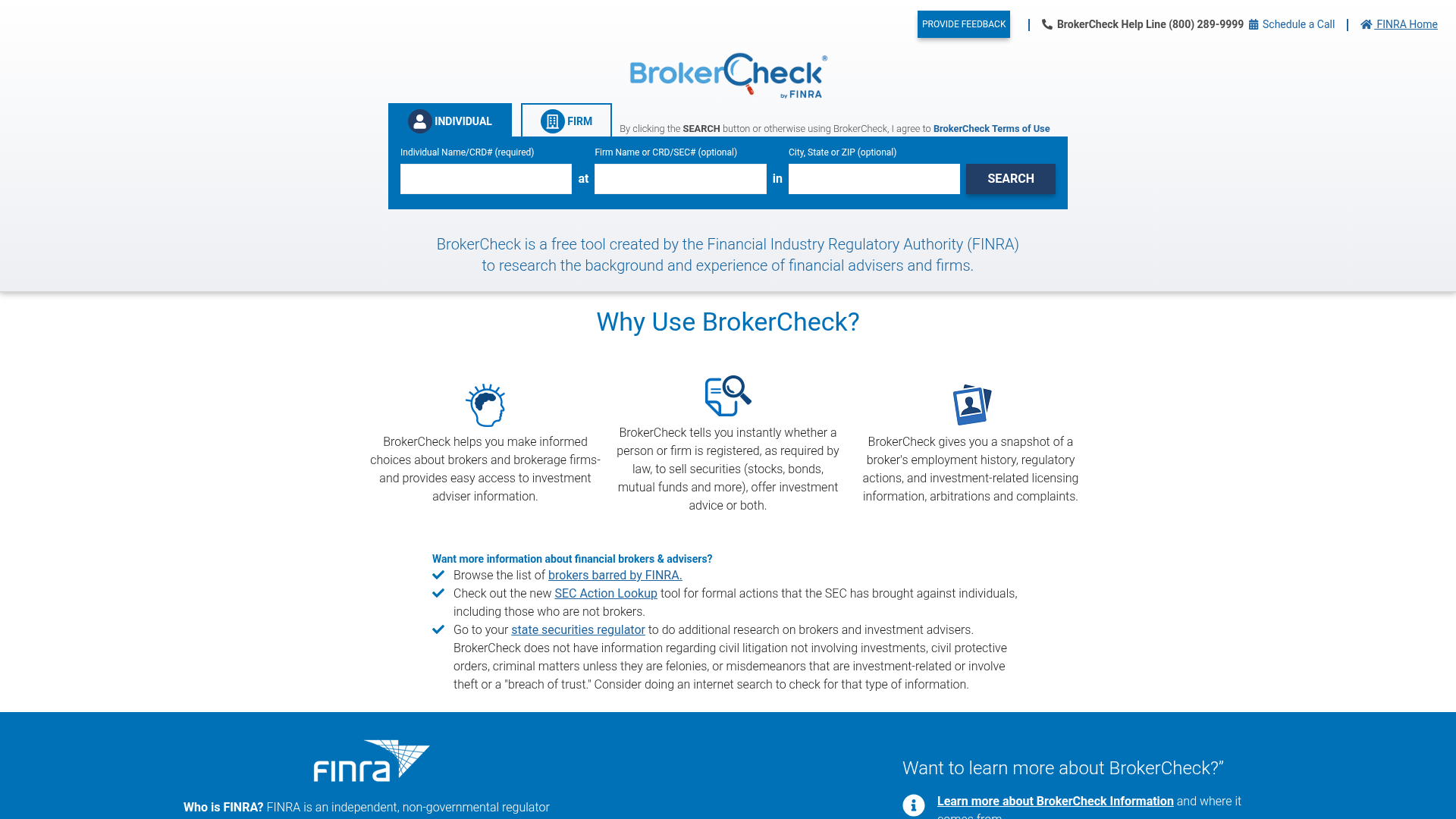
ทะเบียนอื่น ๆ ที่ใช้ในการตรวจสอบประเภทนี้ แต่ละรายการจะเปิดหน้าของหน่วยงานกำกับดูแลนั้น ๆ
คำถามที่พบบ่อย
ทำไมฉันถึงไม่สามารถเชื่อถือได้เพียงแค่คำกล่าวอ้างบนเว็บไซต์ของโบรกเกอร์เกี่ยวกับใบอนุญาต?
น่าเสียดายที่หน่วยงานบางแห่งทำการกล่าวอ้างที่เป็นเท็จหรือนำเสนอข้อมูลที่ล้าสมัยเกี่ยวกับสถานะการกำกับดูแลของพวกเขา การตรวจสอบโดยตรงกับหน่วยงานกำกับดูแลอย่างเป็นทางการช่วยให้มั่นใจว่าข้อมูลนั้นถูกต้อง เป็นปัจจุบัน และมาจากแหล่งข้อมูลที่เป็นอิสระและน่าเชื่อถือ
จะเกิดอะไรขึ้นหากโบรกเกอร์มีใบอนุญาตจากหน่วยงานนอกประเทศ (offshore) เช่น FSA (Seychelles)?
แม้ว่าใบอนุญาตเหล่านี้จะบ่งชี้ถึงการกำกับดูแลอยู่บ้าง แต่โดยทั่วไปแล้วจะให้การคุ้มครองนักลงทุนน้อยกว่าและมีกฎระเบียบที่เข้มงวดน้อยกว่าหน่วยงานกำกับดูแลระดับ Tier 1 เช่น FCA หรือ ASIC ควรใช้ความระมัดระวังเป็นพิเศษและทำความเข้าใจถึงการคุ้มครองโดยเฉพาะ (หรือการขาดการคุ้มครอง) ที่เสนอโดยเขตอำนาจศาลนั้นก่อนตัดสินใจลงทุน
ฉันควรตรวจสอบสถานะใบอนุญาตของโบรกเกอร์บ่อยแค่ไหน?
ควรตรวจสอบเมื่อคุณพิจารณาโบรกเกอร์เป็นครั้งแรก และเป็นระยะๆ อาจจะปีละครั้ง หรือหากคุณสังเกตเห็นการเปลี่ยนแปลงที่สำคัญในการดำเนินงานหรือการสื่อสารของโบรกเกอร์ สถานะการกำกับดูแลสามารถเปลี่ยนแปลงได้ และบริษัทอาจถูกจำกัดการดำเนินงาน
ใบอนุญาตที่ถูกต้องรับประกันว่าเงินทุนของฉันจะปลอดภัยจากการสูญเสียอย่างสมบูรณ์หรือไม่?
ใบอนุญาตที่ถูกต้องช่วยปกป้องเงินทุนของคุณจากการประพฤติมิชอบของโบรกเกอร์ การฉ้อโกง หรือการล้มละลาย ผ่านมาตรการต่างๆ เช่น บัญชีแยกและโครงการชดเชย อย่างไรก็ตาม ใบอนุญาตดังกล่าวไม่สามารถปกป้องคุณจากการขาดทุนในตลาดอันเนื่องมาจากการตัดสินใจเทรดหรือภาวะตลาดตกต่ำในวงกว้าง การเทรดทั้งหมดมีความเสี่ยง