
Key points
- The Financial Ombudsman is an independent body, a crucial step after internal CIF complaints fail to resolve issues.
- Strict time limits apply to complaints: typically 4 months from the CIF's final response and 2 years from the incident's discovery.
- Compensation limits are set at €100,000 for investment services and €50,000 for other financial services.
- Thorough documentation is essential; prepare a clear timeline, all correspondence, and evidence for your claim.
- Understanding the specific eligibility criteria and jurisdictional scope is vital to ensure your complaint is valid.
- Always verify your broker's CySEC license status to confirm access to the Ombudsman's dispute resolution services.
Initial Frustration: When a CIF Dispute Arises
Imagine a retail client, John, who has traded CFDs with a Cypriot Investment Firm (CIF) for several months. One morning, he logs in to find a significant discrepancy in his account balance, far beyond typical market fluctuations. His platform history shows a series of trades he doesn't recall executing, or perhaps an unexpected margin call that liquidated positions without clear prior notification, leading to substantial losses. His immediate reaction is to contact the CIF's support desk, explaining the issue and requesting a detailed account statement and a full explanation for the events. This initial outreach to the broker's direct client service is not merely a formality; it is the first, vital step in addressing any dispute and a mandatory prerequisite for escalating the matter further. Every regulated CIF is legally bound to operate an internal complaints handling procedure, designed to give them the first opportunity to investigate client issues and resolve them directly, without external intervention. Most clients, when faced with such a problem, begin by sending emails or initiating live chat conversations with their broker's support staff, compiling screenshots and dates. These initial interactions, if not resolved, then typically lead to a more formal internal complaint. The broker should acknowledge receipt of this formal complaint within a specified timeframe—often within 24-48 hours—and provide a clear timeline for their internal investigation and expected resolution. They are expected to conduct a thorough review, collecting all relevant data, including transaction logs, communication records, technical data from their trading platforms, and any internal audit trails. A final response, detailing their findings, citing relevant terms and conditions, and outlining their proposed resolution, must then be issued to the client. This final response is critical, as it officially marks the exhaustion of the internal process. This is the part most guides skip, focusing only on the external process; however, a clear, documented refusal or an unsatisfactory resolution from the CIF's internal channels is a non-negotiable precondition for escalating the matter to the Cyprus Financial Ombudsman. Without it, the Ombudsman will likely deem the complaint premature.
The Role of the Cyprus Financial Ombudsman
When a Cypriot Investment Firm's (CIF) internal complaint procedure fails to yield a satisfactory outcome, retail clients gain access to an independent mechanism for redress: the Financial Ombudsman of the Republic of Cyprus. Established under the Law on the Establishment and Operation of a Single Body for the Out-of-Court Resolution of Financial Disputes, this office operates distinctly from the Cyprus Securities and Exchange Commission (CySEC). While CySEC functions as the primary regulatory and supervisory authority for CIFs, ensuring compliance with financial legislation and market integrity, the Ombudsman's specific mandate is to resolve individual disputes between consumers and financial service providers. Its focus is on providing a fair and impartial resolution for the individual client.The Ombudsman acts as an impartial, neutral arbiter, seeking to bridge the gap between consumer and firm. Its service is free of charge to the complainant, a significant advantage for consumers who might otherwise face prohibitive legal costs when challenging a powerful financial institution. The core principle is to facilitate an amicable settlement or, failing that, to issue a recommendation that is fair and reasonable, based on the specific evidence presented by both parties and in accordance with relevant laws and regulations. This mechanism offers a distinct advantage over court proceedings, providing a less formal, quicker, and more accessible route to justice for consumers, particularly those with smaller claims or limited resources. Crucially, the Ombudsman’s involvement begins precisely where the CIF's internal process ends, providing a structured and independent escalation path for aggrieved clients. Its independence from both the financial firms and the primary regulator helps foster essential trust in its resolutions, positioning it as a crucial pillar of consumer protection within Cyprus's financial services sector.
Eligibility Criteria: Who Can Complain and Against Whom?
Not every individual or entity can file a complaint with the Cyprus Financial Ombudsman, nor can every financial service provider be the subject of a complaint. The Ombudsman's jurisdiction is specifically delineated to protect "eligible complainants," primarily retail clients. This typically includes individuals acting outside their trade, business, or profession, as well as certain small businesses or micro-enterprises with limited turnover or balance sheet totals that meet specific statutory criteria. The core idea is to protect the less sophisticated party in a financial transaction, ensuring they have access to an accessible and affordable dispute resolution mechanism. For instance, a private individual trading forex CFDs with XM, Exness, or Plus500, whose account is held under their respective CySEC license, would generally be considered an eligible complainant. The complaint must also be directed against a financial service provider that falls squarely within the Ombudsman's remit. For investment services, this predominantly means Cypriot Investment Firms (CIFs) authorized and regulated by CySEC. Companies like FxPro, eToro, AvaTrade, or IC Markets, if they are providing services through their Cyprus-based, CySEC-licensed entities to clients, would be subject to the Ombudsman's authority for complaints arising from those specific services. It is essential for the complainant to verify that the specific entity they are dealing with operates under a CySEC license and that their complaint relates directly to services provided by that specific entity and jurisdiction. A common pitfall for clients is assuming that because a broker has a CySEC license, all services they offer globally, or through other international branches, are covered by the Cyprus Ombudsman; this is frequently not the case. The specific contractual relationship and the regulatory entity governing the client's account are crucial.
The Complaint Timeline: Critical Deadlines
Strict adherence to deadlines is non-negotiable when dealing with the Cyprus Financial Ombudsman. Missing a key date can result in the complaint being dismissed, irrespective of its merits, meaning a potentially legitimate grievance could go unaddressed. The entire process formally begins with the Cypriot Investment Firm's (CIF) internal complaint handling. After you submit your formal complaint to the CIF, they have a maximum of two months to provide a final response detailing their findings and proposed resolution. In exceptionally complex cases, this period can extend to three months, but the CIF must explicitly inform you of the delay and provide a clear explanation for the extension, offering a reason for the complexity. This internal response, or the point at which the CIF should have responded (if they failed to), is the precise trigger for the next critical deadline.Once you receive the CIF's final response, or if the CIF fails to respond within the stipulated two (or three) months without justification, you then have a firm window of four months to submit your complaint to the Financial Ombudsman. This four-month period is firm and cannot be arbitrarily extended. There is also an overarching time limit: the complaint must generally be made within two years from the date you first became aware of the incident or omission giving rise to the complaint. This means if you discovered a problem five years ago but only complained to the CIF last month, your external complaint might be out of time. These time limits are in place to ensure disputes are addressed promptly while evidence remains accessible, trading records are clear, and memories are fresh for all parties involved. Meticulously recording dates of all communications and responses is vital for tracking these deadlines accurately and protecting your ability to pursue a claim.
Key Complaint Deadlines for the Cyprus Financial Ombudsman Process
| Action | Timeframe |
|---|---|
| CIF's Internal Complaint Response | Within 2 months (max 3 for complex cases, with prior notification to client) |
| Ombudsman Complaint Submission after CIF Response | Within 4 months of receiving final CIF response or when response was due |
| Overall Incident Discovery Limit | Within 2 years from the date the complainant became aware of the issue or omission |
The Financial Ombudsman offers a critical, cost-free way for retail clients to seek redress, but understanding its specific jurisdiction and preparing a strong case are absolute necessities.
Alan Reeve
Preparing Your Case: Essential Documentation
A successful complaint before the Cyprus Financial Ombudsman hinges almost entirely on the quality and completeness of the documentation submitted. This is not a forum for speculative claims, unsubstantiated accusations, or emotional appeals; it requires concrete, verifiable evidence to support every aspect of your position. Before initiating the formal complaint with the Ombudsman, you must compile a thorough dossier of all relevant materials. This includes the original complaint you submitted to the Cypriot Investment Firm (CIF) and their subsequent final response. These documents establish that you have exhausted the internal complaints procedure, which is a non-negotiable prerequisite for the Ombudsman's intervention and proves your good faith in seeking internal resolution. Beyond the initial correspondence, you should gather all trading statements pertinent to the period of the dispute, clearly highlighting the specific transactions, trades, or events in question. Any and all communication with the CIF, whether via email, documented chat logs from their platform, or detailed notes from recorded phone calls (if you have them), provides crucial context and serves as evidence of discussions, instructions given, or issues previously raised. Account opening documents, the specific terms and conditions under which your account was operated, and any promotional materials or advertisements that influenced your trading decisions should also be included. A clear, chronological narrative of events, meticulously supported by these documents, will significantly strengthen your case, providing the Ombudsman with an easy-to-follow account. Ensure your narrative specifies exactly what happened, when it happened, and the precise financial loss or harm that resulted. In practice, the Ombudsman's desk will ask twice for clarity if the initial submission is vague or lacks specific, dated evidence, inevitably delaying the entire process.
Submitting the Complaint: Step-by-Step Procedure
Once all necessary documentation is gathered, meticulously organized, and the critical deadlines have been double-checked, the next stage involves the formal submission of your complaint to the Cyprus Financial Ombudsman. The Ombudsman's office provides a dedicated, official complaint form, which is the primary and required channel for initiating the formal dispute resolution process. This form is designed to be thorough and is meticulously structured, requiring specific information to ensure a complete initial submission. You will need to accurately fill in your personal details, including your full name, current postal address, email, phone number, and crucially, your precise trading account number with the Cypriot Investment Firm (CIF). The form will also ask for detailed information about the respondent firm, specifically its full legal name, registered contact information, and, most importantly, its CySEC license number. This is where cross-referencing with the official CySEC public register (https://www.cysec.gov.cy/en-GB/entities/investment-firms/cypriot/) becomes indispensable for accuracy. The core of the complaint involves articulating a clear and concise chronological narrative of the events, specifying the exact dates, the alleged misconduct or error by the CIF, and the precise financial loss or other detriment suffered as a direct result. Finally, you must clearly state the desired outcome you seek, whether it is a specific amount of financial compensation, the reversal of certain transactions, or another specific remedy. The completed form, along with all supporting documents, can typically be submitted online through the Ombudsman's secure portal or via registered postal mail. An initial assessment will then be conducted by the Ombudsman's office to ensure the complaint falls within their jurisdiction and meets all procedural requirements, before it proceeds to investigation.
Key Sections of the Cyprus Financial Ombudsman Complaint Form
| Section | Required Information |
|---|---|
| Complainant Personal Details | Full name, postal address, email, phone, CIF trading account number |
| Respondent Firm Details | CIF legal name, CySEC license number, registered address, contact email |
| Nature of Complaint | Clear, concise chronological narrative of events, specific dates of alleged misconduct or error |
| Financial Loss/Detriment | Detailed calculation of monetary loss or description of other quantifiable harm suffered |
| Desired Outcome | Specific remedy requested (e.g., specific compensation amount, transaction reversal, account correction) |
| Supporting Documents Checklist | List of all attached evidence (e.g., trading statements, emails, chat logs, CIF's final response) |
The Investigation and Resolution Process
After a complaint is formally submitted and meticulously reviewed, and then deemed admissible by the Cyprus Financial Ombudsman's office, the intensive investigation phase commences. This stage involves active and balanced engagement with both the complainant and the Cypriot Investment Firm (CIF) to gather all pertinent facts. The Ombudsman will first notify the CIF of the complaint, providing them with a complete copy of the submission and formally requesting their detailed response, along with any and all relevant documents they hold. This could encompass internal investigation reports, detailed trading logs, server records of platform activity, client agreements, or any prior correspondence with the client that sheds light on the dispute. The Ombudsman acts as an independent information gatherer, ensuring both sides have ample opportunity to present their case fully and respond to the other's claims and evidence. A key and often successful aspect of this process is conciliation. Before proceeding to issue a formal recommendation, the Ombudsman will frequently attempt to facilitate an amicable settlement between the disputing parties. This involves suggesting compromise solutions that both the complainant and the CIF might find acceptable, often through mediated discussions or proposed settlement terms. Many disputes, especially those with clear areas of misunderstanding or minor errors, are resolved at this stage, avoiding the need for a protracted formal decision. If, however, conciliation efforts prove unsuccessful, the Ombudsman proceeds to make an independent assessment of the facts, the applicable laws, and relevant regulatory provisions, culminating in a written recommendation. This recommendation outlines the detailed findings, the reasoning behind the decision, and any specific proposed redress. The entire process aims for fairness, impartiality, and objectivity, relying heavily on the documented evidence and the established regulatory framework of the financial sector.
Binding Decisions and Compensation Limits
The recommendation issued by the Cyprus Financial Ombudsman, following a full investigation and failed conciliation, carries significant weight and represents a considered judgment on the dispute. Once the recommendation is made, both the complainant and the Cypriot Investment Firm (CIF) are given a specific period, typically 15 working days, to explicitly accept or reject it. This timeframe allows both parties to carefully review the findings and implications. If both parties accept the Ombudsman's recommendation, it becomes legally binding. This means the CIF is unequivocally obligated to implement the proposed remedy, whether it involves paying a specific amount of financial compensation, reversing a series of transactions, or undertaking other corrective actions as specified. This binding nature, once accepted, provides a definitive and enforceable path to resolution without the need for further, often costly, legal action. However, if either the complainant or the CIF rejects the Ombudsman's recommendation, it does not become binding on either party. In such cases, the complainant retains the fundamental right to pursue their complaint through other avenues, such as the Cypriot courts. This judicial path is considerably more formal, often involves significant legal fees and expenses, and can be protracted, taking many months or even years, but it offers the potential for higher compensation and a broader scope of legal arguments. It is crucial to grasp the financial limitations of the Ombudsman's decisions. The maximum amount of compensation the Financial Ombudsman can recommend for investment services is capped at €100,000. For complaints related to other financial services, this limit is €50,000. This cap means that for disputes involving significant losses, especially for professional traders who might fall outside the "eligible complainant" definition or whose quantifiable losses substantially exceed this threshold, the Ombudsman may offer only partial recompense, making legal avenues potentially more appealing despite their inherent costs and complexities. This hard cap is an important consideration for any client contemplating the Ombudsman route for a substantial claim, as it sets an upper limit on the potential recovery.
Verifying CySEC Regulation and Firm Status
A critical step for any investor, long before a dispute arises, is to verify the regulatory status of their chosen Cypriot Investment Firm (CIF). This proactive check can prevent many issues later, offering a foundational layer of protection. The Cyprus Securities and Exchange Commission (CySEC) maintains a publicly accessible, official register of all regulated entities, which serves as the authoritative source for this information. Clients should visit the official CySEC website (www.cysec.gov.cy) and navigate directly to their "Regulated Entities" section, specifically selecting "Investment Firms / Cypriot" (https://www.cysec.gov.cy/en-GB/entities/investment-firms/cypriot/). This online tool is free and simple to use.When performing this essential check, it is crucial to search for the exact legal name of the entity you are dealing with, not just the brand name that may be used in marketing materials. Many brokers operate under a brand name that differs from their legal corporate entity. For instance, while you might trade with "XM," the actual regulatory entity might be "Trading Point of Financial Instruments Ltd." Ensure that the license number, physical registered address, and the specific services listed on the CySEC register precisely match those provided by the broker. Most importantly, confirm that the entity is listed as "Authorized" or "Active." If a firm appears on the register but is listed as "Suspended" or "Withdrawn," or if you cannot find it listed at all, this is a significant and immediate warning sign that the firm may not be operating legitimately or under proper oversight. Verifying this information provides crucial assurance that, should a dispute escalate, there is a recognized regulatory body and, subsequently, a legitimate dispute resolution mechanism like the Financial Ombudsman, available to address your concerns.
Beyond the Ombudsman: Other Avenues
While the Cyprus Financial Ombudsman provides a valuable and accessible avenue for dispute resolution, it is not the sole recourse available to aggrieved clients. There are specific circumstances where the Ombudsman's process may not be suitable, or may not yield the desired outcome. If a complainant rejects the Ombudsman's recommendation, or if the complaint falls outside the Ombudsman's jurisdiction (e.g., if the compensation sought vastly exceeds the €100,000 limit, or if the client is not classified as an "eligible complainant" under the Ombudsman's specific definitions), then legal action through the Cypriot courts remains a viable option. This judicial path is considerably more formal, often involves significant legal fees and expenses, and can be protracted, taking many months or even years, but it offers the potential for higher compensation and a broader scope of legal arguments and discovery. Some clients might also be dealing with a broker that holds licenses in multiple jurisdictions, which can complicate the choice of dispute resolution body. For example, a UK resident trading with Pepperstone under their FCA license, even if Pepperstone also has a CySEC license for other clients, would typically need to complain to the UK's Financial Ombudsman Service, not the Cypriot one. It is essential to identify precisely which regulatory entity governs your specific trading account based on your country of residence and the terms of service, and then direct your complaint accordingly to the relevant national dispute resolution body. For instances of suspected outright fraud or criminal activity, reporting to law enforcement agencies like the Cyprus Police or international bodies like Interpol (https://www.interpol.int/en/Crimes/Financial-crime) might be appropriate, though these actions are distinct from seeking individual compensation for a trading dispute. Always retain meticulous records of all communications, trading history, and transactions; these documents are your primary defense should a dispute arise, regardless of the channel you ultimately choose for resolution.
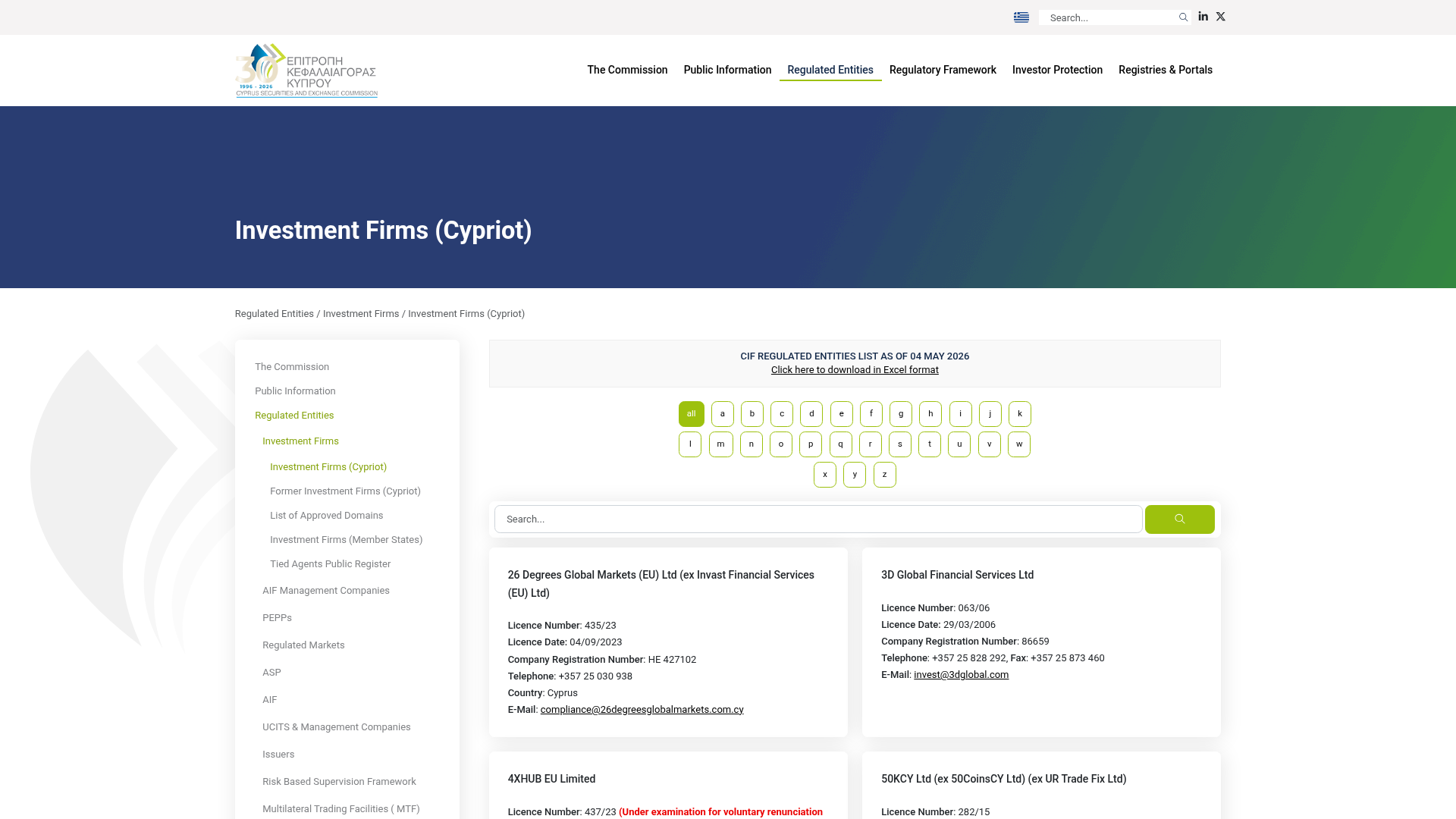
The page we check
This is the authority's own page, captured as we found it. Open it and run the same search yourself — nothing on this register replaces the source.
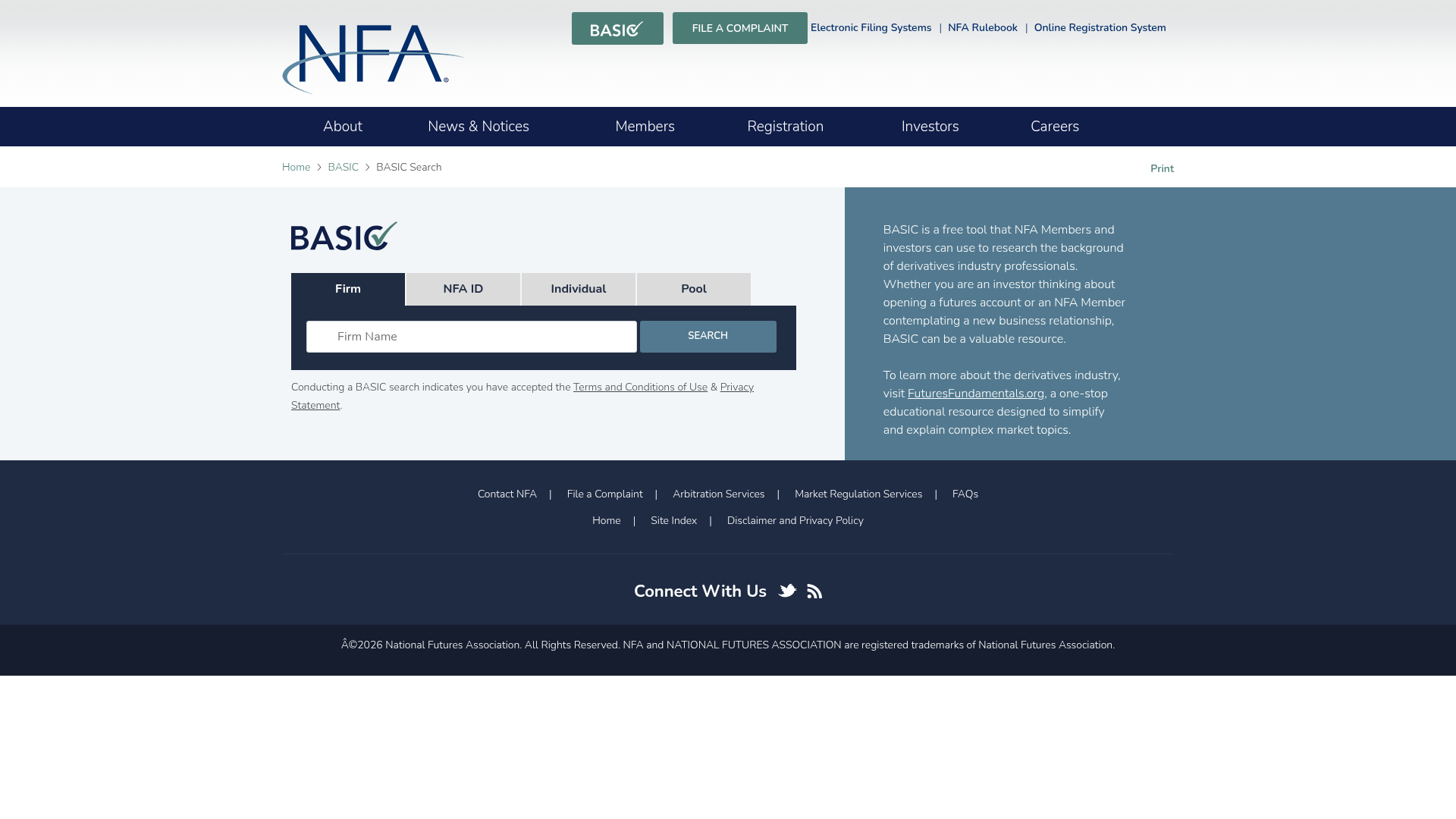
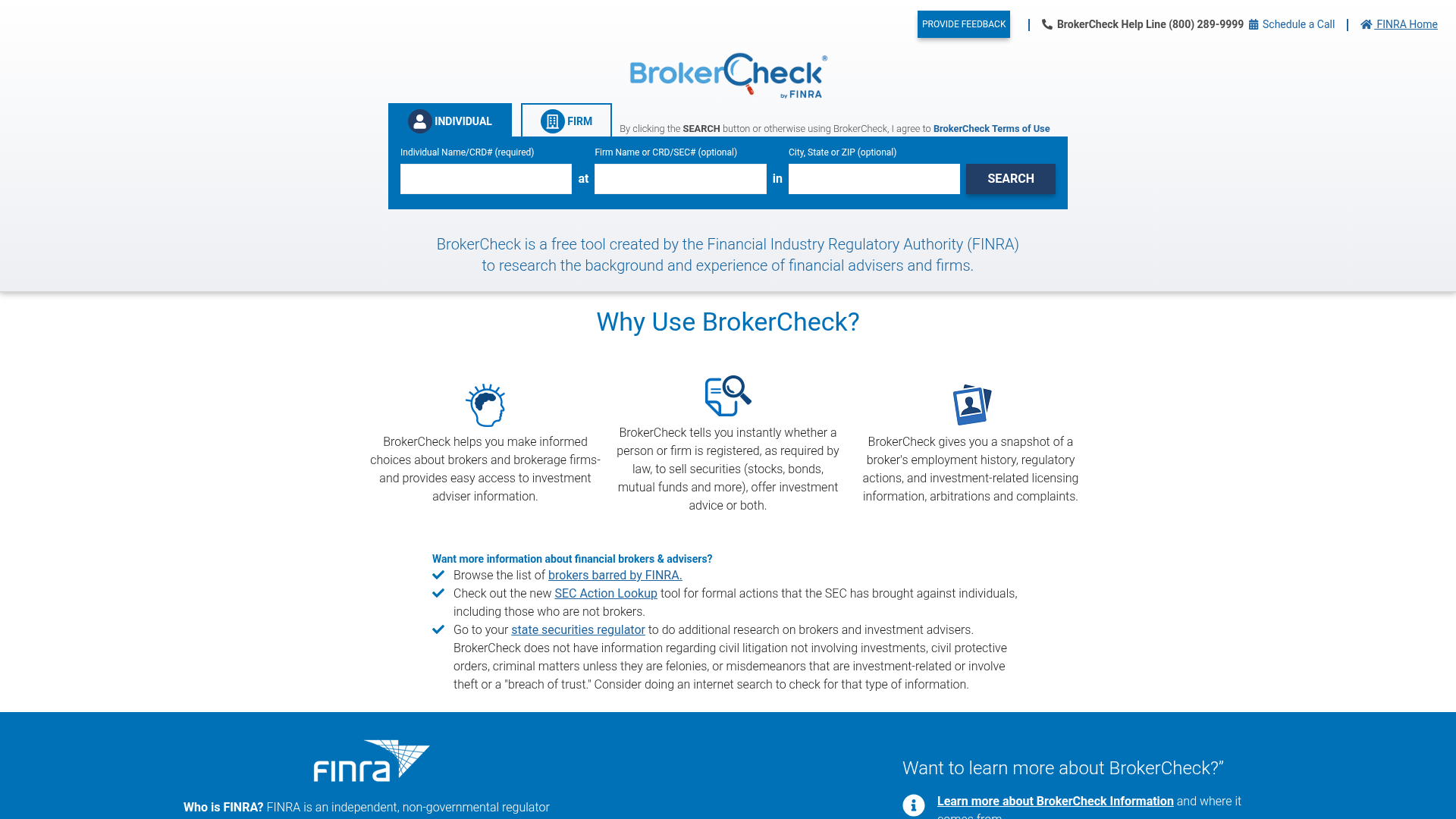
Other registers used in checks of this kind. Each opens the authority's own page.
Primary sources
Every claim above can be checked against the authority's own page. These open on the regulator's site, not ours.
- CySEC — Regulated entities registercysec.gov.cyhttps://www.cysec.gov.cy/en-GB/entities/investment-firms/cypriot/
- ESMA — Product intervention on CFDsesma.europa.euhttps://www.esma.europa.eu/press-news/esma-news/esma-agrees-prohibit-binary-options-and-restrict-cfds-protect-retail
- FCA ScamSmartfca.org.ukhttps://www.fca.org.uk/scamsmart
- Interpol — financial crimeinterpol.inthttps://www.interpol.int/en/Crimes/Financial-crime
- IOSCO — Investor alerts portaliosco.orghttps://www.iosco.org/investor_protection/?subsection=investor_alerts_portal
Frequently asked
Can I complain to the Ombudsman if my broker isn't based in Cyprus?
No, the Ombudsman only handles complaints against financial services providers authorized and operating in Cyprus, primarily Cypriot Investment Firms (CIFs). Your account must be specifically under their CySEC license and jurisdiction for the complaint to be admissible.
Is there a fee to complain to the Financial Ombudsman?
No, the service provided by the Financial Ombudsman of the Republic of Cyprus is entirely free of charge to the complainant. This ensures accessibility for all eligible consumers seeking dispute resolution.
What kind of decisions can the Ombudsman make?
The Ombudsman can recommend financial compensation, the reversal of a transaction, or other specific remedies. If both parties accept the recommendation within the given timeframe, it becomes legally binding.
What if I reject the Ombudsman's decision?
If you reject the Ombudsman's decision, it does not become binding. You retain the right to pursue your complaint through alternative avenues, such as the Cypriot courts, though this typically involves significant legal costs and a lengthier process.
Does complaining to the Ombudsman stop CySEC from taking action against the CIF?
No, the Ombudsman's role is to resolve individual client disputes. CySEC retains its separate regulatory authority to investigate and take action against firms for breaches of regulatory requirements, independent of your personal complaint.
How long does the Ombudsman process typically take?
The duration of the process varies based on the complexity of the complaint and the cooperation of the parties, but it can take several months. The Ombudsman aims for a fair and timely resolution, often prioritizing conciliation efforts.