
نقاط رئيسية
- يبني المحتالون علاقات شخصية عميقة وثقة قبل طرح أي موضوع استثماري.
- غالباً ما تكون منصات الاستثمار الاحتيالية نسخاً مقلدة متطورة، مصممة لتحاكي واجهات التداول المشروعة.
- الأرباح الأولية المعروضة تكون مفبركة بالكامل، وتستخدم كطعم لتشجيع إيداعات أكبر لاحقة.
- تُرفض طلبات السحب الحقيقية باستمرار، وغالباً ما يصاحبها مطالبات بـ 'ضرائب' أو 'رسوم' وهمية.
- التحقق الشامل من تراخيص الشركة التنظيمية وعنوانها الفعلي في السجلات الحكومية الرسمية أمر بالغ الأهمية.
- أي فرصة استثمارية تعد بعوائد عالية مضمونة مع الحد الأدنى من المخاطر تستدعي أقصى درجات الشك.
الاتصال الأولي: رسالة تبدو بريئة
خسر المستثمرون أكثر من 3.8 مليار دولار أمريكي في عمليات الاحتيال الاستثماري عبر الإنترنت في عام 2022، وقد نُسب جزء كبير منها إلى الاحتيال المتقن المعروف باسم ذبح الخنازير، أو 'Sha Zhu Pan'. نادراً ما تبدأ هذه المخططات بطلب صريح؛ بل غالباً ما تبدو نقطة الاتصال الأولى عرضية وغير ضارة. يتضمن السيناريو الشائع رسالة نصية تدعي أنها 'رقم خاطئ'، أو اتصال خاطئ عبر وسائل التواصل الاجتماعي، أو رسالة مباشرة غير مرغوب فيها على منصات مثل WhatsApp أو Telegram. قد يعتذر المرسل عن الخطأ، ربما قائلاً إنه اعتقد أنك صديق قديم أو جهة اتصال عمل، مما يخلق على الفور ذريعة للمحادثة.صُمم هذا التفاعل الأولي بعناية لإزالة حذر المستلم. يقوم المحتال، الذي يتظاهر عادةً بأنه شخص جذاب وناجح ذو شخصية إلكترونية مصقولة، بتحويل الحوار بسرعة بعيداً عن 'الخطأ' ونحو بناء علاقة ودية غير رسمية. قد ينخرطون في مناقشات حول الحياة اليومية، الهوايات، السفر، أو الموضوعات الثقافية، متجنبين عمداً أي ذكر فوري للمال. غالباً ما تعرض ملفاتهم الشخصية صوراً لأنماط حياة فاخرة، سيارات باهظة الثمن، أو مواقع غريبة، وكلها مصممة لإبراز صورة الثراء والرقي. هدفهم الأساسي خلال هذه المرحلة هو إقامة اتصال شخصي، مما يجعل الهدف يشعر بالاستماع والفهم والتقدير. يمكن أن يمتد هذا البناء الدقيق لصداقة تبدو بريئة على مدى أيام أو حتى أسابيع، لبناء الثقة قبل ظهور أي موضوع مالي. يعد هذا النهج البطيء والصبر سمة مميزة، تميزه عن محاولات التصيد الاحتيالي البدائية التي تتطلب إجراءً فورياً أو بيانات شخصية مقدماً.المنصات المختارة لهذا النهج الأولي هي عادة شبكات التواصل الاجتماعي أو خدمات المراسلة الشائعة، مما يسمح بوصول واسع وظهور تفاعل عفوي وطبيعي. يسعون إلى الاندماج في الإيقاع الطبيعي للتواصل عبر الإنترنت، مما يجعل وجودهم يبدو طبيعياً. تفصيل حاسم هنا هو أن المحتال سيتجنب غالباً أي مكالمات فيديو أو لقاءات وجهاً لوجه، متحججاً بالسفر أو الخصوصية أو مشاكل فنية. هذا يحافظ على هويتهم المزيفة ويمنع الهدف من إدراك أن الشخص الذي يتواصلون معه لا يتطابق مع الصور أو الشخصية المعروضة.
بناء 'العلاقة': مرحلة الهندسة الاجتماعية
بمجرد إقامة الاتصال الأولي، يكرس المحتال جهداً كبيراً لتعميق العلاقة الشخصية. غالباً ما يصورون أنفسهم كأفراد ناجحين وثريين ومتعاطفين بشكل ملحوظ، حققوا استقلالاً مالياً من خلال استثمارات ذكية، وغالباً ما تكون سرية. قد يشاركون محتوى ملهماً، أو صوراً مفبركة لسلع فاخرة، أو قصصاً مؤثرة عن 'رحلتهم المالية' لبناء المصداقية وإثارة الحسد. خلال هذه المرحلة، سيوجهون المحادثة بلطف نحو التفاصيل الشخصية، سعياً لفهم الوضع المالي للهدف، وطموحاته، ونقاط ضعفه، وحتى احتياجاته العاطفية.هذه المعلومات ليست مجرد لبناء الثقة؛ بل تشكل عملية جمع بيانات حاسمة. يستخدم المحتال هذه الرؤى الشخصية لتكييف روايته و'نصائحه الاستثمارية' اللاحقة لتتناسب تماماً مع احتياجات ورغبات الهدف المتصورة. لشخص يعبر عن عدم الأمان المالي، قد يعرضون 'طريقاً إلى الاستقرار'. لشخص يسعى إلى ثروة سريعة، سيوعدون بـ 'مكاسب غير مسبوقة'. يتضمن التكتيك الشائع اقتراح الانتقال من منصة التواصل الاجتماعي الأولية إلى تطبيقات المراسلة المشفرة مثل WhatsApp أو Signal، متحججين بـ 'خصوصية أفضل' أو 'راحة أكبر'. يساعد هذا التحول في عزل الهدف عن قنوات الاتصال التقليدية ويخلق مساحة خاصة وحميمية حيث يمكن أن ينمو تأثير المحتال دون رادع. هذا هو الجزء الذي تتجاهله معظم الأدلة: غالباً ما يكون الاستثمار العاطفي الذي يقوم به الضحية في هذه العلاقة المزيفة ذا أهمية لا تقل، إن لم تكن أعمق، عن الإنفاق المالي الأولي.التلاعب النفسي دقيق ولكنه مستمر. قد يقدم المحتال الدعم العاطفي خلال الأوقات الصعبة، أو يحتفل بالنجاحات الصغيرة، أو يقدم أذناً صاغية متعاطفة. هذا يخلق رابطاً عاطفياً قوياً، مما يجعل الهدف يشعر بالامتنان أو الانجذاب العاطفي، ويضعف حكمه بشكل خطير عند طرح المسائل المالية. غالباً ما يقدمون أنفسهم على أنهم يمتلكون معرفة حصرية أو وصولاً إلى استراتيجية استثمار 'سرية'، مما يجعل الهدف يشعر بالتميز والامتياز لكونه مشمولاً. هذه الواجهة المبنية بعناية من الصداقة أو الرومانسية هي حجر الزاوية الذي يُبنى عليه الاحتيال بأكمله، مما يضمن ترسيخ ولاء وثقة الهدف بعمق.
الـ "فرصة الاستثمارية": تقديم المنصة المزيفة
بعد أسابيع أو أشهر من تنمية علاقة شخصية عميقة، يقدم المحتال بمهارة موضوع 'استثماراته الناجحة'. قد يذكر 'عماً حكيماً'، أو 'مرشداً'، أو 'محللاً متخصصاً' يرشدهم، عازياً ثروتهم السريعة إلى منصة تداول معينة، يُزعم أنها حصرية، أو استراتيجية فريدة. لن يطلبوا المال مباشرة في هذه المرحلة الأولية. بدلاً من ذلك، سيعرضون 'مساعدة' الهدف من خلال إظهار كيفية تحقيق مكاسب مماثلة، غالباً ما يقدمون هذا كبادرة صداقة أو اهتمام. تبدو المنصة التي يقدمونها شرعية للغاية، وغالباً ما تكون نسخة مقنعة من واجهة تداول حقيقية، مكتملة ببيانات سوق في الوقت الفعلي مصدرها بورصات حقيقية.تدعي هذه المنصات الاحتيالية عادةً أنها تقدم تداولاً في أصول شائعة مثل العملات المشفرة، أزواج الفوركس، أو السلع، وغالباً ما تقدم خوارزميات ذكاء اصطناعي متقدمة أو استراتيجيات خاصة تضمن عوائد عالية ومتسقة. علامة حمراء حرجة هنا هي الغياب التام للمعلومات التنظيمية القابلة للتحقق أو عنوان عمل مادي واضح. الوسطاء الشرعيون مثل Pepperstone (تأسست عام 2010، مقرها الرئيسي ملبورن، أستراليا، مرخصة من قبل FCA، ASIC، CySEC، وغيرها) أو OANDA (تأسست عام 1996، مقرها الرئيسي نيويورك، الولايات المتحدة الأمريكية، مرخصة من قبل FCA، CFTC/NFA، ASIC، IIROC، MAS) يعرضون بفخر تراخيصهم وتفاصيلهم المؤسسية، والتي يمكن التحقق منها بسهولة في السجلات الحكومية الرسمية. على النقيض من ذلك، فإن المنصة الاحتيالية إما تفتقر إلى هذه الشفافية تماماً أو تقدم وثائق مزيفة تختفي عند الفحص الدقيق.غالباً ما يقدم المحتال رابطاً مباشراً لهذه المنصة المزيفة، يحث الضحية على 'إلقاء نظرة فقط'. قد يوجه الضحية خلال عملية تسجيل محاكاة. يكمن الفرق الحاسم في الشفافية التشغيلية القابلة للتحقق. الكيانات الحقيقية، مثل FOREX.com (تأسست عام 2001، مقرها الرئيسي نيوجيرسي، الولايات المتحدة الأمريكية، مرخصة من قبل CFTC/NFA، FCA، ASIC)، تعمل تحت رقابة صارمة، وتقدم إخلاء مسؤولية واضح بشأن المخاطر وتوفر فصل أموال العملاء. ومع ذلك، فإن المنصات في عمليات احتيال ذبح الخنازير تكون بالكامل تحت سيطرة المجرمين، ومصممة فقط لعرض بيانات متلاعب بها وتسهيل سرقة الأموال. التحقق من التنظيم أمر ضروري.
الفروقات الرئيسية: منصات التداول الشرعية مقابل الاحتيالية
| الميزة | وسيط شرعي (على سبيل المثال، XM، IC Markets) | منصة احتيالية مزيفة |
|---|---|---|
| الوضع التنظيمي | مرخصة بوضوح من قبل هيئات تنظيمية متعددة وذات سمعة طيبة (مثل CySEC، ASIC، FCA) مع أرقام تسجيل يمكن التحقق منها. | لا يوجد ترخيص يمكن التحقق منه، أو تعرض تراخيص مزيفة/منتهية الصلاحية غير موجودة في السجلات الرسمية. |
| أمان الأموال | يتم فصل أموال العملاء عن أموال الشركة التشغيلية، وتكون مؤمنة بحد أقصى (على سبيل المثال، FSCS في المملكة المتحدة للشركات الخاضعة لتنظيم FCA). | يتم تحويل الأموال مباشرة إلى حسابات المحتالين، دون فصل أو تأمين. |
| وعود العوائد | تؤكد على مخاطر السوق؛ تتجنب العوائد المضمونة. وتخلي مسؤوليتها عن احتمال الخسارة. | تَعِد بعوائد مرتفعة وثابتة، وغالبًا يومية (مثل 10-20% يوميًا) دون ذكر أي مخاطر. |
| عملية السحب | إجراءات سحب واضحة وموثقة، تتم معالجتها عادةً في غضون 1-5 أيام عمل بدون رسوم غير متوقعة. | يتم رفض عمليات السحب باستمرار أو تخضع لمطالبات مفاجئة وكبيرة بـ 'ضريبة' أو 'رسوم'. |
| الاتصال والدعم | دعم عملاء احترافي ومتعدد القنوات. العناوين الفعلية وتفاصيل الشركة علنية. | خيارات اتصال محدودة، غالبًا ما تكون فقط من خلال 'الصديق'؛ الدعم عام ومراوغ. |
النجاح المزيّف: وهم الأرباح
سيقوم المحتال بعد ذلك بتوجيه الضحية لإعداد حساب على المنصة المزيفة، وغالبًا ما يشجع على إيداع أولي صغير – أحيانًا لا يتجاوز 100-500 دولار – لجعل العملية تبدو منخفضة المخاطر وسهلة الوصول. ولتعزيز الثقة، قد يدعي حتى أنه 'يطابق' الإيداع الأولي من 'أمواله الخاصة'، عارضًا لقطات شاشة لتحويل الأموال إلى المنصة لتعزيز الوهم. وما يلي ذلك هو فترة من النمو السريع والخيالي بالكامل في رصيد حساب الضحية. ستُظهر الأرقام على المنصة، التي يتم التلاعب بها بدقة من قبل مشغلي الاحتيال، مكاسب يومية ثابتة، غالبًا ما تصل إلى 10-20% يوميًا، مما يخلق شعورًا مسكرًا بالنجاح المالي والتألق. يتِم تصميم هذه المرحلة لتعزيز زخم نفسي لا يقاوم. ولترسيخ وهم الربحية هذا بالكامل، غالبًا ما يشجع المحتال على سحب صغير من 'الأرباح'. هذا الدفع الجزئي، ربما 50 أو 100 دولار يتم تحويلها مرة أخرى إلى الحساب المصرفي الشرعي للضحية أو محفظة العملات المشفرة، هو مناورة نفسية محسوبة. إنه بمثابة تأكيد ملموس وقوي لشرعية المنصة في نظر الضحية ويعزز الاعتقاد بأن الاستثمار حقيقي ومربح بالفعل. هذا السحب الصغير والناجح هو مرحلة 'التسمين' في تشبيه ذبح الخنزير، مما يجعل 'الخنزير' جاهزًا للطلبات اللاحقة والأكبر. بمجرد تأكيد هذا النجاح المتصوّر، يستخدمه المحتال كرافعة للضغط من أجل استثمارات أكبر وأكثر جوهرية. قد يستشهد بـ 'فرصة محدودة الوقت'، أو 'ارتفاع وشيك في السوق'، أو 'حدث خاص' يتطلب ضخ رأس مال أكبر لزيادة العوائد. الضحية، الذي أصبح الآن مستثمرًا عاطفيًا ومقتنعًا بربحية المنصة، من المرجح أن يمتثل. يتم إدارة هذه الدورة من المكاسب المتلاعب بها وعمليات السحب الصغيرة المؤكدة بعناية لاستخراج أكبر قدر ممكن من الأموال قبل انهيار المخطط حتمًا.
إن وهم الأرباح المضمونة على منصة مُتلاعب بها، والذي يتعزز بسحب صغير ناجح، هو الطعم القاسي الذي يوقع الضحايا في خراب مالي أعمق.
Mei Tanaka
الضغط من أجل الالتزام: تصاعد الإيداعات
مع ترسيخ الثقة وتأكيد وهم الربح من خلال سحب صغير ناجح، يكثف المحتال الضغط من أجل ضخ رؤوس أموال أكبر. يتحول السرد عادةً، مؤكدًا أن 'أفضل الفرص' أو 'المشاريع الحصرية' تتطلب أموالًا كبيرة للمشاركة، أو أن الإيداعات الأكبر ستؤدي إلى عوائد أعلى، وغالبًا ما تكون مضمونة. قد ينصح 'المرشد' أو 'الخبير' الذي ذكره سابقًا فجأة باستثمار كبير لتحقيق ربح 'مضمون' على المدى القصير، مما يعزز توصيات المحتال نفسه. هذا الضغط لا هوادة فيه، وغالبًا ما يكون مصحوبًا بتلاعب عاطفي معقد، مثل التعبير عن خيبة الأمل إذا تردد الضحية، مما يجعله يشعر بالذنب لعدم ثقته بـ 'صديقه' أو لتفويته فرصة رائعة وعابرة. غالبًا ما يتم تشجيع الضحايا على تصفية أصول أخرى، أو الحصول على قروض شخصية، أو حتى اقتراض المال من الأصدقاء والعائلة لتلبية هذه المطالب المتصاعدة. يدرك المحتال تمامًا الحدود المالية للضحية، بعد أن جمع هذه المعلومات خلال مرحلة بناء العلاقة، وسيدفعهم إلى ما يقرب من نقطة الانهيار، أو غالبًا ما يتجاوزونها. قد يعرضون حتى 'إقراض' جزء من الأموال المطلوبة بأنفسهم، مما يضيف طبقة أخرى من الالتزام المتصوّر ويعمق تورط الضحية. هذا التكتيك، المصمم للحفاظ على وهم الدعم، هو تلاعب قاسٍ. من الناحية العملية، سيطلب مشغلو الاحتيال مرتين، وأحيانًا ثلاث مرات، مبالغ أكبر قبل الانتقال إلى المرحلة التالية، مراقبين بعناية مقاومة الضحية وقدرته المالية. تتزايد مبالغ 'الاستثمار' المطلوبة تدريجيًا، من آلاف إلى عشرات الآلاف، وأحيانًا مئات الآلاف من الدولارات. يتم تأطير كل طلب جديد على أنه الخطوة النهائية والحاسمة التي ستؤمن ثروة هائلة. سيستخدم المحتال عامل الإلحاح، مشيرًا إلى أن ظروف السوق مثالية الآن ولكنها ستتغير قريبًا، أو أن 'وصوله الخاص' مؤقت. يستمر هذا التصعيد المستمر حتى تستنفد أموال الضحية بالكامل، أو يصبح مشتبهًا، أو ببساطة لم يتبق لديه المزيد من الموارد للمساهمة.
حاجز السحب: المطالبة بالرسوم والضرائب
تتكشف الطبيعة المفترسة الحقيقية لعملية احتيال 'ذبح الخنزير' عندما يحاول الضحية إجراء سحب كبير، متوقعًا جني 'أرباحه' المتراكمة. فجأة، يتم رفض طلب السحب. سيُبلغ 'خدمة عملاء' المنصة – والتي غالبًا ما تكون المحتال نفسه أو شريكًا يعمل تحت اسم مستعار مختلف – الضحية بأنه يجب دفع 'ضريبة' كبيرة، أو 'رسوم خدمة'، أو 'رسوم امتثال تنظيمي'، أو 'رسوم مكافحة غسل الأموال (AML)' مقدمًا قبل أن يتم الإفراج عن أي أموال. هذه الرسوم المصطنعة هي دائمًا نسبة كبيرة من 'الأرباح' المزعومة أو إجمالي رصيد الحساب، وتتراوح غالبًا من 10-30%، وأحيانًا أعلى من ذلك. المحتال، الذي لا يزال يحافظ على دوره كصديق أو شريك داعم، سيعرب عن تعاطفه ولكنه يصر على أن هذه الرسوم 'قياسية'، أو 'لا مفر منها'، أو 'مفروضة بموجب لوائح جديدة'. قد يعرض حتى المساهمة بجزء من الرسوم بنفسه، غالبًا ما يطلب من الضحية تغطية الحصة الأكبر، وذلك ببساطة للحفاظ على وهم المساعدة والالتزام. هذا تكتيك قاسٍ ومحسوب، حيث غالبًا ما يدفع الضحية، اليائس لاستعادة ثروته المتصورة، هذه المبالغ الإضافية، ليواجه فقط مطالب جديدة ومتزايدة. كل دفعة لاحقة لا تؤدي إلا إلى تعميق الخسارة المالية، مع عدم استرداد أي أموال فعلية. تم تصميم الأسباب المصطنعة لهذه الرسوم لتبدو معقولة ورسمية ولكنها تتبدد عند التحقق المستقل مع الهيئات التنظيمية الشرعية. في هذه المرحلة، يكون الضحية محاصرًا. لقد استثمر بكثافة، ماليًا وعاطفيًا، واحتمال خسارة كل شيء إذا لم يدفع 'الرسوم' أمر مرعب. يستغل المحتال هذا اليأس، ويدفع بلا هوادة من أجل هذه المدفوعات. هذه هي المرحلة الأخيرة من 'الذبح'، حيث يتم استخراج الأصول السائلة المتبقية للضحية. بمجرد دفع هذه الرسوم الإضافية، يخترع المحتالون عادةً عقبات جديدة أو يتوقفون ببساطة عن جميع الاتصالات، تاركين الضحية بحسابات فارغة وثقة محطمة.
الرسوم المصطنعة الشائعة التي يطالب بها محتالو 'ذبح الخنزير'
| نوع الرسوم | مبرر المحتال | النسبة المئوية المعتادة من الرصيد/الأرباح | ممارسة مشروعة |
|---|---|---|---|
| ضريبة السحب | مفروضة من قبل الحكومة/المنصة على الأرباح الكبيرة. | 10-25% | يتولى الأفراد أمر الضرائب؛ فالمنصات المشروعة لا تقوم بتحصيل ضرائب مسبقة على عمليات السحب. |
| رسوم الامتثال ومكافحة غسل الأموال (AML) | يطلبها المنظمون للتحقق من مصدر الأموال. | 5-15% | تجري المنصات المشروعة فحوصات مكافحة غسل الأموال (AML) أثناء عملية الانضمام ولا تفرض رسومًا للامتثال القياسي على عمليات السحب. |
| رسوم فك تجميد الحساب | تم تجميد الحساب بسبب نشاط مشبوه؛ رسوم مطلوبة لفك التجميد. | Up to 30% | قد يتم تجميد الحسابات لأسباب مشروعة، ولكنها لا تتطلب أبدًا رسومًا مباشرة لـ 'فتح' الأموال للسحب. |
| رسوم مارجن كول/التصفية | لمنع الخسائر في الصفقات أو لإغلاق المراكز. | تختلف، غالبًا 20-50% | تتم تغطية نداءات الهامش المشروعة من خلال حقوق الملكية في الحساب؛ ولا توجد 'رسوم' منفصلة لإغلاق المراكز غير الممولة. |
التحقق من الشرعية: خط دفاعك الأول
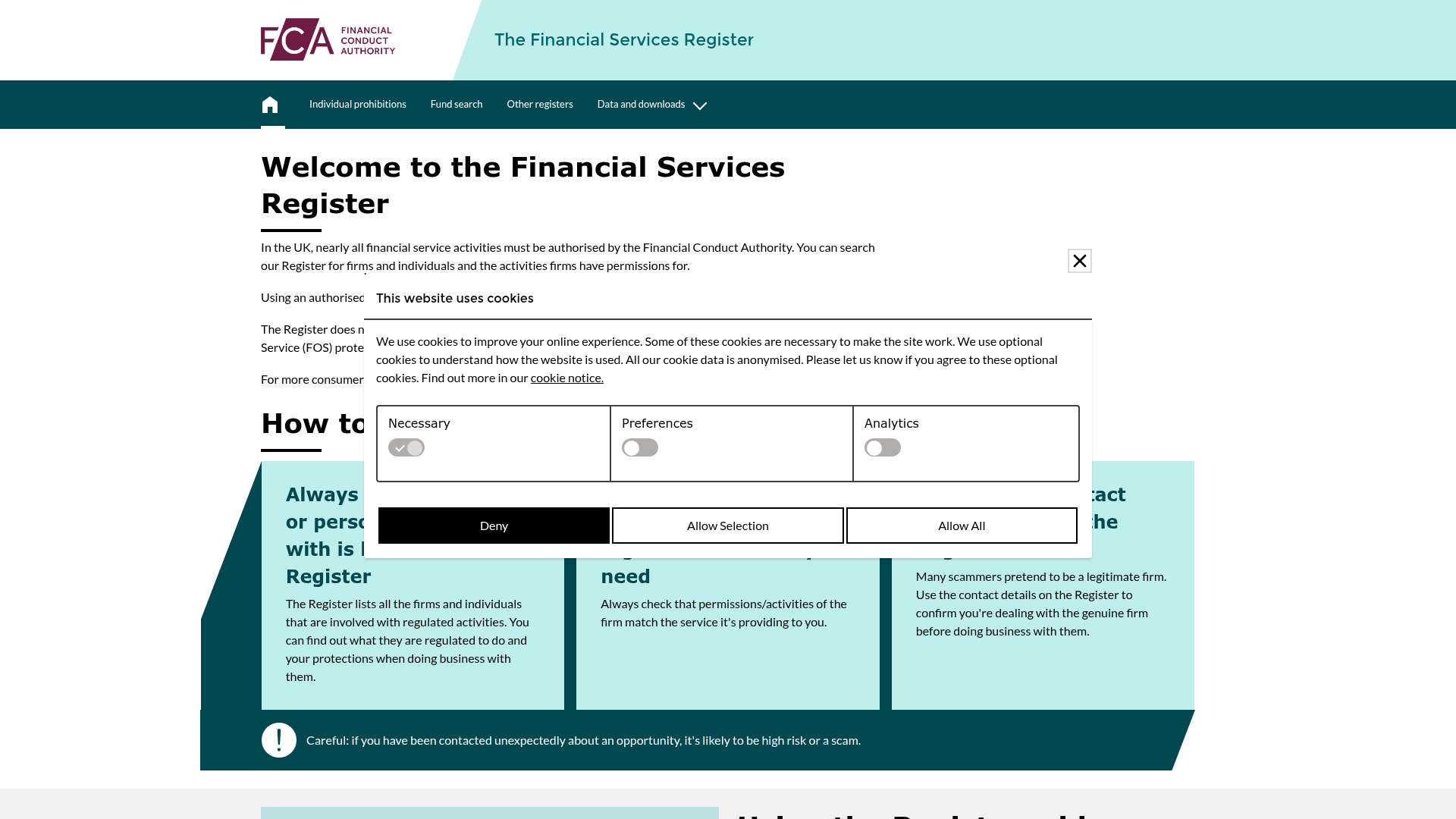
الدفاع الأكثر فعالية ضد احتيال 'ذبح الخنازير'، أو أي احتيال استثماري عبر الإنترنت، هو بذل العناية الواجبة الشاملة والمستقلة على أي كيان مالي قبل إيداع دولار واحد. قبل إجراء أي إيداع، مهما كان صغيراً، تحقق دائمًا من الوضع التنظيمي للشركة وتفاصيل عملياتها. في المملكة المتحدة، يعني هذا الرجوع إلى سجل الخدمات المالية التابع لهيئة السلوك المالي (FCA) (register.fca.org.uk). بالنسبة للشركات التي تدعي العمل في أستراليا، يجب فحص سجلات ASIC المهنية (asic.gov.au) بدقة. في الولايات المتحدة الأمريكية، تحتفظ CFTC (لجنة تداول السلع الآجلة) بسجلات لوسطاء العقود الآجلة والمشتقات، بينما يغطي FINRA BrokerCheck (brokercheck.finra.org) شركات الأوراق المالية.
انتبه بشكل خاص لأرقام التراخيص، والأسماء التجارية للشركات، والعناوين الفعلية، والخدمات المحددة المرخص بها. تستخدم العديد من عمليات الاحتيال اسم شركة مشروعة، أو اسمًا مشابهًا جدًا، على أمل إرباك الضحايا المحتملين. من الأهمية بمكان مطابقة عنوان URL للموقع الإلكتروني الذي يقدمه المحتال مع الموقع الرسمي المدرج في سجل الجهة التنظيمية. إذا ادعت شركة أنها منظمة من قبل، على سبيل المثال، هيئة الأوراق المالية والبورصات القبرصية (CySEC)، فقم بزيارة سجل الكيانات المنظمة التابع لـ CySEC مباشرة (cysec.gov.cy) وابحث عن الشركة باسمها الدقيق ورقم ترخيصها. سيحتوي الوسيط الحقيقي مثل XM (تأسست عام 2009، مقرها في ليماسول، قبرص، ومنظمة من قبل CySEC، ASIC، IFSC، DFSA) أو AvaTrade (تأسست عام 2006، مقرها في دبلن، أيرلندا، ومنظمة من قبل البنك المركزي الأيرلندي، ASIC، FSCA) على إدخالات شفافة وقابلة للتحقق عبر الولايات القضائية المتعددة التي تعمل فيها.
إذا لم تظهر شركة في أي سجل رسمي للمنطقة التي تدعي أنها تعمل فيها، أو إذا لم تتطابق التفاصيل بدقة، فاعتبرها كيانًا غير مصرح به. التعامل مع كيان غير مرخص يعني أنك لا تتمتع بأي حماية تنظيمية، ولا سبيل للجوء إلى خطط تعويض المستثمرين مثل FSCS في المملكة المتحدة، ولا آلية لتسوية النزاعات مع سلطة مستقلة. هذا النقص في الرقابة هو دعوة مباشرة للاحتيال، مما يجعل أموالك عرضة للخطر على الفور.
ما وراء الخسارة المالية: التكلفة العاطفية والشخصية
في حين أن الدمار المالي الناجم عن عمليات احتيال 'ذبح الخنازير' غالبًا ما يكون هائلاً، مما يؤدي إلى تبديد المدخرات وتكبد ديون كبيرة، إلا أن التأثير يمتد إلى ما هو أبعد من الخسائر النقدية. يعاني الضحايا بشكل متكرر من ضائقة نفسية شديدة، بما في ذلك الشعور العميق بالخزي والذنب ولوم الذات، إلى جانب أعراض الاكتئاب والقلق وحتى اضطراب ما بعد الصدمة. يمكن أن يؤدي الخيانة من قبل شخص اعتقدوا أنه صديق أو شريك رومانسي أو مستشار موثوق به إلى تدمير ثقتهم بالآخرين وترك ندوب عاطفية دائمة تؤثر على العلاقات المستقبلية.
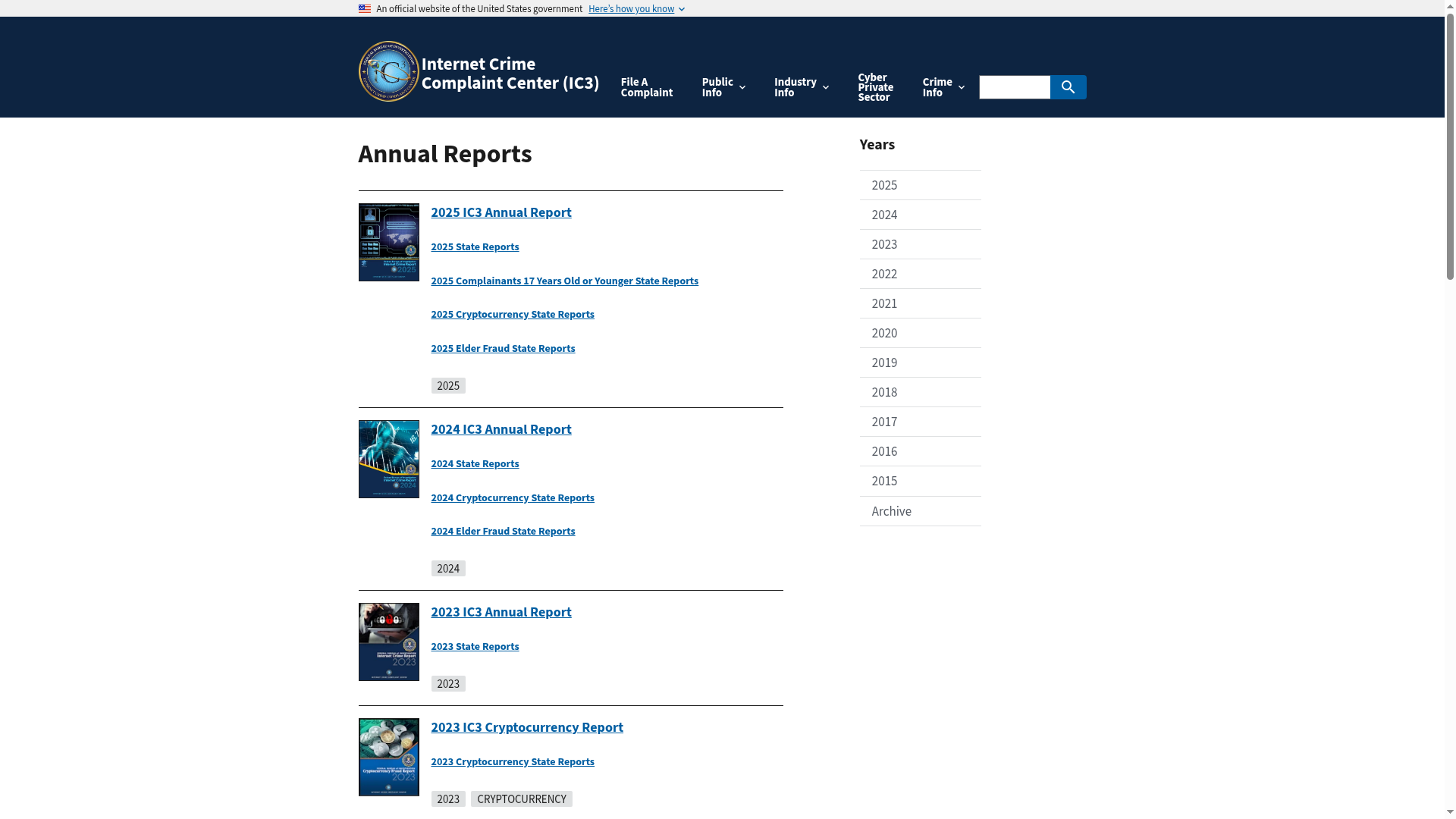
قد تتأثر العلاقات مع العائلة والأصدقاء أيضًا بشكل كبير، خاصة إذا اقترض الضحايا أموالًا من أحبائهم أو عزلوا أنفسهم أثناء عملية الاحتيال. يمكن أن يؤدي الشعور بالعزلة وصعوبة مناقشة التجربة بصراحة إلى تفاقم مشكلات الصحة العقلية. إن عملية الإبلاغ عن مثل هذه الجريمة، على الرغم من كونها ضرورية، يمكن أن تكون شاقة ومستنزفة عاطفياً. يجب على الضحايا في الولايات المتحدة الإبلاغ عن الحادث إلى مركز شكاوى جرائم الإنترنت التابع لمكتب التحقيقات الفيدرالي (IC3) على ic3.gov. في المملكة المتحدة، يعمل Action Fraud (actionfraud.police.uk) كمركز وطني للإبلاغ. يعد تقديم سجلات مفصلة لجميع الاتصالات، وتواريخ المعاملات، ولقطات شاشة المنصة أمرًا بالغ الأحديد لتحقيقات إنفاذ القانون، ولكنه غالبًا ما يعني إعادة زيارة ذكريات مؤلمة.
من الأهمية بمكان الإقرار بأنه في حين أن استعادة الأموال من هذه الشبكات الإجرامية الدولية المعقدة أمر نادر للأسف، فإن الإبلاغ يساعد السلطات على تعقب هؤلاء الجناة، وتحديد الأنماط، وربما منع الآخرين من الوقوع ضحية. التعافي العاطفي هو دائمًا عملية أطول وأكثر تعقيدًا من التعامل مع التداعيات المالية. يمكن أن يكون طلب الدعم من المتخصصين في الصحة العقلية أو مجموعات دعم الضحايا خطوة حيوية في إعادة بناء الثقة والشعور بالأمان بعد مثل هذه الخيانة العميقة.
حماية محيطك الرقمي: اليقظة المستمرة
يتطلب منع الوقوع ضحية في المستقبل ليس فقط فهم آليات الاحتيال، بل أيضاً وعياً متزايداً بجميع التفاعلات عبر الإنترنت ونهجاً قوياً ومستمراً للأمن الرقمي. يجب تنمية الشك تجاه أي تواصل غير مرغوب فيه يتحول بسرعة إلى مواضيع شخصية أو، الأهم من ذلك، فرص مالية. تذكر أن المستشارين الماليين الشرعيين هم محترفون مرخصون يعملون ضمن أطر تنظيمية ولا يطلبون عملاء عبر رسائل وسائل التواصل الاجتماعي العادية، أو تطبيقات المواعدة، أو رسائل 'الرقم الخاطئ'. يجب التعامل مع أي نصيحة استثمارية من جهة اتصال عبر الإنترنت غير موثوقة بحذر شديد، خاصة إذا كانت تتضمن منصات غير مألوفة أو وعوداً بعوائد مضمونة وغير واقعية. راجع جميع حساباتك المالية بانتظام بحثاً عن أي نشاط غير عادي أو غير مصرح به. قم بتمكين المصادقة الثنائية (2FA) على كل حساب عبر الإنترنت ممكن، خاصة الخدمات المصرفية، وتبادلات العملات المشفرة، وأي منصات استثمار تستخدمها بشكل شرعي. كن حذراً للغاية بشأن تثبيت أي برنامج أو منح الوصول عن بعد لأجهزتك لشخص قابلته عبر الإنترنت، بغض النظر عن مدى موثوقيته الظاهرة. يمكن لهذه الأذونات التي تبدو بسيطة أن تمنح المحتالين وصولاً مباشراً إلى معلومات مالية حساسة، أو بيانات اعتماد تسجيل الدخول، أو حتى تسمح لهم بالتلاعب بحساباتك مباشرة، وبدء تحويلات دون علمك الصريح. أفضل دفاع ضد مخططات الهندسة الاجتماعية المتطورة هذه هو اتباع نهج استباقي وناقد عند التعامل مع معارف جدد عبر الإنترنت، خاصة عندما يتعلق الأمر بالمال. امنح الأولوية دائماً للتحقق المستقل من الهويات والكيانات المالية على الثقة التي تتكون من خلال العلاقات الرقمية. إذا بدت الفرصة جيدة جداً لدرجة يصعب تصديقها، أو إذا شعرت بالضغط لاتخاذ قرار، فمن شبه المؤكد أنها فخ. تحقق، ثم ثق، وكن مستعداً لإنهاء أي تفاعلات مشبوهة على الفور.
الصفحة التي نتحقق منها
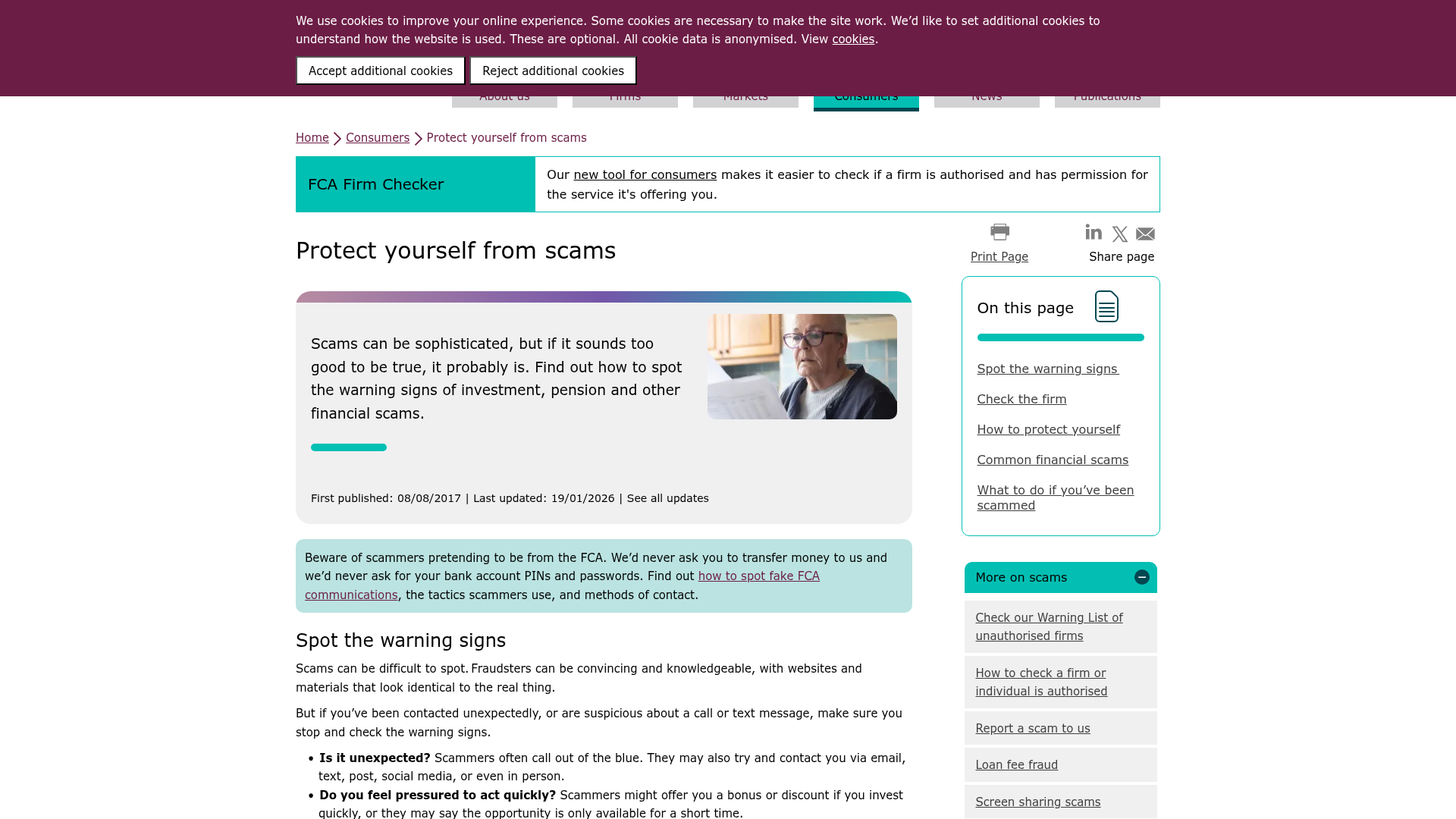
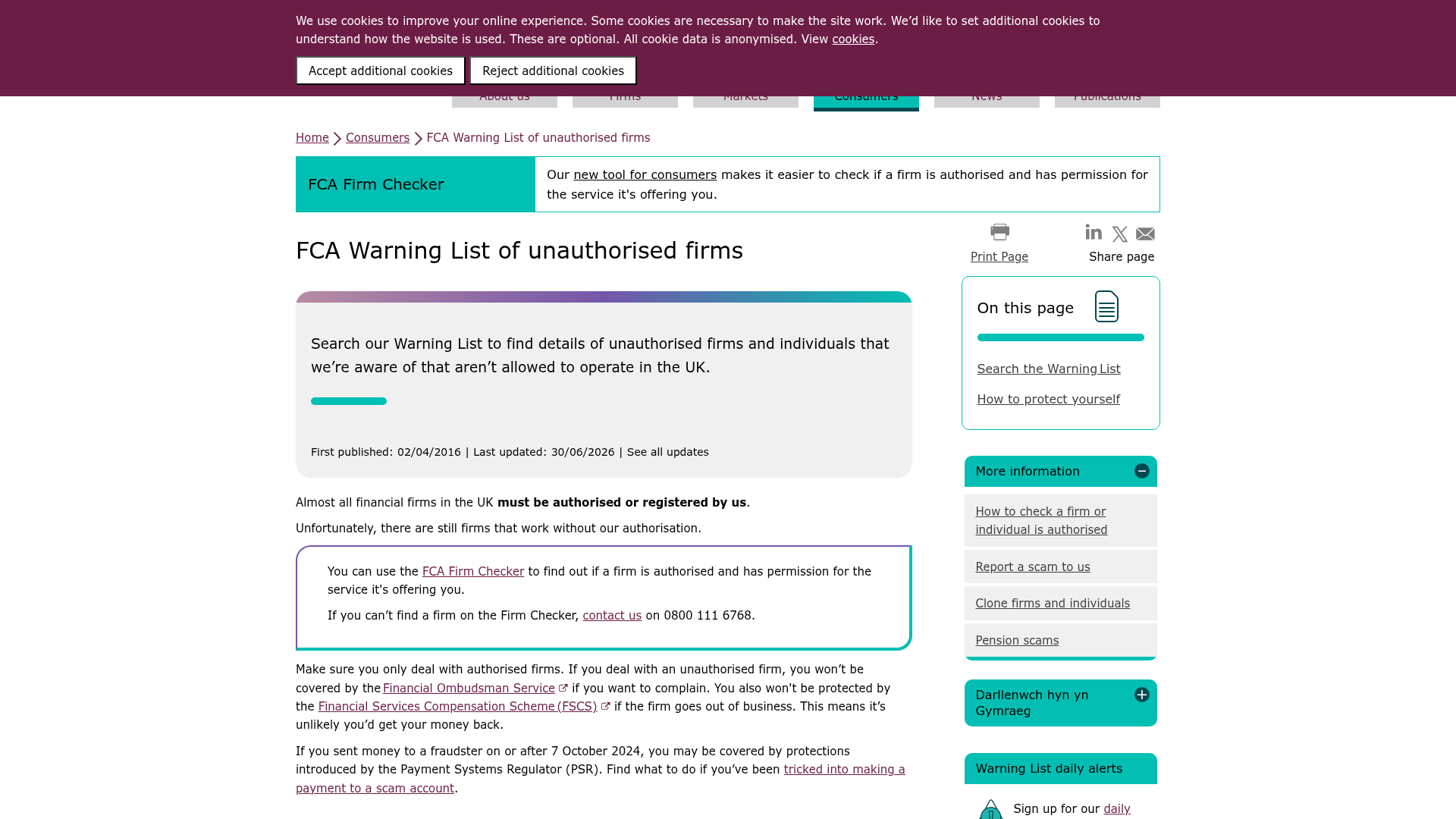
هذه هي صفحة الهيئة نفسها، تم التقاطها كما وجدناها. افتحها وقم بإجراء البحث نفسه بنفسك — لا شيء في هذا السجل يحل محل المصدر.
سجلات أخرى مستخدمة في هذا النوع من الفحوصات. كل منها يفتح صفحة الجهة التنظيمية الخاصة بها.
مصادر أساسية
يمكن التحقق من كل ادعاء أعلاه بالرجوع إلى صفحة الهيئة نفسها. تفتح هذه الروابط على موقع الجهة التنظيمية، وليس موقعنا.
- FBI IC3 — Internet Crime Reportic3.govhttps://www.ic3.gov/AnnualReport/Reports
- Action Fraud (UK) — reportingactionfraud.police.ukhttps://www.actionfraud.police.uk/
- Financial Conduct Authority — Financial Services Registerregister.fca.org.ukhttps://register.fca.org.uk/
- ASIC — Professional registersasic.gov.auhttps://asic.gov.au/online-services/search-asics-registers/
- CFTC — Customer advisories on fraudcftc.govhttps://www.cftc.gov/LearnAndProtect/AdvisoriesAndArticles/index.htm
الأسئلة المتكررة
كيف يمكنني معرفة ما إذا كانت منصة التداول مزيفة؟
غالباً ما تعد المنصات المزيفة بعوائد غير واقعية، وتفتقر إلى تراخيص تنظيمية قابلة للتحقق أو عناوين فعلية، وتستخدم دعماً عاماً للعملاء. تحقق دائماً من مواقع الويب الرسمية للهيئات التنظيمية مباشرة، مثل سجلات FCA أو ASIC، لتأكيد شرعية الشركة ومطابقة موقعها الإلكتروني المدرج.
ماذا أفعل إذا اشتبهت في أنني وقعت ضحية لعملية احتيال
أوقف جميع الاتصالات مع المحتال فوراً. لا ترسل أي أموال إضافية. اجمع جميع الأدلة، بما في ذلك سجلات الدردشة، وسجلات المعاملات، ولقطات شاشة المنصة. أبلغ عن الاحتيال إلى وكالة إنفاذ القانون المحلية لديك (مثل FBI IC3 في الولايات المتحدة، Action Fraud في المملكة المتحدة) وبنكك.
هل يمكنني استعادة أموالي إذا تعرضت للاحتيال؟
استعادة الأموال من عمليات احتيال
لماذا تتضمن عمليات الاحتيال هذه العملات المشفرة؟
يفضل المحتالون العملات المشفرة بسبب طبيعتها اللامركزية، وإخفاء الهوية المتصور، وصعوبة عكس المعاملات. وهذا يجعل من الصعب على سلطات إنفاذ القانون تتبع الأموال وعلى الضحايا استرداد خسائرهم مقارنة بالتحويلات المصرفية التقليدية.
صديقي عبر الإنترنت يعرض علي فرصة استثمارية؛ هل يجب أن أثق به؟
توخ الحذر الشديد. المستشارون الماليون الشرعيون لا يطلبون عملاء عبر وسائل التواصل الاجتماعي الشخصية أو تطبيقات المواعدة. يجب التعامل مع أي نصيحة استثمارية من جهة اتصال عبر الإنترنت غير موثوقة على أنها مشبوهة للغاية، خاصة إذا كانت تتضمن منصات غير مألوفة أو وعوداً بعوائد عالية مضمونة.
كم تستغرق هذه عمليات الاحتيال عادة؟
يمكن أن تستمر مرحلة بناء العلاقة لأسابيع أو حتى أشهر. تستمر مرحلة الاستثمار عادة طالما يواصل الضحية إيداع الأموال، غالباً على مدى عدة أسابيع أو أشهر، قبل أن يقطع المحتال الاتصال أو يدرك الضحية عملية الاحتيال.