نقاط رئيسية
- سجل تراخيص FINMA هو المصدر الموثوق الوحيد للتحقق من المؤسسات المالية المرخصة في سويسرا.
- العديد من وسطاء الفوركس وعقود الفروقات (CFD) عبر الإنترنت غير مرخصين مباشرة من قبل FINMA لعمليات التداول الأساسية الخاصة بهم، حتى لو ادعوا وجود صلة سويسرية.
- التسجيل التجاري العام في سويسرا يختلف عن ترخيص السوق المالية الممنوح من قبل FINMA.
- التداول مع كيان غير مرخص صراحة من قبل FINMA لخدماته يحمل مخاطر كبيرة، بما في ذلك عدم وجود حماية للمستثمرين.
- يجب على المستهلكين مقارنة ادعاءات الشركة بقواعد البيانات التنظيمية الرسمية في جميع الولايات القضائية ذات الصلة.
- الانتماءات المضللة لسويسرا هي تكتيك محدد تستخدمه بعض الشركات لإظهار مصداقية زائفة.
وهم الحصن المالي السويسري
تعلن منصة تداول عن 'أمان مدعوم سويسريًا لاستثماراتك' أو تعرض عنوانًا بارزًا في زيورخ. تستغل هذه الادعاءات تصورًا سائدًا عن الاستقرار المالي السويسري والرقابة الصارمة. ومع ذلك، غالبًا ما يخلق هذا التسويق سوء فهم حاسمًا: فالوجود المادي أو التسجيل التجاري العام في سويسرا لا يعني تلقائيًا أن الأنشطة المالية للكيان مرخصة أو خاضعة لإشراف هيئة الإشراف على السوق المالية السويسرية (FINMA). قد تدير العديد من الشركات كيانًا قانونيًا في سويسرا لأغراض إدارية، وهو منفصل تمامًا عن الوضع التنظيمي لعمليات التداول أو الخدمات المالية التي تقدمها للعملاء.
يمكن أن يترك هذا التناقض المستهلكين بشعور زائف بالأمان. إن جاذبية 'الصلة السويسرية' قوية، مما يوحي بمستوى من الأمان والالتزام التنظيمي الذي، عند الفحص الدقيق، قد لا ينطبق على المنتج أو الخدمة المالية المحددة المقدمة. يصبح من الضروري للأفراد فهم الولاية الدقيقة لـ FINMA، والأهم من ذلك، التمييز بين التسجيل التجاري العام والترخيص المحدد للسوق المالية.
إن الضمان الحقيقي للعملاء لا يكمن في عنوان الشركة البريدي، بل في ترخيصها المباشر والقابل للتحقق من قبل جهة تنظيمية مالية ذات سمعة طيبة للخدمات المحددة التي تقدمها. وبالنسبة لسويسرا، فإن هذه الجهة التنظيمية هي FINMA. وبدون التحقق المناسب، يمكن أن تتحول 'الميزة السويسرية' المتصورة بسرعة إلى مسؤولية كبيرة، مما يعرض المستثمرين لأسواق غير منظمة وآليات حماية غير كافية للمستهلكين.
ولاية FINMA: الإشراف المستقل على الأسواق المالية السويسرية
تعمل FINMA بصفتها الجهة المستقلة للإشراف على السوق المالية في سويسرا. وتتمثل مهمتها الأساسية في حماية الدائنين والمستثمرين وحاملي وثائق التأمين، وضمان حسن سير عمل الأسواق المالية السويسرية. ويشمل ذلك منح التراخيص، والإشراف على الامتثال للقوانين المالية، وتطبيق اللوائح عند الضرورة. نطاق عمل FINMA واسع، ويغطي قطاعات مثل البنوك والتأمين والبورصات وصناديق الاستثمار الجماعي.
ومع ذلك، فإن اختصاص FINMA خاص بالإطار القانوني لسويسرا. فهي ترخص وتشرف على المؤسسات المالية بناءً على الأنشطة التي تمارسها داخل سويسرا أو منها. على سبيل المثال، يجب أن يحمل البنك الذي يعمل في سويسرا ترخيصًا مصرفيًا من FINMA. وبالمثل، تتطلب شركة الأوراق المالية التي تمارس أنشطة الوساطة أو التعامل من سويسرا ترخيصًا لشركة أوراق مالية من FINMA. تأتي هذه التراخيص مع متطلبات رأس مال صارمة ومعايير حوكمة والتزامات إبلاغ مستمرة مصممة للحفاظ على سلامة السوق وحماية العملاء.
من المهم الإدراك أن ليس كل عمل تجاري يحمل هوية سويسرية أو عنوانًا بريديًا سويسريًا يقع تحت الإشراف المباشر لـ FINMA على السوق المالية. يتم التعامل مع التسجيلات التجارية العامة من قبل السجلات التجارية الكانتونية، وليس FINMA. إن وجود شركة في السجل التجاري يشير ببساطة إلى وجودها القانوني ككيان تجاري، وليس إلى ترخيصها لممارسة أنشطة مالية منظمة في سويسرا. هذا هو التمييز الحاسم الذي غالبًا ما يتم طمسه من قبل الكيانات الأقل نزاهة التي تسوق لعملاء دوليين.
خطوات عملية للتحقق من ترخيص FINMA
التحقق من ترخيص FINMA لشركة ما هو عملية مباشرة، ولكنه يتطلب استخدام المصدر الرسمي الصحيح. الاعتماد على الادعاءات التي تقدمها الشركة مباشرة، أو المعلومات الموجودة على مواقع الويب التابعة لجهات خارجية، ليس كافيًا. المصدر الموثوق الوحيد للمؤسسات الخاضعة لإشراف FINMA هو سجل FINMA الرسمي
أنواع تراخيص FINMA والأنشطة المنظمة المرتبطة بها في سويسرا
| نوع ترخيص FINMA | النشاط المنظم الرئيسي | تركيز حماية العميل | مثال على الالتزام الرئيسي |
|---|---|---|---|
| رخصة مصرفية | قبول الودائع، الإقراض، تداول الأوراق المالية، إدارة الأصول | الدائنون، المودعون، المستثمرون | متطلبات كفاية رأس المال (مثل بازل III) |
| رخصة شركة أوراق مالية | الوساطة، التعامل، الاكتتاب، صناعة السوق | المستثمرون، نزاهة السوق | قواعد أفضل تنفيذ، إدارة تضارب المصالح |
| رخصة شركة إدارة صناديق | إدارة خطط الاستثمار الجماعي | المستثمرون في الخطط الجماعية | فصل الأصول، إدارة المخاطر للصناديق |
| خطة استثمار جماعي | تشغيل صناديق الاستثمار (مثل صناديق الوحدات) | المستثمرون في صناديق محددة | وثائق الصندوق الشفافة، رقابة مستقلة |
| رخصة شركة تأمين | تقديم منتجات التأمين على الحياة، غير الحياة، أو إعادة التأمين | حاملو الوثائق | متطلبات الملاءة المالية، معايير معالجة المطالبات |
| رخصة التكنولوجيا المالية | خدمات مالية مبتكرة، مثل معالجة المدفوعات، خدمات blockchain | مستخدمو خدمات التكنولوجيا المالية المحددة | فصل أموال العملاء، ضوابط مكافحة غسل الأموال |
فئات مميزة لإشراف FINMA وحدودها
تقوم FINMA بتصنيف المؤسسات المالية والإشراف عليها بناءً على تفويضات قانونية محددة بوضوح. على سبيل المثال، يخضع البنك الذي يحمل ترخيصًا مصرفيًا كاملاً من FINMA لرقابة واسعة النطاق على جميع أنشطته المالية، بدءًا من قبول الودائع وصولاً إلى الخدمات المصرفية الاستثمارية. هذا الإشراف، الذي يغطي جميع الأنشطة، هو أحد أسباب الاحترام العالمي الذي تحظى به البنوك السويسرية. وبالمثل، فإن شركة الأوراق المالية المرخصة من FINMA مخولة صراحةً ويتم الإشراف عليها لممارسة تداول الأوراق المالية، أو العمل كوسيط (broker)، أو التعامل في الأسواق المالية.
هذه التراخيص ليست عامة. على سبيل المثال، يسمح 'ترخيص التكنولوجيا المالية' (Fintech license) من FINMA بتقديم خدمات مالية مبتكرة محددة، غالبًا ما تتضمن حلول دفع تعتمد على التكنولوجيا أو تقنية السجلات الموزعة (distributed ledger technology). ومع ذلك، فإنه لا يغطي تلقائيًا تداول الفوركس بالتجزئة أو وساطة عقود الفروقات (CFD brokerage) ما لم تندرج هذه الأنشطة صراحة ضمن نطاق ترخيص التكنولوجيا المالية المحدد هذا، وهو أمر نادر بالنسبة لمثل هذه المنتجات. يتم تحديد نطاق كل ترخيص بدقة لضمان إشراف هادف وفعال.
هذا يعني أن الشركة يمكن أن تكون مسجلة بشكل قانوني في سويسرا لأغراض الشركات العامة، ربما كشركة قابضة أو مزود خدمة، دون أي ترخيص سوق مالية من FINMA. مثل هذا الكيان، على الرغم من كونه شخصًا اعتباريًا سويسريًا، غير مصرح له من قبل FINMA بتقديم خدمات مالية مثل المشورة الاستثمارية، أو إدارة الأصول، أو تنفيذ التداول للجمهور. إن الادعاءات بـ 'التأسيس السويسري' (Swiss incorporation) أو 'مقر رئيسي سويسري' (Swiss head office) دون ترخيص محدد من FINMA للسوق المالية للخدمة المقدمة هي مضللة بشكل أساسي.
الوجود المادي أو التسجيل التجاري العام في سويسرا لا يعني تلقائيًا أن الأنشطة المالية لكيان ما مرخصة أو خاضعة لإشراف FINMA.
Alan Reeve
المناطق غير الخاضعة للرقابة: ما لا ترخصه FINMA بشكل مباشر
يتعلق مجال شائع لسوء الفهم بمنصات التداول بالتجزئة عبر الإنترنت، وخاصة تلك التي تقدم عقود الفروقات (CFDs)، والفوركس، والخيارات الثنائية. لا تقوم FINMA عمومًا بترخيص أو الإشراف المباشر على هذه الأنواع من الوسطاء (brokers) كمشاركين أساسيين في السوق المالية ما لم يكونوا مرخصين بالفعل كبنك أو شركة أوراق مالية ويقدمون هذه المنتجات كجزء من هذا الترخيص الأوسع. الغالبية العظمى من وسطاء عقود الفروقات (CFD) والفوركس الدوليين عبر الإنترنت يعملون بموجب تراخيص من ولايات قضائية أخرى.
على سبيل المثال، قد يكون الوسيط (broker) مرخصًا من قبل هيئة الأوراق المالية والبورصات القبرصية (CySEC)، أو هيئة الأوراق المالية والاستثمارات الأسترالية (ASIC)، أو هيئة السلوك المالي (FCA) في المملكة المتحدة. هذه هي هيئات تنظيمية شرعية ومعترف بها في مناطقها، ويستفيد العملاء الخاضعون لإشرافها من الحماية الخاصة بتلك الولايات القضائية. ومع ذلك، إذا كان مثل هذا الوسيط (broker) يحتفظ أيضًا بحضور اسمي للشركة أو مكتب إداري في سويسرا، فهذا لا يعني أن عمليات تداول التجزئة الخاصة به تقع تحت مظلة الإشراف المباشر لـ FINMA.
ينصب تركيز FINMA بشكل مباشر على استقرار النظام المالي السويسري وحماية عملاء الكيانات الخاضعة لتنظيم FINMA داخل سويسرا. لا يمتد نطاقها ليشمل الإشراف على كل منتج أو خدمة مالية تقدم عالميًا من قبل كيان قد يكون له بعض الارتباط المؤسسي السويسري 'العرَضي'. هذا يعني أنه إذا لم يكن وسيط فوركس بالتجزئة مدرجًا صراحةً في سجل FINMA لأنشطته التجارية المحددة، فلا ينبغي للمستهلكين افتراض أي حماية أو إشراف بمستوى FINMA، بغض النظر عن أي تسويق يوحي بوجود صلة سويسرية.
مخاطر الانتماءات السويسرية 'المضللة'
إن استخدام انتماء 'سويسري' دون ترخيص فعلي من FINMA للسوق المالية هو استراتيجية تسويقية خادعة مصممة للاستفادة من سمعة سويسرا. غالبًا ما تستخدم الكيانات التي تتبع هذا النهج عدة طرق: قد تسجل شركة وهمية (shell company) في سويسرا، أو تستخدم عنوانًا سويسريًا لأغراض المراسلات فقط، أو تشير إلى معالج دفع (payment processor) مقره سويسرا كدليل على 'صلة سويسرية'. بينما قد يكون معالج الدفع نفسه خاضعًا لتنظيم FINMA، فإن هذا التنظيم لا يمتد ليشمل شركة التداول غير المنظمة التي تستخدم خدماته.
يكمن الخطر الحقيقي على المستهلكين في الإحساس الزائف بالأمان الذي تخلقه هذه التكتيكات. عندما تلمح شركة إلى إشراف سويسري دون أن تمتلكه، قد يعتقد العملاء خطأً أنهم محميون بالإطار التنظيمي السويسري القوي. قد يؤدي ذلك بهم إلى إغفال العناية الواجبة الحاسمة، مثل التحقق من الوضع التنظيمي الفعلي للشركة في الولاية القضائية التي يتم ترخيص عملياتها الرئيسية فيها، إن وجدت.
هذه الممارسة يمكن القول إنها أكثر خبثًا من العمل بدون أي ترخيص معلن. الشركة غير المرخصة تمامًا، على الرغم من خطورتها، تقدم نفسها على الأقل بدون غطاء من الشرعية التنظيمية. الشركات التي تستخدم انتماءات سويسرية مضللة تخلق بنشاط وهمًا بالأمان، مما قد يمنع المستثمرين من ممارسة الحذر المناسب. غالبًا ما تفتقر هذه الكيانات إلى الوصول إلى خطط تعويض المستثمرين، أو خدمات حل النزاعات المستقلة، أو المتطلبات التشغيلية الصارمة التي يجب على الشركات المرخصة بالكامل في الولايات القضائية الرئيسية الالتزام بها. هذا يعني أنه إذا نشأت مشكلة، فقد يجد العملاء أنفسهم بدون أي سبيل انتصاف مجدٍ.
الوضع التنظيمي لوسطاء التجزئة الدوليين المختارين (غير مرخصين مباشرة من FINMA لتداول التجزئة)
| اسم الوسيط | المقر الرئيسي الأساسي | الجهات التنظيمية الرئيسية (عمليات التجزئة) | مرخص من FINMA لتداول التجزئة؟ | حالة خطة تعويض المستثمرين (مثال) |
|---|---|---|---|---|
| Pepperstone | ملبورن، أستراليا | FCA (المملكة المتحدة)، ASIC (أستراليا)، CySEC (قبرص)، DFSA (الإمارات العربية المتحدة)، BaFin (ألمانيا)، CMA (كينيا)، SCB (جزر البهاما) | لا | يختلف حسب الكيان المرخص (مثل FSCS في المملكة المتحدة) |
| IC Markets | سيدني، أستراليا | ASIC (أستراليا)، CySEC (قبرص)، FSA (سيشل) | لا | يختلف حسب الكيان المرخص |
| XM | ليماسول، قبرص | CySEC (CY)، ASIC (AU)، IFSC (BZ)، DFSA (UAE) | لا | يختلف حسب الكيان المرخص له (على سبيل المثال، ICF في CY) |
| OANDA | نيويورك، الولايات المتحدة الأمريكية | FCA (المملكة المتحدة)، CFTC/NFA (الولايات المتحدة)، ASIC (أستراليا)، IIROC (كندا)، MAS (سنغافورة) | لا | يختلف حسب الكيان المرخص له |
| FOREX.com | نيوجيرسي، الولايات المتحدة الأمريكية (StoneX) | CFTC/NFA (الولايات المتحدة), FCA (المملكة المتحدة), ASIC (أستراليا), CIRO (كندا), CIMA (جزر كايمان) | لا | يختلف حسب الكيان المرخص له |
| FxPro | لندن، المملكة المتحدة | FCA (المملكة المتحدة), CySEC (قبرص), FSCA (جنوب أفريقيا), SCB (جزر البهاما) | لا | يختلف حسب الكيان المرخص له |
| eToro | تل أبيب، إسرائيل | FCA (المملكة المتحدة), CySEC (قبرص), ASIC (أستراليا), FinCEN (الولايات المتحدة) | لا | يختلف حسب الكيان المرخص له |
| Exness | ليماسول، قبرص | FCA (UK)، CySEC (CY)، FSCA (ZA)، FSA (SC)، و CBCS (CW) | لا | يختلف حسب الكيان المرخص |
| AvaTrade | دبلن، أيرلندا | البنك المركزي الأيرلندي (IE)، ASIC (AU)، FSCA (ZA)، FSA (JP)، ADGM (UAE) | لا | يختلف حسب الكيان المرخص |
| Plus500 | حيفا، إسرائيل | FCA (المملكة المتحدة), CySEC (قبرص), ASIC (أستراليا), FMA (نيوزيلندا), FSCA (جنوب أفريقيا) | لا | يختلف حسب الكيان المرخص |
نشاط الوساطة والولايات القضائية الدولية: نظرة أوسع
يعد فهم اللوائح المحددة أمرًا حيويًا للمستهلكين الذين يشاركون في التداول عبر الإنترنت لمنتجات مثل عقود الفروقات (CFD) والفوركس. يختار العديد من الوسطاء الدوليين الحصول على تراخيص في ولايات قضائية مثل قبرص (CySEC) أو أستراليا (ASIC) أو المملكة المتحدة (FCA) لإجراء عملياتهم مع عملاء التجزئة. وقد وضعت هذه الهيئات التنظيمية أطرًا تسمح بتقديم المنتجات ذات الرافعة المالية لقاعدة عملاء عالمية، وغالبًا ما تكون مصحوبة بقواعد محددة لحماية المستثمرين.
على سبيل المثال، في الاتحاد الأوروبي، قدمت الهيئة الأوروبية للأوراق المالية والأسواق (ESMA) تدابير تدخل في المنتجات المتعلقة بعقود الفروقات (CFD)، والتي حددت الرافعة المالية بحد أقصى 1:30 لعملاء التجزئة. هذا التغيير الكبير عنى أن الوسطاء المرخصين من قبل الهيئات التنظيمية في الاتحاد الأوروبي مثل CySEC اضطروا لتعديل عروضهم، مما دفع بعض الوسطاء الدوليين إلى إنشاء كيانات منفصلة مرخصة في ولايات قضائية خارجية (مثل سيشل، البهاما) لتقديم رافعة مالية أعلى للعملاء من خارج الاتحاد الأوروبي. هذا التداخل في الهياكل التنظيمية يسلط الضوء على التعقيد.
عند تقييم وسيط، لا يكفي مجرد معرفة أنه
الإبلاغ عن المخاوف وحماية مصالحكم
إذا واجهت شركة تدعي الحصول على ترخيص من FINMA لخدمات غير مدرجة في السجل الرسمي لـ FINMA، أو إذا بدت شركة تضلل العملاء بادعاء انتساب "سويسري" كاذب، فمن الضروري الإبلاغ عنها. توفر FINMA قنوات للإبلاغ عن الأنشطة المشبوهة أو الكيانات غير المرخصة التي تعمل ضمن نطاق اختصاصها. ويشمل ذلك نموذج اتصال مخصصًا أو قسمًا للاستفسارات المتعلقة بالإشراف على السوق والشركات غير المرخصة المحتملة. اجمع كل الأدلة المتاحة، مثل لقطات شاشة للمواقع الإلكترونية، والمواد الترويجية، والمراسلات، وسجلات المعاملات، قبل تقديم البلاغ.
بالإضافة إلى FINMA، إذا ادعى الكيان تنظيمًا في ولاية قضائية أخرى (مثل FCA، ASIC، CySEC)، يجب عليك أيضًا الإبلاغ عن مخاوفك لتلك الهيئات المعنية إذا كان سلوك الشركة ينتهك قواعدها. لزيادة الوعي، تحتفظ منظمات دولية مثل المنظمة الدولية لهيئات الأوراق المالية (IOSCO) ببوابة تنبيهات المستثمرين، والتي تجمع التحذيرات من مختلف الهيئات التنظيمية الوطنية حول الشركات التي يحتمل أن تكون احتيالية أو غير مرخصة. هذا هو الجزء الذي تتجاهله معظم الأدلة الإرشادية: الخطوات الفعالة اللازمة لمتابعة شكوى وأنواع الأدلة المفيدة بالفعل.
تذكر، أن الهدف ليس فقط السعي للحصول على تعويض شخصي، بل أيضًا المساهمة في نزاهة السوق عن طريق تنبيه السلطات إلى الممارسات الضارة المحتملة. يقظتك تساعد في حماية المستهلكين الآخرين من مخاطر مماثلة. احرص دائمًا على توثيق كل تفاعل ومعاملة، حيث تعزز السجلات المفصلة بشكل كبير أي بلاغ أو شكوى.
نهج استباقي للأمن المالي
يتطلب تأمين مصالحك المالية في عالم التداول عبر الإنترنت المعقد نهجًا استباقيًا ومتشككًا. يمكن أن تكون جاذبية العوائد المرتفعة، المقترنة بالتسويق المتطور الذي يوحي بتنظيم قوي، مغرية للغاية. ومع ذلك، تظل العناية الواجبة الشخصية دفاعك الأقوى ضد سوء السلوك في الأسواق المالية والعمليات غير المصرح بها. لا تفترض أبدًا أن شركة ما منظمة لمجرد أنها تدعي ذلك، أو لأن لديها عنوانًا لشركة في مركز مالي مرموق.
تحقق دائمًا من ترخيص الشركة مباشرة مع الجهة التنظيمية المالية الوطنية المختصة للخدمات المحددة التي تقدمها. بالنسبة لسويسرا، هذا يعني استشارة السجل الرسمي للمؤسسات الخاضعة للإشراف لدى FINMA. إذا كانت الخدمة تتضمن تداول الفوركس بالتجزئة أو عقود الفروقات (CFDs)، وذكرت الشركة جهة تنظيمية أخرى مثل CySEC أو ASIC، فيجب الرجوع إلى سجلاتها بدورها. احذر من تكتيكات المبيعات عالية الضغط، والوعود بالأرباح المضمونة، أو أي شركة تثنيك عن التحقق من أوراق اعتمادها. مثل هذه السلوكيات غالبًا ما تكون مؤشرًا على مشكلات أساسية.
يأتي الأمان المالي الحقيقي من فهم من يشرف على وسيطك، وما هي الحماية التي يوفرها هذا المشرف، وما هو السبيل المتاح لك إذا ساءت الأمور. اجعل من عادتك أن تتقاطع مرجعية جميع الادعاءات، وتدقق في جميع الوثائق، ولا تلتزم بأي أموال حتى تتأكد تمامًا من الوضع الشرعي والمرخص للكيان للخدمة التي يقدمها. يقظتك تحمي رأس مالك وتساهم في بيئة مالية أكثر أمانًا للجميع.
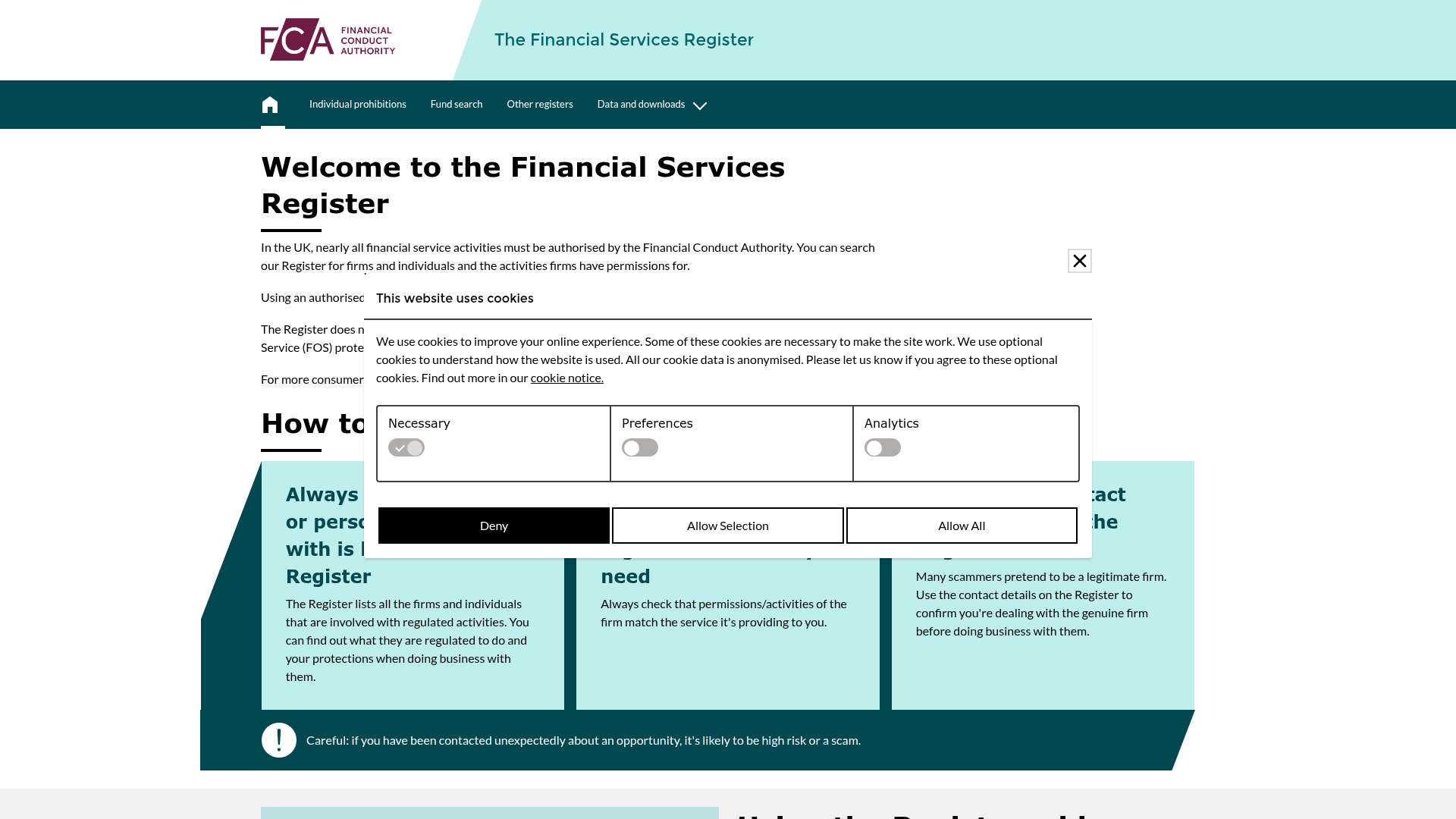
الصفحة التي نتحقق منها
هذه هي صفحة الهيئة نفسها، تم التقاطها كما وجدناها. افتحها وقم بإجراء البحث نفسه بنفسك — لا شيء في هذا السجل يحل محل المصدر.
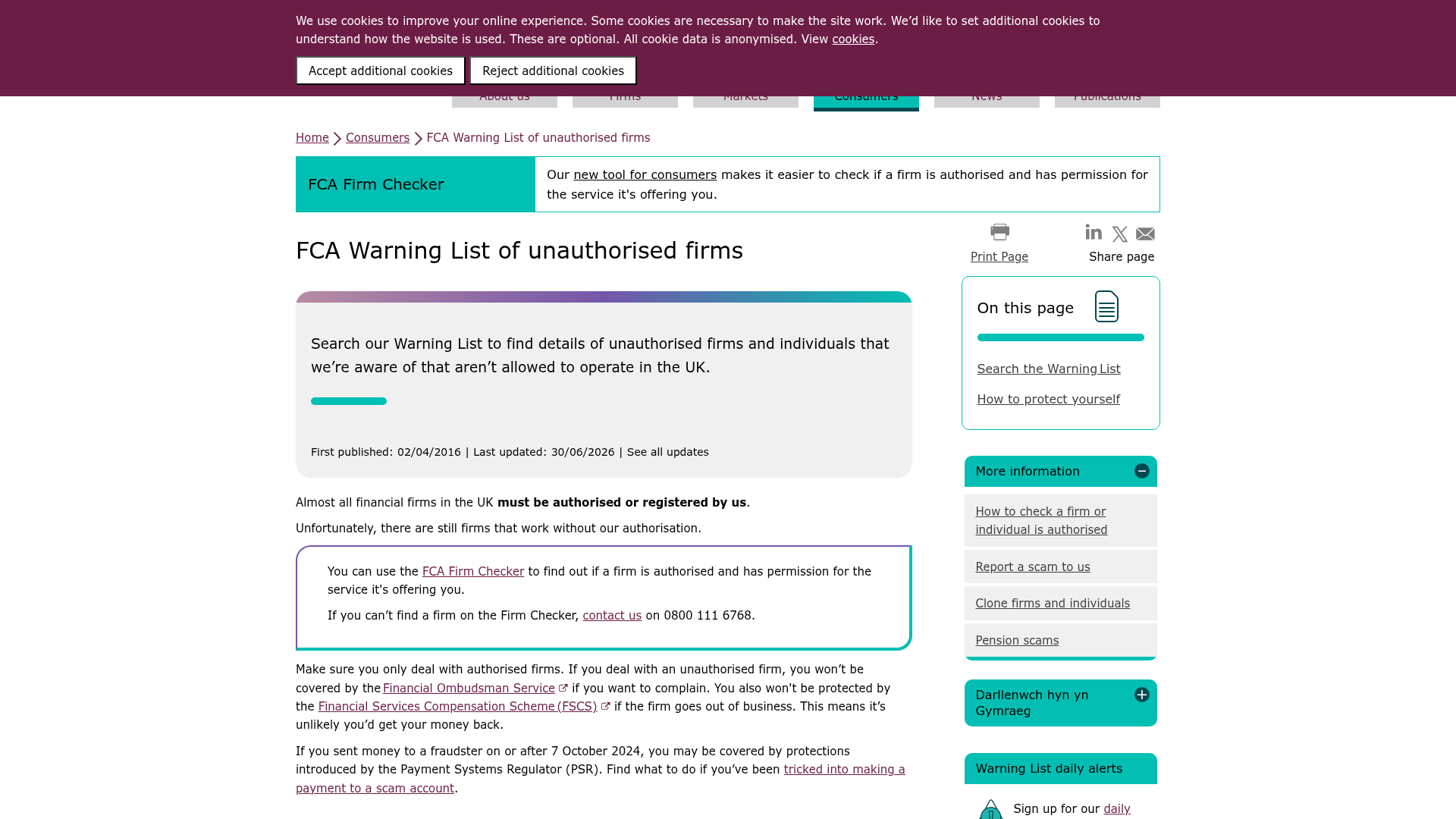
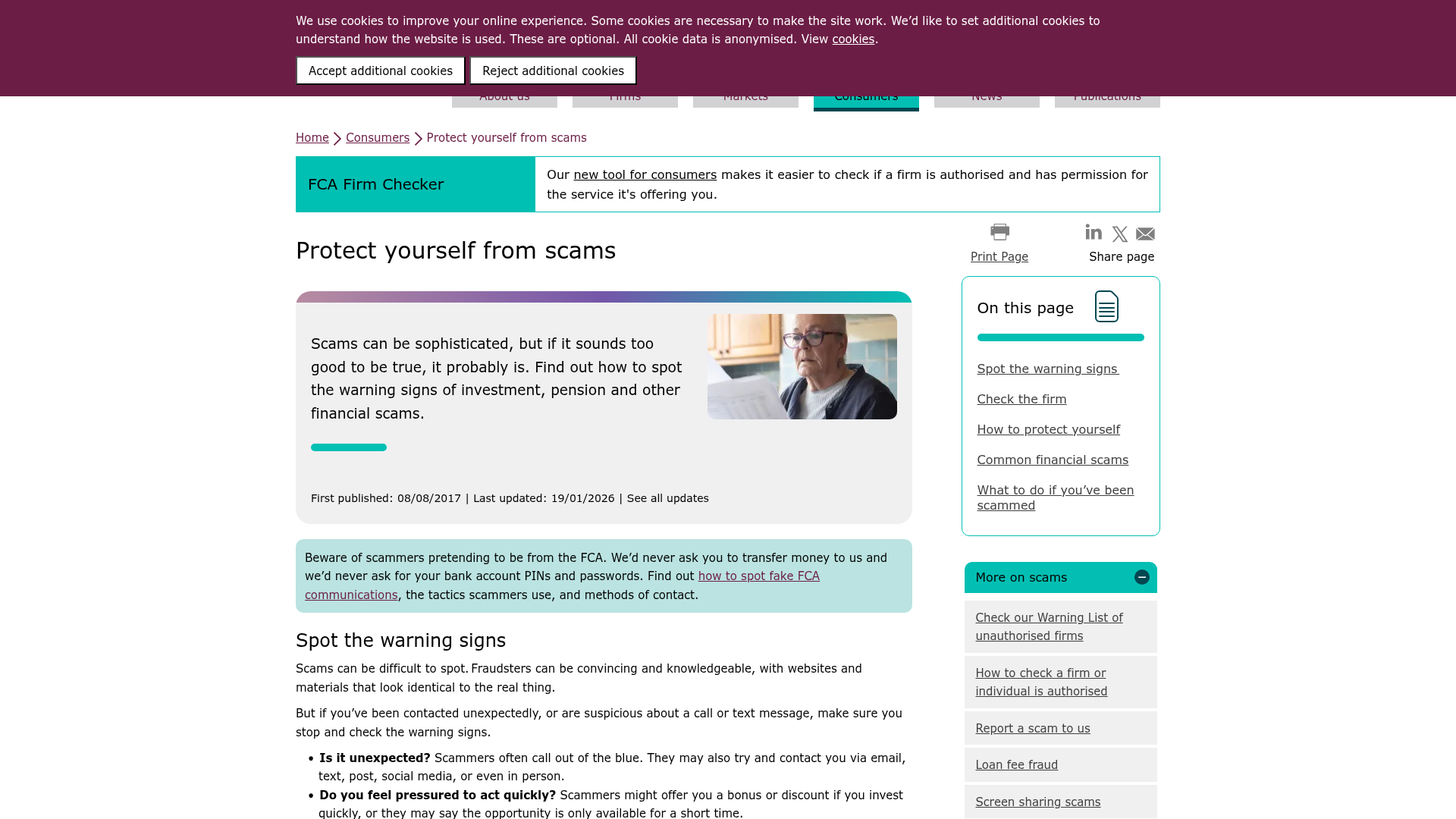
سجلات أخرى مستخدمة في هذا النوع من الفحوصات. كل منها يفتح صفحة الجهة التنظيمية الخاصة بها.
مصادر أساسية
يمكن التحقق من كل ادعاء أعلاه بالرجوع إلى صفحة الهيئة نفسها. تفتح هذه الروابط على موقع الجهة التنظيمية، وليس موقعنا.
- IOSCO — Investor alerts portaliosco.orghttps://www.iosco.org/investor_protection/?subsection=investor_alerts_portal
- FCA ScamSmartfca.org.ukhttps://www.fca.org.uk/scamsmart
- FCA — Warning list of unauthorised firmsfca.org.ukhttps://www.fca.org.uk/consumers/warning-list-unauthorised-firms
- CySEC — Regulated entities registercysec.gov.cyhttps://www.cysec.gov.cy/en-GB/entities/investment-firms/cypriot/
- ASIC — Professional registersasic.gov.auhttps://asic.gov.au/online-services/search-asics-registers/
الأسئلة المتكررة
هل تنظم FINMA جميع الشركات العاملة من سويسرا؟
لا، FINMA تنظم فقط المؤسسات المالية التي تتطلب ترخيصًا محددًا للعمل في سويسرا، مثل البنوك وشركات التأمين وشركات الأوراق المالية. أما الشركات التجارية العامة المسجلة في سويسرا فلا تخضع لإشراف FINMA فيما يتعلق بأنشطتها المالية، إلا إذا كانت حاصلة على ترخيص سوق مالي.
كيف يمكنني التحقق مما إذا كان وسيط فوركس أو CFD مرخصًا من قبل FINMA؟
يجب عليك التحقق من سجل FINMA الرسمي للمؤسسات الخاضعة للرقابة ('Supervised Institutions') على موقعهم الإلكتروني. ابحث عن الاسم الدقيق للوسيط. إذا لم يكونوا مدرجين هناك بترخيص سوق مالي محدد لأنشطة التداول، فإنهم غير مرخصين بشكل مباشر من قبل FINMA لتقديم تلك الخدمات.
ما هي المخاطر التي أواجهها إذا تداولت مع شركة تدعي "صلة سويسرية" ولكنها ليست مرخصة من FINMA؟
أنت تواجه مخاطر كبيرة، بما في ذلك نقص حماية المستثمر، وعدم الوصول إلى خطط تعويض المستثمرين، وربما عدم وجود سبيل للانتصاف عبر قنوات حل النزاعات الرسمية. قد تكون عمليات الشركة غير منظمة بالكامل، مما يجعلك عرضة للممارسات الاحتيالية أو السلوك السيء.
إذا كان الوسيط مرخصًا من قبل جهة تنظيمية أخرى، مثل CySEC أو ASIC، فهل ما زلت بحاجة للقلق بشأن الصلة السويسرية؟
إذا كان الوسيط مرخصًا بشكل قانوني من قبل جهة تنظيمية ذات سمعة طيبة مثل CySEC أو ASIC، فإن حمايتك تخضع لتلك الجهة التنظيمية والولاية القضائية المحددة. تصبح "الصلة السويسرية" غير ذات صلة بالرقابة التنظيمية على حساب التداول الخاص بك. ركز على التحقق من الترخيص في الولاية القضائية *المعلنة*.
ماذا يجب أن أفعل إذا اشتبهت في أن شركة تدعي ترخيص FINMA زوراً؟
يجب عليك الإبلاغ عن الشركة مباشرة إلى FINMA عبر موقعهم الإلكتروني الرسمي، وتقديم جميع الأدلة المتاحة. يجب عليك أيضًا التوقف عن التعامل مع الشركة والنظر في الإبلاغ عنها لأي جهات تنظيمية أخرى قد تدعي الانتماء إليها زوراً، أو لوكالات حماية المستهلك.
هل ترخص FINMA معالجي الدفع أو بورصات العملات المشفرة؟
ترخص FINMA بالفعل بعض مقدمي الخدمات المالية المبتكرة بموجب "ترخيص التقنية المالية" الخاص بها ('Fintech license')، والذي يمكن أن يشمل بعض معالجي الدفع وشركات معينة مرتبطة بالعملات المشفرة. ومع ذلك، يختلف هذا عن ترخيص وسطاء الفوركس أو CFD التقليديين. يجب التحقق من كل كيان في سجل FINMA لنشاطه المرخص المحدد.