
نقاط رئيسية
- تستخدم شركات الوساطة كيانات متعددة للتكيف مع اللوائح العالمية المتنوعة وتلبية احتياجات العملاء المختلفة.
- توفر الكيانات الخاضعة لتنظيم الاتحاد الأوروبي، مثل تلك الخاضعة لـ CySEC، حماية أقوى للمستثمرين، بما في ذلك خطط التعويض وحدود صارمة للرافعة المالية.
- غالباً ما توفر الكيانات الخارجية رافعة مالية أعلى، لكنها عادة ما تفتقر إلى ضمانات قوية للمستهلكين وصناديق تعويض.
- يتم توجيه العملاء إلى كيانات محددة بناءً على إقامتهم وأحياناً خبرتهم التجارية المعلنة ذاتياً.
- يعد التحقق من ترخيص الوسيط عبر السجلات الرسمية خطوة حاسمة قبل إيداع الأموال.
- ينطوي التداول مع كيان خارجي على مخاطر متزايدة بسبب محدودية الرقابة التنظيمية وقلة سبل الانتصاف في النزاعات.
الوجوه المتعددة لعلامة تجارية للوساطة
قد يلاحظ المتداول الفرد الذي يفحص Pepperstone أن العلامة التجارية تعمل تحت كيان Pepperstone EU المنظم من قبل CySEC وكيان آخر تشرف عليه لجنة الأوراق المالية في جزر البهاما (SCB). هذا الهيكل التشغيلي ليس فريداً لـ Pepperstone؛ بل يمثل ممارسة واسعة الانتشار في قطاع الوساطة عبر الإنترنت. فالعلامات التجارية مثل XM و IC Markets تحتفظ أيضاً بكيانات في ولايات قضائية متعددة، بما في ذلك أعضاء الاتحاد الأوروبي والعديد من المراكز الخارجية. على سبيل المثال، تدرج XM هيئات CySEC و ASIC و IFSC و DFSA ضمن معلوماتها المؤسسية، بينما تذكر IC Markets هيئات ASIC و CySEC وهيئة الخدمات المالية (FSA) في سيشيل.
ينبع هذا الازدواج من ضرورة عملية للامتثال لبيئات تنظيمية متنوعة والوصول إلى أسواق مختلفة. تفرض الهيئات التنظيمية في جميع أنحاء العالم متطلبات متنوعة فيما يتعلق بكفاية رأس المال، وحماية العملاء، وأنشطة التداول المسموح بها. من خلال إنشاء كيانات في مناطق مختلفة، يمكن للوسيط تكييف خدماته وشروطه لتتناسب مع الإطار القانوني المحدد لكل ولاية قضائية.
يسمح هذا النهج للوسيط بتقديم شروط تداول متميزة، مثل حدود الرافعة المالية المتغيرة أو الوصول إلى أدوات مالية معينة، اعتماداً على مكان إقامة العميل والكيان الذي يسجل معه. بالنسبة للمستهلكين، فإن فهم هيكل الكيانات المتعددة هذا ليس مجرد تمرين أكاديمي؛ بل يؤثر بشكل مباشر على مستوى الحماية الممنوحة لأموالهم وسبل الانتصاف المتاحة في حالة النزاع. تمتد الآثار من التنفيذ اليومي للصفقات إلى الأمن طويل الأجل لرأس المال المستثمر.
البوابة الأوروبية: قبرص ورقابة CySEC
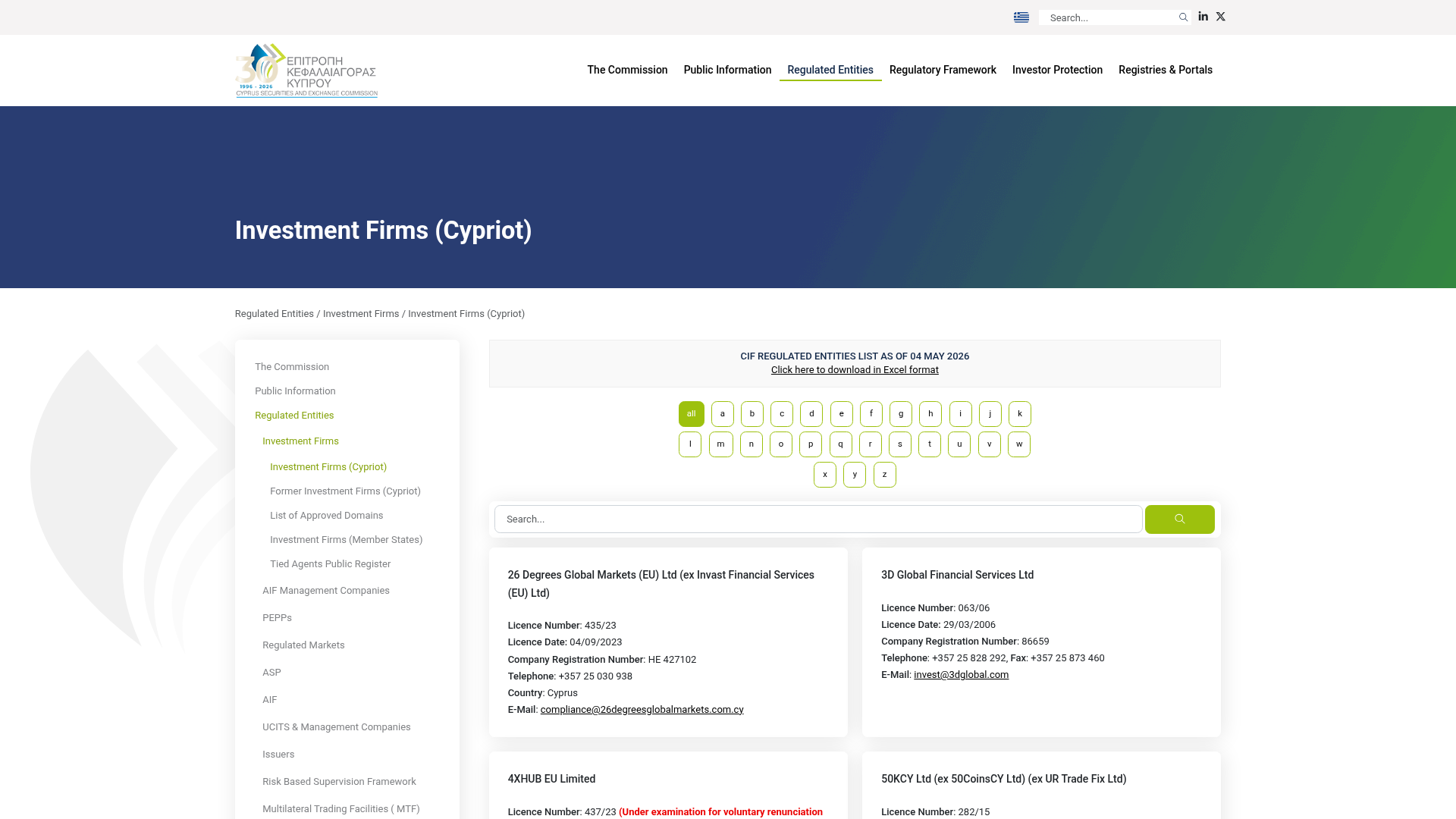
تعد قبرص، بصفتها عضواً في الاتحاد الأوروبي، مركزاً تنظيمياً مهماً للعديد من شركات الوساطة عبر الإنترنت. تنظم لجنة الأوراق المالية والبورصات القبرصية (CySEC) هذه الكيانات، مما يضمن الامتثال للتوجيهات المالية للاتحاد الأوروبي، ولا سيما توجيه أسواق الأدوات المالية الثاني (MiFID II). يضع هذا التوجيه إطاراً تنظيمياً موحداً لخدمات الاستثمار عبر المنطقة الاقتصادية الأوروبية. بالنسبة لعملاء شركات الوساطة المنظمة من قبل CySEC، يوفر هذا الإطار حماية كبيرة للمستثمرين. تتضمن هذه الحماية متطلبات صارمة لفصل أموال العملاء عن رأس المال التشغيلي للوسيط، مما يعني أن أموال العملاء تُحتفظ بها في حسابات بنكية منفصلة ولا يمكن استخدامها لتغطية نفقات الوسيط الخاصة. كما تقدم الشركات المنظمة من قبل CySEC عادة حماية الرصيد السلبي، مما يمنع عملاء التجزئة من خسارة أكثر من رأس مالهم المودع. ضمانة أخرى حاسمة هي الوصول إلى صندوق تعويض المستثمرين (ICF). في حال أصبحت شركة منظمة من قبل CySEC معسرة، قد يحصل العملاء الأفراد المؤهلون على تعويض يصل إلى 20,000 يورو للمطالبات المشمولة. يوفر هذا الصندوق شبكة أمان غالباً ما تكون غائبة في الولايات القضائية الأقل تنظيماً. يمكن التحقق من ترخيص الوسيط لدى CySEC مباشرة عبر سجل الكيانات المنظمة من قبل CySEC، والذي يسرد شركات الاستثمار المرخصة وأرقام تراخيصها المحددة. وهذا يضمن أن الكيان الذي تتعامل معه يخضع بالفعل لهذه الحمايات.
ما وراء الاتحاد الأوروبي: العرض الخارجي
خارج الرقابة المباشرة للاتحاد الأوروبي، يُشار عادة إلى عدد من الولايات القضائية باسم 'المراكز المالية الخارجية'. بالنسبة لشركات الوساطة، قد يعني إنشاء كيانات في هذه المواقع نهجاً تنظيمياً مختلفاً. تعمل شركات الوساطة مثل IC Markets و Exness بكيانات منظمة من قبل هيئة الخدمات المالية (FSA) في سيشيل، بينما تمتلك Pepperstone و FxPro فروعاً منظمة من قبل لجنة الأوراق المالية في جزر البهاما (SCB). تدرج XM أيضاً تنظيمها من قبل لجنة الخدمات المالية الدولية (IFSC) في بليز.
تقدم هذه الولايات القضائية الخارجية عادة بيئة تنظيمية مختلفة عن تلك الموجودة في الاتحاد الأوروبي أو المملكة المتحدة أو أستراليا. قد تفرض الهيئات التنظيمية في هذه المناطق، على الرغم من كونها رسمية، قيوداً أقل على شركات الوساطة، لا سيما فيما يتعلق بمتطلبات رأس المال، والتزامات الإبلاغ، وأنواع شروط التداول التي يمكنهم تقديمها للعملاء. وهذا غالباً ما يترجم إلى تكاليف تشغيل أقل لشركة الوساطة.
من المهم فهم أن 'خارجي' لا يعني تلقائياً 'غير منظم' أو 'غير قانوني'. فهذه الولايات القضائية لديها أطرها القانونية وهيئاتها التنظيمية الخاصة بها. ومع ذلك، فإن عمق ونطاق حماية المستثمر وآليات الانتصاف غالباً ما تختلف بشكل كبير عن تلك التي يقدمها المنظمون من الفئة الأولى. هذا هو الجزء الذي تتجاهله معظم الأدلة: هذه الولايات القضائية الخارجية ليست غير منظمة؛ إنها ببساطة تعمل بموجب أطر قانونية مختلفة، والتي يمكن أن تقدم مزايا لشركات الوساطة ومخاطر متزايدة للعملاء الأفراد.
الفرق الجوهري: الرافعة المالية وشروط التداول
أحد أبرز الفروق بين كيانات الوساطة المنظمة من قبل الاتحاد الأوروبي والكيانات الخارجية يكمن في الرافعة المالية المقدمة لعملاء التجزئة. بعد تدخلات الهيئة الأوروبية للأوراق المالية والأسواق (ESMA)، تم تحديد سقف للرافعة المالية لعملاء التجزئة لدى شركات الوساطة المنظمة من قبل الاتحاد الأوروبي بنسب محددة. على سبيل المثال، يتم تحديد أزواج العملات الرئيسية في الفوركس بحد أقصى 1:30، وأزواج العملات غير الرئيسية في الفوركس والذهب والمؤشرات الرئيسية بحد أقصى 1:20، والسلع (باستثناء الذهب) والمؤشرات غير الرئيسية بحد أقصى 1:10. أما العملات المشفرة فتقتصر على 1:2. تهدف هذه الحدود إلى حماية مستثمري التجزئة من المخاطر المفرطة.
على النقيض تماماً، غالباً ما تقدم الكيانات الخارجية رافعة مالية أعلى بكثير، تتراوح غالباً من 1:200 إلى 1:500، وأحياناً أعلى من ذلك، مثل 1:1000 أو 1:2000. تسمح هذه الرافعة المالية الأعلى للمتداولين بالتحكم في مراكز أكبر بكمية أقل من رأس المال، مما قد يضخم الأرباح والخسائر على حد سواء. بينما يمكن أن تكون الرافعة المالية الأعلى جذابة لأولئك الذين يسعون إلى تعرض أكبر للسوق، فإنها تزيد أيضاً بشكل كبير من خطر استنزاف الحساب بسرعة.
يؤثر هذا الاختلاف في الرافعة المالية بشكل مباشر على استراتيجيات التداول وإدارة المخاطر. قد يجد المتداول المعتاد على رافعة مالية 1:500 أن حد 1:30 مقيداً، بينما قد يفضل المتداول الذي يولي الأولوية للحفاظ على رأس المال الإطار الأوروبي الأكثر تحفظاً. يعد فهم هذه الاختلافات في الرافعة المالية أمراً بالغ الأهمية لاتخاذ قرارات مستنيرة بشأن مكان وضع رأس مالك التجاري، حيث يحدد ذلك التعرض الفعلي للمخاطر لكل صفقة.
مقارنة حدود الرافعة المالية القصوى للعملاء الأفراد حسب الولاية القضائية
| فئة الأصول | الرافعة المالية الخاضعة لتنظيم الاتحاد الأوروبي (على سبيل المثال: CySEC, FCA) | الرافعة المالية الخاضعة للتنظيم الخارجي (أوفشور) (على سبيل المثال: SCB, FSA Seychelles) |
|---|---|---|
| أزواج الفوركس الرئيسية | 1:30 | 1:500 (أو أعلى) |
| أزواج الفوركس غير الرئيسية، الذهب، المؤشرات الرئيسية | 1:20 | 1:400 (أو أعلى) |
| السلع (باستثناء الذهب)، المؤشرات غير الرئيسية | 1:10 | 1:200 (أو أعلى) |
| العملات الرقمية المشفرة | 1:2 | 1:50 (أو أعلى) |
بالنسبة لمعظم المتداولين الأفراد، فإن إعطاء الأولوية للأمان الذي توفره الكيانات الراسخة والخاضعة لتنظيم صارم هو النهج الأكثر حكمة لحماية استثماراتهم.
Mei Tanaka
حماية المستثمرين: حكاية نظامين
يختلف مستوى حماية المستثمرين بشكل كبير بين الولايات القضائية ذات التنظيم الصارم والمراكز الخارجية (الأوفشور). في الاتحاد الأوروبي، على سبيل المثال، يقدم صندوق تعويض المستثمرين (ICF) التابع لـ CySEC حماية تصل إلى 20,000 يورو لكل شخص في حال إفلاس الوسيط. وبالمثل، يغطي مخطط تعويض الخدمات المالية (FSCS) في المملكة المتحدة ما يصل إلى 85,000 جنيه إسترليني للمطالبات الاستثمارية المؤهلة. توفر هذه المخططات شبكة أمان حيوية للمستثمرين الأفراد، مما يضمن حماية جزء على الأقل من أموالهم في حالة إفلاس الوسيط.
لا توفر الولايات القضائية الخارجية (الأوفشور) عادةً مخططات تعويض مماثلة. بينما قد يكون لدى البعض أطر عمل محلية، إلا أنها غالبًا لا تتطابق مع التغطية المالية أو إمكانية الوصول لنظرائها في الاتحاد الأوروبي أو المملكة المتحدة. يعني هذا الغياب أنه إذا تعرض وسيط خاضع للتنظيم الخارجي (الأوفشور) لضائقة مالية، فقد يكون لدى العملاء القليل من سبل الانتصاف أو لا شيء لاسترداد أموالهم.
تختلف أيضًا آليات تسوية النزاعات. يمكن لعملاء الوسطاء الخاضعين لتنظيم الاتحاد الأوروبي غالبًا اللجوء إلى خدمات أمين المظالم المالي المستقل، مما يوفر وسيلة محايدة لحل الشكاوى التي لا يمكن تسويتها مباشرة مع الوسيط. أما مع الكيانات الخارجية (الأوفشور)، فإن التسوية تعتمد عادةً على عملية الشكاوى الداخلية للوسيط، أو في حال الفشل، من خلال النظام القانوني للولاية القضائية الخارجية (الأوفشور)، والذي يمكن أن يكون أكثر تعقيدًا وتكلفة للعميل الدولي لمتابعته.
تصنيف العملاء: من يتداول أين؟
يقوم الوسطاء عادةً بتصنيف العملاء بناءً على بلد إقامتهم، ويوجهونهم إلى الكيان المنظم المناسب. على سبيل المثال، يتم عادةً قبول المقيم في فرنسا من قبل كيان الوسيط الخاضع لتنظيم CySEC، ملتزمًا بإجراءات تدخل المنتج الخاصة بـ ESMA. ومع ذلك، قد يتم توجيه العميل من منطقة ذات تنظيم محلي أقل صرامة إلى كيان خارجي (أوفشور)، حيث تتوفر رافعة مالية أعلى وشروط تداول مختلفة. هذا التصنيف ليس عشوائيًا؛ بل هو جانب أساسي من جوانب الامتثال التنظيمي. يجب على الوسطاء التأكد من أنهم يقدمون الخدمات بما يتماشى مع قوانين بلد العميل الأصلي. ومع ذلك، قد يقدم بعض الوسطاء أيضًا خيارات للعملاء للتقدم بطلب للحصول على صفة 'عميل محترف' ضمن لوائح الاتحاد الأوروبي. بينما يسمح هذا برافعة مالية أعلى، فإن معايير التأهل كعميل محترف صارمة وتشمل خبرة محددة، وحجم تداول، وعتبات للأصول المالية، مما يجعلها غير مناسبة لمعظم المتداولين الأفراد. عمليًا، إذا تقدمت بطلب من منطقة منظمة مثل المملكة المتحدة، غالبًا ما يسألك مكتب خدمة العملاء مرتين للتأكد من رغبتك في التداول مع فرع أوفشور، وأحيانًا يدفعونك نحو الكيان المحلي أولاً. يحدث هذا لأن الوسيط يدرك التداعيات التنظيمية واحتمال عدم رضا العميل إذا نشأت مشكلات مع كيان أقل حماية. وهذا يؤكد أن الوسيط يدرك مستويات الحماية المختلفة التي توفرها كياناته المتنوعة.
الاستقرار المالي والشفافية التشغيلية
يمكن أن يختلف الاستقرار المالي والشفافية التشغيلية للوسيط بشكل كبير بناءً على الجهة التنظيمية الرئيسية له. تفرض الجهات التنظيمية مثل FCA (المملكة المتحدة)، ASIC (أستراليا)، و CySEC (الاتحاد الأوروبي) متطلبات رأس مال كبيرة على الشركات التي تشرف عليها. تضمن هذه المتطلبات أن يحافظ الوسطاء على رأس مال تشغيلي كافٍ لتغطية التزاماتهم واستيعاب الصدمات المالية المحتملة، مما يوفر أساسًا أقوى للاستقرار المالي. إلى جانب متطلبات رأس المال، يطلب المنظمون من الفئة الأولى (Tier-1) ضوابط داخلية صارمة، وتقارير مالية منتظمة، وعمليات تدقيق خارجية شاملة. يساهم هذا الإشراف المستمر في درجة أعلى من الشفافية التشغيلية. يمكن للعملاء غالبًا الوصول إلى البيانات المالية العامة أو الإفصاحات التنظيمية التي تقدم نظرة ثاقبة حول صحة الوسيط والتزامه بالمعايير. تم تصميم هذه الإجراءات لتقليل مخاطر الاحتيال وسوء الإدارة. الكيانات الخارجية (الأوفشور)، على الرغم من كونها منظمة، غالبًا ما تعمل ضمن أطر عمل أقل تطلبًا فيما يتعلق بكفاية رأس المال والتقارير العامة. هذا لا يعني بالضرورة وجود مخالفات، ولكنه يعني أن مستوى التدقيق الخارجي يكون عادةً أقل. بالنسبة للمستثمرين، يمكن أن يترجم هذا إلى وضوح أقل للوضع المالي للوسيط وممارساته التشغيلية، مما قد يزيد من المخاطر الإجمالية. إن نقص المعلومات العامة المفصلة يجعل من الصعب على المستهلكين تقييم الصحة المالية للوسيط بشكل مستقل.
مقارنة لأهم المتطلبات التنظيمية والحماية
| الجانب التنظيمي | كيان خاضع للتنظيم الأوروبي (على سبيل المثال، CySEC) | كيان خاضع للتنظيم الخارجي (أوفشور) (على سبيل المثال، SCB) |
|---|---|---|
| متطلبات رأس المال | عالية، مفروضة بموجب توجيهات الاتحاد الأوروبي | أقل، يحددها الكيان التنظيمي المحلي الخارجي (أوفشور) |
| فصل أموال العملاء | إلزامي ويتم تطبيقه بصرامة | غالبًا ما يكون مطلوبًا، ولكن قد يختلف التطبيق |
| حماية الرصيد السلبي | إلزامي لعملاء التجزئة | غالبًا ما يُقدم طوعًا، وليس مضمونًا دائمًا |
| نظام تعويض المستثمرين | نعم (على سبيل المثال، ICF حتى 20,000 يورو) | عادة لا يوجد أو محدود جدًا |
| التقارير التنظيمية | متكررة وإفصاحات عامة مفصلة | أقل تكرارًا، وتفاصيل عامة أقل |
| حل النزاعات | الوصول إلى أمين مظالم مستقل | عملية داخلية، محاكم محلية |
التحقق من الوضع التنظيمي
قبل إيداع الأموال لدى أي وسيط، من الضروري التحقق من وضعه التنظيمي. مجرد رؤية شعار جهة تنظيمية على موقع الوسيط الإلكتروني لا يكفي؛ فالتحقق المباشر عبر القنوات الرسمية أمر ضروري. بالنسبة للكيانات الخاضعة للتنظيم الأوروبي، يوفر سجل الكيانات المنظمة لدى CySEC قائمة بالشركات الاستثمارية المرخصة. يجب عليك البحث عن اسم الكيان المحدد ورقم الترخيص الذي يقدمه الوسيط لتأكيد شرعيته.
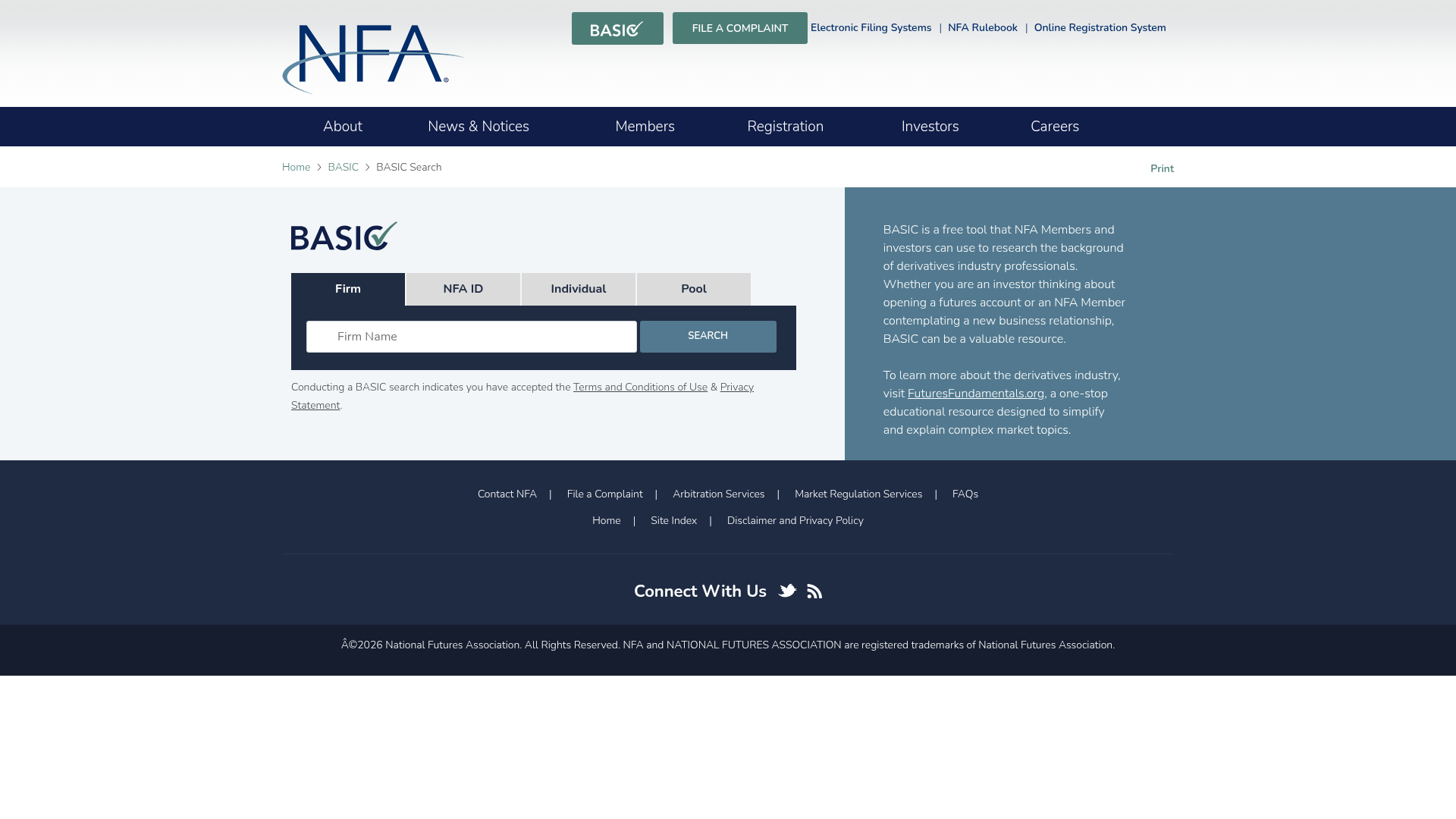
بالنسبة للكيانات الخاضعة للتنظيم في المملكة المتحدة، يعد سجل الخدمات المالية التابع لهيئة السلوك المالي (FCA) هو المصدر الموثوق. وبالمثل، بالنسبة للوسطاء الأستراليين، تتيح السجلات المهنية التابعة لـ ASIC التحقق من الترخيص، وبالنسبة للوسطاء في الولايات المتحدة، يوفر نظام NFA BASIC معلومات عن حالة الانتماء. من الأهمية بمكان مطابقة اسم الكيان بدقة، حيث قد تكون الأسماء متشابهة أحيانًا ولكنها تخص كيانات مختلفة وغير مرخصة.
يجب على المستهلكين أيضًا الرجوع إلى 'قوائم التحذير' التي تنشرها الجهات التنظيمية الرئيسية. تحتفظ FCA بقائمة تحذير للشركات غير المرخصة، وتنشر CFTC قائمة بالكيانات التي تعاني من نقص في التسجيل (RED List). إذا ظهر وسيط أو كيان يدعي الارتباط به في مثل هذه القائمة، فهذا يشير إلى مخاطر كبيرة. تحدد هذه القوائم الشركات التي تعمل دون ترخيص مناسب أو تلك التي تشارك في أنشطة مشبوهة. هذه الخطوة هي دفاع مباشر وقابل للتنفيذ ضد الضرر المحتمل. يجب التعامل بحذر شديد مع أي وسيط يرفض تقديم رقم ترخيصه أو يوجهك إلى مصدر تحقق غير رسمي.
الموازنة بين المخاطر: قرار المستهلك
يمثل الاختيار بين التداول مع كيان منظم من الاتحاد الأوروبي أو كيان منظم في الخارج مفاضلة بين العوائد المحتملة والأمان. غالبًا ما تقدم الكيانات الخارجية جاذبية الرافعة المالية الأعلى، وفي بعض الأحيان، شروط تداول أكثر مرونة. قد يجذب هذا المتداولين ذوي الخبرة الذين يسعون إلى تعرض أكبر للسوق أو أولئك الذين يتبعون استراتيجيات جريئة. ومع ذلك، تأتي هذه المرونة المتزايدة بتكلفة: حماية المستثمر واللجوء القانوني يتضاءلان بشكل كبير. توفر الكيانات المنظمة من الاتحاد الأوروبي، بينما تفرض قيودًا أكثر صرامة على الرافعة المالية وربما متطلبات هامش أعلى، شبكة أمان قوية. ميزات مثل الفصل الإلزامي لأموال العملاء، وحماية الرصيد السلبي، والوصول إلى خطط التعويض مثل ICF، توفر طبقة أساسية من الأمان حاسمة للحفاظ على رأس المال. تضمن الشفافية والرقابة من منظمين مثل CySEC بيئة تداول أكثر تنظيمًا ومساءلة. من منظور حماية المستهلك، الموقف واضح: التنظيم الأقوى يوفر حماية أفضل، على الرغم من انخفاض الرافعة المالية. بينما قد تعد الرافعة المالية الأعلى بمكاسب أكبر، فإنها تسرع أيضًا الخسائر المحتملة. إن غياب خطط التعويض الفعالة وعمليات تسوية النزاعات المبسطة في العديد من الولايات القضائية الخارجية يترك العملاء عرضة للخطر. بالنسبة لمعظم متداولي التجزئة، فإن إعطاء الأولوية للأمان الذي توفره الكيانات الراسخة والمنظمة بصرامة هو النهج الأكثر حكمة لحماية استثماراتهم.
حماية رأس مالك من خلال خيارات مستنيرة
يتطلب التعامل مع تعقيدات كيانات الوسطاء وأسواقهم التنظيمية المتنوعة اليقظة واتخاذ قرارات مستنيرة. إن وجود كيانات متعددة تحت علامة تجارية واحدة هو خيار استراتيجي يتخذه الوسطاء، لكنه يخلق مجموعة مميزة من التداعيات لمتداولي التجزئة. إن فهم الهيئة التنظيمية المحددة التي تشرف على الكيان الذي تختاره، والحماية التي تأتي معه، ليس مجرد إجراء شكلي؛ بل هو خطوة حاسمة في إدارة مخاطر الاستثمار. قبل إيداع أي أموال، تحقق من ترخيص الوسيط مباشرة من السجل الرسمي للهيئة التنظيمية المعنية. لا تعتمد فقط على الادعاءات الواردة في موقع الوسيط أو من قبل ممثلي المبيعات. تأكد من أن اسم الكيان ورقم الترخيص يتطابقان مع السجلات العامة. إذا واجهت أي تناقضات أو وجدت أن وسيطًا يعمل دون ترخيص يمكن التحقق منه، فاعتبر ذلك تحذيرًا جادًا. أعطِ الأولوية دائمًا للرقابة التنظيمية من الهيئات ذات السمعة الطيبة على شروط التداول الجذابة وحدها. يعتمد أمان رأس مالك على هذا التقييم الدقيق، مما يضمن تعاملك مع شركة تلتزم بمعايير السلوك وحماية المستثمر المعترف بها.
الصفحة التي نتحقق منها
هذه هي صفحة الهيئة نفسها، تم التقاطها كما وجدناها. افتحها وقم بإجراء البحث نفسه بنفسك — لا شيء في هذا السجل يحل محل المصدر.
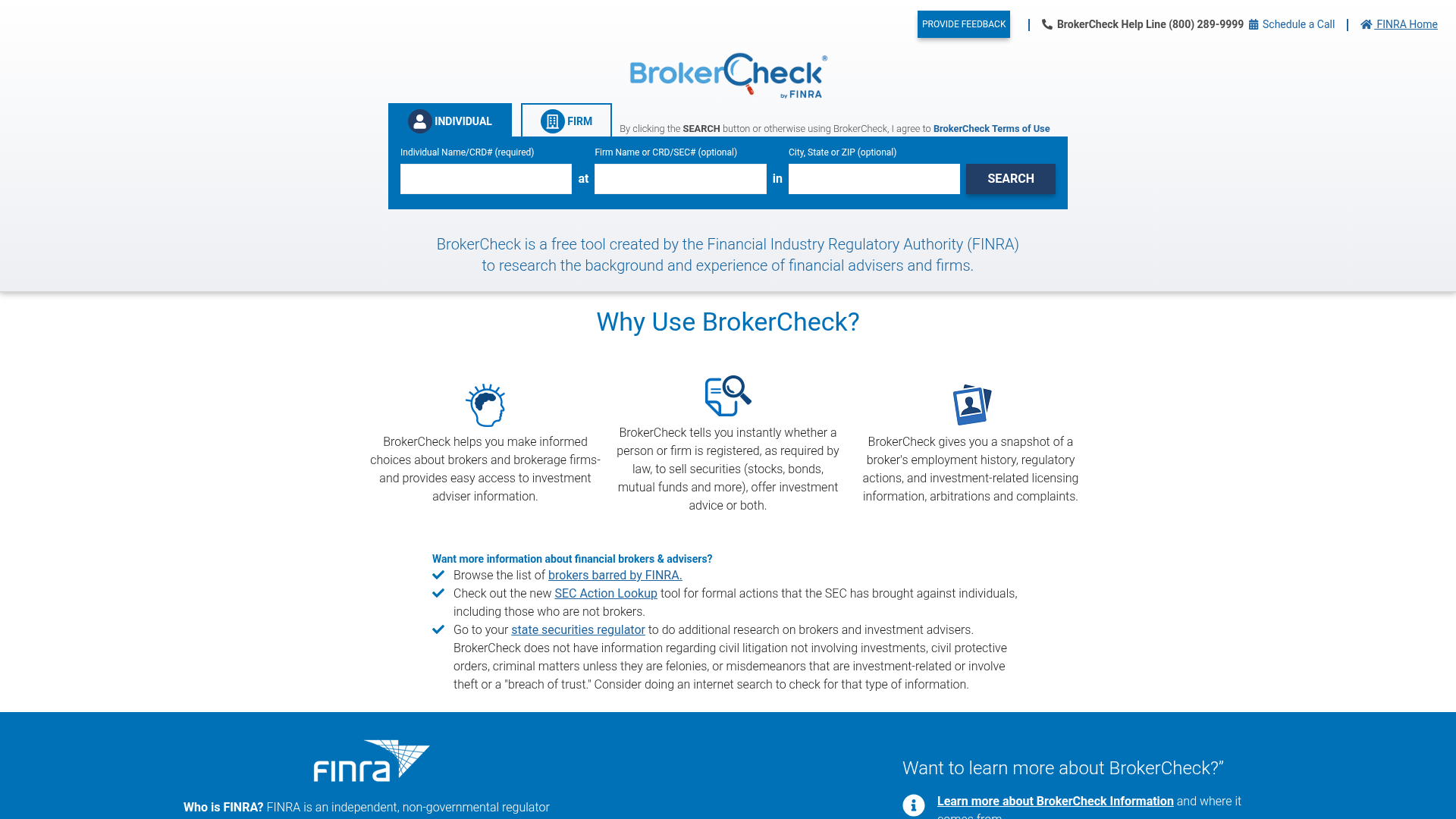
سجلات أخرى مستخدمة في هذا النوع من الفحوصات. كل منها يفتح صفحة الجهة التنظيمية الخاصة بها.
مصادر أساسية
يمكن التحقق من كل ادعاء أعلاه بالرجوع إلى صفحة الهيئة نفسها. تفتح هذه الروابط على موقع الجهة التنظيمية، وليس موقعنا.
- CySEC — Regulated entities registercysec.gov.cyhttps://www.cysec.gov.cy/en-GB/entities/investment-firms/cypriot/
- ESMA — Product intervention on CFDsesma.europa.euhttps://www.esma.europa.eu/press-news/esma-news/esma-agrees-prohibit-binary-options-and-restrict-cfds-protect-retail
- FCA — Warning list of unauthorised firmsfca.org.ukhttps://www.fca.org.uk/consumers/warning-list-unauthorised-firms
- NFA BASIC — background affiliation statusnfa.futures.orghttps://www.nfa.futures.org/basicnet/
- Financial Services Compensation Scheme (FSCS)fscs.org.ukhttps://www.fscs.org.uk/what-we-cover/investments/
الأسئلة المتكررة
لماذا يمتلك بعض الوسطاء تراخيص متعددة؟
يستخدم الوسطاء تراخيص متعددة لخدمة العملاء في مناطق جغرافية مختلفة مع الامتثال للوائح المحلية المتنوعة وتقديم شروط تداول مختلفة. وهذا يسمح لهم بالتكيف مع الأطر القانونية المتنوعة عالميًا.
ما هي الفوائد الرئيسية للتداول مع كيان منظم من قبل CySEC؟
يوفر التداول مع كيان منظم من قبل CySEC حماية أقوى للمستثمرين بموجب قانون الاتحاد الأوروبي، بما في ذلك قواعد صارمة بشأن فصل أموال العملاء، وحماية الرصيد السلبي، والوصول إلى صندوق تعويض المستثمرين (ICF) حتى 20,000 يورو في حالة إفلاس الوسيط.
ماذا يعني 'الكيان الخارجي' في مصطلحات الوساطة؟
يشير 'الكيان الخارجي' عادةً إلى فرع وساطة منظم في ولاية قضائية خارج المراكز المالية الرئيسية، مثل سيشيل أو جزر البهاما. غالبًا ما تكون متطلبات التنظيم في هذه الولايات القضائية أقل صرامة وقد تسمح بخيارات رافعة مالية أعلى.
هل التداول مع وسيط منظم في الخارج آمن؟
على الرغم من أنه ليس غير آمن بطبيعته، فإن التداول مع وسيط منظم في الخارج ينطوي عمومًا على مخاطر أعلى بسبب ضعف حماية المستثمرين، ومحدودية اللجوء في النزاعات، وغالبًا عدم وجود خطة تعويض حكومية إذا واجه الوسيط الإفلاس. التحقق أمر بالغ الأهمية.
كيف يمكنني التحقق من ترخيص الوسيط؟
يمكنك التحقق من ترخيص الوسيط عن طريق مراجعة السجلات الرسمية للهيئات التنظيمية المذكورة، مثل سجل الكيانات المنظمة من CySEC، أو سجل الخدمات المالية لـ FCA، أو السجلات المهنية لـ ASIC. تأكد من تطابق اسم الكيان ورقم الترخيص بدقة.
ما هو الاختلاف الرئيسي في شروط التداول بين الكيانات المنظمة في الاتحاد الأوروبي والكيانات الخارجية؟
الفرق الرئيسي غالبًا ما يكون في الرافعة المالية: تحد الكيانات المنظمة في الاتحاد الأوروبي الرافعة المالية لعملاء التجزئة (على سبيل المثال، 1:30 لأزواج الفوركس الرئيسية بموجب ESMA)، بينما تقدم الكيانات الخارجية غالبًا رافعة مالية أعلى بكثير (على سبيل المثال، 1:500 أو أكثر)، مما يؤدي إلى مخاطر ومكافآت محتملة أكبر.
هل يمكنني اختيار الكيان الذي أرغب في التداول معه من وسيط؟
بشكل عام، تحدد إقامتك الكيان الذي يمكنك فتح حساب معه بسبب القيود القانونية والتنظيمية. بينما قد يقدم بعض الوسطاء خيارات في ظروف معينة، فإن ذلك يعتمد عادةً على موقعك الجغرافي وأهليتك.