
نقاط رئيسية
- تحقق من وضع الوكيل المعتمد (AR) لأي شركة وترخيص شركتها الرئيسية مباشرةً على السجلات التنظيمية الرسمية مثل FCA Financial Services Register.
- الشركة الرئيسية مسؤولة عادةً عن الأنشطة المنظمة لوكيلها المعتمد (AR)، ولكن هذه الحماية قد تتصدع إذا عمل الوكيل المعتمد خارج نطاق صلاحياته المتفق عليه.
- خطط التعويض مثل FSCS لها حدود وشروط تغطية محددة؛ وقد لا تكون الخسائر الناجمة عن الأنشطة غير المنظمة أو تجاوز الحدود قابلة للاسترداد.
- تستغل الكيانات الاحتيالية نموذج الوكيل المعتمد (AR) عبر الادعاء الكاذب بالانتماءات أو انتحال صفة شركات شرعية؛ احرص دائماً على مقارنة المعلومات بقوائم تحذيرات الهيئات التنظيمية.
- احتفظ بسجلات دقيقة لجميع المراسلات والمعاملات للمساعدة في تسوية النزاعات أو مطالبات التعويض.
المرساة الخفية: ما هو الوكيل المعتمد؟
لنفترض وجود شركة استشارية مالية أصغر، ربما 'Venture Capital Advisers'، تعمل في المملكة المتحدة. عندما يسعى فرد للحصول على استشارة استثمارية، قد يصادف 'Venture Capital Advisers' التي تقدم نفسها كشركة منظمة وذات كفاءة. خطوة حكيمة، وهي التحقق من Financial Services Register الذي تحتفظ به Financial Conduct Authority (FCA)، قد تكشف أن 'Venture Capital Advisers' ليست مرخصة مباشرة من قبل FCA. بدلاً من ذلك، هي مدرجة كوكيل معتمد (AR) لكيان أكبر ومرخص مباشرة، مثل 'Apex Financial Group Plc'. هذا الهيكل، الشائع في مختلف القطاعات المالية، يسمح لشركة أصغر، وغالباً ما تكون متخصصة، بممارسة الأنشطة المنظمة تحت مظلة التراخيص التنظيمية لشركة رئيسية أكبر. الشركة الرئيسية، 'Apex Financial Group Plc' في مثالنا، تتحمل المسؤولية الأساسية لضمان امتثال الوكيل المعتمد (AR) للمتطلبات التنظيمية ومعايير حماية العملاء. يعمل هذا المفهوم كترخيص مشترك. تستفيد شركة الوكيل المعتمد (AR) من دخول أسرع للسوق، متجنبة عملية التقديم الطويلة والمكلفة للحصول على ترخيص مباشر. أما بالنسبة للشركة الرئيسية، فإنها توسع نطاق وصولها وعروض خدماتها دون تكاليف توظيف جميع الموظفين الذين يتعاملون مع العملاء مباشرة أو إنشاء فروع متعددة. هذه الراحة للشركات تُدخل تعقيداً للمستهلكين، خاصة عند نشوء النزاعات أو عند فهم النطاق الدقيق للمسؤولية. ليس من الواضح دائماً أين تنتهي مسؤولية الشركة الرئيسية وأين تبدأ الإجراءات المستقلة للوكيل المعتمد (AR)، وهي تفصيلة قد تصبح ذات أهمية بالغة إذا حدث خطأ ما. يضمن إطار عمل FCA للوكلاء المعتمدين حصول المستهلكين على حماية مماثلة كما لو كانوا يتعاملون مع شركة مرخصة مباشرة. الشركة الرئيسية مسؤولة قانونياً عن الأنشطة المنظمة لوكلائها المعتمدين. هذا يعني أنه إذا قدم وكيل معتمد (AR) نصيحة غير مناسبة أو أساء التعامل مع أموال العملاء في أنشطته المنظمة، فإن الرجوع يكون بشكل أساسي ضد الشركة الرئيسية. ومع ذلك، فإن التطبيق العملي لهذه المساءلة يمكن أن يكون دقيقاً. ليست جميع الأنشطة التي يقوم بها الوكيل المعتمد (AR) مغطاة بالضرورة بتراخيص الشركة الرئيسية أو إشرافها، خاصة إذا تصرف الوكيل المعتمد (AR) خارج النطاق المحدد لاتفاقيته. هذا هو الجزء الذي تتجاهله معظم الأدلة: إن فهم الحدود الدقيقة لتلك 'المظلة' نادراً ما يكون شفافاً للعميل. على سبيل المثال، إذا كانت 'Venture Capital Advisers'، التي تعمل كوكيل معتمد (AR) لـ 'Apex Financial Group Plc' لتقديم المشورة الاستثمارية، تقدم أيضاً خدمات تخطيط ضريبي غير منظمة بشكل مستقل، فإن المشكلات الناجمة عن التخطيط الضريبي لن تقع عادةً ضمن مسؤولية 'Apex Financial Group Plc'. يتطلب هذا التمييز من المستهلكين اليقظة، والتحقق ليس فقط من وضع الوكيل المعتمد (AR) ولكن أيضاً من الأنشطة المحددة التي تتحمل الشركة الرئيسية المسؤولية عنها. يمكن أن يؤدي سوء فهم خطوط الفصل هذه إلى فجوات كبيرة في الحماية.
فحص السجل بدقة: كيفية التحقق من الوضع
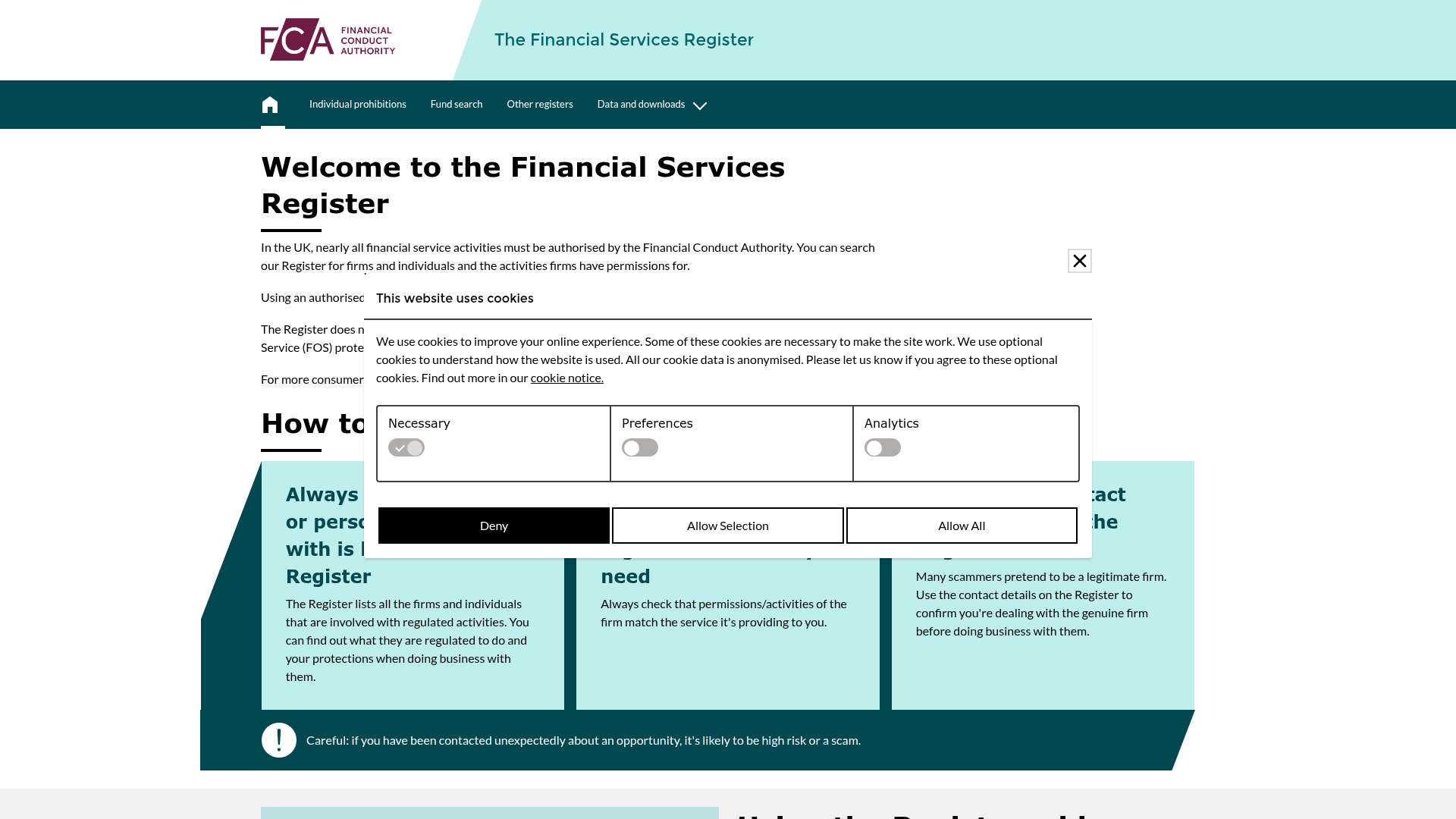
الخطوة الأولى الحاسمة لأي مستهلك يتعامل مع شركة تدعي تقديم خدمات مالية منظمة، بما في ذلك تلك التي تعمل كوكيل معتمد (AR)، هي التحقق من وضعها في السجلات التنظيمية الرسمية. بالنسبة للشركات العاملة بموجب إطار عمل Financial Conduct Authority (FCA) في المملكة المتحدة، فإن المصدر الأساسي هو FCA Financial Services Register (https://register.fca.org.uk/). توفر هذه الأداة المجانية والمتاحة للجمهور معلومات قاطعة حول الشركات والأفراد المرخصين أو المسجلين من قبل FCA. للتحقق من وكيل معتمد، أدخل اسم الشركة في حقل البحث 'Firm Name'. ستوضح نتيجة البحث الخاصة بالوكيل المعتمد (AR) وضعه بوضوح، وغالباً ما تتضمن عبارة 'Appointed Representative of...' متبوعة باسم الشركة الرئيسية. من المهم بنفس القدر البحث عن الشركة الرئيسية نفسها. يؤكد هذا البحث الثانوي وضع الترخيص المباشر للشركة الرئيسية ويسمح بفحص تراخيصها، مما يوفر نظرة ثاقبة على نطاق الأنشطة التي يُسمح لها بممارستها. تؤكد مقارنة هذه الإدخالات الشرعية وتوضح العلاقة. انتبه جيداً لقسمي 'status' و 'details' لكل من الوكيل المعتمد (AR) والشركة الرئيسية. يجب أن يكون 'Current Status' (الوضع الحالي) 'Authorised' (مرخص) للشركة الرئيسية و 'Appointed Representative' (وكيل معتمد) للوكيل المعتمد (AR). يوضح قسم 'What can this firm do?' (ماذا يمكن لهذه الشركة أن تفعل؟) في صفحة الشركة الرئيسية الأنشطة المنظمة المحددة التي يُسمح لها بممارستها. تحدد هذه المعلومات بشكل غير مباشر الحدود التي يمكن لوكلائها المعتمدين العمل ضمنها. إذا قدم وكيل معتمد (AR) خدمة غير مدرجة ضمن تراخيص شركته الرئيسية، فهذا يشير إلى مشكلة محتملة خطيرة تستدعي تحقيقاً فورياً. يجب إجراء عملية التحقق هذه بشكل مثالي قبل التعهد بأي أموال أو مشاركة معلومات شخصية حساسة. خارج المملكة المتحدة، توجد أدوات تحقق مماثلة. في أستراليا، توفر Australian Securities and Investments Commission (ASIC) Professional registers (https://asic.gov.au/online-services/search-asics-registers/). في قبرص، تحتفظ Cyprus Securities and Exchange Commission (CySEC) بـ Regulated entities register (https://www.cysec.gov.cy/en-GB/entities/investment-firms/cypriot/). تعكس العملية تلك الخاصة بـ FCA: تحديد موقع الشركة، وتحديد وضعها، وتأكيد الكيان المرخص لها وتراخيصها. يجب التعامل مع أي شركة تدعي أنها منظمة ولكن لا يمكن العثور عليها في أي سجل رسمي، أو التي لا تتطابق تفاصيلها، بحذر شديد. يشير هذا غالباً إلى عملية غير مصرح بها.
عبء الشركة الرئيسية: لماذا تتبنى الشركات نموذج الوكيل المعتمد (AR)
نموذج الوكيل المعتمد (AR) ليس مجرد بيروقراطية؛ بل يخدم أهدافاً تجارية واضحة لكل من الشركة الرئيسية والوكيل المعتمد (AR). بالنسبة للشركة الرئيسية، يمكن أن يؤدي جلب الوكلاء المعتمدين إلى تسريع دخول السوق وتنويع الخدمات دون توسيع قاعدة موظفيها أو تواجدها المادي. على سبيل المثال، قد ترغب 'Global Horizons Plc'، وهي شركة استثمارية كبيرة، في تقديم خدمات التخطيط المالي للمهنيين الطبيين. بدلاً من بناء قسم جديد، يمكنها الشراكة مع شركة متخصصة أصغر، 'MedPro Advisers'، ومنحها وضع الوكيل المعتمد (AR). يسمح هذا لـ 'Global Horizons' بالوصول إلى شريحة عملاء جديدة بشكل غير مباشر، وبتكاليف تشغيل أقل. من وجهة نظر 'MedPro Advisers'، فإن التحول إلى وكيل معتمد (AR) يزيل عقبة رئيسية أمام دخول القطاع المالي المنظم. الحصول على ترخيص مباشر من هيئة مثل FCA هو عملية صعبة وبطيئة ومكلفة. يتطلب ذلك إنشاء جميع البنى التحتية اللازمة للامتثال، وحوكمة قوية، ورأس مال كبير. من خلال العمل كوكيل معتمد (AR)، تحصل 'MedPro Advisers' على 'تراخيص مستعارة'، مستخدمة الإطار التنظيمي الحالي لـ 'Global Horizons Plc'. يحرر هذا 'MedPro' للتركيز على جذب العملاء وتقديم الخدمات، بدلاً من التركيز على واجبات الامتثال والإبلاغ المكثفة لكيان مرخص مباشرة. غالباً ما توفر الشركة الرئيسية أكثر من مجرد تغطية تنظيمية؛ فقد تقدم دعماً إدارياً، وتدريباً على الامتثال، ومنصات تقنية، وحتى تأمين المسؤولية المهنية. يقلل هذا الدعم المتكامل من الأعباء التشغيلية والمخاطر على الوكيل المعتمد (AR) الأصغر. في المقابل، تحصل الشركة الرئيسية عادةً على حصة من إيرادات الوكيل المعتمد (AR) أو رسوم ثابتة، مما يجعلها ترتيباً تجارياً مفيداً للطرفين. يمكن لهذا الهيكل أن يشجع الابتكار ويساعد الشركات المتخصصة الأصغر على النجاح في بيئة منظمة قد تكون خارج نطاق وصولها بخلاف ذلك. ومع ذلك، فإن هذه الراحة للوكيل المعتمد (AR) تأتي مع اعتماد كبير على الشركة الرئيسية. تعتمد قدرة الوكيل المعتمد (AR) على ممارسة الأعمال المنظمة كلياً على علاقته بالشركة الرئيسية. إذا واجهت الشركة الرئيسية عقوبات تنظيمية، أو توقفت عن العمل، أو أنهت اتفاقية الوكيل المعتمد (AR)، فقد تفقد شركة الوكيل المعتمد (AR) قدرتها على ممارسة الأنشطة المنظمة بين عشية وضحاها. نادراً ما تُناقش هذه الثغرة علناً، لكنها تشكل خطراً حقيقياً لكل من الوكيل المعتمد (AR) وعملائه. يجب أن يفهم عملاء الوكيل المعتمد (AR) أن علاقتهم مرتبطة بشكل غير مباشر بصحة واستقرار الشركة الرئيسية، وهو عامل غالباً ما يتم التغاضي عنه في البداية.
متاهة المسؤولية: حيث يمكن أن تتصدع الحماية
بينما يهدف نموذج الوكيل المعتمد (AR) إلى جعل الشركة الرئيسية مسؤولة عن أفعال الوكيل المعتمد (AR)، فإن تطبيق هذه المسؤولية عملياً يمكن أن يكون معقداً للغاية بالنسبة للمستهلكين. القاعدة الأساسية واضحة: يجب على الشركة الرئيسية ضمان امتثال وكلائها المعتمدين للمتطلبات التنظيمية. إذا قدم وكيل معتمد (AR) نصيحة استثمارية سيئة أو أساء استخدام أموال العملاء أثناء ممارسة أنشطة منظمة بموجب تراخيص الشركة الرئيسية، فإن الشركة الرئيسية تكون مسؤولة عادةً. يوفر هذا مستوى من الحماية لم يكن ليوجد لو كان الوكيل المعتمد (AR) غير منظم. ومع ذلك، يمكن أن تتصدع هذه الحماية إذا تصرف الوكيل المعتمد (AR) خارج النطاق المحدد لتعيينه. على سبيل المثال، إذا قامت 'Future Wealth Planners'، وهي وكيل معتمد (AR) لـ 'Capital Dynamics Group'، والمعينة لتقديم المشورة بشأن منتجات الاستثمار بالتجزئة، بإخبار العملاء عن مشاريع عالية المخاطر غير منظمة (مثل تطوير العقارات المباشر أو بعض مخططات العملات المشفرة غير المشمولة بتراخيص 'Capital Dynamics Group')، فمن المرجح ألا تكون 'Capital Dynamics Group' مسؤولة عن أي خسائر من هذه المشاريع. تقتصر مسؤولية الشركة الرئيسية على الأنشطة المنظمة المحددة التي تم تعيين الوكيل المعتمد (AR) من أجلها. حالة أخرى يمكن أن تكون فيها المسؤولية غير واضحة تتعلق بالتحريف. قد يدعي وكيل معتمد (AR) أن لديه قدرات أو تراخيص أكثر مما منحته الشركة الرئيسية بالفعل. بينما يجب على الشركة الرئيسية الإشراف على وكلائها المعتمدين لمنع ذلك، فإن إثبات وجود صلة مباشرة بين إهمال الشركة الرئيسية والبيانات المضللة المحددة للوكيل المعتمد (AR) قد يكون صعباً في النزاع. غالباً ما يفترض العملاء أن السلطة تتدفق مباشرة من الشركة الرئيسية إلى الوكيل المعتمد (AR)، دون إدراك القيود الدقيقة المعمول بها. لهذا السبب، فإن التحقق الدقيق من التراخيص، كما ذكرنا سابقاً، ليس مجرد ممارسة جيدة بل هو خطوة حماية حيوية. كما أن الاستقرار المالي للشركة الرئيسية له أهمية كبيرة. إذا واجهت شركة رئيسية مشكلة مالية أو أفلست، فإن قدرتها على دفع المطالبات الناجمة عن سوء سلوك وكلائها المعتمدين تتعرض للخطر. بينما توجد خطط تعويض (مثل Financial Services Compensation Scheme في المملكة المتحدة)، فإن حدود وشروط تغطيتها يمكن أن تكون محددة. الاعتماد فقط على مسؤولية الشركة الرئيسية دون معرفة نقاط الضعف المحتملة هذه يمكن أن يترك المستهلكين بلا حماية. فهم هذه التفاصيل أمر بالغ الأهمية لاتخاذ قرارات مالية مستنيرة حقاً.
إن فهم الحدود الدقيقة لهذه 'المظلة' نادراً ما يكون شفافاً للعميل، وهي تفصيلة قد تصبح ذات أهمية بالغة إذا حدث خطأ ما.
Alan Reeve
ضرورة الإشراف: عندما يفشل إشراف الشركة الرئيسية
الواجب الرئيسي للشركة الرئيسية هو الإشراف الكافي على وكلائها المعتمدين (AR). هذا ليس شرطاً سلبياً؛ تتوقع الهيئات التنظيمية مراقبة نشطة، وعمليات تدقيق منتظمة، وعمليات قوية لضمان امتثال الوكلاء المعتمدين (AR) للقواعد وتقديم الخدمات المناسبة. عندما يفشل إشراف الشركة الرئيسية، فإنه يخلق مخاطر كبيرة. الشركة الرئيسية التي تمنح الكثير من المسؤولية دون ضوابط كافية تقوض بشكل فعال الهدف التنظيمي لنموذج الوكيل المعتمد (AR)، مما يترك العملاء عرضة للخطر. يمكن أن تظهر إخفاقات الإشراف بعدة طرق. مشكلة شائعة هي عدم كفاية التدريب والدعم المستمر لموظفي الوكيل المعتمد (AR). إذا لم يتم تدريب موظفي الوكيل المعتمد (AR) بشكل صحيح على الامتثال، وملاءمة المنتج، أو إجراءات مكافحة غسيل الأموال، فإن الأخطاء وسوء السلوك تصبح أكثر احتمالاً. مجال رئيسي آخر هو مراقبة تفاعلات العملاء. يجب على الشركات الرئيسية مراجعة ملفات العملاء، والمراسلات، وسجلات المعاملات لتحديد أنماط النصائح غير المناسبة أو البيع الخاطئ. يمكن للمراجعة السطحية أن تفوت المشكلات واسعة النطاق بسهولة. فكر في تحدي الحجم. تواجه الشركة الرئيسية التي لديها المئات من الوكلاء المعتمدين (AR) في مواقع مختلفة أو المتخصصين في منتجات مالية متنوعة مهمة ضخمة في الحفاظ على إشراف متسق. إن إغراء خفض تكاليف الامتثال بنهج إشرافي 'خفيف' حقيقي. هنا يرجح أن يفشل النموذج: عندما تفوق الفوائد التجارية للتوسع من خلال الوكلاء المعتمدين (AR) تفاني الشركة الرئيسية في الإشراف الصارم الذي يتطلب الكثير من الموارد. تتزايد الهيئات التنظيمية في فحص أنظمة إشراف الشركات الرئيسية. بالنسبة للمستهلكين، من الصعب الحكم على جودة إشراف الشركة الرئيسية من الخارج. ومع ذلك، فإن معرفة أن الإشراف السيئ هو عامل خطر حقيقي يؤكد على أهمية مراقبة سلوك الوكيل المعتمد (AR). هل يقدم الوكيل المعتمد (AR) وثائق إفصاح واضحة؟ هل توصياتهم موثقة ومفسرة جيداً؟ هل يبدون وكأنهم يدفعون العملاء لاتخاذ قرارات بسرعة؟ بينما لا تعد هذه أدلة مباشرة على فشل إشراف الشركة الرئيسية، إلا أن مثل هذه السلوكيات يمكن أن تشير إلى بيئة قد لا يتم فيها تطبيق معايير الامتثال بصرامة. يجب أن يؤدي أي قلق كبير إلى الاتصال المباشر بالشركة الرئيسية للإبلاغ عن المشكلة.
التعويض والانتصاف: حدود شبكة الأمان
عندما يتسبب ممثل معين (AR) أو شركته الرئيسية (Principal) في ضرر مالي لعميل، يصبح توفر التعويض ونطاقه أمرًا حاسمًا. في المملكة المتحدة، شبكة الأمان الرئيسية هي صندوق تعويض الخدمات المالية (FSCS) (https://www.fscs.org.uk/what-we-cover/investments/). يحمي FSCS عملاء شركات الخدمات المالية المرخصة التي تتعرض للإفلاس. نظرًا لأن الشركة الرئيسية (Principal) مرخصة بشكل مباشر ومسؤولة عن الأنشطة المنظمة لممثليها المعينين (ARs)، فغالبًا ما يمكن توجيه المطالبات الناجمة عن سوء سلوك AR، عندما يتصرف ضمن نطاق صلاحياته، إلى FSCS. ومع ذلك، فإن FSCS لديه معايير أهلية وحدود تعويض محددة. على سبيل المثال، تغطي مطالبات الاستثمار عادة ما يصل إلى 85,000 جنيه إسترليني لكل شخص، لكل شركة. هذا الرقم حيوي. إذا تجاوزت خسائر العميل هذا المبلغ، حتى لو نجحت مطالبته ضد الشركة الرئيسية (Principal)، فقد يقتصر الاسترداد على حد FSCS إذا لم تتمكن الشركة الرئيسية من دفع الباقي. هذا يوضح أن شبكة الأمان، على الرغم من قوتها، ليست بلا حدود. أيضًا، يجب أن تتعلق المطالبة بنشاط منظم. إذا قدم AR المشورة بشأن منتج غير منظم أو عمل خارج صلاحيات شركته الرئيسية (Principal)، فإن FSCS لن يغطي الخسارة عادة. تتضمن عملية المطالبة عادة الاتصال بـ FSCS مباشرة، وشرح الوضع، وتقديم دليل على الخسارة وفشل الشركة. سيقوم FSCS بعد ذلك بالتحقيق فيما إذا كانت الشركة مرخصة، وما إذا كان النشاط منظمًا، وطبيعة الخسارة. يمكن أن يستغرق هذا التحقيق عدة أشهر، اعتمادًا على تعقيد الحالة وعدد المطالبين. من الأهمية بمكان للأفراد الاحتفاظ بجميع المراسلات والكشوفات ووثائق المشورة المتعلقة بتعاملاتهم مع كل من AR والشركة الرئيسية (Principal). لدى الولايات القضائية المختلفة خطط تعويض خاصة بها بتغطية متفاوتة. على سبيل المثال، في الولايات المتحدة، تحمي مؤسسة حماية مستثمري الأوراق المالية (SIPC) عملاء الوساطة إذا فشلت شركاتهم، ولكنها تغطي نوعًا مختلفًا من الخسائر ولها حدود مختلفة. تقدم هذه الخطط طمأنينة، ولكن يجب ألا يفترض المستهلكون أبدًا استردادًا تلقائيًا أو كاملاً. يعد فهم حدود التغطية الدقيقة والشروط الخاصة باستثماراتهم المحددة والوضع التنظيمي لشركاتهم مسؤولية يجب على كل مستثمر أن يأخذها على محمل الجد قبل استثمار رأس المال.
أمثلة على حدود تعويض FSCS في المملكة المتحدة ذات الصلة بالممثلين المعينين
| الفئة | حد تغطية FSCS (المملكة المتحدة) | ملاحظات حول التطبيق على ARs |
|---|---|---|
| الاستثمارات | 85,000 جنيه إسترليني لكل شخص، لكل شركة | يغطي المطالبات ضد الشركة الرئيسية (Principal) فيما يتعلق بخدمات/مشورة الاستثمار المنظمة لـ AR. |
| الودائع | 85,000 جنيه إسترليني لكل شخص، لكل شركة | فقط إذا كانت الشركة الرئيسية (Principal) (أو AR العامل بموجب ترخيص مصرفي للشركة الرئيسية) تقبل الودائع. |
| الوساطة التأمينية | 90% من المطالبة، بدون حد أقصى | يغطي المطالبات ضد الشركة الرئيسية (Principal) فيما يتعلق بمشورة/ترتيبات التأمين المنظمة لـ AR. |
| مشورة/ترتيبات الرهن العقاري | 85,000 جنيه إسترليني لكل شخص، لكل شركة | يغطي المطالبات ضد الشركة الرئيسية (Principal) فيما يتعلق بمشورة/ترتيبات الرهن العقاري المنظمة لـ AR. |
المقلدون غير المرخصين: الممثلون المعينون "الظل"
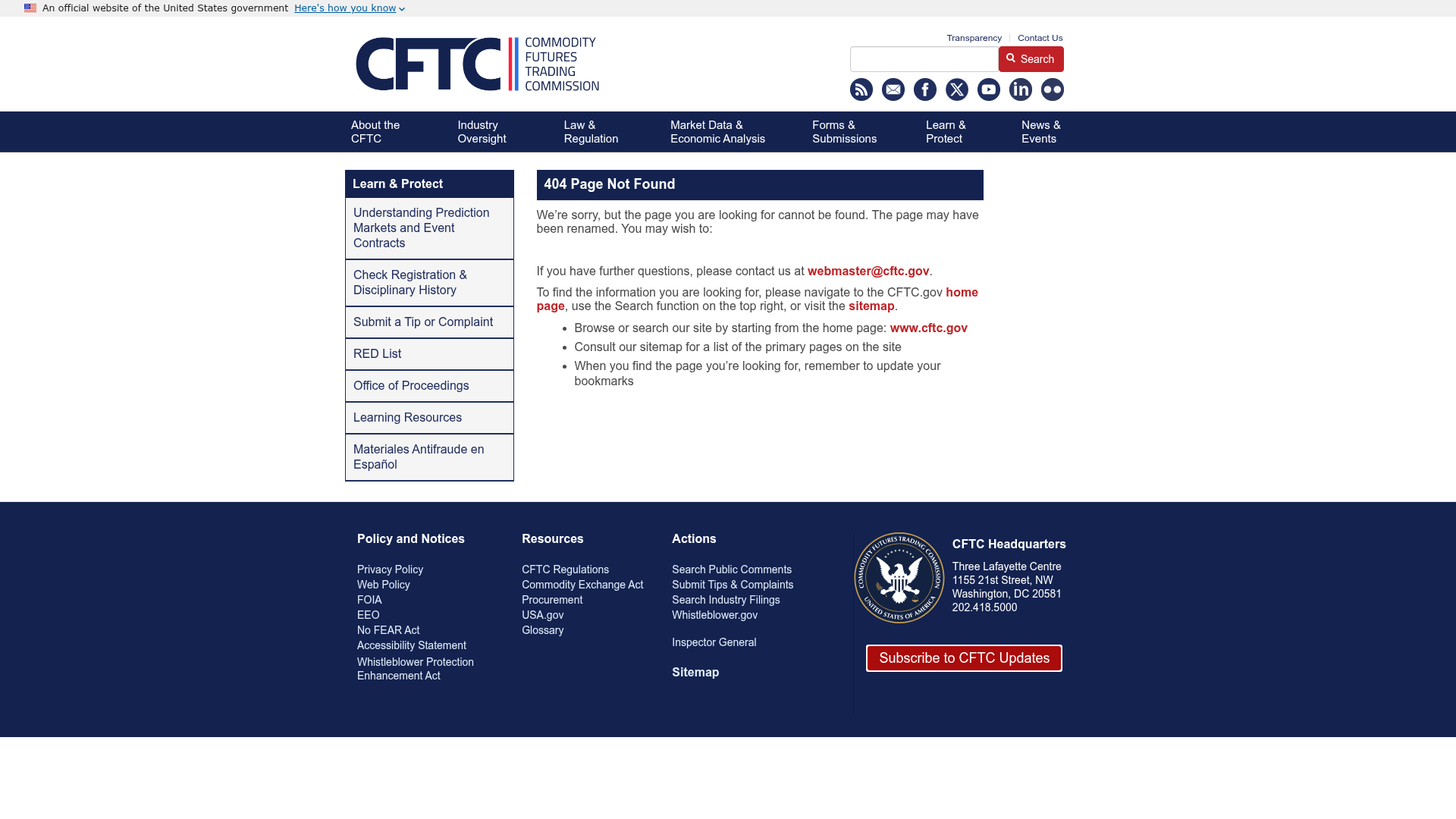
ينبع تهديد خبيث بشكل خاص ضمن هيكل الممثل المعين (AR) من الكيانات التي تدعي زوراً أنها تتمتع بصفة AR أو تتظاهر بالارتباط بشركات رئيسية (Principal) مشروعة. يستغل هؤلاء "الممثلون المعينون الظل" مصداقية الكيانات المنظمة المعروفة لخداع المستثمرين. غالبًا ما يقلدون العلامة التجارية وتصميم الموقع الإلكتروني وحتى العبارات المحددة التي تستخدمها الشركات الحقيقية، مما يخلق واجهة مقنعة من الشرعية. الهدف هو حث الأفراد على تحويل الأموال أو المعلومات الشخصية الحساسة تحت الانطباع الخاطئ بأنها خدمة منظمة ومحمية. تزدهر هذه العمليات الاحتيالية بسبب عدم إلمام المستهلك بالسجلات التنظيمية. قد يقدمون أرقام تسجيل مزورة، أو يخترعون شركات رئيسية (Principal) غير موجودة، أو يدعون أنهم AR لشركة معروفة ومرخصة بشكل مباشر دون علم أو موافقة تلك الشركة. هذا شكل من أشكال "الاستنساخ"، حيث يستخدم المحتالون تفاصيل الشركات الأصلية لخداع الناس. على سبيل المثال، قد تدعي عملية احتيال أنها AR لوسيط معترف به عالميًا مثل Pepperstone أو OANDA، على أمل أن يوفر التعرف على العلامة التجارية مصداقية فورية، ولكنها زائفة. تحتفظ الهيئات التنظيمية بنشاط بقوائم تحذيرية للشركات غير المرخصة والمقلدين المحددين. تنشر FCA قائمة تحذيرية بالشركات غير المرخصة (https://www.fca.org.uk/consumers/warning-list-unauthorised-firms). وبالمثل، تحتفظ CFTC بـ قائمة الكيانات ذات التسجيل الناقص (RED) (Registration Deficient (RED) List) (https://www.cftc.gov/check) لتسليط الضوء على الكيانات التي قد تعمل بشكل غير قانوني. قبل التعامل مع أي شركة تدعي صفة AR، يعد التحقق من هذه القوائم التحذيرية أمرًا ضروريًا مثل التحقق من السجل الإيجابي. إذا ظهرت شركة في قائمة تحذيرية، فيجب تجنبها تمامًا، بغض النظر عن أي ادعاءات بالشرعية. يمكن أن تكون التكتيكات التي يستخدمها هؤلاء الممثلون المعينون "الظل" متطورة. قد يبدأون الاتصال عبر رسائل بريد إلكتروني غير مرغوب فيها، أو رسائل وسائل التواصل الاجتماعي، أو مكالمات غير مبررة، وغالبًا ما يعدون بعوائد عالية بشكل غير عادي مع الحد الأدنى من المخاطر. قد يضغطون على الأفراد لاتخاذ قرارات سريعة، مدعين وجود عروض لفترة محدودة. تكتيك شائع هو خلق شعور بالإلحاح، متجاوزين ميل المستثمر الطبيعي لإجراء العناية الواجبة. أي شركة تمارس الضغط، أو تتجنب الإجابات الواضحة حول وضعها التنظيمي، أو تستخدم ادعاءات عامة وغير قابلة للتحقق، يجب أن تثير الشك على الفور. يعد طلب دفع فوري لـ "رسوم الانضمام" أو "مدفوعات الضرائب" قبل سحب أي أرباح سمة مميزة للعديد من هذه المخططات.
قوائم التحذير التنظيمية الرئيسية لتحديد الشركات غير المرخصة
| الجهة التنظيمية | اسم قائمة التحذير العامة | رابط البحث | ملاحظات حول النطاق |
|---|---|---|---|
| FCA (المملكة المتحدة) | قائمة التحذيرات للشركات غير المرخصة | https://www.fca.org.uk/consumers/warning-list-unauthorised-firms | تحدد الشركات التي تعمل بدون ترخيص أو تنتحل صفة شركات مرخصة. |
| CFTC (الولايات المتحدة) | قائمة الكيانات ذات التسجيل الناقص (RED) | https://www.cftc.gov/check | تسرد الكيانات التي قد تعمل بشكل غير قانوني في أسواق المشتقات المالية الأمريكية. |
| IOSCO (عالمي) | بوابة تنبيهات المستثمرين | https://www.iosco.org/investor_protection/?subsection=investor_alerts_portal | تجمع التنبيهات من مختلف هيئات تنظيم الأوراق المالية العالمية، وغالباً ما تتضمن تحذيرات حول الشركات غير المرخصة. |
منظور عالمي: اختلافات في التنظيم
في حين أن فكرة تحمل شركة مرخصة المسؤولية عن كيان أصغر تابع لها أمر شائع، إلا أن الهيكل التنظيمي والأسماء الدقيقة تختلف بشكل كبير عبر الولايات القضائية. لا تستخدم جميع المراكز المالية نموذج 'الوكيل المعين' (Appointed Representative) رسمياً كما هو الحال في المملكة المتحدة. يخلق هذا الاختلاف طرقاً متنوعة لدخول الأسواق وحماية مختلفة للمستهلكين، مما يؤدي أحياناً إلى المراجحة التنظيمية. على سبيل المثال، في مناطق الاتحاد الأوروبي خارج المملكة المتحدة، غالباً ما يستخدم إطار عمل MiFID II مصطلحات مثل 'الوكلاء المرتبطين' (Tied Agents). يعمل الوكيل المرتبط (Tied Agent) تحت المسؤولية الكاملة وغير المشروطة لشركة الاستثمار التي يمثلها. بينما يشبه في المبدأ الوكيل المعين (AR)، فإن تفاصيل الرقابة وإخطار العملاء ونطاق النشاط يمكن أن تختلف. غالباً ما يتمثل الاختلاف الرئيسي في مدى استقلالية 'الوكيل' وقواعد الإفصاح المحددة للشركة الرئيسية. في أماكن أخرى، وخاصة المراكز المالية الخارجية، قد يوجد 'ترخيص مستعار' عملياً بدون إطار تنظيمي رسمي وقوي مثل نموذج الوكيل المعين (AR) التابع لـ FCA. هنا، قد يدعي كيان محلي أنه يعمل بموجب سلطة عامة لحامل ترخيص خارجي، ولكن المسؤولية الإشرافية الفعلية أو سبل انتصاف المستهلك قد تكون ضئيلة أو غائبة. هذا وضع محفوف بالمخاطر بشكل خاص، حيث أن الشرعية المتصورة 'للغطاء' لا تدعمها رقابة تنظيمية قوية أو آليات تعويض. إن غياب هيكل رسمي شبيه بالوكيل المعين (AR) في بعض المناطق لا يعني أن الشركات لا تستطيع تفويض الأنشطة أو الاستعانة بمصادر خارجية. ومع ذلك، فإنه غالباً ما يضع عبئاً مباشراً أكبر على المستهلك للتحقق من الترخيص المباشر لكل كيان يتعامل معه، بدلاً من الاعتماد على مساءلة الشركة الرئيسية. إن حماية المستهلك التي يوفرها نموذج الوكيل المعين (AR) الواضح والمقنن، على الرغم من تعقيداته، أفضل بكثير من ممارسات 'التفويض' الغامضة أو غير الرسمية. سيستفسر المكتب مرتين عن أي ترتيب من هذا القبيل ويوضحه قبل المضي قدماً، وهو معيار جيد للعميل لتبنيه أيضاً.
إجراءات دفاعية للمستثمرين
نظراً للتعقيدات والمخاطر المحتملة المرتبطة بالوكلاء المعينين (Appointed Representatives)، يجب على المستثمرين اتخاذ نهج استباقي ودفاعي لحماية رؤوس أموالهم. الخطوة الأولى والأكثر حيوية، كما تكرر مراراً، هي دائماً التحقق من الوضع التنظيمي لأي شركة مالية وشركتها الرئيسية (Principal) باستخدام السجلات الرسمية وقوائم التحذير. يمكن لهذه الخطوة البسيطة تصفية العديد من العمليات الاحتيالية وتوضيح حدود الخدمات المشروعة. بالإضافة إلى التحقق، ضع في اعتبارك تواصل الشركة. يجب أن تكون الشركات الشرعية، وخاصة الوكلاء المعينين (ARs)، صريحة بشأن علاقتها بشركتها الرئيسية (Principal). يجب أن توضح مستندات الإفصاح وشروط العمل والمواد التسويقية بوضوح وضعهم كوكيل معين (AR) واسم الشركة الرئيسية (Principal). أي شركة تخفي هذه المعلومات، أو تحتاج إلى مطالبة محددة للكشف عنها، تثير القلق. إن طلب هذه المستندات كتابياً ومراجعتها بعناية ليس إزعاجاً؛ بل هو جزء أساسي من العناية الواجبة. انتبه جيداً لما يتم تقديمه. إذا اقترح وكيل معين (AR) فرصاً استثمارية تبدو جيدة جداً لدرجة يصعب تصديقها، أو وعد بعوائد مضمونة، أو تضمنت منتجات خارج الاستثمارات التقليدية المنظمة للبيع بالتجزئة (مثل المشاريع عالية المضاربة في الأسواق غير المنظمة)، فكن حذراً للغاية. قارن هذه العروض مع الصلاحيات التنظيمية المعلنة للشركة الرئيسية (Principal). إذا كان هناك عدم تطابق، أو إذا كانت صلاحيات الشركة الرئيسية لا تغطي المنتج أو الخدمة المحددة، فهذه إشارة واضحة للانسحاب. أخيراً، احتفظ بسجلات دقيقة لجميع التفاعلات والنصائح المستلمة والمعاملات. يشمل ذلك رسائل البريد الإلكتروني وملخصات المكالمات والاتفاقيات التعاقدية والبيانات المالية. في حال نشوء نزاع أو فشل الشركة، فإن التوثيق الشامل لا يقدر بثمن لمتابعة شكوى لدى الشركة الرئيسية (Principal)، أو الجهة التنظيمية المعنية، أو نظام التعويض. إن فهم نموذج الوكيل المعين (Appointed Representative) لا يعني تجنب الوكلاء المعينين (ARs) تماماً، بل يتعلق بالتعامل معهم بحذر ومعرفة، لضمان أن الحماية المقصودة من الإطار التنظيمي تنطبق حقاً على تعاملك.
الصفحة التي نتحقق منها
هذه هي صفحة الهيئة نفسها، تم التقاطها كما وجدناها. افتحها وقم بإجراء البحث نفسه بنفسك — لا شيء في هذا السجل يحل محل المصدر.
سجلات أخرى مستخدمة في هذا النوع من الفحوصات. كل منها يفتح صفحة الجهة التنظيمية الخاصة بها.
مصادر أساسية
يمكن التحقق من كل ادعاء أعلاه بالرجوع إلى صفحة الهيئة نفسها. تفتح هذه الروابط على موقع الجهة التنظيمية، وليس موقعنا.
- Financial Conduct Authority — Financial Services Registerregister.fca.org.ukhttps://register.fca.org.uk/
- FCA — Warning list of unauthorised firmsfca.org.ukhttps://www.fca.org.uk/consumers/warning-list-unauthorised-firms
- Financial Services Compensation Scheme (FSCS)fscs.org.ukhttps://www.fscs.org.uk/what-we-cover/investments/
- IOSCO — Investor alerts portaliosco.orghttps://www.iosco.org/investor_protection/?subsection=investor_alerts_portal
- CFTC — Registration Deficient (RED) Listcftc.govhttps://www.cftc.gov/check
الأسئلة المتكررة
ما هو الوكيل المعين (AR)؟
الوكيل المعين (Appointed Representative) هو شركة أو شخص يقوم بأنشطة مالية منظمة تحت مسؤولية شركة مرخصة بشكل مباشر، تُعرف باسم الشركة الرئيسية (Principal). يسمح هذا للوكيل المعين (AR) بالعمل دون ترخيص مباشر، مستفيداً من صلاحيات الشركة الرئيسية (Principal).
كيف أتحقق مما إذا كانت الشركة وكيلاً معيناً (Appointed Representative) شرعياً؟
يجب عليك التحقق من السجل الرسمي للخدمات المالية للجهة التنظيمية ذات الصلة، مثل سجل الخدمات المالية التابع لـ FCA في المملكة المتحدة (https://register.fca.org.uk/). ابحث عن الوكيل المعين (AR)، ثم عن الشركة الرئيسية (Principal) التابعة له، وتحقق من الصلاحيات المدرجة لكليهما.
هل أموالي آمنة إذا استثمرت مع وكيل معين (Appointed Representative)؟
تعتمد سلامة أموالك على الوضع التنظيمي للشركة الرئيسية وطبيعة النشاط. الشركة الرئيسية مسؤولة عن الأنشطة المنظمة التي يقوم بها الممثل المعين (AR). قد توفر خطط التعويض مثل FSCS حماية بحدود معينة في حال إفلاس الشركة الرئيسية، ولكن فقط للأنشطة المنظمة.
ماذا يحدث إذا تصرف الممثل المعين (AR) خارج صلاحيات شركته الرئيسية؟
إذا تصرف الممثل المعين (AR) خارج نطاق الصلاحيات التنظيمية لشركته الرئيسية، فقد لا تكون الشركة الرئيسية مسؤولة عن أي خسائر ناتجة. هذه منطقة مخاطر حرجة، حيث أن خطط التعويض عادة لا تغطي مثل هذه الأنشطة غير المنظمة.
كيف أبلغ عن شركة مشبوهة تدعي أنها ممثل معين (AR)؟
إذا صادفت شركة تدعي صفة الممثل المعين (AR) وتبدو مشبوهة أو لا يمكن التحقق منها في السجلات الرسمية، فأبلغ عنها الجهة التنظيمية المالية المعنية، مثل FCA (عبر ScamSmart) أو Action Fraud في المملكة المتحدة، أو FTC في الولايات المتحدة.
هل الممثلون المعينون (AR) شائعون في جميع البلدان؟
مفهوم عمل شركة تحت صلاحيات شركة أخرى شائع عالمياً، ولكن الإطار القانوني والمصطلحات المحددة تختلف. توجد في بعض الولايات القضائية نماذج رسمية للممثل المعين (AR) أو الوكيل المرتبط (Tied Agent)، بينما توجد في دول أخرى ترتيبات أقل رسمية أو قوة، مما يؤثر على حماية المستهلك.