نقاط رئيسية
- غالبًا ما تعمل مواقع المراجعات المصطنعة كقنوات تسويق بالعمولة خفية، وليست تقييمات مستقلة.
- تعيد تقنيات الإخفاء توجيه المستخدمين بناءً على الموقع أو الجهاز، مما يحجب الوجهة الحقيقية ووضعها التنظيمي.
- يشكل الوسطاء غير المنظمين مخاطر كبيرة، حيث تفتقر الأموال المودعة لديهم إلى الحماية الرسمية وسبل الانتصاف.
- يعد التحقق من شرعية الوسيط مباشرة من خلال السجلات التنظيمية الرسمية هو الدفاع الأكثر موثوقية.
- تحفز هياكل عمولات التسويق بالعمولة، مثل CPA ومشاركة الإيرادات، على التضليل ماليًا، وتربط مواقع المراجعات بالوسطاء.
- يعد غياب التفاصيل المحددة والقابلة للتحقق ووفرة الثناء العام مؤشرات قوية على مراجعة مصطنعة.
الجاذبية الخادعة لقوائم "أفضل الوسطاء"
يبحث المتداول المحتمل عن "أفضل وسيط فوركس" ويصادف موقعًا يقدم قائمة "أفضل 10" أنيقة، مكتملة بمراجعات متوهجة، وجداول مقارنة، وتقييمات تبدو موثوقة. ظاهريًا، يبدو هذا موردًا مفيدًا ومستقلًا. ومع ذلك، فإن جزءًا كبيرًا من هذه المواقع لا يعمل كدليل محايد، بل كآليات تسويقية متطورة مصممة لتوجيه الأفراد نحو منصات تداول محددة من خلال حوافز مالية. والتمييز الحاسم الذي غالبًا ما يغفله المستهلكون هو العلاقة التجارية القائمة بين موقع المراجعة والوسطاء الذين يوصي بهم.
غالبًا ما تحاكي هذه المنصات منافذ الأخبار المالية المشروعة أو خدمات مراجعة المستهلكين. وهي تستخدم تقنيات تحسين محركات البحث (SEO) لاحتلال مراتب متقدمة في عمليات البحث الشائعة، مما يجذب جمهورًا واسعًا. بمجرد أن ينقر الزائر على رابط وسيط، قد يتم إعادة توجيهه بمهارة. يمكن أن تحدث عملية إعادة التوجيه هذه على الفور، ربما بناءً على موقعهم الجغرافي أو الجهاز الذي يستخدمونه، مما يقودهم إلى كيان مختلف عن الذي توقعوه، أو إلى نفس الكيان الذي يعمل بموجب إطار تنظيمي أقل صرامة. تخلق الهندسة المالية وراء هذه العملية، والمعروفة بالتسويق بالعمولة مع الإخفاء، قناة قوية، وغالبًا ما تكون غير مرئية، لاكتساب العملاء.
القضية الأساسية هي نقص الشفافية. فـ "المراجعات" ليست تقييمات موضوعية، بل هي روايات مصاغة بعناية تهدف إلى تحويل الزوار إلى عملاء مودعين مقابل عمولة. يعتقد المستهلك أنه يتخذ قرارًا مستنيرًا بناءً على معلومات غير متحيزة، بينما في الواقع، هو يتبع مسارًا محددًا سلفًا وضعته جهة ذات دوافع مالية. تقوض هذه الآلية الثقة ويمكن أن تعرض الأفراد لمخاطر مالية كبيرة، خاصة إذا كانت الوجهة النهائية كيانًا يعمل بدون إشراف مناسب.
كيف توجه مخططات التسويق بالعمولة حسابات العملاء
يشكل التسويق بالعمولة العمود الفقري للعديد من مواقع المراجعات المصطنعة. يدخل الوسيط في اتفاقية مع جهة تابعة (مسوق بالعمولة)، تقوم بعد ذلك بالترويج لخدمات الوسيط. عندما ينقر المستخدم على رابط فريد مقدم من المسوق بالعمولة ويقوم لاحقًا بإيداع الأموال أو يبدأ التداول، يكسب المسوق بالعمولة عمولة. يمكن تنظيم هذه العمولات بعدة طرق، يقدم كل منها حوافز مختلفة وإمكانية لإساءة الاستخدام. يوضح فهم هذه الهياكل سبب إظهار بعض مواقع المراجعات لتحيز قوي.
يبرز نموذجان شائعان للعمولة: تكلفة الاكتساب (CPA) ومشاركة الإيرادات. بموجب نموذج CPA، يتلقى المسوق بالعمولة دفعة لمرة واحدة لكل عميل جديد يستوفي معايير محددة، مثل إيداع مبلغ أدنى أو تنفيذ عدد معين من الصفقات. يشجع هذا النموذج المسوقين بالعمولة على إعطاء الأولوية لحجم العملاء. أما نموذج مشاركة الإيرادات، من ناحية أخرى، فيمنح المسوق بالعمولة نسبة مئوية من الإيرادات المتولدة من العميل المحال على مدى حياته، غالبًا بناءً على فروق الأسعار (spreads) أو العمولات التي يدفعها المتداول. وهذا يخلق حافزًا للمسوقين بالعمولة لتوجيه العملاء إلى الوسطاء حيث من المتوقع أن يكون نشاط التداول مرتفعًا، أو حيث تكون هوامش ربح الوسيط كبيرة.
من المهم إدراك أن هذه الترتيبات المالية غالبًا ما تكون غير مكشوفة للمستخدم. يقدم موقع المراجعة نفسه كحكم محايد للجودة، بينما يستفيد في الوقت نفسه مباشرة من توجيه الزيارات إلى وسطاء معينين. تعني الطبيعة الغامضة لهذه الاتفاقيات أن ما يبدو توصية مبنية على الجدارة غالبًا ما يكون حسابًا يستند إلى أرباح العمولة المحتملة. هذا هو الجزء الذي تتجاهله معظم الأدلة، حيث تركز على المظهر السطحي بدلاً من التيارات المالية الأساسية التي تشكل التوصيات. كلما زادت العمولة، زاد الدافع لتقييم إيجابي، وإن كان مصطنعًا.
هياكل عمولات التسويق بالعمولة النموذجية في ترويج الوسطاء
| نموذج العمولة | الوصف | حافز المسوق بالعمولة |
|---|---|---|
| تكلفة الاكتساب (CPA) | دفعة ثابتة لكل عميل جديد يستوفي معايير الإيداع/التداول. | التركيز على كمية العملاء الجدد المودعين. |
| مشاركة الإيرادات | نسبة مئوية من صافي الإيرادات التي يولدها العميل المحال (على سبيل المثال، فروق الأسعار (spreads)، العمولات). | التركيز على القيمة الدائمة للعميل وحجم التداول. |
| نموذج هجين | مزيج من CPA ومشاركة الإيرادات. | حافز متوازن لكل من الاستحواذ ونشاط العميل المستمر. |
الأسس التقنية لإعادة التوجيه المقنعة
يشير التخفي (cloaking) إلى مجموعة من التقنيات المستخدمة لعرض محتوى مختلف أو إعادة توجيه المستخدمين بناءً على سمات معينة، مثل موقعهم الجغرافي (عنوان IP)، أو نوع الجهاز، أو حتى المتصفح الذي يستخدمونه. في سياق مواقع المراجعات المصطنعة، يمكّن التخفي الشركات التابعة من تقديم نسخة واحدة من عروض الوسيط، على سبيل المثال، لمستخدم في ولاية قضائية شديدة التنظيم، بينما يعيد توجيه مستخدم من منطقة أقل تنظيمًا بشكل خفي إلى نسخة مختلفة، وربما أقل دقة، من الوسيط، أو حتى إلى كيان مختلف تمامًا وغير منظم.
يتم تحقيق ذلك من خلال طرق تقنية مختلفة. التوجيه المستند إلى IP شائع، حيث يكتشف الخادم بلد منشأ المستخدم ويقدم صفحة هبوط محددة أو يبدأ عملية إعادة توجيه. يمكن أن يلعب اكتشاف الجهاز دورًا أيضًا، مما يغير تجربة المستخدم أو الوجهة بناءً على ما إذا كانوا يستخدمون جهاز كمبيوتر مكتبي أو لوحي أو هاتفًا محمولًا. الهدف هو تجاوز القيود التنظيمية أو لتحسين مسار التحويل لتحقيق أقصى عائد للشركة التابعة، وغالبًا ما يكون ذلك على حساب المستهلك. قد يتم إرسال مستخدم يتوقع الوصول إلى وسيط مرخص من قبل هيئة السلوك المالي (FCA)، على سبيل المثال، دون أن يدرك ذلك، إلى كيان مسجل في ولاية قضائية خارجية ذات رقابة محدودة.
تعني تعقيدات آليات التخفي هذه أن المستخدم العادي قد لا يدرك أي فرق. يمكن أن يبدو تصميم الموقع والعلامة التجارية وحتى الرسائل الأولية متطابقة، مما يخفي تغييرًا جوهريًا في الحماية القانونية والتنظيمية الأساسية. وهذا يجعل من الصعب للغاية على الأفراد التأكد من أنهم يتعاملون مع الكيان المحدد والمنظم الذي قصدوا التعامل معه، مما يزيد بشكل كبير من تعرضهم للمخاطر.
غالبًا ما تخفي البساطة الخادعة لقائمة "أفضل 10" مسارًا ماليًا معقدًا مصممًا لتوجيه العملاء غير المدركين نحو منصات تداول محددة، غالبًا ما تكون غير منظمة، مقابل عمولة خفية.
Mei Tanaka
خطر العمليات غير المنظمة والثقة المصطنعة
عندما تؤدي إعادة توجيه مقنعة بالعميل إلى وسيط غير منظم أو سيء التنظيم، تكون التداعيات على حماية المستهلك كبيرة. يخضع الوسطاء المنظمون، مثل Pepperstone (المرخص من قبل FCA و ASIC و CySEC) أو OANDA (المرخص من قبل FCA و CFTC/NFA و ASIC)، لقواعد صارمة فيما يتعلق بفصل أموال العملاء، وكفاية رأس المال، وممارسات العمل العادلة. توفر هذه اللوائح شبكة أمان، بما في ذلك آليات حل النزاعات، وفي بعض الولايات القضائية، خطط تعويض عن خسائر المستثمرين بسبب إفلاس الوسيط.
تعمل الكيانات غير المنظمة خارج هذا الإطار. إنها لا تخضع لأي سلطة مالية، مما يعني عدم وجود هيئة مستقلة للإشراف على سلوكها، أو فرض شروط تداول عادلة، أو ضمان أمان أموال العملاء. في حالات النزاع، أو سوء إدارة أموال العملاء، أو الاحتيال الصريح، يكون لدى الأفراد القليل من سبل الانتصاف القانوني أو لا شيء على الإطلاق. الأموال المودعة لدى هذه الكيانات غير محمية بموجب خطط مثل خطة تعويض الخدمات المالية (FSCS) في المملكة المتحدة، والتي تغطي الاستثمارات حتى 85,000 جنيه إسترليني لكل شخص لكل شركة.
غالبًا ما تحاول مواقع المراجعات المصطنعة بناء واجهة من الثقة حول هذه العمليات غير المنظمة. قد تعرض ادعاءات أمنية عامة، أو تأكيدات غامضة لخدمة العملاء، أو حتى شهادات مزورة. يجب أن يكون غياب أرقام تراخيص محددة، أو أسماء هيئات تنظيمية، أو مقار رئيسية قابلة للتحقق على موقع الوسيط بمثابة تحذير كبير. بدون رقابة تنظيمية، يمكن أن تتبخر وعود فروق الأسعار التنافسية وعمليات السحب السهلة بسرعة، مما يترك العملاء عرضة لخسائر كبيرة دون أي سبيل للاسترداد.
تمييز الأصالة: مؤشرات مواقع المراجعات المصطنعة
يتطلب تحديد موقع مراجعة مصطنع عينًا فاحصة، حيث تم تصميم هذه المنصات لتبدو موثوقة. أحد المؤشرات الرئيسية هو نمط ساحق من المراجعات الإيجابية الموحدة لوسطاء محددين، غالبًا ما يتم التعبير عنها بلغة عامة وغير نقدية. تتضمن ملاحظات المستخدمين الحقيقية عادةً مجموعة من الآراء، تسلط الضوء على نقاط القوة والضعف، وغالبًا ما تتضمن تفاصيل محددة حول تجربة المستخدم. يجب أن يثير غياب أي تعليقات نقدية أو تجارب سلبية شكوكًا فورية.
علامة أخرى دالة هي نقص التأليف القابل للتحقق أو معلومات الاتصال. غالبًا ما تحتوي منصات المراجعات المالية المشروعة على محللين معروفين، وسياسات تحرير واضحة، وتفاصيل اتصال يسهل الوصول إليها. قد تعرض المواقع المصطنعة مؤلفين مجهولين، أو "فرق خبراء" عامة، أو تقدم فقط نموذج اتصال أساسي بدون عنوان فعلي أو رقم هاتف مباشر. يهدف هذا الإخفاء إلى حجب المساءلة ويجعل من الصعب على المستهلكين تتبع المشغلين الحقيقيين.
انتبه جيدًا للغة المستخدمة. المواقع التي تستخدم ادعاءات مبالغ فيها، أو تعد بعوائد مضمونة، أو تستخدم لغة تبدو موجهة نحو المبيعات بشكل مفرط بدلاً من التحليلية، من المرجح أن تكون مدفوعة بدوافع تجارية على حساب التقارير الموضوعية. غالبًا ما تروج لوسطاء يقدمون مكافآت وعروضًا ترويجية عدوانية دون شرح الشروط والمخاطر بشكل كافٍ. تعطي المراجعة الحقيقية الأولوية للمعلومات المتوازنة والكشف عن المخاطر، خاصة للمنتجات المعقدة مثل عقود الفروقات (CFDs) أو تداول العملات الأجنبية (الفوركس). تنصح الموارد الموثوقة مثل موقع ScamSmart التابع لـ FCA باستمرار بالحذر من هذه الوعود.
مؤشرات شائعة لمواقع مراجعات الوسطاء المصطنعة
| المؤشر | الوصف | مستوى التحذير |
|---|---|---|
| مراجعات إيجابية موحدة | جميع المراجعات إيجابية للغاية، عامة، وتفتقر إلى التفاصيل المحددة. | مرتفع |
| تأليف مجهول | لا يوجد كتاب معروفون، "فريق خبراء" غامض بدون مؤهلات. | مرتفع |
| نقص المحتوى النقدي | لا يوجد نقاش حول نقاط ضعف الوسيط أو المخاطر أو تجارب المستخدم السلبية. | مرتفع |
| التركيز على العروض الترويجية العدوانية | تركيز كبير على المكافآت وادعاءات الأرباح غير الواقعية. | متوسط |
| لغة عامة | تستخدم مصطلحات رنانة دون تفسيرات ملموسة أو أمثلة محددة. | متوسط |
| معلومات اتصال محدودة | نموذج أساسي فقط؛ لا يوجد عنوان فعلي أو رقم هاتف أو كيان يمكن التحقق منه. | مرتفع |
التحقق من الوضع التنظيمي للوسيط
الإجراء الأكثر فعالية لمواجهة مواقع المراجعة المضللة وعمليات إعادة التوجيه المخفية هو التحقق مباشرة من الوضع التنظيمي للوسيط. تتضمن هذه العملية الرجوع إلى السجلات التنظيمية الرسمية، التي تحتفظ بها السلطات المالية في مختلف الولايات القضائية. مجرد التحقق من موقع الوسيط الإلكتروني بحثاً عن ادعاءات التنظيم لا يكفي، حيث يمكن أن تكون هذه الادعاءات ملفقة. يكمن الاختبار الحقيقي في مطابقة المعلومات مع الجهة التنظيمية نفسها.
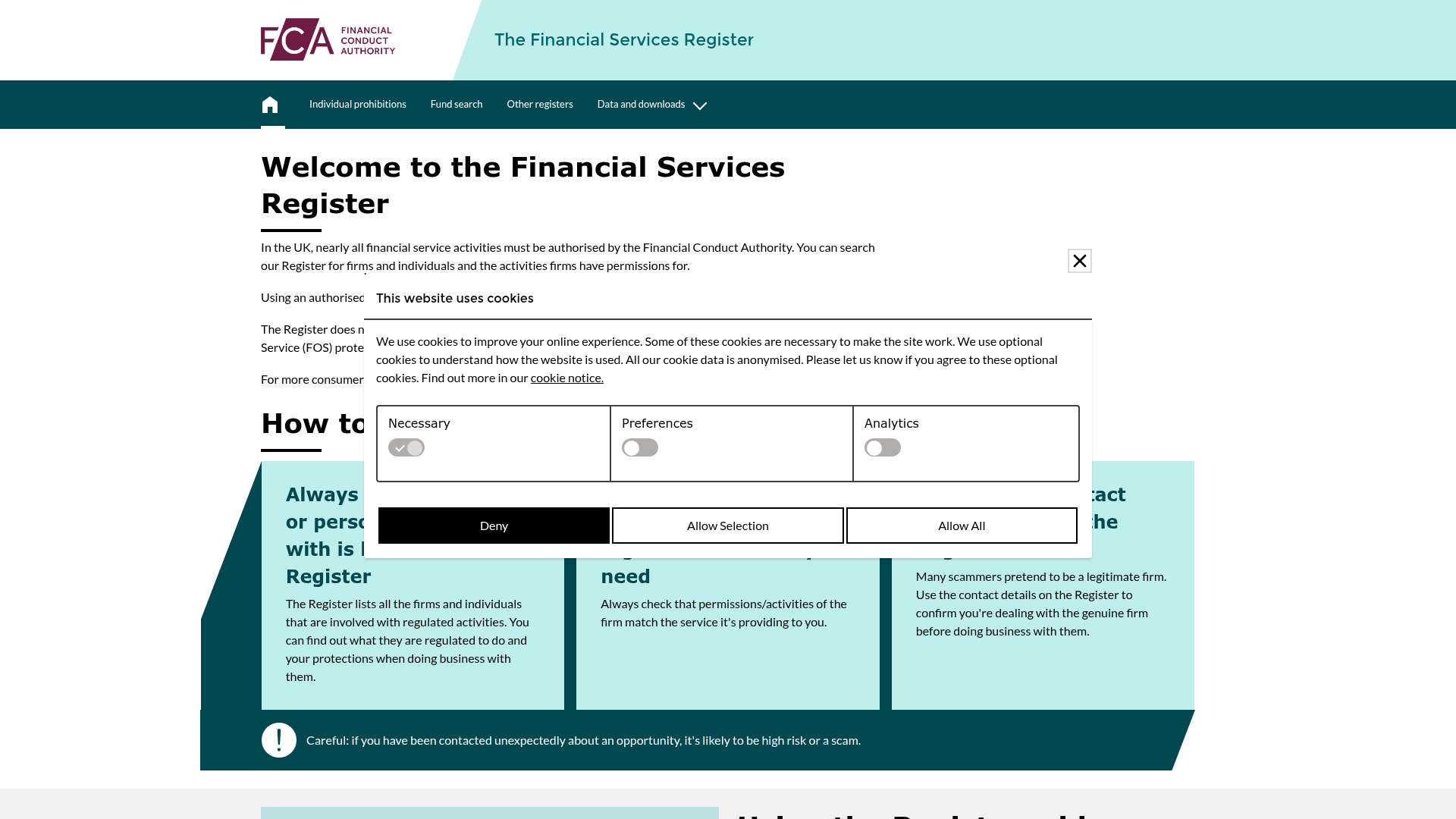
على سبيل المثال، إذا ادعى وسيط أنه مرخص من قبل هيئة السلوك المالي (FCA) في المملكة المتحدة، فيجب عليك زيارة سجل الخدمات المالية الخاص بـ FCA. أدخل اسم الوسيط أو رقمه المرجعي لتأكيد ترخيصه. سيعرض الإدخال المشروع أنشطتهم المنظمة وتصاريحهم ووضعهم. وبالمثل، بالنسبة للتنظيم الأسترالي، تسمح سجلات ASIC المهنية بالبحث عن الكيانات المرخصة. في الولايات المتحدة، تخدم قائمة CFTC للكيانات ذات التسجيل الناقص (RED) وقاعدة بيانات NFA BASIC غرضاً مشابهاً لوسطاء العقود الآجلة وforex. تقدم العديد من الولايات القضائية، بما في ذلك قبرص (CySEC Regulated Entities Register) وسنغافورة (MAS Financial Institutions Directory)، أدوات بحث عامة مماثلة.
عند إجراء هذه الفحوصات، انتبه جيداً لاسم الكيان الدقيق ورقم الترخيص. من التكتيكات الشائعة للشركات غير المرخصة استخدام اسم مشابه جداً لوسيط مرخص بشكل حقيقي. تأكد من أن التفاصيل الموجودة في سجل الجهة التنظيمية تتطابق تماماً مع ما يدعيه الوسيط. إذا لم يكن الوسيط مدرجاً، أو إذا لم تتطابق التفاصيل، فهذا مؤشر واضح على أنه يعمل دون ترخيص مناسب لتلك الولاية القضائية المحددة. من الناحية العملية، تستغرق خطوة التحقق هذه دقائق وتوفر إجابة قاطعة بشأن شرعية الوسيط، مما يوفر مستوى من اليقين لا يمكن لأي موقع مراجعة تابع لجهة خارجية أن يضاهيه.
الإبلاغ عن الأنشطة المالية المشتبه بها وغير المرخصة
يستدعي مواجهة موقع مراجعة مصطنع أو كيان يبدو أنه يعمل دون ترخيص مناسب الإبلاغ عنه. تحمي هذه الإجراءات المستهلكين الآخرين وتساعد الهيئات التنظيمية في تحديد وملاحقة المشغلين الذين يثيرون المشاكل. تقدم العديد من المنظمات الوطنية والدولية قنوات للإبلاغ عن الأنشطة المالية المشبوهة، بما في ذلك تلك المتعلقة بتداول forex وعقود الفروقات (CFD).
في المملكة المتحدة، يعمل Action Fraud كمركز وطني للإبلاغ عن الاحتيال والجرائم الإلكترونية، ويعمل عن كثب مع الشرطة. كما تحتفظ هيئة السلوك المالي (FCA) بموقع ScamSmart مخصص، يشجع المستهلكين على الإبلاغ عن الشركات التي يشتبهون في أنها تعمل دون ترخيص أو تشارك في أنشطة احتيالية. في الولايات المتحدة، يمكن تقديم البلاغات إلى لجنة التجارة الفيدرالية (FTC) عبر بوابة الإبلاغ عن الاحتيال الخاصة بها أو إلى مركز شكاوى الجرائم عبر الإنترنت التابع لمكتب التحقيقات الفيدرالي (FBI's Internet Crime Complaint Center - IC3). تقدم لجنة تداول السلع الآجلة (CFTC) نصائح للعملاء بشأن الاحتيال وتقبل الشكاوى المتعلقة بالكيانات غير المسجلة.
عند تقديم بلاغ، قدم أكبر قدر ممكن من التفاصيل المحددة: أسماء المواقع الإلكترونية، الوسطاء المعنيين، أي عناوين URL، لقطات شاشة، تواريخ التفاعل، وأي معاملات مالية. حتى لو لم تتكبد خسارة، فإن الإبلاغ عن النشاط المشبوه يساعد السلطات في بناء قضايا ضد هذه الكيانات. كلما زادت المعلومات التي تتلقاها الجهات التنظيمية وجهات إنفاذ القانون، كلما كانوا أفضل تجهيزاً لاتخاذ إجراءات، مثل إصدار تحذيرات عامة أو بدء تحقيقات ضد الكيانات المسؤولة عن إخفاء الروابط التابعة (affiliate cloaking) وحملات المراجعات المصطنعة.
الاستجابة التنظيمية المستمرة للتضليل عبر الإنترنت
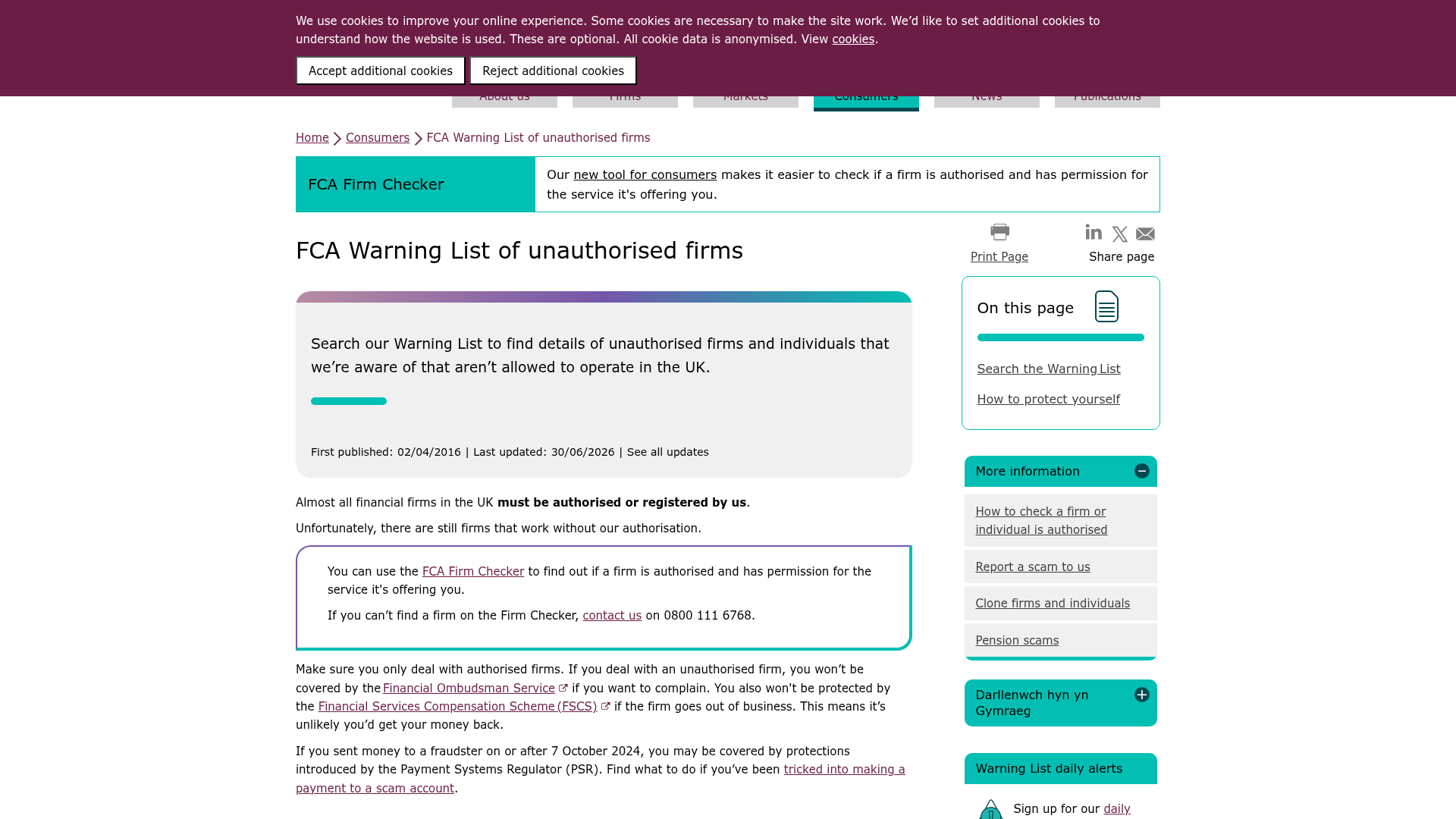
تدرك الهيئات التنظيمية المالية حول العالم تماماً التحديات التي يفرضها التضليل عبر الإنترنت والشركات غير المرخصة. تراقب هيئات مثل FCA وASIC وCFTC المجال الرقمي باستمرار، وتصدر قوائم تحذير عامة بالشركات التي يبدو أنها تعمل دون ترخيص أو تنتحل صفة كيانات مشروعة بشكل احتيالي. تُعد قائمة التحذير من الشركات غير المرخصة التابعة لـ FCA وقائمة CFTC للكيانات ذات التسجيل الناقص (RED) موارد محدثة باستمرار للمستهلكين.
كما تحتفظ المنظمة الدولية لهيئات الأوراق المالية (IOSCO) ببوابة تنبيهات المستثمرين، التي تجمع التحذيرات من مختلف الجهات التنظيمية الوطنية، مما يوضح الطبيعة العالمية لهذا التحدي. على الرغم من هذه الجهود، فإن السرعة التي يمكن بها إنشاء مواقع وكيانات جديدة تعني أن الإجراءات التنظيمية غالباً ما تتأخر عن ظهور المخططات الجديدة. يشكل الطابع المجهول للإنترنت والتعقيدات القضائية المتضمنة في ملاحقة العمليات عبر الحدود عقبات مستمرة.
غالباً ما تصدر الجهات التنظيمية تدابير تدخل في المنتجات لحماية عملاء التجزئة من المنتجات الخطرة بشكل خاص، مثل تدخل ESMA الذي حدد الرافعة المالية لعملاء التجزئة على عقود الفروقات (CFDs) بـ 1:30 في الاتحاد الأوروبي. ومع ذلك، يمكن لهذه التدابير أن تدفع بعض العملاء عن غير قصد نحو كيانات خارجية أقل تنظيماً يتم الترويج لها بواسطة مواقع المراجعة المصطنعة. تعد المعركة ضد إخفاء الروابط التابعة (affiliate cloaking) ومواقع المراجعة المصطنعة معركة مستمرة، تتطلب اليقظة من كل من الهيئات التنظيمية والمستثمرين الأفراد. البقاء على اطلاع وممارسة الحذر هما أقوى الدفاعات ضد هذه الأشكال المتطورة من الخداع المالي.
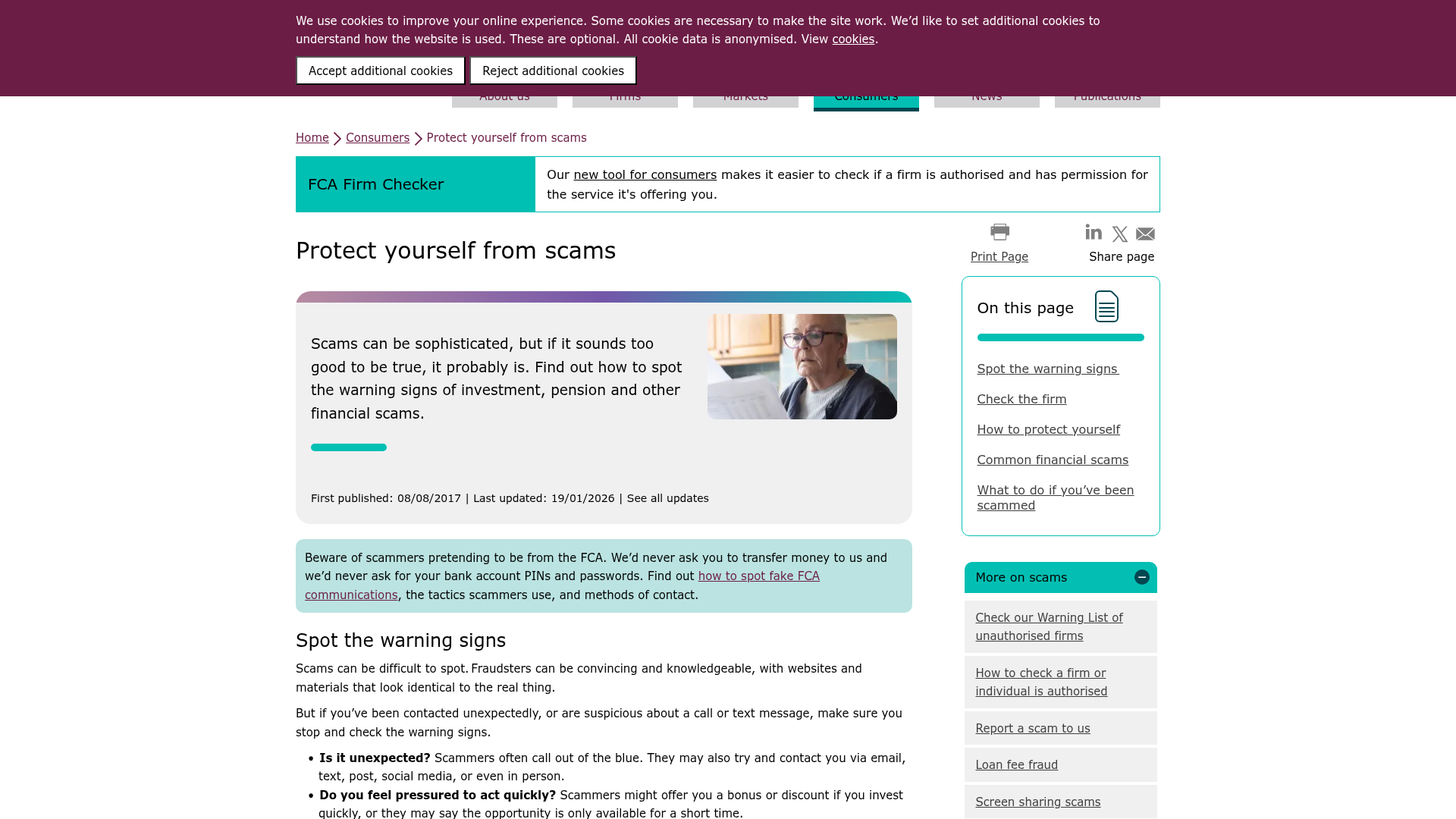
الصفحة التي نتحقق منها
هذه هي صفحة الهيئة نفسها، تم التقاطها كما وجدناها. افتحها وقم بإجراء البحث نفسه بنفسك — لا شيء في هذا السجل يحل محل المصدر.
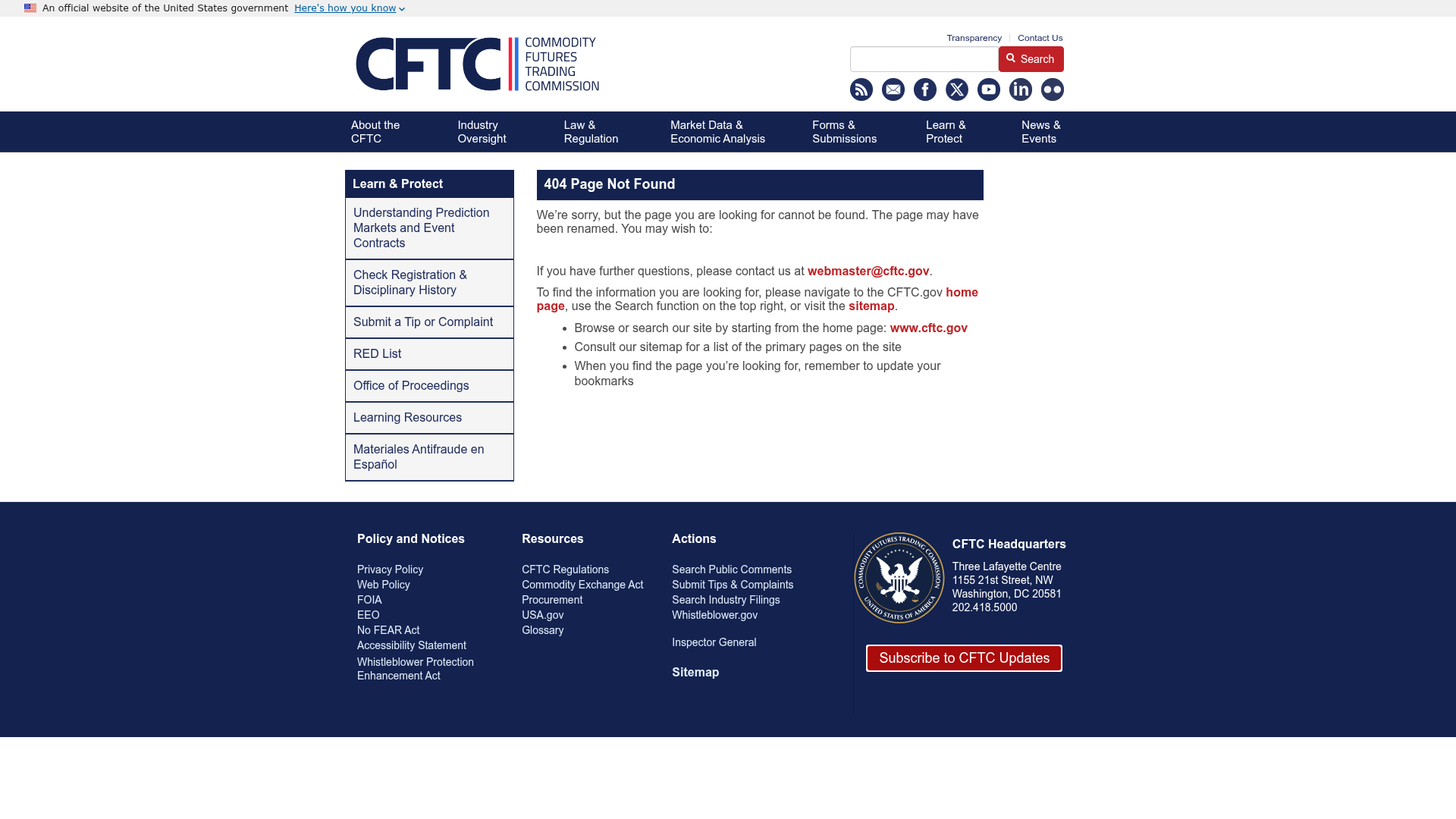
سجلات أخرى مستخدمة في هذا النوع من الفحوصات. كل منها يفتح صفحة الجهة التنظيمية الخاصة بها.
مصادر أساسية
يمكن التحقق من كل ادعاء أعلاه بالرجوع إلى صفحة الهيئة نفسها. تفتح هذه الروابط على موقع الجهة التنظيمية، وليس موقعنا.
- FCA — Financial Services Registerregister.fca.org.ukhttps://register.fca.org.uk/
- FCA — Warning list of unauthorised firmsfca.org.ukhttps://www.fca.org.uk/consumers/warning-list-unauthorised-firms
- ASIC — Professional registersasic.gov.auhttps://asic.gov.au/online-services/search-asics-registers/
- CFTC — Registration Deficient (RED) Listcftc.govhttps://www.cftc.gov/check
- Action Fraud (UK) — reportingactionfraud.police.ukhttps://www.actionfraud.police.uk/
- FTC — Report fraudreportfraud.ftc.govhttps://reportfraud.ftc.gov/
الأسئلة المتكررة
ما هو 'إخفاء الروابط التابعة' (affiliate cloaking) في سياق مراجعات الوسطاء؟
إخفاء الروابط التابعة (affiliate cloaking) هو أسلوب يقوم فيه موقع ويب، غالباً ما يكون موقع مراجعة، بإعادة توجيه المستخدمين إلى وجهات مختلفة بناءً على خصائصهم مثل الموقع أو الجهاز. يمكن أن يؤدي هذا إلى توجيه المستهلكين إلى نسخة غير مرخصة من وسيط أو كيان مختلف تماماً وغير مرخص، بدلاً من الكيان المرخص الذي كانوا ينوون زيارته.
كيف يمكنني معرفة ما إذا كان موقع مراجعات الوسطاء مشروعًا أم مصطنعًا؟
تقدم مواقع مراجعات الوسطاء المشروعة انتقادات متوازنة، وتذكر أسماء مؤلفيها، وتفاصيل محددة، ومعلومات اتصال واضحة. أما المواقع المصطنعة، فغالبًا ما تعرض مراجعات إيجابية بشكل موحد وعام، ومؤلفين مجهولين، وترويجًا مكثفًا للمكافآت، وتفتقر إلى التفاصيل القابلة للتحقق أو التحليل النقدي. يجب دائمًا إعطاء الأولوية للتحقق المباشر مع الهيئات التنظيمية على ادعاءات مواقع المراجعات.
لماذا يعتبر التداول مع وسيط غير خاضع للرقابة محفوفًا بالمخاطر؟
يعمل الوسطاء غير الخاضعين للرقابة دون إشراف من السلطات المالية. وهذا يعني أن أموالك قد لا تكون مفصولة عن أموال تشغيل الشركة، ولا توجد هيئة مستقلة لحل النزاعات، ولا توجد مخططات لتعويض المستثمرين (مثل FSCS) لحماية أموالك في حالة إفلاس الوسيط أو سوء سلوكه. وبالتالي، فإن فرص التعويض عن الخسائر تكون ضئيلة أو معدومة.
كيف أتحقق مما إذا كان الوسيط مرخصًا حقًا؟
يجب عليك التحقق مباشرة من السجلات الرسمية للهيئات التنظيمية المالية ذات الصلة. على سبيل المثال، بالنسبة لوسيط مرخص في المملكة المتحدة، قم بزيارة سجل الخدمات المالية التابع لـ FCA. أما بالنسبة لوسيط أسترالي، فتحقق من السجلات المهنية لـ ASIC. يجب دائمًا مطابقة اسم الوسيط الدقيق ورقم الترخيص الموجود على موقع الهيئة التنظيمية مع ادعاءات الوسيط.
ماذا أفعل إذا واجهت وسيطًا مشبوهًا أو موقع مراجعات؟
أوقف جميع التفاعلات فورًا. لا تقدم أي معلومات شخصية إضافية أو تودع المزيد من الأموال. ثم، أبلغ عن شكوكك إلى الهيئة التنظيمية المالية المناسبة في بلدك (مثل FCA ScamSmart، FTC Report Fraud، Action Fraud UK) وقدم جميع التفاصيل المتاحة.
هل جميع الوسطاء المدرجين في مواقع المراجعات يثيرون المشاكل؟
لا، فالعديد من الوسطاء الشرعيين والمنظمين جيدًا مدرجون في مواقع المراجعات. تنشأ المشكلة عندما تكون مواقع المراجعات محفزة ماليًا لتضليل المستخدمين، أو عندما تعيد تقنيات الإخفاء توجيه المستخدمين إلى نسخ غير منظمة أو كيانات احتيالية مختلفة تمامًا، بدلاً من الوسيط المنظم الذي تتم مراجعته بصدق.