ประเด็นสำคัญ
- คำเตือนจากหน่วยงานกำกับดูแลโดยทั่วไปออกแบบมาเพื่อเป็นบันทึกสาธารณะถาวร ไม่ใช่การแจ้งเตือนชั่วคราวที่จะหมดอายุ
- การถอดถอนคำเตือนเป็นเหตุการณ์ที่เกิดขึ้นได้ยากมาก โดยทั่วไปต้องแก้ไขข้อผิดพลาดทางการบริหาร หรือการต่อสู้ทางกฎหมายที่ประสบความสำเร็จ
- การที่ไม่มีคำเตือนในปัจจุบันไม่ได้ยืนยันความชอบธรรมของหน่วยงาน การตรวจสอบเชิงรุกในทะเบียนทางการยังคงเป็นสิ่งจำเป็น
- บริษัทที่พยายามบิดเบือนหรือปกปิดคำเตือนในอดีตก่อให้เกิดความเสี่ยงอย่างมากต่อนักลงทุน
- โครงการชดเชยให้ความคุ้มครองเฉพาะบริษัทที่ได้รับอนุญาตที่ล้มเหลว ไม่มีการเยียวยาใดๆ สำหรับหน่วยงานที่ไม่ได้รับอนุญาต
- ความรับผิดชอบในการตรวจสอบสถานะการกำกับดูแลของบริษัทอยู่กับนักลงทุนแต่ละรายเสมอ
ร่องรอยที่คงอยู่ของคำเตือนจากหน่วยงานกำกับดูแล
ลองจินตนาการถึงบริษัทแห่งหนึ่งที่เคยถูก Financial Conduct Authority (FCA) ตั้งข้อสังเกตว่าดำเนินการโดยไม่ได้รับอนุญาตอย่างเหมาะสม แล้วต่อมาดูเหมือนจะหายไปจากรายการคำเตือนสาธารณะ นักลงทุนรายย่อยอาจตีความการหายไปนี้ว่าเป็นการแก้ไขปัญหา เป็นสัญญาณว่าบริษัทได้แก้ไขเส้นทางแล้วหรือถูกระบุผิดพลาด การตีความนี้มักไม่ถูกต้องและอาจนำไปสู่ความเสียหายทางการเงินอย่างร้ายแรง ความเป็นจริงคือคำเตือนอย่างเป็นทางการจากหน่วยงานกำกับดูแลถูกออกแบบมาให้คงอยู่ถาวร ทำหน้าที่เป็นร่องรอยที่ลบไม่ออกในประวัติการดำเนินงานของบริษัท
คำเตือนเหล่านี้ไม่ใช่คำแนะนำชั่วคราว แต่เป็นแถลงการณ์อย่างเป็นทางการจากหน่วยงานที่มีอำนาจเกี่ยวกับพฤติกรรมหรือสถานะการอนุญาตของหน่วยงาน การเผยแพร่คำเตือนเหล่านี้เกิดจากความมุ่งมั่นของหน่วยงานกำกับดูแลต่อความสมบูรณ์ของตลาดและการคุ้มครองนักลงทุน เมื่อออกคำเตือนแล้ว คำเตือนนั้นจะกลายเป็นส่วนหนึ่งของประวัติการกำกับดูแลสาธารณะของบริษัท โดยแจ้งให้นักลงทุนทั้งในปัจจุบันและอนาคตทราบเกี่ยวกับปัญหาในอดีต คู่มือหลายเล่มบอกเป็นนัยว่าคำเตือนเหล่านี้จะหมดอายุในที่สุดหรือถูกถอดถอนเป็นประจำ แต่ระบบเหล่านี้ไม่ได้ถูกจัดโครงสร้างเช่นนั้น
ตัวอย่างเช่น รายการคำเตือนบริษัทที่ไม่ได้รับอนุญาตของ FCA หรือ รายชื่อหน่วยงานที่ขาดการจดทะเบียน (RED) ของ CFTC จะบันทึกหน่วยงานที่ล้มเหลวในการปฏิบัติตามข้อกำหนดทางกฎหมาย รายการเหล่านี้โดยทั่วไปจะยังคงเข้าถึงได้เป็นระยะเวลานาน เนื่องจากประโยชน์ของมันคือการให้บันทึกที่คงอยู่ถาวร นักลงทุนควรคาดการณ์ว่าคำเตือน เมื่อเผยแพร่แล้ว จะยังคงเป็นส่วนหนึ่งของประวัติที่เข้าถึงได้ของบริษัทอย่างไม่มีกำหนดผ่านช่องทางทางการ บันทึกที่คงอยู่นี้เป็นการตอบโต้โดยตรงต่อบริษัทที่พยายามเปลี่ยนชื่อแบรนด์หรือย้ายที่ตั้งเพื่อหลีกเลี่ยงปัญหาการกำกับดูแลในอดีต
เจตนารมณ์ของบันทึกสาธารณะ: เหตุใดคำเตือนจึงคงอยู่
หน่วยงานกำกับดูแลเช่น Australian Securities and Investments Commission (ASIC), Cyprus Securities and Exchange Commission (CySEC) และ FCA รักษาทะเบียนสาธารณะและรายการคำเตือนโดยมีวัตถุประสงค์พื้นฐานคือ: การคุ้มครองนักลงทุน เมื่อมีการออกคำเตือน คำเตือนนั้นจะกลายเป็นส่วนหนึ่งของบันทึกสาธารณะถาวร บันทึกนี้ทำหน้าที่เป็นแหล่งข้อมูลต่อเนื่องสำหรับนักลงทุนที่ทำการตรวจสอบวิเคราะห์สถานะ สะท้อนถึงพฤติกรรมในอดีตหรือข้อบกพร่องในการดำเนินงาน ไม่เหมือนใบขับขี่ที่หมดอายุ คำเตือนจากหน่วยงานกำกับดูแลไม่ได้ 'หมดอายุ' ไปเอง
การคงอยู่ของคำเตือนเหล่านี้ทำให้มั่นใจว่า แม้จะผ่านไปหลายปีแล้ว นักลงทุนก็ยังสามารถค้นพบปัญหาการกำกับดูแลในอดีตของบริษัทได้ ป้องกันไม่ให้บริษัทเปลี่ยนชื่อแบรนด์และเริ่มดำเนินการใหม่โดยไม่มีความรับผิดชอบทางประวัติศาสตร์ ความโปร่งใสนี้มีความสำคัญอย่างยิ่งต่อการรักษาความไว้วางใจในตลาดการเงิน ข้อมูลยังคงเข้าถึงได้ผ่านช่องทางทางการ เช่น FCA Financial Services Register หรือ รายชื่อหน่วยงานที่ขาดการจดทะเบียน (RED) ของ CFTC ซึ่งได้รับการอัปเดตเป็นประจำและดูแลรักษาอย่างพิถีพิถัน สิ่งนี้สะท้อนถึงการตัดสินใจที่พิจารณาแล้วของหน่วยงานกำกับดูแลว่าประชาชนต้องการข้อมูลนี้เพื่อประกอบการตัดสินใจอย่างรอบรู้
ลองพิจารณาความแตกต่างระหว่างการฝ่าฝืนกฎจราจรเล็กน้อยกับการกระทำความผิดทางอาญาขั้นรุนแรง; อย่างหนึ่งอาจหายไปจากบันทึกบางส่วนในที่สุด แต่อีกอย่างหนึ่งจะทิ้งร่องรอยที่คงอยู่ถาวร คำเตือนจากหน่วยงานกำกับดูแลมักจะจัดอยู่ในประเภทหลัง ซึ่งถือว่ามีความสำคัญเพียงพอที่จะรับประกันการคงอยู่ถาวร นี่คือทางเลือกนโยบายที่ตั้งใจไว้ โดยมีเป้าหมายเพื่อป้องกันการกระทำผิดซ้ำและปกป้องนักลงทุนจากผู้กระทำผิดซ้ำซากหรือหน่วยงานที่ไม่ปฏิบัติตามข้อกำหนดอย่างต่อเนื่อง ผลประโยชน์สาธารณะในบันทึกเหล่านี้มีน้ำหนักมากกว่าความสะดวกสบายใดๆ สำหรับหน่วยงานที่ถูกเตือน
ประเภทของคำเตือนจากหน่วยงานกำกับดูแลที่พบบ่อยและระยะเวลาการเผยแพร่ต่อสาธารณะ
| ตัวอย่างประเภทคำเตือน | หน่วยงานผู้ออกคำเตือนที่พบบ่อย | ระยะเวลาการเผยแพร่โดยทั่วไป | ผลกระทบต่อนักลงทุน |
|---|---|---|---|
| คำเตือนบริษัทที่ไม่ได้รับอนุญาต | FCA, ASIC, CySEC | ถาวร (จนกว่าจะพิสูจน์ได้ว่าผิดพลาด) | นิติบุคคลไม่มีใบอนุญาตในการดำเนินงานตามกฎหมาย |
| การแจ้งเตือนบริษัทแอบอ้าง | FCA, NFA, MAS | ถาวร (จนกว่าจะพิสูจน์ได้ว่าผิดพลาด) | นิติบุคคลฉ้อโกงที่แอบอ้างเป็นบริษัทที่ได้รับอนุญาตอย่างถูกต้องตามกฎหมาย |
| คำแนะนำ/การแจ้งเตือนสำหรับผู้บริโภค | CFTC, IOSCO | ถาวร (จนกว่าสถานการณ์จะคลี่คลาย) | คำเตือนเกี่ยวกับแผนการลงทุนหรือความเสี่ยงที่เฉพาะเจาะจง |
| รายชื่อหน่วยงานที่ขาดการจดทะเบียน (RED List) | CFTC | ถาวร (จนกว่าจะปฏิบัติตามข้อกำหนด) | นิติบุคคลที่ถูกกำหนดให้จดทะเบียนแต่ยังไม่ได้ดำเนินการ |
| รายการในพอร์ทัลแจ้งเตือนนักลงทุน | IOSCO | ถาวร (เข้าถึงได้ทั่วโลก) | การแจ้งเตือนระหว่างประเทศเกี่ยวกับนิติบุคคลที่น่าสงสัย |
ประเภทของการแจ้งเตือนจากหน่วยงานกำกับดูแลและความร้ายแรงของแต่ละประเภท
หน่วยงานกำกับดูแลทางการเงินมีการออกประกาศเตือนสาธารณะในหลายประเภท ซึ่งแต่ละประเภทมีความหมายเฉพาะเจาะจงสำหรับนักลงทุน การทำความเข้าใจความแตกต่างเหล่านี้จะช่วยให้ประเมินความร้ายแรงของสถานการณ์ได้ ตัวอย่างเช่น คำเตือนเรื่อง "บริษัทที่ไม่ได้รับอนุญาต" (unauthorised firm) หมายถึงนิติบุคคลนั้นดำเนินงานโดยไม่มีใบอนุญาตที่จำเป็นสำหรับกิจกรรมของตนในเขตอำนาจศาลนั้นๆ นี่เป็นการกล่าวโทษที่ร้ายแรง เนื่องจากหมายถึงการขาดการกำกับดูแลการดำเนินงานของบริษัทและเงินทุนของลูกค้าโดยสิ้นเชิง คำเตือนดังกล่าวโดยทั่วไปจะพบได้ในรายชื่อเฉพาะ เช่น หน้าเว็บของ FCA สำหรับบริษัทที่ไม่ได้รับอนุญาต
คำเตือนเรื่อง "บริษัทแอบอ้าง" (clone firm) บ่งชี้ถึงการหลอกลวงที่ซับซ้อนยิ่งขึ้น ในกรณีนี้ นิติบุคคลฉ้อโกงจะจงใจแอบอ้างเป็นบริษัทที่ได้รับอนุญาตและอยู่ภายใต้การกำกับดูแล โดยใช้ชื่อ หมายเลขใบอนุญาต และรายละเอียดที่อยู่ของบริษัทจริงเพื่อหลอกลวงสาธารณะ กลยุทธ์นี้อันตรายเป็นพิเศษเนื่องจากผู้แอบอ้างได้รับประโยชน์จากความน่าเชื่อถือของบริษัทจริง นักลงทุนอาจตรวจสอบรายละเอียดของบริษัทที่ถูกต้องตามกฎหมายและพบว่าถูกต้อง แต่กลับไปติดต่อกับบริษัทแอบอ้าง
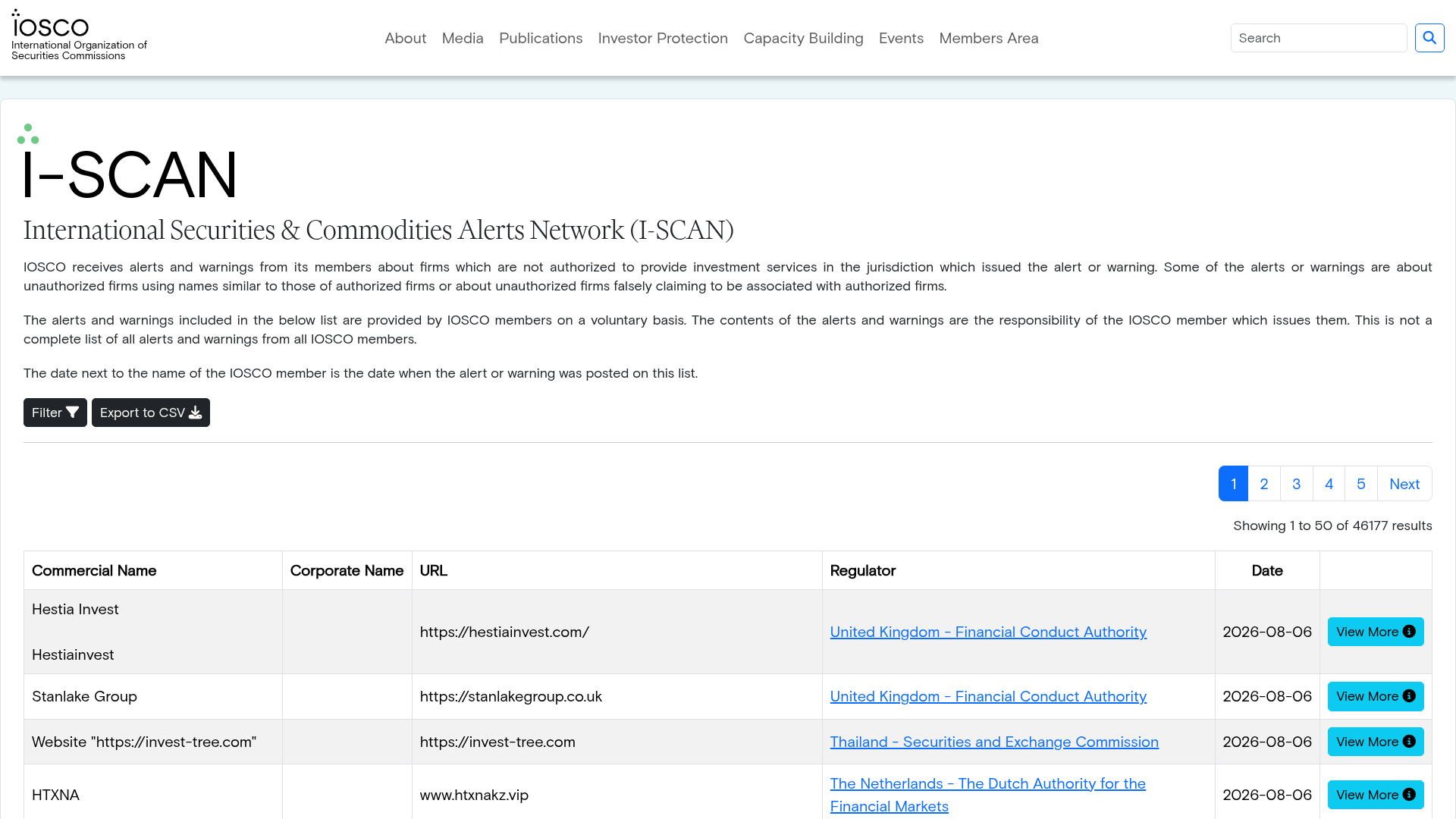
การแจ้งเตือนอื่นๆ อาจรวมถึง "คำแนะนำสำหรับผู้บริโภค" (consumer advisories) หรือรายการในพอร์ทัลแจ้งเตือนนักลงทุนระหว่างประเทศ เช่น ที่ดูแลโดย IOSCO สิ่งเหล่านี้อาจเน้นย้ำถึงกลโกงที่พบบ่อย แนะนำให้ระมัดระวังเกี่ยวกับประเภทการลงทุนเฉพาะ หรือระบุรายชื่อนิติบุคคลที่ได้รับเรื่องร้องเรียนแต่อยู่ภายนอกขอบเขตการกำกับดูแลโดยตรงของหน่วยงานที่ออกประกาศ แม้ว่ารายละเอียดจะแตกต่างกัน แต่ข้อความหลักยังคงเหมือนเดิม: ประกาศเหล่านี้ถูกเผยแพร่ด้วยเหตุผล และแสดงถึงการประเมินความเสี่ยงต่อสาธารณะของหน่วยงานกำกับดูแล อย่างไรก็ตาม ความร้ายแรงที่แท้จริงของปัญหาพื้นฐานไม่ได้เปลี่ยนแปลงลักษณะถาวรของการเผยแพร่ประกาศโดยทั่วไป
ลักษณะพิเศษของการยกเลิกคำเตือน
กระบวนการในการยกเลิกคำเตือนจากหน่วยงานกำกับดูแลจากการเผยแพร่ต่อสาธารณะไม่ใช่ภารกิจบริหารจัดการตามปกติ แต่เป็นเหตุการณ์พิเศษ โดยทั่วไปแล้วจะต้องเป็นไปตามเงื่อนไขเฉพาะสองประการ ซึ่งไม่มีข้อใดที่ทำได้ง่ายๆ:
ข้อผิดพลาดทางการบริหารที่พิสูจน์ได้: หน่วยงานกำกับดูแลยอมรับเองว่าคำเตือนดังกล่าวออกโดยอิงจากข้อเท็จจริงที่ไม่ถูกต้องหรือการระบุตัวตนผิดพลาด กรณีนี้เกิดขึ้นได้ยากและมักเกี่ยวข้องกับกระบวนการทบทวนอย่างเป็นทางการ ซึ่งมักจะเริ่มต้นโดยบริษัทที่ให้หลักฐานที่ไม่อาจโต้แย้งได้ถึงข้อผิดพลาด ภาระการพิสูจน์ตกเป็นของบริษัทโดยสิ้นเชิงที่จะแสดงให้เห็นว่าหน่วยงานกำกับดูแลได้ทำผิดพลาดในการตัดสินหรือข้อเท็จจริง นี่ไม่ใช่การยื่นแบบฟอร์มง่ายๆ แต่เกี่ยวข้องกับการติดต่อสื่อสารและการนำเสนอหลักฐานจำนวนมาก
การท้าทายทางกฎหมายที่ประสบความสำเร็จ: บริษัทอาจดำเนินการทางกฎหมายกับหน่วยงานกำกับดูแลเพื่อขอให้ยกเลิกคำเตือน โดยอ้างว่าคำเตือนดังกล่าวออกโดยไม่ชอบด้วยกฎหมายหรืออิงจากหลักฐานที่ไม่เพียงพอ การท้าทายดังกล่าวใช้เวลานาน มีค่าใช้จ่ายสูง และมักไม่ประสบความสำเร็จ หน่วยงานกำกับดูแลมีความเชี่ยวชาญในกระบวนการทางกฎหมายที่ถูกต้อง และไม่ค่อยออกคำเตือนโดยปราศจากการทบทวนภายในและการตรวจสอบทางกฎหมายอย่างละเอียด ตัวอย่างเช่น การต่อสู้ทางกฎหมายเพื่อล้มล้างคำเตือนจากหน่วยงานเช่น CFTC อาจใช้เวลาหลายปีและมีค่าธรรมเนียมทางกฎหมายจำนวนมาก โดยไม่มีการรับประกันความสำเร็จ
ในเขตอำนาจศาลส่วนใหญ่ คำเตือนจะยังคงอยู่จนกว่าจะมีการดำเนินการที่ชัดเจนและได้รับการยืนยันเช่นนั้น ค่าเริ่มต้นคือความถาวร ไม่มี 'ข้อกำหนดการสิ้นสุด' หรือการหมดอายุโดยอัตโนมัติ นี่เป็นข้อแตกต่างที่สำคัญที่นักลงทุนหลายคนไม่เข้าใจ โดยมักจะสันนิษฐานว่าคำเตือนเก่าๆ จะหายไปเอง ในทางปฏิบัติ หน่วยงานกำกับดูแลจะขอหลักฐานที่ชัดเจนและไม่อาจปฏิเสธได้ถึงสองครั้งก่อนที่จะพิจารณาแก้ไขคำเตือนที่เผยแพร่ ซึ่งสะท้อนถึงลักษณะที่จริงจังของประกาศสาธารณะเหล่านี้
คำเตือนจากหน่วยงานกำกับดูแลที่เผยแพร่แล้วเป็นบันทึกสาธารณะที่คงอยู่ถาวร ไม่ใช่คำแนะนำชั่วคราว และการที่ไม่มีอยู่ไม่ได้หมายความโดยอัตโนมัติว่าบริษัทใดๆ มีประวัติที่สะอาด
Mei Tanaka
สิ่งที่ 'การยกเลิก' (หรือการไม่มีอยู่) ไม่ได้หมายถึง
ไม่ว่าจะด้วยเหตุผลใดก็ตาม หากคำเตือนถูกลบออกจากรายการสาธารณะของหน่วยงานกำกับดูแล นั่นไม่ได้หมายความโดยอัตโนมัติว่าบริษัทนั้นได้รับการพิจารณาว่าถูกต้องตามกฎหมาย หรือได้รับการอนุมัติย้อนหลังสำหรับการดำเนินงานในอดีต ตัวอย่างเช่น หากมีการออกคำเตือนเนื่องจากบริษัทดำเนินงานโดยไม่มีใบอนุญาต และต่อมาบริษัทนั้นได้รับอนุญาตอย่างถูกต้อง คำเตือนเริ่มต้นอาจยังคงอยู่เป็นบันทึกทางประวัติศาสตร์ของช่วงเวลาที่ไม่มีใบอนุญาต จะถูกลบออกทั้งหมดก็ต่อเมื่อคำเตือนเดิมไม่ถูกต้องตามข้อเท็จจริง หรือถูกโต้แย้งสำเร็จเท่านั้น
ที่สำคัญกว่านั้น การไม่มีคำเตือนในรายการของหน่วยงานกำกับดูแลเฉพาะแห่ง ไม่ได้ถือเป็นการรับรอง การดำเนินการที่ผิดกฎหมายจำนวนมากจงใจหลีกเลี่ยงการตรวจจับของหน่วยงานกำกับดูแลทางการเงินที่มีชื่อเสียง โดยไม่เคยลงทะเบียนและดังนั้นจึงไม่เคยปรากฏในรายการเตือน บริษัทที่ไม่ได้รับการกำกับดูแล โดยนิยามแล้ว จะไม่ปรากฏในรายการบริษัทที่ไม่ได้รับอนุญาตจากเขตอำนาจศาลเฉพาะแห่ง เพราะไม่เคยอยู่ในขอบเขตการกำกับดูแลของเขตอำนาจศาลนั้นตั้งแต่แรก การไม่มีอยู่ของข้อมูลนี้ไม่ใช่สัญญาณของการดำเนินงานที่โปร่งใส แต่เป็นอาการของการดำเนินงานที่อยู่นอกกรอบการกำกับดูแลโดยสิ้นเชิง
นี่คือส่วนที่คู่มือส่วนใหญ่ข้ามไป: ผลการค้นหาที่ว่างเปล่าบนเว็บไซต์ของหน่วยงานกำกับดูแลสำหรับบริษัทที่คุณกำลังตรวจสอบ อาจหมายความเพียงว่าบริษัทนั้นไม่มีความเกี่ยวข้องใดๆ กับหน่วยงานกำกับดูแลนั้นเลย ไม่ใช่การยืนยันสถานะที่ดีของบริษัท ภาระตกอยู่กับนักลงทุนเสมอที่จะต้องยืนยันการลงทะเบียนที่ถูกต้อง ไม่ใช่เพียงแค่การไม่มีธงแดง ตัวอย่างเช่น หากบริษัทอ้างว่าให้บริการลูกค้าในยุโรป แต่ไม่ปรากฏในทะเบียนที่เกี่ยวข้องกับ ESMA การที่ไม่มีชื่ออยู่ในรายการเตือนของ FCA ก็ไม่ได้หมายความว่าจะปลอดภัย
การตีความการไม่มีคำเตือนจากหน่วยงานกำกับดูแล
| สถานการณ์ที่ไม่มีคำเตือน | นัยต่อนักลงทุน | การกระทำที่นักลงทุนต้องทำ |
|---|---|---|
| บริษัทได้รับการกำกับดูแลและปฏิบัติตามกฎหมายอย่างแท้จริง | สถานะเป็นบวก แต่ยังคงต้องมีการตรวจสอบ | ตรวจสอบรายละเอียดกับทะเบียนทางการ |
| บริษัทดำเนินงานอยู่นอกเขตอำนาจการกำกับดูแลโดยสิ้นเชิง | ไม่มีการกำกับดูแล ไม่มีการคุ้มครองผู้บริโภค | หลีกเลี่ยง; มองหาทางเลือกที่ได้รับการกำกับดูแล |
| บริษัทเป็น 'โคลน' ของนิติบุคคลที่ถูกต้องตามกฎหมาย | นิติบุคคลฉ้อโกงที่ใช้ชื่อเสียงของผู้อื่น | ตรวจสอบหมายเลขใบอนุญาตและรายละเอียดการติดต่อโดยตรงกับหน่วยงานกำกับดูแล |
| บริษัทใหม่เกินไปที่จะดึงดูดความสนใจ | การไม่มีประวัติหมายถึงโปรไฟล์ความเสี่ยงที่ไม่ทราบ | ดำเนินการด้วยความระมัดระวังอย่างยิ่ง ต้องมีการตรวจสอบวิเคราะห์สถานะที่เข้มงวดขึ้น |
| บริษัทดำเนินงานภายใต้ชื่อ/นิติบุคคลอื่น | คำเตือนในอดีตอาจถูกซ่อนไว้ | ค้นคว้าเกี่ยวกับนิติบุคคลและกรรมการที่เกี่ยวข้องทั้งหมด |
การตรวจสอบเชิงรุก: เกราะป้องกันหลักของคุณ
การป้องกันที่มีประสิทธิภาพที่สุดในการรับมือกับหน่วยงานที่ไม่ได้รับการกำกับดูแลหรือมีปัญหา คือการตรวจสอบเชิงรุก ควรปรึกษาทะเบียนทางการของหน่วยงานทางการเงินที่เกี่ยวข้องกับเขตอำนาจศาลที่บริษัทอ้างว่าได้รับการกำกับดูแลเสมอ ตัวอย่างเช่น ในการตรวจสอบบริษัทที่อ้างว่าได้รับการกำกับดูแลจาก FCA ให้ใช้ Financial Services Register ของ Financial Conduct Authority สำหรับบริษัทที่อ้างถึง ASIC ให้ใช้ Professional registers ของ ASIC หากบริษัทอ้างว่าได้รับการกำกับดูแลจาก CySEC ทะเบียน Regulated entities อย่างเป็นทางการของพวกเขาก็คือที่ที่ต้องตรวจสอบ
อย่าพึ่งพาลิงก์ที่บริษัทให้มาเพียงอย่างเดียวในอีเมลหรือบนเว็บไซต์ของตนเอง เพราะสิ่งเหล่านี้สามารถถูกบิดเบือนเพื่อนำคุณไปยังเว็บไซต์ปลอมที่ดูคล้ายกันได้ ให้ไปยังเว็บไซต์ทางการของหน่วยงานกำกับดูแลโดยตรงและใช้เครื่องมือค้นหาแบบบูรณาการของพวกเขา ตรวจสอบหมายเลขใบอนุญาต ที่อยู่จริง และชื่อบริษัท ตัวอย่างเช่น Pepperstone ดำเนินงานภายใต้ใบอนุญาตหลายฉบับ รวมถึง FCA, ASIC และ CySEC นักลงทุนต้องตรวจสอบนิติบุคคลที่พวกเขากำลังติดต่อด้วยและหมายเลขใบอนุญาตที่เกี่ยวข้องในทะเบียนที่ถูกต้องสำหรับเขตอำนาจศาลของตน เพื่อให้แน่ใจว่ารายละเอียดตรงกันอย่างแม่นยำ
ขั้นตอนนี้มักถูกมองข้ามไปในความตื่นเต้นของผลตอบแทนที่เป็นไปได้ แต่เป็นชั้นของการป้องกันที่สำคัญ มันเกี่ยวข้องกับการมากกว่าการมองผ่านๆ; มันต้องการความใส่ใจในรายละเอียด การเปรียบเทียบที่อยู่จดทะเบียน ชื่อบริษัท และบริการที่ระบุไว้กับสิ่งที่บริษัทนำเสนอ ความไม่ตรงกันไม่ว่าจะเล็กน้อยเพียงใด ควรนำไปสู่การตรวจสอบเพิ่มเติมก่อนที่จะมีการลงทุนใดๆ
อันตรายของการดำเนินงานโดยไม่มีใบอนุญาต
การซื้อขายหรือลงทุนกับบริษัทที่ไม่มีใบอนุญาตในเขตอำนาจที่ดำเนินงานมีความเสี่ยงสูง และบ่อยครั้งที่ไม่สามารถแก้ไขได้ หากไม่มีการกำกับดูแลจากหน่วยงานกำกับดูแล จะไม่มีข้อกำหนดด้านเงินทุนขั้นต่ำที่บังคับใช้ เพื่อให้มั่นใจว่าบริษัทมีเงินทุนเพียงพอที่จะครอบคลุมภาระผูกพัน นอกจากนี้ยังไม่มีกฎที่บังคับให้แยกเงินทุนของลูกค้าออกจากกัน ซึ่งหมายความว่าเงินทุนของคุณอาจถูกนำไปรวมกับเงินสดในการดำเนินงานของบริษัท ทำให้เสี่ยงต่อภาวะวิกฤตทางการเงิน
ที่สำคัญคือ ไม่มีช่องทางในการร้องเรียนอย่างเป็นทางการ หรือโครงการชดเชยความเสียหาย หากบริษัทที่ไม่มีใบอนุญาตล้มละลาย หยุดดำเนินการ หรือหายไป เงินทุนของลูกค้ามักจะสูญหายไปโดยแทบไม่มีช่องทางในการกู้คืน หน่วยงานกำกับดูแลกำหนดกฎระเบียบที่เข้มงวดสำหรับบริษัทที่มีใบอนุญาต ครอบคลุมตั้งแต่การโฆษณา การจัดการเงินลูกค้า ไปจนถึงการแก้ไขข้อพิพาท แต่การคุ้มครองเหล่านี้จะไม่มีอยู่เลยเมื่อคุณติดต่อกับบริษัทที่ไม่ได้รับการกำกับดูแล
ซึ่งหมายความว่าข้อพิพาทมักจะนำไปสู่ทางตัน และแม้แต่กรณีการประพฤติมิชอบที่ชัดเจนก็ไม่มีช่องทางอย่างเป็นทางการในการแก้ไข ต้นทุนทางการเงินของการลงทุนที่ไม่ได้รับการกำกับดูแลอาจขยายเกินกว่าเงินทุนเริ่มต้น รวมถึงความเครียดทางอารมณ์อย่างมาก และการเสียเวลาในการแสวงหาการเยียวยาที่ไม่มีอยู่จริง ตัวอย่างเช่น บริษัทที่ปรากฏใน RED List ของ CFTC ไม่ได้อยู่ภายใต้การกำกับดูแลเพื่อการคุ้มครองของ NFA ซึ่งทำให้ลูกค้าของพวกเขาตกอยู่ในความเสี่ยง
ช่องทางเยียวยาที่จำกัด: โครงการชดเชยความเสียหาย
นักลงทุนมักเข้าใจผิดเกี่ยวกับขอบเขตและข้อจำกัดของโครงการชดเชยความเสียหายทางการเงิน เช่น Financial Services Compensation Scheme (FSCS) ของสหราชอาณาจักร โครงการเหล่านี้เป็นตาข่ายนิรภัยที่สำคัญ แต่จะครอบคลุมเฉพาะความเสียหายที่เกิดขึ้นกับบริษัทที่ได้รับ อนุญาต ซึ่งล้มเหลวเท่านั้น ตัวอย่างเช่น FSCS สามารถชดเชยลูกค้าที่มีสิทธิ์ได้สูงสุดถึง £85,000 หากบริษัทลงทุนที่อยู่ภายใต้การกำกับดูแลของ FCA เลิกกิจการ การคุ้มครองนี้เป็นประโยชน์สำคัญของการติดต่อกับบริษัทที่ได้รับการกำกับดูแล
อย่างไรก็ตาม โครงการเหล่านี้ไม่ให้การคุ้มครองหากคุณติดต่อกับบริษัทที่ ไม่เคยได้รับอนุญาต ตั้งแต่แรก หรือหากบริษัทนั้นได้รับการกำกับดูแลในเขตอำนาจที่โครงการไม่ครอบคลุมสถานการณ์เฉพาะของคุณในฐานะลูกค้าต่างประเทศ การติดต่อกับบริษัทที่อยู่ใน Registration Deficient (RED) List ของ CFTC หมายความว่าคุณจะสละสิทธิ์ในการคุ้มครองใดๆ จากการอนุญาโตตุลาการของ National Futures Association (NFA) หรือการคุ้มครองนักลงทุนอื่นๆ ที่มีฐานอยู่ในสหรัฐอเมริกา ในทำนองเดียวกัน หากคุณซื้อขายกับบริษัทที่ได้รับการกำกับดูแลโดย FSA (Seychelles) เพียงแห่งเดียว แต่พำนักอยู่ในสหภาพยุโรป การคุ้มครองจากโครงการของยุโรป เช่น CySEC Investor Compensation Fund อาจไม่สามารถใช้ได้
ข้อจำกัดพื้นฐานนี้ตอกย้ำถึงความจำเป็นในการตรวจสอบอย่างรอบคอบก่อนการลงทุน การชดเชยไม่ได้รับประกันเสมอไป เป็นเพียงทางเลือกสุดท้ายสำหรับความล้มเหลวที่เฉพาะเจาะจงและได้รับการกำกับดูแล การป้องกันที่ดีที่สุดคือการหลีกเลี่ยงความจำเป็นในการชดเชยโดยสิ้นเชิง โดยการติดต่อกับบริษัทที่ได้รับใบอนุญาตอย่างถูกต้องและสามารถตรวจสอบได้เท่านั้น
การเฝ้าระวังอย่างต่อเนื่องเพื่อป้องกันการหลอกลวง
การหลอกลวงทางการเงินเป็นภัยคุกคามที่พัฒนาอยู่ตลอดเวลา บริษัทที่เคยถูกเตือนอาจเปลี่ยนชื่อ เปลี่ยนแปลงกิจกรรม หรือมุ่งเป้าไปที่นักลงทุนในเขตอำนาจศาลที่แตกต่างกัน คำเตือนจากหน่วยงานกำกับดูแล แม้จะเป็นคำเตือนเก่า ก็ยังให้ข้อมูลเชิงลึกที่สำคัญ ซึ่งบ่งชี้ถึงประวัติการไม่ปฏิบัติตามกฎระเบียบหรือการปฏิบัติที่น่าสงสัย ลักษณะออนไลน์ของบริการทางการเงินหมายความว่าบริษัทสามารถย้ายฐานการดำเนินงานที่ปรากฏได้อย่างรวดเร็ว ทำให้คำเตือนในอดีตเป็นองค์ประกอบสำคัญของการเฝ้าระวังอย่างต่อเนื่อง
นักลงทุนต้องสร้างนิสัยการตรวจสอบอย่างต่อเนื่อง โดยปฏิบัติต่อบริษัทใดๆ ที่เข้ามาหาด้วยความสงสัยในเบื้องต้น การตรวจสอบข้ามกับทะเบียนของหน่วยงานกำกับดูแลที่เกี่ยวข้อง แม้แต่สำหรับแบรนด์ที่ดูเหมือนเป็นที่รู้จักกันดี ก็สามารถป้องกันความเสียหายทางการเงินที่สำคัญได้ ตัวอย่างเช่น แม้ว่า OANDA จะได้รับการกำกับดูแลโดยหน่วยงานหลายแห่ง เช่น FCA และ ASIC แต่นักลงทุนควรตรวจสอบหน่วยงาน OANDA ที่ตนกำลังติดต่อด้วยกับทะเบียนที่เหมาะสมเสมอ
การไม่มีคำเตือนในปัจจุบันไม่ใช่สัญญาณไฟเขียว แต่เป็นเพียงข้อมูลหนึ่งในภาพรวมที่กว้างขึ้นของการตรวจสอบสถานะที่จำเป็น ความไว้วางใจ โดยเฉพาะอย่างยิ่งในเรื่องการเงิน ต้องได้รับจากการปฏิบัติตามกฎระเบียบที่ตรวจสอบได้เสมอ ซึ่งหมายถึงไม่เพียงแค่ตรวจสอบครั้งเดียว แต่ต้องยืนยันสถานะของบริษัทใดๆ ที่ถือครองสินทรัพย์ของคุณเป็นระยะ เนื่องจากสถานะการกำกับดูแลสามารถเปลี่ยนแปลงได้ และบริษัทอาจถูกซื้อกิจการหรือเลิกดำเนินงานได้
หน้าที่เราตรวจสอบ
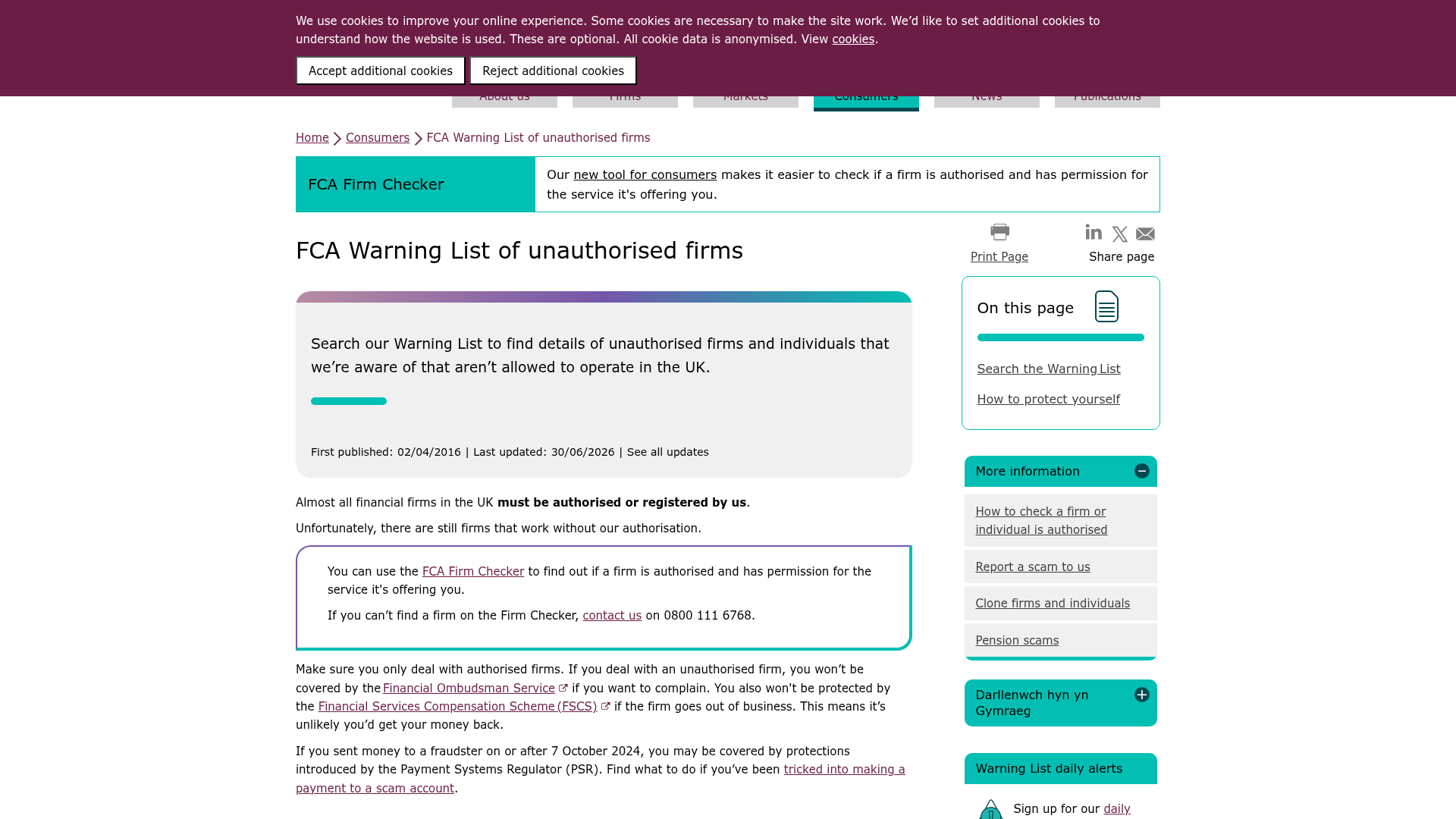
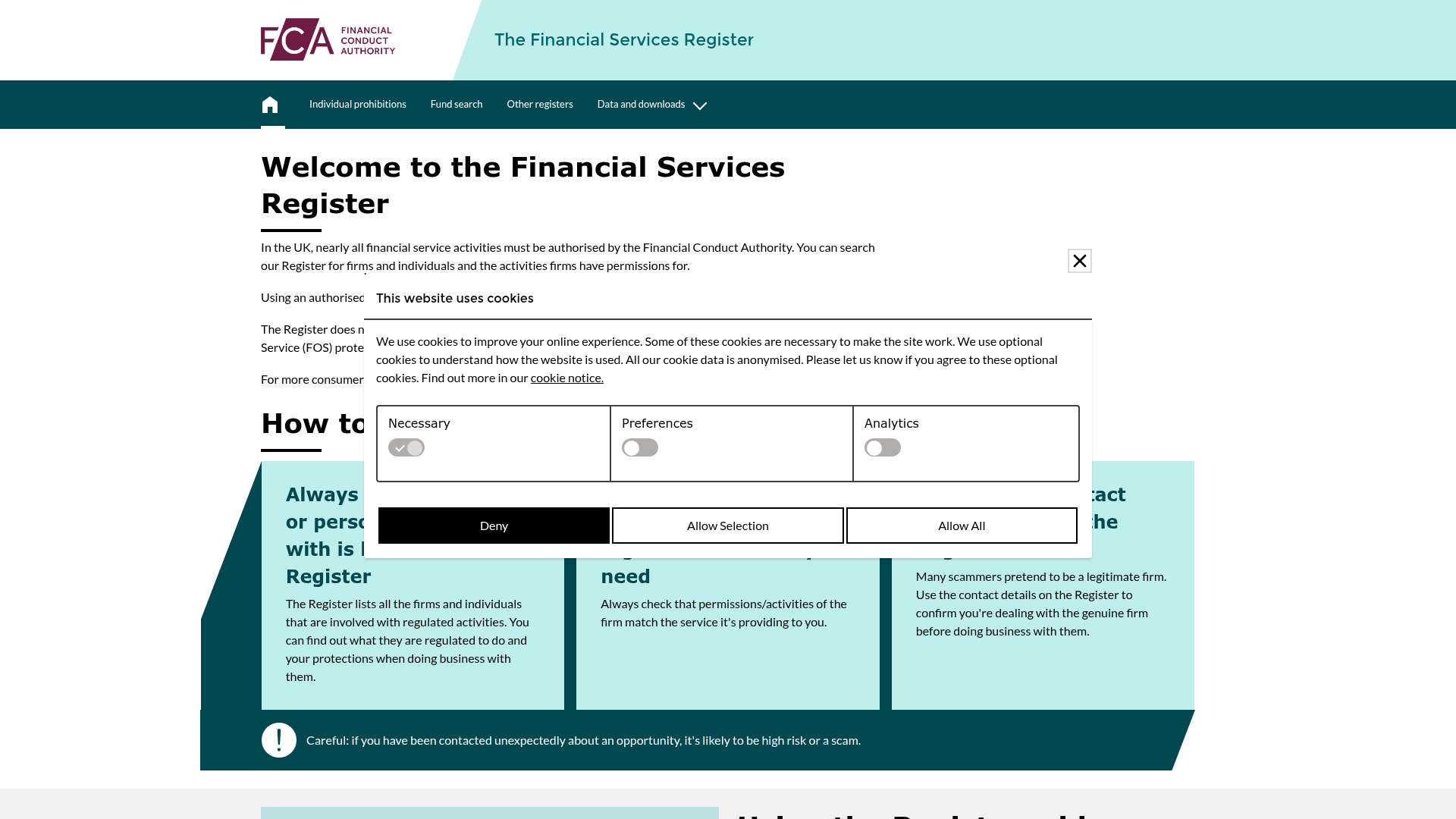
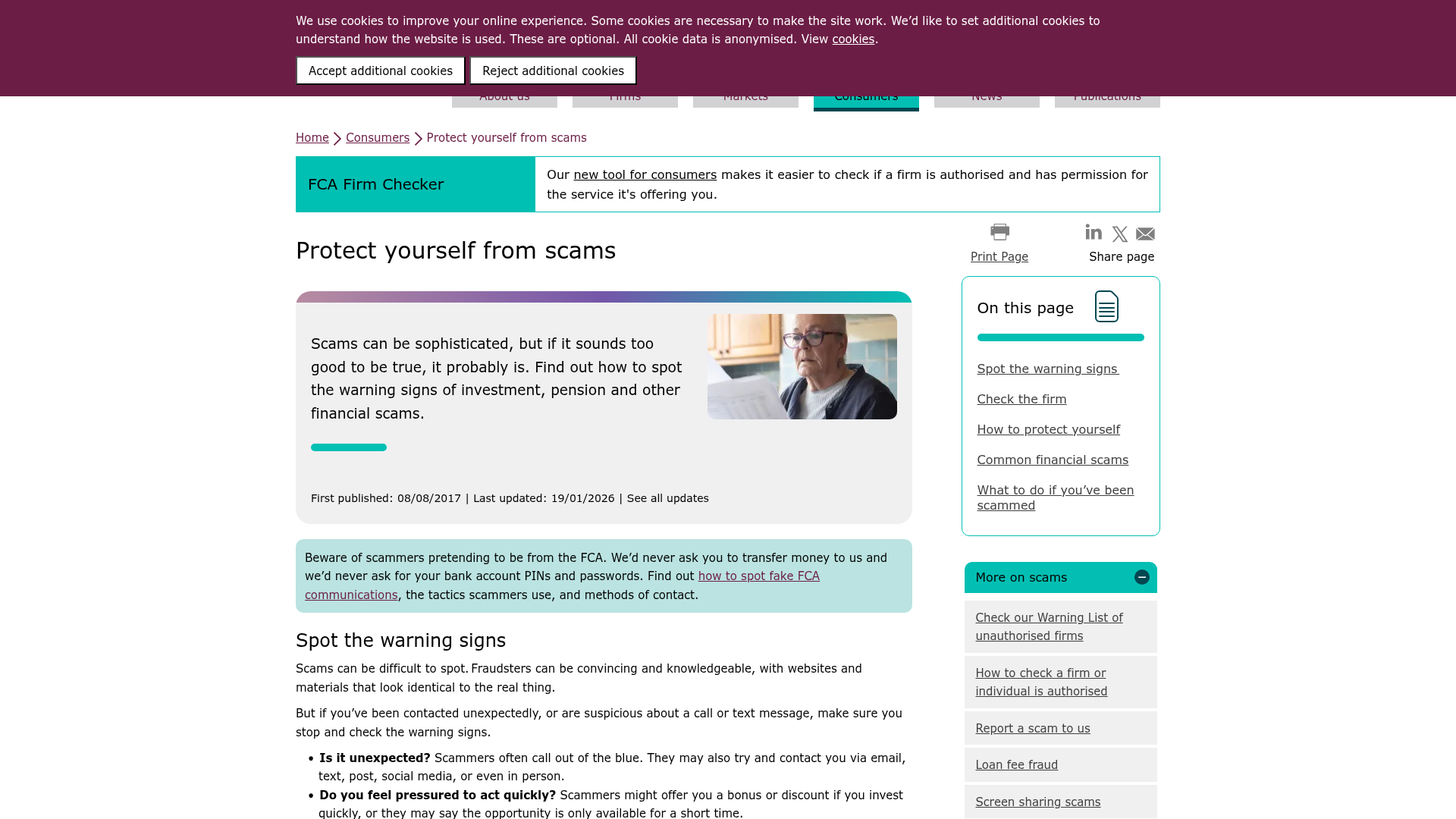
นี่คือหน้าเว็บของหน่วยงานกำกับดูแลเอง ซึ่งเราได้บันทึกไว้ตามที่พบ เปิดหน้าเว็บและทำการค้นหาเดียวกันด้วยตนเอง ไม่มีสิ่งใดในทะเบียนนี้มาแทนที่แหล่งข้อมูลต้นฉบับได้
ทะเบียนอื่น ๆ ที่ใช้ในการตรวจสอบประเภทนี้ แต่ละรายการจะเปิดหน้าของหน่วยงานกำกับดูแลนั้น ๆ
แหล่งข้อมูลหลัก
ทุกข้อกล่าวอ้างข้างต้นสามารถตรวจสอบได้จากหน้าเว็บของหน่วยงานกำกับดูแลโดยตรง ลิงก์เหล่านี้จะนำท่านไปยังเว็บไซต์ของหน่วยงานกำกับดูแล ไม่ใช่เว็บไซต์ของเรา
- Financial Conduct Authority — Financial Services Registerregister.fca.org.ukhttps://register.fca.org.uk/
- FCA — Warning list of unauthorised firmsfca.org.ukhttps://www.fca.org.uk/consumers/warning-list-unauthorised-firms
- CFTC — Registration Deficient (RED) Listcftc.govhttps://www.cftc.gov/check
- ASIC — Professional registersasic.gov.auhttps://asic.gov.au/online-services/search-asics-registers/
- CySEC — Regulated entities registercysec.gov.cyhttps://www.cysec.gov.cy/en-GB/entities/investment-firms/cypriot/
- Financial Services Compensation Scheme (FSCS)fscs.org.ukhttps://www.fscs.org.uk/what-we-cover/investments/
คำถามที่พบบ่อย
คำเตือนจากหน่วยงานกำกับดูแลมักจะเผยแพร่อยู่นานแค่ไหน?
โดยทั่วไปแล้ว คำเตือนจากหน่วยงานกำกับดูแลมีวัตถุประสงค์เพื่อเผยแพร่อย่างถาวร ไม่มีวันหมดอายุโดยอัตโนมัติ และมักจะยังคงอยู่ในเว็บไซต์ทางการของหน่วยงานกำกับดูแลอย่างไม่มีกำหนด เว้นแต่จะพิสูจน์ได้ว่าเกิดจากข้อผิดพลาดทางการบริหาร หรือได้รับการโต้แย้งทางกฎหมายสำเร็จ
หากคำเตือนถูกลบออก หมายความว่าบริษัทนั้นถูกต้องตามกฎหมายอย่างสมบูรณ์แล้วหรือไม่?
ไม่จำเป็น การลบออกเกิดขึ้นได้ยากมาก และอาจเกิดขึ้นก็ต่อเมื่อคำเตือนนั้นไม่ถูกต้องตามข้อเท็จจริงตั้งแต่แรกเท่านั้น การลบออกไม่ได้ทำให้กิจกรรมที่ไม่มีใบอนุญาตในอดีตถูกต้องตามกฎหมายย้อนหลัง หรือรับประกันการปฏิบัติตามกฎระเบียบในอนาคต การตรวจสอบเชิงรุกยังคงเป็นสิ่งสำคัญ
ฉันควรทำอย่างไรหากพบคำเตือนเก่าเกี่ยวกับบริษัทที่กำลังพิจารณา?
คำเตือนเก่าเป็นสัญญาณอันตรายที่สำคัญ ควรตรวจสอบอย่างละเอียด ตรวจสอบว่าบริษัทได้รับอนุญาตอย่างถูกต้องหรือไม่ แต่โปรดเข้าใจว่าปัญหาในอดีตบ่งชี้ถึงประวัติการไม่ปฏิบัติตามกฎระเบียบ ควรพิจารณาทางเลือกอื่นที่มีประวัติที่ไม่มีข้อบกพร่อง
ทำไมบริษัทที่ไม่ได้รับการกำกับดูแลทั้งหมดถึงไม่ปรากฏในรายการคำเตือน?
โดยปกติแล้ว หน่วยงานกำกับดูแลจะออกคำเตือนเฉพาะบริษัทที่ระบุว่าดำเนินงานโดยไม่ได้รับอนุญาตภายในเขตอำนาจของตน บริษัทที่ไม่ได้รับการกำกับดูแลจำนวนมากดำเนินงานในระดับสากล โดยจงใจหลีกเลี่ยงการตรวจจับของหน่วยงานกำกับดูแลเฉพาะใดๆ และดังนั้นอาจไม่ปรากฏในรายการคำเตือน การที่ไม่มีชื่ออยู่ในรายการไม่ใช่สัญญาณของความถูกต้องตามกฎหมาย
ฉันสามารถเชื่อถือบริษัทที่อ้างว่า 'อยู่ระหว่างการขอใบอนุญาต' ได้หรือไม่?
ไม่ บริษัทจะได้รับการกำกับดูแลหรือไม่ได้รับการกำกับดูแลเท่านั้น 'อยู่ระหว่างการขอใบอนุญาต' ไม่มีการคุ้มครองผู้บริโภคใดๆ จนกว่าบริษัทจะปรากฏในทะเบียนอย่างเป็นทางการของหน่วยงานกำกับดูแลพร้อมใบอนุญาตที่ถูกต้อง ควรปฏิบัติต่อบริษัทนั้นว่าไม่ได้รับการกำกับดูแล ซึ่งจะทำให้คุณตกอยู่ในความเสี่ยงอย่างมาก
วิธีที่มีประสิทธิภาพที่สุดในการตรวจสอบสถานะการกำกับดูแลของบริษัทคืออะไร?
วิธีที่มีประสิทธิภาพที่สุดคือการเข้าถึงเว็บไซต์ทางการของหน่วยงานกำกับดูแลที่เกี่ยวข้องโดยตรง (เช่น FCA, ASIC, CySEC) และใช้เครื่องมือค้นหาสาธารณะเพื่อยืนยันรายละเอียดใบอนุญาตของบริษัท ห้ามใช้ลิงก์ที่บริษัทให้มาเพื่อทำการตรวจสอบนี้เด็ดขาด