ประเด็นสำคัญ
- โบรกเกอร์ที่รับฝากเงินด้วยคริปโตเท่านั้น มักจะดำเนินงานอยู่นอกเหนือข้อบังคับทางการเงินแบบดั้งเดิม ซึ่งทำให้ไม่มีการคุ้มครองนักลงทุนที่สำคัญ
- ธุรกรรมคริปโตเคอร์เรนซีโดยทั่วไปไม่สามารถย้อนกลับได้ ทำให้การปฏิเสธการชำระเงิน (chargebacks) หรือการกู้คืนเงินทุนผ่านช่องทางกฎหมายแบบเดิมเป็นเรื่องยากอย่างยิ่ง
- หน่วยงานที่ไม่ได้รับการกำกับดูแลได้รับประโยชน์ในการดำเนินงานจากการรับฝากเงินด้วยคริปโต โดยหลีกเลี่ยงการตรวจสอบจากธนาคารและการตรวจสอบการฟอกเงิน
- เงินทุนของลูกค้าที่ฝากเป็นคริปโตมักจะไม่ถูกเก็บไว้ในบัญชีแยกต่างหาก ทำให้มีความเสี่ยงหากโบรกเกอร์ล้มละลายหรือฉ้อโกง
- การตรวจสอบสถานะการกำกับดูแลของโบรกเกอร์ผ่านทะเบียนทางการ และการพิจารณาวิธีการฝากเงินที่ยอมรับ เป็นมาตรการป้องกันที่สำคัญ
- การไม่เปิดเผยตัวตนที่รับรู้ของคริปโตมักเป็นภาพลวงตา ธุรกรรมเป็นสาธารณะ แต่การติดตามหาเจ้าของที่แท้จริงเพื่อดำเนินการทางกฎหมายเป็นเรื่องซับซ้อน
ความต้องการที่ไม่คาดคิด: คริปโตเป็นช่องทางเดียวในการเข้าถึง
ลองจินตนาการถึงนักเทรดหน้าใหม่ที่กระตือรือร้นจะเข้าร่วมตลาด Forex และพบโบรกเกอร์ที่เสนอเงื่อนไขที่น่าสนใจ อย่างไรก็ตาม มีข้อสังเกตที่ชัดเจนคือ วิธีการฝากเงินที่มีให้เลือกมีเพียงคริปโตเคอร์เรนซี เช่น Bitcoin, Ethereum หรือ Tether เท่านั้น ไม่มีตัวเลือกสำหรับการโอนเงินผ่านธนาคาร การชำระเงินด้วยบัตรเครดิต หรือ e-wallet ที่เป็นที่ยอมรับ สถานการณ์เช่นนี้ แม้จะพบเห็นได้บ่อยขึ้น แต่ก็ถือเป็นการเบี่ยงเบนอย่างมีนัยสำคัญจากแนวปฏิบัติมาตรฐานในอุตสาหกรรมการเงินที่มีการกำกับดูแล และควรกระตุ้นให้เกิดความระมัดระวังทันที โบรกเกอร์ Forex ที่ถูกกฎหมายและได้รับการกำกับดูแล มักจะเสนอวิธีการฝากเงินแบบ fiat ทั่วไปที่หลากหลาย เช่น การโอนเงินผ่านธนาคาร บัตรเครดิต/เดบิต และผู้ให้บริการชำระเงินอย่าง Skrill หรือ Neteller วิธีการเหล่านี้ถูกรวมเข้ากับระบบธนาคารที่เป็นที่ยอมรับ ซึ่งดำเนินการภายใต้ข้อบังคับทางการเงินที่เข้มงวด เมื่อบริษัทใดบริษัทยืนกรานที่จะรับเฉพาะคริปโตเท่านั้น มักจะเป็นการหลีกเลี่ยงช่องทางทางการเงินแบบดั้งเดิมเหล่านี้ ซึ่งบ่งชี้ถึงการจงใจหลีกเลี่ยงการกำกับดูแลตามกฎระเบียบที่ระบบเหล่านั้นกำหนด รายละเอียดการดำเนินงานเพียงอย่างเดียวนี้สามารถเปลี่ยนแปลงระดับความเสี่ยงของนักเทรดได้อย่างสิ้นเชิง เปลี่ยนโอกาสการลงทุนที่ดูเหมือนปกติให้กลายเป็นการลงทุนที่ไม่แน่นอน ซึ่งไม่มีการคุ้มครองนักลงทุนตามปกติมาตั้งแต่ต้น
ทำไมความแตกต่างด้านกฎระเบียบจึงสำคัญต่อการฝากเงิน
โบรกเกอร์ Forex ที่ได้รับการกำกับดูแล เช่น Pepperstone, XM หรือ OANDA อยู่ภายใต้การกำกับดูแลของหน่วยงานทางการเงิน เช่น FCA ในสหราชอาณาจักร, ASIC ในออสเตรเลีย หรือ CySEC ในไซปรัส ผู้กำกับดูแลเหล่านี้กำหนดกฎระเบียบที่เข้มงวดเกี่ยวกับการจัดการเงินของลูกค้า ตัวอย่างเช่น เงินทุนของลูกค้าจะต้องถูกเก็บไว้ในบัญชีธนาคารที่แยกต่างหากจากเงินทุนในการดำเนินงานของโบรกเกอร์ สิ่งนี้ทำให้มั่นใจได้ว่าแม้โบรกเกอร์จะประสบภาวะล้มละลาย เงินทุนของลูกค้าจะได้รับการคุ้มครองและไม่สามารถนำไปใช้ชำระหนี้ของบริษัทได้ หน่วยงานที่ได้รับการกำกับดูแลยังปฏิบัติตามขั้นตอนการป้องกันการฟอกเงิน (AML) และการรู้จักลูกค้า (KYC) ที่เข้มงวด ซึ่งกำหนดให้มีการยืนยันแหล่งที่มาของเงินทุนและข้อมูลระบุตัวตนของลูกค้า เมื่อโบรกเกอร์รับฝากเงินด้วยคริปโตเคอร์เรนซีเท่านั้น โดยเฉพาะอย่างยิ่งจากกระเป๋าเงินที่ไม่เชื่อมโยงกับการแลกเปลี่ยนที่ได้รับการยืนยัน มักจะบ่งชี้ถึงความพยายามที่จะดำเนินงานนอกกรอบการกำกับดูแลนี้ ธุรกรรมคริปโต โดยธรรมชาติแล้ว สามารถบดบังแหล่งที่มาและปลายทางของเงินทุนได้อย่างมีประสิทธิภาพมากกว่าช่องทางธนาคารแบบดั้งเดิม ทำให้เป็นเรื่องท้าทายสำหรับผู้กำกับดูแลในการตรวจสอบการปฏิบัติตามกฎระเบียบ การขาดการกำกับดูแลนี้หมายความว่าเงินทุนของลูกค้าไม่น่าจะได้รับการคุ้มครองโดยบัญชีแยกต่างหากหรือโครงการชดเชยนักลงทุน ทำให้นักเทรดเผชิญกับความเสี่ยงคู่สัญญาที่สำคัญ การเลือกดำเนินการเพื่อจำกัดการฝากเงินด้วยคริปโต มักเป็นการตัดสินใจเชิงกลยุทธ์ของบริษัทที่ไม่สามารถหรือไม่ต้องการปฏิบัติตามข้อกำหนดที่เข้มงวดของผู้กำกับดูแลทางการเงินที่จัดตั้งขึ้น
ข้อได้เปรียบในการดำเนินงานสำหรับหน่วยงานที่ไม่ได้รับใบอนุญาต
สำหรับหน่วยงานที่ไม่ประสงค์จะปฏิบัติตามกฎระเบียบทางการเงินระหว่างประเทศ การใช้คริปโตเคอร์เรนซีสำหรับการฝากเงินเพียงอย่างเดียว มอบข้อได้เปรียบในการดำเนินงานที่น่าสนใจ ประการแรก ช่วยให้พวกเขาสามารถหลีกเลี่ยงความสัมพันธ์กับธนาคารแบบดั้งเดิม ซึ่งมีการตรวจสอบอย่างเข้มงวดสำหรับการปฏิบัติตามกฎ AML และ KYC การจัดตั้งบัญชีธนาคารสำหรับบริษัทบริการทางการเงินในเขตอำนาจศาลที่มีชื่อเสียงนั้น ต้องอาศัยการตรวจสอบวิเคราะห์สถานะอย่างละเอียดและการปฏิบัติตามกรอบกฎหมายที่ซับซ้อน ด้วยการพึ่งพาคริปโตเพียงอย่างเดียว บริษัทเหล่านี้จึงหลีกเลี่ยงอุปสรรคในการเข้าสู่ตลาดนี้ได้ ประการที่สอง ธุรกรรมคริปโตสามารถดำเนินการได้ค่อนข้างรวดเร็วและมีค่าธรรมเนียมการทำธุรกรรมที่ต่ำกว่าเมื่อเทียบกับการโอนเงินระหว่างประเทศ โดยเฉพาะอย่างยิ่งสำหรับจำนวนเงินที่มาก อย่างไรก็ตาม ประสิทธิภาพนี้แลกมาด้วยต้นทุนด้านความปลอดภัยและความสามารถในการตรวจสอบย้อนกลับสำหรับลูกค้า บริษัทได้รับประโยชน์จากการเข้าถึงเงินทุนที่เร็วขึ้นและค่าใช้จ่ายในการดำเนินงานที่เกี่ยวข้องกับการปฏิบัติตามกฎระเบียบที่ลดลง ในขณะที่ลูกค้าต้องแบกรับความเสี่ยงที่เพิ่มขึ้น นี่คือส่วนที่คู่มือส่วนใหญ่ข้ามไป: 'โบรกเกอร์' ไม่จำเป็นต้องเป็นองค์กรอาชญากรรมที่ซับซ้อน อาจเป็นเพียงการดำเนินงานที่มีเงินทุนไม่เพียงพอที่ไม่สามารถเข้าถึงบริการธนาคารแบบดั้งเดิมได้ หรือเป็นบริษัทที่จงใจดำเนินงานในพื้นที่สีเทาที่กฎระเบียบอ่อนแอหรือไม่ปรากฏ การเลือกดำเนินการนี้ไม่ใช่เรื่องบังเอิญ แต่เป็นการตัดสินใจที่คำนวณมาอย่างดีเพื่อดำเนินงานนอกบรรทัดฐานทางการเงินที่จัดตั้งขึ้น สุดท้าย การไม่เปิดเผยตัวตนที่ดูเหมือนจะซ่อนเร้นอยู่ในธุรกรรมคริปโตเคอร์เรนซีจำนวนมาก เป็นชั้นของการบดบังที่สามารถขัดขวางความพยายามของหน่วยงานบังคับใช้กฎหมายและหน่วยงานกำกับดูแลในการระบุเจ้าของที่แท้จริงและติดตามการไหลเวียนของเงินที่ผิดกฎหมาย สิ่งนี้ทำให้เป็นวิธีการที่บริษัทต่างๆ เลือกใช้เพื่อหลีกเลี่ยงความโปร่งใสและความรับผิดชอบ
การเปรียบเทียบประเด็นสำคัญ: การฝากเงินแบบ Fiat กับการฝากเงินด้วยคริปโตเท่านั้น
| คุณสมบัติ | การฝากเงินแบบ Fiat ดั้งเดิม (โบรกเกอร์ที่ได้รับการกำกับดูแล) | การฝากเงินด้วยคริปโตเท่านั้น (หน่วยงานที่ไม่ได้รับอนุญาต) |
|---|---|---|
| การแยกเงินทุนลูกค้า | เป็นข้อบังคับ เงินทุนของลูกค้าแยกจากเงินทุนของบริษัท และได้รับการคุ้มครองตามกฎระเบียบ | ไม่ค่อยพบ เงินทุนมักจะถูกรวมเข้าด้วยกัน ไม่มีการคุ้มครองตามกฎระเบียบ |
| ความสามารถในการยกเลิกรายการ | มีความเป็นไปได้ที่จะขอคืนเงิน (chargeback) ผ่านธนาคาร/ผู้ให้บริการบัตร (เช่น ภายใน 120-180 วันสำหรับบัตรเครดิต) | ไม่สามารถย้อนกลับได้เมื่อได้รับการยืนยันบนบล็อกเชนแล้ว |
| การกำกับดูแลโดยหน่วยงานทางการ | สูง อยู่ภายใต้กฎระเบียบของหน่วยงานทางการเงิน (เช่น AML, KYC, การดำรงเงินกองทุน) | น้อยมากถึงไม่มีเลย มักดำเนินการจากเขตอำนาจศาลที่มีการบังคับใช้กฎหมายอ่อนแอ |
| โครงการคุ้มครองเงินทุน | มีสิทธิ์ได้รับความคุ้มครองจากโครงการชดเชยนักลงทุน (เช่น FSCS ในสหราชอาณาจักร สูงสุดถึง £85,000) | ไม่มีสิทธิ์ ไม่มีช่องทางในการเรียกร้องความเสียหายหากโบรกเกอร์ล้มเหลว |
| ความง่ายในการติดตาม | ธุรกรรมเงินสกุลปกติ (fiat) สามารถตรวจสอบย้อนหลังได้อย่างสมบูรณ์ผ่านเครือข่ายธนาคาร | บัญชีสาธารณะบันทึกธุรกรรม แต่การระบุเจ้าของที่แท้จริงอาจเป็นเรื่องยาก |
ภาพลวงตาของการไม่เปิดเผยตัวตนและความเป็นจริงของการตรวจสอบย้อนหลังได้
หลายคนสนใจสกุลเงินดิจิทัลเนื่องจากเข้าใจว่ามีการไม่เปิดเผยตัวตน แม้ว่าธุรกรรมบนบล็อกเชนสาธารณะอย่าง Bitcoin และ Ethereum จะถูกบันทึกโดยไม่เชื่อมโยงโดยตรงกับข้อมูลระบุตัวตนส่วนบุคคล แต่ "การไม่เปิดเผยตัวตน" นี้มักเป็นภาพลวงตา โดยเฉพาะอย่างยิ่งในการสืบสวนอาชญากรรมทางการเงิน ทุกธุรกรรม รวมถึงการโอนเงินไปยังกระเป๋าคริปโตของโบรกเกอร์ จะถูกบันทึกอย่างถาวรบนบัญชีสาธารณะ ซึ่งหมายความว่าแม้ชื่อของคุณอาจไม่ปรากฏถัดจากธุรกรรม แต่ที่อยู่กระเป๋าเงินดิจิทัลจะสามารถมองเห็นได้
หน่วยงานบังคับใช้กฎหมายและบริษัทวิเคราะห์บล็อกเชนได้พัฒนาเครื่องมือที่ซับซ้อนเพื่อเปิดเผยตัวตนของธุรกรรม โดยการติดตามเงินทุนผ่านที่อยู่ต่างๆ และเชื่อมโยงกับหน่วยงานที่รู้จักหรือแพลตฟอร์มแลกเปลี่ยนที่มีการดำเนินการตามขั้นตอน KYC อย่างไรก็ตาม กระบวนการนี้ซับซ้อน ใช้เวลานาน และต้องใช้ทรัพยากรมาก สำหรับบุคคลที่พยายามกู้คืนเงิน เส้นทางจากที่อยู่กระเป๋าเงินดิจิทัลสาธารณะไปยังหน่วยงานที่มีความรับผิดชอบทางกฎหมายในโลกจริง มักถูกขัดขวางด้วยชั้นของการปกปิดข้อมูล ซึ่งรวมถึงบริการผสมเหรียญ (mixers) บัญชีแลกเปลี่ยนที่ไม่ระบุตัวตน และการโอนข้ามเขตอำนาจศาลหลายแห่ง ความยากลำบากในการสร้างห่วงโซ่การดูแลที่ชัดเจนและการระบุเจ้าของที่แท้จริง ถือเป็นอุปสรรคสำคัญสำหรับการดำเนินคดีทางกฎหมายใดๆ ทำให้การกู้คืนเงินแทบเป็นไปไม่ได้สำหรับนักลงทุนรายย่อยทั่วไป
การที่โบรกเกอร์ยืนกรานให้ฝากเงินด้วยคริปโตเคอร์เรนซีเท่านั้น ไม่ควรถือเป็นสัญญาณของนวัตกรรม แต่เป็นคำเตือนที่สำคัญถึงการไม่ปฏิบัติตามกฎระเบียบและความเสี่ยงที่สูงขึ้น
Mei Tanaka
ความเสี่ยงที่เพิ่มขึ้นสำหรับลูกค้า: ความผันผวน, การไม่สามารถย้อนกลับได้ และการดูแลสินทรัพย์
การฝากเงินด้วยสกุลเงินดิจิทัลนำมาซึ่งความเสี่ยงเฉพาะตัวที่มักไม่พบในการฝากเงินสกุลปกติ (fiat) แบบดั้งเดิม ความผันผวนของราคาเป็นข้อกังวลหลัก เมื่อนักลงทุนฝาก Bitcoin หรือ Ethereum มูลค่าของเงินฝากนั้นอาจผันผวนอย่างมีนัยสำคัญระหว่างช่วงเวลาที่โอนและช่วงเวลาที่ถูกแปลงเป็นยอดคงเหลือสำหรับการเทรด หรือแม้กระทั่งในขณะที่เงินนั้นอยู่กับโบรกเกอร์ การที่ราคาลดลง 10% ในตลาดสกุลเงินดิจิทัลก่อนที่จะมีการเปิดสถานะการซื้อขายใดๆ หมายถึงการขาดทุน 10% จากเงินต้น โดยที่ยังไม่มีความเสี่ยงจากการเทรดจริง สิ่งนี้เพิ่มชั้นของความเสี่ยงตลาดที่ควบคุมไม่ได้ ซึ่งแตกต่างจากการเทรด forex โดยตรง
ประการที่สอง ธุรกรรมคริปโตโดยธรรมชาติแล้วไม่สามารถย้อนกลับได้ เมื่อธุรกรรมได้รับการยืนยันบนบล็อกเชนแล้ว ก็ไม่สามารถยกเลิกได้ ซึ่งแตกต่างอย่างสิ้นเชิงกับการชำระเงินด้วยบัตรเครดิตที่มีกลไกการขอคืนเงิน (chargeback) หรือการโอนเงินผ่านธนาคาร ซึ่งในบางกรณีสามารถเรียกคืนได้หากแจ้งอย่างรวดเร็ว สำหรับนักลงทุนที่ส่งเงินไปยังโบรกเกอร์ที่ไม่ตอบสนองหรือฉ้อโกง จะไม่มีช่องทางในการเรียกคืนคริปโตโดยตรงผ่านเครือข่ายธุรกรรม ไม่มีหน่วยงานกลางใดที่จะสามารถอุทธรณ์ได้ ความแน่นอนนี้ให้การคุ้มครองอย่างมากแก่ผู้รับเงิน แต่ไม่มีการคุ้มครองใดๆ สำหรับผู้ส่งในกรณีที่มีข้อพิพาท
สุดท้าย มีความเสี่ยงด้านการดูแลสินทรัพย์ (custody risk) เมื่อคุณฝากเงินสกุลปกติ (fiat) กับโบรกเกอร์ที่ได้รับการกำกับดูแล เงินทุนของคุณมักจะถูกเก็บไว้ในบัญชีธนาคารที่แยกต่างหาก ซึ่งได้รับการคุ้มครองโดยกฎหมายธนาคารแห่งชาติและโครงการชดเชยนักลงทุน (เช่น Financial Services Compensation Scheme ในสหราชอาณาจักร ซึ่งครอบคลุมการลงทุนสูงสุดถึง £85,000 สำหรับการเรียกร้องที่มีสิทธิ์) สำหรับโบรกเกอร์ที่รับเฉพาะคริปโต การคุ้มครองเหล่านี้แทบจะไม่มีอยู่จริง สกุลเงินดิจิทัลของคุณมักจะถูกเก็บไว้ในกระเป๋าเงินดิจิทัลของโบรกเกอร์เอง ซึ่งอาจไม่ปลอดภัย อาจไม่ถูกแยกออกจากกัน และแน่นอนว่าไม่ได้รับการคุ้มครองโดยโครงการคุ้มครองนักลงทุนใดๆ หากโบรกเกอร์ถูกแฮก ล้มละลาย หรือเพียงแค่หลบหนีไปพร้อมกับเงินทุน สกุลเงินดิจิทัลที่คุณฝากไว้ก็มีแนวโน้มที่จะไม่สามารถกู้คืนได้
การตรวจสอบความถูกต้องของโบรกเกอร์: รายการตรวจสอบที่สำคัญ
การป้องกันที่มีประสิทธิภาพที่สุดจากการที่บริษัทเรียกร้องให้ฝากเงินด้วยสกุลเงินดิจิทัลเท่านั้น คือการตรวจสอบสถานะการกำกับดูแลของโบรกเกอร์อย่างละเอียดถี่ถ้วน อย่าเพิ่งเชื่อคำกล่าวอ้างเรื่องการกำกับดูแลของโบรกเกอร์ในทันที แต่ให้ใช้ทะเบียนออนไลน์อย่างเป็นทางการที่หน่วยงานกำกับดูแลทางการเงินดูแลอยู่ ตัวอย่างเช่น หากโบรกเกอร์อ้างว่าได้รับการกำกับดูแลโดย FCA ให้ตรงไปที่ Financial Services Register ของ FCA และค้นหาชื่อหรือหมายเลขทะเบียนของบริษัท ในทำนองเดียวกัน ให้ใช้ Professional Registers ของ ASIC สำหรับการกำกับดูแลในออสเตรเลีย หรือ Regulated Entities Register ของ CySEC สำหรับบริษัทในไซปรัส CFTC ยังมีรายชื่อ Registration Deficient (RED) List สำหรับบริษัทที่ดูเหมือนจะดำเนินกิจกรรมที่ต้องมีการจดทะเบียนแต่ไม่ได้จดทะเบียน
โบรกเกอร์ที่ถูกต้องตามกฎหมาย เช่น OANDA หรือ FOREX.com จะแสดงใบอนุญาตการกำกับดูแลอย่างเปิดเผย และนำเสนอวิธีการฝากและถอนเงินที่ปลอดภัยหลากหลายรูปแบบซึ่งเชื่อมโยงกับระบบการเงินแบบดั้งเดิม เว็บไซต์ของพวกเขาจะระบุรายละเอียดการโอนเงินผ่านธนาคาร ตัวเลือกบัตรเครดิต/เดบิต และบ่อยครั้งก็มี e-wallets ยอดนิยมอย่างชัดเจน การไม่มีตัวเลือกมาตรฐานเหล่านี้ หรือการมีเพียงตัวเลือกสกุลเงินดิจิทัลเท่านั้น ควรเป็นสัญญาณอันตรายที่ชัดเจน ความมุ่งมั่นของโบรกเกอร์ที่ได้รับการกำกับดูแลในการใช้ช่องทางการชำระเงินที่ตรวจสอบได้และเป็นแบบดั้งเดิม สะท้อนให้เห็นถึงการปฏิบัติตามมาตรฐานการกำกับดูแล กฎหมายคุ้มครองผู้บริโภค และการมีส่วนร่วมในระบบการเงินทั่วโลกโดยตรง นอกจากนี้ ควรสังเกตว่าในทางปฏิบัติแล้ว ฝ่ายบริการจะสอบถามรายละเอียดสกุลเงินทั่วไป (fiat) ซ้ำสองครั้งหากมีปัญหา แต่จะไม่ผลักดันให้ใช้สกุลเงินดิจิทัลหากไม่ใช่เรื่องปกติ
หน่วยงานกำกับดูแลหลักและแหล่งข้อมูลการตรวจสอบสำหรับโบรกเกอร์ Forex
| หน่วยงานกำกับดูแล | เขตอำนาจศาล | หน้าที่หลักเกี่ยวกับการดูแลเงินทุนลูกค้า | ลิงก์สำหรับตรวจสอบ |
|---|---|---|---|
| สำนักงานกำกับดูแลพฤติกรรมทางการเงิน (FCA) | สหราชอาณาจักร | กำหนดให้แยกบัญชีลูกค้าออกจากกัน, บริหารจัดการ FSCS, กำกับดูแลการดำเนินงาน | https://register.fca.org.uk/ |
| สำนักงานคณะกรรมการกำกับหลักทรัพย์และการลงทุนออสเตรเลีย (ASIC) | ออสเตรเลีย | บังคับใช้กฎระเบียบเกี่ยวกับเงินลูกค้า, ดูแลทะเบียนวิชาชีพ, คุ้มครองผู้บริโภค | https://asic.gov.au/online-services/search-asics-registers/ |
| คณะกรรมการหลักทรัพย์และตลาดหลักทรัพย์ไซปรัส (CySEC) | ไซปรัส | กำกับดูแล CIFs, รับรองการแยกเงินทุนลูกค้า, ดำเนินการชดเชยนักลงทุน | https://www.cysec.gov.cy/en-GB/entities/investment-firms/cypriot/ |
| คณะกรรมการกำกับการซื้อขายสินค้าโภคภัณฑ์และสัญญาซื้อขายล่วงหน้า (CFTC) | สหรัฐอเมริกา | กำกับดูแลตลาดอนุพันธ์, คุ้มครองลูกค้า, ดูแลรายชื่อ 'RED' สำหรับบริษัทที่ไม่ได้จดทะเบียน | https://www.cftc.gov/check |
| สมาคมฟิวเจอร์สแห่งชาติ (NFA) | สหรัฐอเมริกา | องค์กรกำกับดูแลตนเอง, รับรองการปฏิบัติตามกฎของสมาชิก, มีระบบตรวจสอบประวัติ 'BASIC' | https://www.nfa.futures.org/basicnet/ |
ความจริงอันโหดร้ายของการกู้คืนเงินทุนเมื่อใช้คริปโตเคอร์เรนซี
กระบวนการกู้คืนเงินทุนที่สูญเสียไปกับโบรกเกอร์ฉ้อโกงหรือไม่มั่นคงนั้นเป็นเรื่องที่ท้าทายอยู่แล้ว แม้จะฝากด้วยเงิน fiat แบบดั้งเดิมก็ตาม อย่างไรก็ตาม เมื่อการฝากเงินเริ่มต้นทำด้วยคริปโตเคอร์เรนซี โอกาสในการกู้คืนเงินทุนก็จะลดลงอย่างมาก สำหรับการฝากเงิน fiat ผ่านบัตรเครดิต ผู้บริโภคมักมีสิทธิ์ในการขอปฏิเสธการชำระเงิน (chargeback) ผ่านผู้ออกบัตร โดยปกติจะใช้ได้นานถึง 120 หรือ 180 วัน ขึ้นอยู่กับเครือข่ายบัตรและสถานการณ์เฉพาะ การโอนเงินผ่านธนาคารอาจมีโอกาสน้อยในการเรียกคืนได้ หากตรวจพบการฉ้อโกงเกือบจะทันที แต่กรณีนี้เกิดขึ้นได้ยากสำหรับการโอนเงินระหว่างประเทศ
สำหรับคริปโตเคอร์เรนซี ช่องทางเหล่านี้ถูกปิดลง ลักษณะการทำธุรกรรมบล็อกเชนที่ไม่สามารถย้อนกลับได้ หมายความว่าไม่มีหน่วยงานกลาง เช่น ธนาคารหรือบริษัทบัตรเครดิต ที่จะสามารถยื่นอุทธรณ์เพื่อขอคืนเงินได้ การดำเนินการทางกฎหมายจะซับซ้อนขึ้นอย่างมาก การระบุตัวผู้กระทำผิดที่อยู่เบื้องหลังโบรกเกอร์ที่รับฝากเฉพาะคริปโตเคอร์เรนซี ซึ่งอาจดำเนินการจากหลายเขตอำนาจศาลโดยปกปิดตัวตน เป็นอุปสรรคใหญ่หลวงสำหรับหน่วยงานบังคับใช้กฎหมายและทนายความคดีแพ่ง แม้จะได้รับคำตัดสินทางกฎหมาย การบังคับใช้กับนิติบุคคลที่มีสินทรัพย์ส่วนใหญ่อยู่ในคริปโตเคอร์เรนซีที่ไม่สามารถติดตามได้ หรือตั้งอยู่ในประเทศที่มีความร่วมมือทางกฎหมายที่อ่อนแอ มักจะเป็นการกระทำที่ไร้ผล ผู้เสียหายแทบไม่มีทางเลือกในการแก้ไขปัญหาในทางปฏิบัติ ซึ่งเน้นย้ำว่าทำไมวิธีการฝากเงินนี้จึงเป็นที่นิยมของบริษัทที่ไม่ปฏิบัติตามกฎระเบียบ
สถานการณ์สมมติของการสูญเสียและไร้ซึ่งการเยียวยา
ลองพิจารณานางสาวซาร่าห์ เทรดเดอร์รายหนึ่ง ที่เห็นโฆษณาของโบรกเกอร์ที่ให้คำมั่นสัญญาว่าจะให้ผลตอบแทนที่สูงขึ้นจากการเทรดคู่สกุลเงิน forex ซึ่งสูงกว่าค่าเฉลี่ยของตลาดทั่วไปมาก เว็บไซต์ของโบรกเกอร์ดูเป็นมืออาชีพ แต่เมื่อซาร่าห์พยายามฝากเงิน เธอกลับพบว่ามีเพียงตัวเลือกสำหรับ Bitcoin หรือ Ethereum เท่านั้น ด้วยความสนใจในผลตอบแทนที่สัญญาไว้และมั่นใจในการออกแบบเว็บไซต์ที่ดูดี เธอจึงแปลงเงิน 5,000 USD เป็น Bitcoin และส่งไปยังที่อยู่กระเป๋าเงินที่โบรกเกอร์ให้มา การทำธุรกรรมได้รับการยืนยัน และบัญชีเทรดของเธอก็ได้รับการเครดิตด้วยจำนวนเงินที่เทียบเท่ากัน
เป็นเวลาสองสามสัปดาห์ ซาร่าห์เห็นผลตอบแทนที่เป็นบวก แม้จะเล็กน้อยก็ตาม เธอพยายามถอนเงินทุนเริ่มต้นส่วนเล็กๆ ออกมา แต่คำขอถอนเงินยังคงค้างอยู่เป็นวัน แล้วก็เป็นสัปดาห์ อีเมลที่เธอส่งถึงฝ่ายบริการลูกค้าไม่ได้รับการตอบกลับ ในที่สุด เว็บไซต์ของโบรกเกอร์ก็ไม่สามารถเข้าถึงได้ และช่องทางการติดต่อทั้งหมดก็หยุดทำงาน เงิน 5,000 USD ของซาร่าห์ ซึ่งตอนนี้ถูกล็อคอยู่ในแพลตฟอร์มที่ใช้งานไม่ได้ ได้หายไปแล้ว เนื่องจากเธอฝากเงินด้วย Bitcoin เธอจึงไม่มีธนาคารที่จะโทรไปขอปฏิเสธการชำระเงิน (chargeback) ไม่มีบริษัทบัตรเครดิตที่จะโต้แย้งการทำธุรกรรม ความพยายามที่จะติดตาม Bitcoin บนบล็อกเชนอาจแสดงให้เห็นว่ามันเคลื่อนย้ายผ่านกระเป๋าเงินหลายใบ แต่การระบุตัวบุคคลที่อยู่เบื้องหลังกระเป๋าเงินเหล่านั้นและการบังคับให้พวกเขาส่งคืนเงินข้ามพรมแดนระหว่างประเทศเป็นงานที่แทบจะเป็นไปไม่ได้ ช่องทางทางกฎหมายอ่อนแอลงอย่างมาก และหากไม่มีหน่วยงานที่อยู่ภายใต้การกำกับดูแลที่จะรับผิดชอบ การลงทุนของเธอก็จะหายไปเฉยๆ ทำให้เธอไม่มีหนทางปฏิบัติในการกู้คืนเงิน
มาตรการป้องกันเชิงรุกสำหรับเทรดเดอร์ที่กำลังจะเริ่มต้น
การป้องกันตนเองจากความเสี่ยงที่เกี่ยวข้องกับโบรกเกอร์ที่รับฝากเฉพาะคริปโตเคอร์เรนซีนั้น ต้องอาศัยแนวทางเชิงรุกและมีความสงสัย ขั้นตอนแรกและสำคัญที่สุดคือการตรวจสอบสถานะการกำกับดูแลของโบรกเกอร์ที่คุณพิจารณาเสมอ ใช้ทะเบียนอย่างเป็นทางการของหน่วยงานกำกับดูแลทางการเงินที่สำคัญ เช่น FCA, ASIC, CySEC, หรือ CFTC/NFA หากโบรกเกอร์ไม่ปรากฏในรายชื่อ หรือใบอนุญาตที่อ้างสิทธิ์ไม่ตรงกับรายละเอียดบนเว็บไซต์ของหน่วยงานกำกับดูแล ขอแนะนำอย่างยิ่งให้หลีกเลี่ยง โบรกเกอร์ที่แสดงเฉพาะใบอนุญาตที่ไม่ชัดเจนหรือจากนอกประเทศก็ควรได้รับการพิจารณาด้วยความระมัดระวังอย่างยิ่ง เนื่องจากมาตรการคุ้มครองผู้บริโภคในเขตอำนาจศาลเหล่านั้นมักจะน้อยมาก
ประการที่สอง ให้ตรวจสอบวิธีการฝากและถอนเงินที่มีอยู่ โบรกเกอร์ที่ถูกกฎหมายและได้รับการกำกับดูแลจะเสนอตัวเลือก fiat แบบดั้งเดิมที่หลากหลาย ซึ่งเกี่ยวข้องกับสถาบันการเงินที่เป็นที่ยอมรับ หากหน้าการฝากเงินของโบรกเกอร์ดูว่างเปล่า มีเพียงตัวเลือกคริปโตเคอร์เรนซีเท่านั้น หรือสั่งให้คุณส่งคริปโตเคอร์เรนซีไปยังที่อยู่กระเป๋าเงินส่วนตัว สิ่งเหล่านี้เป็นสัญญาณอันตรายที่ปฏิเสธไม่ได้ แม้ว่าคุณตั้งใจจะเทรดสินทรัพย์คริปโตเคอร์เรนซี โบรกเกอร์ที่ได้รับการกำกับดูแลก็ยังคงอำนวยความสะดวกในการฝากและถอนเงิน fiat ผ่านช่องทางธนาคารทั่วไป พิจารณาเริ่มต้นด้วยการฝากเงินขั้นต่ำที่จัดการได้โดยใช้เงิน fiat (หากมี) เพื่อทดสอบกระบวนการถอนเงินก่อนที่จะลงทุนด้วยเงินจำนวนมาก อย่างไรก็ตาม สำหรับบริษัทที่รับเฉพาะคริปโตเคอร์เรนซี คำแนะนำนั้นง่ายมาก: หลีกเลี่ยงโดยสิ้นเชิง ความไม่สะดวกเล็กน้อยในการจัดการกับธนาคารแบบดั้งเดิมนั้นเป็นราคาเพียงเล็กน้อยเมื่อเทียบกับการคุ้มครองที่สำคัญที่ได้รับจากการฉ้อโกงและการล้มละลาย
เส้นทางข้างหน้า: การให้ความสำคัญกับการปฏิบัติตามกฎระเบียบที่ได้รับการตรวจสอบแล้ว
การแพร่หลายของคริปโตเคอร์เรนซีได้เปลี่ยนแปลงแง่มุมของการเงินทั่วโลกอย่างปฏิเสธไม่ได้ แต่การรวมเข้ากับสภาพแวดล้อมการเทรด forex ที่ได้รับการกำกับดูแลยังคงถูกควบคุมอย่างเข้มงวด การที่โบรกเกอร์ยืนกรานให้ฝากเงินด้วยคริปโตเคอร์เรนซีเท่านั้น ไม่ควรถือเป็นสัญญาณของนวัตกรรม แต่เป็นคำเตือนที่สำคัญถึงความเป็นไปได้ที่จะไม่ปฏิบัติตามกฎระเบียบและความเสี่ยงที่สูงขึ้น สำหรับบุคคลใดก็ตามที่กำลังพิจารณาเข้าสู่ตลาด forex ที่ผันผวน รากฐานของประสบการณ์การเทรดที่ปลอดภัยนั้นอยู่ที่การติดต่อกับโบรกเกอร์ที่ได้รับการกำกับดูแลอย่างชัดเจนจากหน่วยงานทางการเงินที่มีชื่อเสียง การกำกับดูแลดังกล่าวให้การป้องกัน เช่น บัญชีแยกประเภท (segregated accounts), การเข้าถึงแผนการชดเชยนักลงทุน และช่องทางที่ชัดเจนสำหรับการระงับข้อพิพาท
อย่าประนีประนอมกับการตรวจสอบการกำกับดูแลเพื่อแลกกับคำมั่นสัญญาผลตอบแทนที่สูงขึ้นหรือความสะดวกสบายที่รับรู้ ภาระในการตรวจสอบสถานะ (due diligence) ตกอยู่กับเทรดเดอร์โดยตรง ใช้ทรัพยากรทั้งหมดที่มีจากหน่วยงานกำกับดูแลทางการเงิน ไม่ว่าจะเป็นรายชื่อเตือนภัย ทะเบียนสาธารณะ และคำแนะนำสำหรับผู้บริโภค เพื่อประกอบการตัดสินใจอย่างมีข้อมูล การเลือกวิธีการฝากเงินของโบรกเกอร์ไม่ใช่เพียงรายละเอียดการดำเนินงาน แต่เป็นการแสดงออกอย่างลึกซึ้งถึงการยึดมั่นในมาตรฐานการกำกับดูแลและความมุ่งมั่นในการคุ้มครองลูกค้า เลือกที่จะมีส่วนร่วมกับบริษัทที่แสดงให้เห็นถึงความมุ่งมั่นนี้อย่างชัดเจนผ่านการดำเนินงานที่โปร่งใสและช่องทางทางการเงินแบบดั้งเดิมที่ตรวจสอบได้ เพื่อปกป้องเงินทุนของคุณจากความเสี่ยงที่ไม่จำเป็นที่เกิดจากการเรียกร้องให้ใช้คริปโตเคอร์เรนซีเท่านั้น
หน้าที่เราตรวจสอบ
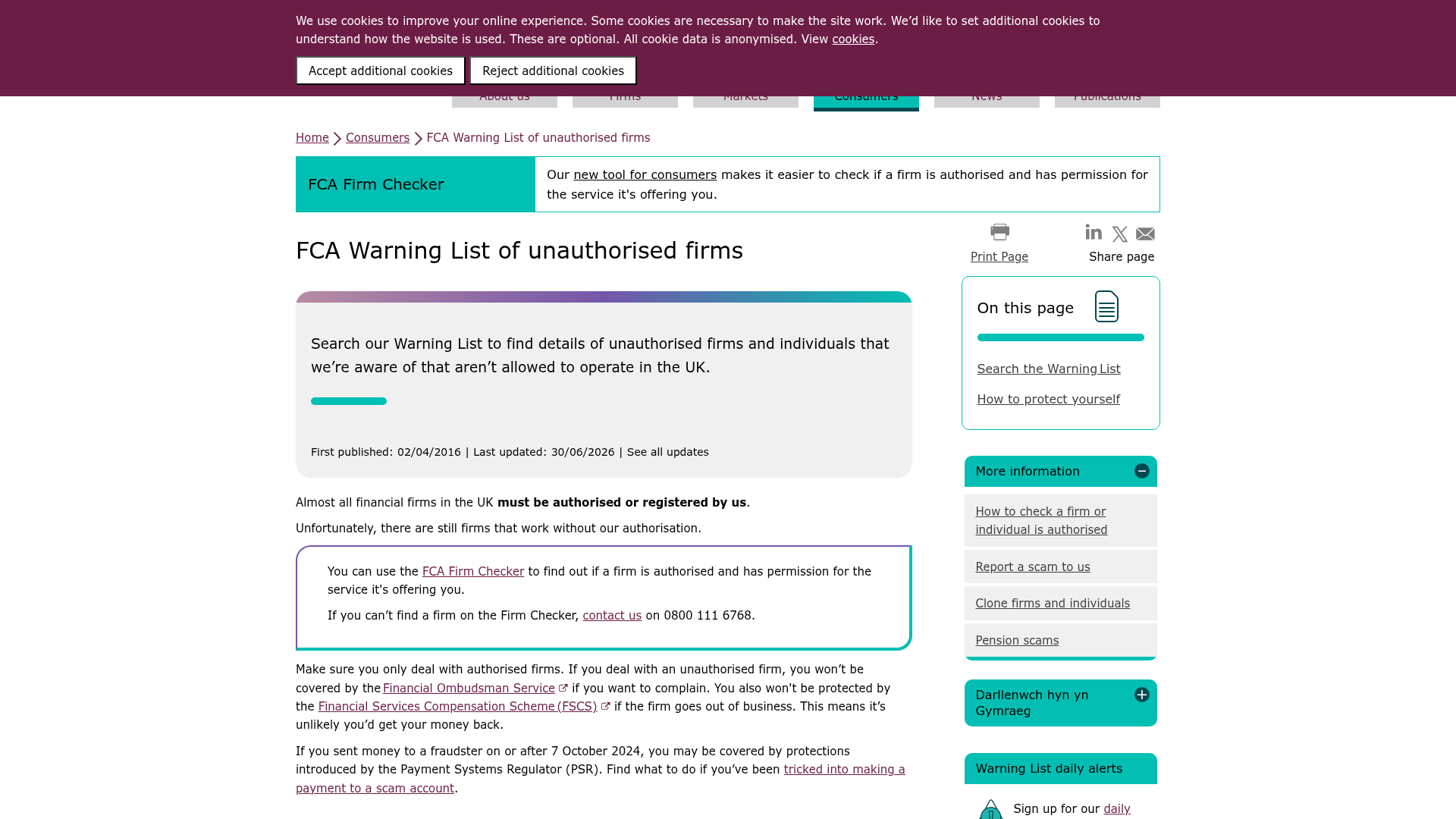
นี่คือหน้าเว็บของหน่วยงานกำกับดูแลเอง ซึ่งเราได้บันทึกไว้ตามที่พบ เปิดหน้าเว็บและทำการค้นหาเดียวกันด้วยตนเอง ไม่มีสิ่งใดในทะเบียนนี้มาแทนที่แหล่งข้อมูลต้นฉบับได้
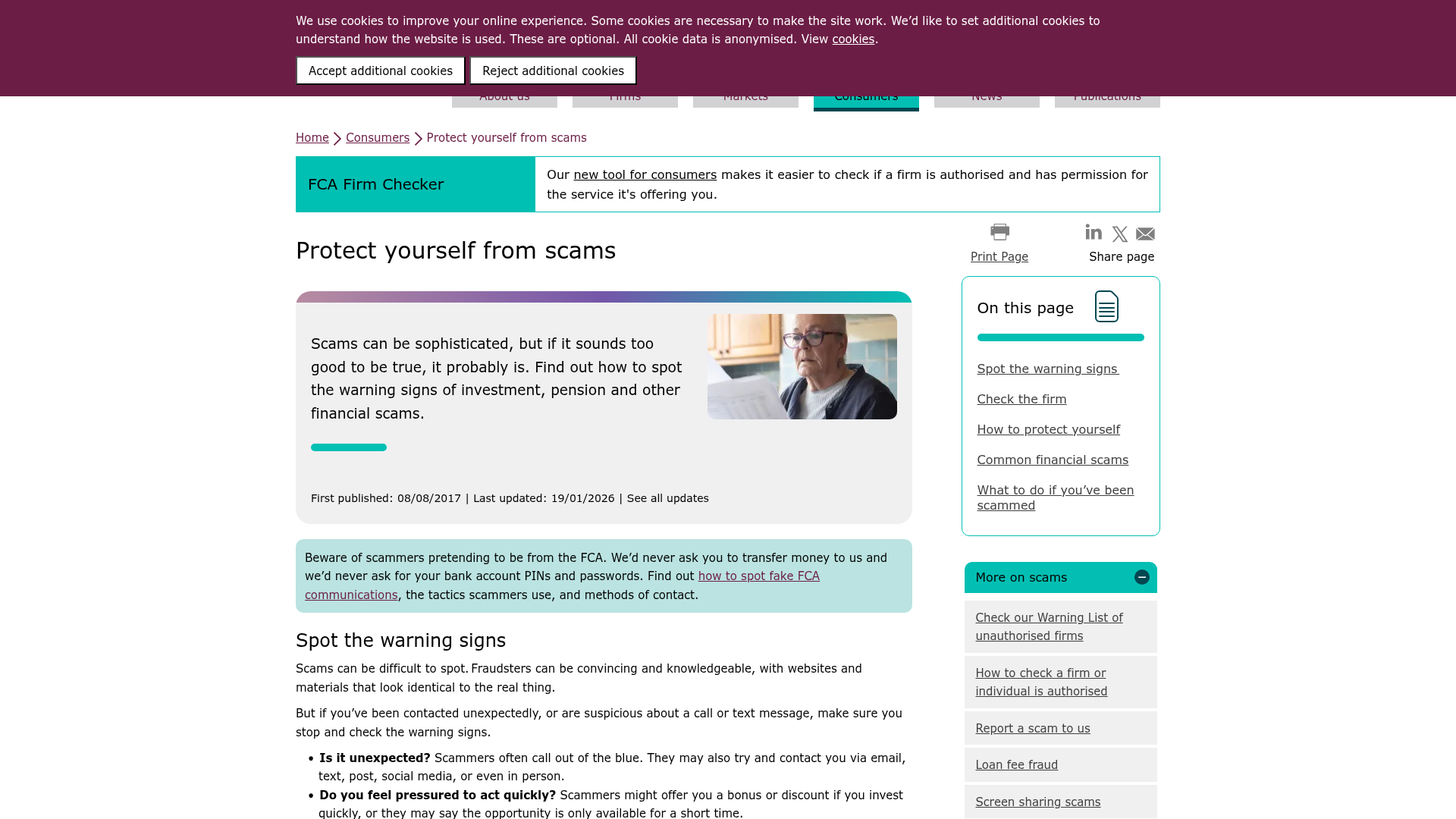
ทะเบียนอื่น ๆ ที่ใช้ในการตรวจสอบประเภทนี้ แต่ละรายการจะเปิดหน้าของหน่วยงานกำกับดูแลนั้น ๆ
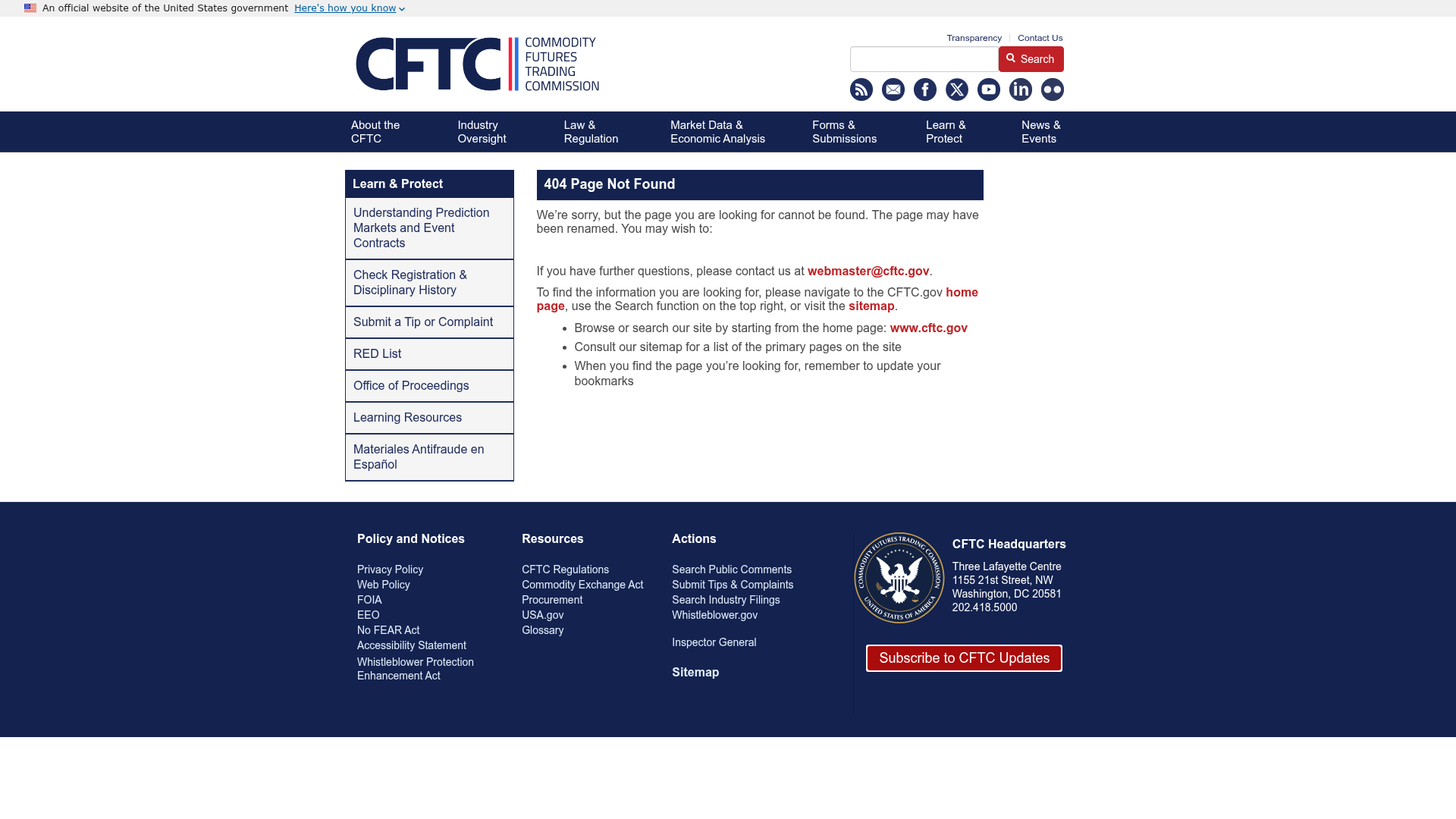
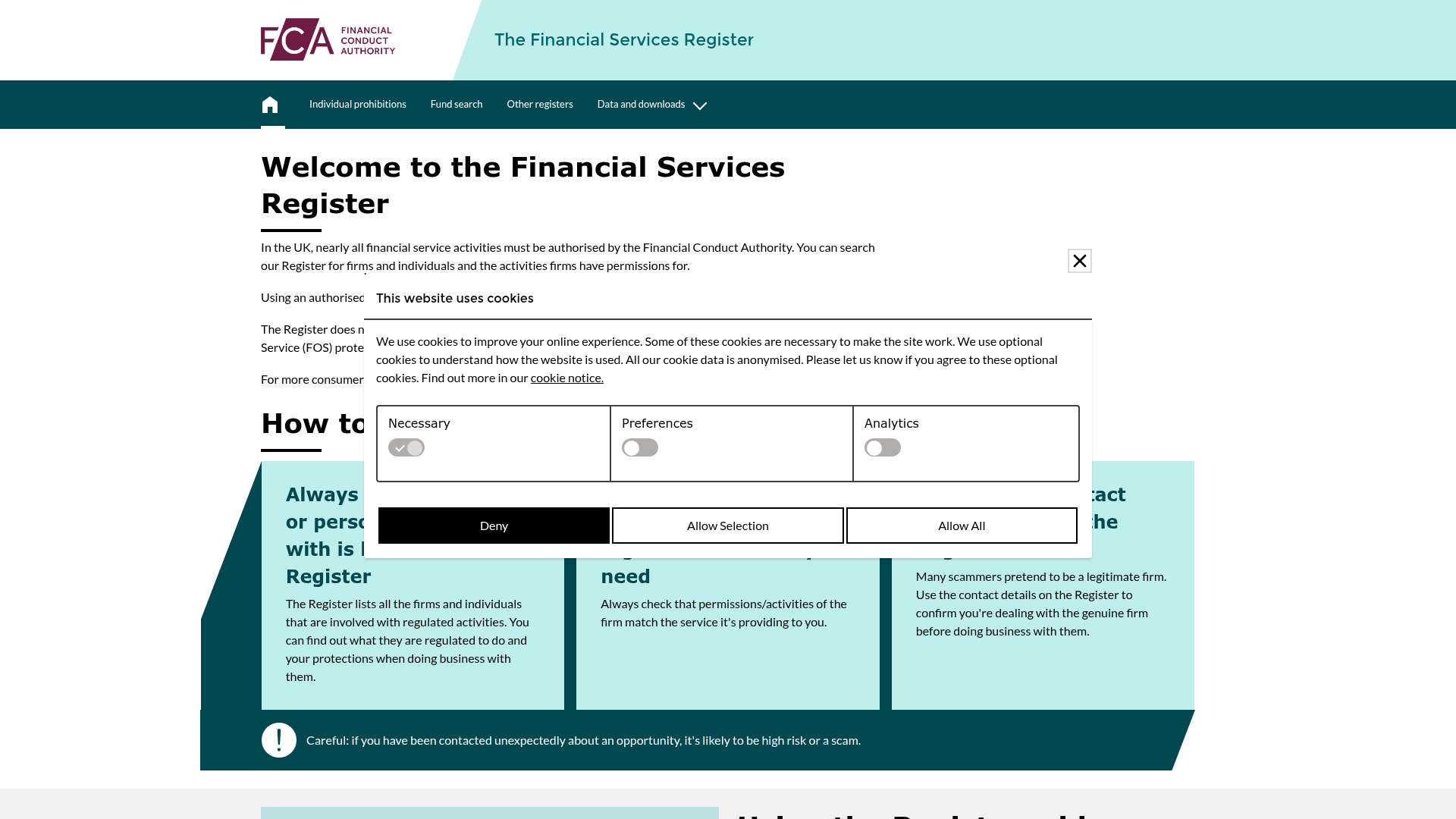
แหล่งข้อมูลหลัก
ทุกข้อกล่าวอ้างข้างต้นสามารถตรวจสอบได้จากหน้าเว็บของหน่วยงานกำกับดูแลโดยตรง ลิงก์เหล่านี้จะนำท่านไปยังเว็บไซต์ของหน่วยงานกำกับดูแล ไม่ใช่เว็บไซต์ของเรา
- FBI IC3 — Internet Crime Reportic3.govhttps://www.ic3.gov/AnnualReport/Reports
- FTC — Report fraudreportfraud.ftc.govhttps://reportfraud.ftc.gov/
- Action Fraud (UK) — reportingactionfraud.police.ukhttps://www.actionfraud.police.uk/
- FCA Financial Services Registerregister.fca.org.ukhttps://register.fca.org.uk/
- CFTC — Registration Deficient (RED) Listcftc.govhttps://www.cftc.gov/check
- Financial Services Compensation Scheme (FSCS)fscs.org.ukhttps://www.fscs.org.uk/what-we-cover/investments/
คำถามที่พบบ่อย
เหตุใดโบรกเกอร์ forex ที่ขอให้ฝากเงินด้วยคริปโตเคอร์เรนซีเท่านั้นจึงเป็นเรื่องที่น่ากังวลอย่างยิ่ง?
เป็นเรื่องที่น่ากังวลอย่างยิ่งเพราะบ่งชี้อย่างชัดเจนว่าโบรกเกอร์อาจดำเนินการอยู่นอกกรอบการกำกับดูแลทางการเงินแบบดั้งเดิม โบรกเกอร์ที่ได้รับการกำกับดูแลมักเสนอวิธีการฝากเงิน fiat ที่หลากหลาย และการเรียกร้องให้ใช้คริปโตเคอร์เรนซีเท่านั้นมักเป็นสัญญาณของการพยายามหลีกเลี่ยงการตรวจสอบการฟอกเงิน กฎการแยกเงินทุนลูกค้า และแผนการคุ้มครองนักลงทุน
ฉันสามารถกู้คืนเงินทุนได้หรือไม่ หากฝากคริปโตเคอร์เรนซีกับโบรกเกอร์ที่ไม่ได้รับการกำกับดูแล?
การกู้คืนเป็นเรื่องที่ยากอย่างยิ่ง การทำธุรกรรมคริปโตเคอร์เรนซีไม่สามารถย้อนกลับได้ หมายความว่าไม่มีกลไกการปฏิเสธการชำระเงิน (chargeback) เหมือนที่บัตรเครดิตหรือธนาคารเสนอ การระบุตัวตนและการดำเนินคดีทางกฎหมายกับหน่วยงานที่ไม่ได้รับการกำกับดูแลซึ่งดำเนินการข้ามพรมแดน โดยมักจะปกปิดตัวตน ก่อให้เกิดความท้าทายอย่างมากทั้งในทางปฏิบัติและทางกฎหมาย ทำให้การกู้คืนเป็นไปได้ยากอย่างยิ่ง
โดยทั่วไปโบรกเกอร์ที่ได้รับการกำกับดูแลจัดการเงินทุนของลูกค้าอย่างไร?
โบรกเกอร์ที่ได้รับการกำกับดูแลมีหน้าที่ต้องเก็บเงินทุนของลูกค้าไว้ในบัญชีแยกประเภท (segregated bank accounts) ซึ่งแยกต่างหากจากเงินทุนดำเนินงานของบริษัท สิ่งนี้ช่วยปกป้องเงินของลูกค้าในกรณีที่โบรกเกอร์ประสบปัญหาการล้มละลาย พวกเขายังปฏิบัติตามขั้นตอน AML/KYC ที่เข้มงวด เพื่อให้มั่นใจถึงความโปร่งใสและความรับผิดชอบสำหรับการทำธุรกรรมทั้งหมด
ฉันสามารถใช้แหล่งข้อมูลทางการใดบ้างเพื่อตรวจสอบสถานะการกำกับดูแลของโบรกเกอร์?
คุณควรใช้ทะเบียนออนไลน์อย่างเป็นทางการของหน่วยงานทางการเงินเสมอ เช่น FCA Financial Services Register (สหราชอาณาจักร), ASIC Professional Registers (ออสเตรเลีย), CySEC Regulated Entities Register (ไซปรัส) หรือเครื่องมือตรวจสอบของ CFTC/NFA (สหรัฐอเมริกา) อย่าพึ่งพาข้อมูลที่นำเสนอในเว็บไซต์ของโบรกเกอร์เพียงอย่างเดียว
การฝากเงินคริปโตให้ความเป็นนิรนามมากกว่าเงินเฟียตสำหรับการเทรดหรือไม่?
แม้ว่าธุรกรรมคริปโตบนบัญชีแยกประเภทสาธารณะ (public ledger) จะไม่แสดงชื่อส่วนบุคคล แต่ที่อยู่กระเป๋าเงิน (addresses) นั้นเป็นสาธารณะ เครื่องมือวิเคราะห์บล็อกเชน (Blockchain analytics) มักจะสามารถระบุตัวตนของธุรกรรมได้เมื่อเวลาผ่านไป โดยเฉพาะอย่างยิ่งหากเงินทุนเคลื่อนผ่านแพลตฟอร์มแลกเปลี่ยนที่มีข้อกำหนด KYC (Know Your Customer) ความเป็นนิรนามที่รับรู้นั้นมักจะถูกกล่าวเกินจริง และไม่ได้ให้การคุ้มครองในทางปฏิบัติในกรณีของการฉ้อโกงหรือข้อพิพาท
มีโครงการคุ้มครองนักลงทุนสำหรับการฝากเงินคริปโตเพียงอย่างเดียวหรือไม่?
โดยทั่วไปแล้ว ไม่มี โครงการชดเชยนักลงทุน เช่น FSCS ในสหราชอาณาจักร มักจะครอบคลุมเฉพาะลูกค้าของบริษัทที่ได้รับอนุญาตและอยู่ภายใต้การกำกับดูแลภายในเขตอำนาจศาลเฉพาะของตน และสำหรับการลงทุนประเภทเฉพาะ ซึ่งโดยปกติจะเกี่ยวข้องกับสกุลเงินเฟียตหรือหลักทรัพย์ที่มีการกำกับดูแล การฝากเงินคริปโตเพียงอย่างเดียวกับหน่วยงานที่ไม่ได้รับการกำกับดูแลจะอยู่นอกเหนือการคุ้มครองเหล่านี้
ฉันควรยังคงเทรดกับโบรกเกอร์ที่รับฝากเงินคริปโตหรือไม่ หากไม่ใช่ช่องทางเดียว?
หากโบรกเกอร์เสนอคริปโตเป็นหนึ่งในตัวเลือกการฝากเงินหลายช่องทาง และได้รับการกำกับดูแลอย่างถูกต้อง (duly regulated) โดยหน่วยงานที่มีชื่อเสียง ก็อาจเป็นที่ยอมรับได้ อย่างไรก็ตาม คุณยังคงต้องเผชิญกับความเสี่ยงด้านความผันผวนและการไม่สามารถย้อนกลับได้ซึ่งเป็นลักษณะเฉพาะของคริปโต ความแตกต่างที่สำคัญคือ *การรับฝากเงินคริปโตเพียงอย่างเดียว* (exclusivity) และการปฏิบัติตามกฎระเบียบโดยรวมของโบรกเกอร์ รวมถึงความโปร่งใสในการดำเนินงานทั้งหมด